











- Creative information of cultural artists will be available on shared BRICS digital platform
- BRICS countries will be sent to UNESCO to be declared as World Heritage Sites Shared nomination
- BRICS Culture Conference 2026 Adopted Bhopal Manifesto
- BRICS delegation overwhelmed to see the tourism sites and cultural heritage of Madhya Pradesh, shared their experiences
- BRICS Cultural Festival Be amazing Project Mausam, Greater India and Gyan Bharat exhibitions became the center of attraction
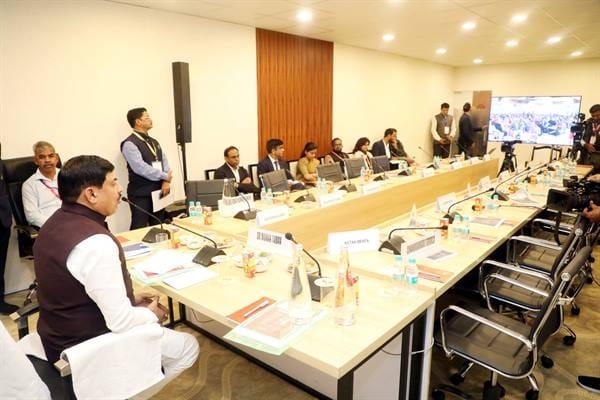
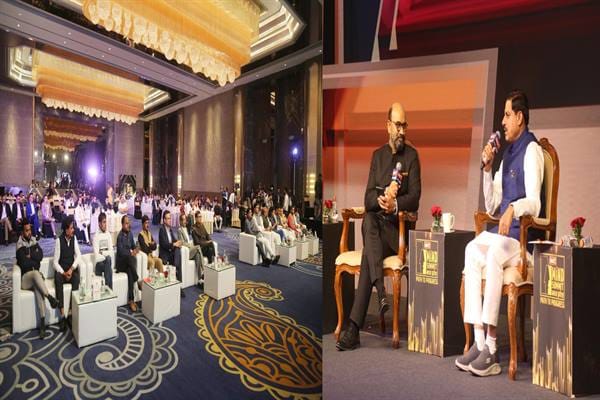
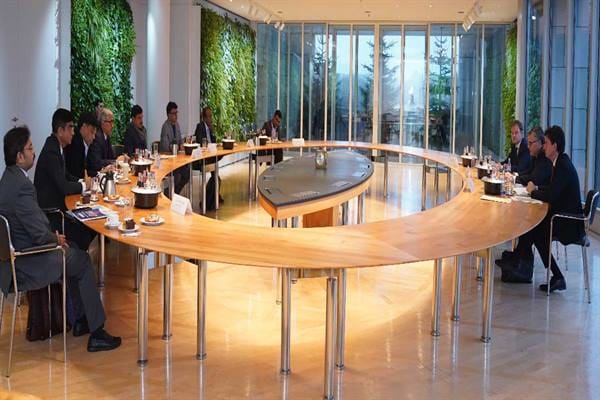
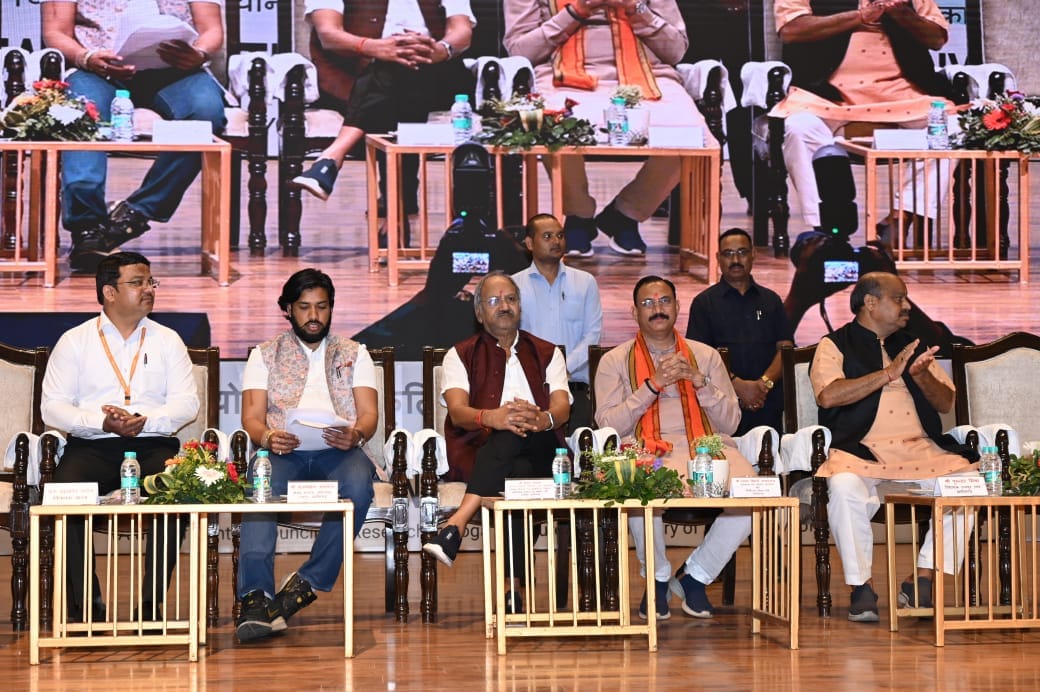
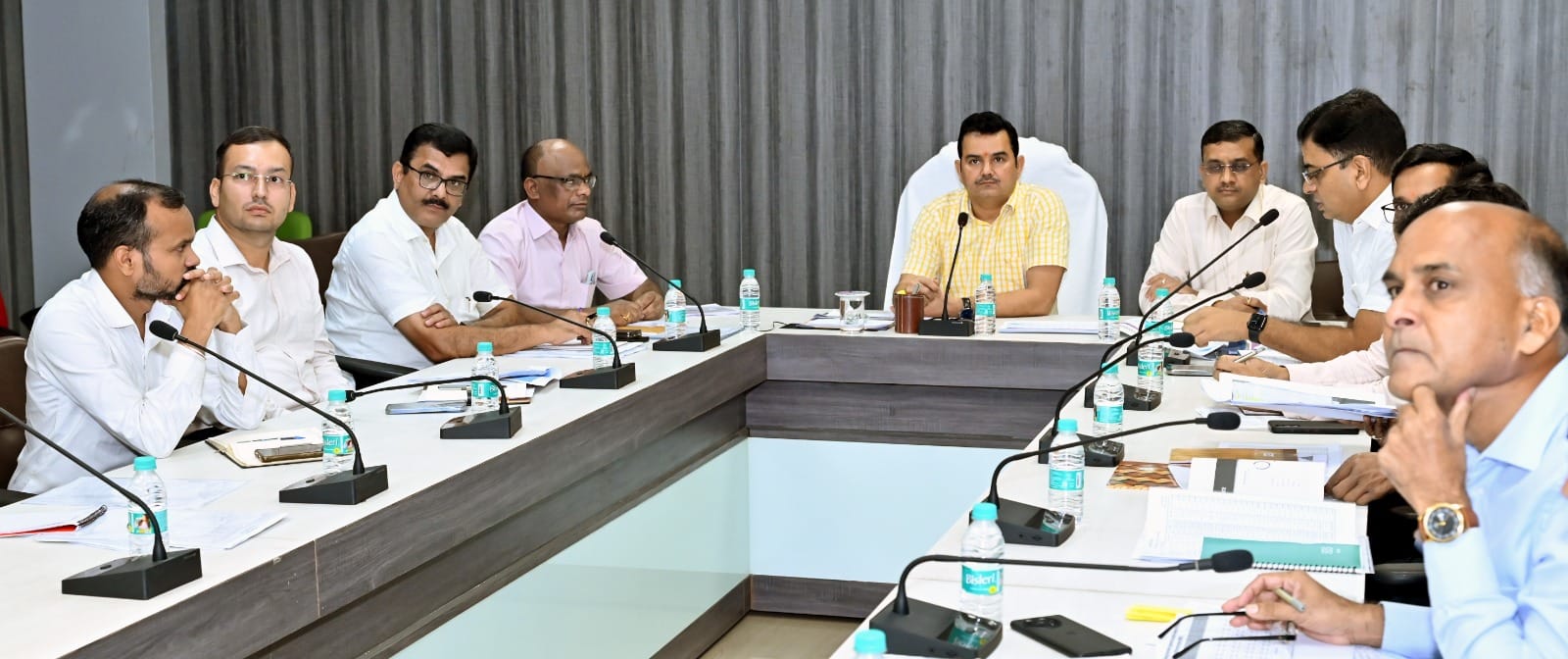
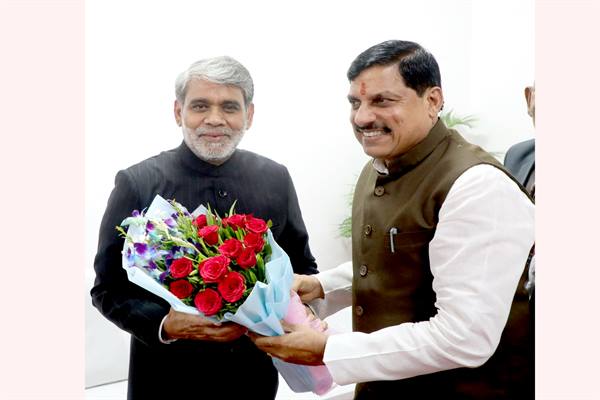
The 11th BRICS Culture Ministers’ Meeting and BRICS Culture Working Group (CWG) meetings have been successfully concluded in Bhopal. Organized with the motto of ‘Sarve Bhavantu Sukhin’ and the theme of India’s BRICS chairmanship, ‘Building for Resilience, Innovation, Cooperation and Sustainability’, this three-day global summit has created a new history of international diplomacy and cultural cooperation. This multilateral conference concluded at the Kushabhau Thackeray International Convention Center proved that when cultures, traditions and creativity come together at the global level, they create a lasting framework for peace, mutual respect and inclusive development beyond geographical boundaries.
From the eve of this historic event to its finale, Bhopal witnessed an unprecedented scene of global collaboration. A total of 55 high level delegates from 14 countries including India participated in the conference. It includes the 10 BRICS member countries—Brazil, China, Egypt, Ethiopia, India, Indonesia, Iran, Russia, South Africa and the United Arab Emirates, along with four partner countries—Belarus, Cuba, Kazakhstan, and Thailand. The magnificence of the conference can be estimated from the fact that the Culture Ministers of Indonesia, South Africa and the United Arab Emirates personally reached Bhopal and led the deliberations, while the Culture Minister of Egypt made his dignified presence online.
The event was a historic culmination of a highly structured and step-by-step process undertaken by India under the BRICS chairmanship in the field of culture. This journey began with the first BRICS Culture Working Group meeting held virtually on 29–30 April 2026. This was followed by a second working group meeting held on 4–5 June in the cultural city of Varanasi, in which policy priorities were outlined. The third working group meeting held in Bhopal on 5–6 August laid the groundwork for ministerial-level talks. These intensive and multi-level deliberations culminated in the 11th BRICS Culture Ministers’ Meeting on 8 August 2026 and the unanimous adoption of the ‘Bhopal Declaration’.

- Creative information of cultural artists will be available on our BRICS digital platform
One of the far-reaching and historic successes of the Bhopal Conference was the proposal for a ‘Voluntary Artist Registry’ presented by India, which was unanimously accepted by all participating countries. This pilot initiative launched by India will take the form of a ‘Shared BRICS Digital Platform’. This digital platform will become a strong institutional channel to connect cultural relations between BRICS countries not only at the government level, but directly connect them with artists, thinkers, architects and creative entrepreneurs.
A comprehensive directory of artists from BRICS member countries and partner countries will be prepared from this integrated digital platform. Also, policies related to cultural and creative industries, digitization of rare manuscripts, information on historical architectural heritage and shared documentation of creative practices will be available on this platform.
This initiative will give an unprecedented impetus to the rapid and transparent exchange of knowledge, technological resources and best cultural practices among the BRICS countries. Through this, artists from member countries will not only be able to learn from each other’s experiences, but will also gain direct access to global markets using digital tools. This arrangement will prove to be a revolutionary step in the direction of creating new employment opportunities in the constructive sector of BRICS countries, strengthening professional networks and deepening people-to-people contacts in a real sense.
- BRICS countries will send a joint nomination to UNESCO to be declared a World Heritage Site
Another major proposal put forward by India at the conference also reached a historic consensus, with an aim to firmly establish its own identity on the global cultural scene. Under this, the BRICS countries will submit a joint or multinational nomination of their shared architectural, historical and cultural traditions to be included in the UNESCO World Heritage List.
This initiative will highlight on the global stage the historical and cultural links that have been connecting BRICS nations across borders for centuries. This collaborative approach to joint nominations will not only strengthen multilateral cultural diplomacy, but also enhance international cooperation in the protection and management of interrelated heritages.
Furthering this spirit of protection of common heritage, the ‘Bhopal Declaration’ specifically agreed on tracing the origins of illegally removed smuggled cultural property and their safe return and restoration. For this, the possibilities of using modern technology and artificial intelligence (AI) based tracking tools have been emphasized. In addition, it is committed to safeguarding traditional knowledge systems passed down through generations, traditional cultural expressions and digitization of museums, libraries and archives to secure documentary heritage for future generations.
- ‘Bhopal Declaration’ adopted at BRICS Culture Summit-2026
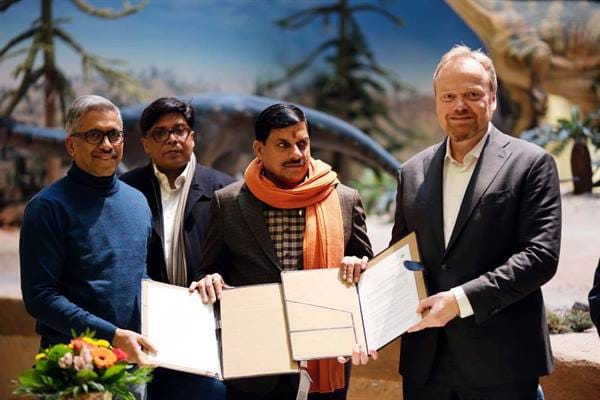
The ‘Bhopal Declaration’ adopted in Bhopal on 8 August 2026 is a concrete, practical and future-oriented outcome of multilateral talks and intensive discussions. This declaration is not just a formal document, but it presents a clear and strategic roadmap to accelerate cultural cooperation, heritage protection, digital innovation and constructive economy among the BRICS countries in the coming years.
Among the key priorities of the manifesto are cultural and creative industries as key drivers of sustainable development and economic prosperity. Through this BRICS countries have reiterated their commitment to link cultural policies with modern economy. It lays down concrete guidelines to protect the rights of artists and to deal with the challenges of the current digital age. In particular, full transparency in the use of copyrighted works in artificial intelligence (AI) systems and fair and equitable remuneration of creators for their intellectual labor is a key point of this manifesto.
This landmark document creates a permanent framework for direct partnership and sharing of expertise between major cultural institutions—museums, libraries and archives—of the BRICS countries. The ‘Bhopal Declaration’ has made it clear that the cultural agenda of the BRICS countries has now shifted beyond periodic meetings towards results-oriented and institutional cooperation.
- The BRICS delegation, impressed by Madhya Pradesh’s tourist attractions and cultural heritage, shared its experiences
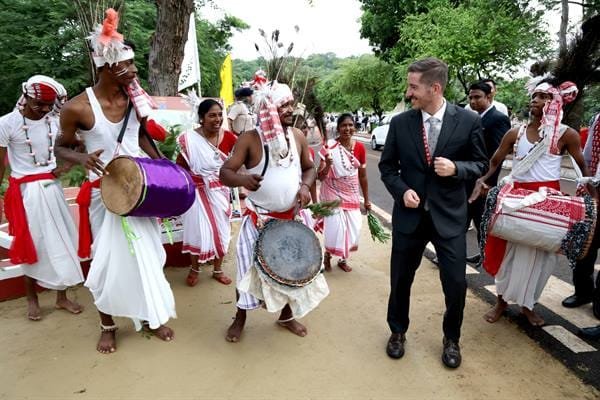
Cultural tours and hospitality programs for the BRICS delegations along with the formal sessions of the International Conference have been a very lively and memorable chapter of the event. The delegates visited the Indira Gandhi National Museum of Humanities at Bhopal to witness India’s rich tribal, folk life and civilizational journey. After this during the historical heritage walk of Bhopal, the delegates saw the unique architecture of Gauhar Mahal, Iqbal Maidan and Moti Masjid and enjoyed the rich bio-diversity of Van Vihar and an unforgettable hunting trip in Bada Talab.
The visit to the UNESCO World Heritage Sites of Sanchi and Bhimbetka was enlightening and wonderful for the delegation. A 42-member team headed by Union Culture Minister Shri Gajendra Singh Shekhawat made a thorough inspection of Sanchi’s great Buddhist Stupas, the natural structures carved on the toran gates and the museum. In the evening, the delegates experienced Lord Buddha’s life-philosophy and message of peace and compassion through a grand light and sound show. At the same time, on August 9, the delegates visited the prehistoric rock shelters of Bhimbetka, a UNESCO World Heritage Site. Representatives from various countries including South Africa, Indonesia, Russia, China discovered the gradual development of human civilization and rare examples of early human life by looking at prehistoric rock paintings dating back thousands of years.
- Overwhelmed by Madhya Pradesh’s age-old heritage and hospitality, the BRICS delegates shared their experiences:
- Shri Fadali Zone (Minister of Culture, Indonesia) described his experience of the giant stupas of Sanchi and the ancient sculptures of Bhimbetka as amazing and very enriching.
- Mr. Juan Carlos Marson (Ambassador, Cuba) described the ‘Bhopal Declaration’ as a milestone in the field of global cultural relations and said that the heritage of Sanchi and Bhimbetka is a priceless heritage for the entire humanity.
- Dr. Omid Babelian (Embassy of Iran) expressed his heartfelt gratitude to the Madhya Pradesh government and residents for this beautiful tour of Bhimbetka’s sculptures amid the beauty of Bhopal’s lakes, the historical architecture of Begums, the peace message of Sanchi and the showers of rain.
- Mr. Lucas Godoy Vilayla Barbosa (Assistant, Economic Governance Division, Ministry of Foreign Affairs, Brazil) said that it was a unique experience to witness the rock shelters of Bhimbetka, where it is clear how deep and ancient the continuity of human civilization and cultural expressions has been.
- Ms Cleon Noah (Director, Multilateral and Resource Department, South Africa) highly appreciated the friendliness, hospitality and delicious cuisine of the people of Bhopal. He described seeing the Buddhist stupas of Sanchi and the ancient paintings of Bhimbetka as a very important and memorable moment of his life journey.
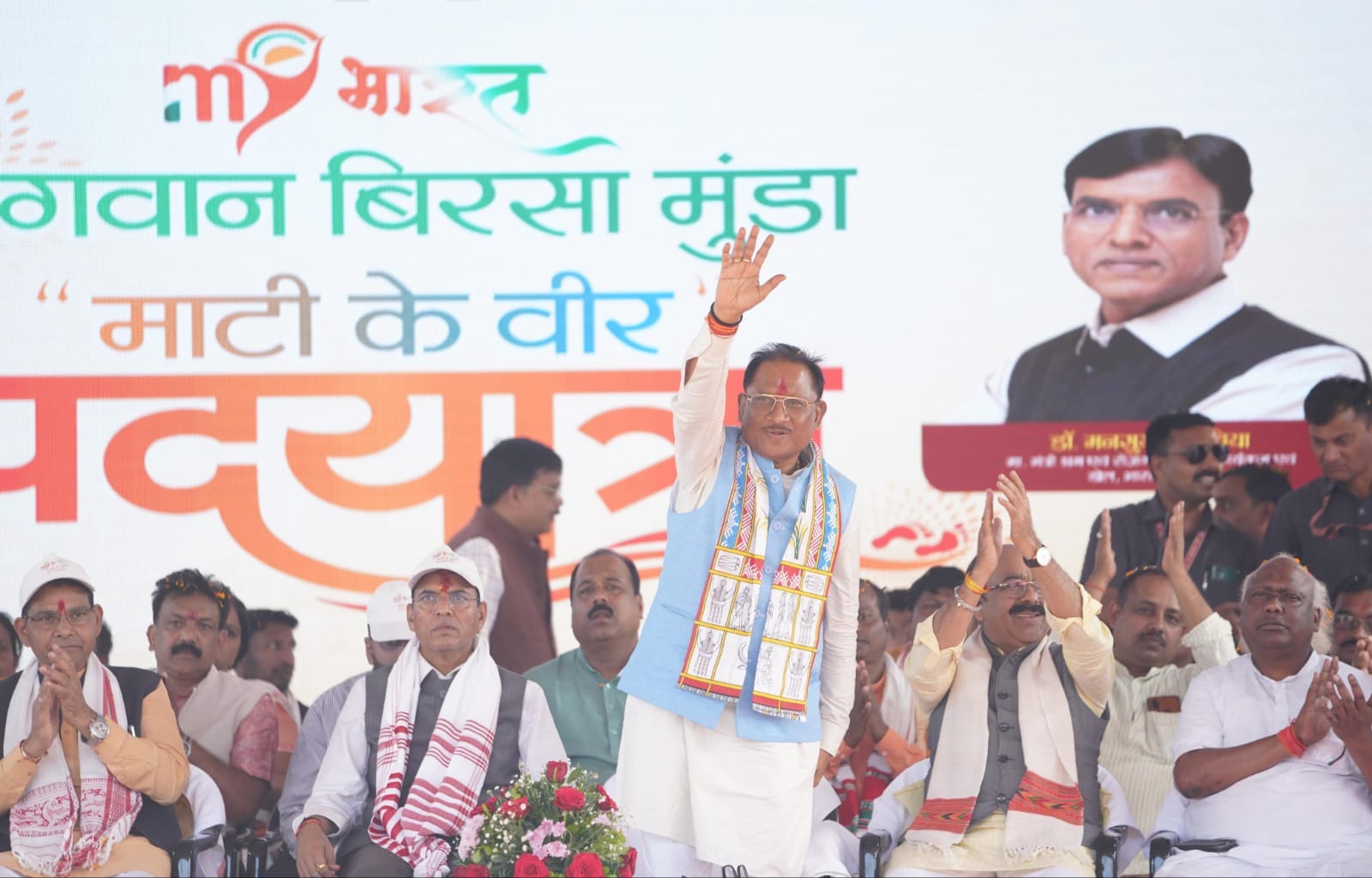
On this historic occasion, the Government of Madhya Pradesh extended unique hospitality to the delegates. Chief Minister Dr. Lunch was organized by Mohan Yadav on August 8 at Kushabhau Thackeray premises and dinner at Sanchi. These occasions added new strings of informal interaction, camaraderie and personal friendship between the delegates. Parallel to the conference, several important bilateral meetings were also held with various participating countries at the level of the Union Minister of Culture and Secretary of Culture, in which a meaningful agreement was reached on enhancing mutual cultural cooperation.
The BRICS Cultural Festival was amazing with ‘Project Mausam’, ‘Brithar Bharat’ and ‘Gyan Bharatam’ exhibitions becoming the center of attraction.
Under India’s BRICS chairmanship, the two-day grand ‘BRICS Cultural Festival’ was organized by the Ministry of Culture, Government of India on 6–7 August 2026 at the historic Ravindra Bhavan, Bhopal. The festival presented a unique vision of unity in global diversity through the musical and artistic forms of the various participating countries.
At the festival, artists from Belarus, Brazil, Indonesia, Russia and United Arab Emirates mesmerized the audience with their traditional folk and classical performances. On the Indian side, the world famous Rajasthani folk dance performance ‘Maru Ke Rang’ was staged, spreading the vibrant folk colors of India on the global stage.
The most emotional and magnificent moment of the festival was the group presentation of ‘BRICS Peace Song’. In this, the artistes of the participating countries sang along with the immortal mantra of Indian ethos ‘Sarve Bhavantu Sukhinah’ in their respective national languages. At the same time, the Indian singing group has set a wonderful example of cultural interaction by repeating this peace mantra in the languages of the respective countries.
A grand 35-minute dance-drama performance ‘Amritsya Madhya Pradesh: Bharat Ke Hriday Ki Ek Nrita-Datya Yatra’ produced by the Madhya Pradesh Culture Department was the biggest attraction of this cultural festival. A fusion of classical, folk and tribal dance styles by more than 125 skilled artists, this performance enlivened the spiritual and cultural journey of the state from prehistoric times to the modern era. It presented the cultural consciousness of ‘Omkar – Srishti ki Bharuri’, Mahakaleshwar, Omkareshwar, Raja Bhoj ki Nagri, Maa Narmada ki Pawan Dhara and the upcoming Simhastha Mahakumbh-2028 with advanced choreography and immersive multimedia techniques.
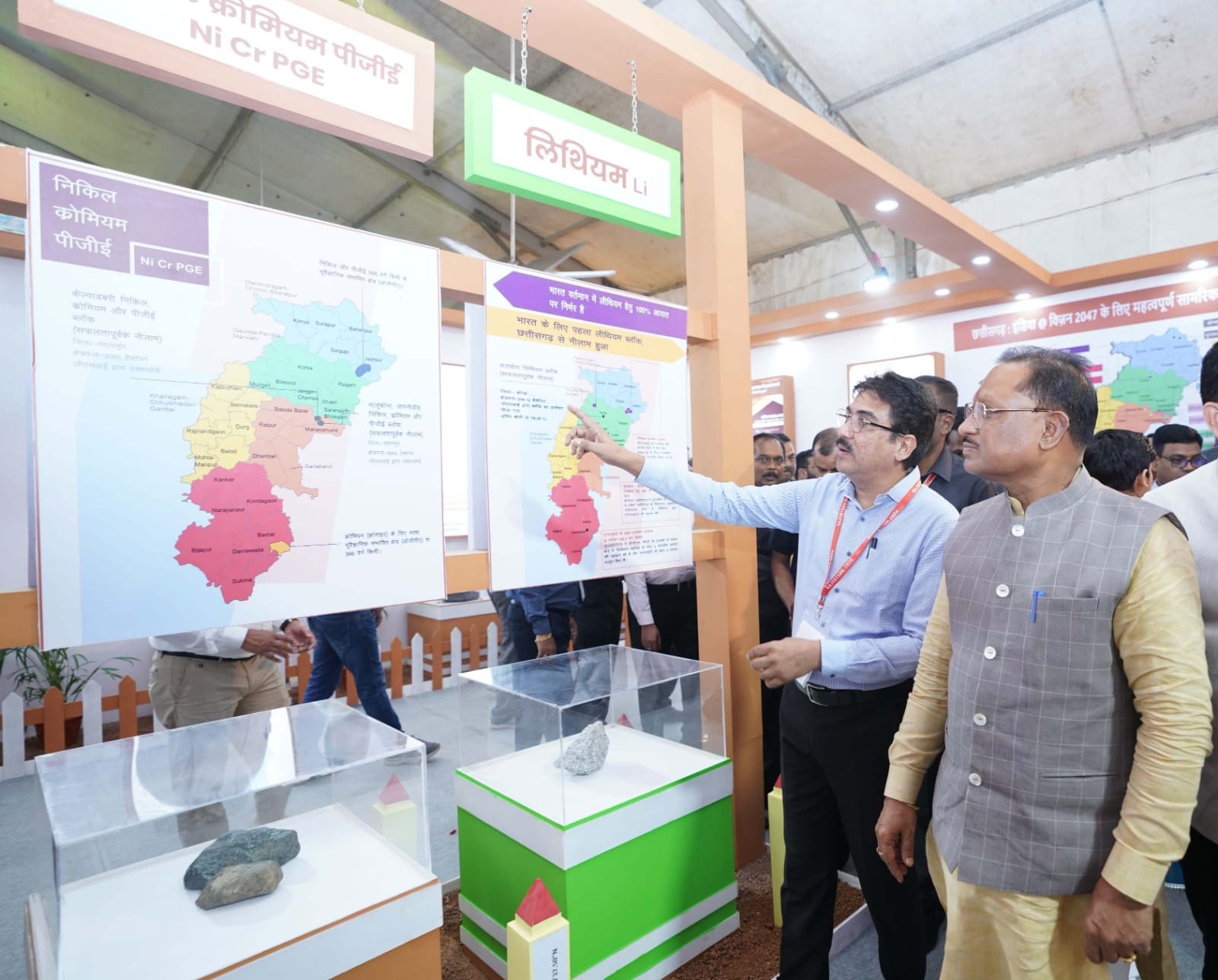
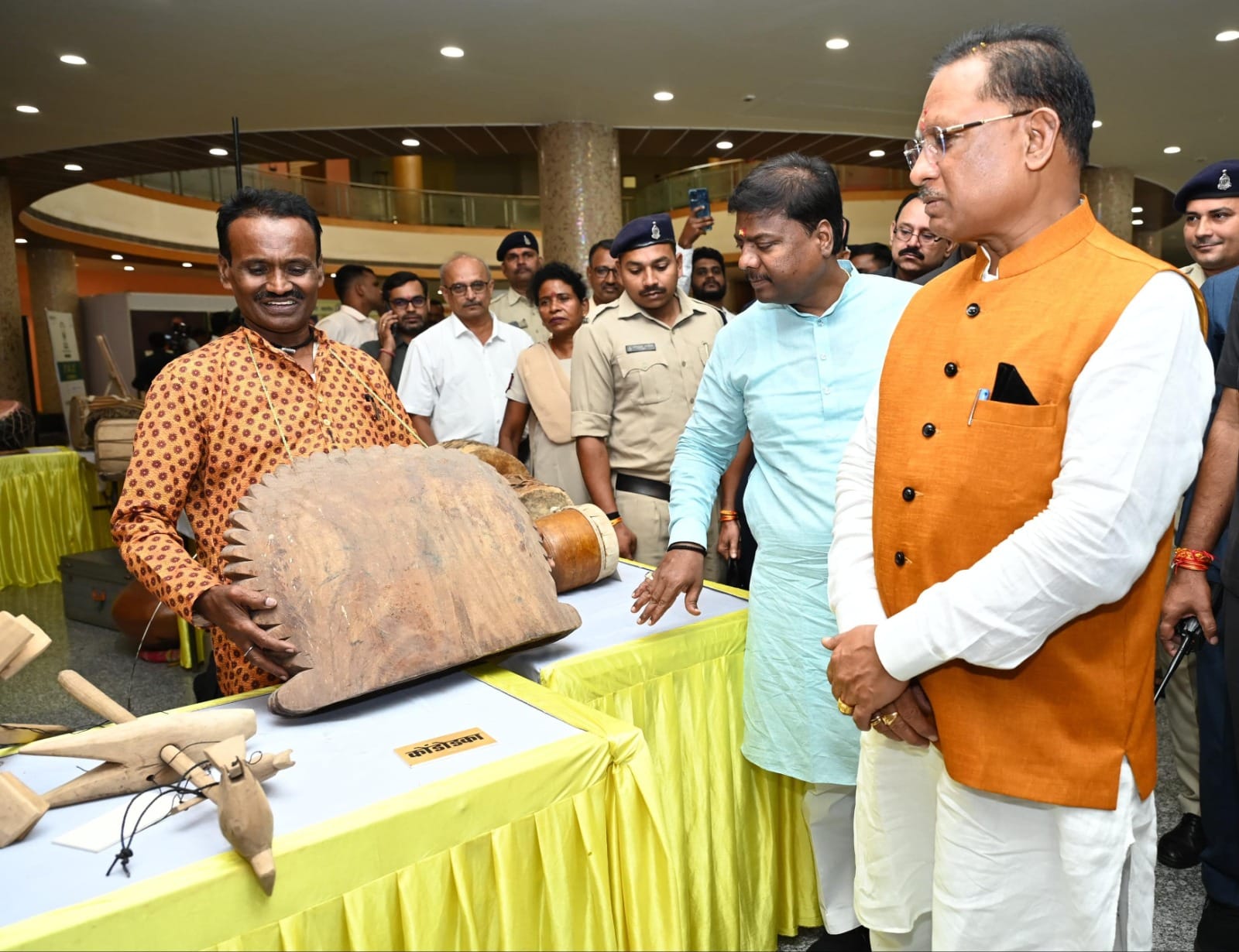
Along with the cultural programs, three special exhibitions highlighting India’s cultural heritage and global contacts were organized at the convention venue Kushabhau Thackeray Convention Center and Minto Hall, which remained a special attraction for visitors and delegates.
- Project Mausam: This exhibition impressively showcases India’s ancient trade, cultural and civilizational contacts through the sea routes of the Indian Ocean.
- Greater India: It traces the historical influence and spread of Indian art, architecture, philosophy and culture in South-East Asia and various parts of the world.
- Gyan Bharatam: This exhibition presents a comprehensive overview of India’s ancient manuscripts, scientific discoveries, astronomy and centuries-old oral knowledge traditions.
These three exhibitions gave the BRICS delegates a profound opportunity to understand that India’s culture has always stood for knowledge, peace and universal well-being.
- Bhopal ki dhara se “Sarve Bhavantu Sukhinah” ka universal message
The historic meeting of the 11th BRICS Ministers of Culture, held in Bhopal, has made it clear that cultural diplomacy is no longer limited to formal events, but has become a powerful medium to give new depth and stability to international relations.
Beginning with virtual talks in April 2026, passing through the spiritual horizons of Varanasi in June, and culminating in the ‘Bhopal Declaration’ on the historic and natural land of Bhopal in August, this journey has become an example of multilateral collaboration. Institutional frameworks like ‘Voluntary Artist Registry’, UNESCO’s common agenda, judicious use of AI and digital technologies and high-level cultural exchanges are proof that the BRICS Culture Track under India’s chairmanship has achieved far-reaching results at both the ethical and practical levels.
The Bhopal Conference has not only given a new shine to the rich tourism and historical heritage of Madhya Pradesh on the world map, but has spread the immortal message of ‘Sarve Bhavantu Sukhin’ to the entire world and laid out a strong roadmap for global peace, mutual respect and shared culture.