























- Teamwork made the event successful in limited time – DGP Mr. Makwana
Appreciated the live demonstration of modern policing, forensic technology and judicial process
The entire process from reporting of crime to final justice was demonstrated in 14 special zones
Live dramatization of modern technology including ICJS-CCTNS in the prosecution and court phase
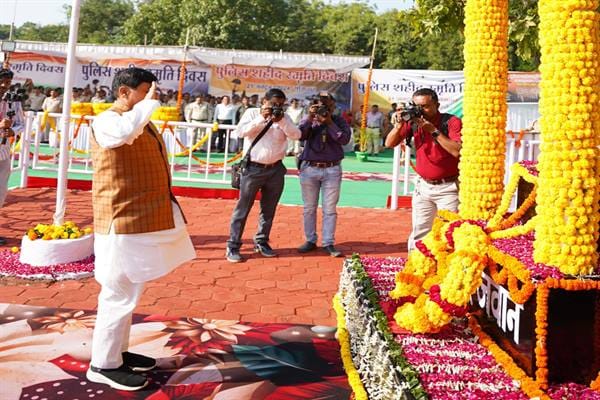
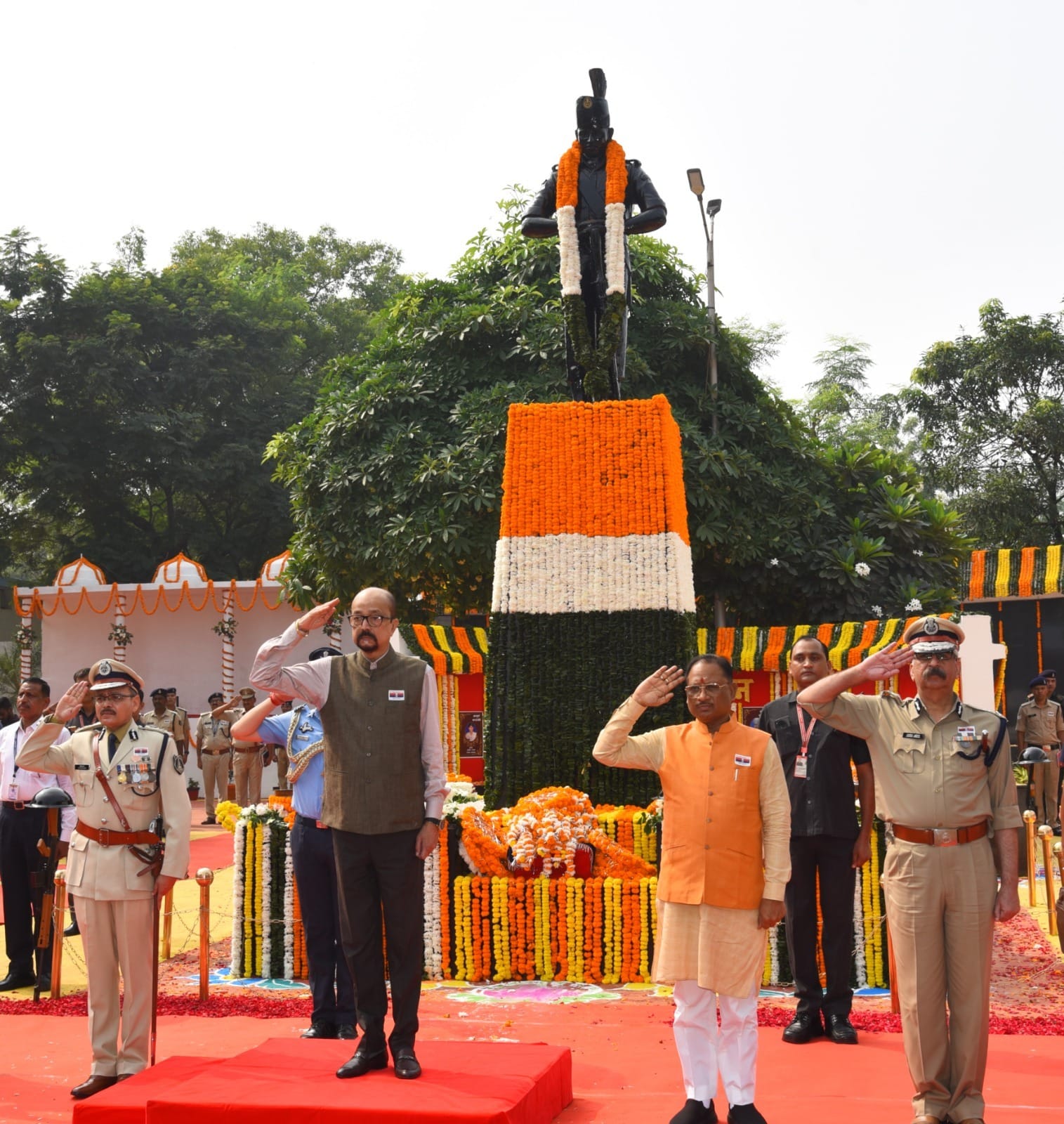
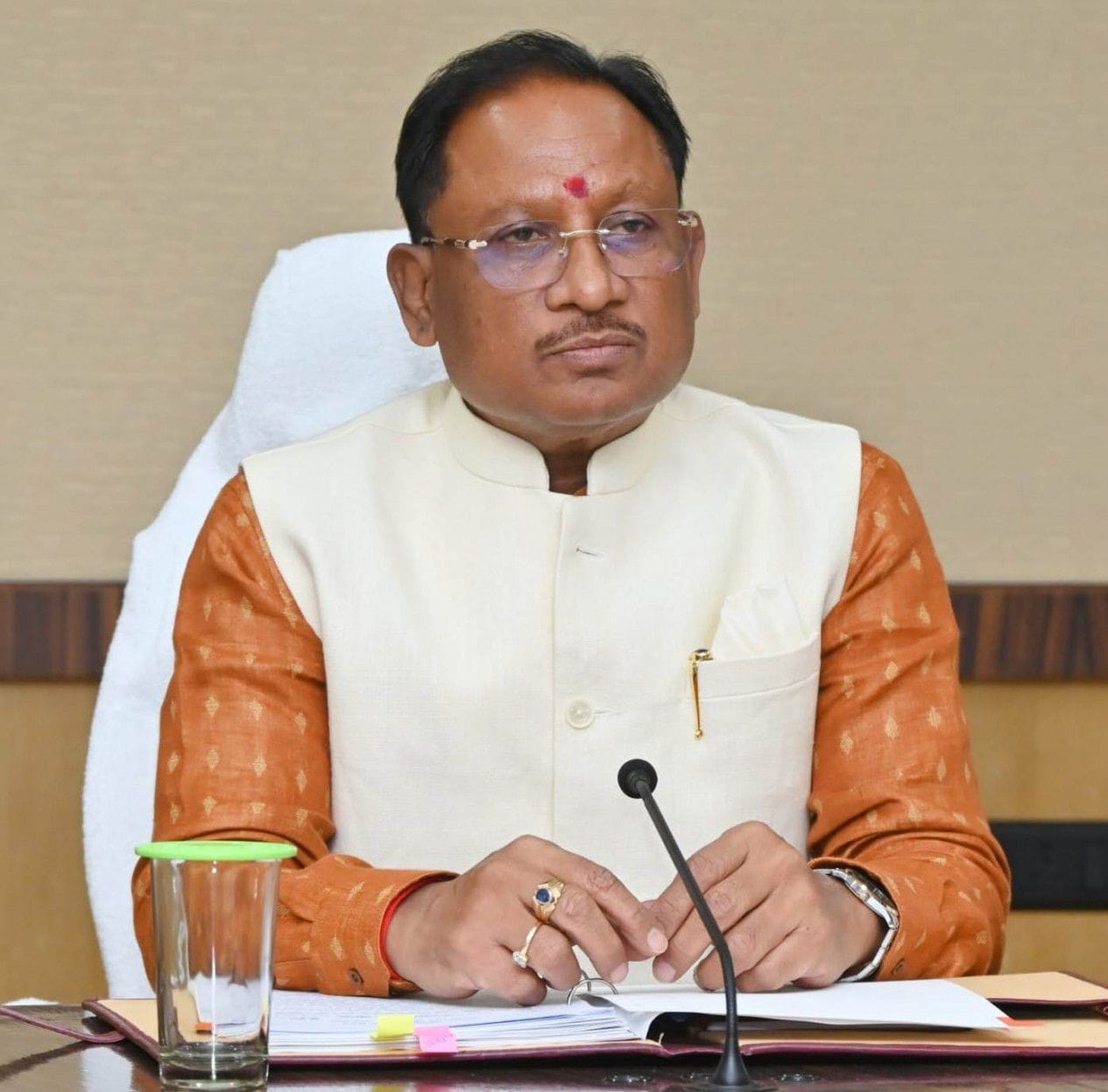
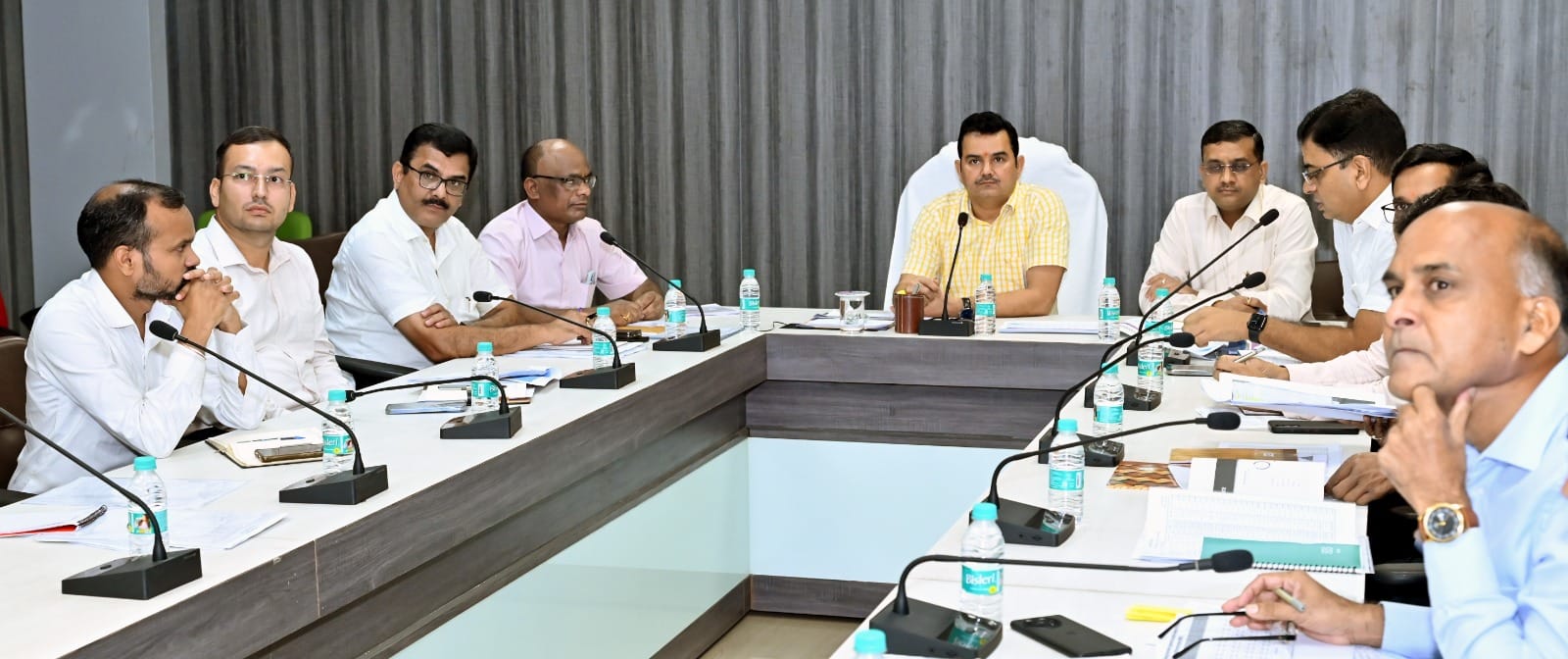
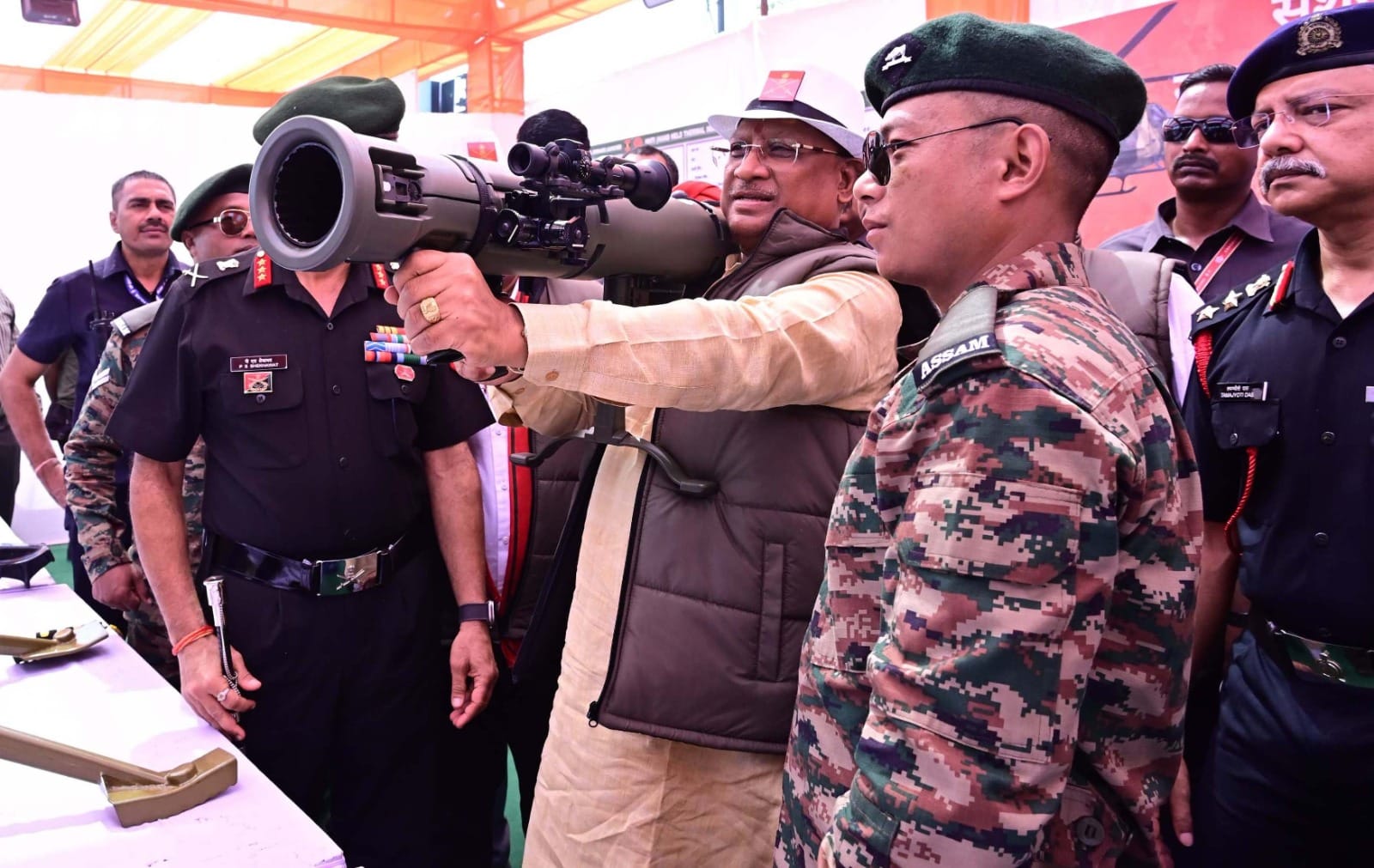
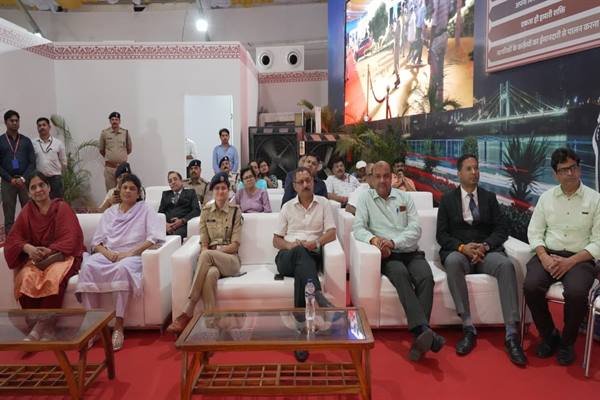
The five-day grand exhibition organized at BHEL Dussehra Ground , Govindpura with the aim of explaining the new judicial codes to the common man in a simple , easy and practical manner concluded today in the presence of Director General of Police Shri Kailash Makwana. On this occasion, DGP Shri Kailash Makwana said that after receiving information about the visit of the Union Home Minister on October 3, only six days were given for organizing the exhibition. The CID team worked continuously during holidays and prepared the outline and the event agency set up the exhibition in just two days. He said that organizing such a large scale event in such a short time is an excellent example of teamwork and dedication.
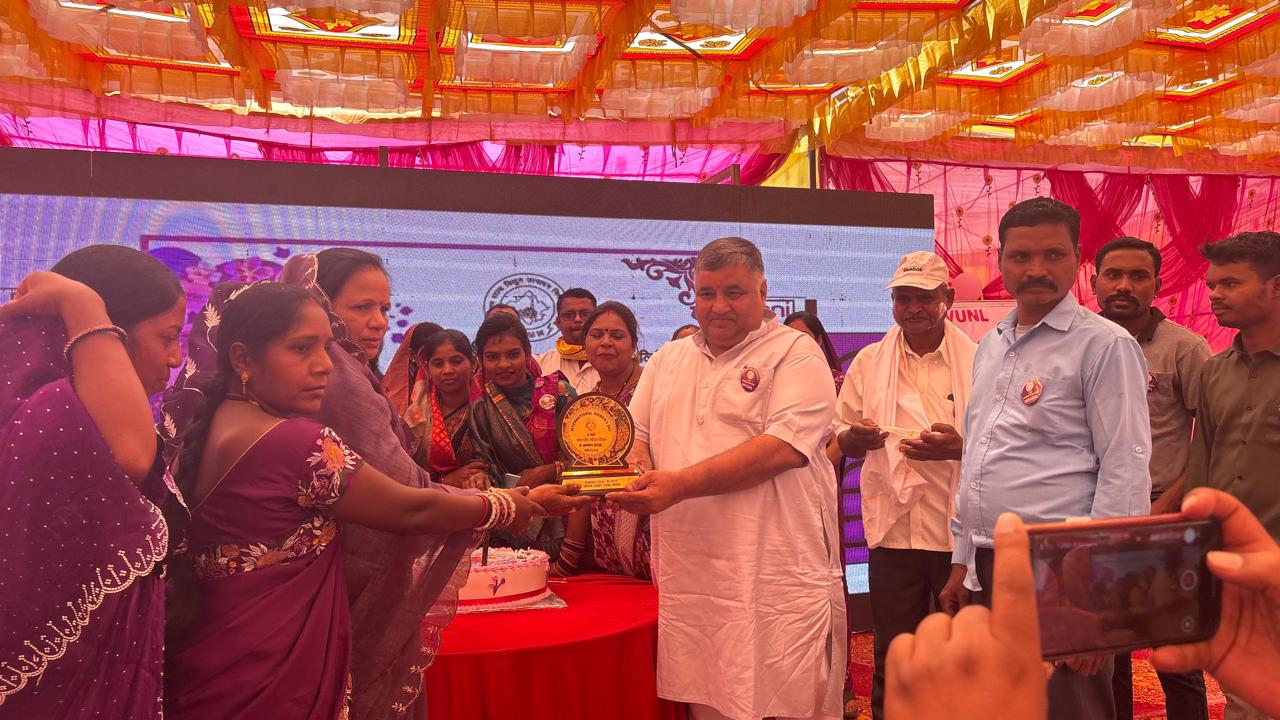
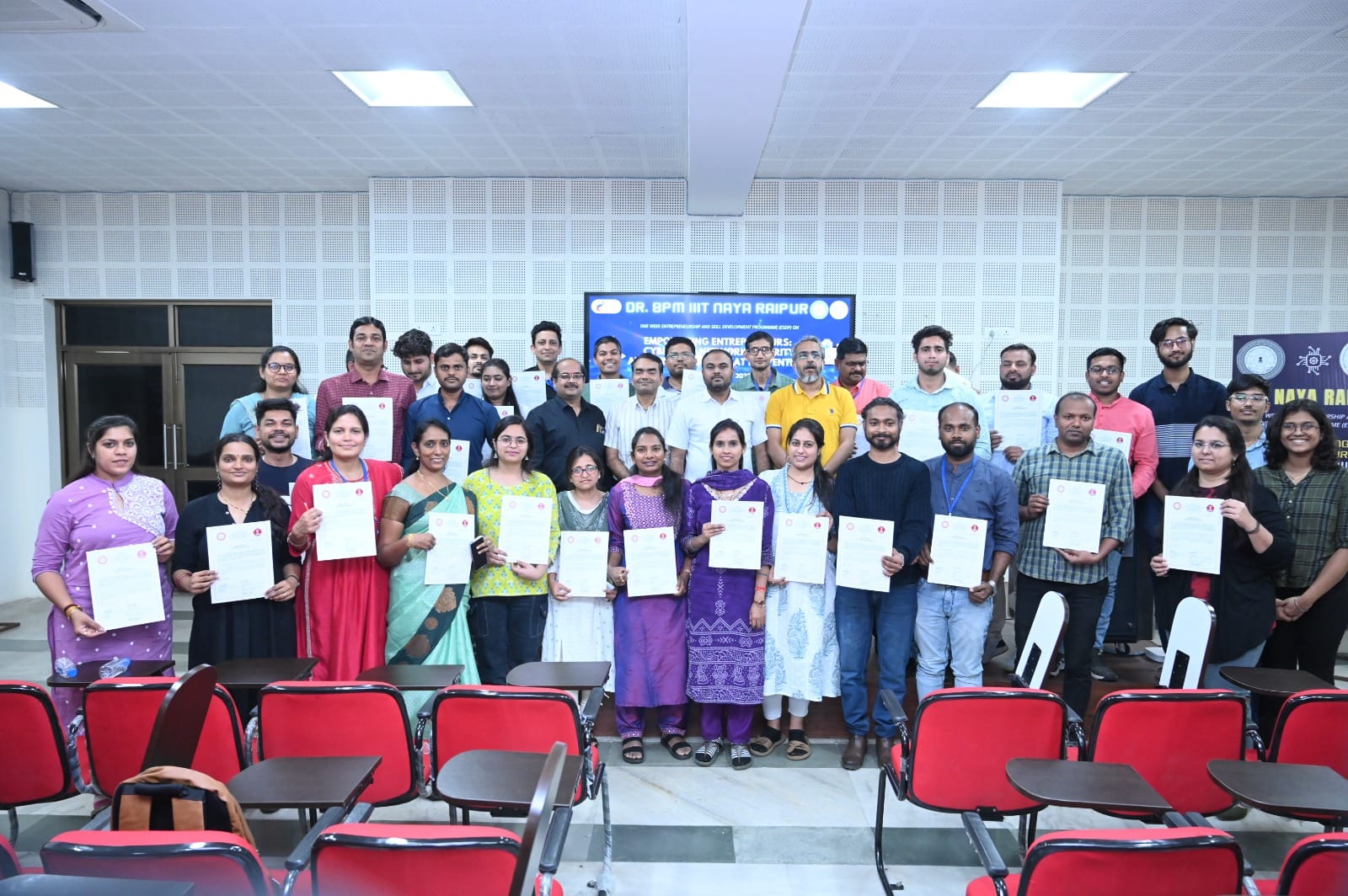
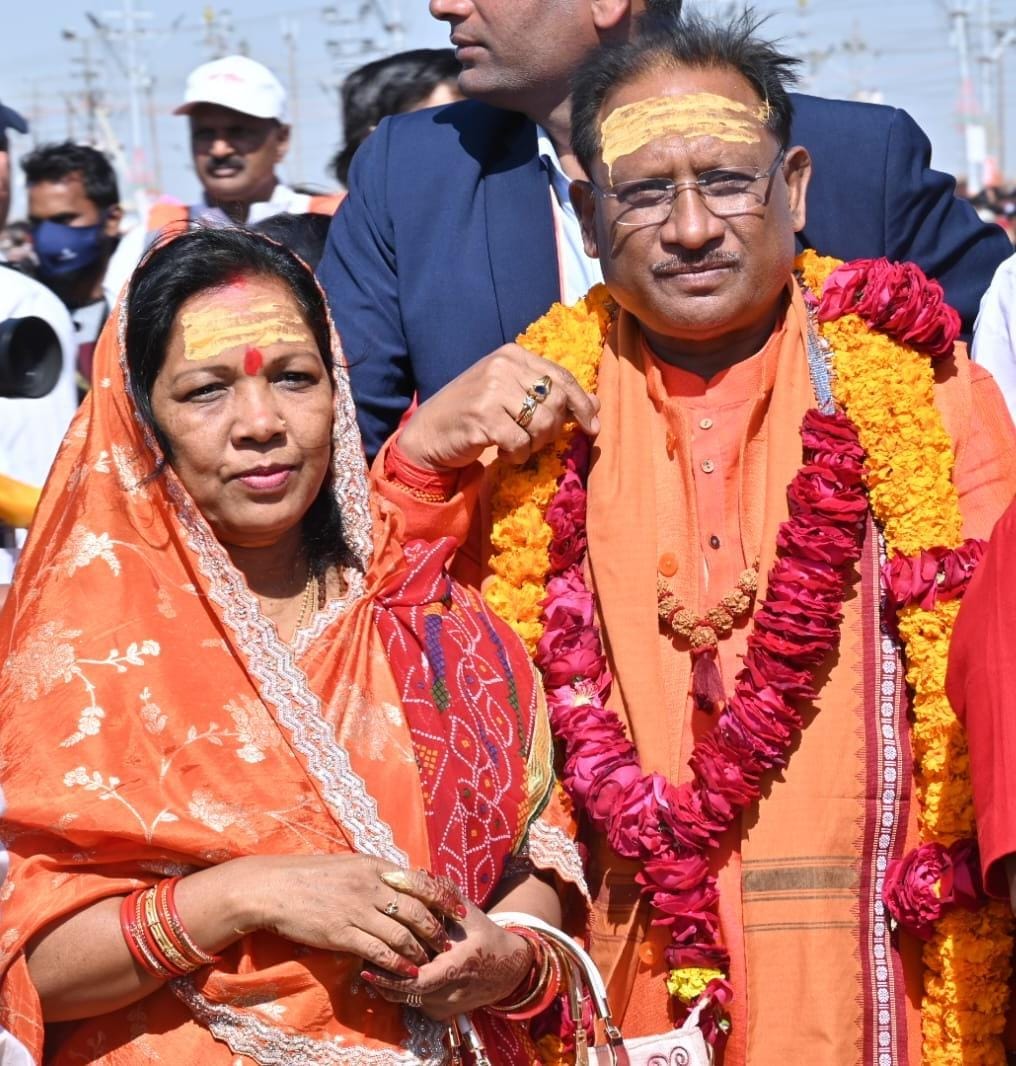
DGP Mr. Makwana especially praised the constables and said that despite getting the briefing at the last minute, they confidently informed the visitors about the new laws and modern policing. He himself, along with his family, observed the exhibition as a common citizen and understood the entire process. Director General of Police Mr. Kailash Makwana appreciated the live presentation of the entire system from crime information to police action , scientific research , forensic investigation , prosecution and judicial process on a single platform. On the closing occasion, various officers and employees including CID , Fingerprint Team , Dog Squad , Police Station Team , who made excellent contribution in making the exhibition a success, were honored by presenting certificates.
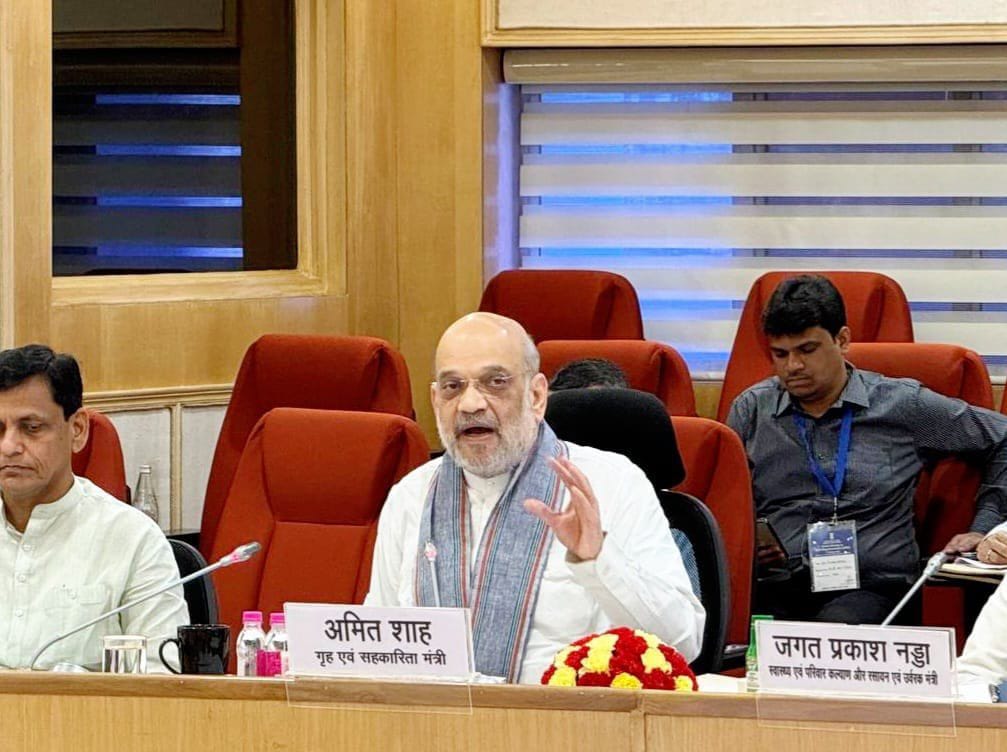
In this exhibition, organized under the guidance of the Union Home Ministry, the provisions of the Indian Criminal Justice Code ( BNS), the Indian Civil Defence Code ( BNSS) and the Indian Evidence Act ( BSA) were presented through the coordinated working of the police , forensic , medical , prosecution , judiciary and prison administration, not just limited to bookish information. Citizens got an opportunity to understand the entire working of the modern criminal justice system closely through models , digital displays , videos , live demos and live drama performances in 14 special zones.

- Live enactment of the prosecution and court phase on the last day
On the final day of the exhibition, the third phase — the prosecution and court phase—was presented through a live theatrical performance. It explained in a simple and effective manner the process of a case from investigation to prosecution , the role of the prosecution , court proceedings, and the final verdict. This live presentation also showcased the role of modern digital systems, including CCTNS and ICJS . The presentation illustrated how the coordination of digital information and procedures between various phases of the criminal justice system contributes to the speedy and systematic resolution of cases.
- Demonstration of ‘ end-to-end ‘ digital justice process through the five key pillars of ICJS
In the exhibition, the criminal justice process was presented in digital form from beginning to end through ICJS (Inter-Operable Criminal Justice System) and CCTNS (Crime and Criminal Tracking Network & Systems) . Based on the principle of ‘ One Data , One Entry ‘ , the use of technology and mutual coordination at various stages from police to prosecution , health and forensic , jail and court was demonstrated in this system. At the police level, the process of filing FIR , collecting digital evidence , e-Zero FIR and investigation management was demonstrated through CCTNS and e- Evidence. Information was also given about digital facilities like audio-video recording of search , seizure and crime scene related processes and e-Summon .
At the prosecution level, the process of rapid assessment of charge sheets , digital scrutiny of case files, and digital integration of case information with police databases through the e-Prosecution portal was explained. At the health and forensic level , the standardized creation and electronic transfer of medico-legal examination and postmortem records through MedLEaPR (Medico-Legal Examination and Postmortem Reporting), and the system of scientific case tracking and evidence verification through e-Forensics were demonstrated.
At the prison administration level, information was given about systems like digital prison management , prisoner information and tracking , remand monitoring , e-Parole and rehabilitation management through the e-Prisons system. At the judicial level, digital judicial process , electronic hearing , digital service of summons , virtual testimony of witnesses and remote hearing system were presented live through e-Courts, Nyay Shruti and e- Summon . Thus, the use of digital technology and mutual coordination at every stage of the criminal justice system, from police to court, was explained in an integrated manner in the exhibition.
- The entire process of ‘ from incident to justice ‘ was explained through a theatrical presentation.
The theatrical presentation, prepared under the auspices of the Crime Investigation Department for the exhibition, vividly presented the entire process from the occurrence of the incident to police assistance , the functioning of the police station , investigation and analysis of the crime , medical assistance , scientific research , forensic examination , prosecution and court proceedings. This presentation also showcased the practical use of new legal codes and the modern justice system. The theatrical presentation was directed by Mr. Anand Yadav. Senior officers praised his hard work , dedication and creative contribution in preparing the presentation in a limited time and presenting it to the public through the exhibition.
- A glimpse of modern technology in crime investigation from NAFIS and the MCU
The exhibition also prominently showcased the use of modern forensic techniques in crime investigation. The process of identification based on chance prints, such as fingerprints and palmprints, obtained at crime scenes through NAFIS (National Automated Fingerprint Identification System) was explained. Information was provided on the process of scientifically preserving such fingerprints and matching them to the national fingerprint database.
Similarly, the process of collecting biometric and identification data from criminals through the MCU (Measurement Collection Unit) was demonstrated. Information was provided about the use of iris scans , standardized digital photography, and other identification parameters. Efforts being made to make crime investigation more scientific and technologically efficient through these technologies were highlighted to the public.
- Modern reasoning strengthened by scientific evidence
In the exhibition, through 3D crime scene model, securing the crime scene , scientific collection of evidence , photography and videography and the role of forensic experts were explained in a live manner. Information was also given about Mobile Forensic Units, FSL and various scientific investigation methods like DNA, Biology, Chemistry, Toxicology, Ballistics, Physics and Voice Analysis . Along with this, the process of preparing forensic report through e-Forensic 2.0 , its digital maintenance and making it available to the police and court was also explained through a live presentation.
- Technology-based police services from Dial 112 to cyber security
The exhibition showcased the process from receiving an emergency call through Dial 112 to gathering information , dispatch , police response and monitoring by senior officers. In the Cyber Security Zone, information was provided on prevention of online fraud , immediate information on 1930 , ‘ Golden Hour ‘ of cyber fraud , E-Zero FIR and safe digital behavior. Citizens were made aware to be alert against cyber crime and to lodge complaints on time.
- Information about ‘ Operation Muskaan ‘ and Women Help Desk was also given.
The exhibition provided information about the police process of finding missing children , technical analysis , CCTV, interstate coordination, and safely returning them to their families through Operation Muskaan . Police assistance available to women through the Women’s Help Desk , their legal rights, and a sensitive first contact system were also showcased.
- Students and youth described the exhibition as useful and informative.
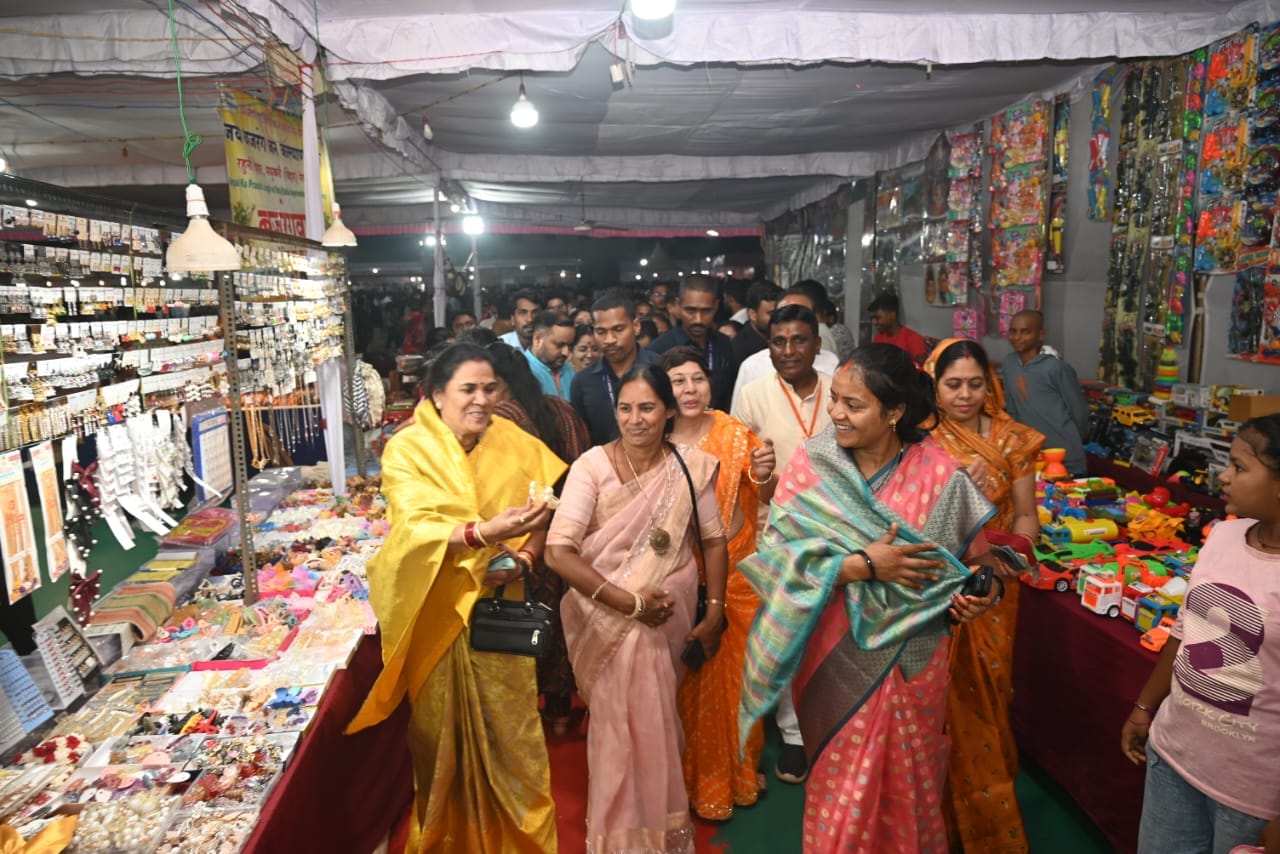
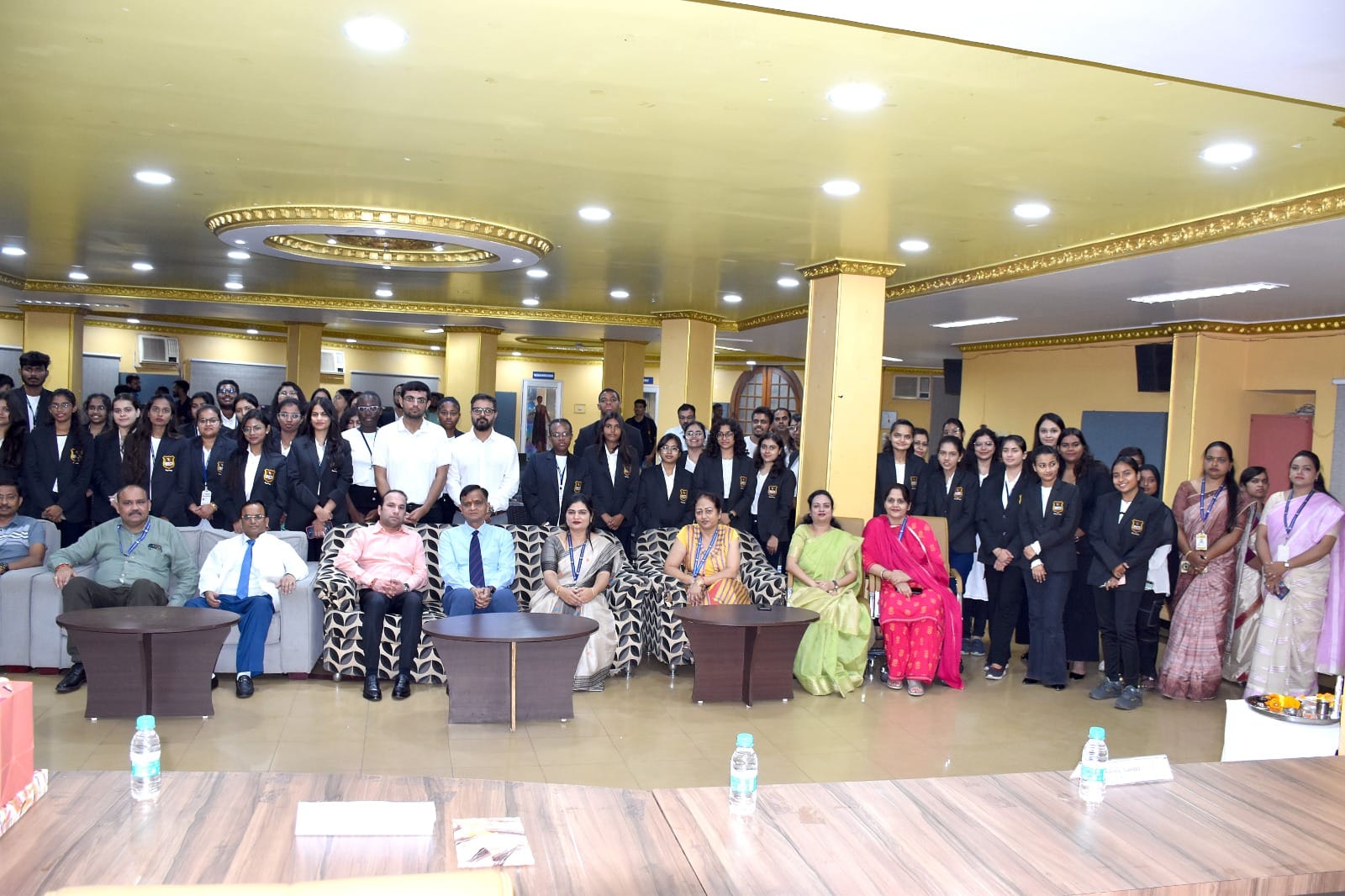
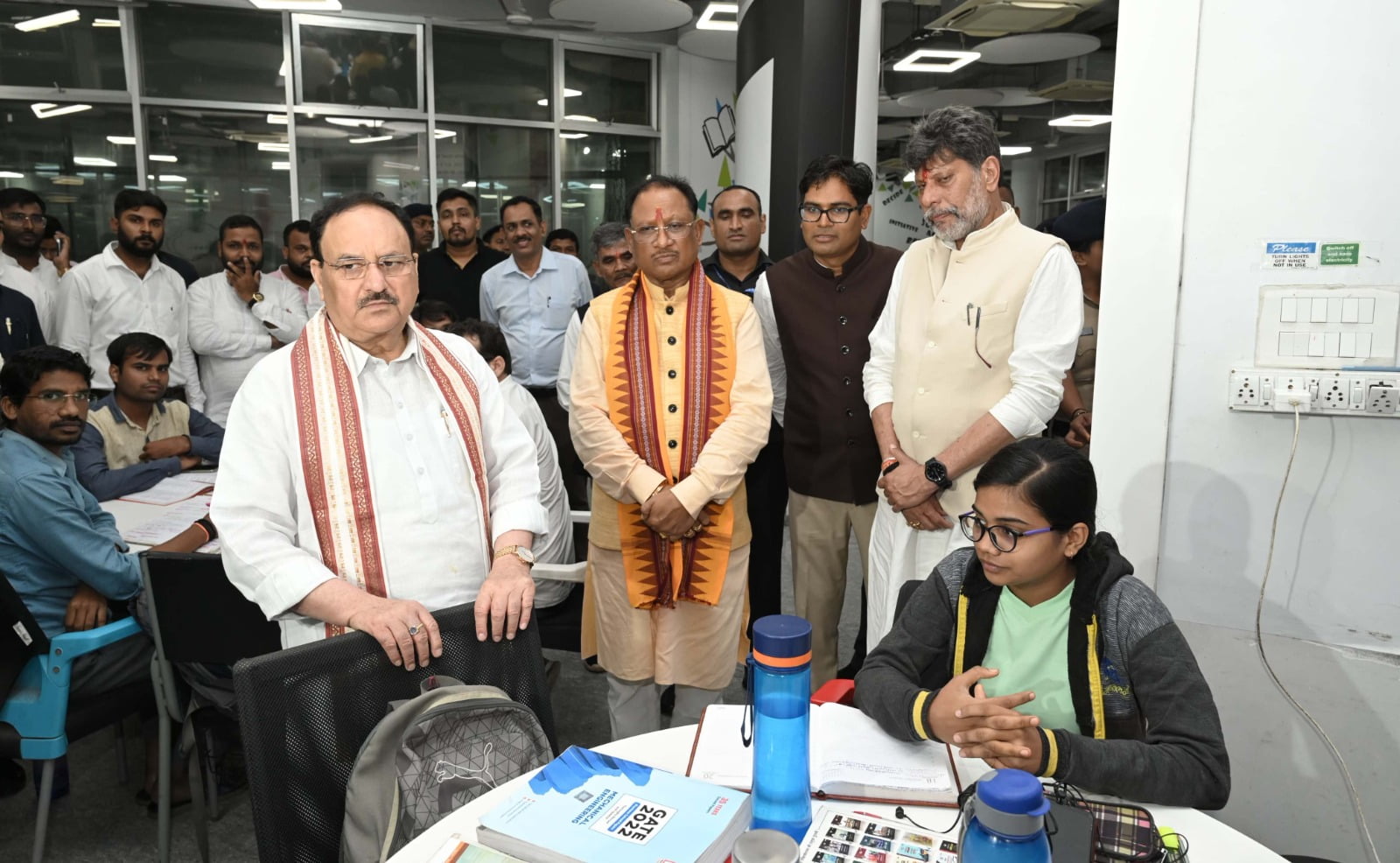
Citizens , students, and youth enthusiastically participated in the exhibition over the five days . Students viewed demonstrations related to forensic science , Dial 112, policing , prosecution, and judicial procedures, and participated in live quizzes. Young visitors found the presentations on modern technology , forensic research , civil defense, and the judicial process useful , informative, and a valuable learning experience.
- An innovative initiative to connect the common man with the law and justice system
This exhibition based on the new judicial codes was not limited to providing information about the laws , but also gave the common people an opportunity to understand how the police takes action after receiving information about an incident , how scientific evidence is collected and examined , what is the role of prosecution and how the case reaches final justice through the judicial process.
Through the exhibition, the workings of the technology-enabled , scientific , integrated, and citizen-centric modern criminal justice system were conveyed to the public through simple language , digital technology, and live theatrical performances. The highlight of the five-day event was that citizens , students, and youth had the opportunity to read, see , understand, and experience the law, as well as learn about it .
On this occasion, Special Director General of Police Mr. Pankaj Srivastava , Deputy Inspector General of Police Mr. Saket Prakash Pandey , Mr. Prashant Khare , SO to DGP Mr. Malay Jain , Assistant Inspector General of Police Mr. Manish Khatri , Mr. Santosh Bhadauria were present.