









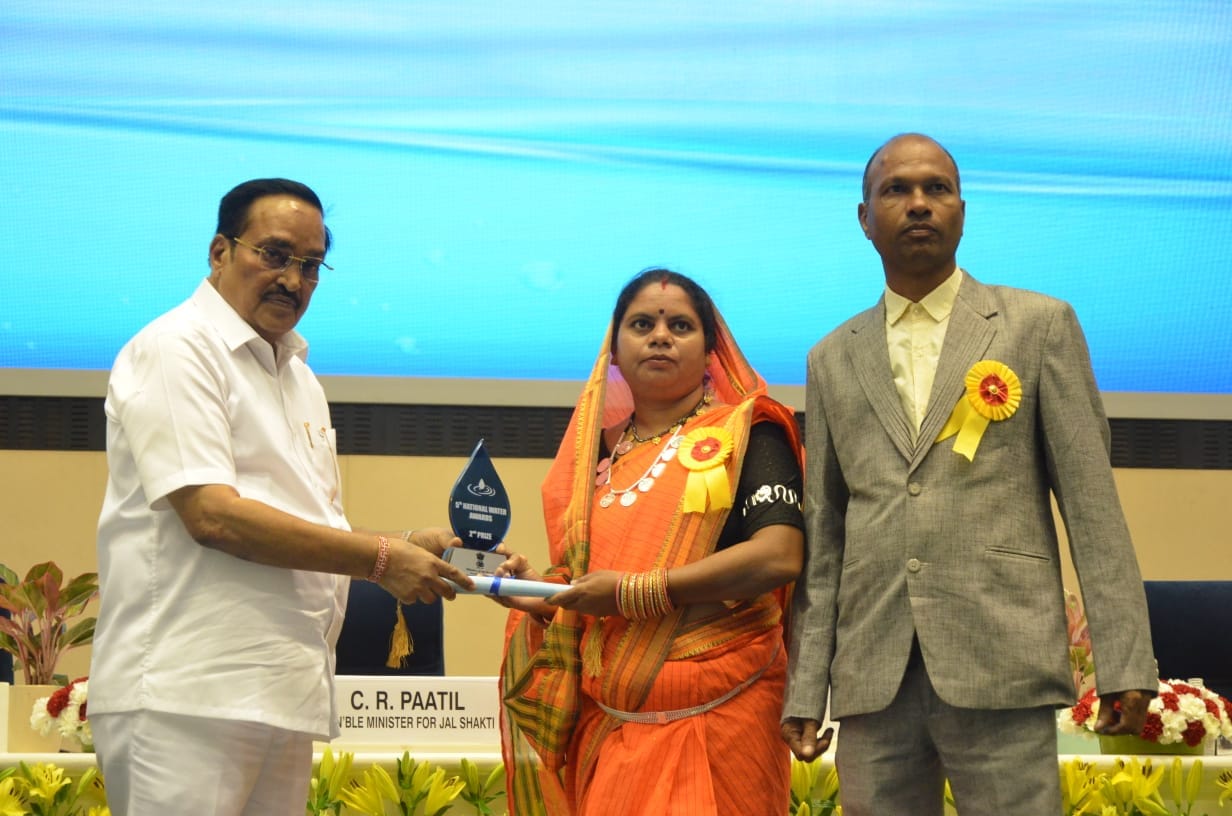




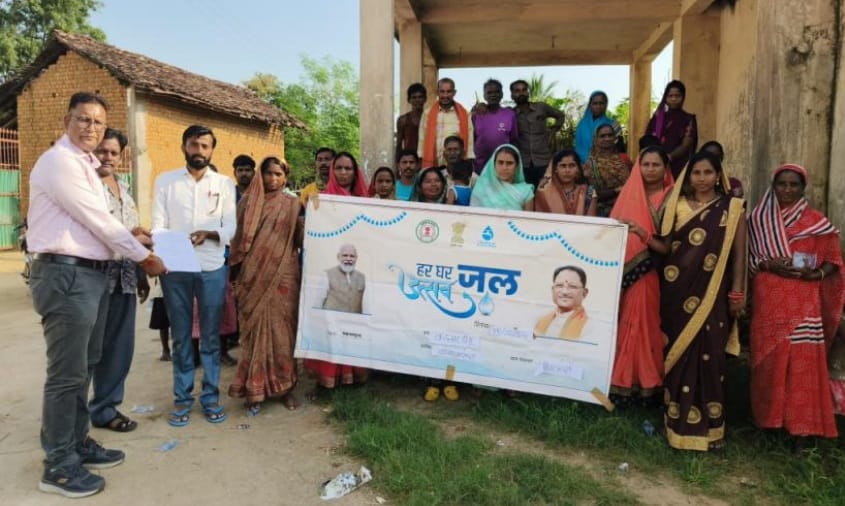






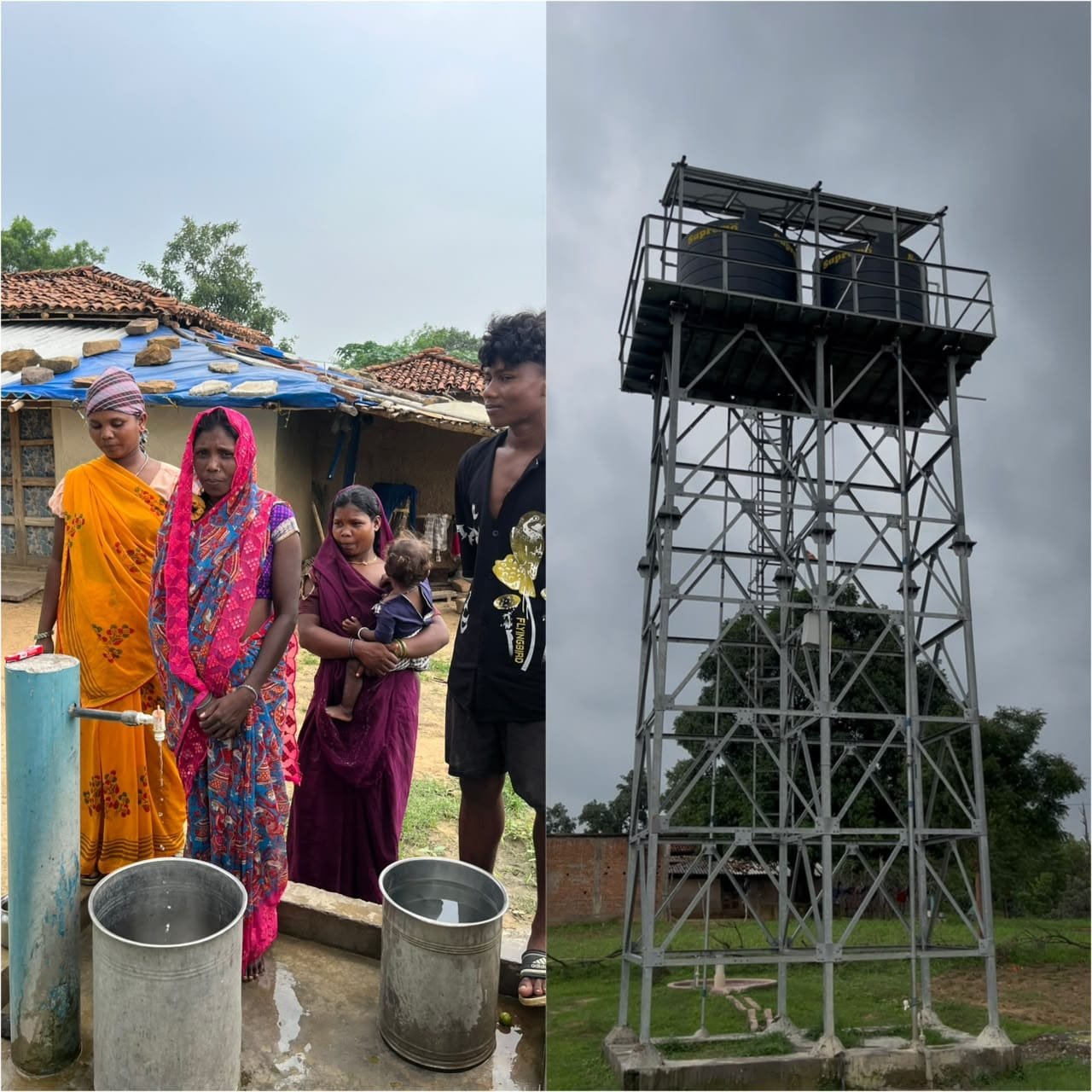
- Jal Jeevan Mission has transformed the lives of villagers, providing relief to women and the elderly as water reaches their homes.
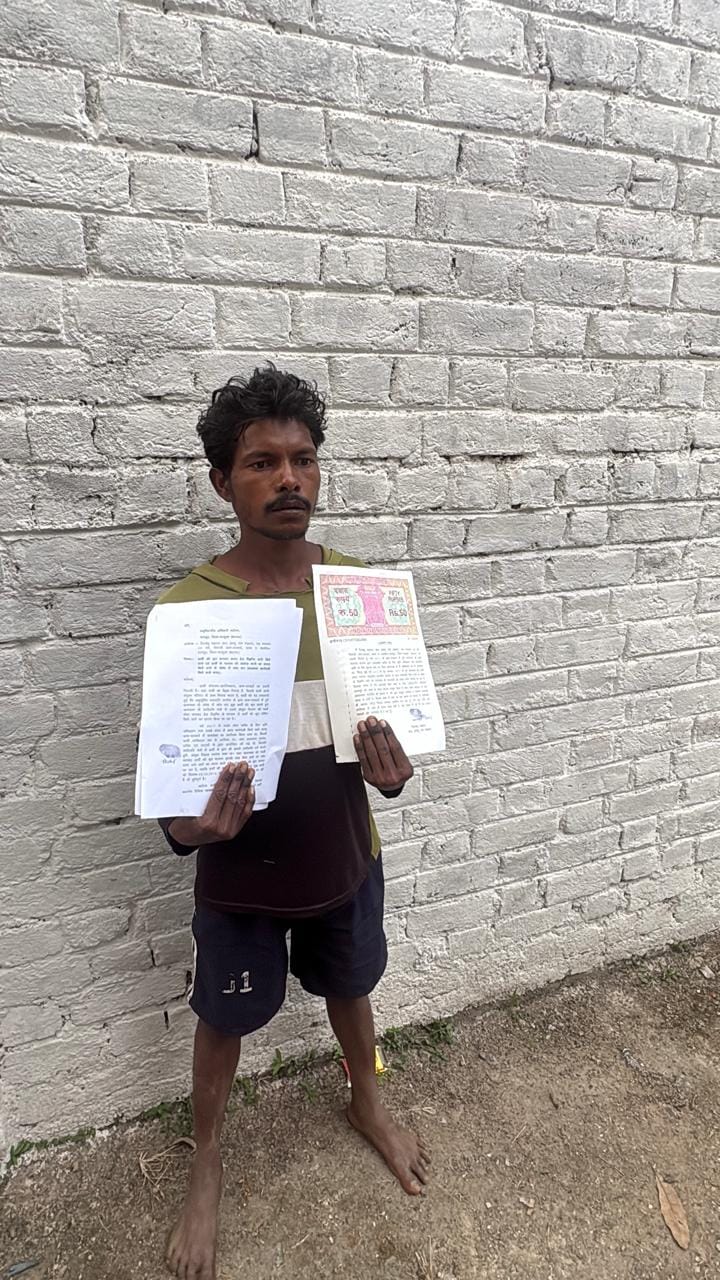
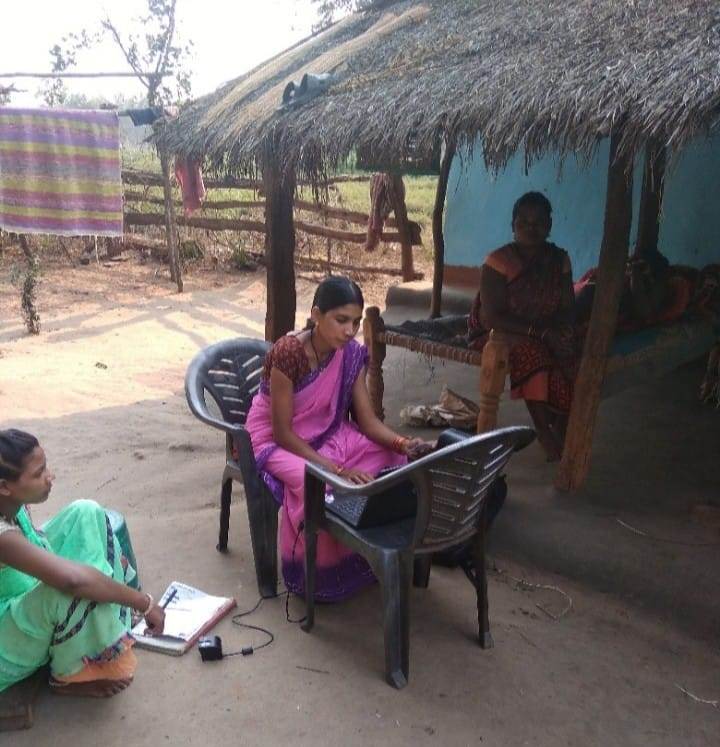
Traveling long distances for water was once a daily necessity for the villagers of Baiga Para in Paradol. Whether it was summer or rainy season, they had to rely on hand pumps, rivers, and wells for drinking water. Fetching water required hours and considerable effort. This was even more difficult for women and the elderly. But today, the landscape of this very Baiga Para has changed. The Jal Jeevan Mission has not only solved the water problem but has also ushered in a new era of convenience, sanitation, and awareness in rural life.
- When one had to travel long distances for water
Till some time ago, getting water for household use was a big challenge for the villagers of Baiga Para of Paradol. Due to dependence on distant water sources for drinking water, the villagers had to spend a lot of time every day fetching water. The responsibility of carrying water mainly fell on women and elderly members of the family. This water problem not only affected everyday life but also took away the time and labour of the villagers. The need for a permanent drinking water system in the village was felt for a long time.
- Jal Jeevan Mission provided the solution
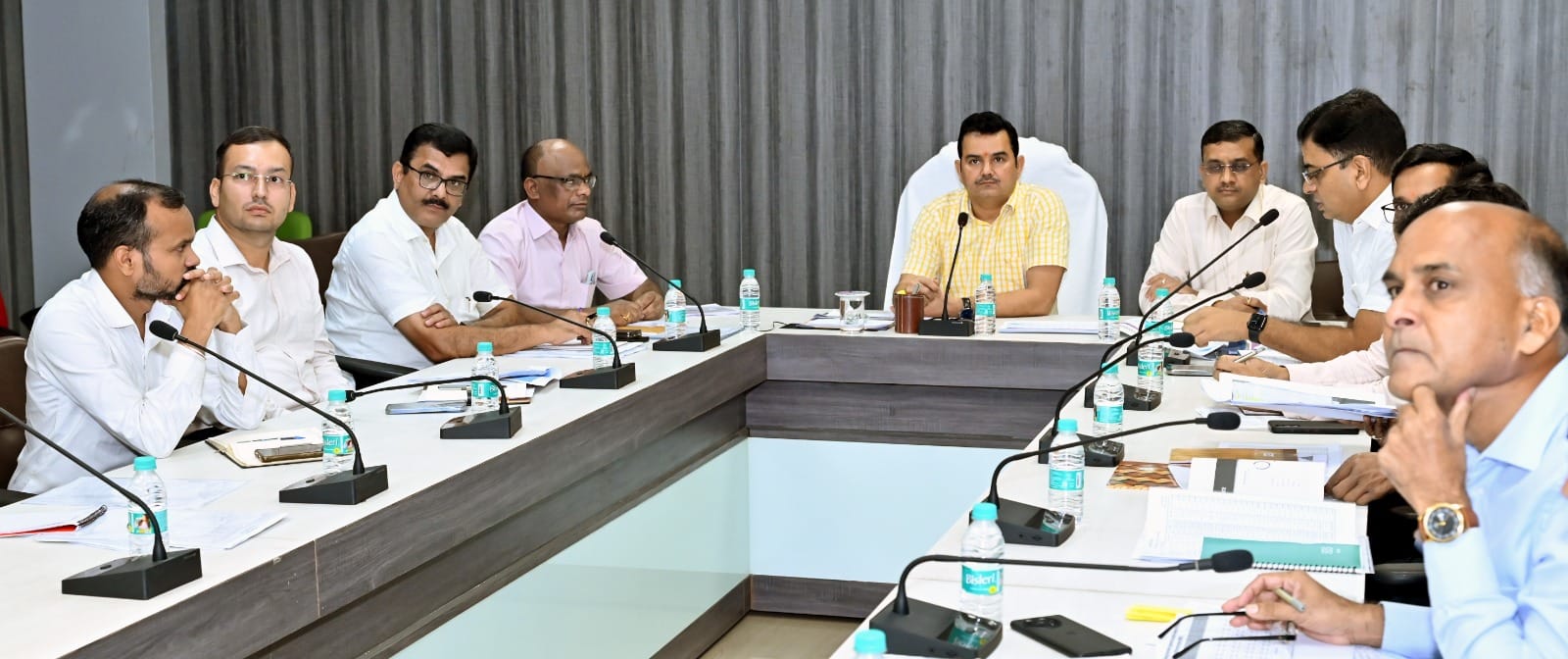
Drinking water system was strengthened in Baiga Para through Jal Jeevan Mission run by Public Health Engineering Department. Along with developing the water source in the village, the facility of hand pump was made available. Apart from this, a water tank of 10 thousand litre capacity has been installed, in which water is being supplied through motor pump. Drinking water distribution system was extended to the houses by laying pipelines in the village. Now the villagers do not need to go far for water. Availability of water near the house has made everyday tasks easier and the villagers are saving time and labour.

- A major change in the lives of women:
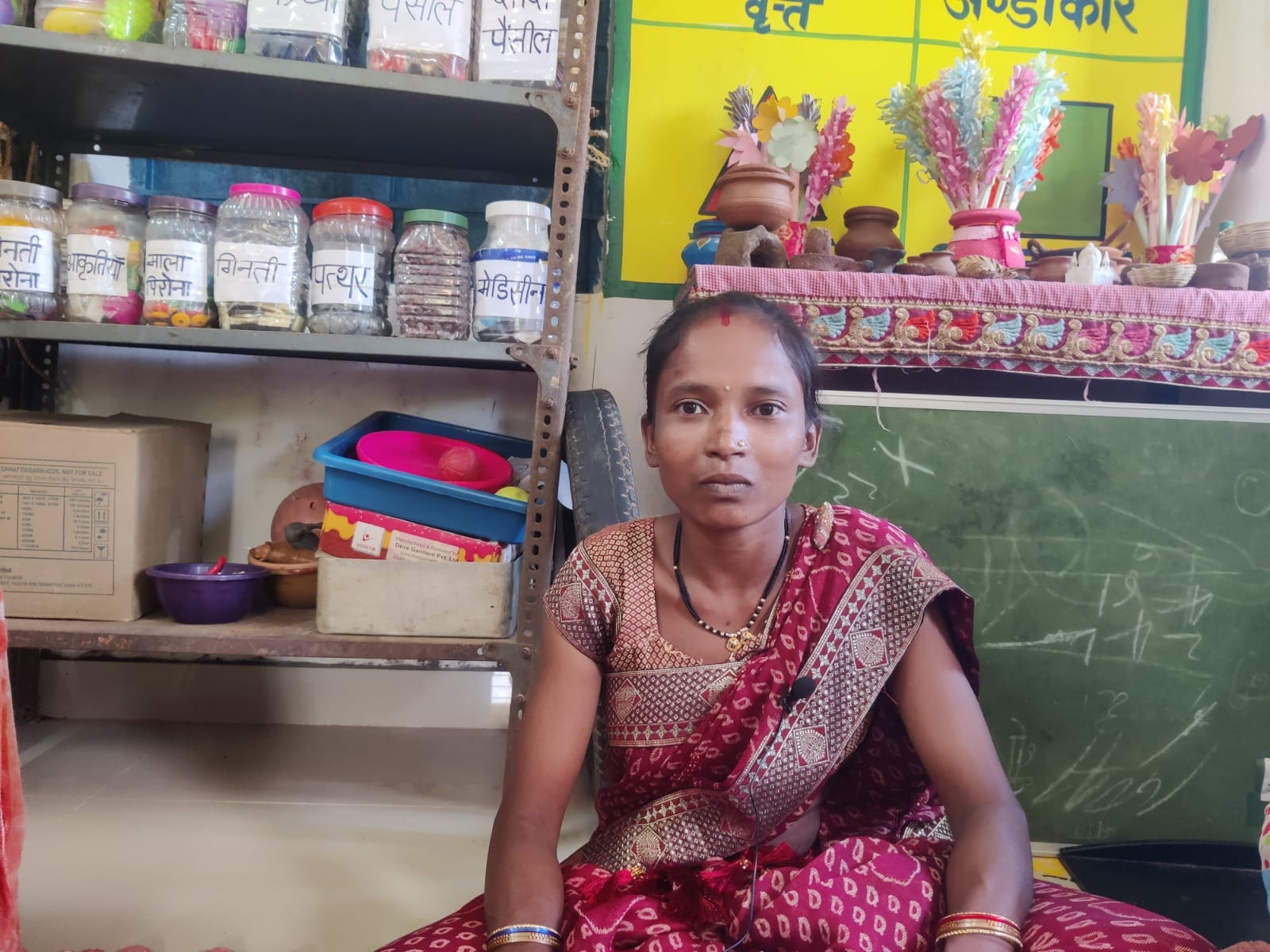
The Jal Jeevan Mission’s facilities are having the greatest impact on the lives of rural women. The time and effort previously spent fetching water is now being saved. This allows women to devote more time to other household tasks, as well as their livelihoods and childcare. This facility has also brought relief to the elderly. The hassle of traveling long distances for water and carrying heavy vessels has been reduced. For villagers, tap and pipeline-connected drinking water systems are now becoming a symbol of convenience as well as a better life.
- When water was available, the responsibility of its conservation was also understood.
Jal Jeevan Mission has not only increased the availability of drinking water in the village but has also strengthened community awareness about water conservation and sanitation. With the active monitoring of the Village Water and Sanitation Committee and the participation of the villagers, a sense of responsibility has developed among the people regarding the maintenance of water sources, cleanliness and proper use of water. Villagers are now realizing that water is not just a convenience but also a need for the coming generations. Therefore, conservation of available water and its judicious use is becoming the collective responsibility of the village.
- The picture of the village changed with the availability of water.
Baiga Para of Paradol shows that when government schemes, departmental efforts and participation of villagers come together, the change is not limited to facilities only, but brings lasting positive change in the lives of people.
Baiga Para, which once struggled for every drop of water, is today moving ahead on a new path with the facility of drinking water at home and awareness towards water conservation. Jal Jeevan Mission has not only provided pipelines and water tanks here, but has also brought convenience, cleanliness, time saving and hope of a better future in the lives of the villagers. Baiga Para of Paradol is now giving this message that when water reaches the home, not only thirst is quenched, life also changes.