















- A 5-day training program has begun to enhance community policing effectiveness and amicable resolution of local disputes.
- Police personnel and community representatives will be trained in the concepts, techniques, and practical skills of mediation.
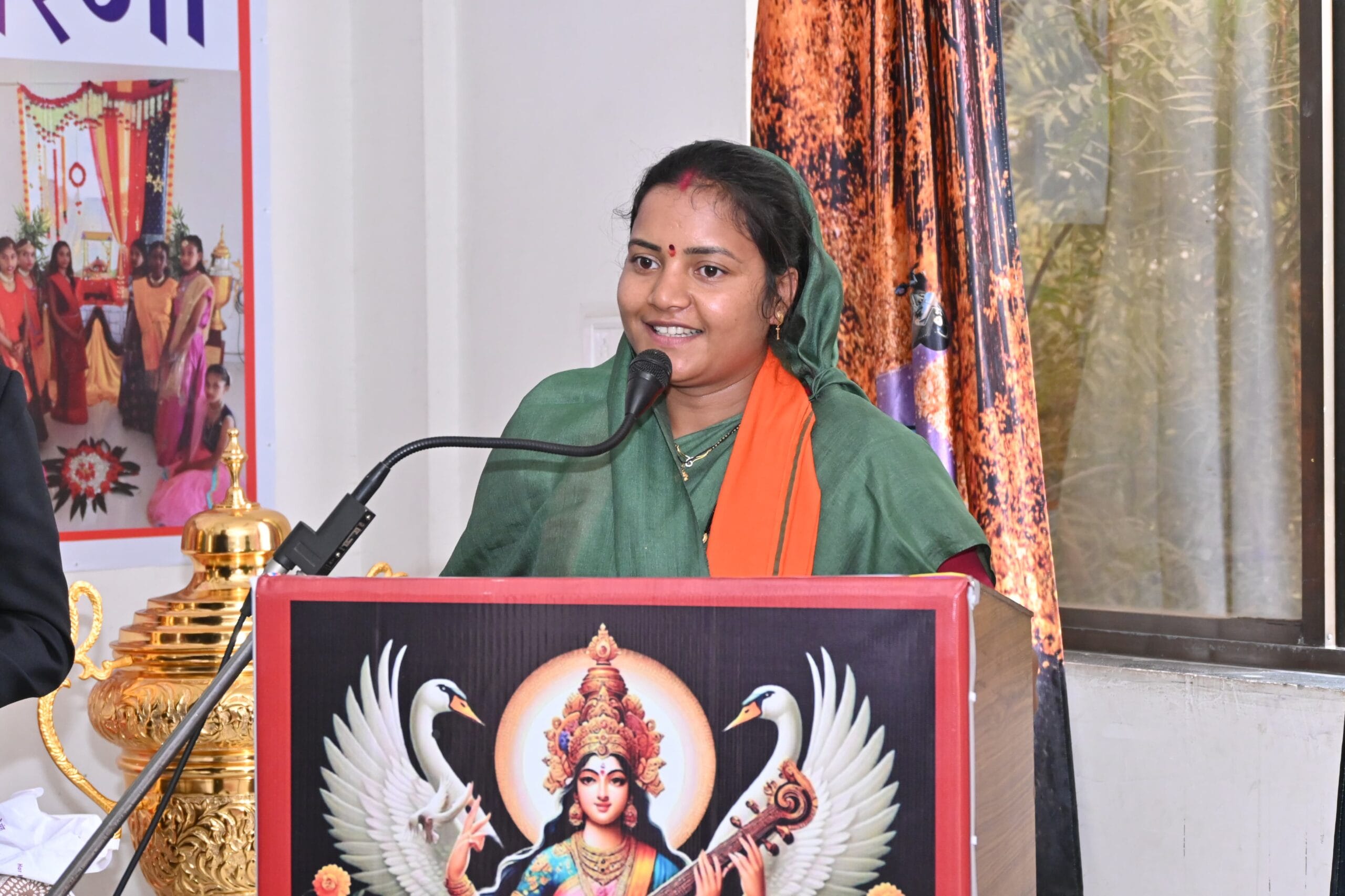
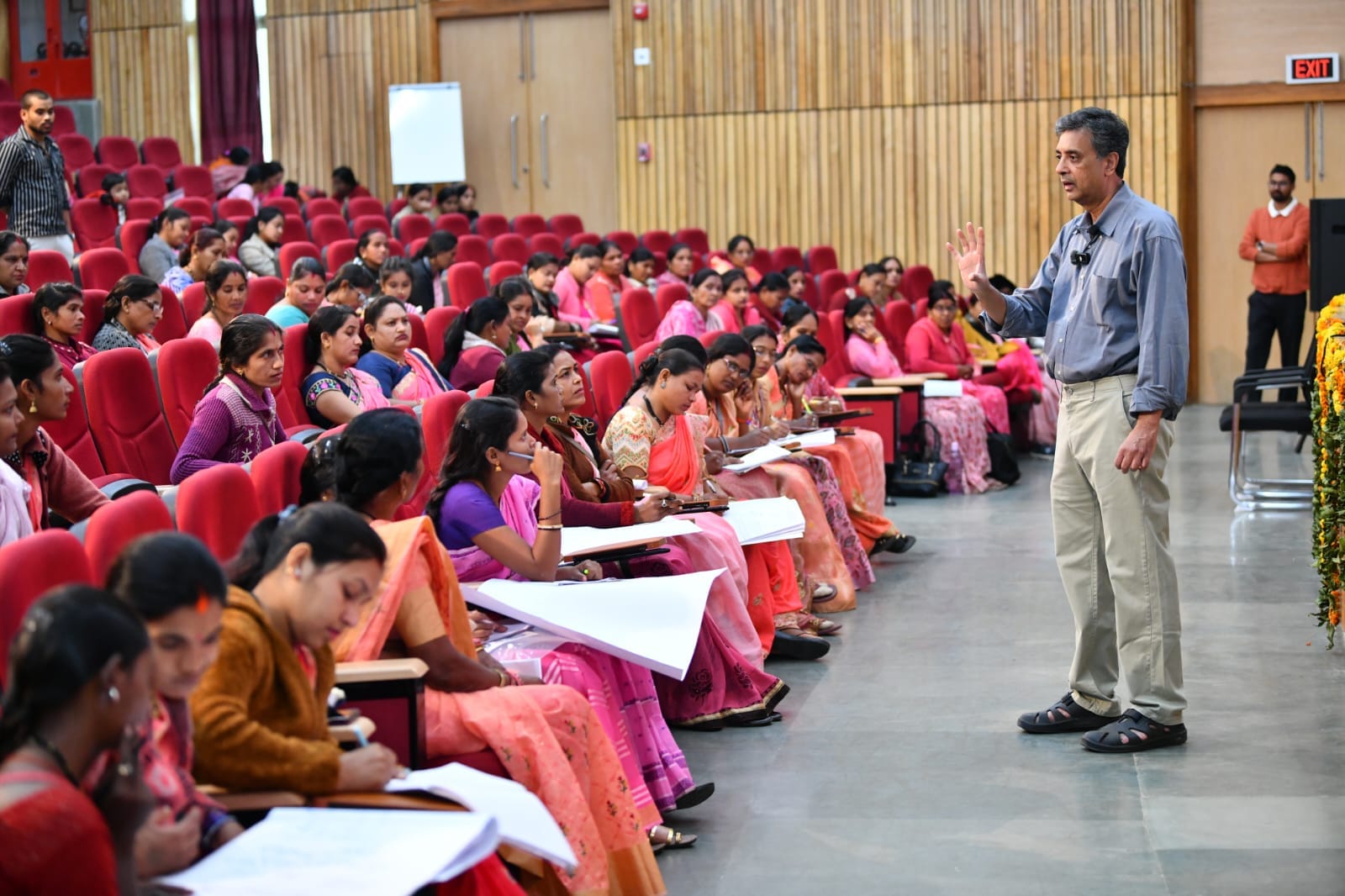
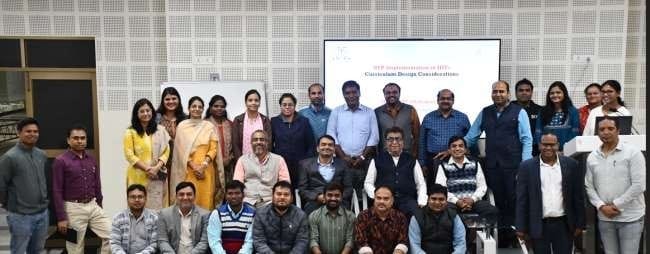
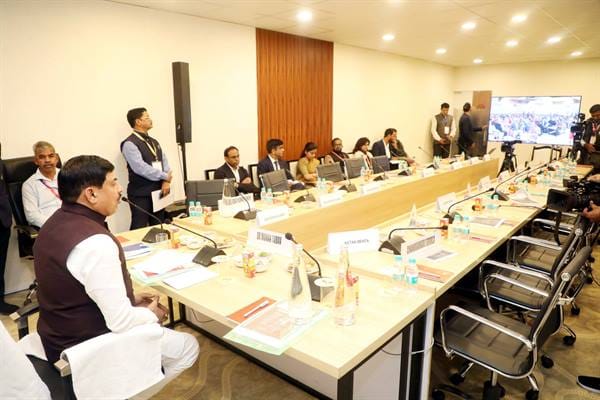
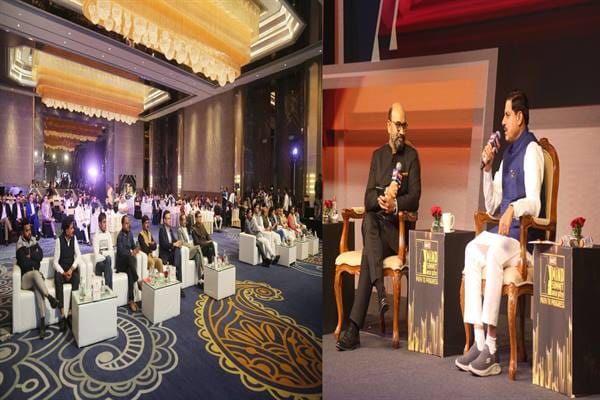
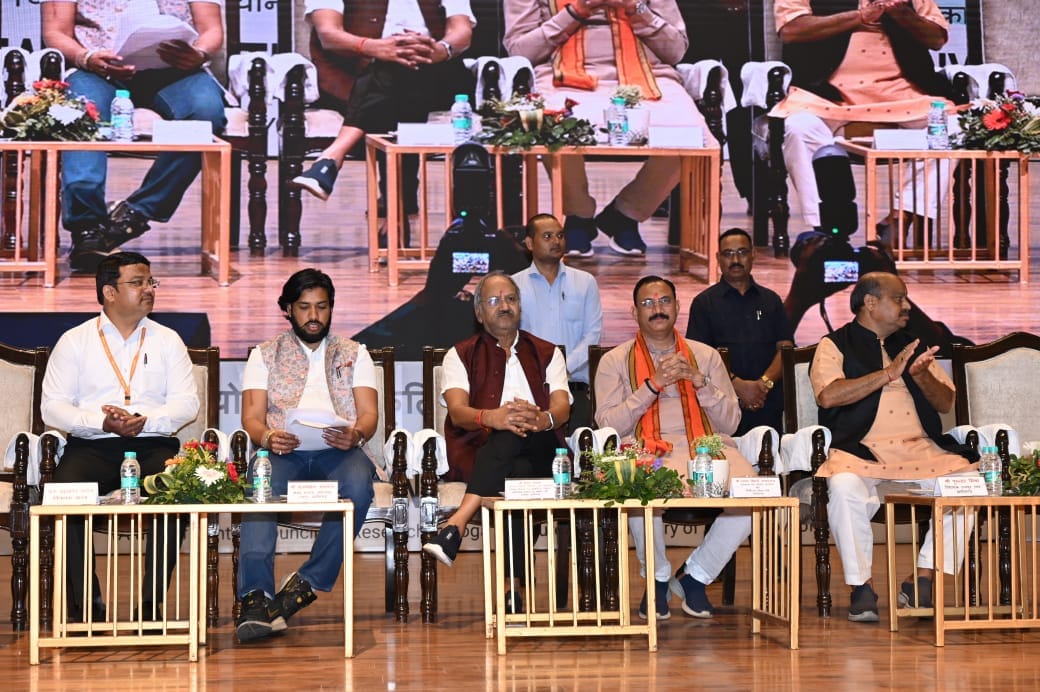
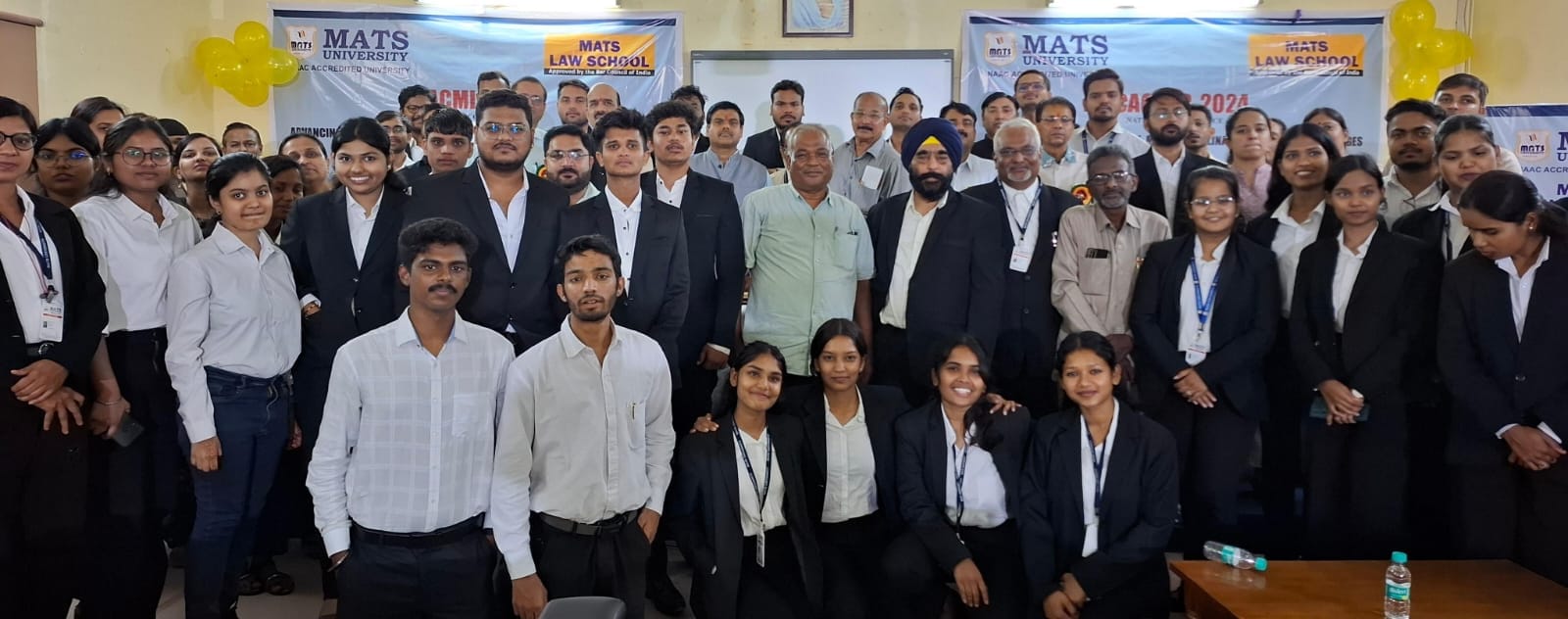
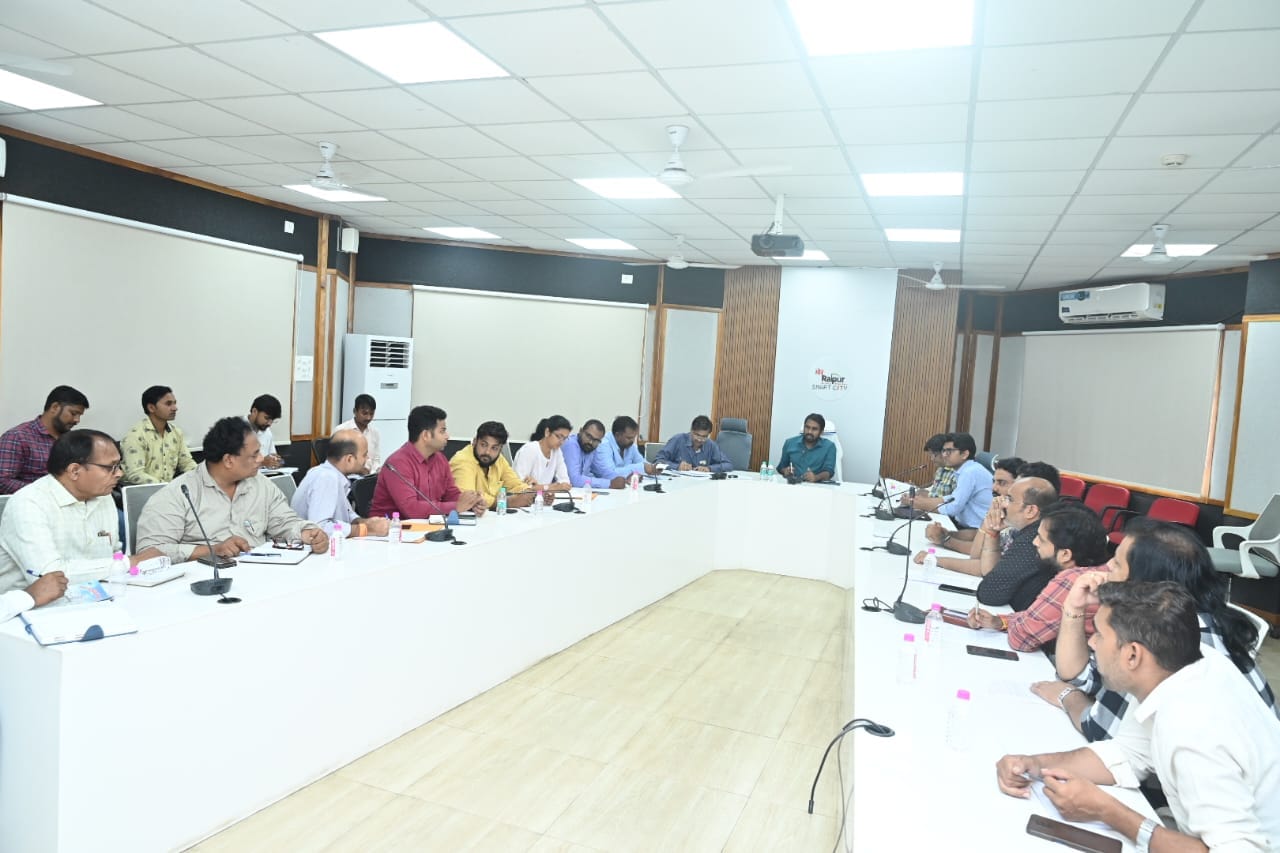
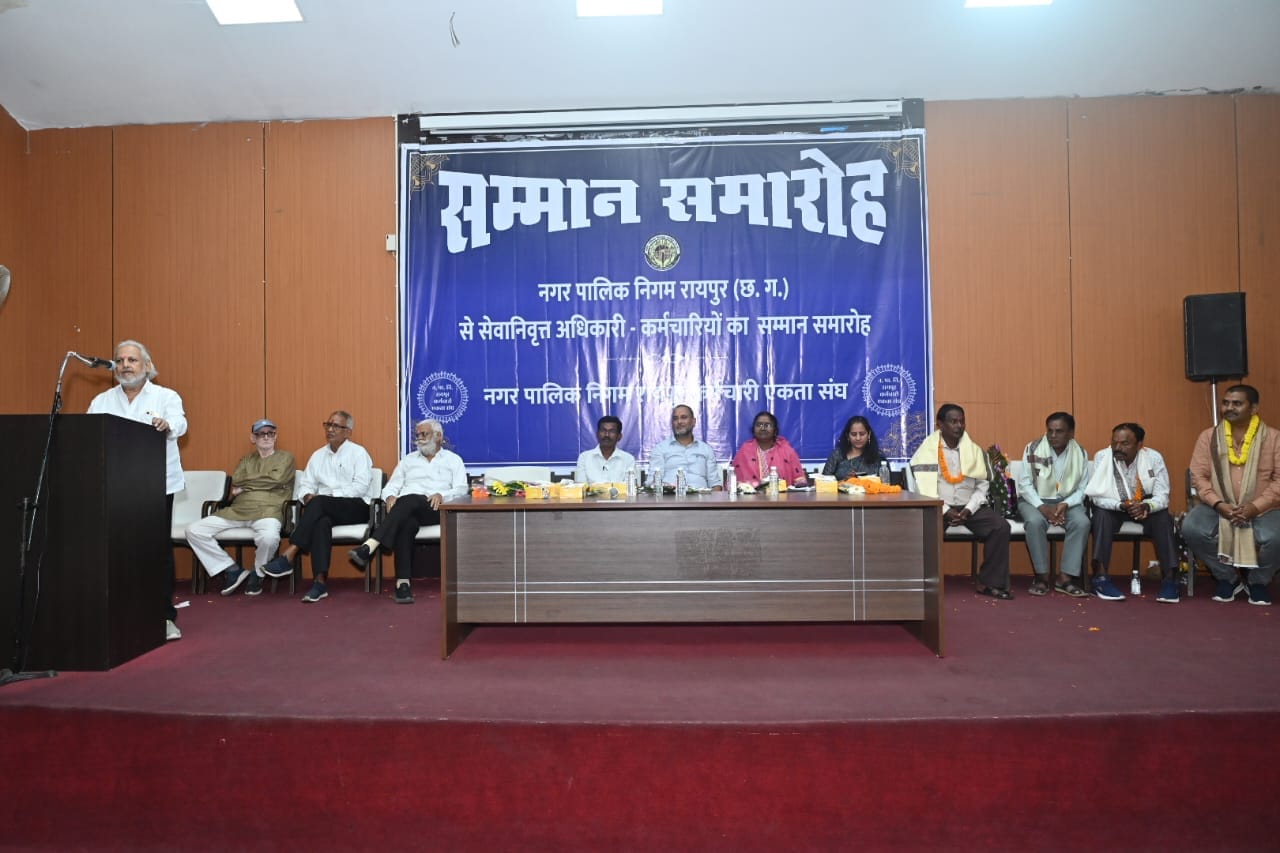
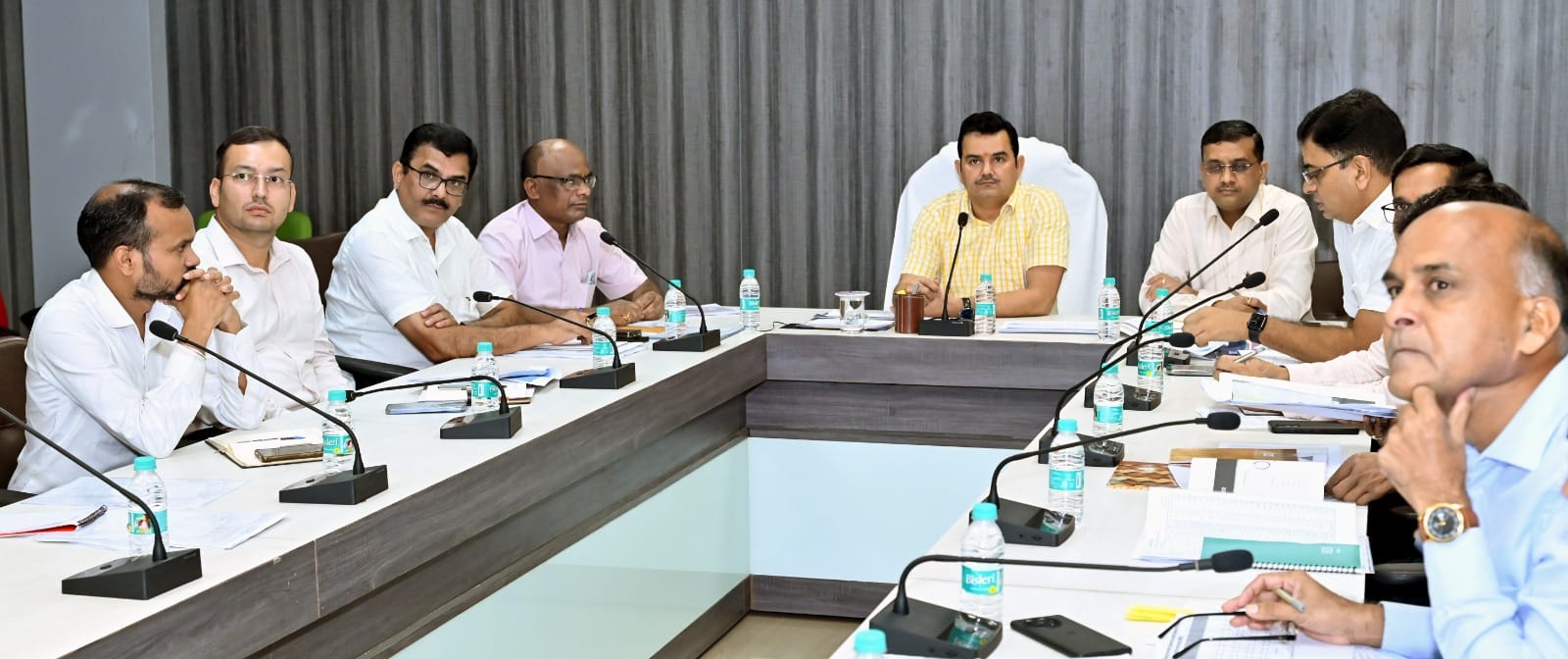
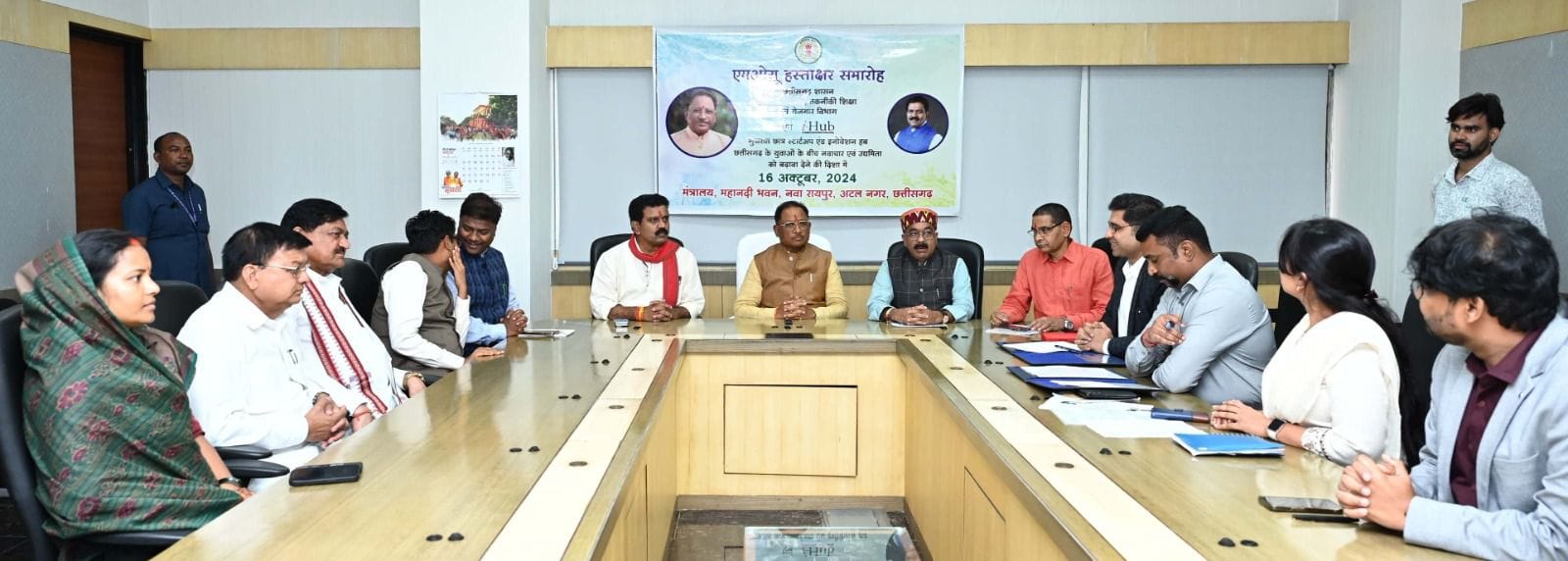
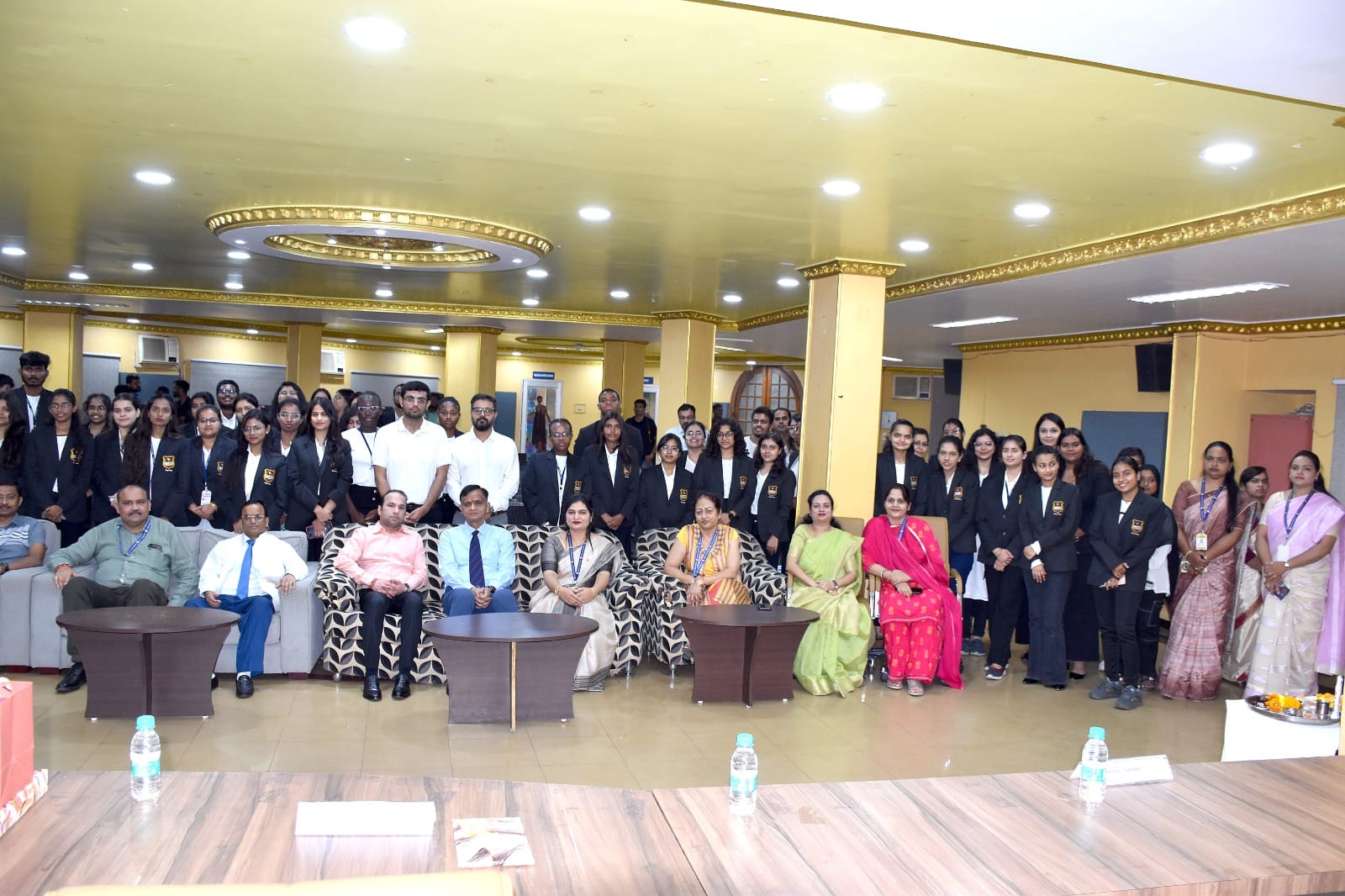
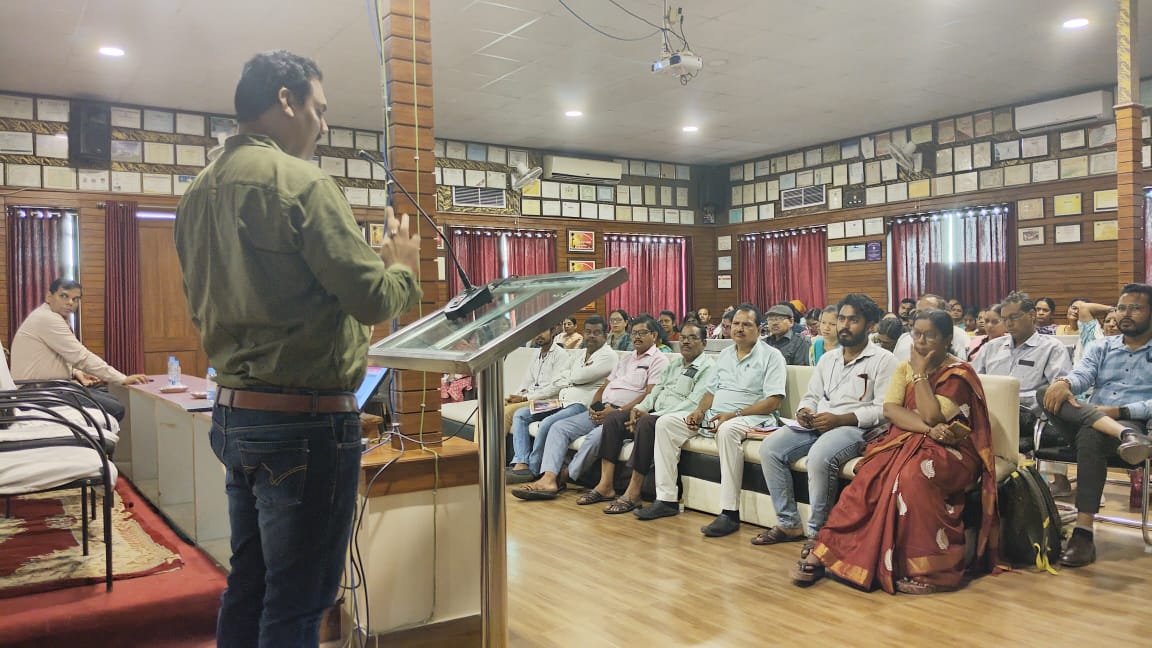
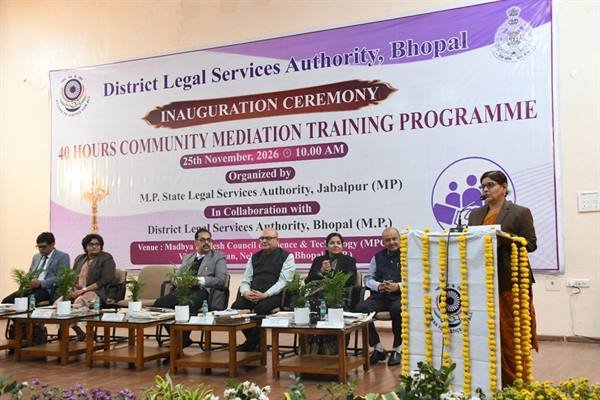
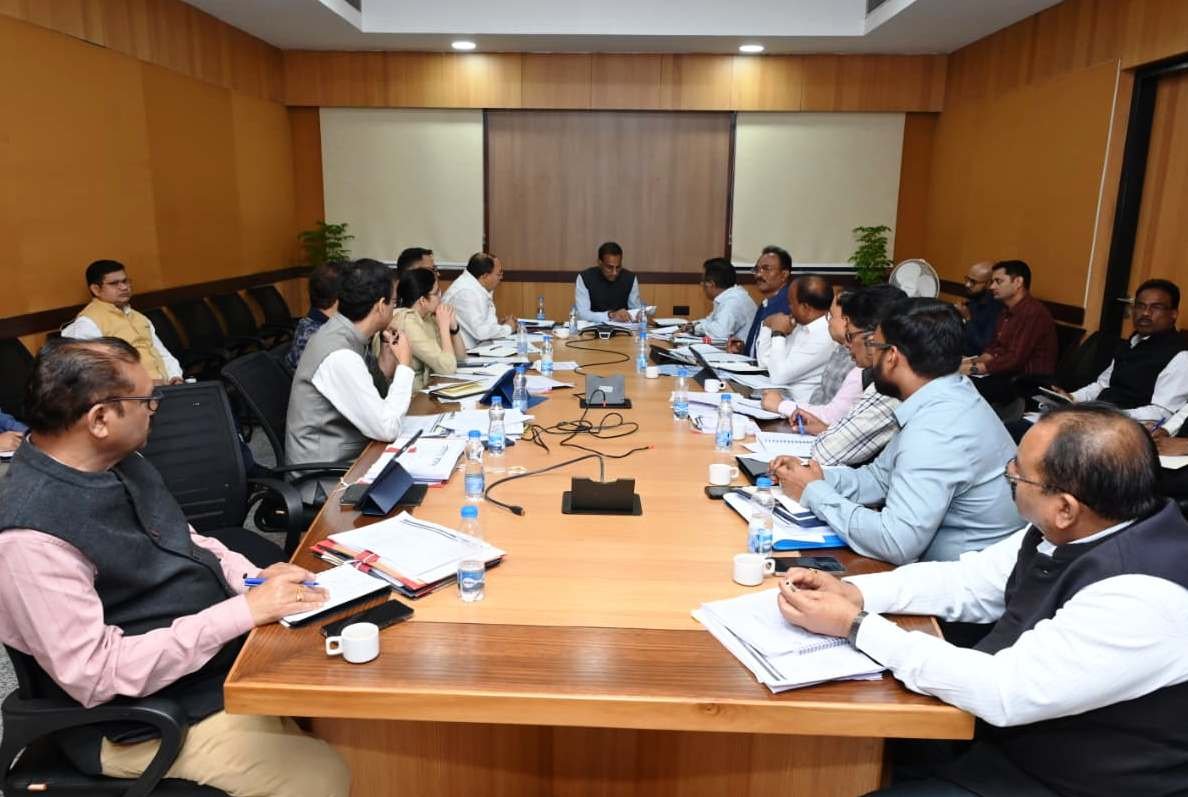
A 40-hour Community Mediation Training Programme was started in Bhopal today by Madhya Pradesh Police with the aim of making community policing more effective, strengthening trust and participation between police and public, and finding solutions to disputes arising at local level through dialogue and mutual consent. This five-day training programme is being organised from 25 to 29 November 2026. This training programme, organised by Madhya Pradesh State Legal Services Authority, Jabalpur in collaboration with District Legal Services Authority, Bhopal, is being conducted at Madhya Pradesh Council of Science and Technology (MP-CST), Vigyan Bhawan, Nehru Nagar, Bhopal. The format of the training has been kept offline. In the programme, Secretary of District Legal Services Authority, Bhopal, Mr. Himanshu Kaushal gave information about the outline and objectives of the training programme.
Mr. Manoj Kumar Srivastava, Principal District and Sessions Judge, Bhopal, stated that mediation is not limited to reaching a compromise between two parties; rather, its key objective is to understand the root causes of the dispute and find a lasting solution. Especially in family disputes, it is essential to understand the feelings and circumstances of both parties. He emphasized that disputes involving children, spouses, parents, and other family members should be resolved by listening to them with sensitivity. The training program will educate participants on the fundamental principles of mediation, the learning and training process, conflict management and resolution, alternative dispute resolution (ADR), the difference between mediation and the judicial process, the role of the mediator, and various mediation techniques. In addition, participants will be provided with practical sessions and role-playing sessions by experts to practice resolving disputes in real-life situations.
Ms. Suman Srivastava, Member Secretary, Madhya Pradesh State Legal Services Authority, stated that this innovation, for the first time in India, integrates legal aid with community policing. Disputes arising between spouses and other family members can be resolved in a timely manner through dialogue and mediation. The mediator’s role is not to support one party or pass judgment, but rather to patiently listen to both parties, understand their circumstances, and help them reach a mutually agreed solution. She stated that mediation saves time, money, and family relationships, and many disputes can be resolved before they reach court. She also highlighted the importance of mediation through examples from Indian traditions and mythological events. Ms. Suman stated that if this mediation initiative is successful, it will be used in other states through the National Legal Aid System.

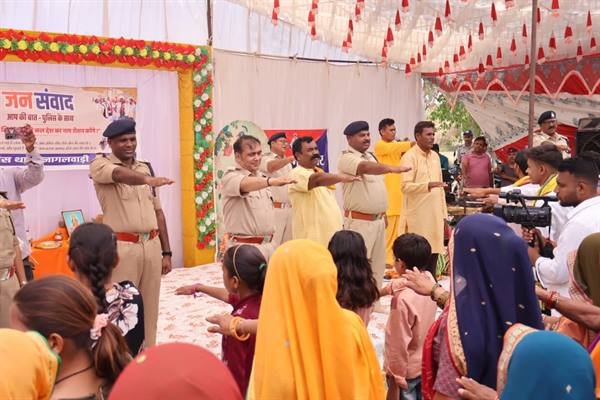
In his address, DIG Community Policing, Dr. Vineet Kapoor, explained the interrelationship between community policing and mediation. He stated that the fundamental principle of community policing is to establish trust and partnership between the police and the public. Police and society are complementary to each other. The community also plays an important role in the security of any area and in solving social problems. He explained that under community policing, the police are not limited to maintaining law and order, but also perform many important functions such as public safety, resolving social disputes, crowd management, law enforcement, preventing crimes against women and children, and providing assistance to victims.
Dr. Kapoor explained that village and town defense committees play a vital role in police community activities. Involving social workers, advocates, and voluntary organizations in these committees strengthens community security efforts. He added that police officers working at the community level face a variety of social and legal disputes daily. Professional training in mediation will enable them to understand the nature of disputes, establish dialogue between parties, and find solutions within the legal framework. He commended the quality of the selection and organization of participants for this training, noting that police officers are particularly interested in this training because they encounter such cases daily in their work environments where mediation can prove useful.
Mr. Vivek Katare, Executive Director, Madhya Pradesh Council of Science and Technology, said that innovation is unimaginable without science. Maintaining public confidence in the judicial system is crucial. Given the country’s diversity and the variety of problems facing society, knowledge and training are essential to effectively work in this field.
Ms. Sangeeta Srivastava, Associate Trainer, New Delhi, said that mediation can be a significant tool in resolving family disputes. Judicial decisions typically result in one party winning and the other losing, whereas mediation attempts to establish a consensual solution through dialogue between the two parties. Mediation is both a science and an art. Through this, positive efforts can be made to prevent family breakdown and maintain relationships.
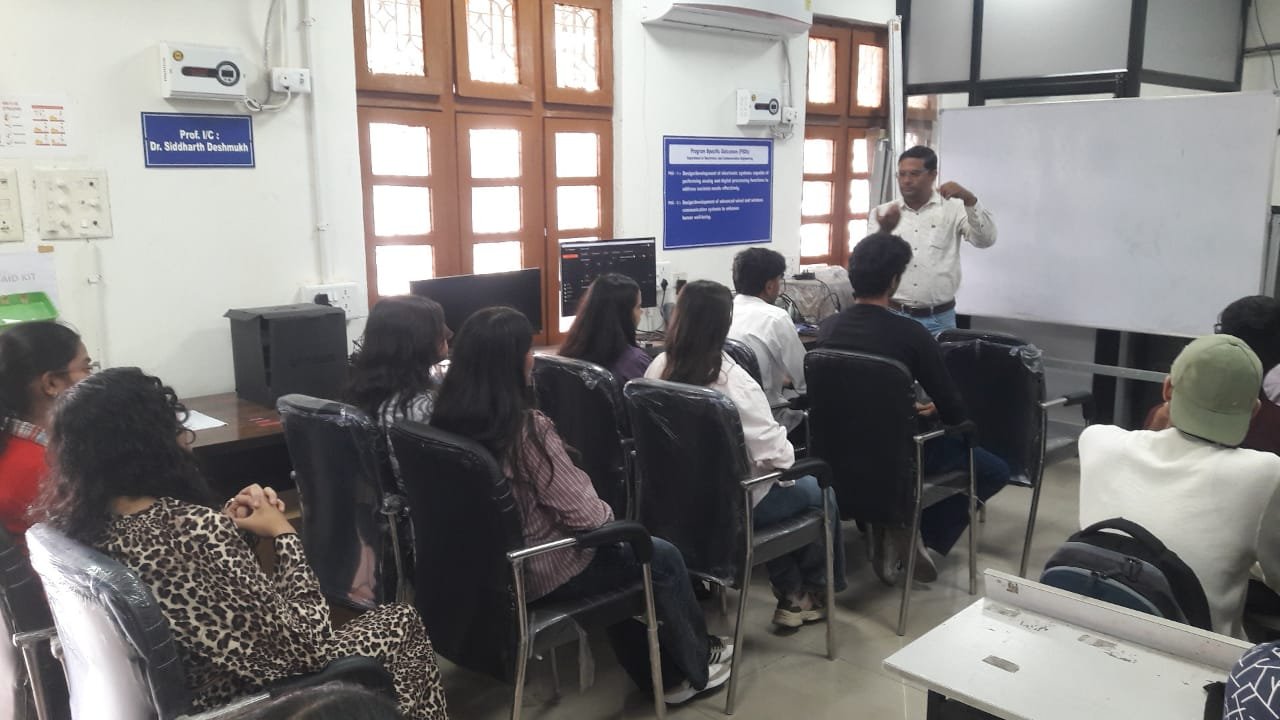
Ms. Anuja Saxena, Senior Trainer, New Delhi, highlighted the concept and practical application of mediation, stating that establishing dialogue and getting to the root cause of the problem is essential for resolving disputes. Citing examples of disputes between neighbors over parking, pets, and other local issues, she explained that such cases can be resolved through mediation. She clarified that the mediation process should be conducted within the legal framework.
The primary objective of this training is to equip police and community participants with practical skills that will enable them to effectively communicate and resolve local disputes and assist parties in reaching amicable resolution within the law. This will help make community policing more effective and strengthen trust, cooperation, and social harmony between the police and the public.
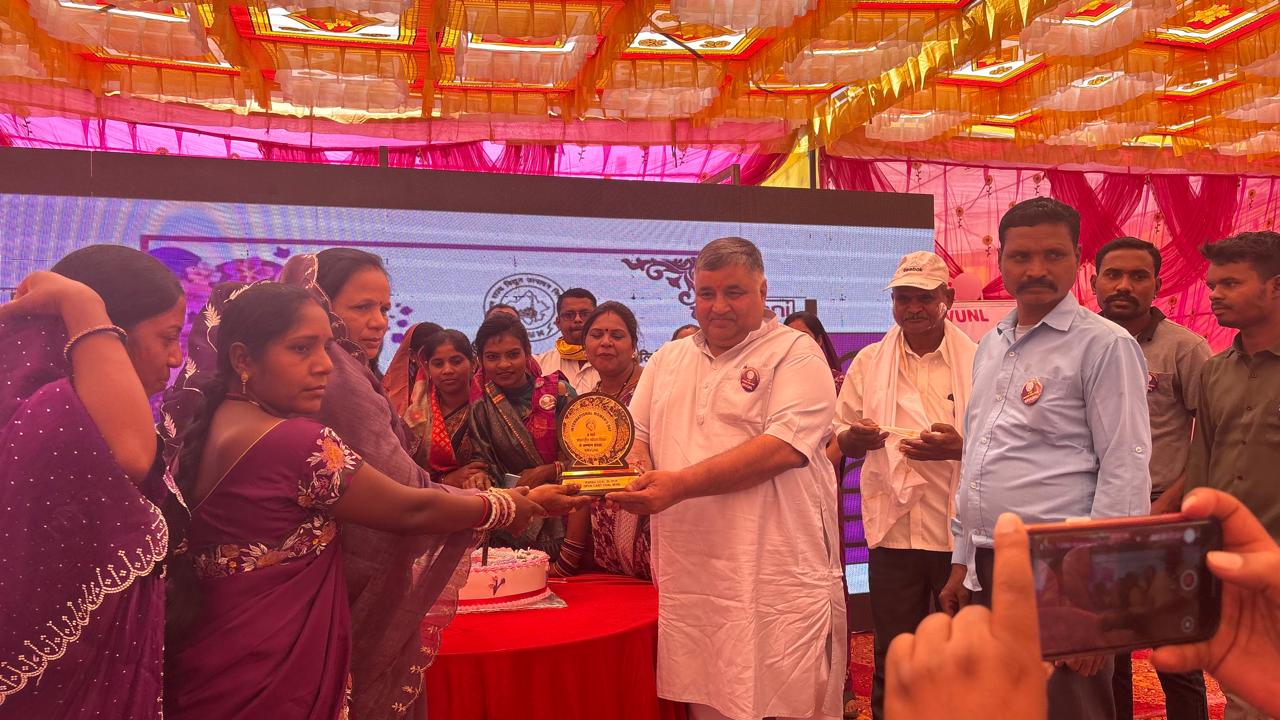
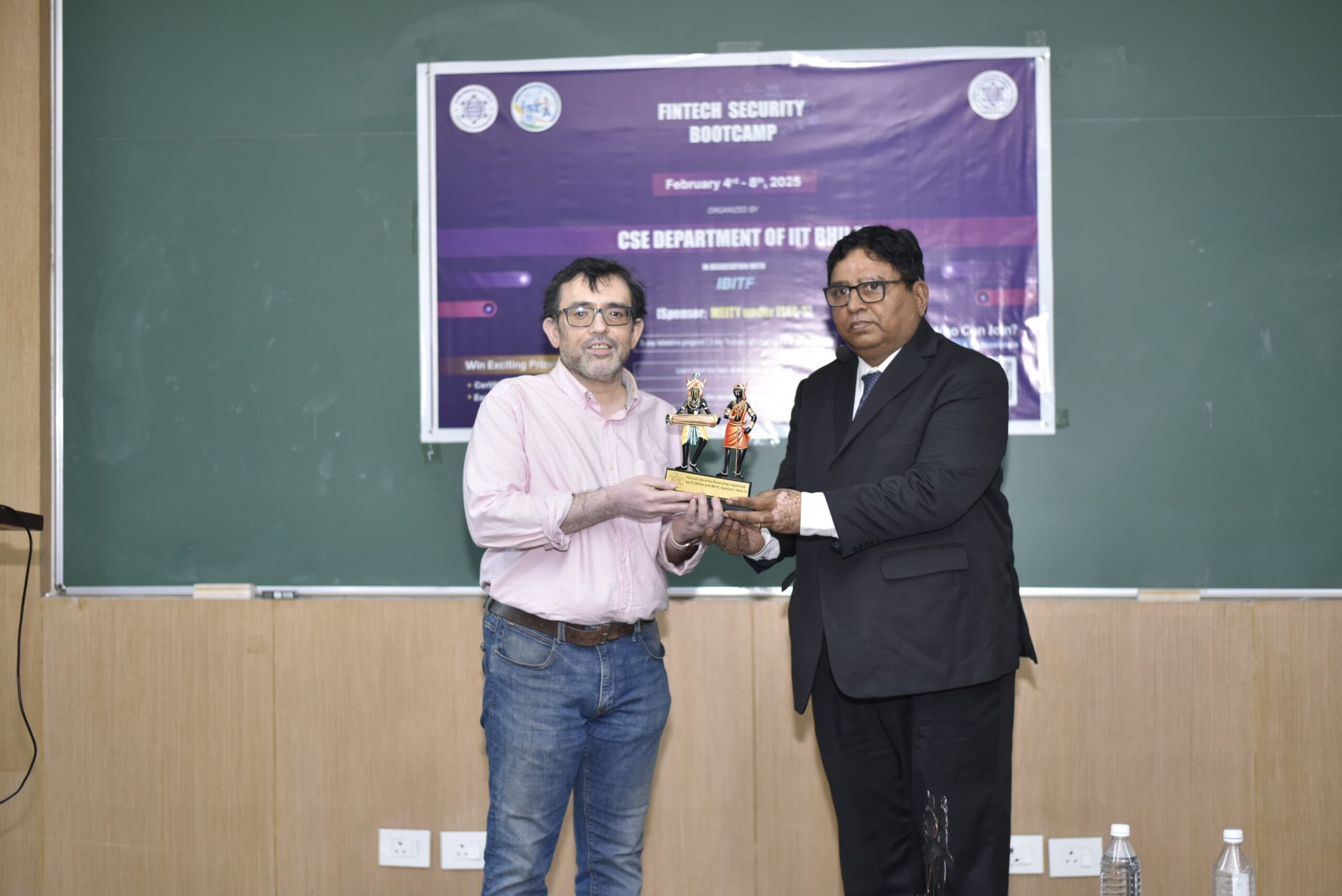
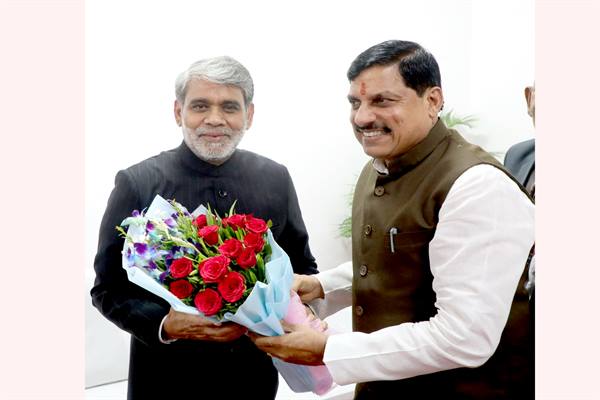
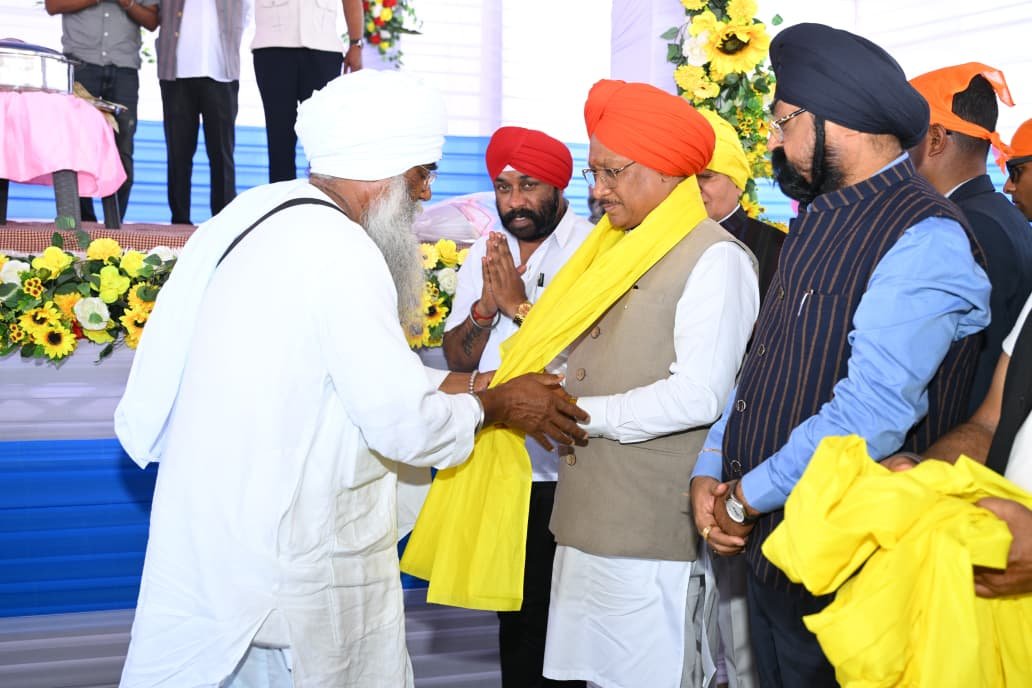
The program was moderated by Mr. Mohammad Jilani, District Legal Aid Officer. Finally, Mr. Amrit Meena, AIG, Community Policing, Bhopal, expressed his gratitude. At the conclusion of the program, mementos were presented to the guests.
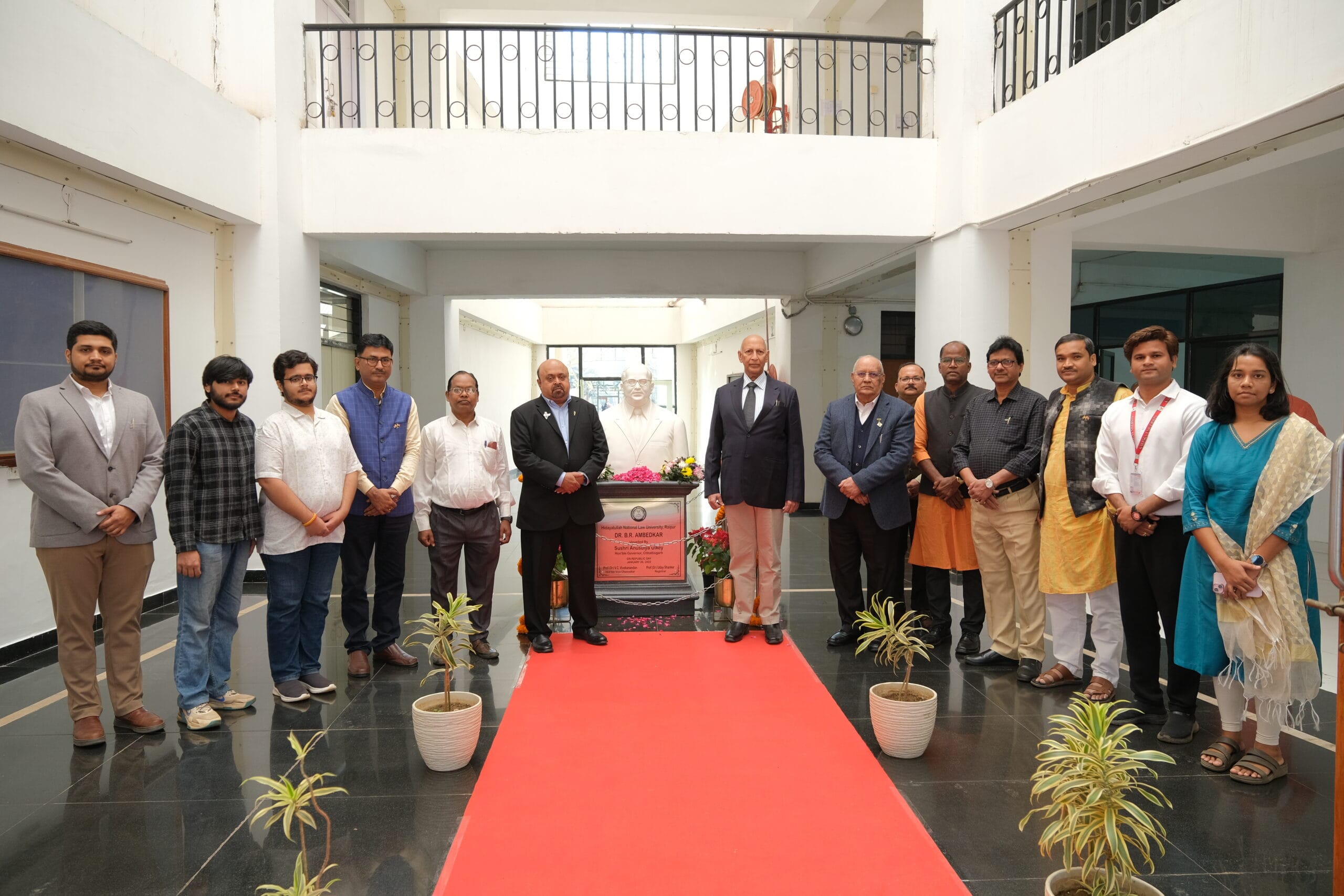
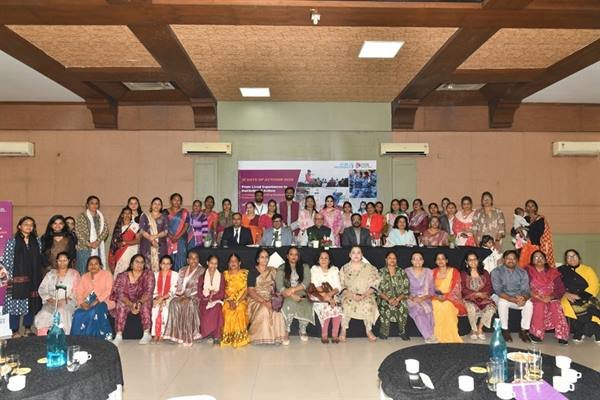
Additional Secretary of Madhya Pradesh State Legal Services Authority, Mr. Arvind Srivastava, Deputy Secretary, Mr. Anirudh Jain, Chief Judicial Magistrate of Bhopal, Mr. Agnindra Kumar Dwivedi and other senior judicial and police officers were present in the program.