


















- Dialogues based on women’s experiences lead to institutional reform; emphasis on better coordination between police, legal services institutions, and voluntary organizations
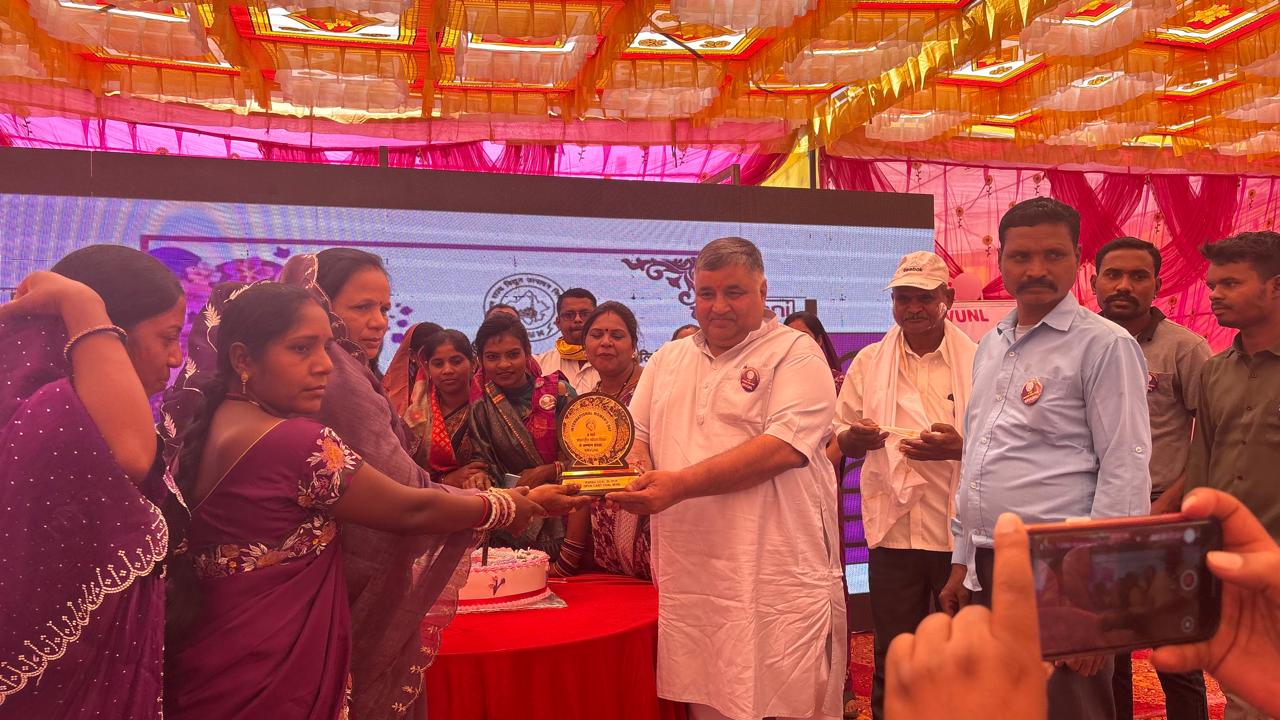
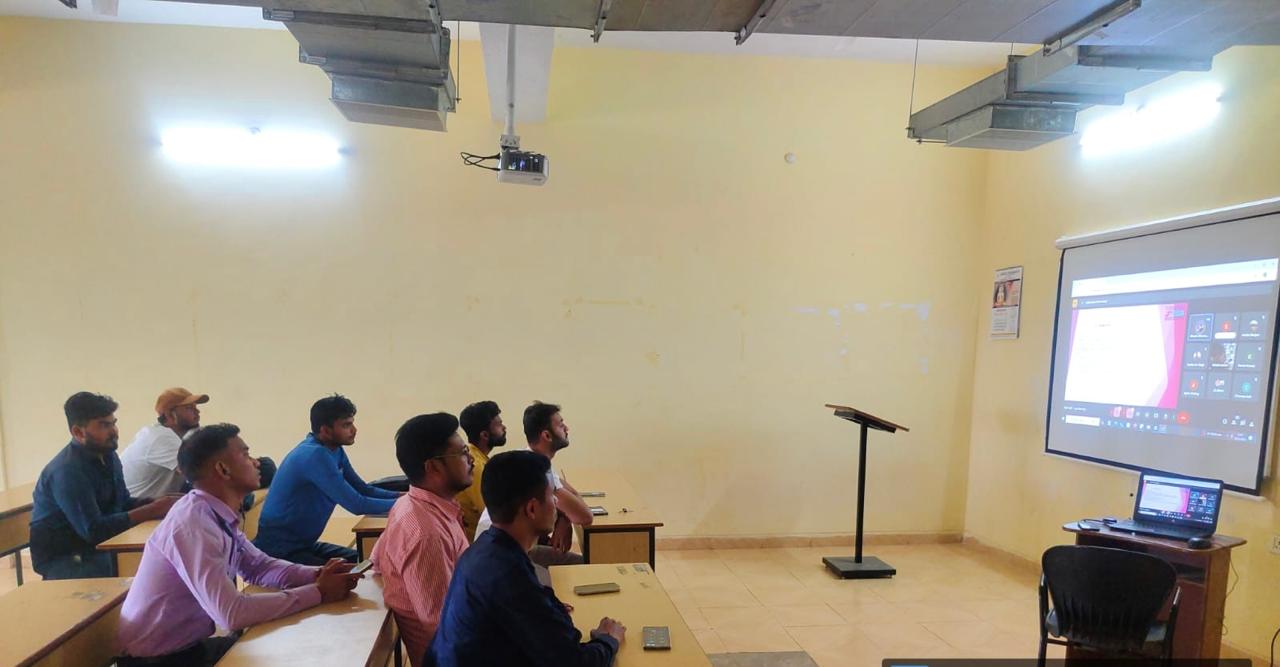
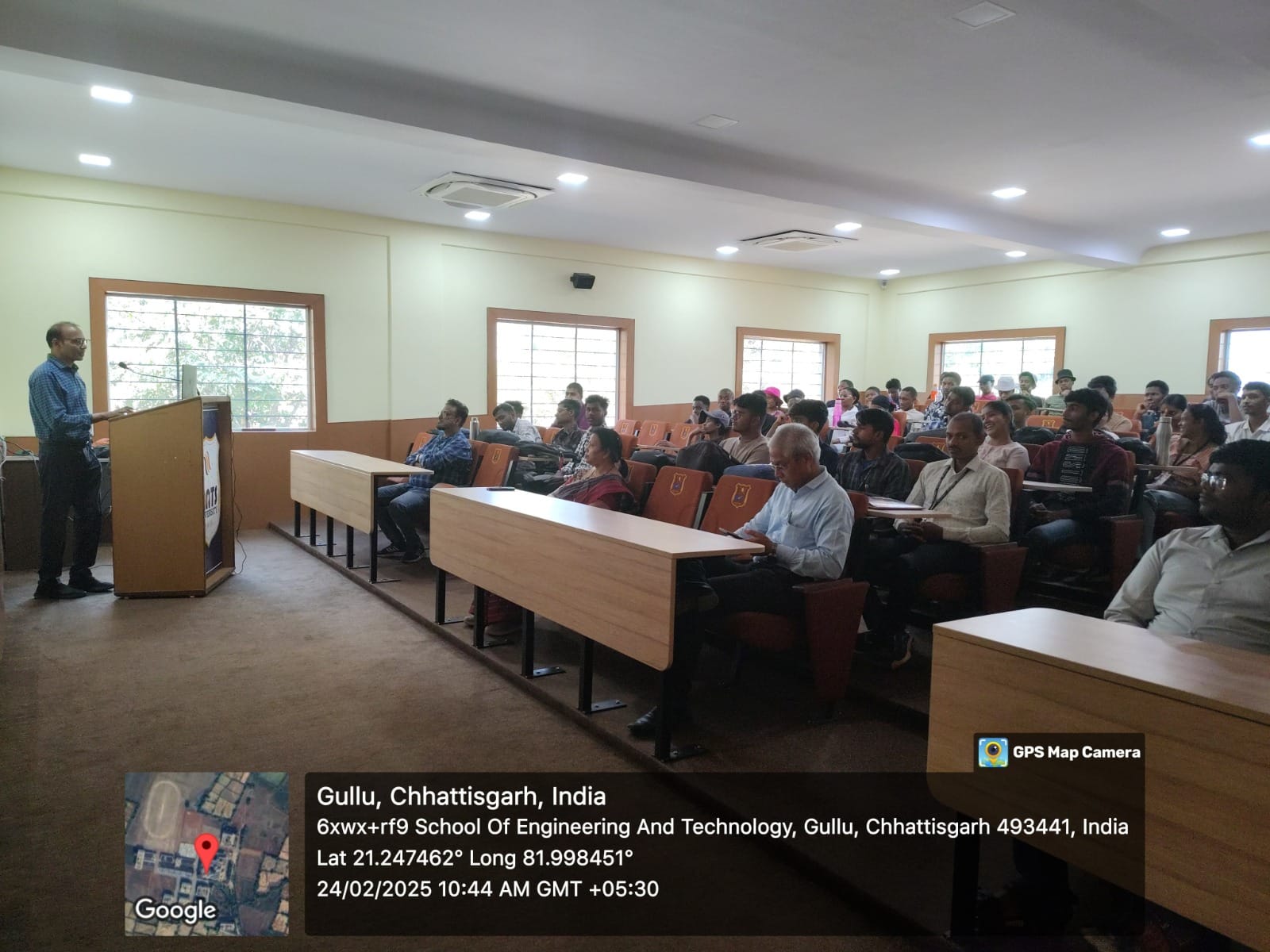
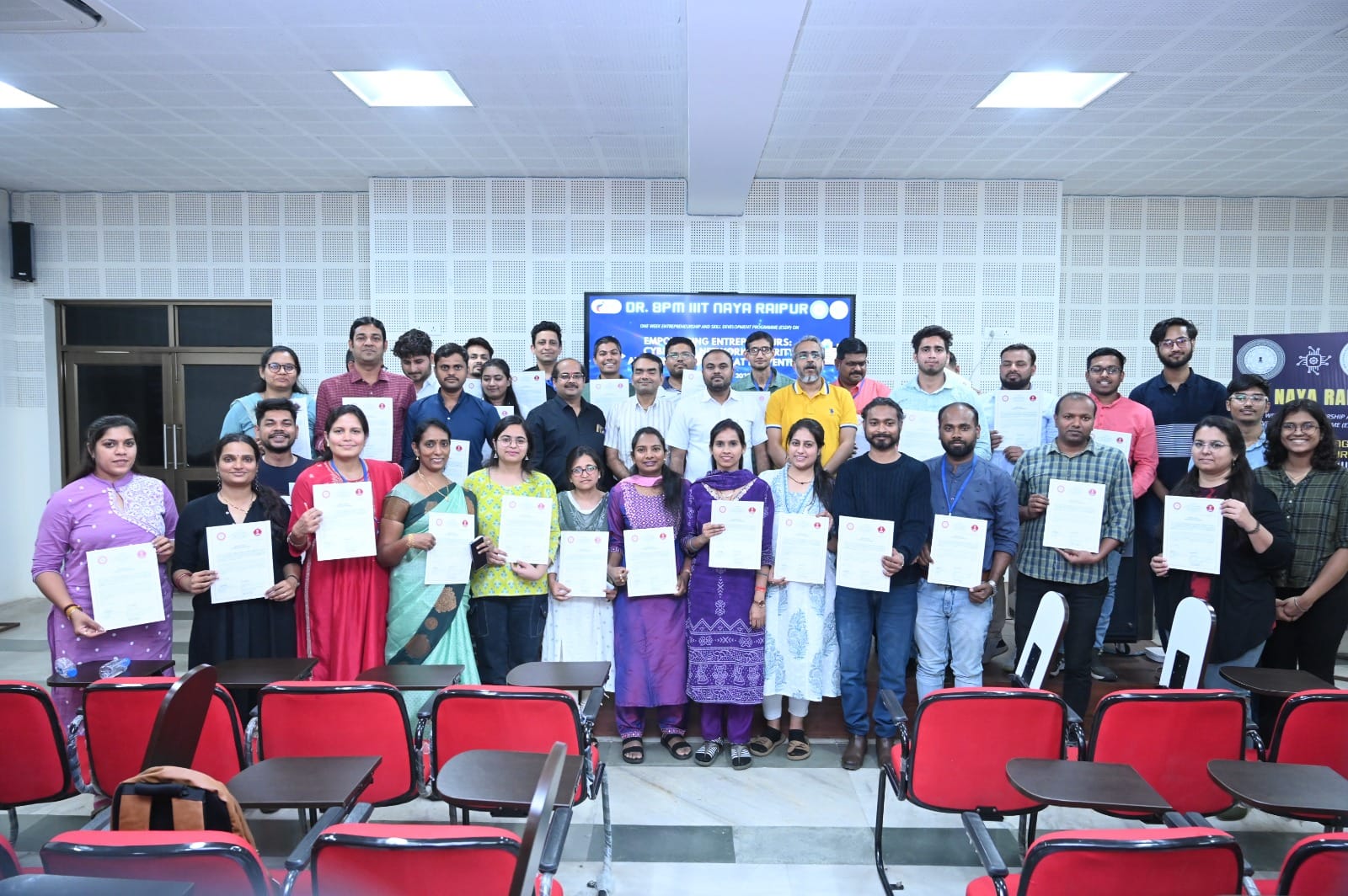
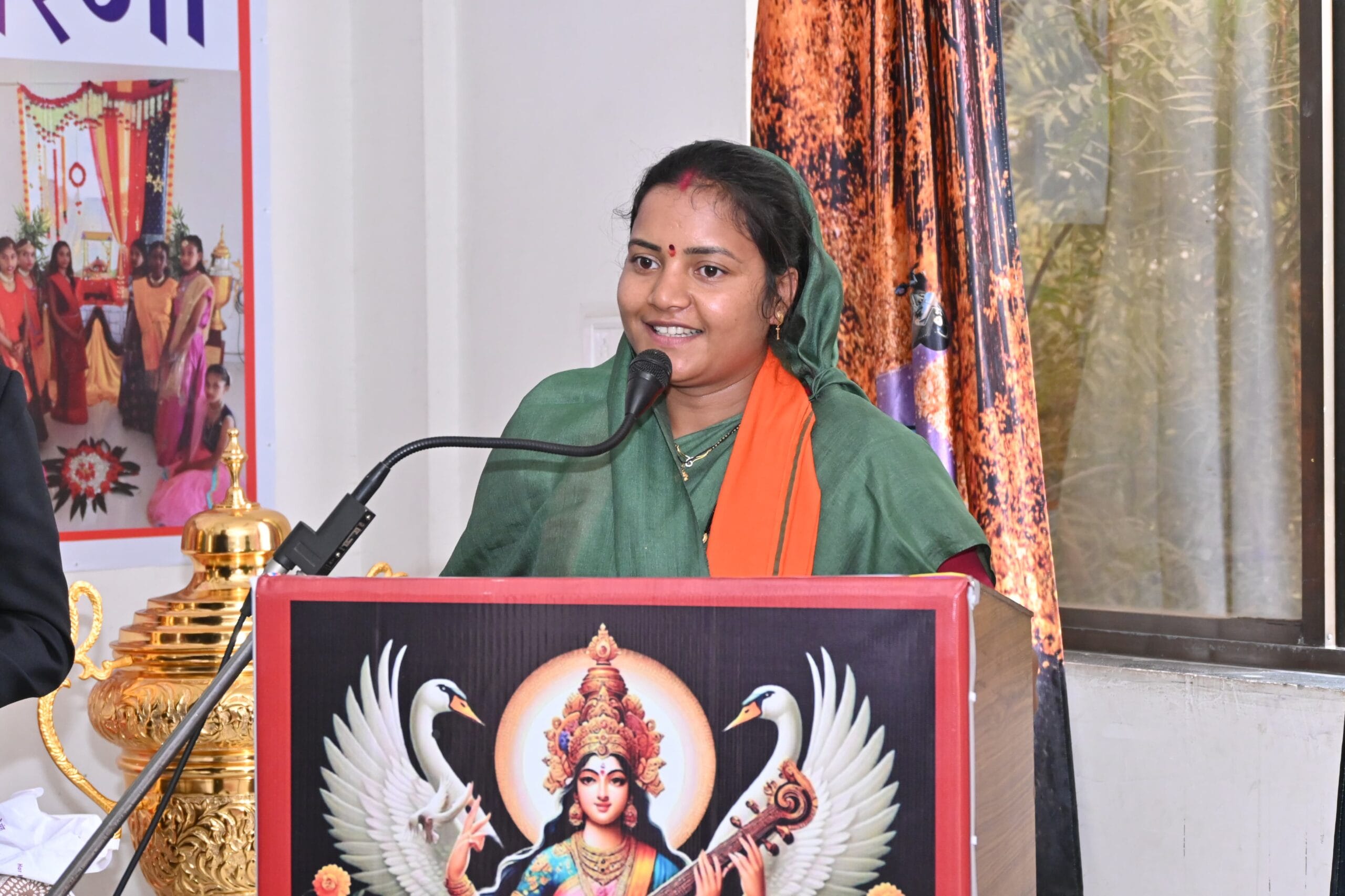
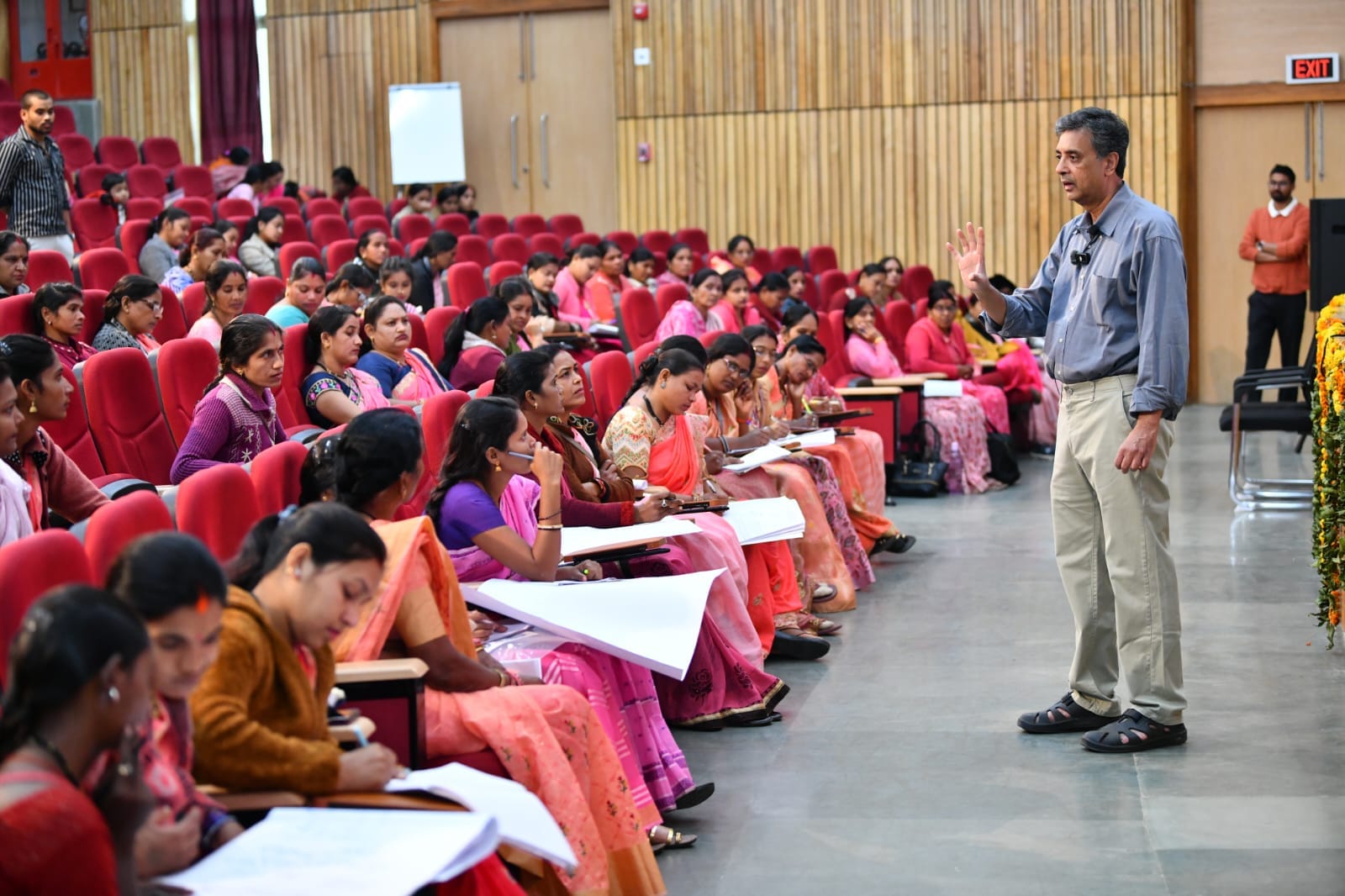
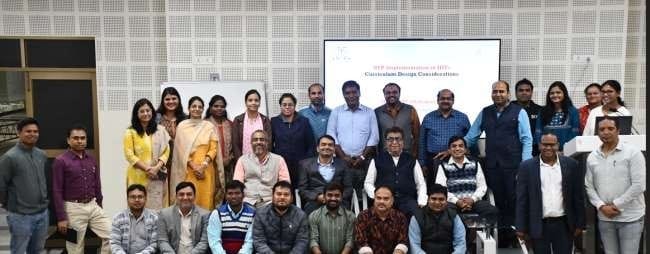
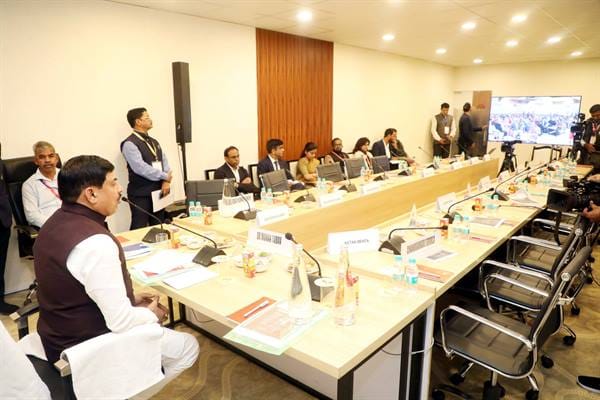
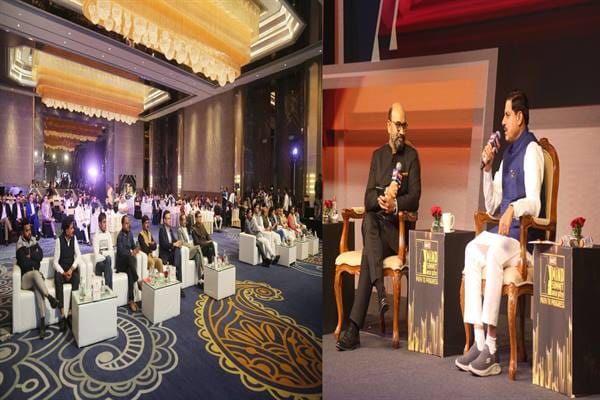
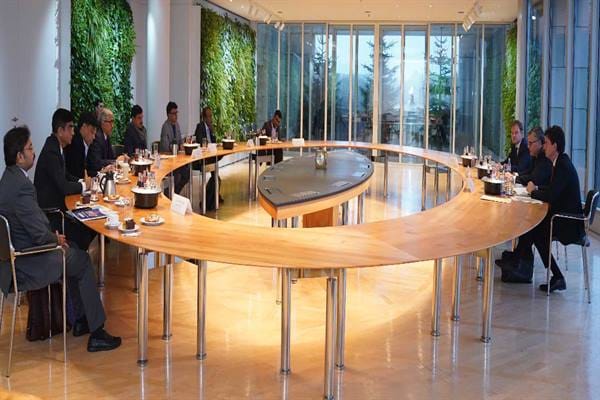
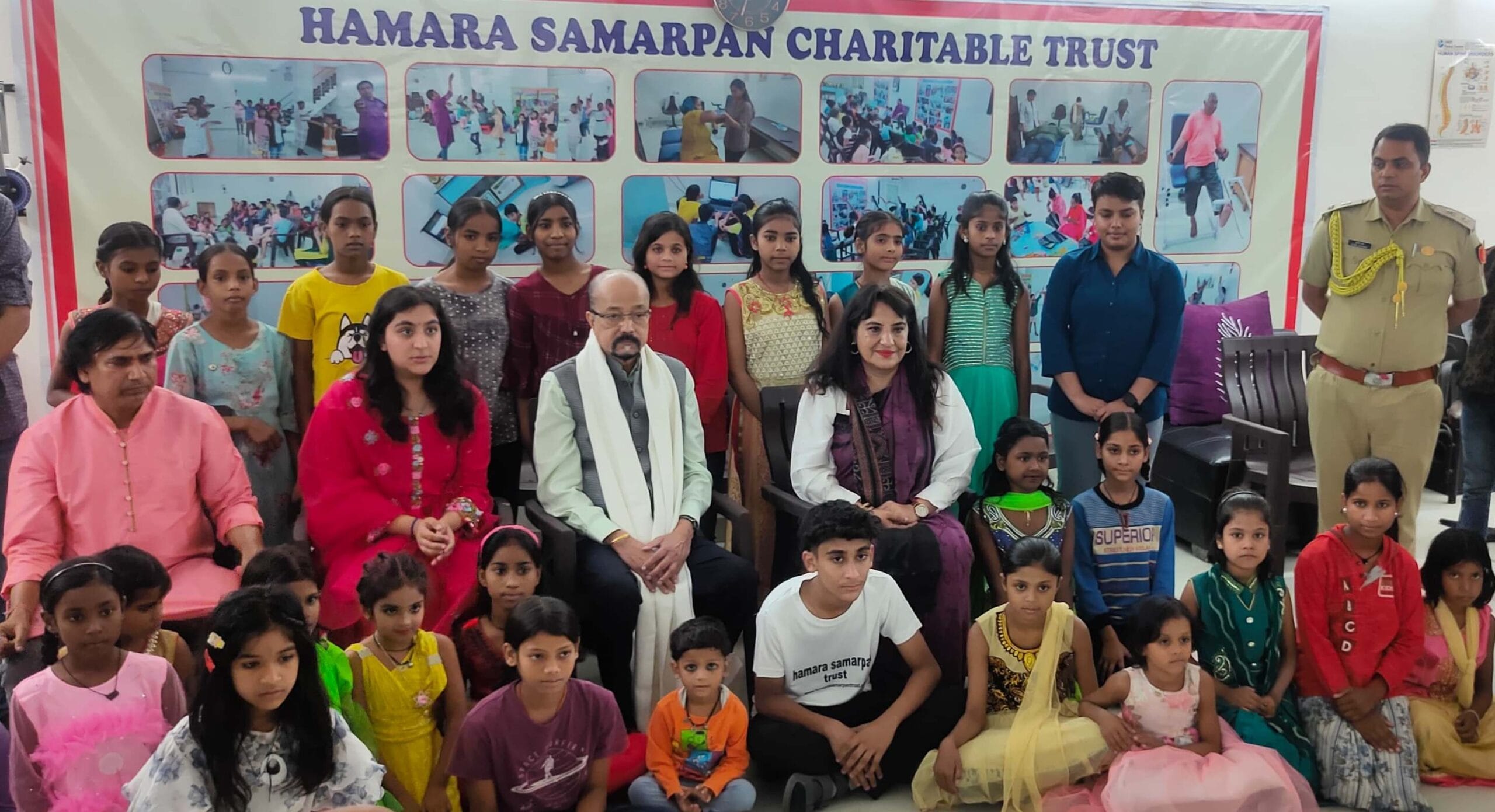
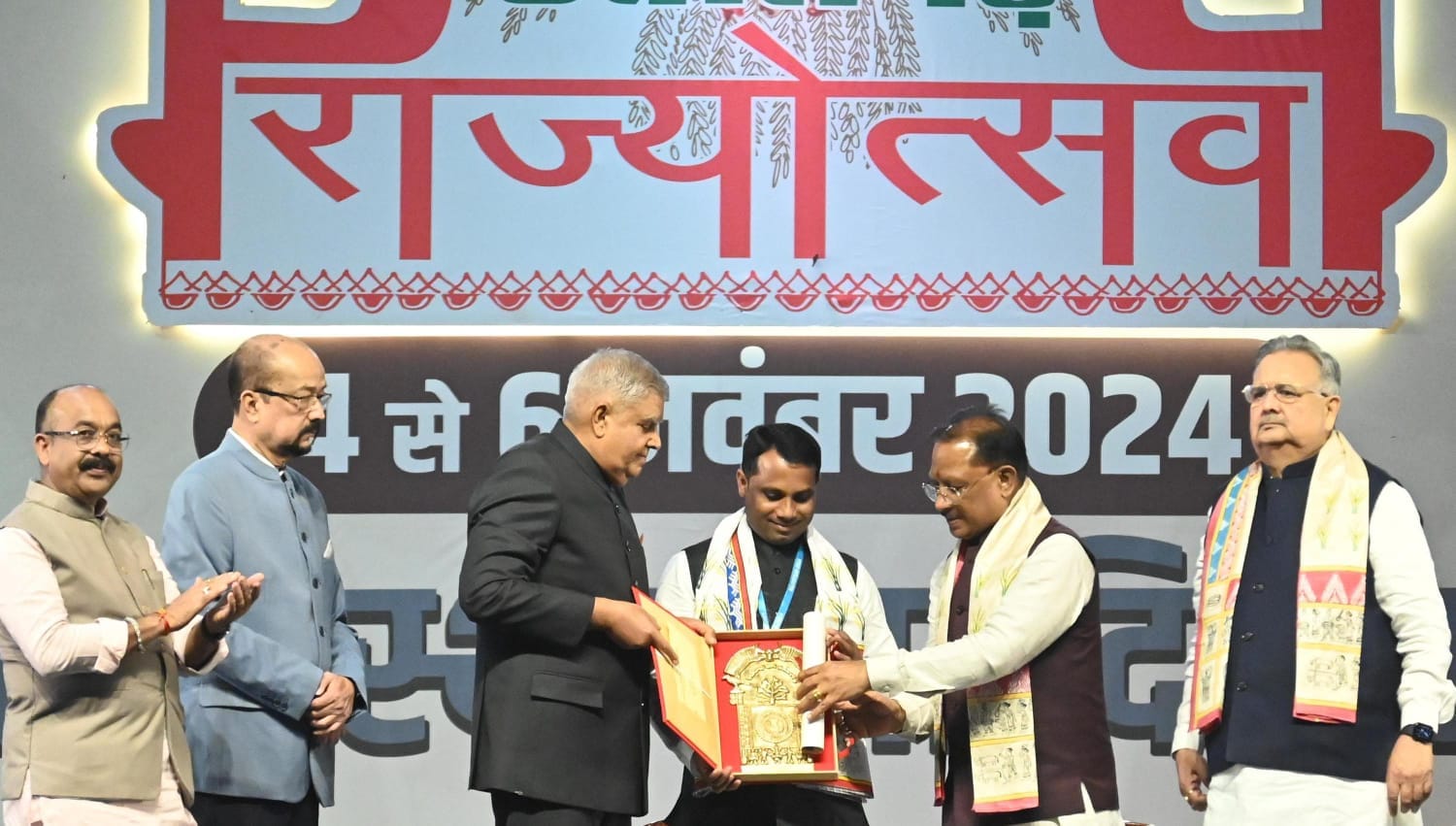
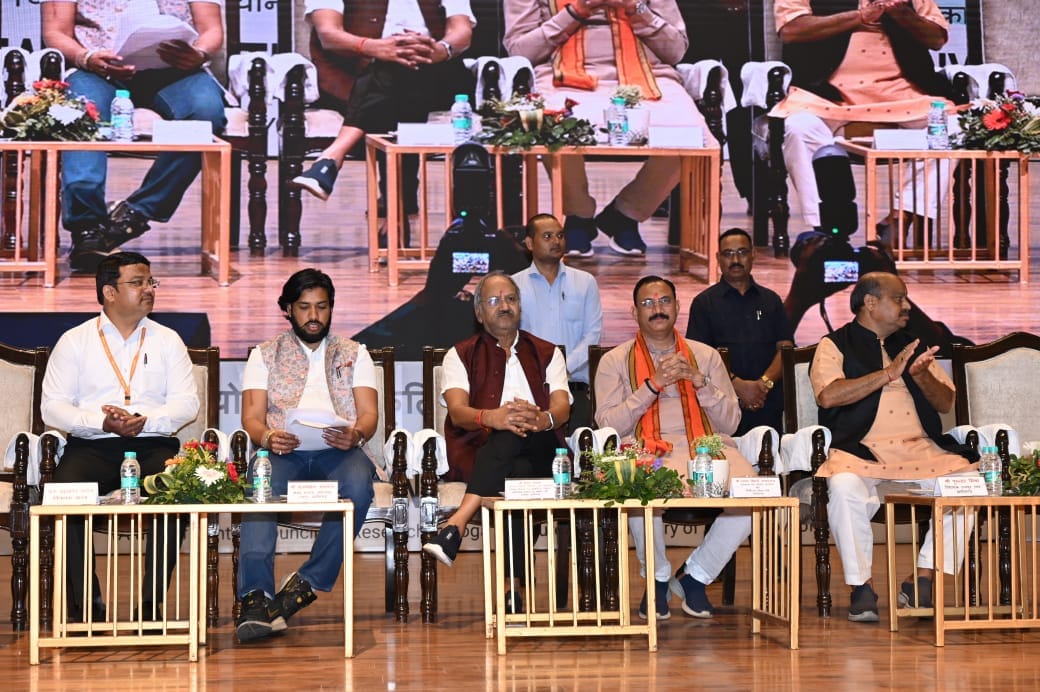
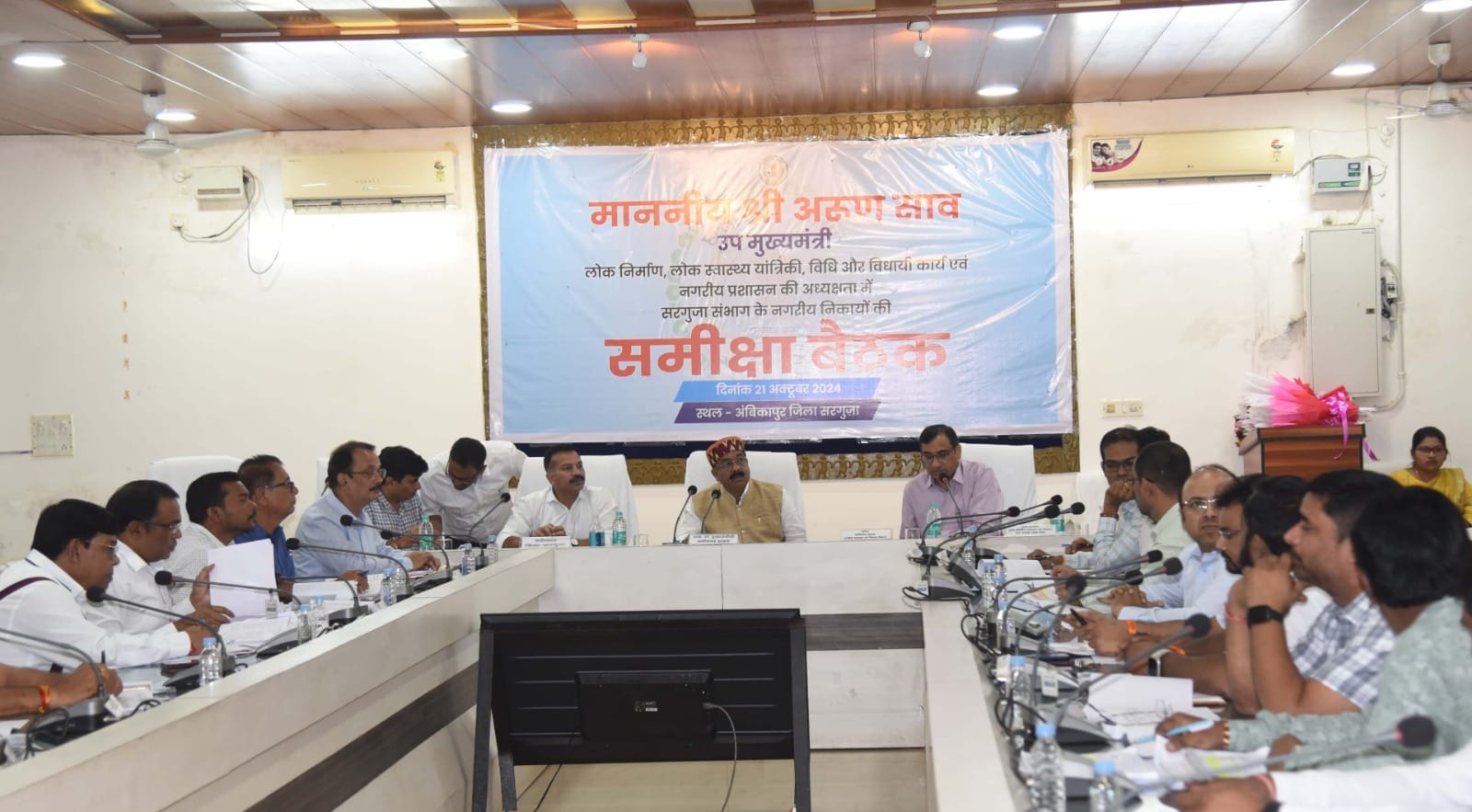
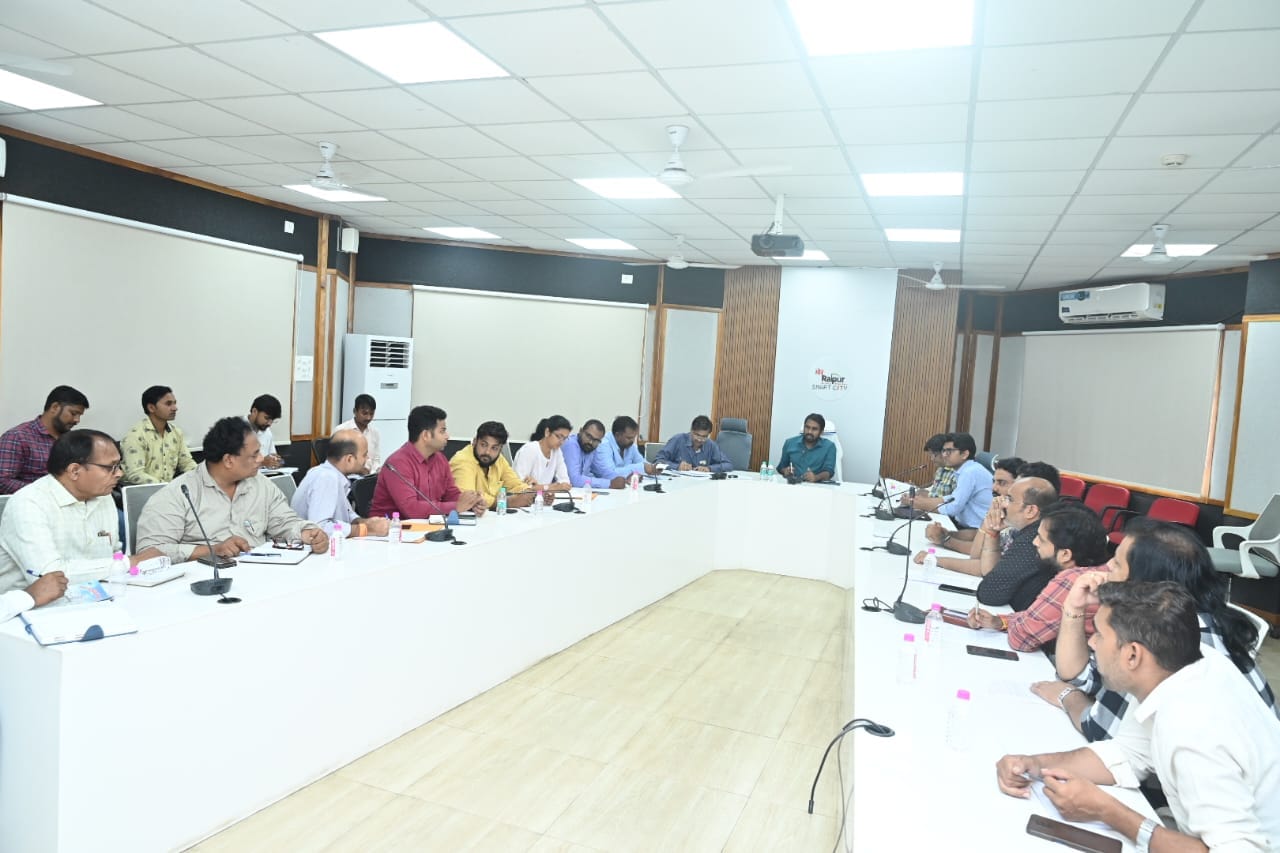
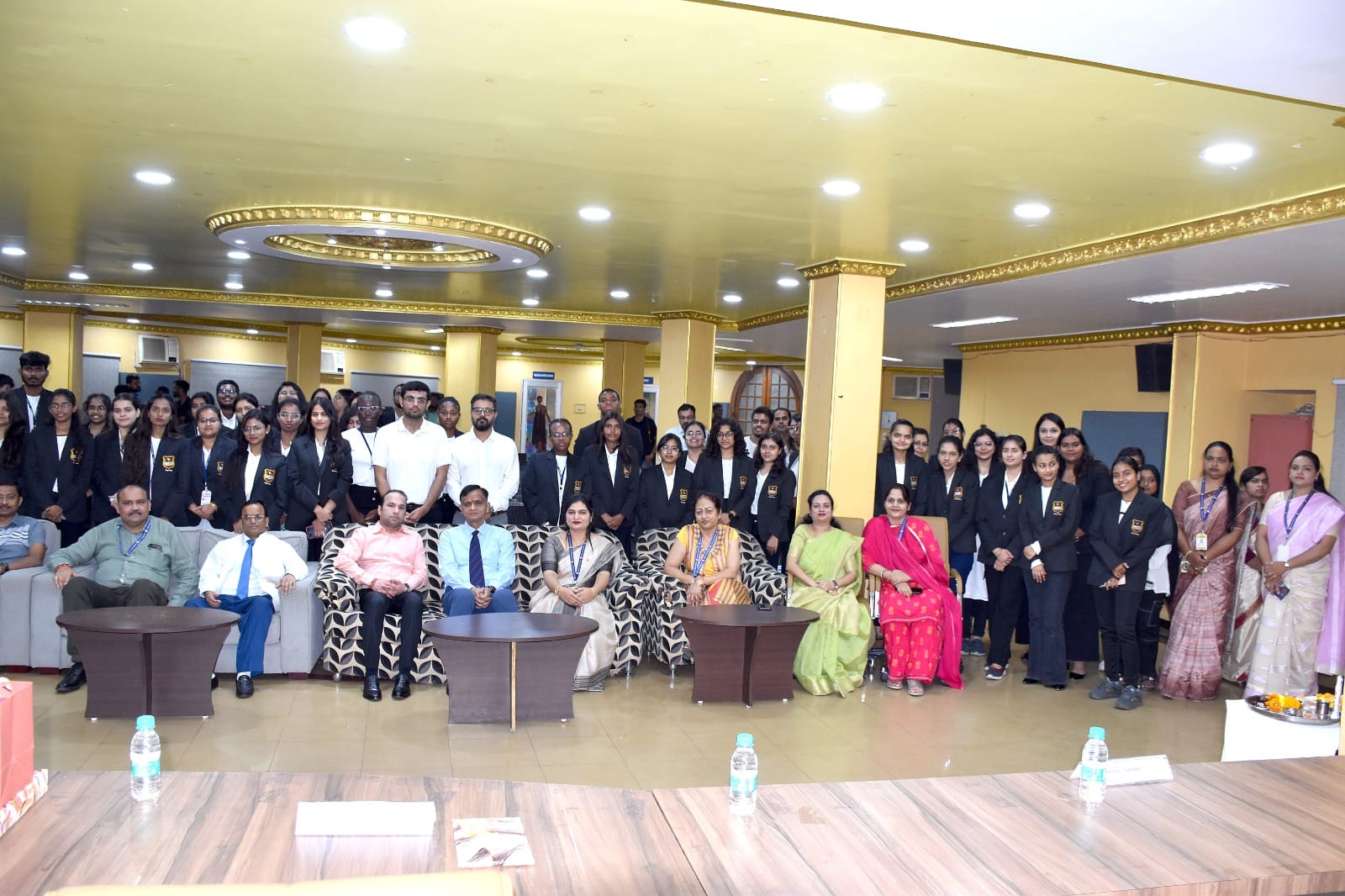
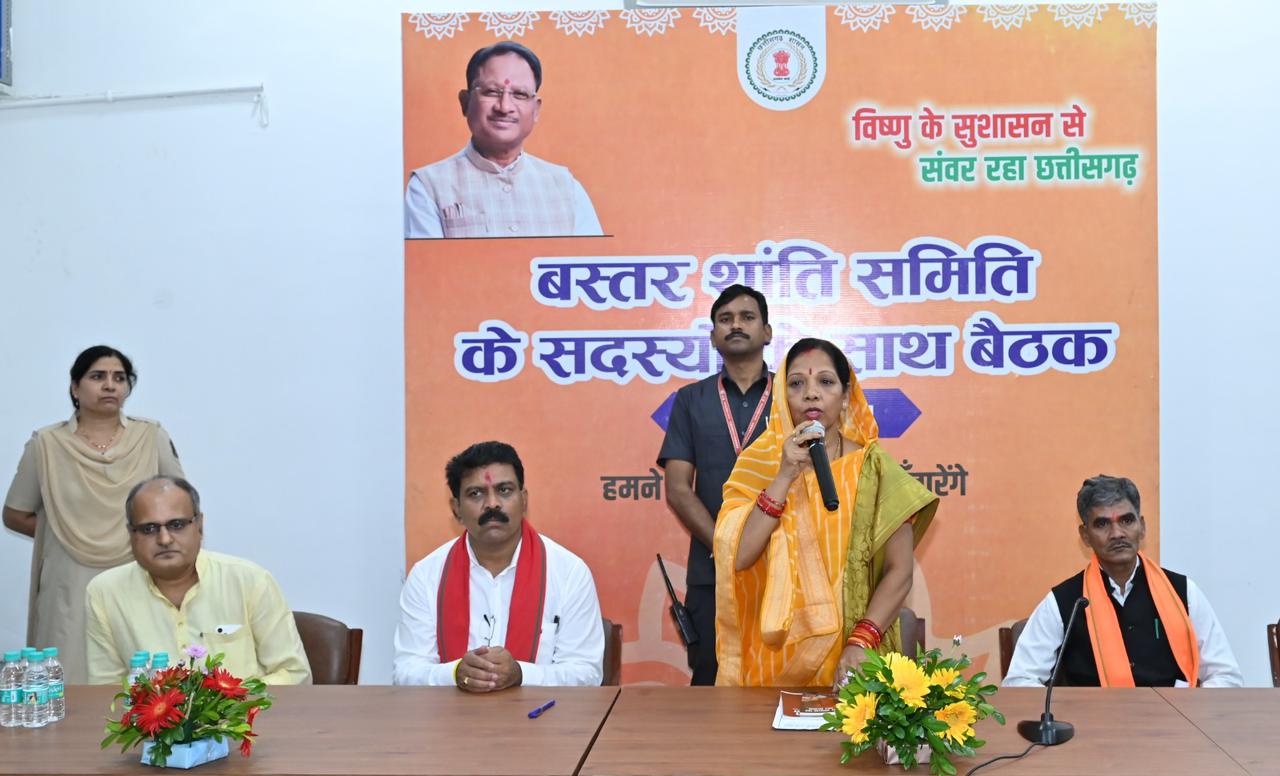
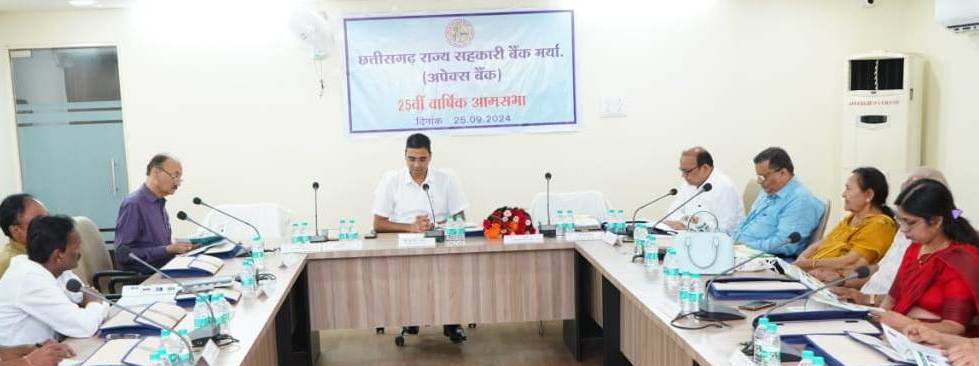
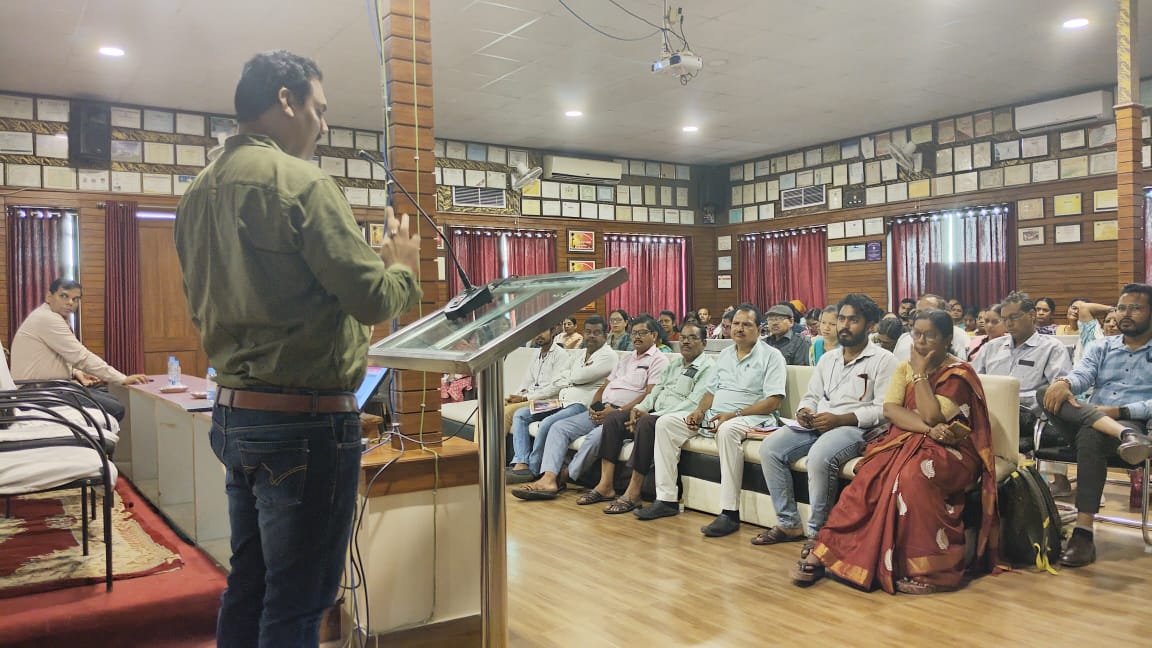
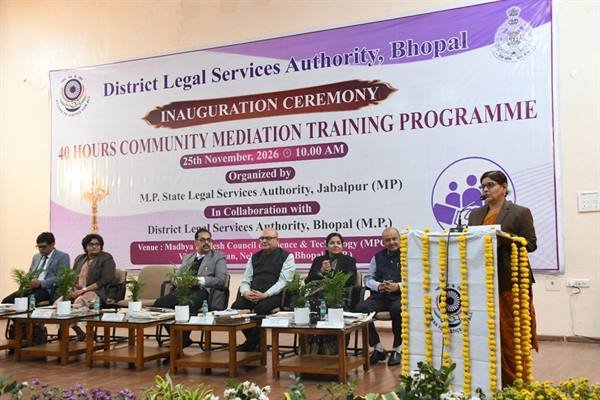
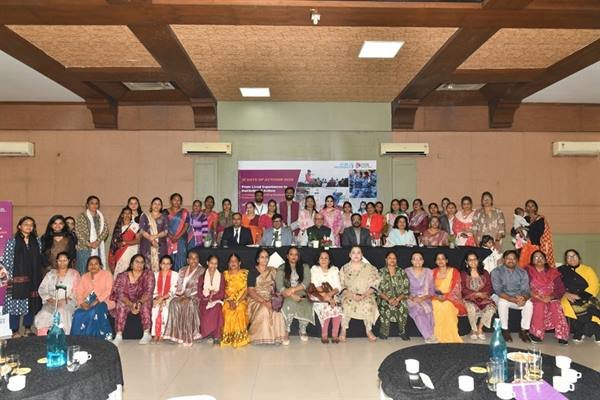
Under ’16 Days of Activism 2026′, Madhya Pradesh Civil Society Network in collaboration with UN Women organised a dialogue programme on the topic “From Lived Experiences to Institutional Action: A Dialogue on Ending Domestic Violence” at Palash Hotel, Bhopal. Women affected by domestic violence, representatives from NGOs, police, legal service institutions and related sectors shared their experiences in the programme. The discussion elaborately focused on the practical difficulties faced in cases of domestic violence, the protection and legal aid available to women, the role of the police, rehabilitation and measures to make the support system more effective.
- Emphasis on making Women Energy Desk more effective: Shri Vineet Kapoor
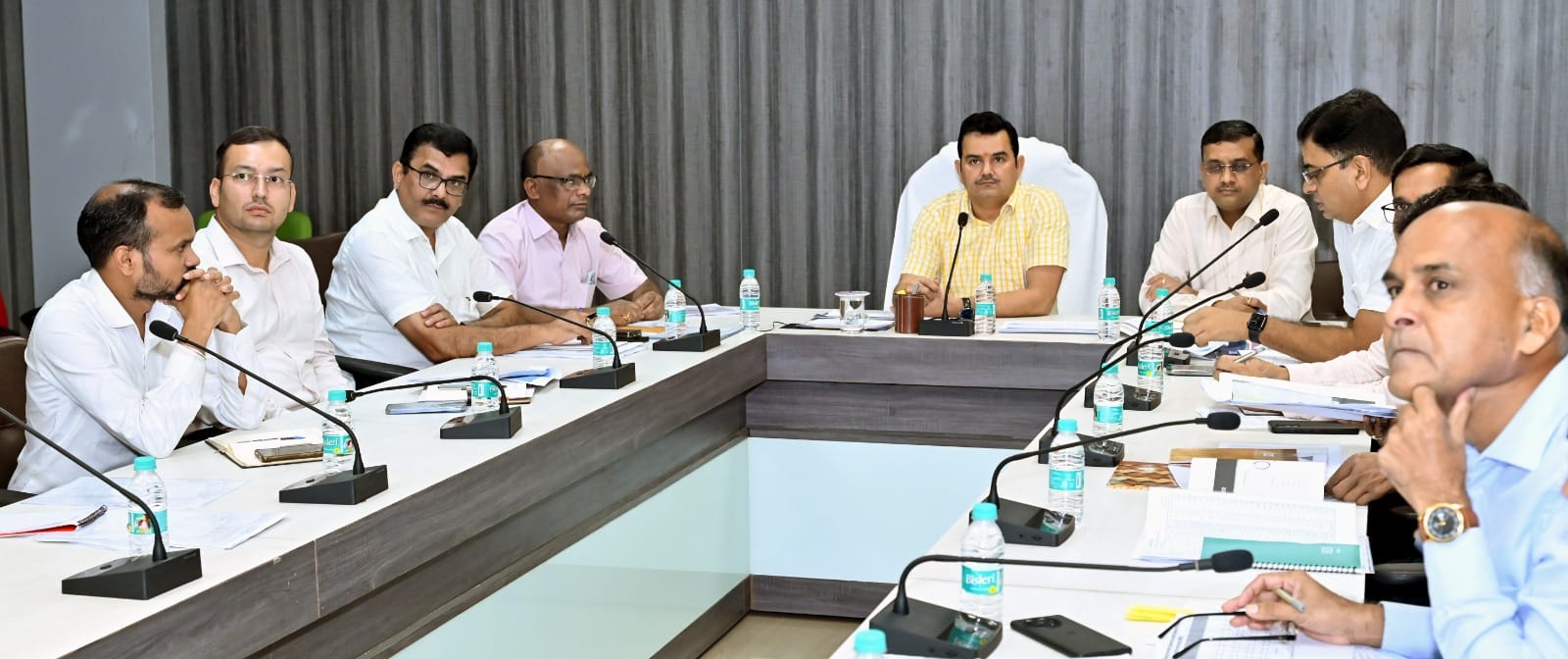
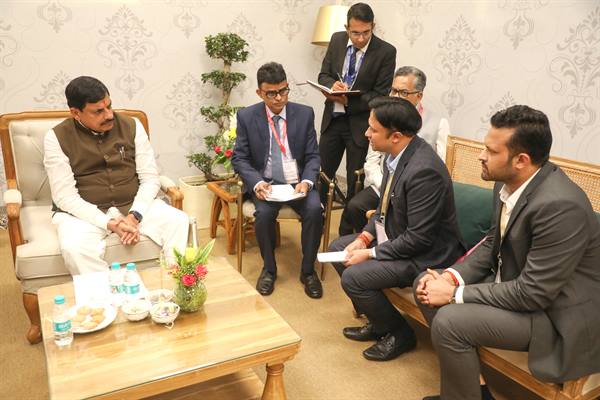
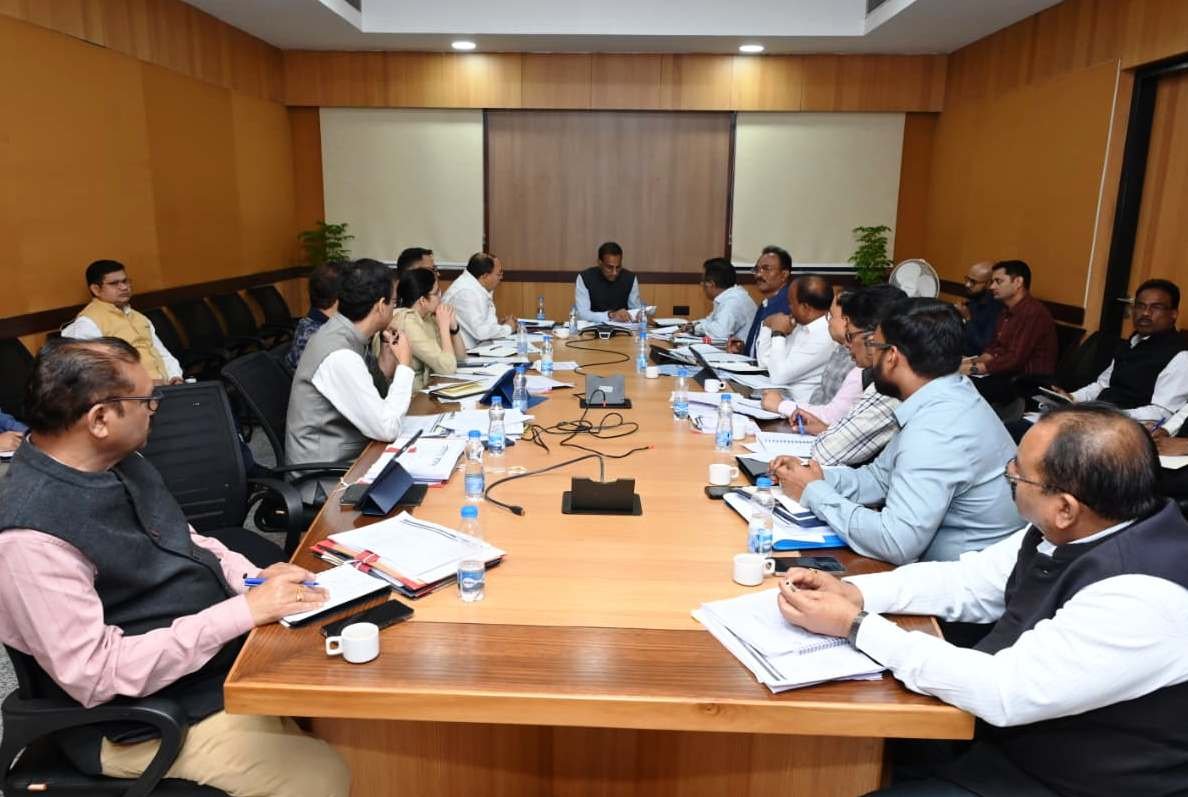
During the discussion, Mr. Vineet Kapoor stated that the role of the police, protection officers, one-stop centers, district legal services authorities, and voluntary organizations is crucial in cases of domestic violence. Better coordination among all organizations can provide timely assistance and appropriate guidance to women. He emphasized that in every case of domestic violence, it is essential to understand the woman’s circumstances and her wishes. Many women initially prefer to resolve the issue through dialogue and counseling rather than filing an FIR. In such cases, counseling can be arranged based on their wishes. However, if a woman wishes to pursue legal action, her complaint must be processed as per the law. The purpose of counseling should not be to pressure the woman, but to connect her with appropriate options and support systems.
Mr. Kapoor stated that the purpose of the Women’s Energy Desks is to provide women with a safe and comfortable environment where they can express themselves without hesitation. Many women are unable to openly express their personal problems to male police officers. Therefore, the availability and sensitive communication of female police officers is crucial. He stated that efforts will be made to increase the number and effectiveness of Women’s Energy Desks, and that the dedicated help desks for hearing women’s complaints at police stations will be further improved.

- The condition of the police stations will be reviewed and deficiencies will be removed.
Mr. Kapoor said that in police stations where the Mahila Energy Desk is not functioning effectively, problems will be identified and necessary improvements will be made. He urged the concerned voluntary organizations to submit reports based on the status of the police stations in their jurisdiction, so that the actual situation can be assessed and deficiencies can be rectified. He said that this would start from Bhopal and a meeting would be held with the concerned organizations to review the functioning of the Mahila Energy Desk. He also said that they can put forward their problems before senior police officers in the public hearing held every Tuesday. Through this system, the hearing of women’s complaints and their resolution will be regularly monitored.
Mr. Kapoor emphasized the importance of coordination between the police and civil society organizations, calling for NGOs to provide suggestions based on their experiences and ground realities. He emphasized that while police also have law and order, VIP duty, and other responsibilities, it is essential to consistently address crimes and complaints related to women within these preoccupations. This system can be strengthened through improved monitoring, sensitivity, and citizen participation.
Participants in the program explained that domestic violence is often limited to physical abuse, while mental, emotional, and financial abuse also seriously impact women’s lives. Participants stated that it is essential to listen seriously to complaints of domestic violence and provide assistance to women appropriate to their circumstances.
Women also mentioned difficulties they faced in accessing One Stop Centers, counseling services, and legal aid. Some participants shared experiences of long case backlogs, repeated procedures, problems with lawyers, and delays in receiving compensation. They stated that initial assistance alone is not sufficient for women affected by domestic violence; they should receive ongoing support and guidance until the judicial process is complete.
- Rehabilitation and economic self-reliance need to be prioritized.
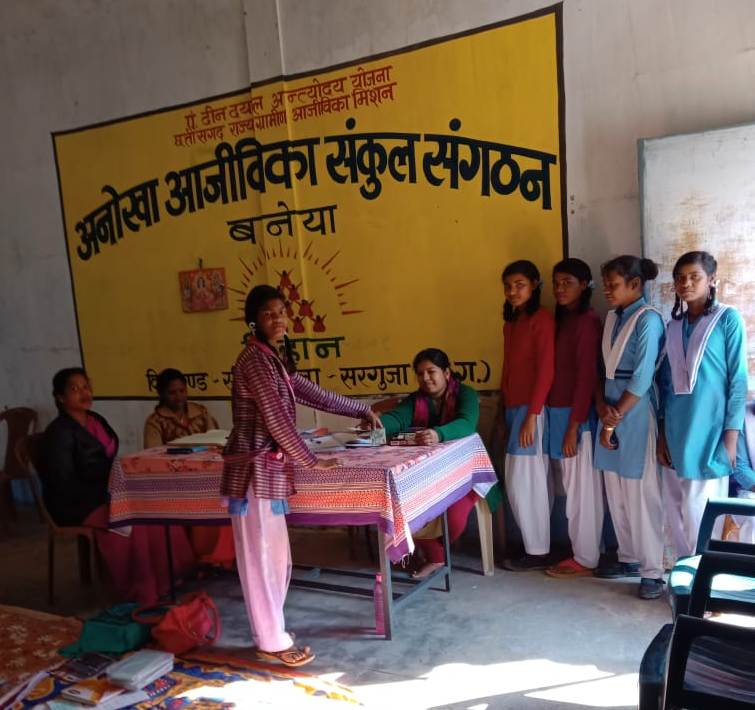
During discussions, NGOs highlighted the practical challenges facing the rehabilitation of women affected by domestic violence. For women living in shelters, securing Aadhaar cards, bank accounts, school admissions for their children, educational certificates, skills training, and employment can often be challenging. Lack of documentation and educational qualifications limit their opportunities to become self-reliant.
Participants stated that simply returning women to their families or forcing them to compromise is not the solution. Prioritizing their decisions, safety, and wishes, it is also essential to provide them with opportunities for education, skill development, employment, and economic independence. The rehabilitation process should enable women to live a dignified and secure life.
- Information provided about the process of free legal aid and compensation
Representatives of the District Legal Services Authority (DLSA) explained at the meeting that there is a provision to provide free legal aid to eligible women. There is no need to pay any fees to the appointed panel lawyers or any other individuals.
Regarding compensation, it was explained that the court determines compensation based on the specific case and eligibility. The District Legal Services Authority completes the necessary documentation and submits the proposal to the government. After approval, the amount is transferred directly to the beneficiary’s bank account online.
- Consideration on making protocol for effective implementation of Domestic Violence Act
At the meeting, representatives of women’s rights organizations and non-profit organizations stated that for the effective implementation of the Domestic Violence Act, clear roles and responsibilities of all relevant organizations are essential. The discussion also raised concerns that societal perceptions often view domestic violence as a private family matter, and that women are often pressured into compromise or return to their families, even against their wishes.
Participants stated that if a woman wishes to leave a violent environment or pursue legal action, her decision should be respected and she should receive the necessary support. Counseling and counseling should be conducted with the woman’s safety, dignity, and wishes in mind. The need for a practical protocol or manual for better coordination between the police, protection officers, one-stop centers, legal services authorities, judicial institutions, and voluntary organizations was also highlighted.
The meeting was informed that discussions with relevant organizations and officials in various locations, including Bhopal, Indore, and Gwalior, were conducted to understand the practical challenges faced in implementing the Domestic Violence Act. Based on these experiences, initiatives were considered to improve the system, clarify the responsibilities of institutions, and make the protection and rehabilitation of women more effective.
The program emphasized that providing women affected by domestic violence not only immediate relief but also security, justice, legal aid, a dignified life, and long-term rehabilitation is a shared responsibility of all concerned institutions. This requires coordinated efforts by the police, administration, legal service institutions, and civil society organizations.