






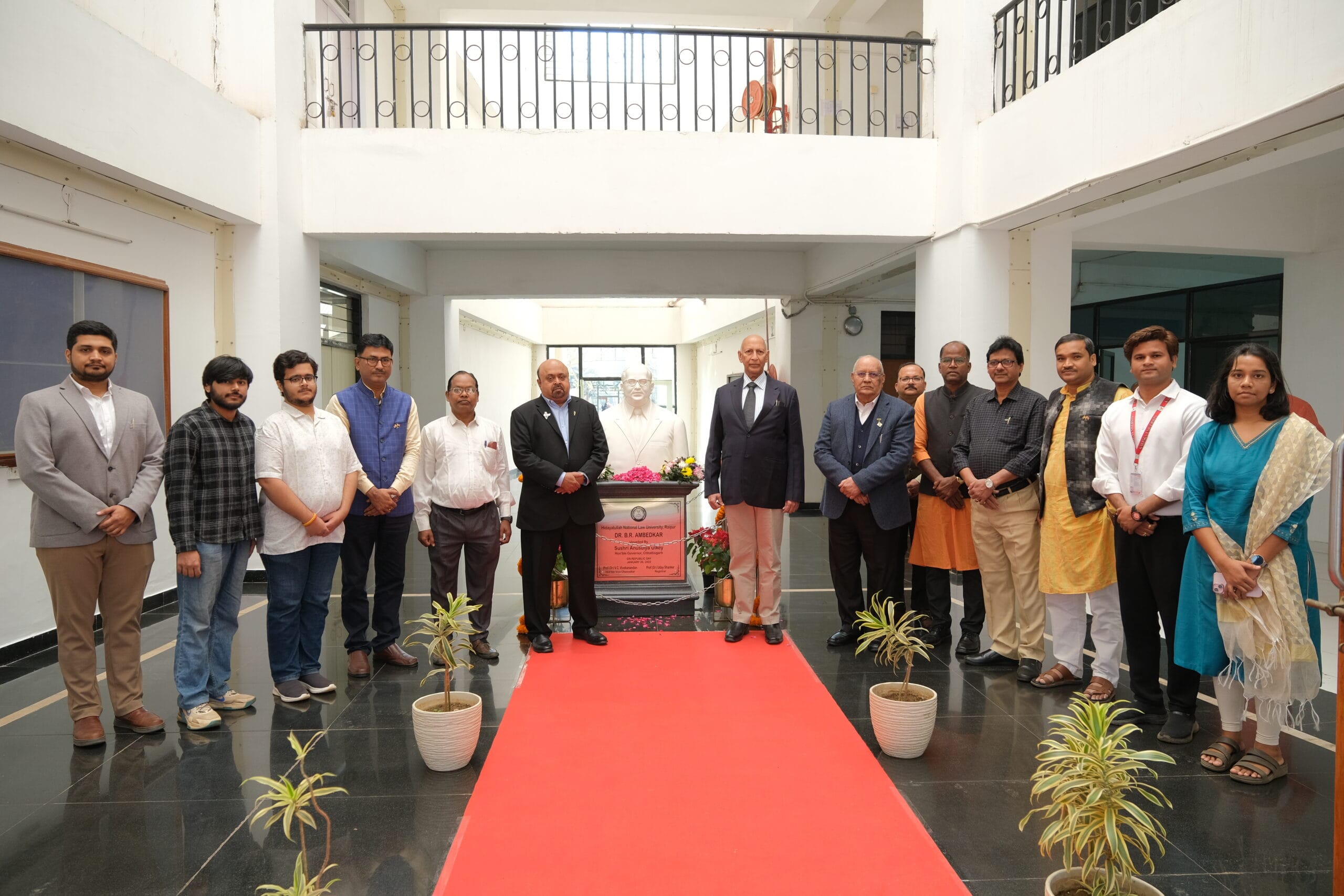










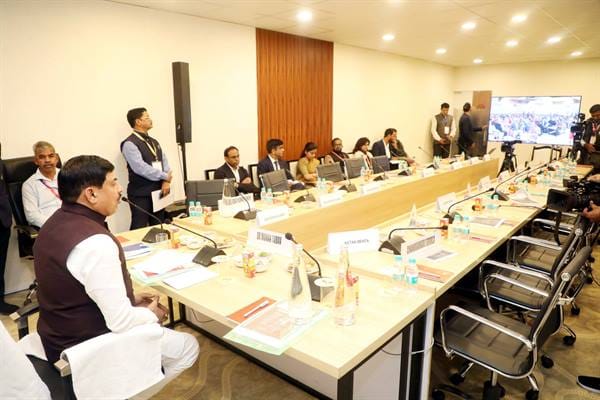


























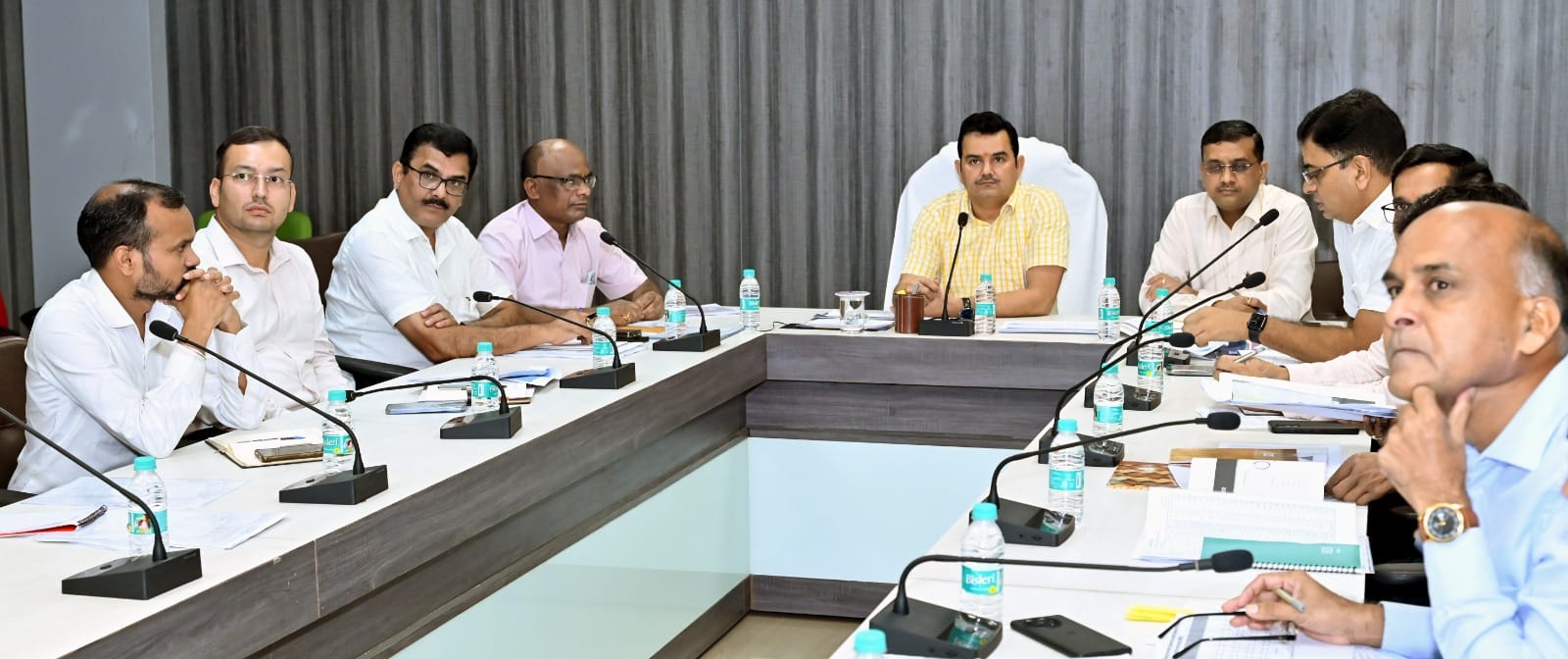










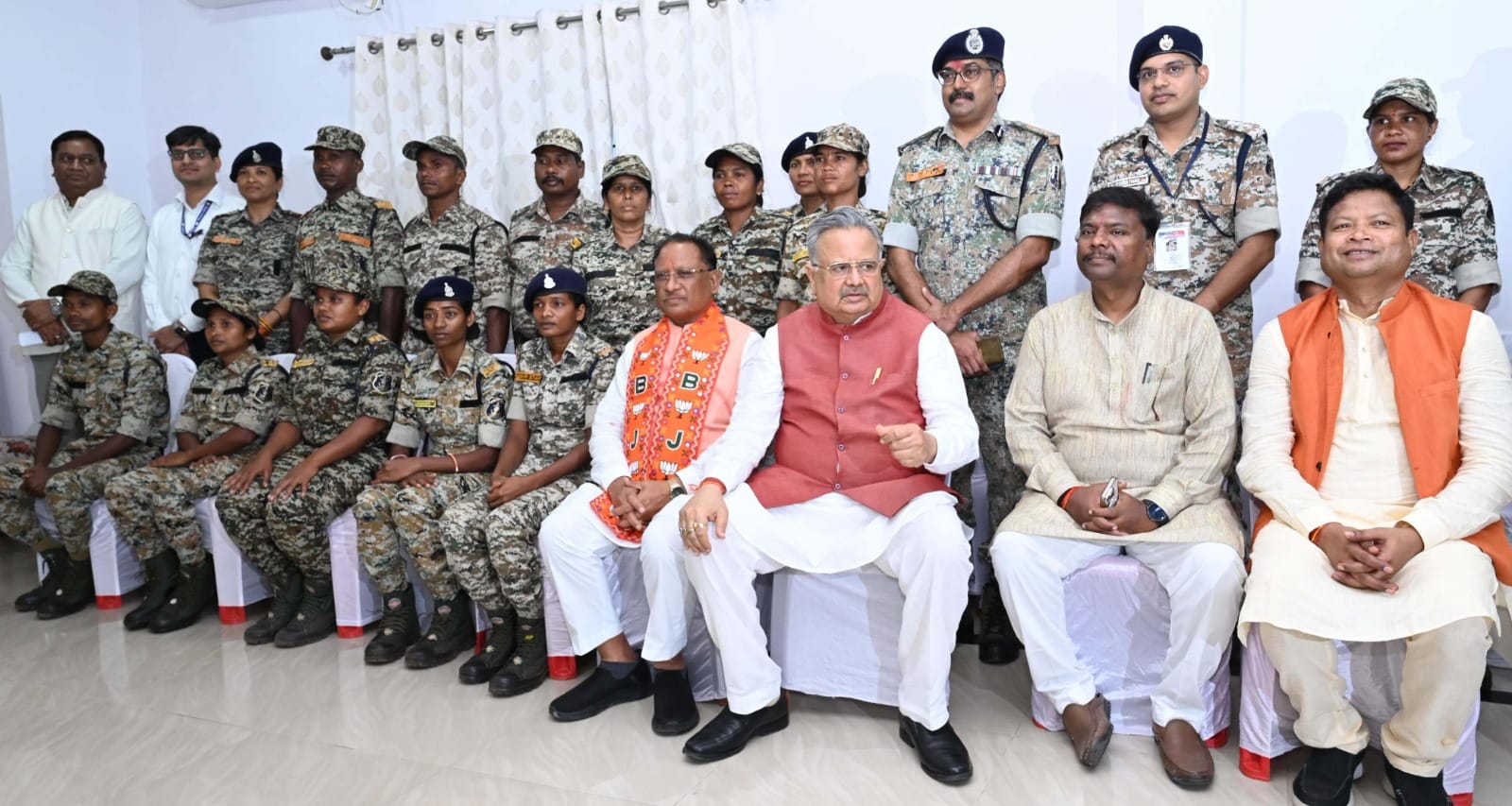






















Raipur, in collaboration with the Chhattisgarh Police, organized a day-long summit on “From Reform to Reality: Assessing the Implementation of New Criminal Laws in Chhattisgarh” on the occasion of Constitution Day . Senior police officers, members of the judiciary, and legal academics participated in the summit. The conference discussed the implementation of the three new criminal laws, institutional challenges, and the need for effective coordination among key stakeholders to strengthen the criminal justice system.
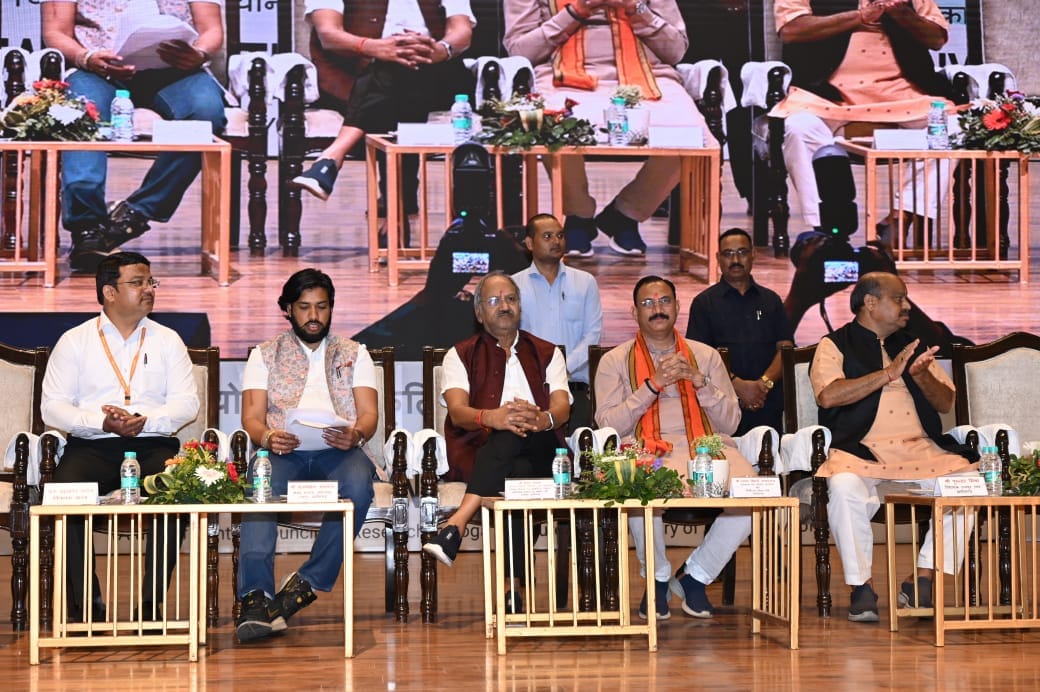
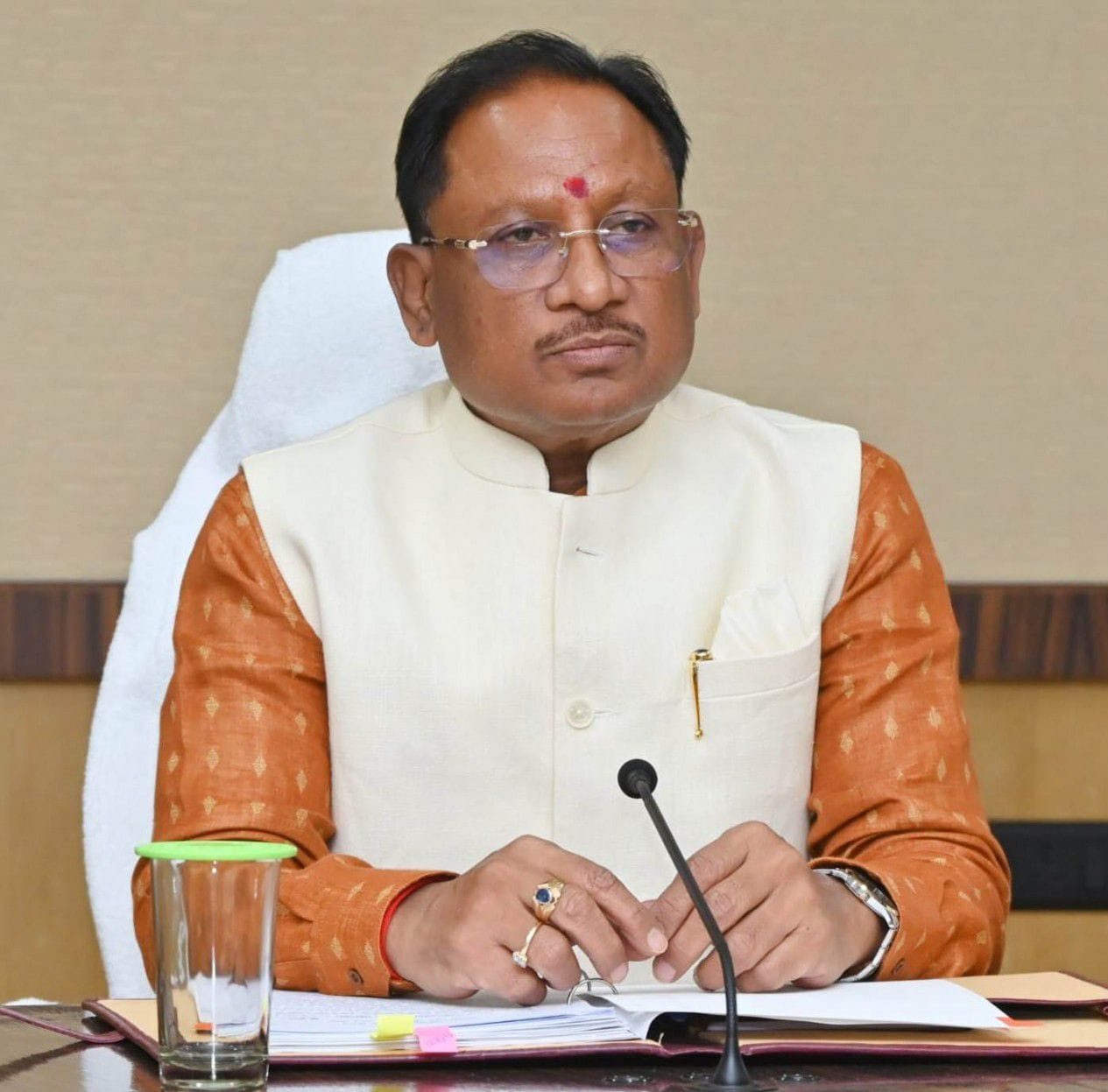
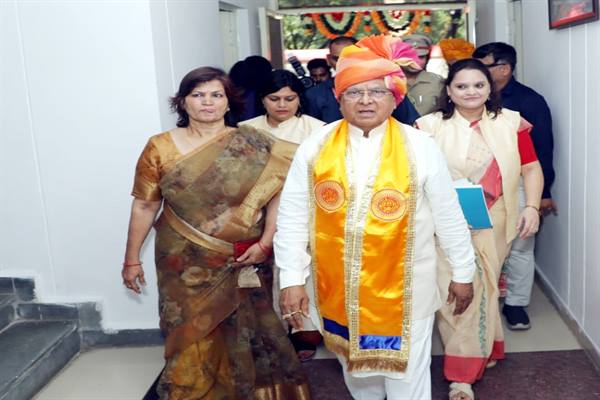
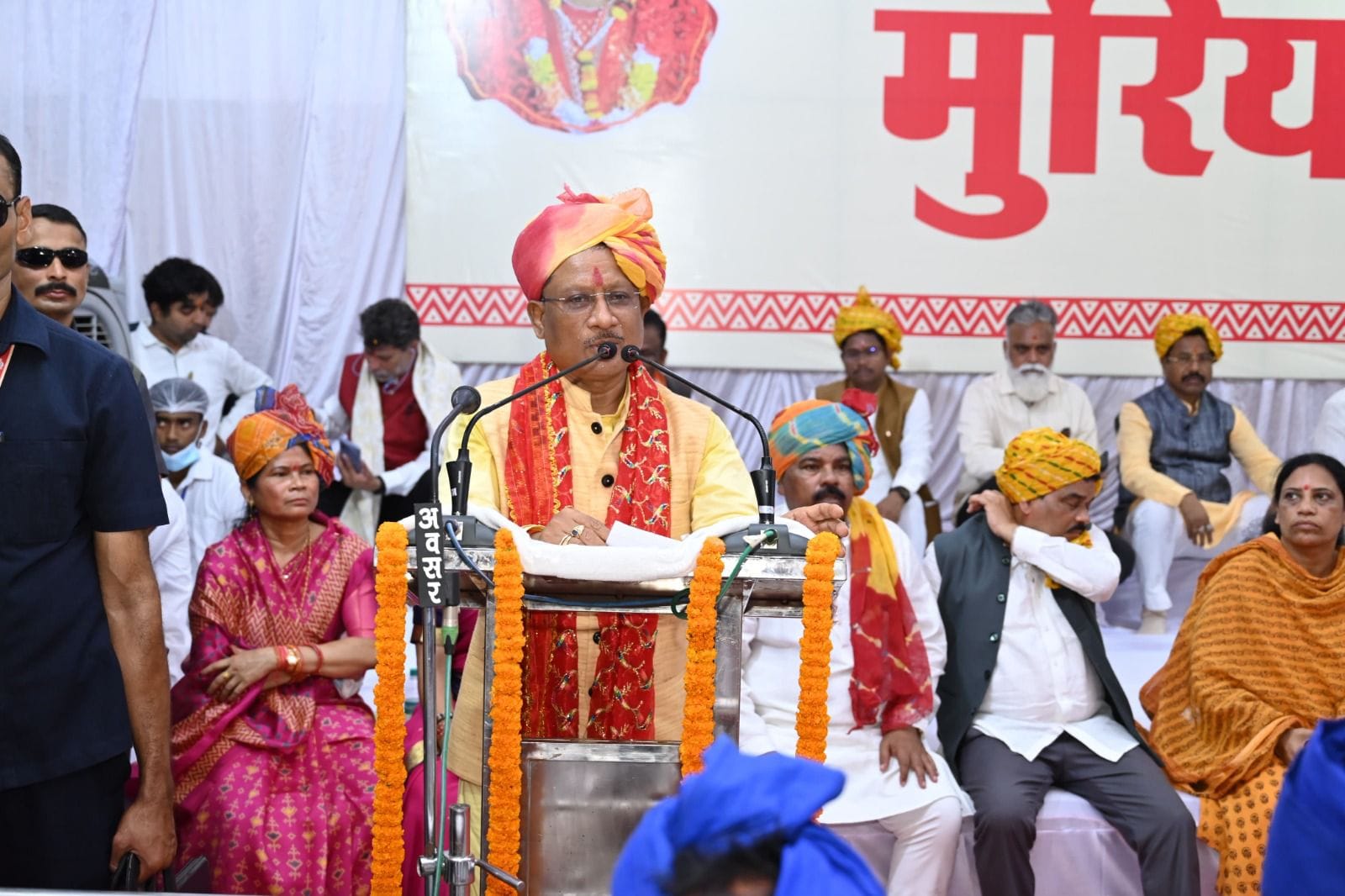
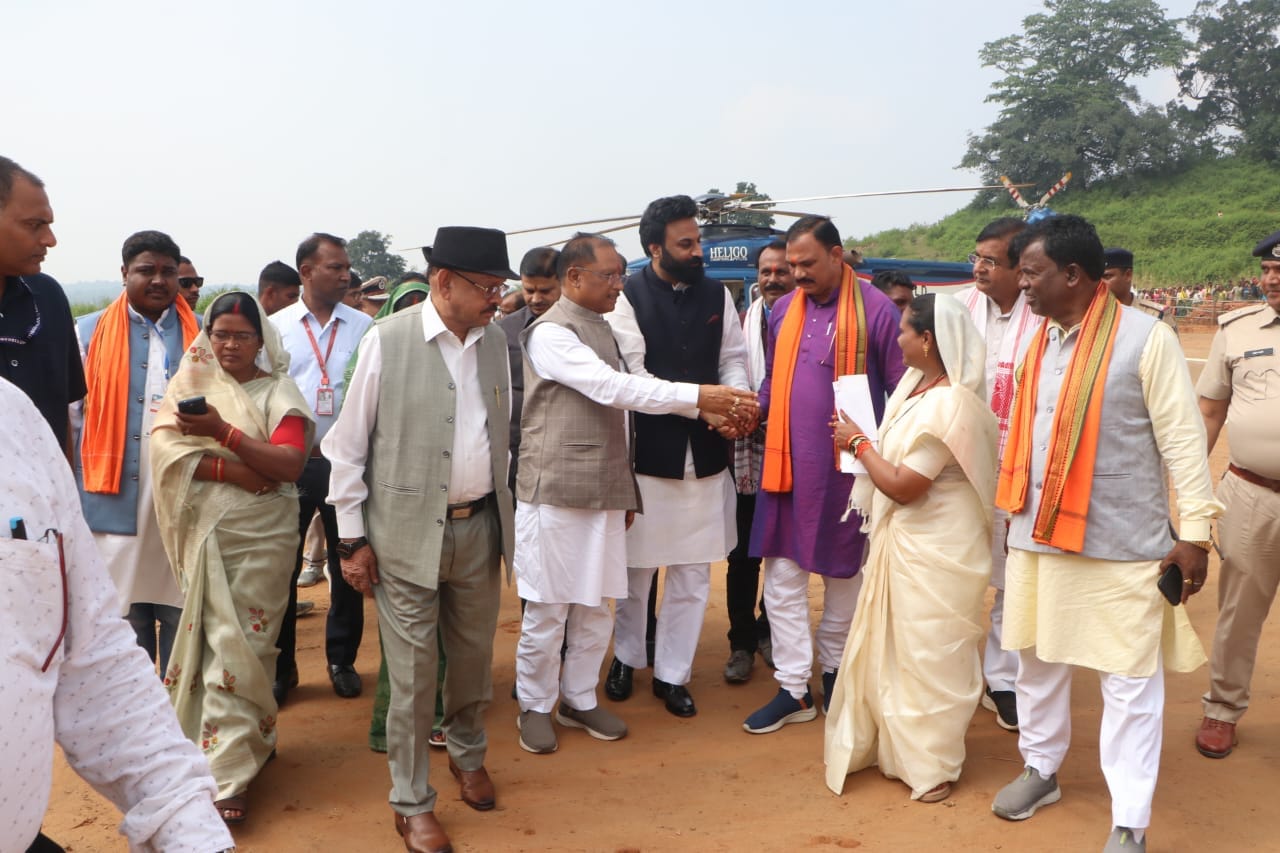
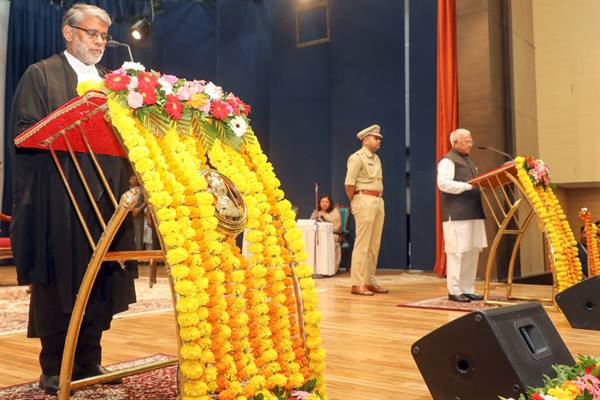
The inaugural ceremony was attended by Shri Vijay Sharma, Honorable Deputy Chief Minister of Chhattisgarh, as the Chief Guest, and Justice Gautam Bhaduri, former Judge of the Chhattisgarh High Court, as the Keynote Speaker. HNLU Vice Chancellor Prof. (Dr.) V.C. Vivekanandan, Director General of Police, Chhattisgarh, Shri Arun Dev Gautam, and Director General of Police (Training) and Director of Netaji Subhash Chandra Bose State Police Academy, Raipur, Shri G.P. Singh also spoke on the occasion.
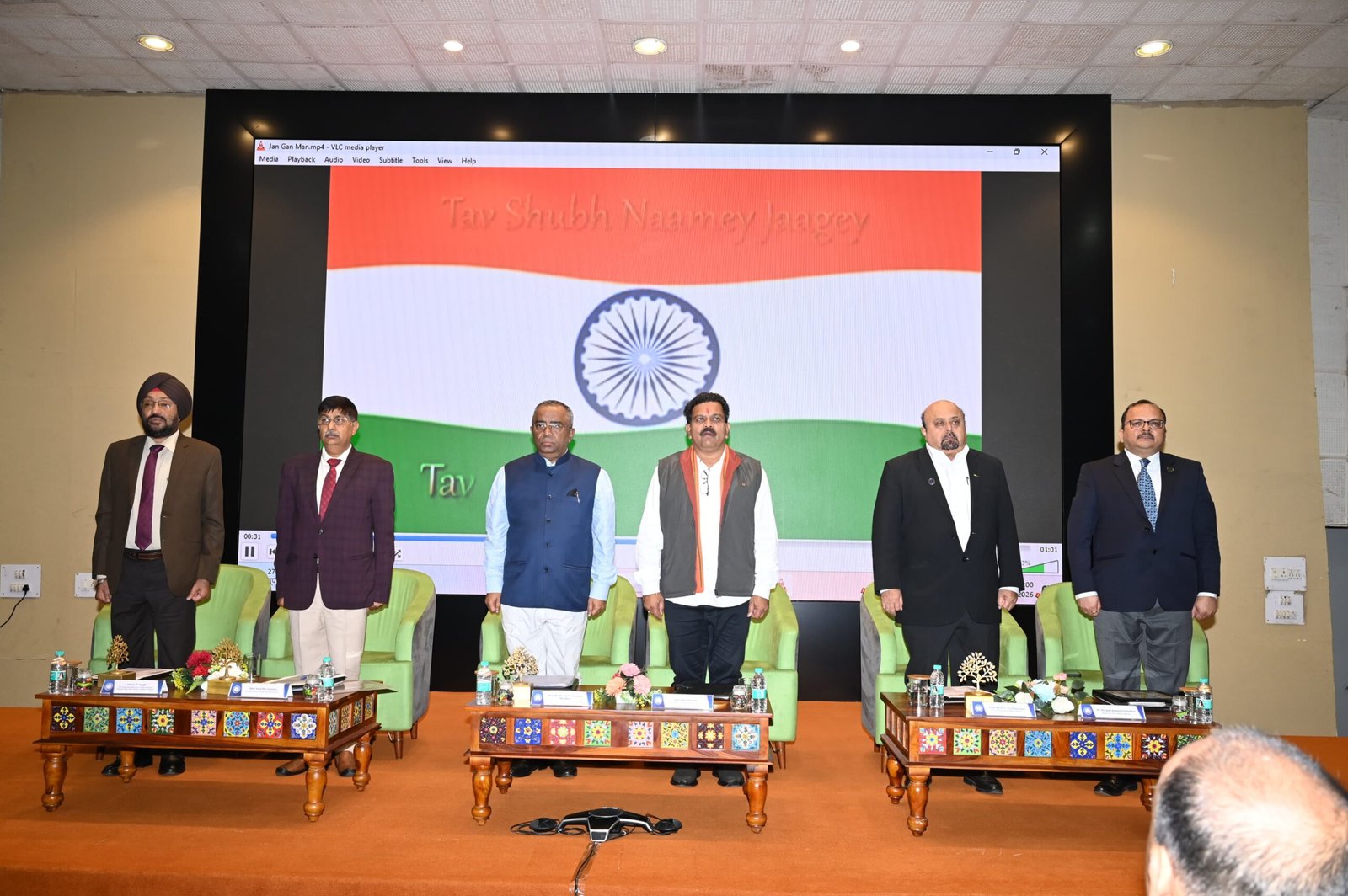
On the occasion of Constitution Day, the Honorable Deputy Chief Minister administered the oath of the Preamble to the Indian Constitution to the police officers and members of the HNLU family present. The occasion reaffirmed the collective commitment to the constitutional ideals of justice, liberty, equality, and fraternity. The event also commemorated the 77th anniversary of the adoption of the Indian Constitution by the Constituent Assembly on November 26, 1949.

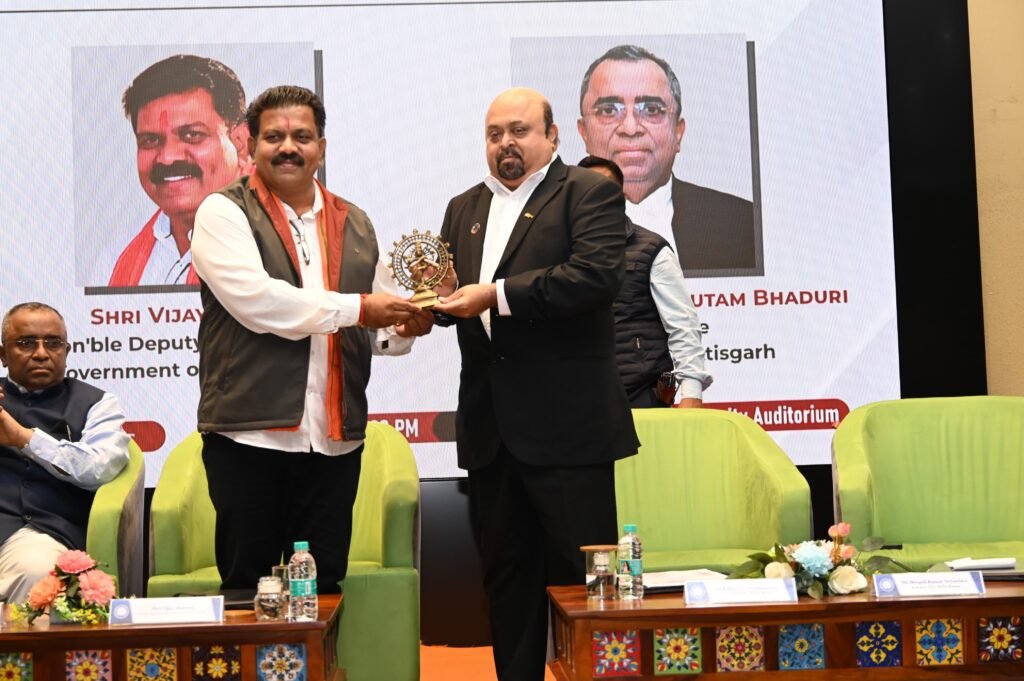
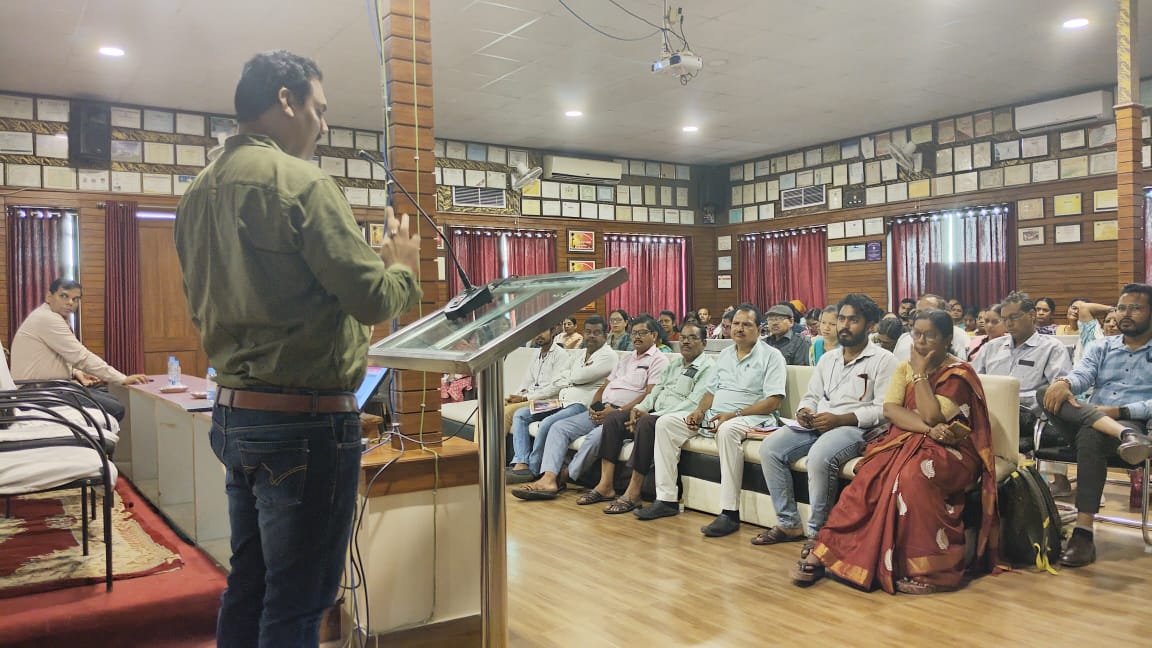
In his opening address, Vice Chancellor Prof. (Dr.) V.C. Vivekanandan highlighted the gap between statutes in books and statutes in practice, saying it needed to be addressed. He described the new Indian criminal laws as an important step in this direction. Citing the example of Henry Ford, who, when told that cars would be useless without proper roads, replied that roads would be built if innovation were introduced, he used this example to underscore the skepticism of innovation in criminal law. He also noted that the Chhattisgarh government and police department, with HNLU as the academic partner, had pioneered the country in launching a comprehensive capacity-building initiative for the effective implementation of new criminal laws.
In his address, the Hon’ble Deputy Chief Minister commended the collaborative initiatives undertaken by HNLU and the Chhattisgarh Police, particularly the extensive training and capacity-building programs conducted over the last two to three years for the effective implementation of new criminal laws. Commending the Chhattisgarh Police’s continued efforts and dedication, he stressed the need for continued joint consultations between the police, prosecution, judiciary, and academia to identify practical challenges, strengthen institutional coordination, and improve conviction rates. Emphasizing the constitutional responsibility of the police, he stated that maintaining public order is one of the fundamental duties of the police, and its discharge must be in accordance with the constitutional framework.
The Deputy Chief Minister also praised Chhattisgarh’s improved performance in implementing new criminal laws. Specifically highlighting the state’s achievements in the areas of e-evidence and CCTNS, he noted that the state’s national ranking had improved from 26th to 9th in a matter of about three months. He also highlighted the Chhattisgarh Police’s achievement of receiving the prestigious President’s Police Flag within just 24 years of its establishment. He described it as a recognition of the police organization’s institutional strength, professional commitment, and dedication to public service.
Delivering the keynote address, Hon’ble Justice Gautam Bhaduri, former Judge of the Chhattisgarh High Court, commended the dynamic leadership of the state police. He particularly praised the leadership of the Hon’ble Deputy Chief Minister (Home), Director General of Police, and Director General of Police (Training). Addressing the police officers, he said that they are in safe hands under the current leadership. He encouraged police officers to act under the guidance of their conscience and ensure that their professional judgment and actions are always just, fair, and prudent. Underscoring the importance of constitutional values in policing, he said that the principles enshrined in the Preamble of the Constitution must remain at the core of the functioning of law enforcement agencies. He particularly emphasized the responsibility of police officers working at the grassroots level, as their actions directly impact citizens’ experiences of the criminal justice system.
Director General of Police, Shri Arun Dev Gautam, commended the dedicated efforts of police personnel in implementing new criminal laws and highlighted emerging challenges in criminal investigation. He emphasized the need to strengthen e-evidence, digital evidence management, and investigation processes. He expressed confidence that continued efforts will further improve the state’s performance.
Director General of Police (Training) and Director of Netaji Subhash Chandra Bose State Police Academy, Raipur, Mr. G.P. Singh, commended the joint efforts of HNLU and the Chhattisgarh Police in conducting extensive training and capacity-building programs. He reported that over 35,000 police officers and personnel of various ranks and positions have been trained on the new criminal laws. He also highlighted the University’s significant contribution in strengthening institutional preparedness.
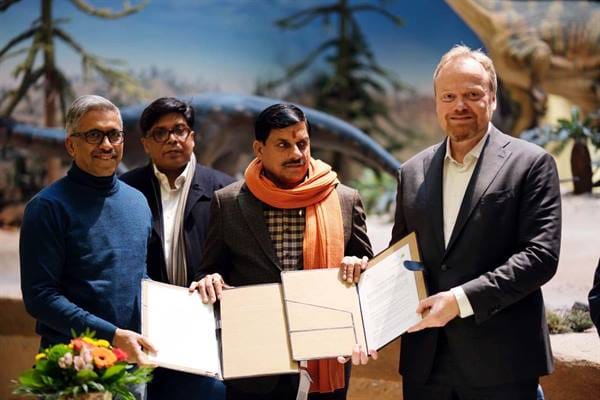
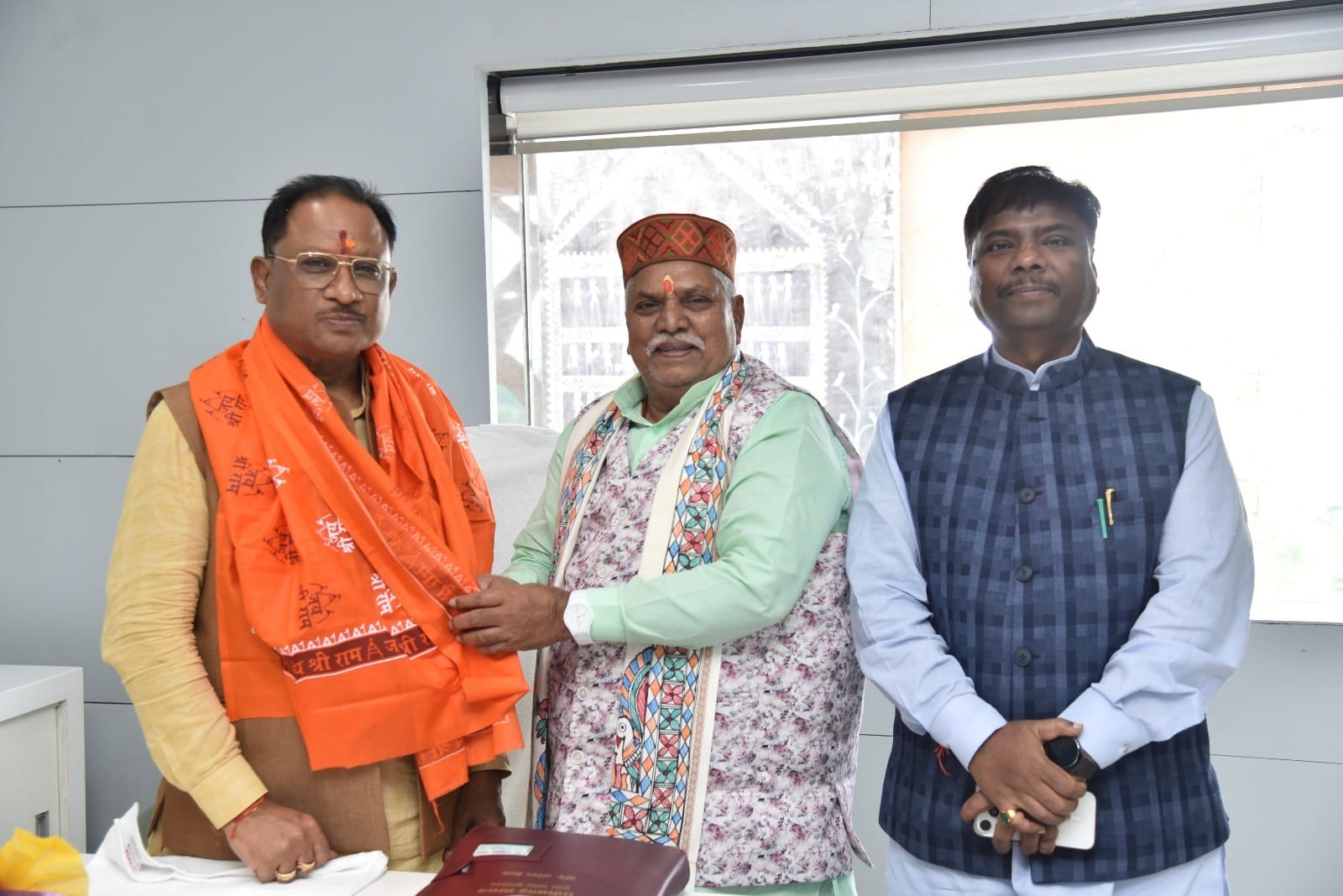
The conference also discussed the institutional partnership between HNLU and the Chhattisgarh Police. This partnership was formalized through the exchange of a Memorandum of Understanding (MoU) during a ceremony held at the Police Headquarters in Raipur in February/March 2024. Present on the occasion were the Honorable Chief Minister of Chhattisgarh, Shri Vishnu Dev Sai, the Honorable Deputy Chief Minister, Shri Vijay Sharma, and Prof. (Dr.) Ranbir Singh, Chairman of the Committee for Drafting New Criminal Laws. The MoU was exchanged between the Vice Chancellor of HNLU and the Director General of Police. It laid the foundation for long-term collaboration in legal training, research, capacity building, and other areas of mutual interest between the two institutions.
Since the inception of this collaboration, HNLU has conducted several training and capacity-building programs for the Chhattisgarh Police. These include specialized training programs for Indian Police Service (IPS) and State Police Service officers at the Police Headquarters and State Police Academy, refresher courses for field-level officers, and structured training programs for newly recruited Deputy Superintendents of Police and Sub-Inspectors. Through various online and offline programs, HNLU has contributed to training over 30,000 police officers and personnel on new criminal laws. These initiatives reflect the University’s continued commitment to bridging the gap between legal education and its practical application in criminal justice administration.
Following the inaugural ceremony, three technical sessions were held. These sessions discussed important aspects of criminal investigation, evidentiary standards, and the judicial perspective on the implementation of new criminal laws.
The first session was held on the topic , “From Seizure to Conviction: Addressing Evidentiary and Procedural Defects in NDPS Cases under the BNSS .” It was moderated by Hon’ble Justice Arvind Kumar Verma, former Judge of the Chhattisgarh High Court. The session discussed procedural requirements and evidentiary aspects in NDPS cases. It highlighted the importance of lawful search and seizure, proper documentation, adherence to statutory safeguards, and procedural compliance in ensuring conviction.
The second session was held on the topic “Role of Police Officers in the Criminal Justice System: Judicial Perspectives on Evidence and Criminal Law Reforms .” It was moderated by Justice Deepak Kumar Tiwari, former Judge of the Chhattisgarh High Court. This session discussed the changing responsibilities of police officers under the new criminal laws. Particular emphasis was placed on the quality of investigation, evaluation of evidence, procedural compliance, and the importance of maintaining the fairness and credibility of the investigation process.
The third session was held on the topic “How superficial investigations, lack of coherent circumstantial evidence, and delayed forensic reports lead judges to acquittals.” It was moderated by Mr. Rajesh Kumar Srivastava, President of the Chhattisgarh State Industrial Court, Raipur. The session highlighted the practical shortcomings of criminal investigations, particularly incomplete investigations, lack of coherent circumstantial evidence, and delayed forensic reports. It also discussed how such shortcomings can impact judicial decisions. The need for thorough, scientific, and evidence-based investigations was emphasized to strengthen the prosecution’s case and improve the overall quality of criminal justice delivery.
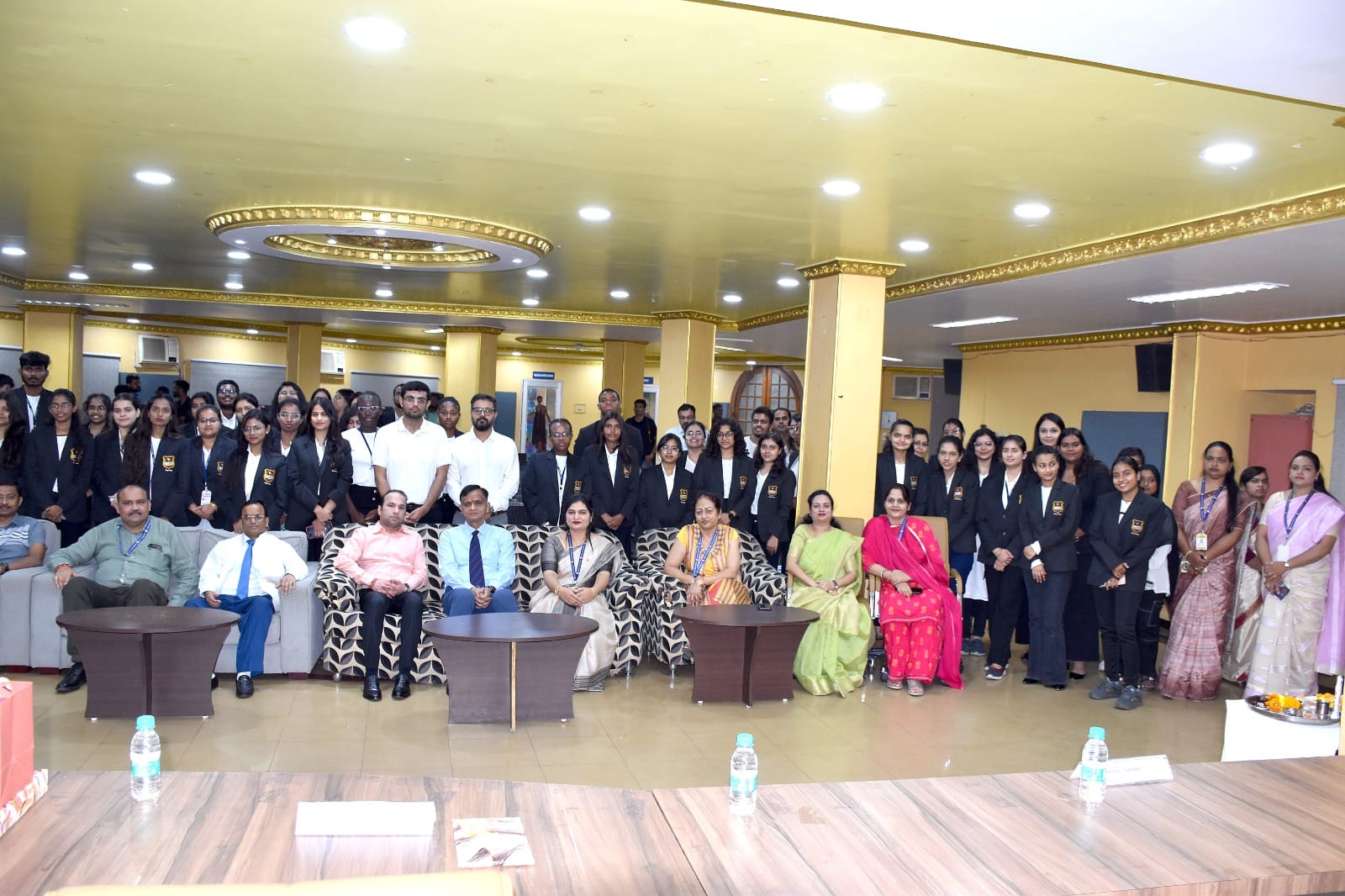
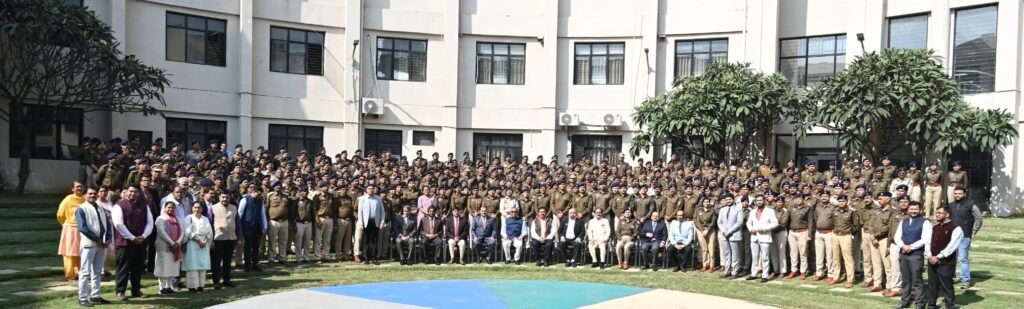
Nearly 300 police officers participated in the summit in person , while nearly 35,000 police personnel, prosecution officers, and forensic experts joined the event online. Senior police officers present included Additional Director General of Police Mr. Dipanshu Kabra, Inspector General of Police Mr. O.P. Pal, Mr. Sujeet Kumar, Deputy Inspector General of Police (Training), Dr. Abhishek Pallav, Superintendent of Police, State Police Academy, Mr. Sonia Uikey, and Mr. Shubham Tomar, among others.
The program was organized by the Center for Comparative Law, within the School of Law and Governance, Hidayatullah National Law University, under the university’s Research Hub and Spoke (RHaS) model. The program was coordinated by Prof. (Dr.) Deepak Kumar Srivastava, Registrar-in-Charge, and Mr. Abhinav K. Shukla, Head of the Center for Comparative Law, HNLU.
Through this summit, HNLU reiterated its commitment to strengthening institutional engagement with the state’s criminal justice administration system and providing a meaningful academic platform for dialogue, evaluation, and capacity building. This initiative reflects the university’s ongoing efforts to promote effective implementation of legislative reforms through continued collaboration between legal academics, the police, and the judiciary.