









- Over 3.9 Million Women in Chhattisgarh Find Relief from Cooking Smoke
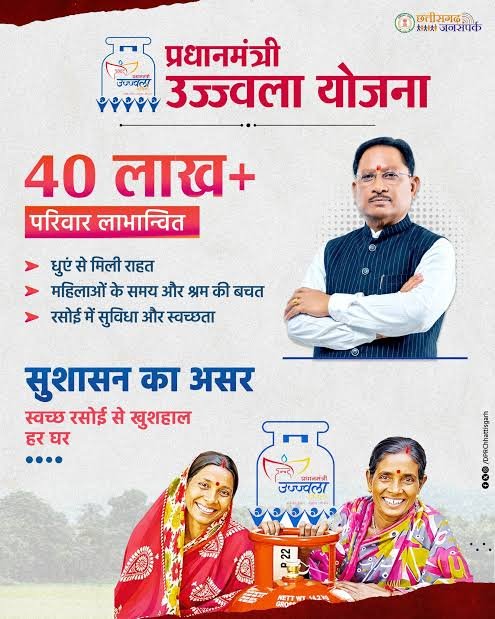
The transition from traditional stoves—fueled by wood, coal, or cow-dung cakes—to LPG has rendered kitchens smoke-free, leading to improvements in the health of women and children and a reduction in respiratory issues. Through the Pradhan Mantri Ujjwala Yojana, more than 3.97 million women in Chhattisgarh have been provided with LPG connections, freeing them from the hazards of cooking smoke.
A historic transformation has taken place in the lives of millions of women across the rural and forest-dwelling regions of Chhattisgarh. Women who, for years, were compelled to cook amidst the smoke generated by wood and cow-dung cakes on earthen stoves now have access to clean fuel. Under the Pradhan Mantri Ujjwala Yojana, over 3.9 million women in the state have received free LPG (cooking gas) connections. This has not only liberated them from smoke but has also safeguarded their health, saved their time, and upheld their dignity.
- A Major Social and Health Revolution
The toxic smoke emitted by traditional stoves acted as a “silent killer” for rural women. Spending hours daily in front of such a stove is considered as harmful as smoking hundreds of cigarettes, often leading to respiratory ailments, eye irritation, and severe lung diseases. The Ujjwala Yojana has directly addressed this crisis. Today, from the remote forest regions of Bastar to the hills of Sarguja and the villages in the plains, the thick plumes of smoke in kitchens have been replaced by the clean, blue flame of LPG.

- Saving Time and Moving Toward Self-Reliance
Previously, a significant portion of rural women’s time was consumed by gathering firewood from forests, preparing cow-dung cakes, and lighting traditional stoves. Due to this arduous labor, women were unable to focus on their own health or engage in any economic activities. With the provision of a gas connection, cooking has become significantly easier and faster. Women are now utilizing the time saved to engage in employment through self-help groups, focus on their children’s education, and contribute to increasing their family’s income. Women from rural and marginalized communities are provided with an LPG connection, a gas stove, and the first cylinder refill—all completely free of charge.
- A Significant Contribution to Environmental Conservation
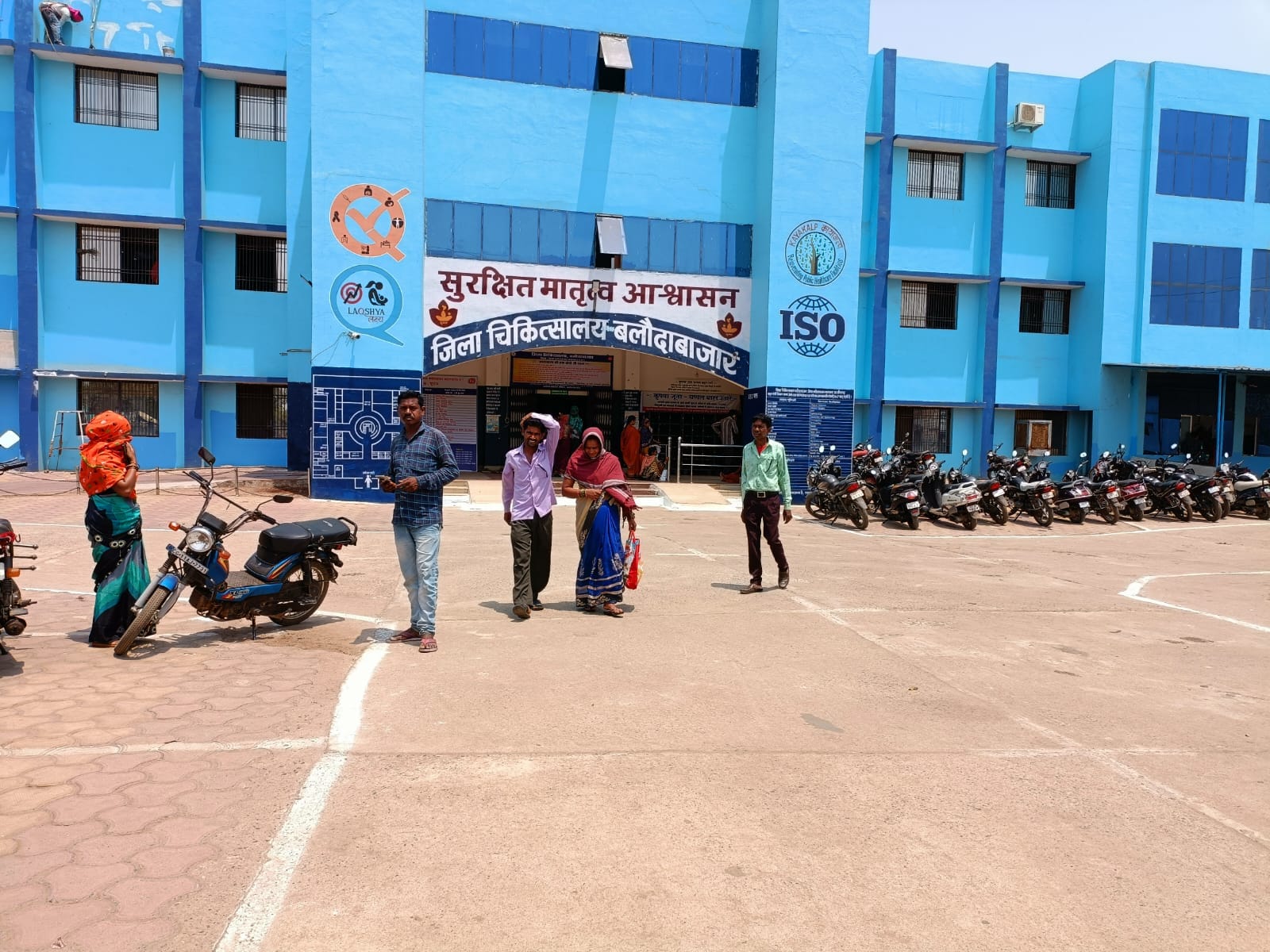
The benefits of the Ujjwala scheme extend well beyond the confines of the kitchen. Chhattisgarh is a forest-rich state; the adoption of LPG by over 3.97 million (39.73 lakh) families has led to a substantial reduction in the felling of trees for firewood. This scheme is proving to be a milestone in maintaining environmental balance and reducing carbon emissions. In Bilaspur district, 294,134 women have been provided with LPG connections under the Pradhan Mantri Ujjwala Yojana, offering them relief from the smoke generated by traditional cooking stoves. Similarly, in Janjgir-Champa district (274,650), Raigarh district (230,101), Baloda Bazar-Bhatapara district (227,132), Mahasamund district (193,464), Korba district (155,683), Jashpur district (142,185), Bastar district (133,555), Bemetara district (133,377), Dhamtari district (128,643), Kawardha (Kabirdham) district (120,895), and Mungeli district (119,549), women have been provided with relief from the smoke of traditional cooking stoves through the Pradhan Mantri Ujjwala Yojana, which grants them LPG gas connections.
- A Symbol of Women’s Dignity and Self-Respect
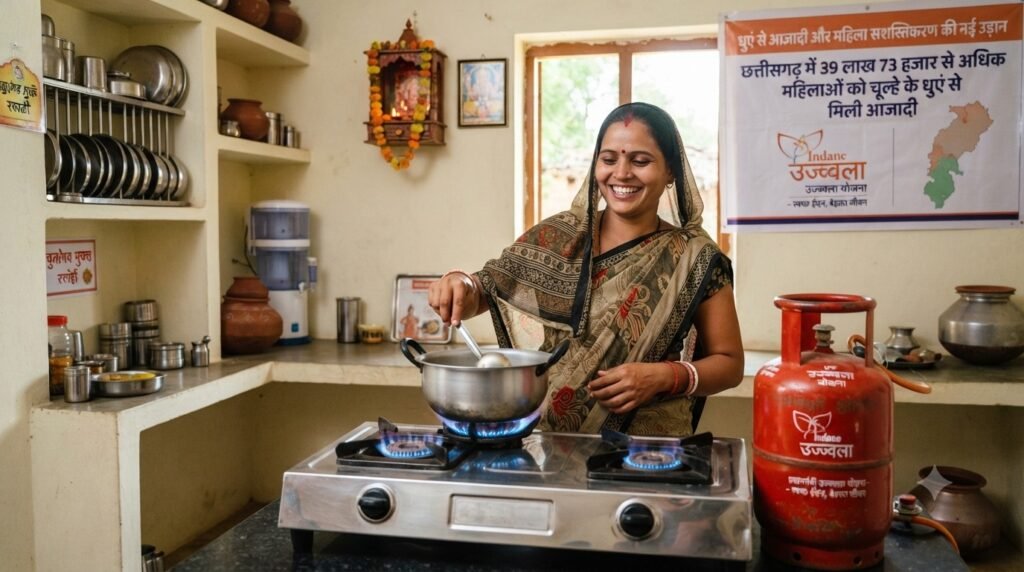
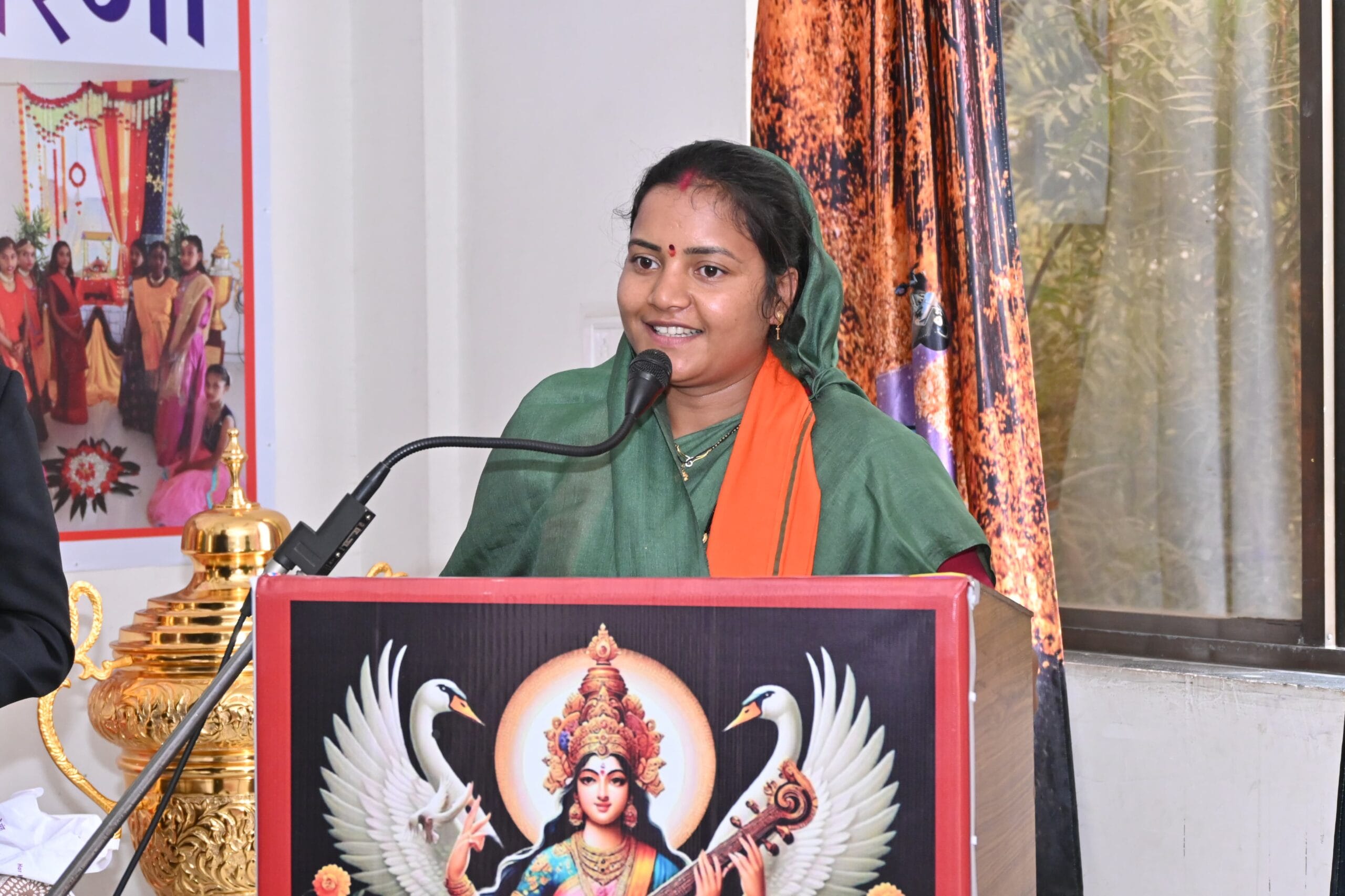
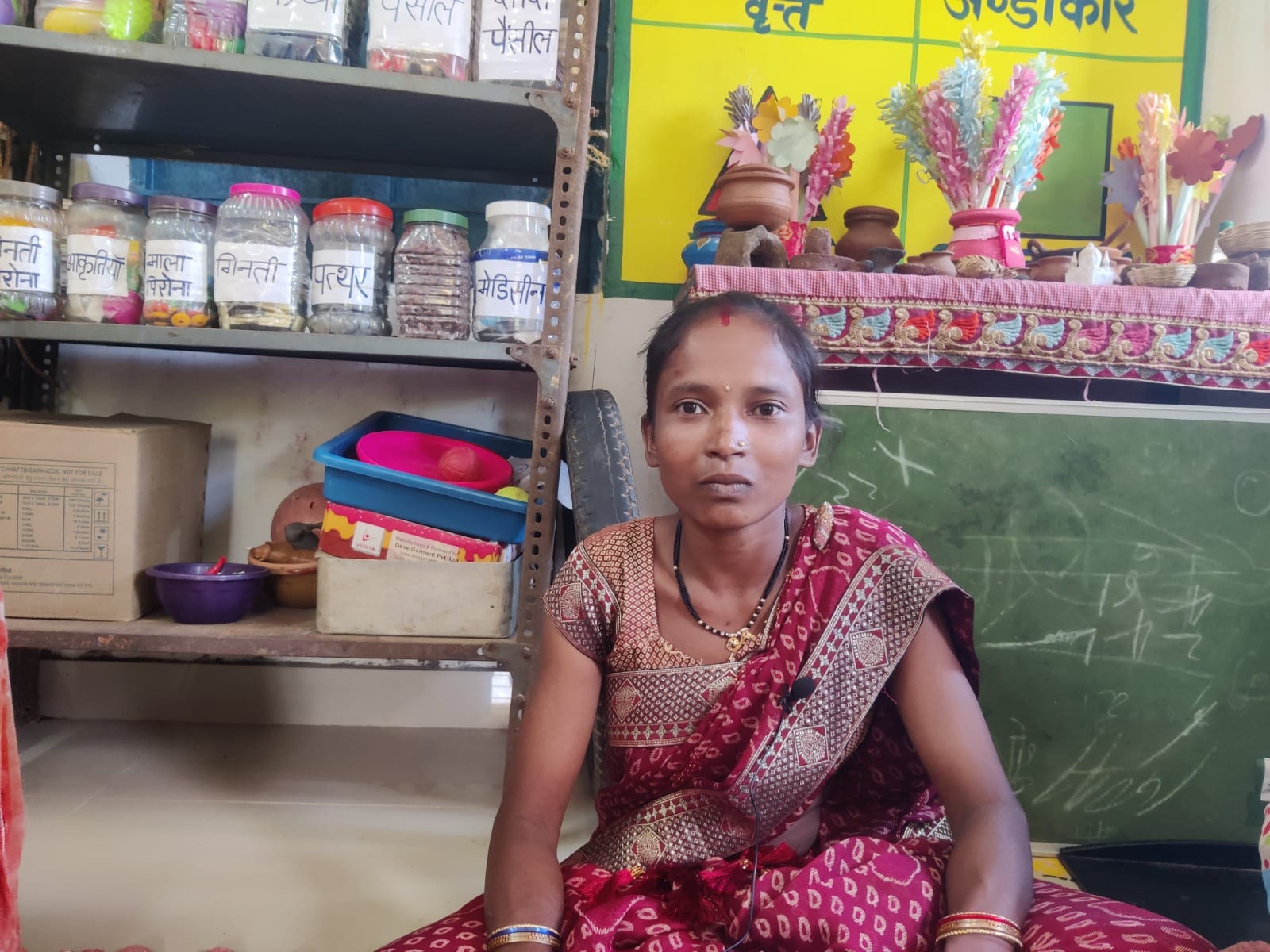
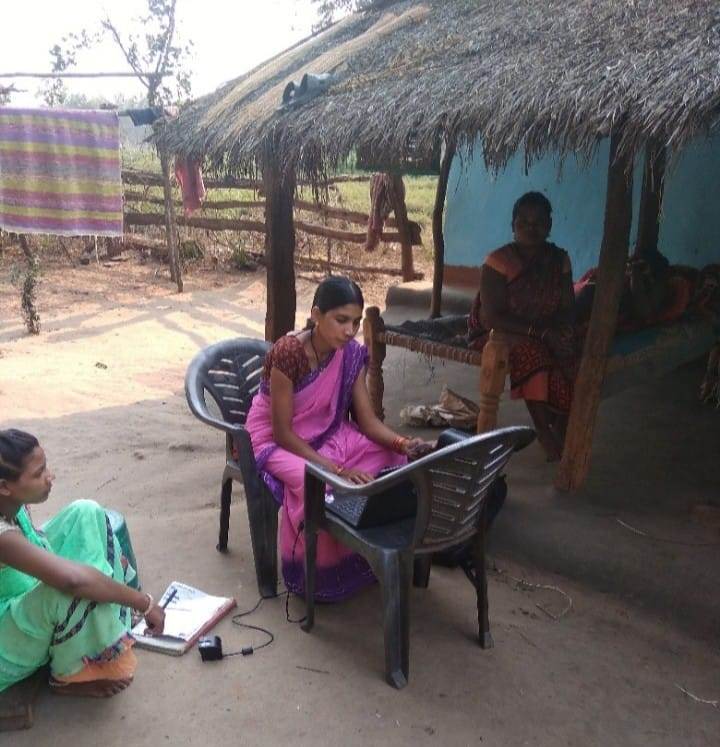
Smt. Kranti Yadav, a resident of the Bagicha block in Jashpur district, expressed her happiness upon receiving a gas cylinder. She remarked that she would now be free from the smoke of traditional stoves. Previously, the smoke in the kitchen caused eye irritation and breathing difficulties; however, with this new gas connection, she will be able to cook meals easily in a clean and healthy environment. Likewise, Smt. Phoolmati Nagesia, a resident of Madhiya village, shared that she had previously relied on a wood-burning stove for cooking. The smoke would pollute the home environment and cause her significant inconvenience. With the receipt of a free gas connection, she can now prepare meals more quickly and in a clean, hygienic manner. She noted that this scheme has brought her great relief.
- Relief and Joy Clearly Visible on Women’s Faces Upon Receiving Cylinders
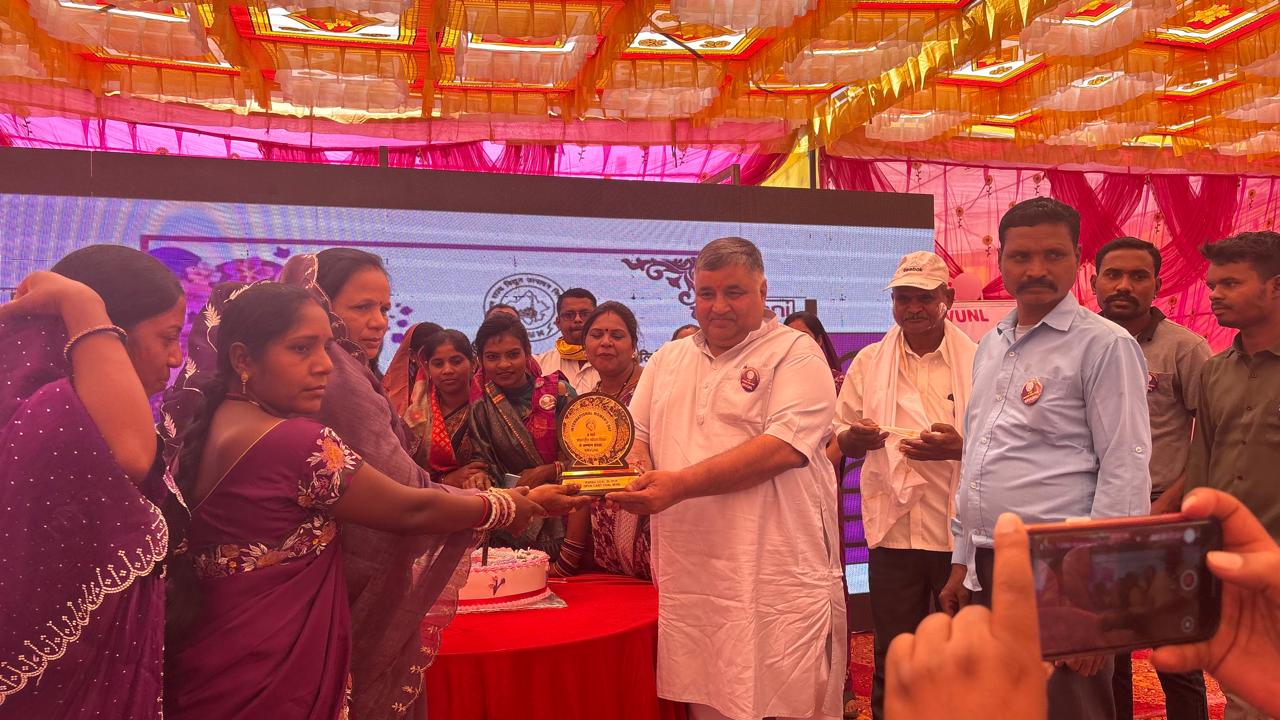
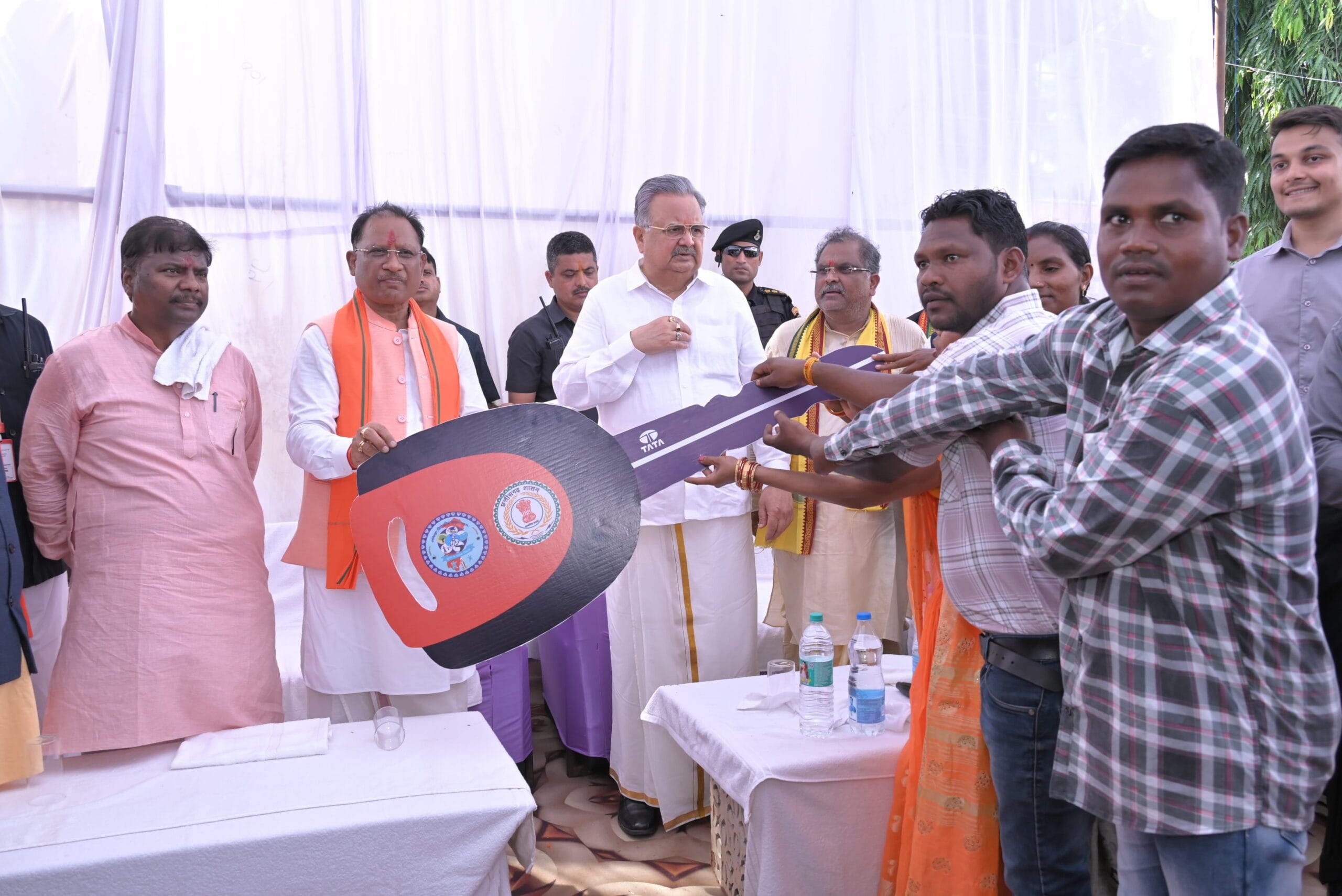
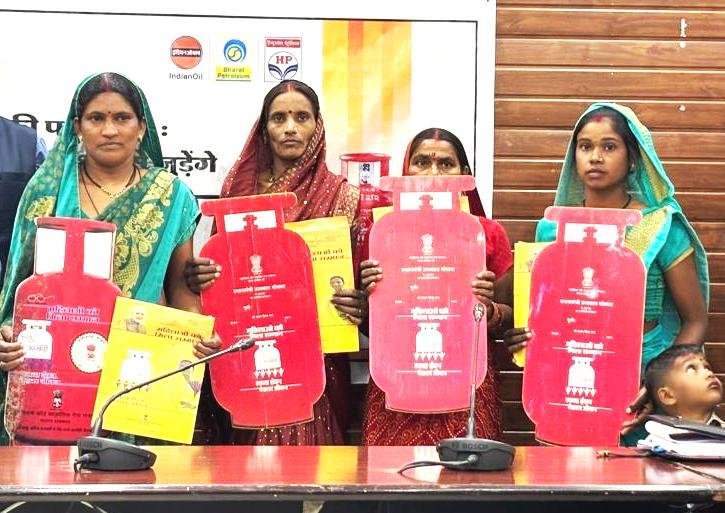
Smt. Rajeshwari Sahu, a resident of Medesara in Rajnandgaon district, stated that the provision of free LPG connections has granted women from economically disadvantaged families access to safe, clean, and affordable fuel. Smt. Parameshwari Verma, a resident of Raveli, shared that previously, the smoke from traditional cooking stoves used to cause distress even to young children. With the provision of a gas cylinder, children will now be spared from this smoke, and meals can be prepared more quickly and safely. As soon as they received their cylinders, a sense of relief and joy was clearly visible on the women’s faces. This happiness stemmed not merely from gaining a new convenience, but from being liberated from hardships endured for years. For Rajeshwari Sahu, Meena Yadav, Parameshwari Verma, and Parvati—all of whom live in modest, makeshift homes—this day felt like a dream come true.
Issuing gas connections in the names of these women has enhanced their decision-making power within their families and bolstered their social standing. The subsidies provided by the central and state governments, combined with the easy availability of refills, have ensured the success of this scheme at the grassroots level. Today, more than 3.973 million (39.73 lakh) women in Chhattisgarh are not just beneficiaries of a single scheme; they have become catalysts for healthier families, a cleaner environment, and an empowered society. This freedom from smoke is scripting a golden chapter in the rural development of Chhattisgarh.