













- From Freedom Struggle to Conservation of Forest Resources, Contribution of Tribal Society in Nation Building
- Inauguration of Two-day National Seminar on Curriculum Development on Tribal Studies at Madhya Pradesh Bhoj (Open) University
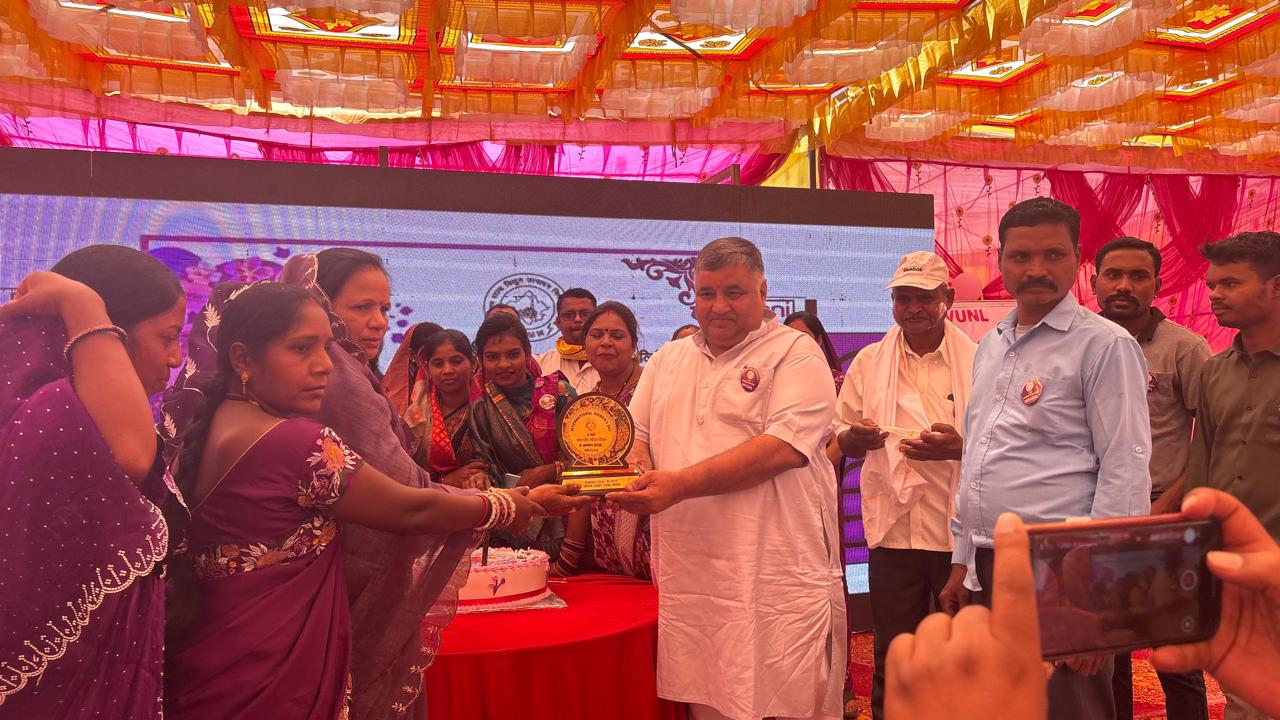
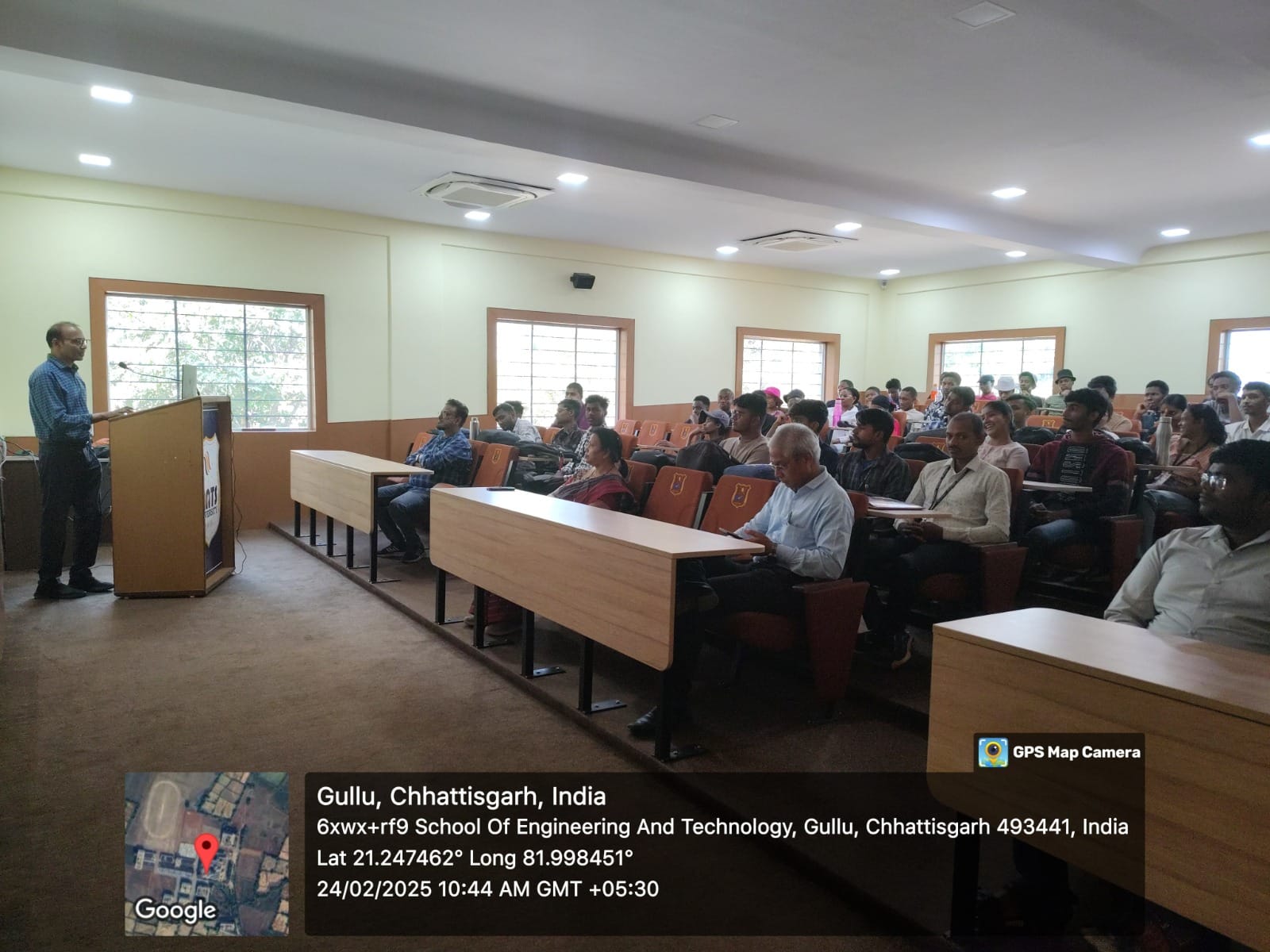
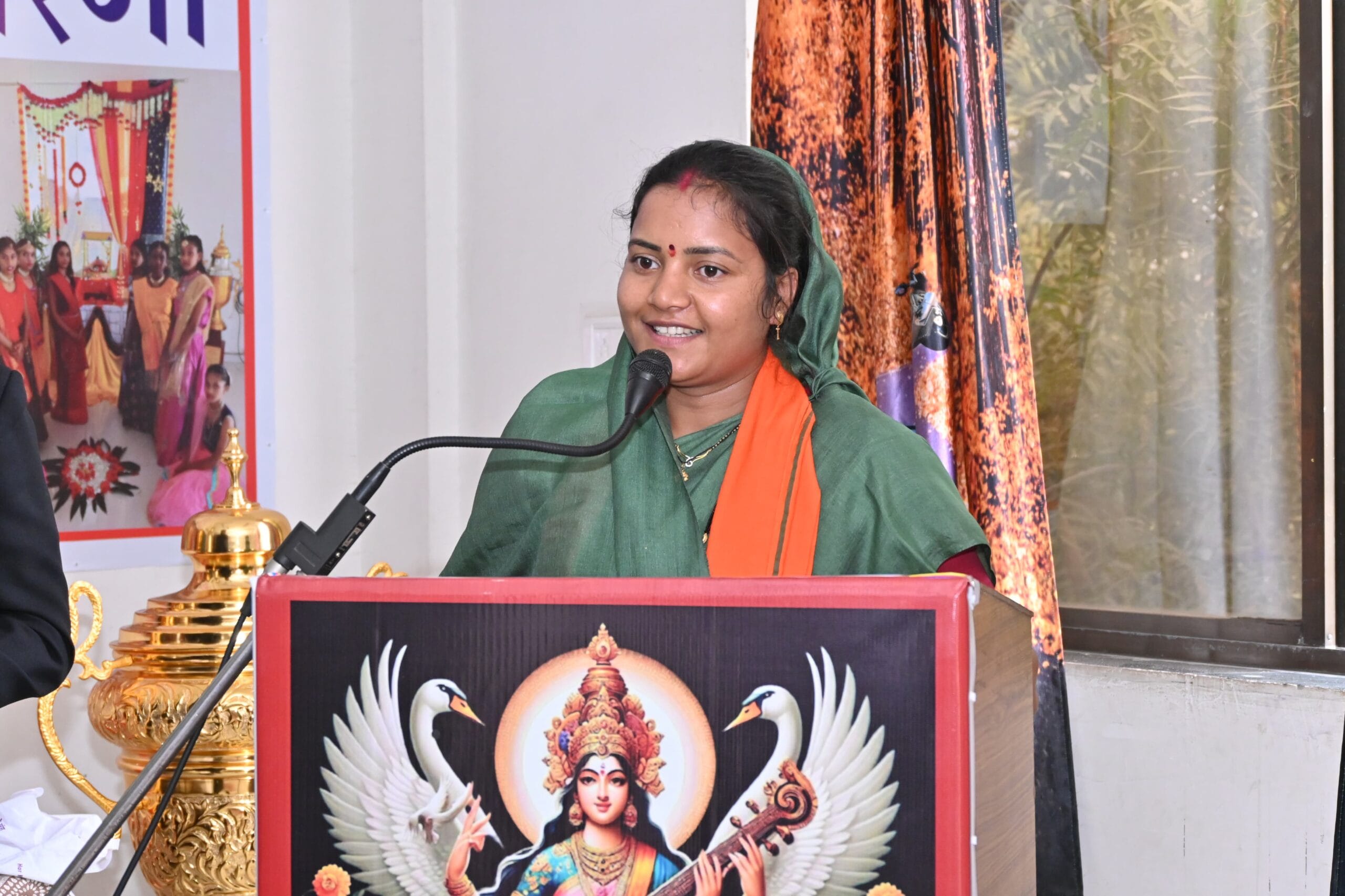
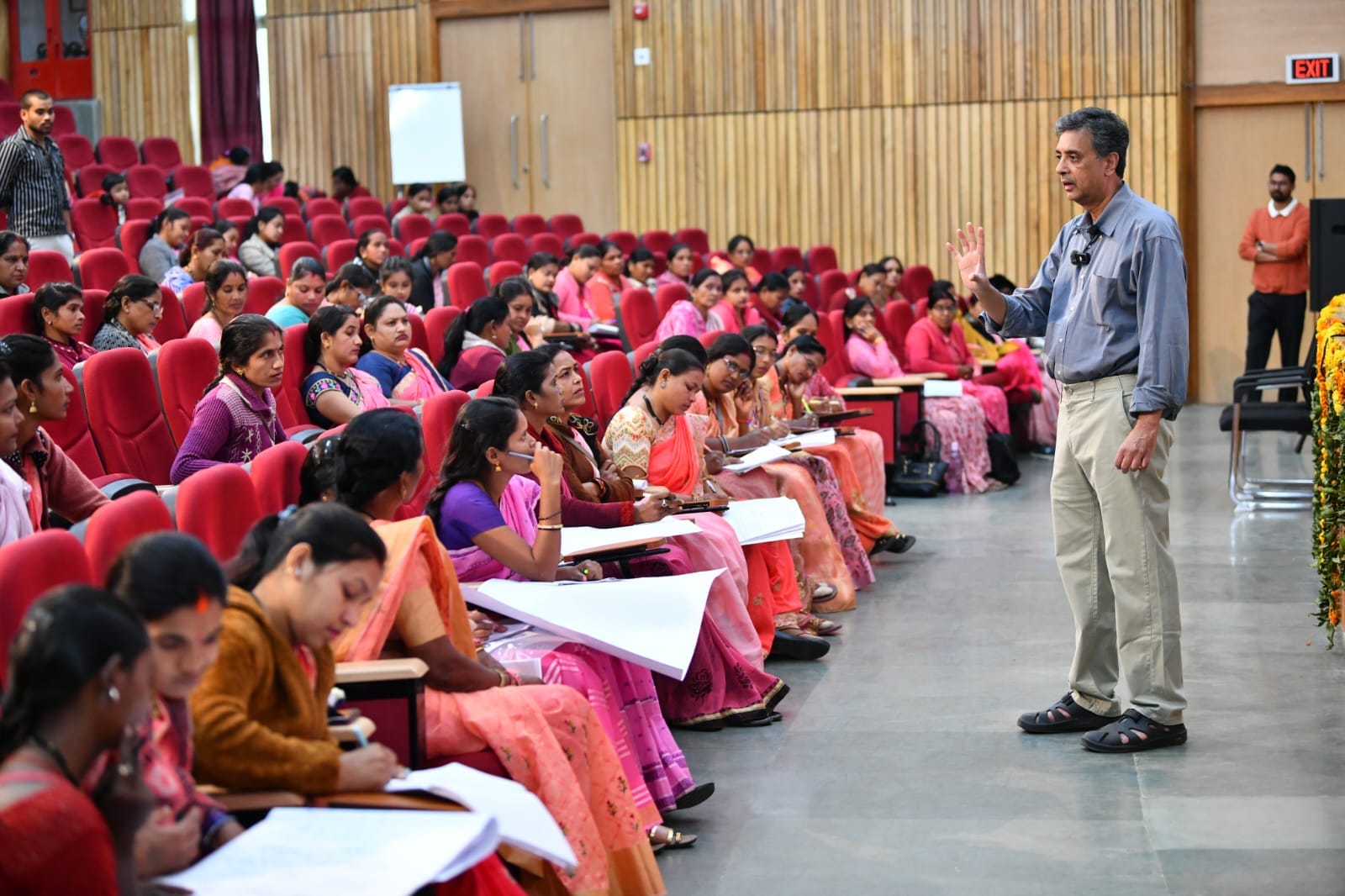
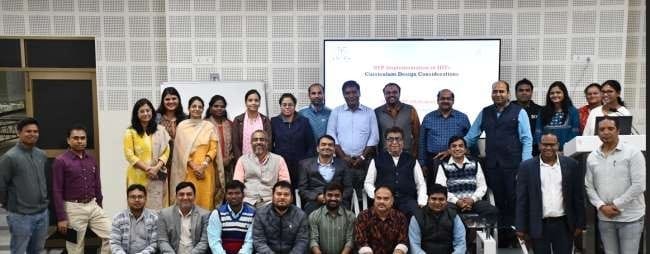
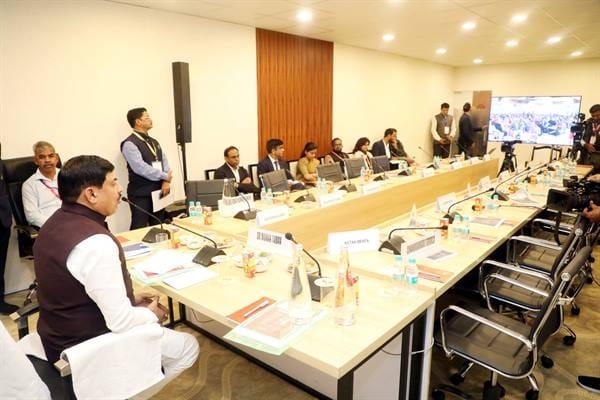
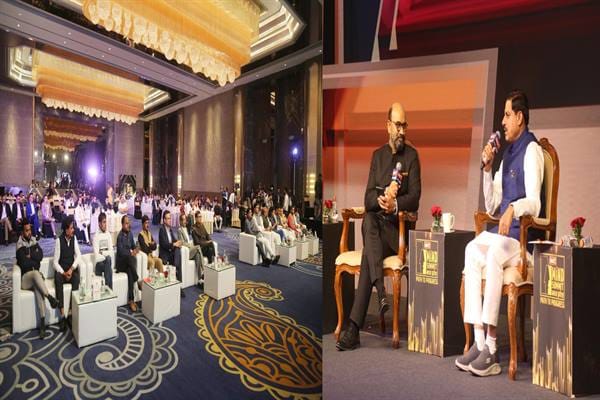
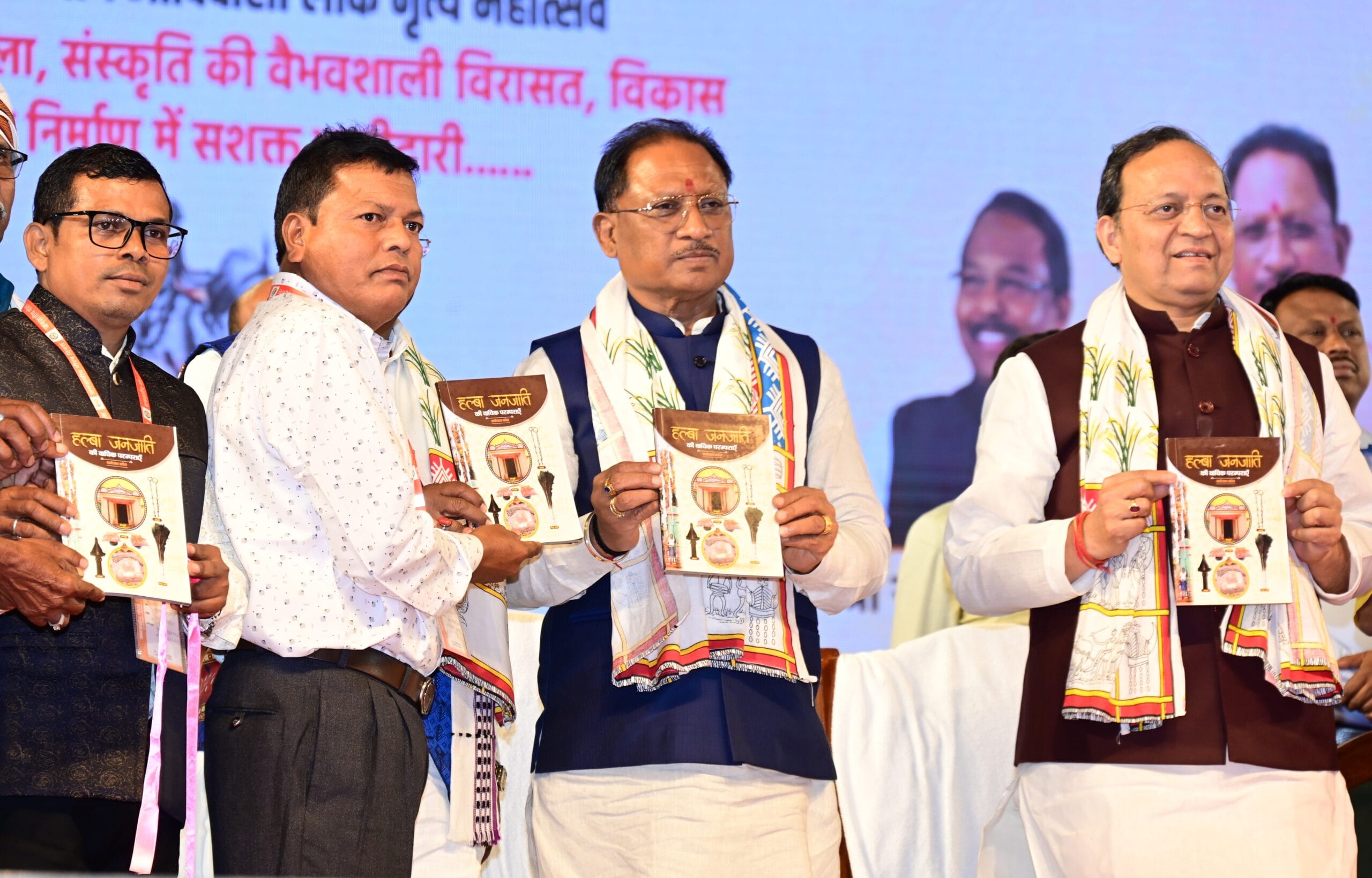
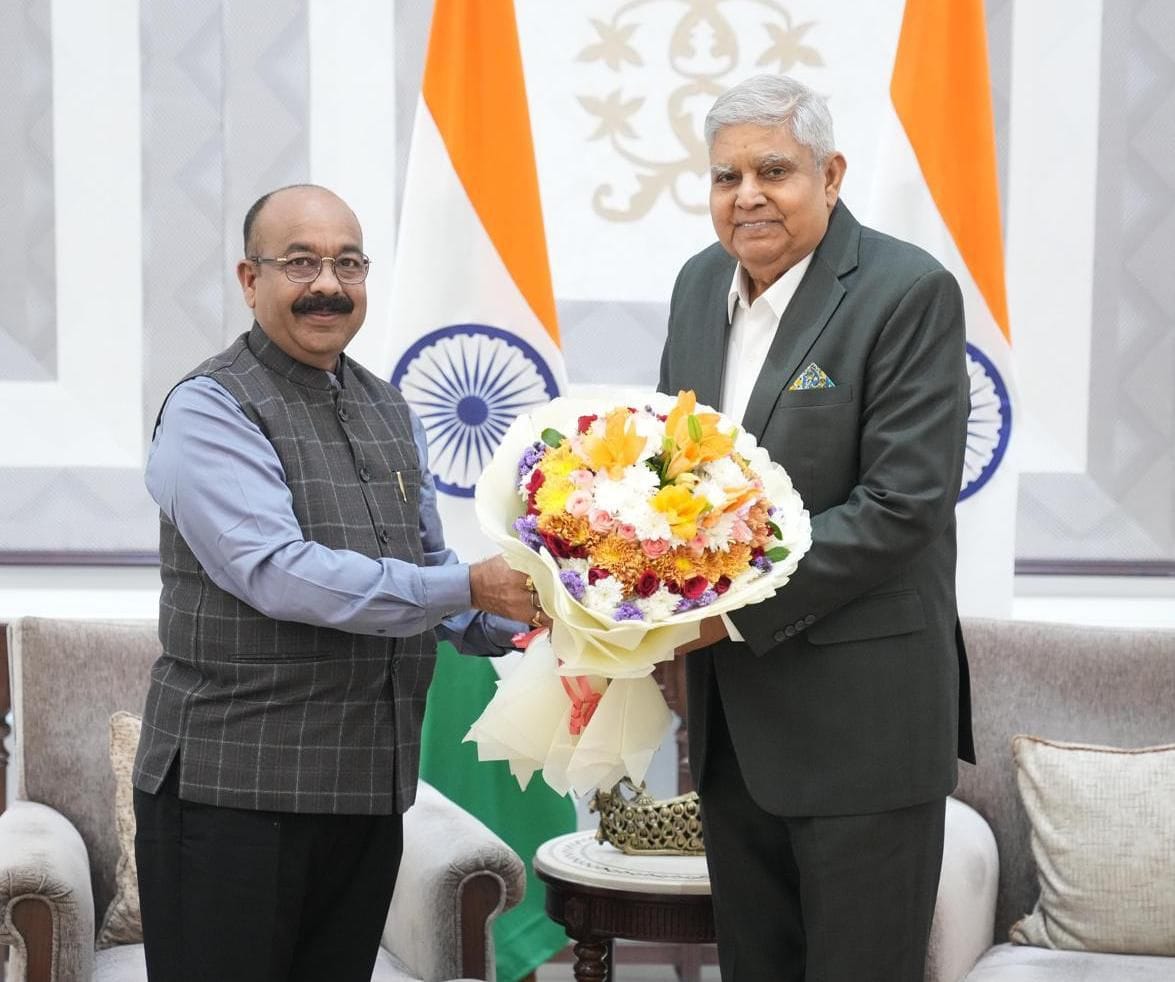
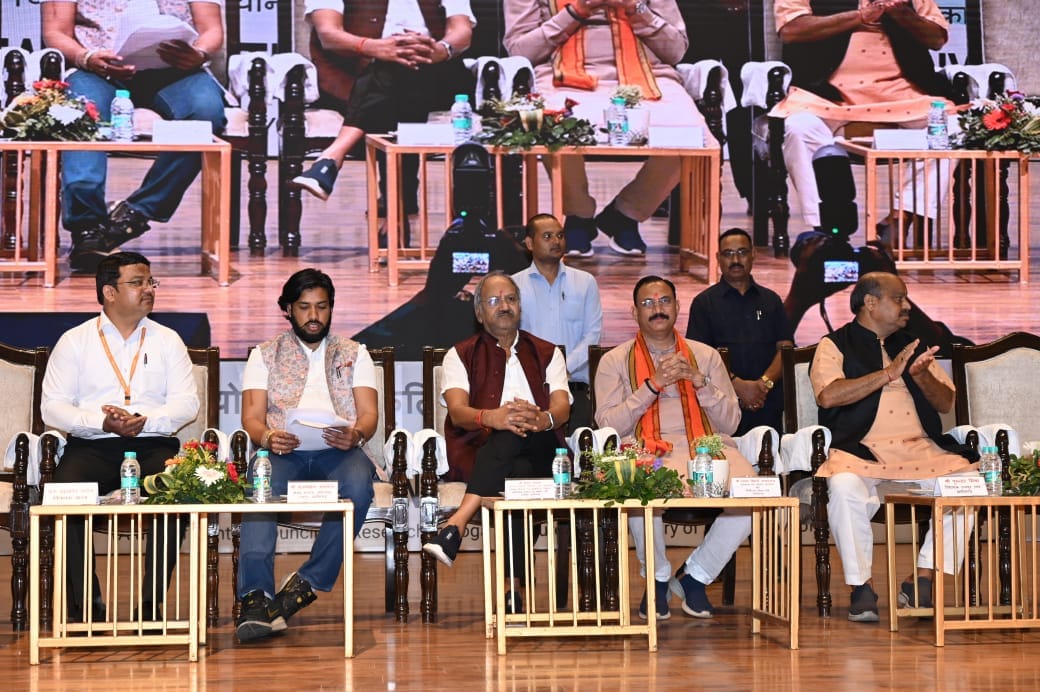
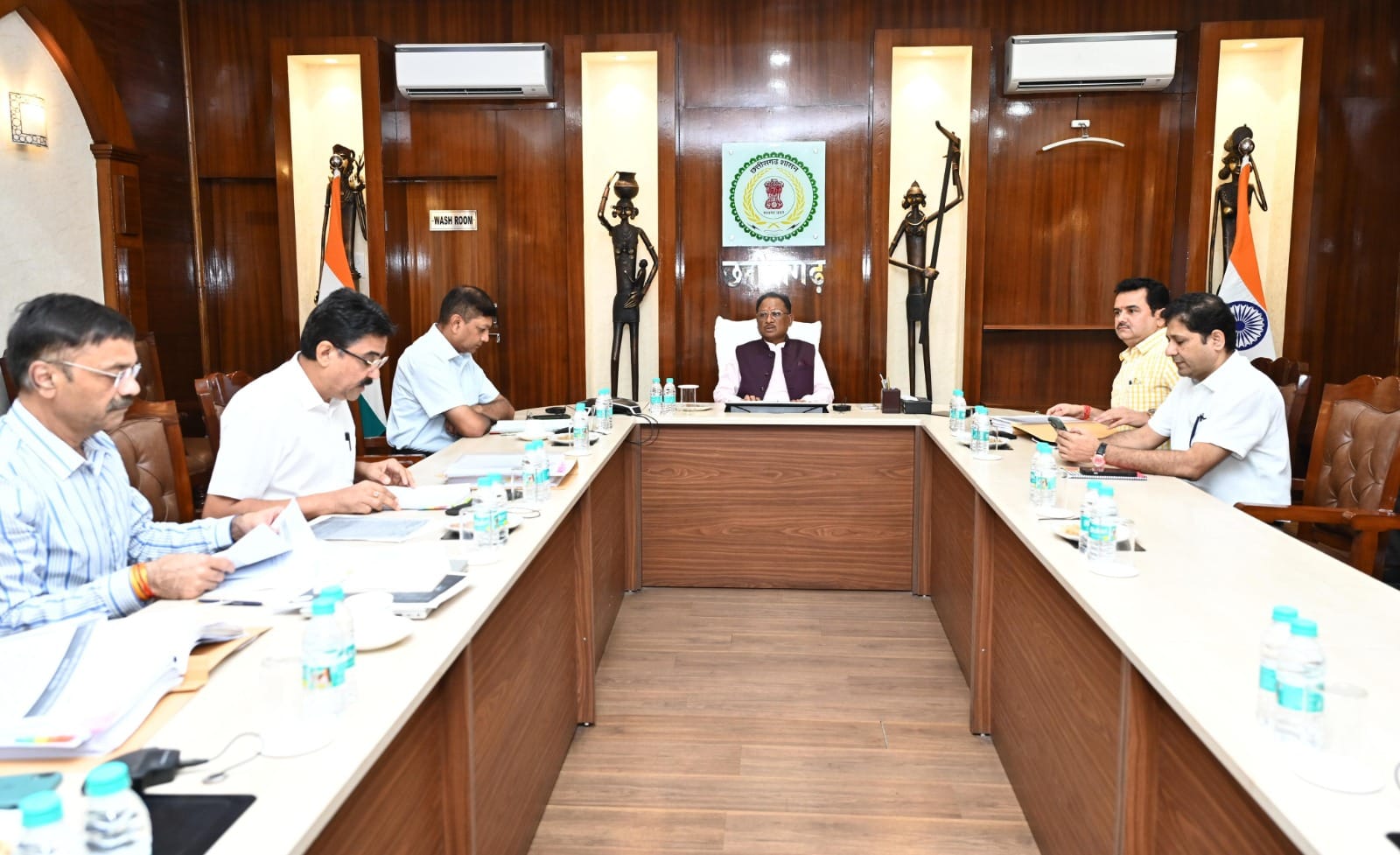
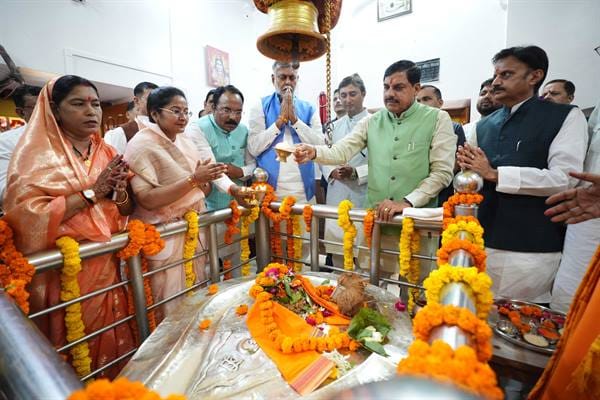
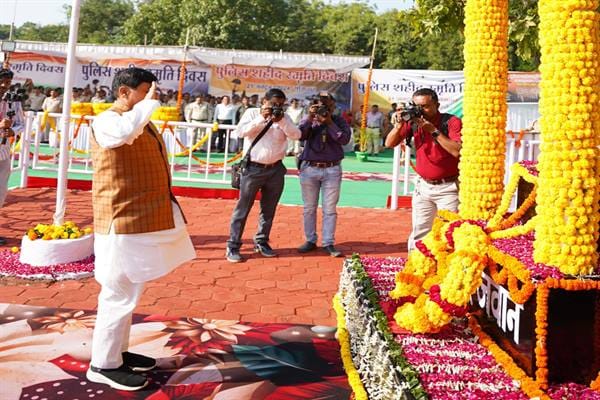
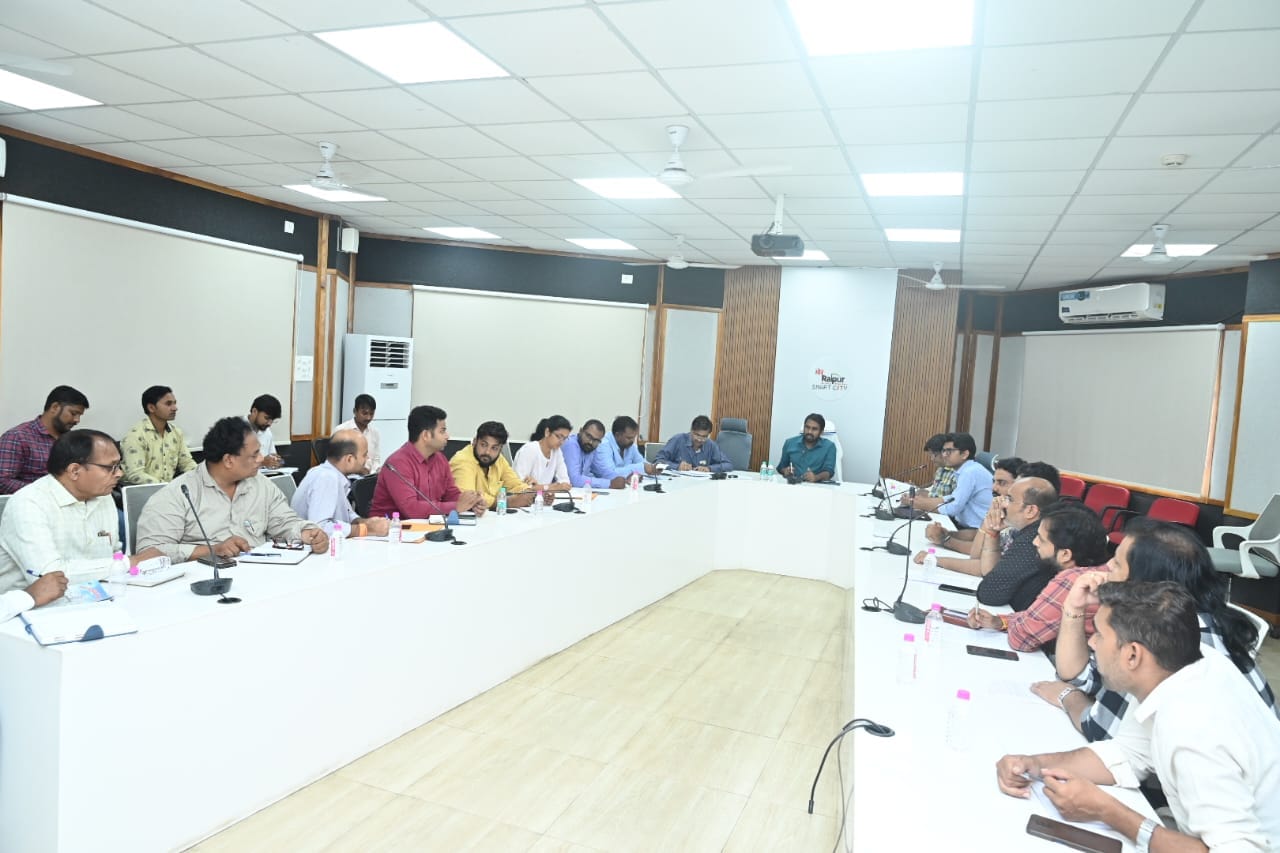
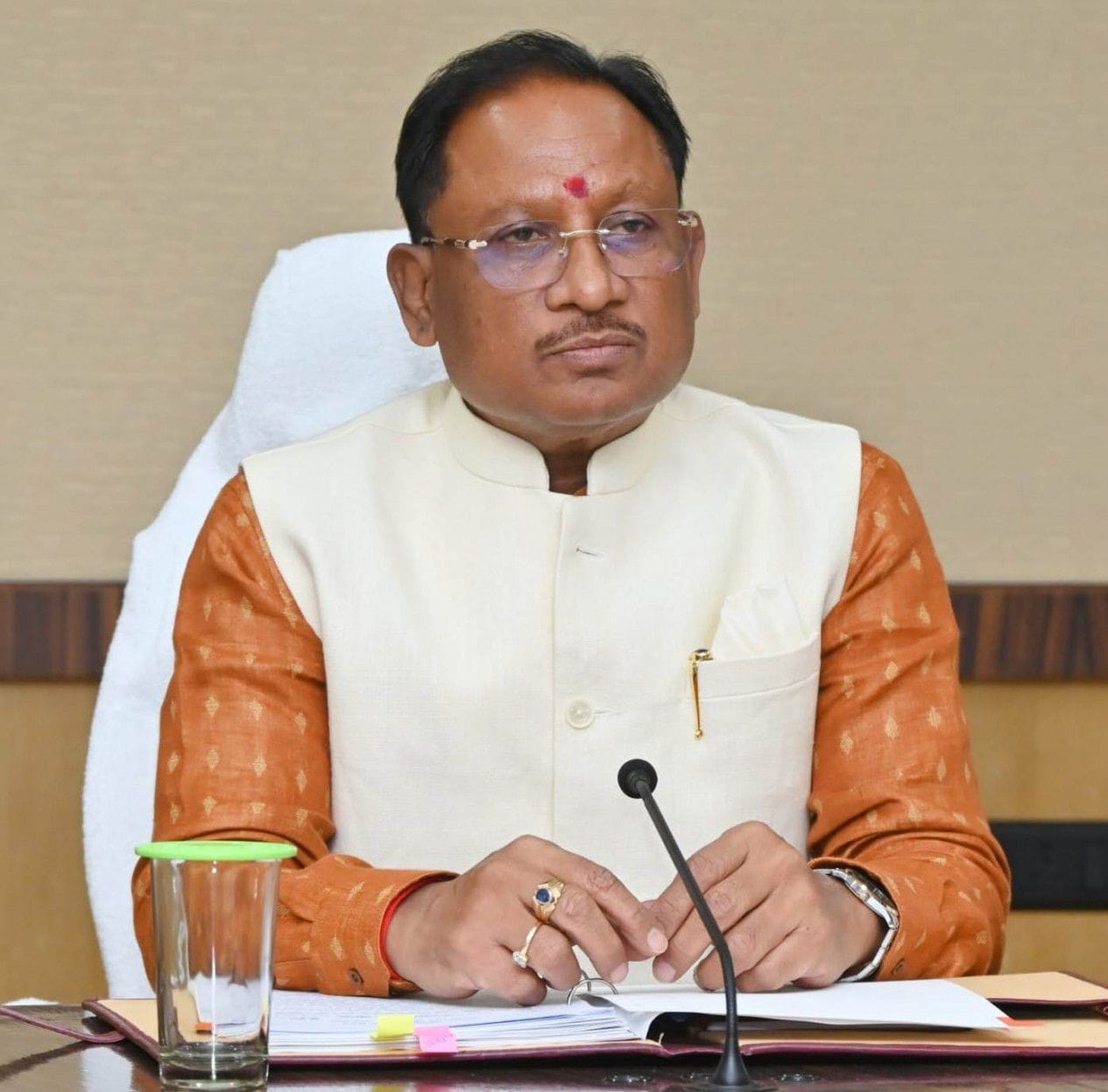
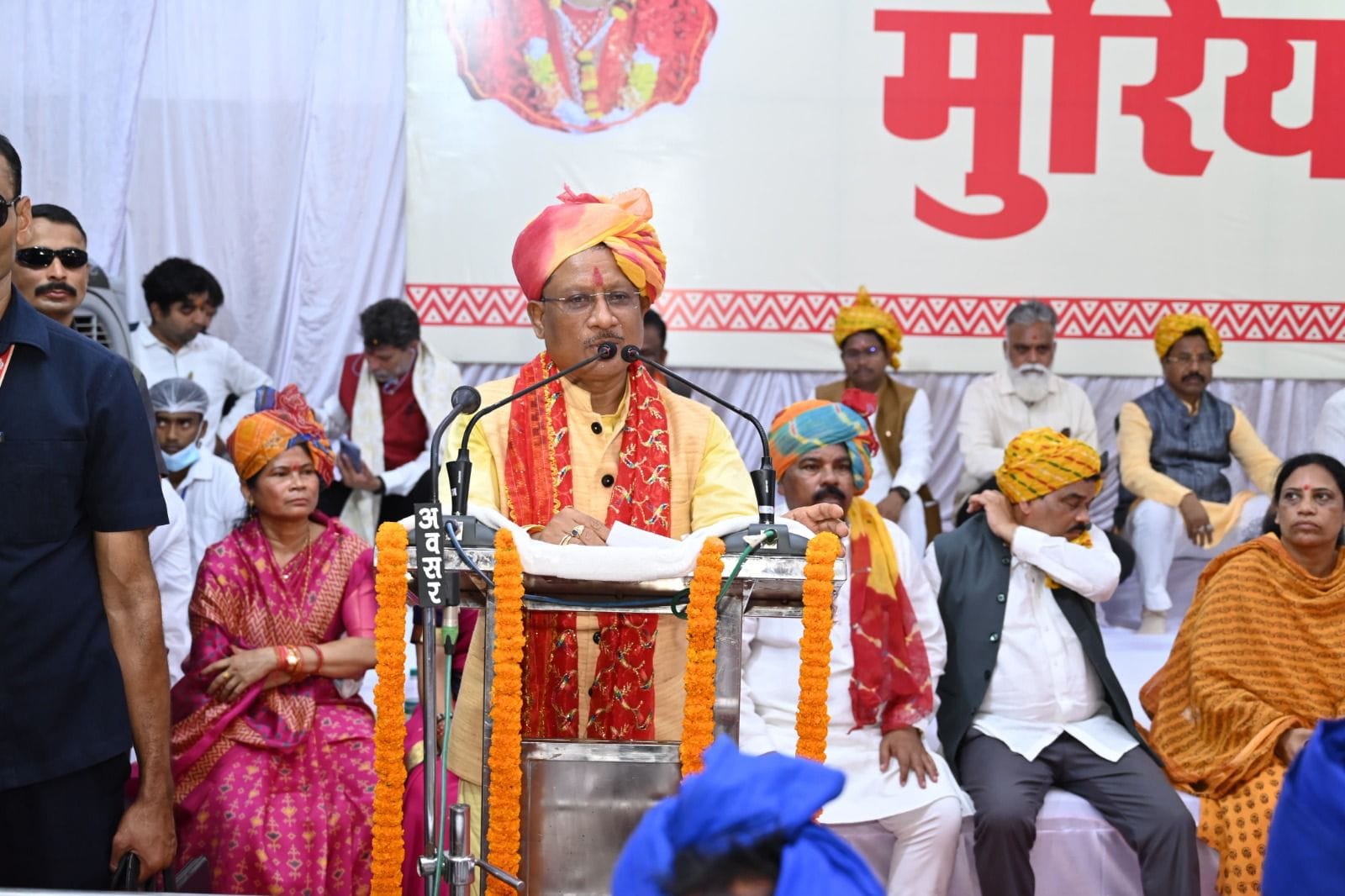
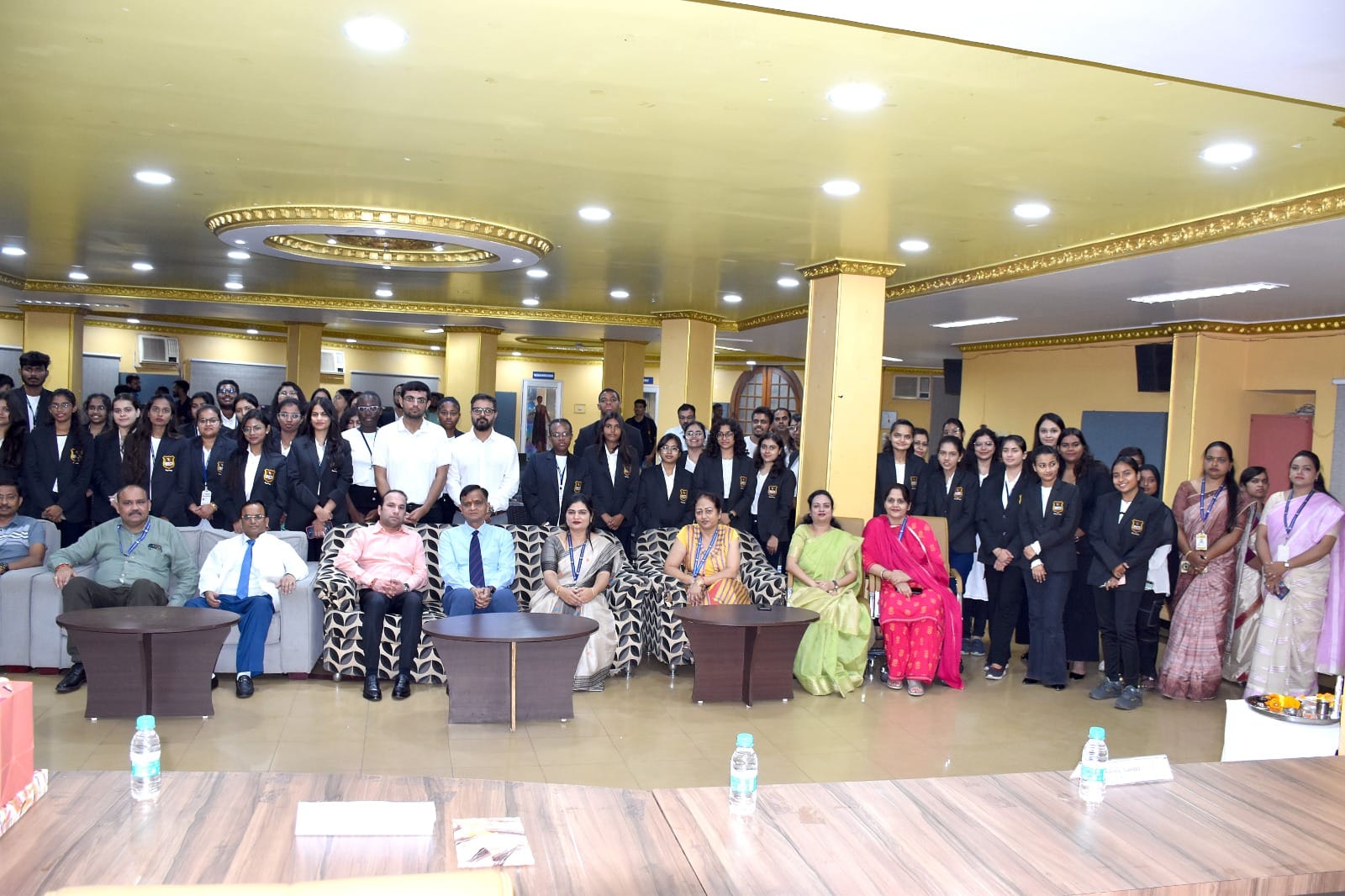
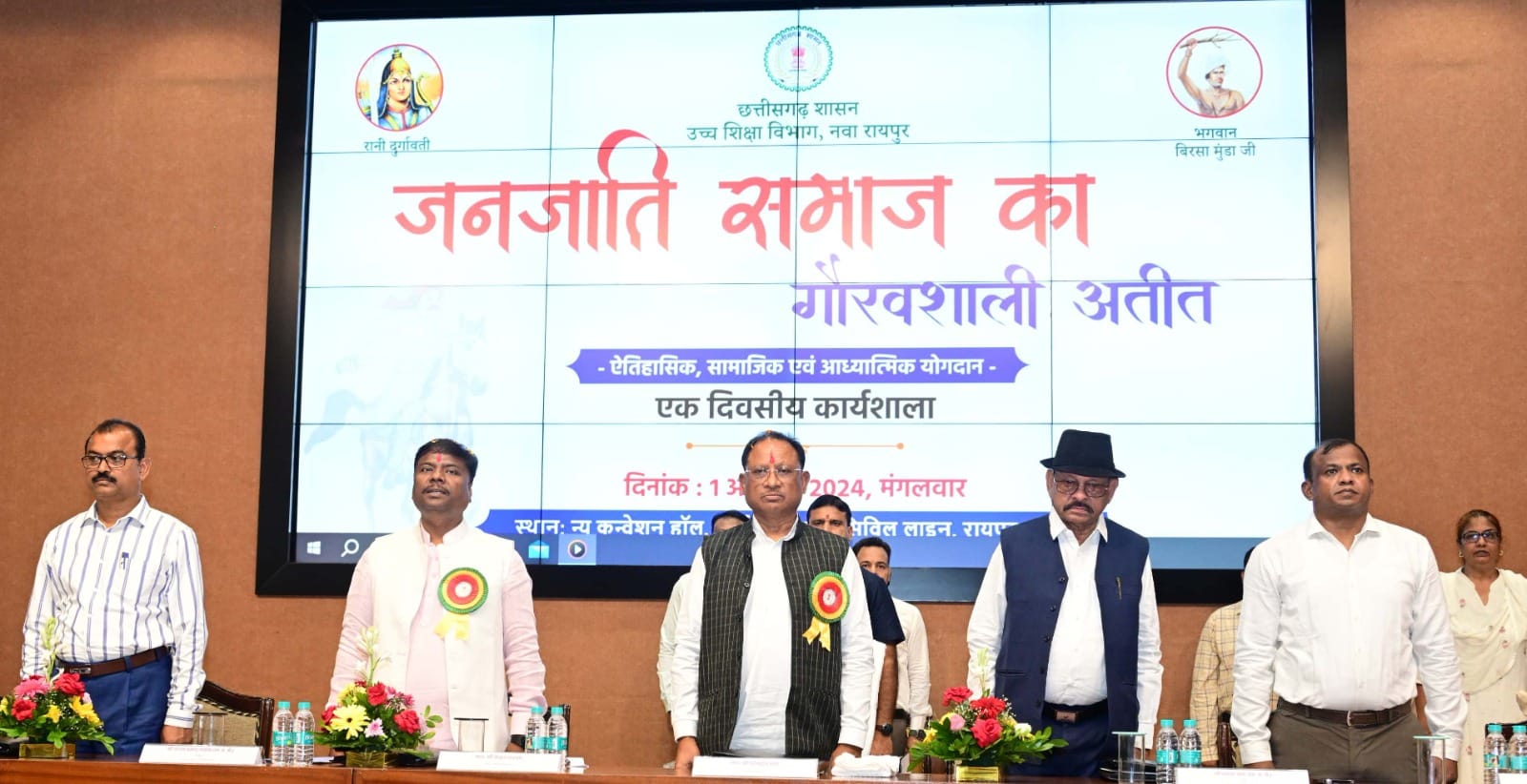
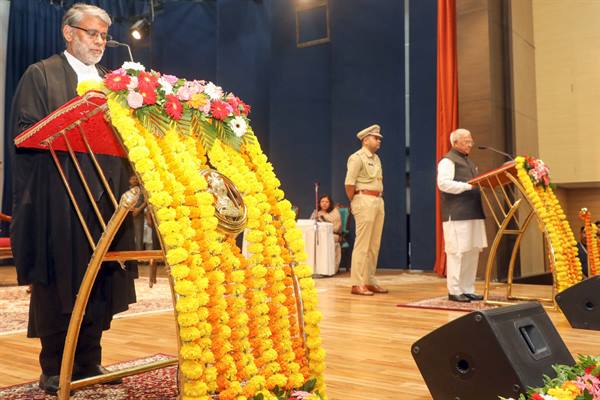
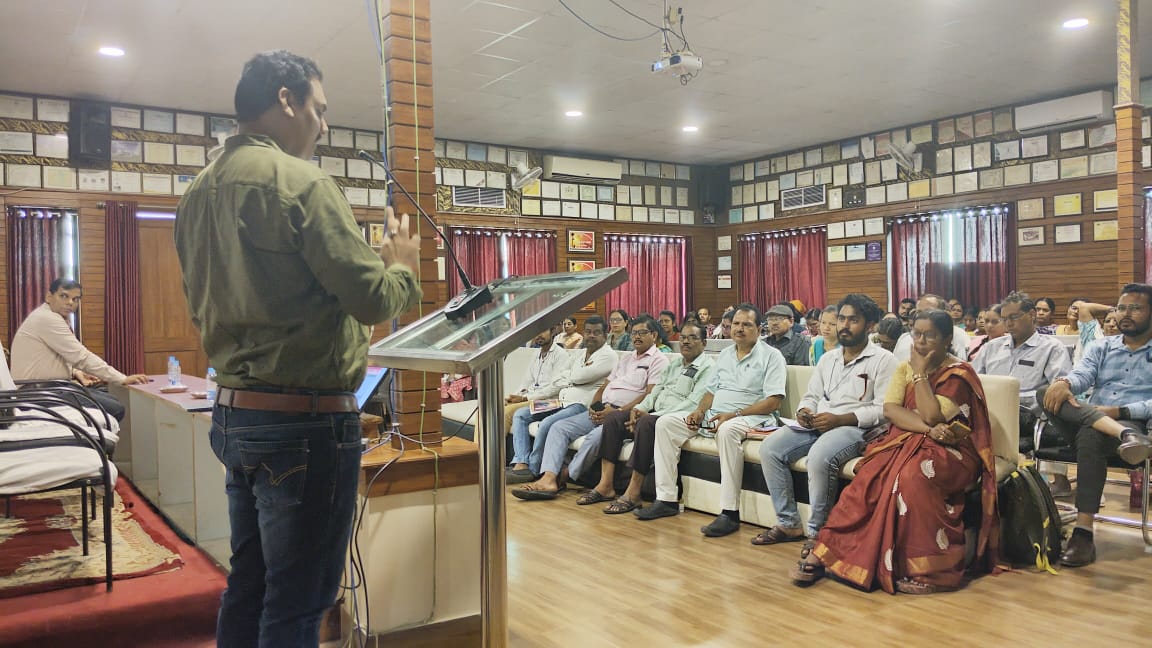
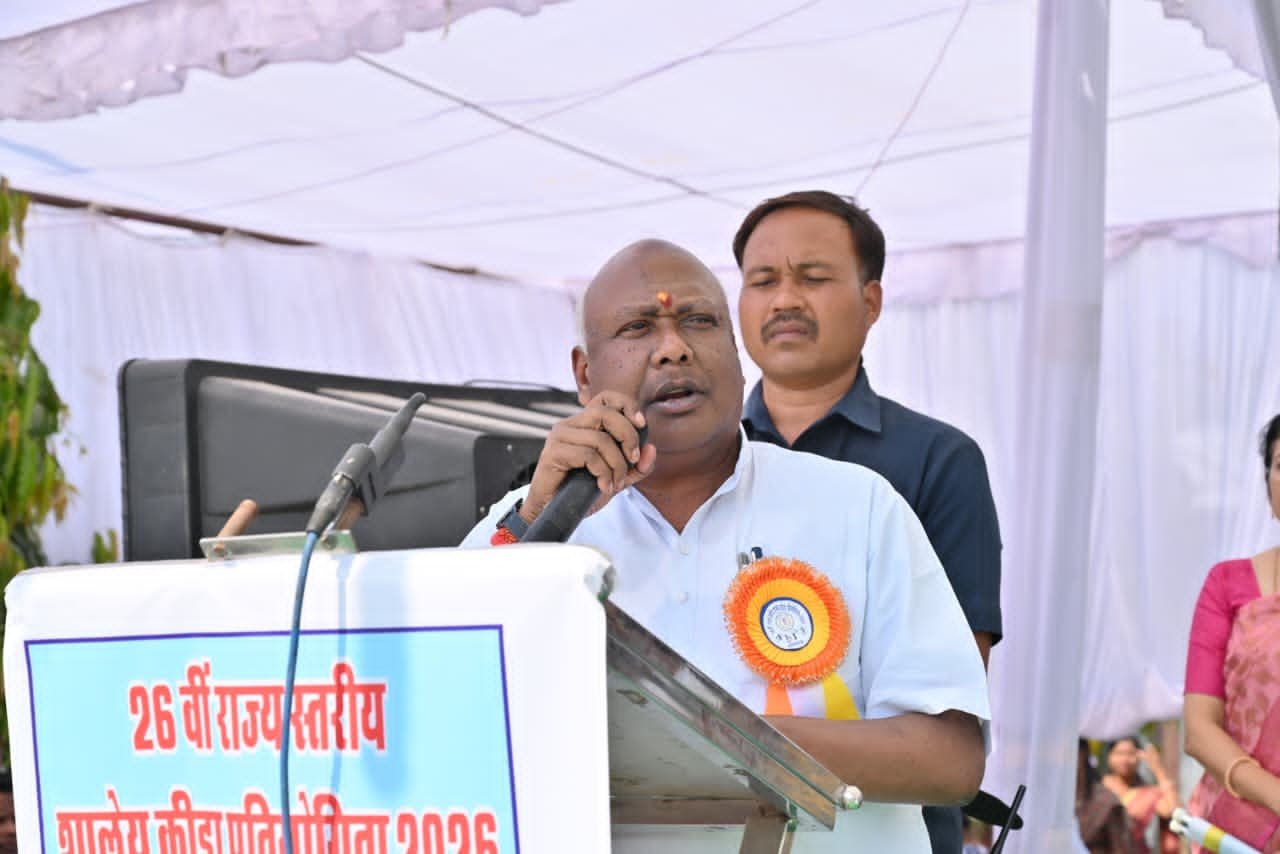
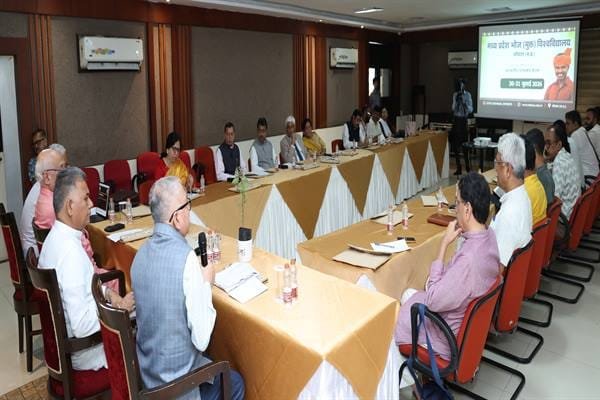
Minister of Higher Education, Technical Education and AYUSH Shri Inder Singh Parmar said that tribal society is not only the cultural identity of India but also the living guardian of nature, environment and civilization. The contribution of tribal society in India’s freedom struggle, protection of forest areas, protection of natural resources and keeping the Indian knowledge tradition intact has been unparalleled. It is necessary that their history, knowledge, culture and philosophy of life should be distinguished in the mainstream of research and education from an Indian perspective. Minister Shri Parmar was addressing the inaugural session of the two-day national seminar organized by Madhya Pradesh Bhoj (Open) University on “Development of Curriculum on Tribal Studies” at Palash Residency Auditorium on Thursday.
Higher Education Minister Shri Parmar said that for a long time most of the writings on tribal society were influenced by the colonial perspective, due to which many misconceptions and misconceptions were established. The need today is to redefine tribal studies in the Indian context by authentically documenting their true history, cultural splendor, traditional knowledge and life values. Everyone needs to understand the national importance of the contribution of tribal society.
Minister Shri Parmar said that National Education Policy-2020 is a powerful tool to link Education with Indianness. In accordance with this spirit, employment-oriented, innovative and multi-faceted courses should be developed under Tribal Studies in universities, which can also be linked to the requirements of UGC, UPSC and other competitive examinations. He said that a separate study center for tribal studies, excellent research, innovation and a strong network of subject experts should be developed. He said that universities should go to tribal areas and study among local communities and scientifically document their language, folk traditions, agricultural practices, folk medicine, environmental protection, folk art and lifestyle. A permanent model of development of tribal society can be prepared by coordinating traditional knowledge and modern science.

Minister Shri Parmar said that the tribal youth should not be limited to degrees only but should be linked with skill development, startups, entrepreneurship, placements, internships and research. Establish effective coordination between universities, tribal affairs departments, industry and local communities to develop such courses that empower students for employment and self-employment.
Minister Shri Parmar said that universities can also play an important role in the direction of value enhancement, branding, marketing and market linkage of forest produce and local products available in tribal areas. This will increase the income of the tribal community and give new impetus to the goal of self-reliant India.
Minister Shri Parmar said that Tribal Studies courses started by Devi Ahilya University, Indore are exemplary. Madhya Pradesh Bhoj (Open) University is also taking important initiatives in this direction and in the future there are plans to start tribal studies courses in other universities including Ujjain and Jabalpur. He laid special emphasis on results-based punishment, quality research, continuous assessment and curriculum development tailored to local needs.
Chancellor of Madhya Pradesh Bhoj (Open) University Dr. Milind Dandekar said that most of the studies on tribal society were done from a foreign perspective, due to which many myths were established. It is necessary to remove these misconceptions through research and studies based on Indian perspective. He said that the real history and cultural heritage will be conveyed to the new generation by preparing a sound curriculum of tribal studies.
Prof. Vice Chancellor of Devi Ahilya University, Indore. Rakesh Singhai while giving information about the undergraduate, postgraduate, MBA and PhD programs in tribal studies conducted in the university said that this university is the first university in the country, which started comprehensive educational programs in this field. He emphasized the necessity of direct study and research by going among the tribal society.
Prof. Ravindra Kanhere said that without understanding the language, culture, social structure and local needs of the tribal society, the development plans cannot give the expected results. He laid special emphasis on the protection of tribal languages, their documentation in Devanagari, effective implementation of the Pesa Act and resolution of the problems of tribal areas.
In the technical session of the seminar, Mr. Vaibhav Surange of Vanvasi Kalyan Ashram, Nagpur and former Chairman of National Commission for Scheduled Tribes Mr. Harsh Chauhan expressed their views on the topic “Established Discussion of Tribal Studies and Research: Image Versus Reality” and gave important suggestions to strengthen tribal studies and research based on Indian perspective. Chancellors, subject specialists, educationalists, researchers and professors of various universities were present on this occasion.