












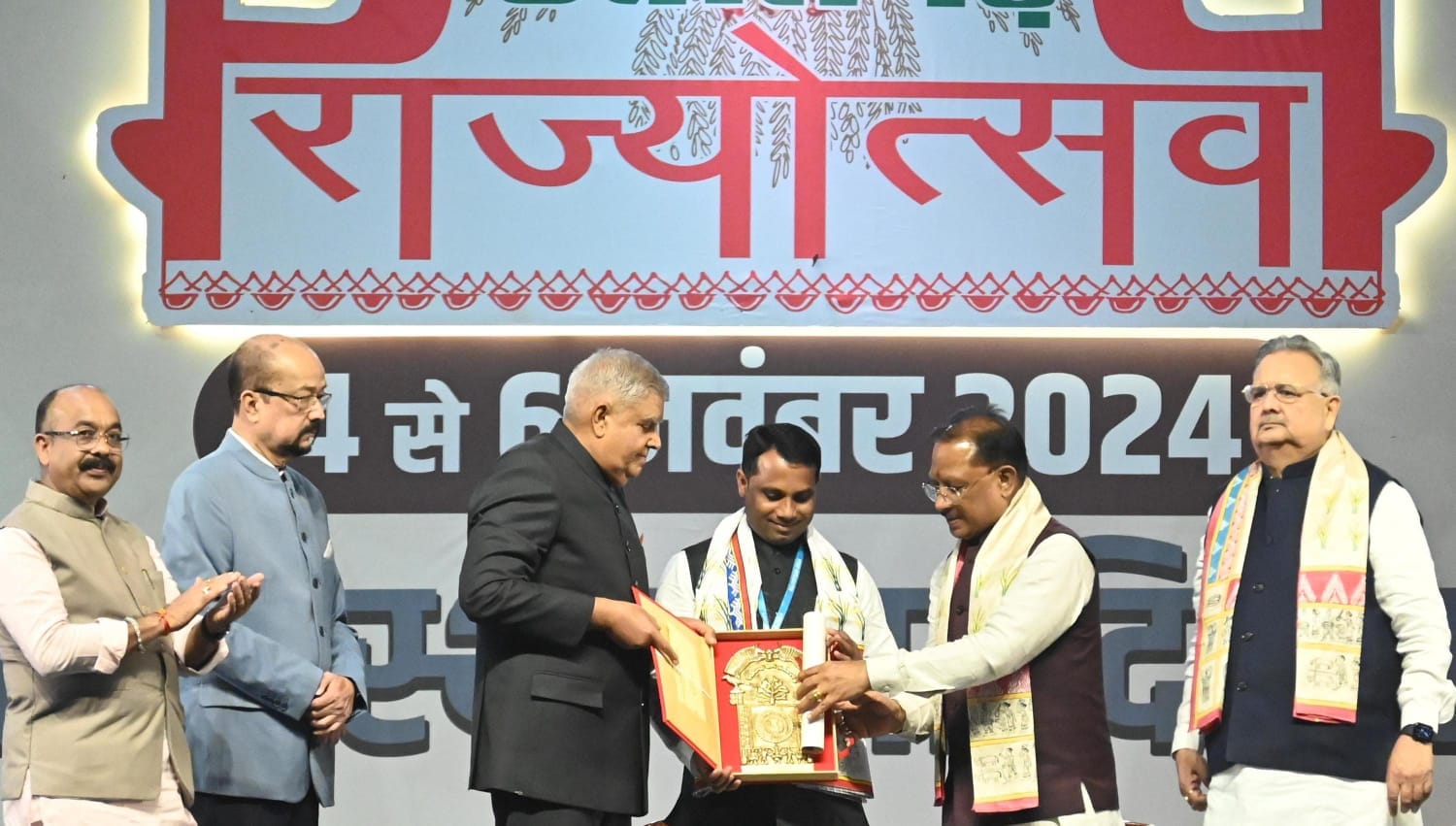


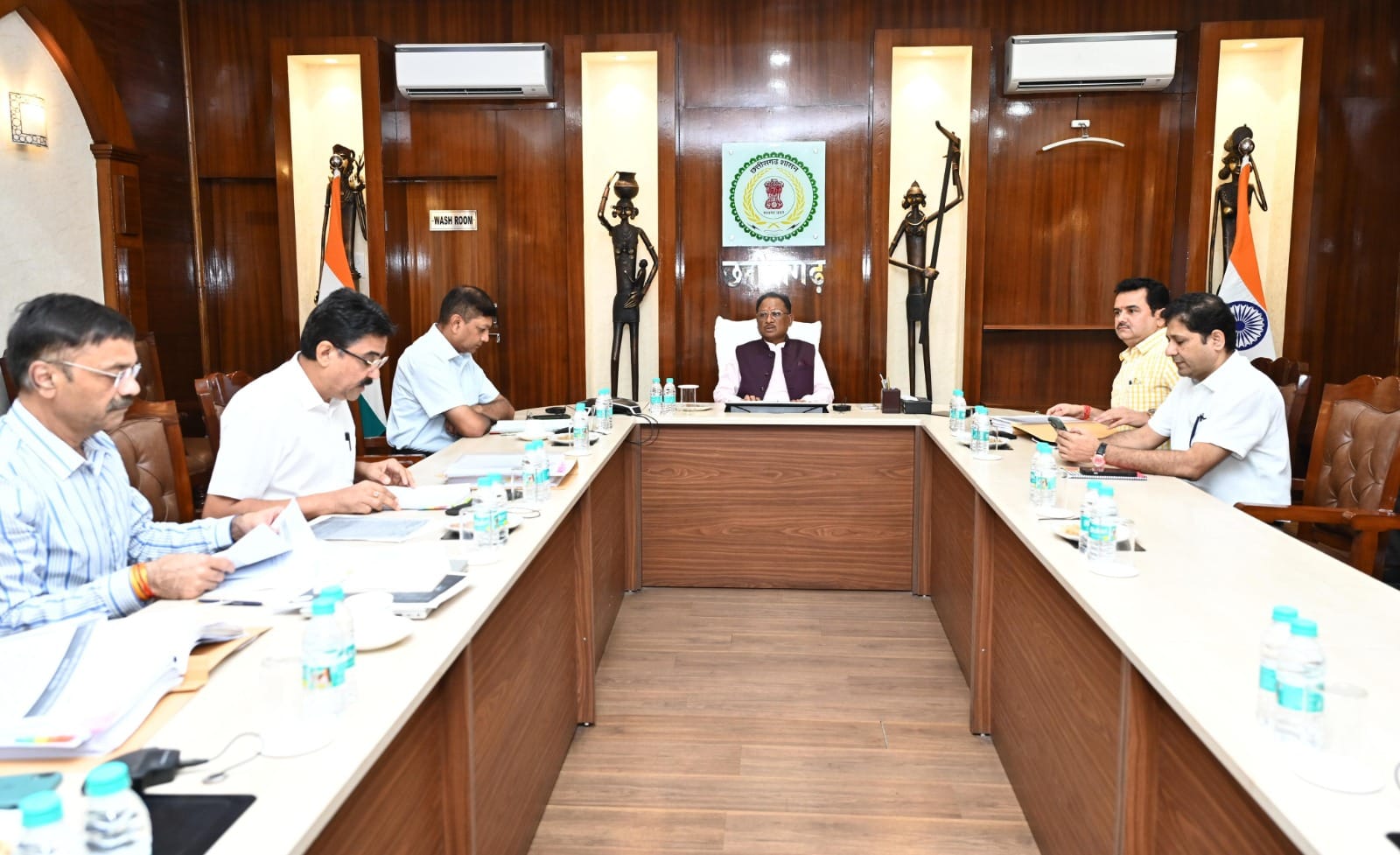

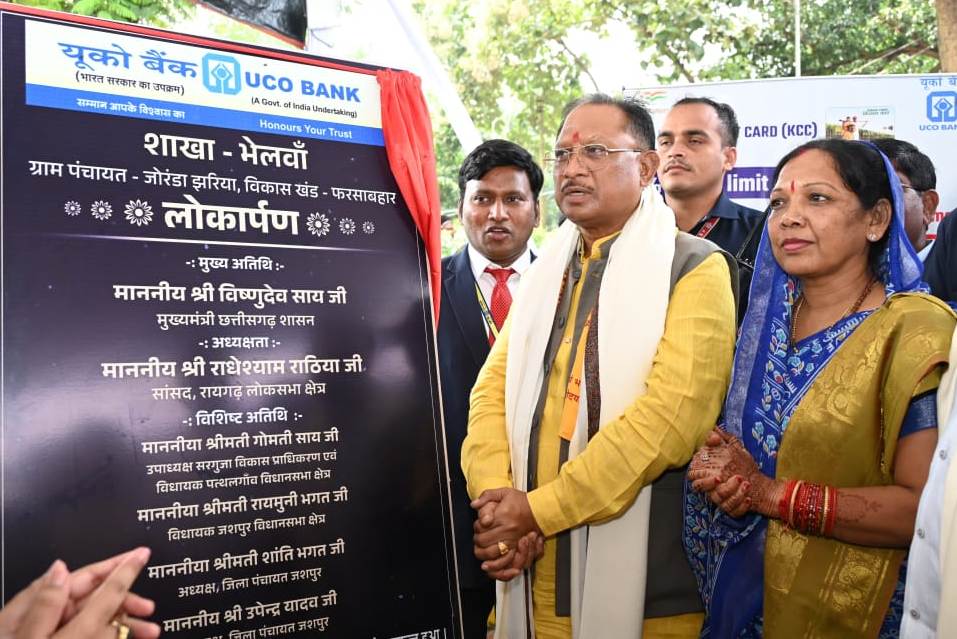
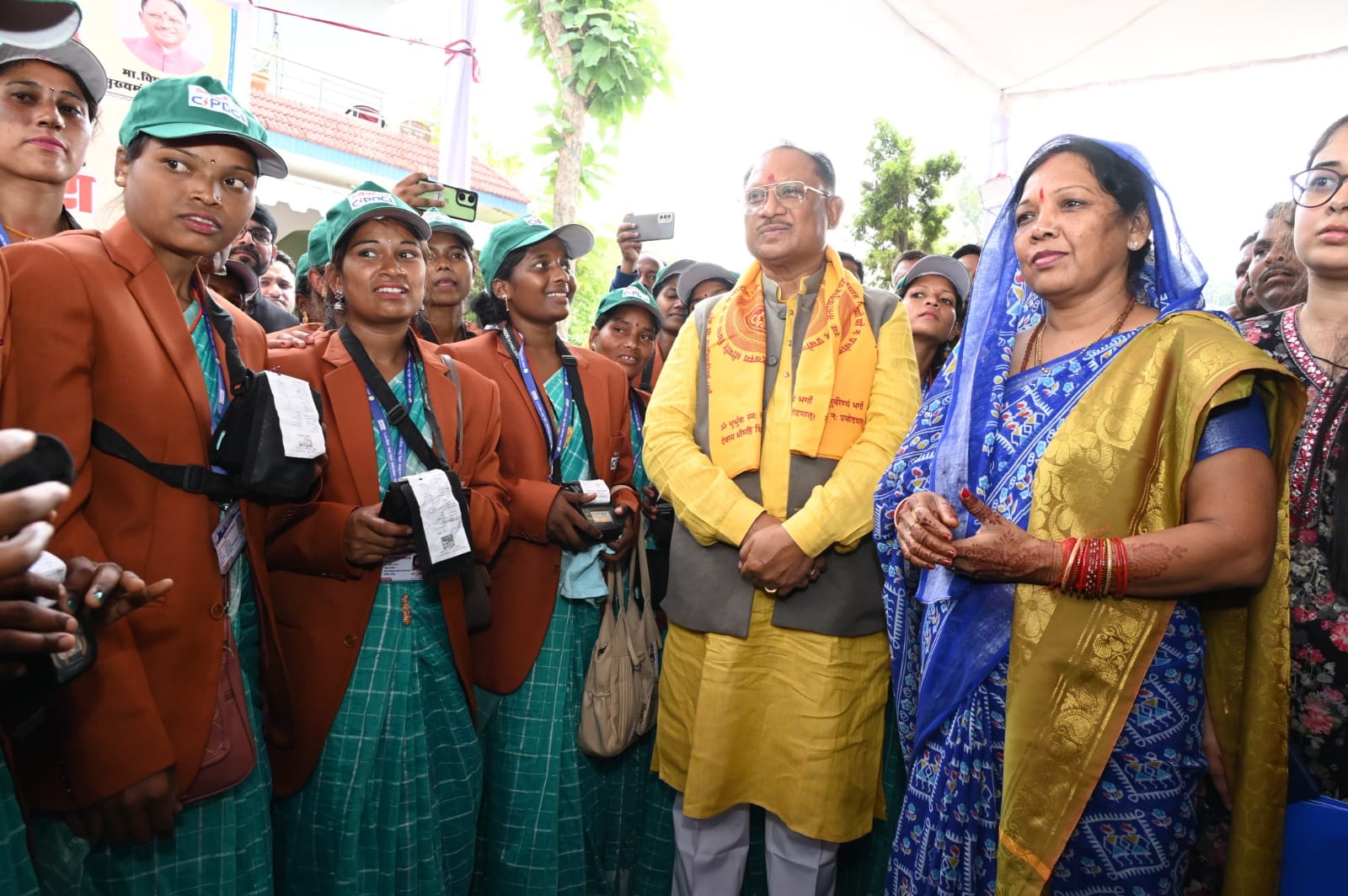
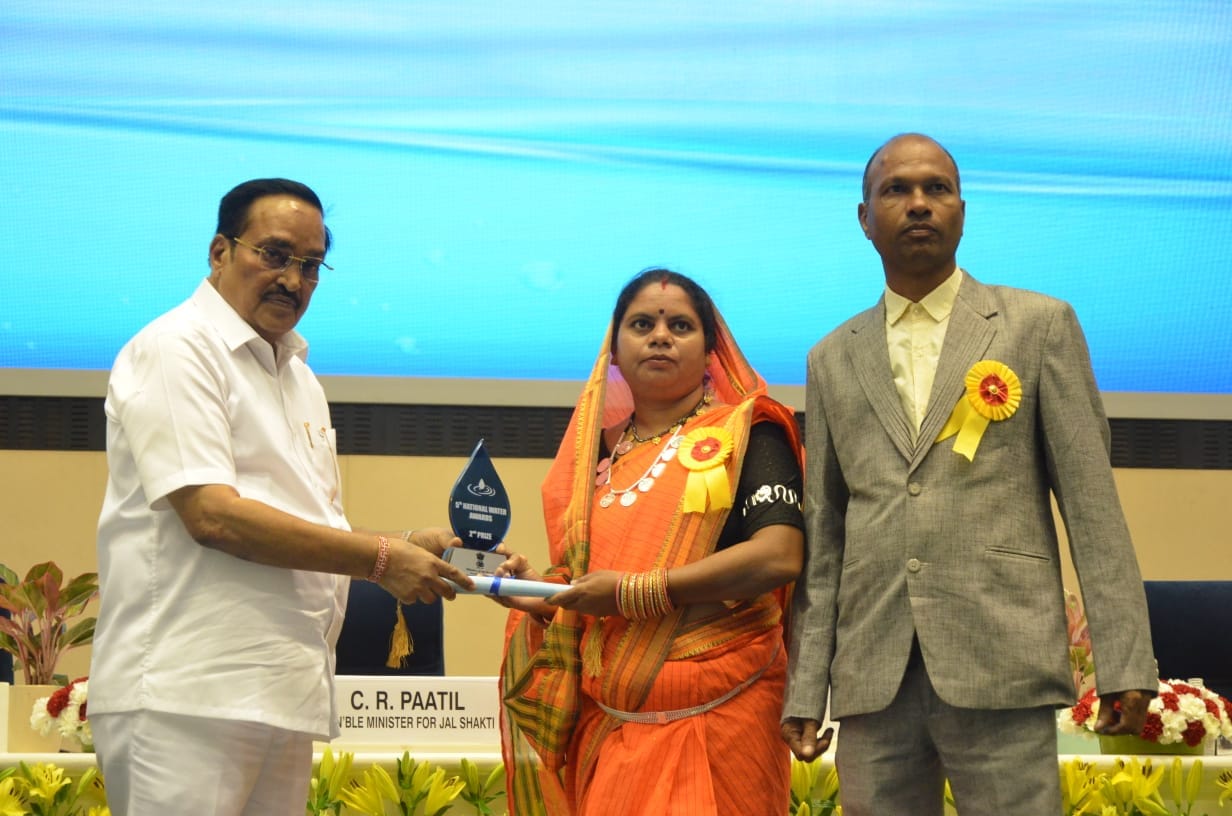


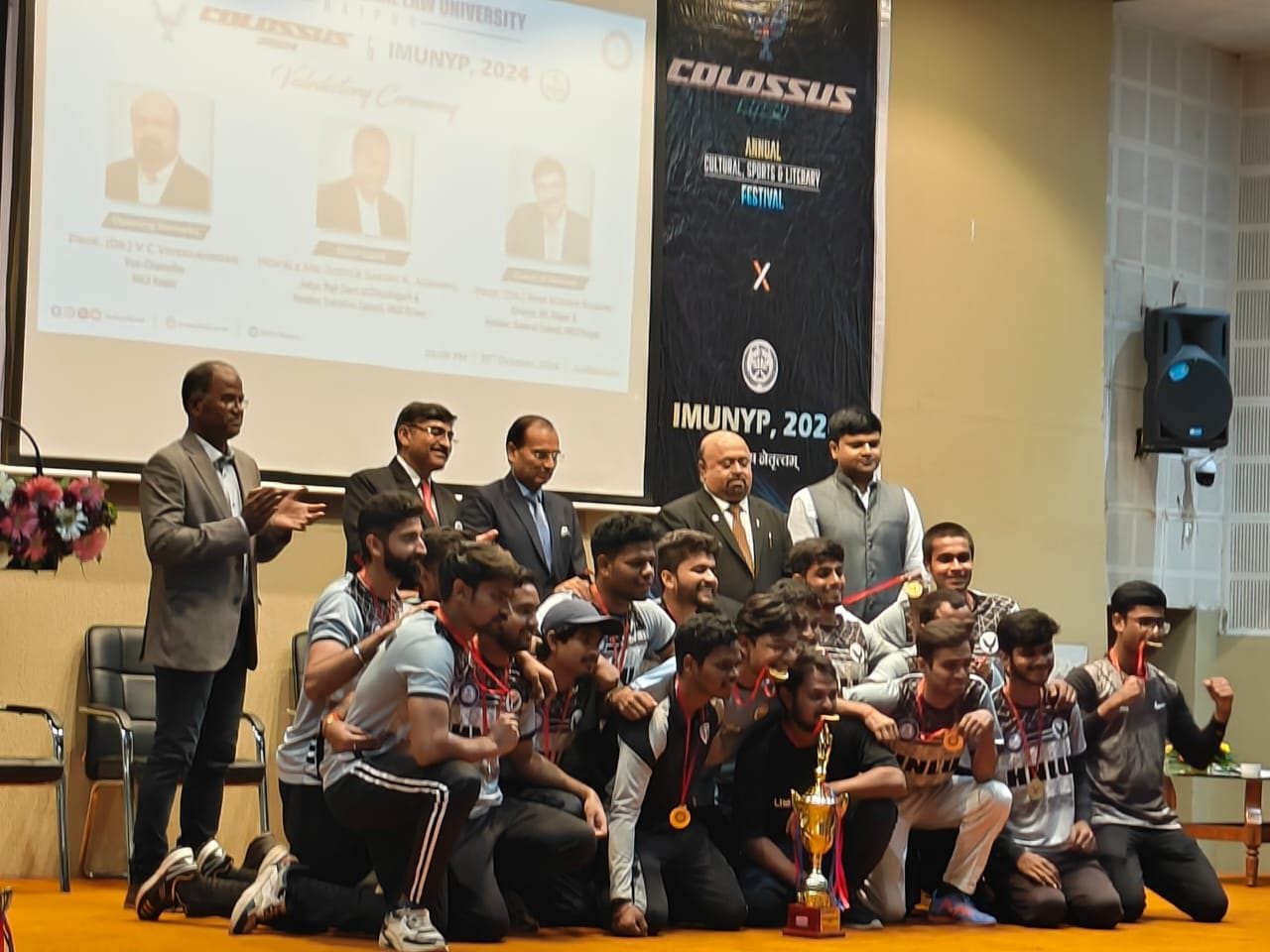




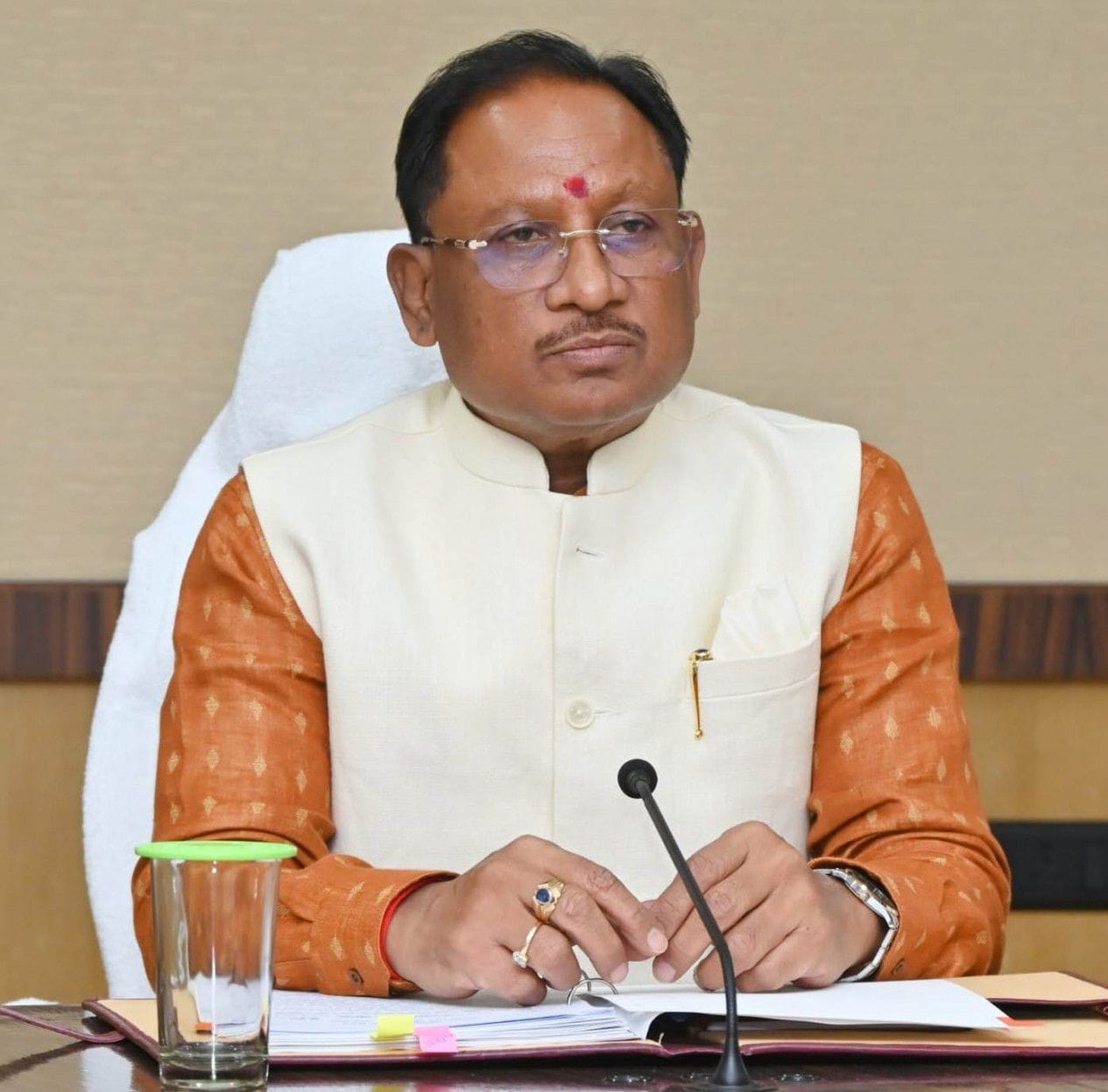



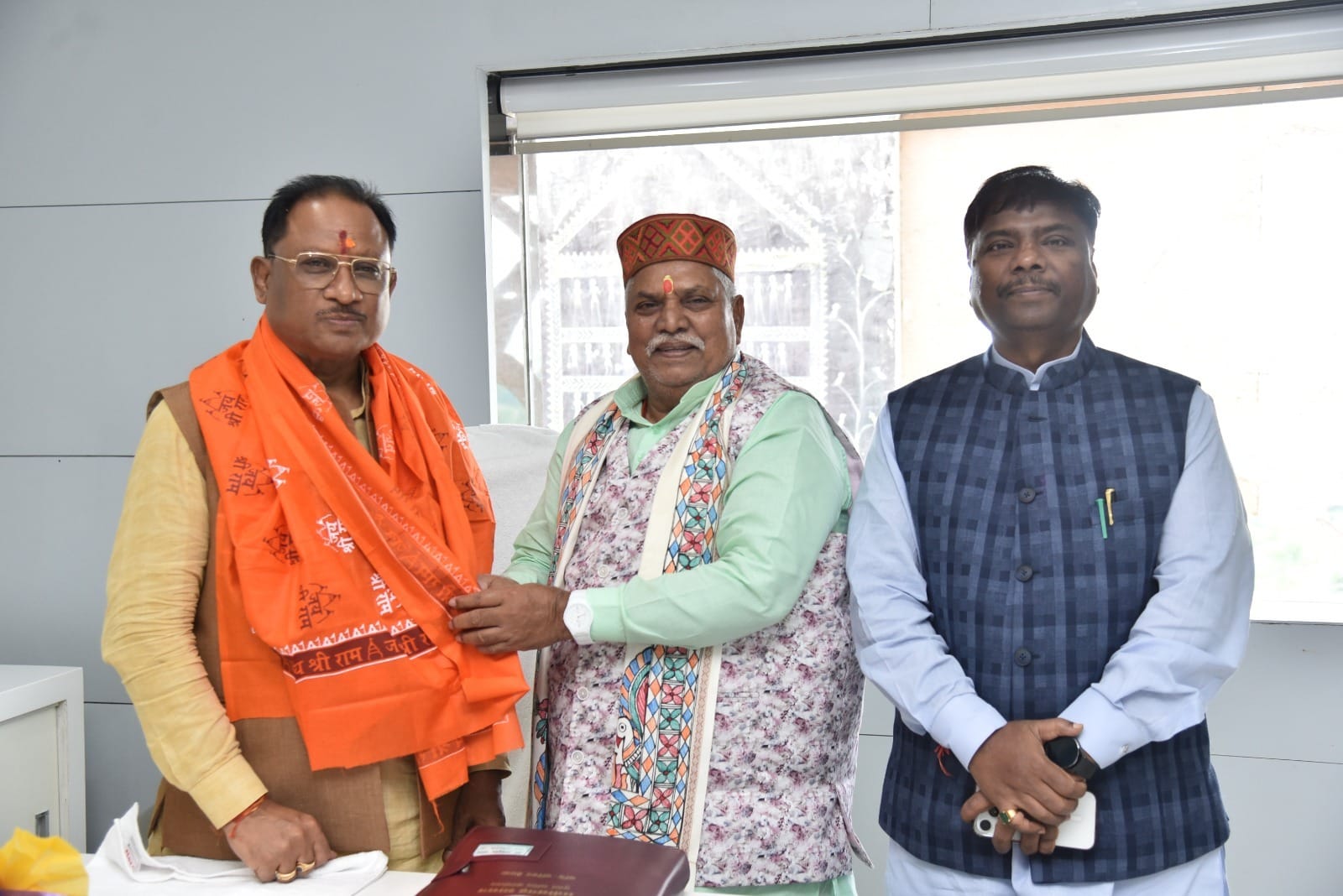


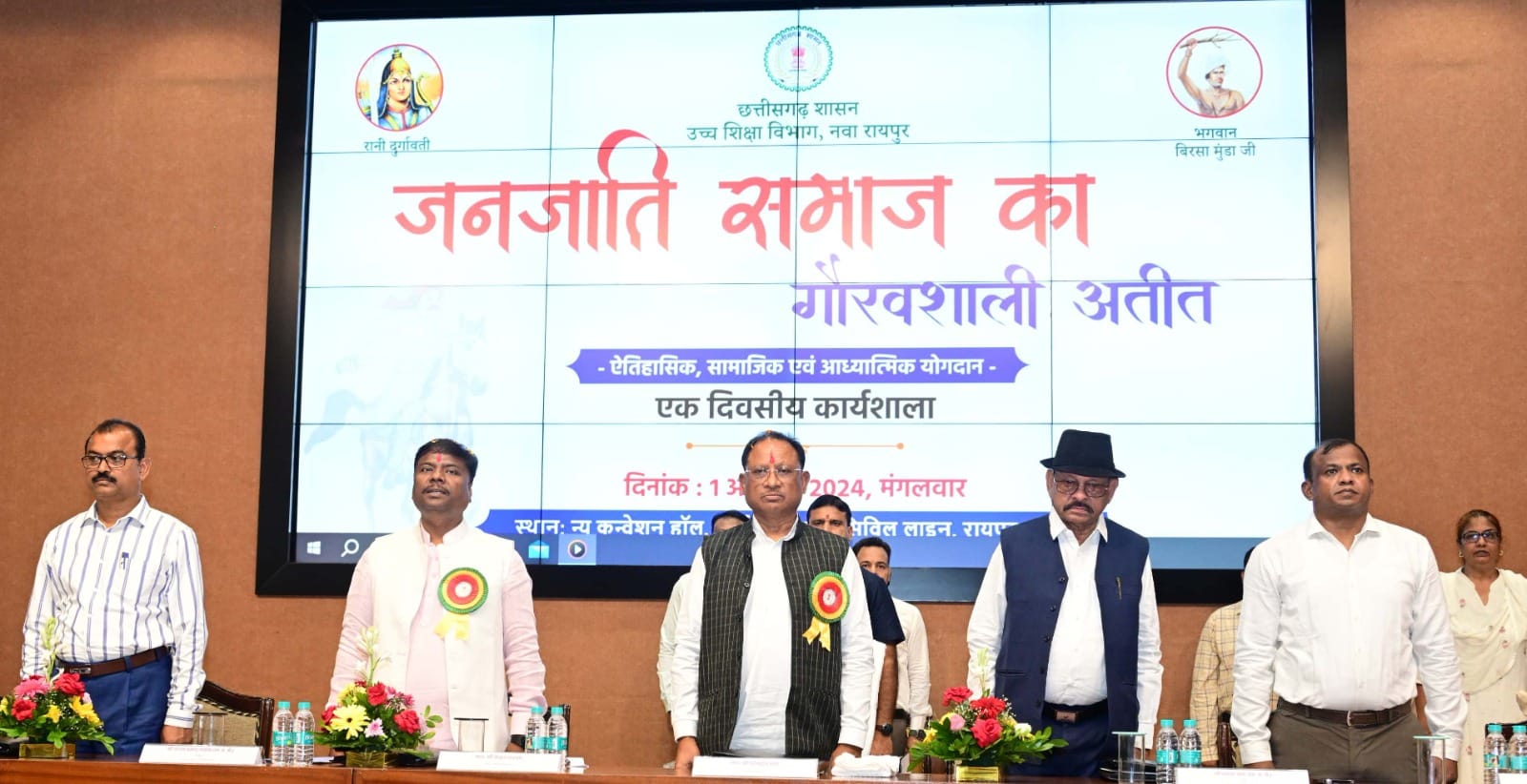
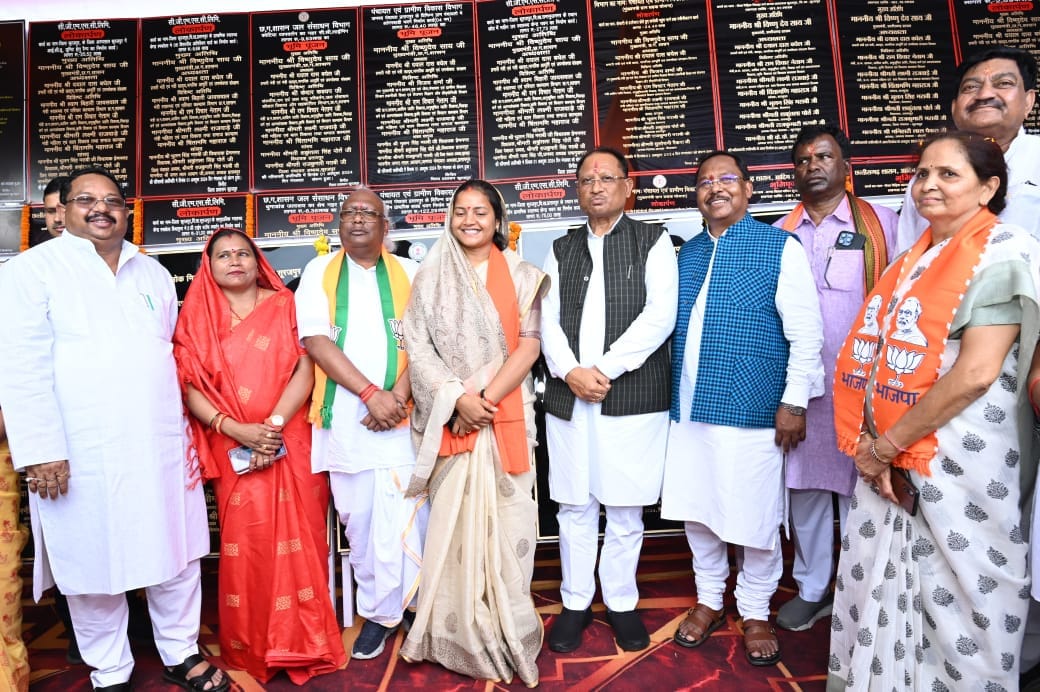
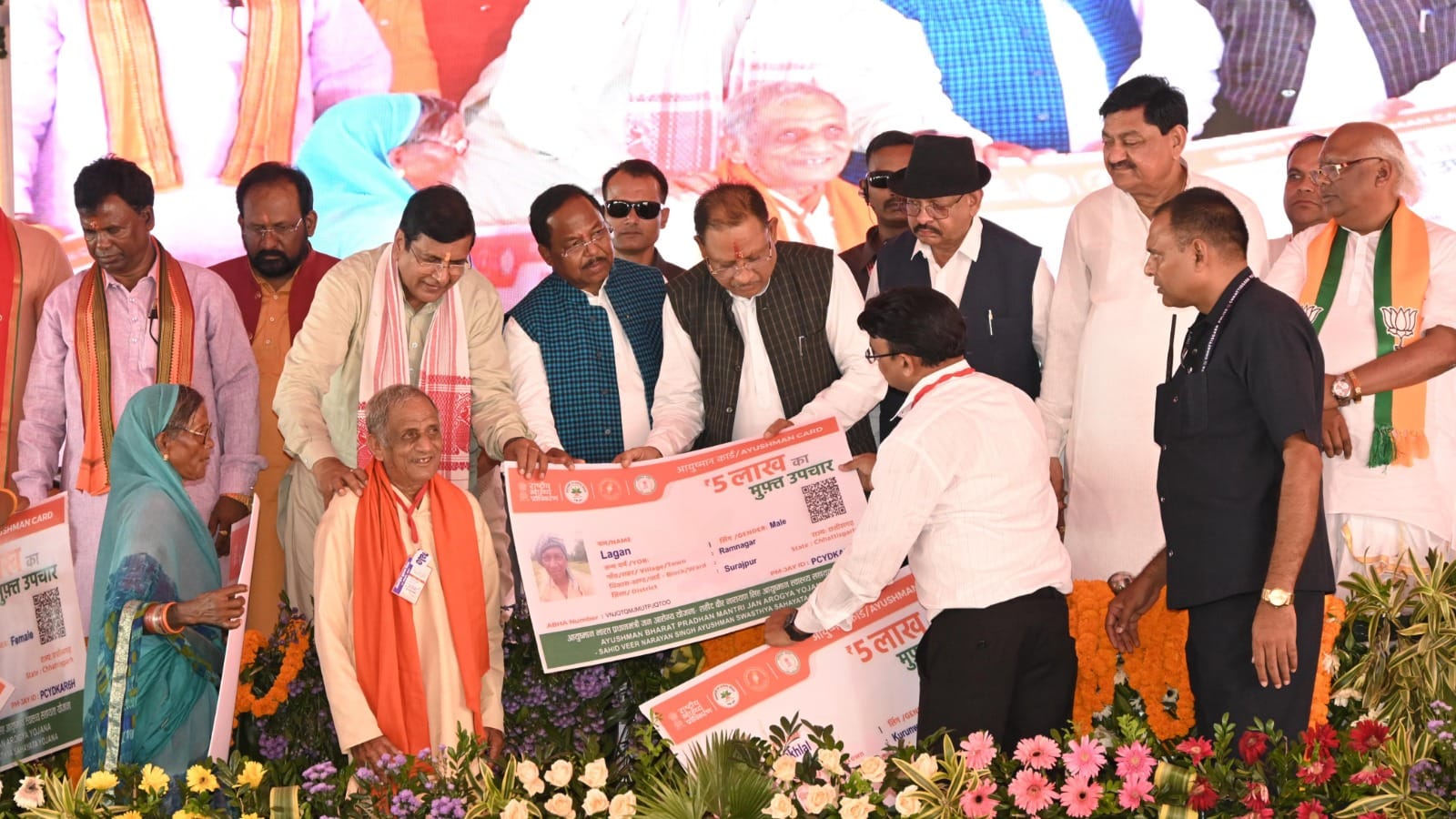
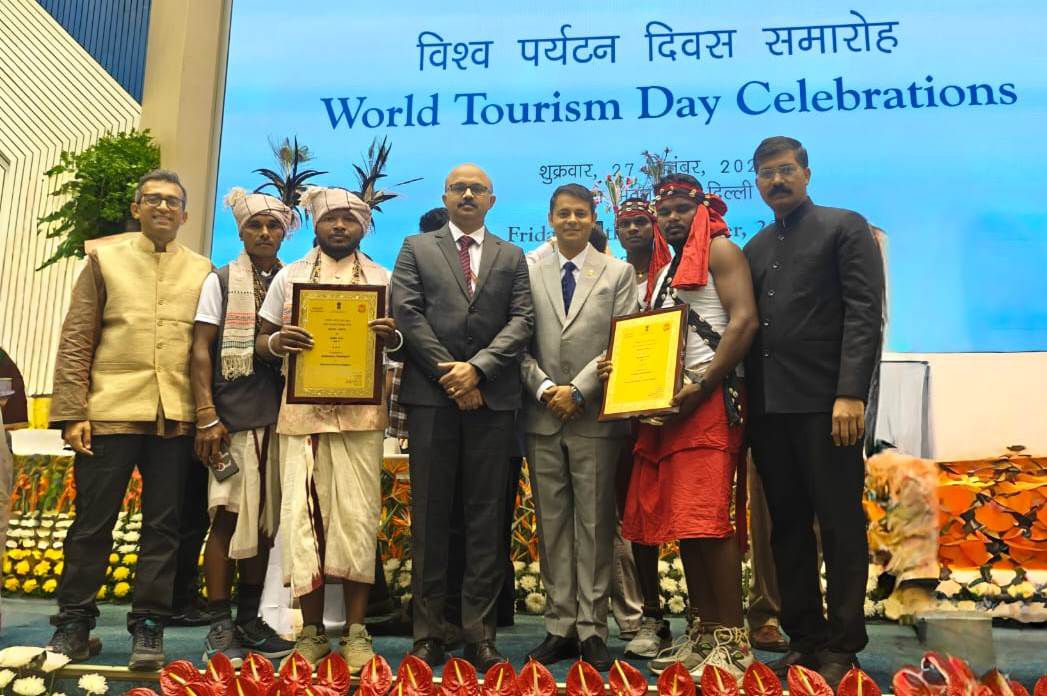
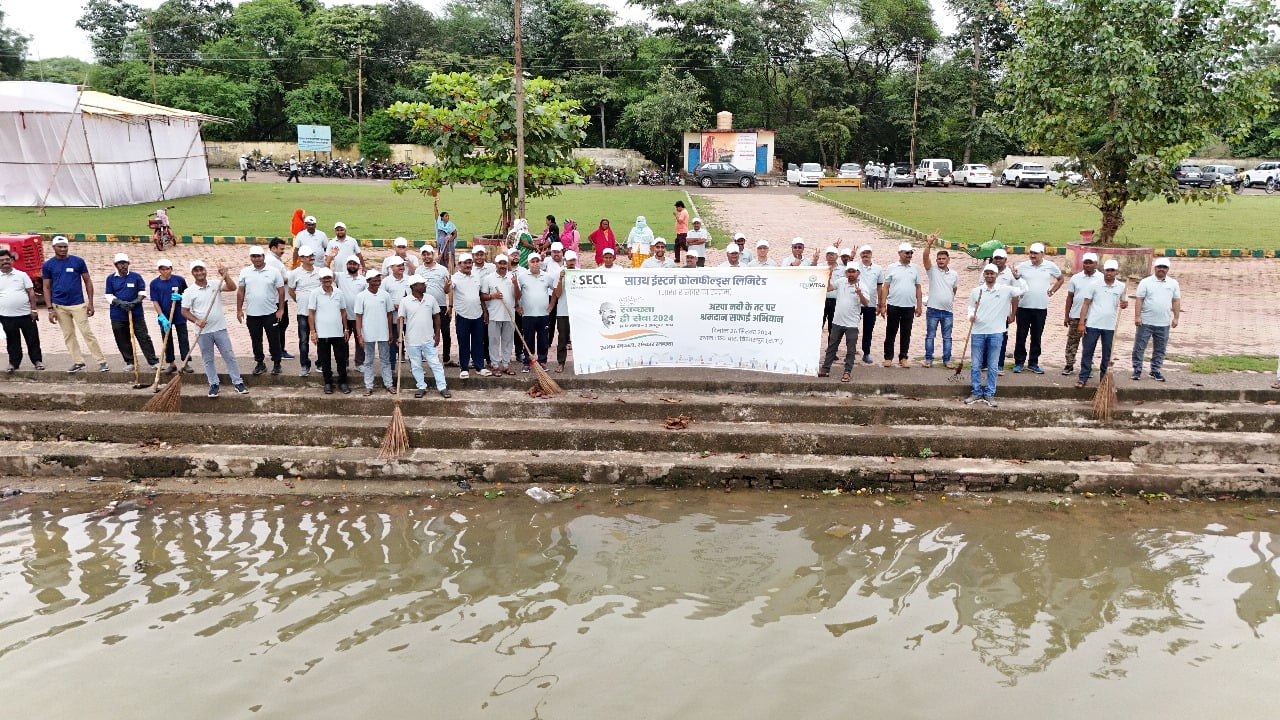
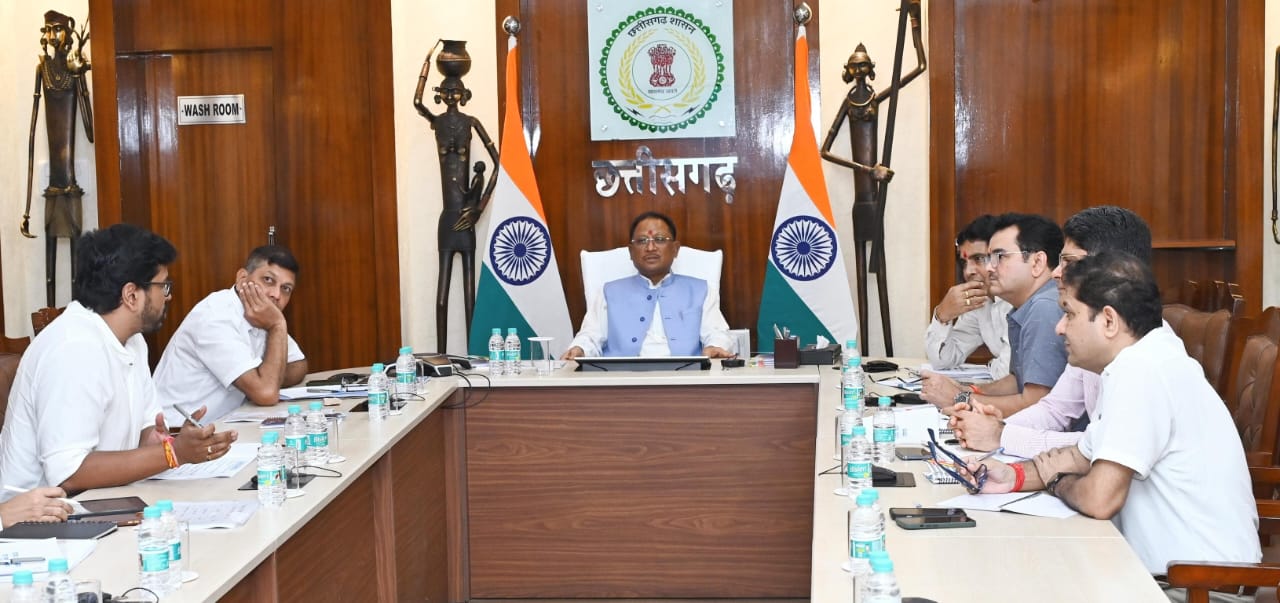
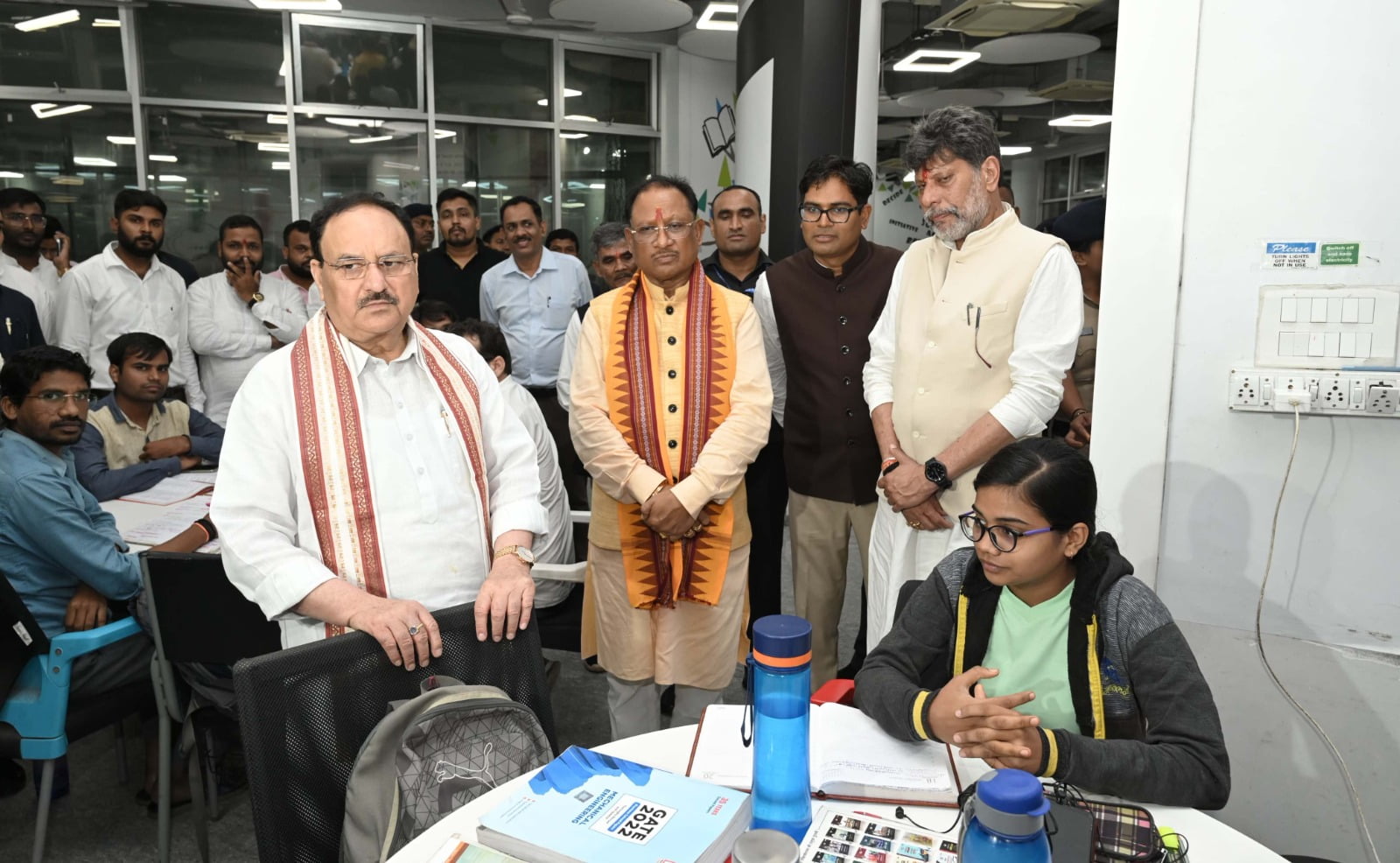




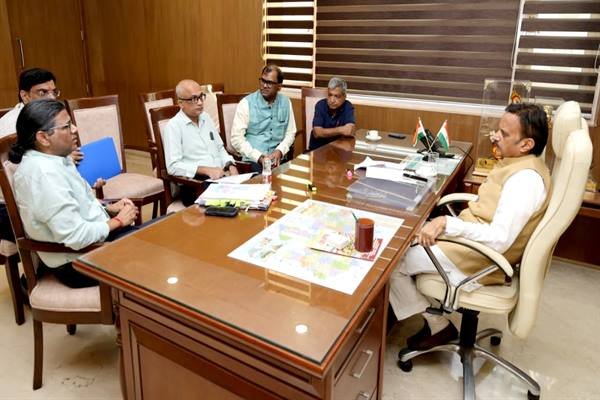
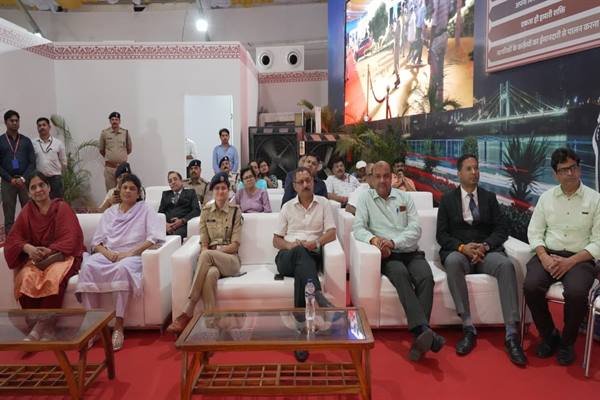
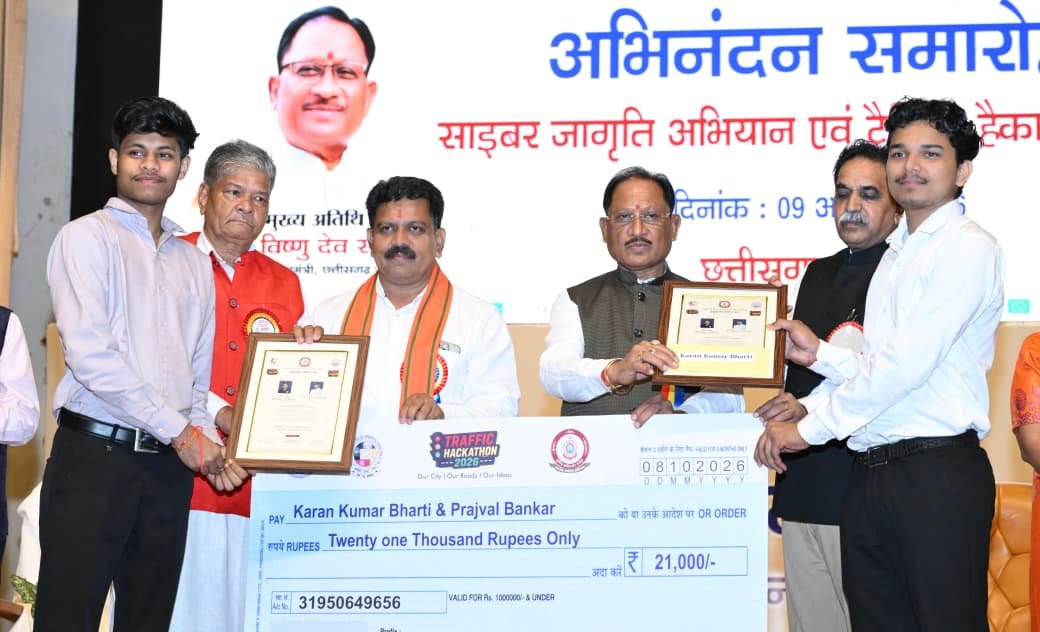
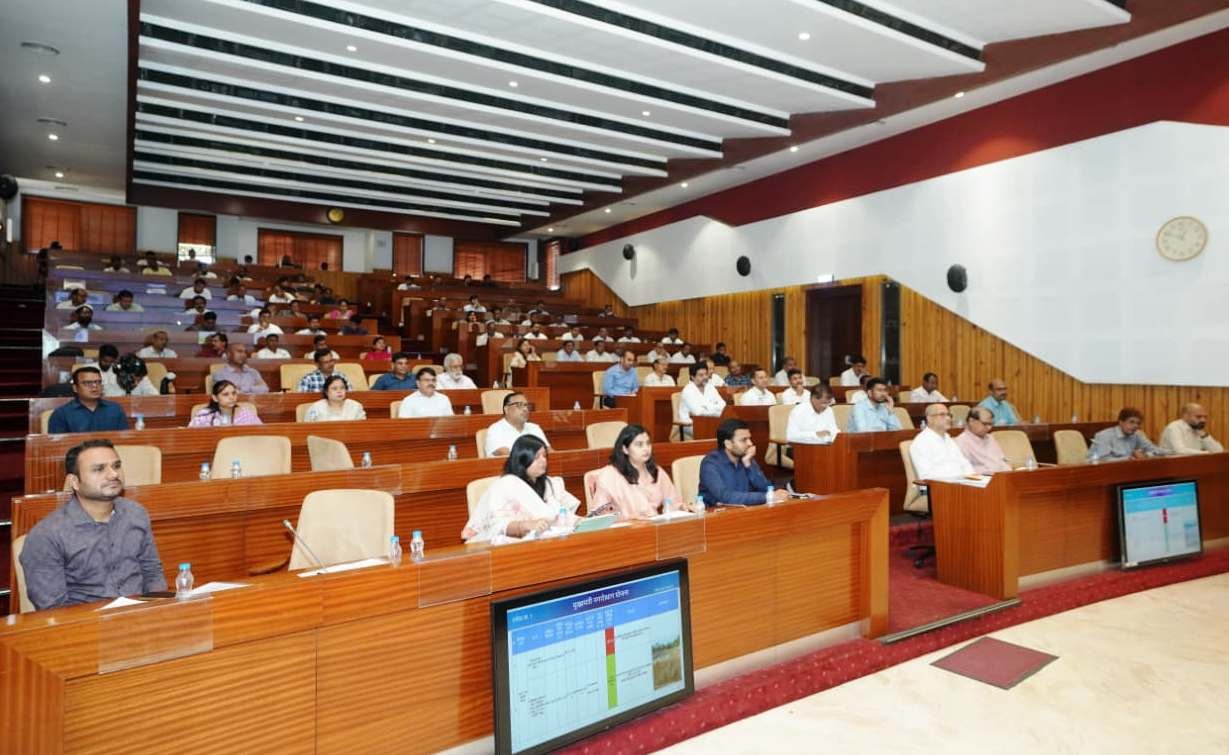
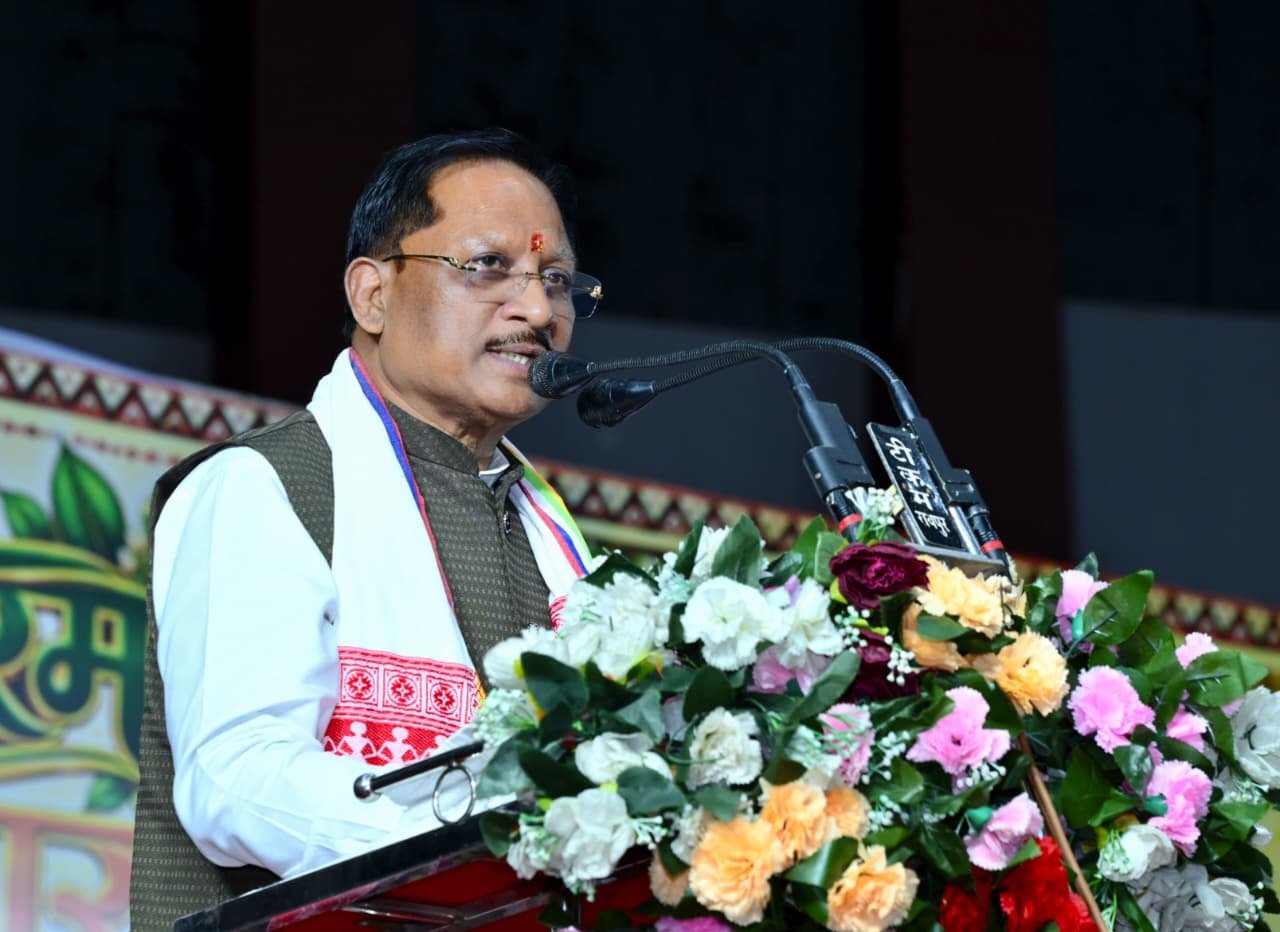
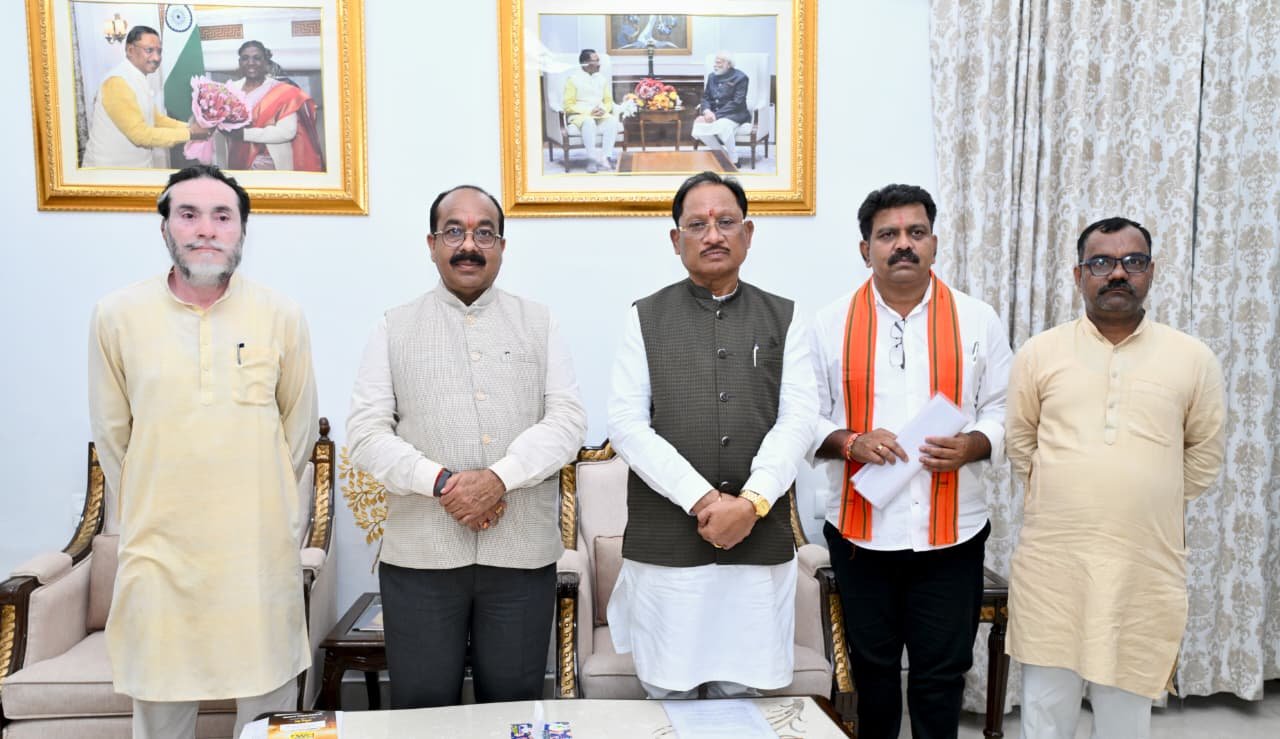

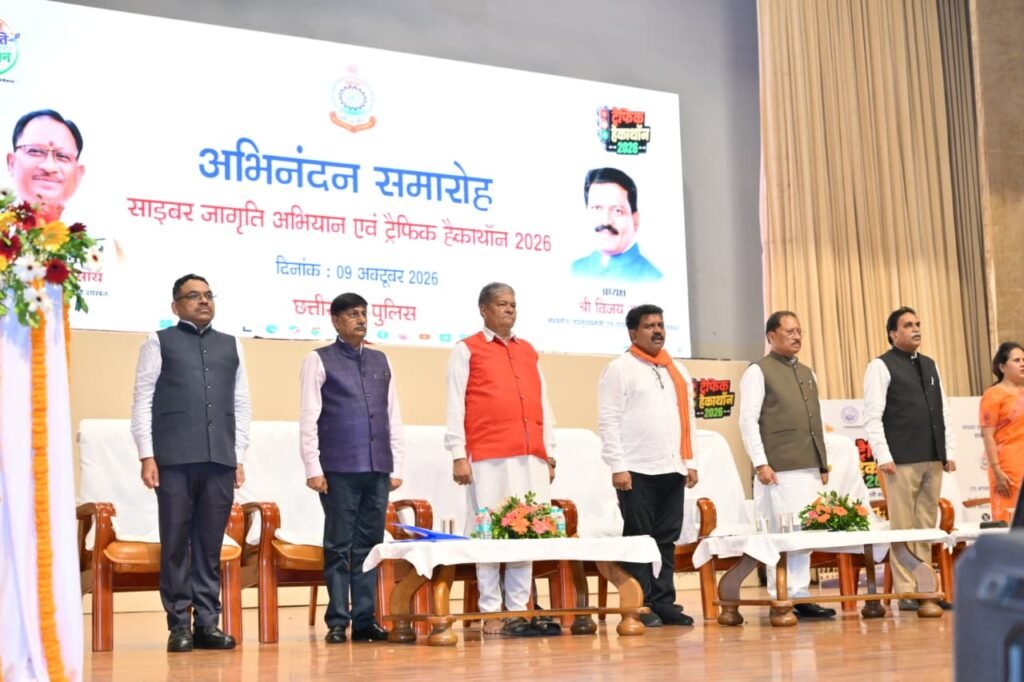
- Chief Minister Shri Vishnu Deo Sai attends the felicitation ceremony for the ‘Cyber Jagruti Abhiyan’ (Cyber Awareness Campaign) and Traffic Hackathon-2026
- Over 5 lakh programs conducted during the seven-week Cyber Awareness Campaign; message of awareness reached 1.70 crore people
- Chief Minister states: This is not the conclusion of the Cyber Awareness Campaign but a beginning; the campaign will continue uninterrupted
- Effective action against cybercrimes has led to a reduction in FIRs and an increase in the recovery rate of defrauded funds: Deputy Chief Minister Shri Vijay Sharma
- Districts implementing innovative cyber awareness initiatives and winners of the Traffic Hackathon felicitated
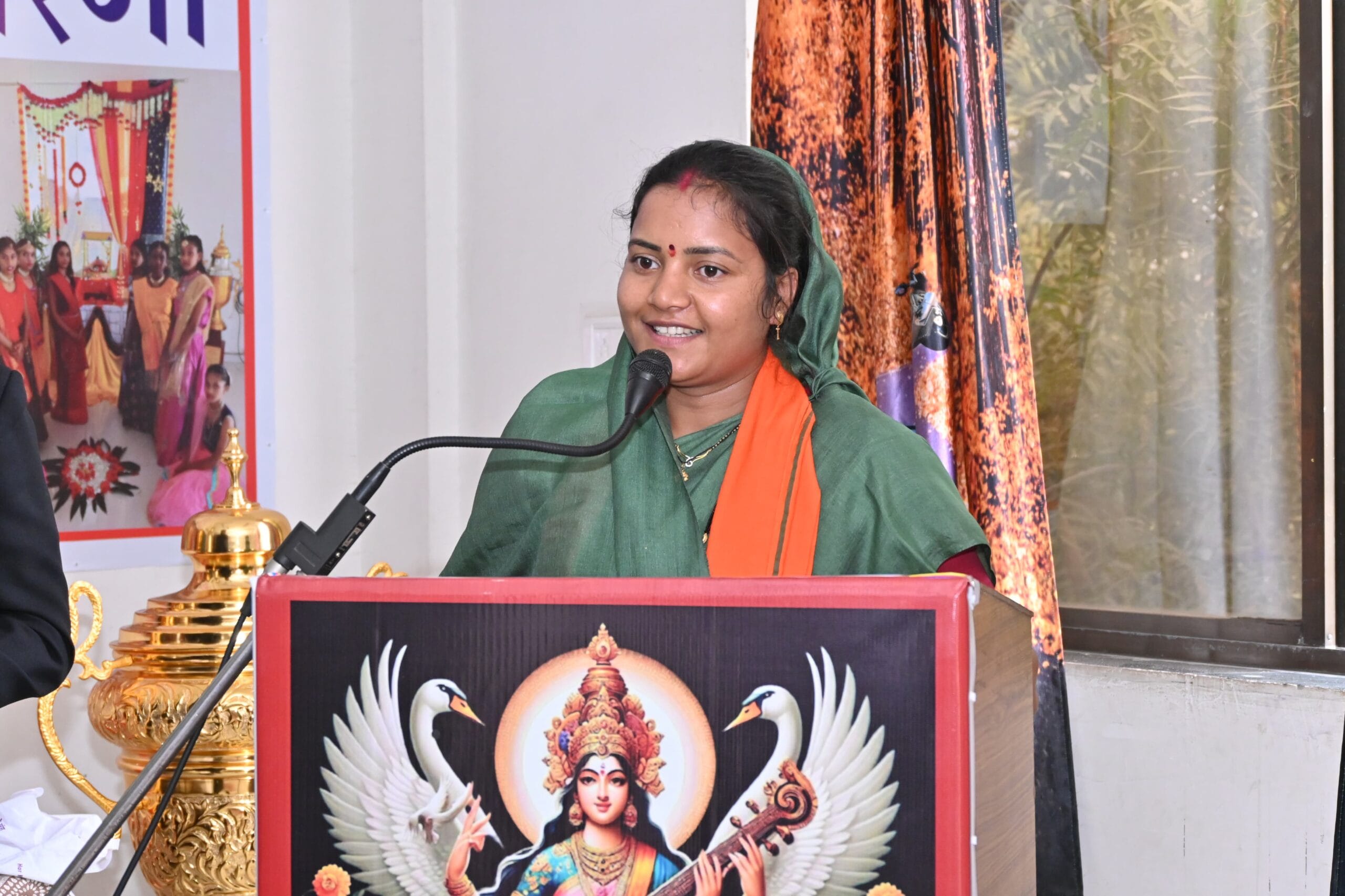
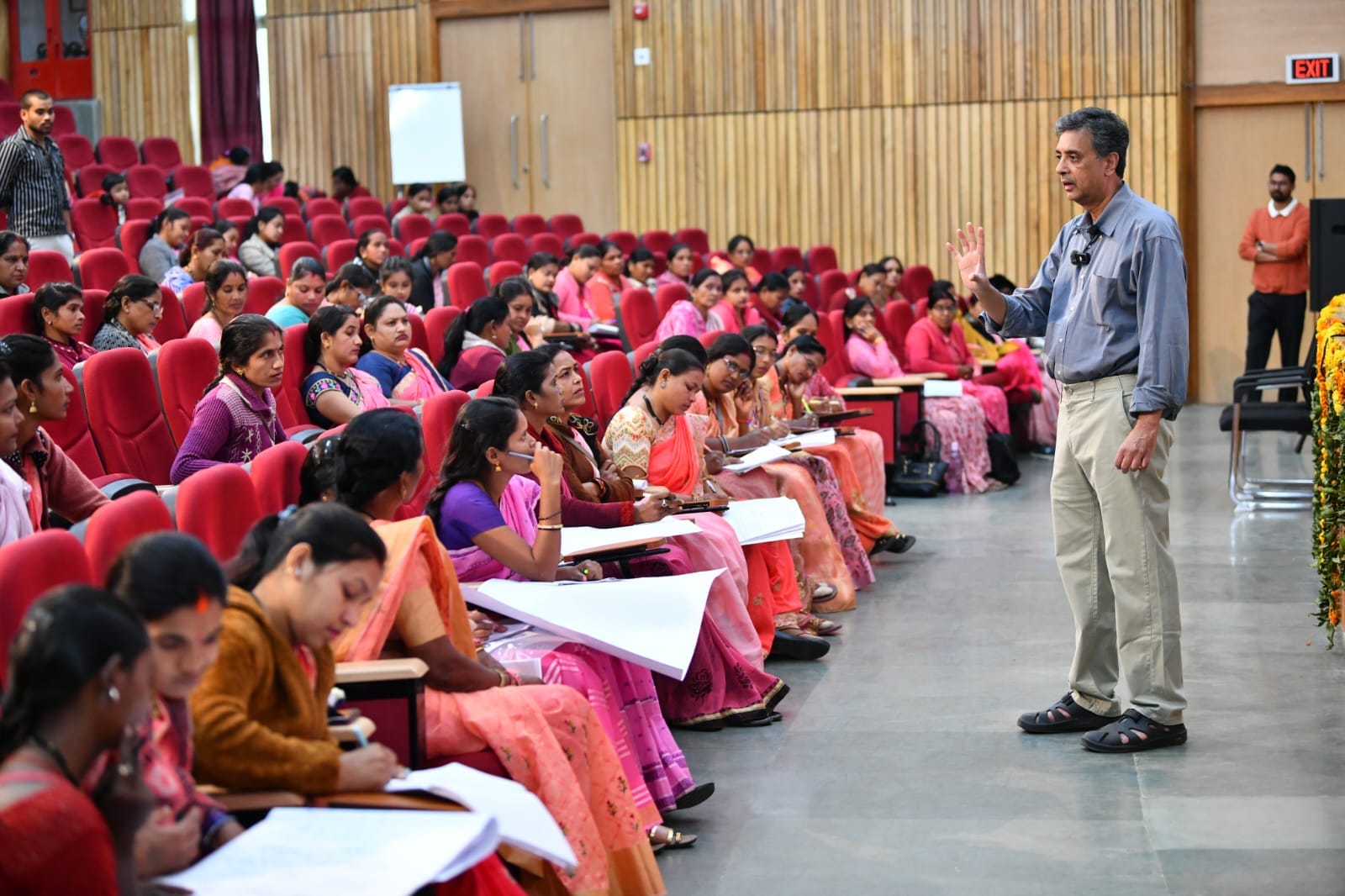
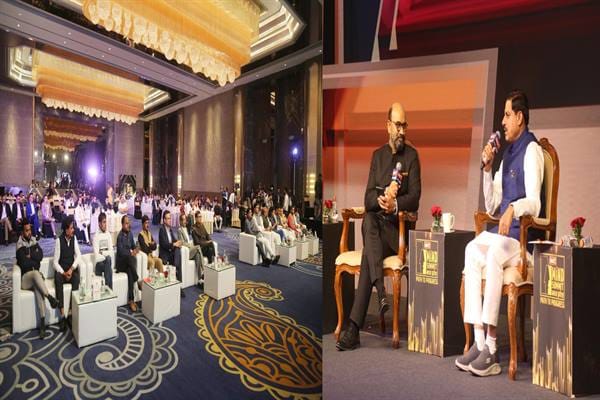
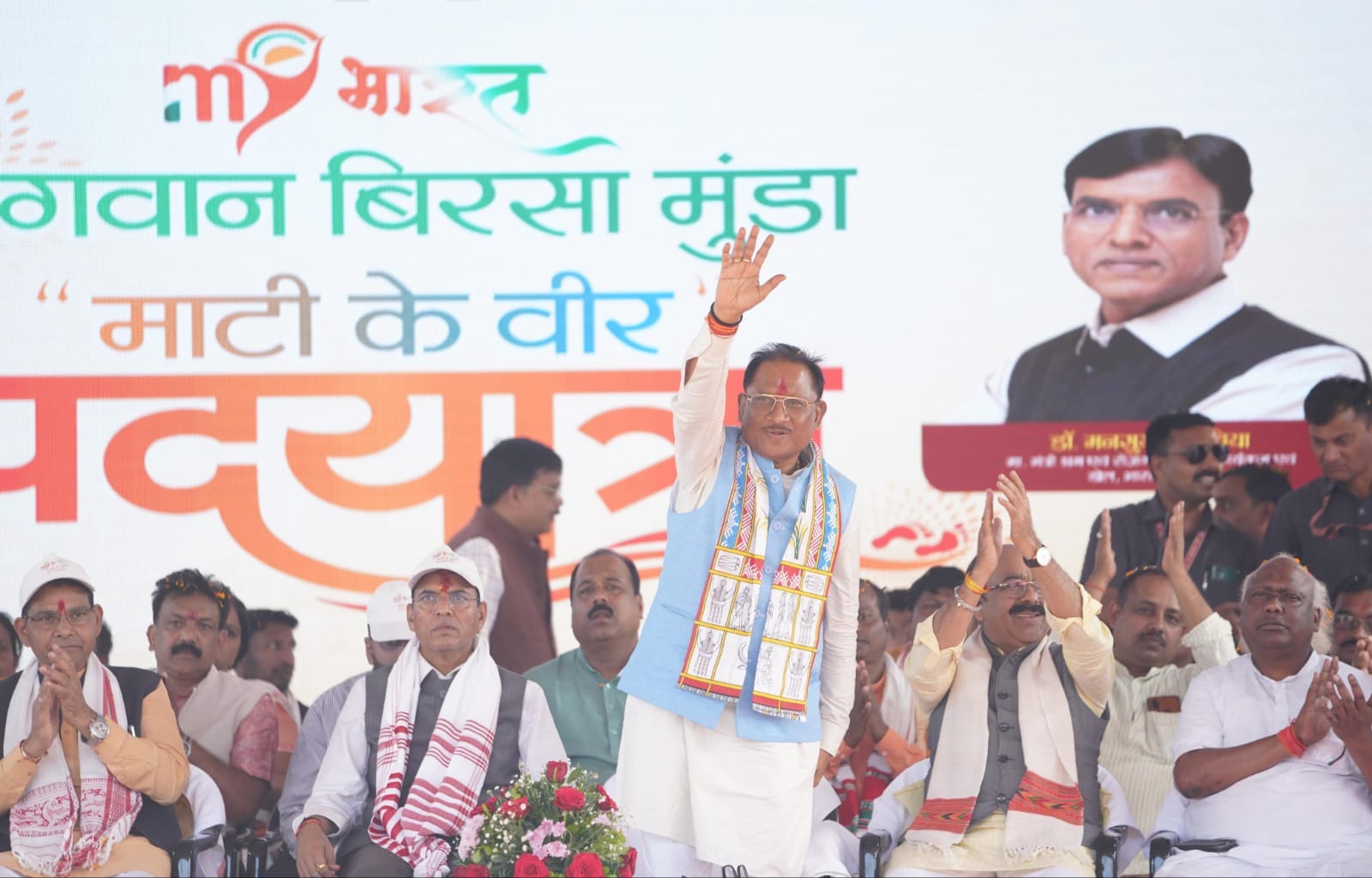
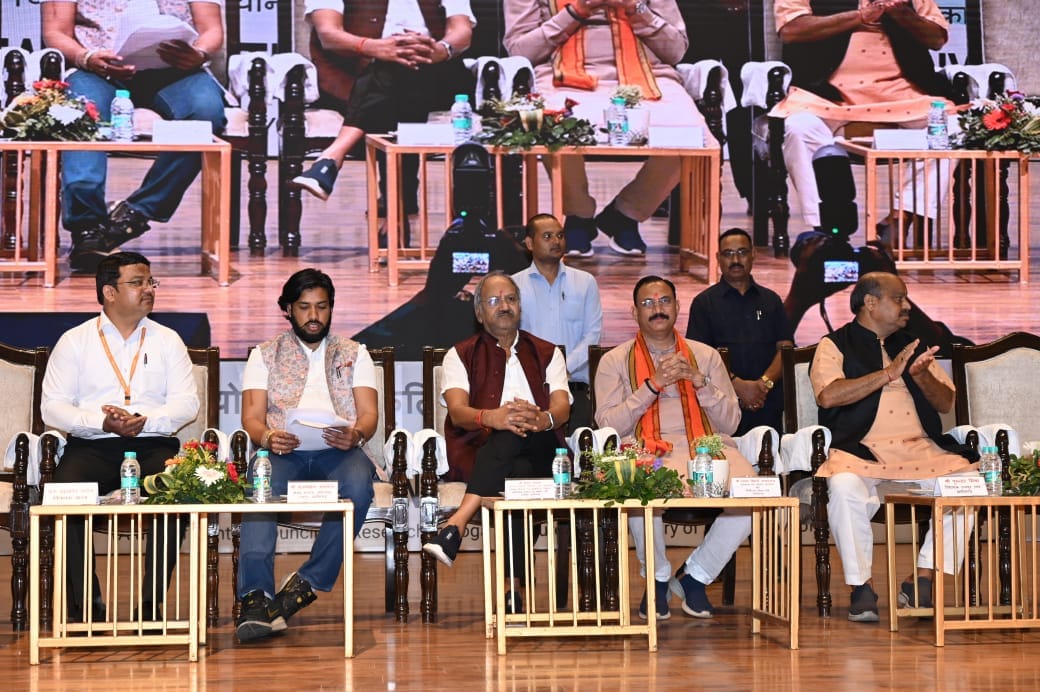
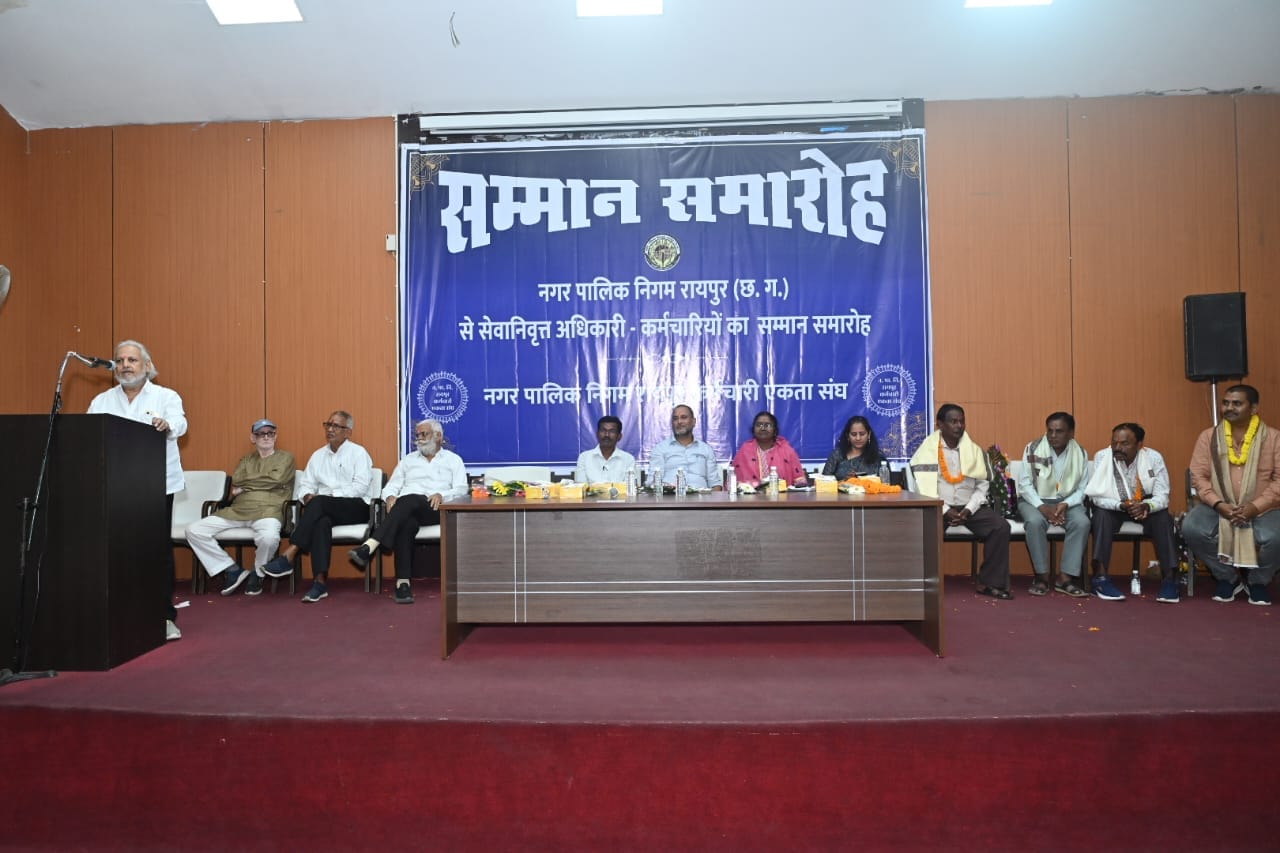
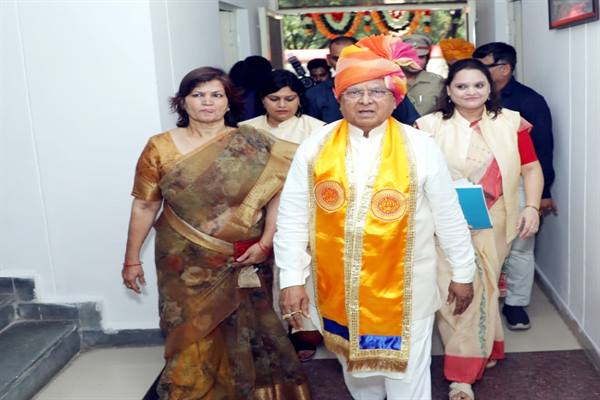
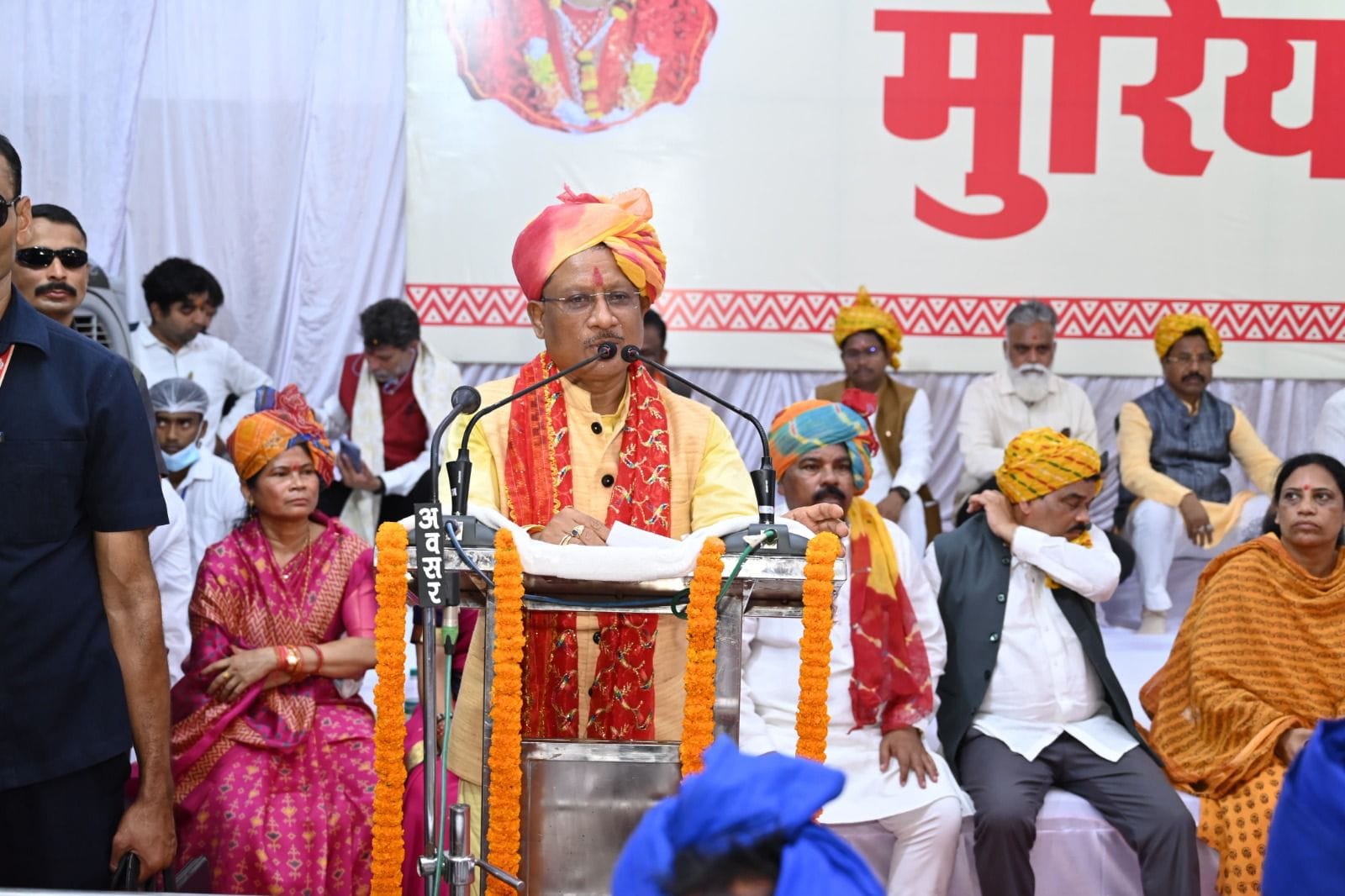
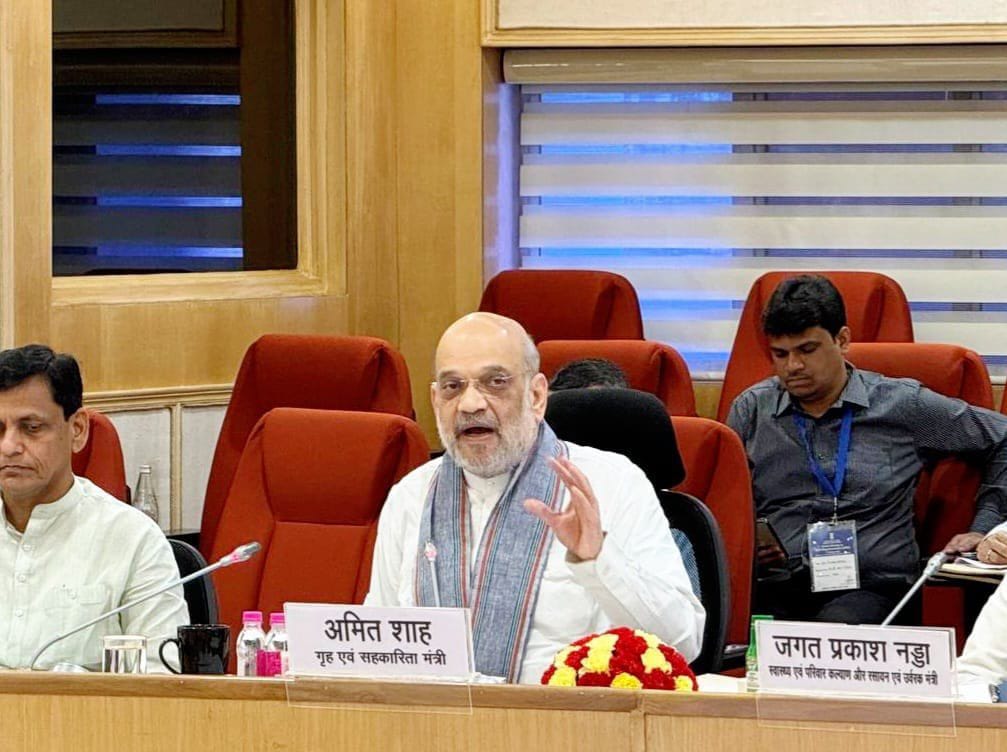
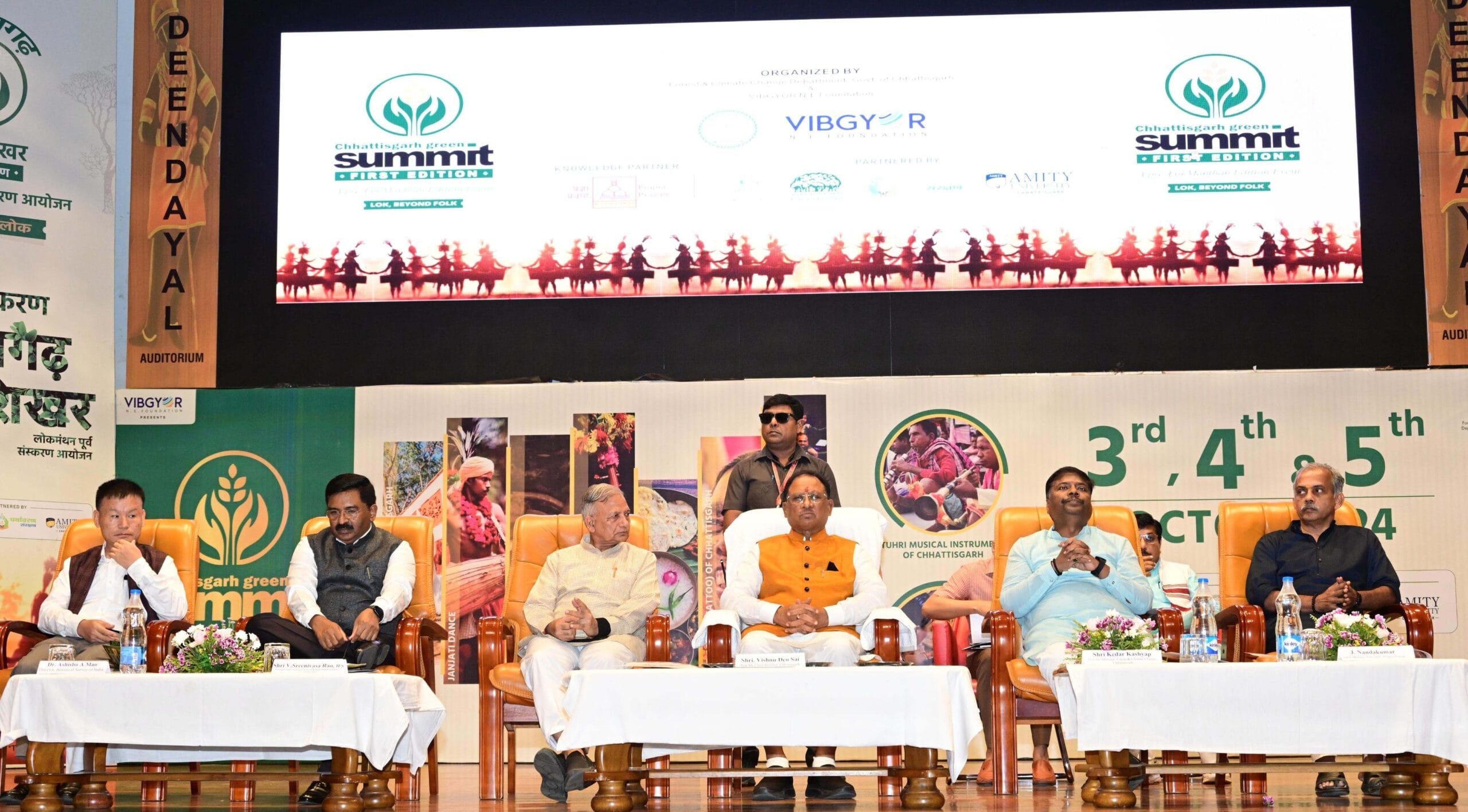
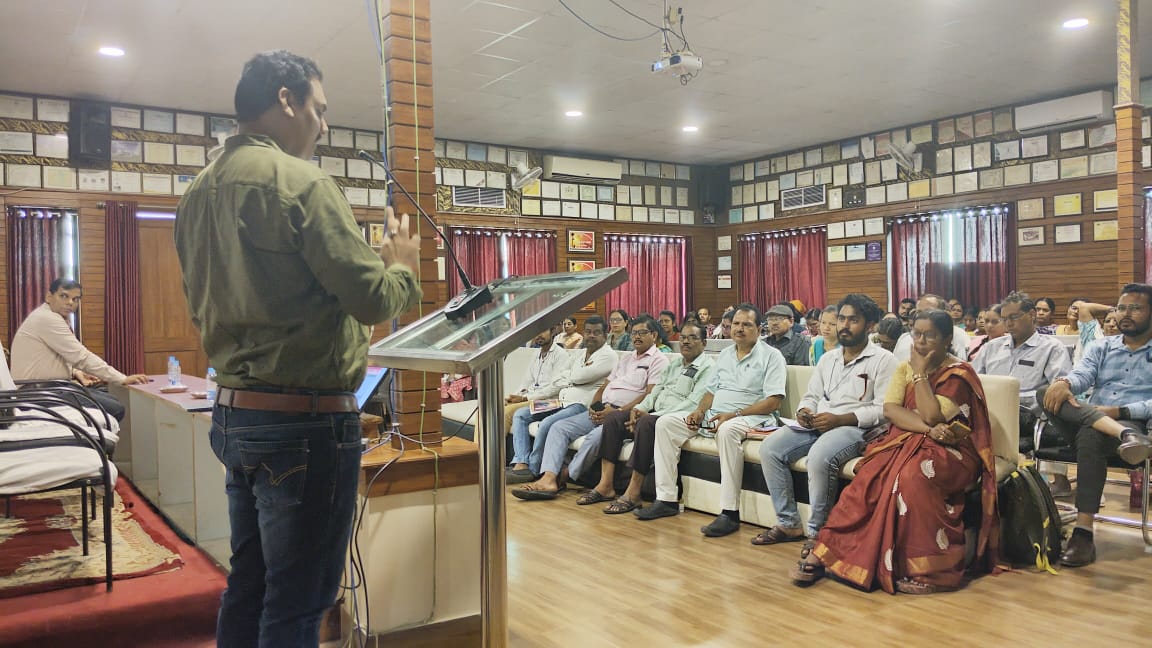
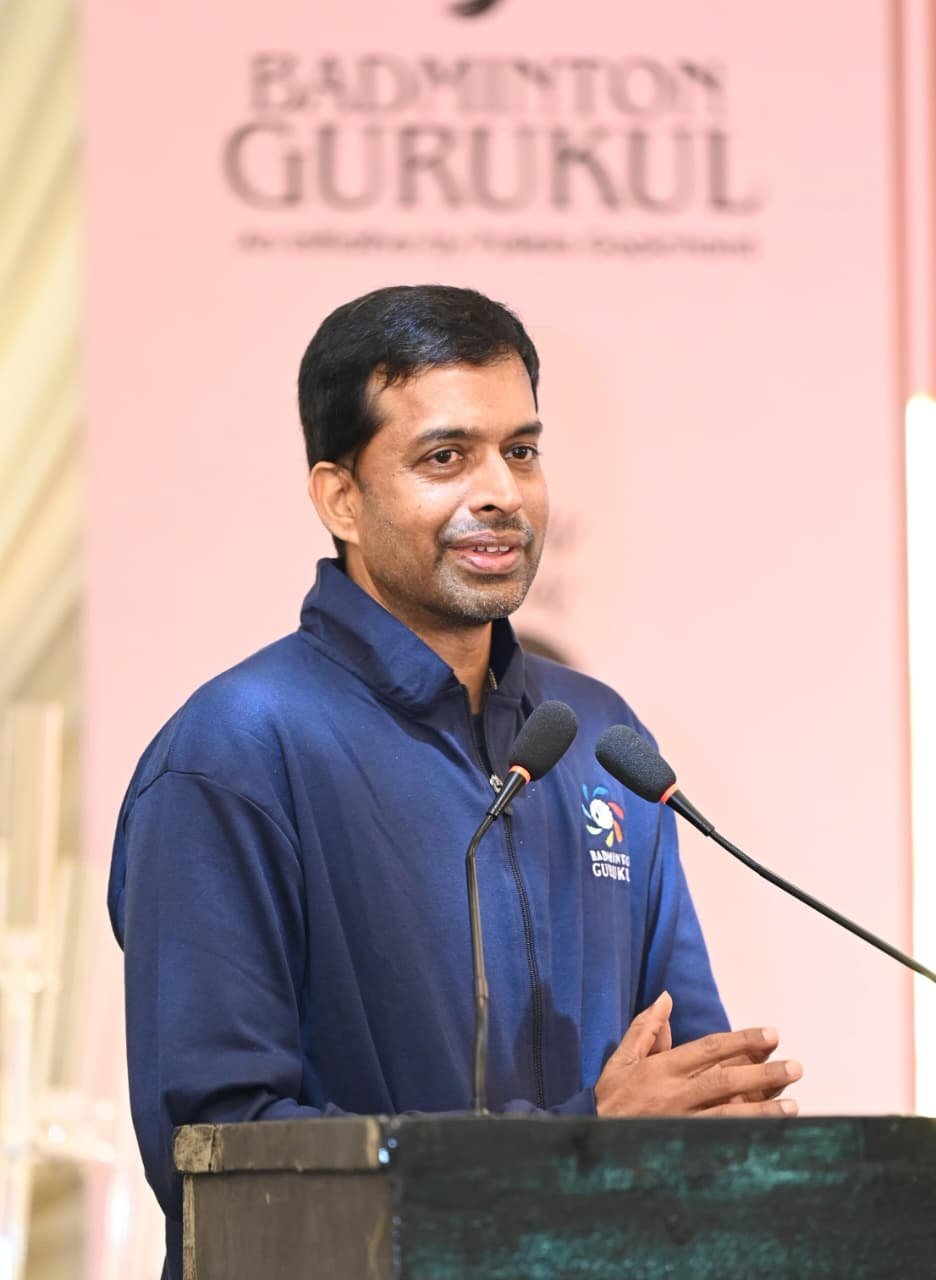
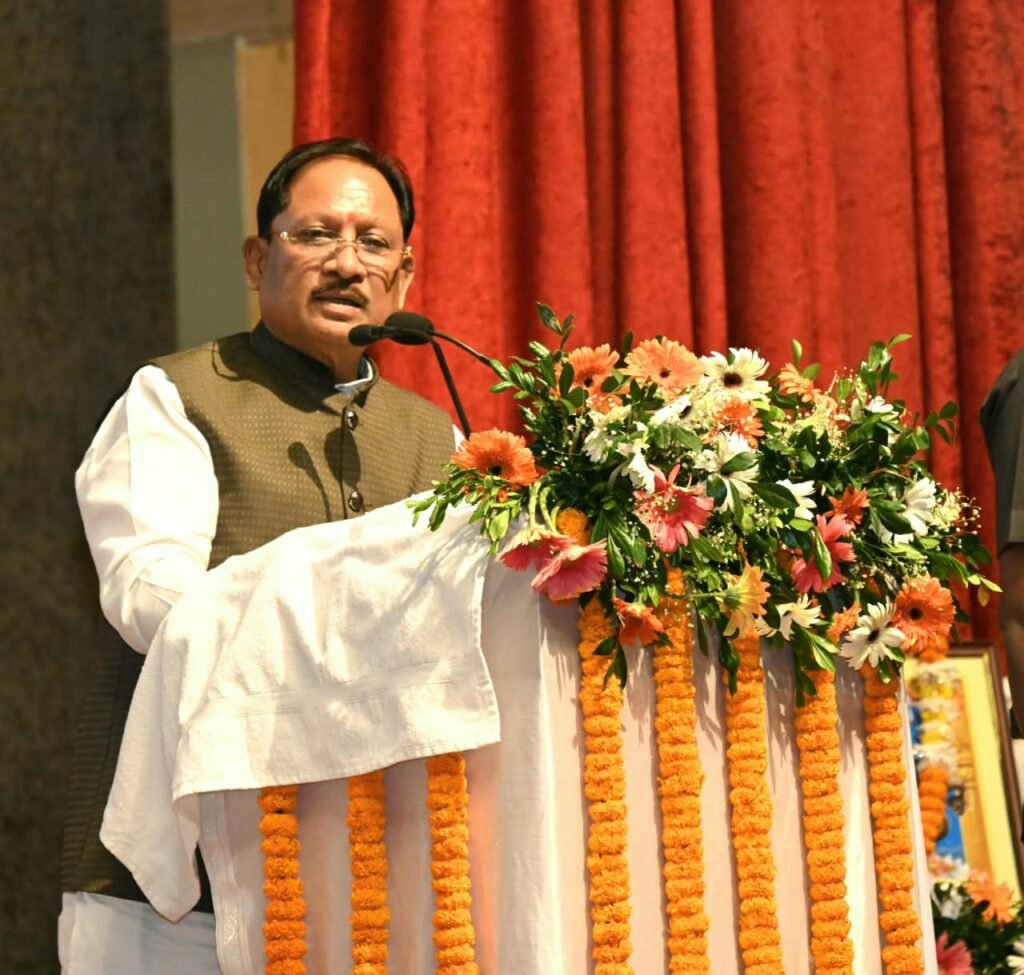
In the digital age, cybercrimes have emerged as a major challenge, and the most effective means of staying safe from them are awareness, vigilance, and public participation. Cybersecurity is not solely the responsibility of the government and the police but a shared responsibility of every citizen in society. We must transform cyber awareness into a mass movement; only then can we realize the resolve to create a Chhattisgarh safe from cyber fraud and digital crimes. Chief Minister Shri Vishnu Deo Sai made these remarks while addressing the felicitation ceremony of the ‘Cyber Jagruti Abhiyan and Traffic Hackathon-2026,’ organized by the Chhattisgarh Police at the Pandit Deendayal Upadhyay Auditorium in the capital, Raipur.
- Digital revolution has made life easier; vigilance regarding cybersecurity is now essential
Chief Minister Shri Sai stated that under the leadership of Prime Minister Shri Narendra Modi, ‘Digital India’ has brought about unprecedented transformation in the country. When Prime Minister Shri Modi first envisioned ‘Digital India’ in 2014, many apprehensions were expressed regarding the success of a digital economy in such a vast country with a large rural population. Today, the situation has changed completely. Even an ordinary citizen in a village is making digital payments via mobile phones and staying connected to the country and the world through technology. He stated that while the expansion of digital facilities has made citizens’ lives easier, it has also led to increased challenges regarding cyber fraud and digital crimes. Criminals are employing new techniques and methods to dupe people, and even technically savvy individuals sometimes fall prey to their schemes. Therefore, it is crucial for every citizen to be aware of the modus operandi of cybercrimes and the measures to protect against them.
- Cybersecurity message reaches 1.70 crore people through a seven-week campaign
Commending the special seven-week ‘Cyber Awareness Campaign’ conducted by the Chhattisgarh Police from August 15 to October 2, Chief Minister Shri Sai noted that the initiative played a vital role in disseminating the message of cybersecurity from urban centers to rural areas.

He mentioned that innovative activities centered on different themes were organized each week during the campaign. Awareness was raised by reaching out to universities, colleges, schools, gram panchayats, local markets (haat-bazaars), and public spaces. Over 500,000 programs were organized, citizen participation was ensured through more than 500,000 selfies, and the message of protection against cybercrimes reached approximately 1.70 crore people.
The Chief Minister remarked that such massive public participation demonstrates that cybersecurity is no longer merely a technical issue but a matter concerning every family and citizen.
- Not the end of the campaign, but a new beginning: Chief Minister
Chief Minister Shri Sai stated that the cyber awareness campaign cannot be confined to a specific timeframe. Although this seven-week campaign has concluded, the journey of cyber awareness will continue uninterrupted.
He affirmed the government’s resolve to provide a safe and fear-free environment for every citizen of the state. Achieving this requires active participation not only from the police and administration but also from social organizations, educational institutions, the youth, and the general public. Young people, in particular, should step forward as ambassadors of cyber awareness and contribute to making their families and society safer.
- Innovative suggestions from youth to improve Raipur’s traffic system to be seriously considered
Commending the ‘Traffic Hackathon-2026’, Chief Minister Shri Sai noted that the capital, Raipur, is expanding rapidly. Challenges regarding traffic management have grown alongside the rising population and the increasing number of vehicles. Effective coordination of technology, innovation, and public participation is essential to reduce road accidents and make traffic safer and smoother.
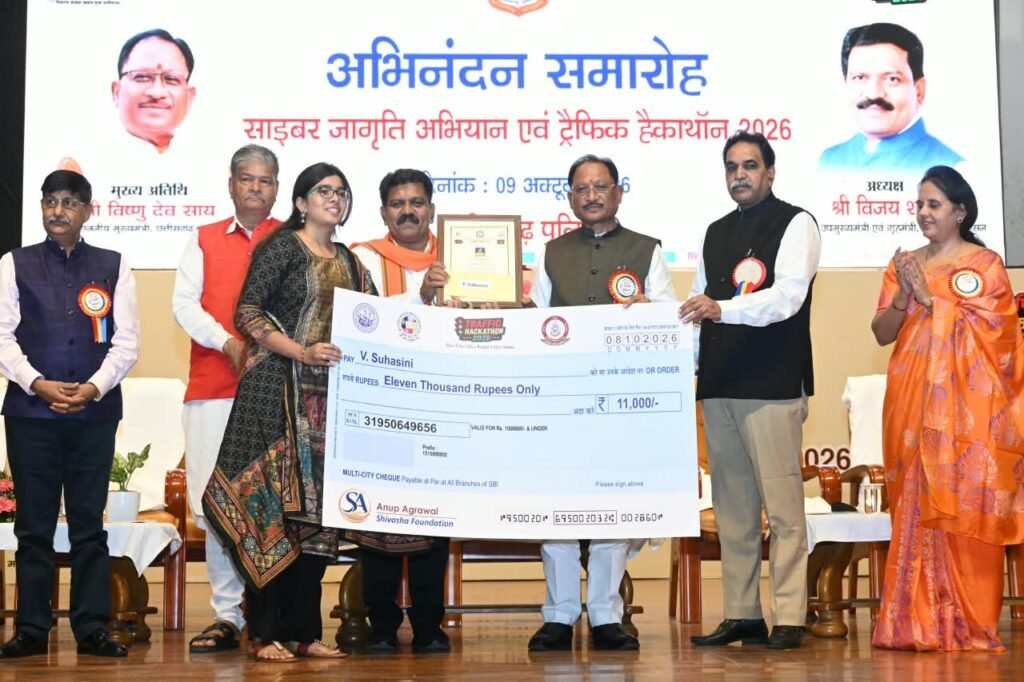
The Chief Minister stated that through the traffic hackathon, students, youth, technical experts, and various organizations have studied the capital’s traffic issues and presented practical solutions. The government will seriously consider these suggestions and move towards implementing those solutions that are found to be useful and practical.
- ‘Mukhyamantri Gramin Bus Seva’ connecting remote areas through transport
Highlighting the expansion of public transport facilities in the state, Chief Minister Shri Sai remarked that accessible transportation in rural and remote areas is a fundamental requirement for development. Previously, the lack of public transport options caused villagers to face difficulties regarding education, healthcare, access to markets, and other essential activities.
He stated that addressing this need.The ‘Chief Minister Rural Bus Service’ has been launched with this in mind. Bus services are being expanded, particularly in remote areas—including Bastar, which had long been affected by Naxalism. More than 100 buses are now operating on routes where services were previously unavailable due to a lack of economic viability.
The Chief Minister stated that the government has prioritized the public interest over profit and loss, and has put in place a system to compensate for the financial losses incurred by operating buses on these routes. He mentioned that while traveling on the bus with villagers, he personally witnessed how this service has brought convenience and happiness to people’s lives.
- India’s Leading Role in Digital Transactions; Security is Equally Crucial: Deputy Chief Minister Shri Vijay Sharma
Deputy Chief Minister and Home Minister Shri Vijay Sharma stated that India currently accounts for approximately 50 percent of the world’s digital transactions. This is a major achievement of Prime Minister Shri Narendra Modi’s ‘Digital India’ campaign. While digital transactions have made life more convenient, they have also brought about the challenge of ensuring security against cybercrimes.
He noted that the Chhattisgarh Police has taken an innovative step through the ‘Cyber Jagruti Abhiyan’ (Cyber Awareness Campaign) to protect citizens from cybercrimes. As part of the campaign, the police reached out to people at religious gatherings, public intersections, Gram Sabhas, Gram Panchayats, universities, colleges, and schools to educate them on how to guard against online fraud and cybercrimes.
Shri Sharma stated that the police are not limiting themselves to awareness alone but are also taking effective action against entire networks of cybercriminals. Actions have been taken against everyone involved—from bank employees facilitating the opening of ‘mule accounts’ used in cyber fraud to those providing fake SIM cards. These efforts have led to a reduction in FIRs related to cybercrimes and an increase in the recovery rate of defrauded funds.
He added that the efforts of the police and administration alone are not sufficient to improve the traffic system. A permanent solution to problems is possible only through public participation and innovation. With this vision, a traffic hackathon was organized, where young people presented numerous useful and practical solutions.
- Cyber awareness reaches villages and cities through seven themes
As part of the ‘Cyber Jagruti Abhiyan’ (Cyber Awareness Campaign) conducted by the Chhattisgarh Police from August 15 to October 2, 2026, awareness activities were organized across seven theme-based weeks in coordination with 34 police units of the state.
The campaign specifically raised citizen awareness on topics such as digital security, financial fraud and UPI security, ‘digital arrest,’ online safety for women, employment-related scams, data privacy, and collective pledges.
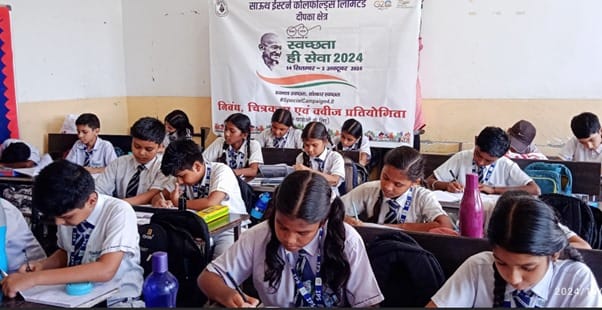
Programs organized in schools, colleges, universities, Gram Panchayats, local markets, and public spaces educated citizens on not sharing OTPs or passwords, avoiding suspicious links, staying wary of fake investment schemes, and recognizing new cybercrimes like ‘digital arrest.’
The campaign engaged youth as ‘Cyber Prahari’ (Cyber Sentinels) to disseminate awareness to their families and society. Citizens were also encouraged to immediately contact the helpline number 1930 or lodge complaints on the National Cyber Crime Reporting Portal in the event of cyber fraud.
- Over 6.02 crore views on social media
Social media was extensively utilized during the Cyber Jagruti Abhiyan. Messages and awareness material related to cyber security were disseminated via Facebook, Instagram, X (formerly Twitter), YouTube, and WhatsApp.
In collaboration with the Indian Cyber Crime Coordination Centre (I4C), over 3,100 social media posts were shared during the campaign, garnering more than 6.02 crore views. I4C further amplified the campaign’s reach by sharing numerous related posts on its official social media platforms. District-level innovations linked cyber awareness with public participation
During the campaign, various districts implemented numerous innovative measures tailored to local conditions. In Mungeli district, approximately 15,000 villagers were sensitized to cyber security through special Gram Sabhas (village council meetings). In Gariaband district, information on cyber security was imparted to around 493 women—comprising Mitanins (community health volunteers), Anganwadi workers, and members of self-help groups—who then disseminated this awareness to families.
In Durg district, under the ‘Safe Durg, Cyber-Aware Durg’ campaign, students raised awareness among more than 15,000 citizens through street plays and various other activities. A cyber awareness short film competition held in Raipur district received 162 entries from 35 districts across 11 states; it is estimated that the message of cyber security reached approximately two lakh people through these films.
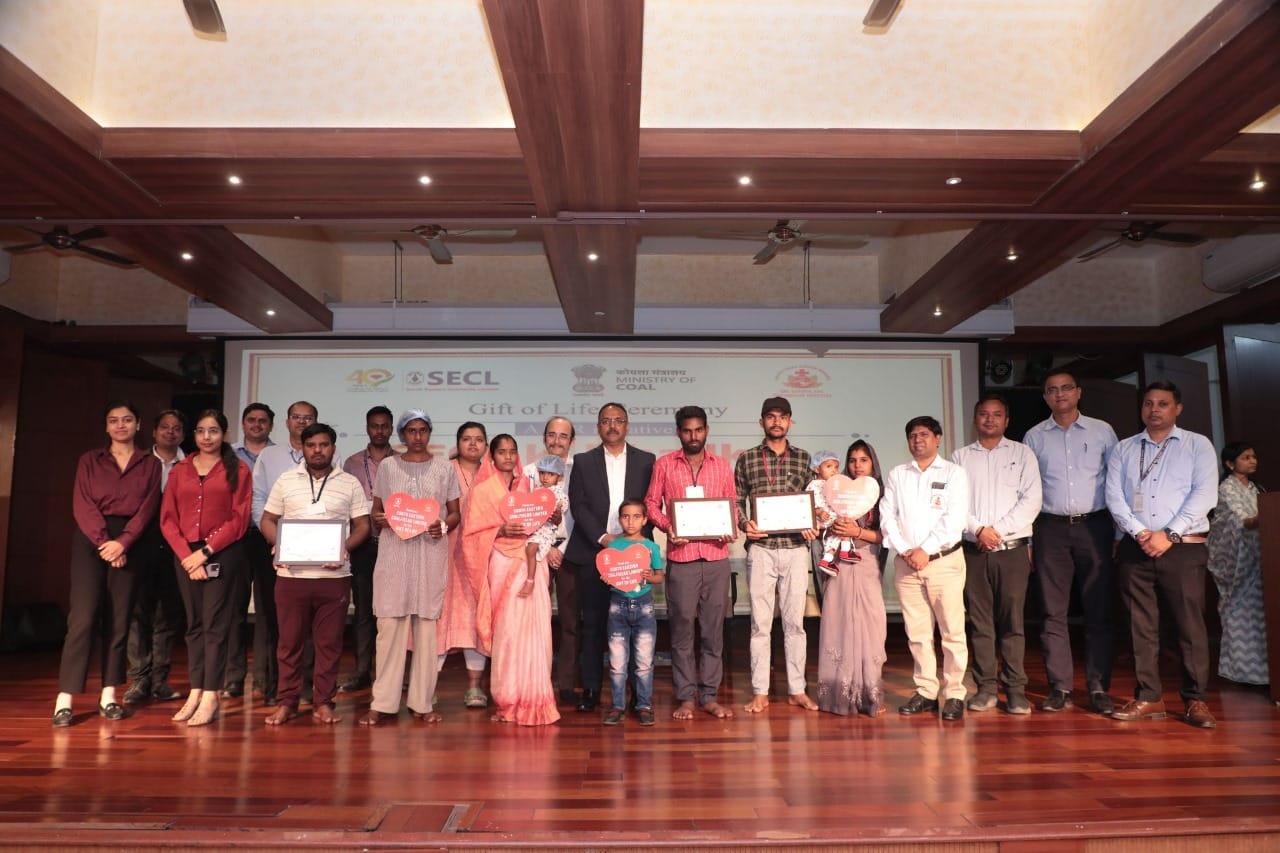
In Janjgir-Champa district, awareness reached about 1.61 lakh citizens through the ‘Ek Rakhi Cyber Jagruti Ke Naam’ (A Rakhi Dedicated to Cyber Awareness) campaign. Meanwhile, in Bilaspur district, the message of cyber security reached around eight lakh listeners through a special phone-in program broadcast on Akashvani (All India Radio). The concerned districts were honored at the ceremony for these innovative efforts.
- Youth propose solutions for future traffic systems at the Traffic Hackathon
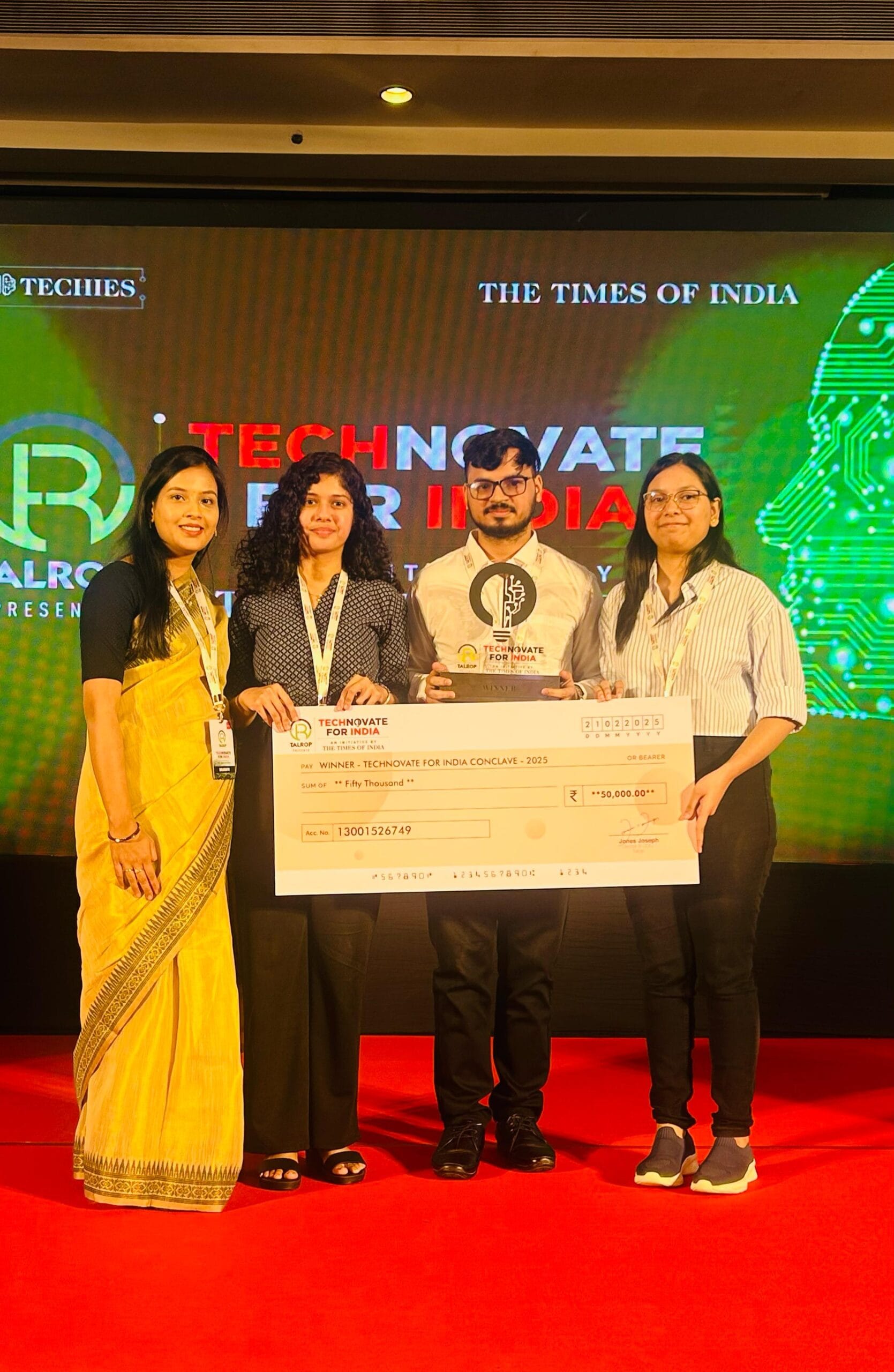
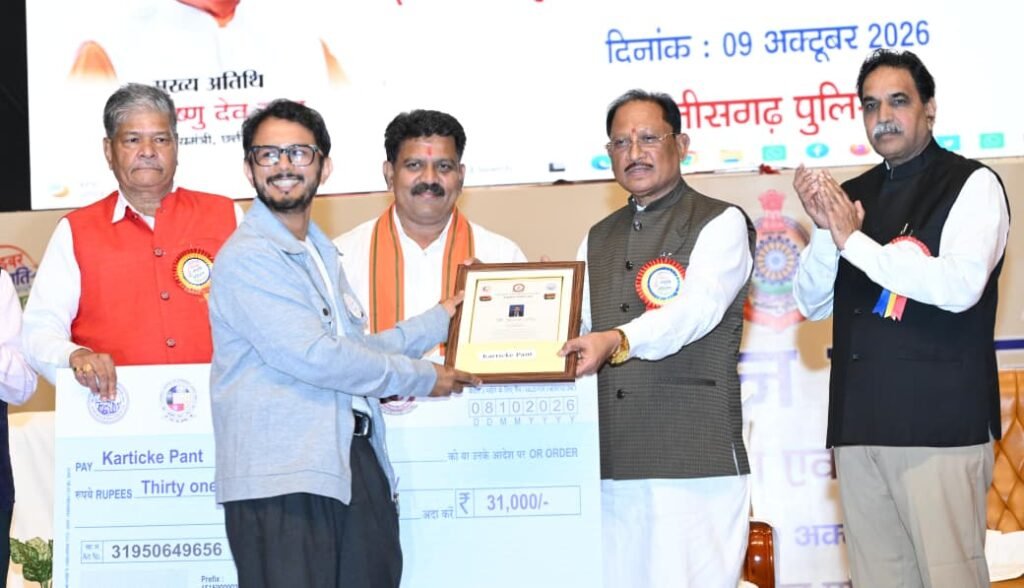
Mr. Kartikeya Pant, the overall winner of the Traffic Hackathon-2026, [proposed solutions] to make the traffic system at the Shankar Nagar turning point in Raipur safer and smoother…A model based on the concept of ‘Tactical Urbanism’ was presented.
Suggestions were put forward regarding the optimal use of available road space, clear lane markings, safe zones for pedestrians, designated areas for street vendors and auto-rickshaw drivers, and the improvement of traffic flow.
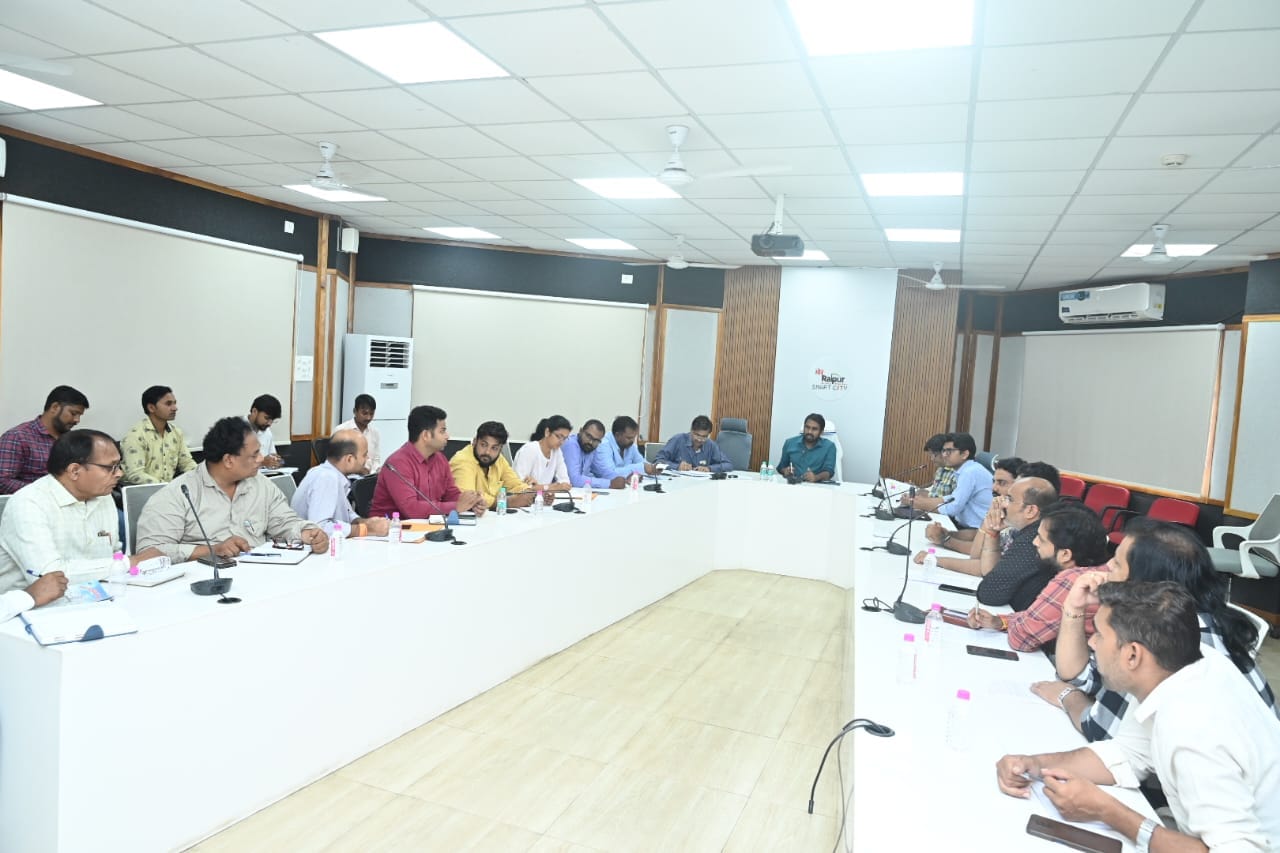
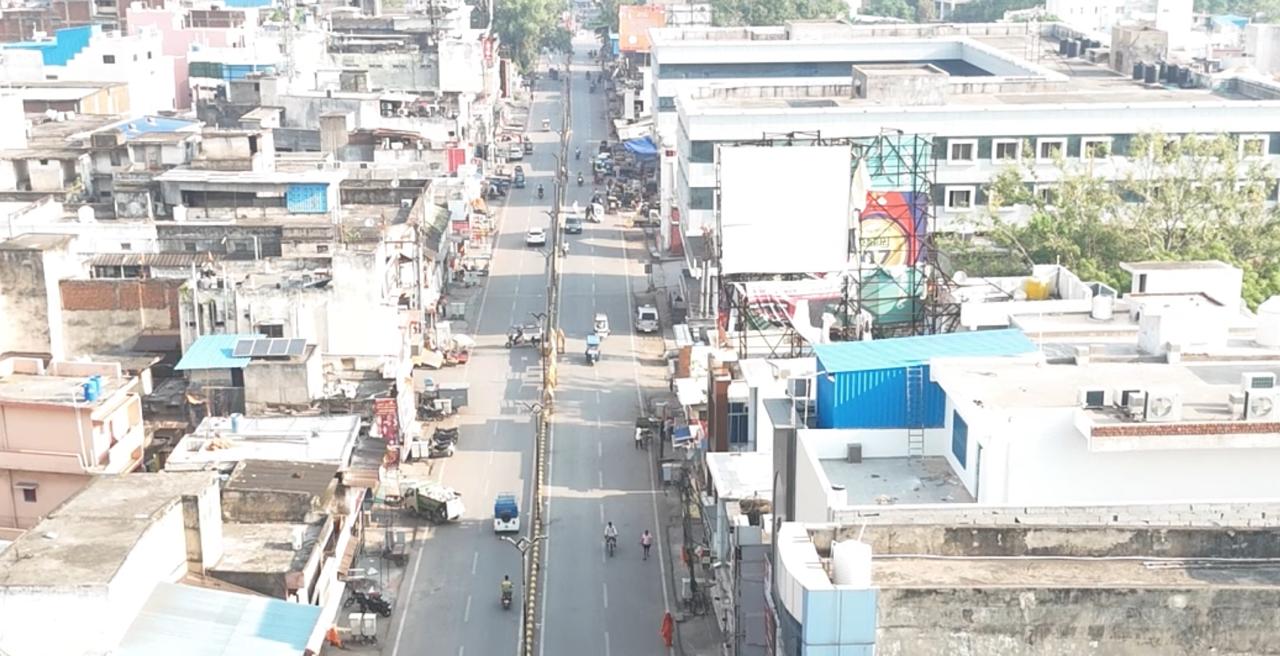
Hackathon participants studied key traffic-congested areas of the capital—including Tatibandh Chowk, Telibandha Marine Drive, Amapara Chowk, Lodhipara Chowk, and Shankar Nagar—and proposed solutions addressing parking management, safe pedestrian pathways, public transport integration, lane markings, and traffic congestion reduction.
- Suggestions for Smart Traffic Management using AI and IoT
Young participants also offered innovative ideas for smart traffic management leveraging Artificial Intelligence (AI) and the Internet of Things (IoT). Proposed projects such as ‘Raipur Netra’ and ‘Drishti’ envisioned using CCTV cameras and AI technology to detect traffic violations, provide advance alerts on traffic jams, and create green corridors for ambulances and fire tenders.
The National Institute of Technology (NIT) Raipur and the Chhattisgarh State Centre of The Institution of Engineers (India) provided technical support for the successful conduct of the traffic hackathon. Experts evaluated the participants’ proposals in two stages, assessing their technical feasibility, utility, and implementation potential. The Shivasha Foundation also supported the event.
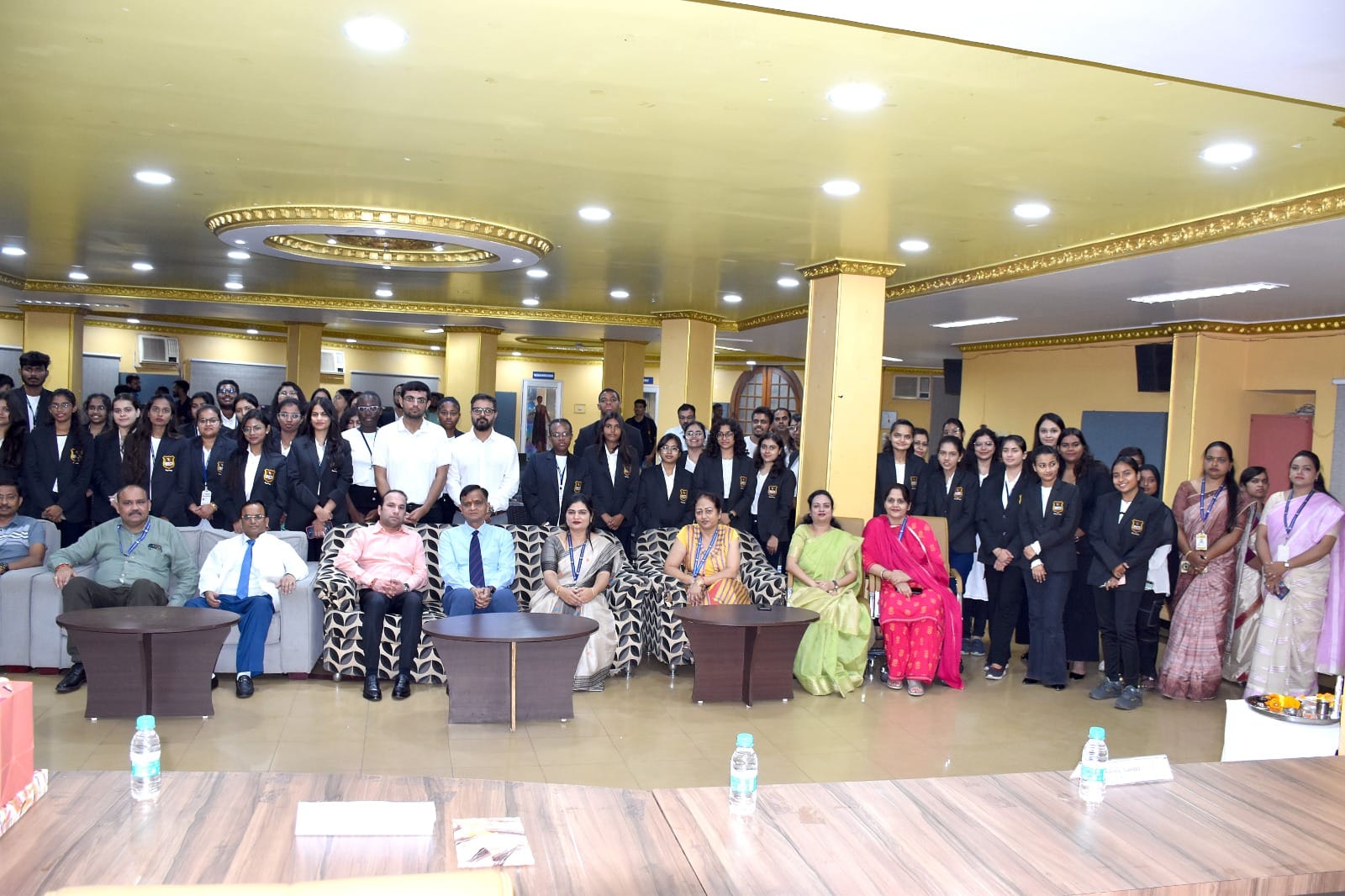
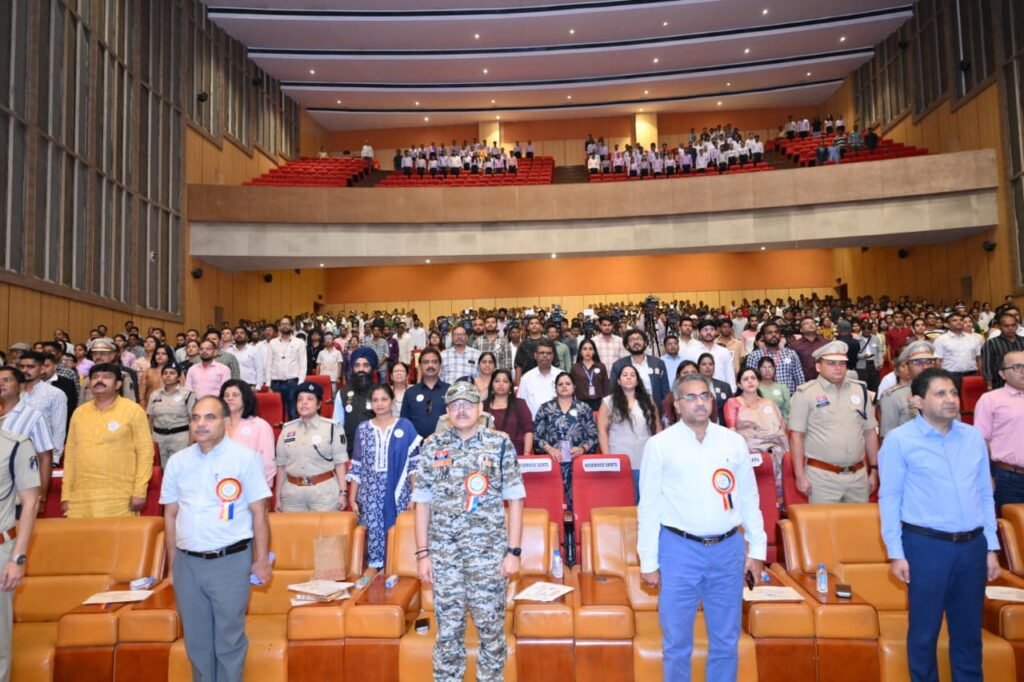
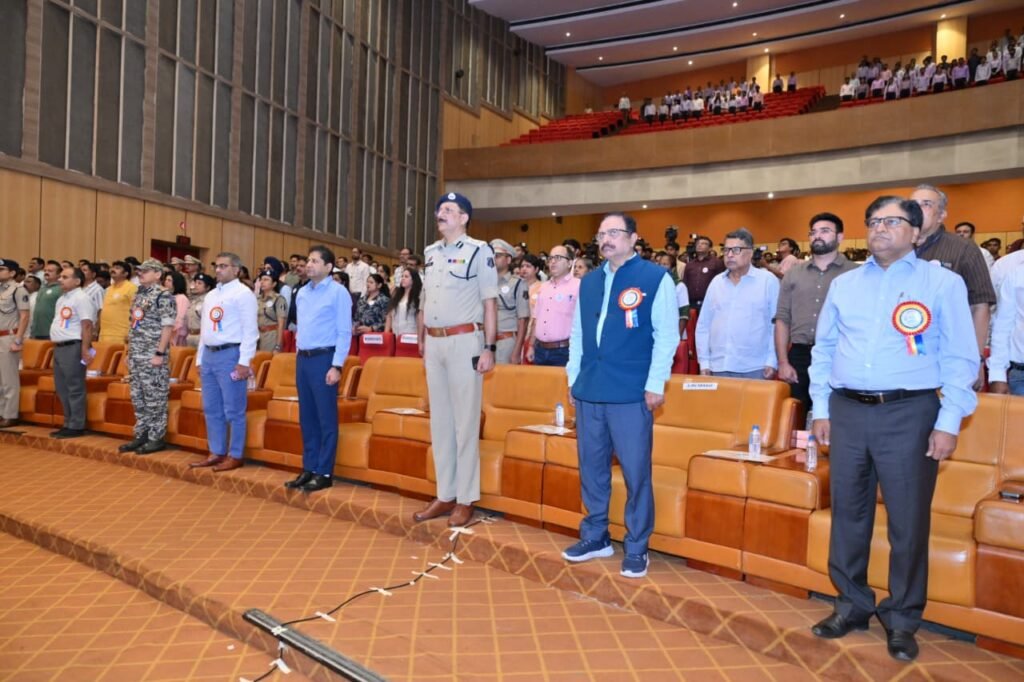
MLA Shri Rajesh Moonat stated that all concerned departments must work with better coordination to make the traffic system in the capital, Raipur, smoother and safer. He emphasized the need to take practical steps alongside long-term planning to find permanent solutions to traffic-related issues. On this occasion, Chhattisgarh Rajakkar Board Chairman Shri Prahlad Rajak, MLA Shri Rajesh Munat, Raipur Municipal Corporation Mayor Smt. Meenal Chaubey, Director General of Police Shri Arun Gautam, and Additional Director General of Police Shri Amit Kumar were present, along with public representatives, senior police officers, technical experts, representatives of various organizations, and a large number of students.
Send feedback