


























- Exhibition themed ‘Changing Bastar – Flourishing Chhattisgarh’ recognized for initiatives in forest conservation, tourism, and livelihoods
- Showcased everything from the transformation in Bastar to wildlife conservation and digital innovations
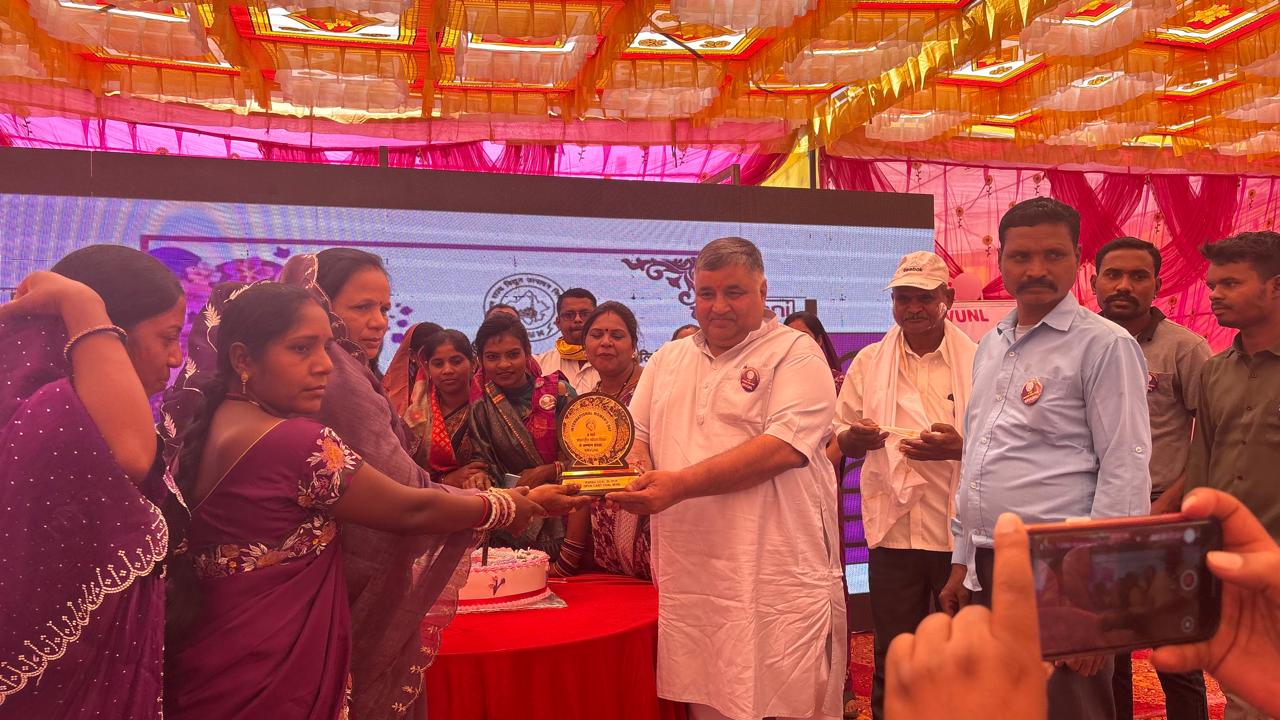
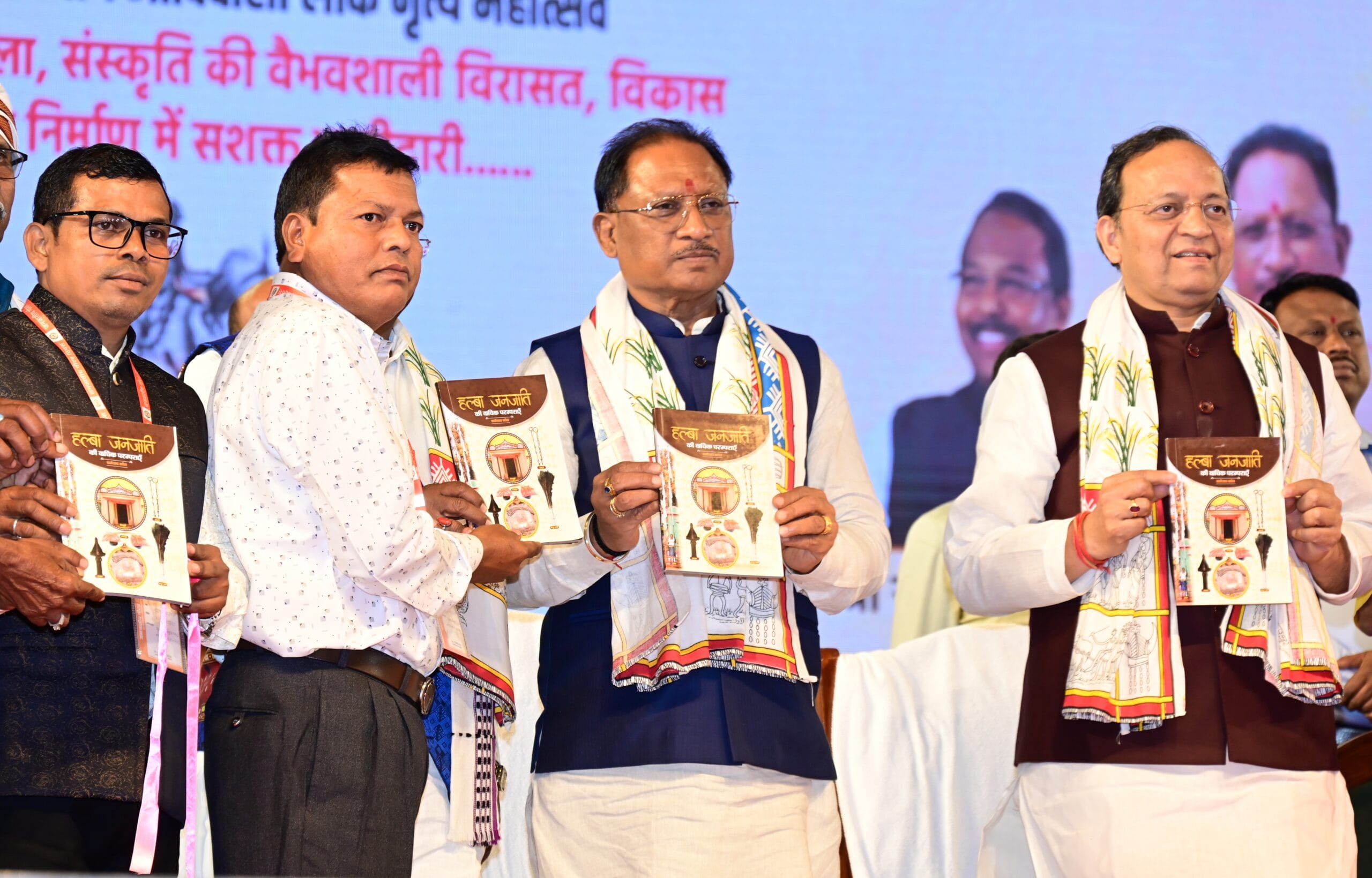
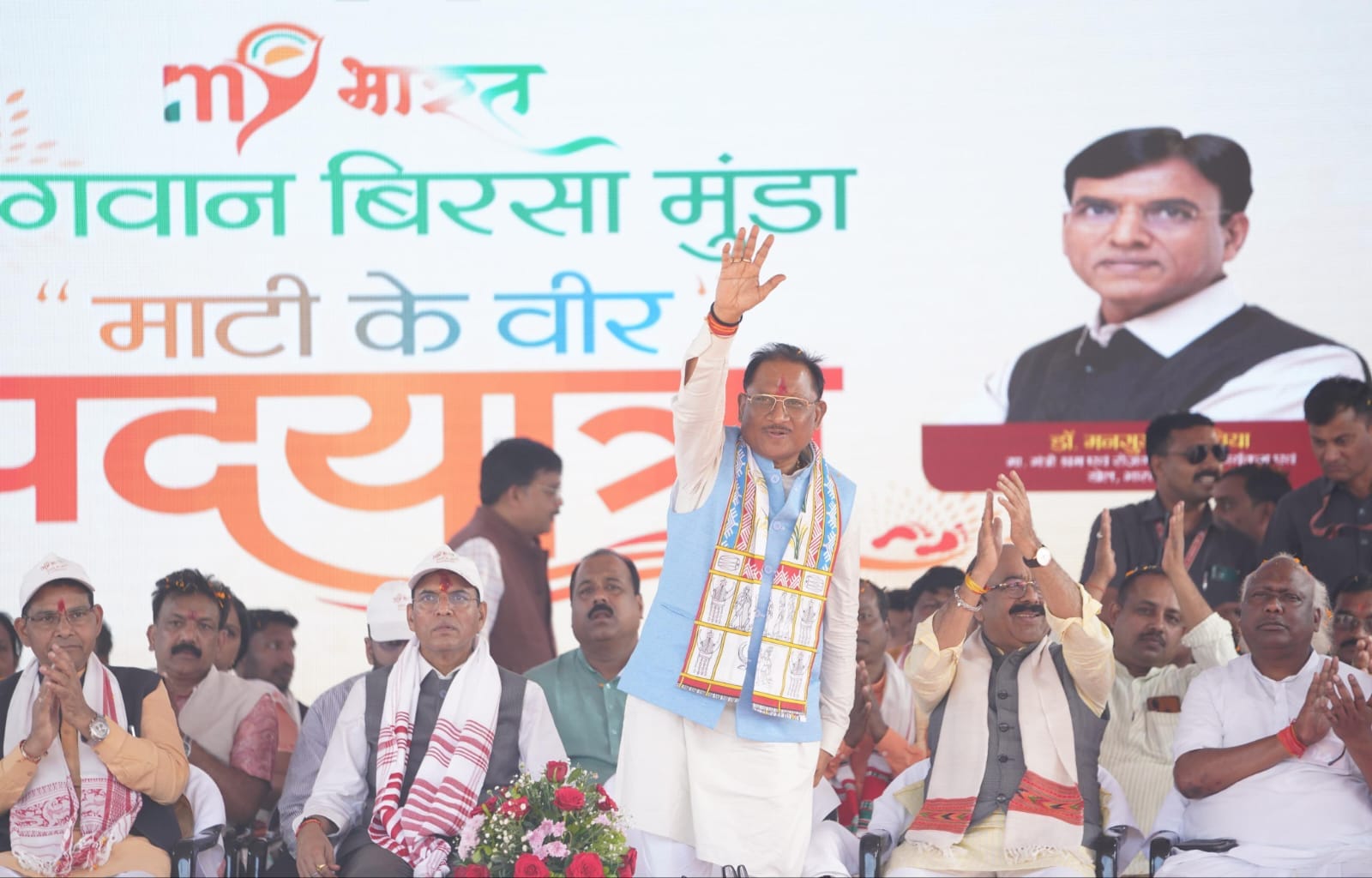
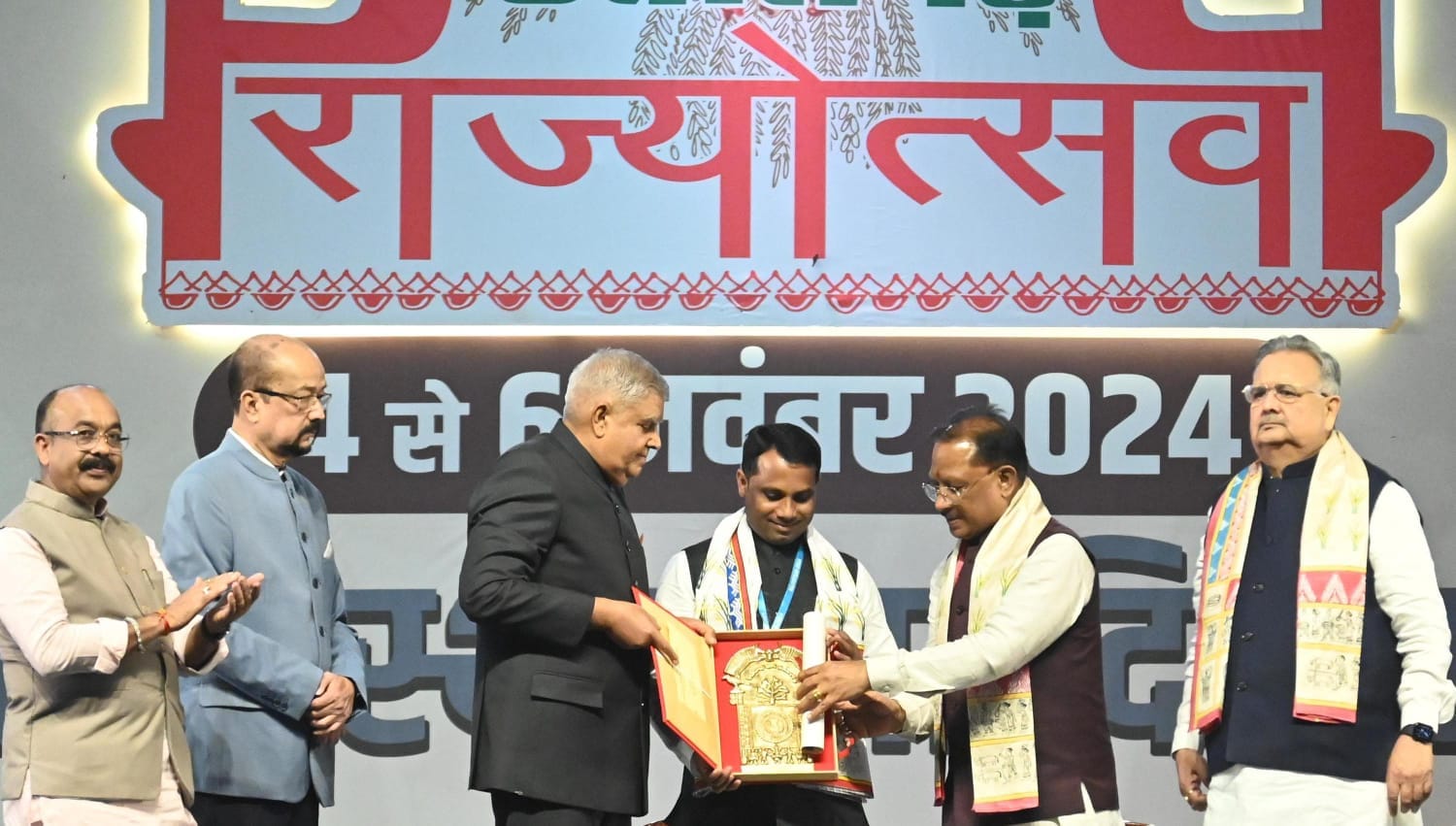
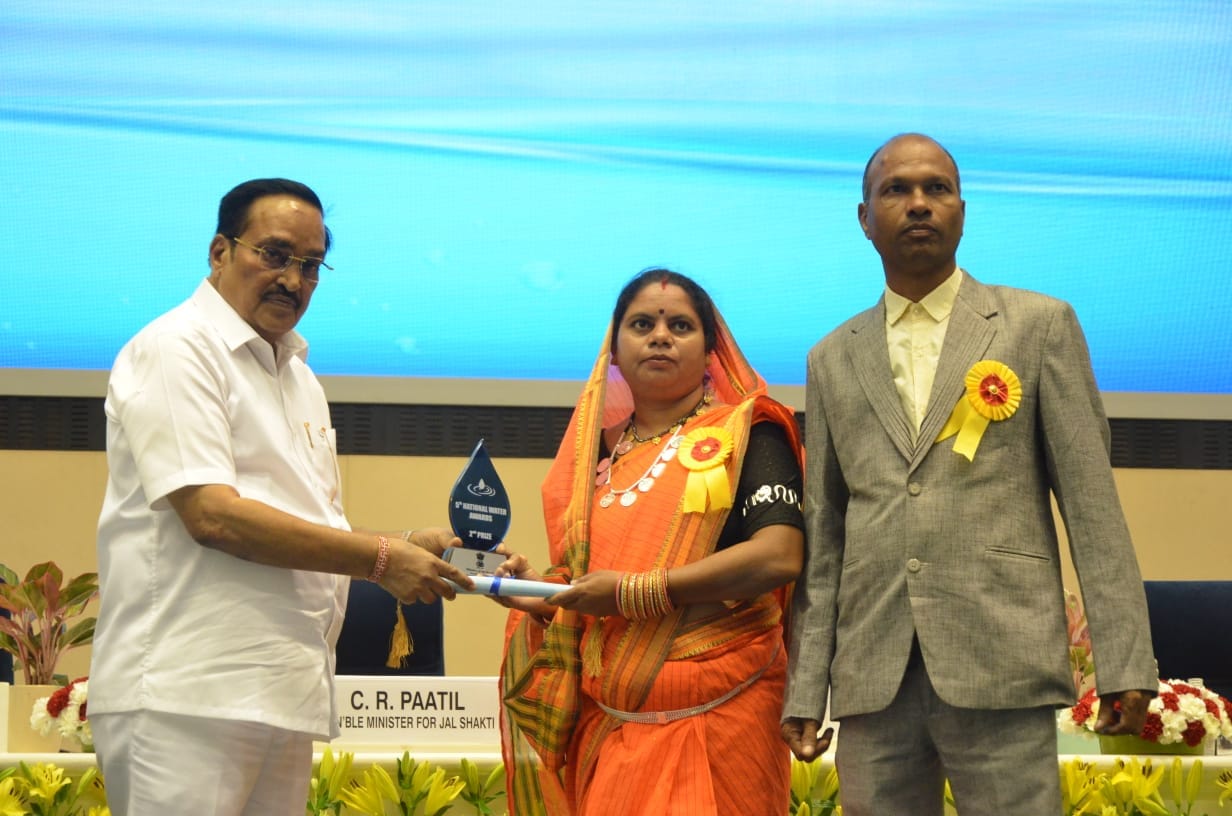
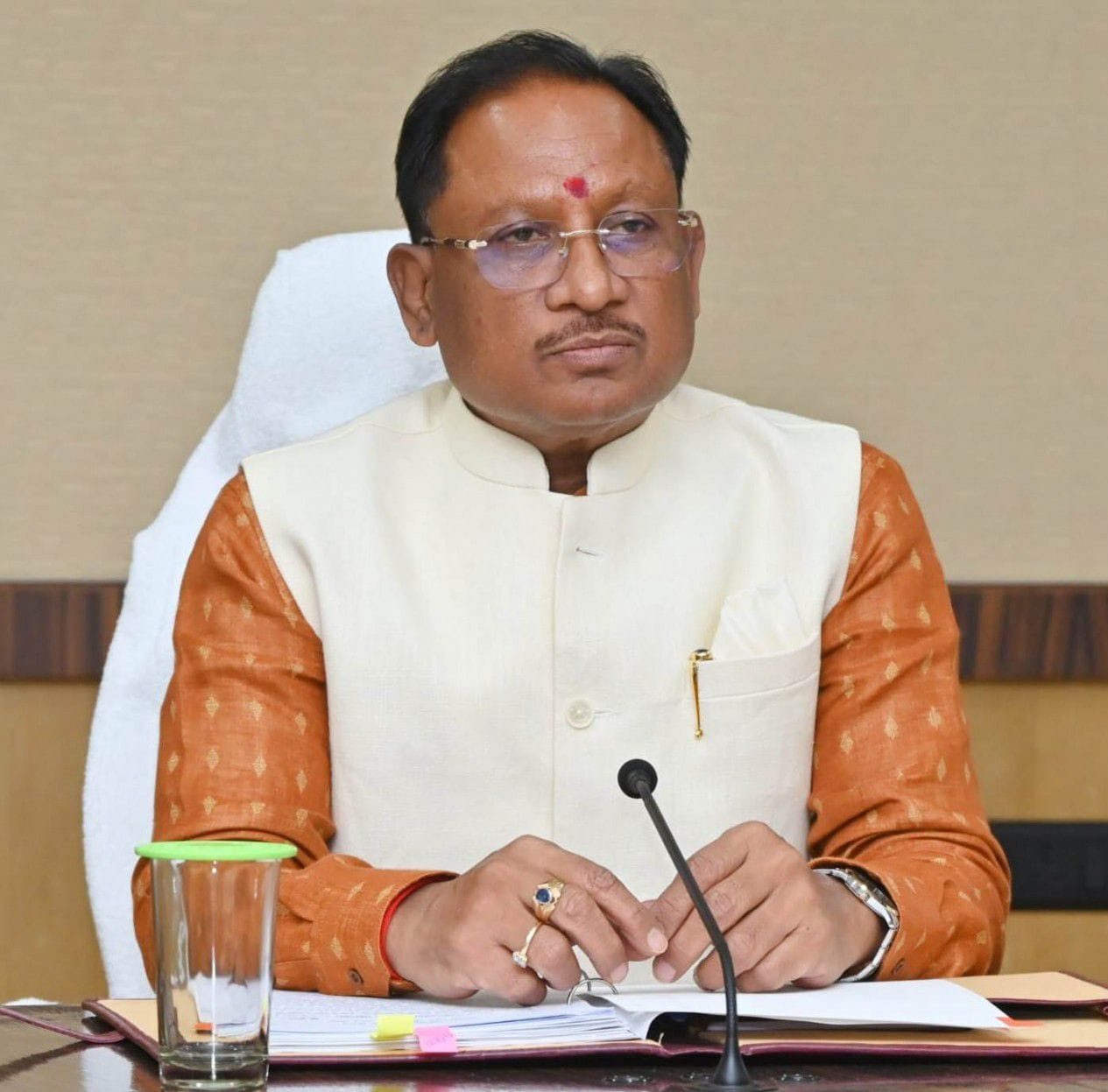
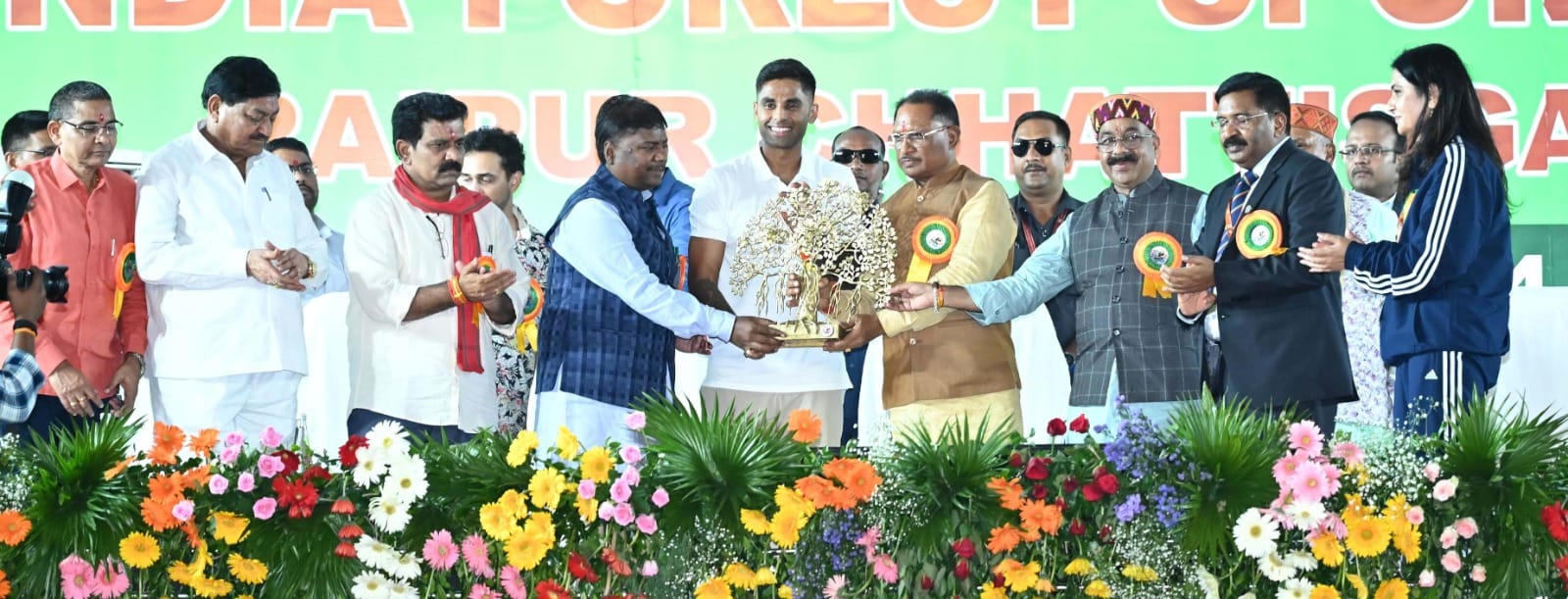
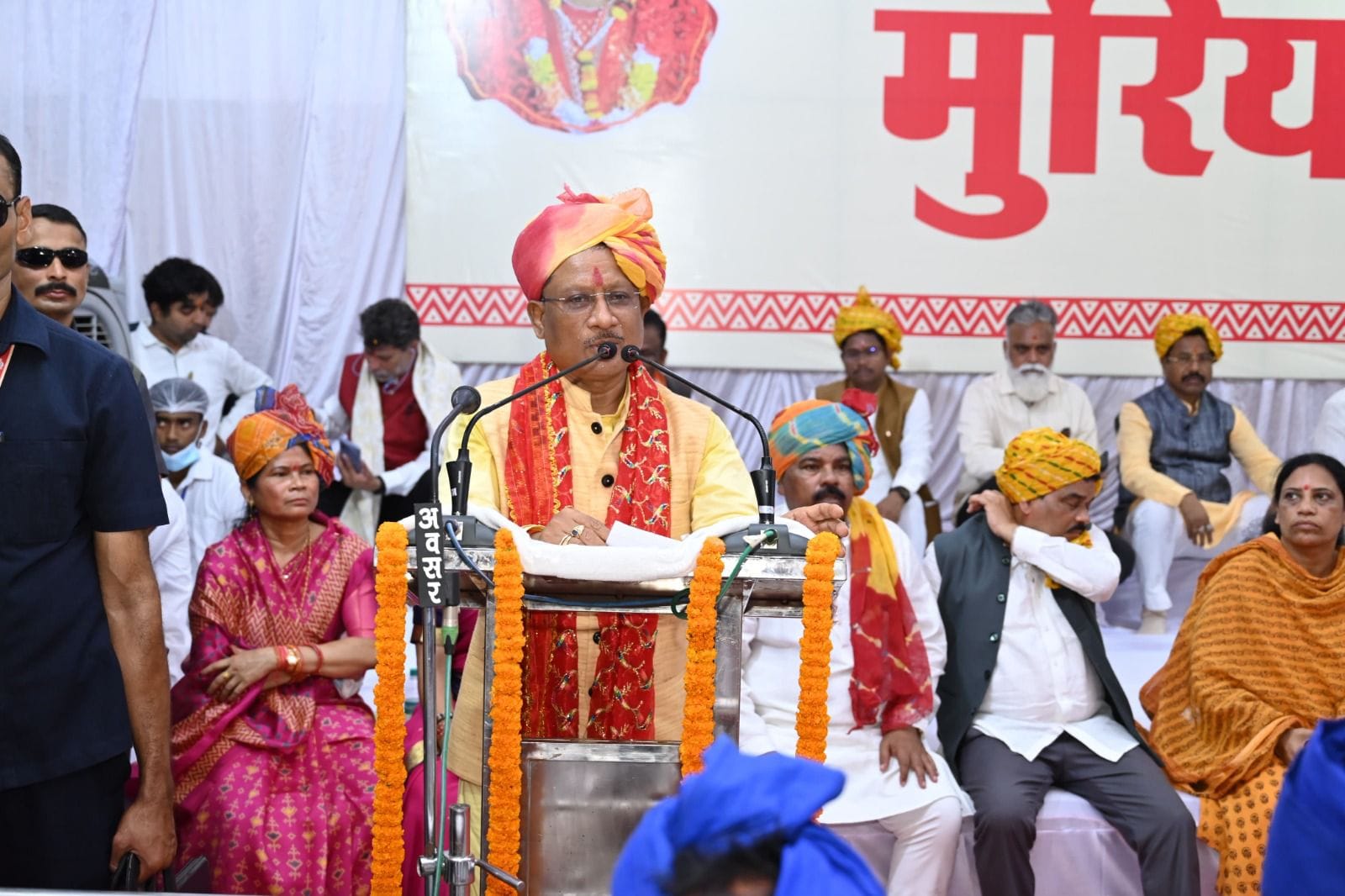
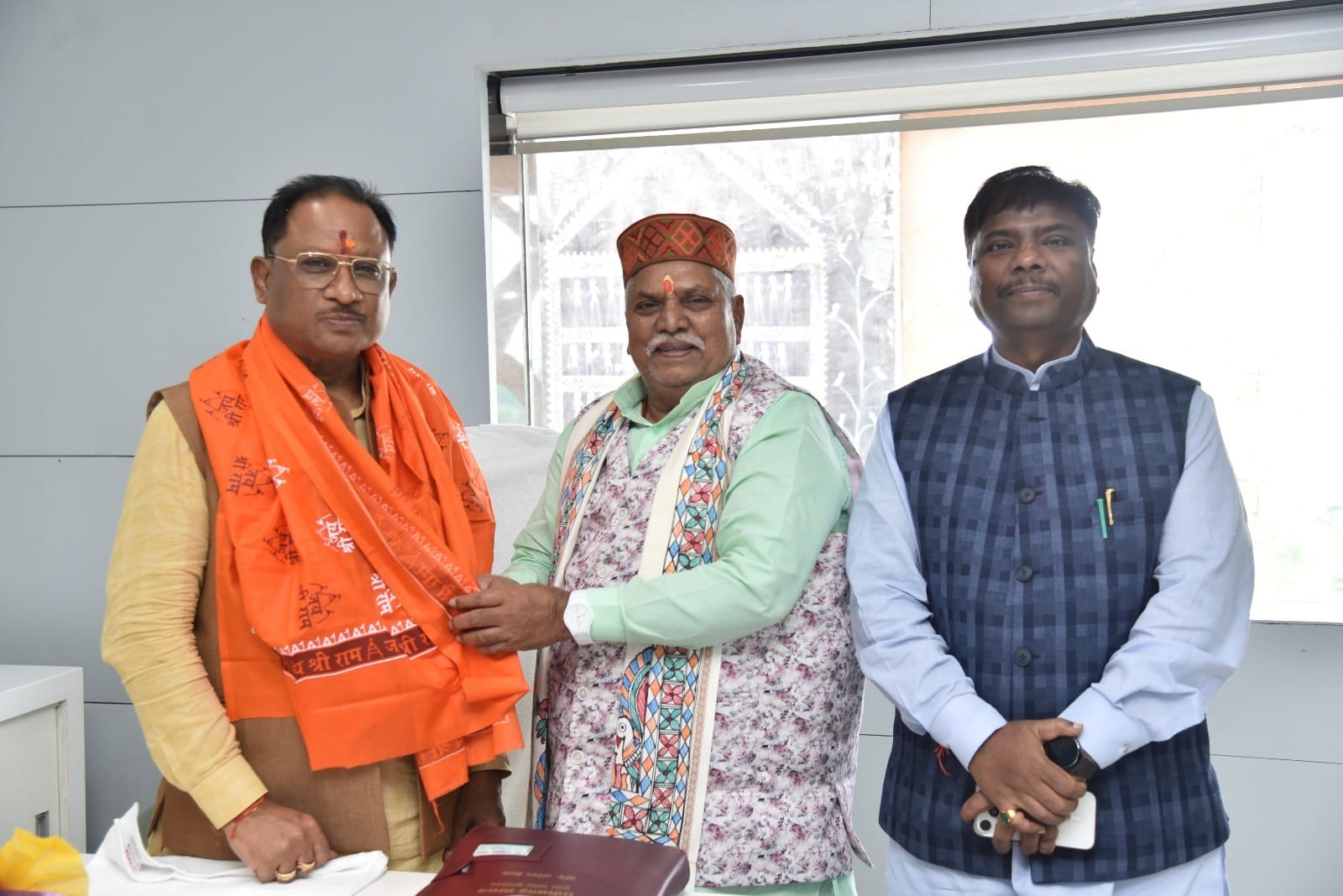
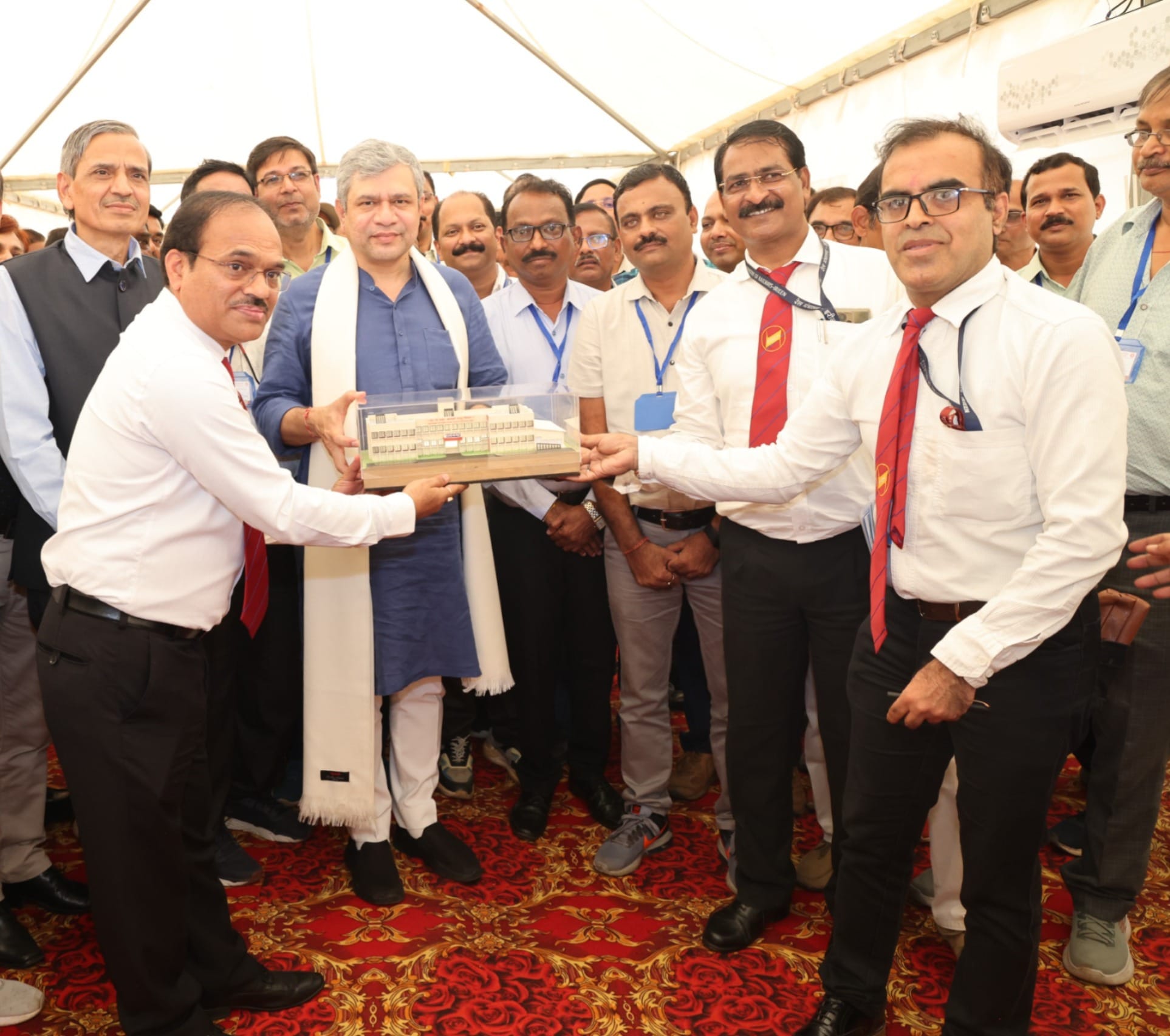
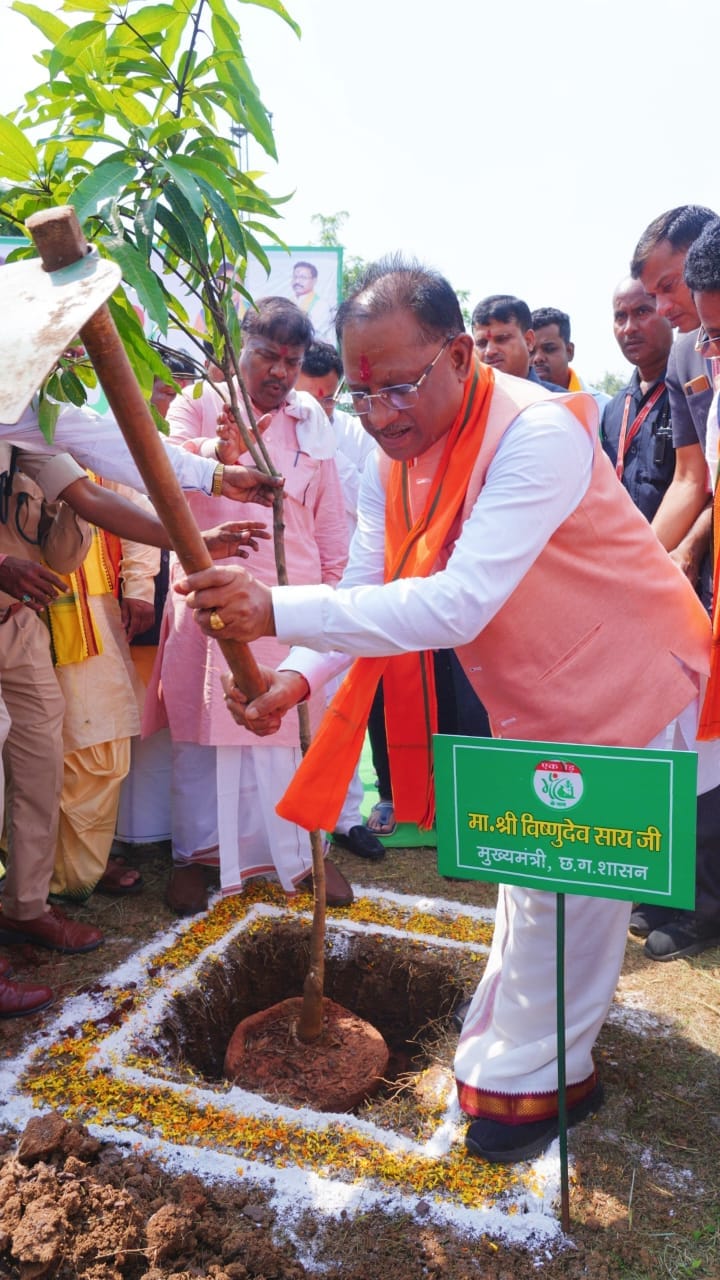
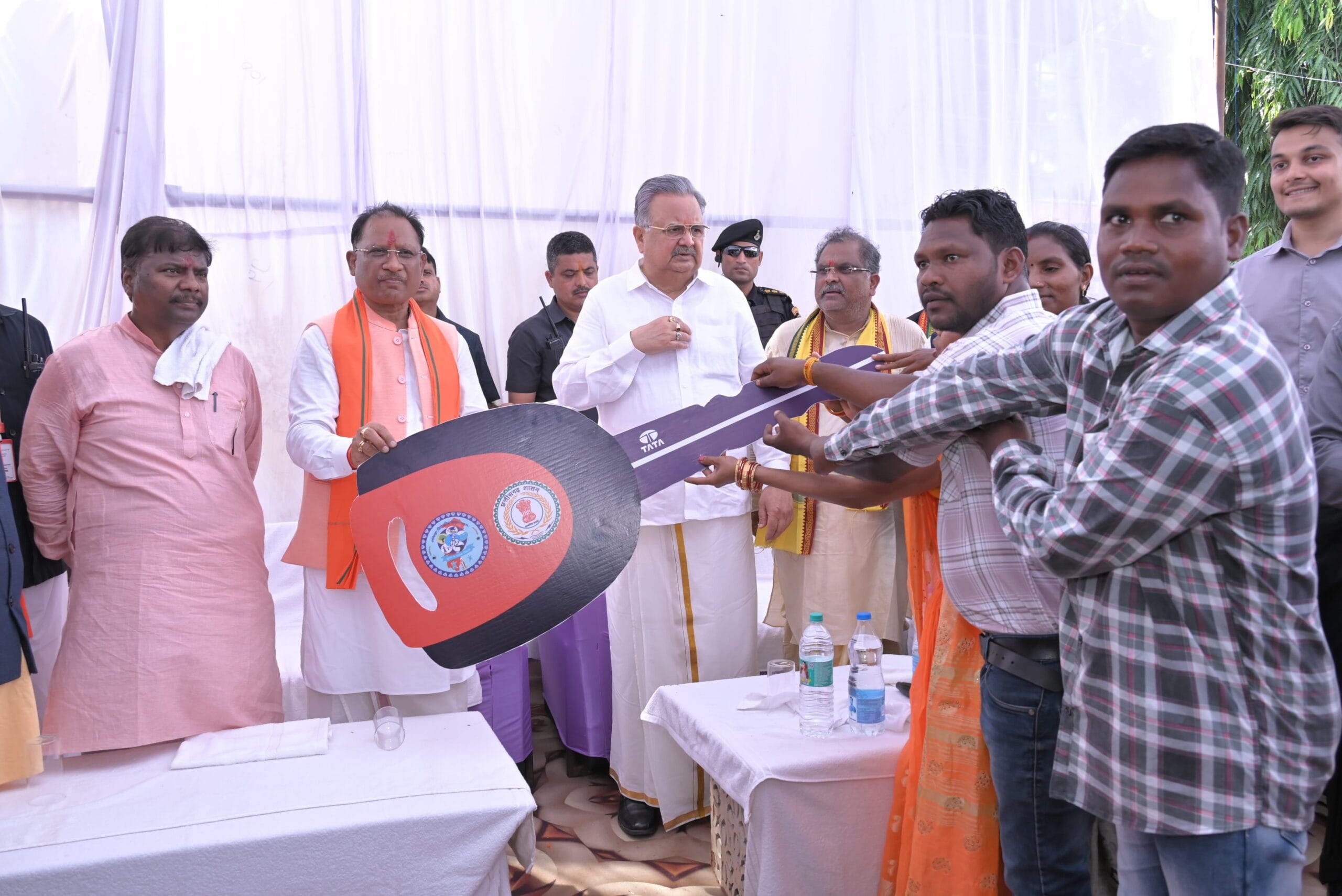
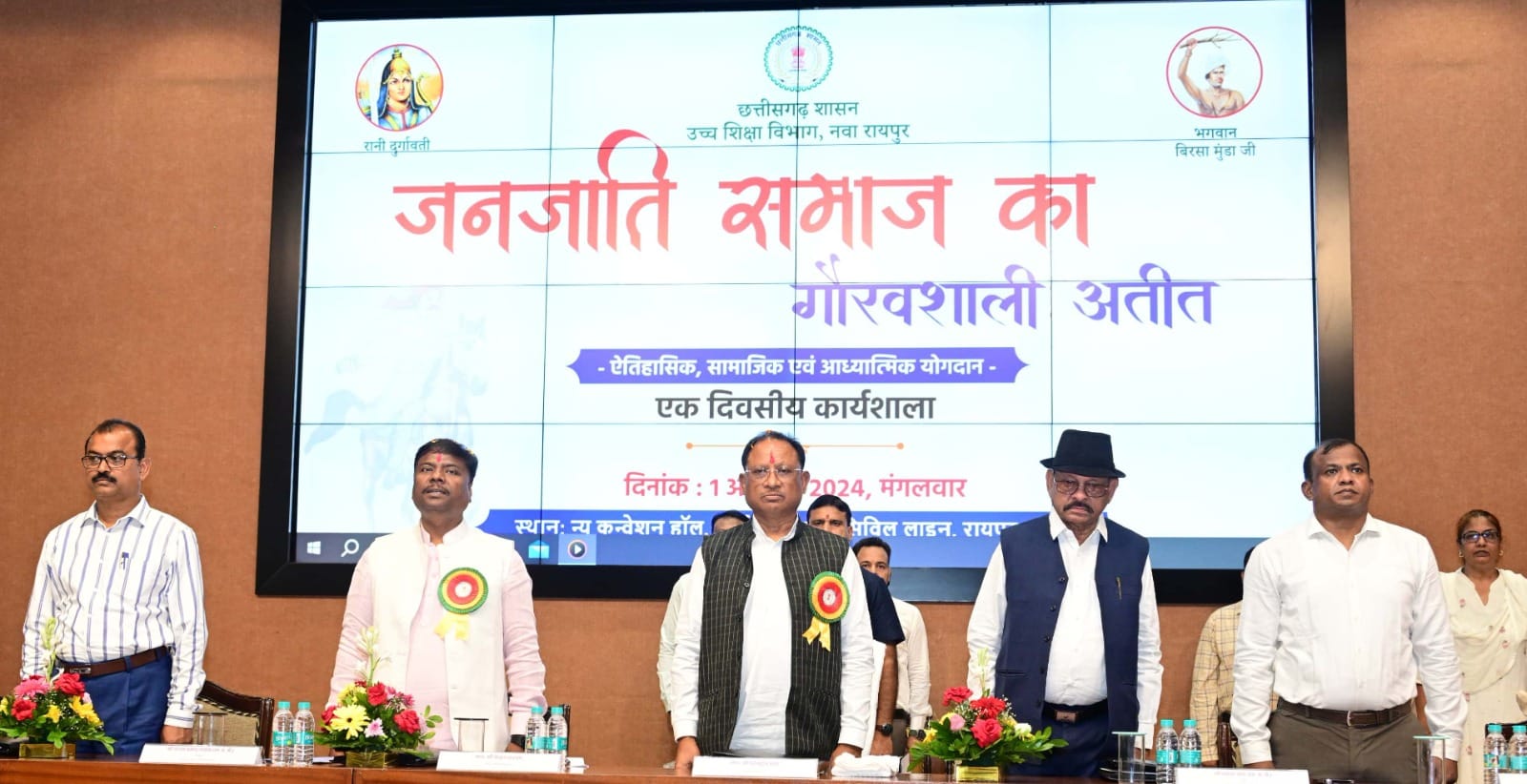
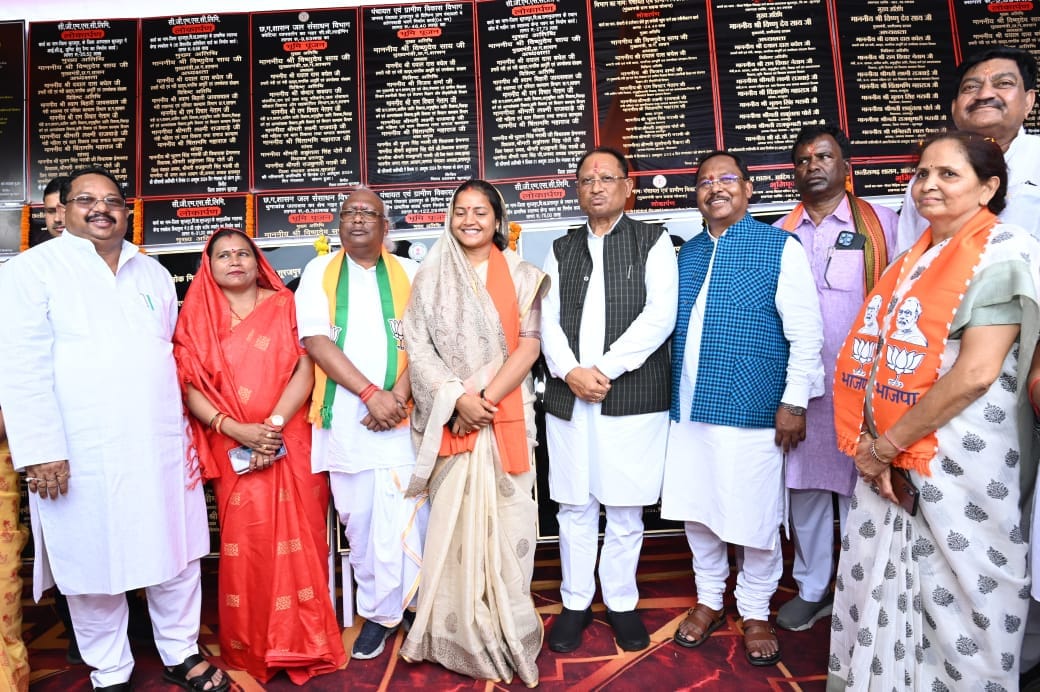
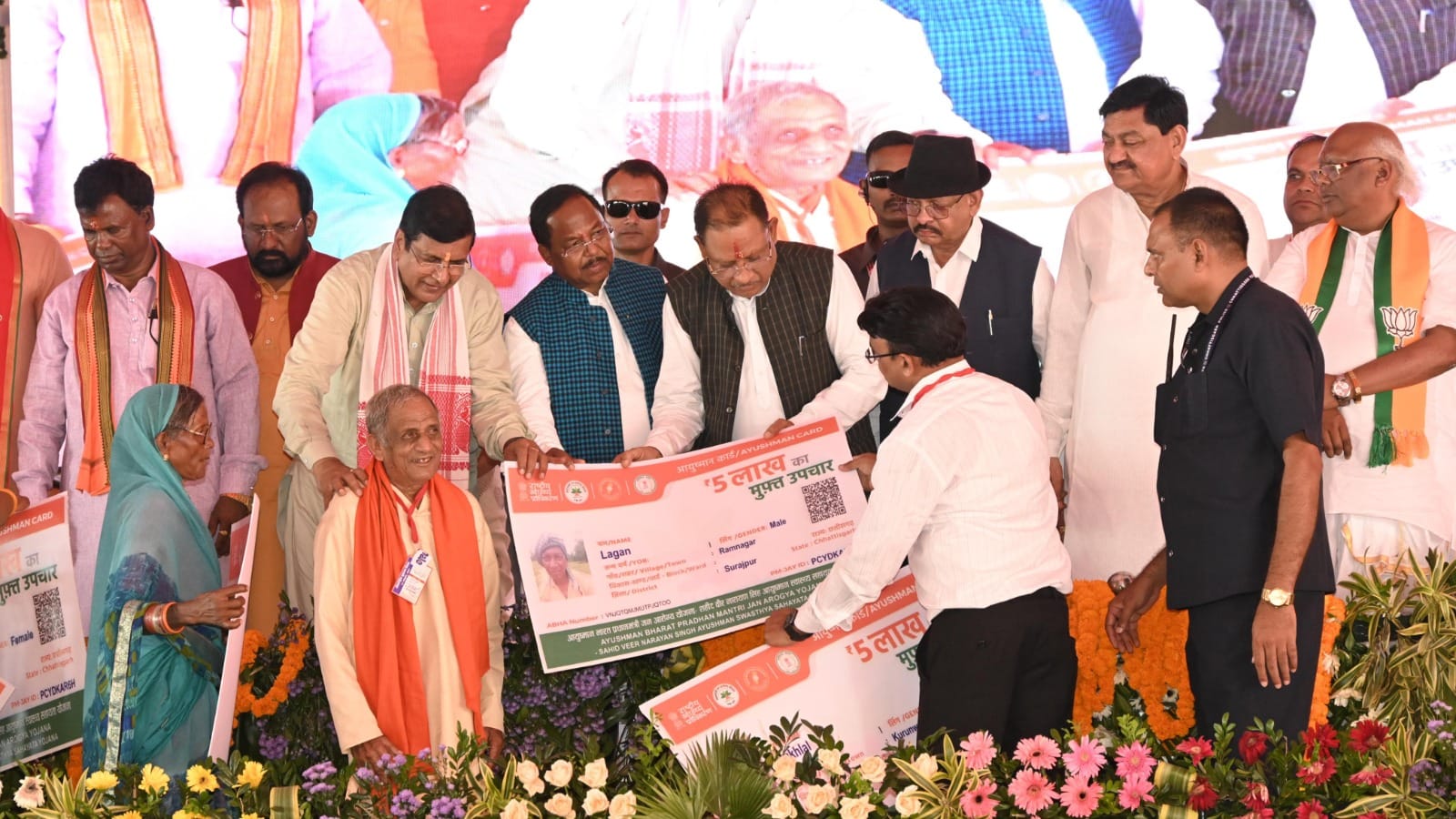
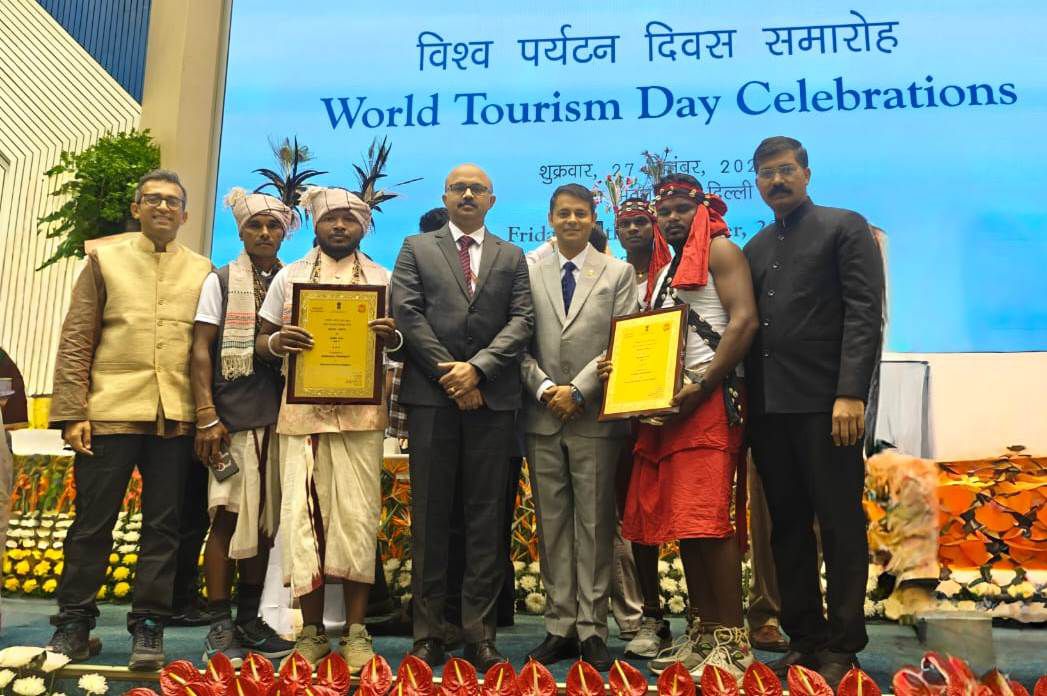
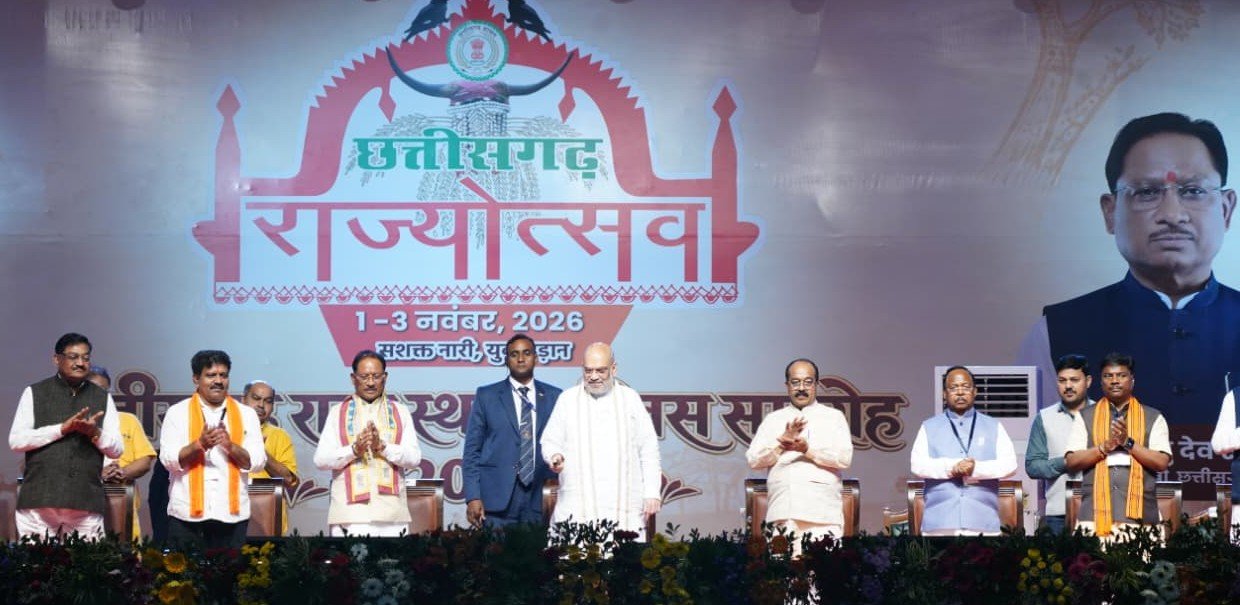
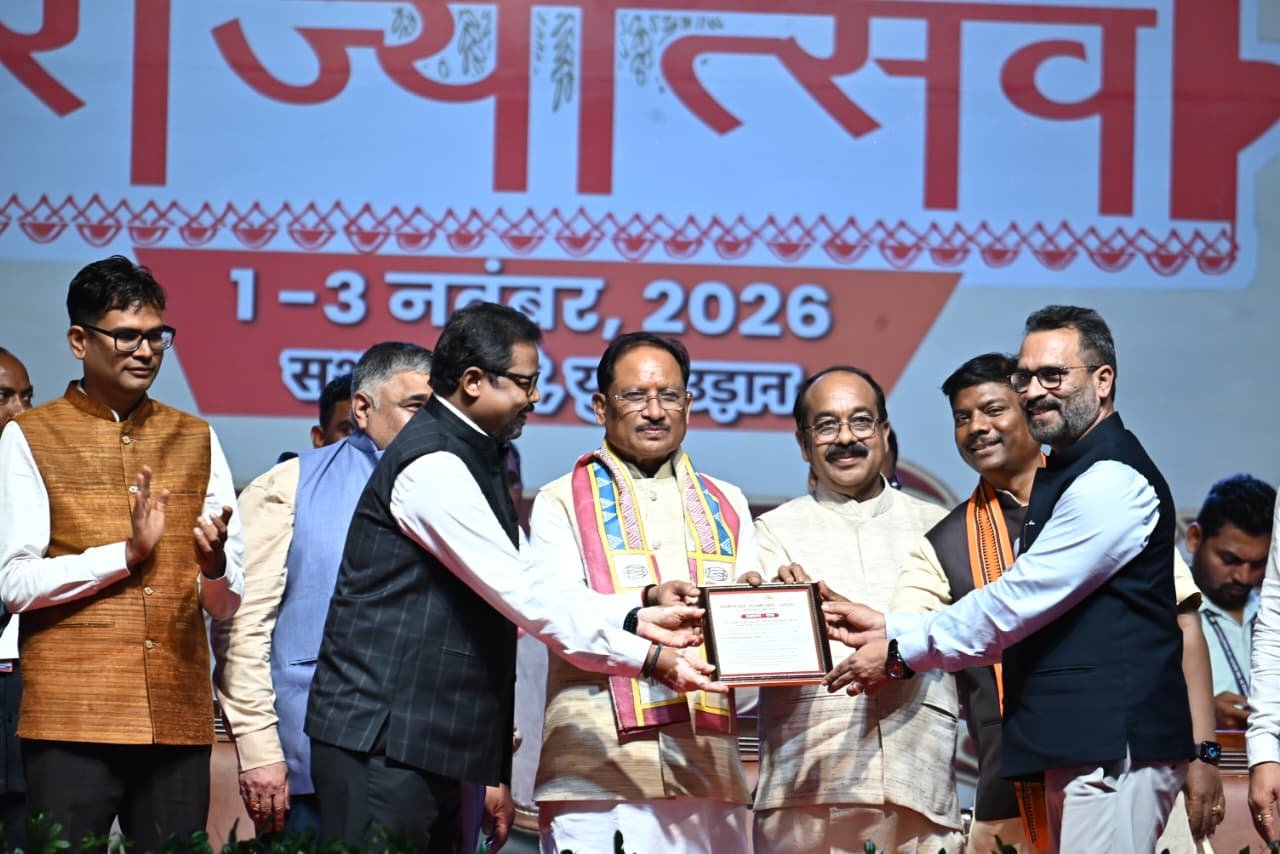
At ‘Rajyotsav 2026’—held in Naya Raipur to mark the 26th anniversary of the state’s formation—the exhibition by the Department of Forest and Climate Change secured the first prize in the departmental category. Chief Minister Shri Vishnu Deo Sai presented the award during the closing ceremony and the state honors event. On behalf of the department, Additional Chief Secretary Shri Manoj Kumar Pingua and Principal Chief Conservator of Forests (Head of Forest Force) Shri Arun Kumar Pandey received the award. Forest Minister Shri Kedar Kashyap congratulated the department’s officers, staff, and members associated with ‘Van Dhan Kendras’ on this achievement.
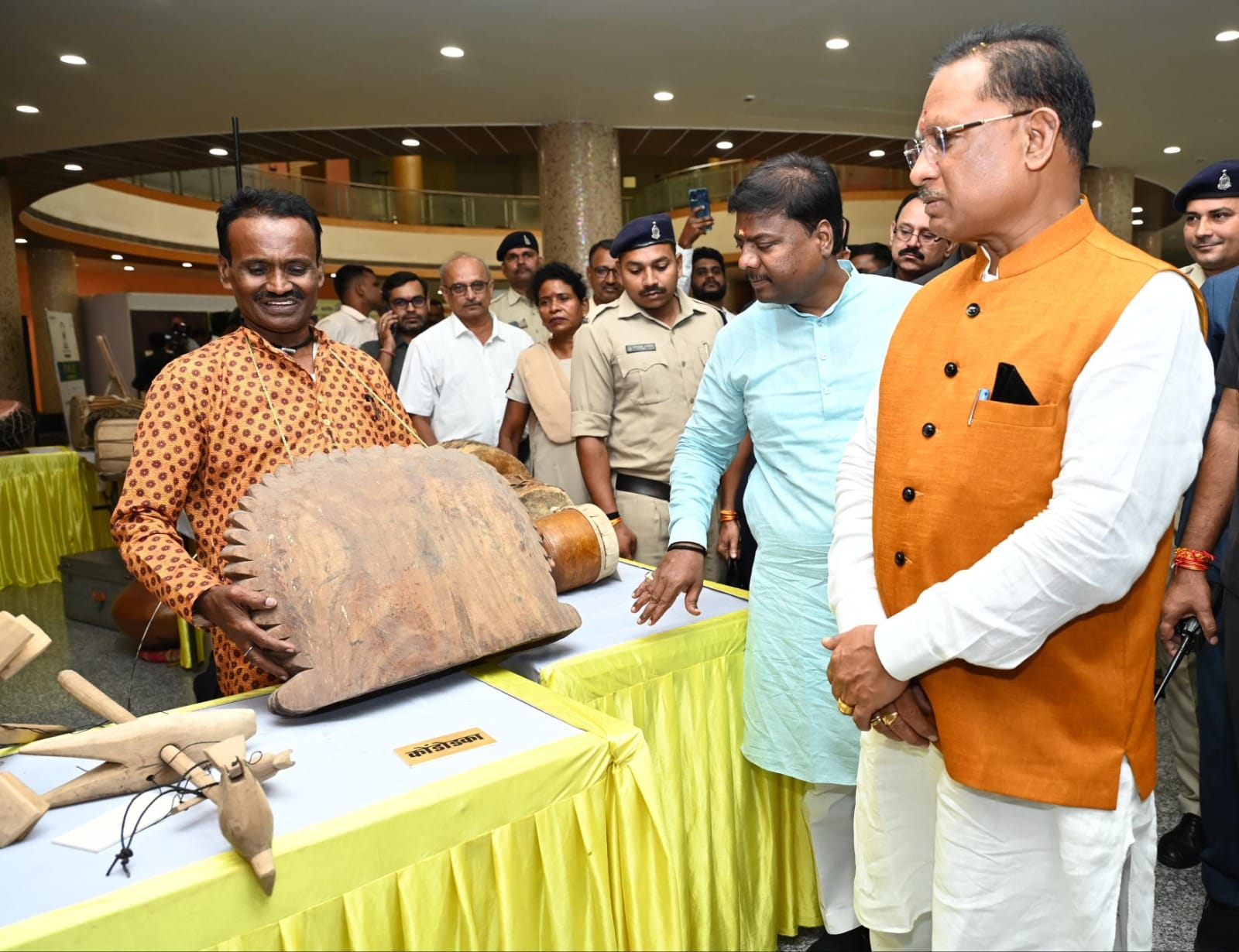
Notably, under the guidance of Forest Minister Shri Kedar Kashyap, the exhibition—themed ‘Changing Bastar – Flourishing Chhattisgarh’—presented a compelling overview of the growing tourism and livelihood opportunities in a peaceful Bastar, alongside the state’s initiatives for forest and wildlife conservation.
- The transformation of Bastar: A key highlight of the exhibition
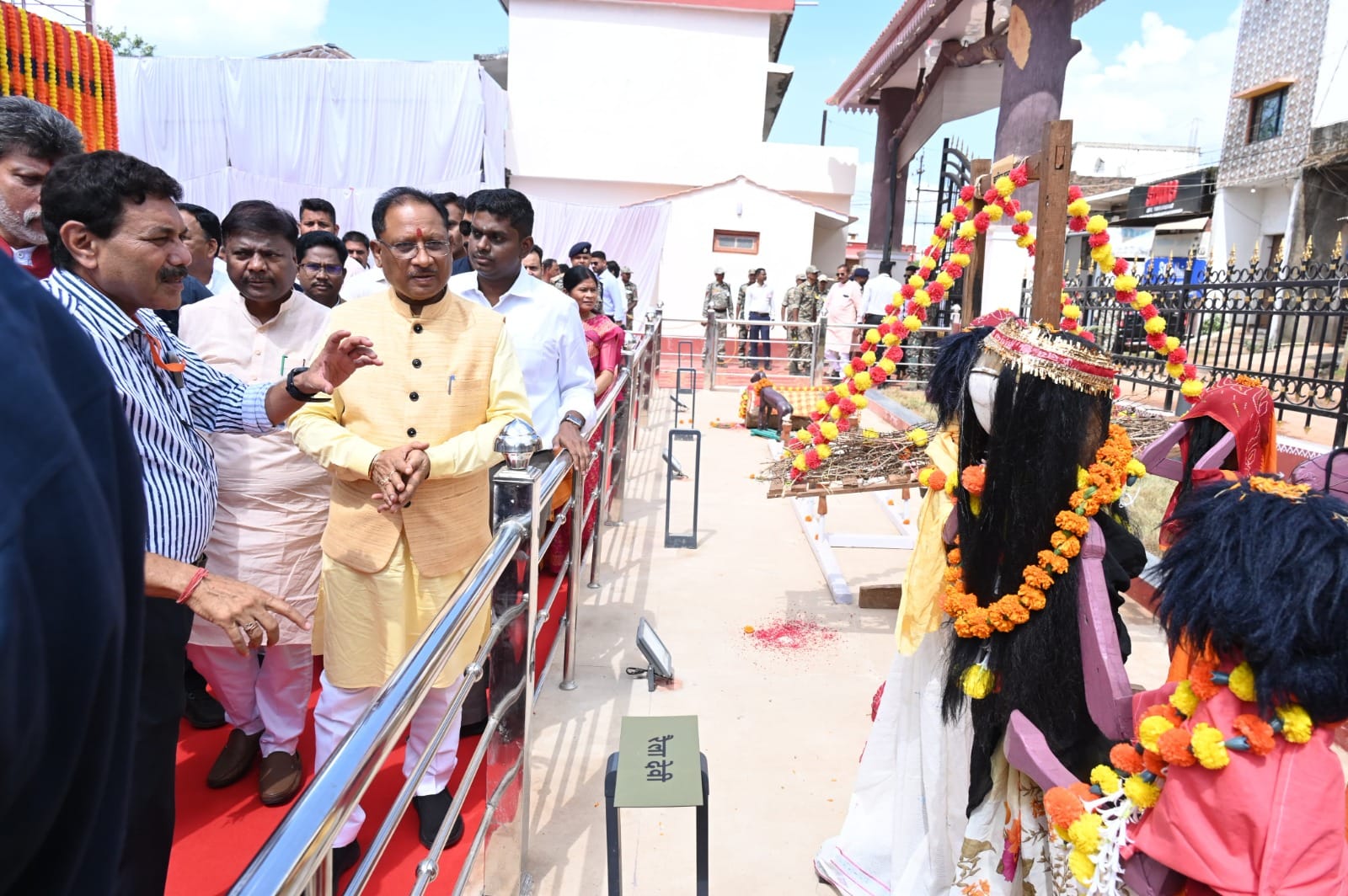
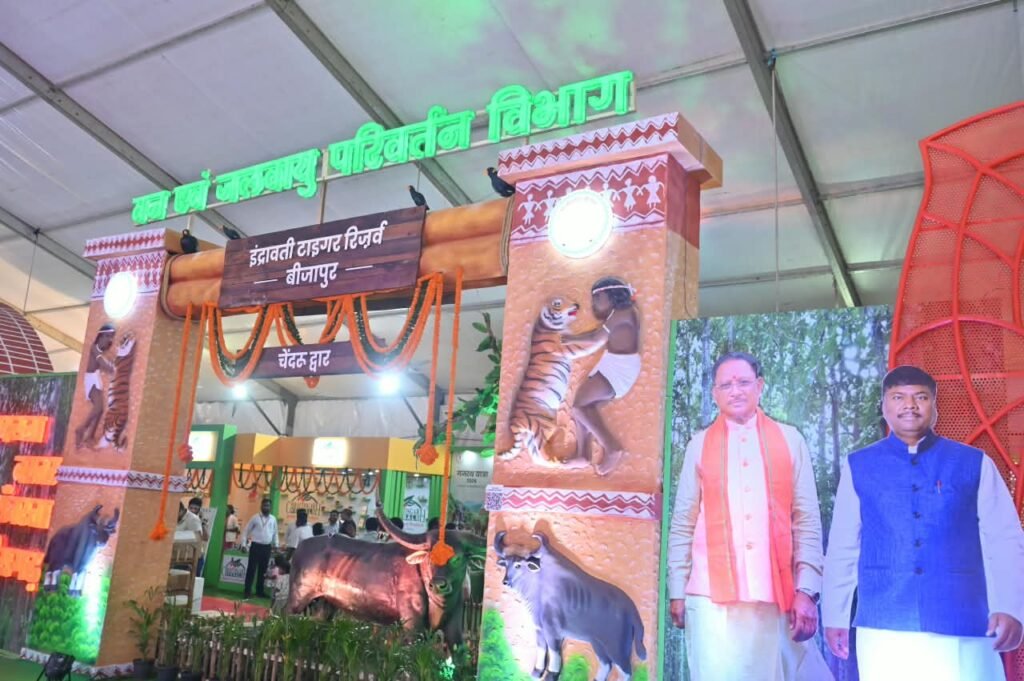
The exhibition was divided into two main sections. At the entrance, replicas were installed, including the ‘Tribal Pride Garden’ (Janjatiya Gaurav Vatika) from Jagdalpur, the ‘Chendru Gate’ of the Indravati Tiger Reserve in Bijapur, and a ‘Forest Temple’ (Van Mandir) from Dantewada. These installations showcased Bastar’s tribal culture, its deep-rooted reverence for nature, and the tradition of coexistence with wildlife.

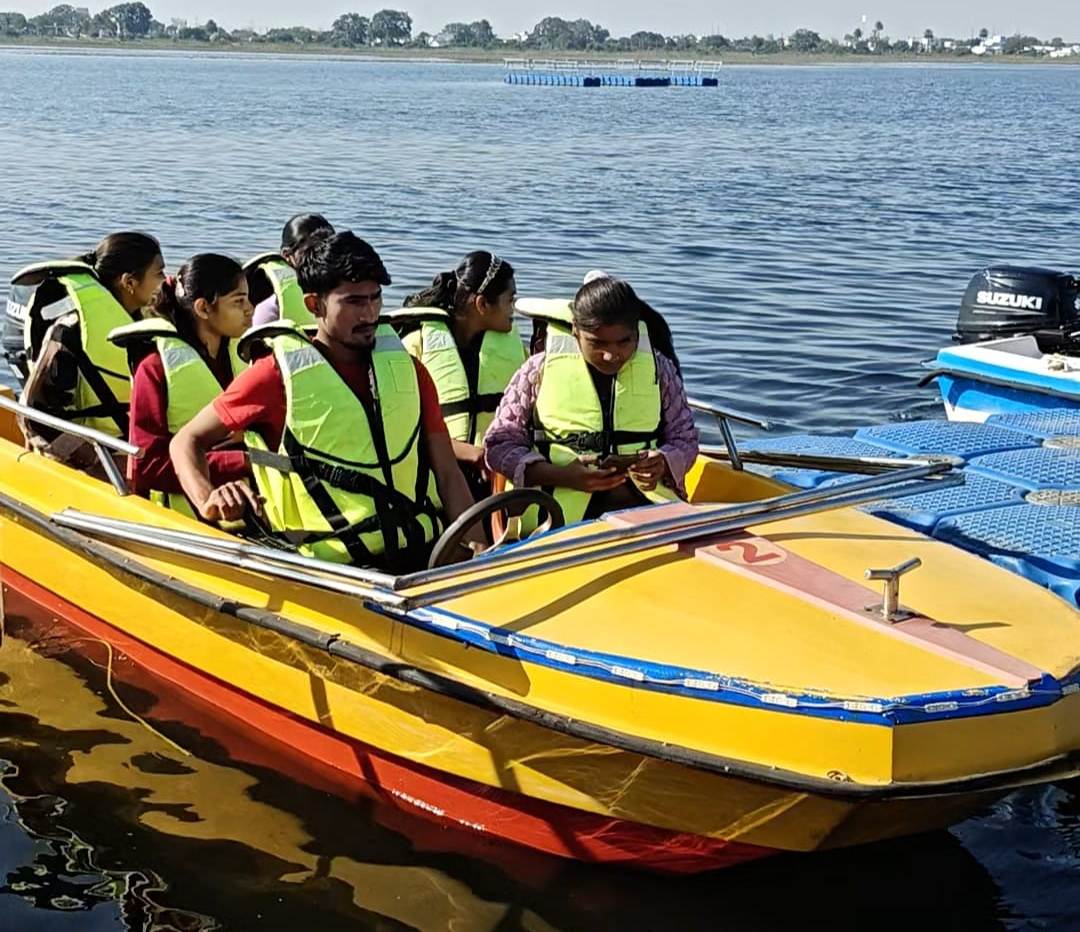
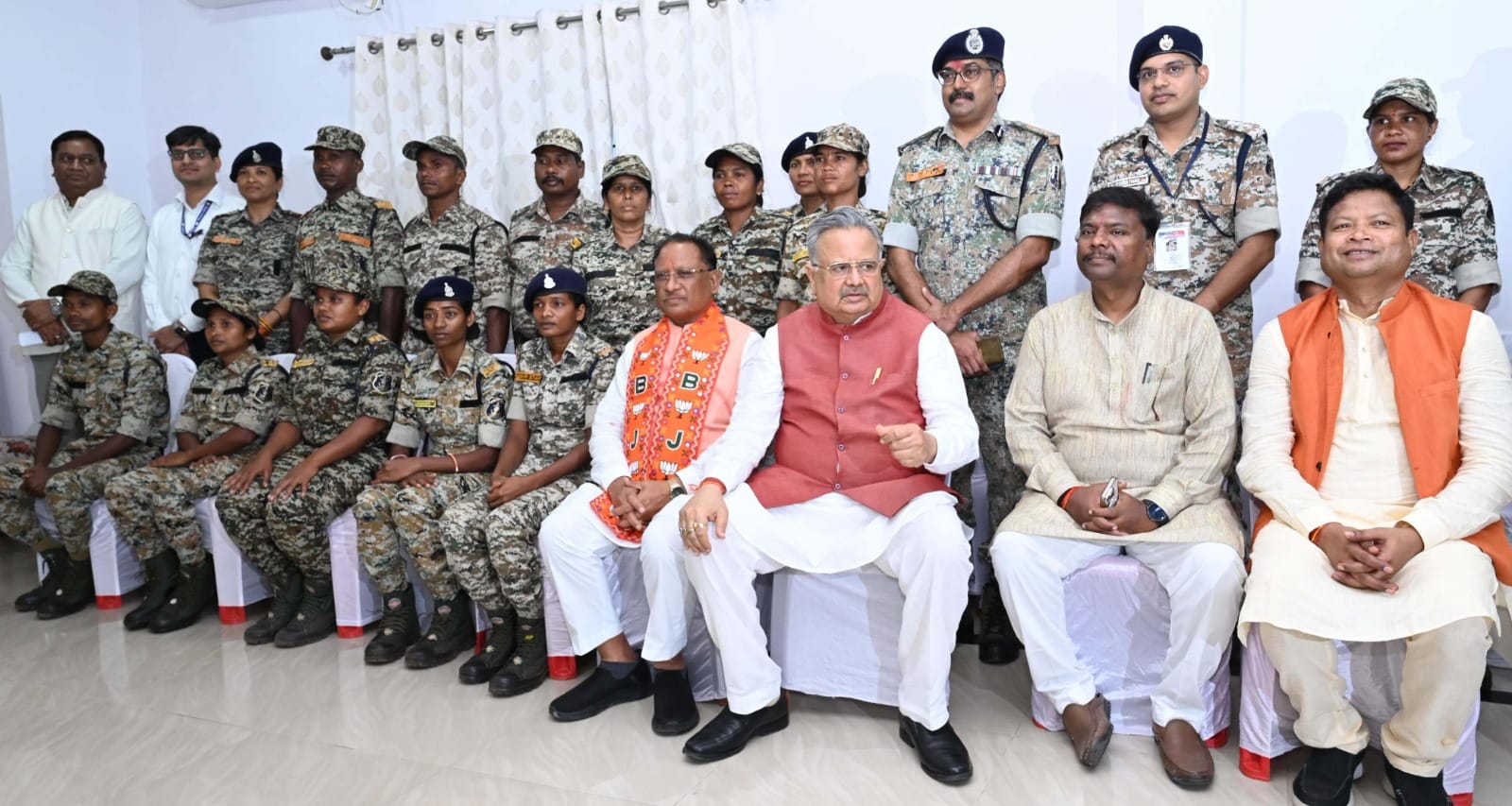
In the ‘Changing Bastar’ section, the ‘Tungal Cafe’ initiative—located at Tungal Dam in Sukma—served as a major attraction. Here, former female Naxalites who have returned to the mainstream are running a café, while local youth are earning a livelihood by providing boating and kayaking facilities to tourists. The exhibition highlighted the changing social landscape and new employment opportunities in Bastar brought about by these initiatives.
Additionally, the exhibition featured models of homestays in Dhudmaras village (near Kanger Valley), eco-cottages in the Pushpal Valley of Kondagaon, the Tirathgarh Waterfall, and the Mattimarka area of the Indravati Tiger Reserve. Dhudmaras village has been selected for the United Nations World Tourism Organization’s ‘Best Tourism Villages Upgrade Programme.’
The exhibition also showcased the restoration of 572 ‘Devgudis’ (traditional sacred spaces) in Bastar, the creation of 21.67 lakh person-days of employment under MGNREGA, and the provision of direct employment to 200 local youths through the operation of 35 safari gypsies in Kanger Valley.
- Showcasing Initiatives in Wildlife Conservation and Human-Elephant Conflict Management
In the ‘Samvarta Chhattisgarh’ (Transforming Chhattisgarh) section, the state’s biodiversity and wildlife conservation efforts were presented through three-dimensional models and live demonstrations. Key highlights included the recognition of the Kopra Reservoir in Bilaspur as the state’s first Ramsar site (effective December 2025), the relocation of blackbucks to the Barnawapara Sanctuary after decades, and vulture conservation efforts in Aurapani. The relocation of blackbucks in Barnawapara was also praised by Prime Minister Narendra Modi during his ‘Mann Ki Baat’ radio programme.
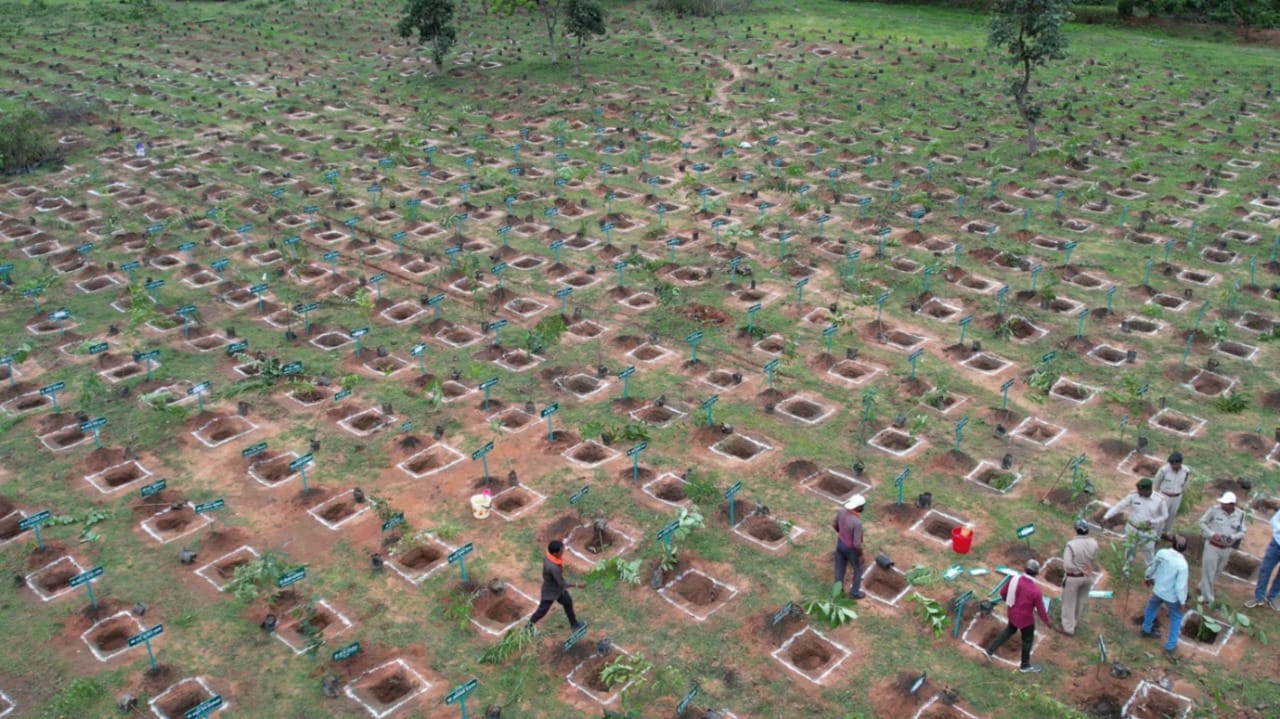
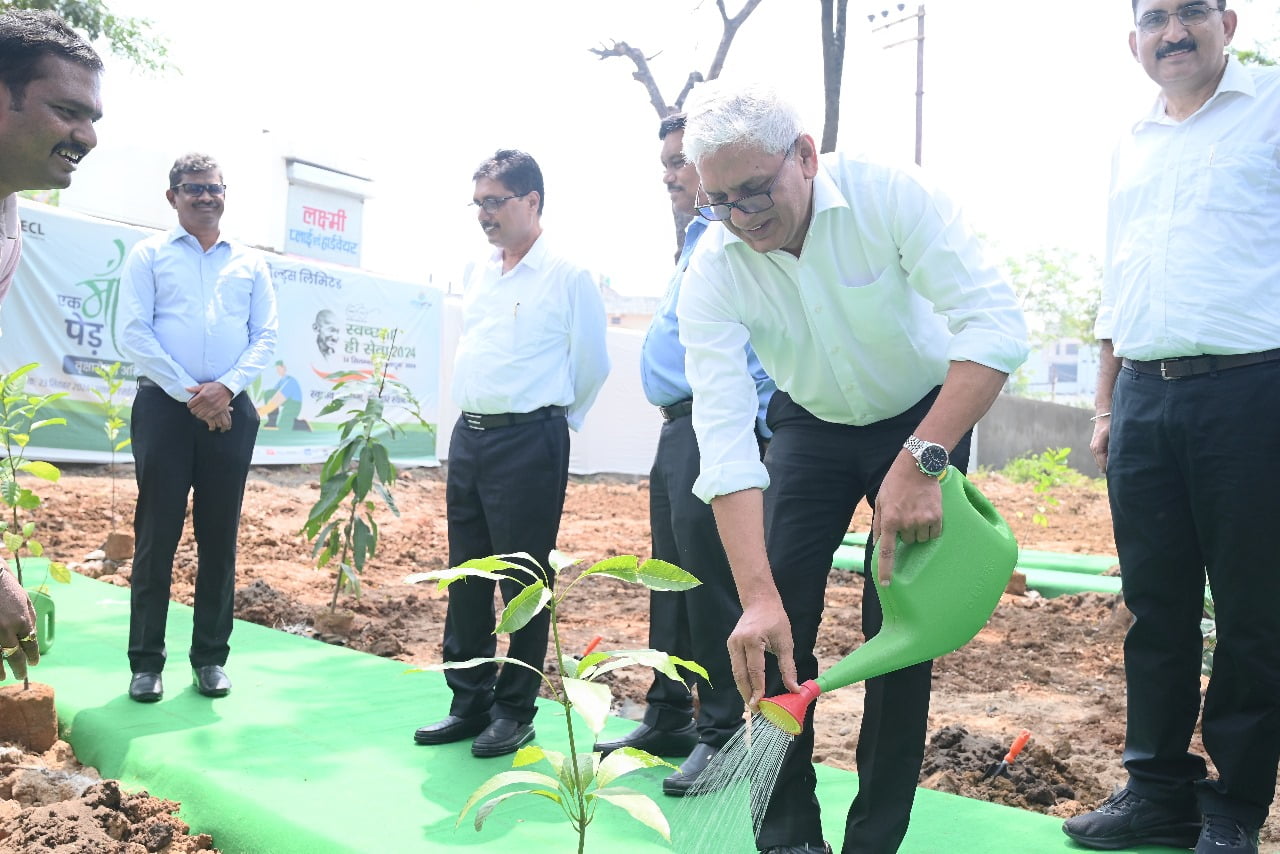
For the management of human-elephant conflict, the ‘Gajarath Yatra’ awareness campaign and the ‘Gaj Sanket’ app were showcased. This app alerts villagers about the movement of elephants through voice calls, SMS, and WhatsApp. Regarding tree plantation achievements, it was reported that 35 million (3.50 crore) saplings were planted in 2024, with a target of 35.5 million (3.55 crore) for 2025, under the ‘Ek Ped Maa Ke Naam’ (A Tree in the Name of Mother) campaign. Similarly, under the ‘Kisan Vriksh Mitra Yojana’ (Farmer Tree-Friend Scheme), 36,896 farmers planted 36.7 million (3.67 crore) saplings across an area of 62,441 acres.
- Digital Technology and Forest Products Also Attracted Attention
At the exhibition, features such as a QR code-based wildlife quiz, interactive games, 360-degree virtual reality, light and sound effects, and selfie points became major attractions for visitors, especially the youth. By scanning QR codes, visitors could access information about forestry schemes and the state’s eco-tourism destinations through a dedicated departmental website.
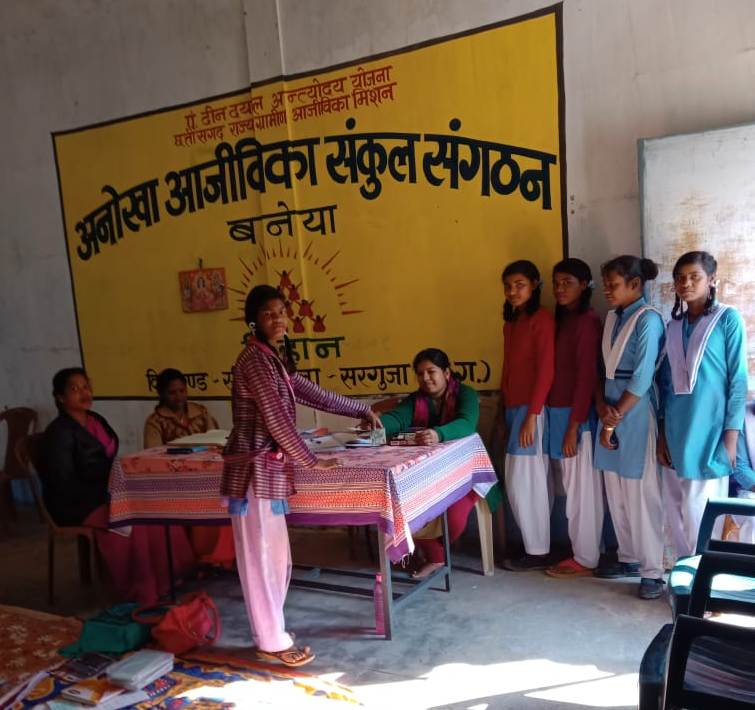
At the Joint Forest Management stall, bamboo-based products—including miniature houses, boats, lanterns, and decorative items—crafted by rural artisans were available for sale. The ‘Chhattisgarh Herbals’ stall also drew significant interest with products prepared at ‘Van Dhan Kendras’ (Forest Wealth Centers), such as forest honey, safed musli, triphala powder, aloe vera shampoo, and mahabhringraj oil. The State Medicinal Plants Board showcased how the cultivation of medicinal plants like singi and shatavari in home gardens could generate an additional annual income of ₹20,000 to ₹30,000 for rural women.