








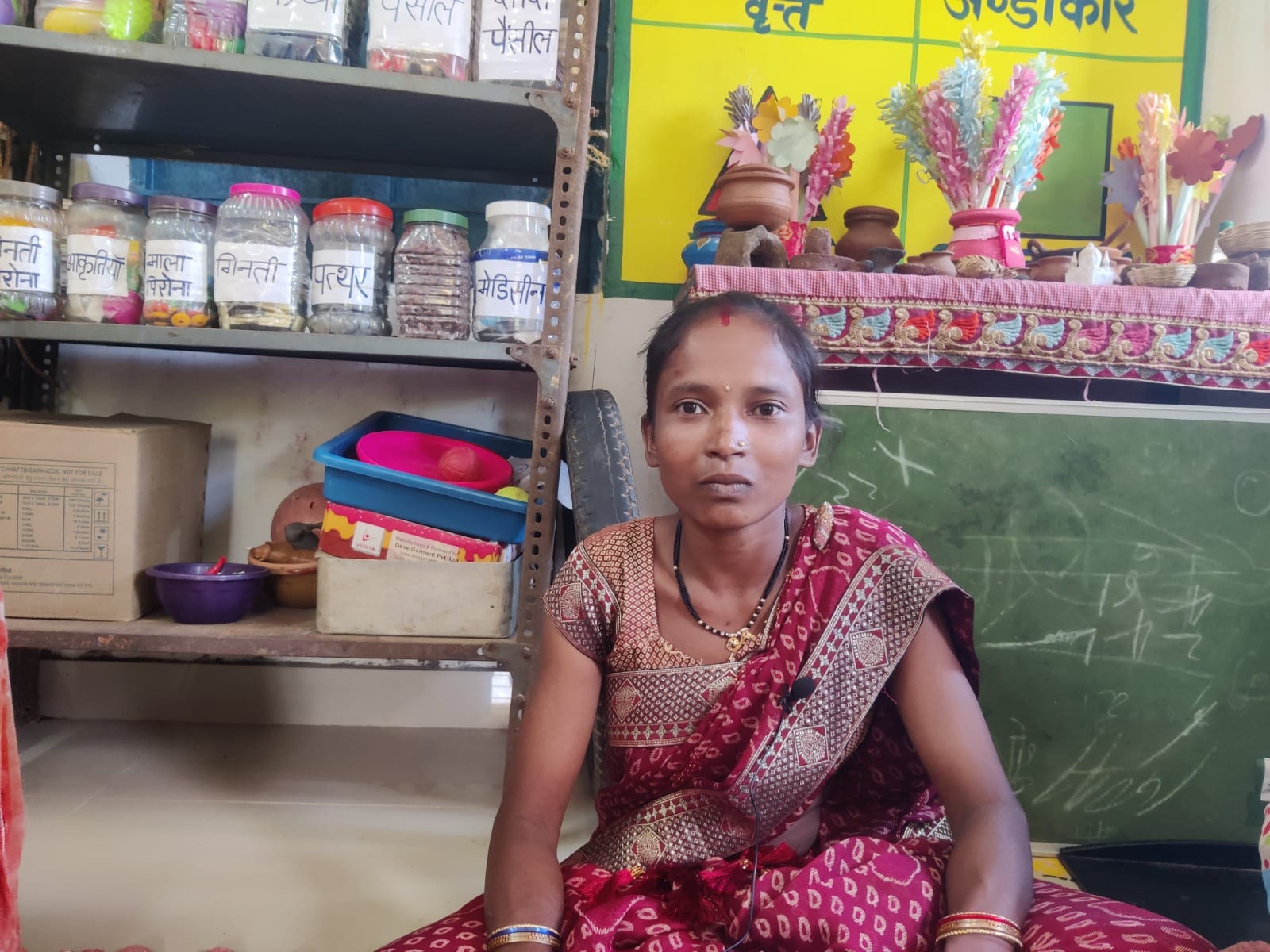





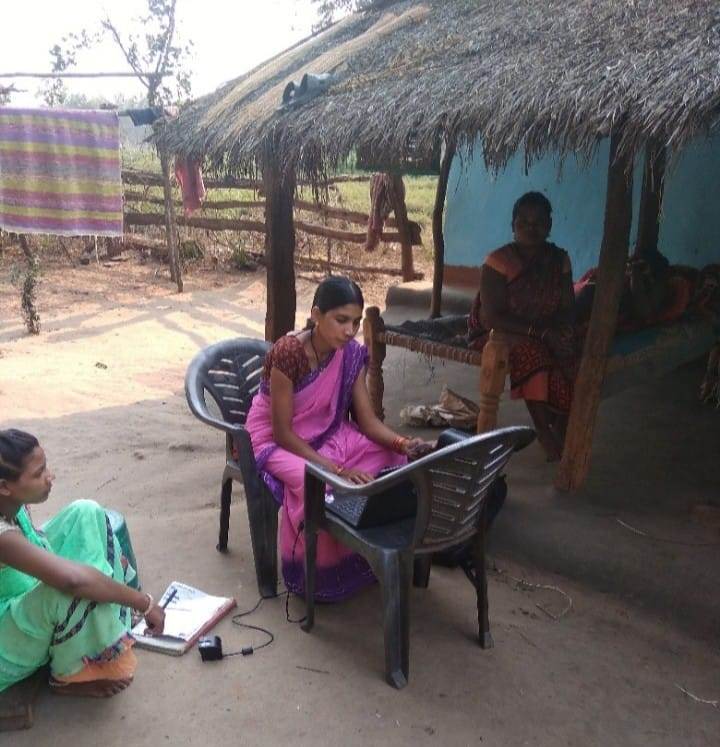



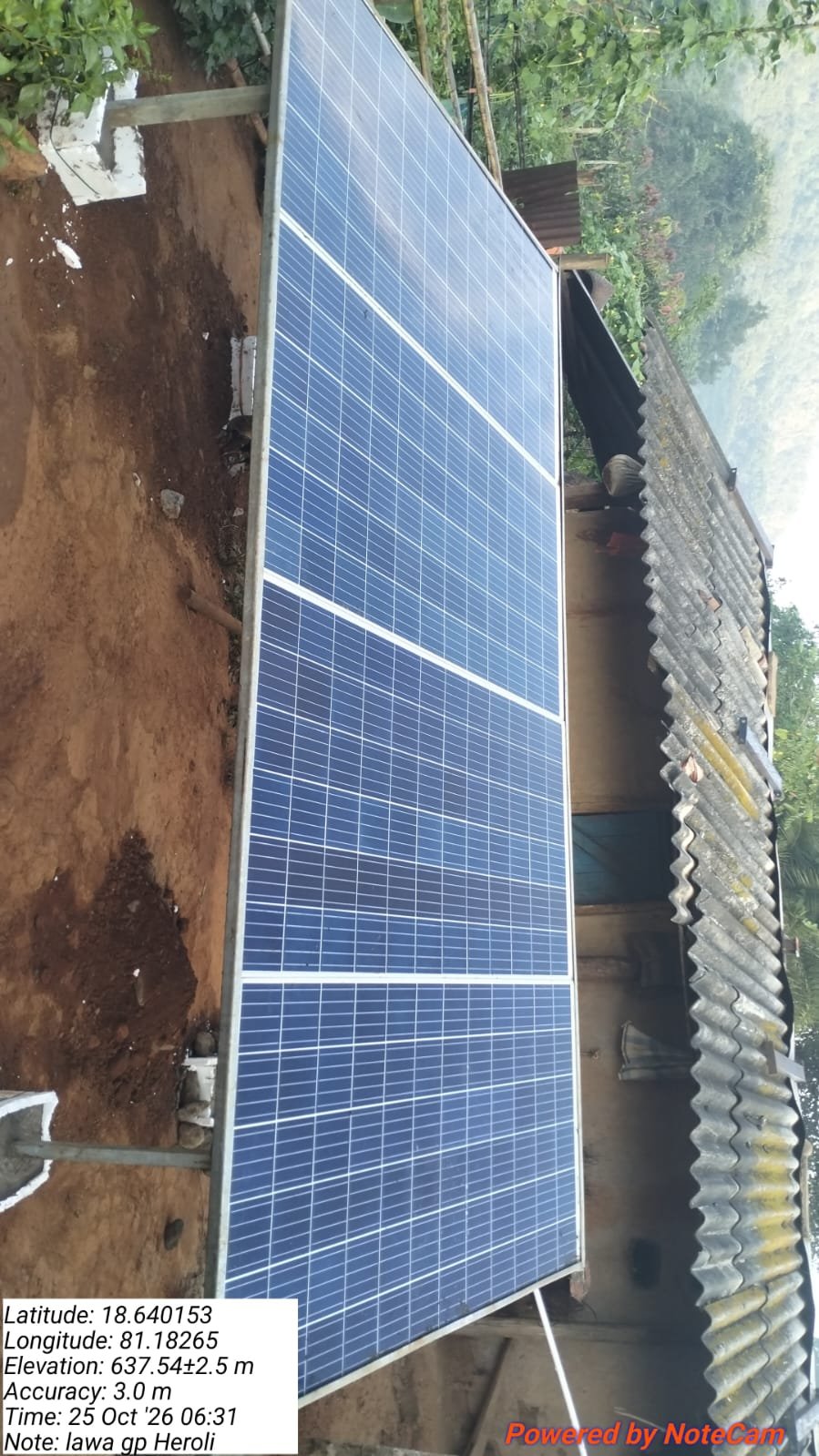

In the deeply Naxal-affected and inaccessible regions of the South Bastar-Dantewada district in Chhattisgarh, the wheels of development have begun to turn rapidly. As part of this effort, a ‘Community Solar TV’ has been installed in ‘Lava’—a remote, hard-to-reach, hilly village in the Kuakonda development block of Dantewada—with the support of the District Administration and CREDA (Chhattisgarh State Renewable Energy Development Agency). For this small tribal village, home to just 21 families, this marks a historic revolution; for the first time in their lives, the villagers have witnessed a television screen within their own village.
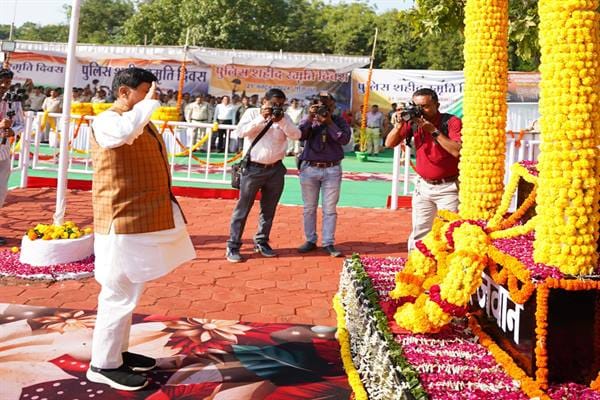
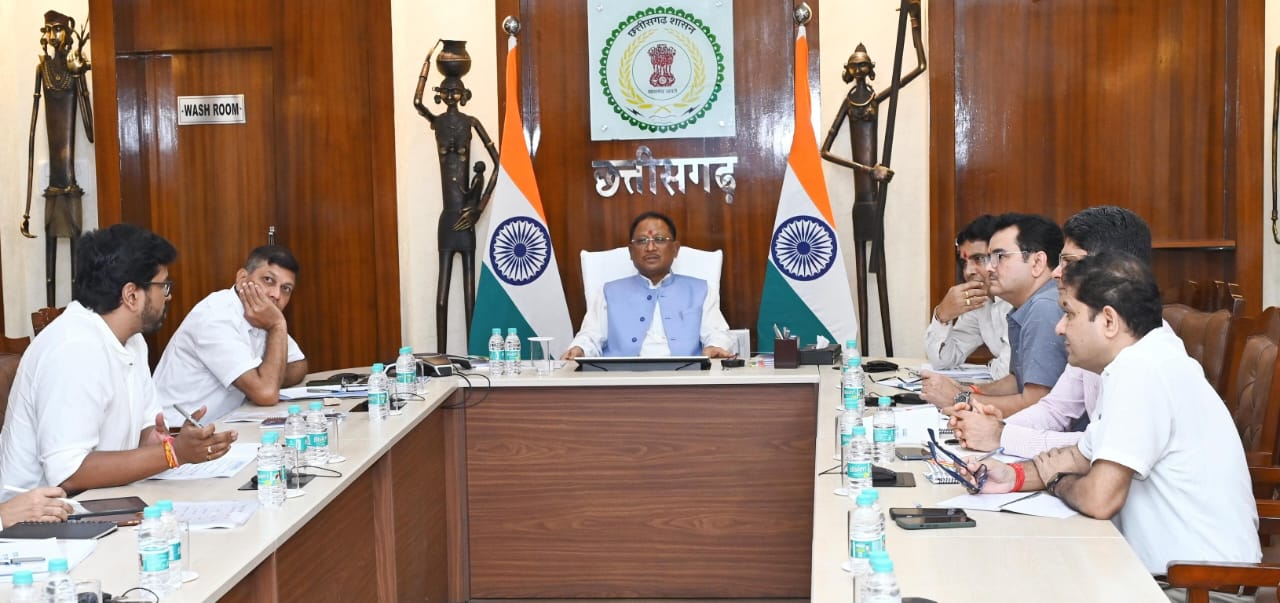
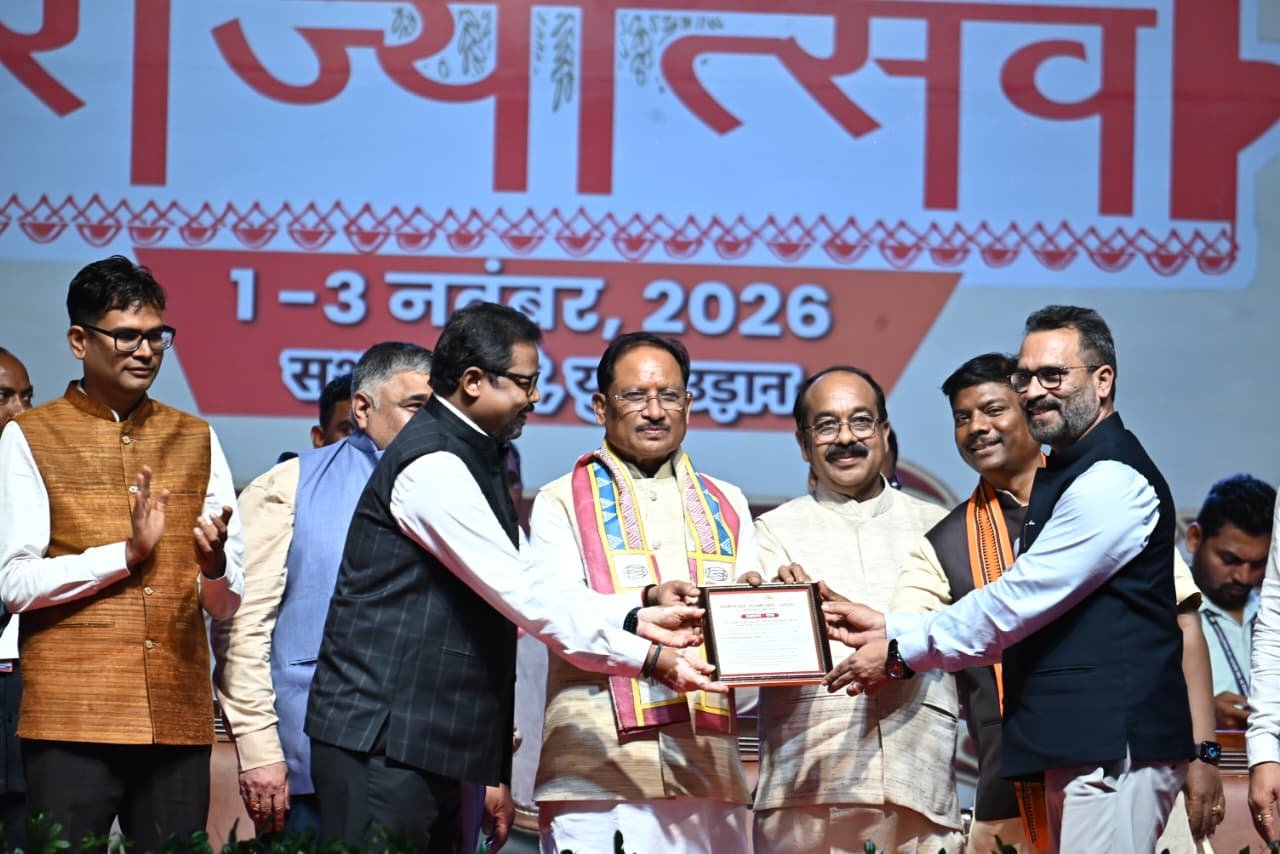
Bringing development and prosperity to the remote villages of Bastar is the top priority of our government. Expressing his delight at this unprecedented initiative, the Chief Minister of the state, Shri Vishnu Deo Sai, stated that extending the light of development, education, and modern technology to the farthest, most remote villages of Bastar remains the government’s highest priority. The installation of a community solar TV in the remote village of Lava serves as proof that development is moving past the darkness of Naxalism and reaching the lives of every tribal brother and sister. As children and villagers in these isolated areas watch news from across the nation and the world, along with educational programs on the television screen, their dreams will find new wings. Our government is fully committed to the holistic development of Bastar.
- Difficult Geographical Conditions and Challenges
Nestled behind the towering hills of Bailadila and amidst dense forests, the village of Lava remains geographically, highly isolated. There is still no paved road to reach this village, located about 8 kilometers from the main iron-ore mining area (NMDC) in Kirandul. To meet their basic needs—such as fetching rice from the Public Distribution System (PDS) shop—villagers must still travel for miles on foot, navigating hilly and rocky terrain.

- Decades Under the Shadow of Naxalism
Lava and the surrounding Purengal region remained severely affected by Naxalism for decades. Taking advantage of the dense forests and inaccessible terrain, Naxalites had turned this area into their stronghold. Consequently, for many years, neither administrative officials nor elected representatives could reach the village. Due to security concerns, the village remained completely cut off from the modern world, and the arrival of basic amenities seemed like a distant dream.
- Efforts by Security Forces and a Changing Landscape
Following sustained operations and the vigilance of security forces, the influence of Naxalism in this region has now been almost entirely eradicated. Where an atmosphere of terror once prevailed, a wave of change is now sweeping through. Recently, the District Collector and local elected representatives visited the village in person to hold a meeting with the residents. It is a direct result of this newfound sense of security and trust that the administration is now bringing development schemes right to the doorsteps of the villagers.
- Community Solar TV to Transform the Village
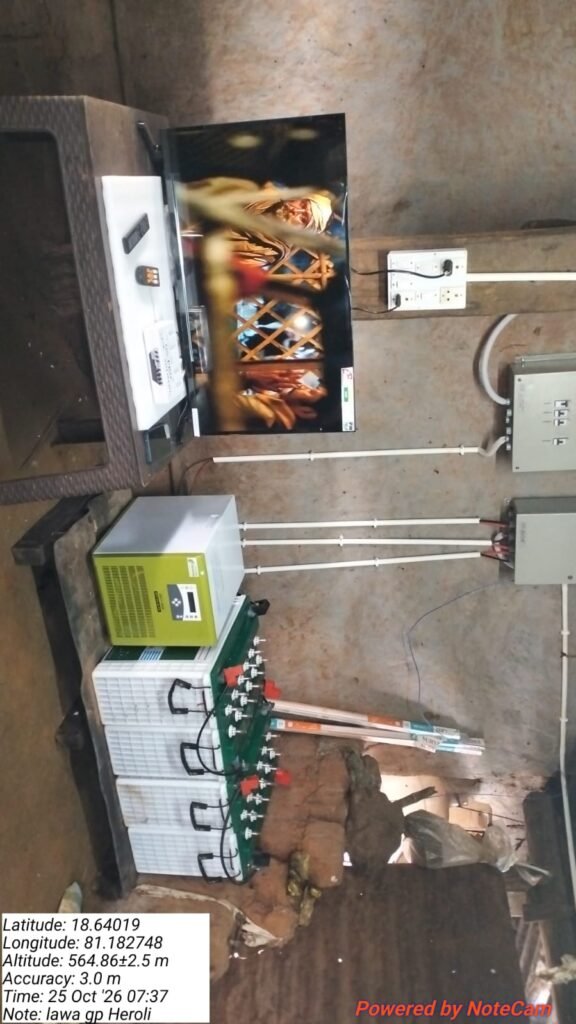
As the village is located far from the traditional power grid, the district administration and CREDA (Chhattisgarh State Renewable Energy Development Agency) have opted for solar energy. The installation of a community solar TV in the village is expected to bring about the following changes:
- Connection to the Modern World and Information
Through this television, the residents of the remote, hilly village of ‘Lava’ will now be able to stay directly connected to events and news from across Chhattisgarh, India, and the rest of the world. This will enable the villagers to easily access information regarding new government schemes, agricultural techniques, and health-related programs. Educational Knowledge for Children
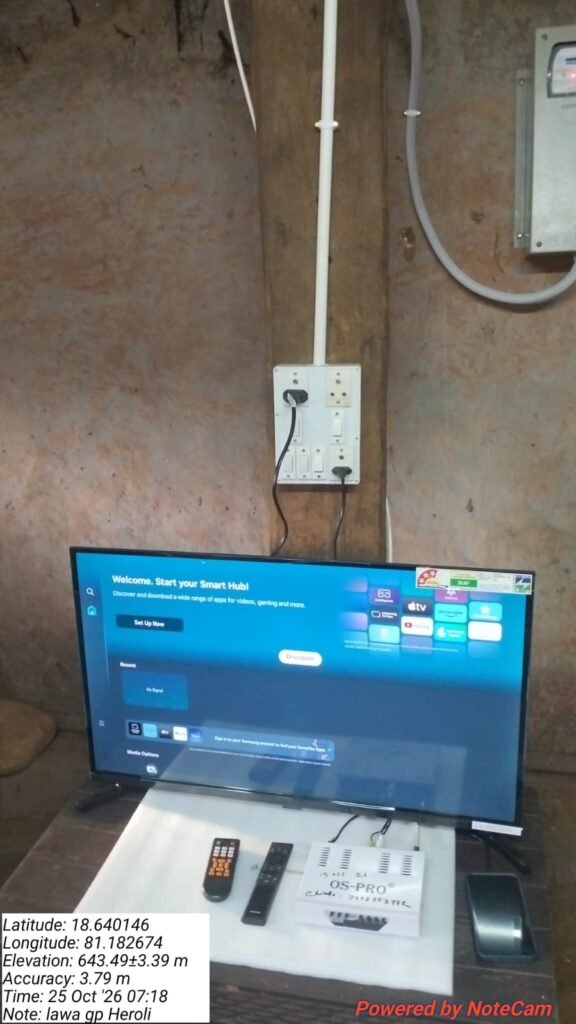
Through television, children in the village will now have access to both entertainment and educational, knowledge-enriching content, which will help broaden their understanding and general knowledge. For these children living in such a remote area, learning through visual media will be a novel and effective experience.
- Entertainment and Social Interaction
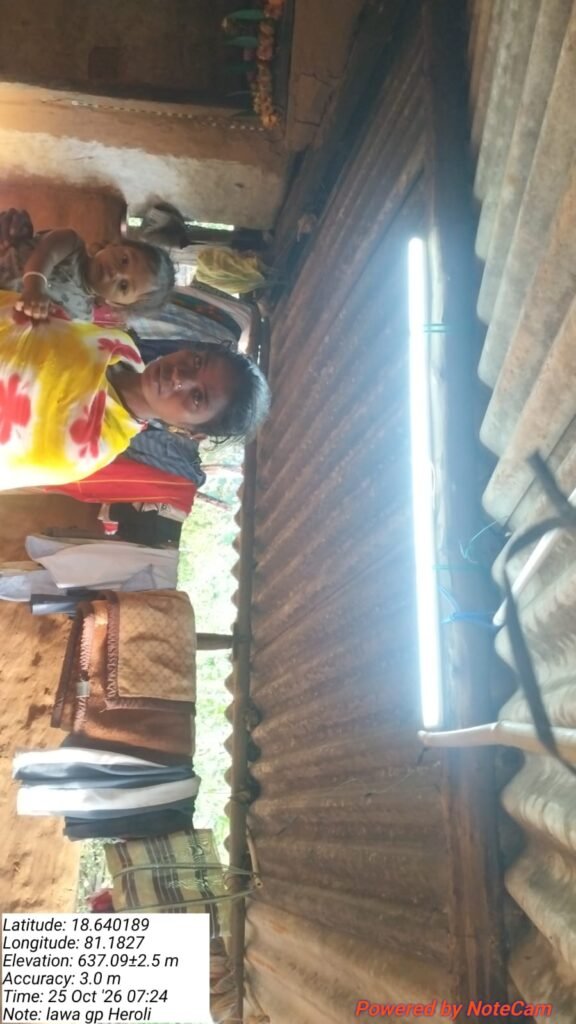
As this is a community television setup, all 21 families in the village can gather in one place to watch programs. This will further strengthen the bonds among the villagers. After a long, hard day of farming and gathering forest produce, having access to entertainment in the evening will improve the villagers’ quality of life.
- An Excellent Use of Solar Energy
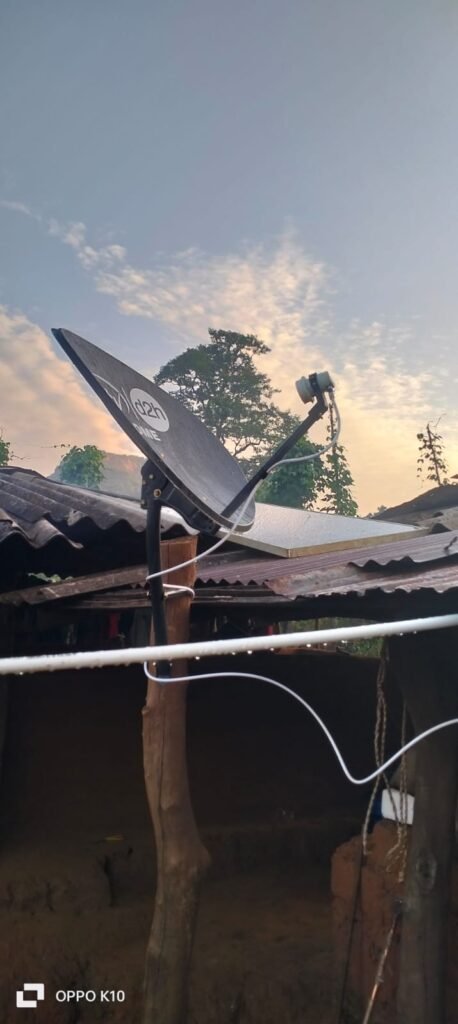
Given that this region is extremely remote and far from conventional power grids, a solar-powered television system—being entirely self-reliant and eco-friendly—allows the villagers to enjoy content without any concerns about power cuts.
Leaving behind decades of darkness and the fear of Naxalite activity, the village of Lava has now entered a new era, illuminated by solar energy and connected to information networks. This initiative by the district administration demonstrates that the government’s reach extends even to those living in the most remote corners of Bastar.