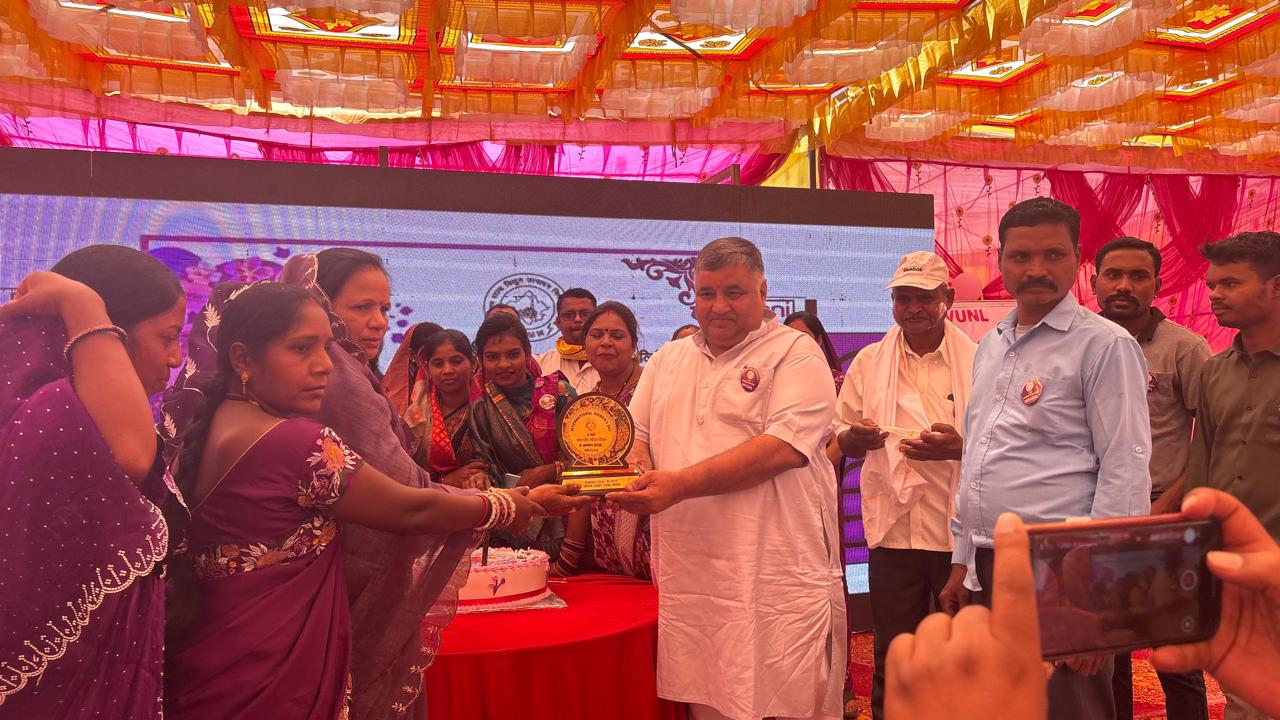
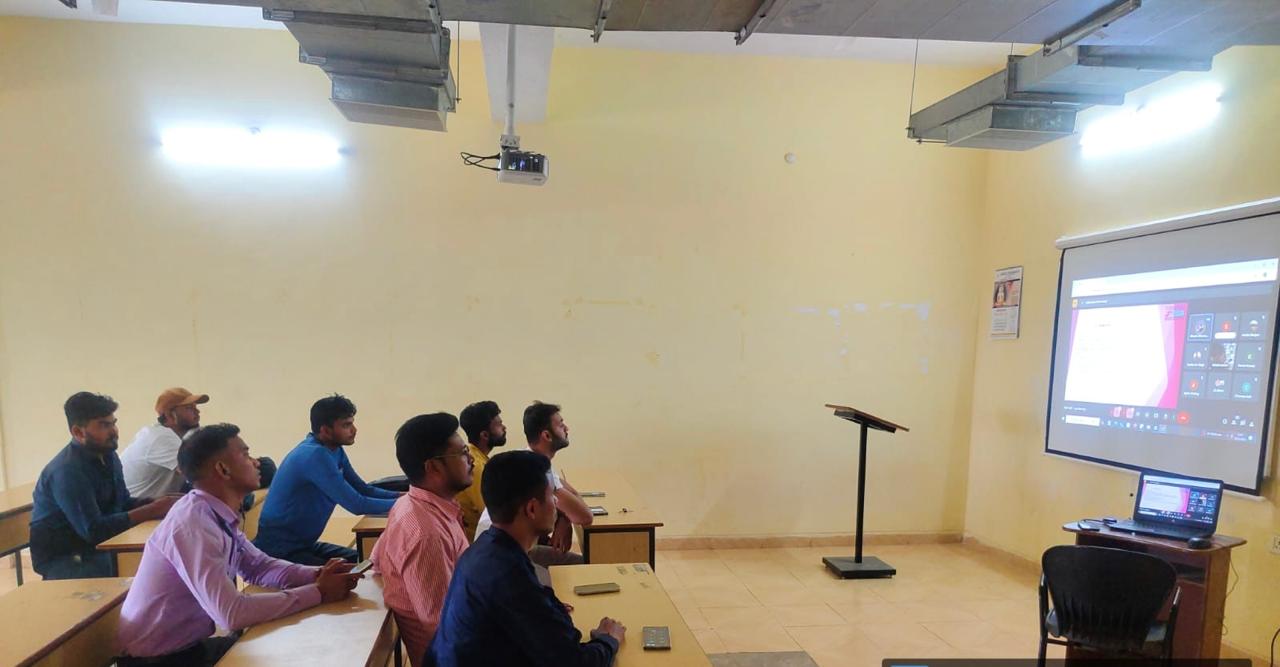
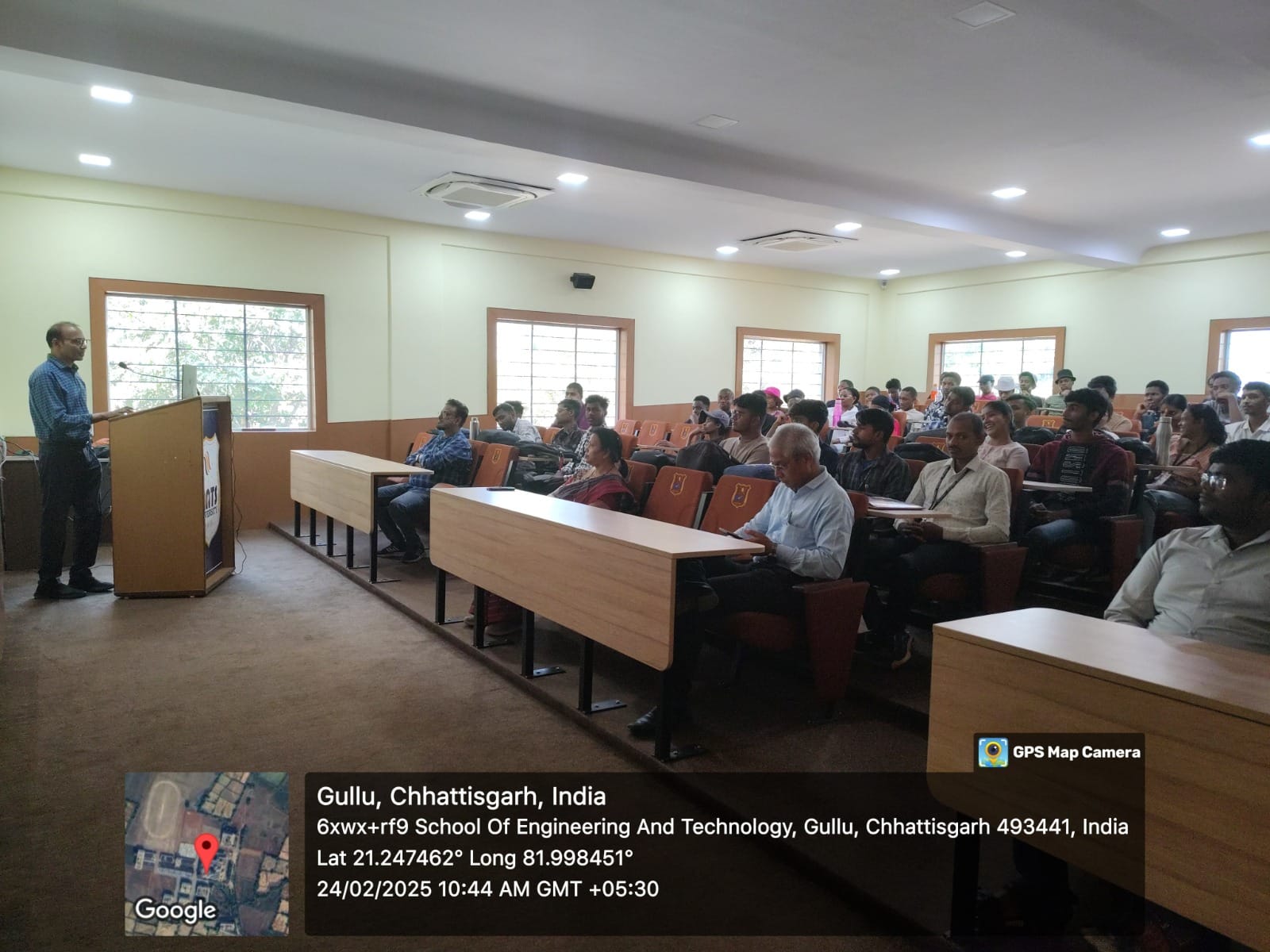
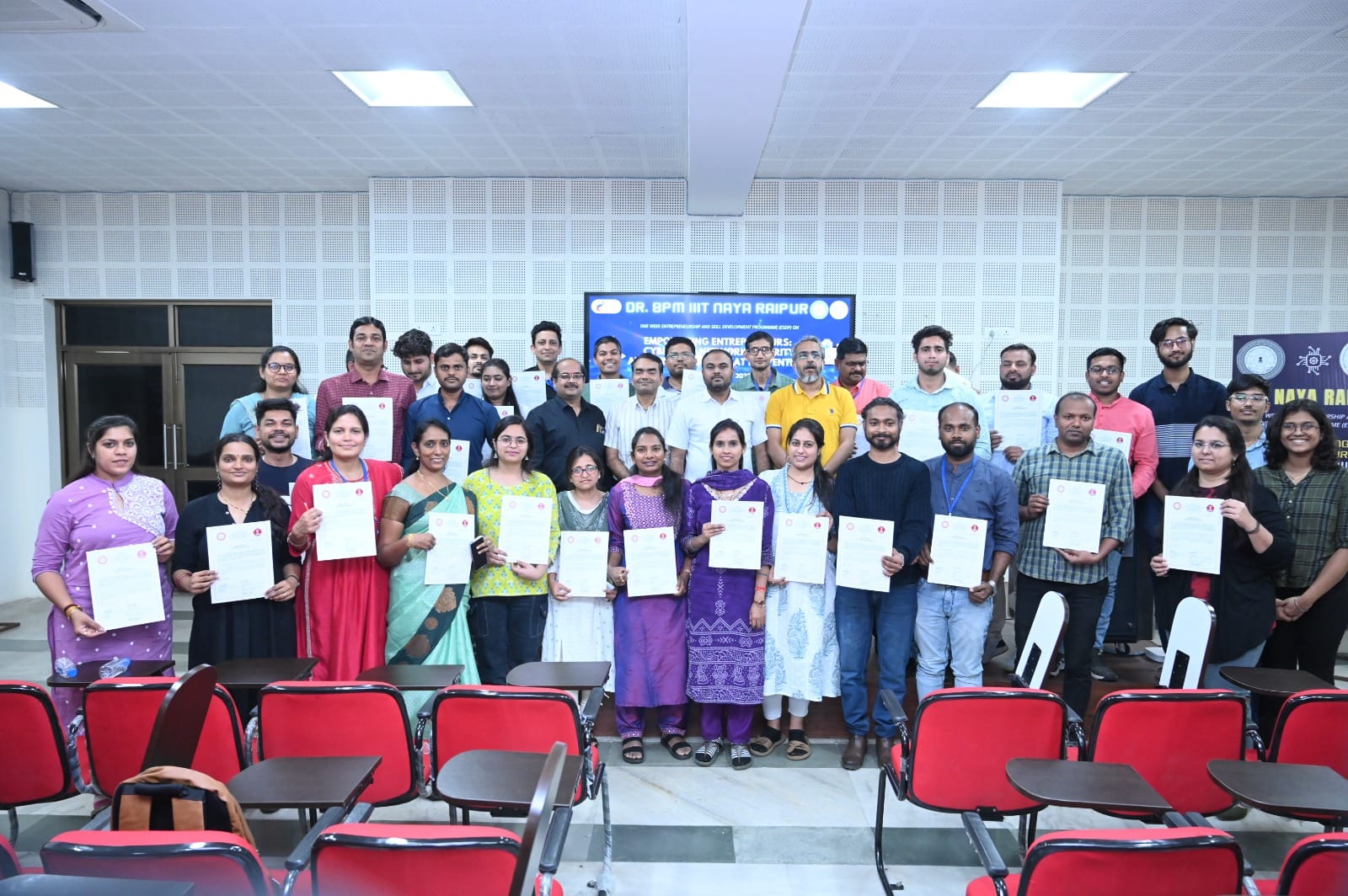



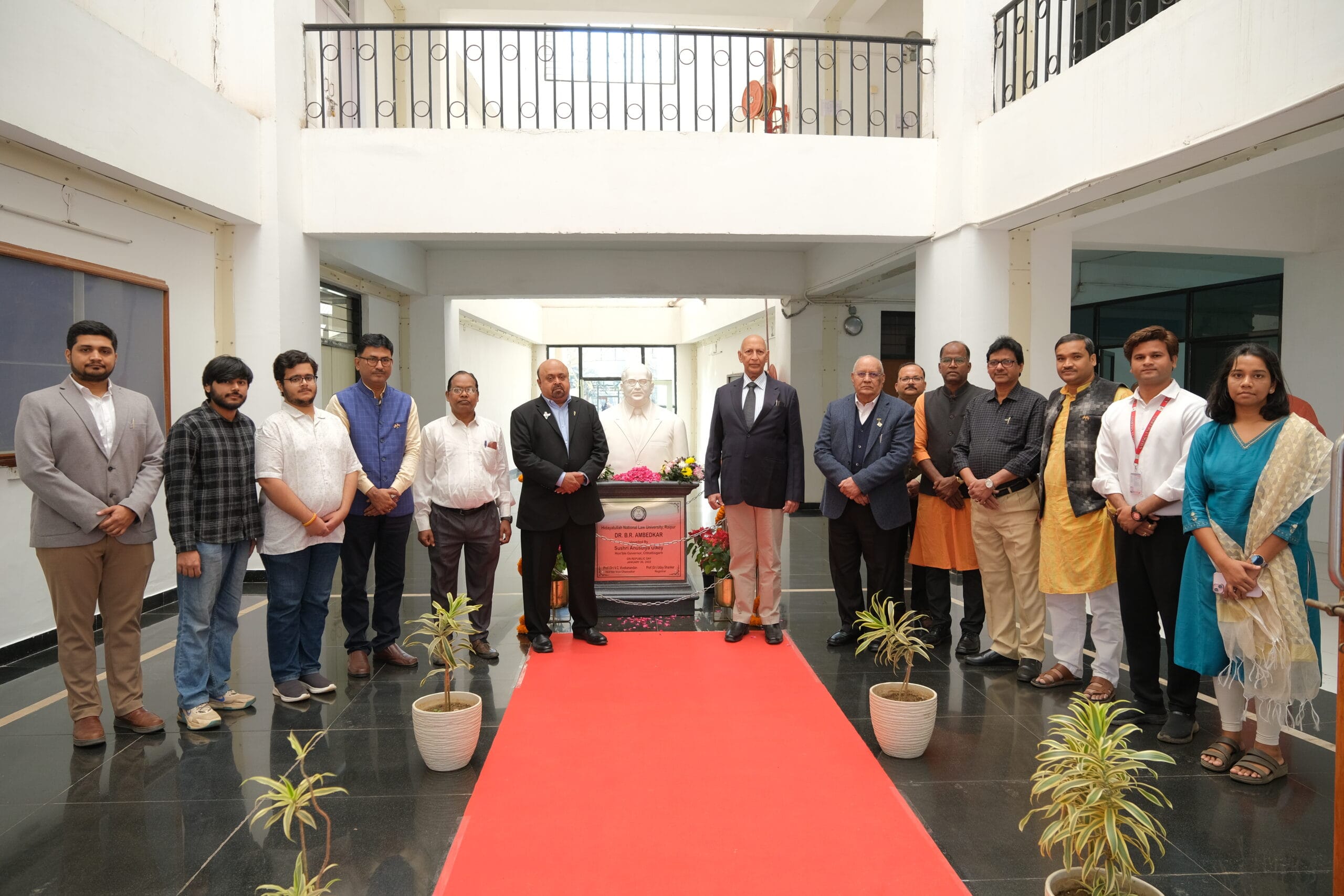


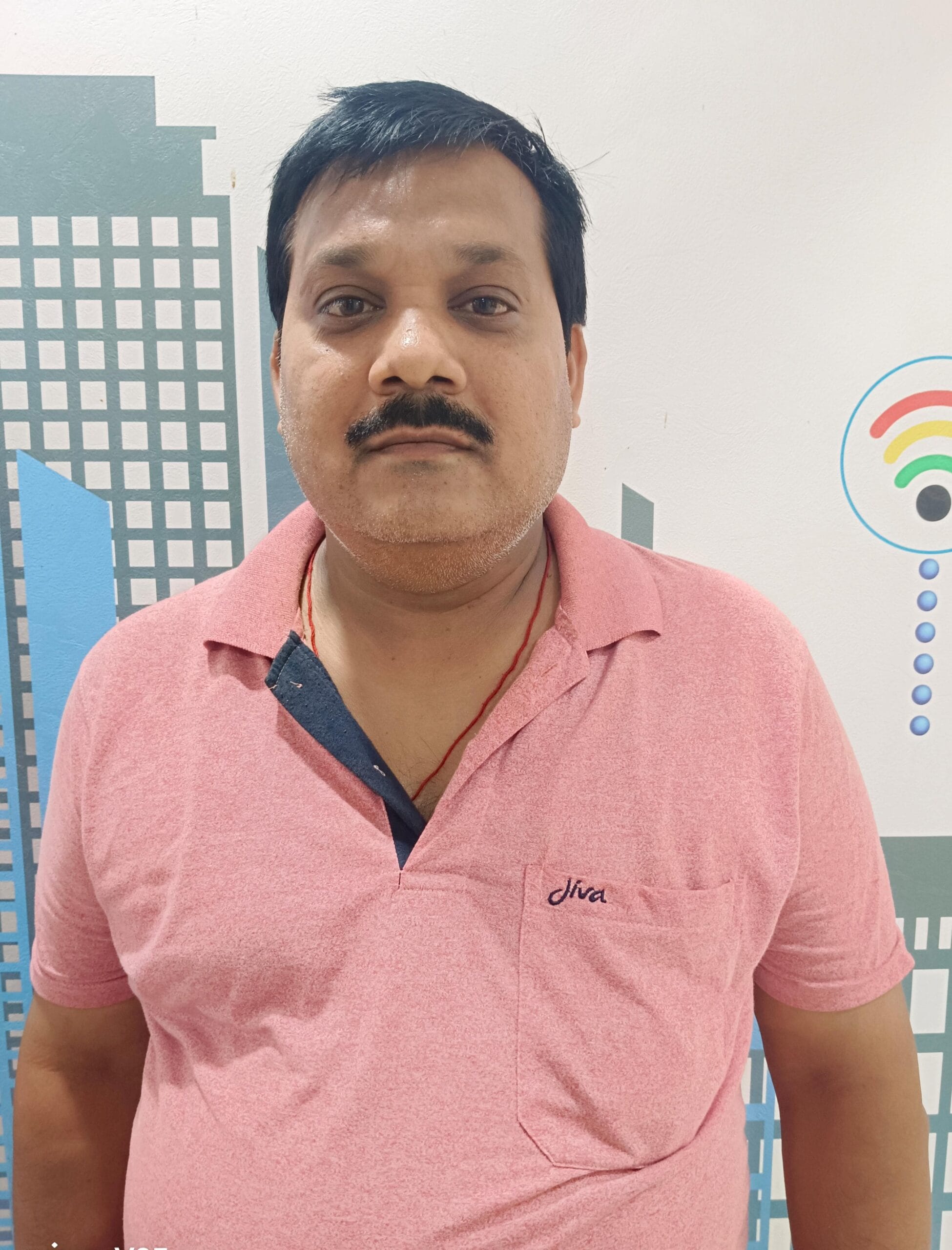
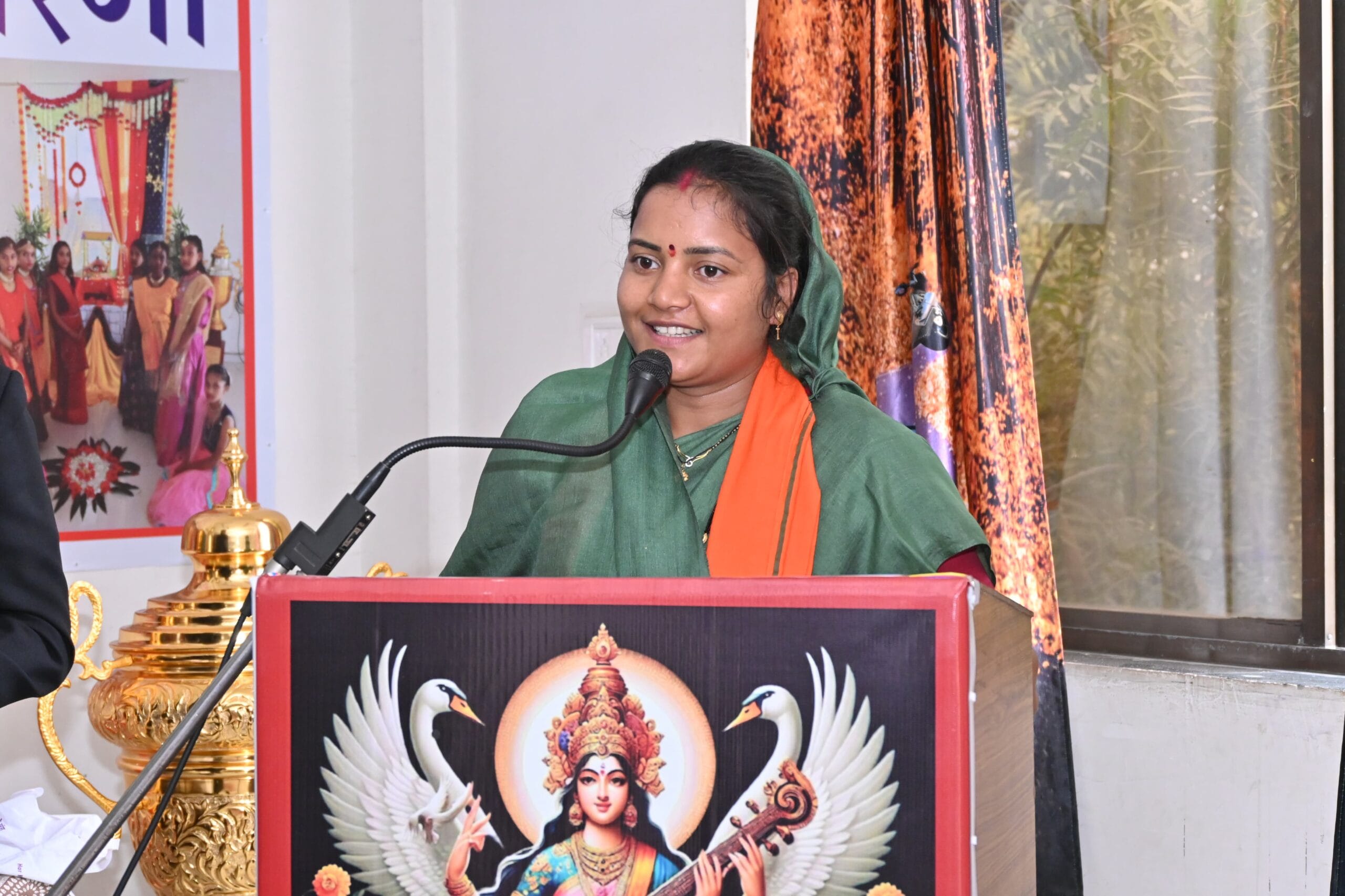
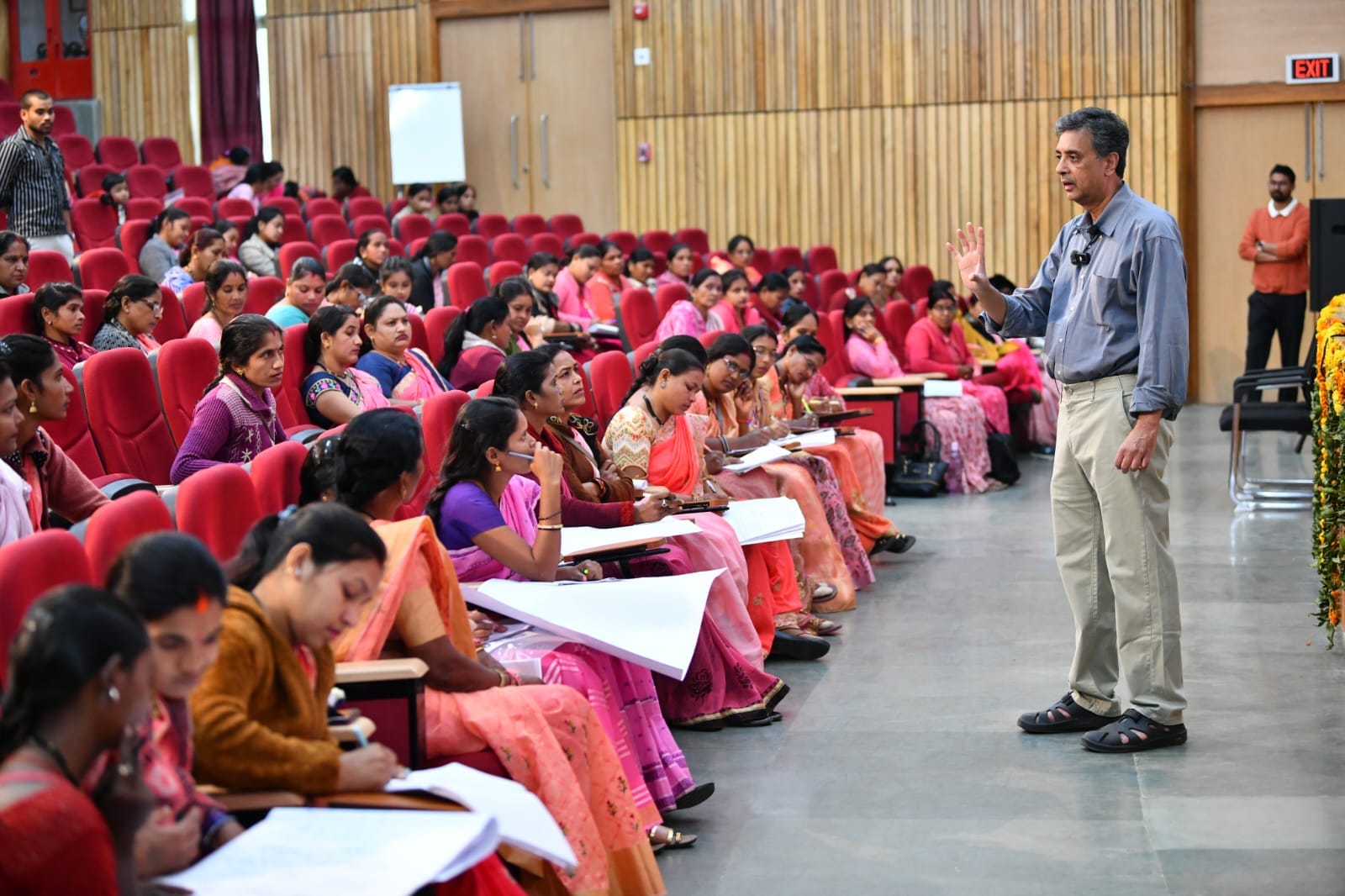


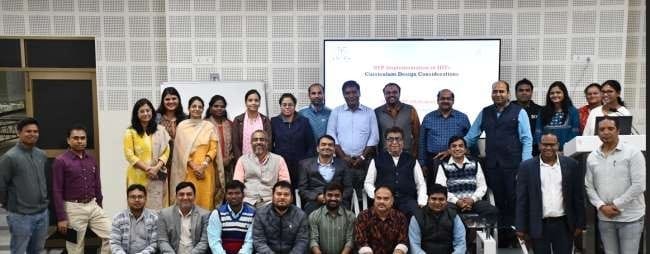
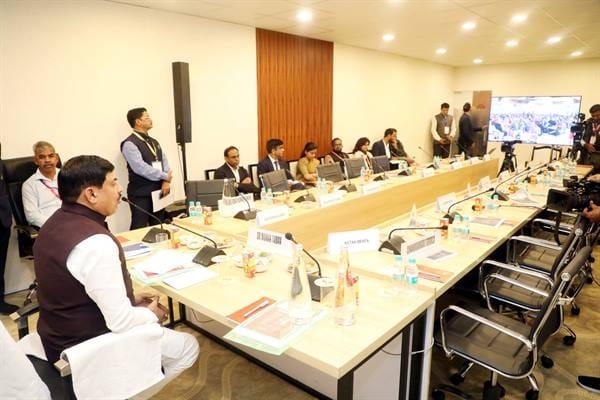

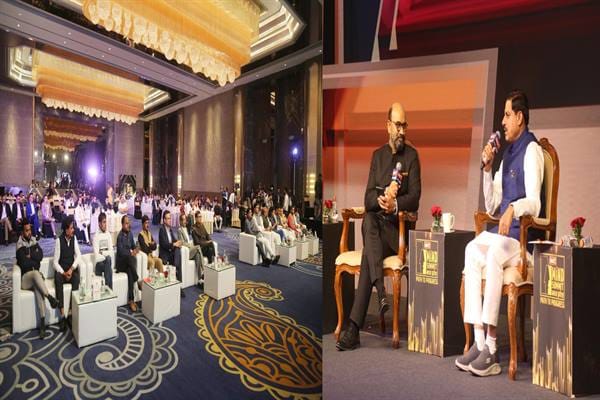

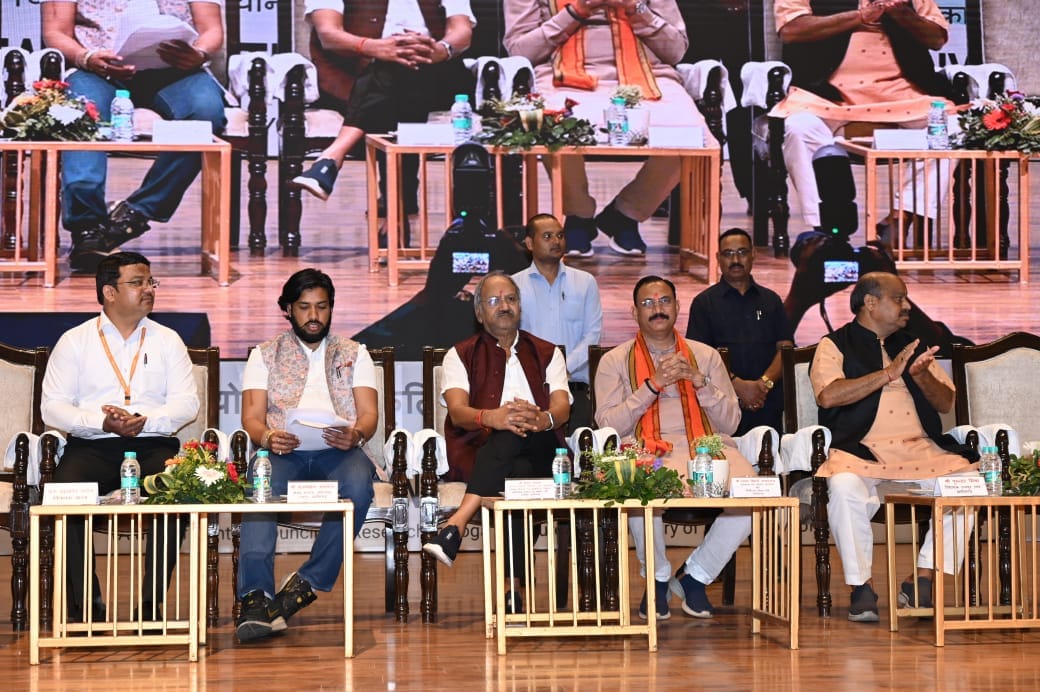





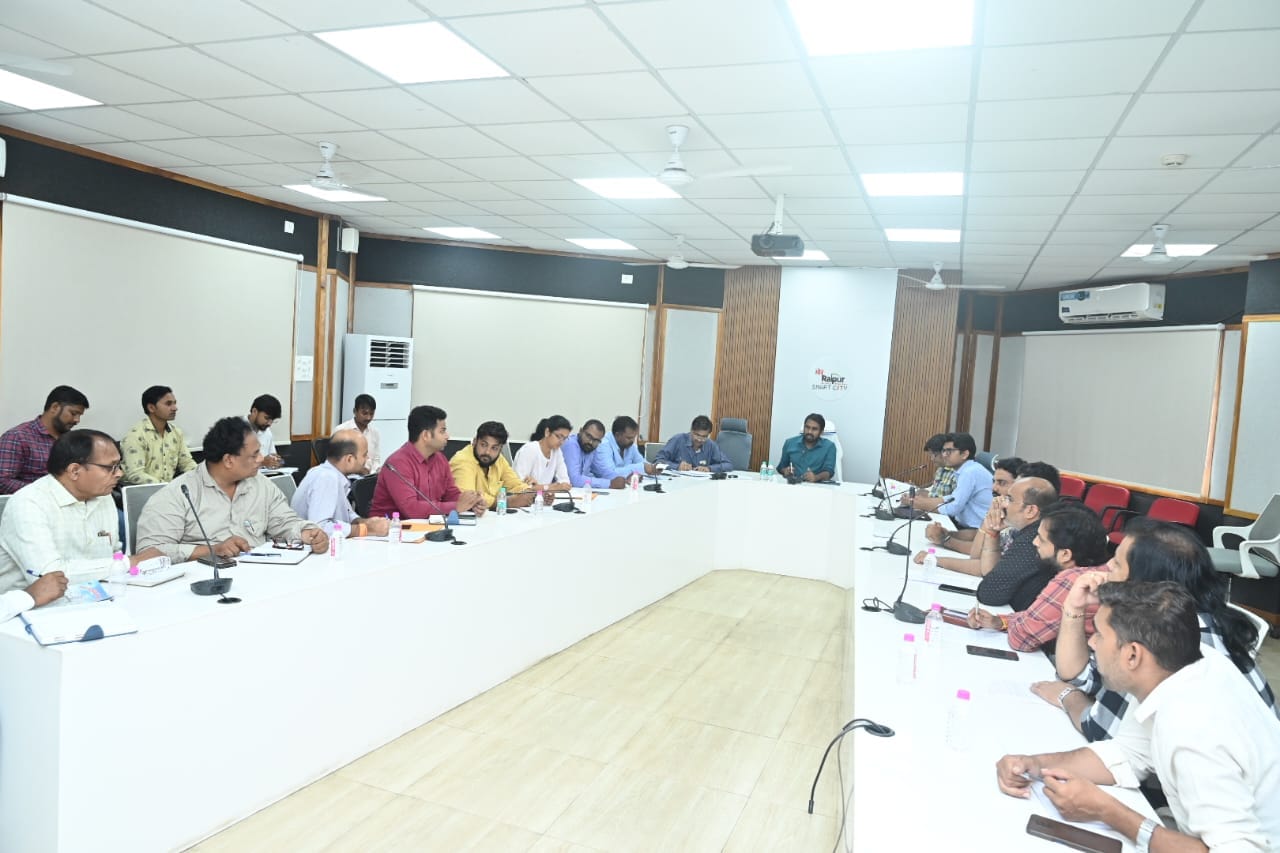

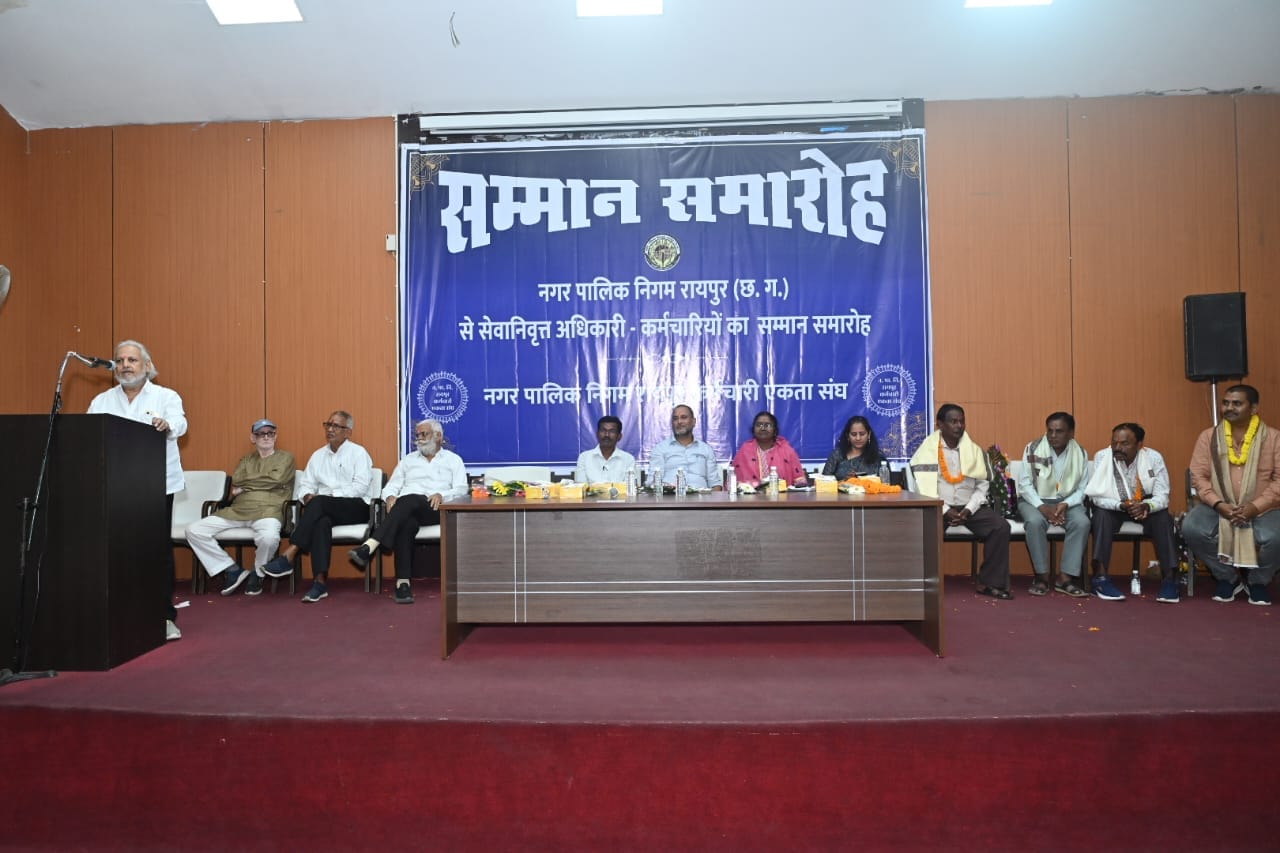
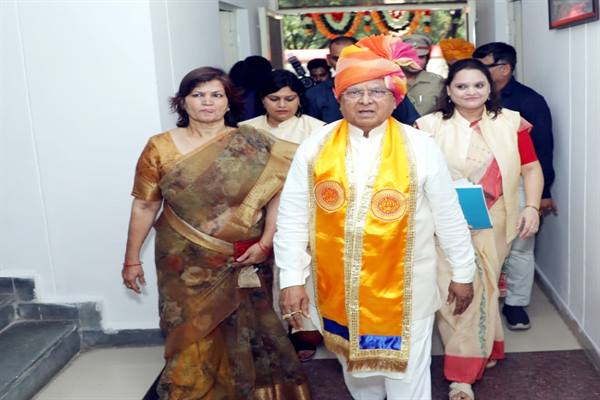
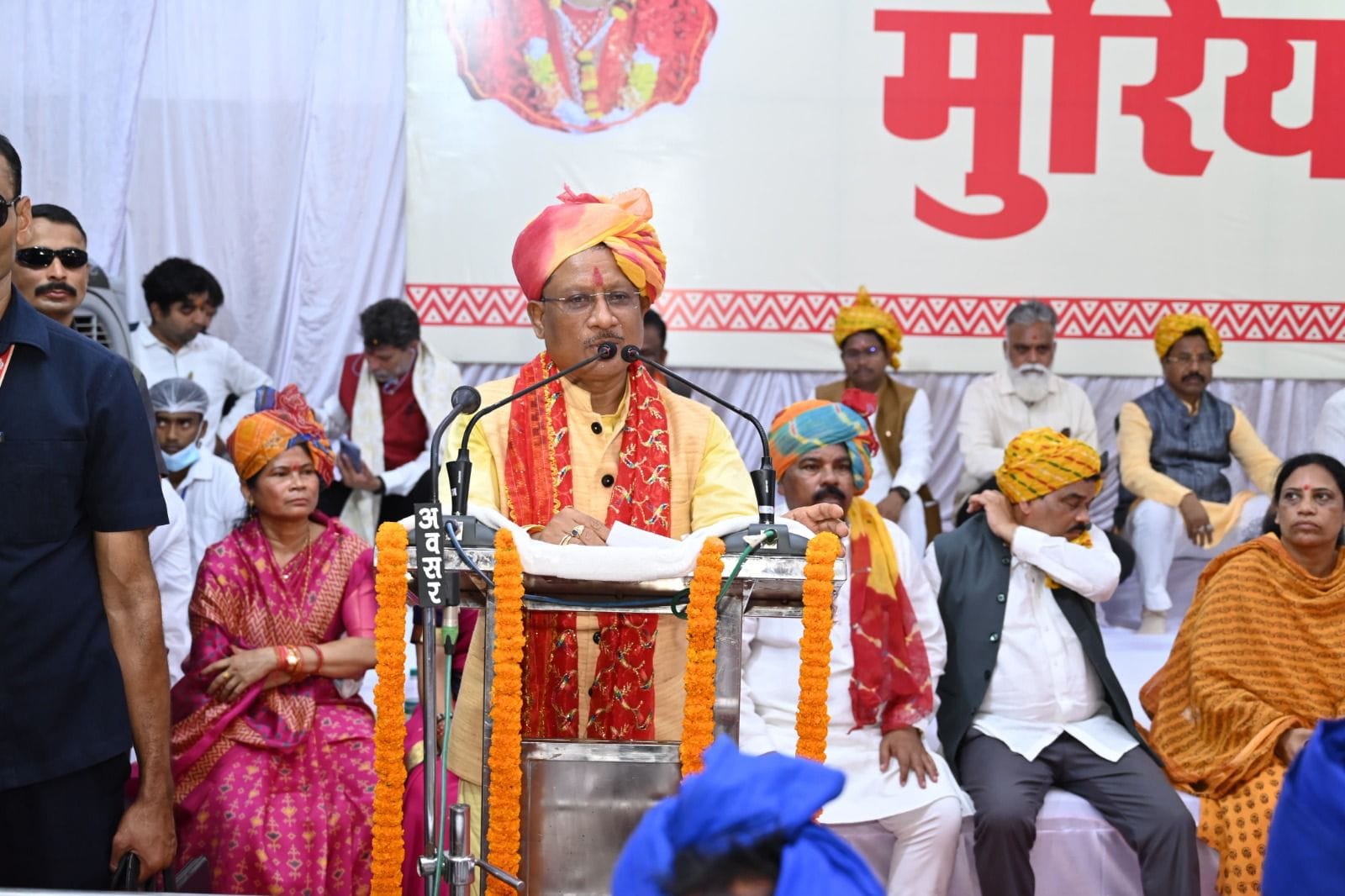
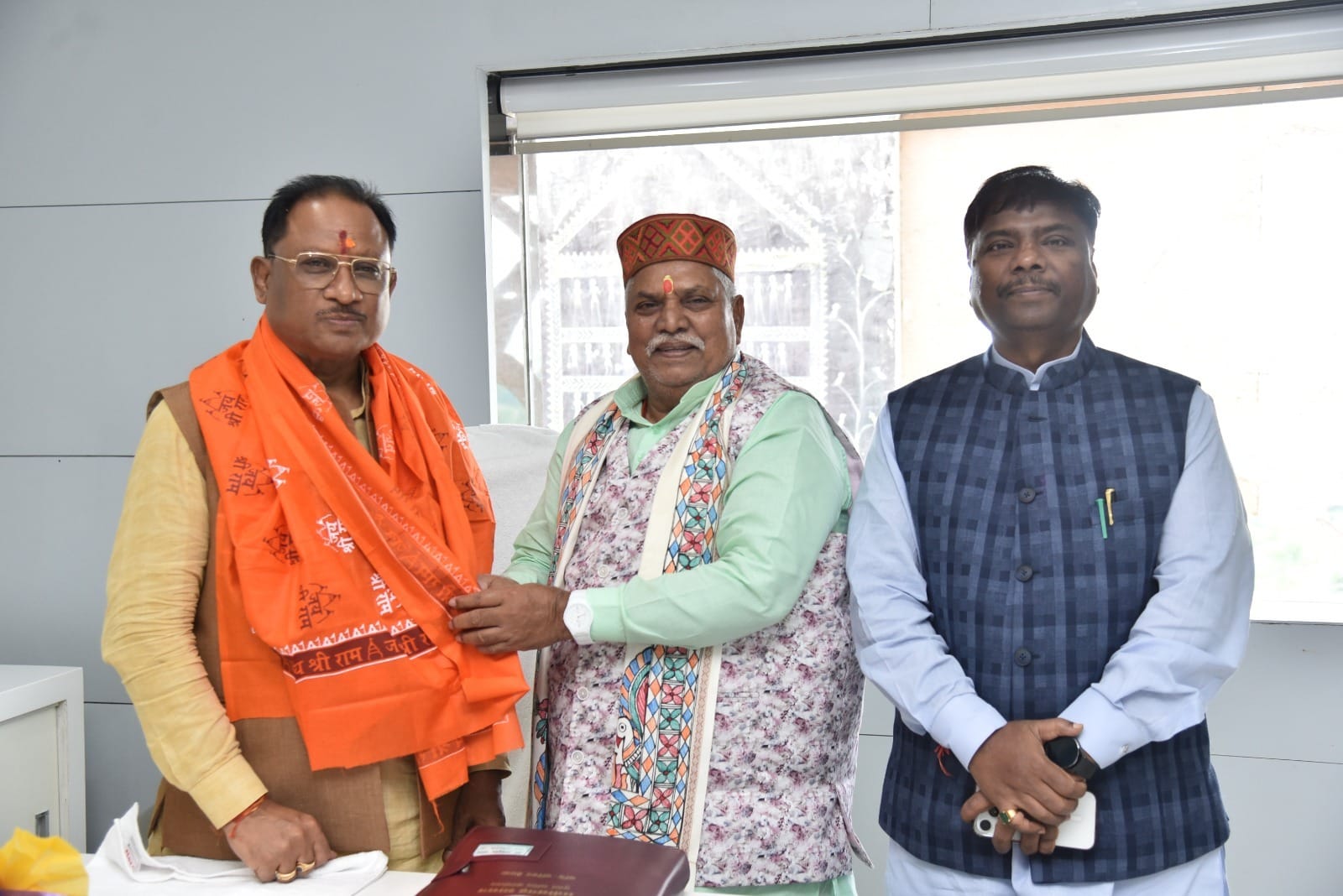
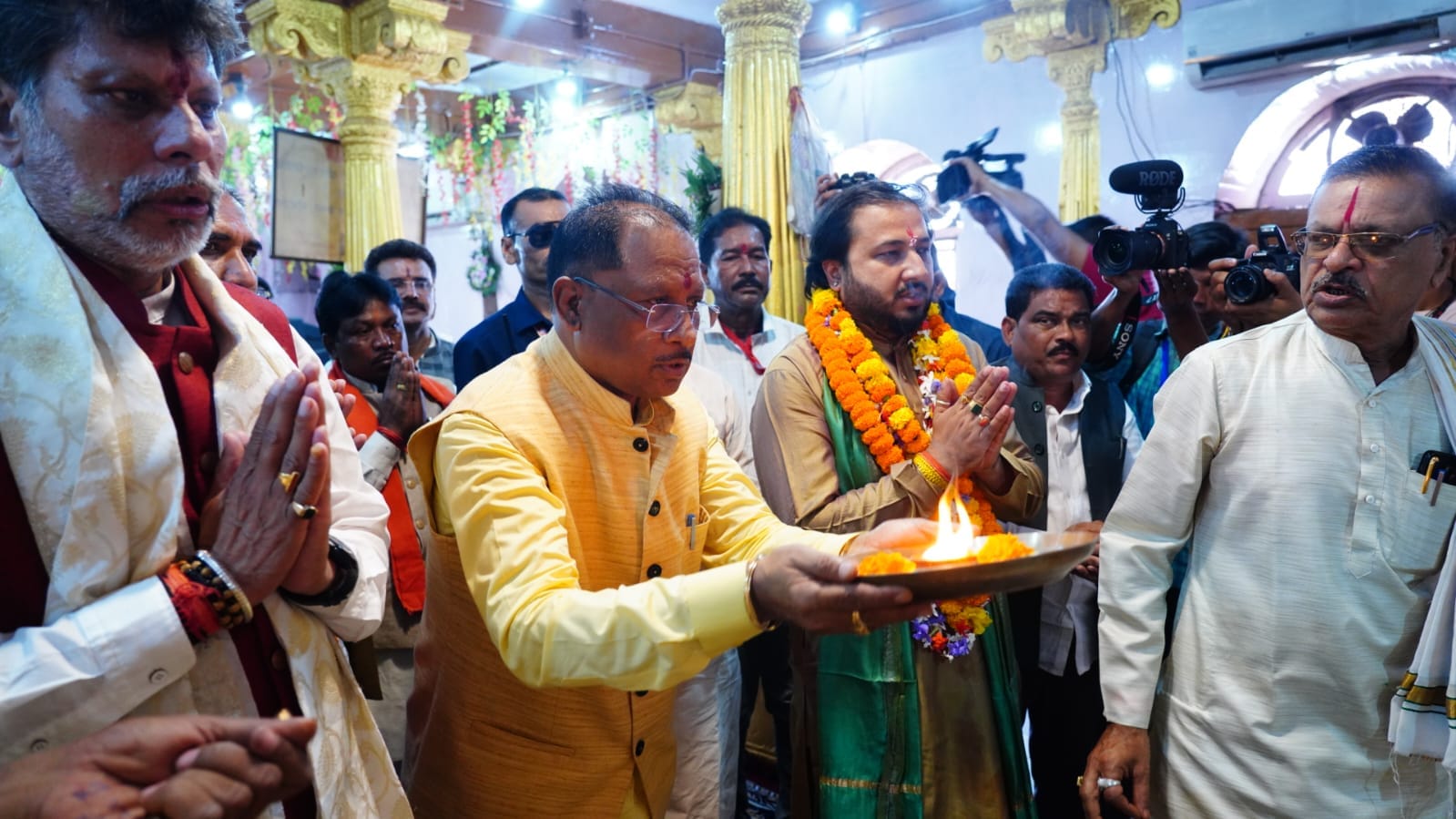
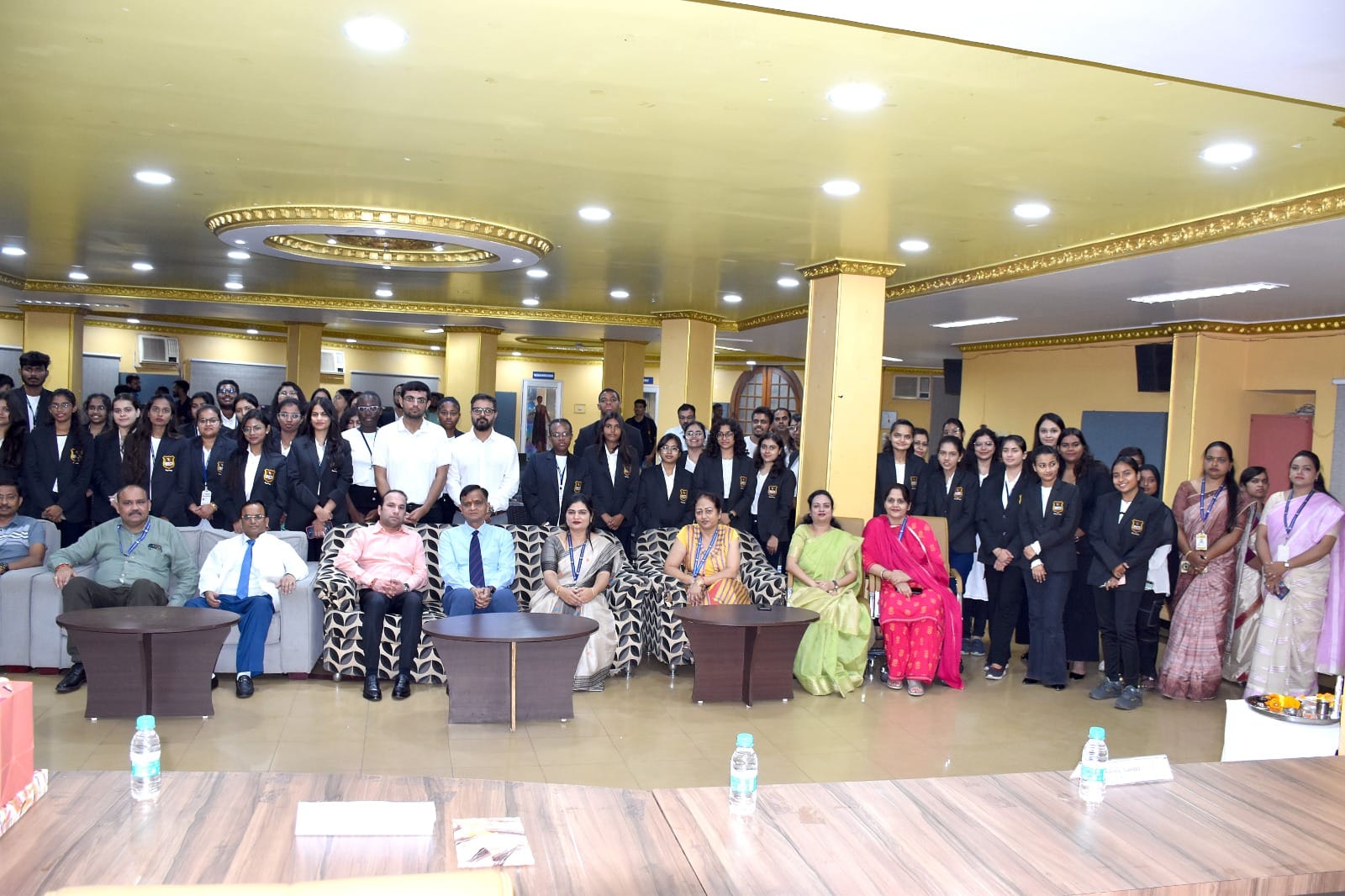


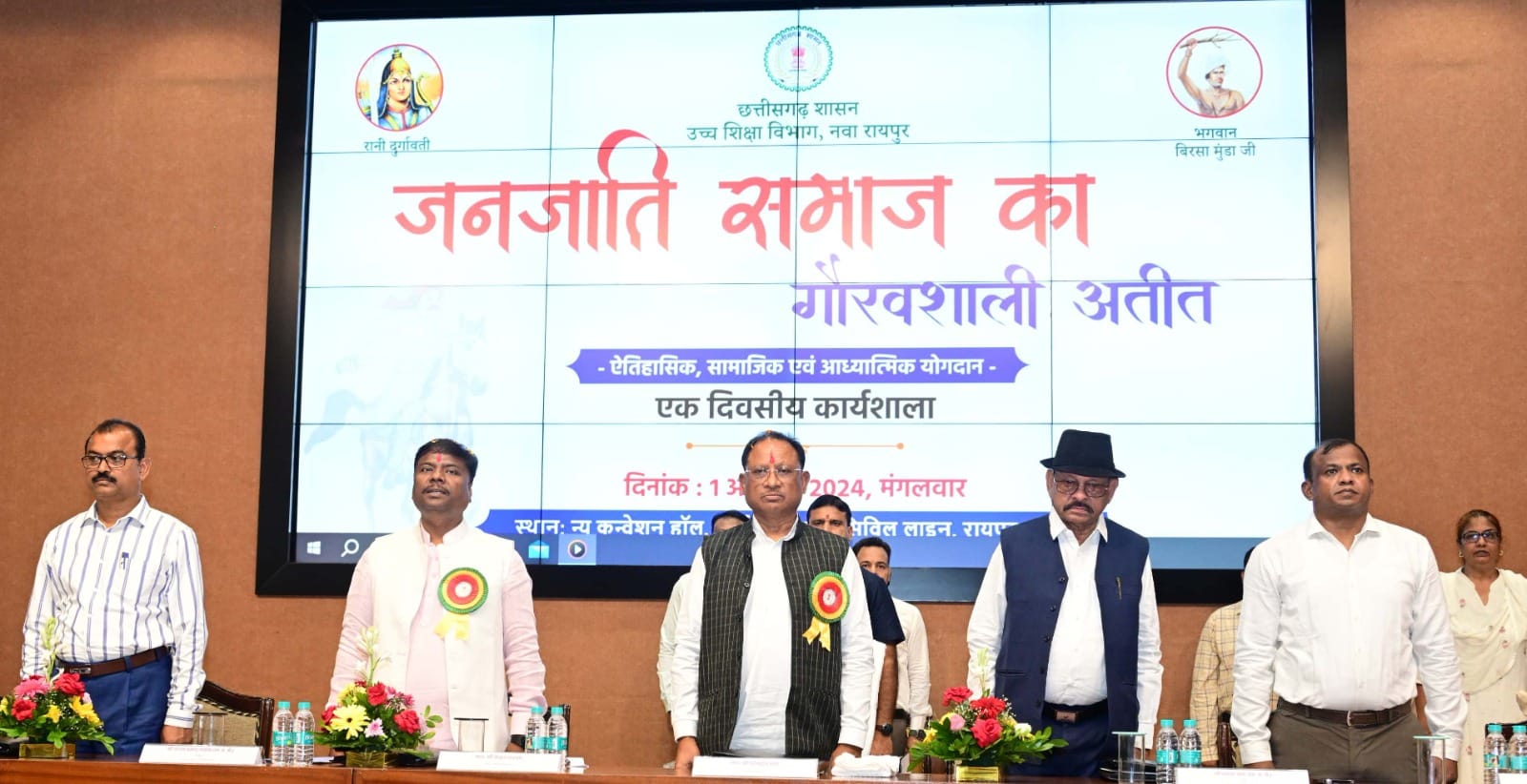

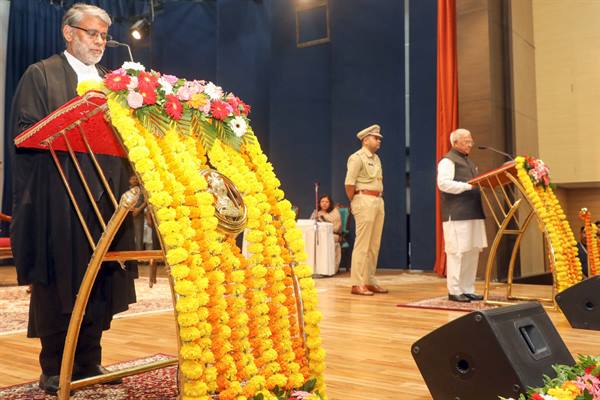

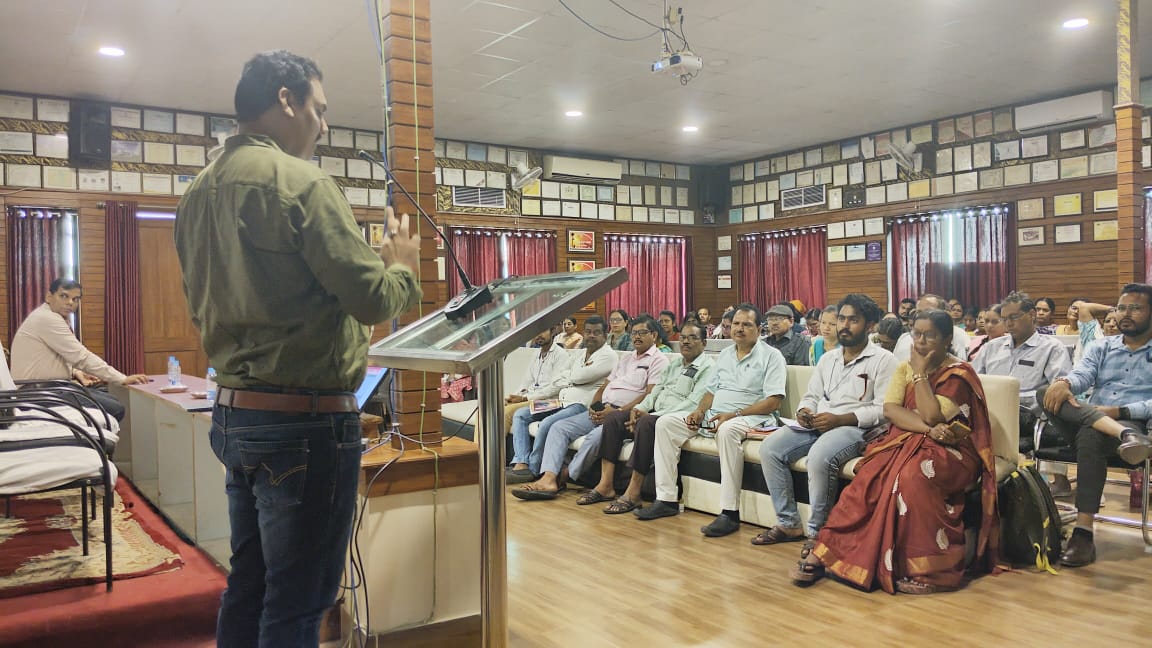
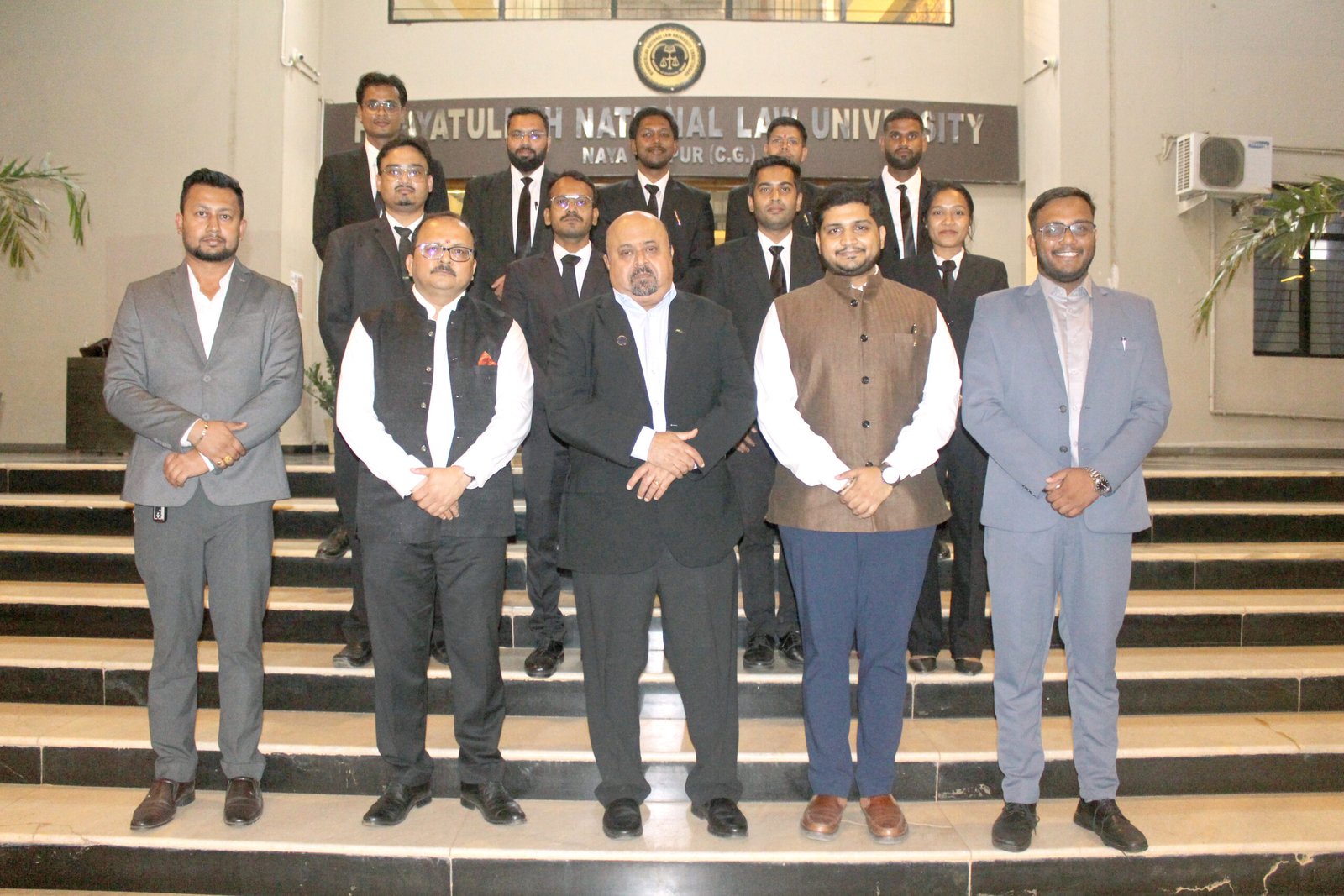

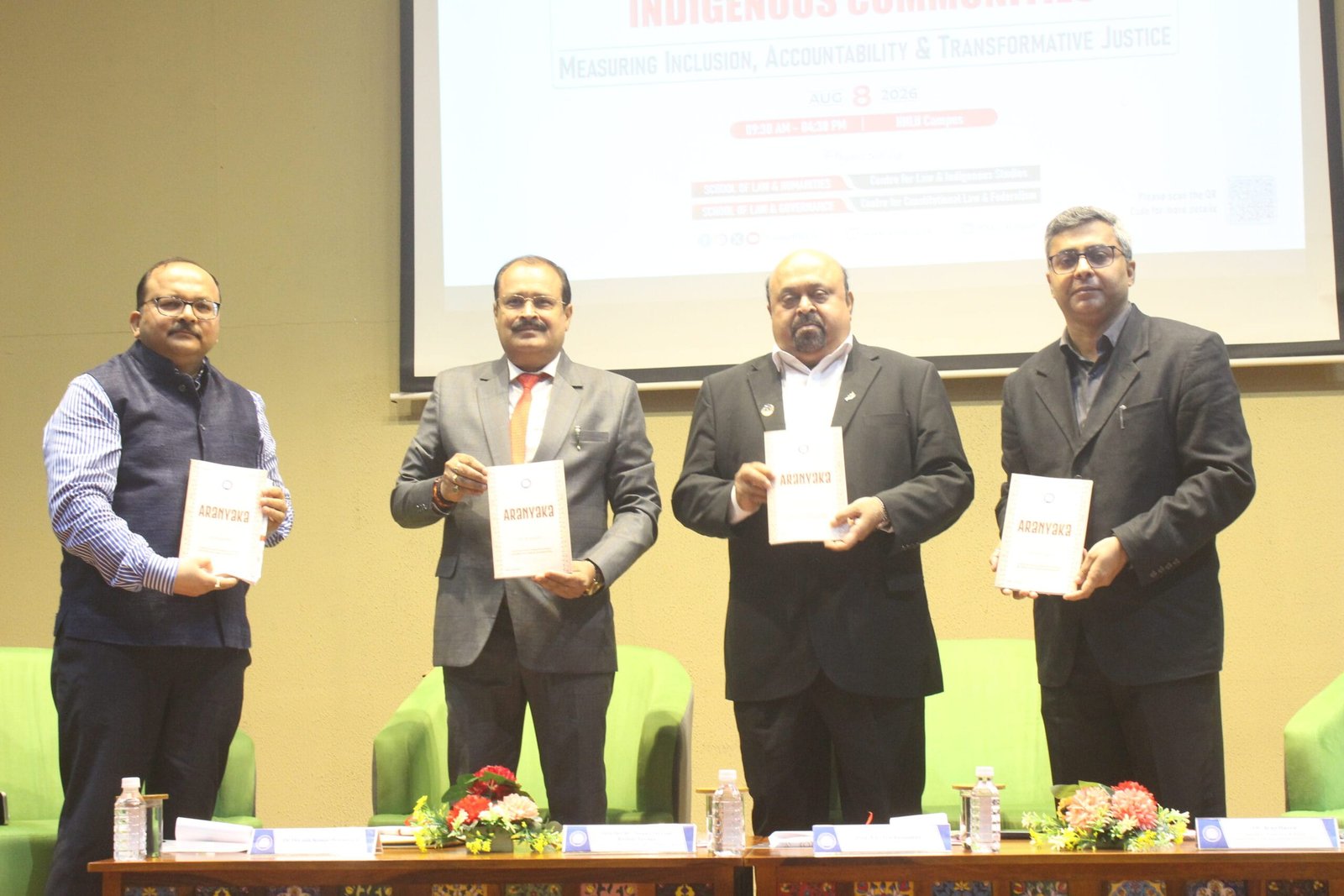
The Centre for Law and Indigenous Peoples at Hidayatullah National Law University (HNLU), Raipur, in collaboration with the Centre for Constitutional Law and Federalism, and under the CG Learn Programme , organized a one-day workshop on “ Auditing Access to Justice for Indigenous Communities: Measuring Inclusion, Accountability , and Transformative Justice.” The Honourable Mr. Justice Arvind Kumar Verma, former Judge of the Chhattisgarh High Court, was the chief guest. Representatives from the judiciary, academics, legal professionals, researchers, civil society organizations, and students participated in the event. Participants deliberated on important topics such as constitutional governance, tribal rights, community participation, ecological justice, and access to justice.
In the inaugural session of the program , Prof. (Dr.) V.C. Vivekanandan, Vice Chancellor, HNLU , emphasized that access to justice must be evaluated from the perspective of society’s most disadvantaged and vulnerable citizens. He presented innovative initiatives such as Community Justice Fellows, AI-based translation of legal notices into tribal languages, Legal Health Clinics, Mobile Constitutional Caravans, and Indigenous Wisdom Councils .
In his inaugural address, Hon’ble Justice Arvind Kumar Verma defined access to justice through the lens of “affordable, accessible, and clean justice,” emphasizing the need for affordable, accessible, and impartial justice. He underscored the importance of making the justice delivery system culturally sensitive and community-centered.

The technical sessions discussed in detail the constitutional safeguards for Scheduled Tribes, housing and forest rights, Gram Sabha governance, community forest resource management, biodiversity conservation and practical constraints faced by tribal communities in accessing judicial remedies and state institutions.
Mr. Avinash Dubey, Secretary, District Legal Services Authority, Raipur; Dr. Geetanjali Sahu, Dean, Tata Institute of Social Sciences (TISS), Mumbai; and resource persons from the Centre for Social Justice and Ashoka Trust for Research in Ecology and the Environment (ATREE), Bengaluru were invited to the event.
The program was outlined by Dr. Ayan Hazra, Head, Centre for Law and Indigenous People . Dr. Deepak Srivastava, Registrar-in-Charge , welcomed the guests and participants, while Dr. Avinash Samal presented a brief program report in the closing session. Ms. Shreya Kesari and Ms. Tanjil moderated the program.
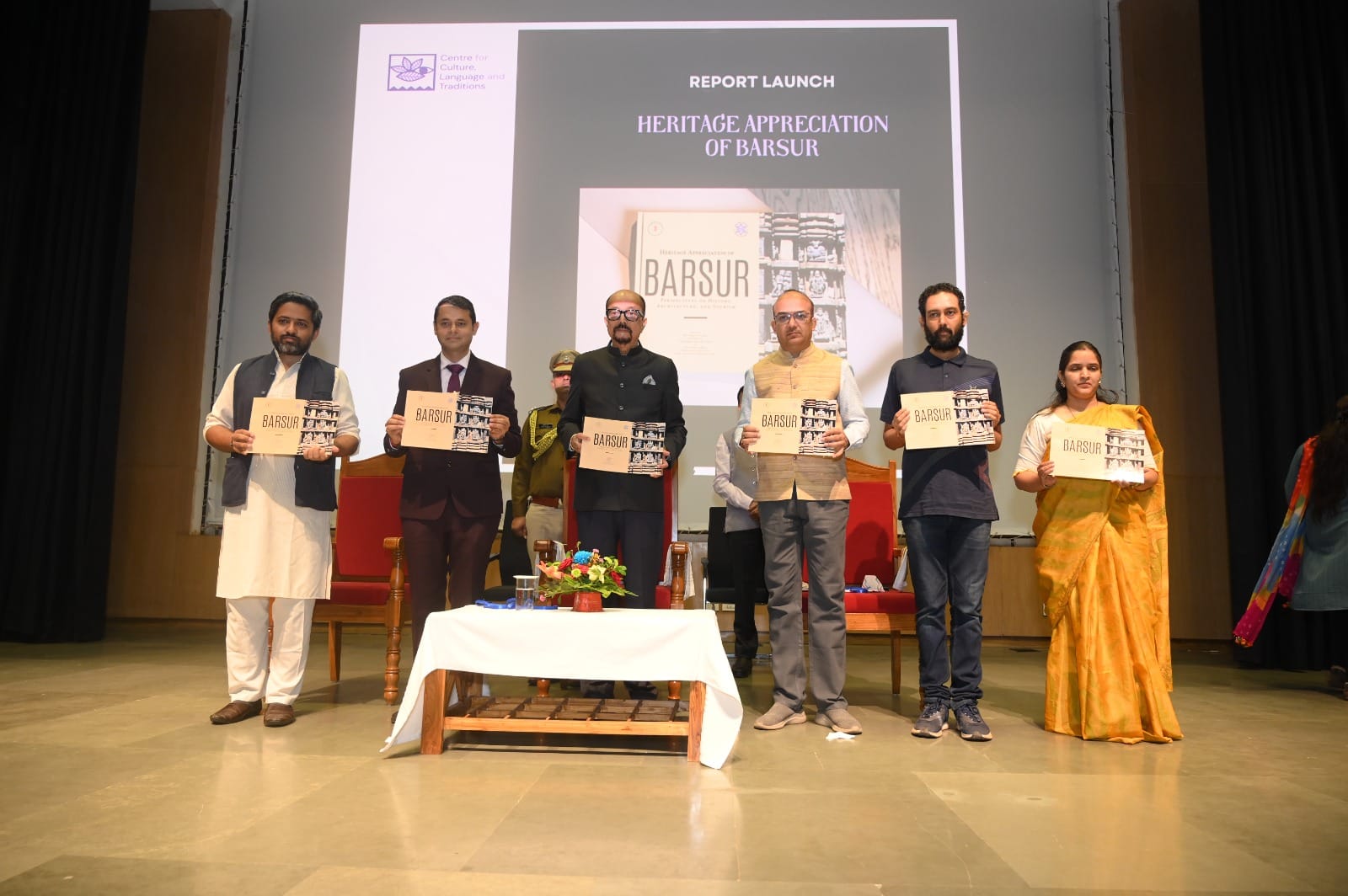
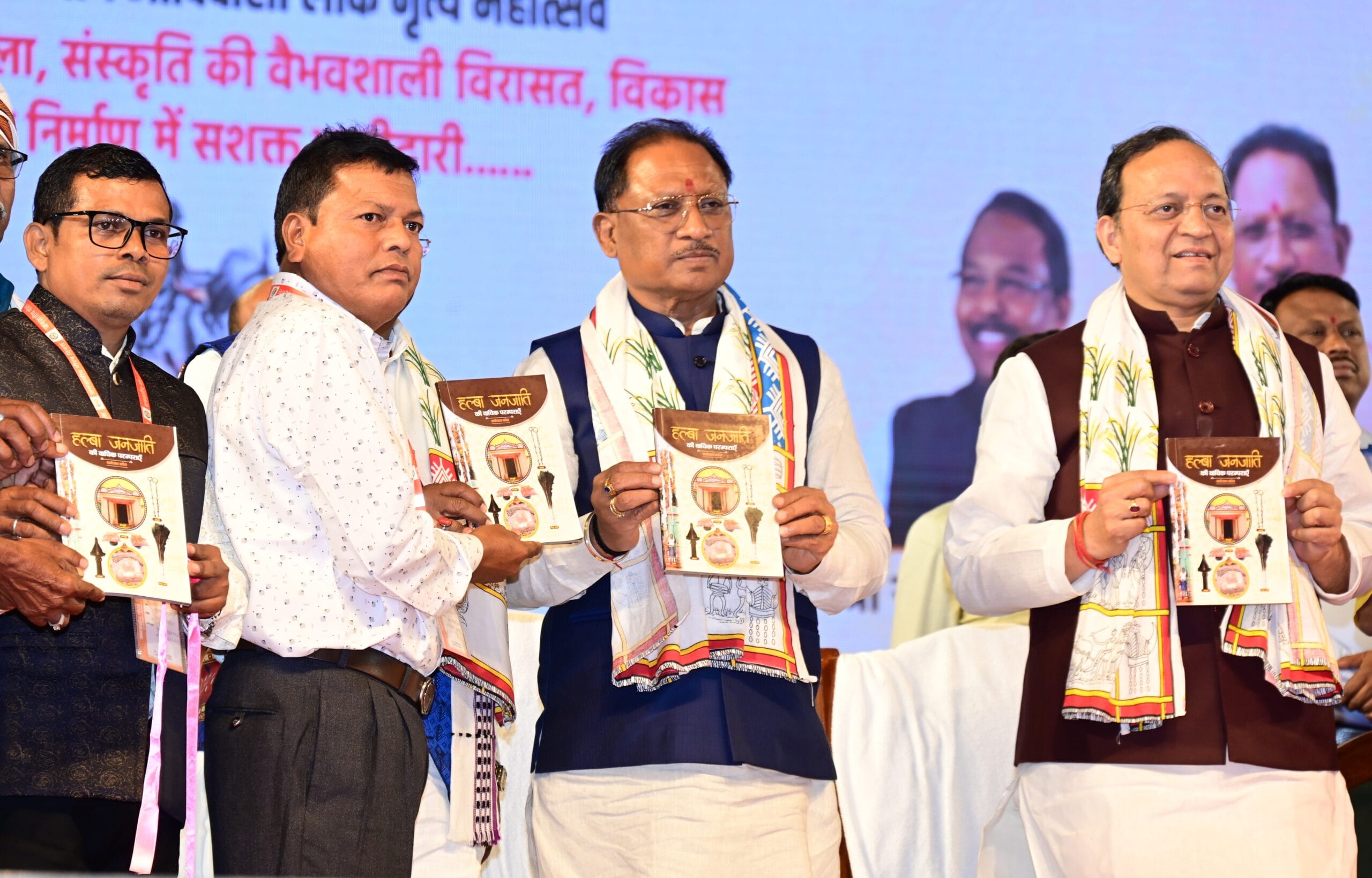
A major highlight of the event was the formal release of the first issue of Aaranyaka, a peer -reviewed research journal dedicated to academic discourse on law, tribal communities, constitutional governance, ecology, and transformative justice .
The workshop concluded with a call to promote research collaboration, strengthen legal literacy initiatives, develop community-centered justice mechanisms, and enhance policy engagement with the aim of strengthening an inclusive, accountable, and transformative justice system in India.