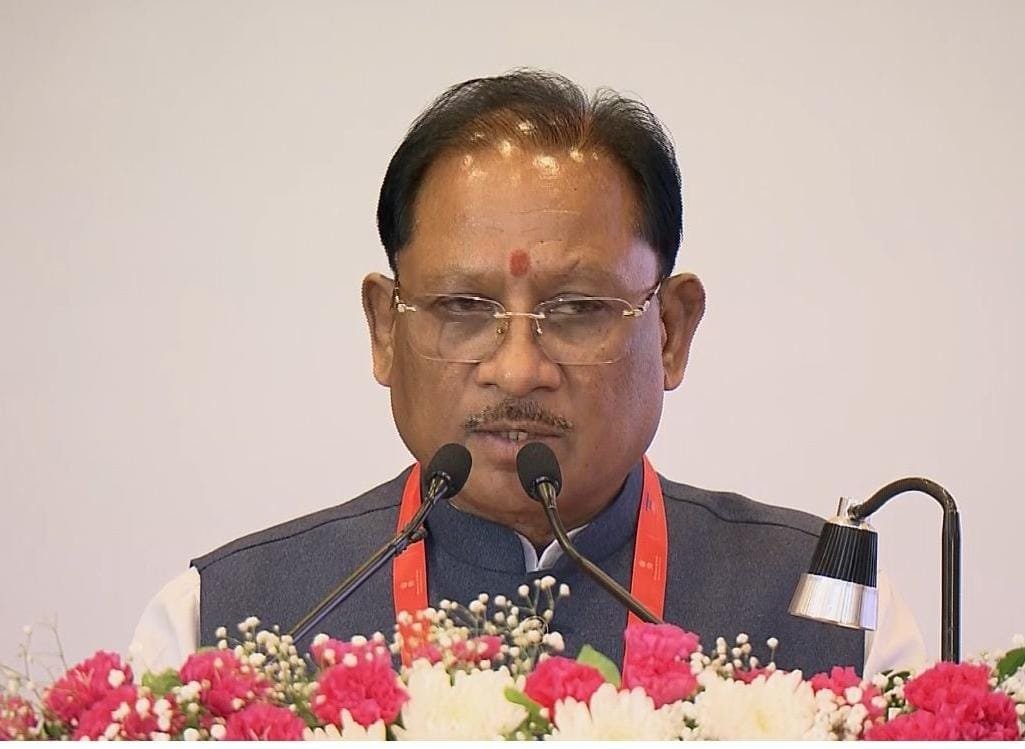



















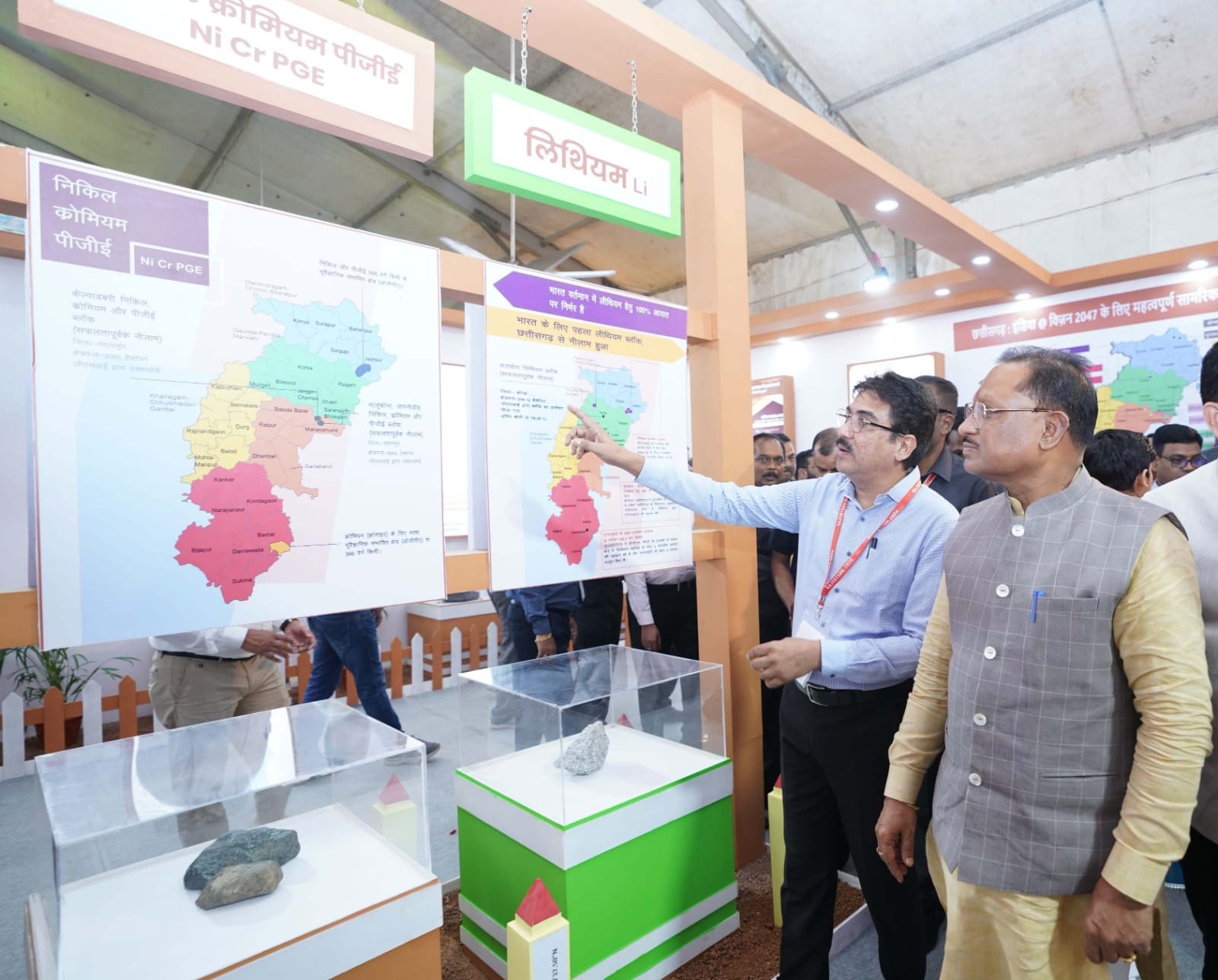
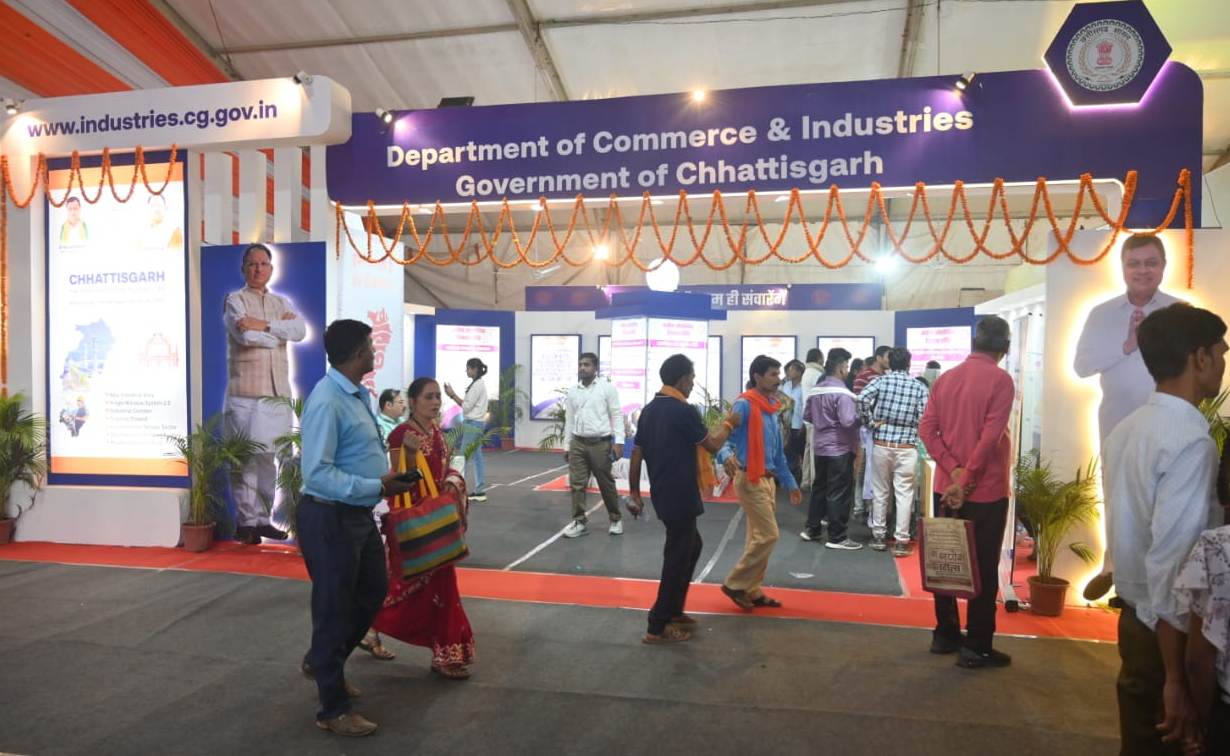


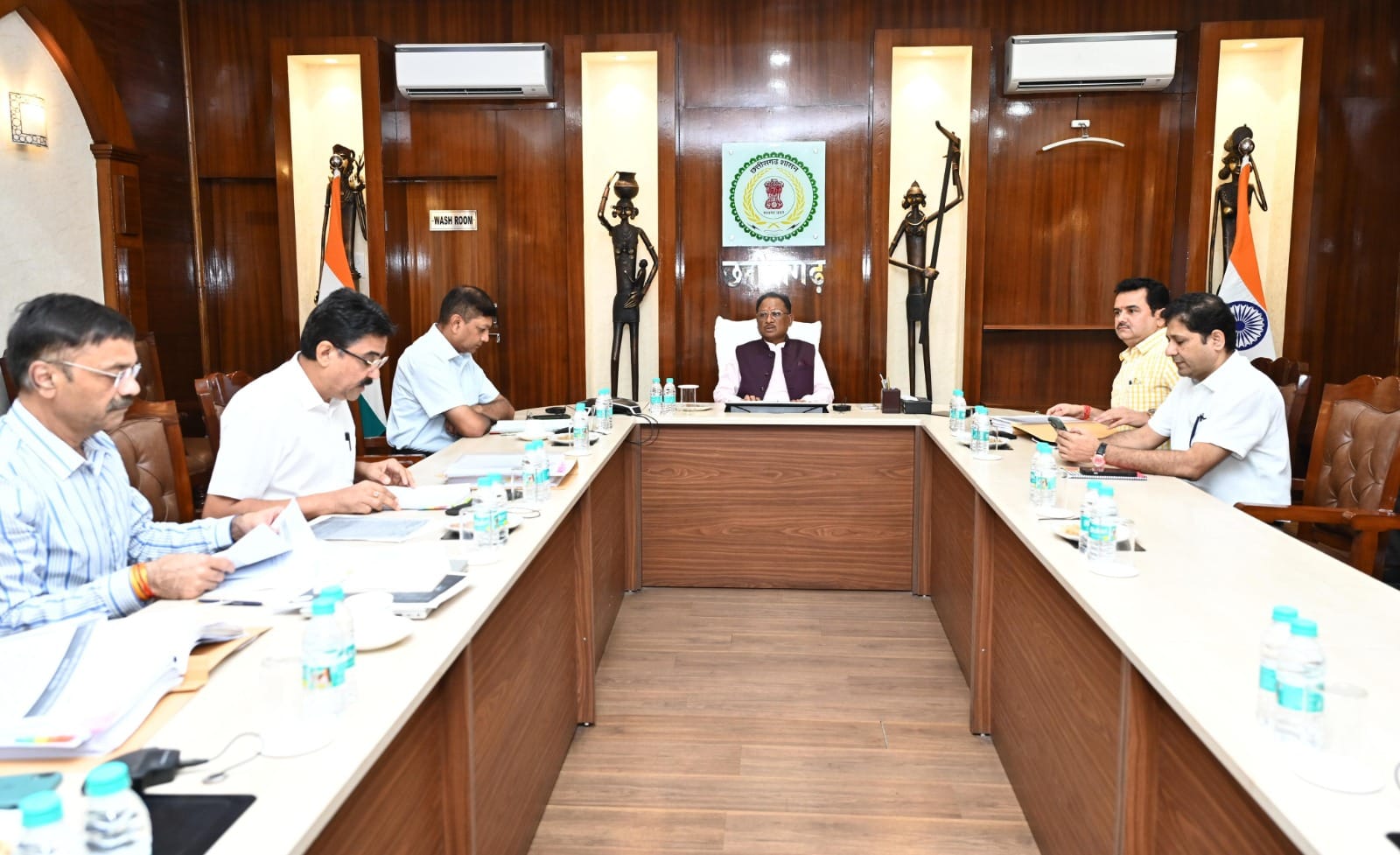













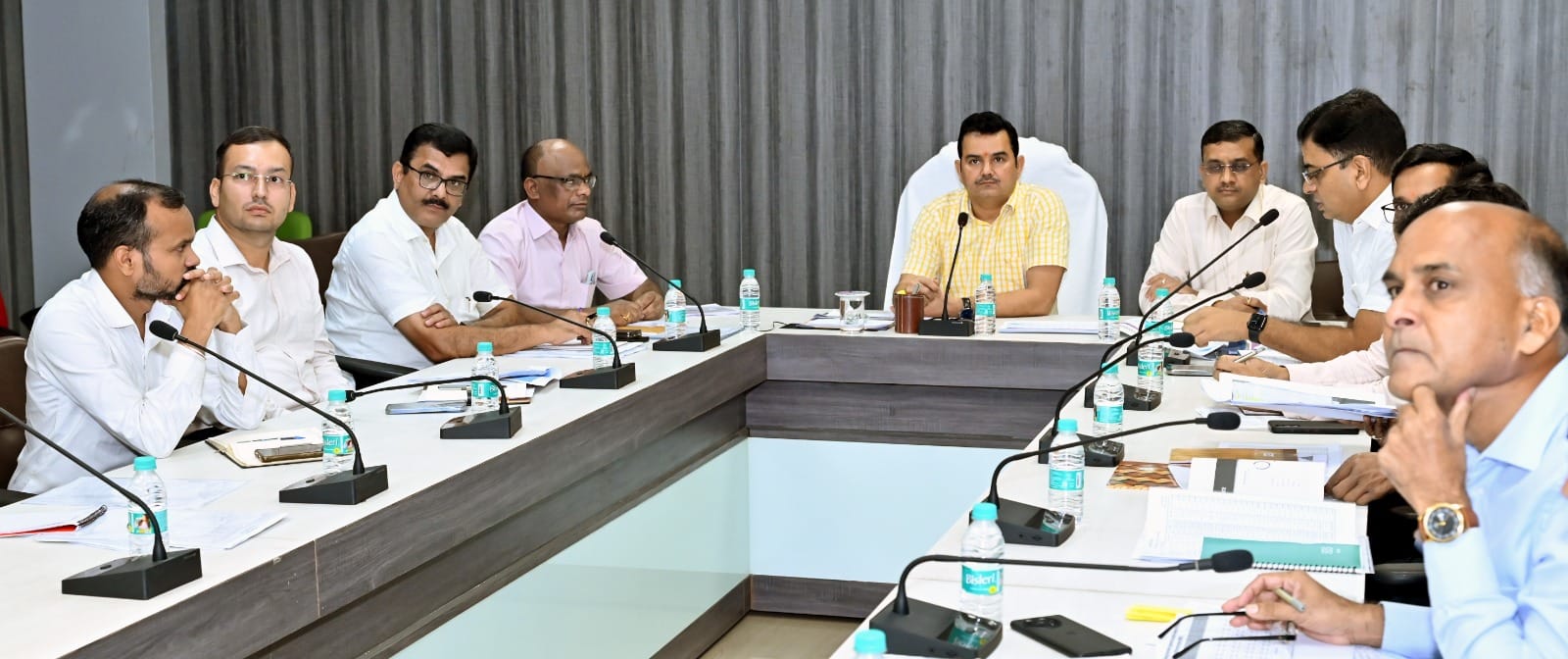



























Chhattisgarh’s industrial identity has long been based on minerals and primary processing. Now, the state is shifting this focus from raw resources to becoming a hub of value-added and high-tech manufacturing. Under the leadership of Chief Minister Vishnu Deo Sai, the government’s industrial strategy prioritizes sectors such as electronics, semiconductors, pharmaceuticals, engineering, auto components, defense equipment, AI, and green steel.The state’s Industrial Development Policy 2024-30 lays the foundation for this transformation. This policy encourages investment in sectors such as electronics, IT, AI, robotics, biotechnology, pharmaceuticals, defense, and engineering, while ensuring better utilization and value addition of local resources. Its goal is to transform Chhattisgarh not just into a supplier of minerals, but also into a hub for finished products and advanced technology-based industries.*Investment proposals worth around Rs 8 lakh crore*Since the implementation of the industrial policy, investor interest in the state has grown rapidly. According to the state’s investment promotion portal, investment proposals worth approximately ₹8 lakh crore have been received in the last 18 months. These are expected to create over 1.5 lakh employment opportunities. Significantly, a large portion of these proposals extend beyond traditional mineral-based industries to specialized sectors such as AI, data centers, semiconductors, pharmaceuticals, textiles, and agro-processing.Investments related to AI and data centers in Nava Raipur, and proposals worth over ₹18,000 crore in the semiconductor sector, reflect the state’s changing industrial direction. In a similar vein, an Electronics Manufacturing Cluster (EMC 2.0) has been approved in Rajnandgaon. This is expected to generate investments of over ₹3,000 crore and generate approximately 9,000 direct and indirect jobs.*From steel to green steel*Chhattisgarh, which has a strong base in steel production, is now focusing on next-generation production in this sector. Amid the country’s push to reduce carbon emissions and promote green manufacturing, green steel has emerged as a major opportunity for the state. Investment commitments worth approximately ₹13,840 crore made during the Chhattisgarh Green Steel Dialogue held last month have strengthened the sector’s prospects.Nationally, schemes like the PLI are underway to promote the production of specialty steels. Chhattisgarh can leverage its mineral resources, existing steel industry, and energy base to produce high-value steel products.*New possibilities in pharma and electronics*Pharmaceuticals are also becoming an important part of the state’s new industrial landscape. Over the past 18 months, investment proposals worth approximately ₹992.53 crore have been received in the pharmaceutical sector, while four projects worth ₹216 crore are under implementation. The electronics sector is also expanding rapidly at the national level. Under the central government’s Electronics Components Manufacturing Scheme, projects with investments of over ₹69,000 crore have been approved across the country. Initiatives like EMC 2.0 in Chhattisgarh offer an opportunity to become part of this national supply chain.From resource to productEven in regions like Bastar and Surguja, the industrial development strategy isn’t limited to large industries. The focus is on strengthening the regional economy through forest products, food processing, and industries based on local resources. This can increase employment and entrepreneurship opportunities at the local level.To drive investment, the government has strengthened the single-window system, SIPB, and online approval mechanisms. Priority-based facilities and accelerated approvals have also been established for projects with investments exceeding ₹100 crore.Chhattisgarh already possesses strong mineral, energy, and industrial bases. The goal now is to leverage these resources to create high-value products. Growing investment in new sectors, from electronics to green steel and from pharma to AI, indicates that the state is poised to reorient its industrial economy.