

























Major policy reforms and public welfare decisions implemented by the Chhattisgarh government have steered the state’s overall development in a new direction. Steps taken to ensure administrative transparency, good governance, and strengthened infrastructure are bringing about positive changes in the lives of people across all sections of society.
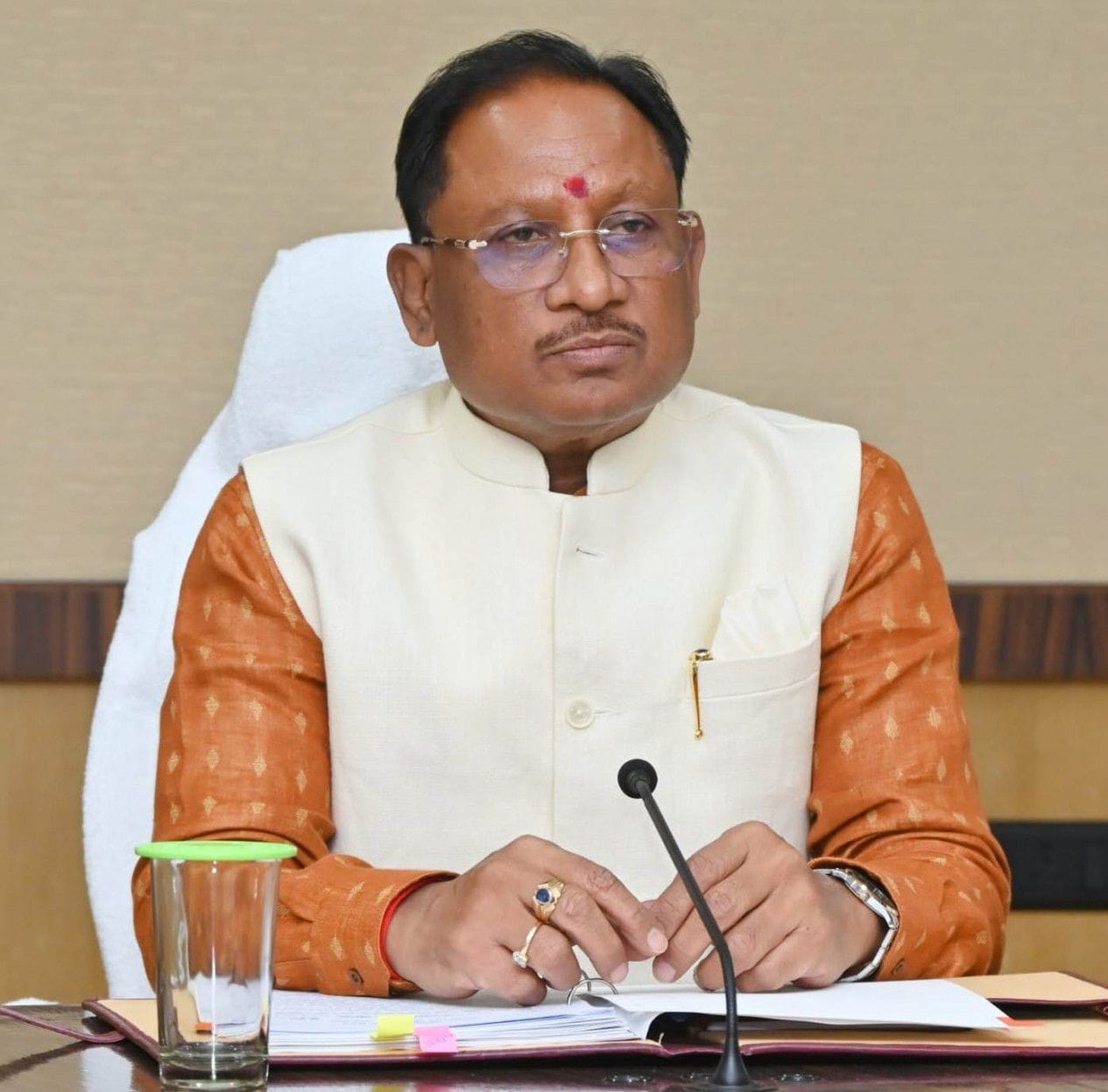
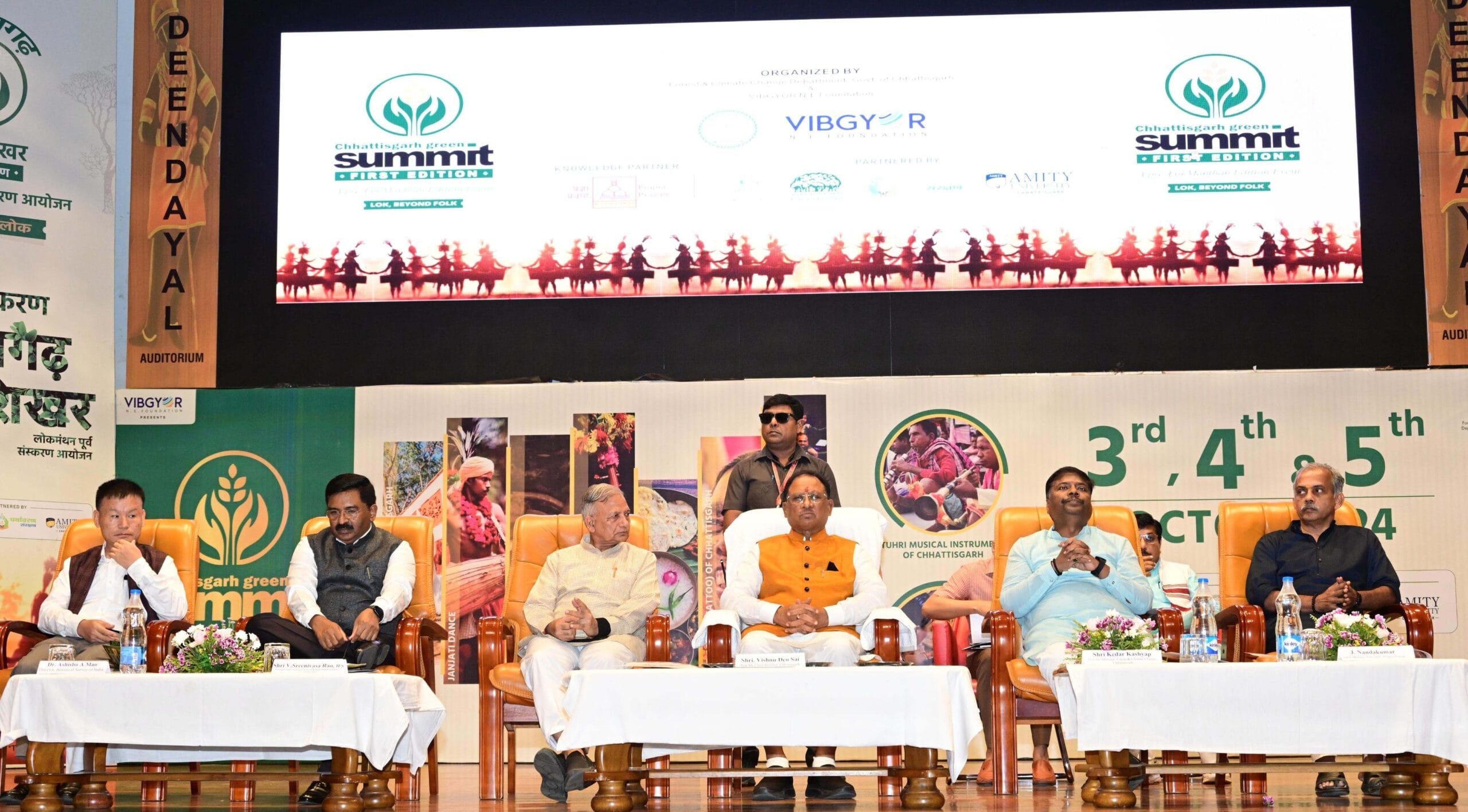
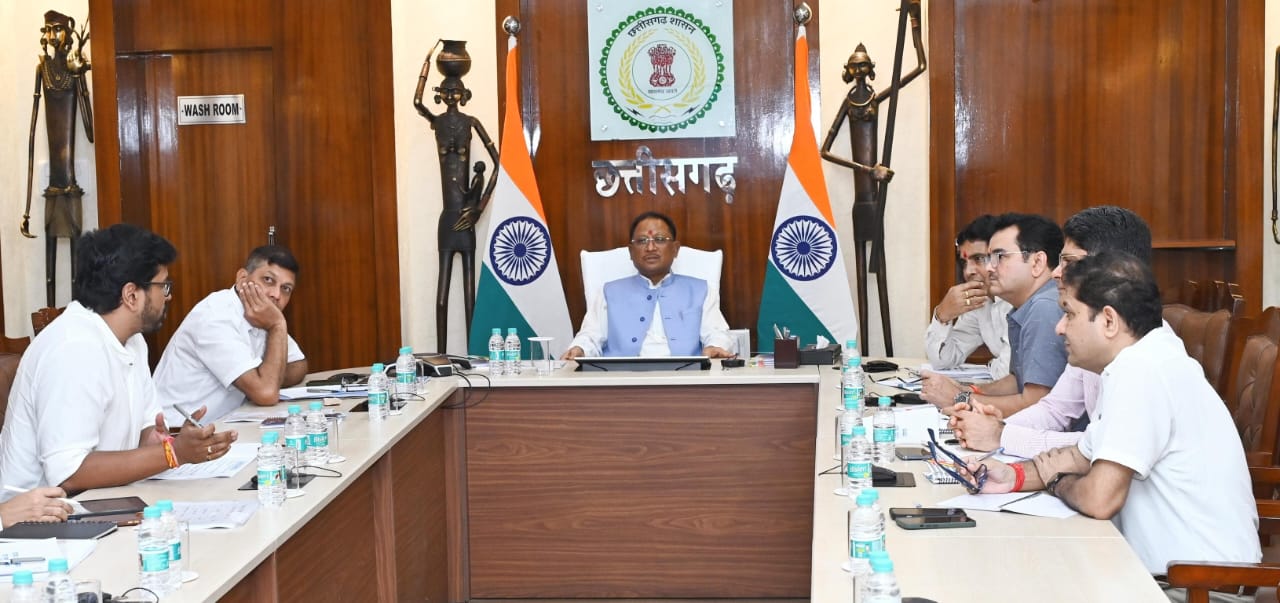
Under the leadership of Chief Minister Shri Vishnu Deo Sai, the Chhattisgarh government’s tenure of over two and a half years has been marked not only by the ground-level implementation of schemes and announcements but also by transformative decisions across various sectors. While the government rapidly implemented schemes benefiting the poor, farmers, and women, it simultaneously initiated long-impact policy reforms in industry, education, the mineral sector, digital governance, and the development of the Bastar region.
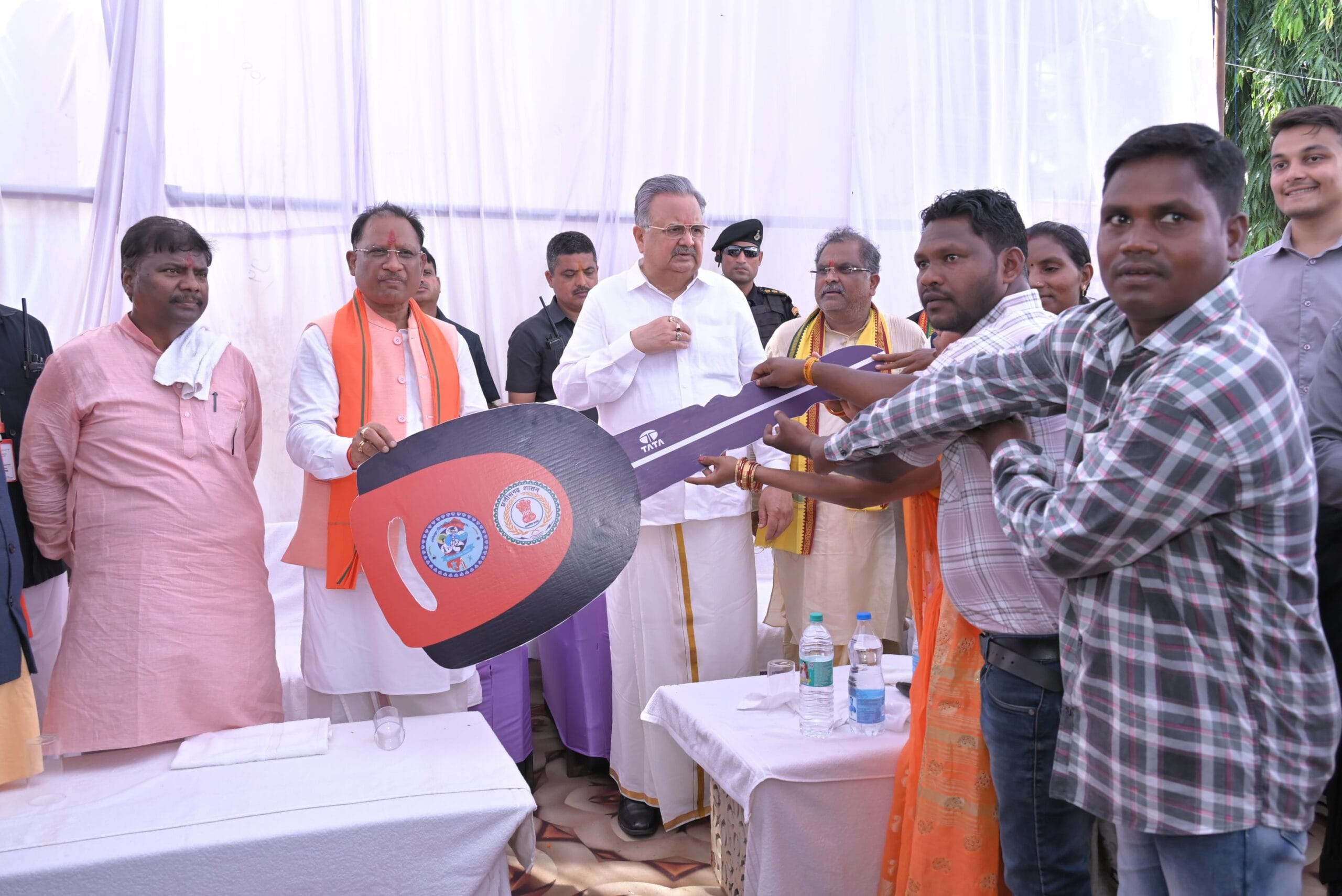
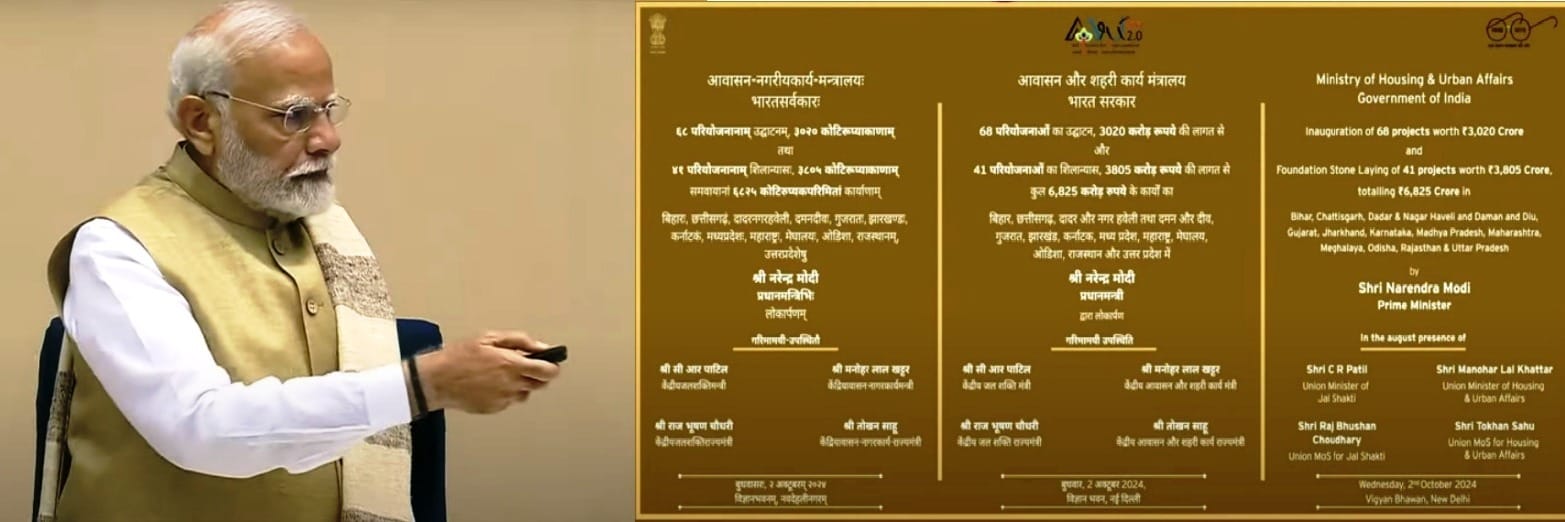
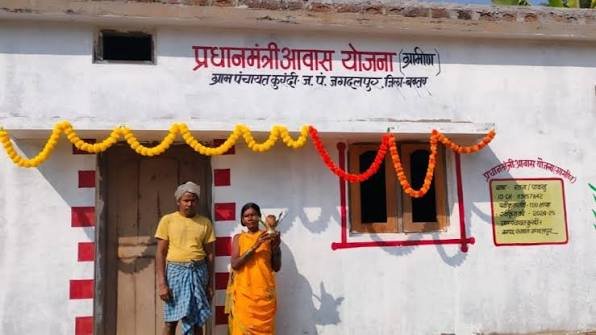
Immediately after assuming office, the government took a major decision regarding the Pradhan Mantri Awas Yojana (housing scheme). In its very first cabinet meeting, approval was granted for housing for over 18 lakh needy families. So far, 24.40 lakh houses have been sanctioned under the Pradhan Mantri Awas Yojana (Rural). On average, approximately 1,600 houses are being completed daily across the state. Over the past two and a half years, more than 11 lakh houses—comprising both previously sanctioned and newly approved units—have been handed over to beneficiaries.

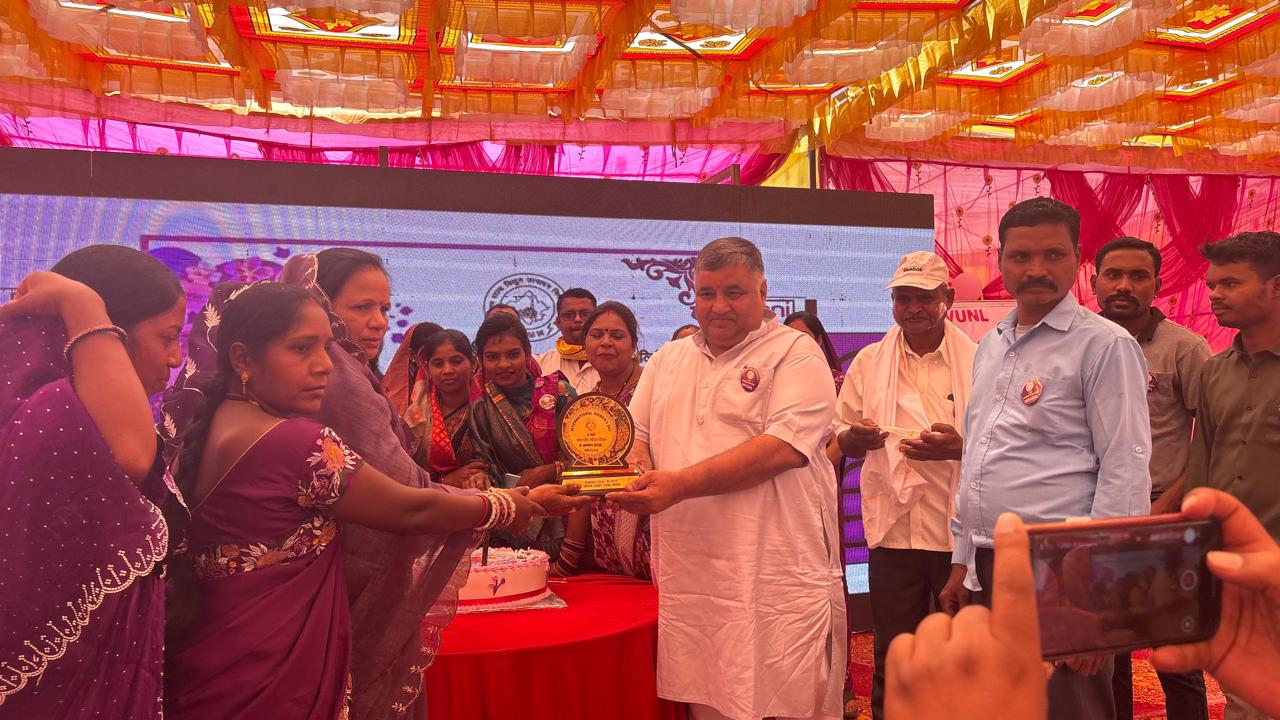
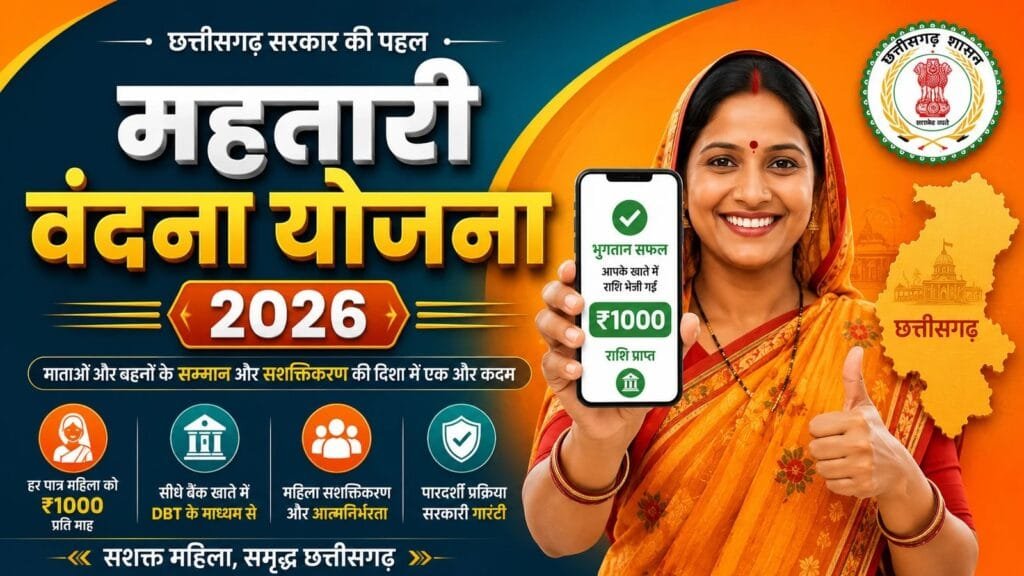
Similarly, the government transformed paddy procurement into a major pillar of the rural economy. Farmers were facilitated to sell paddy at a rate of ₹3,100 per quintal, with a procurement limit of 21 quintals per acre. During the Kharif marketing year 2025-26, 141.04 lakh metric tonnes of paddy were procured from 25.24 lakh farmers. Farmers received a total of approximately ₹43,723 crore through the combination of the Minimum Support Price (MSP) and the Krishak Unnati Yojana (Farmers’ Prosperity Scheme). Reforms in the procurement system—such as online tokens, biometric verification, and real-time monitoring—have proven highly convenient for farmers. Women’s empowerment has emerged as a hallmark of the Sai government. Under the Mahtari Vandan Yojana, over ₹20,000 crore has been directly transferred to the accounts of approximately 68 lakh eligible women. In the state, 13.85 lakh women have achieved the status of ‘Lakhpati Didi’. Through the Bihan Mission, women from more than 31 lakh impoverished families have joined self-help groups. To boost women’s economic participation, concessions of 50 percent on registration fees and one percent on stamp duty have been granted for property registration.
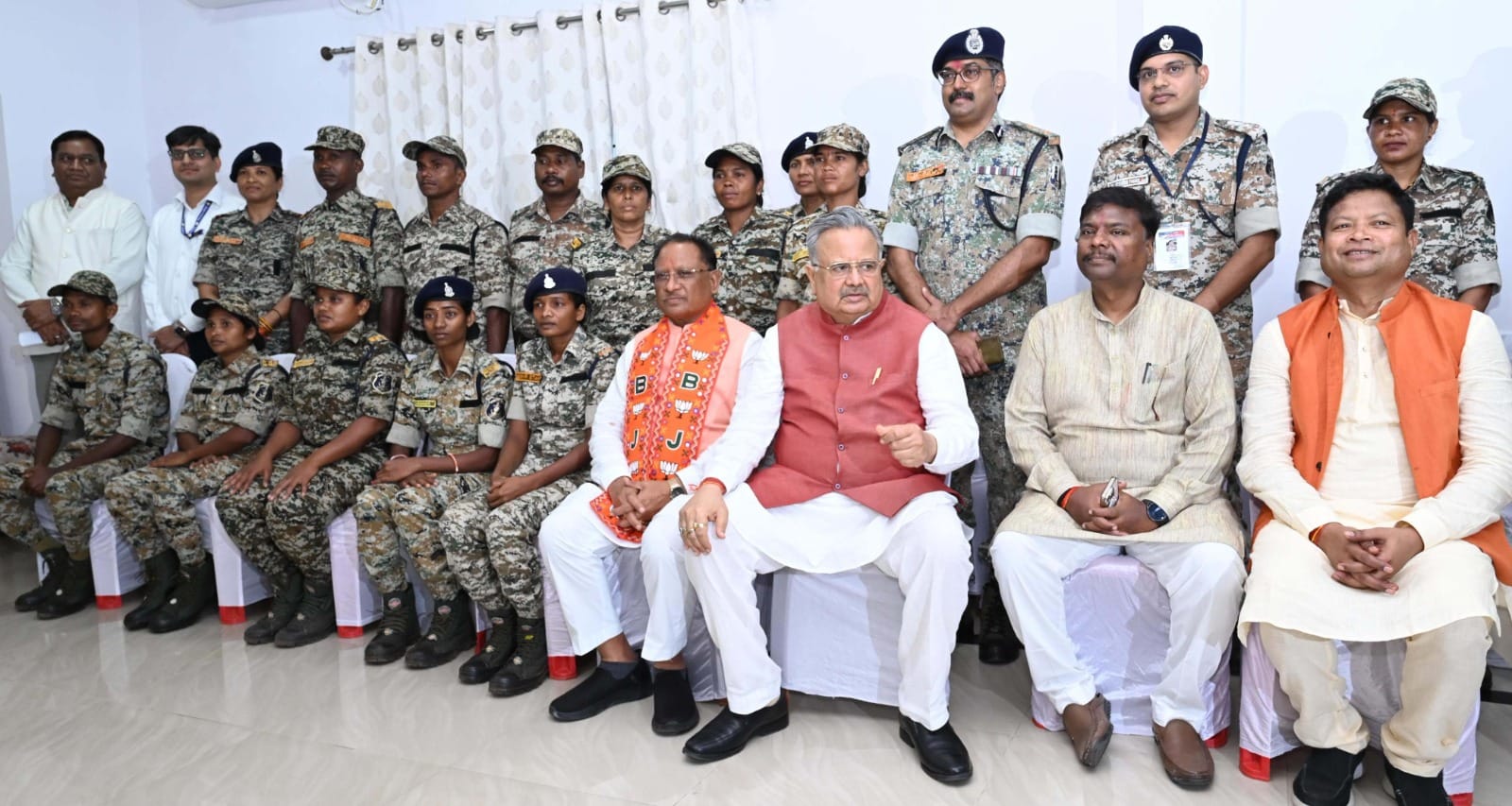
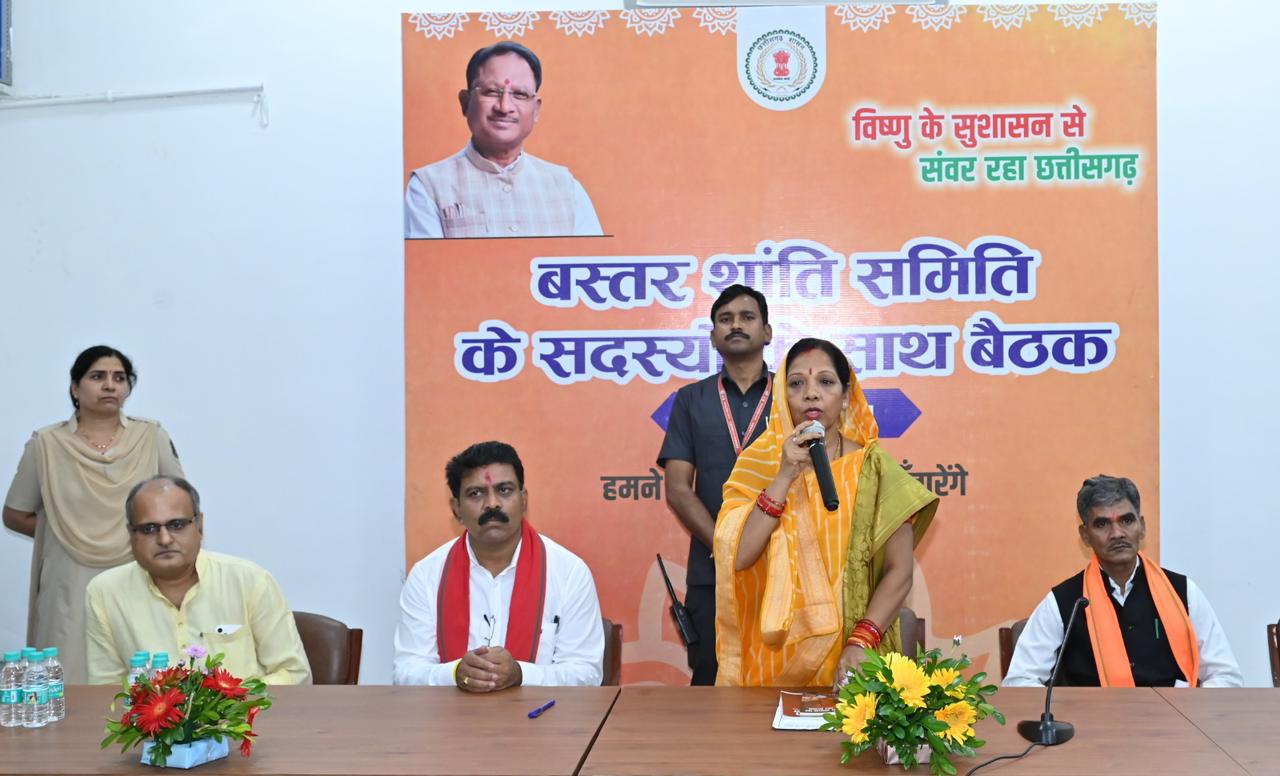
Transforming Bastar ranks among the government’s most significant achievements. For decades, Naxalism was the biggest obstacle to Bastar’s development. A decisive victory against Naxalism has been achieved under the leadership of Prime Minister Shri Narendra Modi and through the firm resolve of Union Home Minister Shri Amit Shah. A strategy combining security operations with development and the delivery of scheme benefits to the people was adopted, thereby strengthening the trust of Bastar’s residents in the government. Development schemes are reaching the last person in line through initiatives like ‘Niyad Nella Nar 2.0’ and the ‘Bastar Munne Abhiyan’. ‘Education Cities’ are being developed in remote areas such as Orchha and Jagargunda. An ‘Livelihood Enhancement Scheme’ worth ₹4,824 crore has been formulated to boost the income of approximately 10 lakh families in Bastar.
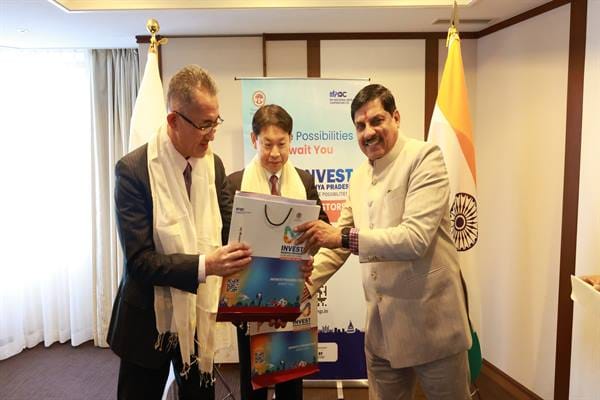
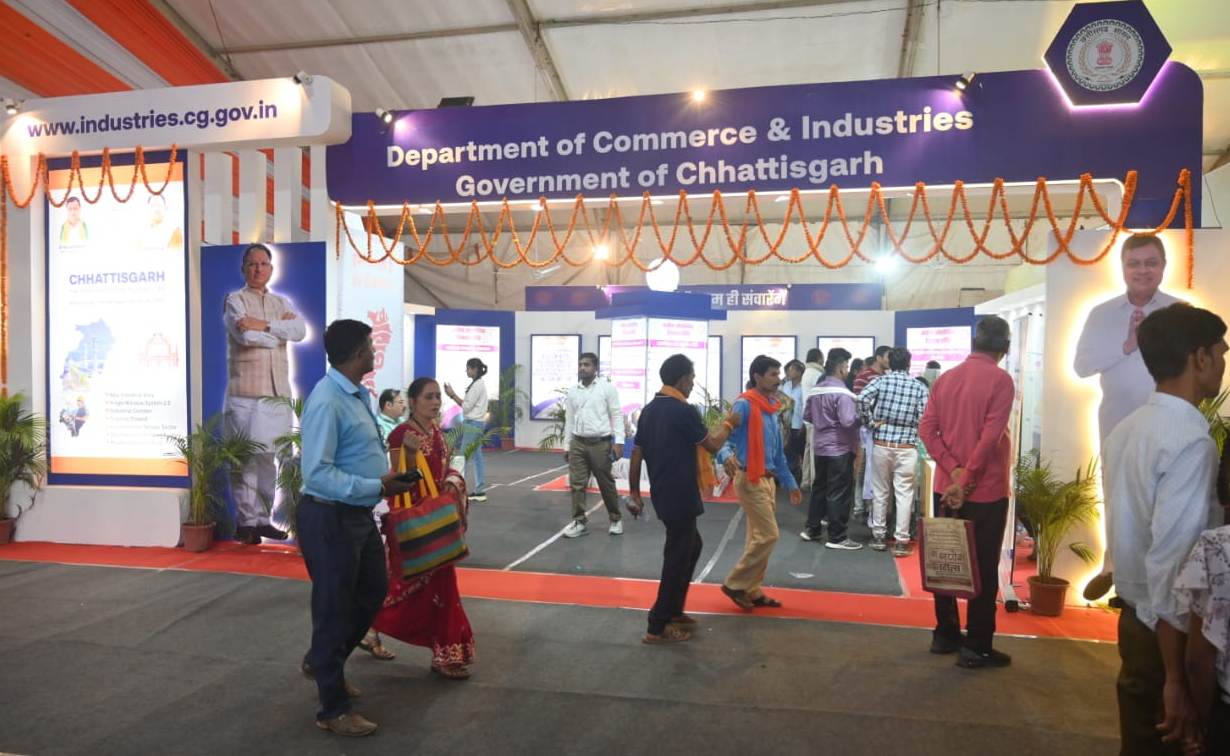
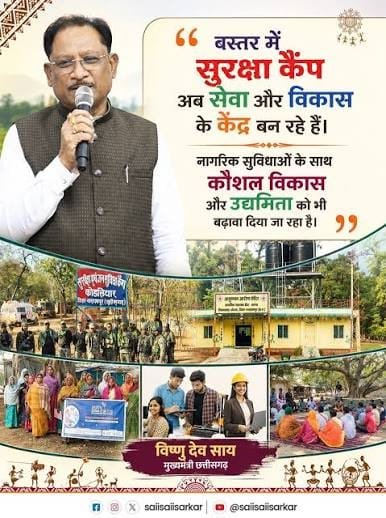
Security camps located in the forests of Bastar are now evolving into hubs of service and development for villagers in remote areas. The ‘Chief Minister’s Rural Bus Service’ has been launched to provide public transport to these distant villages. Infrastructure such as roads, bridges, mobile networks, fair-price shops, health centers, schools, and Anganwadis is being expanded across Bastar. Under the ‘Chief Minister’s Healthy Bastar Campaign’, digital health profiles have been created for over 34 lakh people following health screenings. The government is now focused on shifting Bastar’s identity from one defined by conflict to a new identity characterized by education, tourism, livelihoods, and industry. In the industrial sector, emphasis was placed on attracting investment to the state and simplifying the processes for setting up industries. Chhattisgarh has implemented over 450 ‘Ease of Doing Business’ reforms. It became the first state in the country to enact the ‘Ease of Doing Business Act 2026’. Through ‘Jan Vishwas’ (Public Trust) reforms, 279 minor offenses were decriminalized. Reforms such as a one-click single-window system, simplified land diversion, and automatic mutation following registration have been implemented. Following the new Industrial Development Policy (2024-30), investment proposals worth over ₹8 lakh crore have been received, which are expected to generate more than 1.72 lakh potential employment opportunities.