













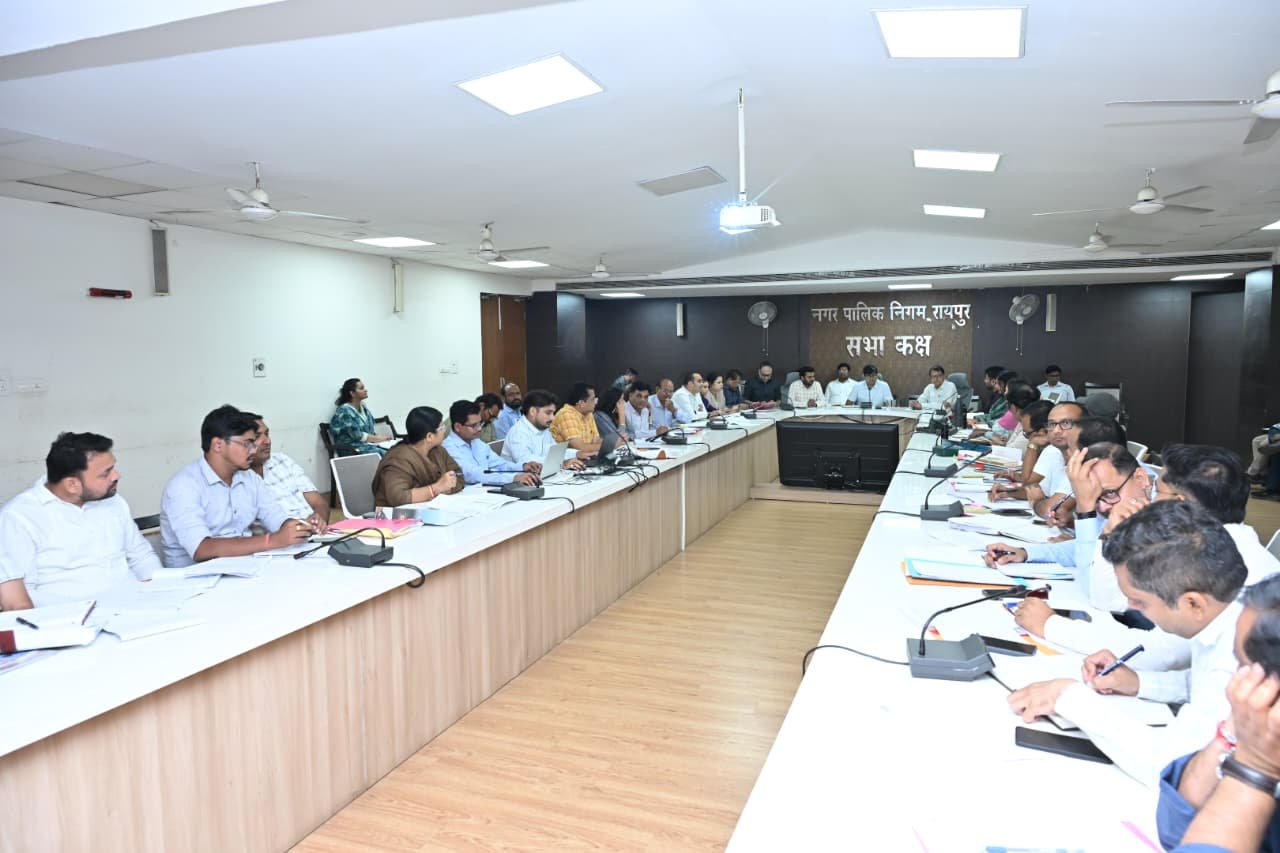

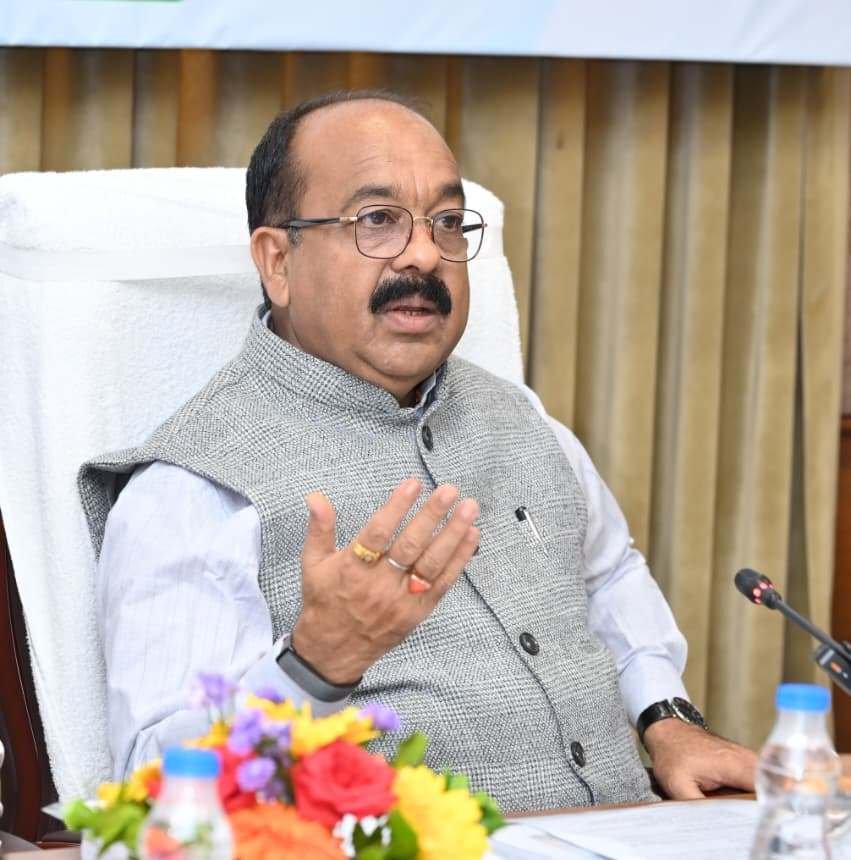
- Deputy Chief Minister reviews the functioning of Municipal Corporations and Municipalities located at district headquarters
- Directives issued to establish online systems for property tax payments in urban bodies; emphasis placed on adopting effective methodologies for the regular review of all tasks and schemes
- Instructions given to formulate comprehensive action plans for water conservation, rainwater harvesting, and wastewater reuse; long-term plans to be drafted keeping the needs of the next 50 years in mind
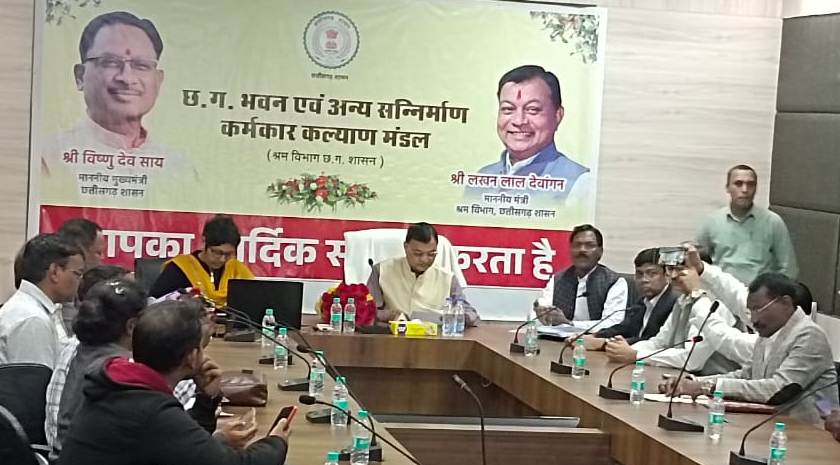
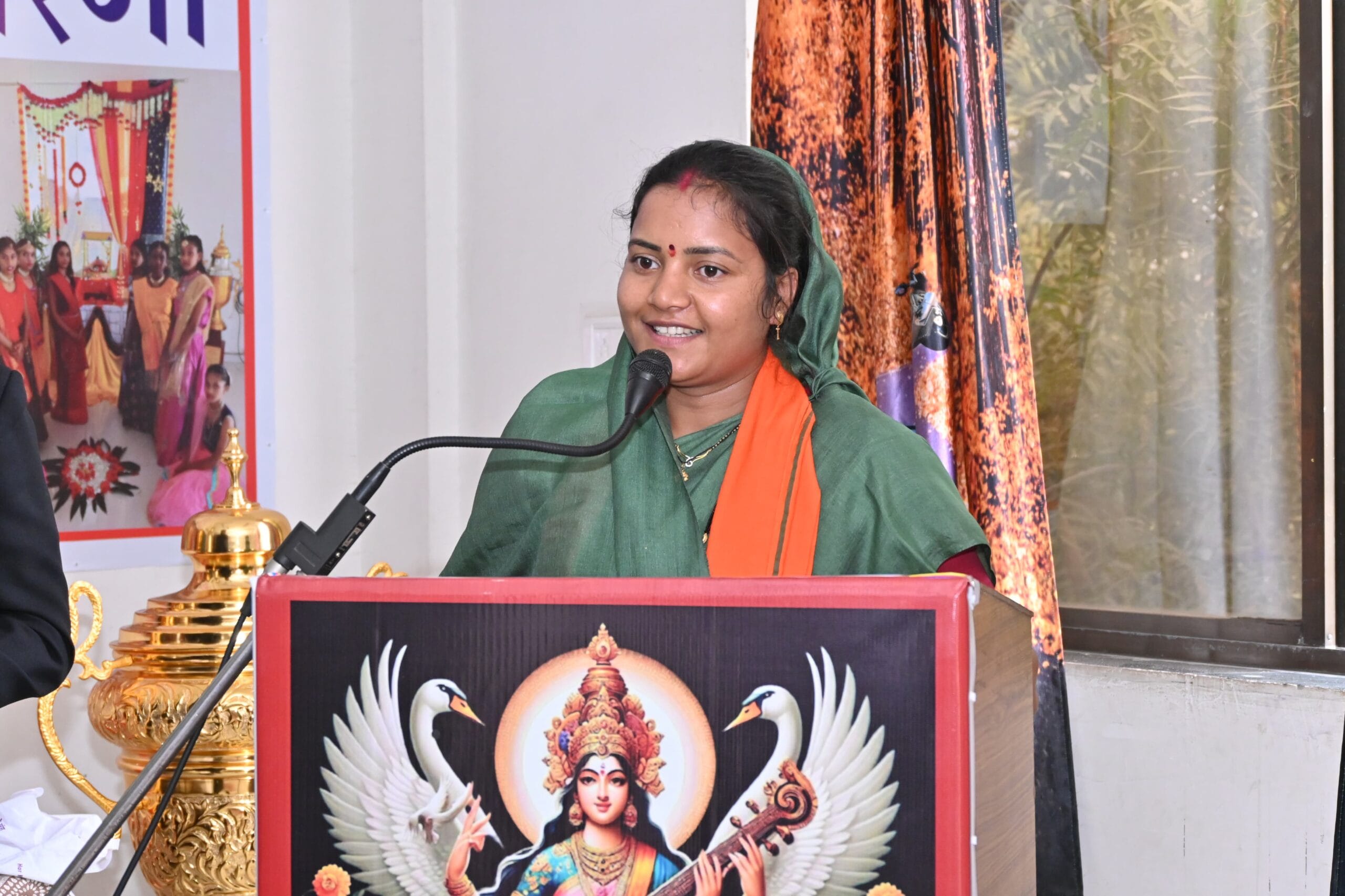
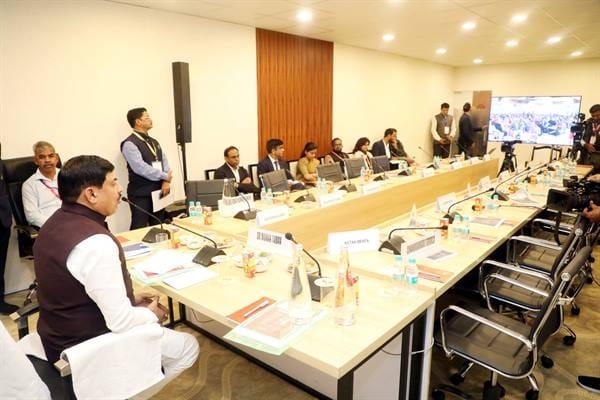
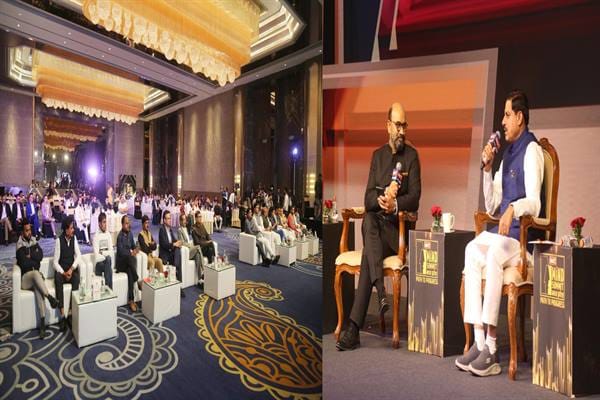
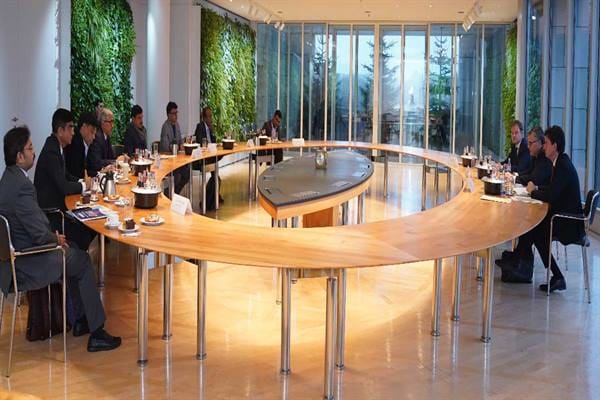
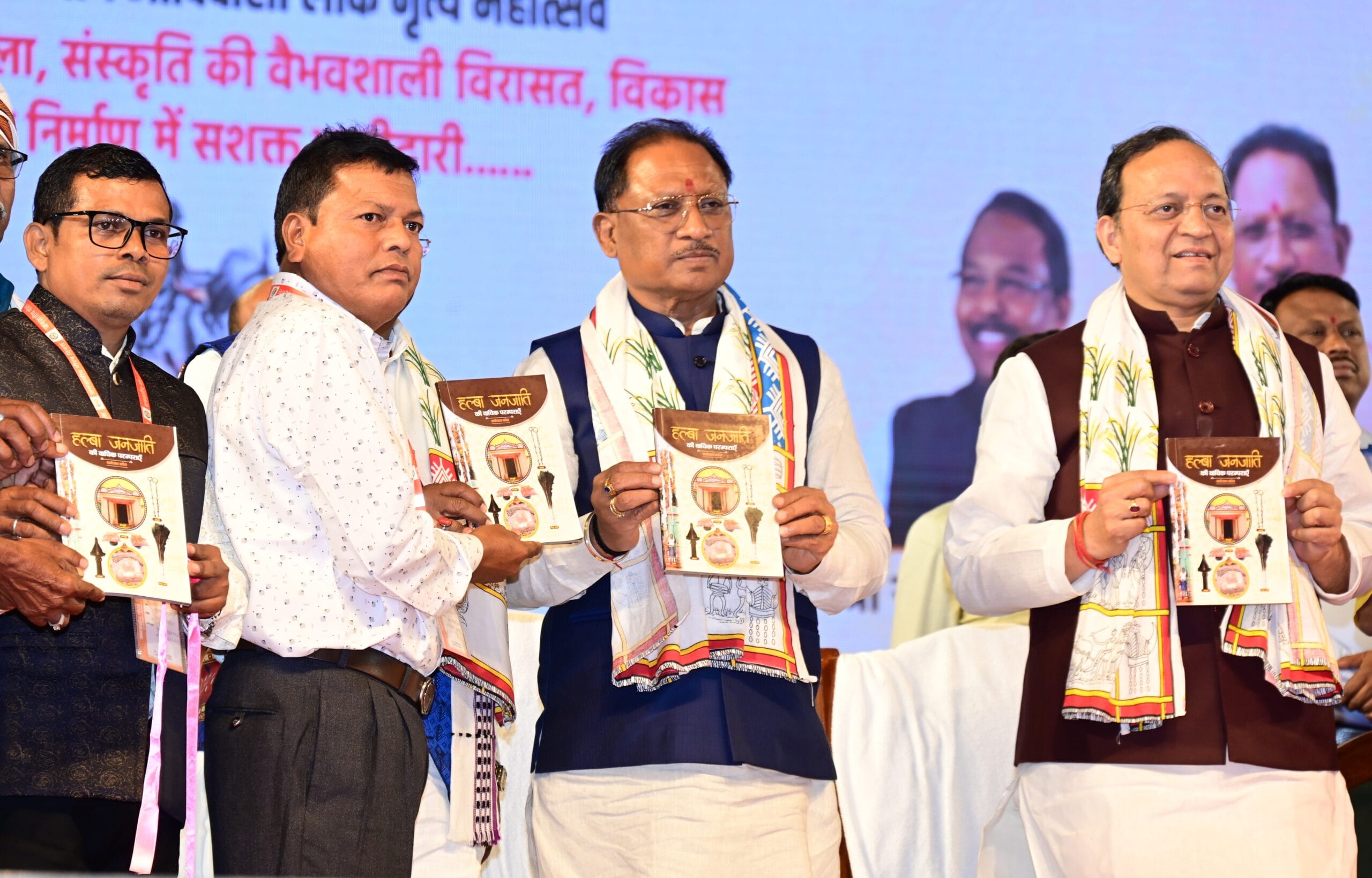
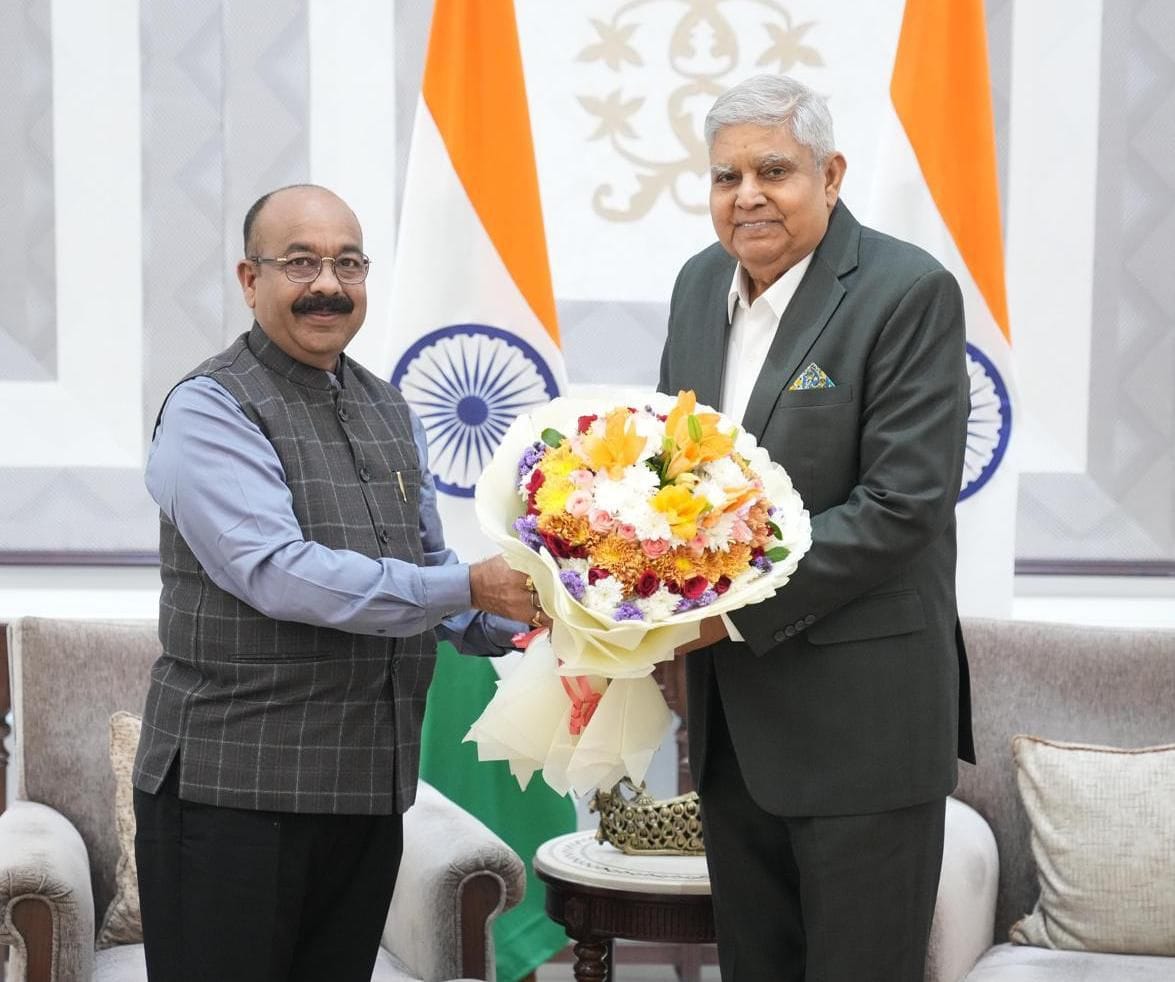
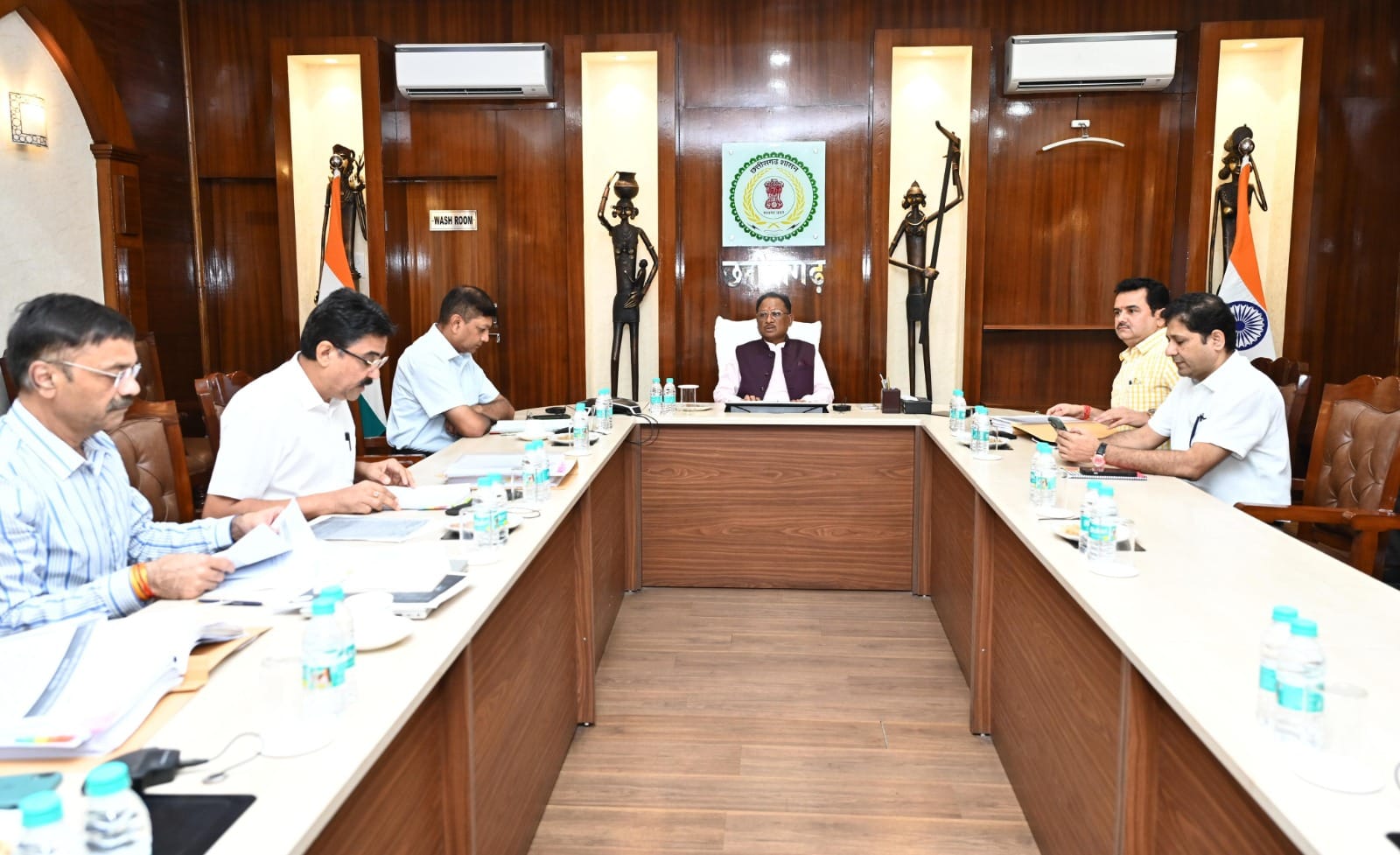
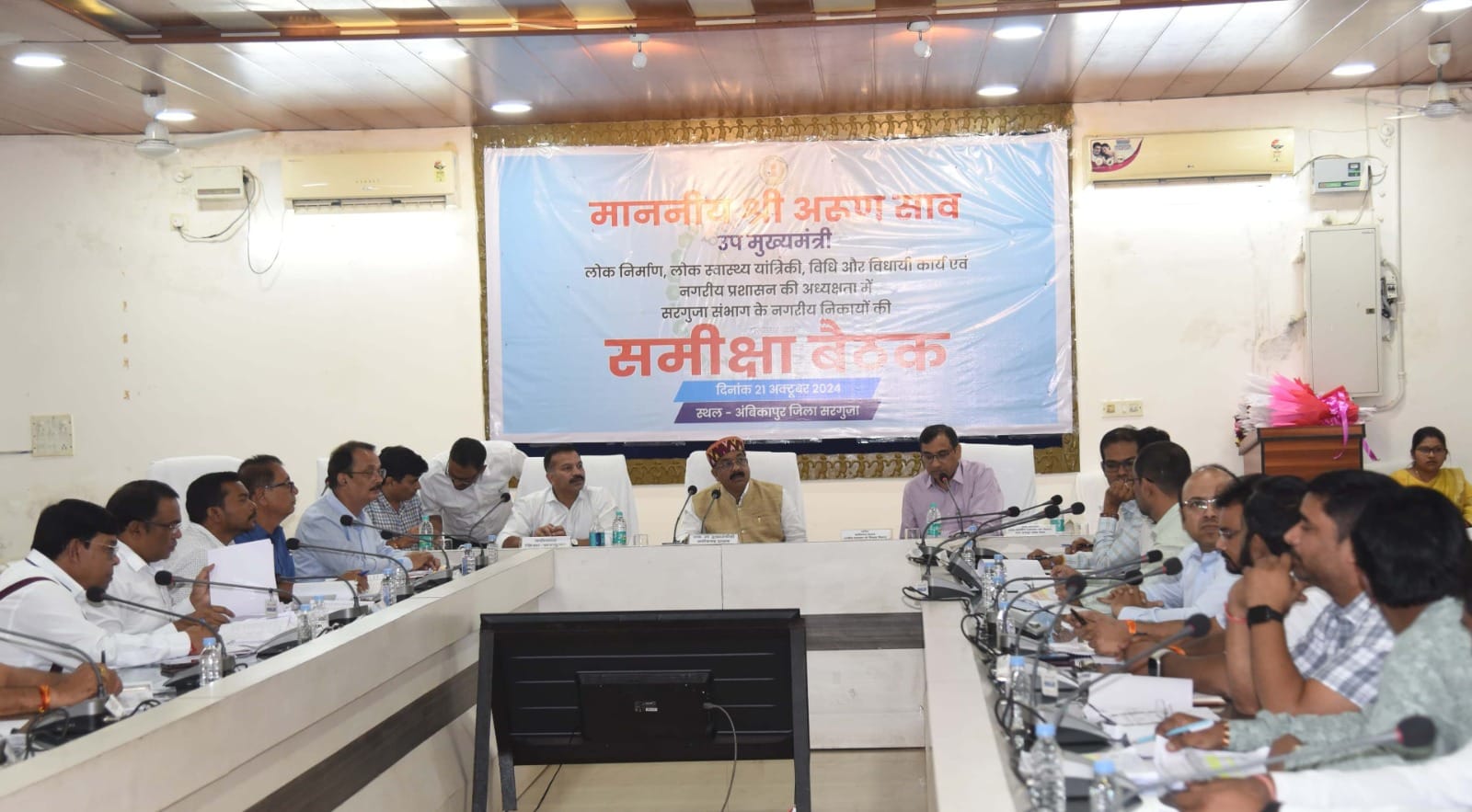
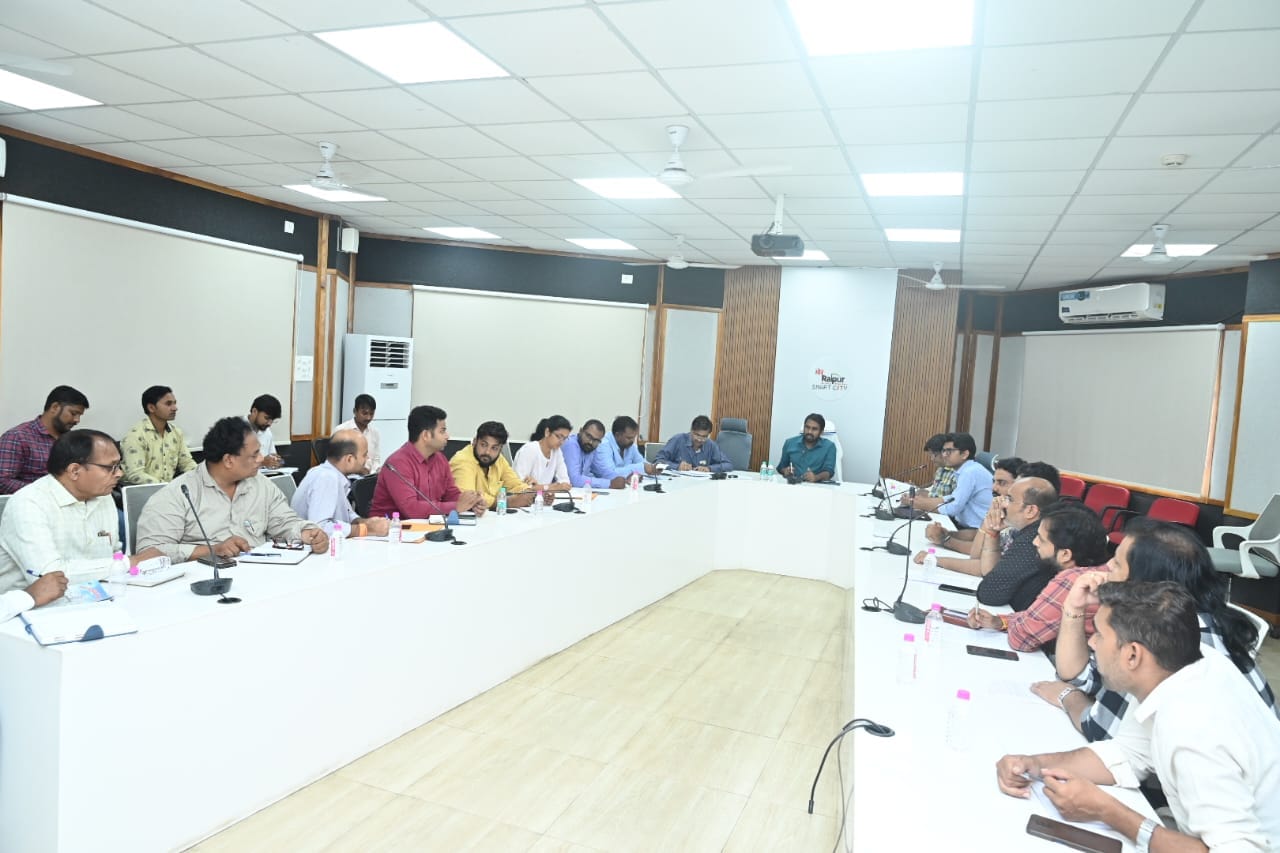
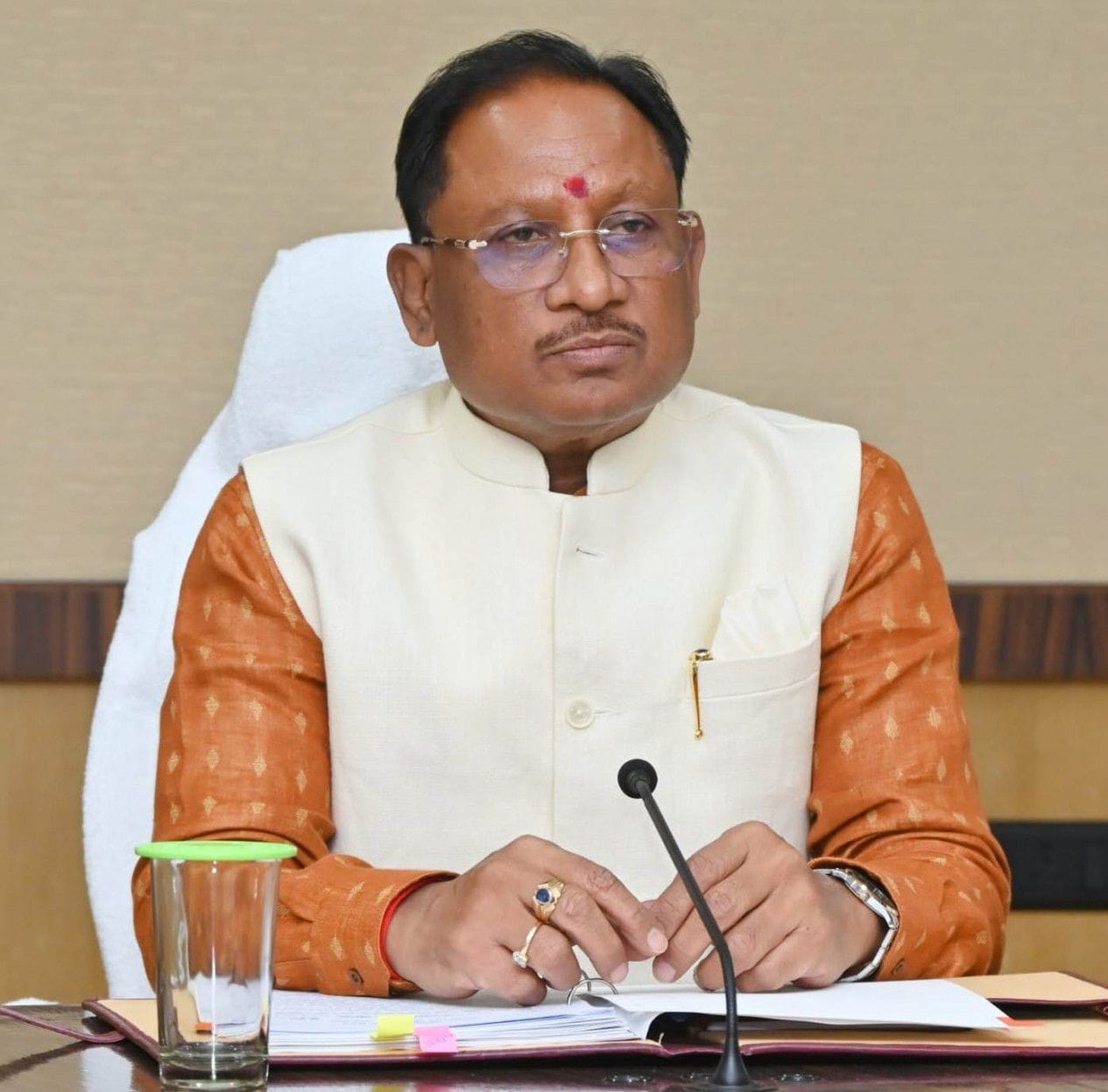
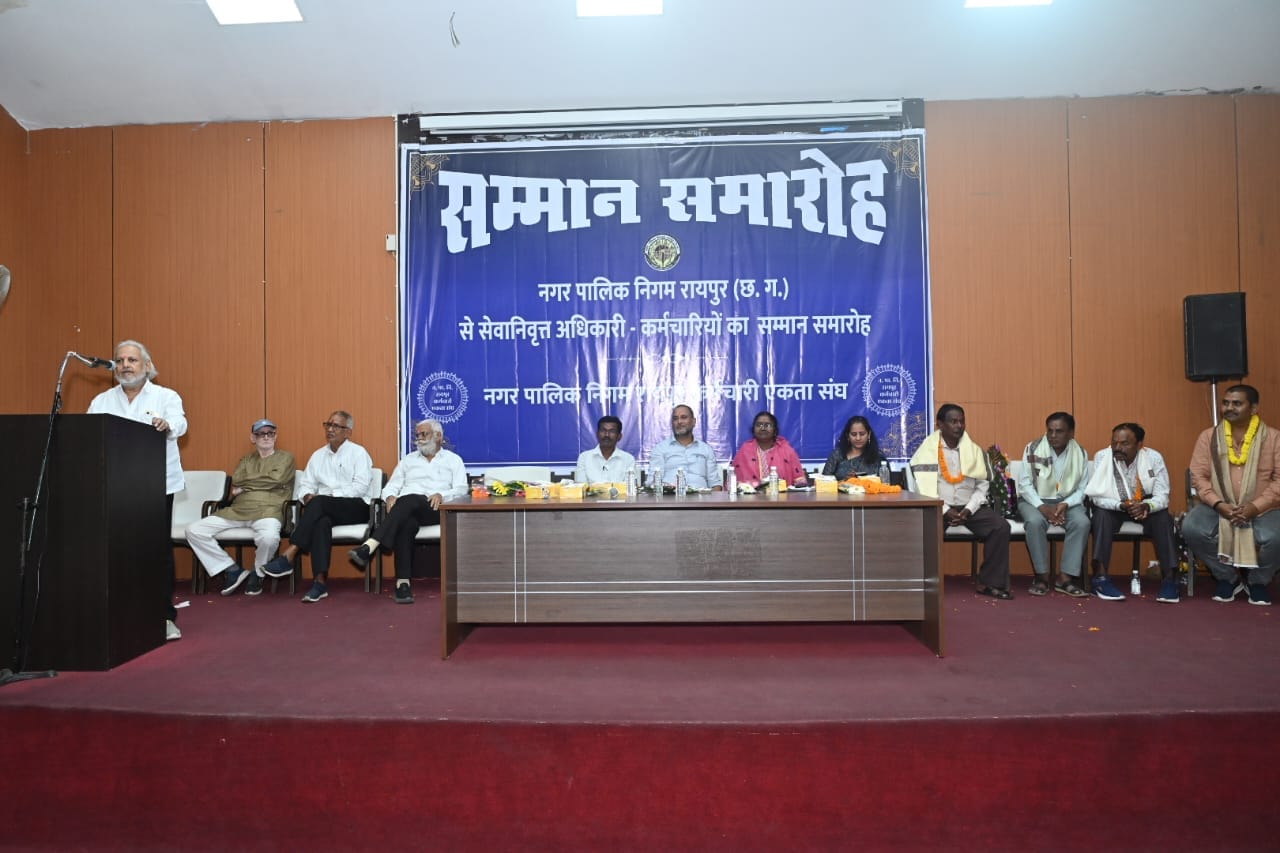
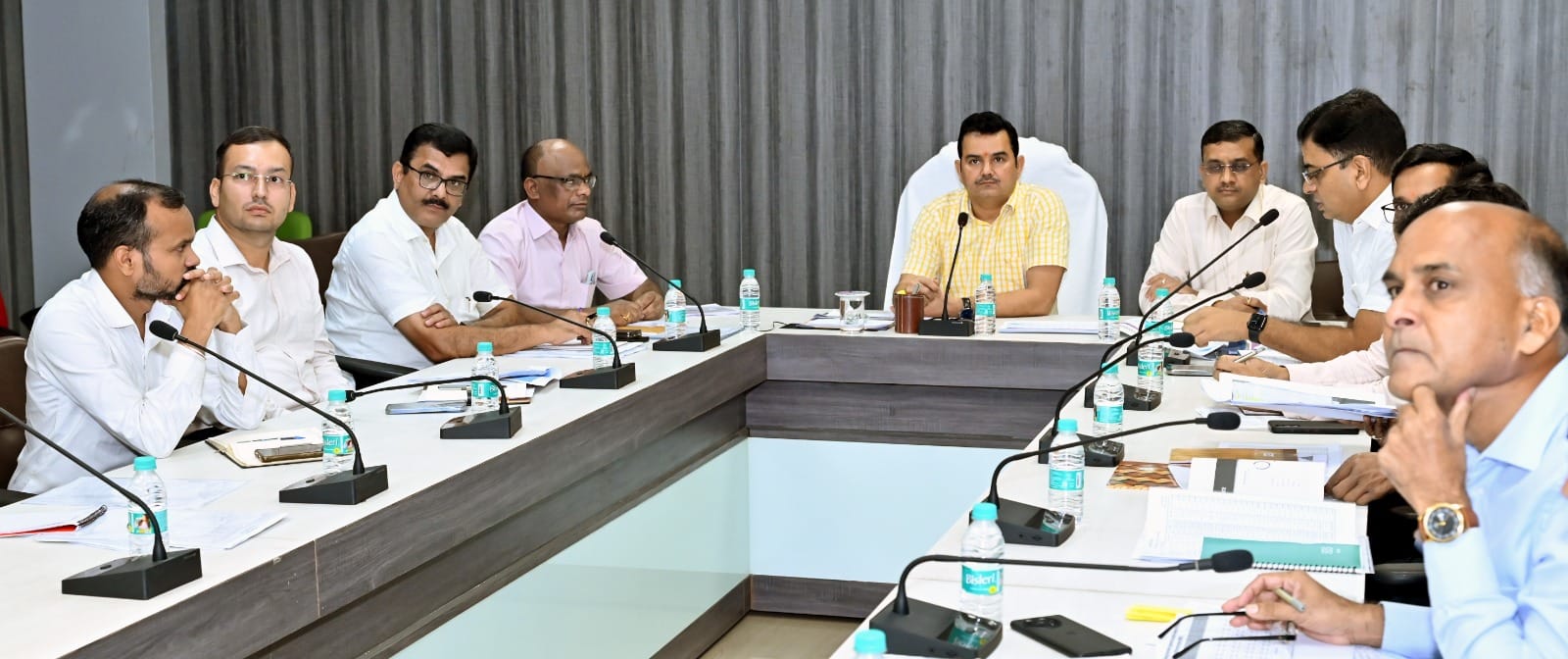
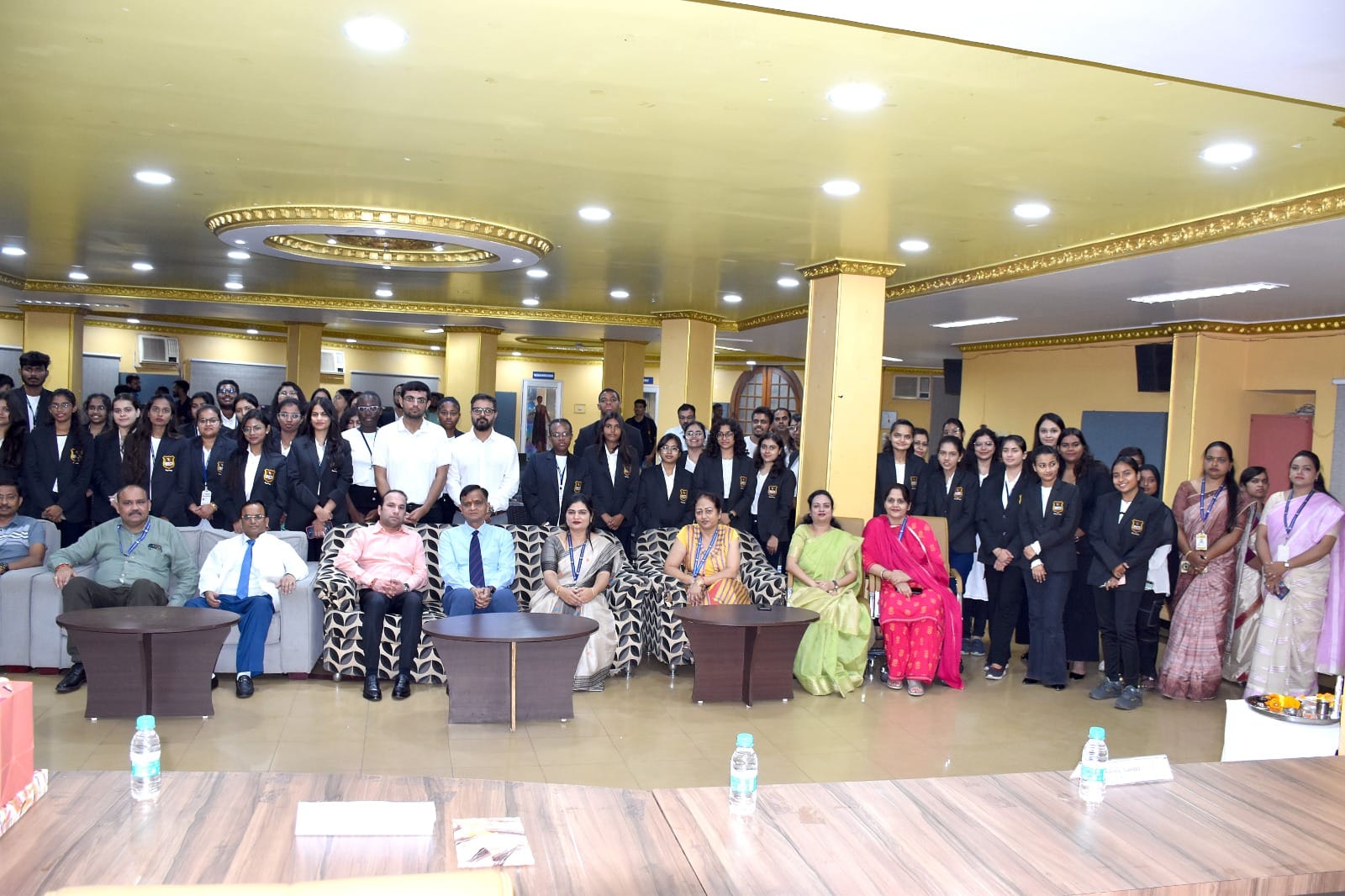
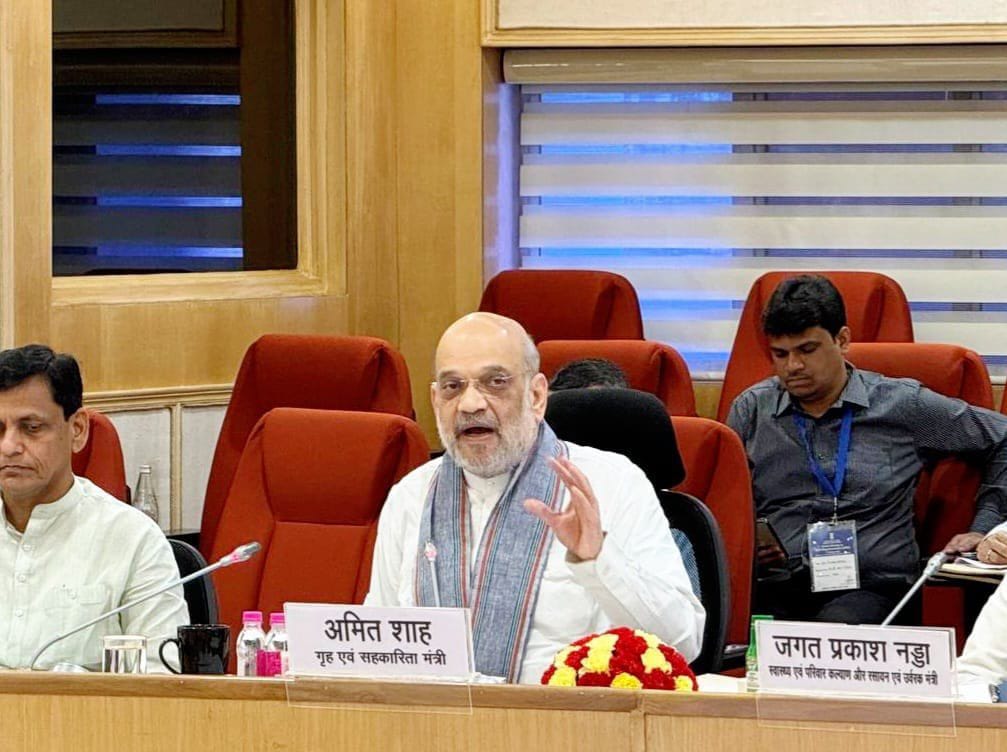
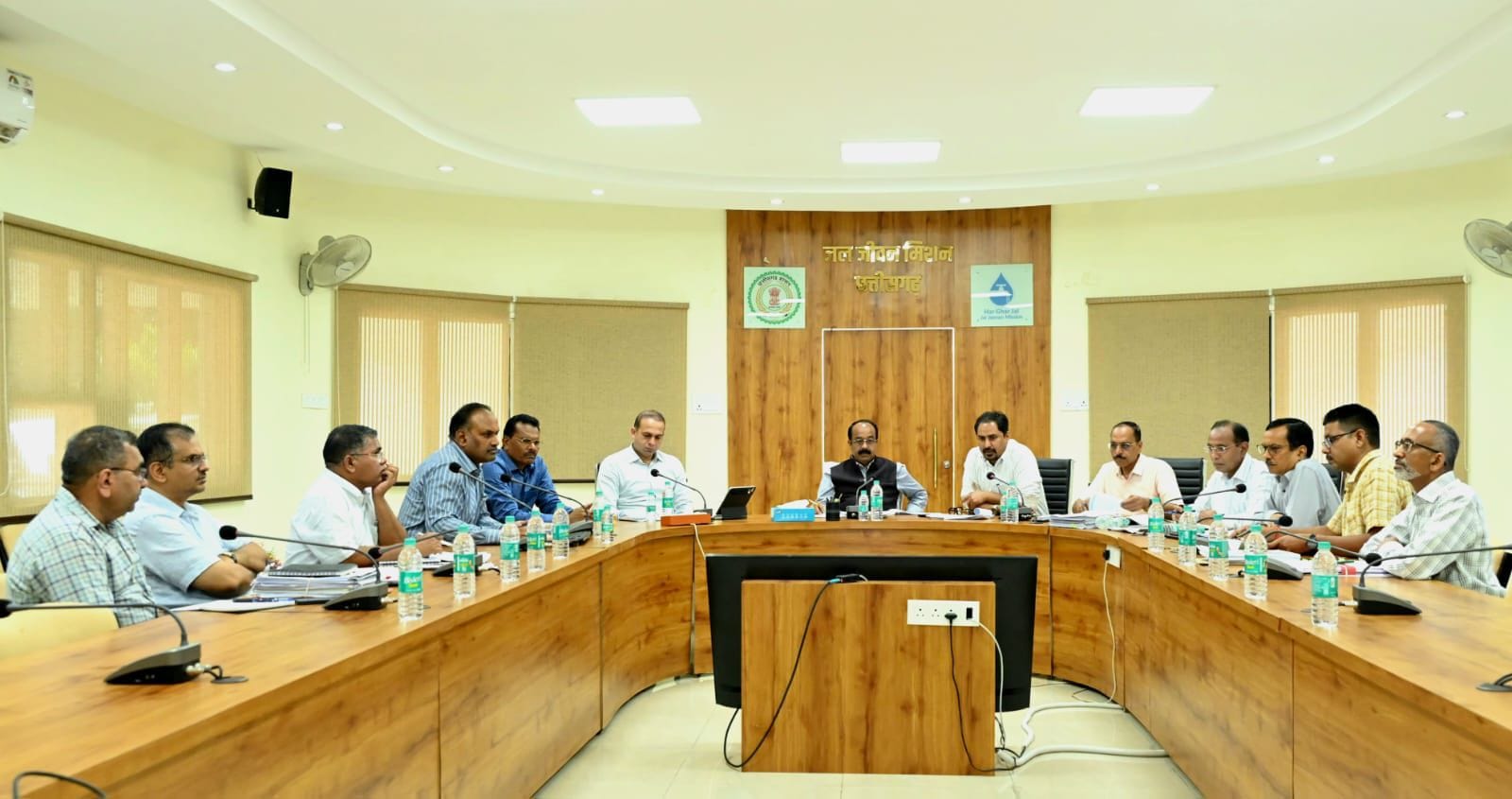
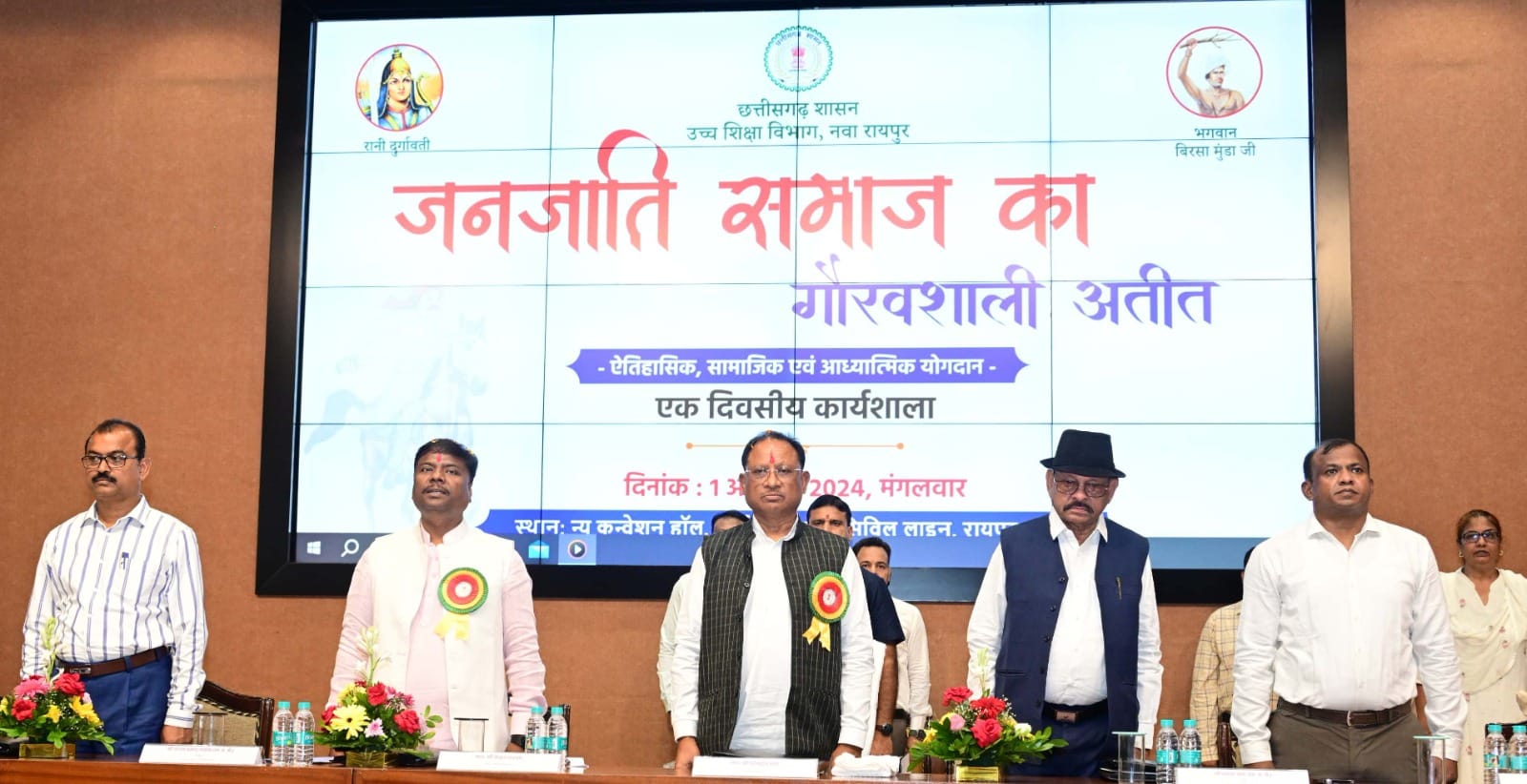
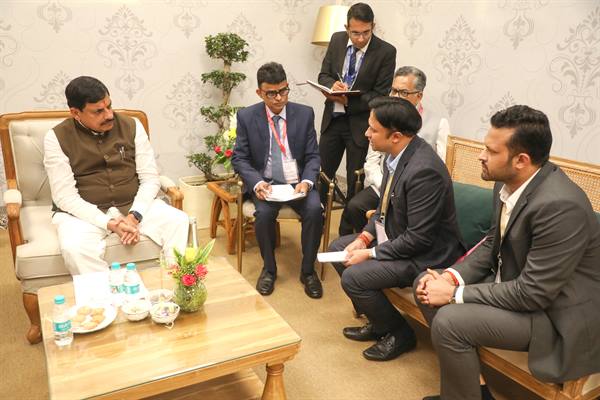
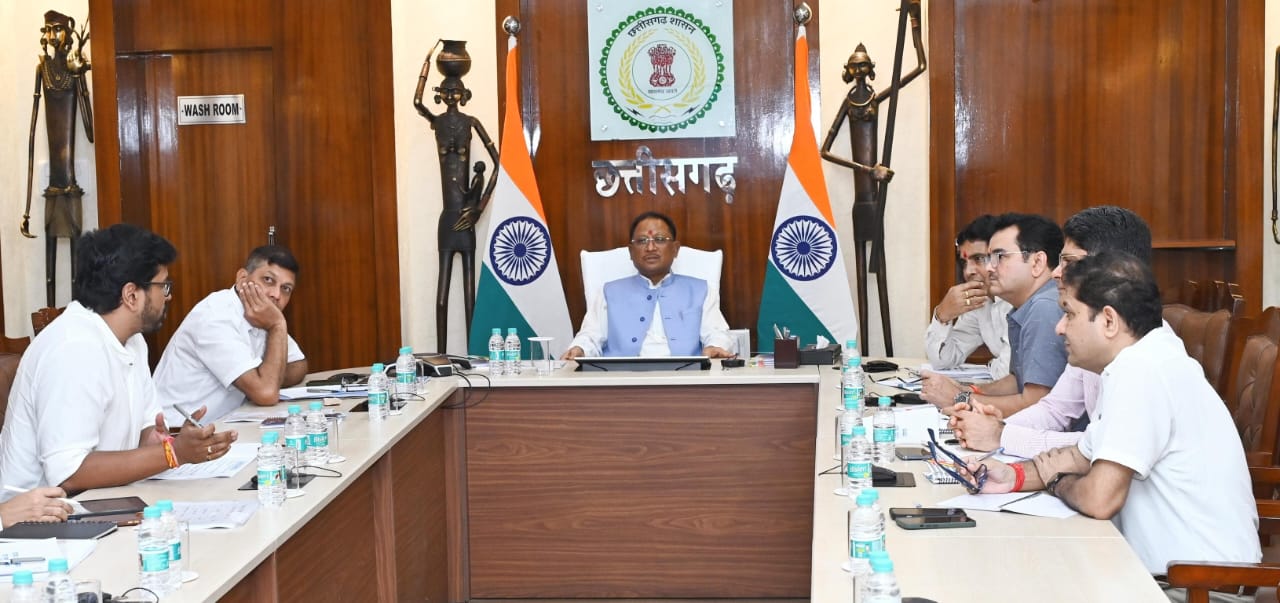
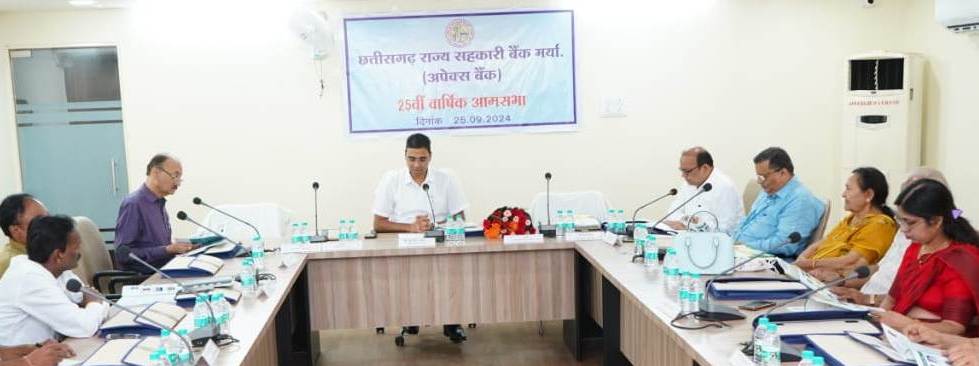
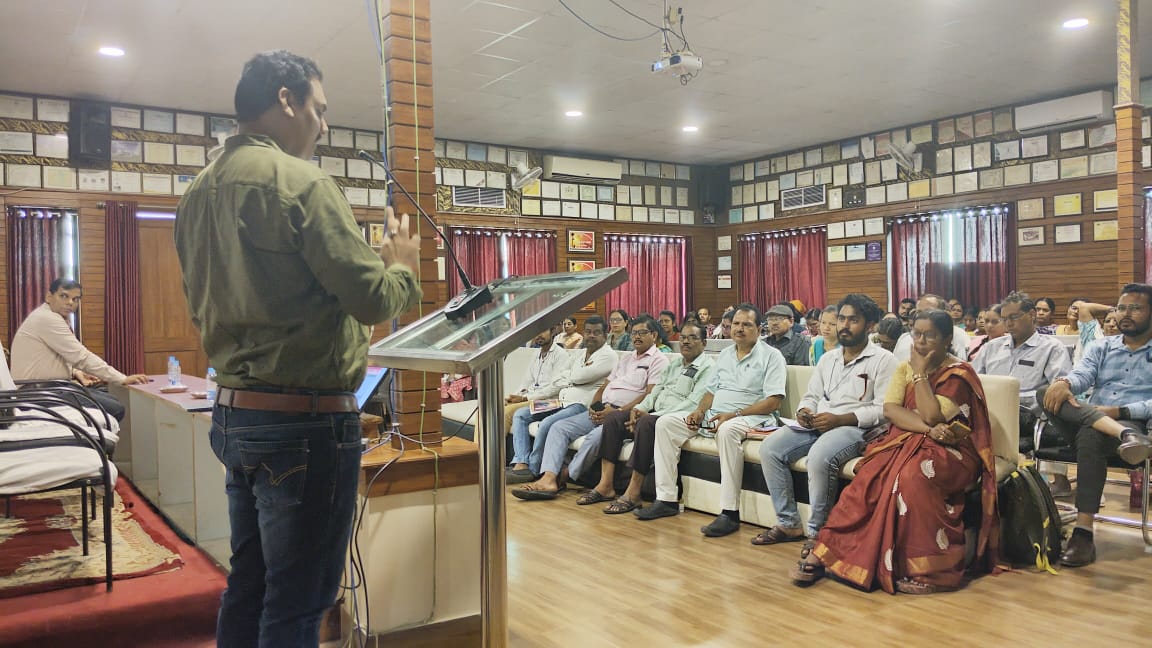
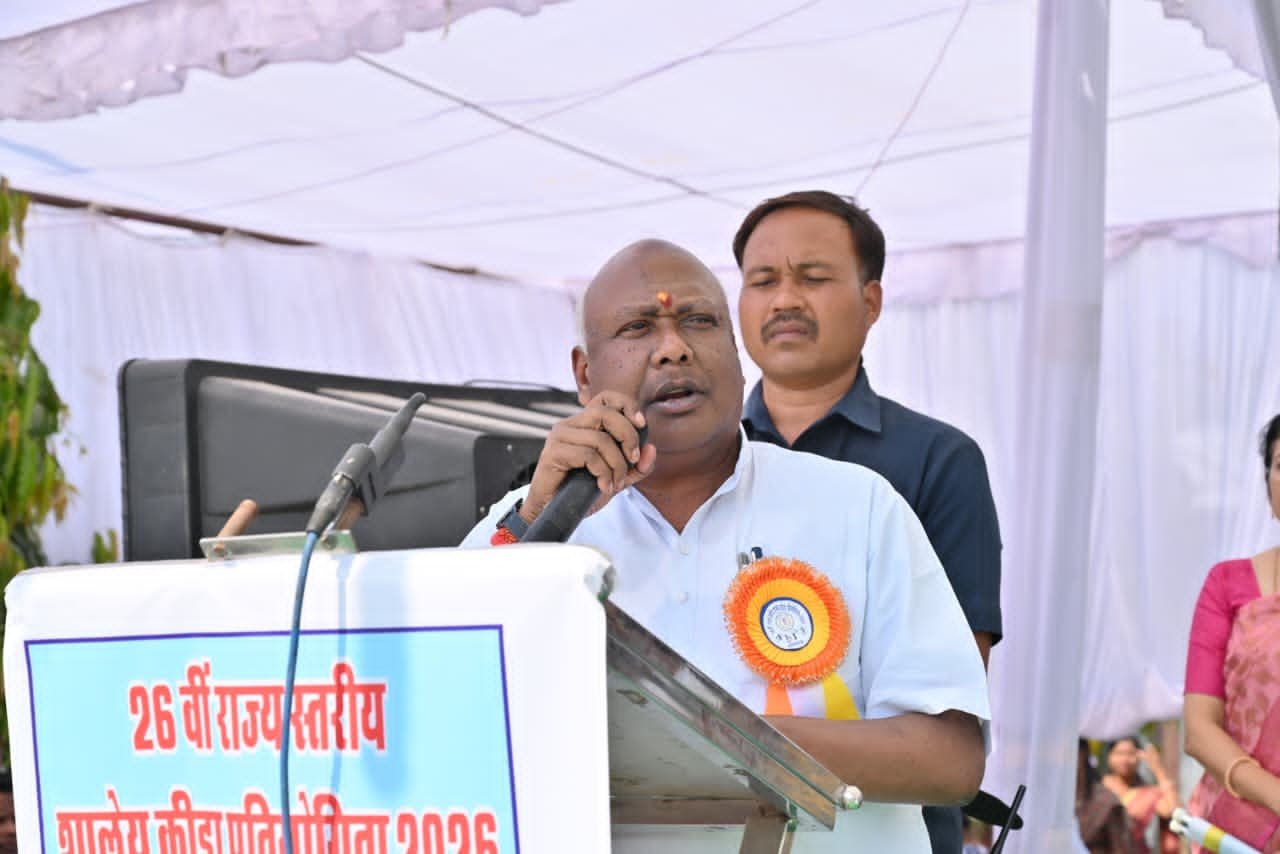
Deputy Chief Minister and Minister for Urban Administration and Development, Mr. Arun Sao, reviewed the functioning of all Municipal Corporations and district-headquarter Municipalities in the state today. At a meeting held at the Rest House in Naya Raipur, he directed Municipal Commissioners and Chief Municipal Officers to work with accountability while accelerating city development, sanitation efforts, revenue collection, scheme implementation, and construction projects. He stated that urban bodies are not merely agencies for spending budgets but are institutions responsible for planning the city’s future, providing public amenities, and ensuring citizen welfare. Principal Secretary of the Urban Administration and Development Department, Mr. Sonmoni Borah, and Director, Mr. Nileshkumar Kshirsagar, also attended the review meeting.
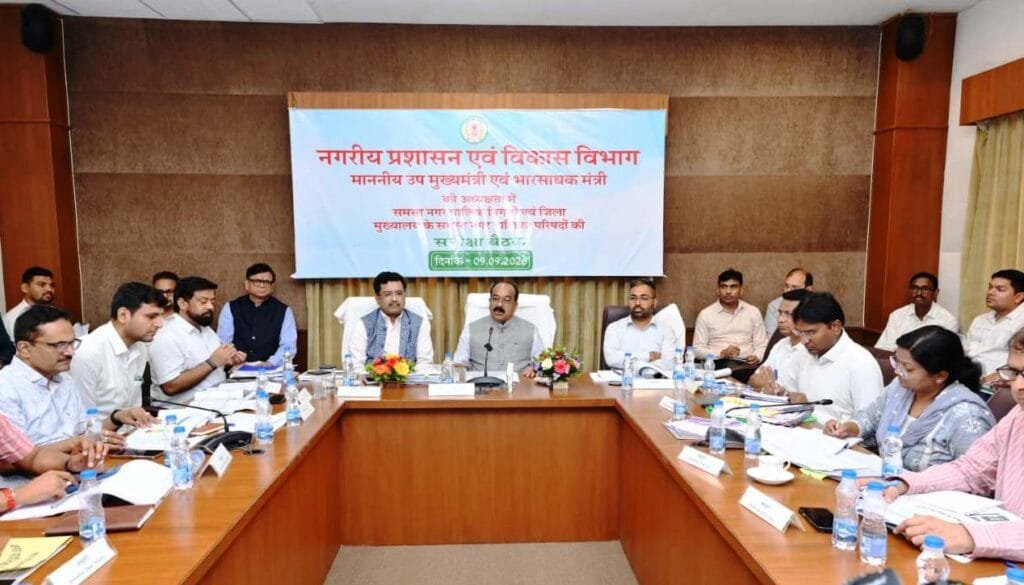
During the meeting, Deputy Chief Minister Mr. Sao urged officials to work proactively to ensure that city development projects and the benefits of state and central government schemes reach the public in a timely manner. He emphasized extending the benefits of the Pradhan Mantri Awas Yojana and PM SVANidhi schemes to the maximum number of needy individuals. To boost the revenue of urban bodies, he directed officials to conduct property surveys to identify new properties and to develop online payment facilities for property tax across as many bodies as possible. He instructed engineers to ensure speed and quality in construction works and to strictly inspect ongoing projects. He also directed the development of a system for the regular review of revenue collection, construction activities, sanitation, and scheme implementation on designated days of the week.
The Deputy Chief Minister ordered immediate action against illegal encroachments and unauthorized occupations as soon as they are detected. He stated that a lack of effective action against illegal construction places an additional burden on the civic body regarding roads, water, electricity, and other amenities in the future. He instructed Municipal Commissioners and Chief Municipal Officers (CMOs) to conduct daily morning rounds to inspect sanitation arrangements and ongoing construction work. This practice would reveal ground realities while providing insights into city issues and public feedback. He noted that the potential for investment and tourism in Chhattisgarh is growing rapidly; consequently, urban infrastructure must be developed to meet future needs.

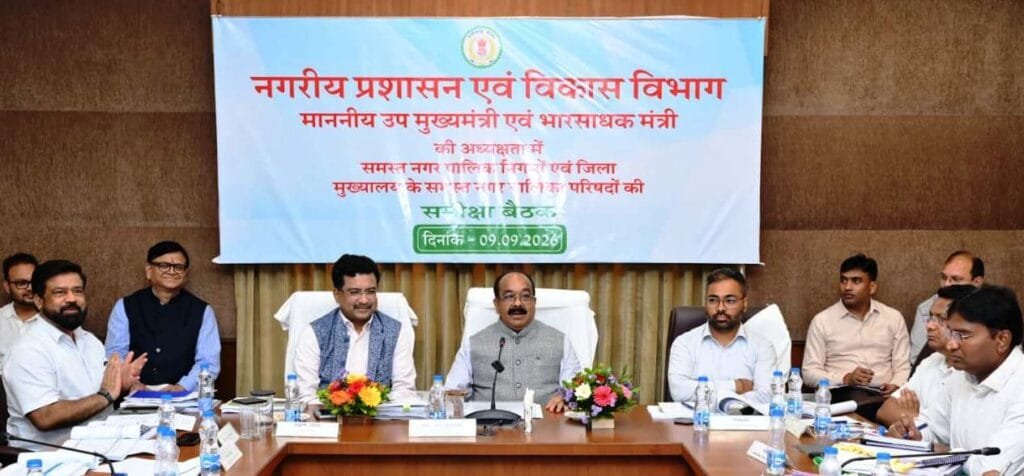
Shri Sao directed that ‘brainstorming camps’ (Chintan Shivirs) be organized in urban bodies to address water requirements for the next 50 years. Emphasizing the need for comprehensive plans regarding water conservation, rainwater harvesting, and wastewater reuse, he called for robust arrangements to ensure drinking water supply to every household in the cities. He stressed the need to formulate and implement long-term strategies now to avert future water crises. He remarked that officials of civic bodies are primarily responsible for shaping the city’s image and development trajectory, and urged them to work with full competence, sensitivity, and accountability.
- City administration should be such that citizens feel the presence of the civic body: Shri Sonmoni Borah
Addressing the review meeting, Principal Secretary of the Urban Administration Department, Shri Sonmoni Borah, told officials that the mandate of urban bodies extends beyond merely completing construction projects and schemes; it also encompasses the seamless and smooth operation of city systems. In line with rapid urbanization and rising public aspirations, civic bodies must prepare a roadmap for future needs and implement it effectively. Citizens should feel the presence of the civic body and be actively involved in various events and programs.
Principal Secretary Shri Borah stated that the work of urban bodies constitutes a constitutional responsibility with a vast scope. Beyond providing basic amenities, these bodies are responsible for ensuring modern infrastructure within cities. He urged officials to ensure that the impact of schemes and development works is clearly visible on the ground, rather than just on paper. Municipal Commissioners and CMOs must ensure the effective implementation of urban development and welfare schemes.
He directed officials to identify vacant spaces in cities for intensive plantation drives and the development of ‘urban forests.’ He also instructed them to keep footpaths free from encroachment and to comply seriously and proactively with the directives of the National Green Tribunal (NGT). Furthermore, he directed that meetings of the General Body and the Mayor-in-Council (MIC) be held regularly and in a timely manner.
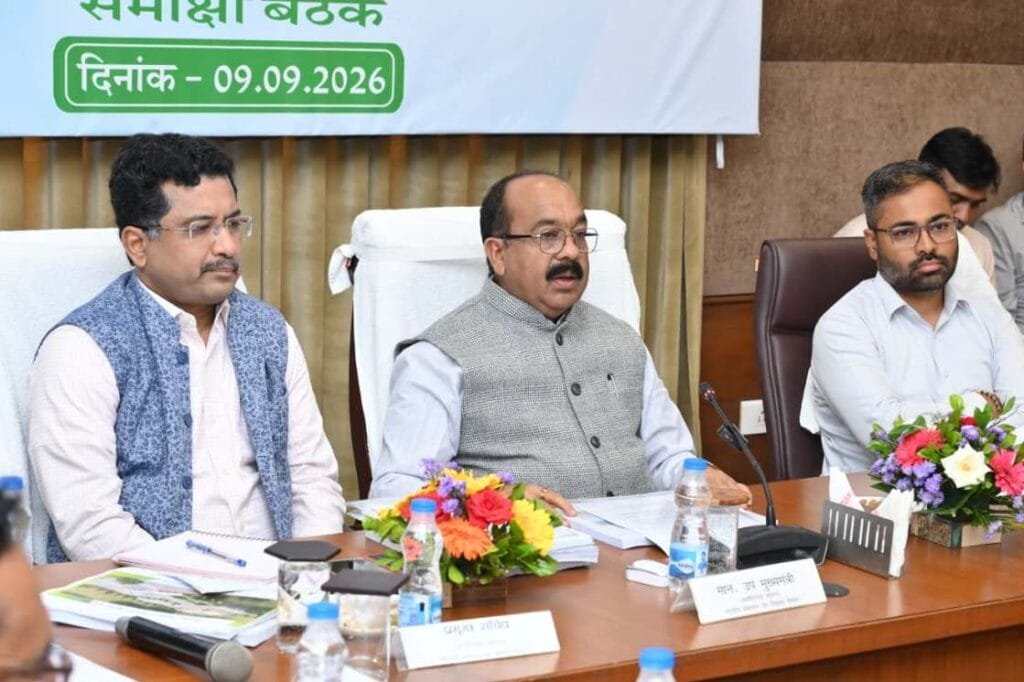
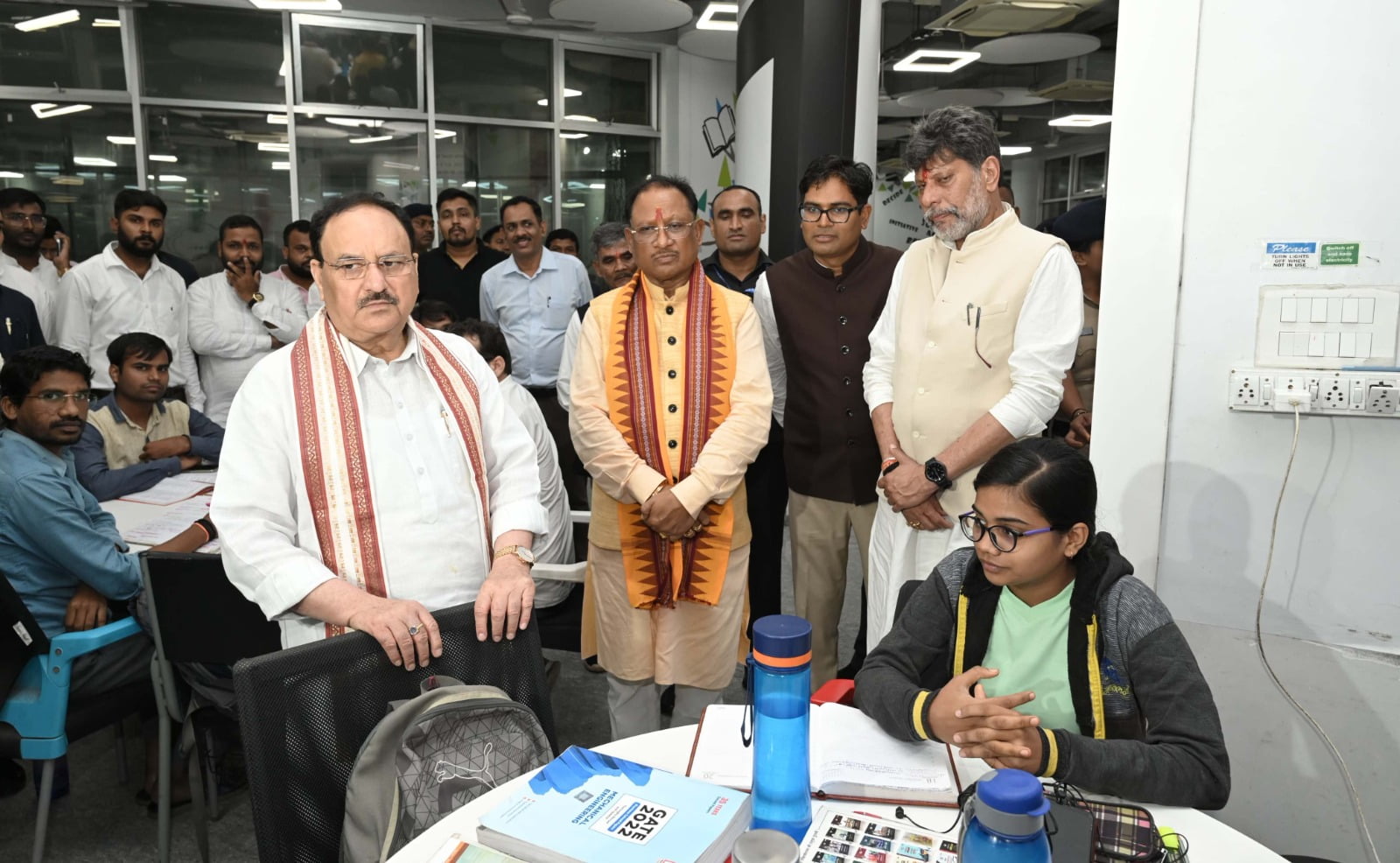
During the review meeting, emphasis was also placed on making the necessary arrangements to ensure the early operationalization of all ‘Nalanda campuses’ currently under construction. The Principal Secretary directed that funds be sanctioned for furniture, IT facilities, books, and other essentials, and that tenders be issued promptly. The meeting was attended by SUDA CEO Mr. Sumit Agrawal, Additional Director Mr. Pulak Bhattacharya, and Chief Engineer Mr. Ramesh Sharma, along with Commissioners of all municipal corporations and representatives from urban bodies located at district headquarters.CMOs, revenue officers, senior engineers, and Joint Directors from divisional offices were also present at the review meeting.
- Review of the Following Works
During the meeting, Deputy Chief Minister Mr. Sao reviewed the status of announcements made by the Chief Minister and the Deputy Chief Minister, as well as infrastructure projects and various state-sponsored schemes. These included the Nalanda Campus, Chief Minister’s Nagarotthan Yojana, Pradhan Mantri Awas Yojana, 15th Finance Commission initiatives, Swachh Bharat Mission, solid waste management, AMRUT Mission, water augmentation schemes, PM SVANidhi, and PM e-Bus service. He also reviewed progress regarding revenue collection, salary payments, energy bill audits, ABC (Animal Birth Control) rules and the Godham Yojana, daily morning inspections by municipal teams, the CM Helpline, the Public Service Guarantee Act, and rainwater harvesting initiatives.