





























- A massive post-monsoon campaign for drinking water safety in Dhamtari; 3,110 ‘Jal Bahini’ members leading the charge
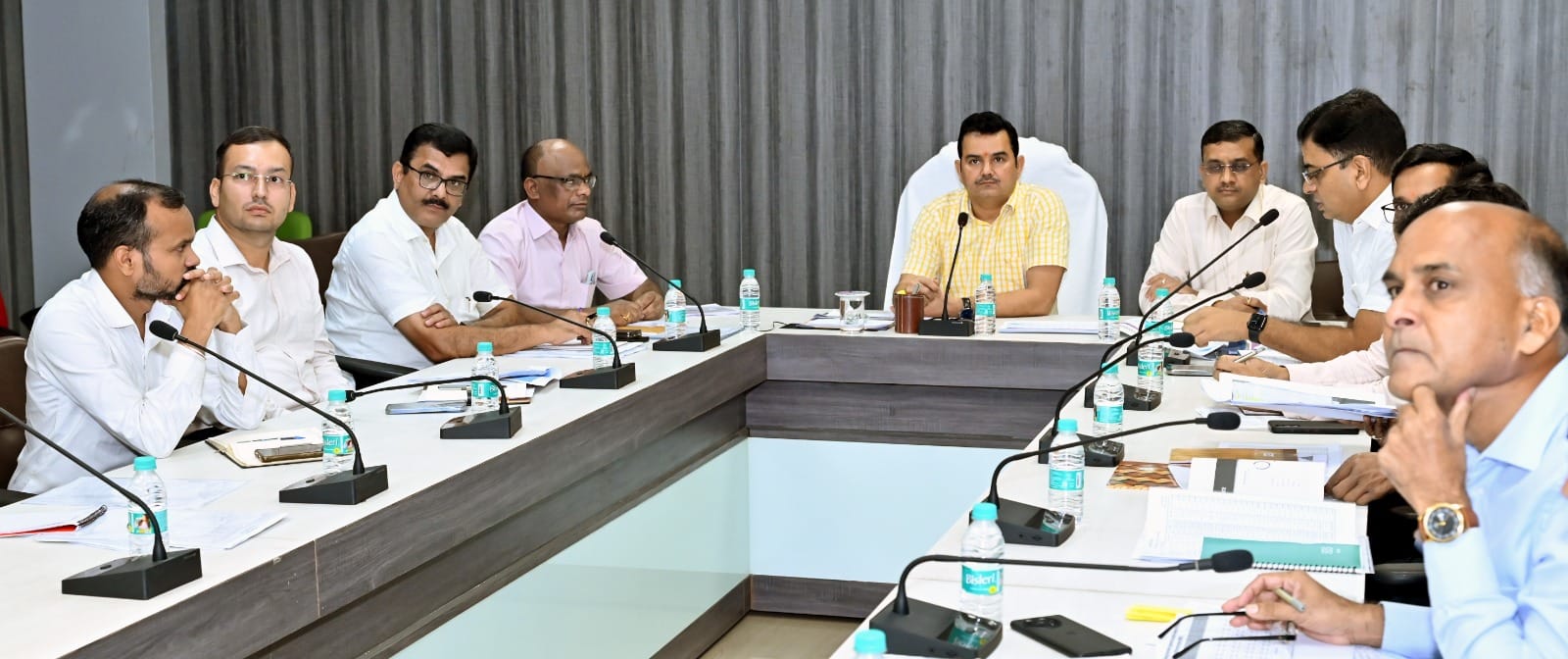
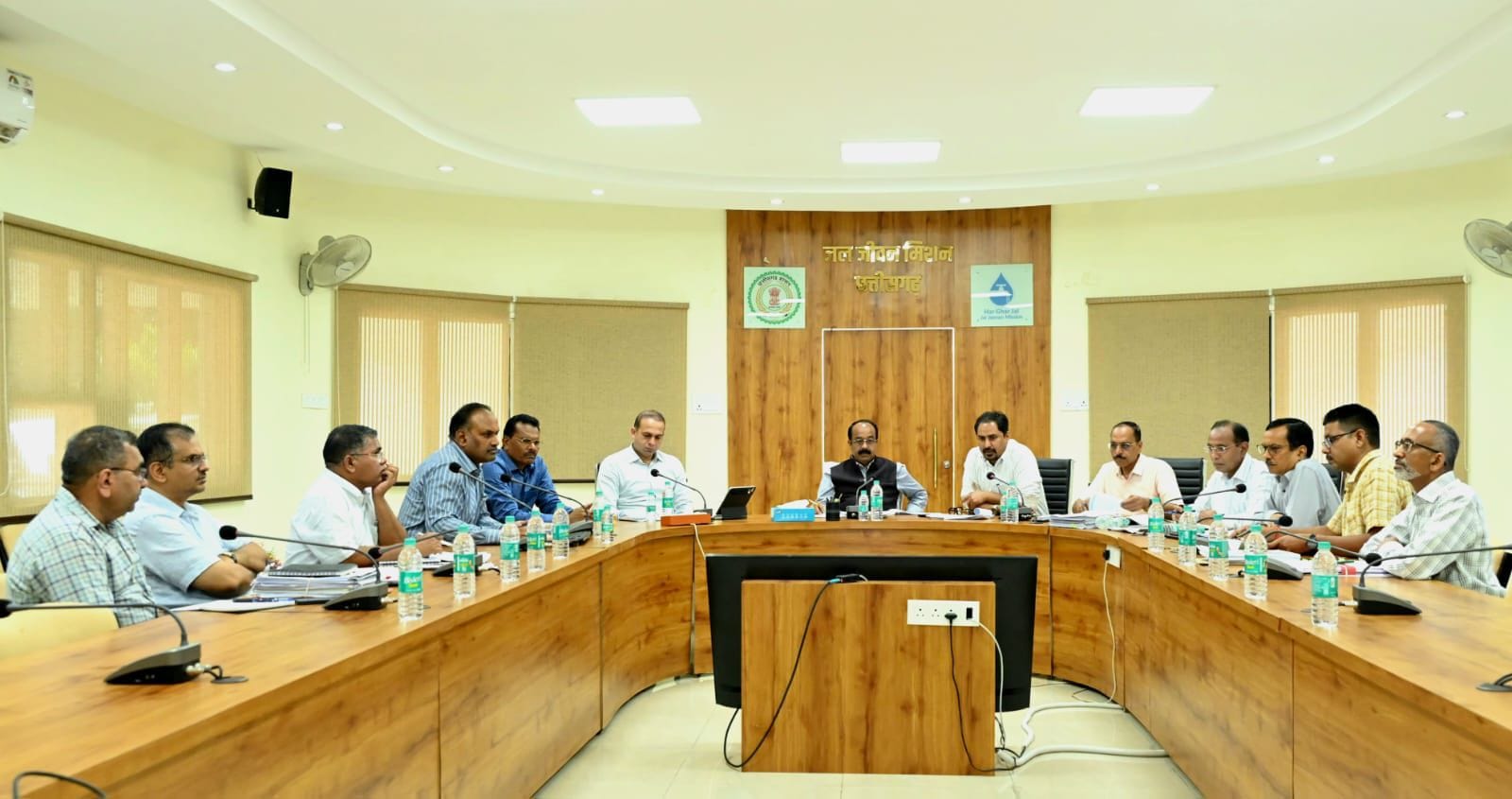
In view of the risk of waterborne diseases following heavy rains during the final phase of the monsoon, a comprehensive campaign has been launched in Dhamtari district to monitor the cleanliness and quality of drinking water sources. Guided by the resolve of “Safe water from source to home and trust in every drop,” the district administration and the Public Health Engineering (PHE) Department are ensuring water purity, chlorination, and regular cleaning of water tanks under the Jal Jeevan Mission.
Conducted under the Collector’s directives, the primary objective of this campaign is to prevent diseases—such as diarrhea, cholera, typhoid, and Hepatitis A and E—that arise from water stagnation following the rains.
- A Robust Framework for Rural Water Safety
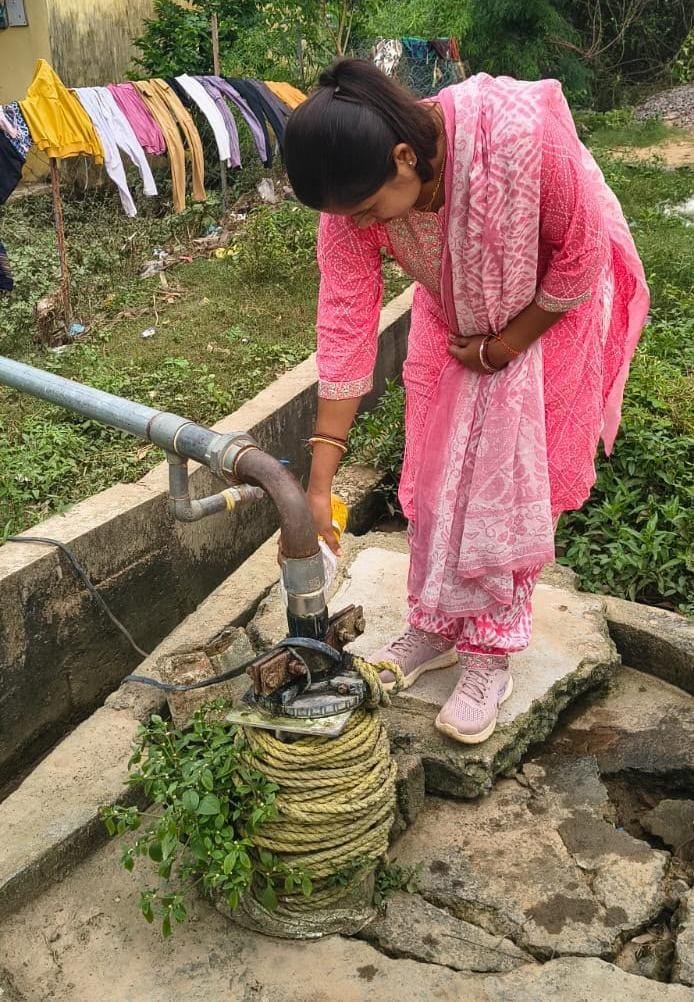
A vast and robust infrastructure is continuously operational to ensure a safe drinking water supply in Dhamtari district. There are a total of 16,024 drinking water sources available in the district, comprising 9,981 handpumps, 718 piped water supply schemes, and 2 large-scale group water supply schemes that deliver water to remote rural areas. To ensure safe water storage, 548 water tanks have been constructed across the district. Additionally, 529 modern chlorinator machines have been installed to make the water supply completely germ-free and safe; these machines generate active chlorine from a salt-and-water solution via electrolysis, keeping the water free from microorganisms and harmful bacteria. 3,110 ‘Jal Bahiniyas’ Become Guardians of Villages
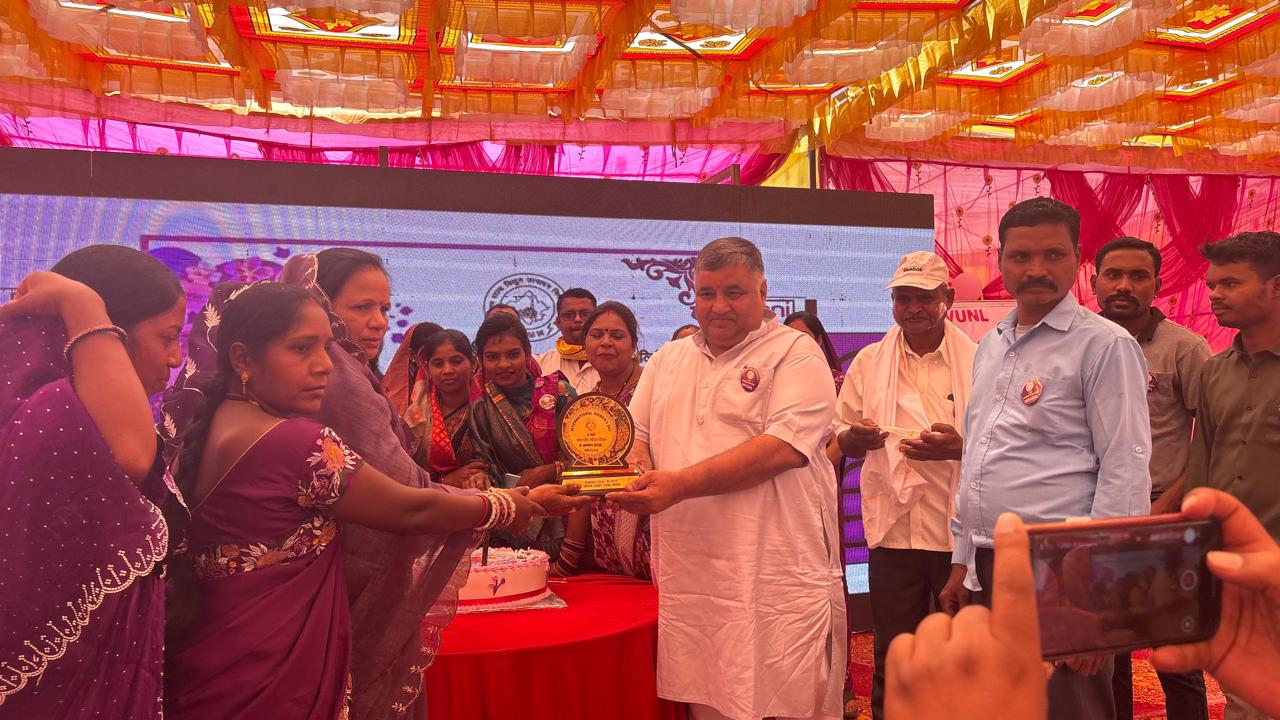
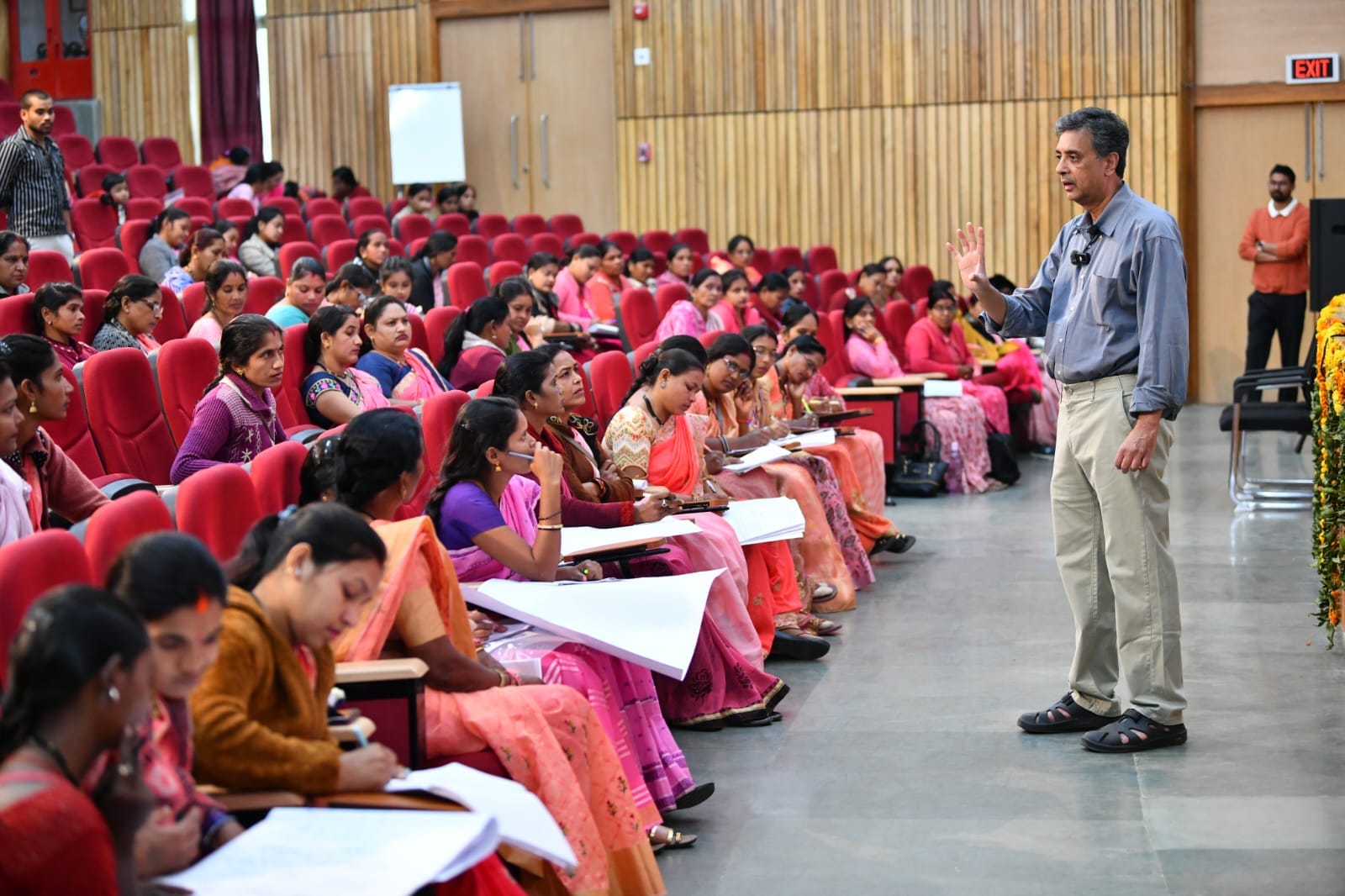
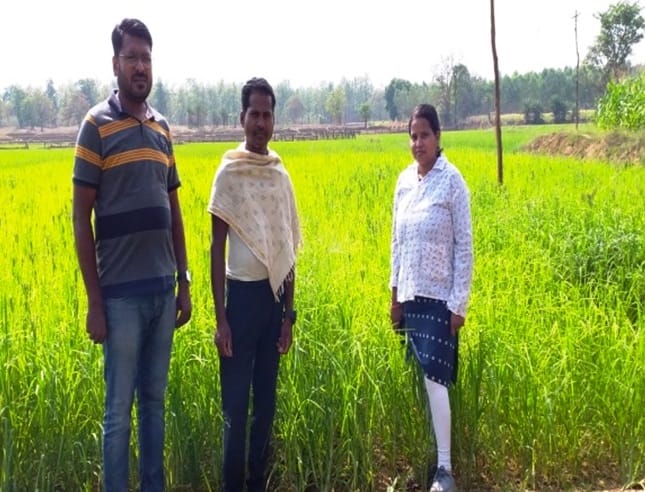
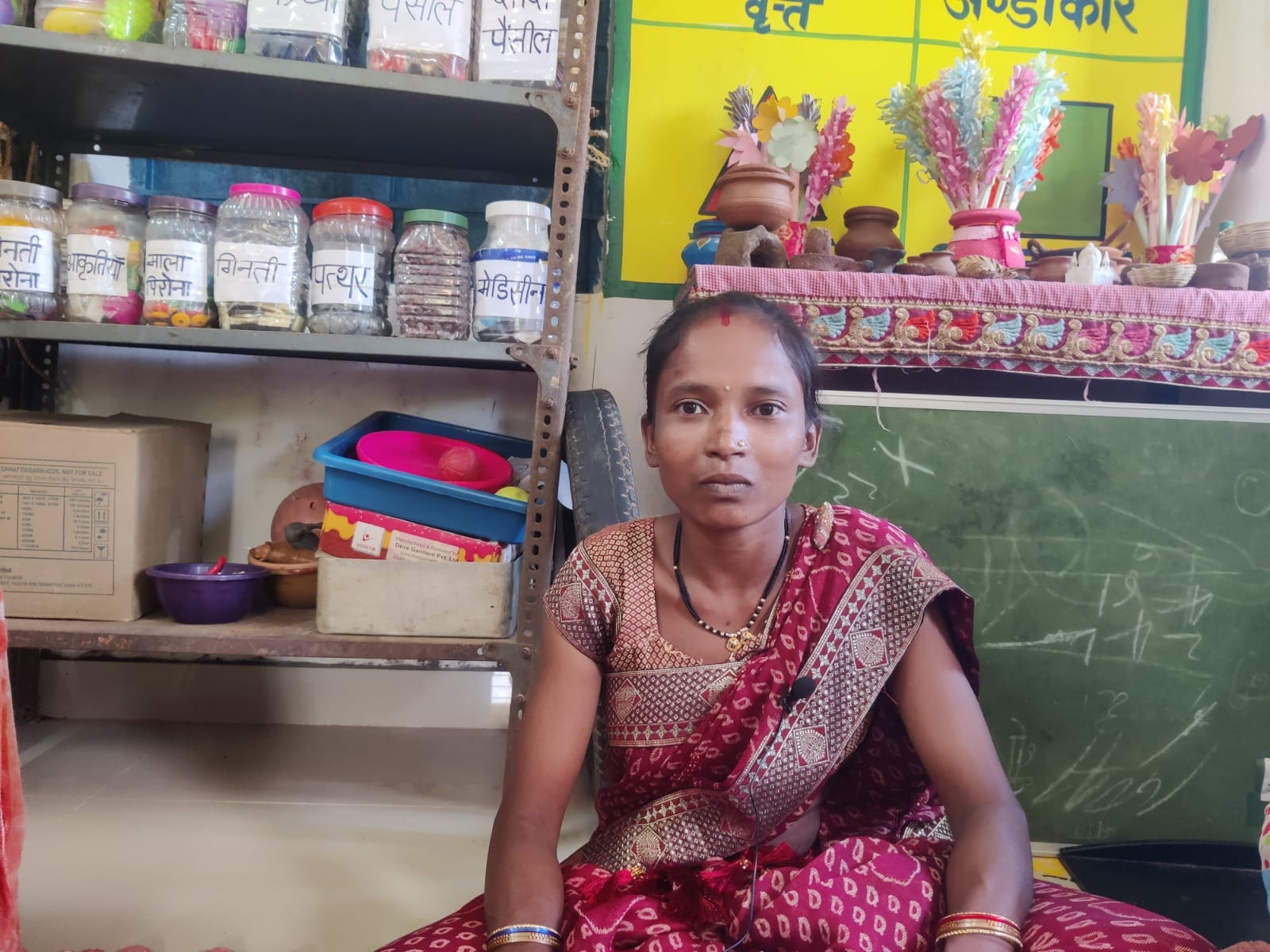
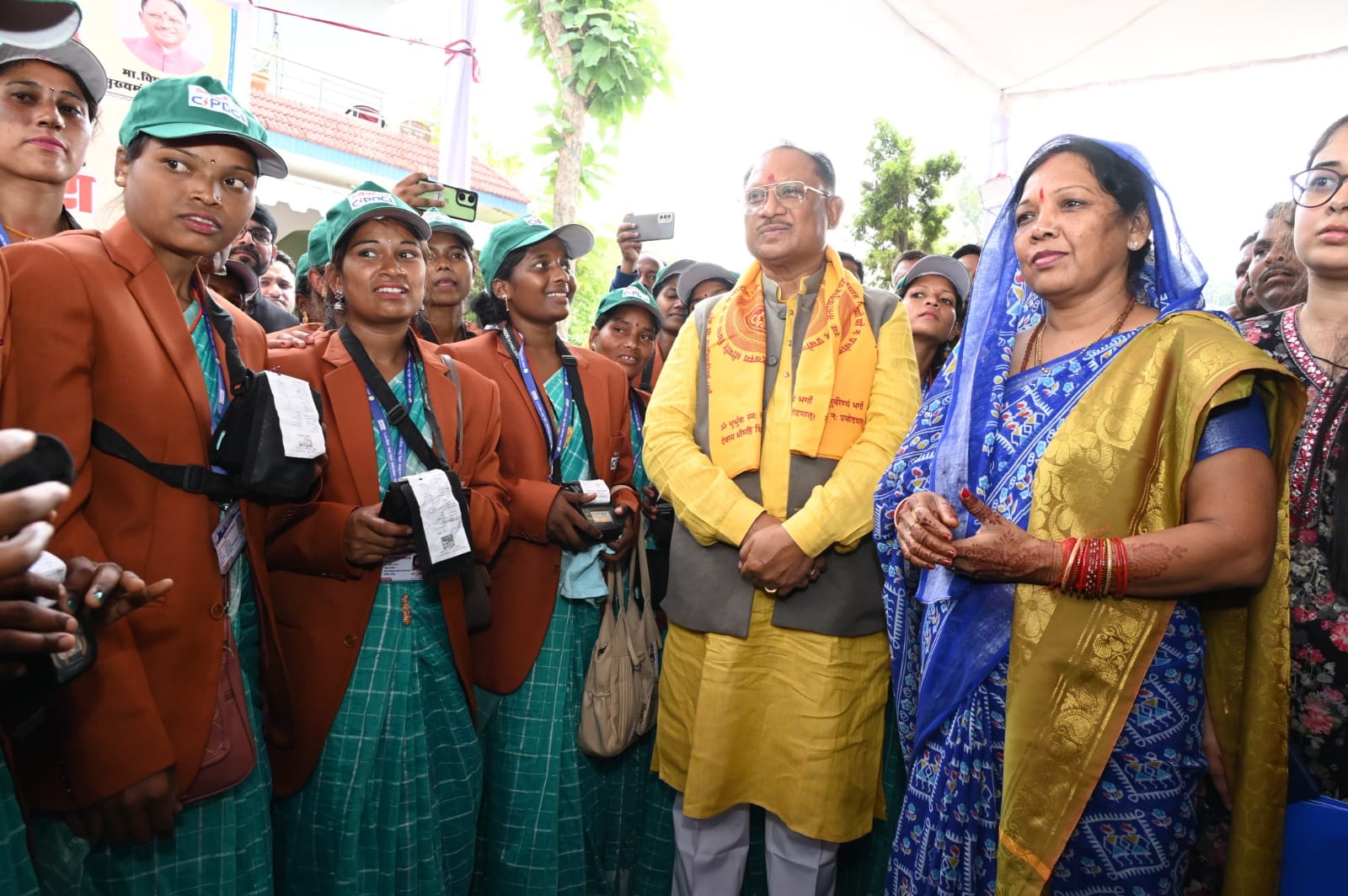
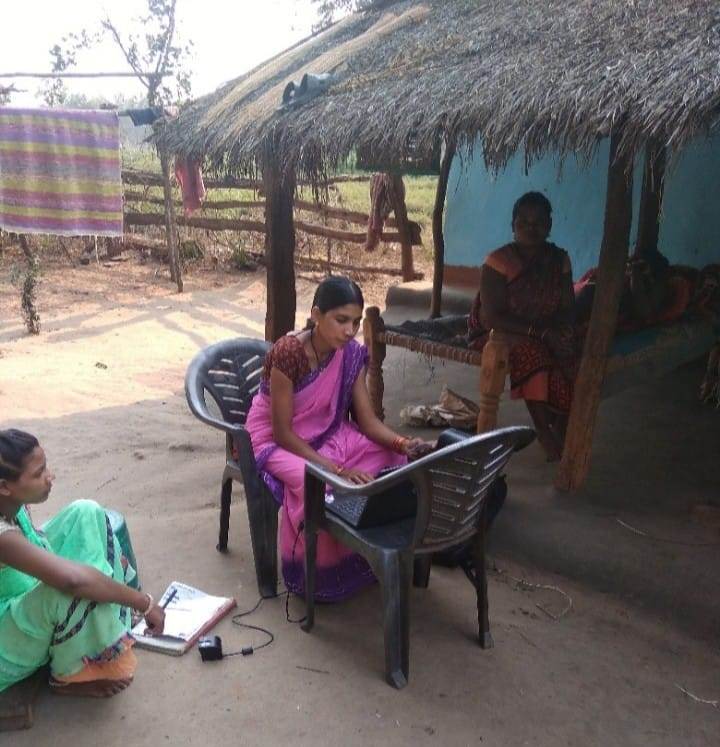
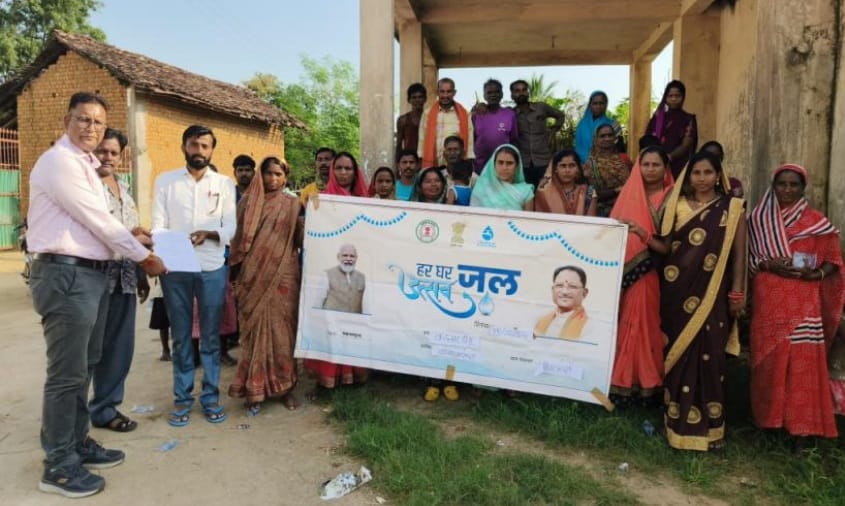
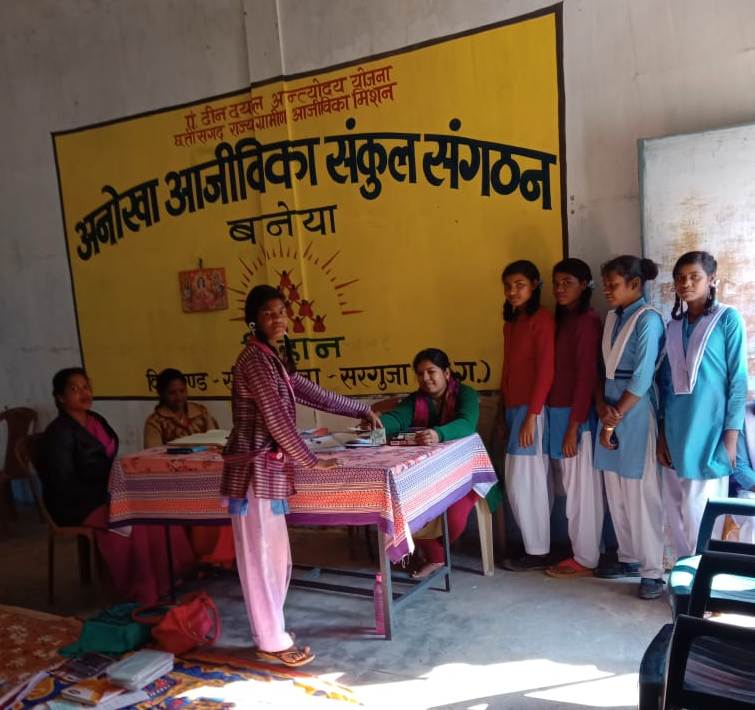
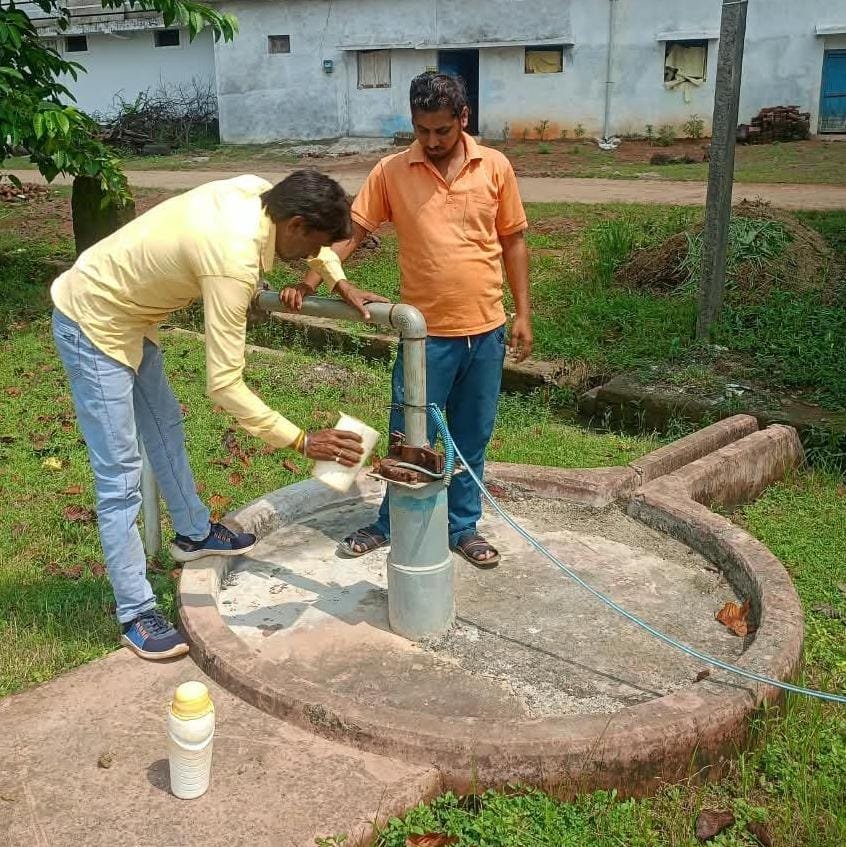
Field Test Kits (FTKs) have been distributed across 623 villages in the district, showcasing a unique model of public participation in testing drinking water quality. Five women from each village have been trained for this purpose. Consequently, 3,110 trained ‘Jal Bahiniyas’ (Water Sisters) are conducting regular water tests at the grassroots level. If any irregularities are detected during testing, departmental staff immediately undertake corrective measures.

- Weekly Laboratory Testing of Water from 120 Households and 15 Tanks
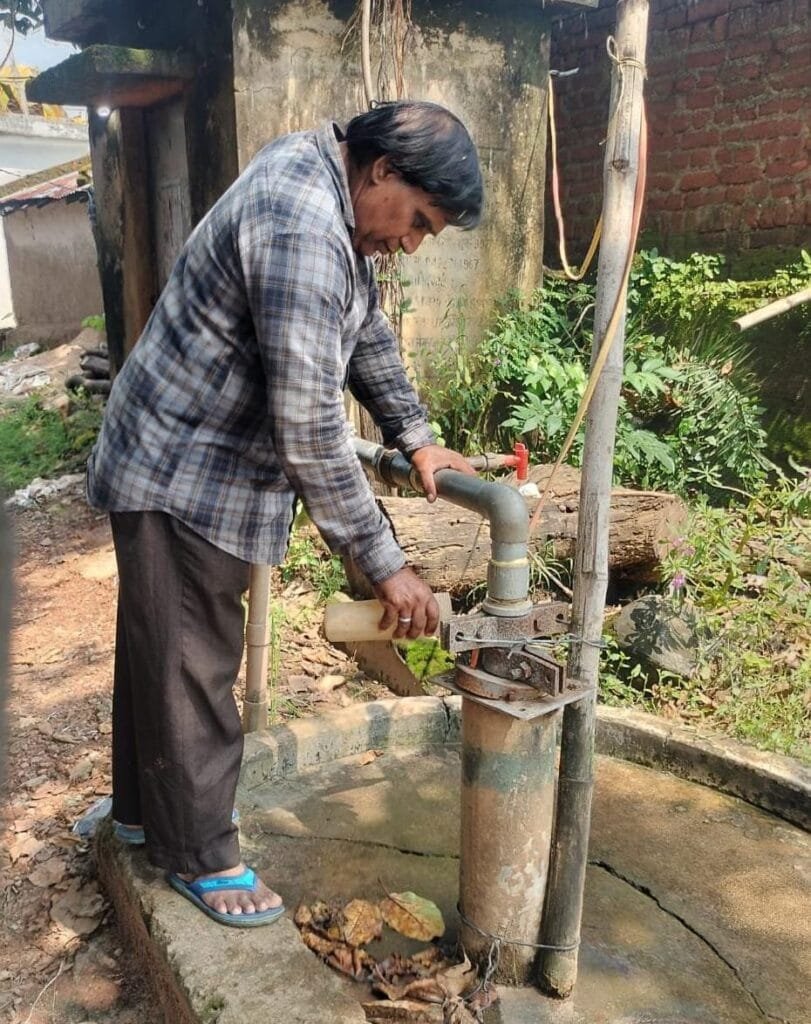
The testing system has been expanded beyond water sources to include consumers’ households. Laboratory tests are being conducted weekly on water samples from 120 households—comprising 30 samples each from the district’s four development blocks: Kurud, Magarlod, Dhamtari, and Nagri. Additionally, 15 water tanks are undergoing special monitoring every week.
The district administration and the Public Health Engineering (PHE) Department have appealed to citizens to maintain cleanliness around drinking water sources. Residents are urged to immediately inform the Gram Panchayat or the PHE Department if they notice any unusual changes in the water’s color, odor, or taste, ensuring that prompt action can be taken in a timely manner.