











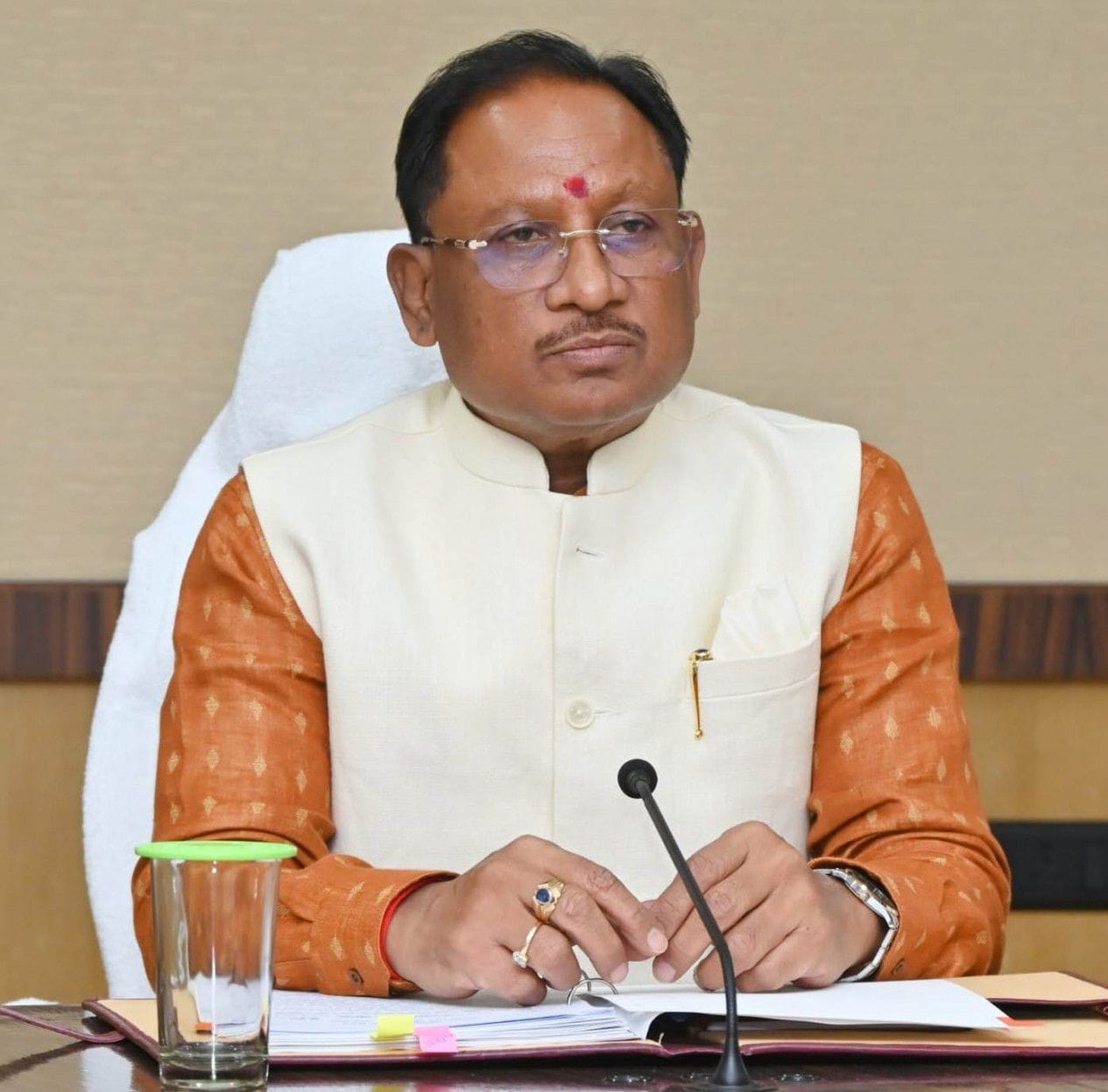
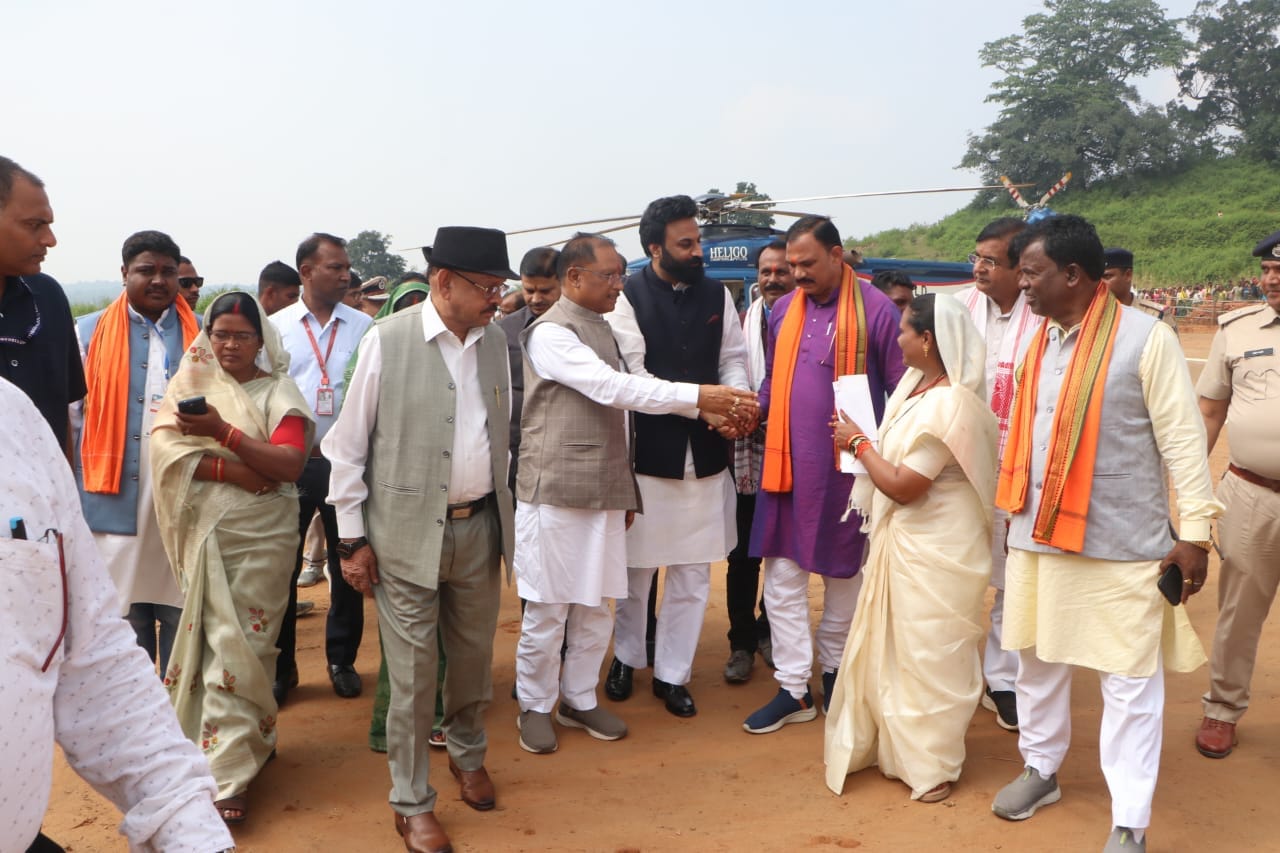

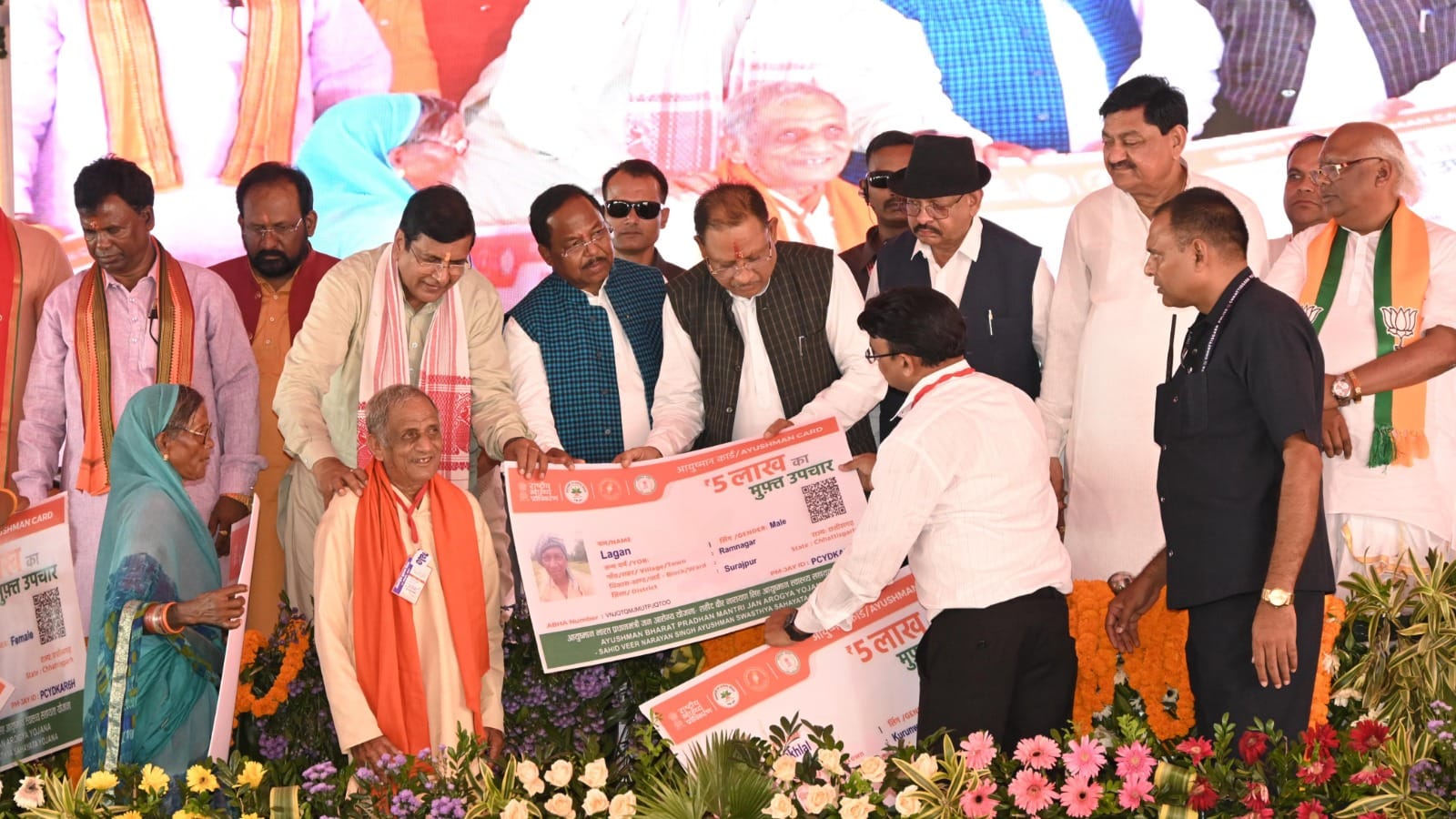



- The Chhattisgarh government is continuously working towards the holistic development of villages: Deputy Chief Minister Shri Vijay Sharma
- Takes immediate cognizance of the poor condition of a road; instructs an official via phone to dismantle and reconstruct it
- Announces the construction of a ‘Kabir Kuti’, a community hall, a ‘Navadha Manch’ (platform for cultural/religious events), a CC (cement concrete) road, and a ‘Muktidham’ (cremation ground)
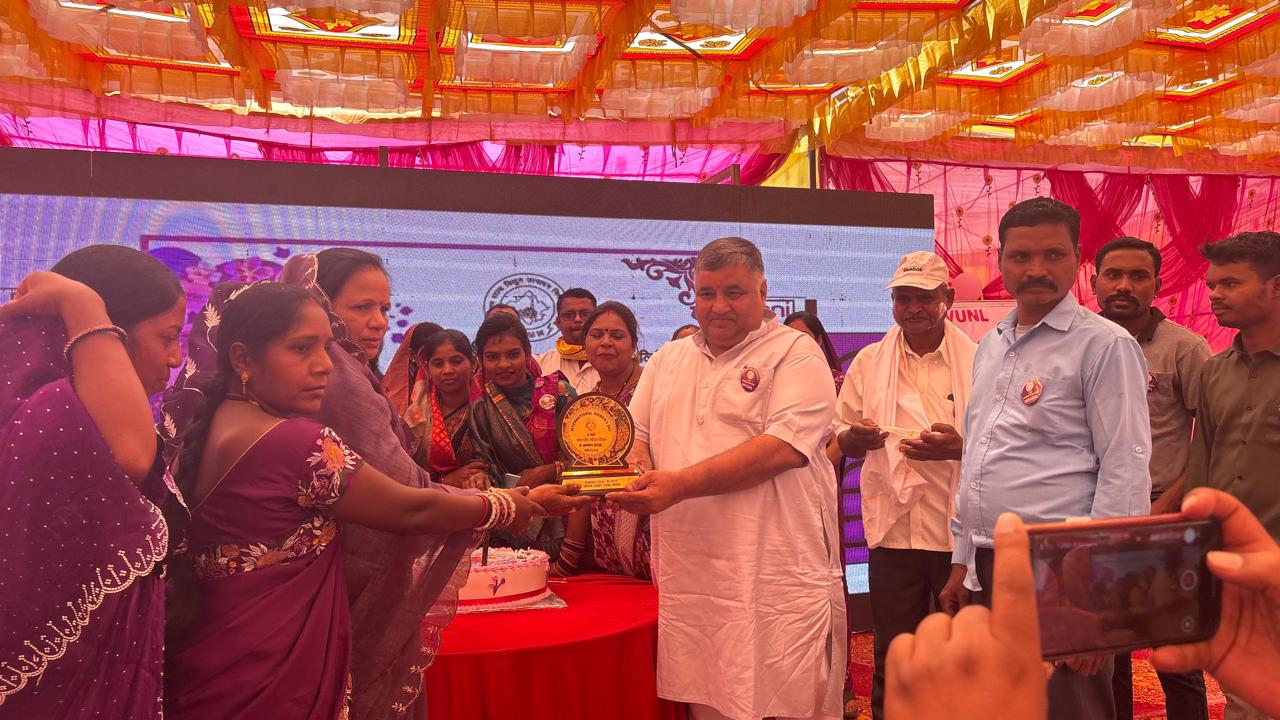
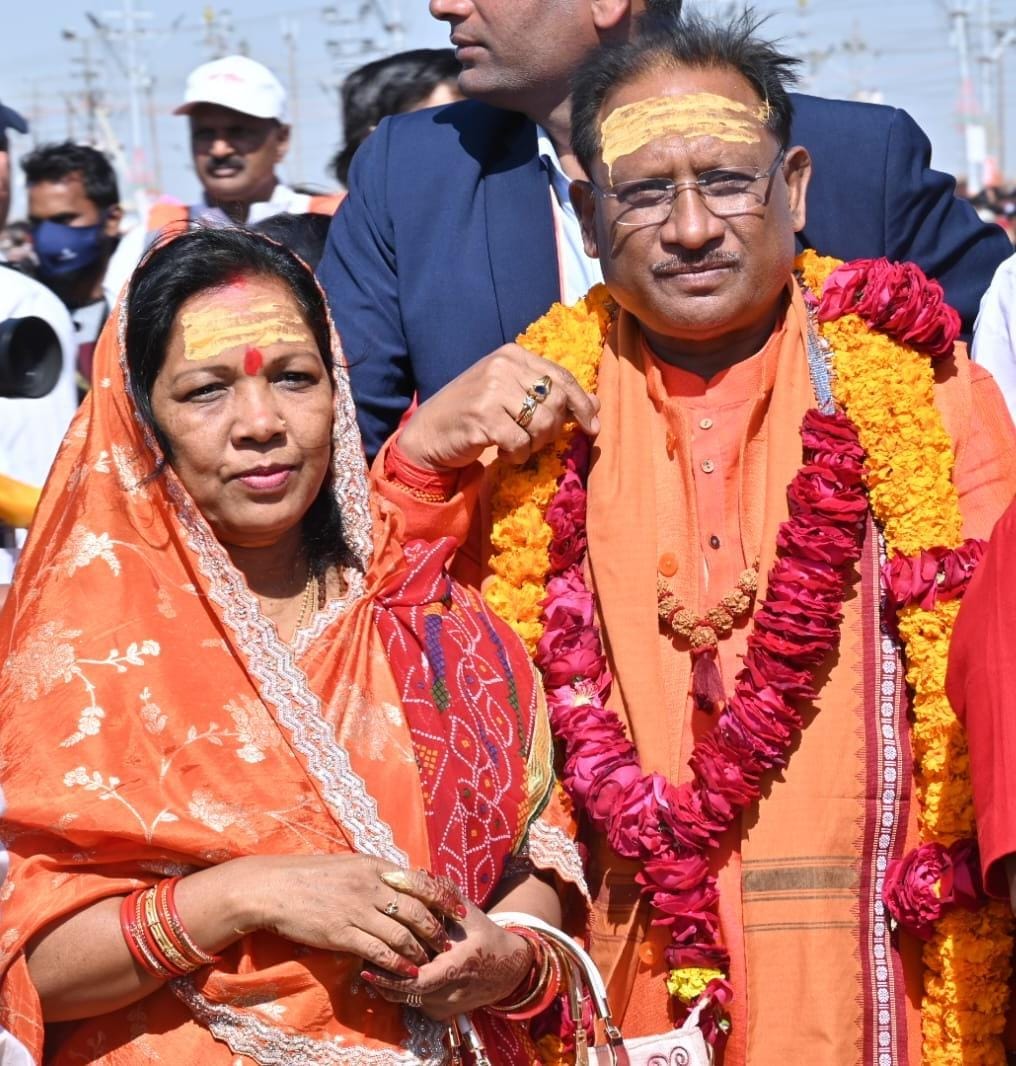
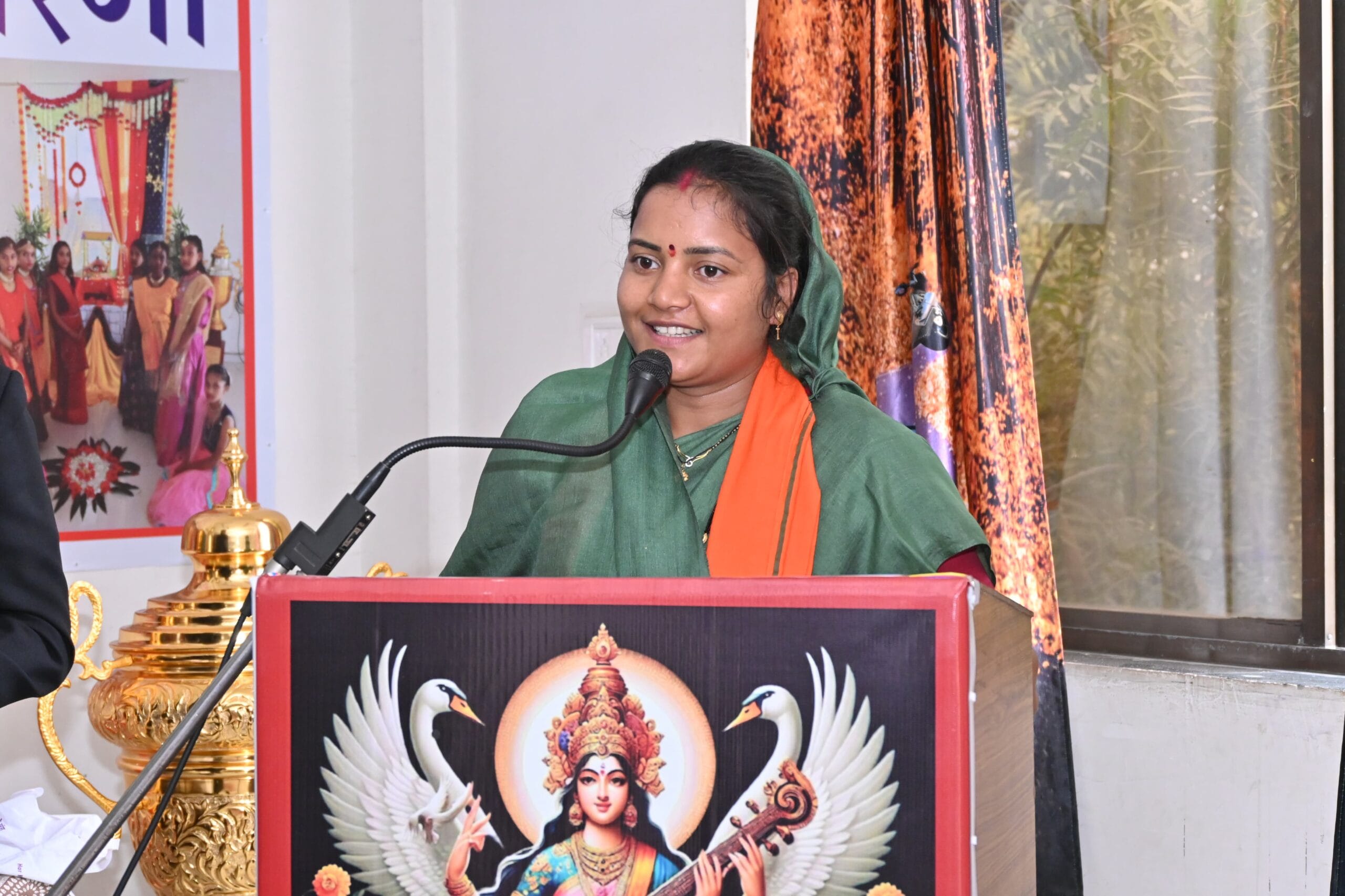
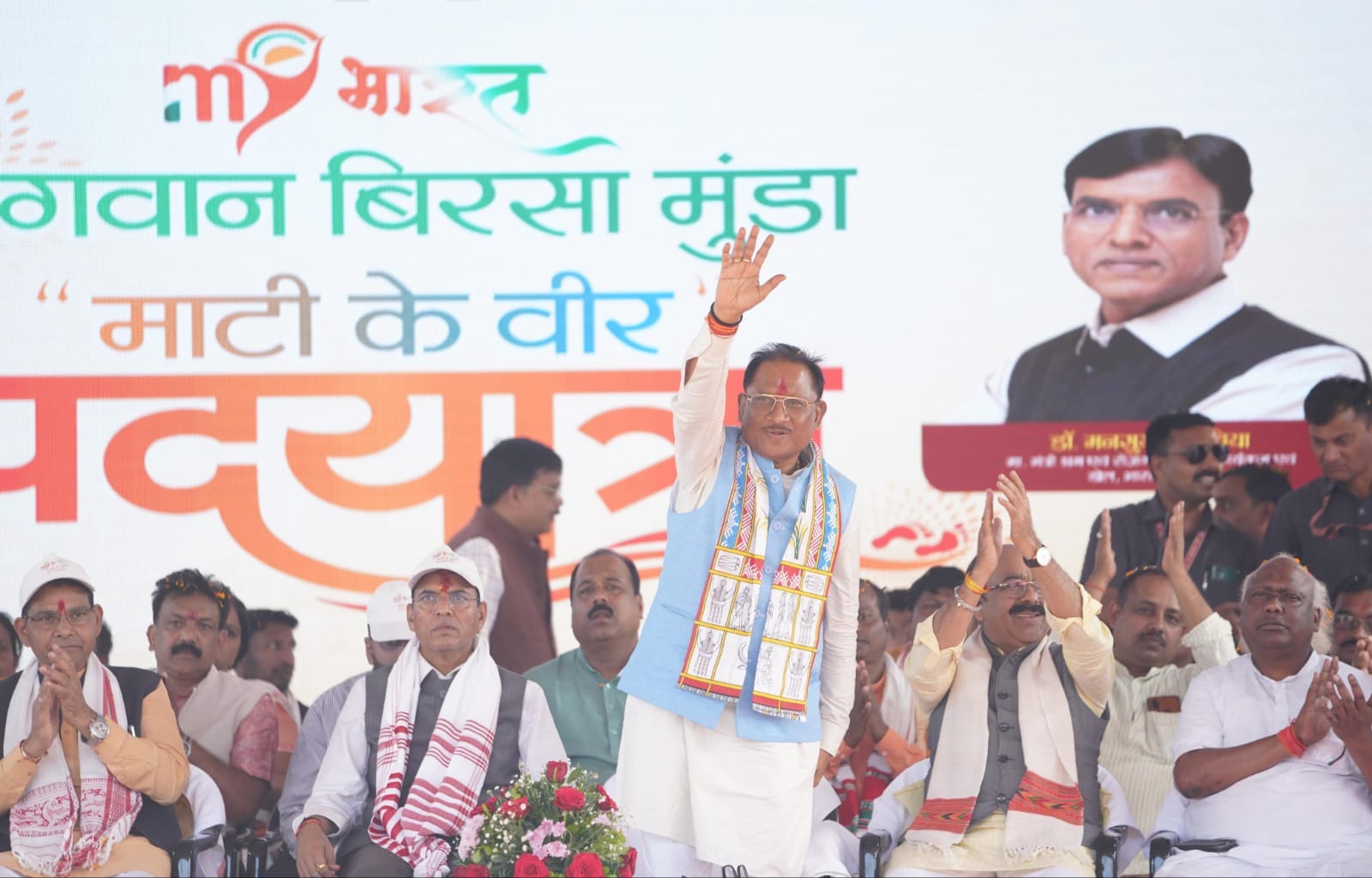
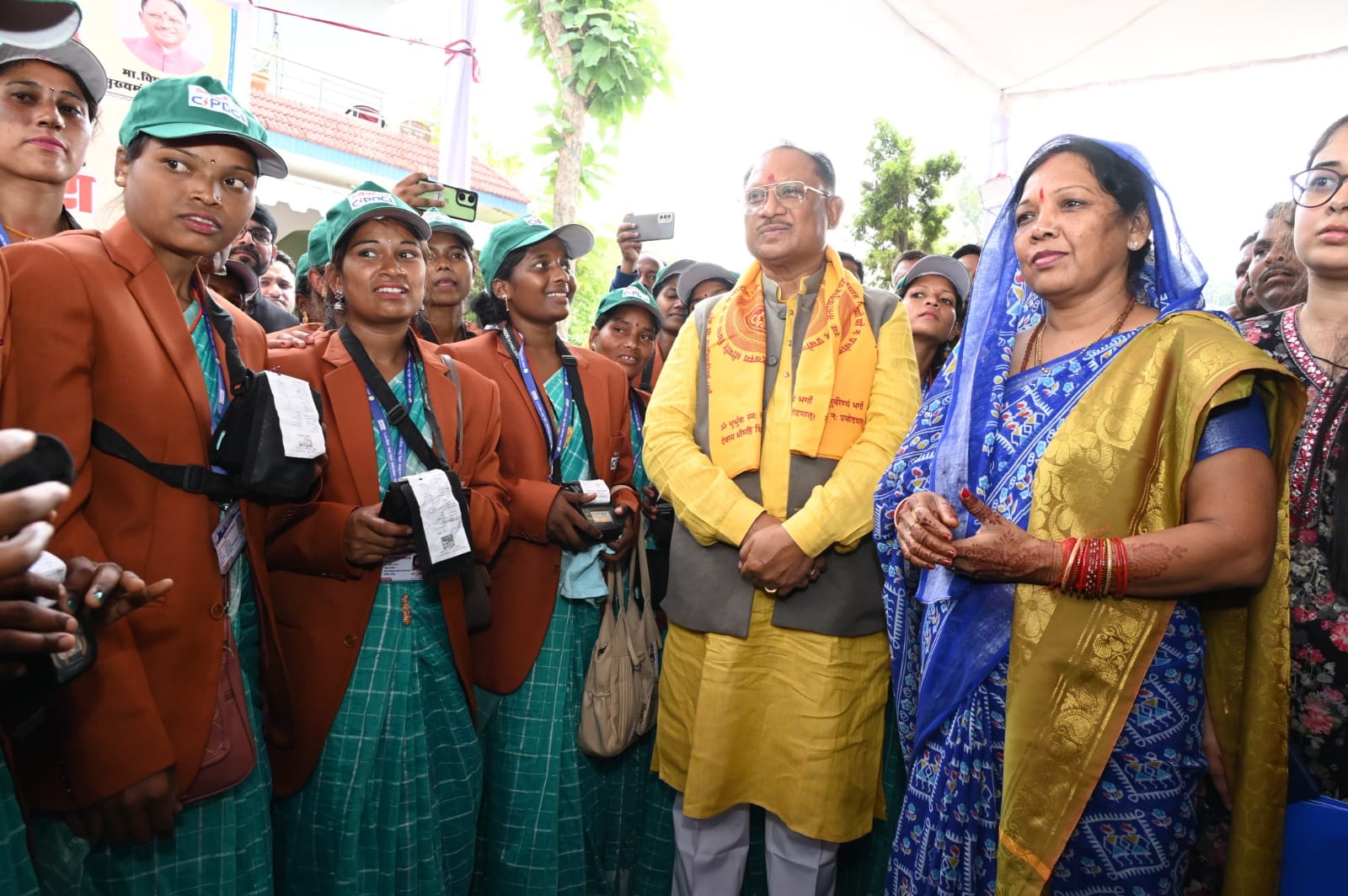
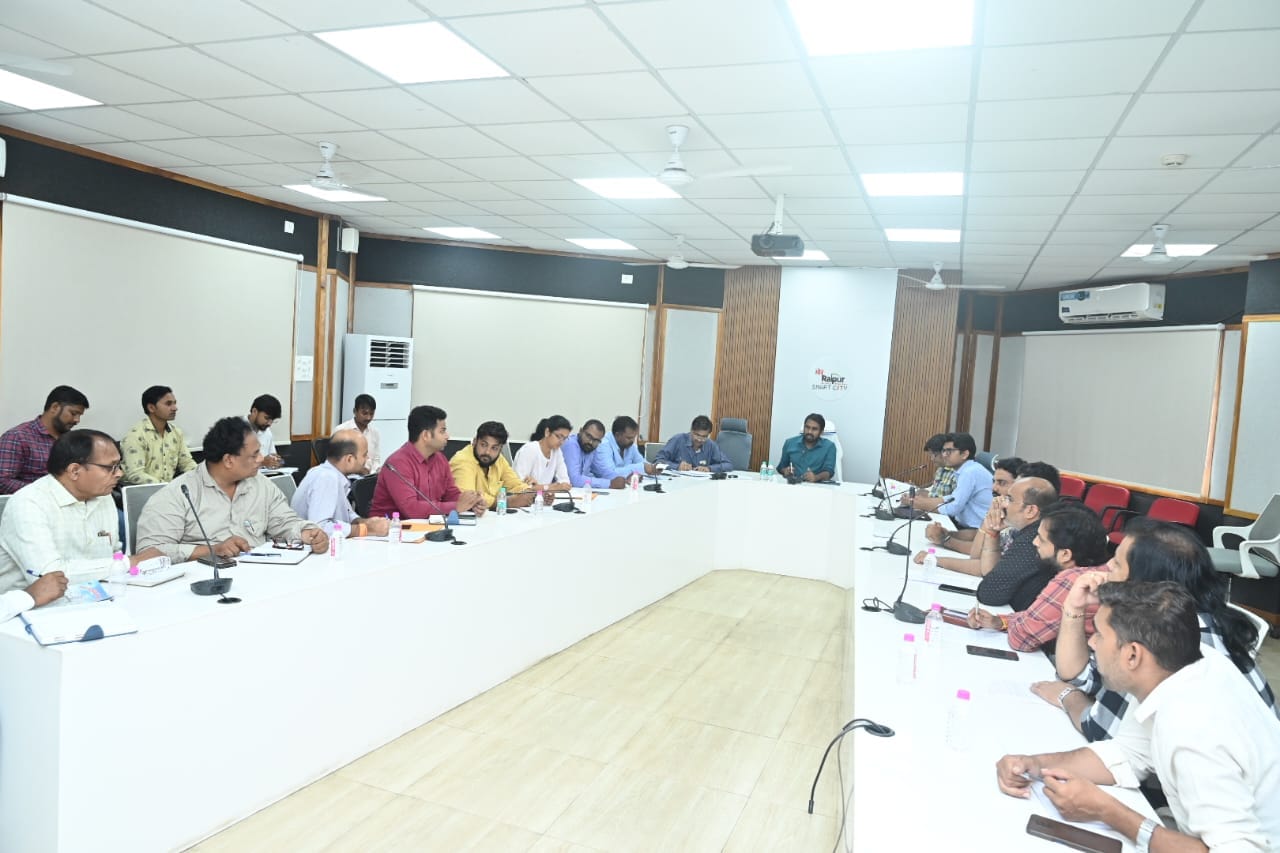
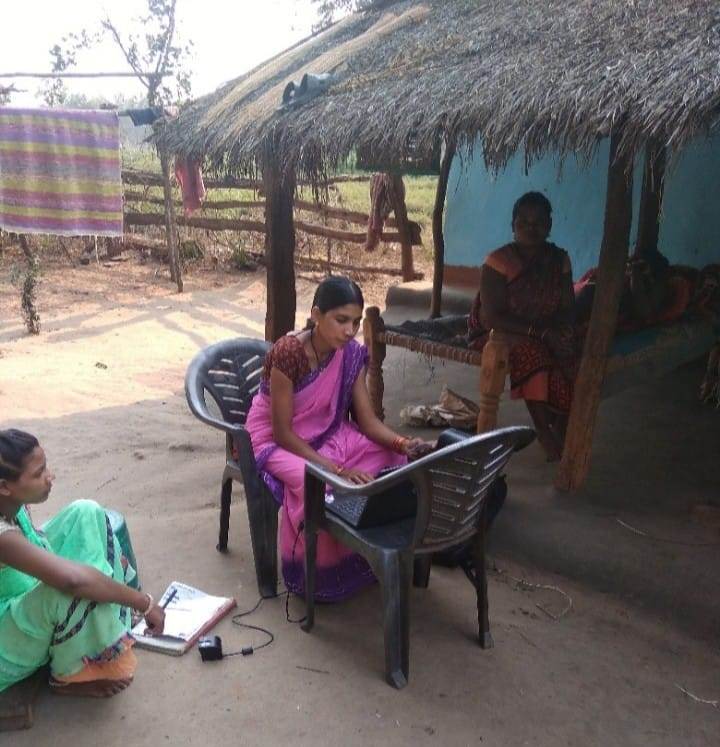
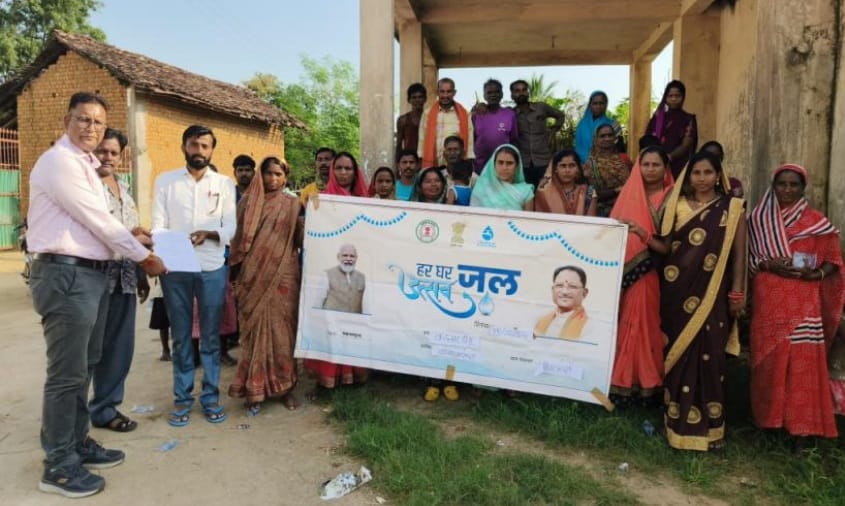
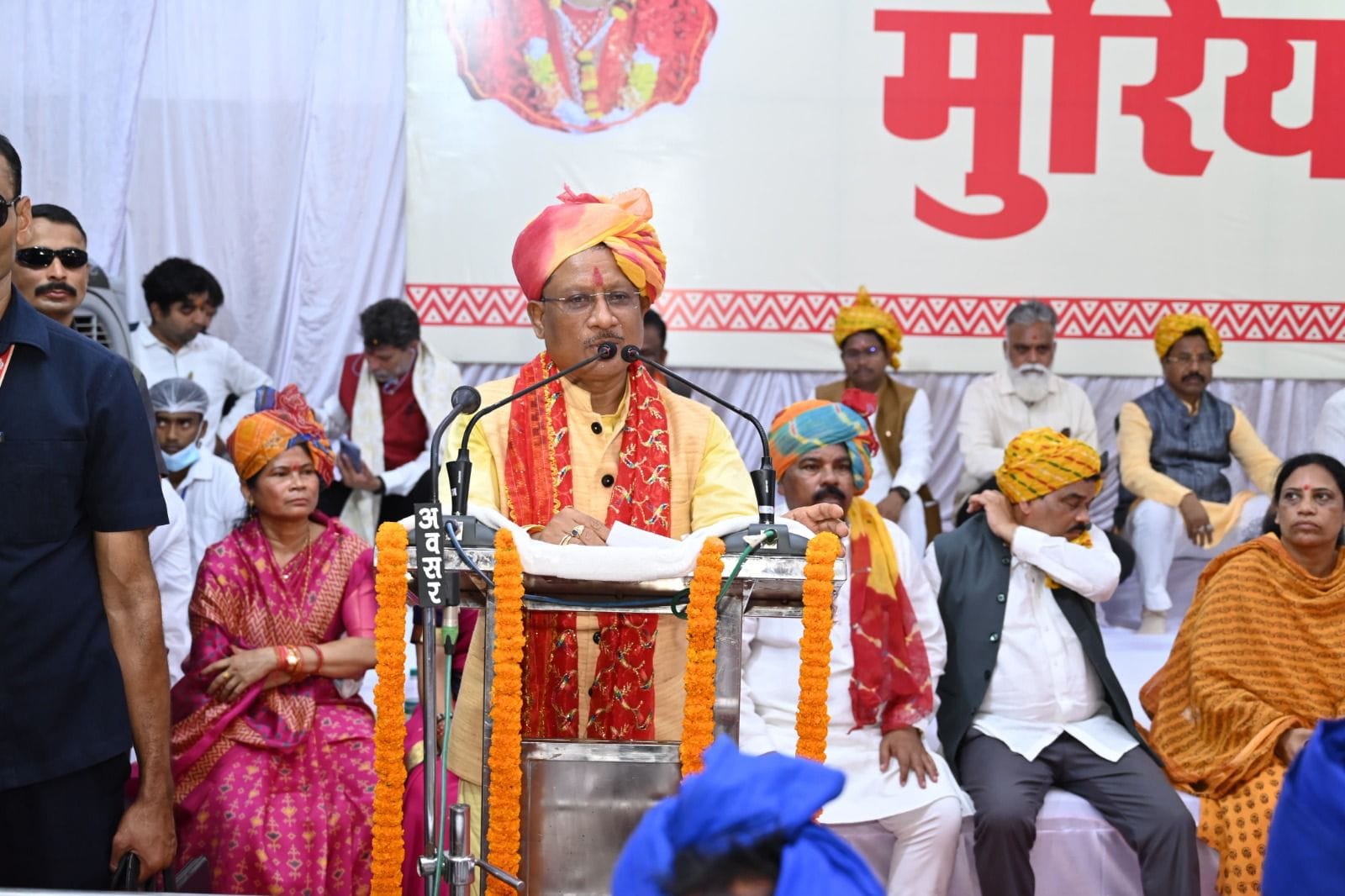
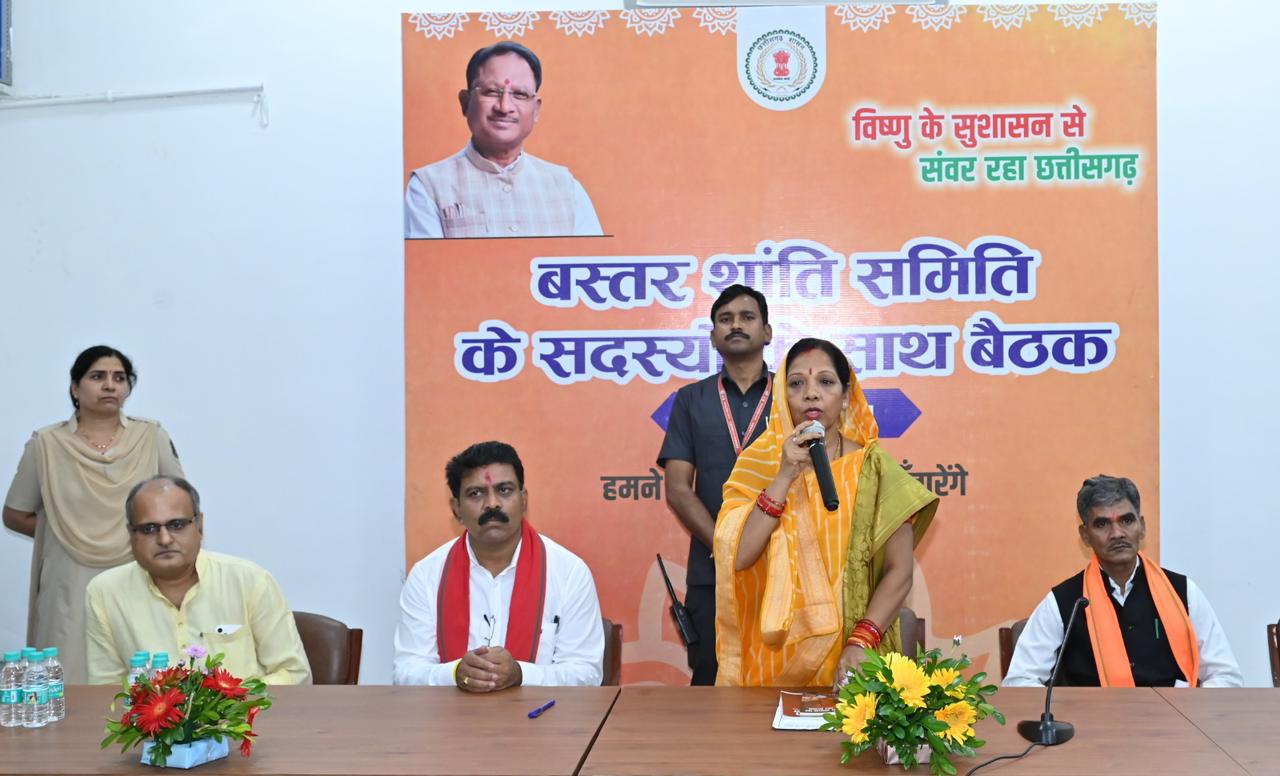
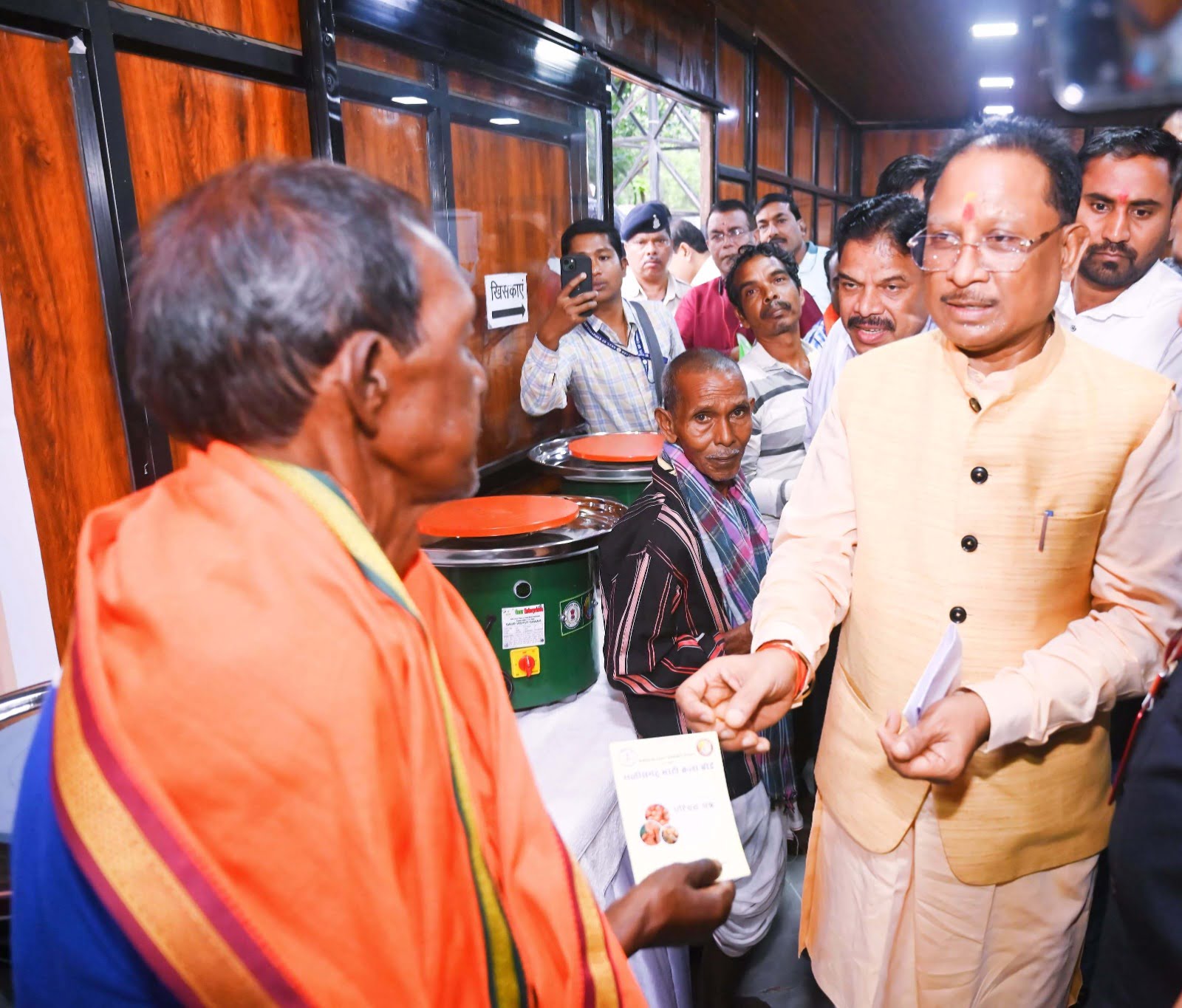
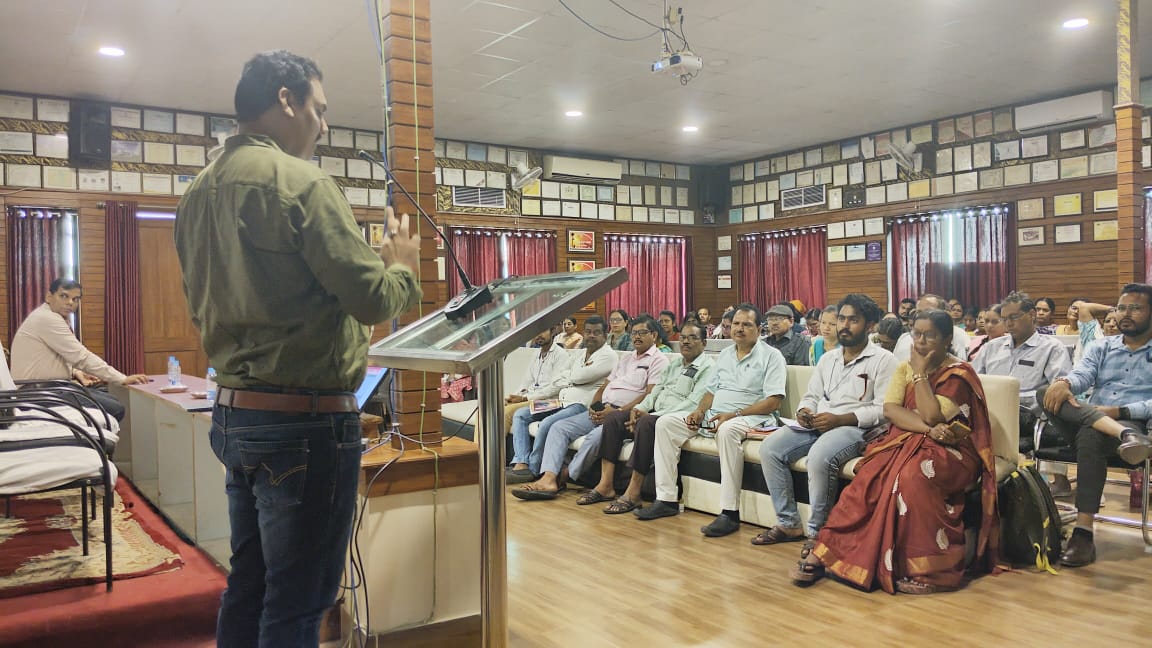
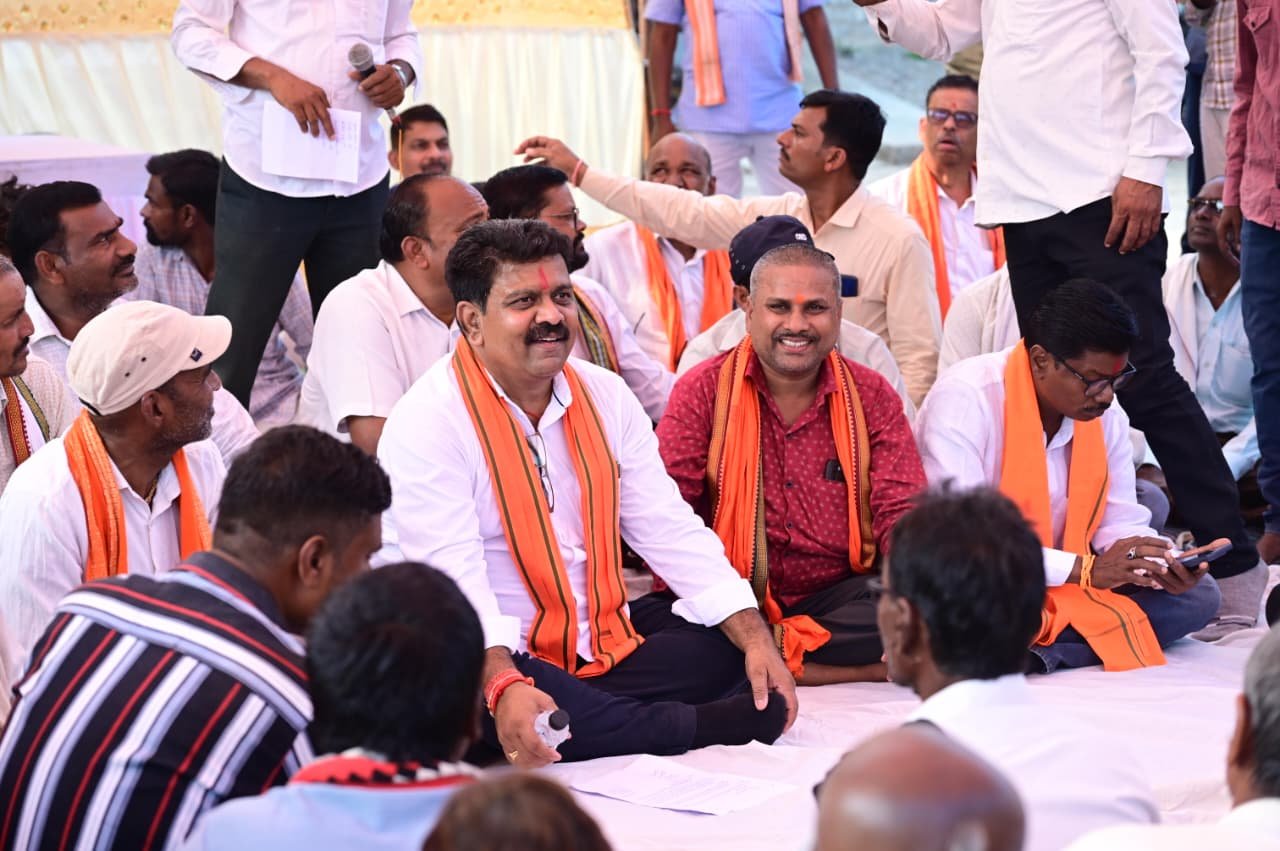
Sitting on the ground among the villagers, listening to their concerns, understanding their challenges, and announcing development projects tailored to the village’s needs—this approachable style of Deputy Chief Minister and Kawardha MLA Shri Vijay Sharma was on full display during public outreach programs held in the villages of Bandaura and Thakuraintola. He sat with the villagers, listened to their demands and grievances, and held serious discussions regarding their requirements for village development.
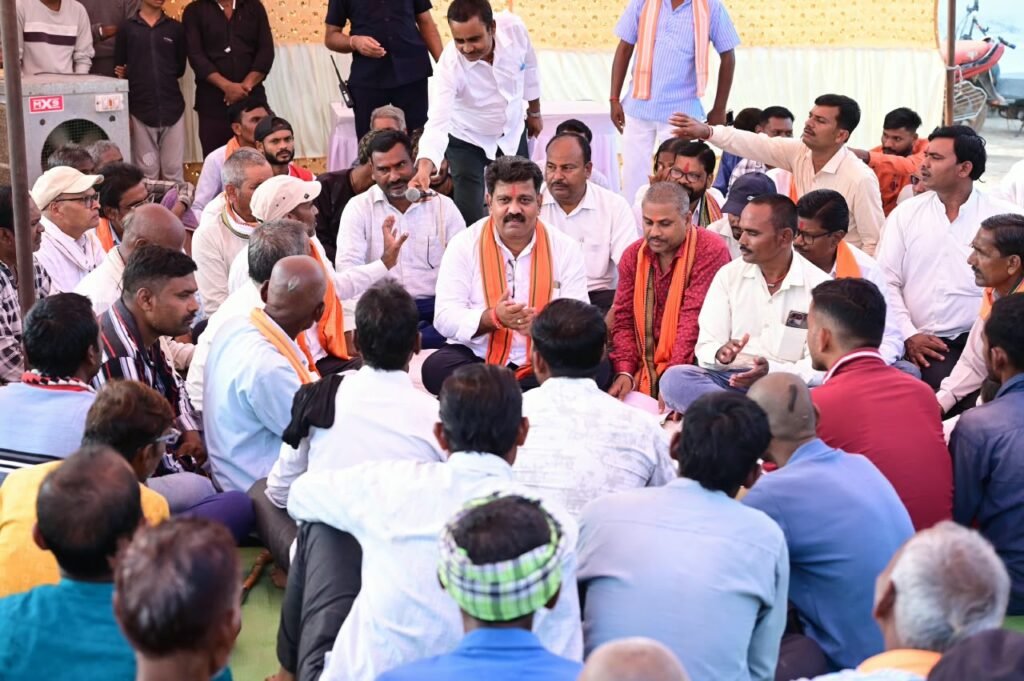
In response to the villagers’ requests, he announced various construction projects totaling Rs 74.80 lakh. Furthermore, upon receiving complaints about the poor state of a road in Bandaura, he contacted the concerned official and directed that the road be dismantled and rebuilt.
- Development projects gifted in response to villagers’ demands
In the village of Bandaura, Deputy Chief Minister Shri Sharma announced an allocation of Rs 10 lakh for the construction of a ‘Kabir Kuti’ in Ward No. 10, Rs 10 lakh for a community hall, and Rs 3 lakh for a ‘Navadha Manch’. Additionally, he announced Rs 18 lakh for the construction of sheds at the ‘Muktidham’ and elsewhere in the village.

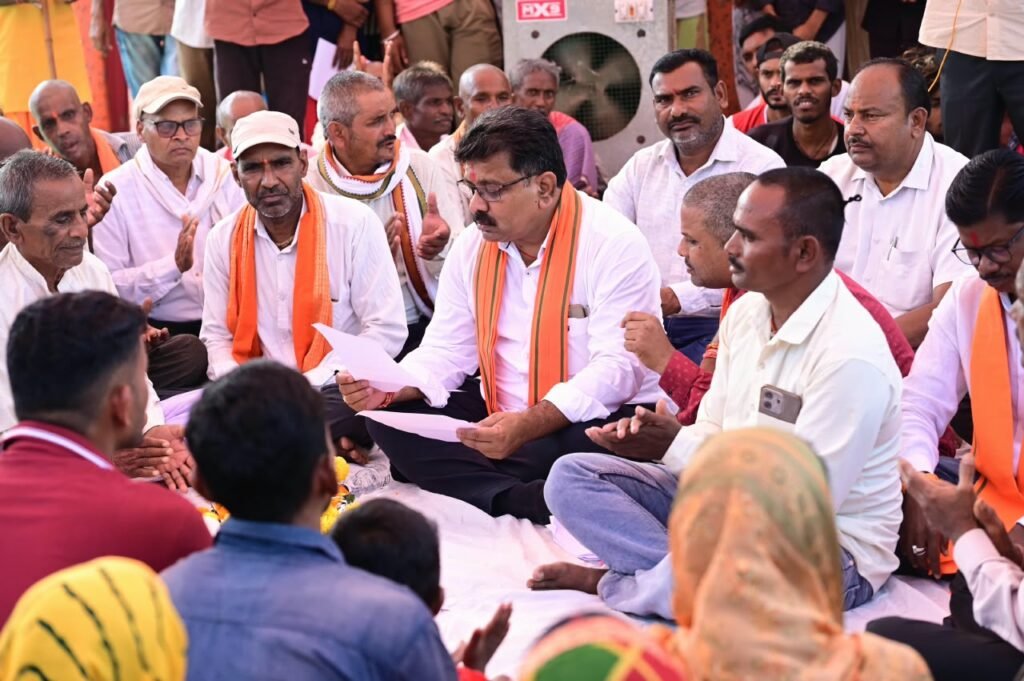
In the village of Thakuraintola, announcements were made for a CC road (costing Rs 7.80 lakh), a community hall (costing Rs 10 lakh), and a ‘Muktidham’ (Rs 6 lakh). Meanwhile, in the Nayapara Panchayat, he announced Rs 10 lakh for the construction of a community hall. These initiatives will help provide the villagers with better facilities for social and community-related activities.
- Addressing Road Issues: Immediate Instructions Issued to Officials
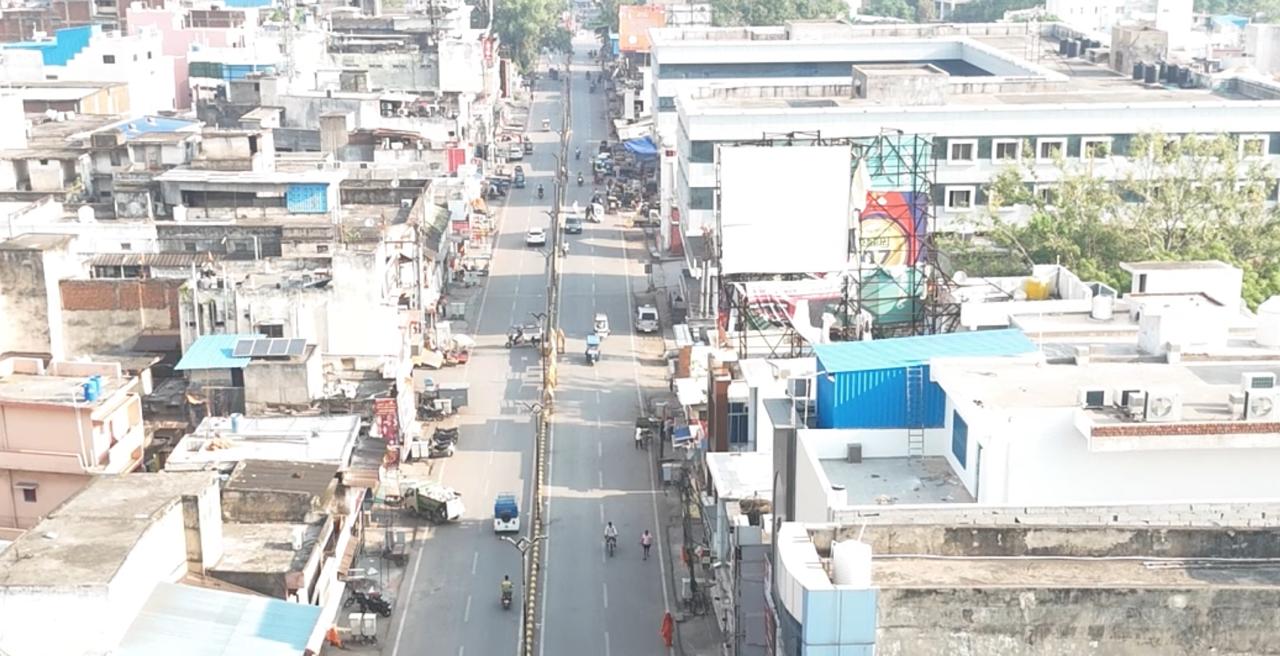
In the village of Bandaura, residents brought the poor condition of the local road to the attention of the Deputy Chief Minister. After listening to their concerns, Mr. Sharma contacted the relevant official by phone and issued instructions to remove the damaged road surface and reconstruct it.
- Ongoing Efforts for Rural Development
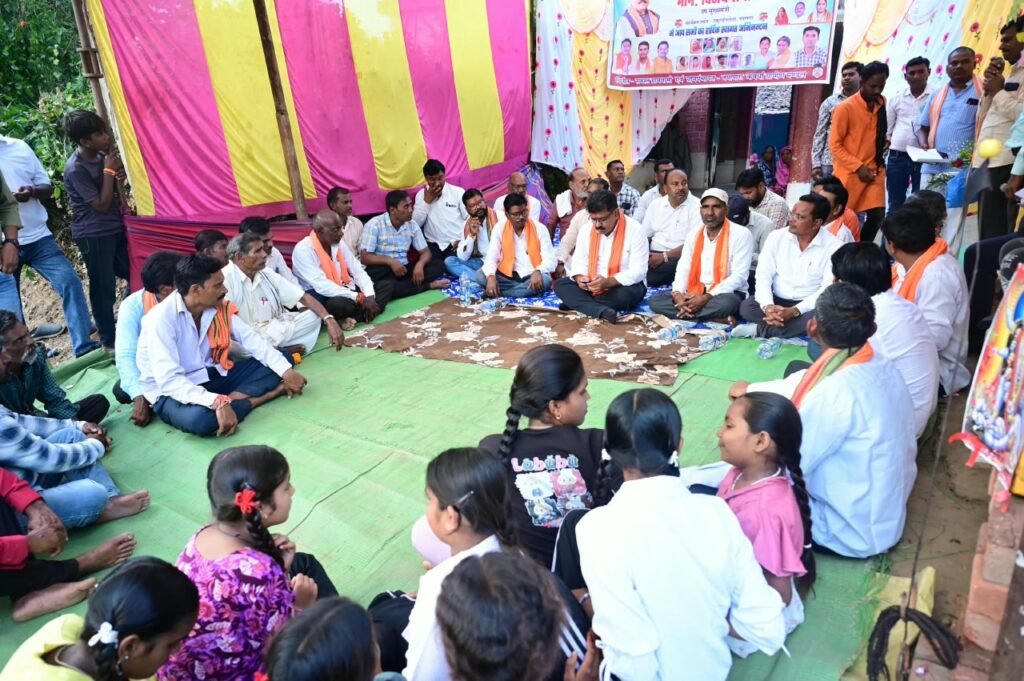
Addressing the villagers, Deputy Chief Minister Mr. Vijay Sharma stated that the Chhattisgarh government is consistently working toward the holistic development of rural areas and the provision of better amenities for all citizens. Various development initiatives are being advanced with a focus on education, healthcare, infrastructure (roads), religious tourism, and the interests of farmers. He noted that a medical college has been established in Kawardha, and its building is currently under construction. To improve traffic infrastructure, a four-lane road is being built—at a cost of ₹54 crore—on the routes entering the city from the Bilaspur and Raipur roads.
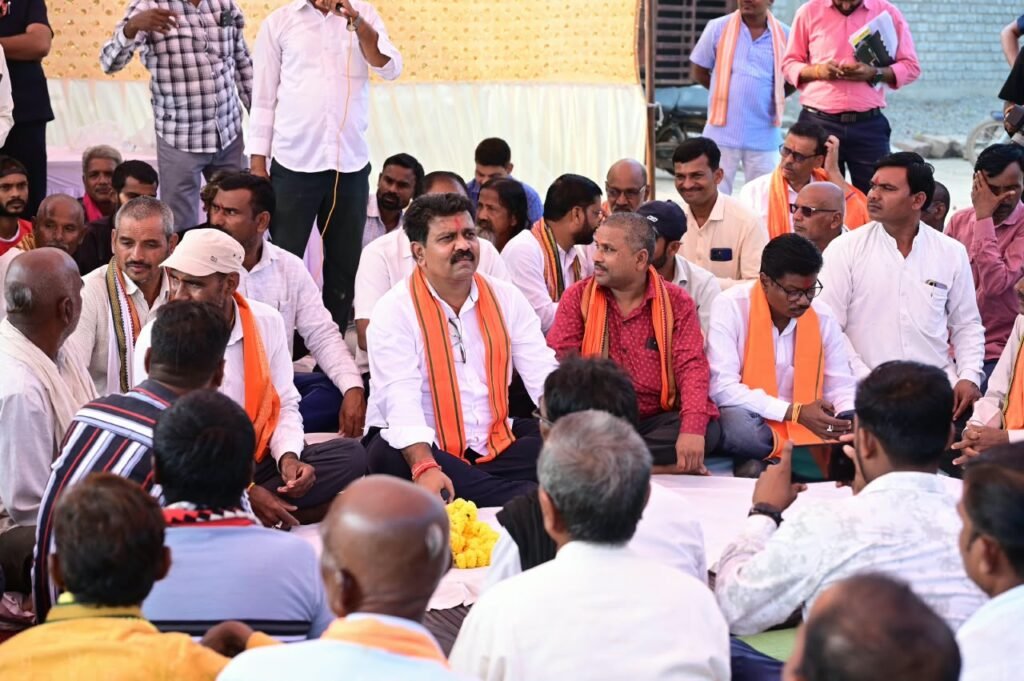
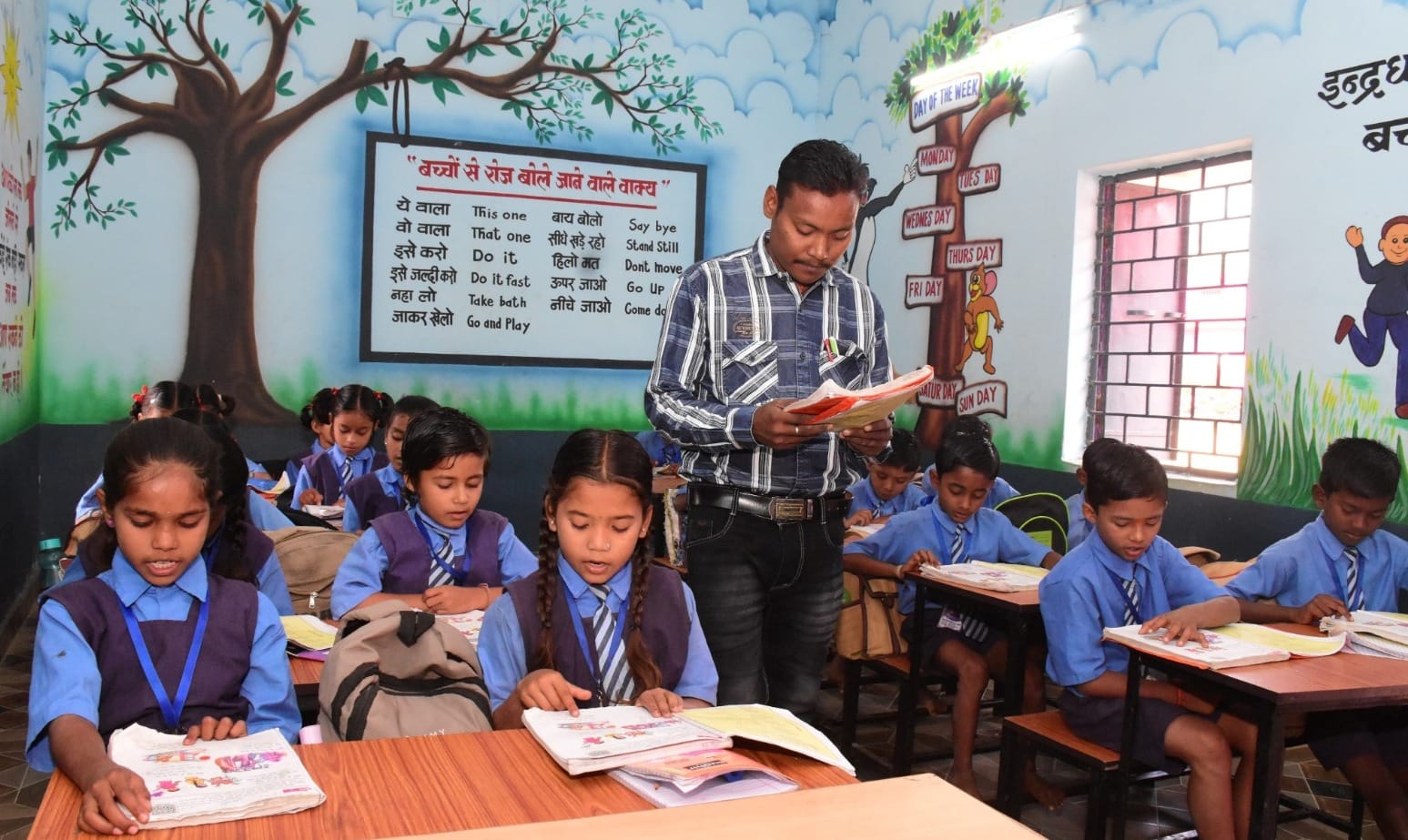
The Deputy Chief Minister further mentioned that projects worth ₹146 crore are underway for the development of the Bhoramdeo Temple. In the education sector, digital learning facilities are being introduced across 85 high schools and higher secondary schools within the Kawardha assembly constituency. Digital boards have already been installed in 50 of these schools, with plans to equip the remaining 35 as well. Mr. Sharma emphasized that the state government is committed to ensuring fair prices for farmers’ produce and strengthening their economic standing; notably, the procurement price for sugarcane in the state has been increased to ₹425 per quintal. He also highlighted that the construction of ‘Mahtari Sadans’ (community centers for women) is being rolled out across villages, providing rural women with a dedicated space for community-based activities.