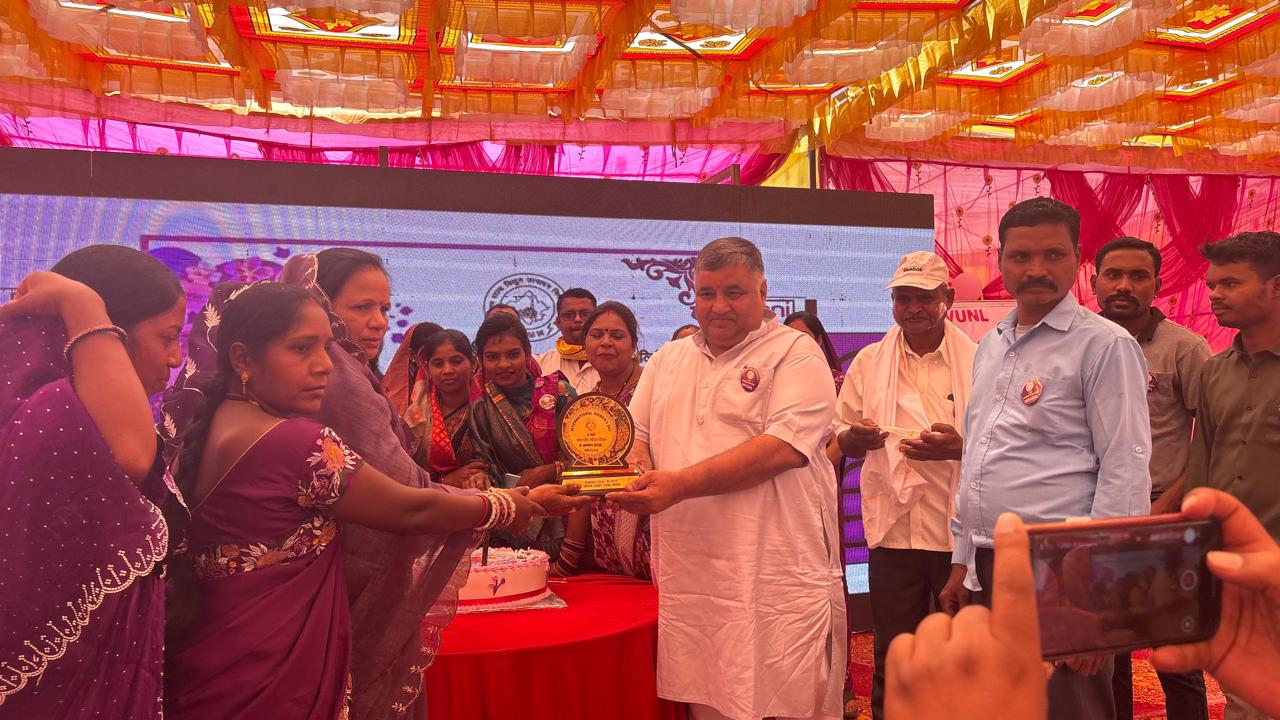






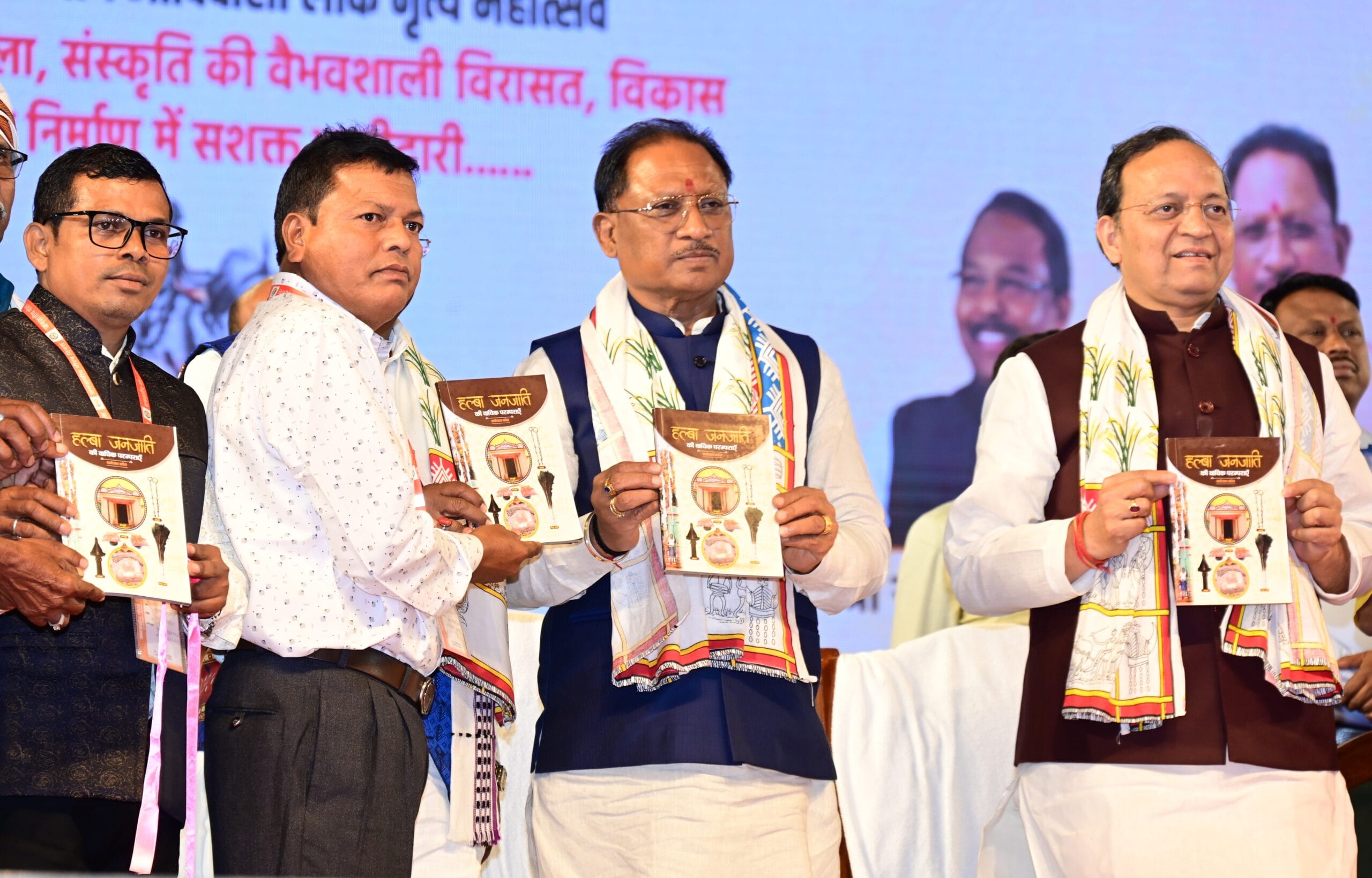
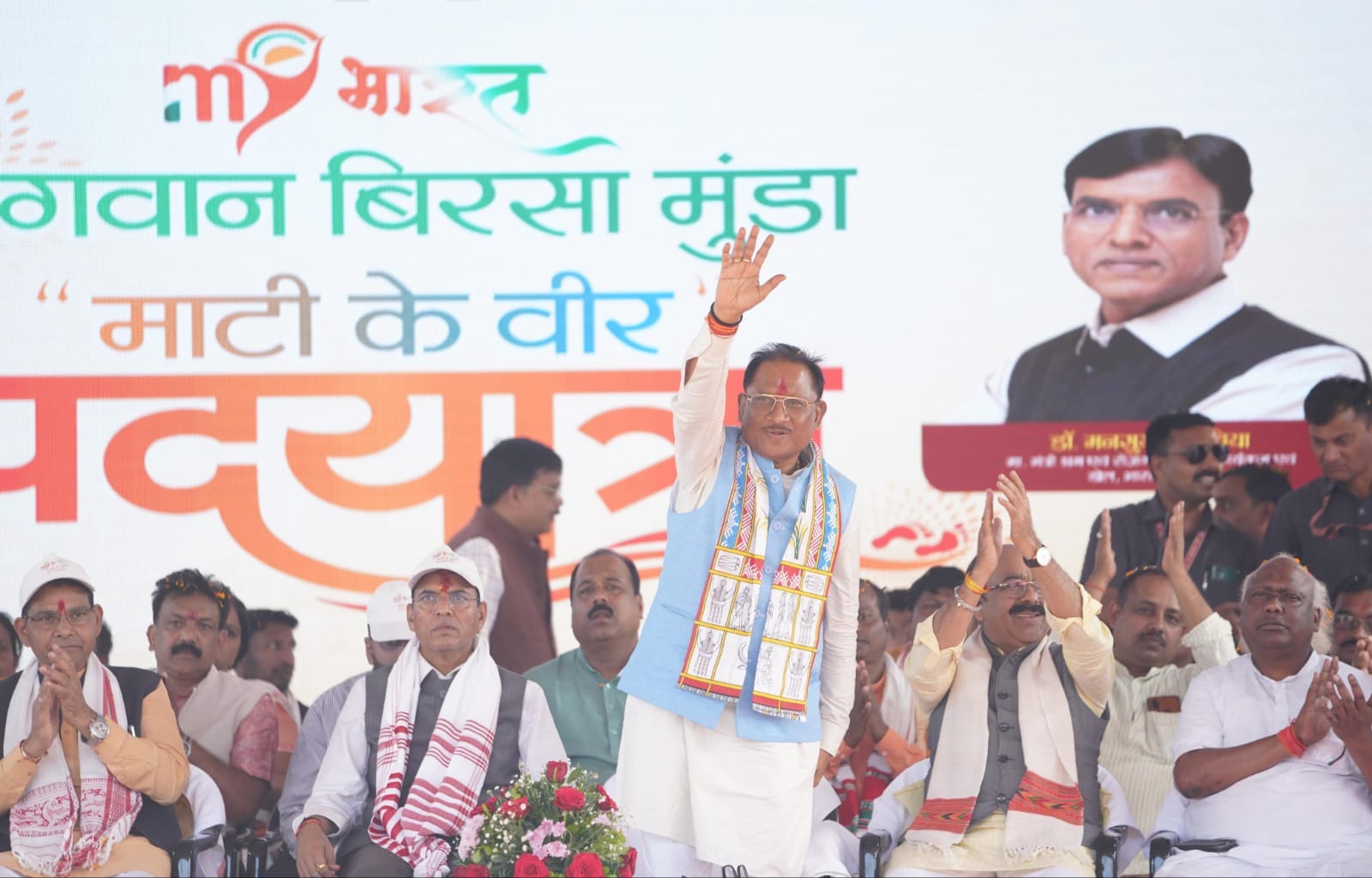

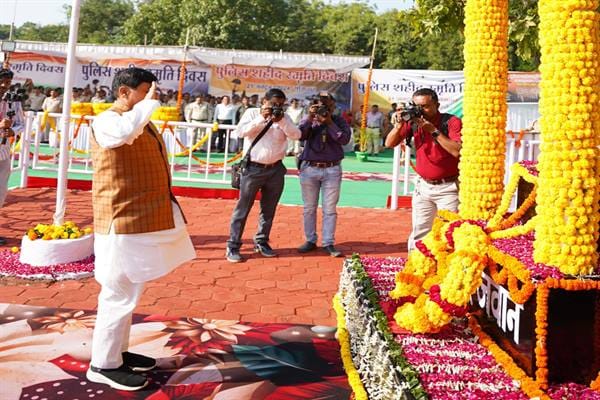

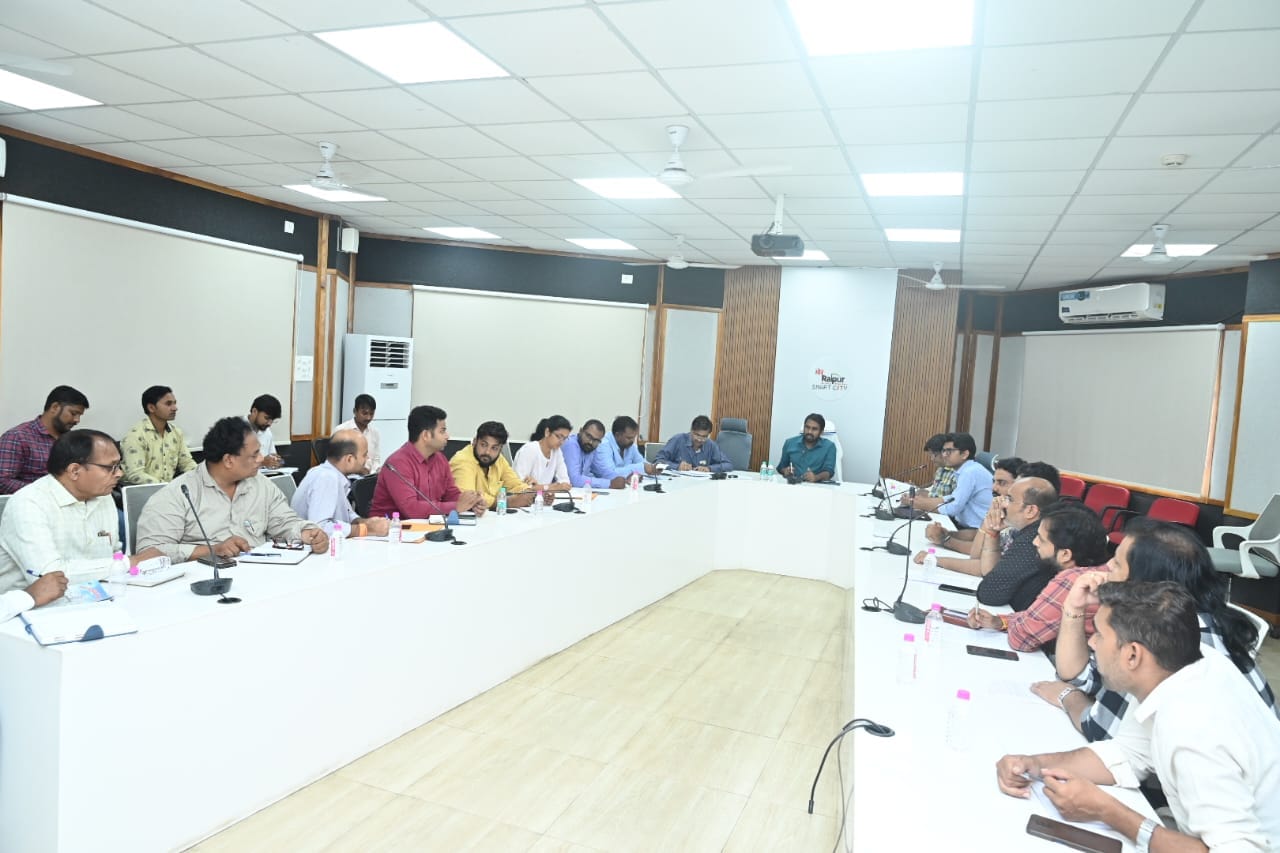
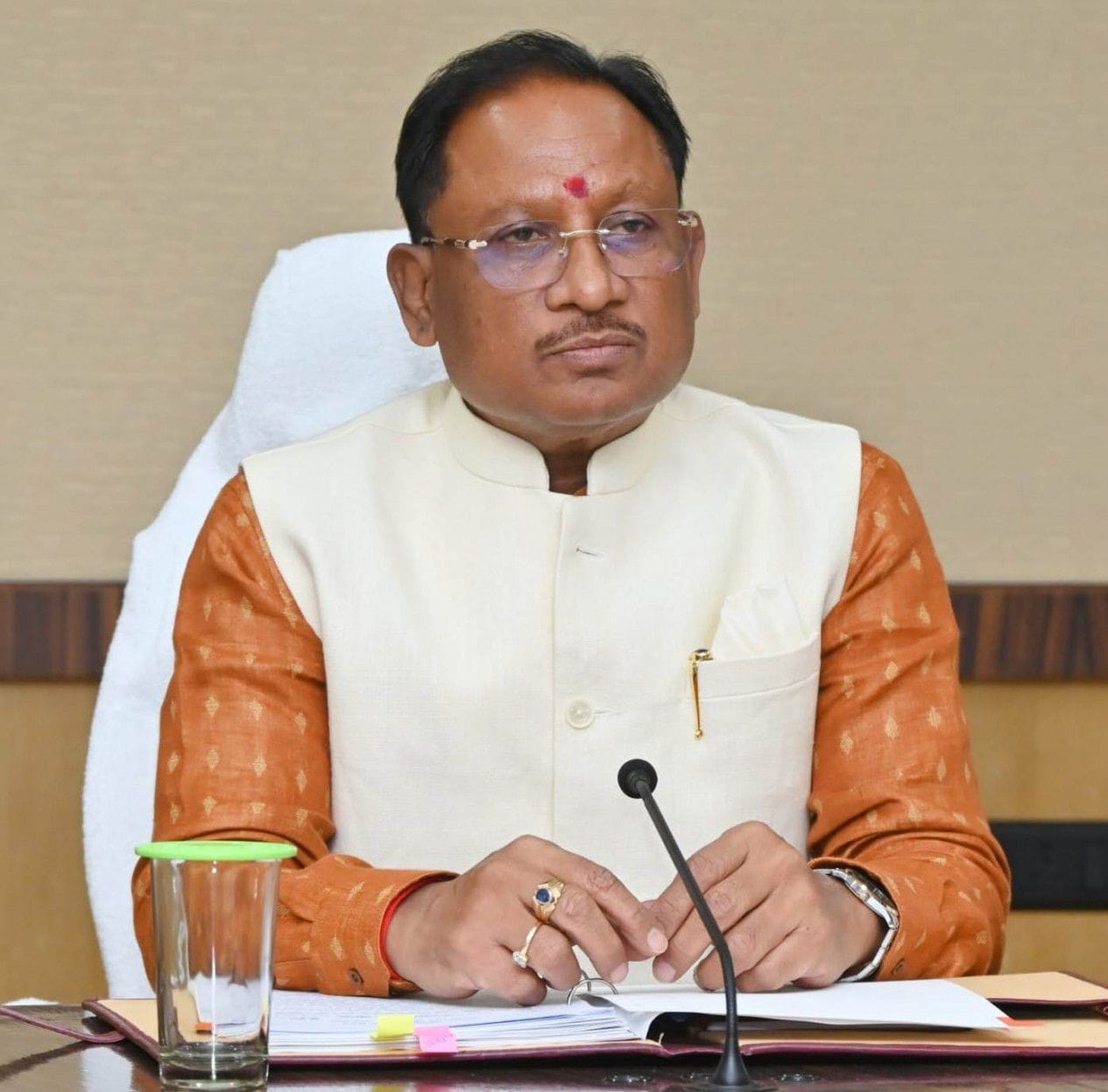
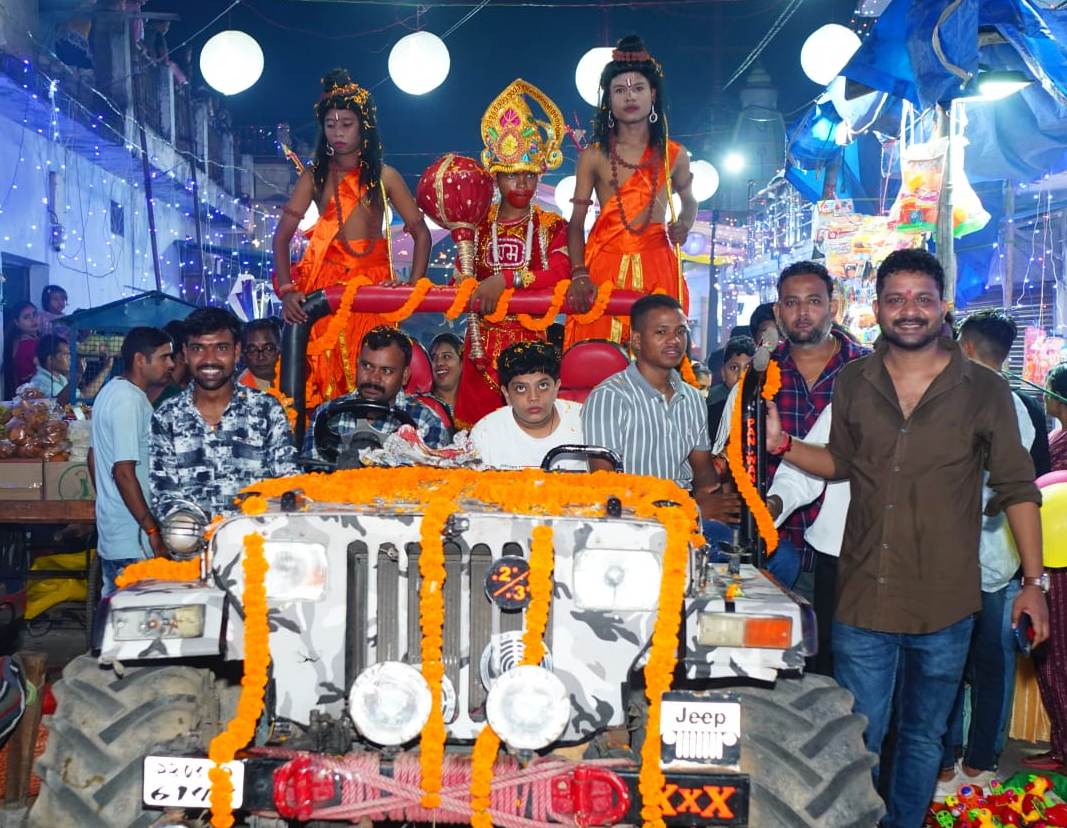
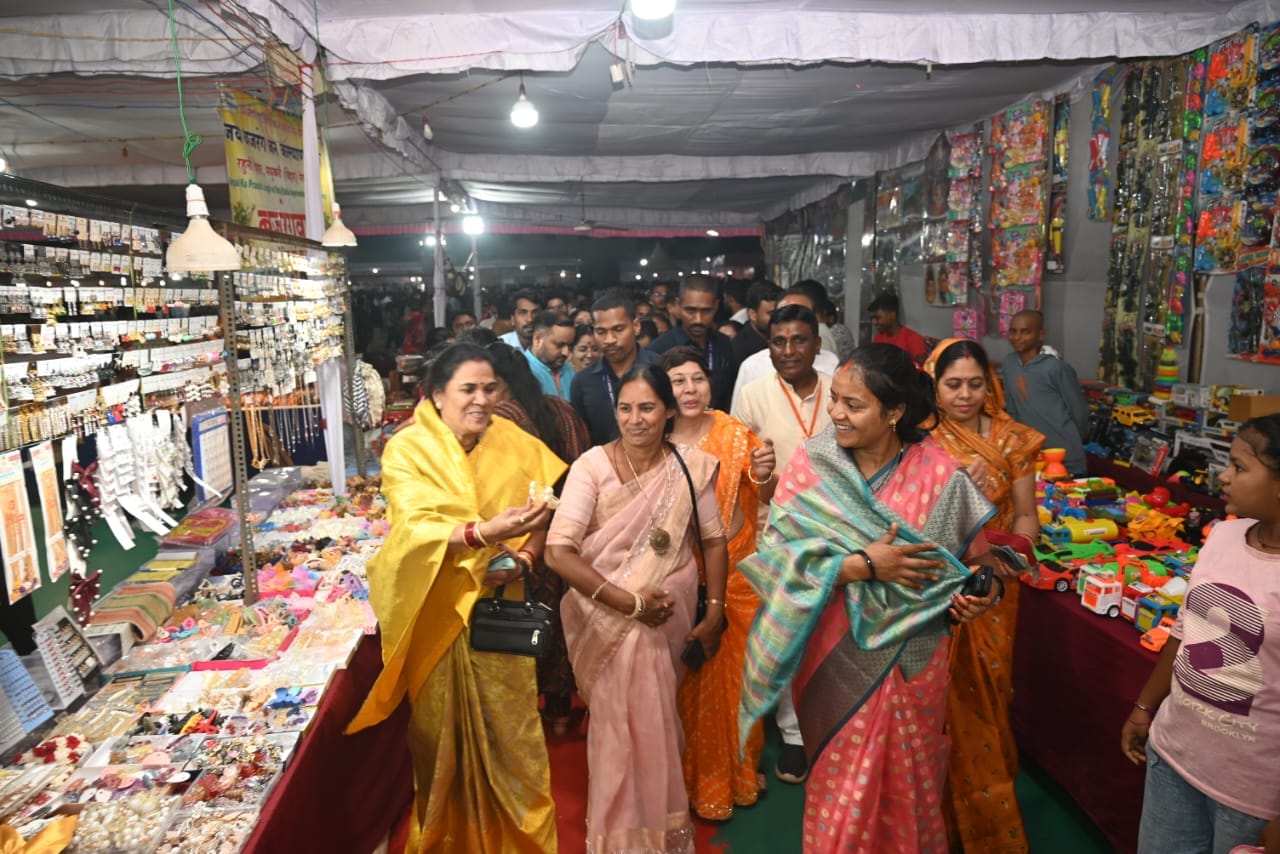

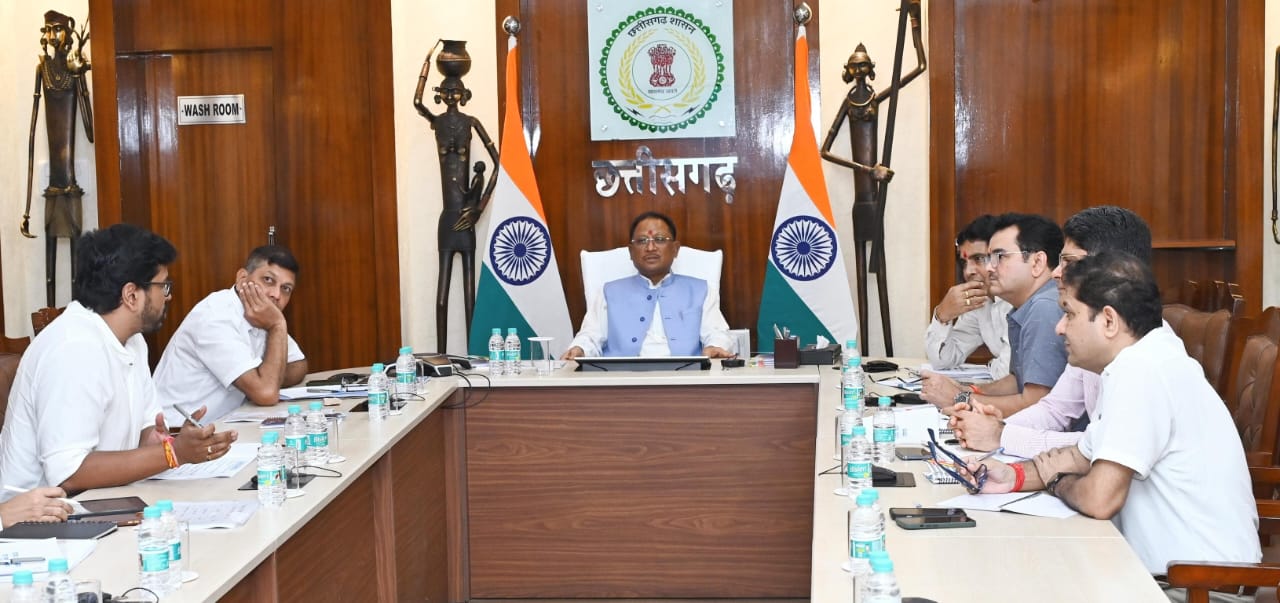
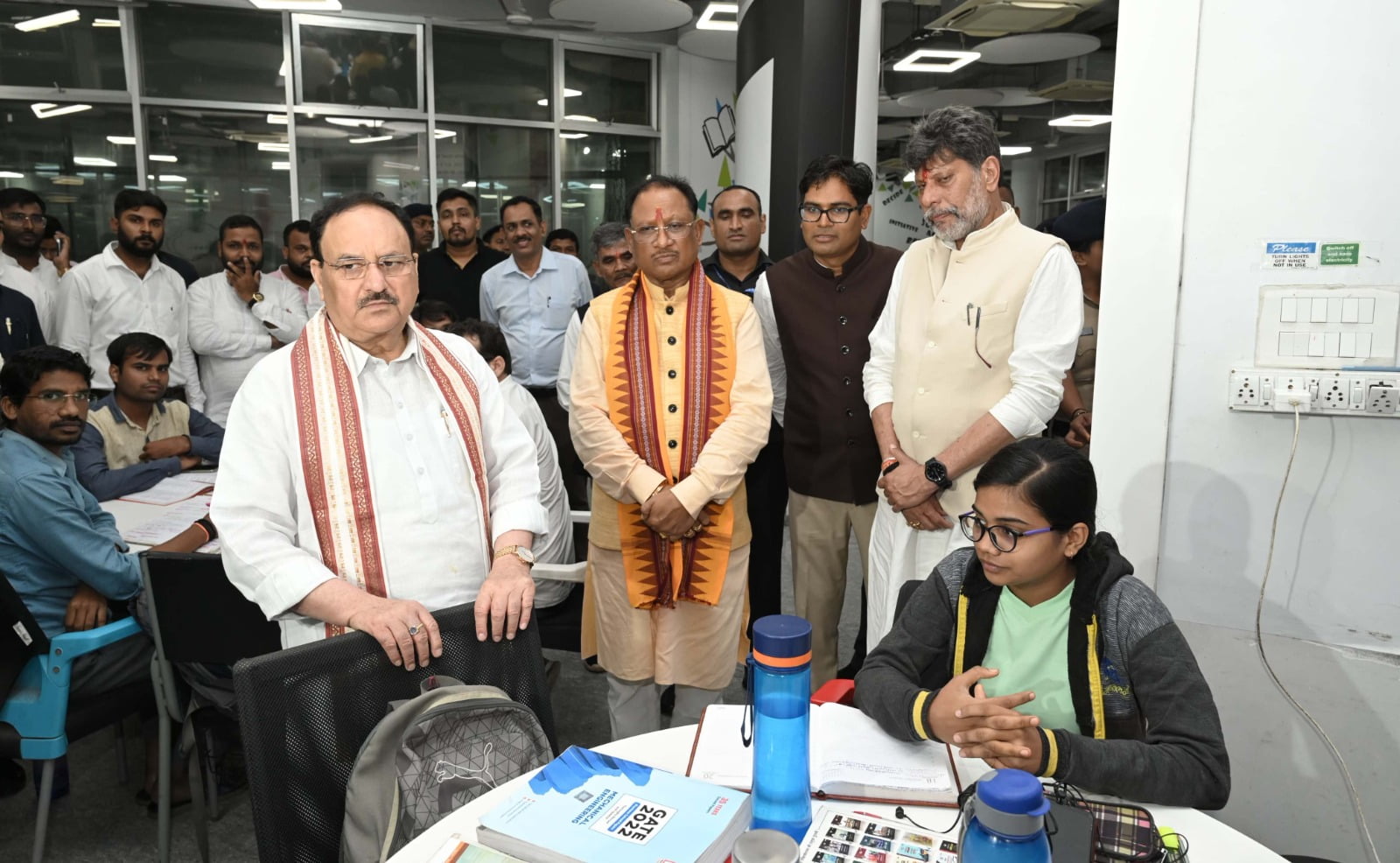
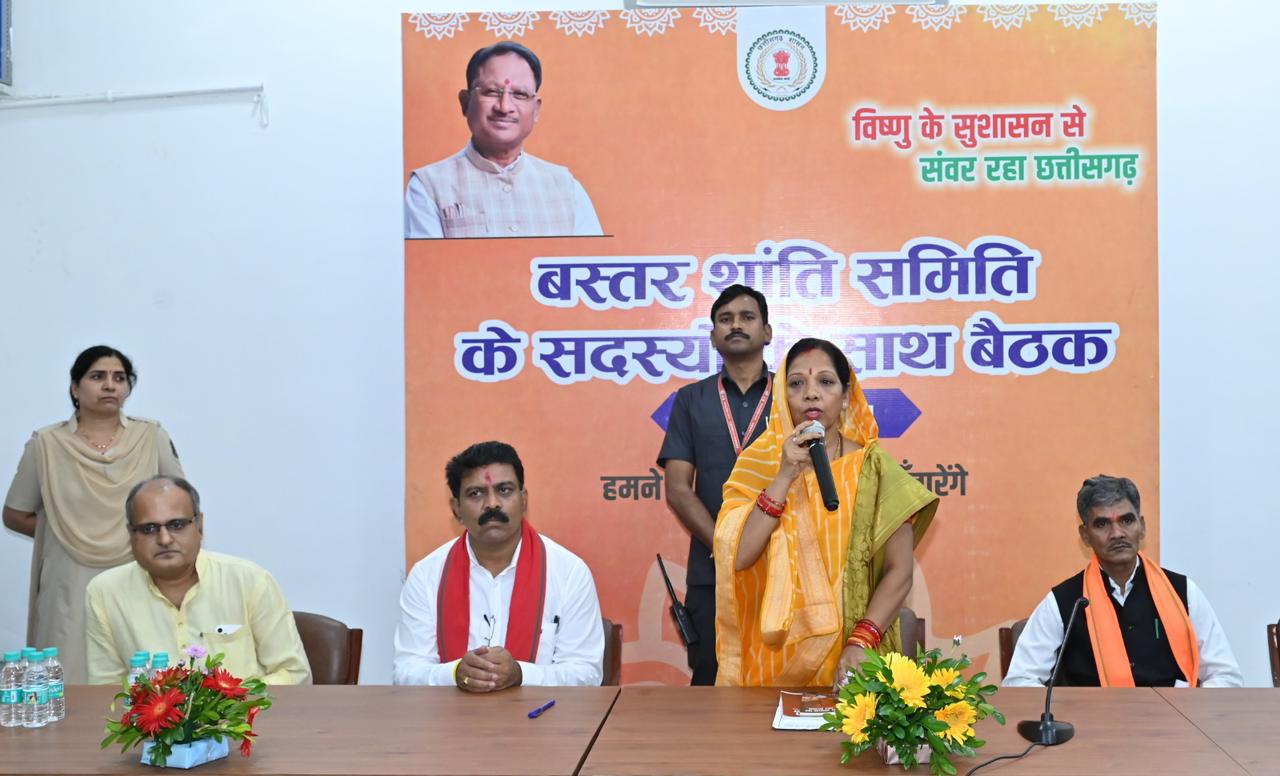
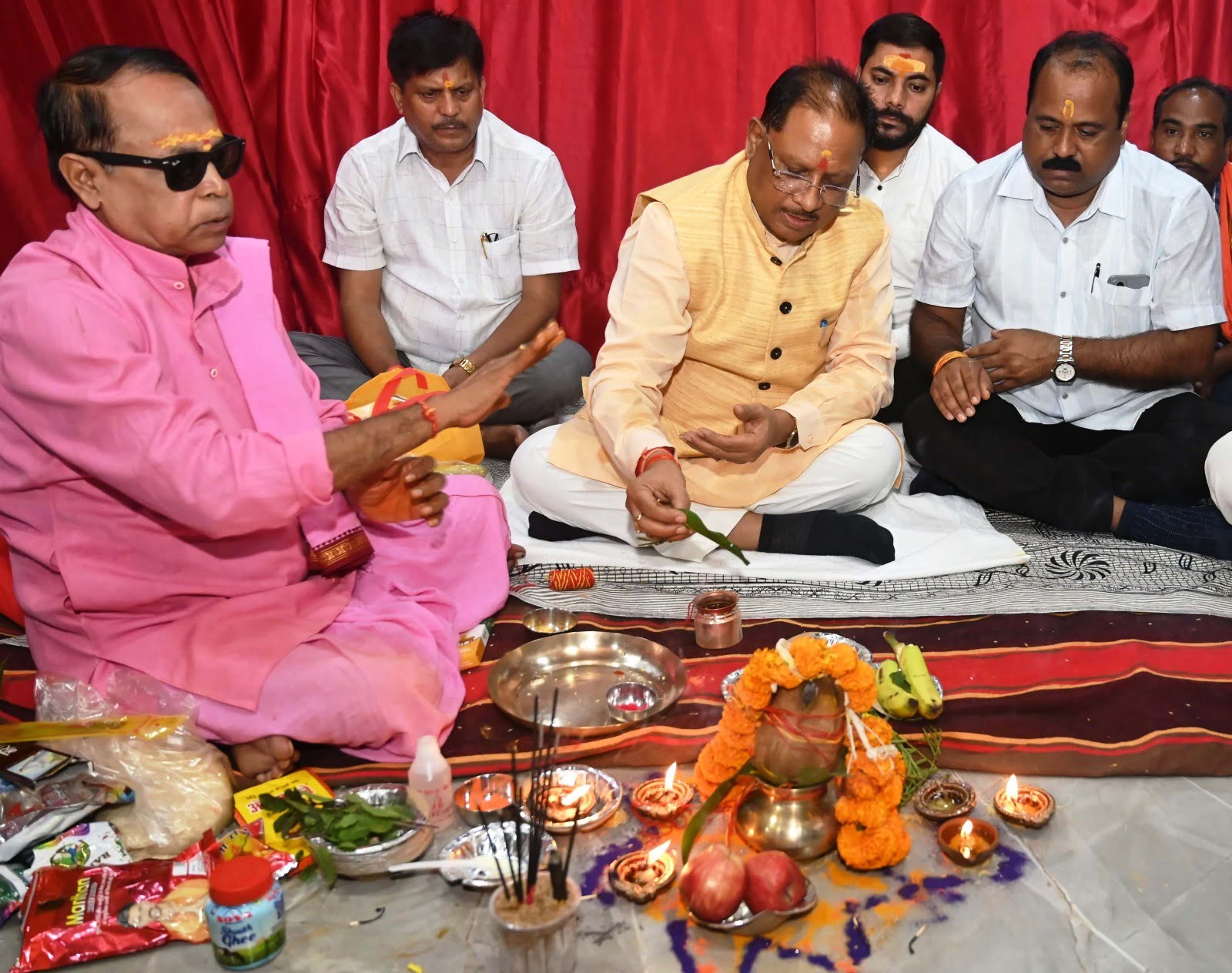



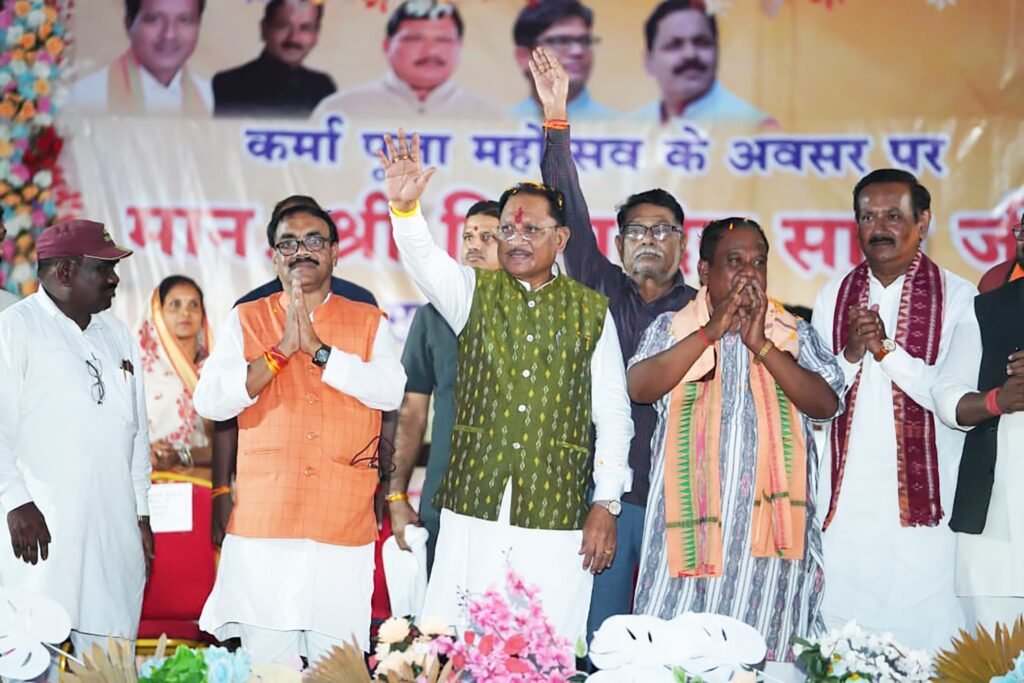
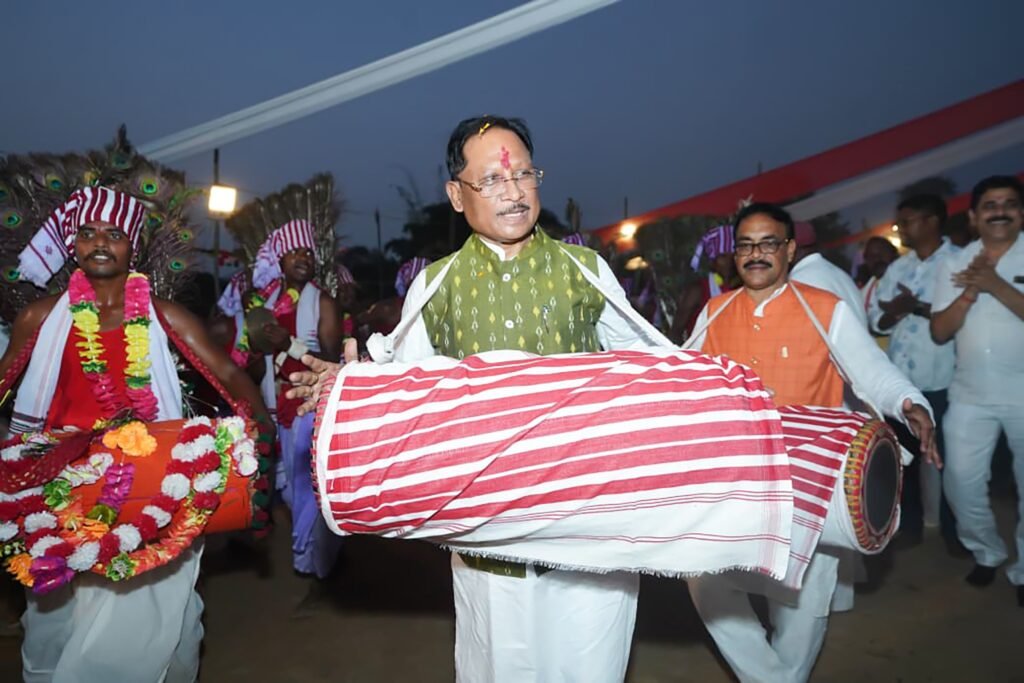
- Chief Minister participates in the Karma Puja festival at Sarsamal; joins community members in the traditional Karma dance to the beat of the mandar (traditional drum)
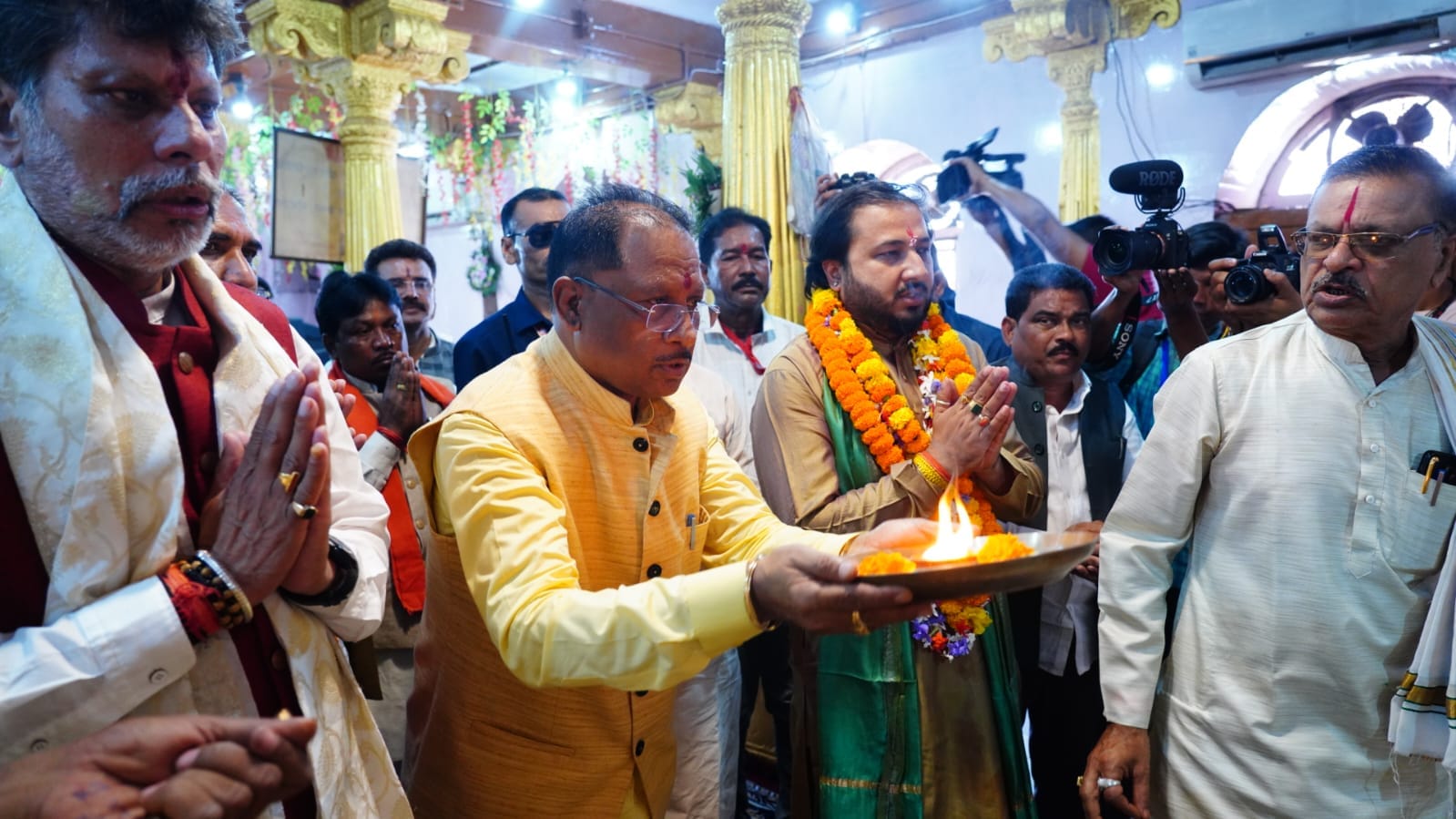
- Offers prayers to Lord Karam Dev, seeking prosperity, well-being, and happiness for the state
- Education is the most powerful tool for societal progress; the youth should set ambitious goals and move forward: Chief Minister
- The government is committed to ensuring respect for the tribal community and expanding access to education, employment, and basic infrastructure: Chief Minister Shri Sai
- Urges the youth to make the most of opportunities in competitive examinations, higher education, and employment
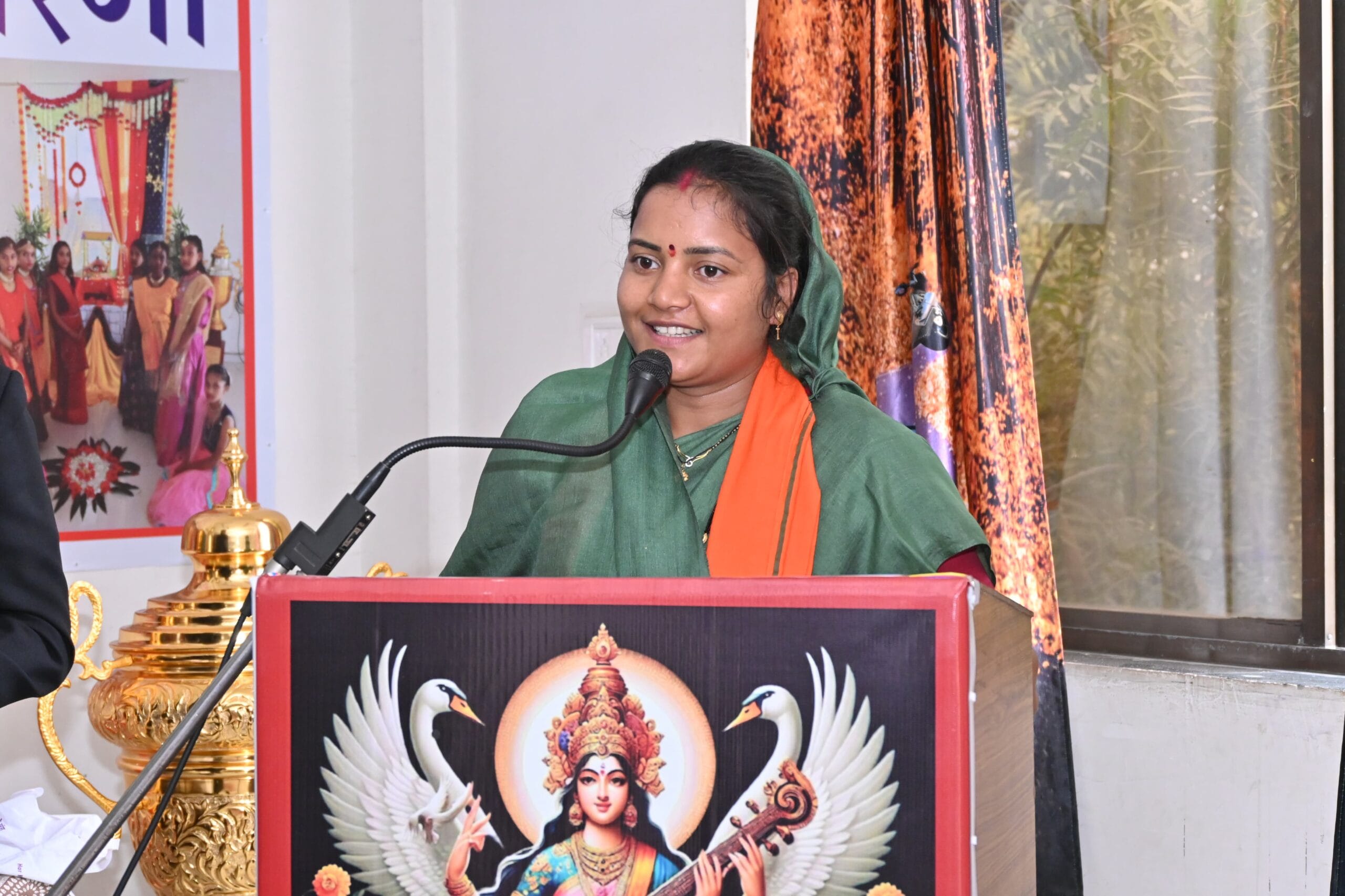
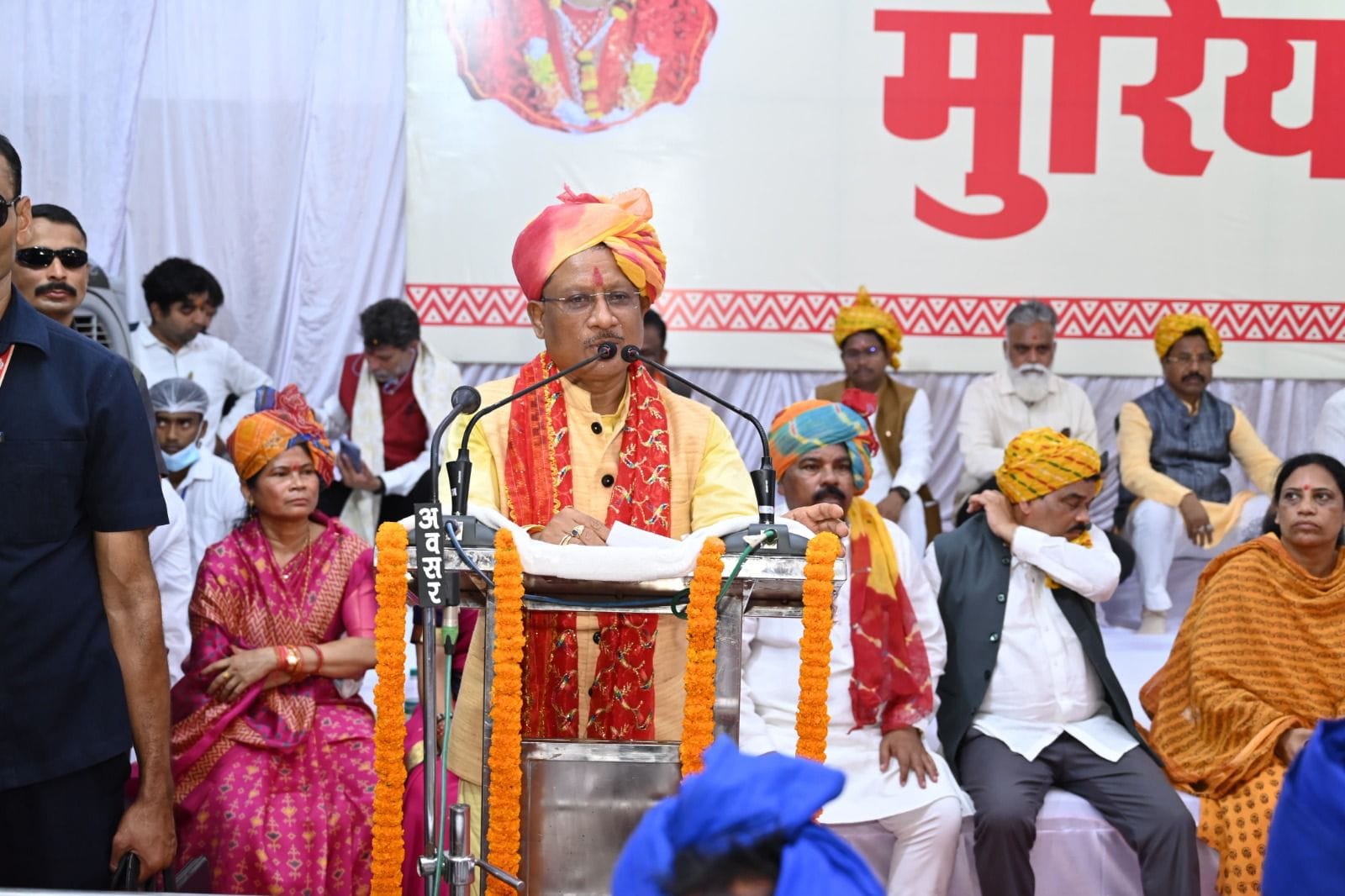
Chief Minister Shri Vishnu Deo Sai stated that the history of the tribal community is a glorious legacy defined by valor, self-respect, struggle, and profound reverence for nature. In our tribal culture, nature is not merely the foundation of life, but an object of worship. The lessons on the conservation of water, forests, and land—which the tribal community has imparted for centuries through their way of life and traditions—serve as an inspiration to the entire world today. The Karma festival stands as a vibrant symbol of this rich cultural consciousness, the spirit of collectivity, and gratitude toward nature.
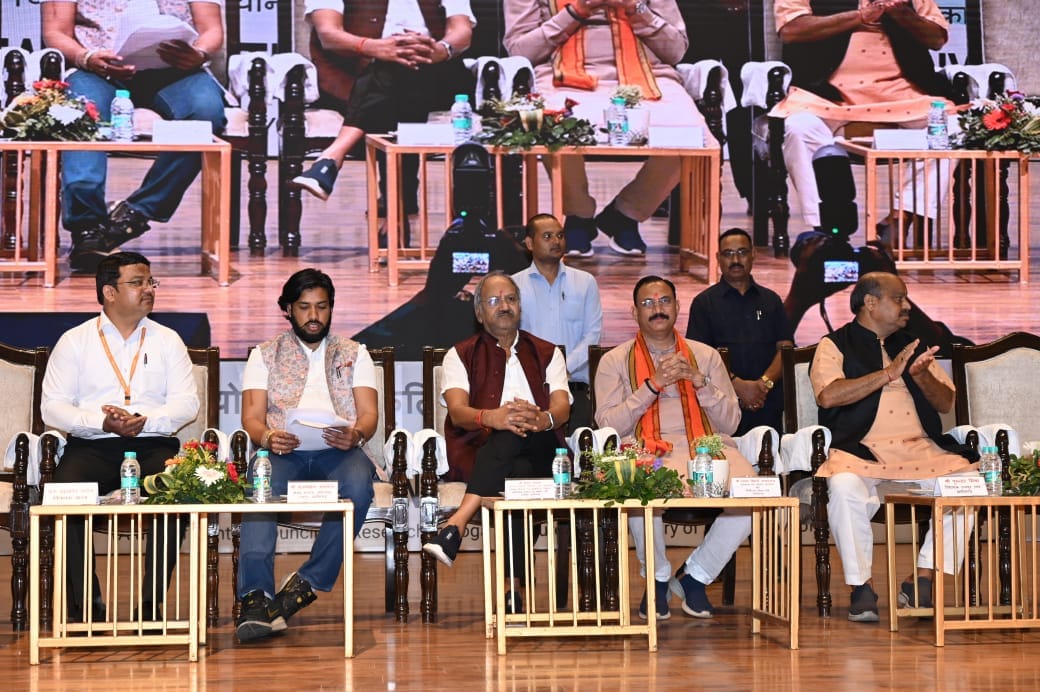
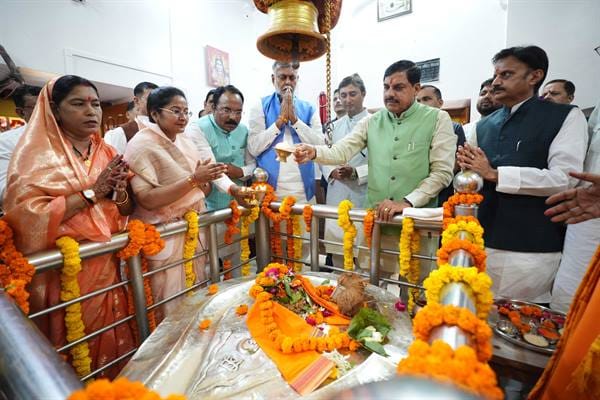
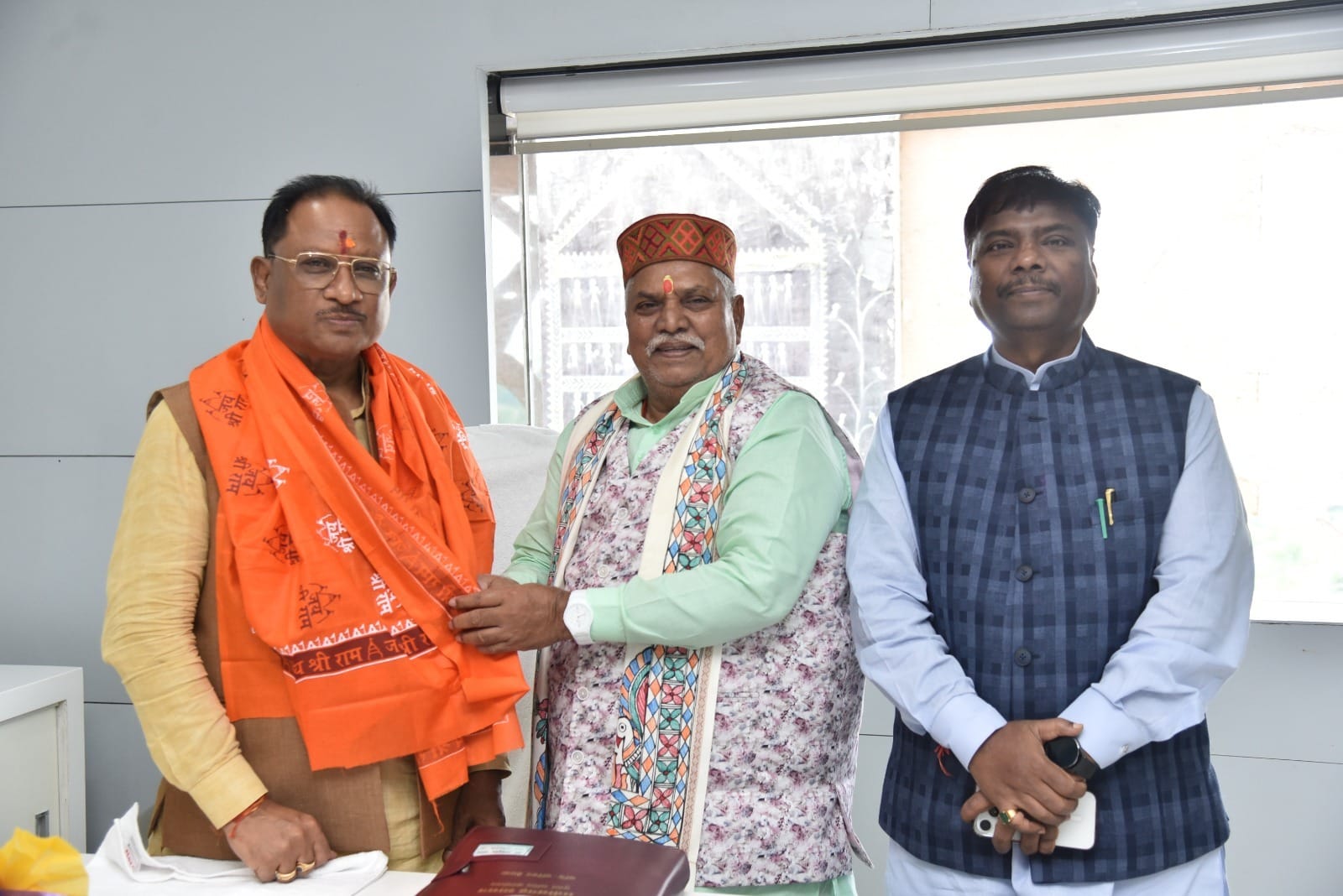
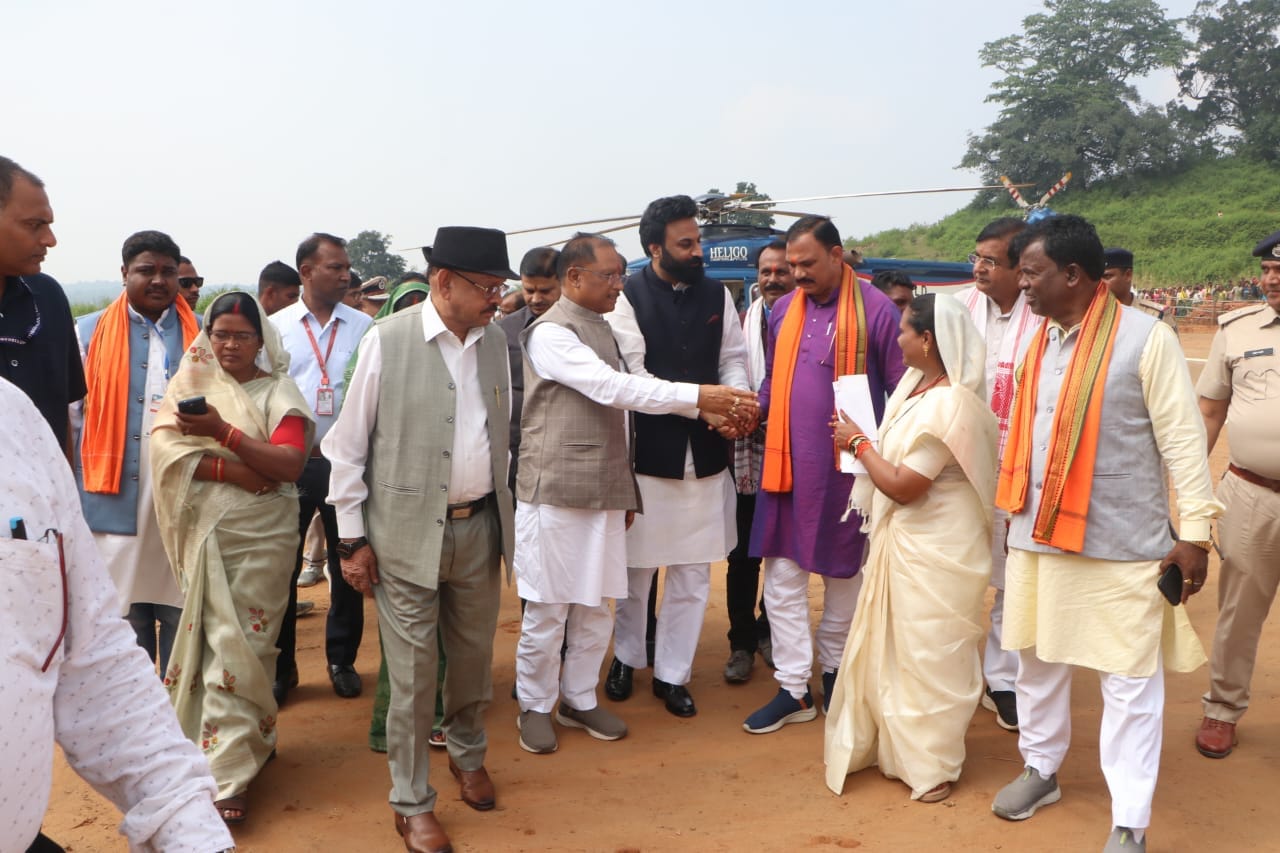
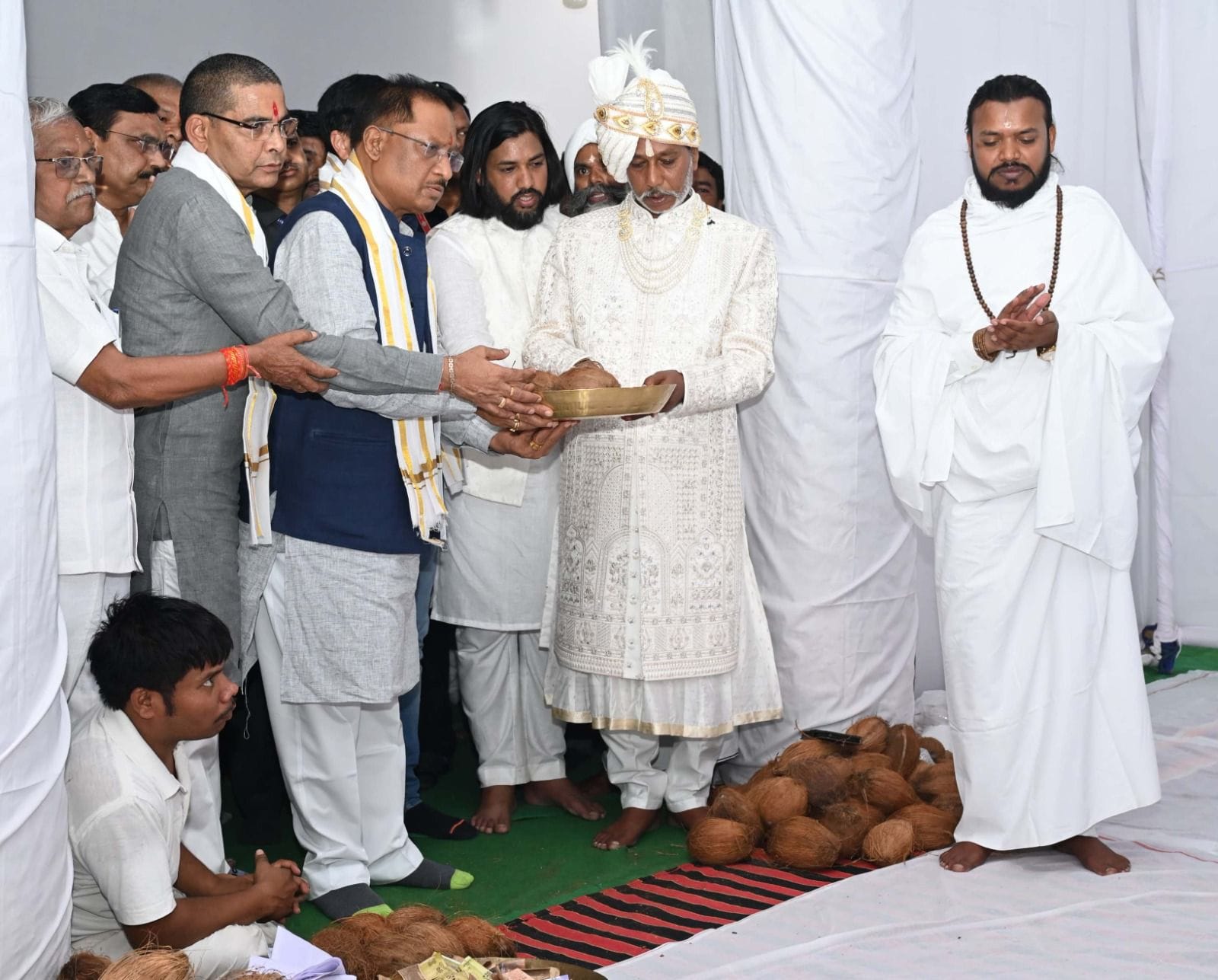
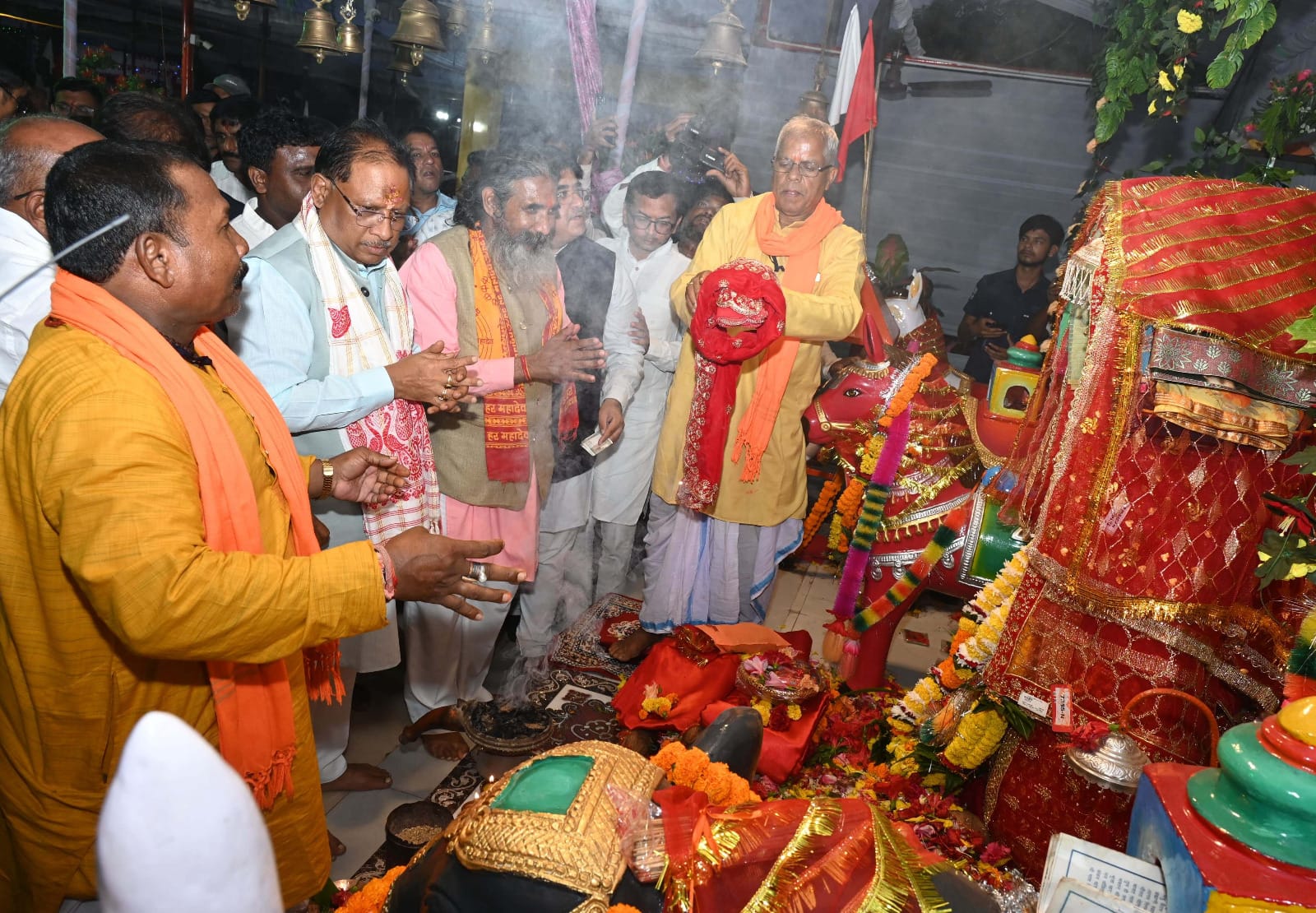
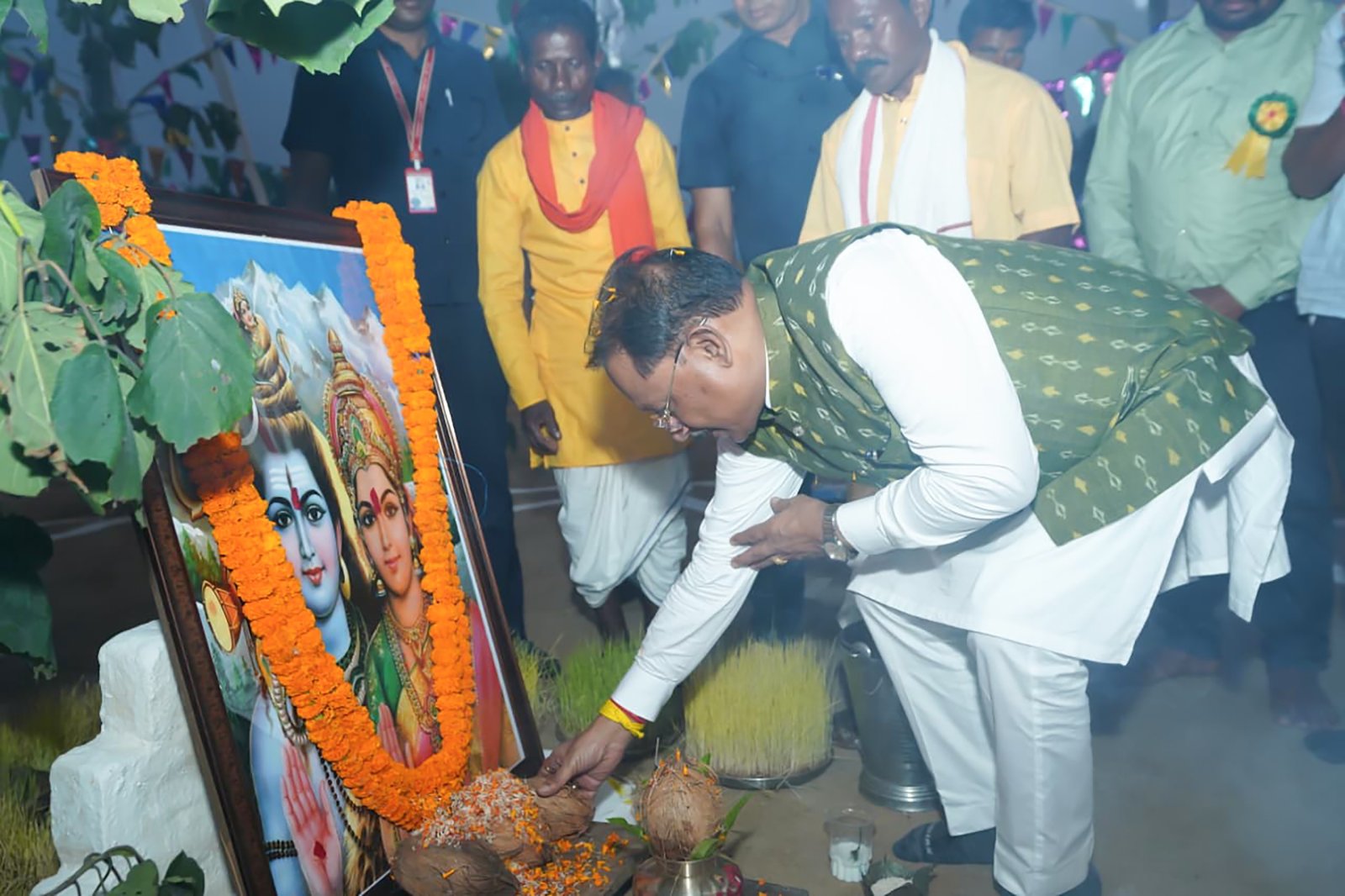
Chief Minister Shri Sai was addressing the Karma Puja festival—organized by the Oraon Samaj Vikas Samiti (Chhattisgarh-Odisha Himgir region)—held at the playground of the secondary school in Sarsamal village, located in the Tamnar development block of Raigarh district. The Chief Minister performed formal puja (worship) for Lord Karam Dev, as well as for Lord Shiva and Goddess Parvati, praying for the prosperity, well-being, and welfare of the people of the state.
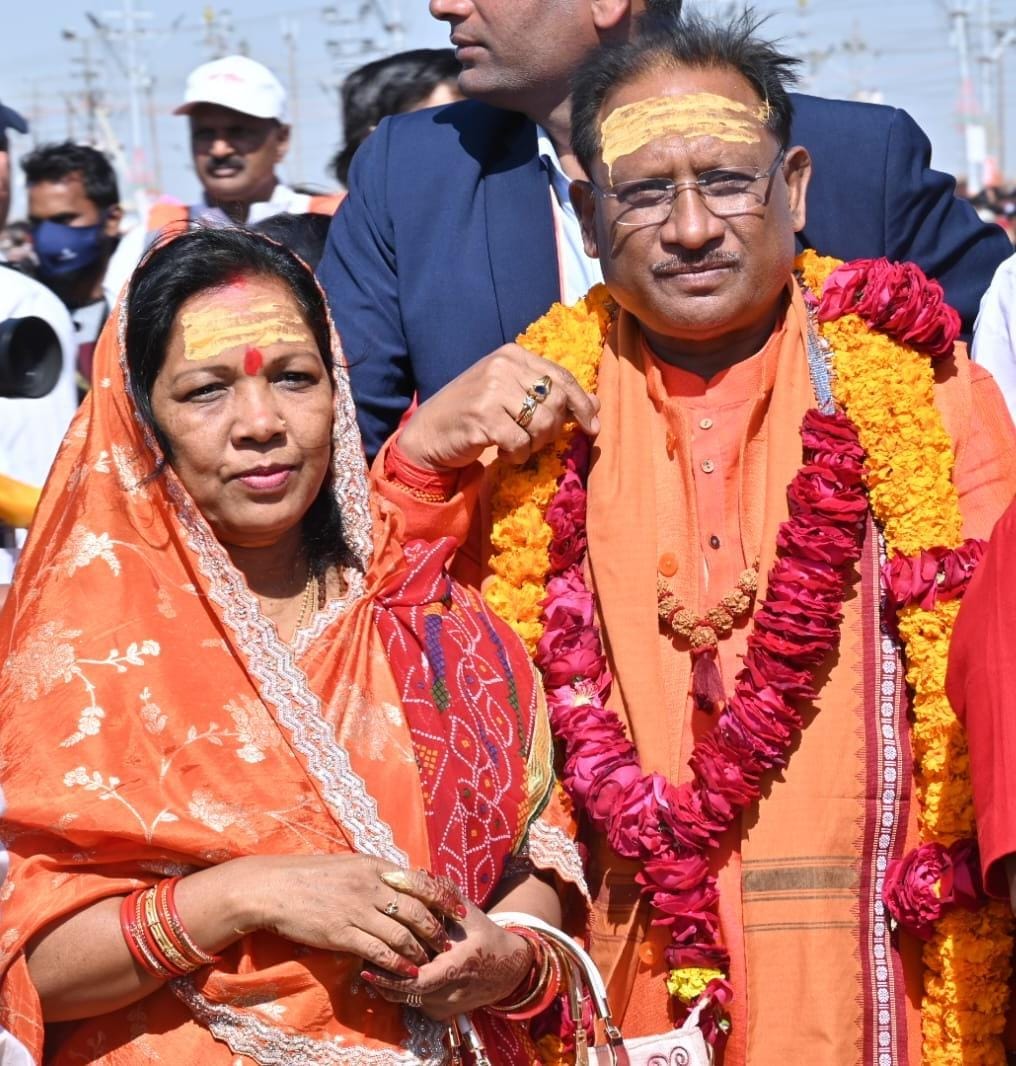
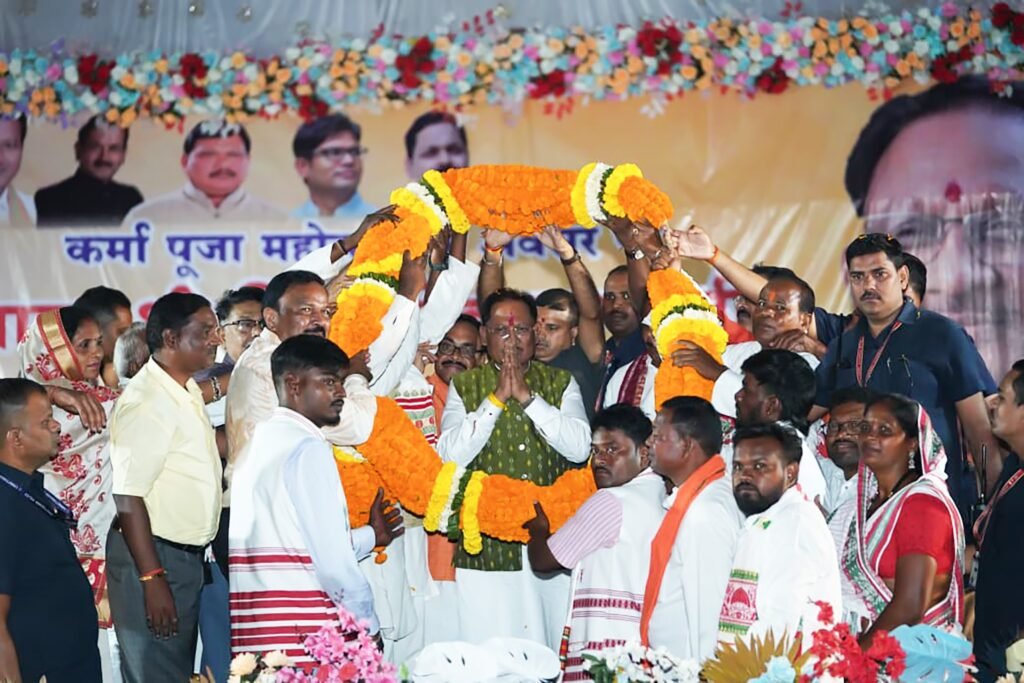
The vibrant essence of tribal culture became even more enchanting during the event when, at the request of the Karma dance troupes, Chief Minister Shri Sai himself took up a mandar and joined the community members. Amidst the rhythmic beats of the mandar (traditional drum) and folk melodies, the Chief Minister joined men and women in performing the Karma dance. His warm and spontaneous participation sparked great enthusiasm among the community members, who welcomed him by adorning him with a gajmala (garland).

- The Struggles of Tribal Icons: Our Invaluable Heritage
Extending his greetings on the occasion of Karma Tihar, Chief Minister Shri Sai remarked that the tribal community has made an indelible contribution to the nation’s culture and its freedom struggle. Tribal icons—including Bhagwan Birsa Munda, Shaheed Veer Narayan Singh, and Gundadhur—fought with indomitable courage to defend their motherland, self-respect, and rights. It is our collective responsibility to ensure that the younger generation learns about their sacrifices, dedication, and martyrdom.
He noted that former Prime Minister and Bharat Ratna the late Shri Atal Bihari Vajpayee prioritized the welfare and development of the tribal community by establishing a dedicated Ministry of Tribal Affairs. This provided an institutional foundation and fresh momentum to development efforts for the tribal community. Today, under the leadership of Prime Minister Shri Narendra Modi, extensive work is being undertaken to uphold the dignity of the tribal community while expanding access to education, healthcare, housing, roads, clean drinking water, livelihoods, and other essential amenities.
The Chief Minister expressed pride in the fact that a daughter of the tribal community, President Smt. Droupadi Murmu, currently holds the nation’s highest constitutional office. In Chhattisgarh, too, a son of the tribal community has been given the opportunity to serve the state as Chief Minister. This serves as a testament to the growing respect for and participation of the tribal community.
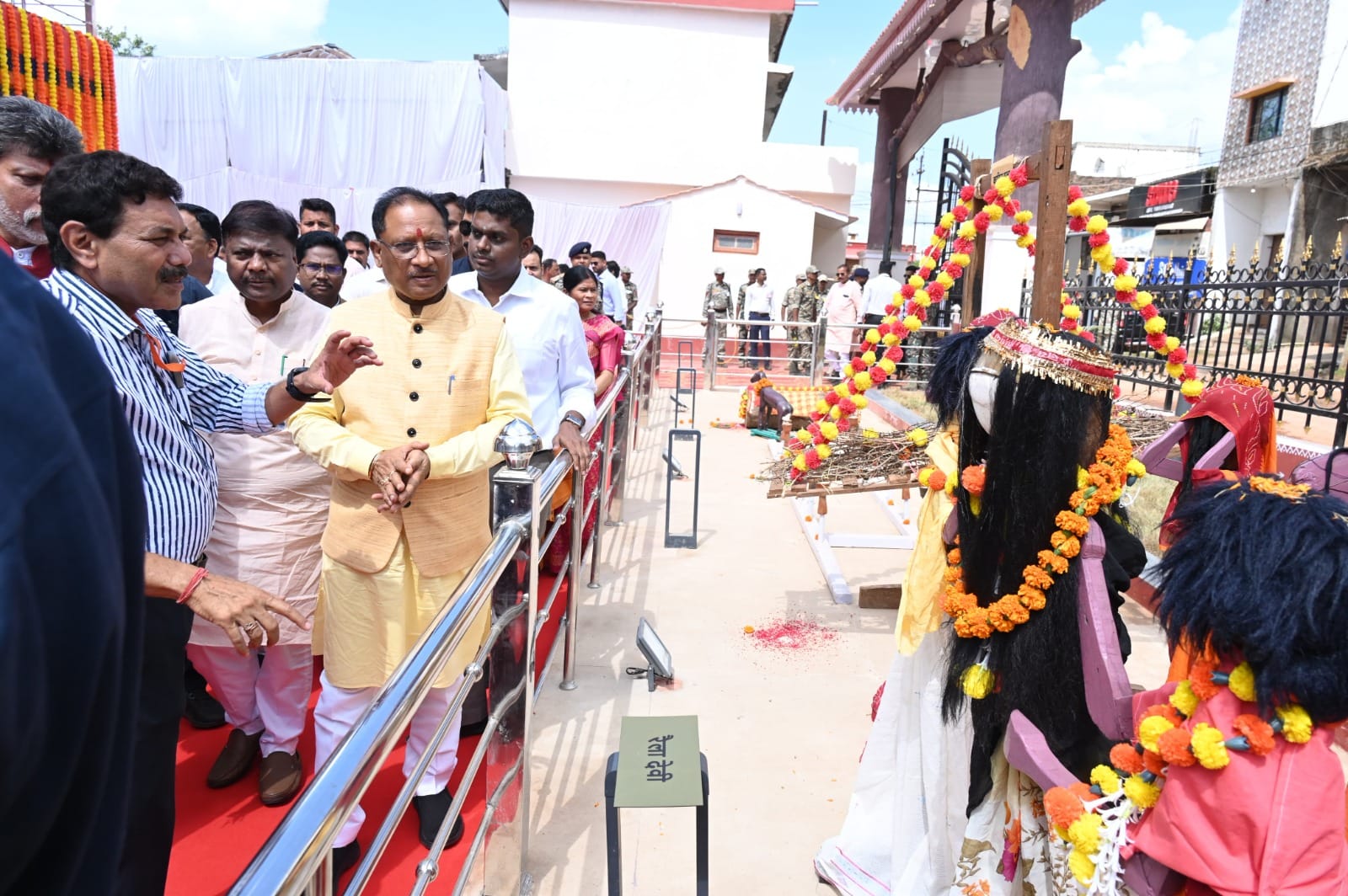
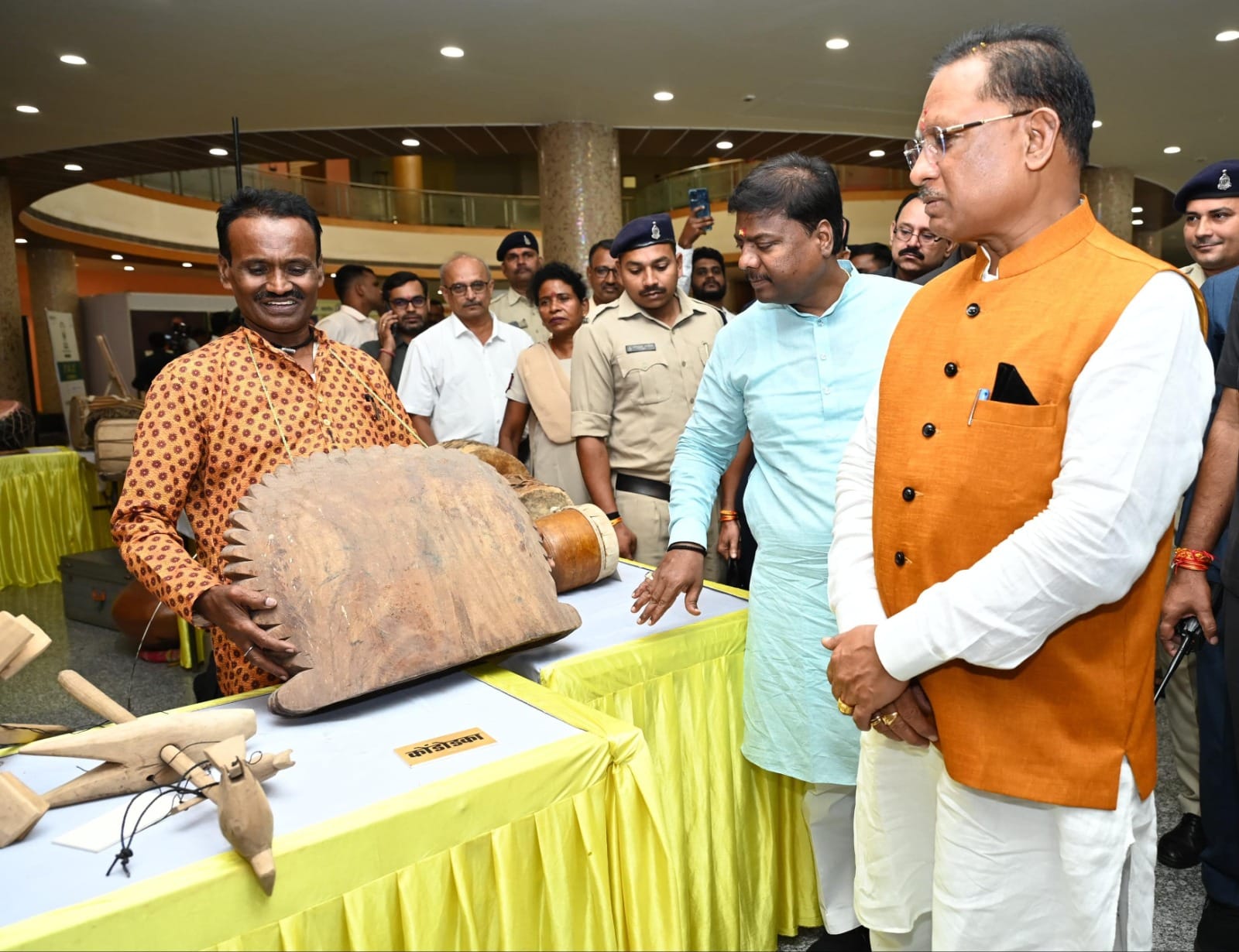
He further mentioned that the Tribal Museum established in Naya Raipur serves as a vital bridge, connecting the younger generation with our rich tribal heritage. It offers an opportunity to explore and understand the history, lifestyle, traditions, culture, and the contributions of the great tribal heroes. Our government remains committed to preserving tribal culture and traditions while simultaneously integrating the community into modern avenues of development. Karma Festival: A Celebration of Our Roots and Connection to Nature
Chief Minister Shri Sai stated that the tribal community is, at its core, a worshipper of nature. Coexistence with nature and the protection of the environment are deeply embedded in our traditions. The Karma festival embodies the joy of a new harvest, gratitude toward nature, and the spirit of communal living. Such celebrations not only preserve our cultural identity but also connect the younger generation to their roots, language, traditions, and social values.
Urging community members to pass on their rich culture, traditions, and language to the next generation, he emphasized that by staying connected to their roots while embracing education and modern opportunities, the community can progress rapidly. Culture is our identity, and education is the foundation of a bright future.
- Education Will Pave the Way for Progress; Youth Should Set Ambitious Goals
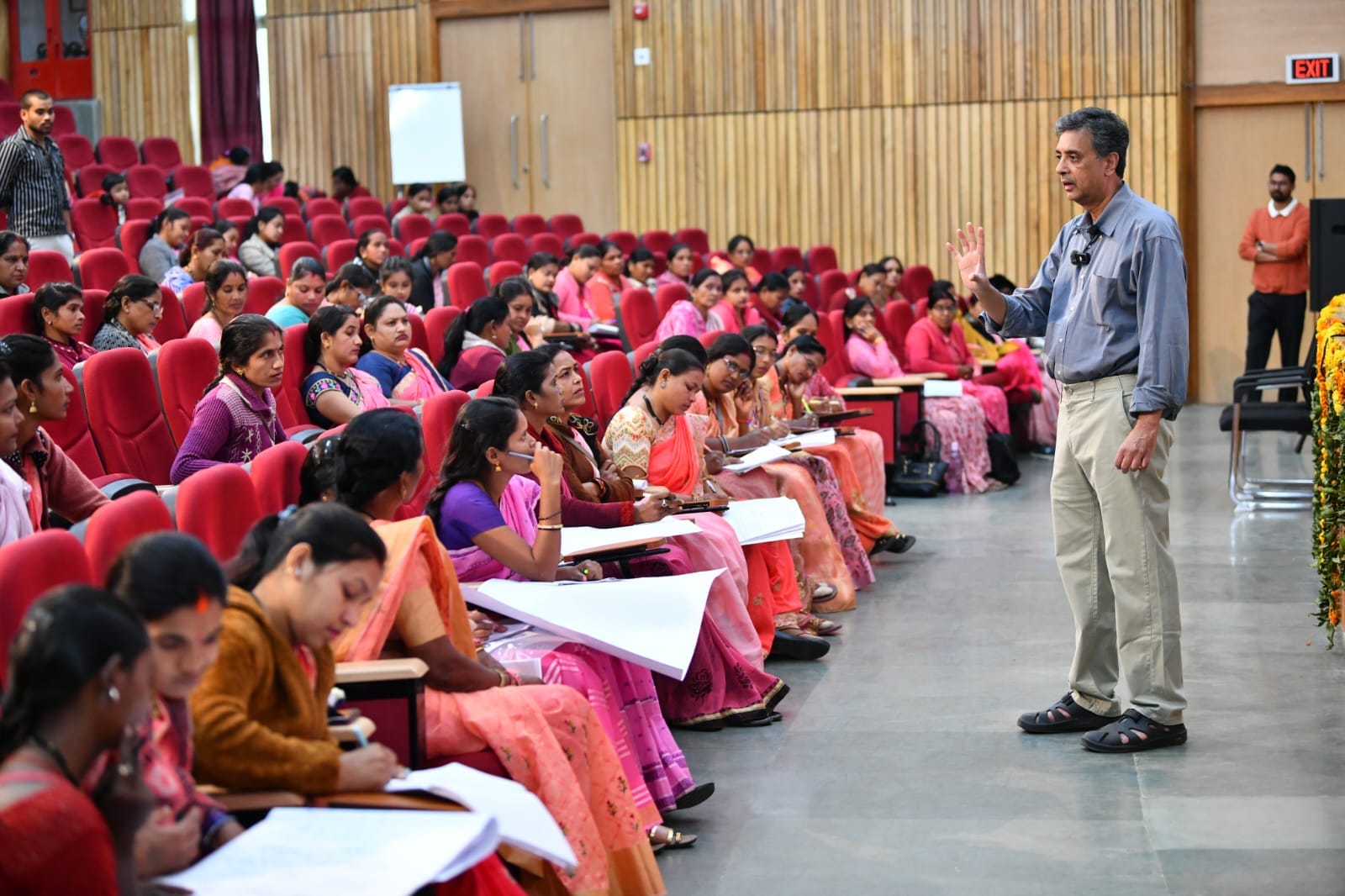
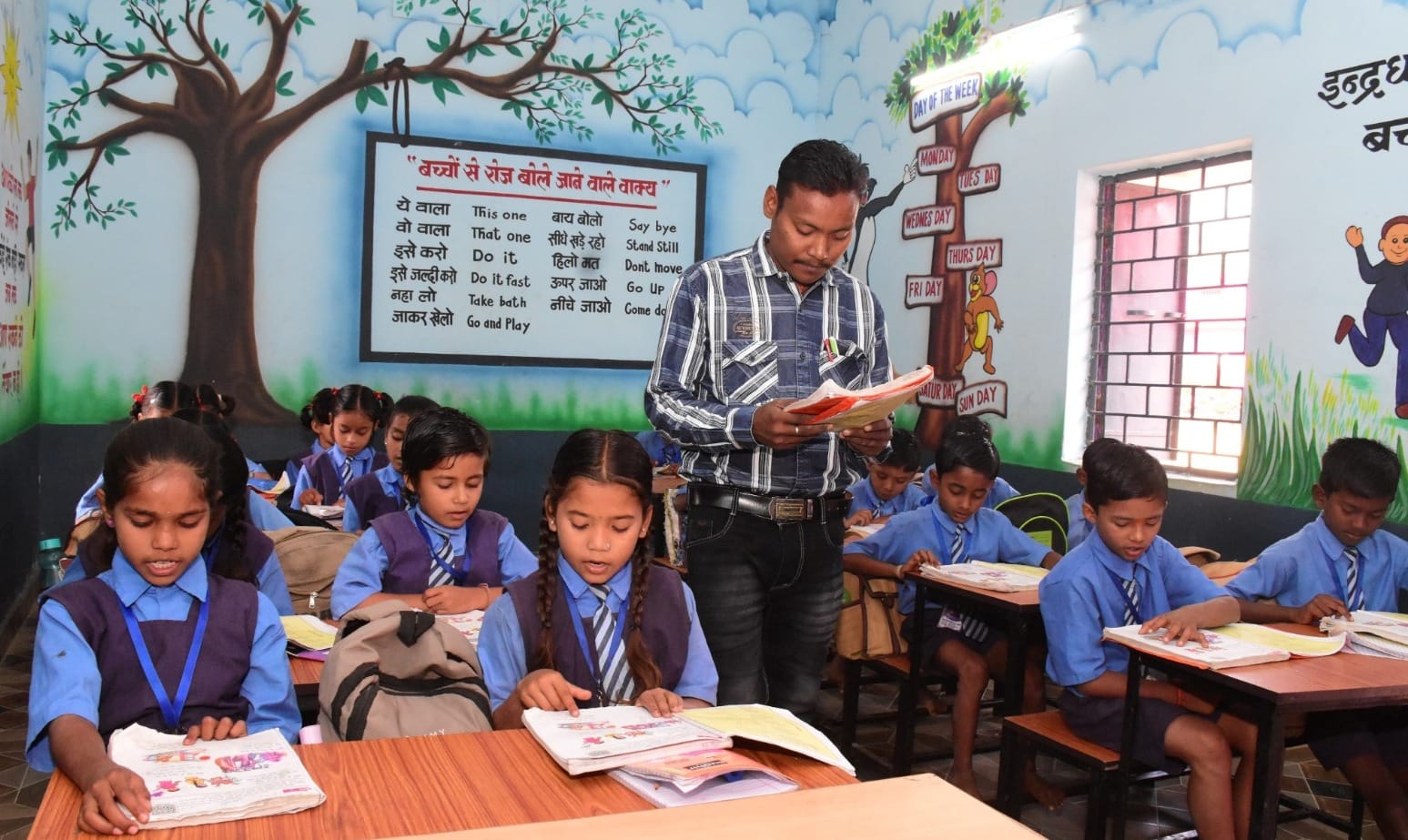
Addressing the youth, Chief Minister Shri Sai remarked that education is the most powerful tool for advancement in life. Today, there is no shortage of opportunities for our young people; what is required is for them to set clear goals, work hard, and make the most of the available resources.
He noted that the state government is making consistent efforts to provide tribal students with access to quality education and better preparation for competitive examinations. Through residential schools, talented students are being given opportunities to excel. Furthermore, modern study facilities—such as the ‘Nalanda Parisar’ (Nalanda Complex)—are being expanded to ensure that the youth have a conducive environment and the necessary resources to prepare for competitive exams.The Chief Minister urged the youth to strive for admission into prestigious national-level educational institutions. He noted that the capacity of the hostel for tribal students in Delhi has been increased to 200 seats, which will provide support to young people pursuing higher education or preparing for competitive examinations.
He emphasized that society will progress rapidly only when our new generation, through quality education, secures a strong presence in fields such as administration, medicine, engineering, technology, industry, entrepreneurship, and beyond.
- New Opportunities Constantly Emerging to Connect Youth with Employment
Chief Minister Shri Sai stated that the state government is placing a special emphasis on equipping the youth with skills and connecting them to employment opportunities alongside their formal education. Opportunities are being created for the youth through recruitment processes in government departments, as well as via job fairs and industrial initiatives. The expansion of investment and industrial activity within the state is also aimed at generating maximum employment opportunities for local youth.
He encouraged the youth to stay informed about competitive examinations, skill development programs, job fairs, and self-employment schemes, and to make the most of these resources. Every young person who advances through education and employment paves the way for the progress of both their own family and society as a whole.
- Development Schemes Reaching the ‘Last Person’ in Tribal Regions
Chief Minister Shri Sai affirmed that both the central and state governments are committed to expanding basic developmental infrastructure in tribal-majority areas. Through initiatives like the ‘Dharti Aaba Tribal Village Development Campaign’ (Dharti Aaba Janjatiya Gram Utkarsh Abhiyan) and the ‘Pradhan Mantri Janjati Adivasi Nyaya Maha Abhiyan’ (PM-JANMAN), essential amenities—including housing, roads, and drinking water—are being extended to tribal regions, with a particular focus on Particularly Vulnerable Tribal Groups (PVTGs).
He stated that the government’s objective is to ensure that no family living in remote tribal areas remains excluded from the mainstream of development or the government’s public welfare schemes. Ensuring that the benefits of development reach the ‘last person’ remains the government’s highest priority. Rajya Sabha MP Shri Devendra Pratap Singh stated that the tribal community has kept its culture, traditions, and folk arts alive through successive generations. He emphasized that it is the collective responsibility of all to ensure that the community’s heroic figures and their contributions receive widespread recognition. He urged the youth to prioritize education and work toward strengthening social unity, noting that education serves as the foundation for societal progress, while cultural unity reinforces the community’s identity.
In his welcome address, Shri Panat Ram Bhagat, President of the Oraon Samaj Vikas Samiti, shed light on the ancient traditions of the Karma festival, as well as the language, culture, and folk arts of the Oraon community—including the unique characteristics of their clans, which are deeply connected to nature. He underscored the importance of preserving the community’s cultural identity and social cohesion.
- Tribal folk culture comes alive to the beat of the mandar
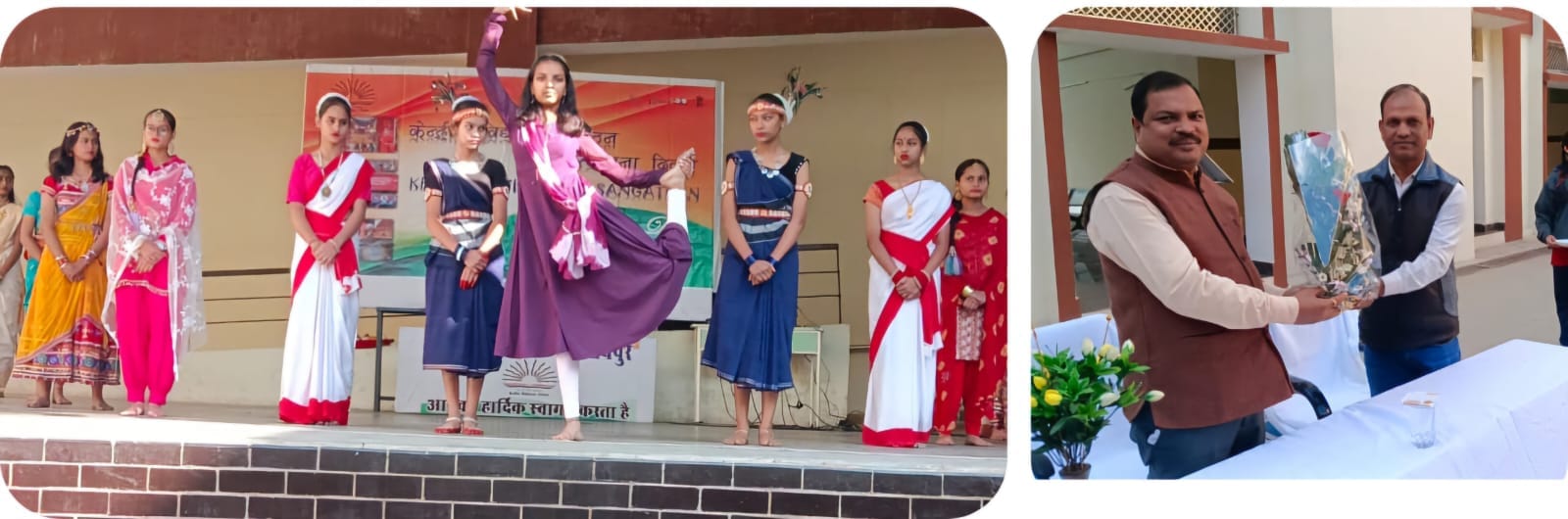
The Karma Puja festival offered a captivating glimpse into the rich folk culture and traditions of the tribal community. Men and women, dressed in traditional attire, performed the Karma dance to the rhythmic beats of the mandar, mridang, and dhol. Through this rhythmic dance, the participants beautifully expressed their love for nature, a sense of togetherness, joy, and deep devotion toward their revered deities.
The Karma festival stands as a significant symbol of the tribal community’s cultural identity. It embodies the joy of a new harvest, gratitude toward nature, social solidarity, and a profound connection to age-old folk traditions.