



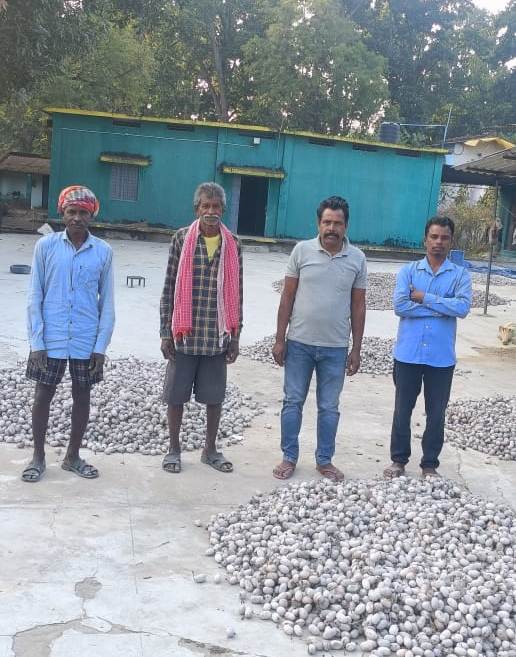
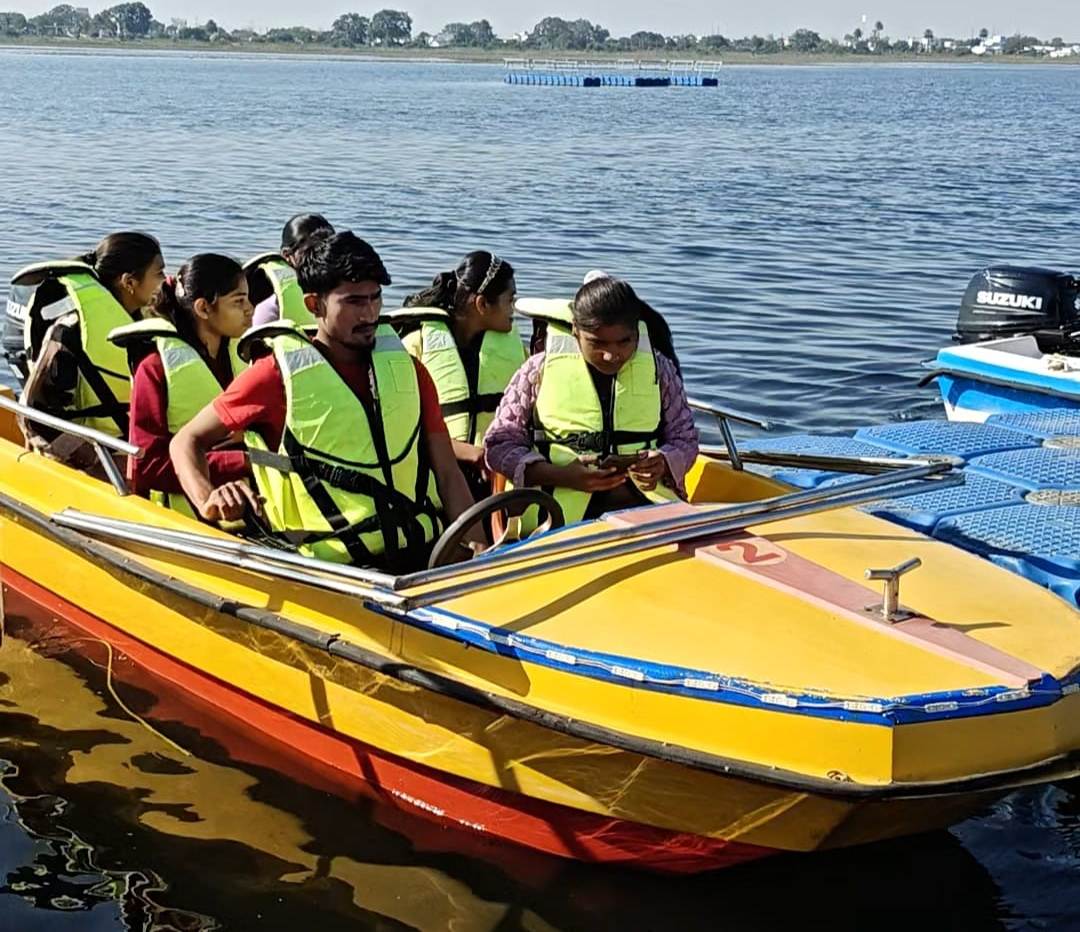
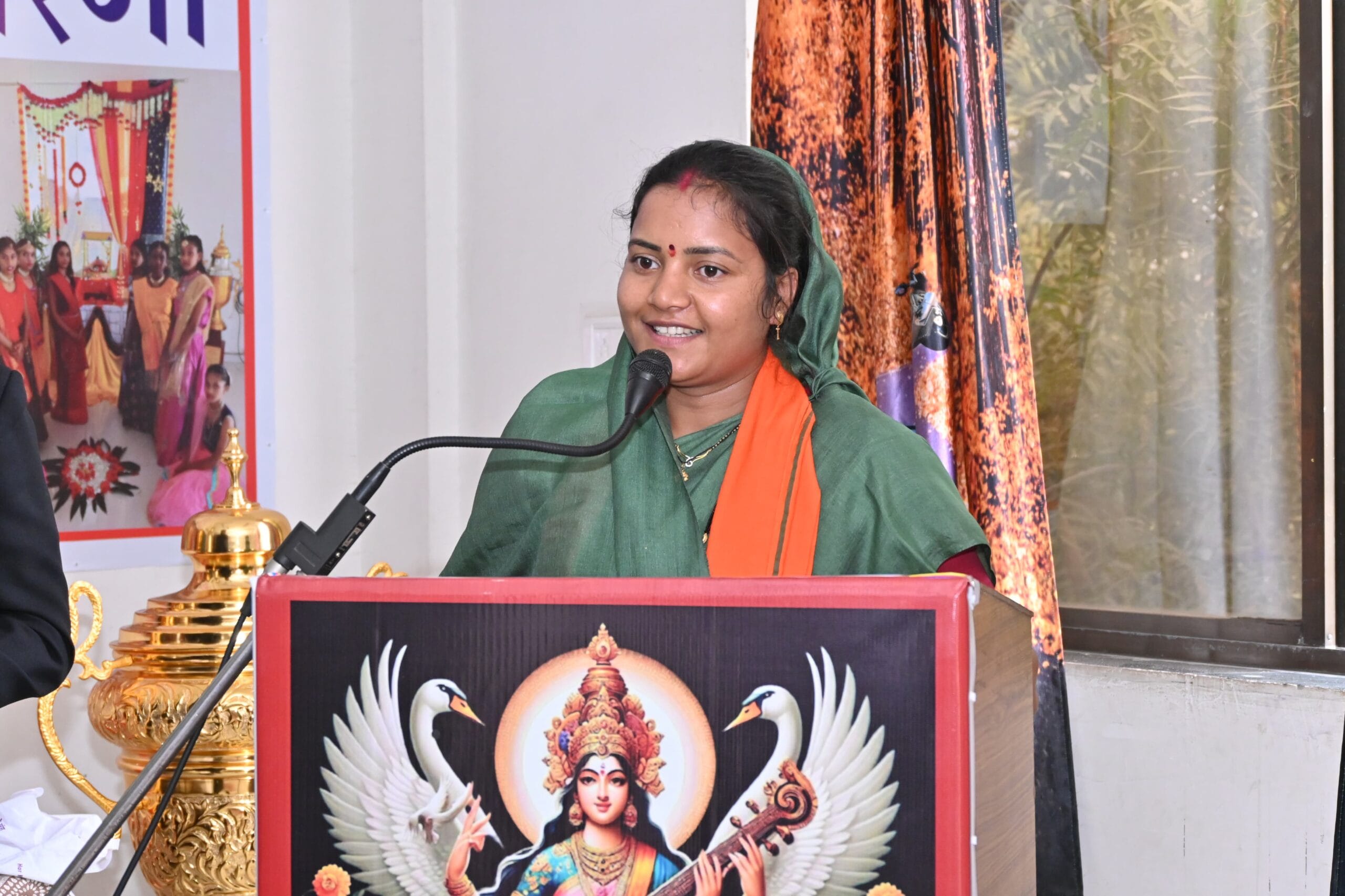
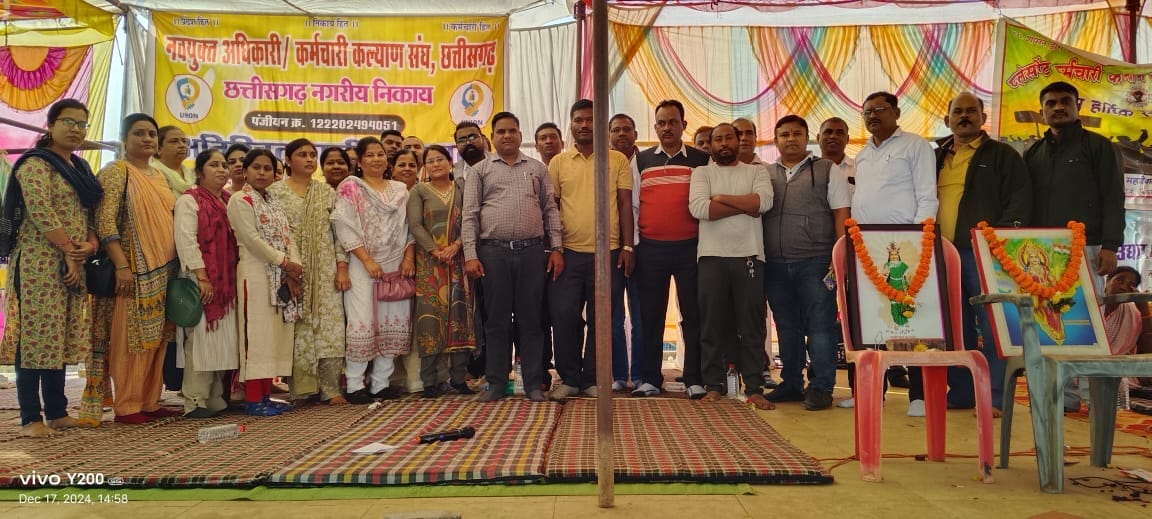





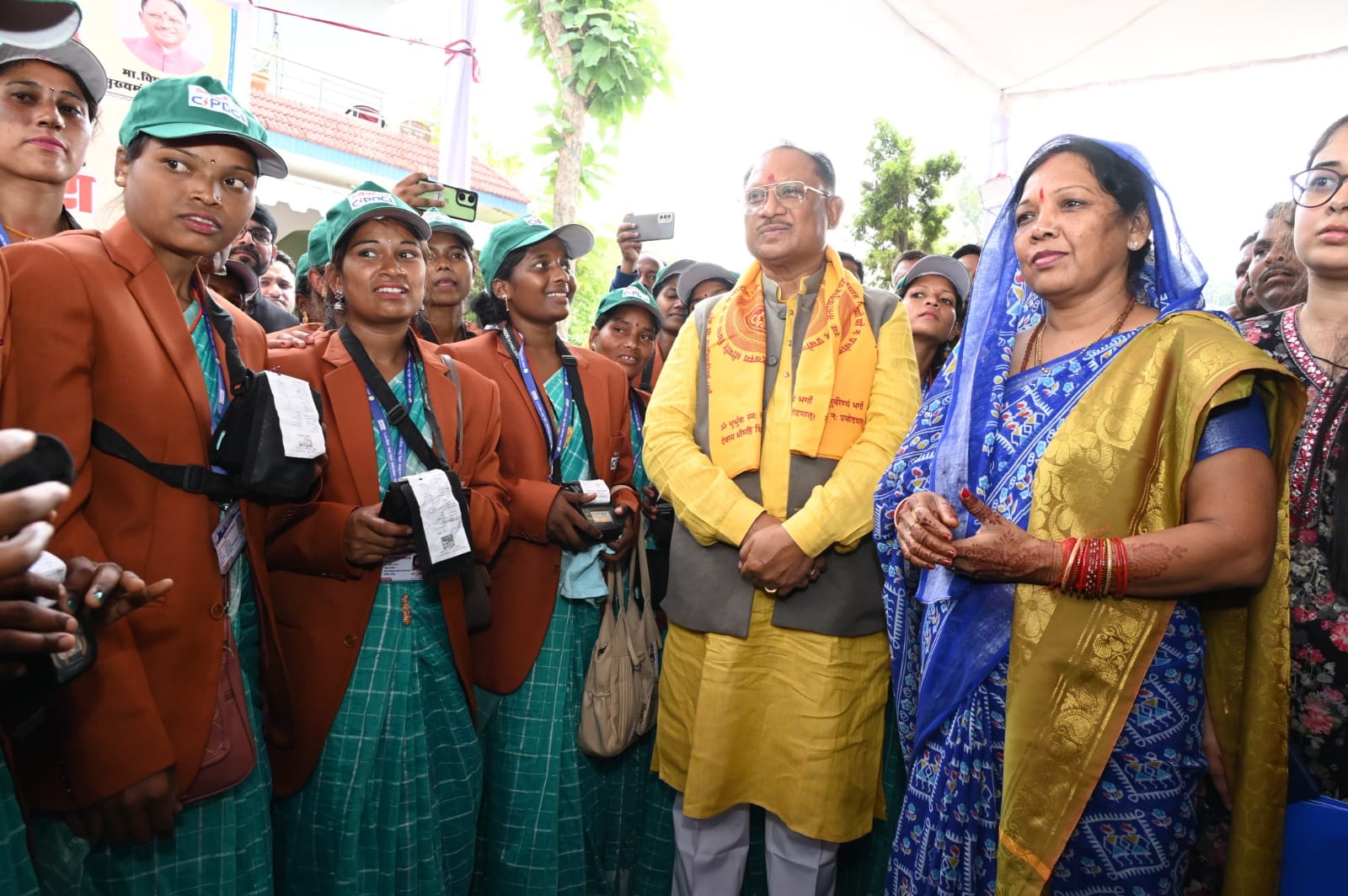
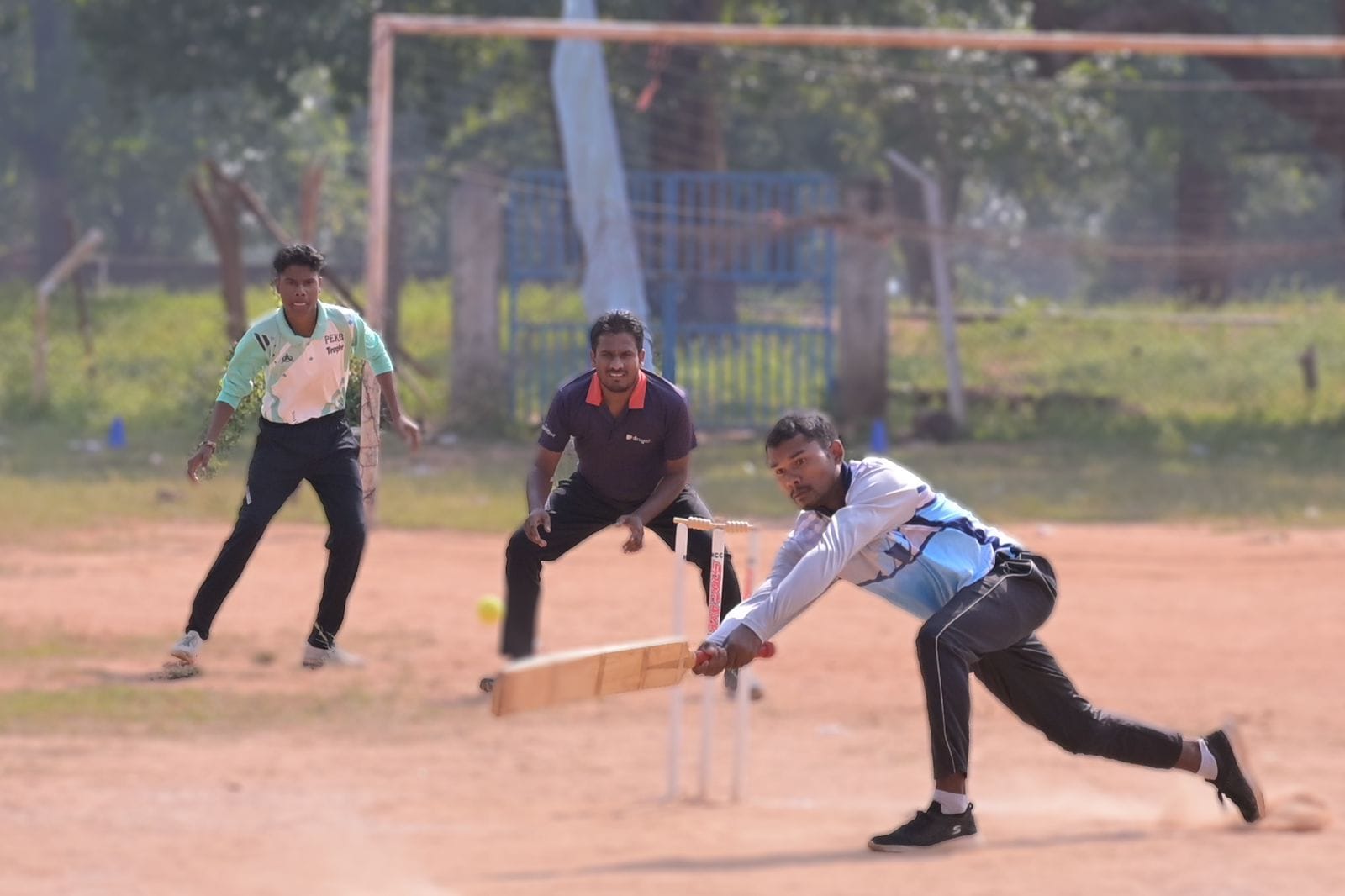


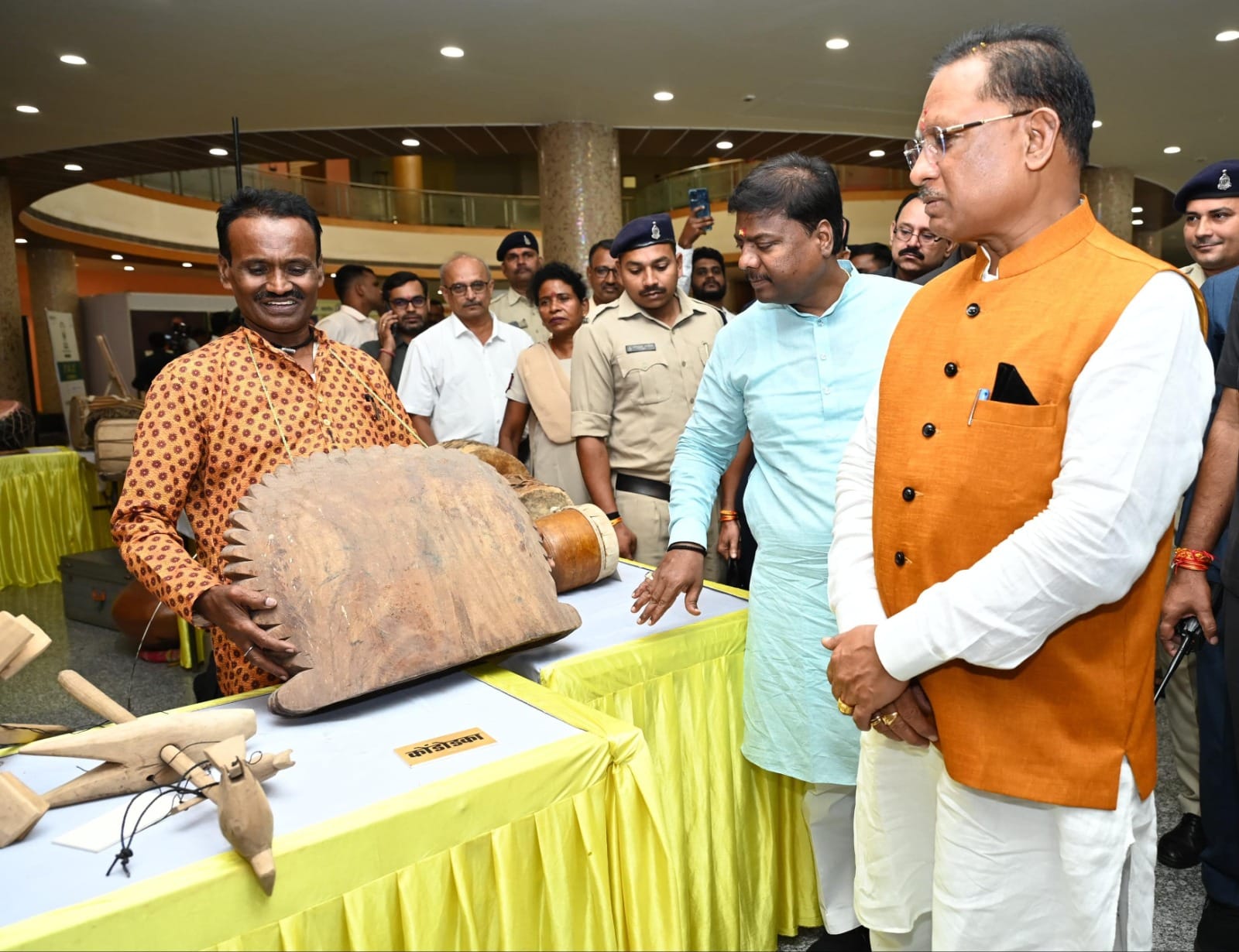

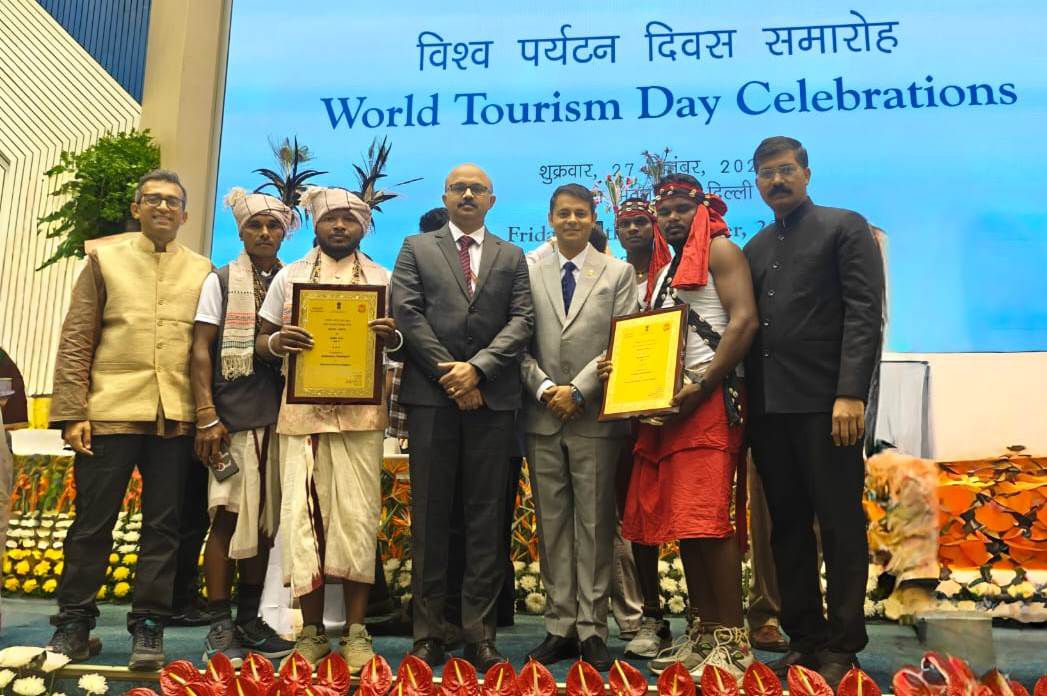


- Participants got acquainted with folk culture, bird watching and traditional knowledge of Kamar tribe in Ghikudia.
- Discussion on employment and self-employment opportunities for women and youth at local level
- Article: Shashi Ratna Parashar, Deputy Director
Under the Seva Sankalp Abhiyan, a river camping and rural tourism training program was organized on October 14th on the banks of the Sondhur River in the village of Ghikudia in Dhamtari district. Held amidst natural beauty, vast sandy beaches, and rich rural culture, rural women, young women, children, the elderly, and tourism experts enthusiastically participated in the program. The program’s objective was to connect the local community with tourism activities, promote rural cultural heritage, and explore new livelihood opportunities through tourism.
- Emphasis on linking folk culture and traditional arts with tourism
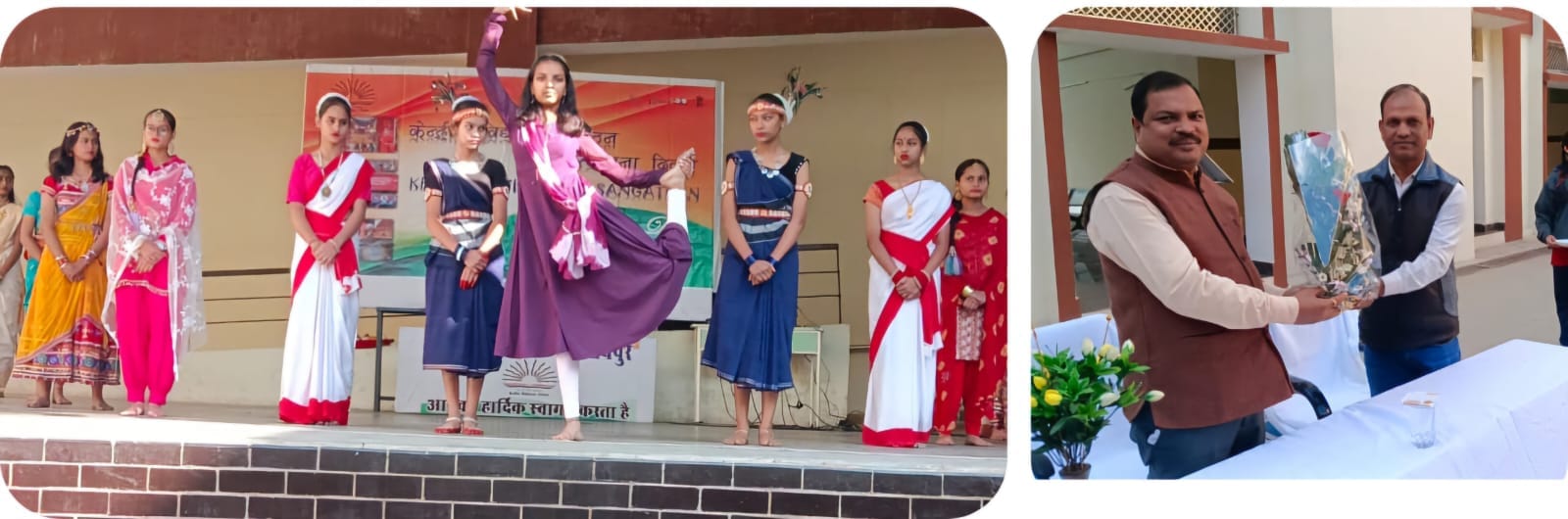
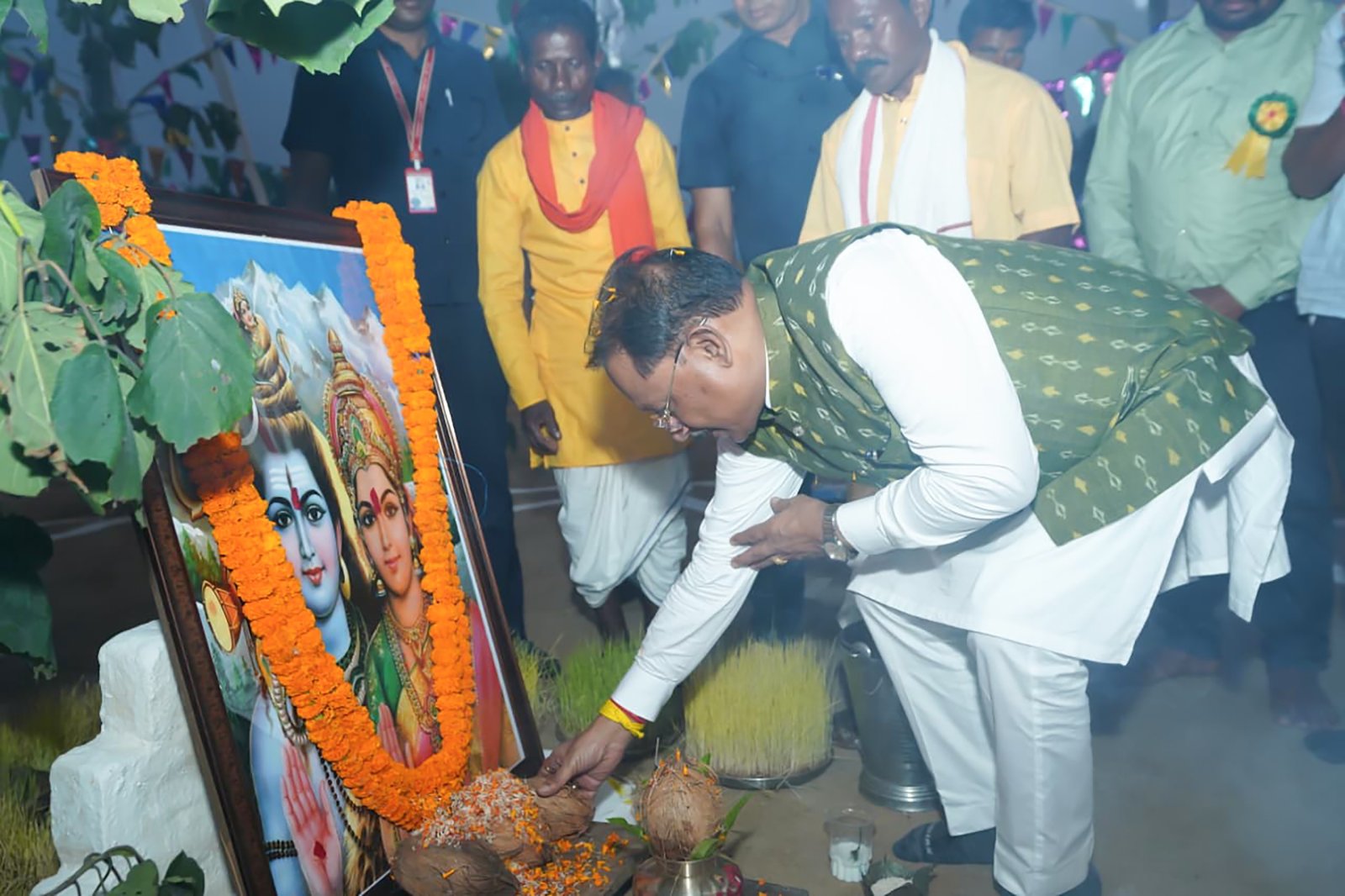
During the program, discussions were held with villagers about preserving local folk culture, traditional arts, and cultural heritage, and their use in tourism. The possibility of presenting Dadriya, Raut Nacha, Bansgeet, Manas Path, and other folk forms prevalent in the village to tourists was explored.
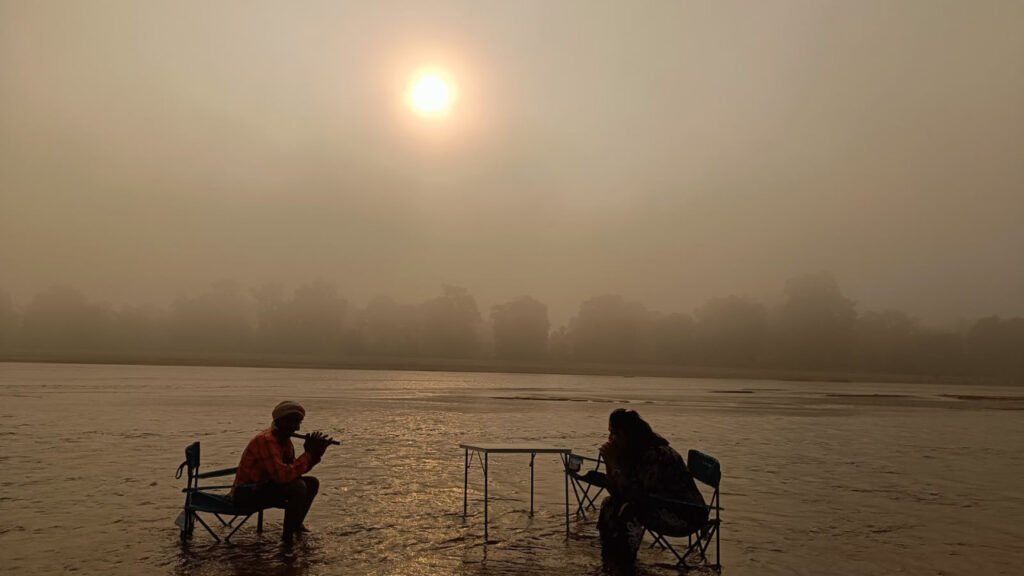
During this period, it emerged that rural tourism should not be limited to visiting natural sites; tourists should also be provided with an experience of the local lifestyle, folk music, traditional arts, and rural surroundings. The flute playing and traditional bamboo song performance on the banks of the Sondhur River added a special charm to the program. The serene atmosphere of the river and the melodious sounds of folk music provided an intimate introduction to rural culture.

- Tent camping experience under the starry sky
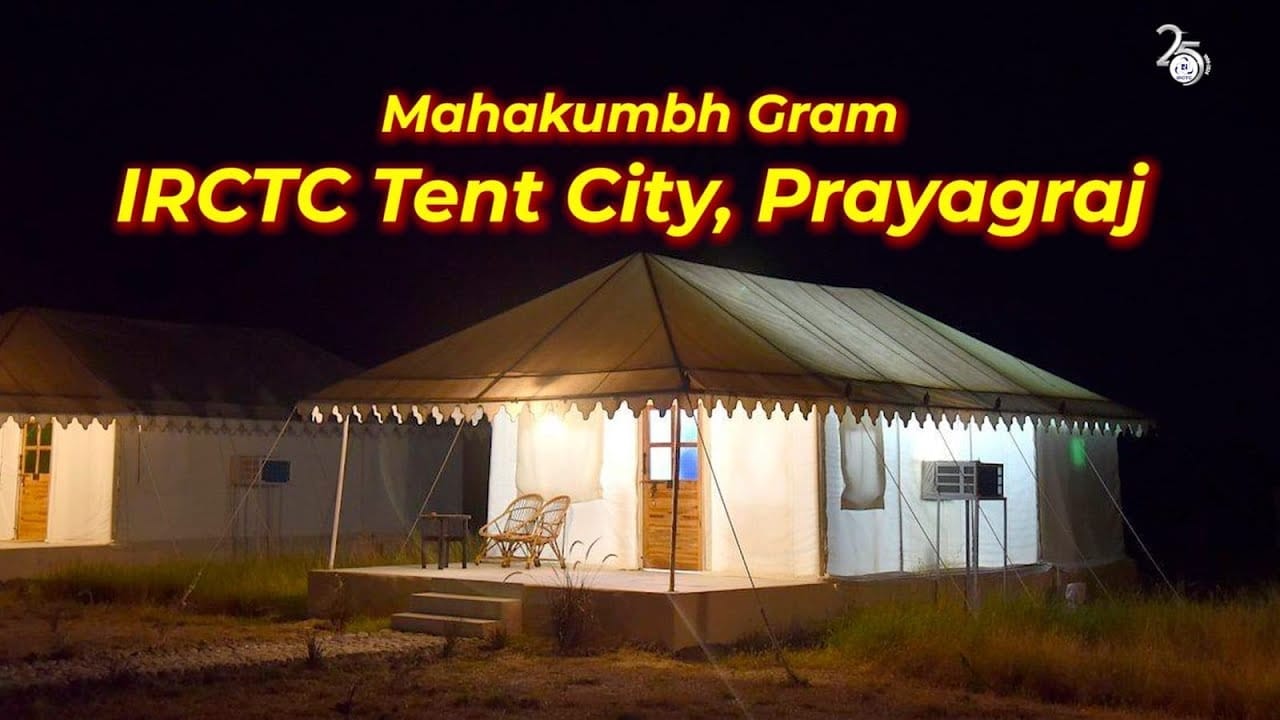
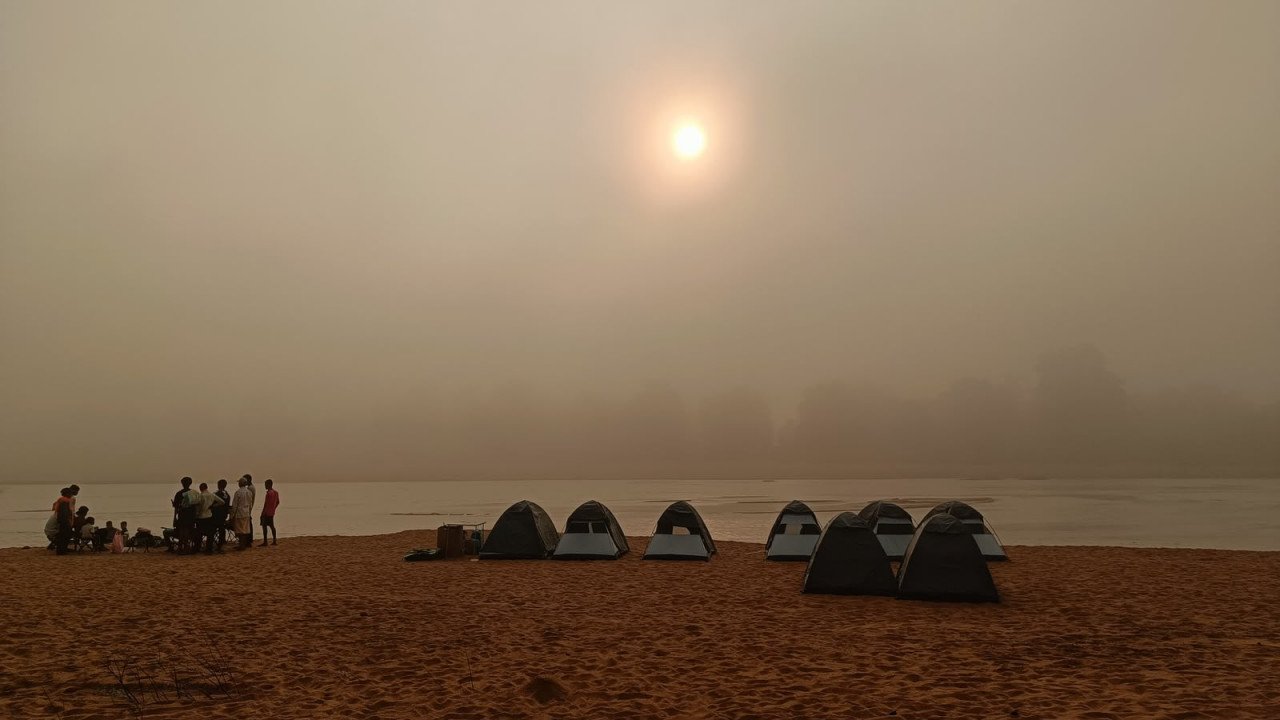
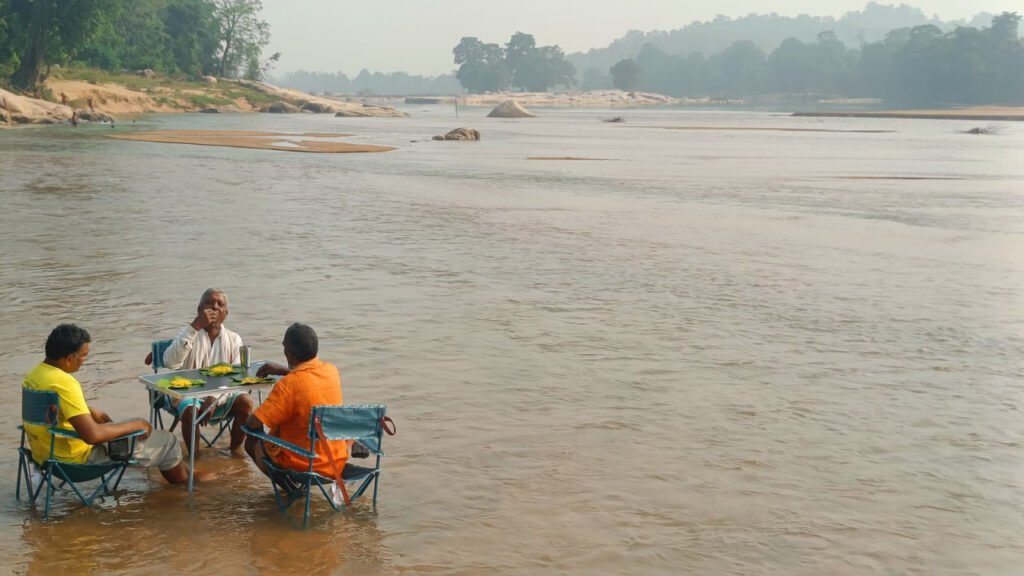
As part of the river camping, tents were set up on the sandy banks of the Sondhur River, where participants spent the night. The experience of camping under the open sky along the riverbank was a major highlight of the program. Dinner and breakfast were also provided at the camping site.
This activity introduced villagers to the possibilities of developing accommodation, food, hospitality, and other local amenities for tourists. The participation of young women from the village was also notable. The tent camping experience was a new and exciting one for them. This sparked interest among young women in tourism-related activities and the possibility of providing local services in the future.
- Dialogue on women’s livelihood and economic self-reliance
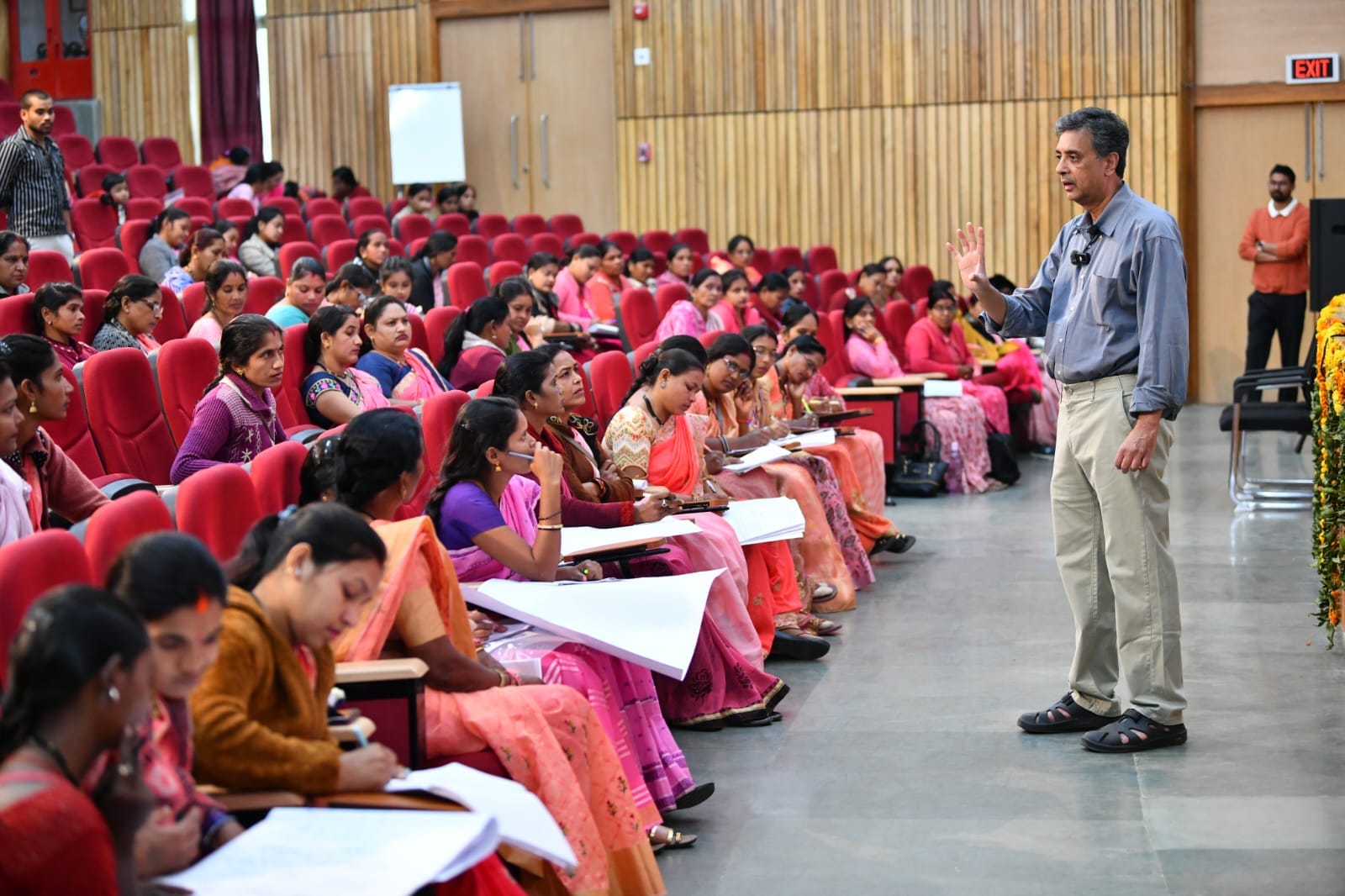
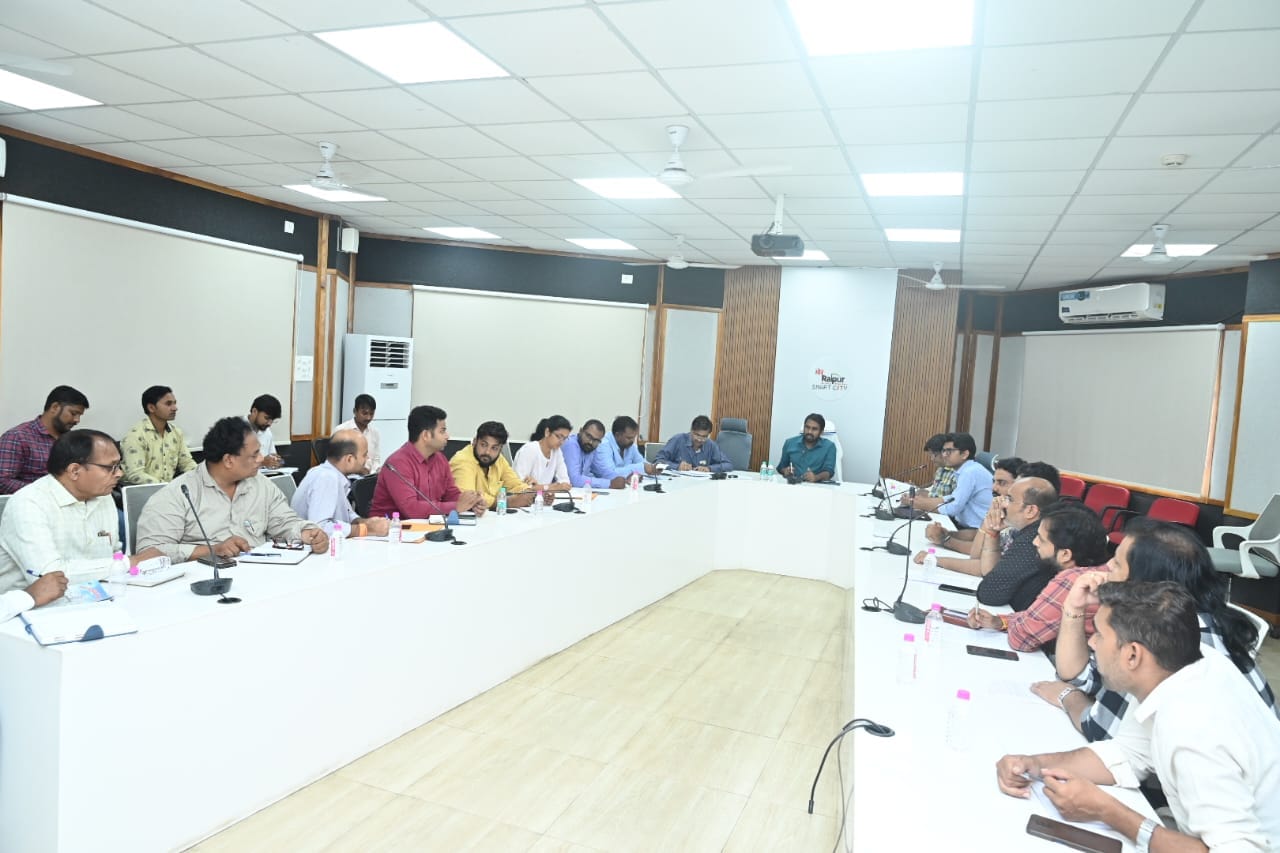
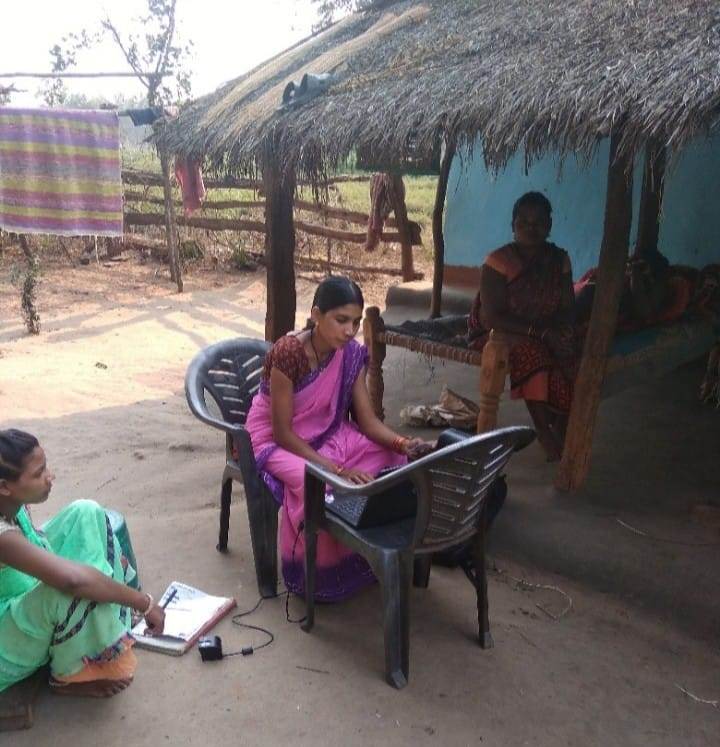
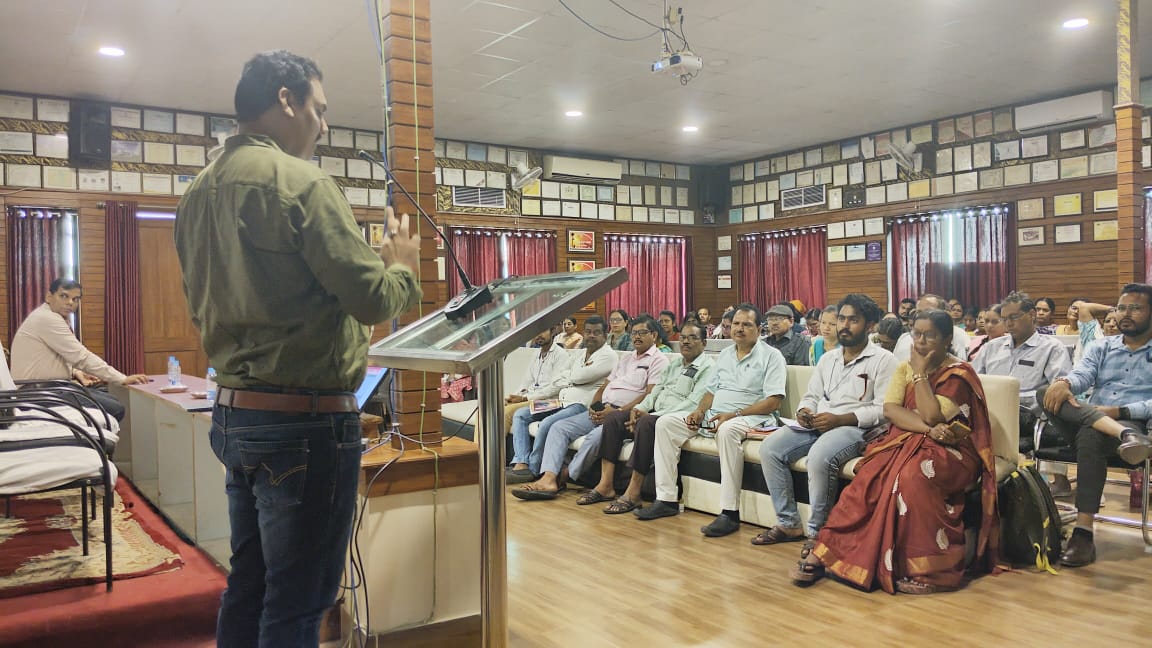
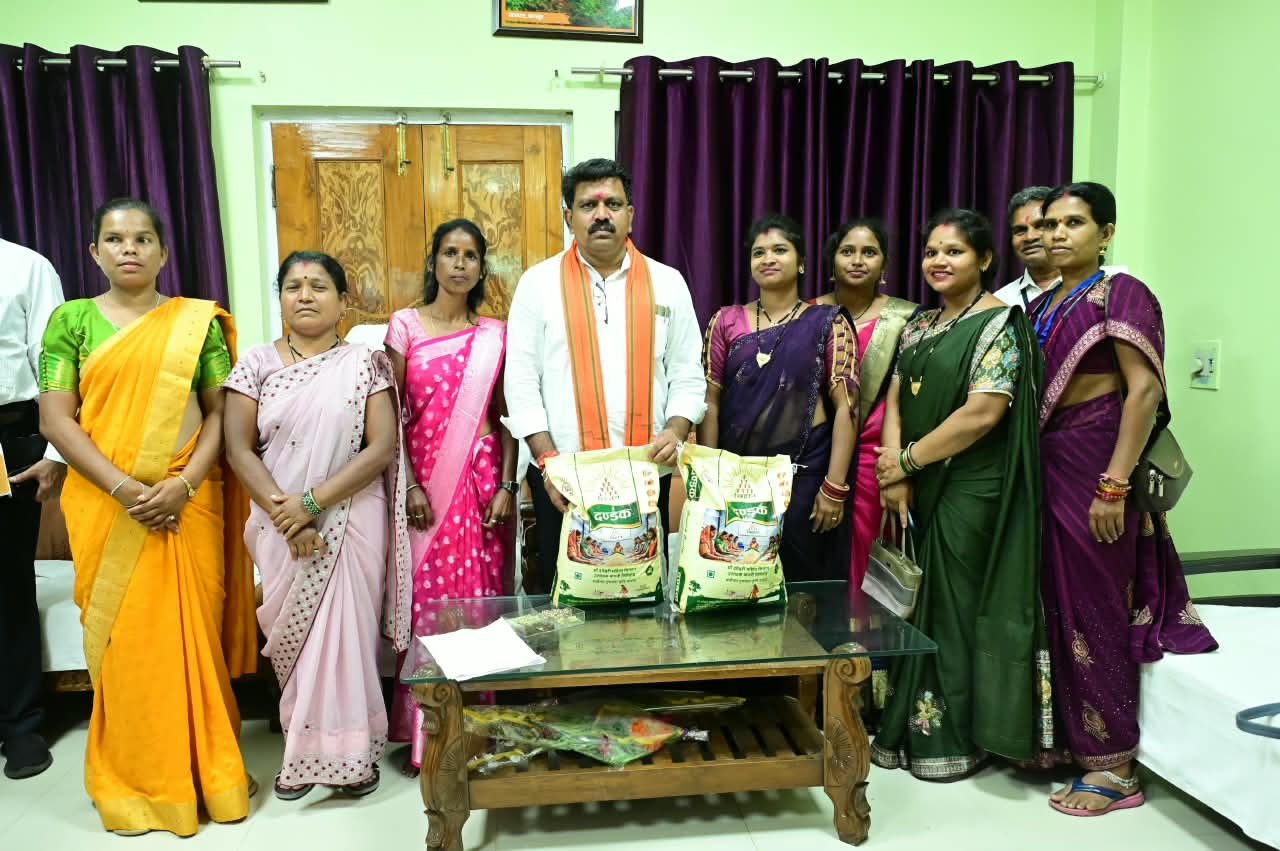
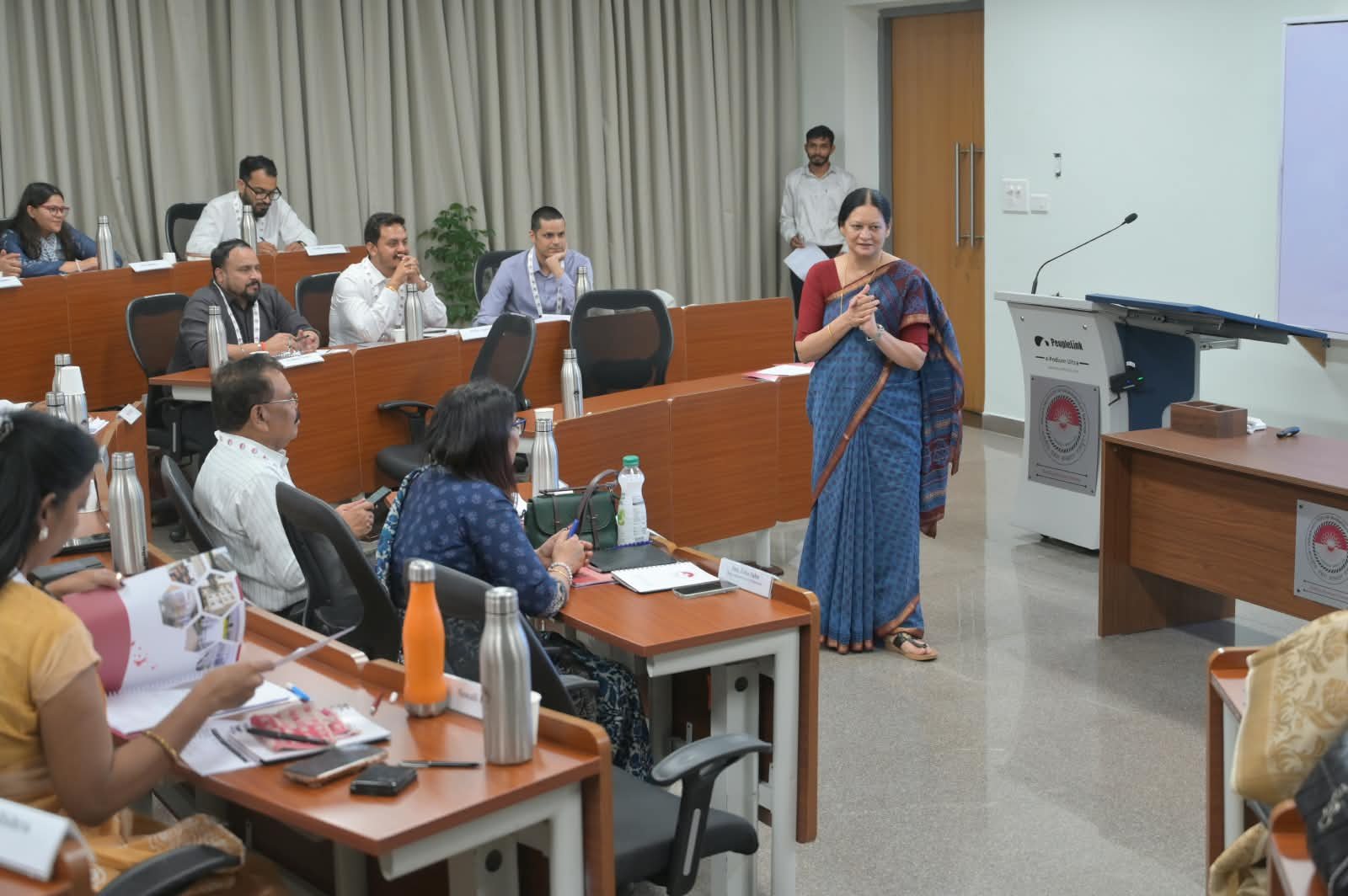
The program featured a detailed discussion between rural women and tourism experts on tourism-based livelihood opportunities. Local women discussed income-generating opportunities through providing traditional meals and snacks, showcasing local cuisine, hosting guests, organizing cultural events, and providing camping-related services.
It was emphasized that if tourism activities are conducted systematically with the participation of the local community, employment and self-employment opportunities can be developed within the village for women, youth, and traditional artisans. Furthermore, it is essential to ensure effective participation of the local community in the economic benefits of tourism, so that the economic well-being of villagers can be strengthened while preserving natural and cultural heritage.
- Bird watching and exposure to the natural environment
The next morning, participants engaged in birdwatching activities along the Sondhur River. They had the opportunity to observe birds in action along the riverbank and in the surrounding natural environment. According to local lore, over a hundred bird species are found in the Gheekudiya area. This diversity makes the area a significant destination for nature tourism and birdwatching.
In the morning, participants also enjoyed bathing in the river. These activities provided an opportunity to understand the importance of local natural resources while increasing the appeal of nature-based tourism.
- Introduction to the traditional fishing system of the Kamar tribe
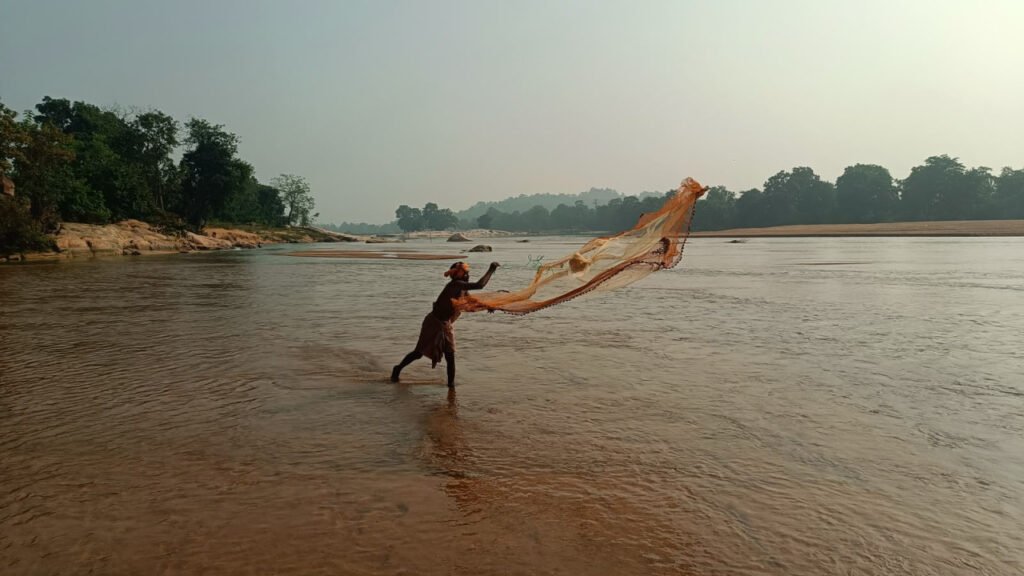
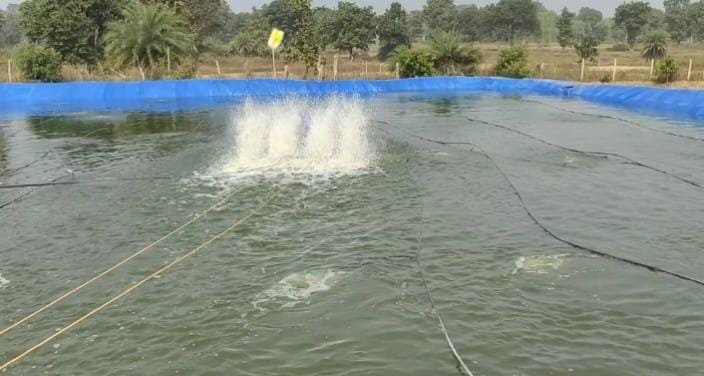
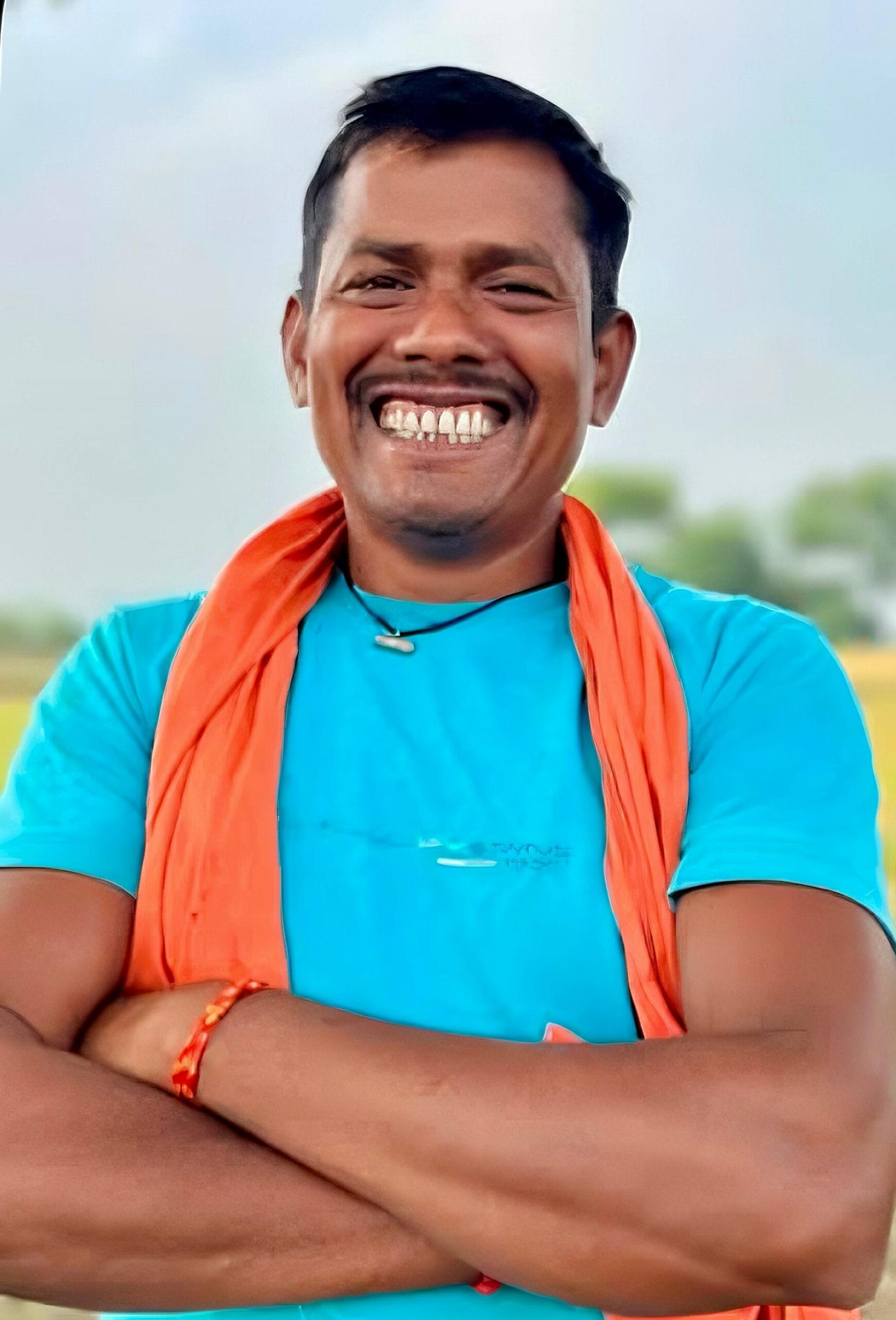
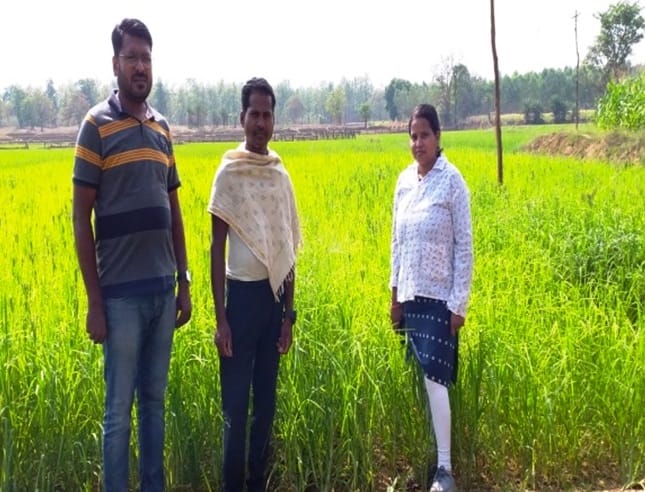
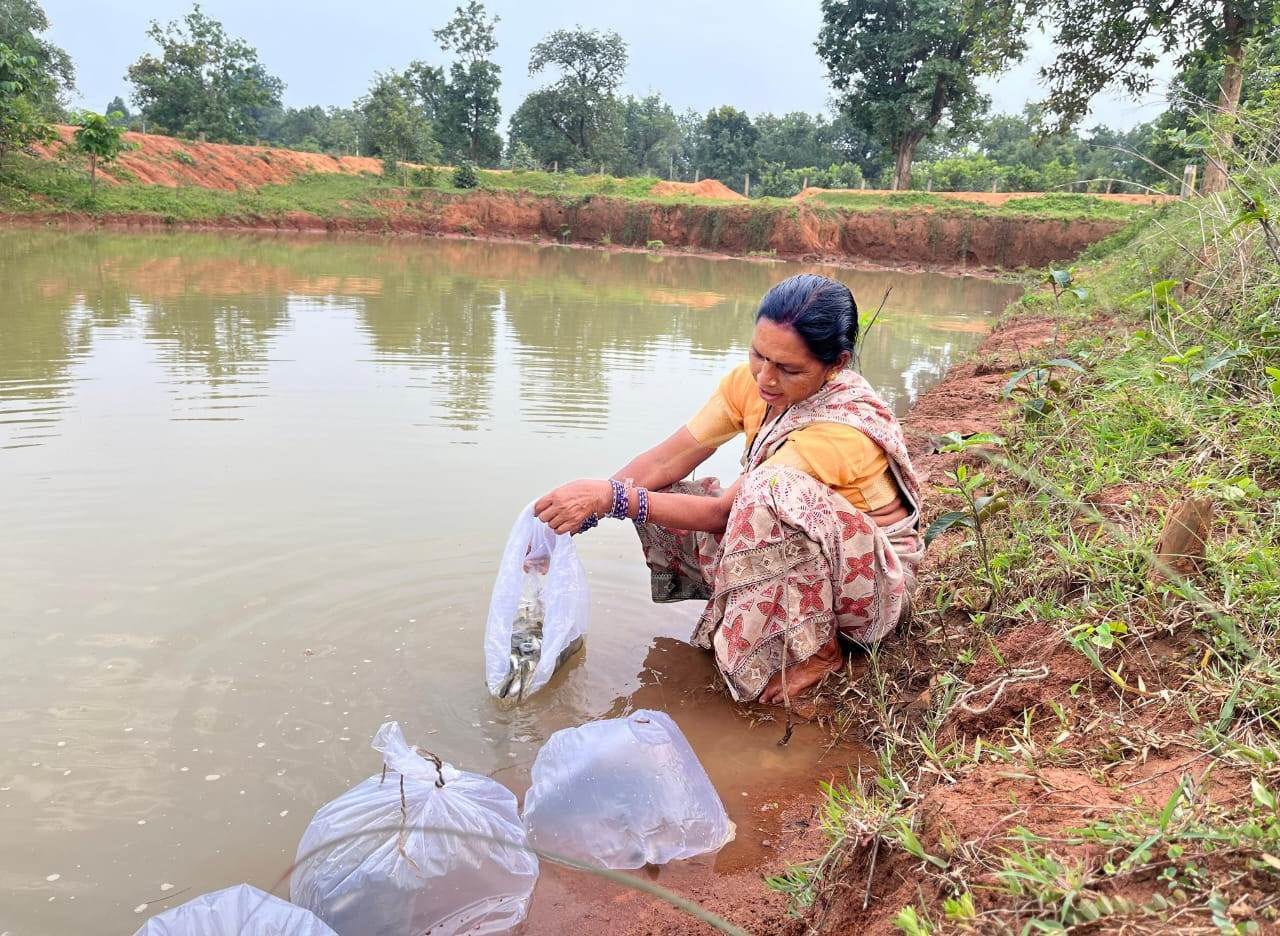
An important aspect of the program was introducing the traditional lifestyle and nature-based knowledge of the Kamar tribe. During the program, participants were introduced to the traditional fishing activity of the Kamar tribe, using the “Redi Bandhana” method. This provided participants with an opportunity to understand local life, traditional skills, and experiential knowledge passed down through generations related to the river.
Integrating such activities into rural tourism can provide tourists with a closer look at local tribal culture and traditions. This can also help foster respect for traditional knowledge and encourage its preservation.
- Community tourism creates new employment opportunities in the village
This event, held in Ghikudia, sought to understand and explore the potential for tourism development through local community participation, beyond just river camping. The sandy banks of the Sondhur River, birdlife, the traditional lifestyle of the Kamar tribe, local folk arts, traditional cuisine, and rural surroundings can be combined to create unique tourism experiences.
River camping, bird watching, folk music, rural cultural performances, and experiential activities related to local life could become important pillars of community tourism in the future. This has the potential to create new income opportunities for local women, youth, traditional artists, and other rural families.
Along with this, it is also necessary to pay attention to environmental protection, river cleanliness, proper management of plastic waste and sensitive use of natural resources while conducting tourism activities.
The River Camping and Rural Tourism Training Program held in Gheekudiya highlighted that the true identity of rural tourism lies in its natural resources, local culture, traditional knowledge, and community participation. By preserving these characteristics and developing tourism activities, Gheekudiya, on the banks of the Sondhur River, can establish itself as a tourist destination based on nature, culture, and community participation. This will strengthen the potential for reviving rural livelihoods and bringing widespread recognition to the region’s cultural heritage.