











































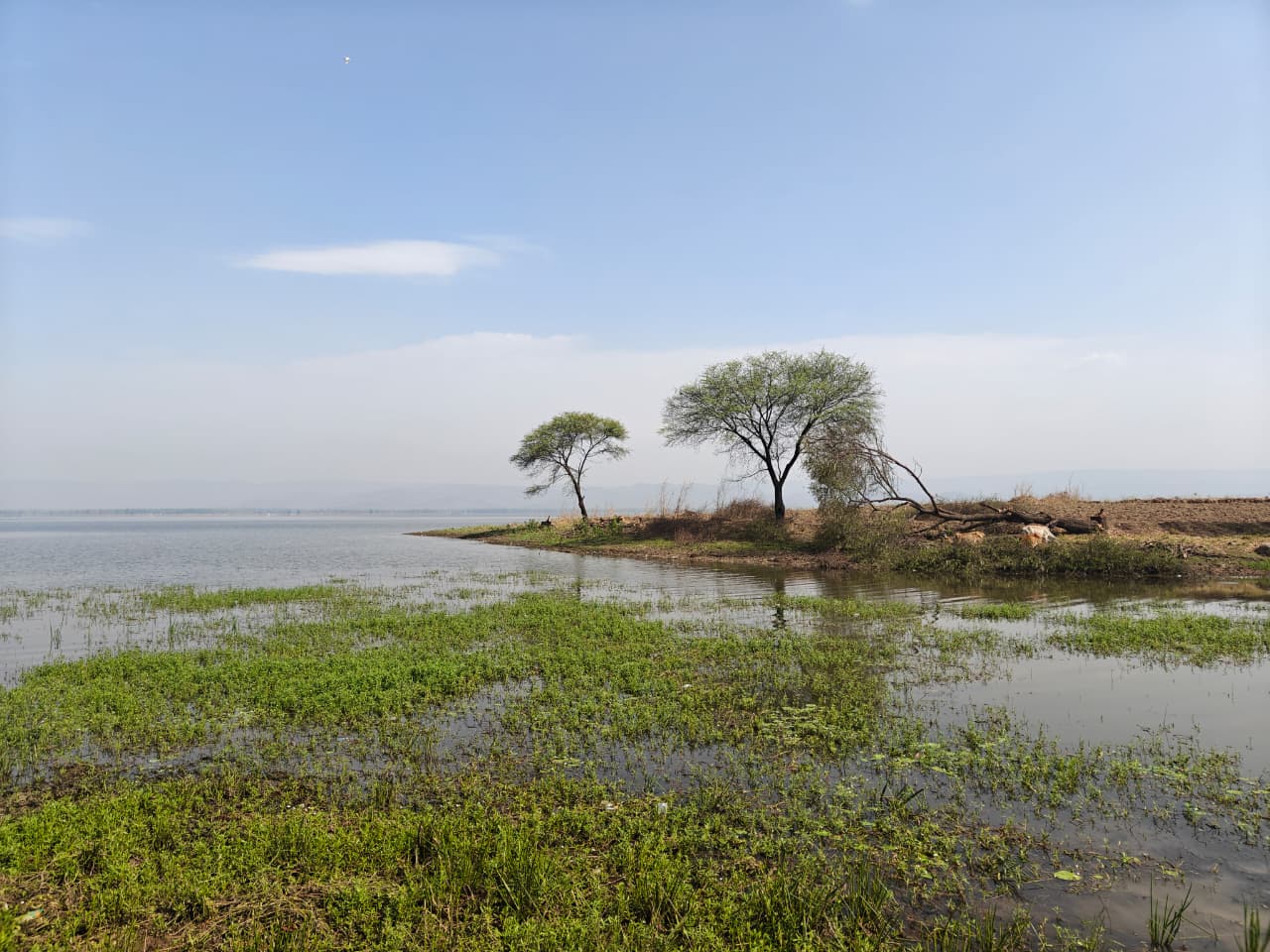
Community participation is being given top priority in the conservation of the Kopra Reservoir Ramsar Site in Bilaspur district, Chhattisgarh. This is the state’s first Ramsar site, which is being developed in coordination with local communities, the forest department, and experts to ensure biodiversity and livelihoods.
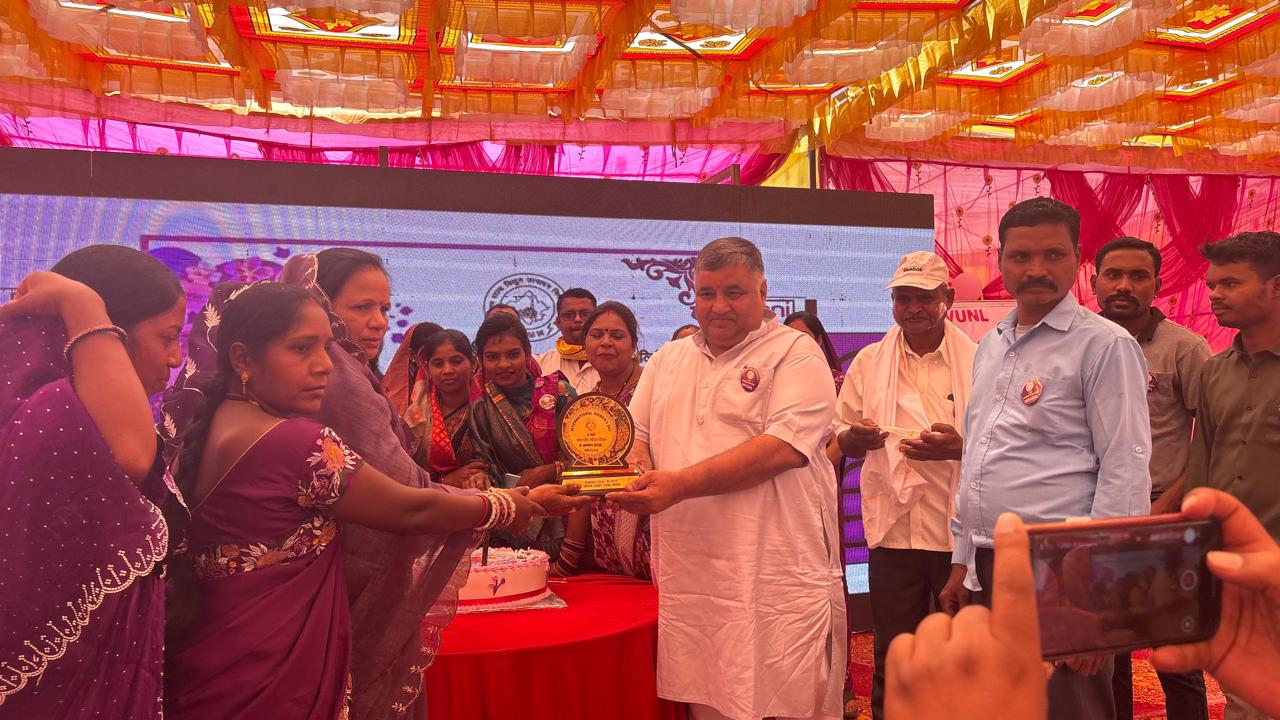
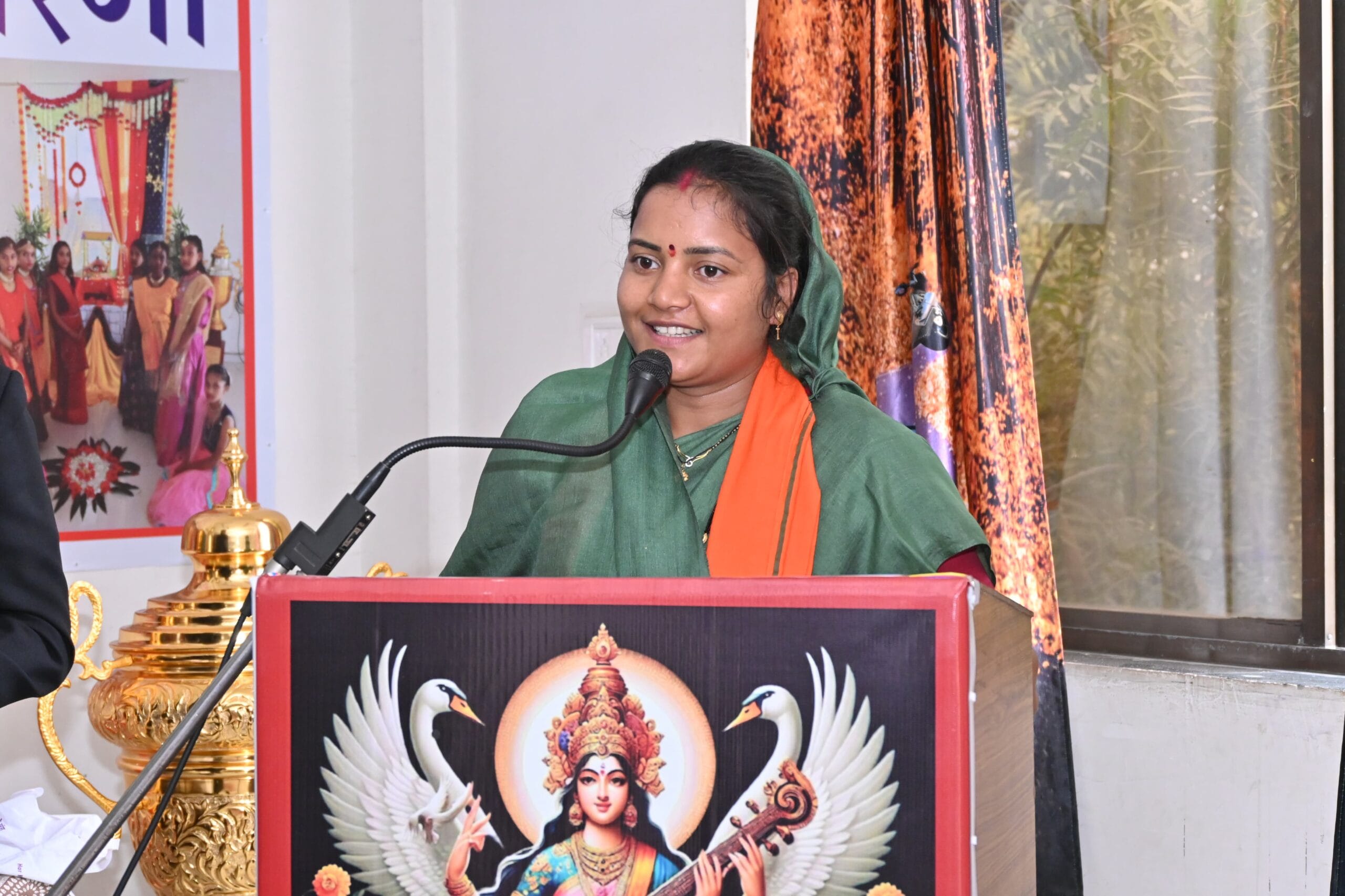
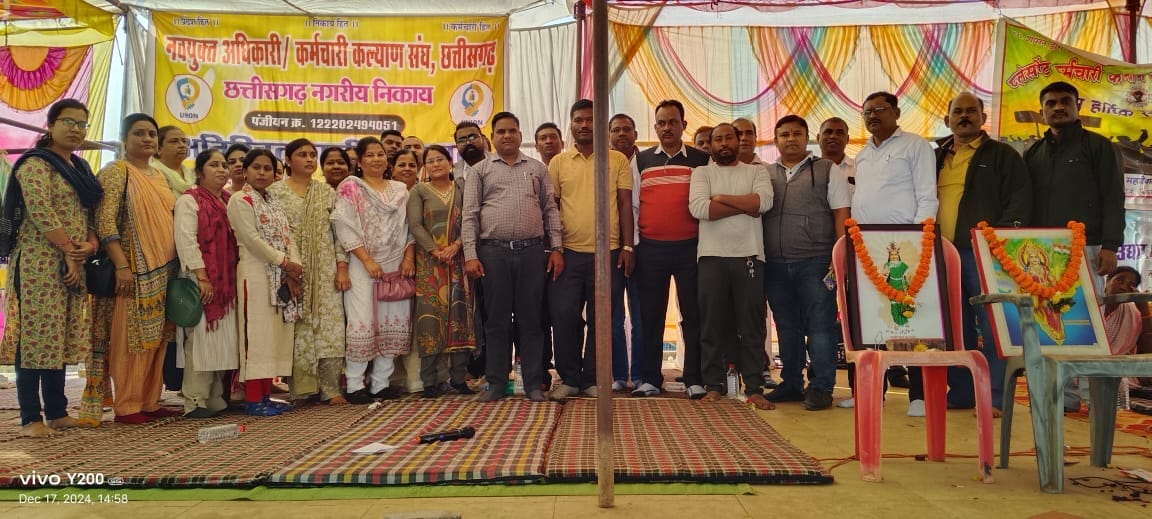
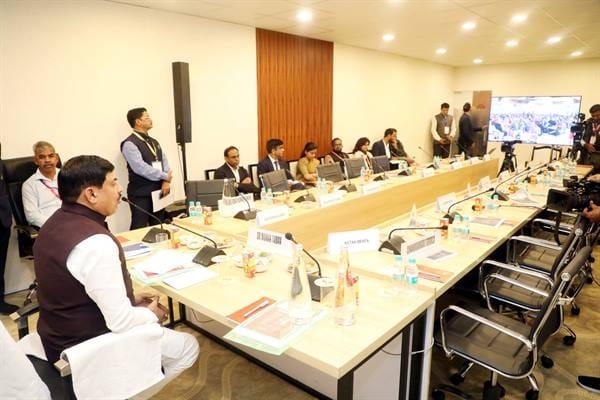
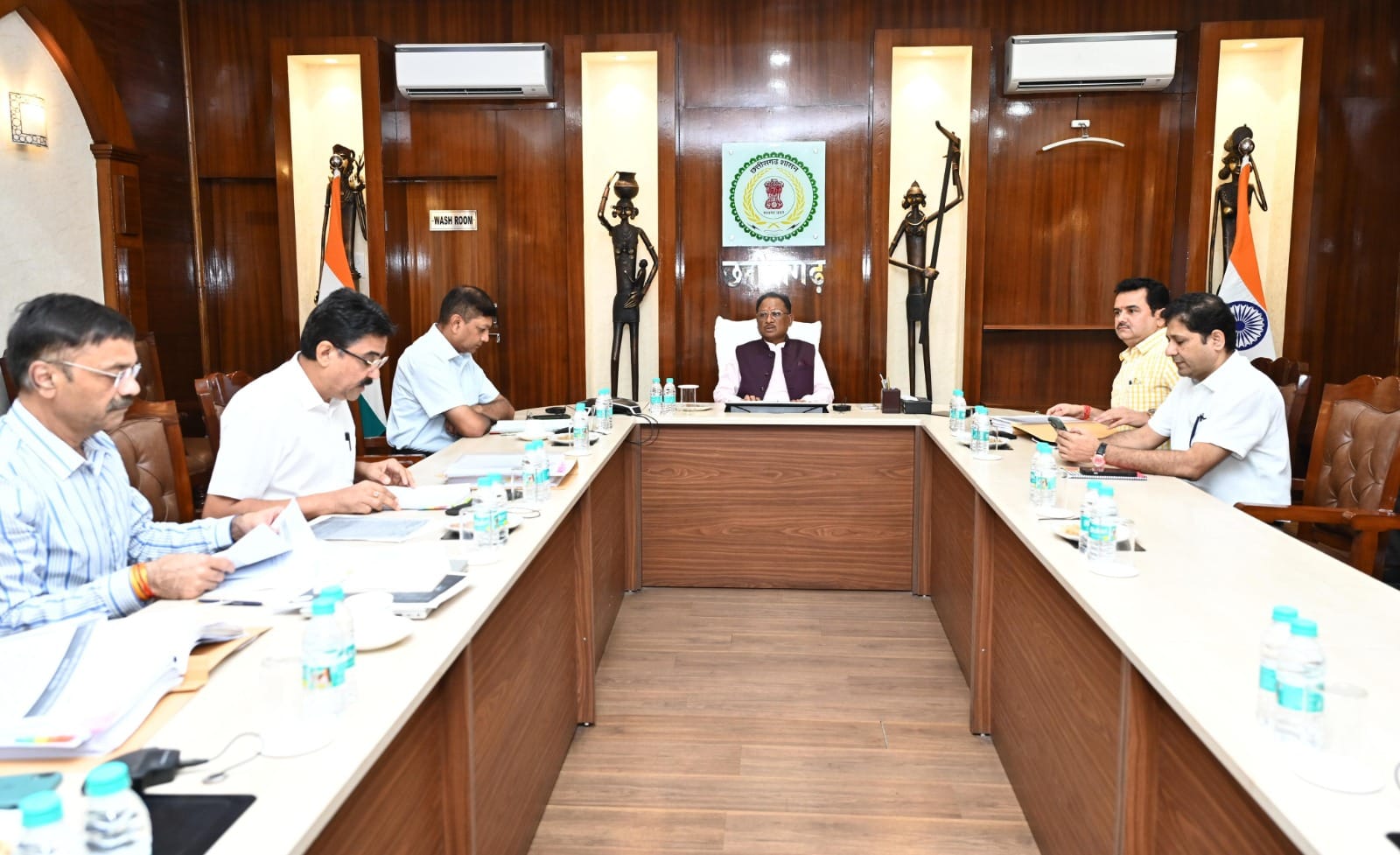
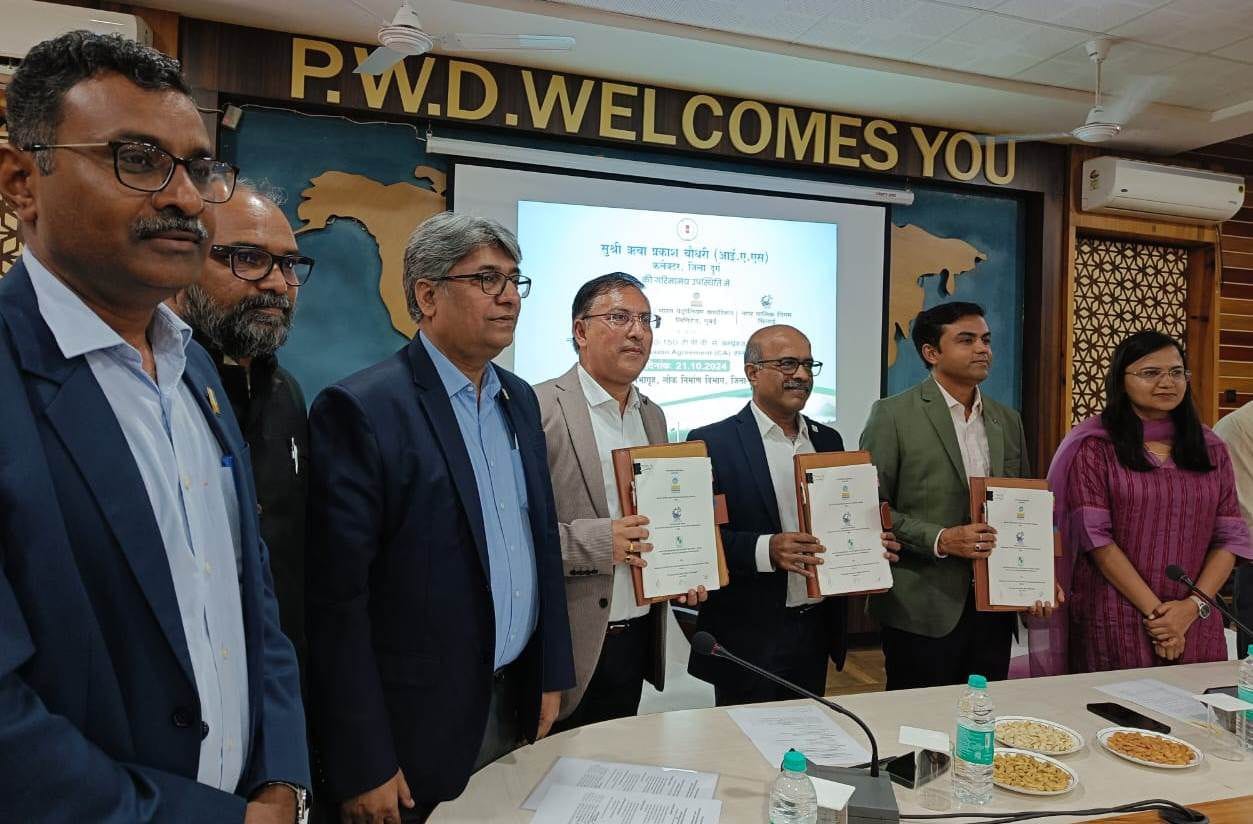
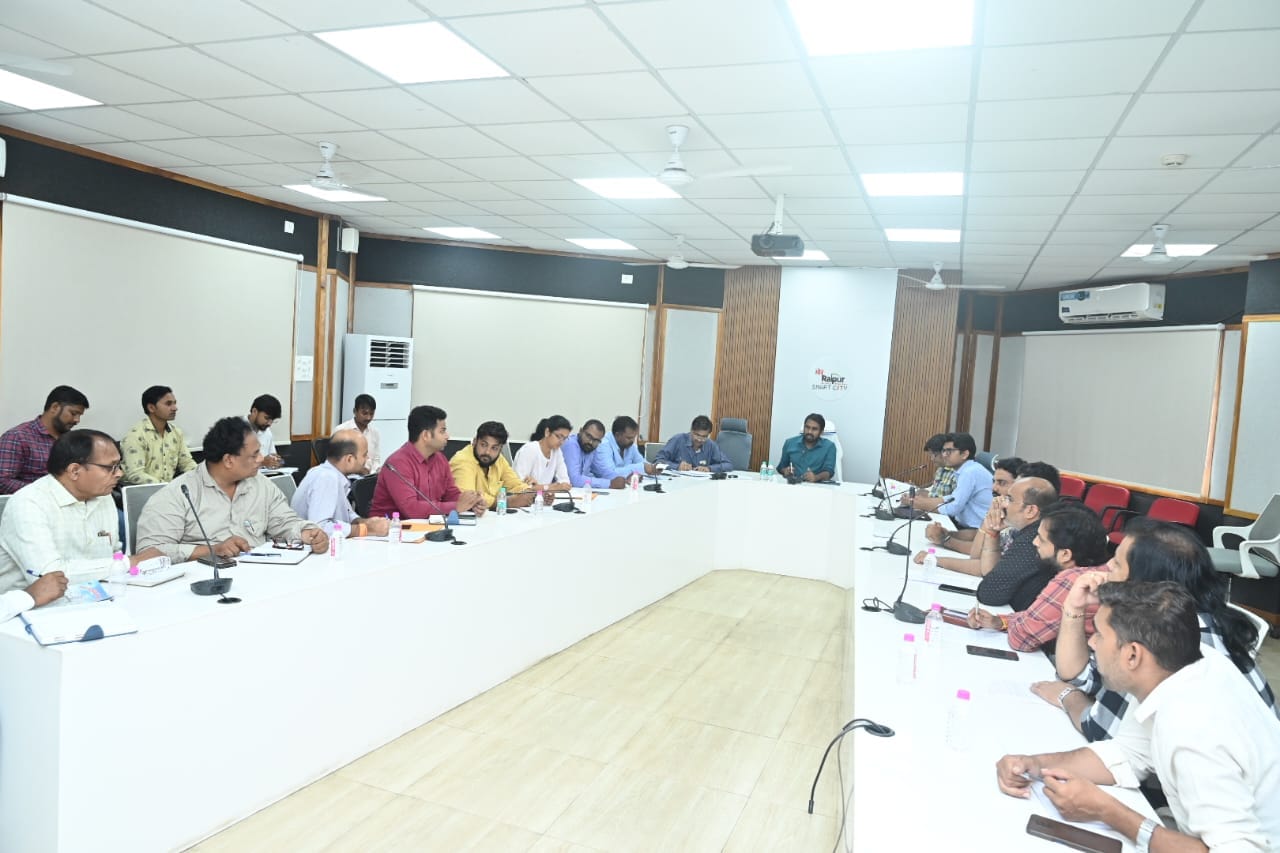
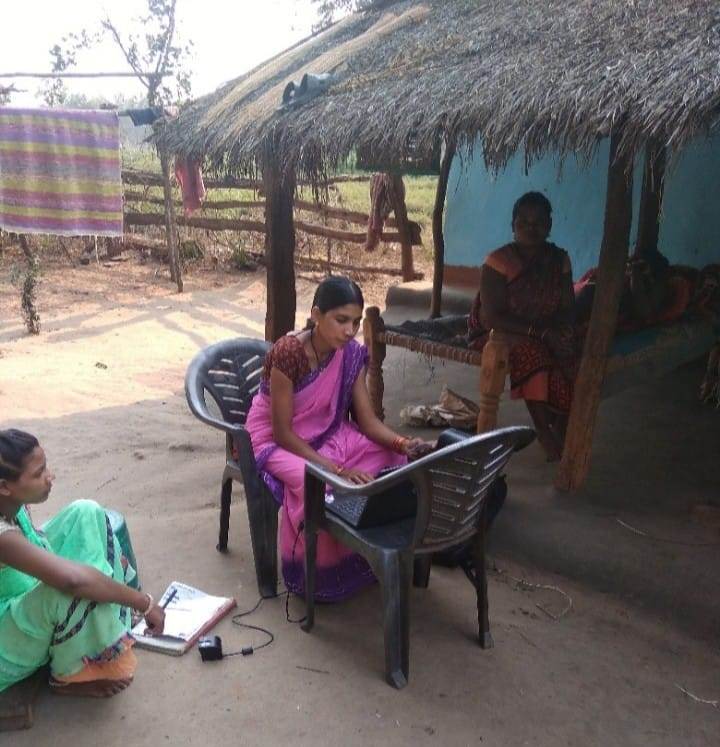
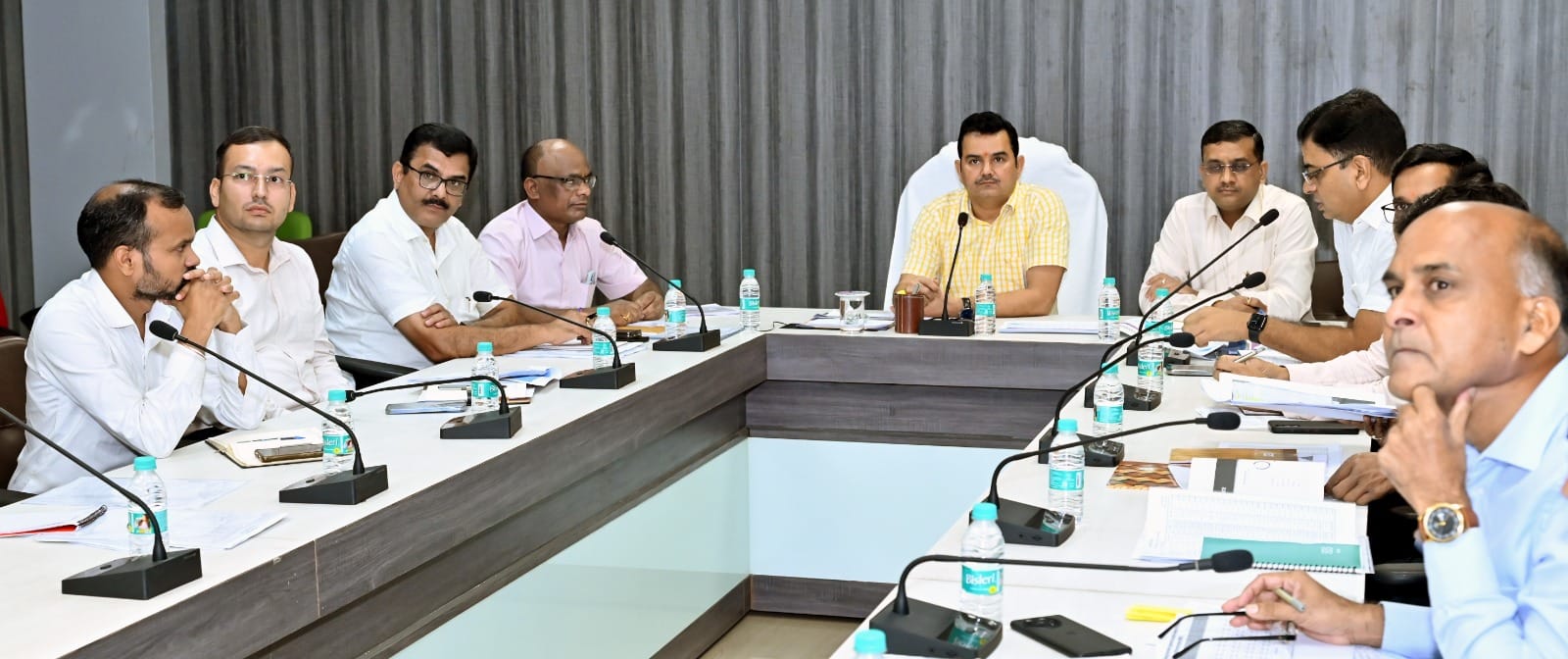
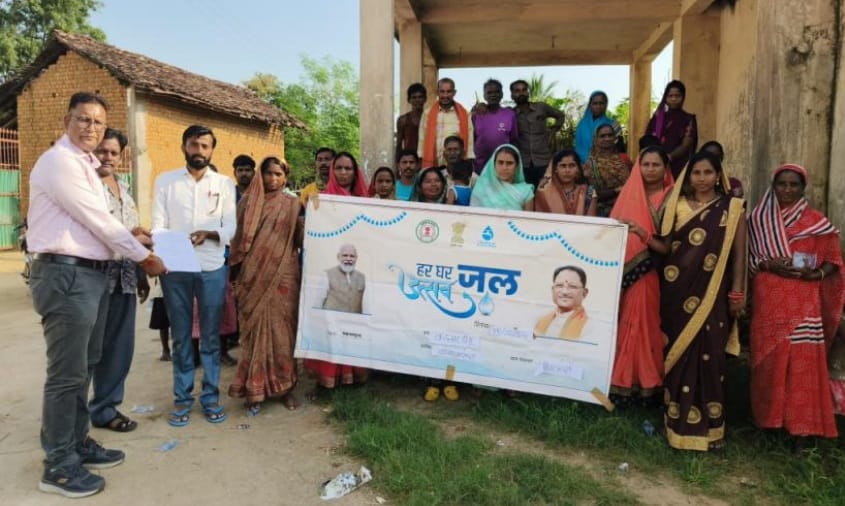
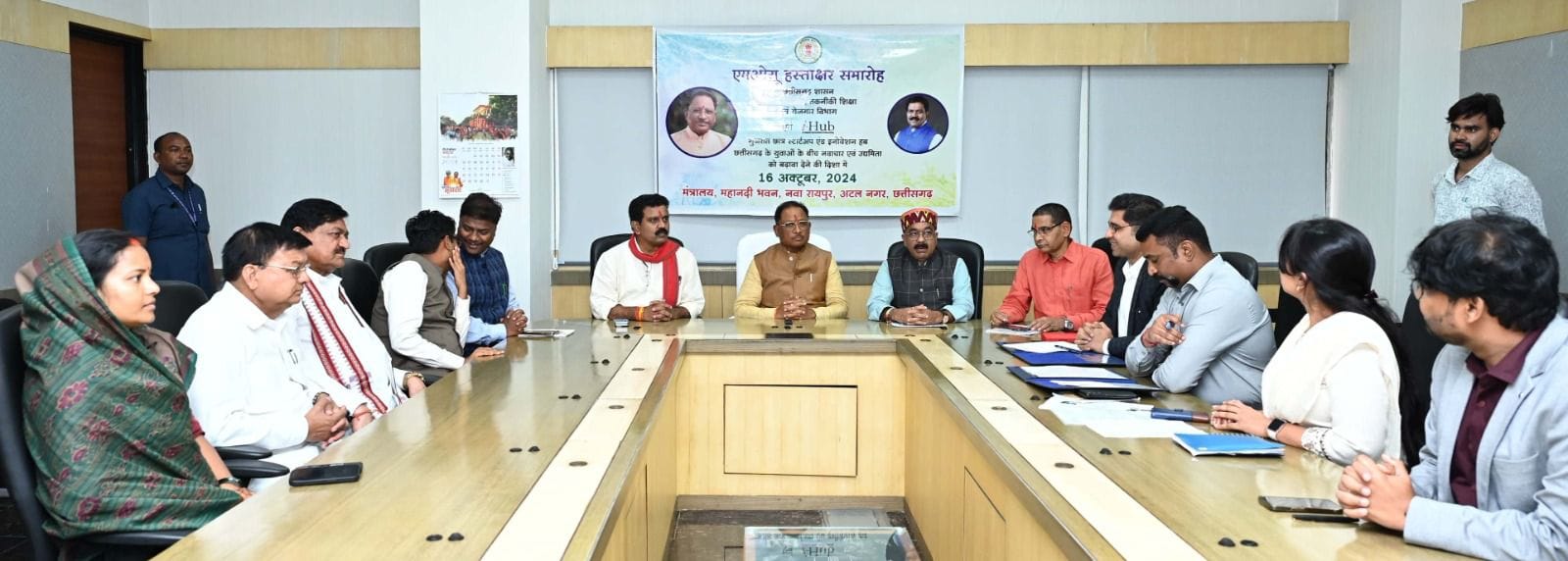
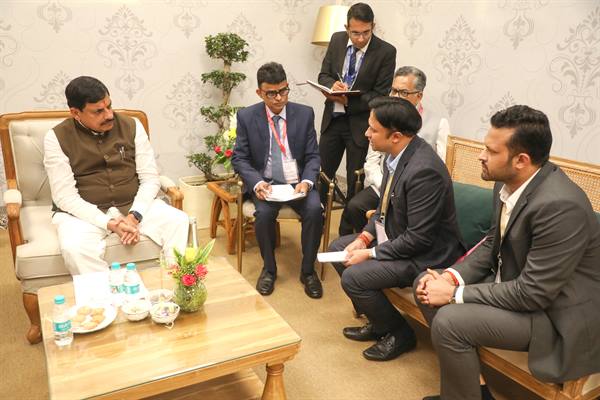
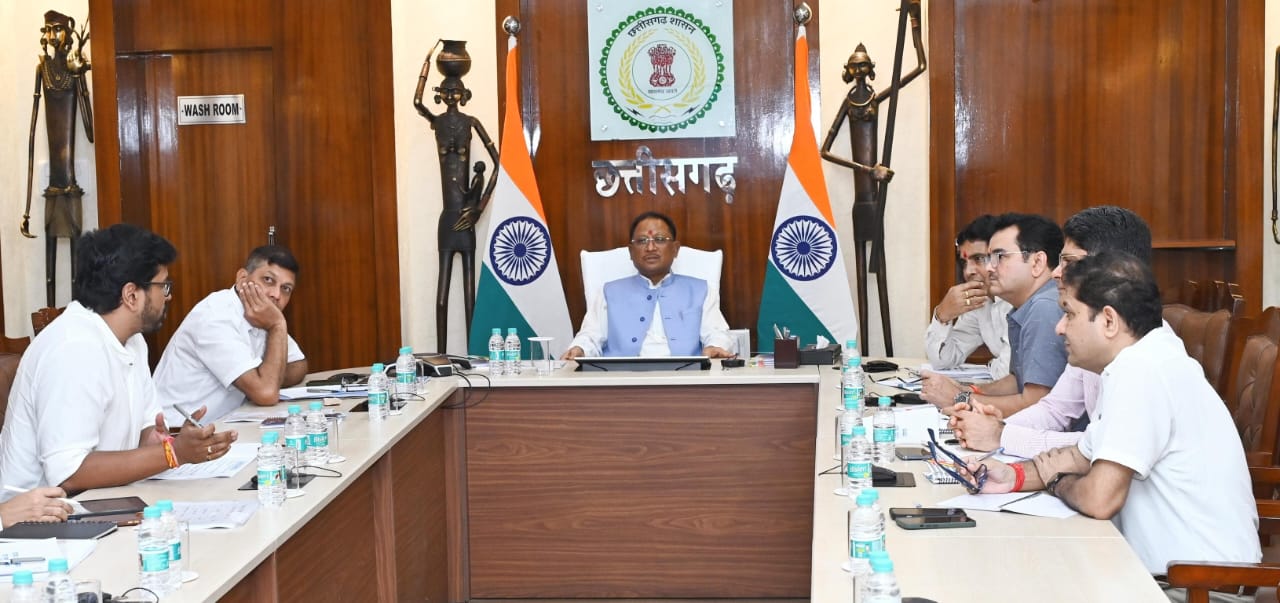
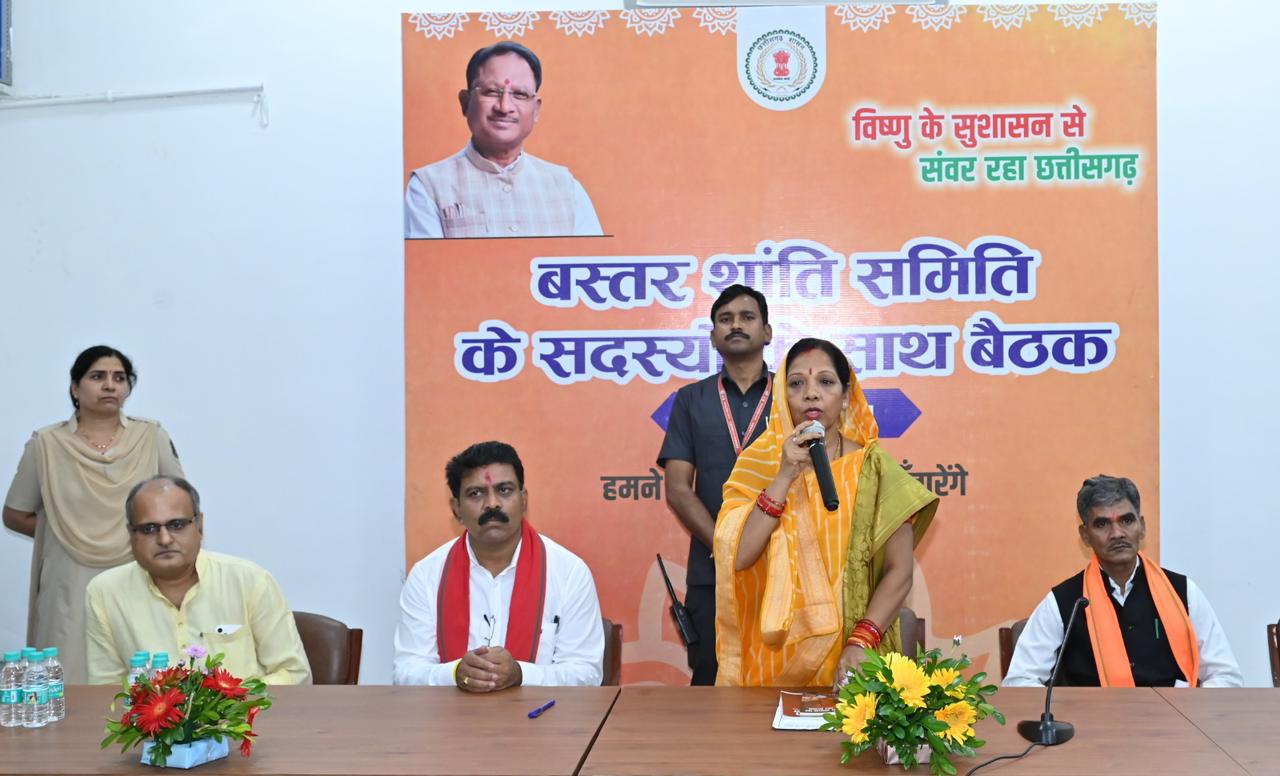
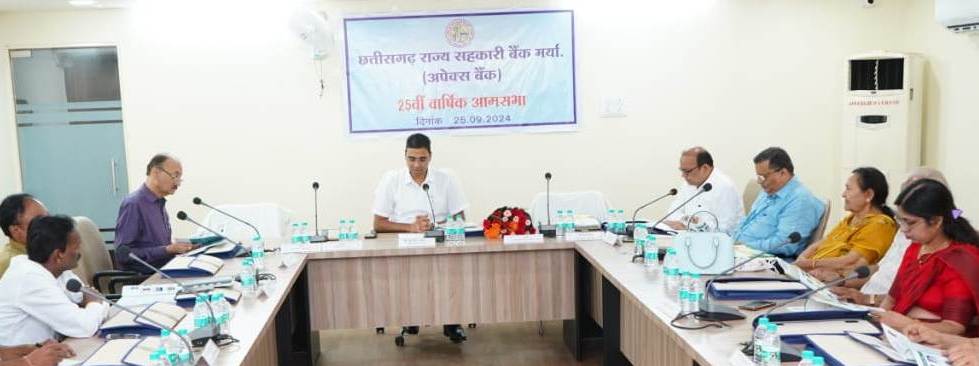
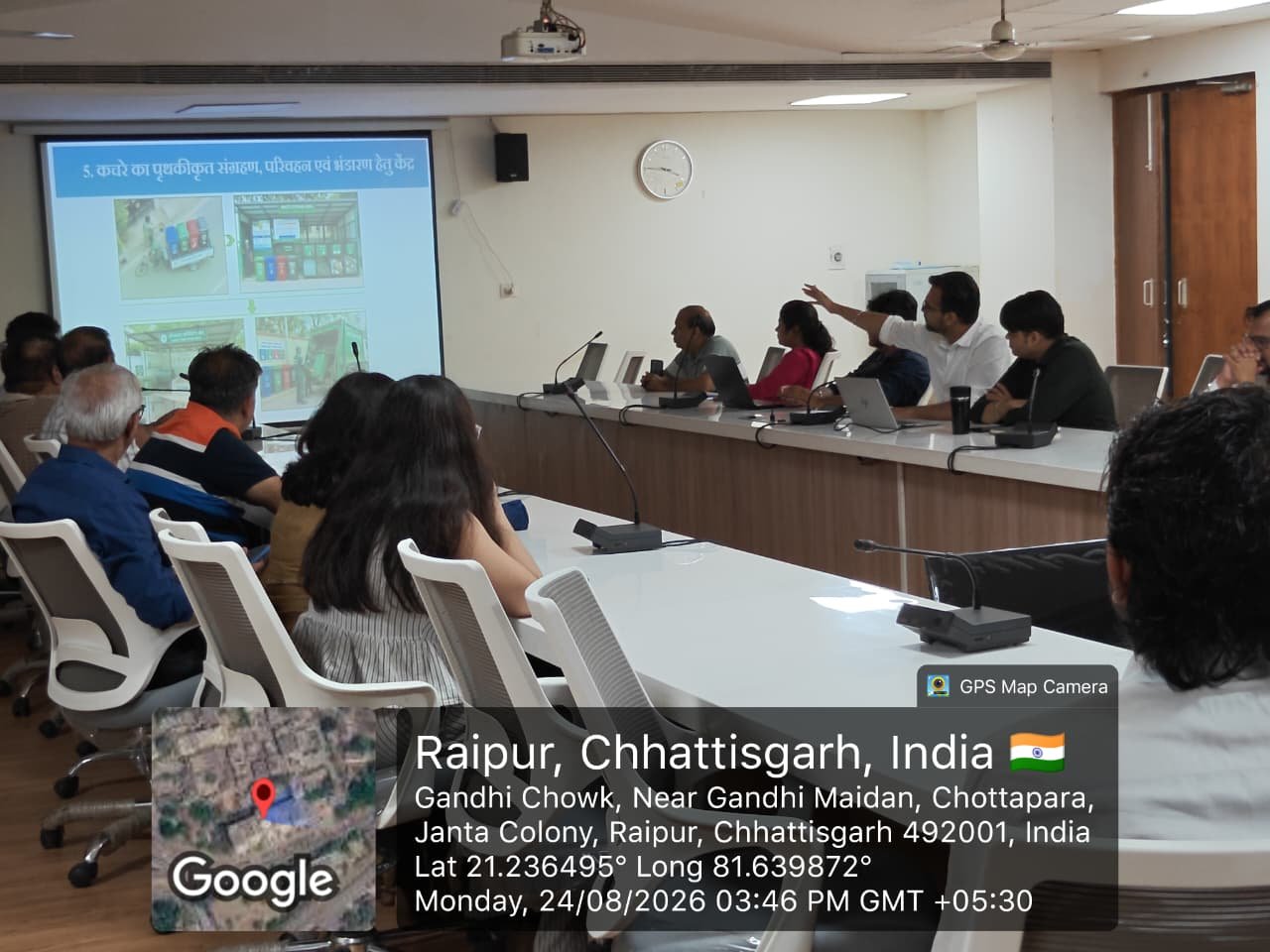
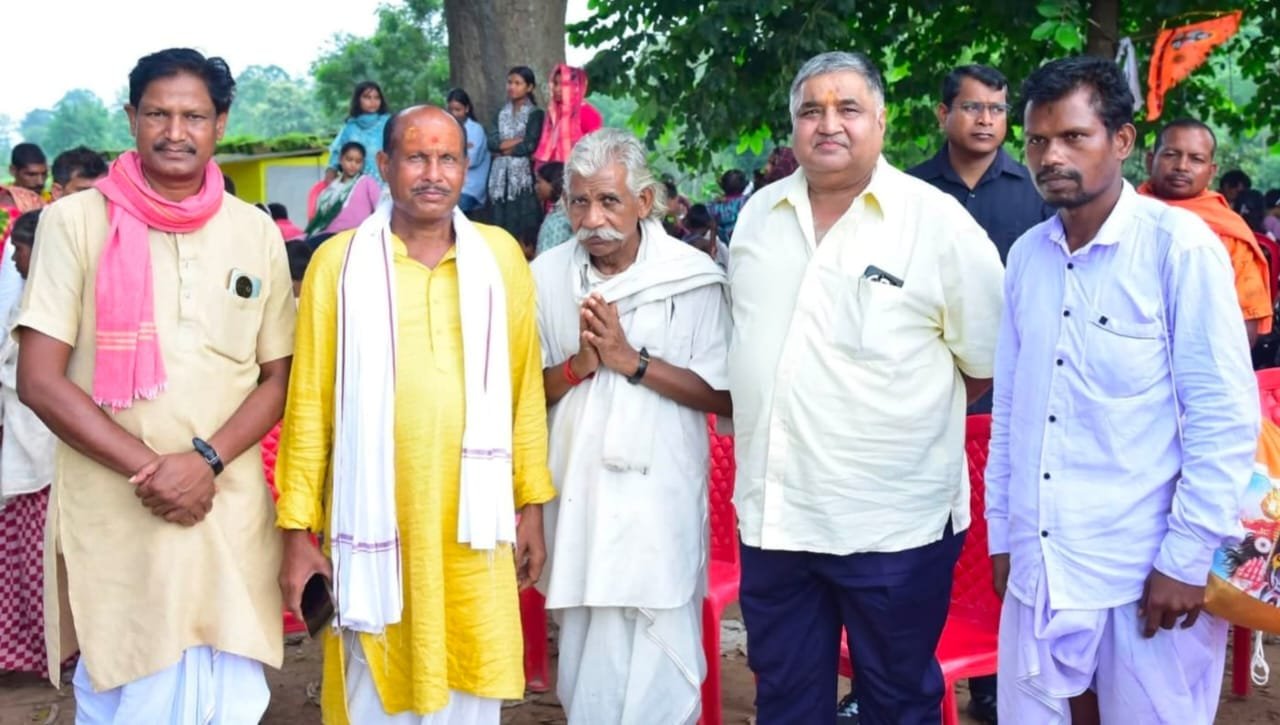
Following Chhattisgarh’s Kopra Reservoir’s designation as a Ramsar site, a model of public participation has been developed for its conservation and sustainable development, given its international importance. A high-level meeting between State Wetland Authority officials, local village representatives, and women’s self-help groups agreed on a comprehensive action plan for the reservoir’s protection and development.
- Key Action Plans and Decisions
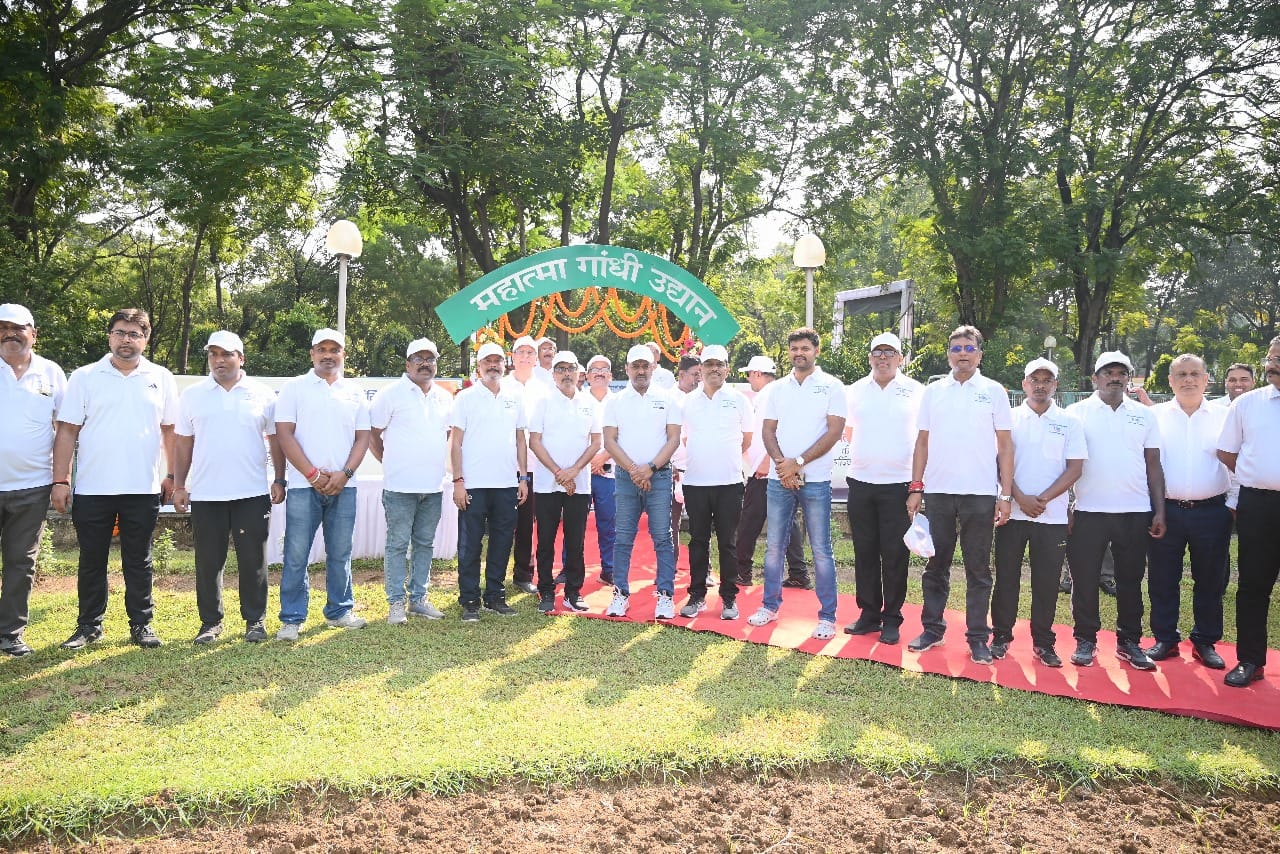
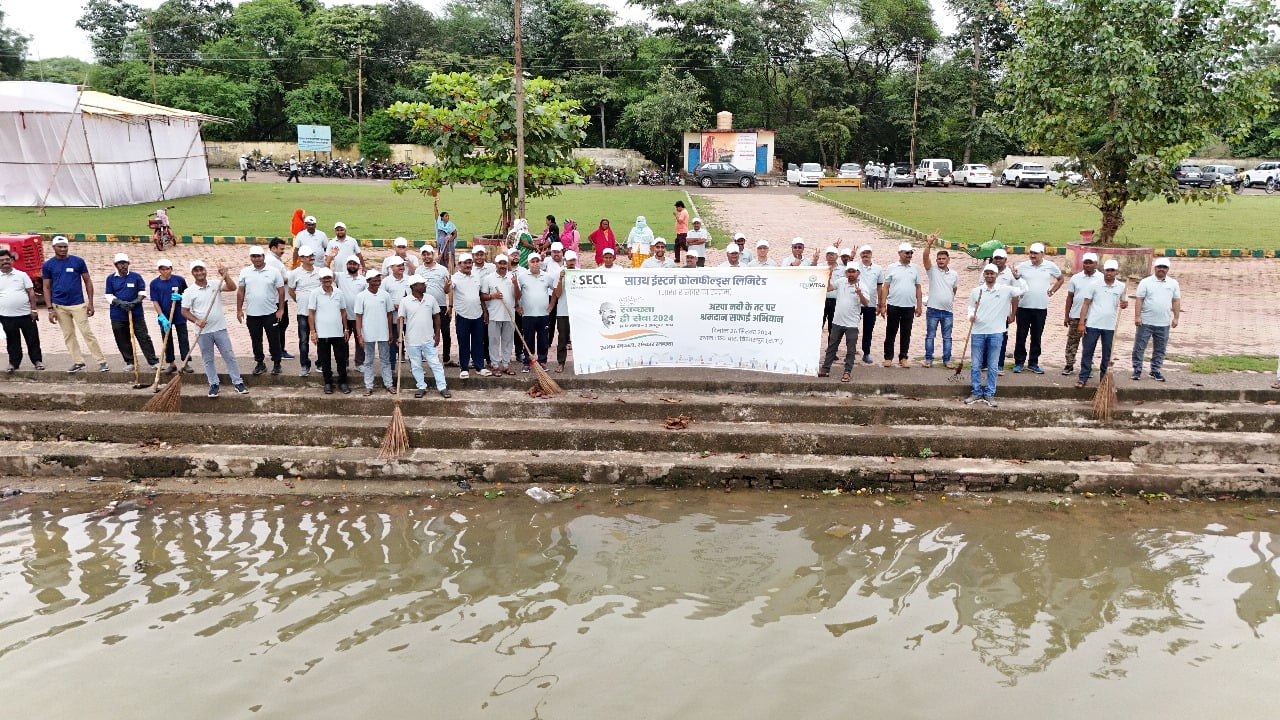
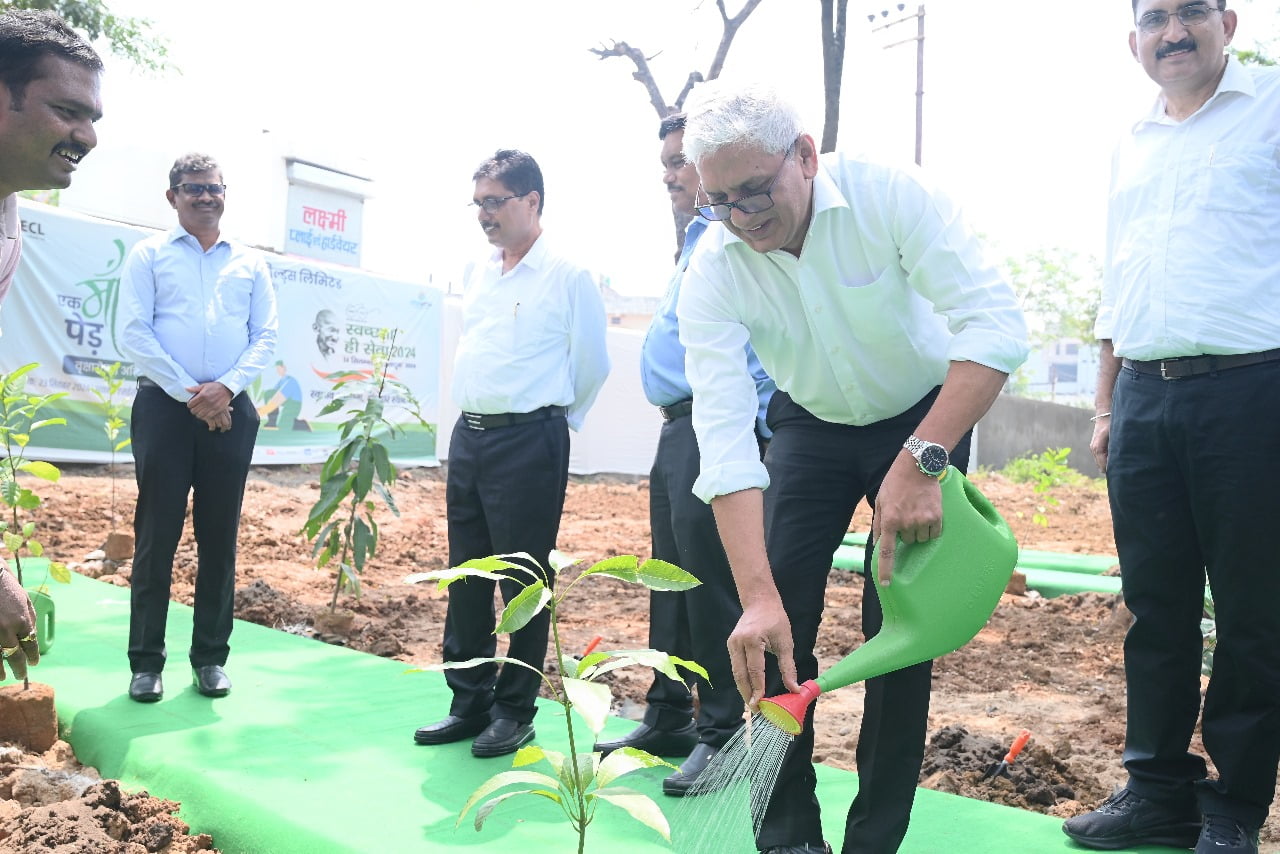
In the first phase of the Cleanliness and Plastic Free Development, the Kopra Reservoir will be completely plastic-free. To achieve this, a solid waste management system will be implemented in the villages and regular cleanliness drives will be conducted.

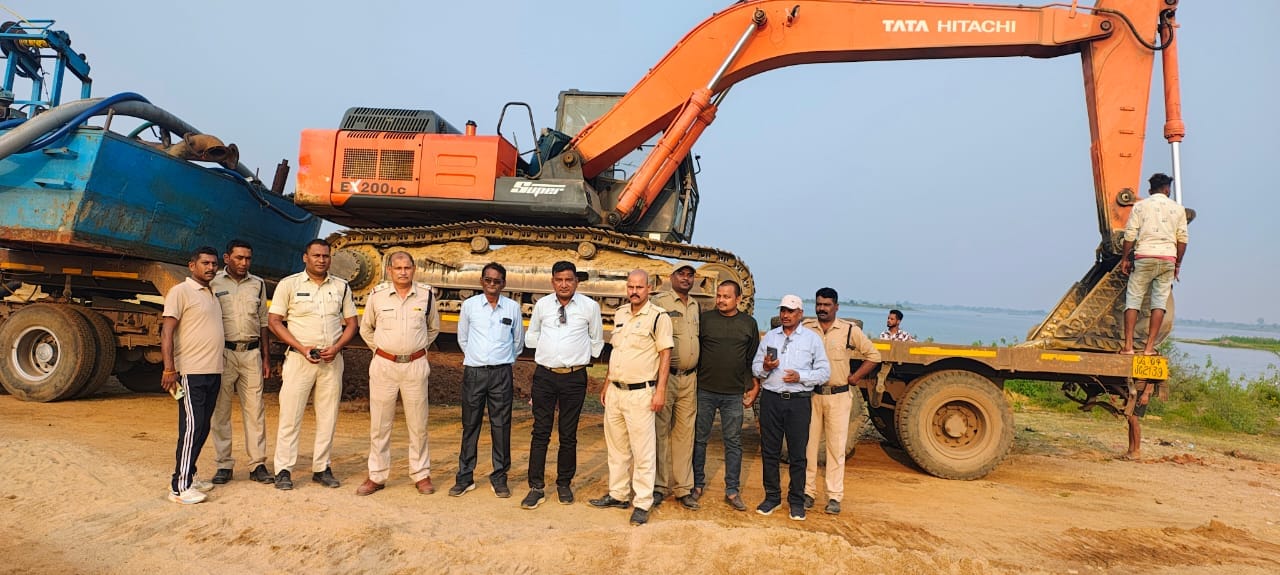
Strengthening the Monitoring Mechanism: Illegal activities will be strictly prohibited to preserve the wetland’s ecology and water quality. A robust monitoring mechanism will be established to protect natural flora and fauna.
- New avenues for local employment and tourism
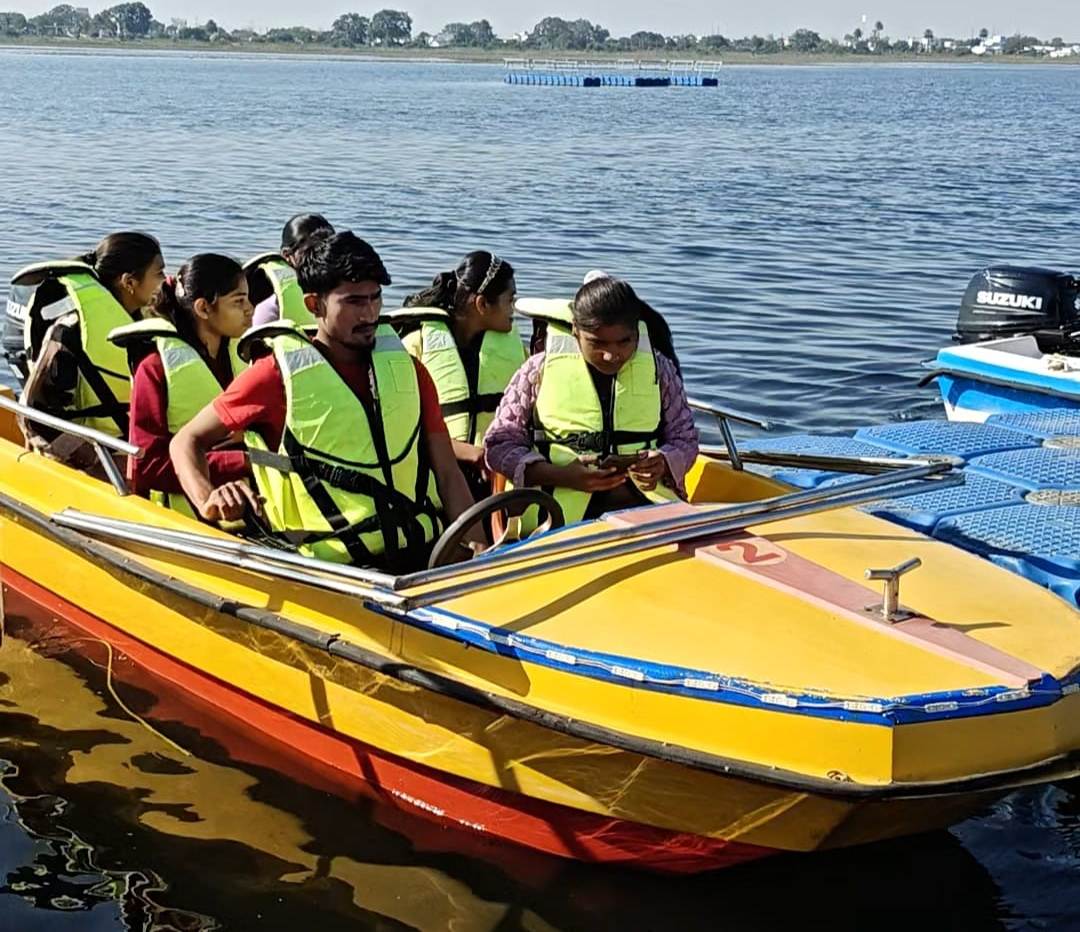
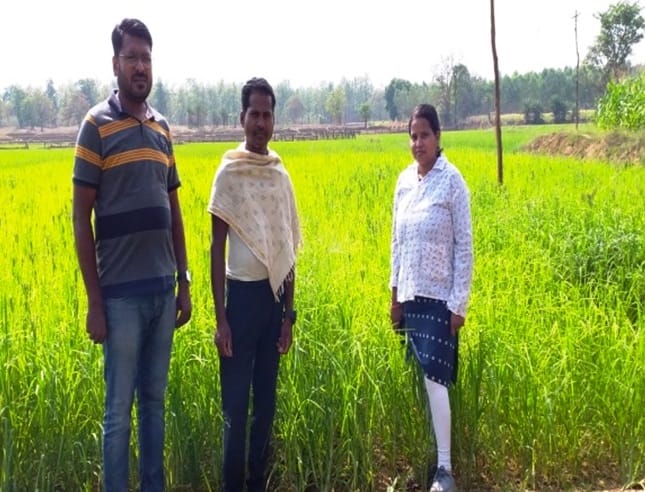
According to officials, tourism potential will be developed at the Kopra Reservoir, opening new employment opportunities for local villagers. The development of the Kopra Reservoir is promoting birdwatching and eco-tourism locally, creating new livelihood opportunities for the villagers.
- Participation of youth and women
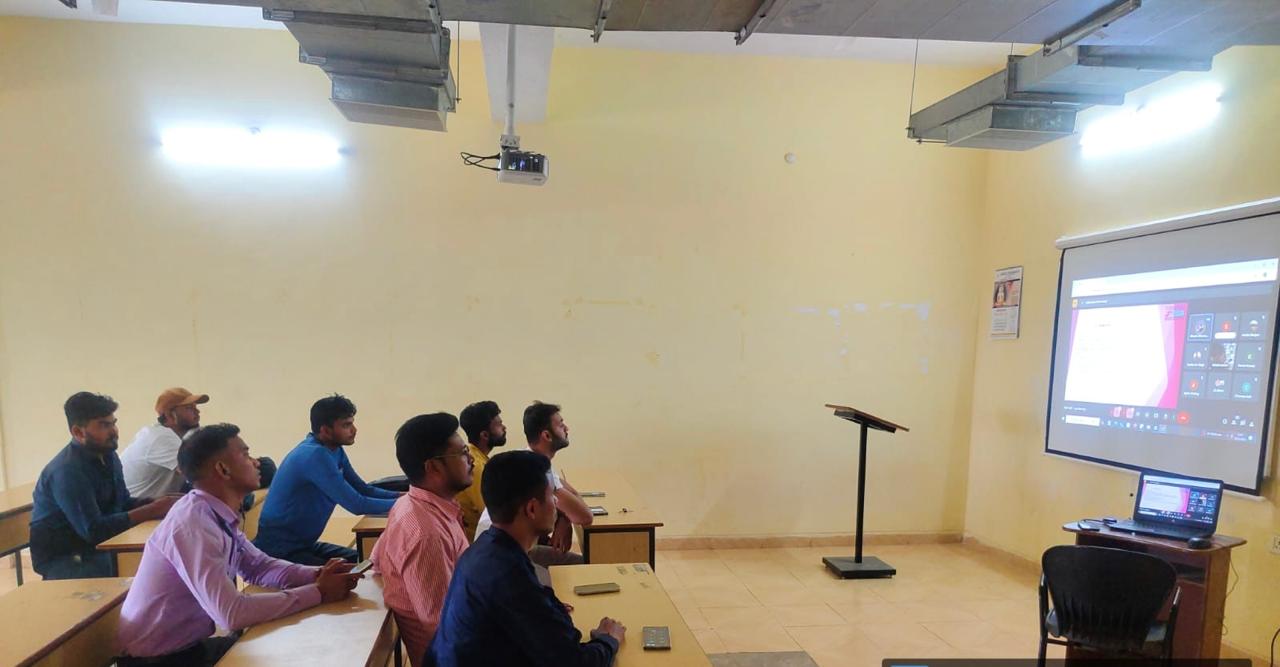
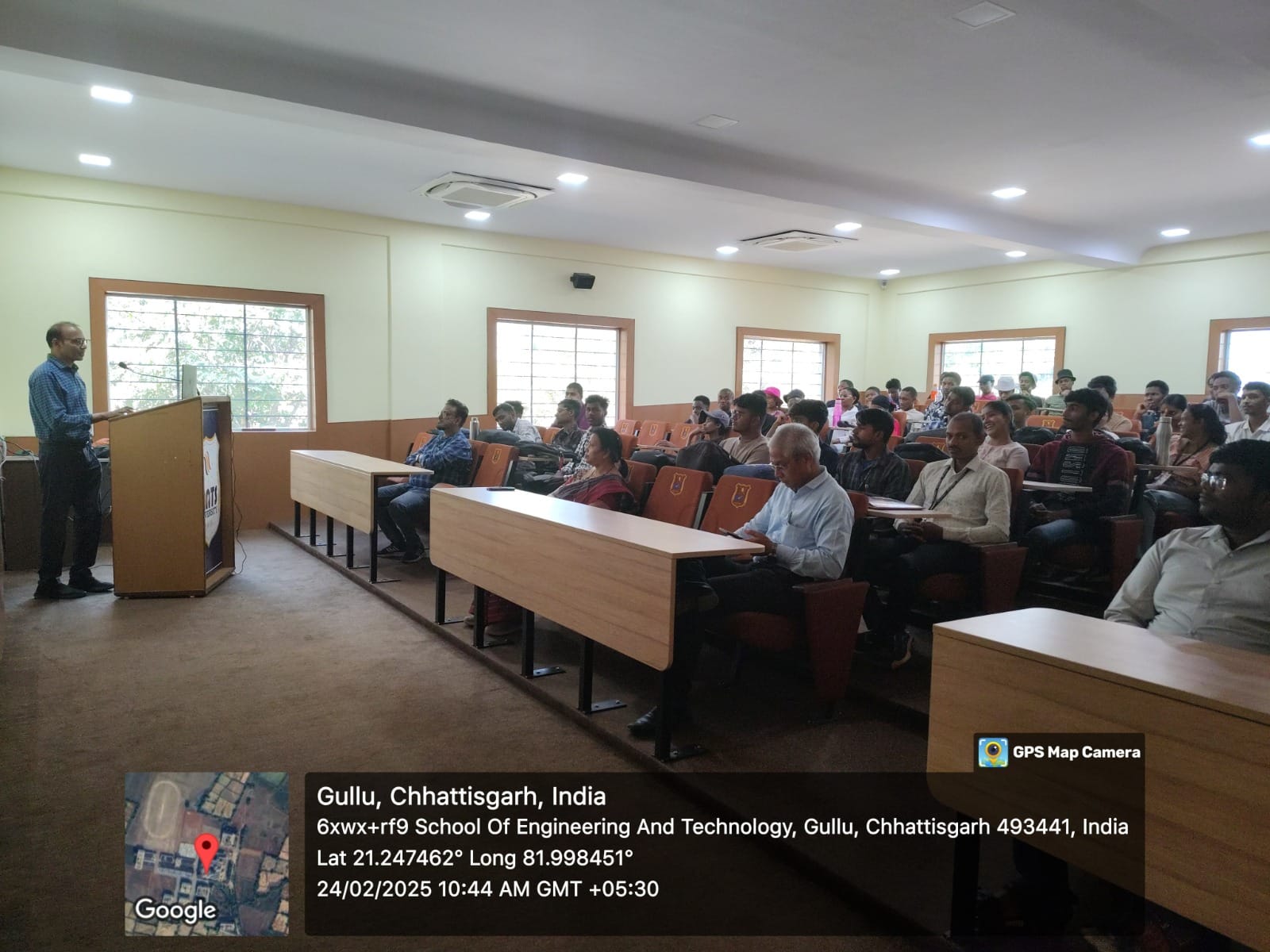
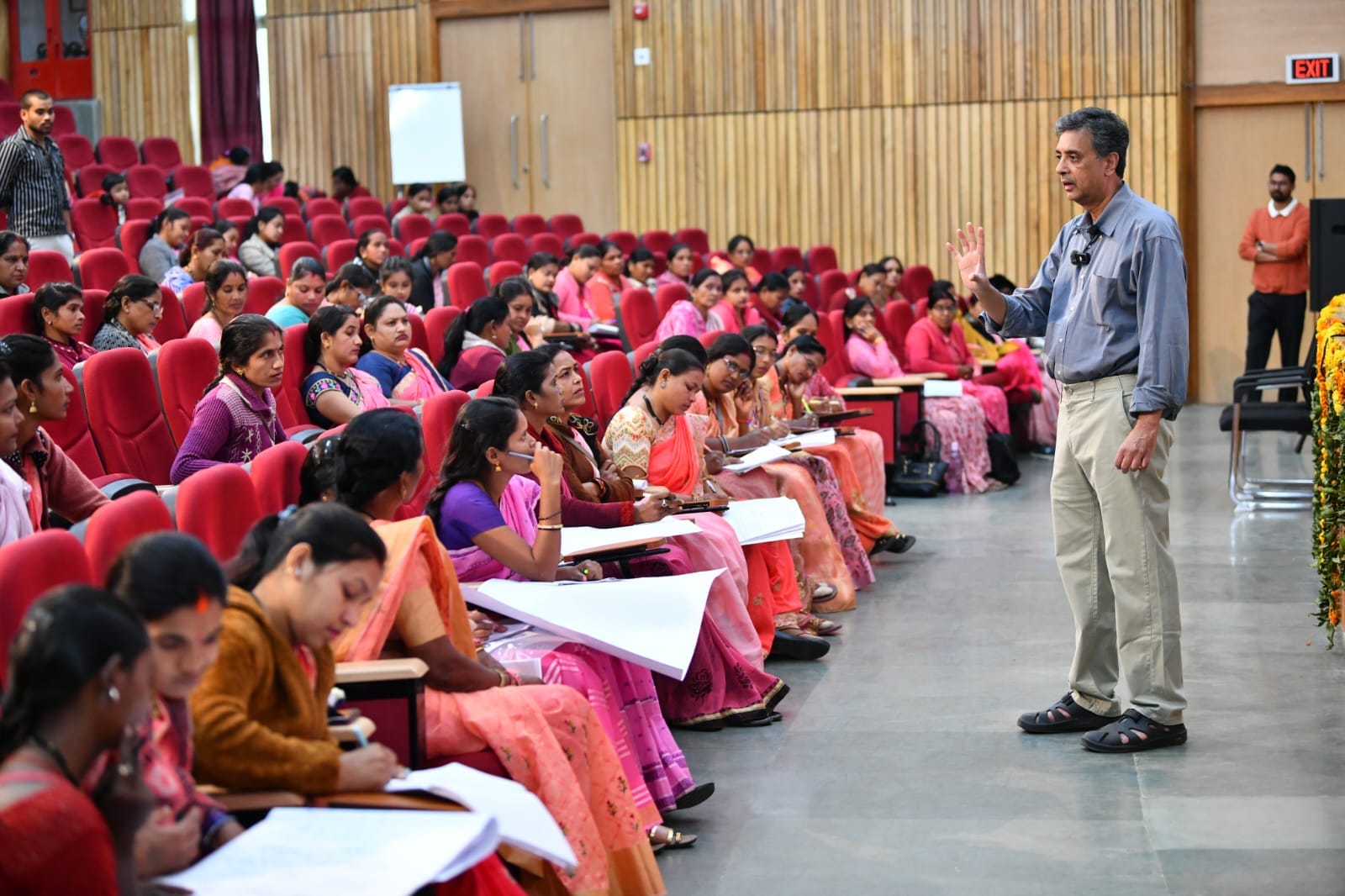
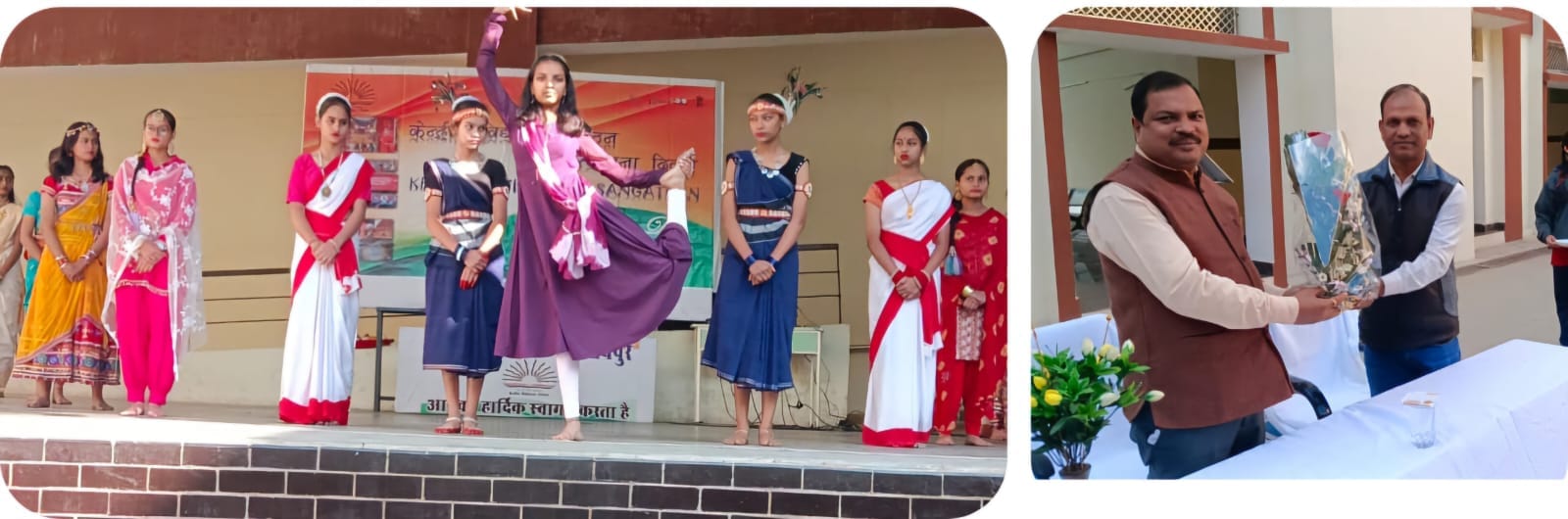
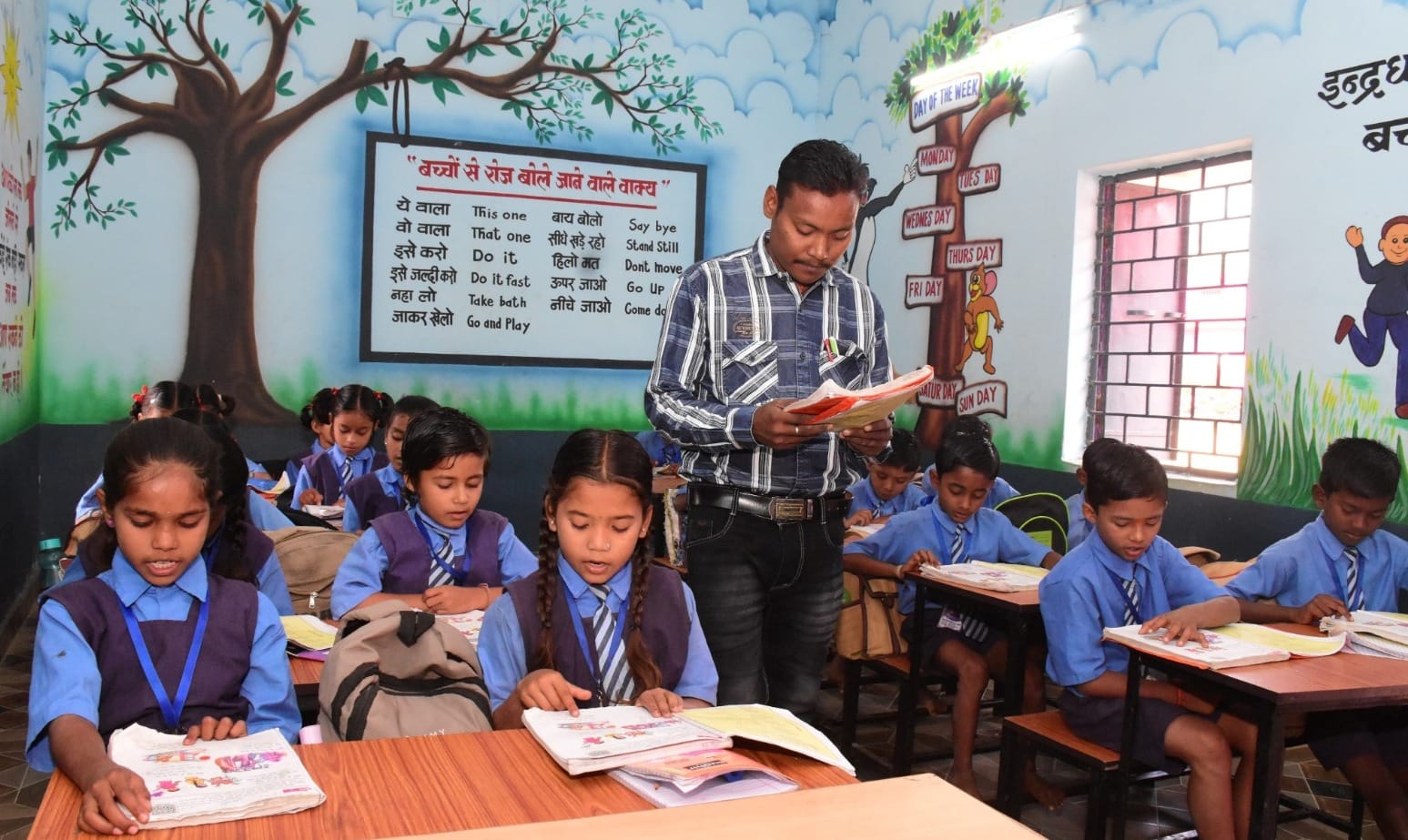
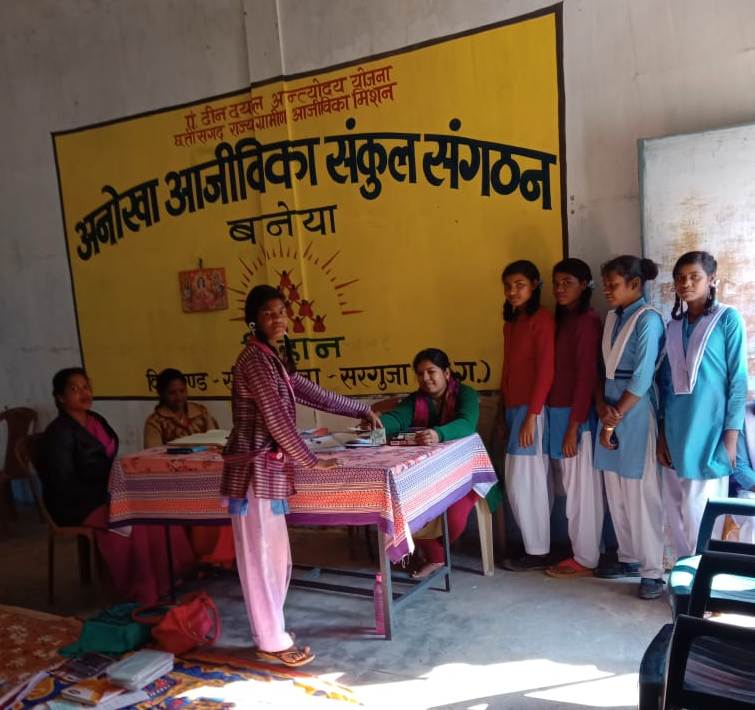
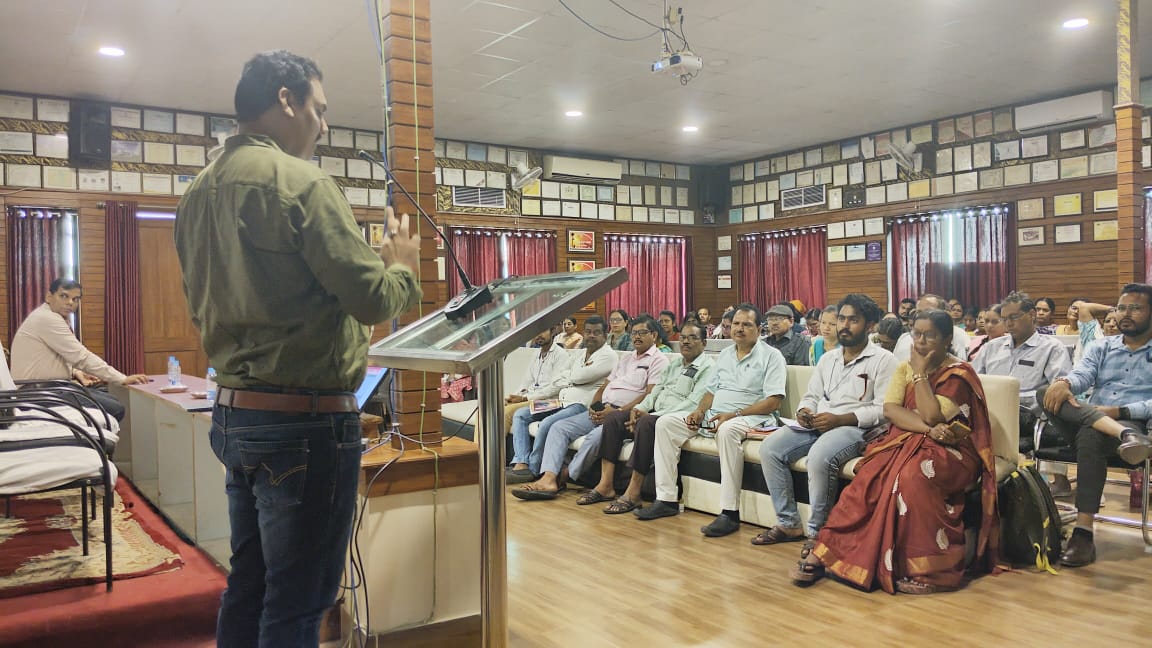
To accelerate this campaign, local youth will be trained as “Wetland Friends.” Women’s self-help groups have not only taken on the responsibility of sanitation, but have also proposed organizing environmental awareness and training programs at the village level. Environmental education in schools will also be used to educate children about this heritage.
- coordinated efforts
The State Wetland Authority will provide technical guidance and necessary resources for this project. An integrated action plan is being developed in coordination with all relevant departments and the local administration, which will be a major step toward environmental protection and local empowerment.