










































- Information received about new opportunities to increase income through contract farming
- Emphasis on scientific cultivation of medicinal and aromatic crops and linkage with the market
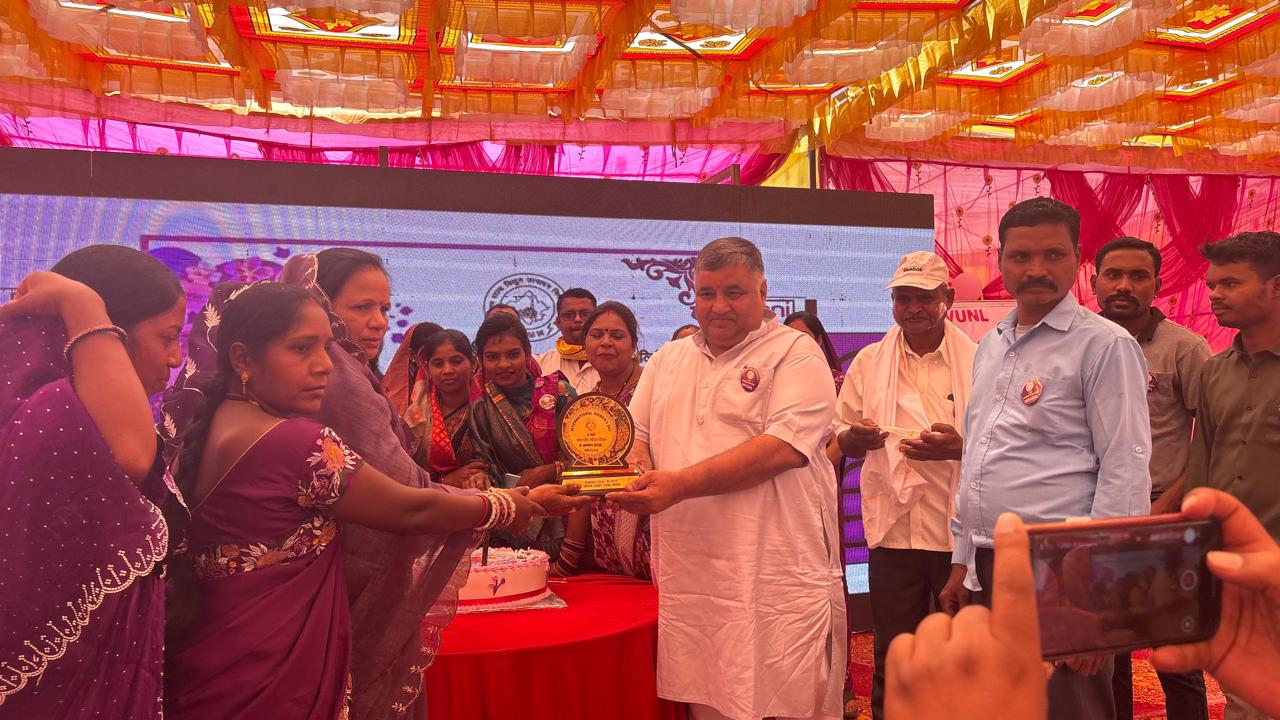
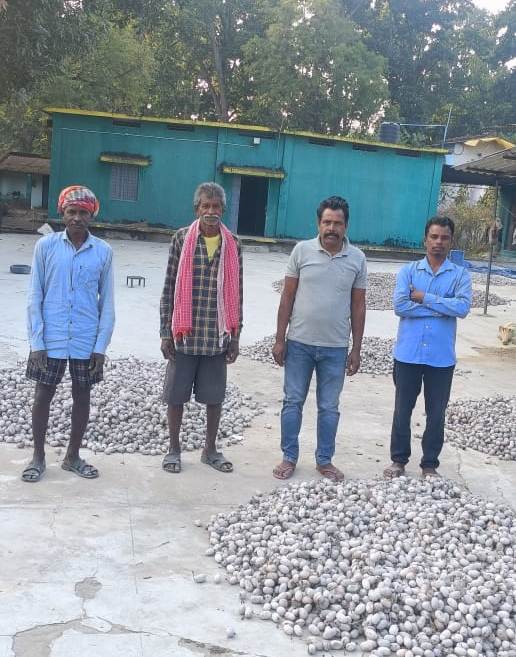
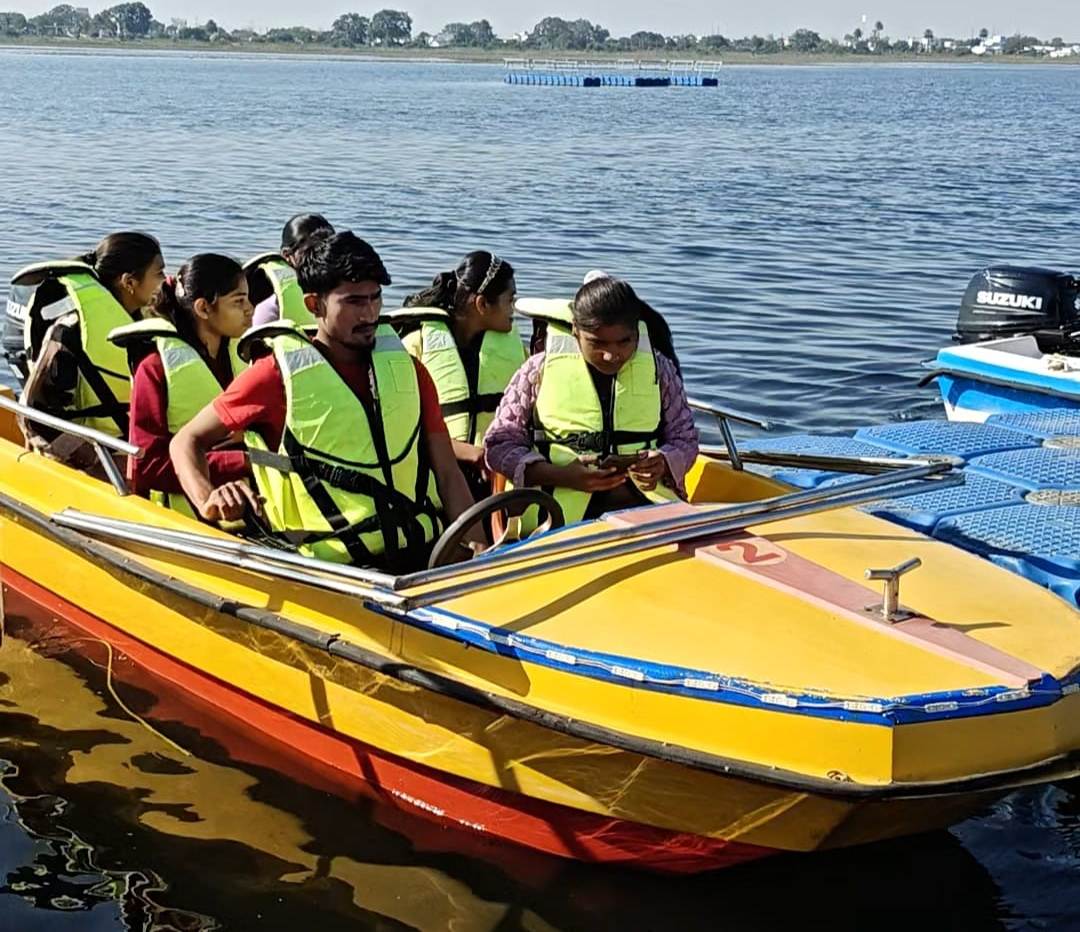
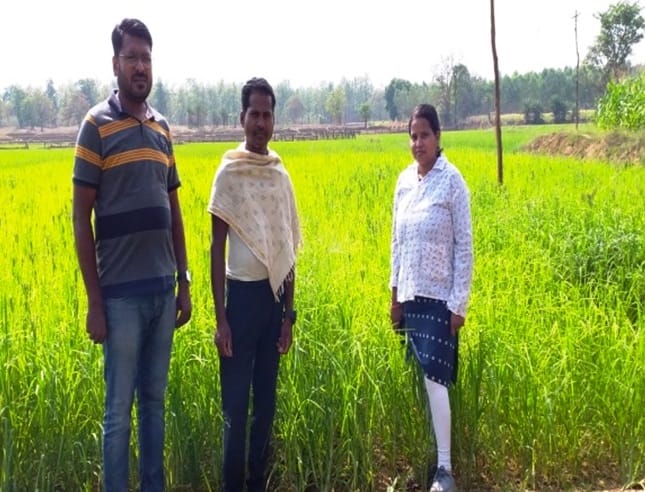
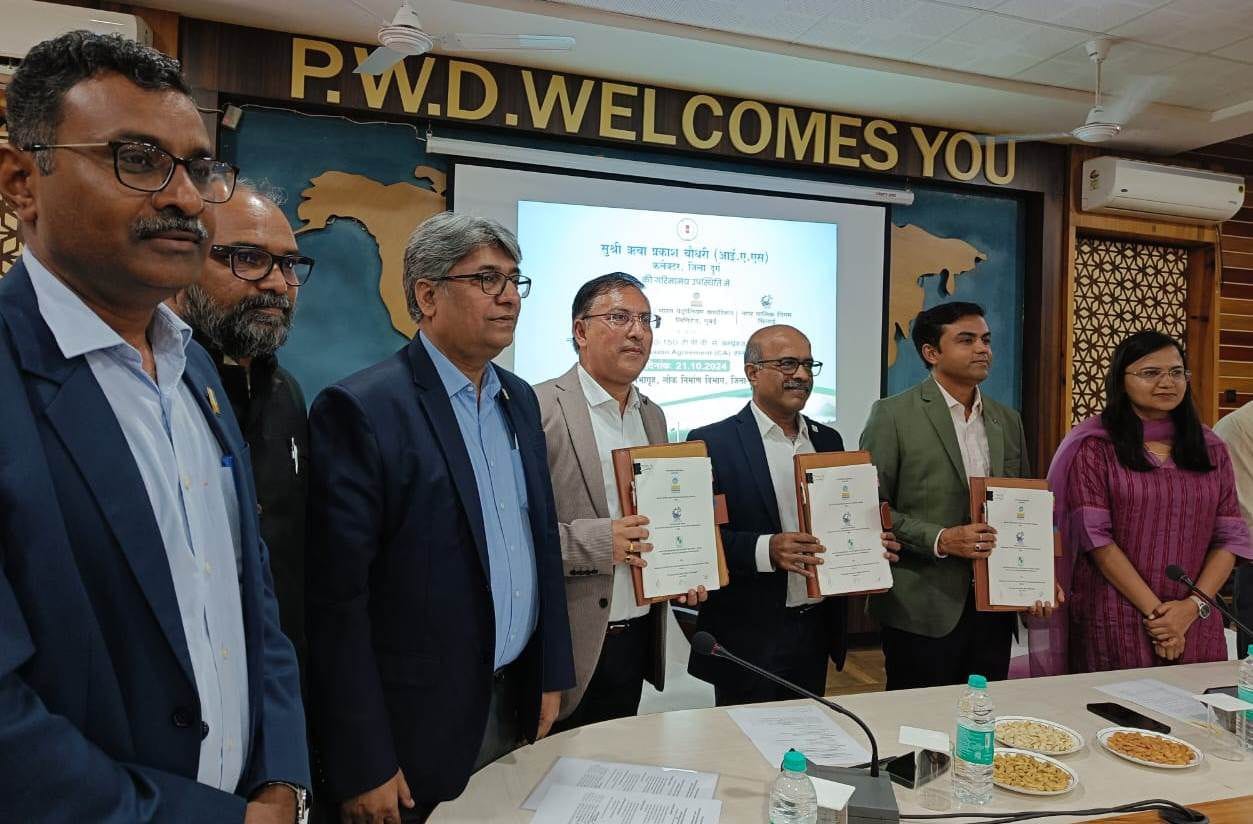
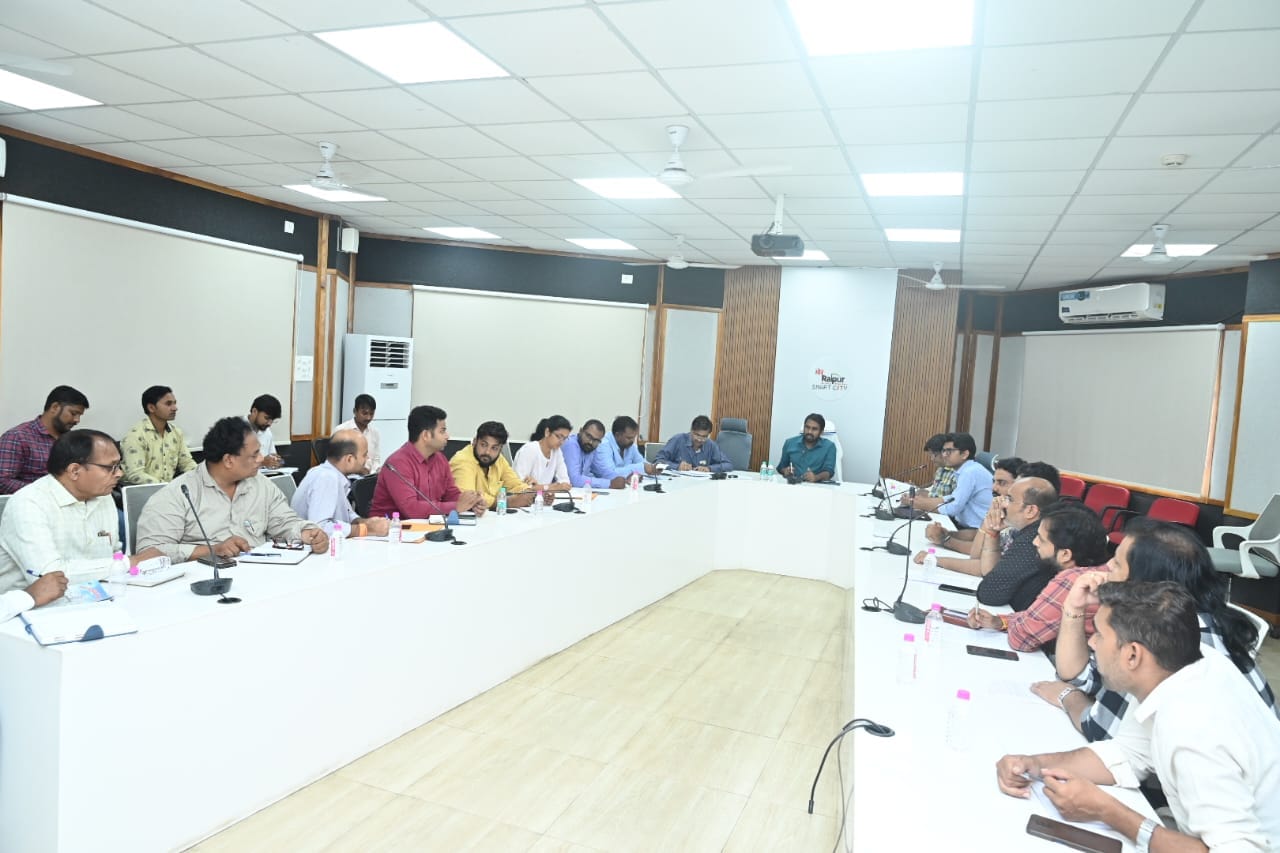
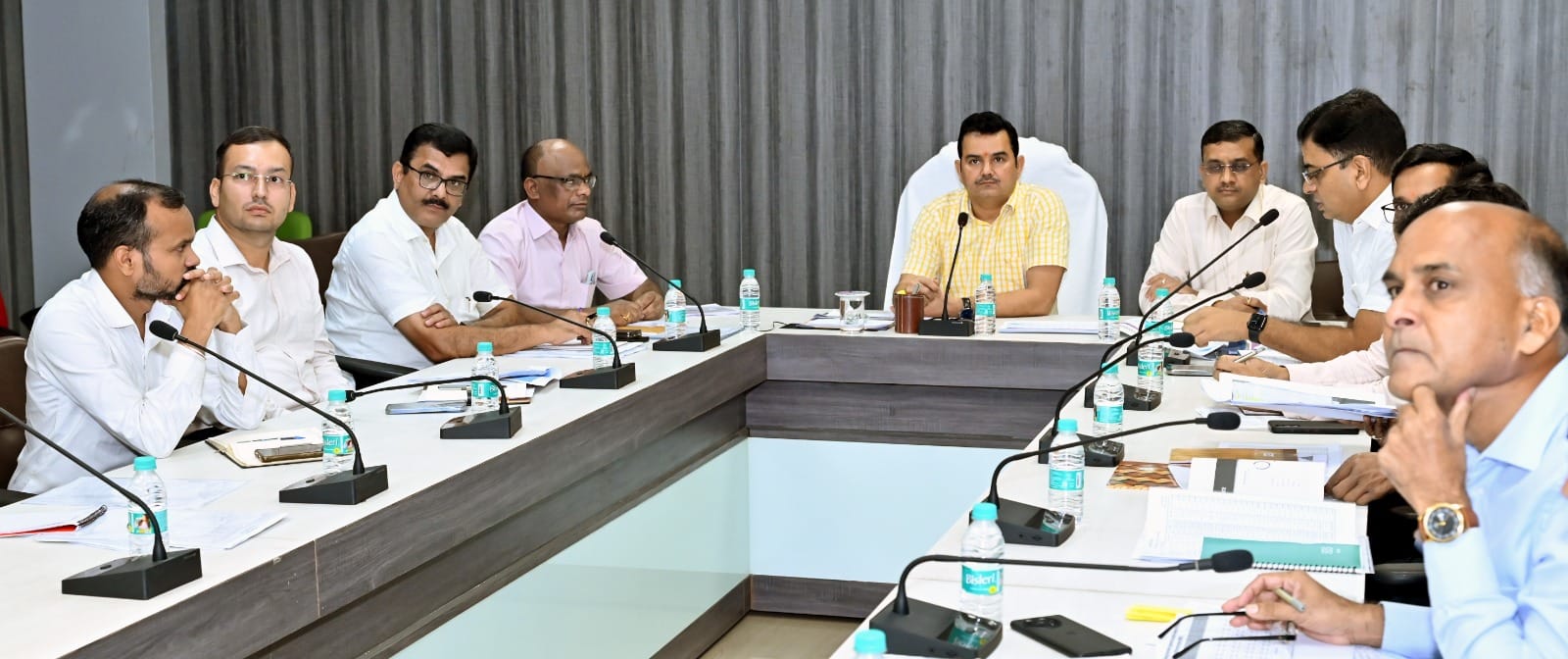
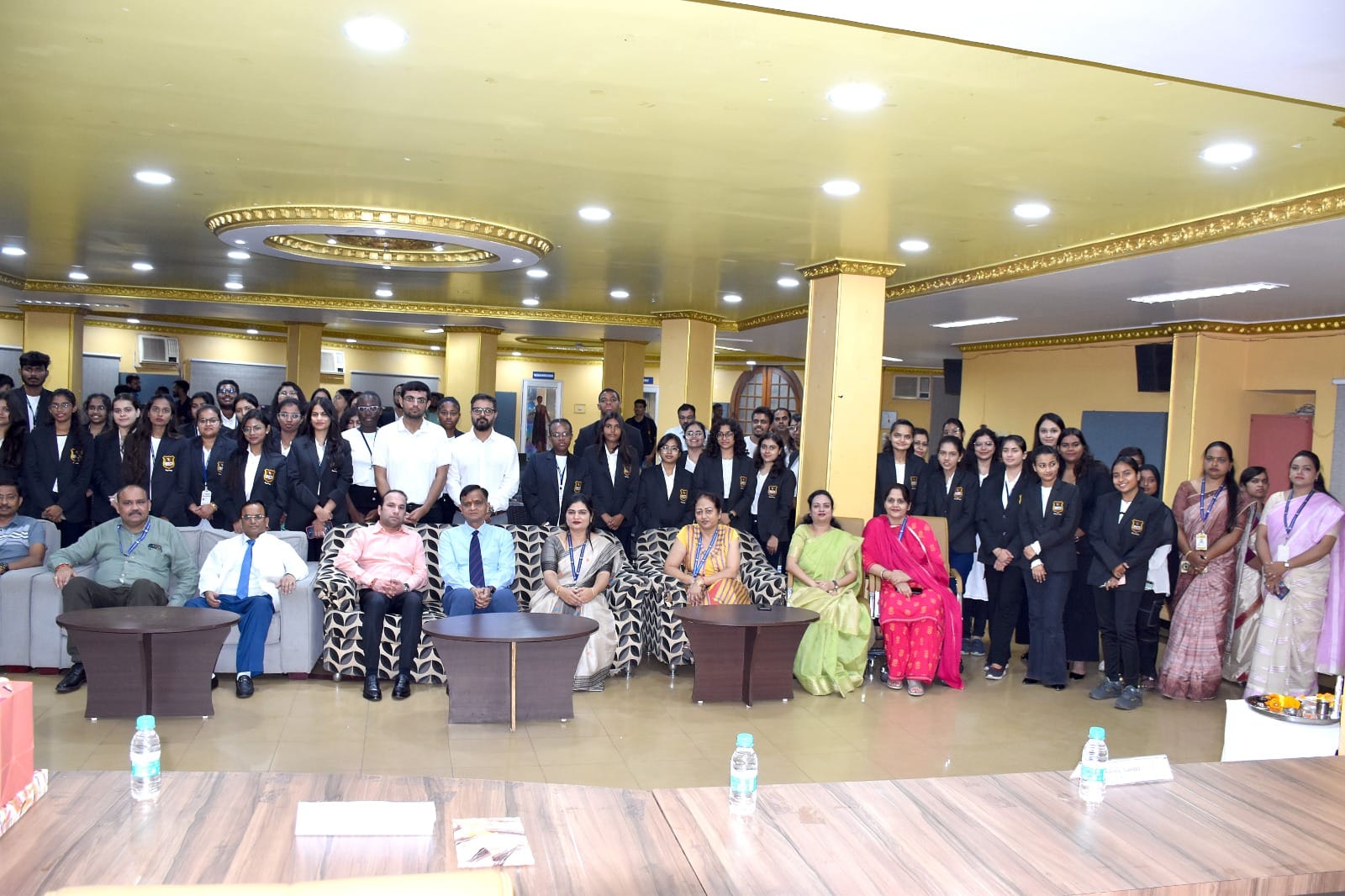
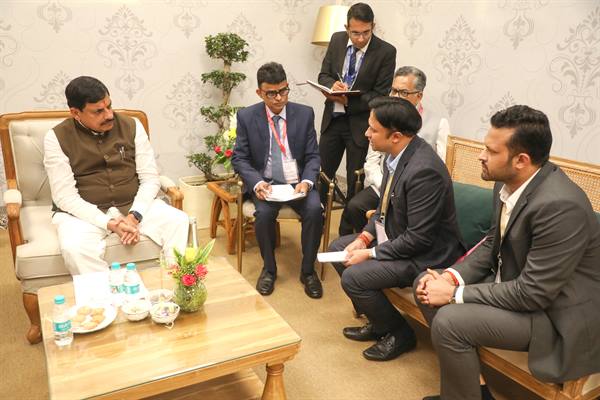
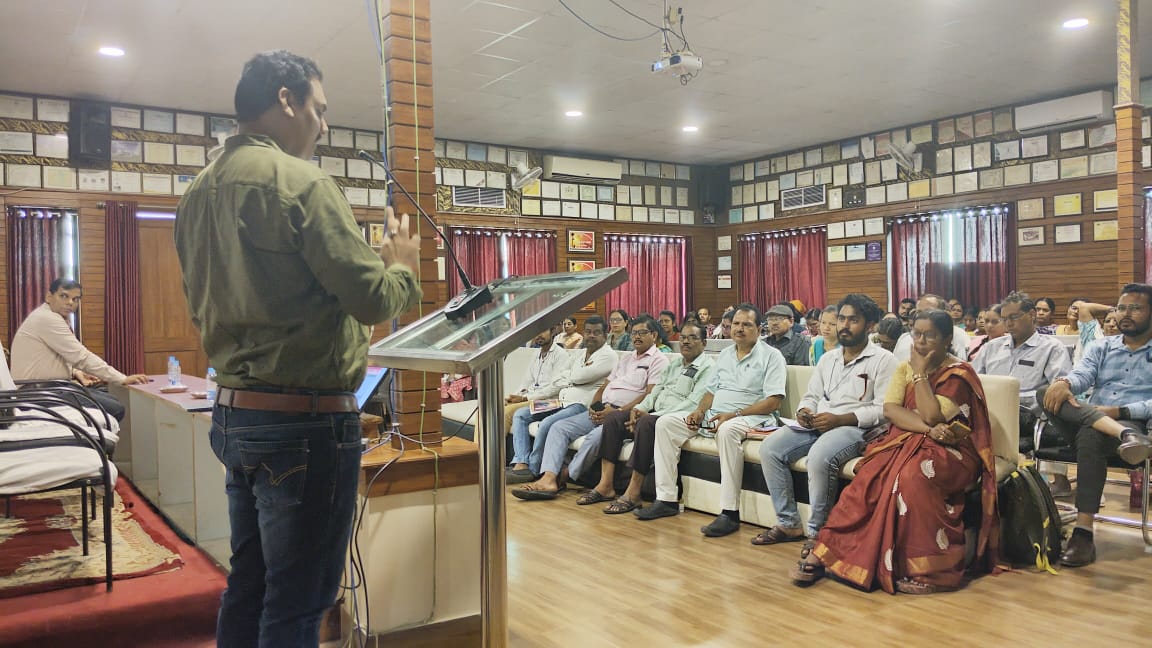
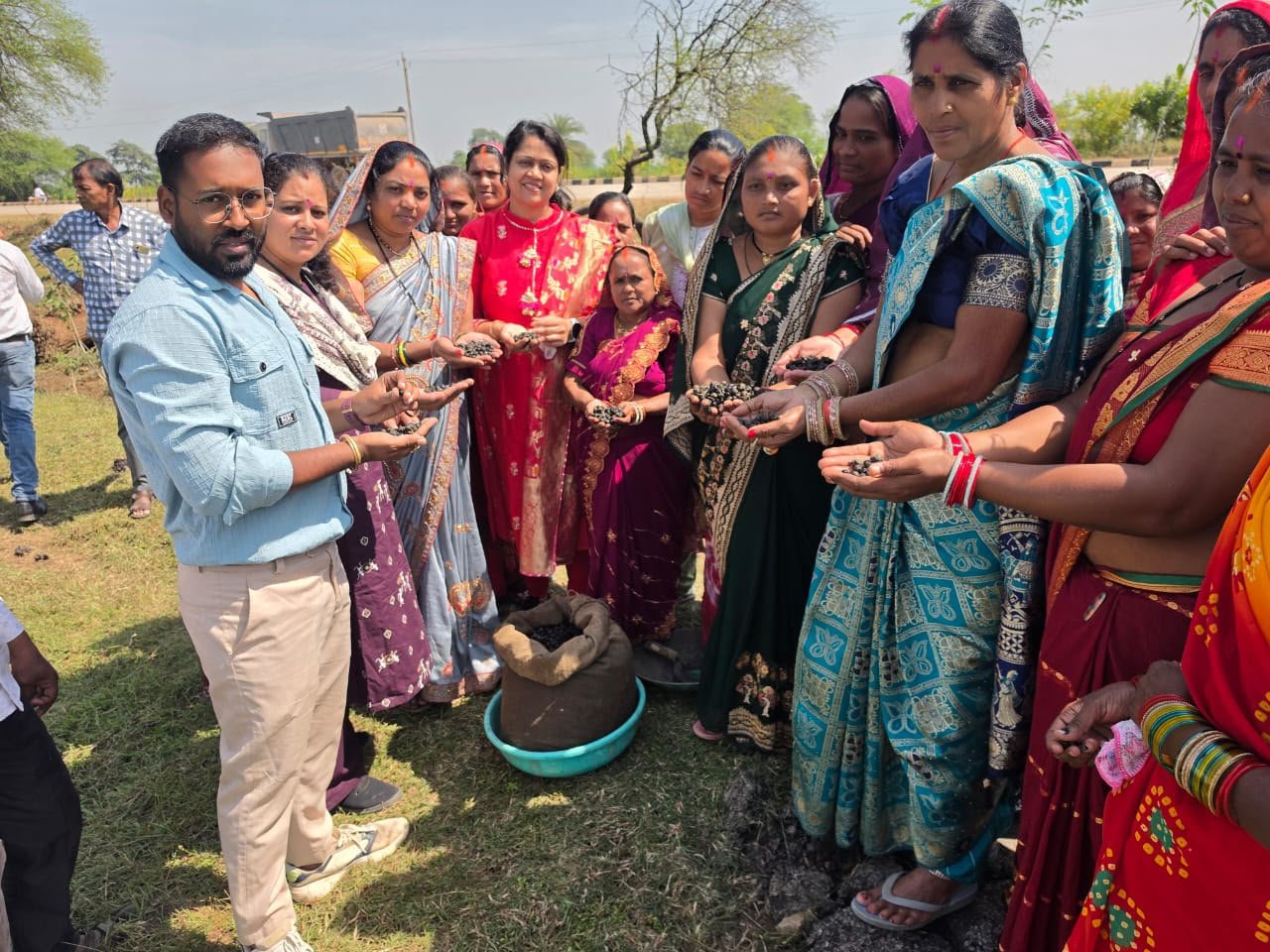
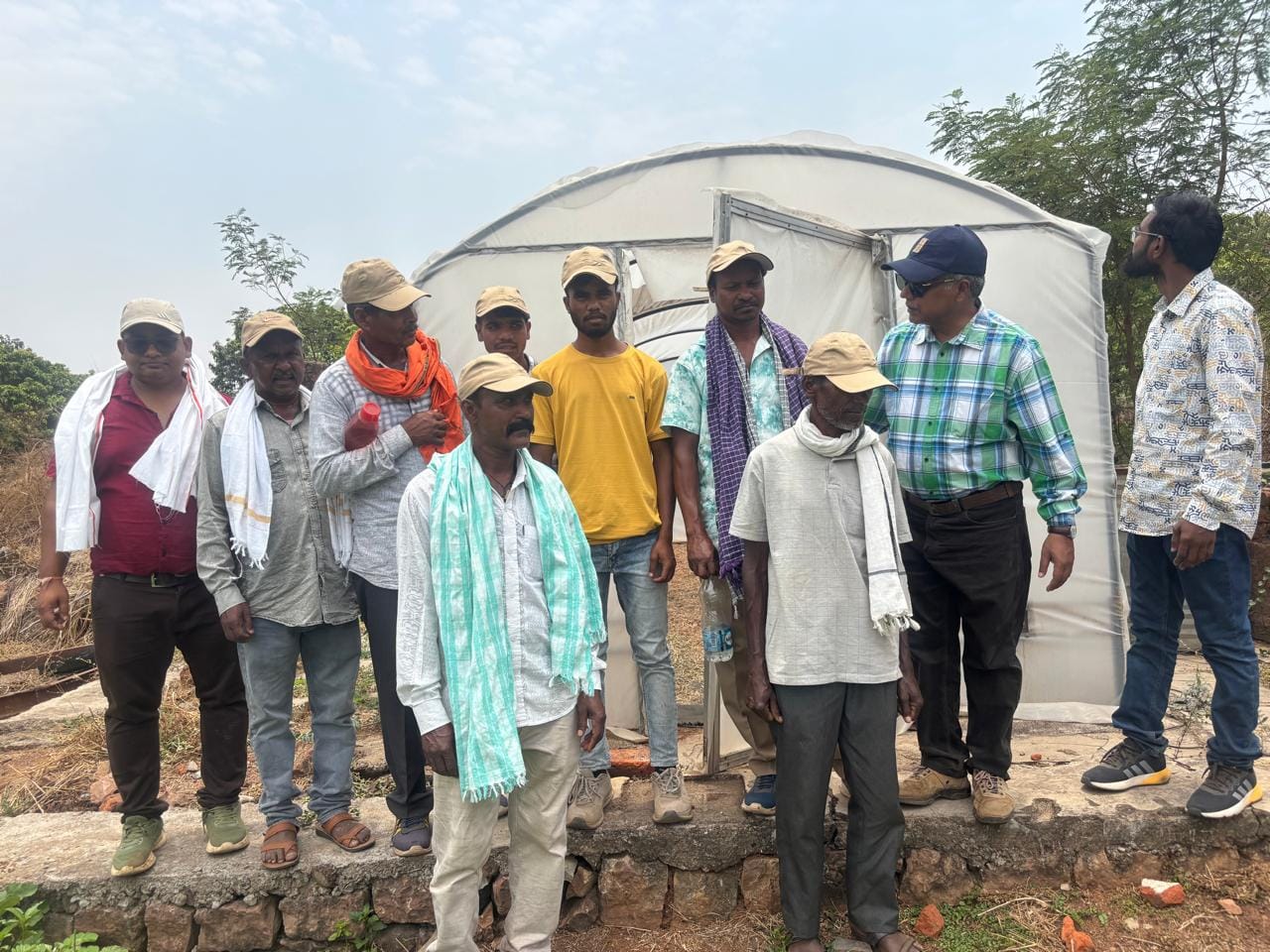
The Jashpur district administration is encouraging farmers towards modern and profitable farming under the “ATMA Scheme” and “Krishi Kranti Abhiyan.” In this regard, selected farmers were sent on a study tour to Semina Agro Company in Raipur.
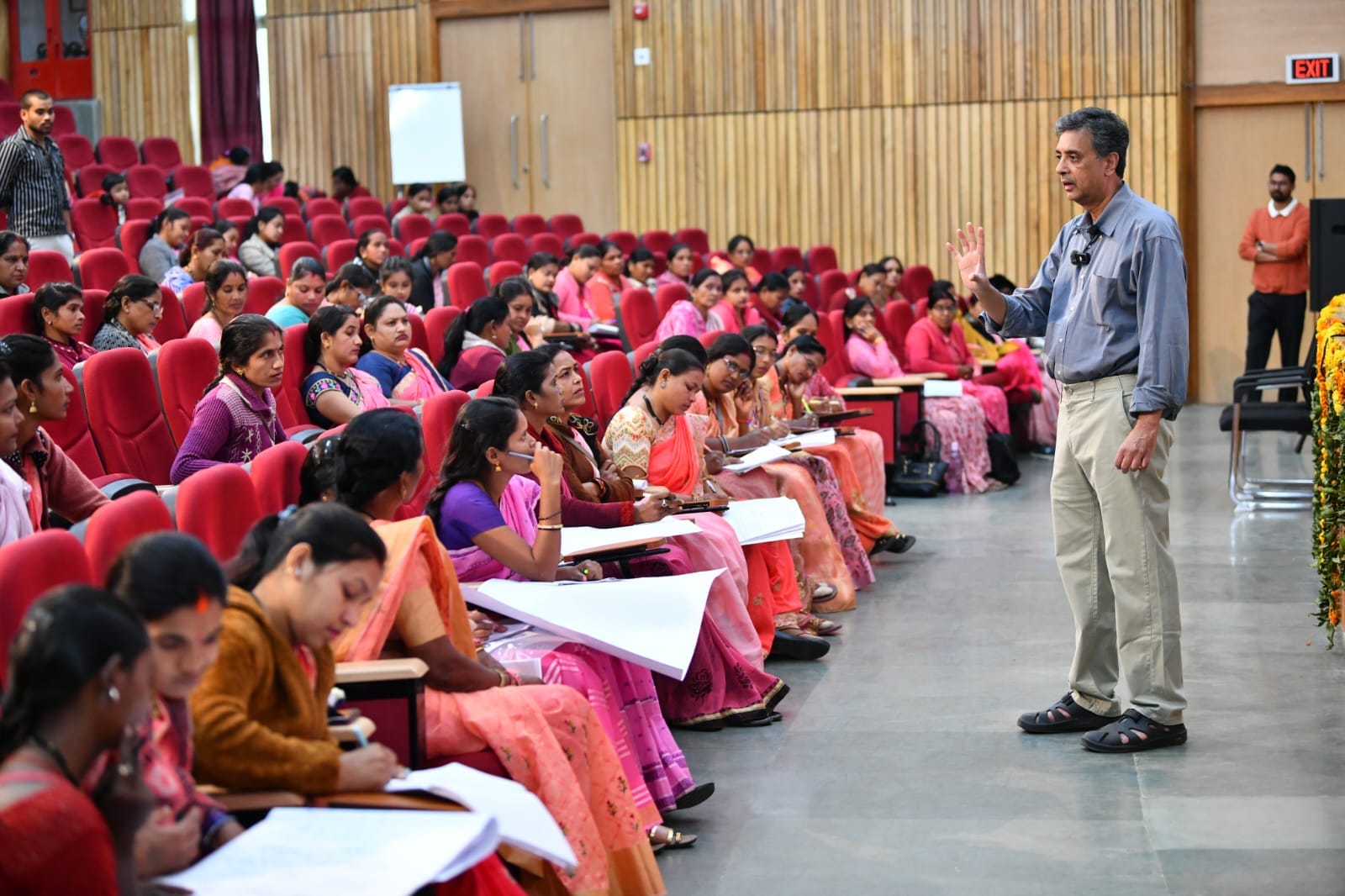
The objective of this tour is to familiarize farmers with the scientific cultivation of high-value medicinal and aromatic crops and provide them with assured markets through contract farming. During the program, company experts provided detailed information on advanced technology, cost-benefit analysis, and market potential for crops such as moringa, papaya, lemongrass, peppermint, patchouli, ashwagandha, basil, and rosella. It was also pointed out that the demand for these crops is rapidly increasing both nationally and internationally.
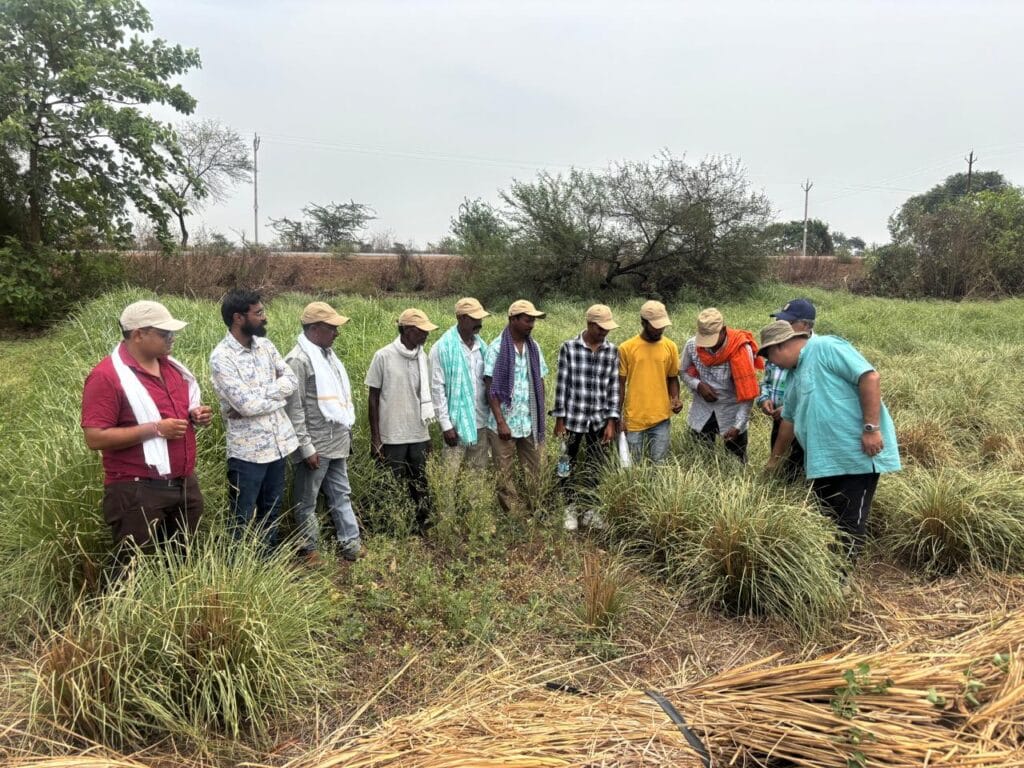
The Deputy Director of Agriculture, Jashpur, explained that farmers were specifically briefed on the contract farming model, in which companies purchase crops at a predetermined rate. This provides farmers with relief from market fluctuations and ensures a fair price for their produce.

He explained that this initiative is linked to the action plan for the upcoming Kharif/Monsoon season 2026-27, under which cluster-based farming will be promoted in the district. Crops such as lemongrass, palmarosa, patchouli, Eucalyptus citriodora, turmeric, ginger, basil, asparagus, and sarpagandha will be prioritized.
Interested farmers are being selected at the block level and their information is being collected with their consent to facilitate training, field visits, and contract farming with companies. Contract and value addition activities will also be promoted through Farmer Producer Organizations (FPOs).
This initiative, part of the Krishi Kranti Abhiyan (Agricultural Revolution Campaign), is encouraging farmers to move beyond traditional farming into commercial and export-oriented agriculture. This is both fostering innovation in the district and increasing the potential for sustainable increases in farmers’ incomes. The administration has indicated that such training and study tour programs will continue in the future, so that farmers can become self-reliant by connecting with modern technologies and market opportunities.