






































































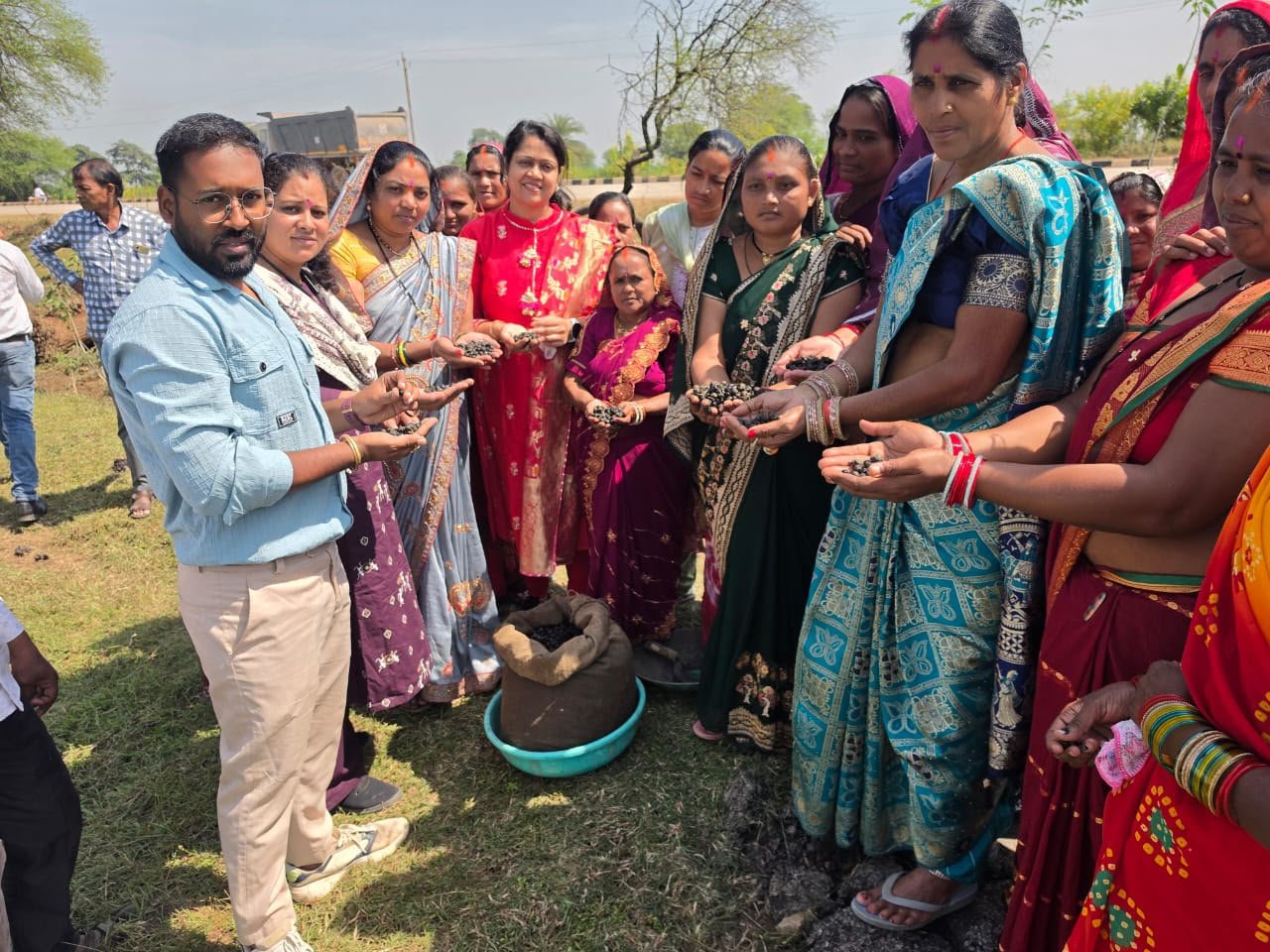

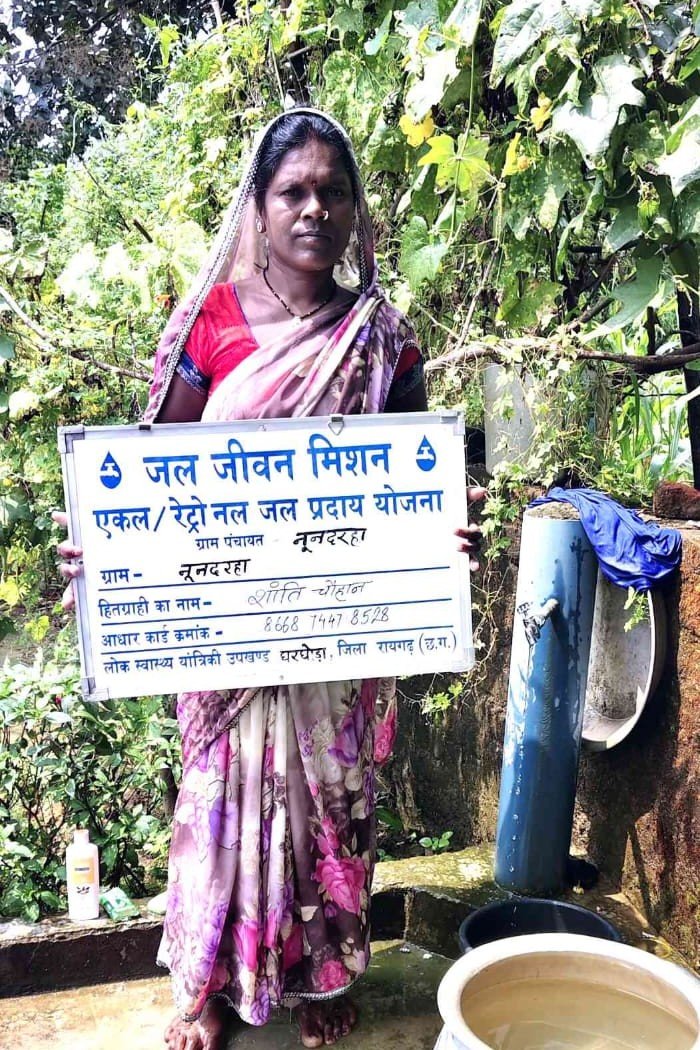


- Vach cultivation changed the fate of Chhattisgarh farmers
- Net income up to one lakh rupees from one acre
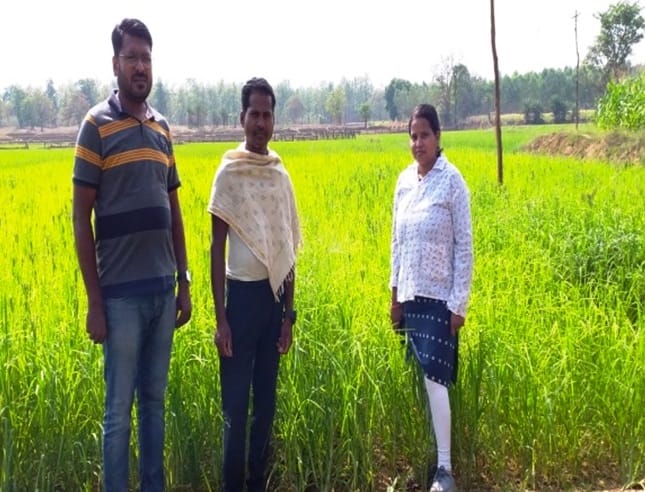
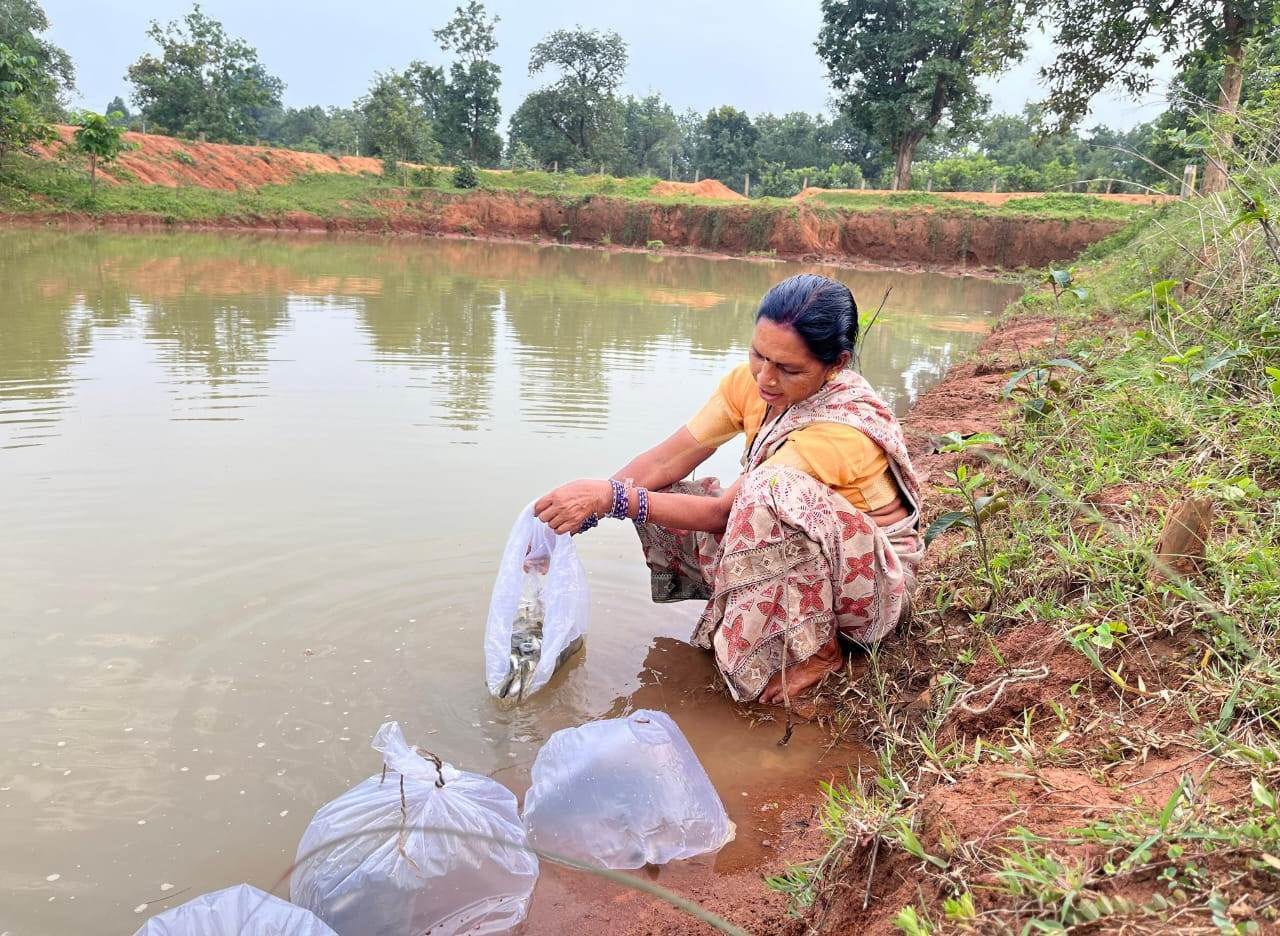
The farmers of Chhattisgarh are now breaking away from the cycle of traditional paddy cultivation and writing a new chapter of self-reliance through medicinal crops. Under the leadership of Forest Minister Shri Kedar Kashyap and the guidance of Chhattisgarh Medicinal Plant Board, the farmers of the state are increasing their income manifold by adopting commercial cultivation of Vaach (Sweet Flag). Apart from traditional paddy cultivation in Chhattisgarh, medicinal cultivation of Vaach has changed the fortunes of the farmers, especially in the forest areas. The cultivation of medicinal plants is giving farmers more profits at lower costs.
- What is Vach and why is it in demand?
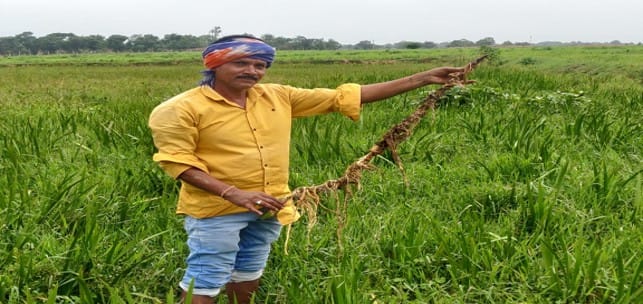
Vacha, locally known as Ghodbach, is a multipurpose medicinal plant. Its roots are used extensively in Ayurveda, herbal medicine, cosmetics, essential oils, and incense sticks. Growing global demand has made it a valuable source of green gold for farmers. The Medicinal Plants Board provides technical assistance, training, and plants to farmers.
Profits started from 11 villages
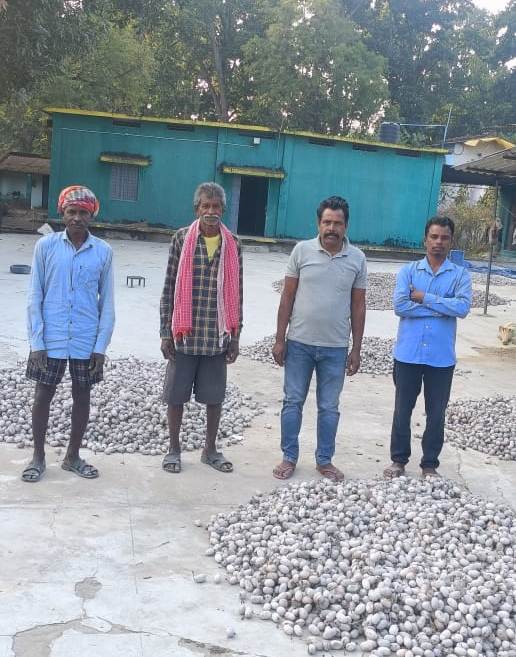
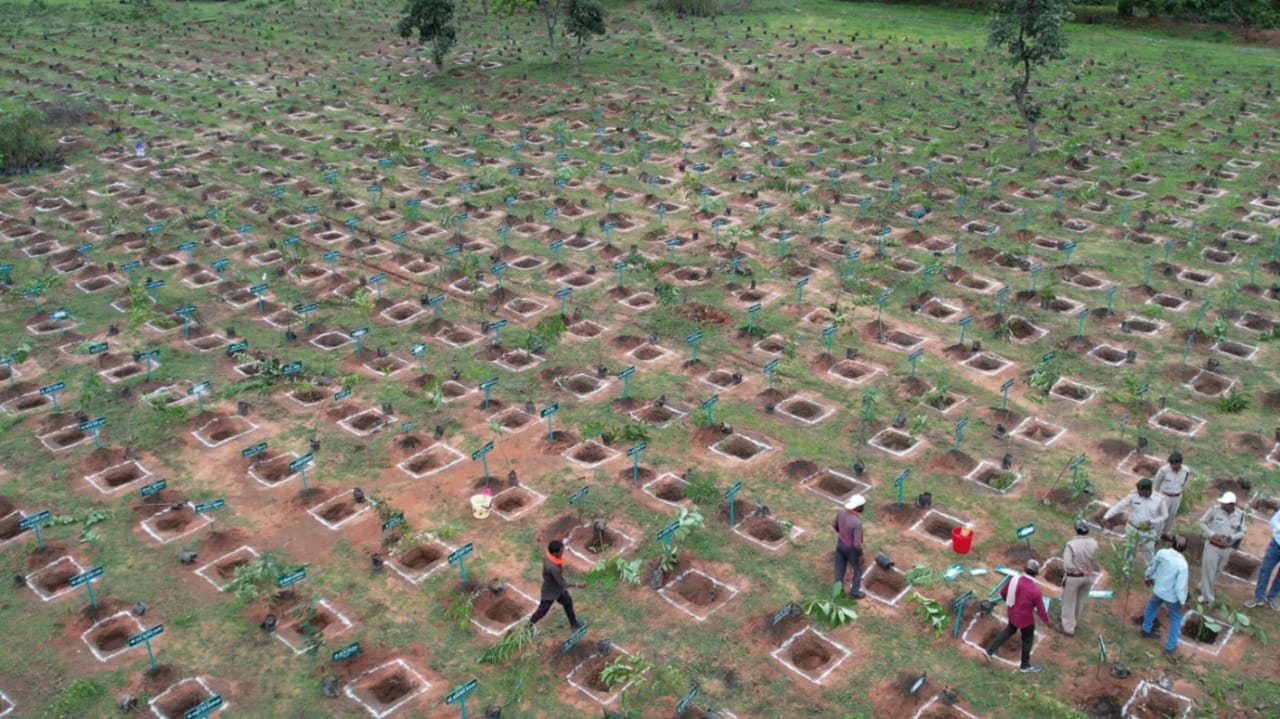
Currently, Vacha is cultivated on approximately 38 acres in 11 villages in Dhamtari, Narayanpur, Kondagaon, Bastar, and Raipur districts. Under the state government’s “Towards a New Dawn” campaign, tribal farmers are now turning to aromatic and medicinal crops like brahmi and Vacha (Bach), boosting their income.

- Lower costs, more profits
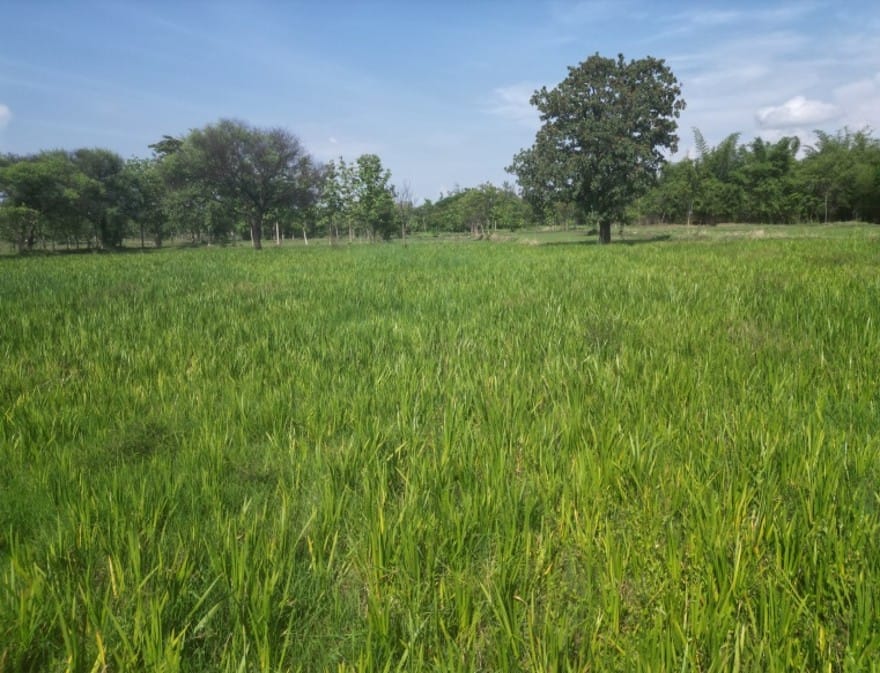
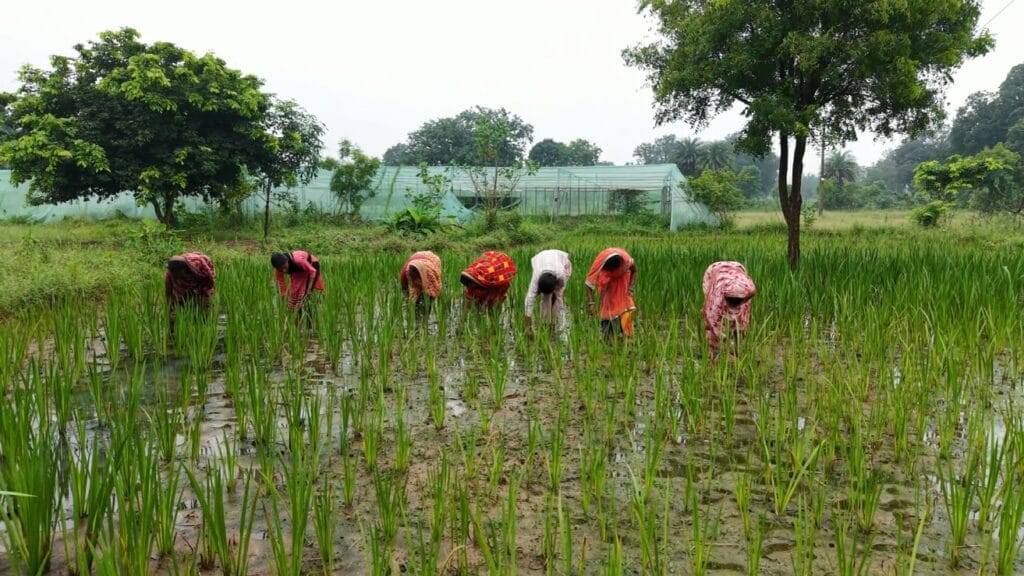
Where earlier farmers could hardly earn 20 thousand rupees from one acre of paddy, now with the free saplings and technical assistance provided by the board, the profit has crossed lakhs. A confluence of scientific method and organic farming, farmers have adopted modern techniques as per the training of Medicinal Plant Board. Transplanting: Sprouted tubers are planted at a distance of 30×30 cm in the month of July.
Organic Nutrition
Cowdung manure and Jeevamrit are used instead of chemical fertilizers. Maintenance costs are significantly lower due to the minimal pest infestation and low water requirement of the protected crop. The crop was ready in April-May after 9 months of hard work to achieve A-grade quality through processing. The farmers not only sold the raw material but also cleaned, cut and polished the roots to A-grade quality, which fetched them the highest price in the market.
- Profit Calculation (Per Acre) Details
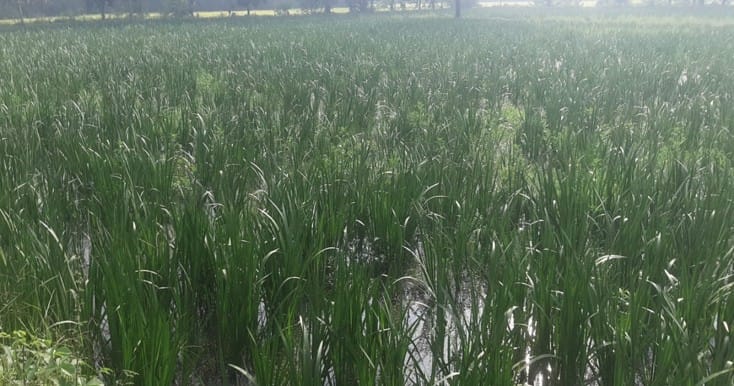
Estimated figures Total cost is about 20 thousand rupees Total yield (dry roots) is about 15 quintals Market price is Rs 70 per kg net Income is about one lakh rupees. Step towards sustainable farming Future conscious farmers have saved 10 percent of their produce as seed (tubers) for the next year. The training, guidance and marketing support provided by the board has instilled confidence in the farmers and they are now preparing to increase the area under Vacha cultivation.
This success story proves that if technological innovation and medicinal plants are coordinated with traditional agriculture, then the farmers of Chhattisgarh will not only prosper but will also become the main pillar of the herbal economy of the country.