




























- ‘With fish farming being granted the status of agriculture, the cost has reduced by 10 percent, Chhattisgarh ranks sixth in the country in inland fish production.’
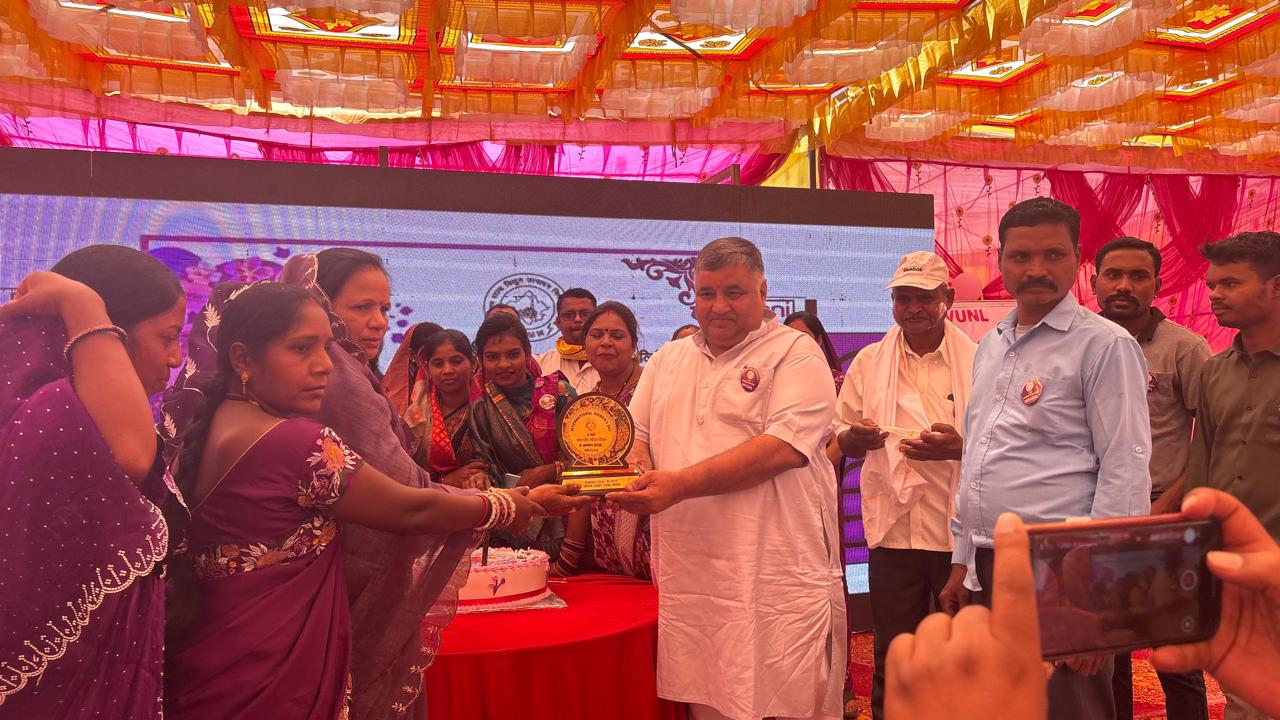
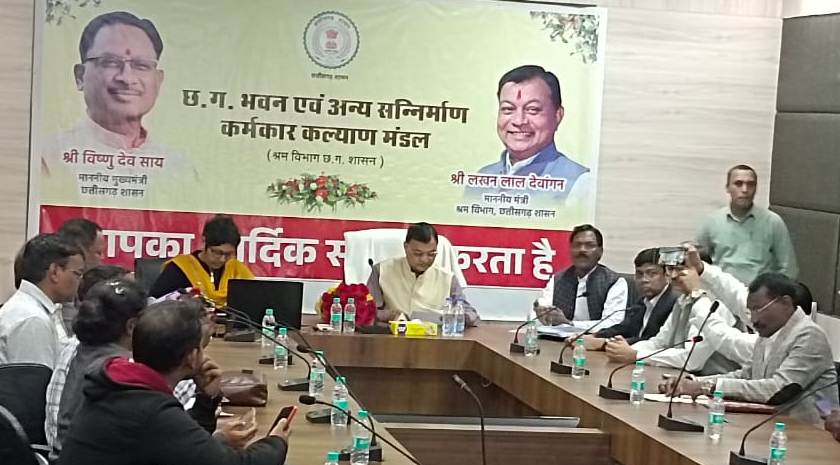
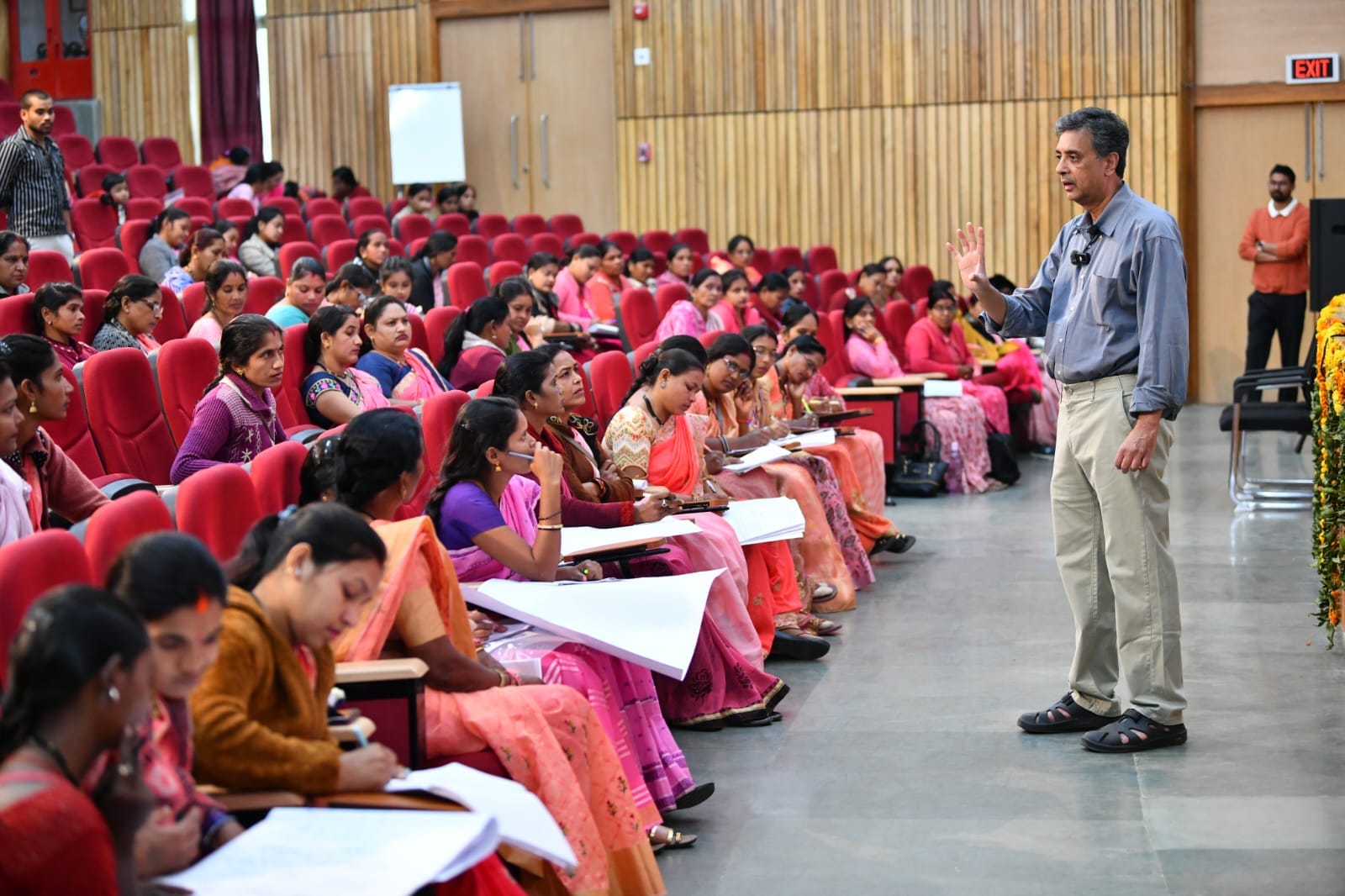
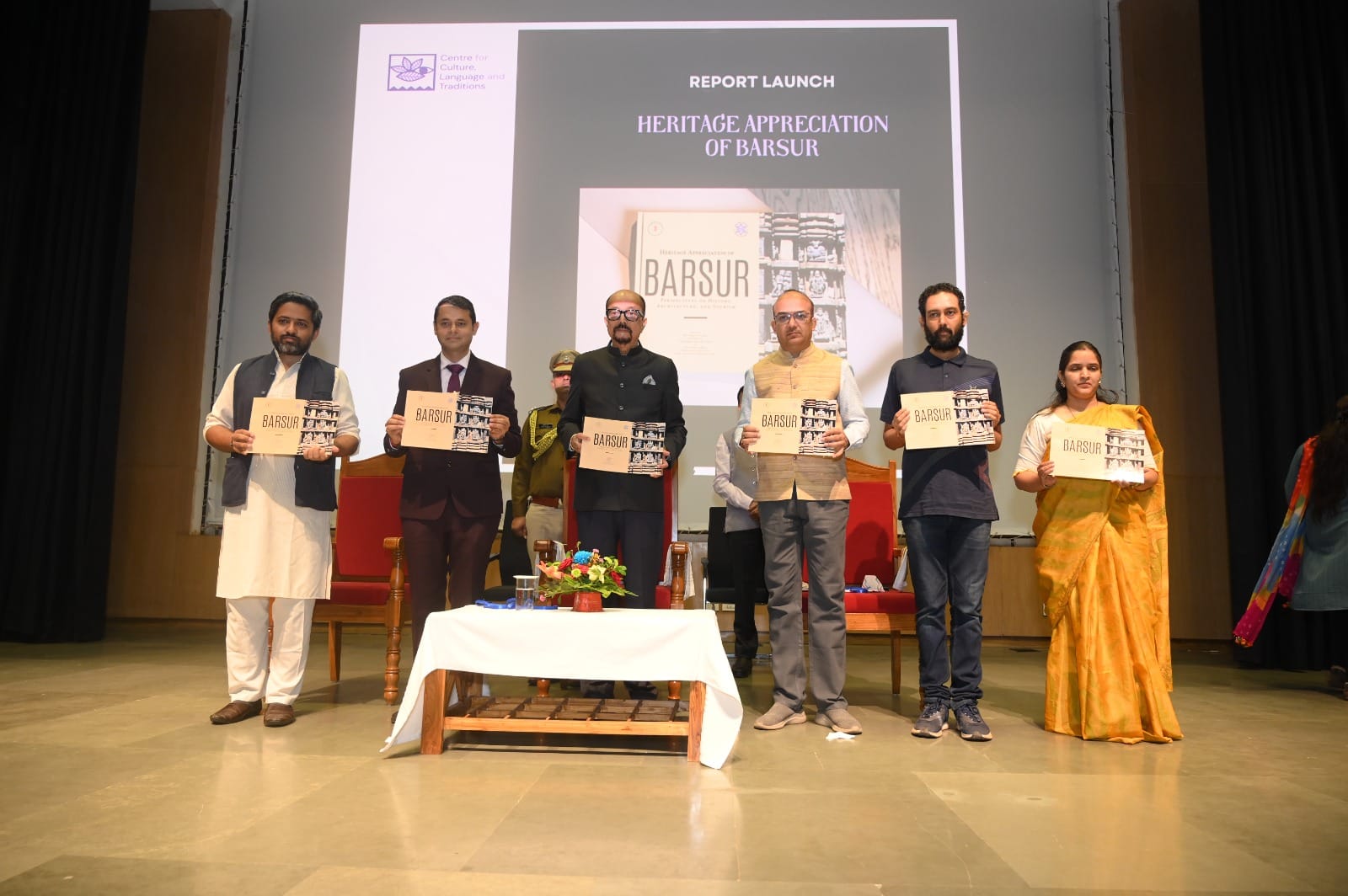
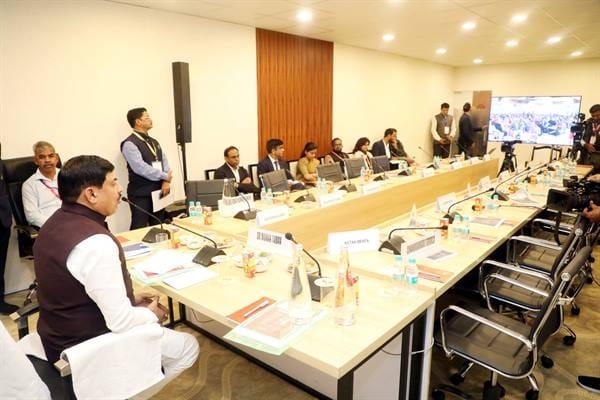
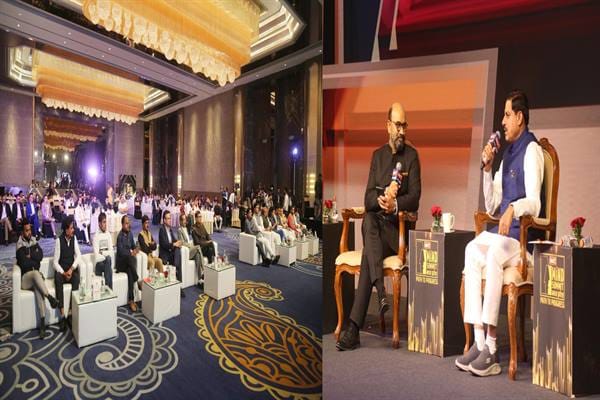
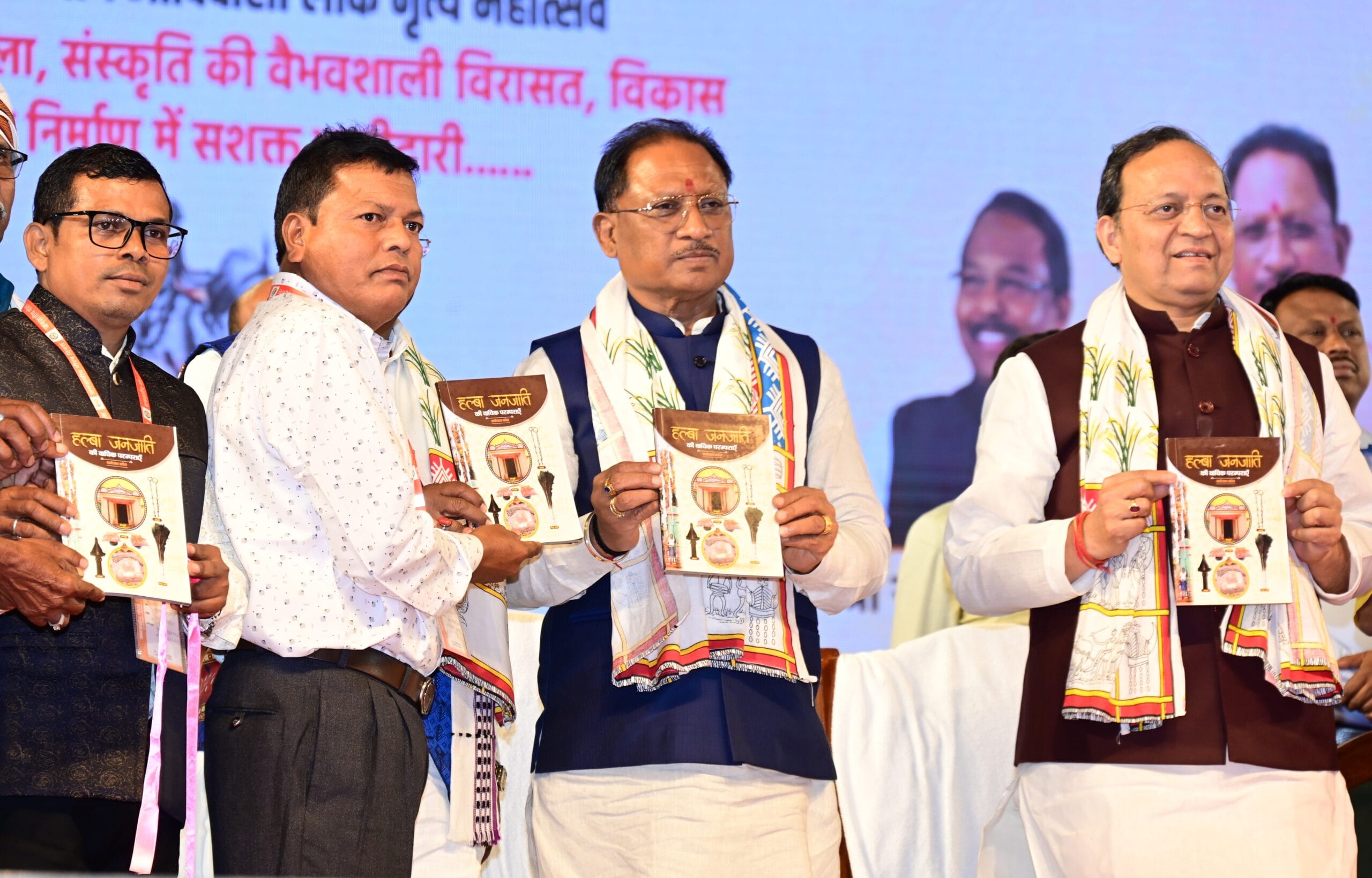
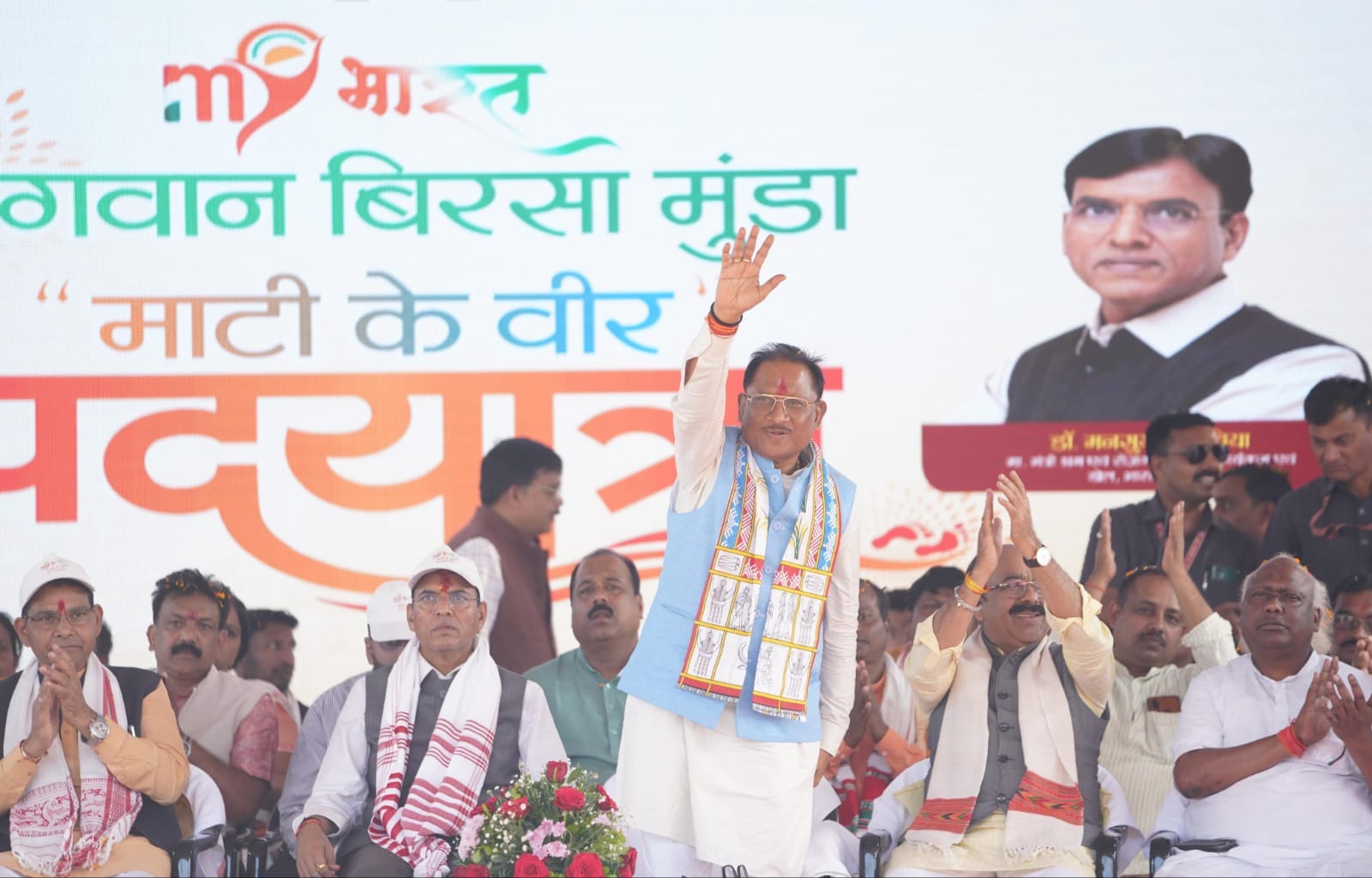
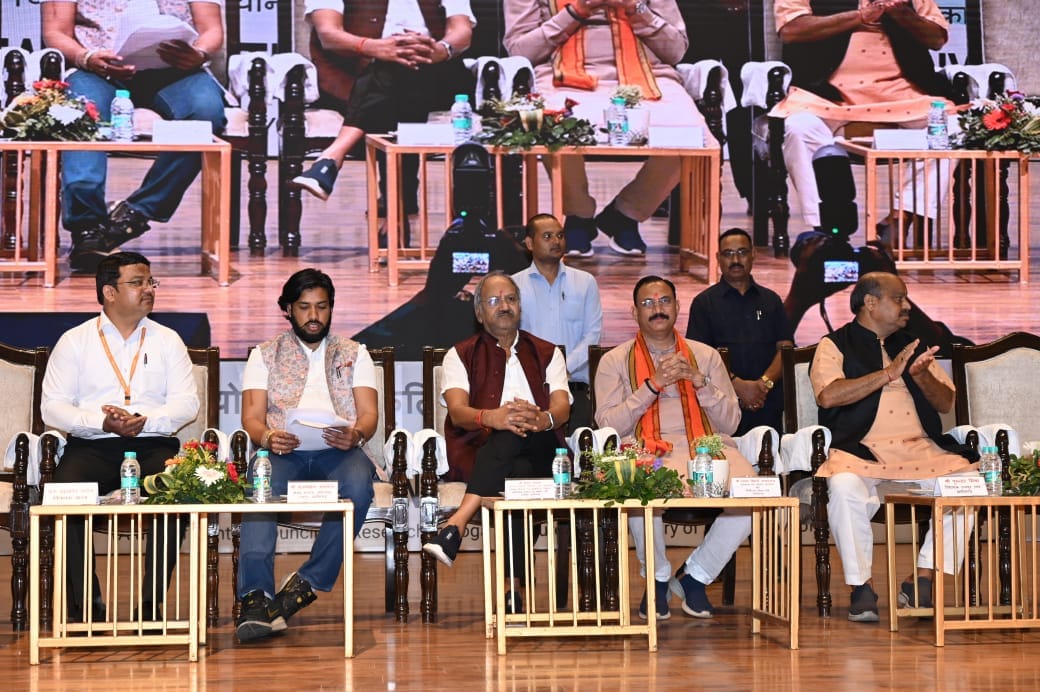
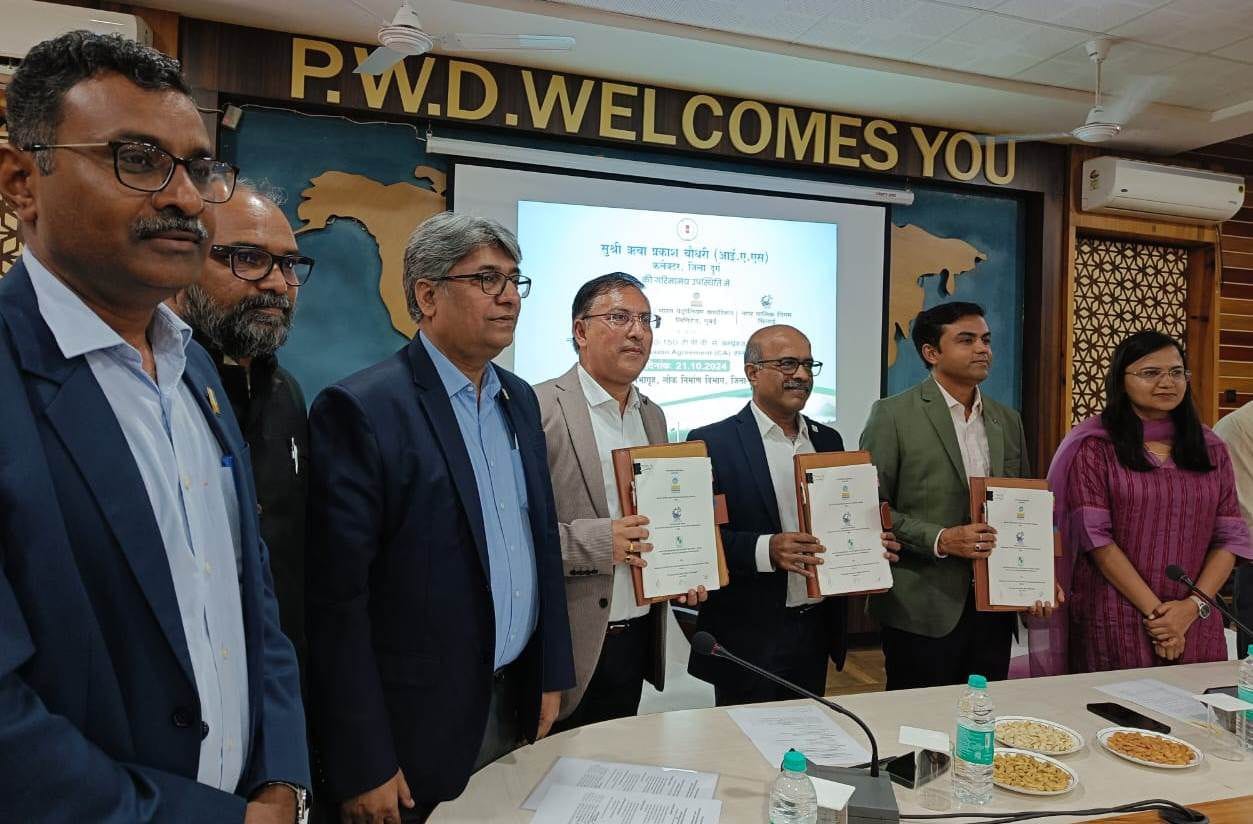
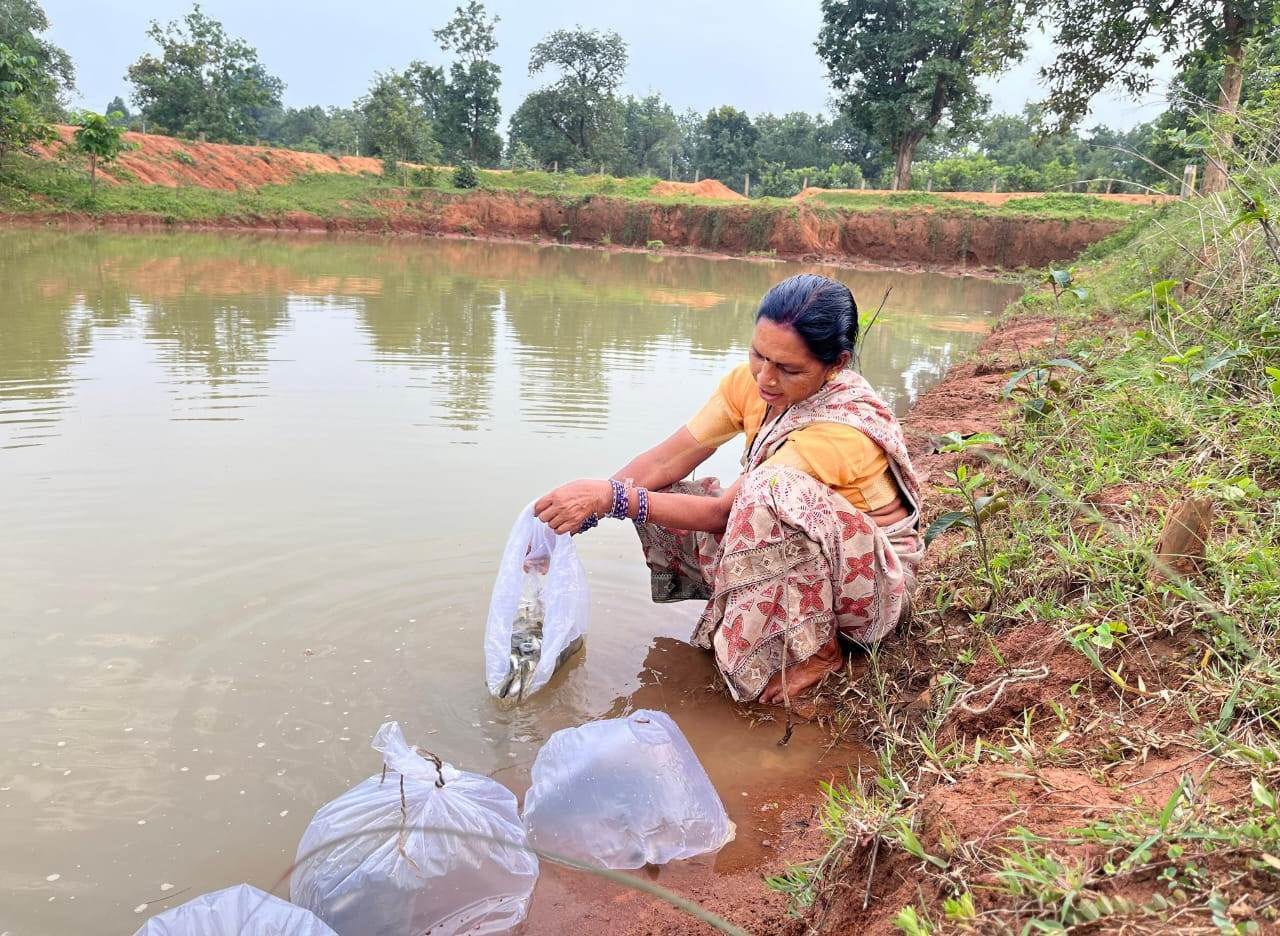
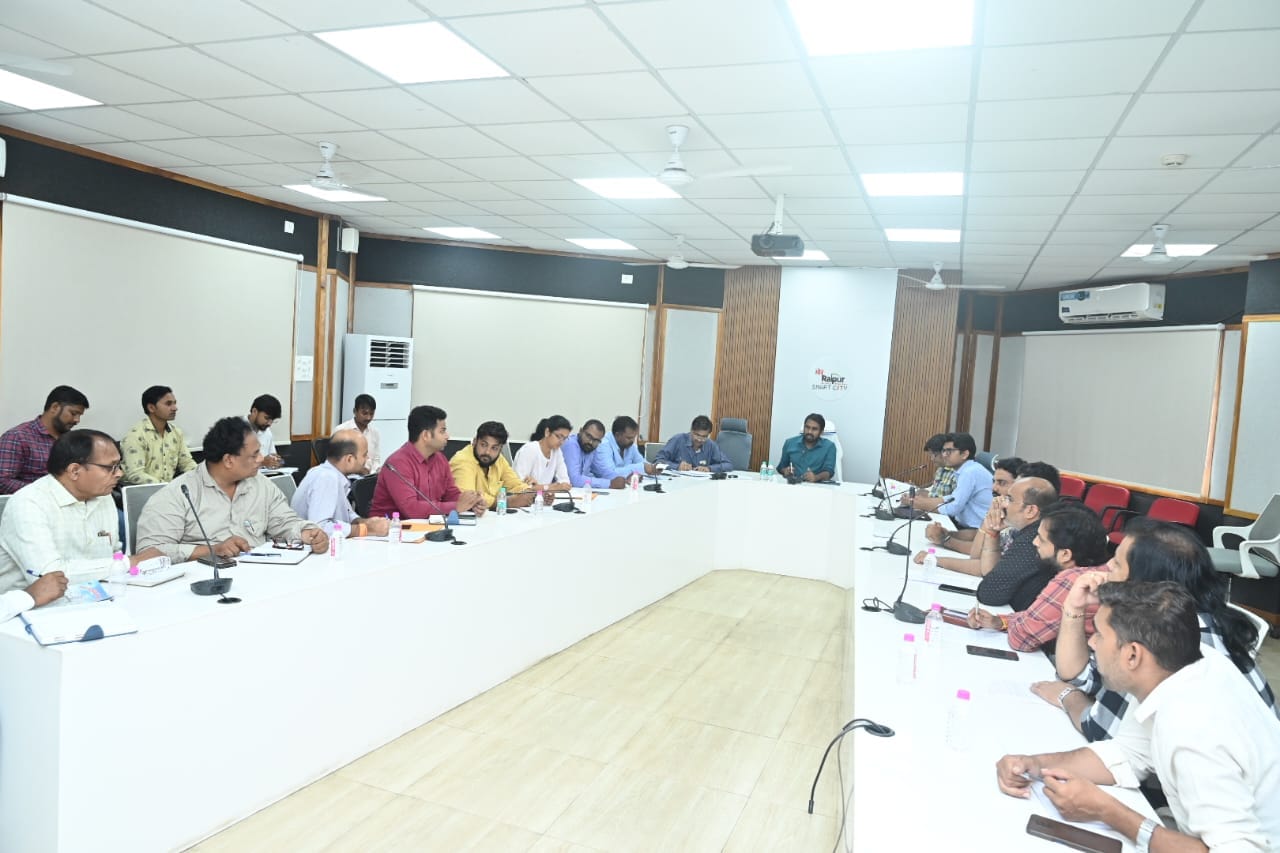
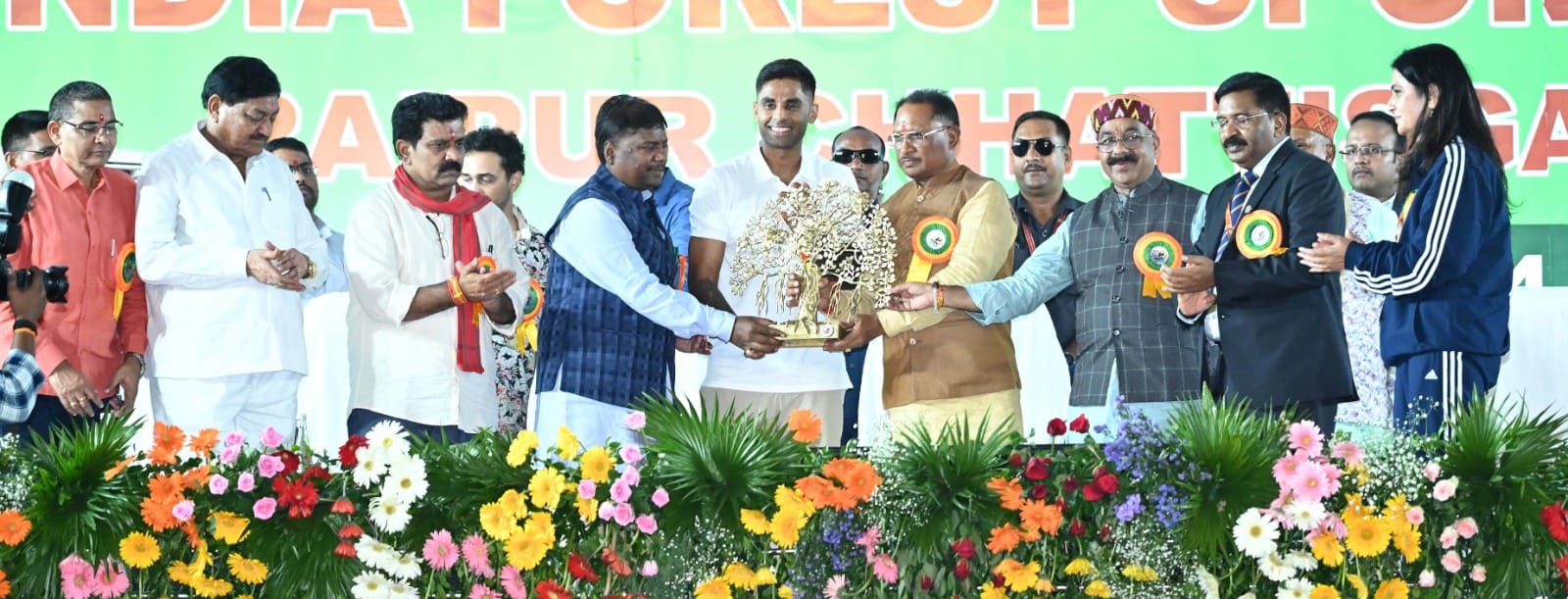
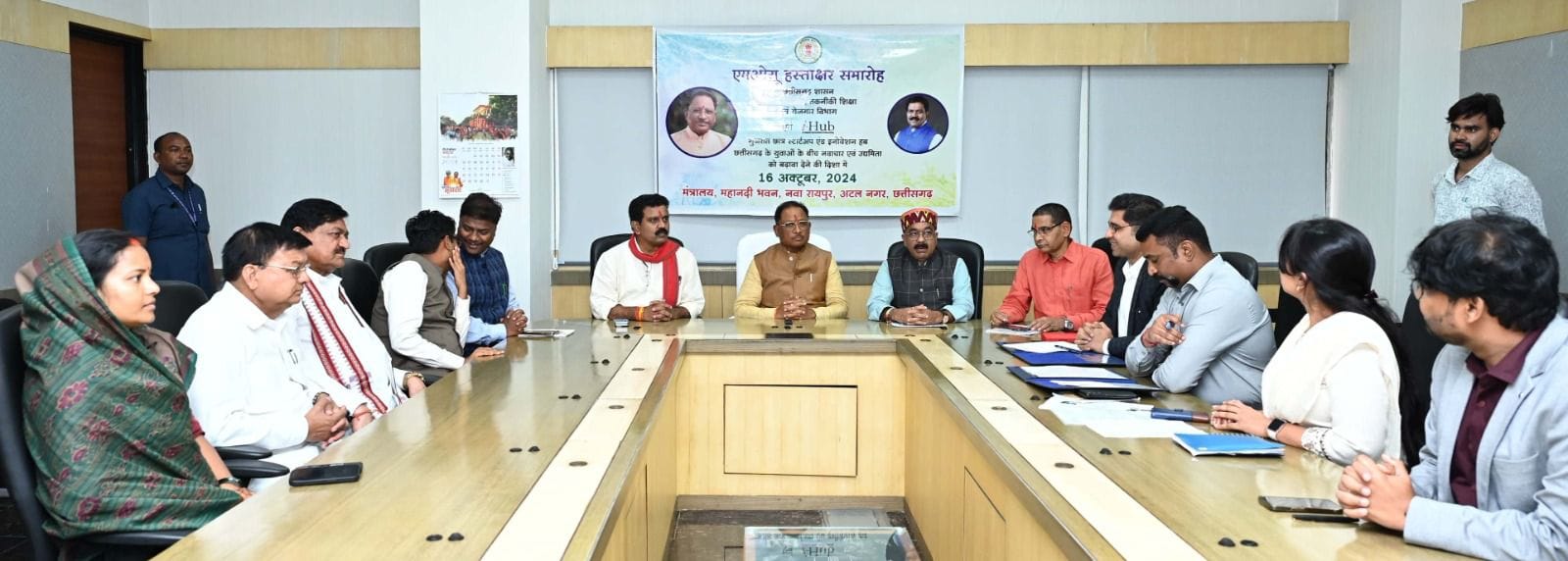
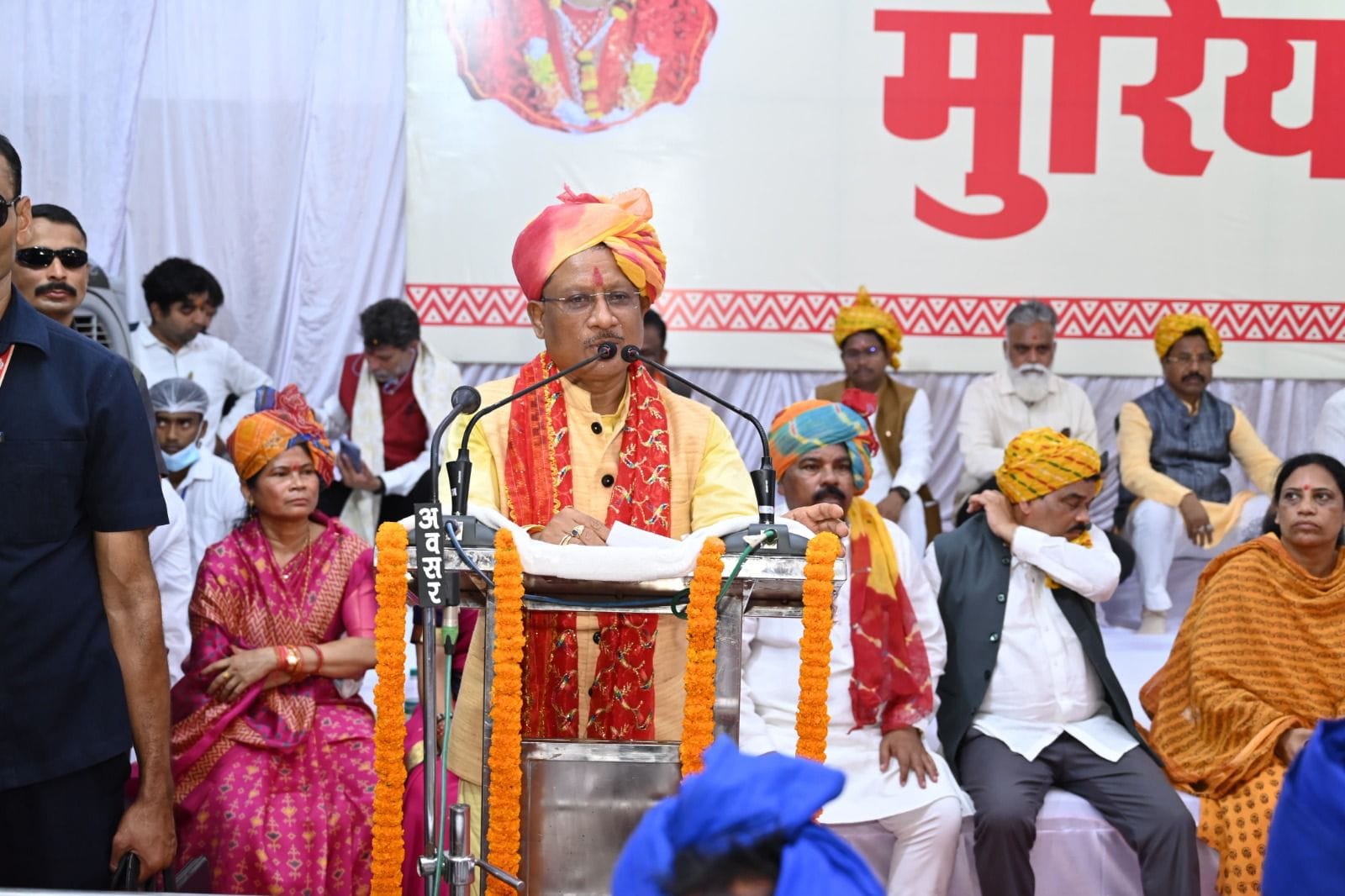
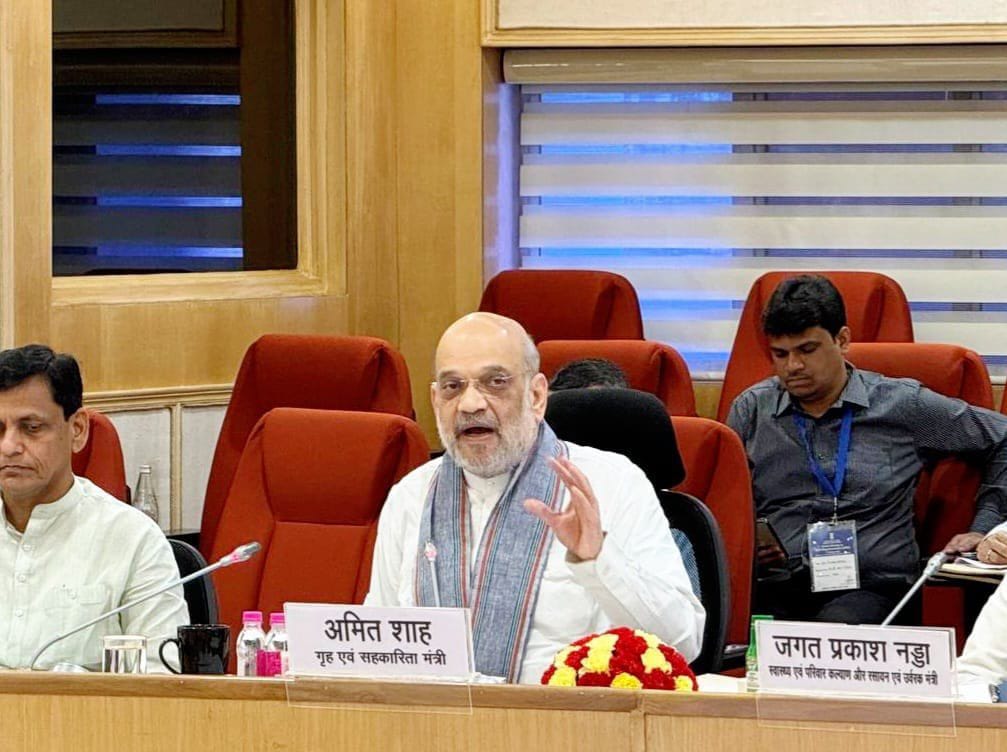
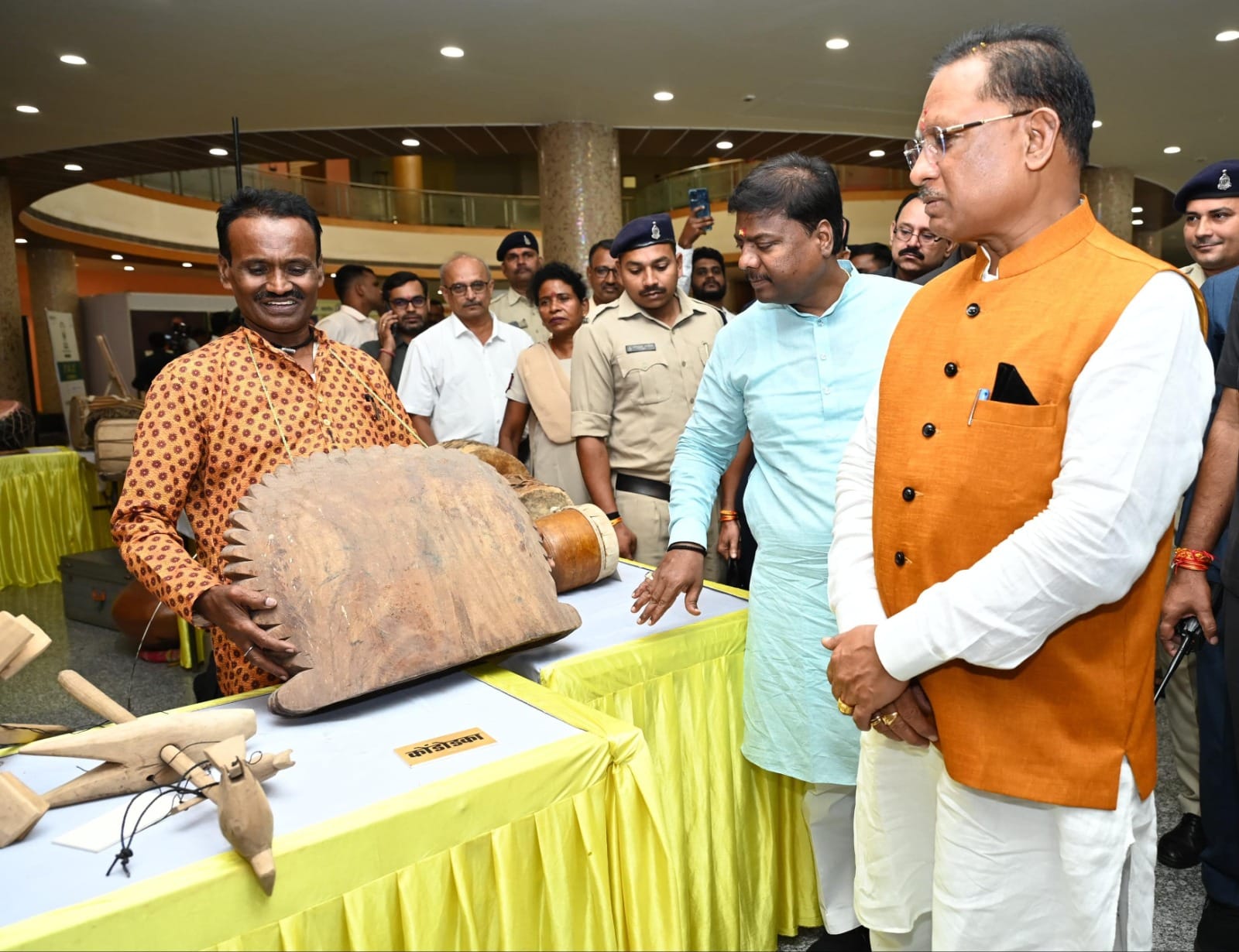
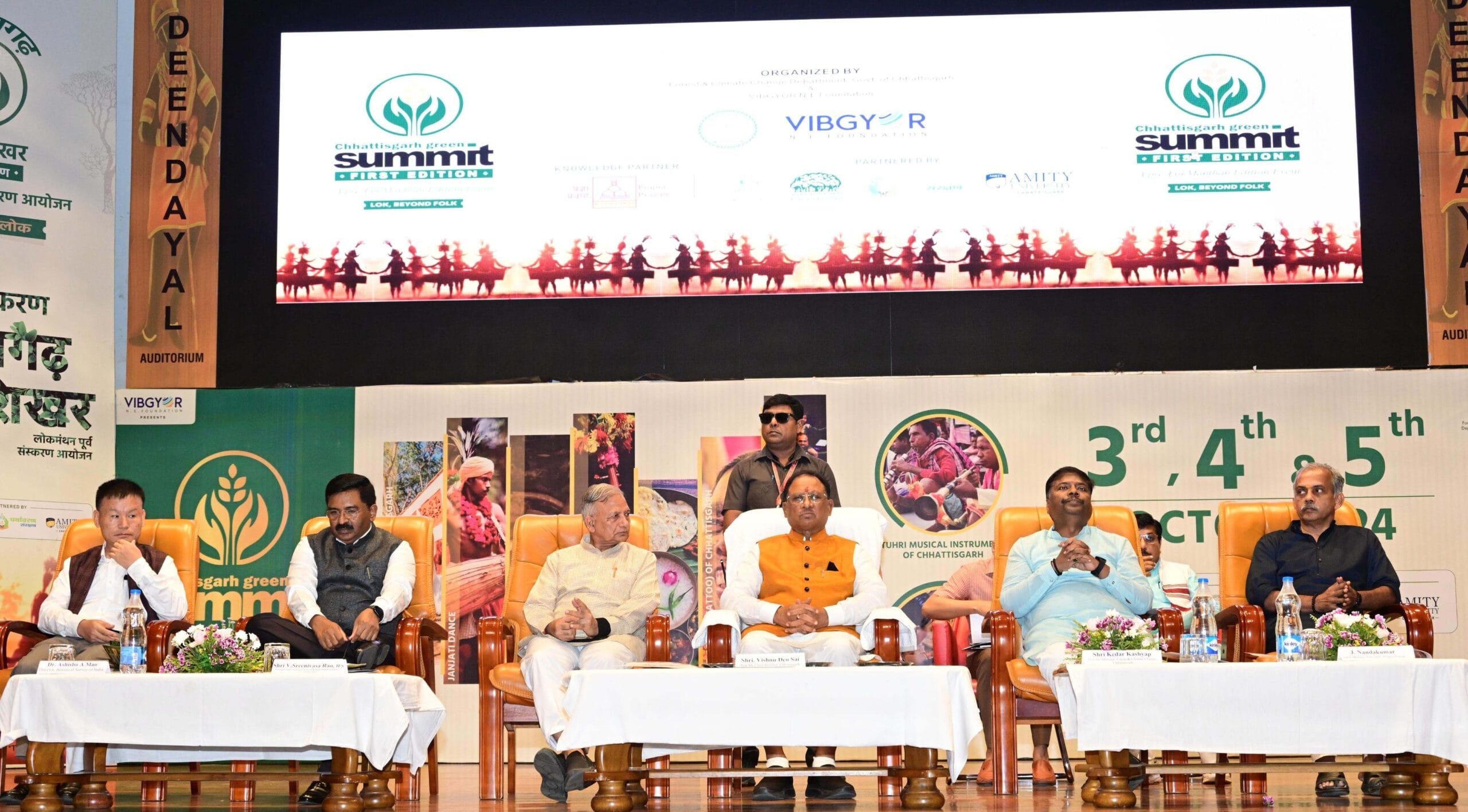
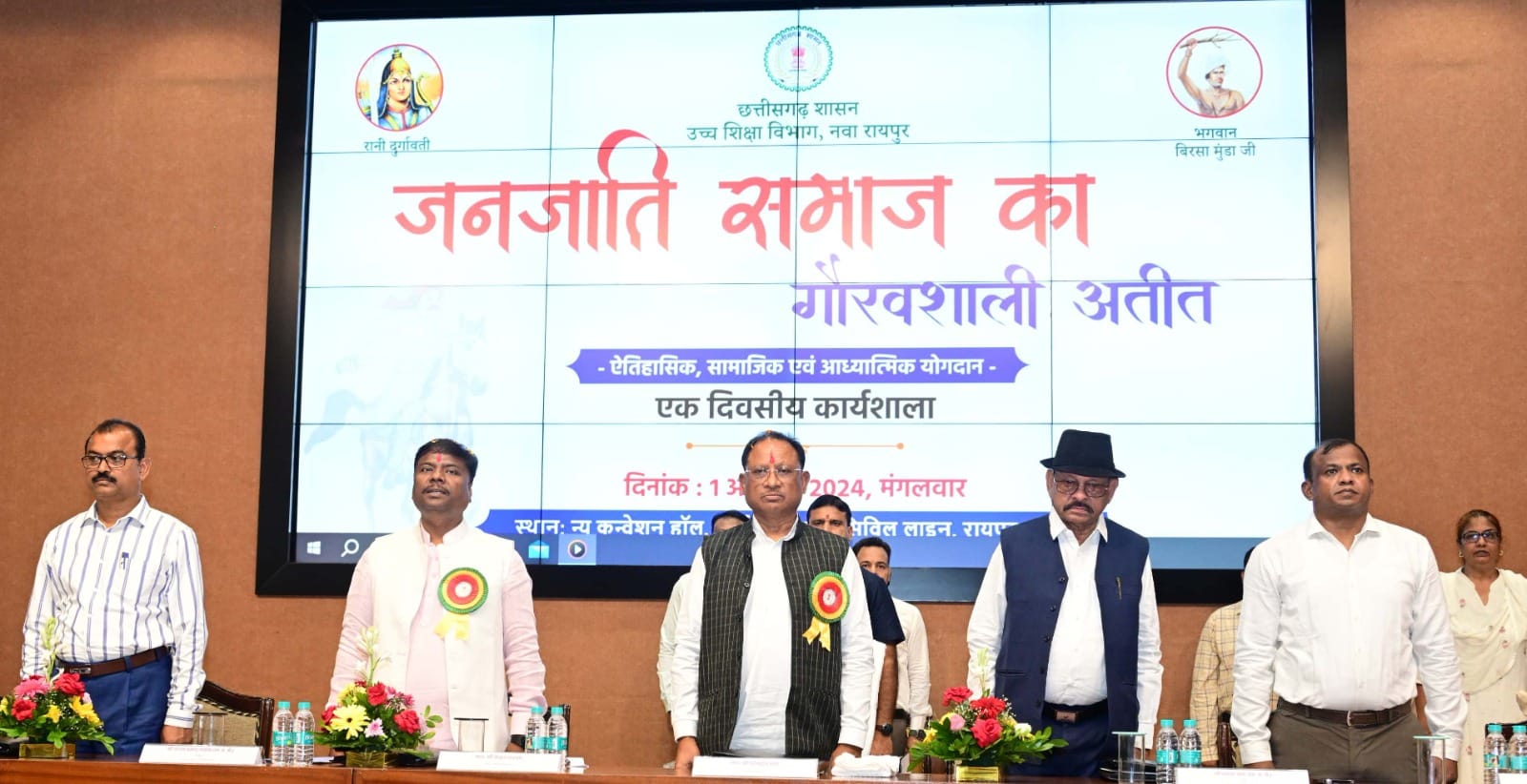
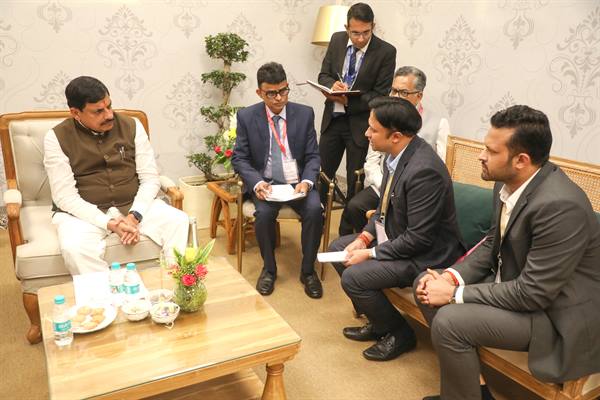
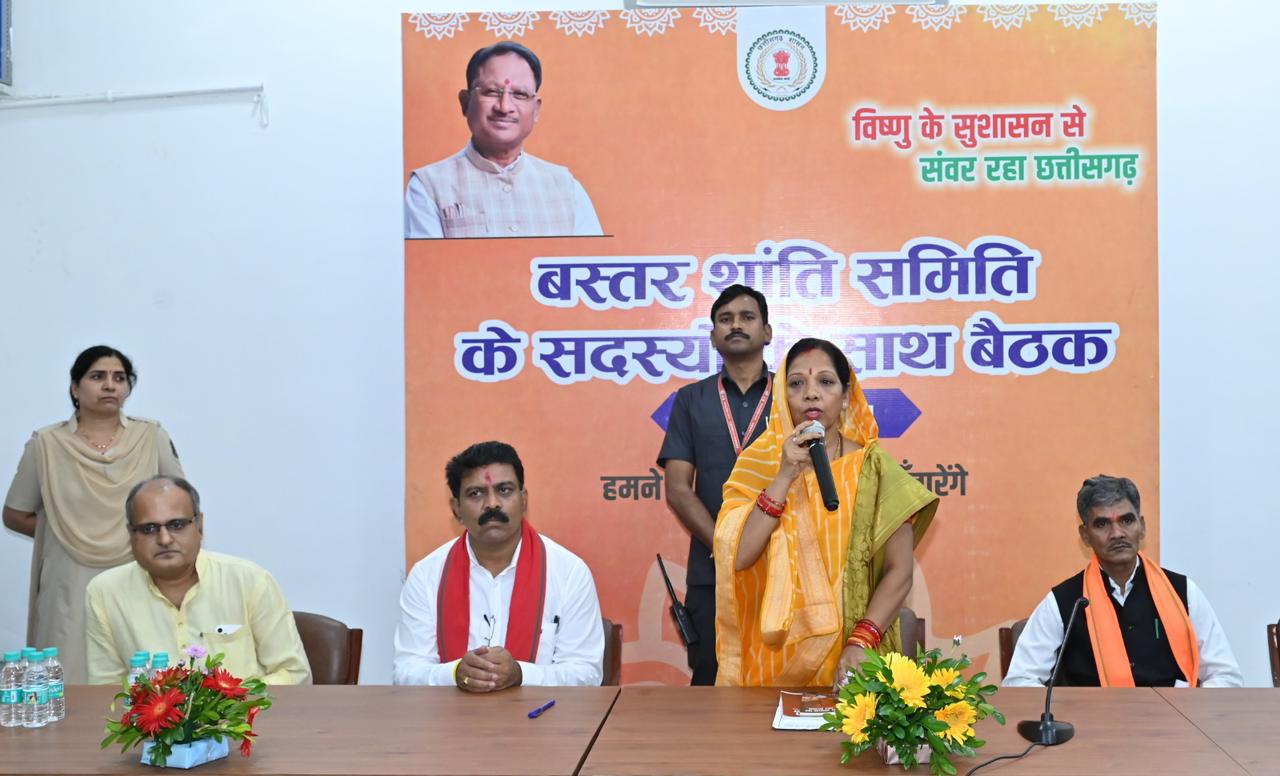
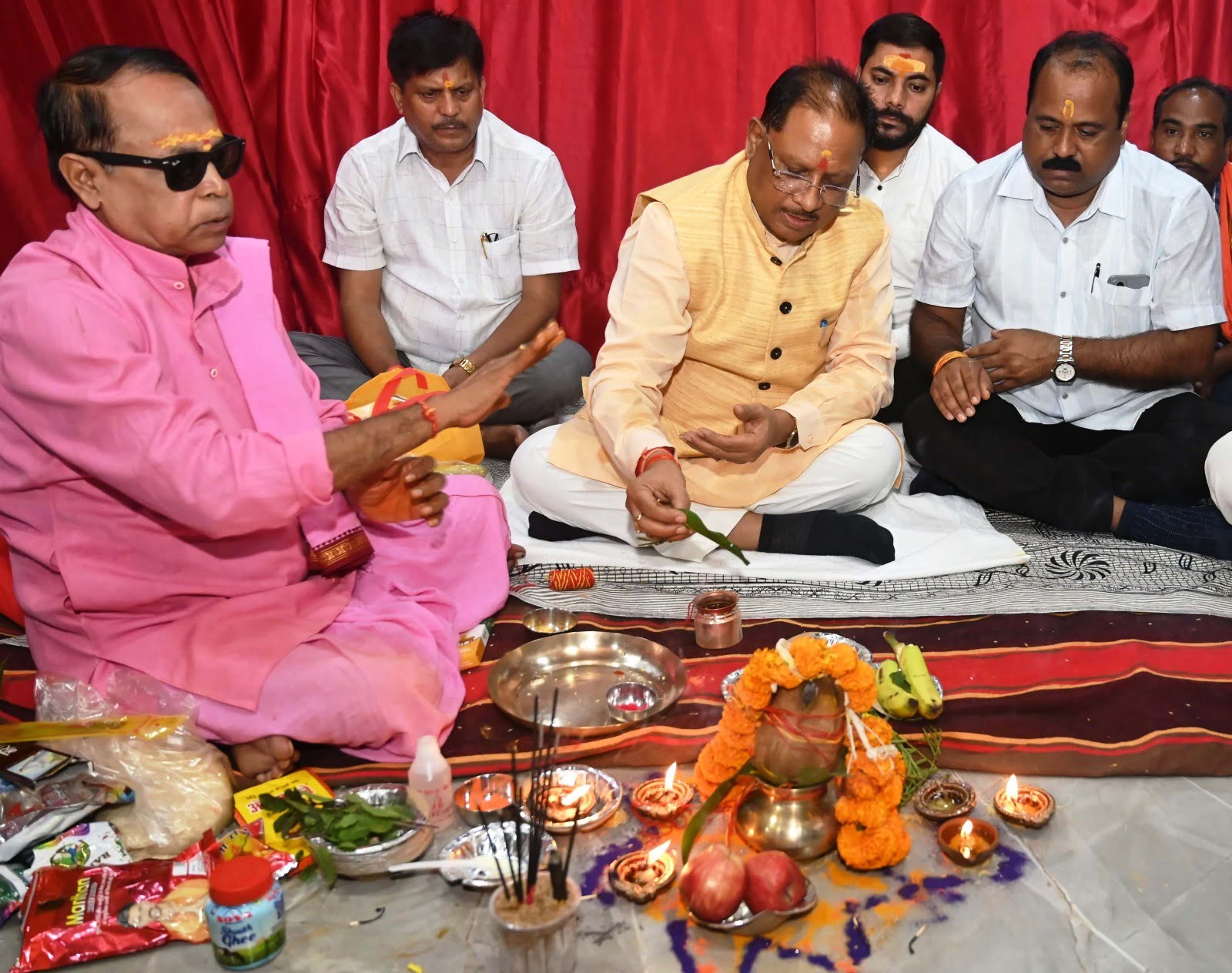
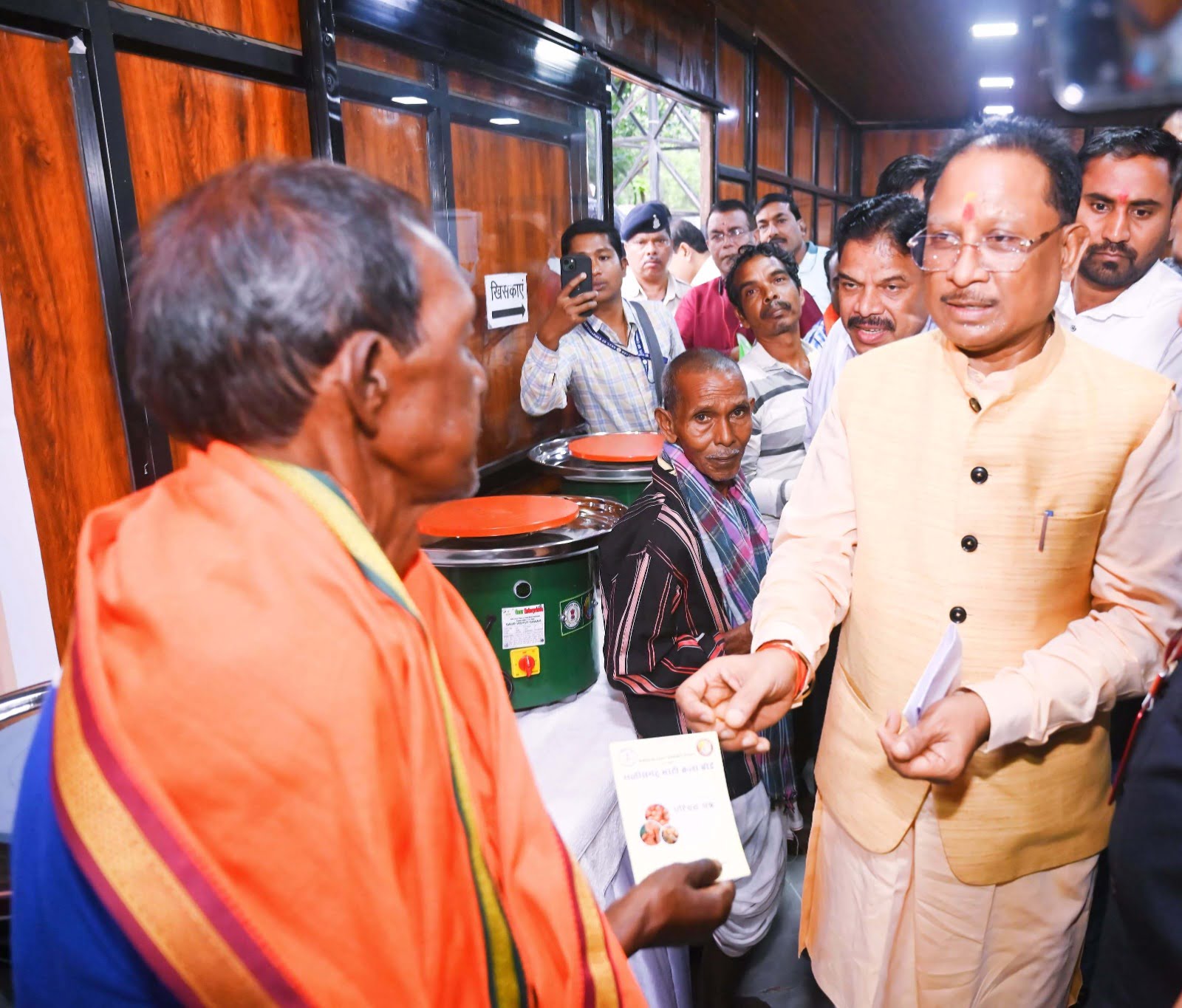
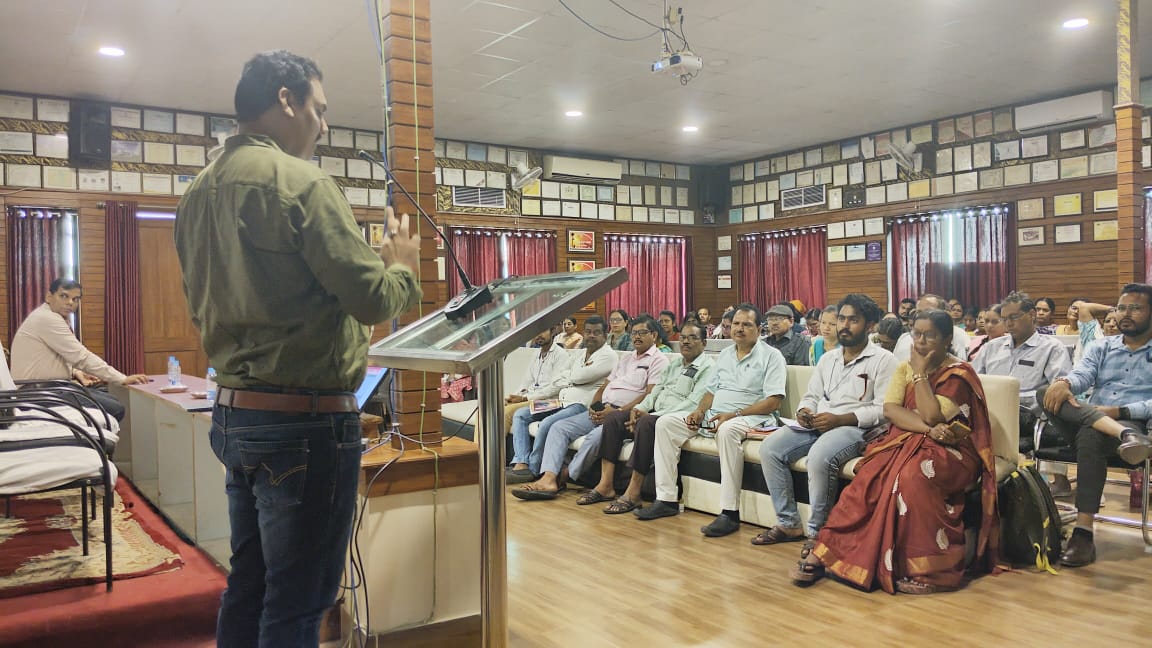
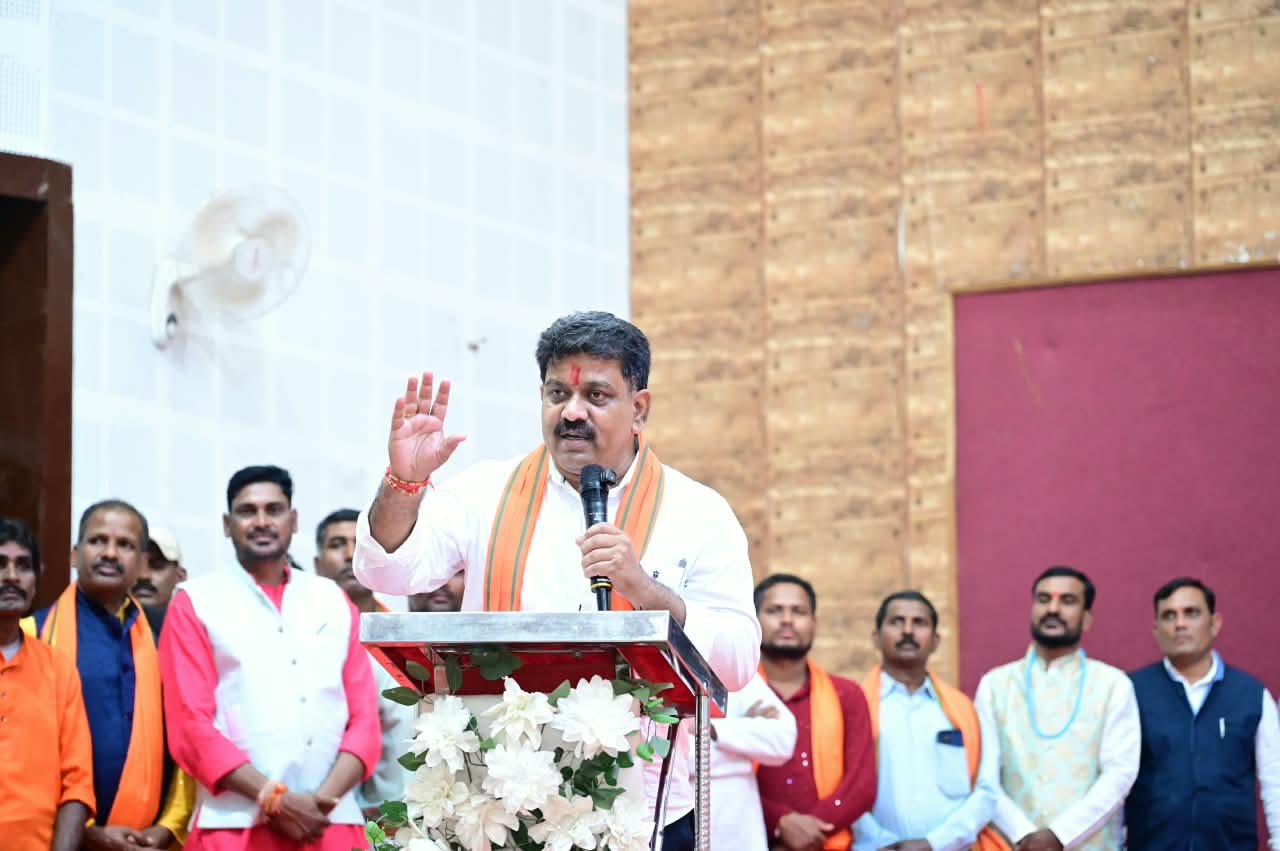
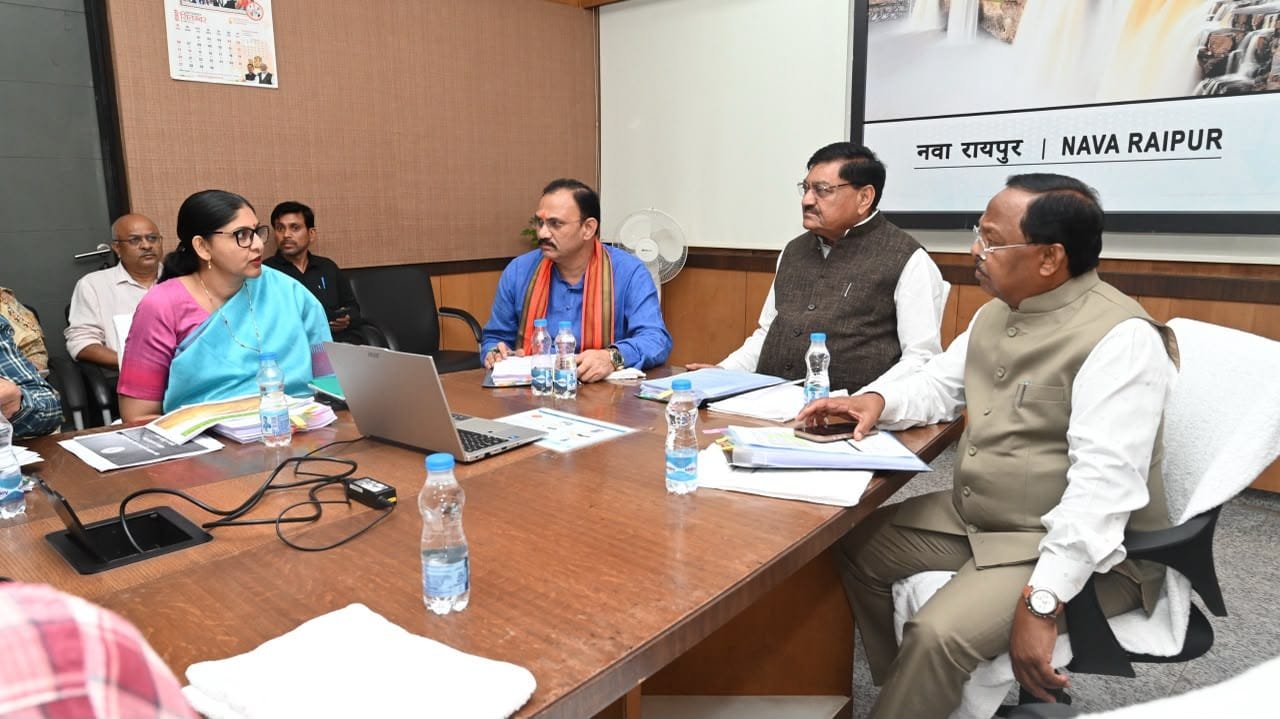
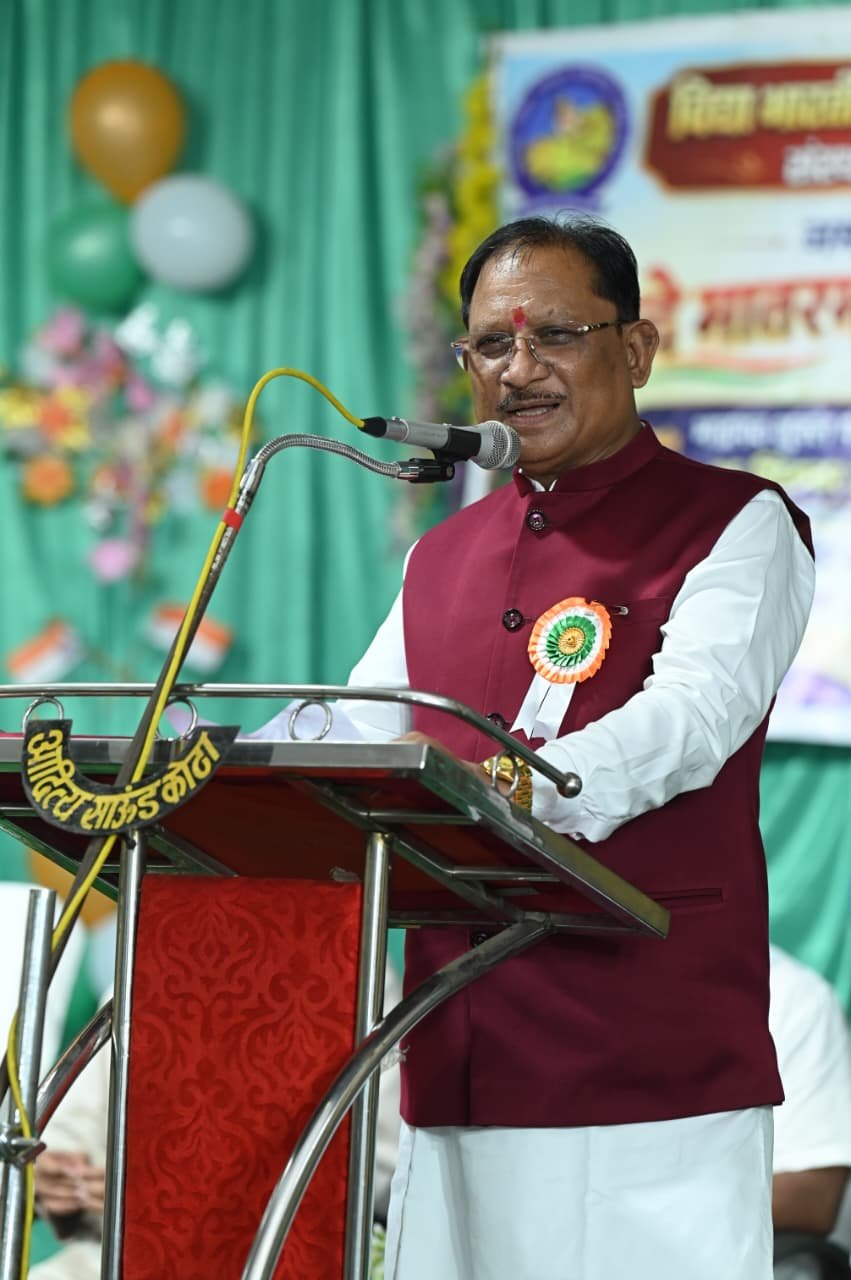
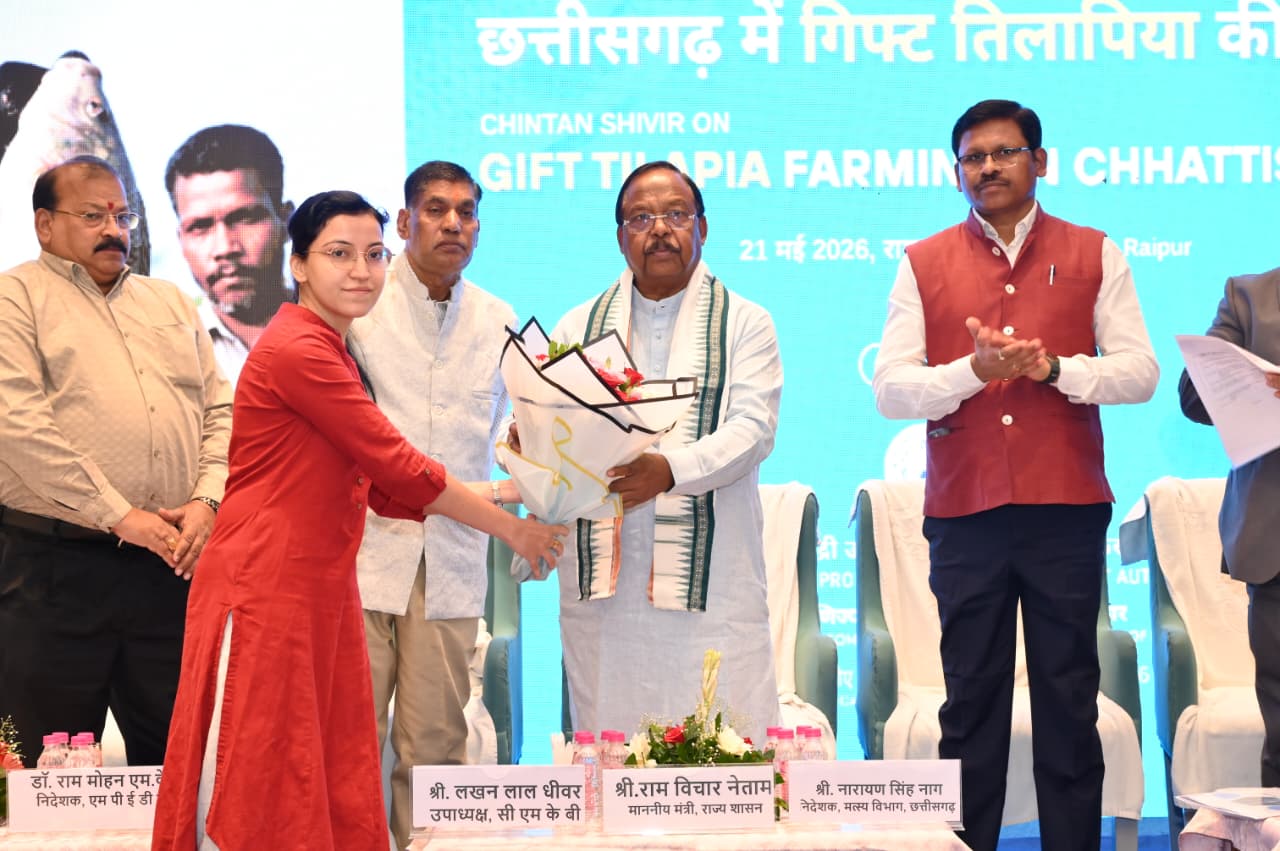
Due to Chhattisgarh’s rich water structure and favorable climate, fish farming has now become the biggest source of strengthening the rural economy. Due to the welfare policies and fisherman-friendly schemes of the state government, Chhattisgarh has not only become completely self-sufficient in fish seed production, but also stands in the queue of leading states in the country. Currently, Chhattisgarh ranks sixth in the country in the field of inland fish production, where a record production of 9.59 lakh metric tons of fish is taking place annually. Fisheries Minister Shri Ram Vichhar Netam was addressing the function organized under the joint aegis of Marine Products Export Development Authority, Department of Fisheries, Government of India and National Fisheries Development Board in the capital Raipur today.
Minister Netam stated that 96.25 percent of the state’s 2081,000 hectares of water area has been developed for fish farming. This has provided sustainable employment opportunities for over 225,000 fishermen in the state. He added that under the leadership of Chief Minister Vishnu Dev Sai, our government is committed to economically empowering every person in Chhattisgarh. With fish farming being granted agricultural status, our fishermen are now receiving significant relief from electricity tariff reductions, interest-free loans, and water tariffs.
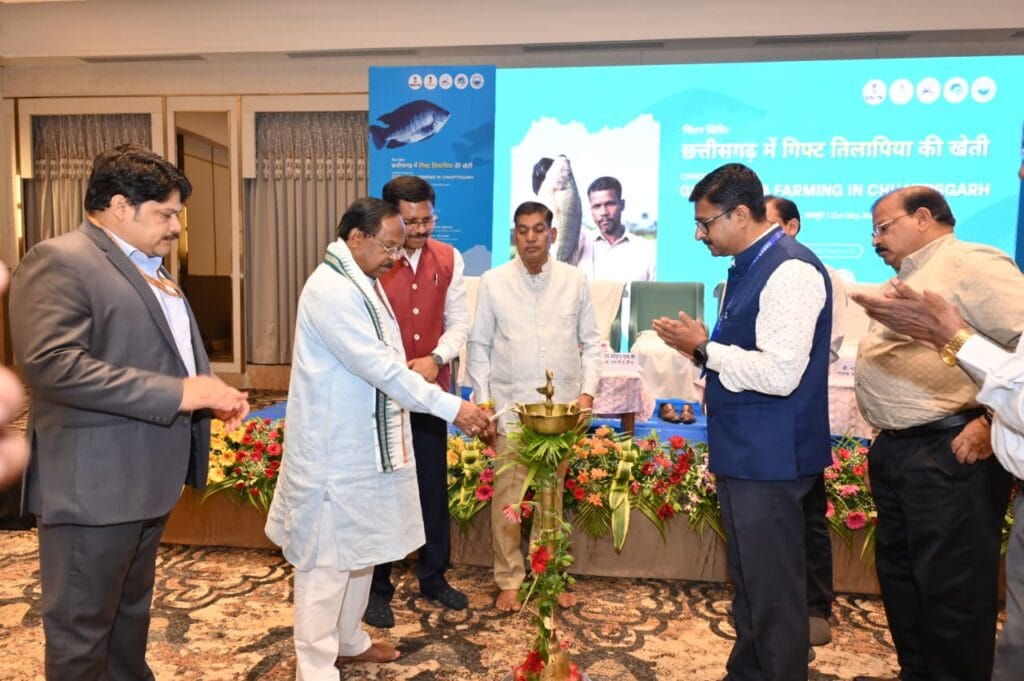
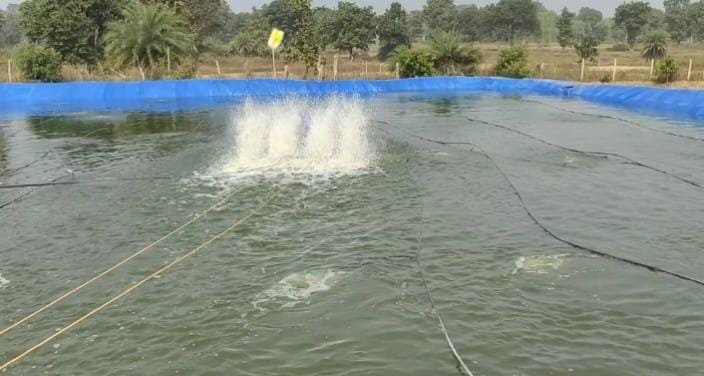
Minister Netam said that to increase the income of fish farmers, the department is now promoting modern scientific methods such as cage culture, RAS, and biofloc. Special clusters for “Gift Tilapia” are being developed in Raipur and Kanker. Our goal is to increase tilapia production to 30,000 metric tons by 2028, which will generate annual foreign export revenue of 90 to 100 crore rupees for our state. Together, Chhattisgarh’s waters and the hard work of its fishermen are writing a new history of the Blue Revolution in the state.

Fisheries Director Shri Narayan Singh Nag informed that a strong infrastructure has been created in the state to produce excellent quality fish seed, under which currently 123 circular hatcheries, 102 fish seed farms, 3,698 culture ponds, 01 Pangasius hatchery (Dhamtari), 07 Mangur hatcheries (Balod, Kabirdham, Bilaspur, Korba, Kondagaon and Mahasamund), 02 Monosex Tilapia hatcheries (Raipur and Balodabazar) are being operated.
He informed that Chhattisgarh currently produces over 606 crore fish seeds. Chhattisgarh is not only meeting its own needs but also supplying high-quality fish seeds to states like West Bengal, Jharkhand, Uttar Pradesh, Madhya Pradesh, Telangana, Kerala, and Goa. Due to the adoption of scientific methods, the state’s fish production has registered a remarkable increase of 11.75 percent in the past year. While the average productivity of rural ponds is 4,838 kilograms per hectare, through modern techniques (such as cage culture and biofloc), progressive farmers in the state are achieving an average production of 8,000 to 12,000 kilograms per hectare.
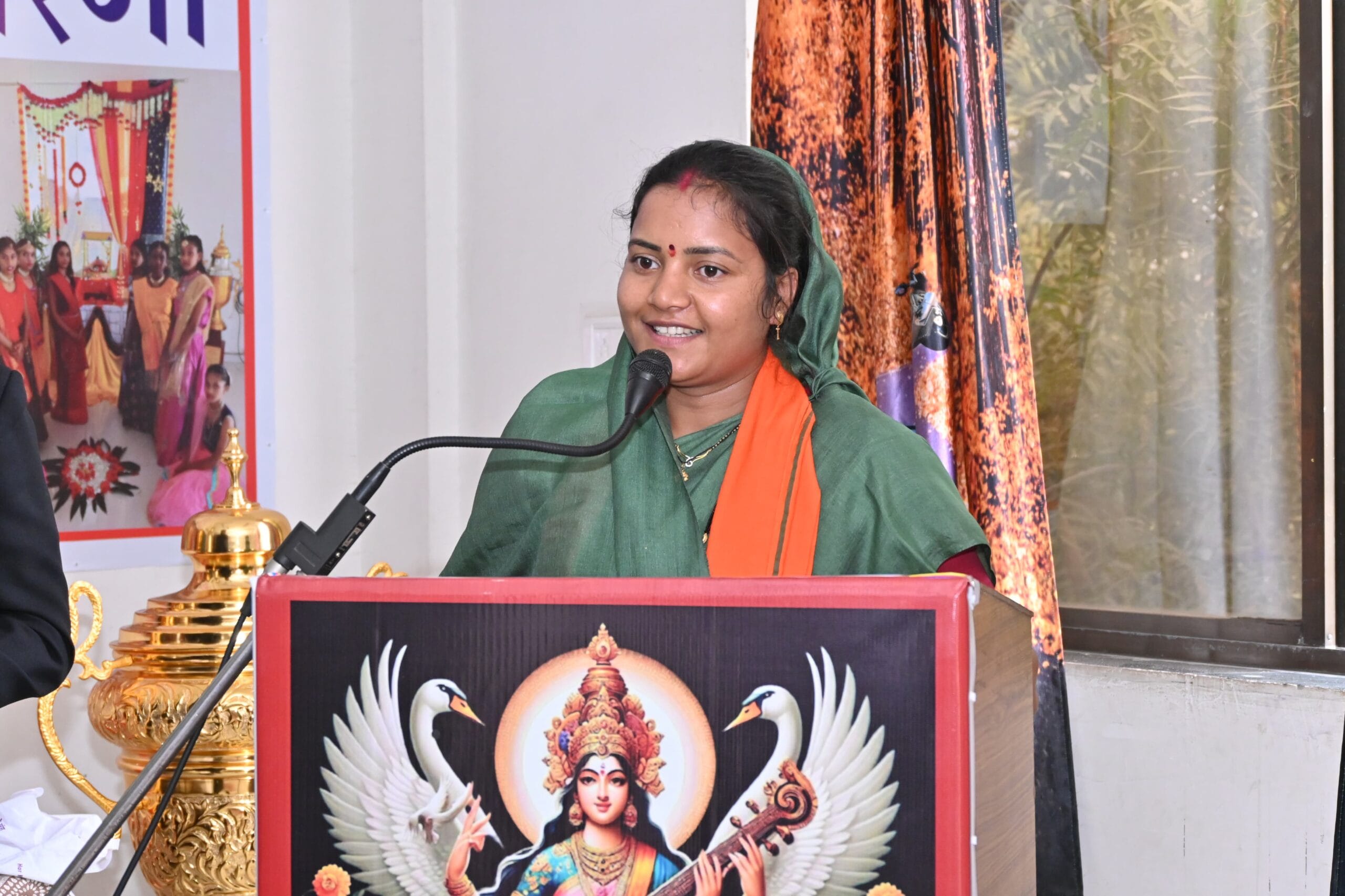
Mr. Lakhan Lal Dhiwar, Vice President of the Chhattisgarh State Fishermen’s Association, also addressed the event. Dr. Ram Mohan MK, Director, MPEDA, highlighted the export potential of tilapia. Dr. K. Mohammed Koya, Fisheries Development Commissioner, Central Government, provided detailed information on the Central Sector Schemes and Services under the Government of India’s PMMSY for the implementation of GIFT Aquaculture. Fish farmers and officials from the Central and State governments were present on the occasion.