


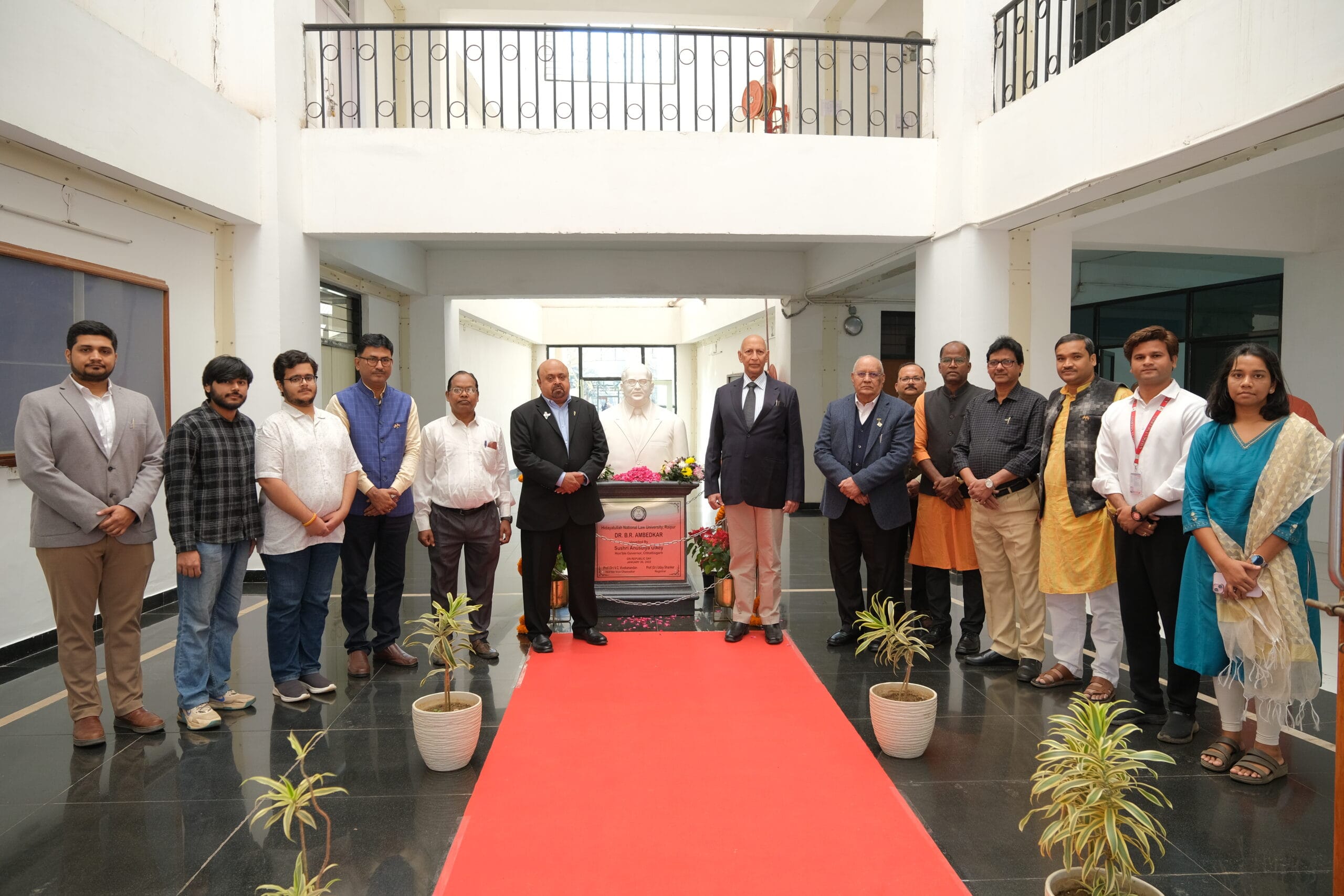

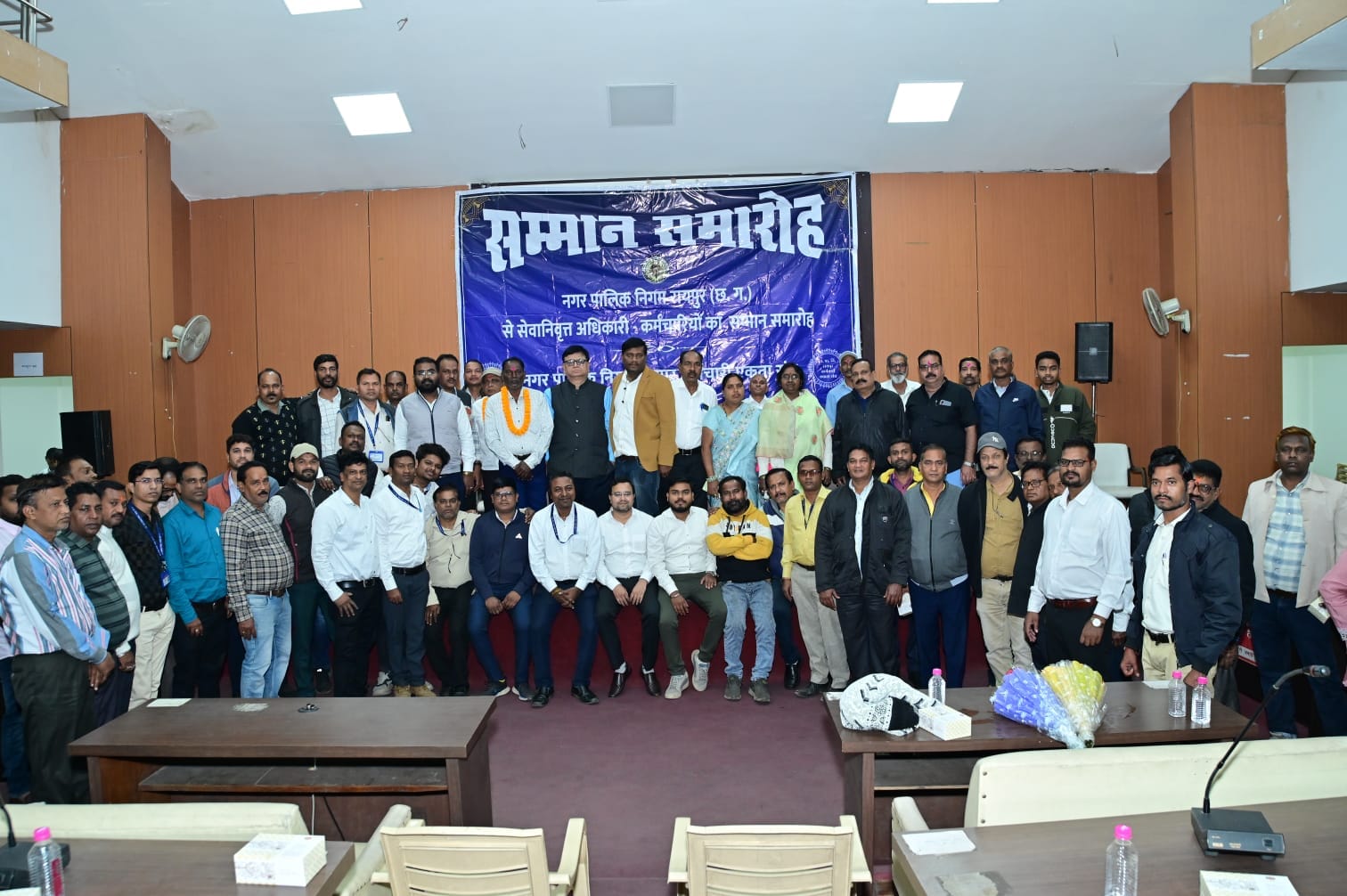


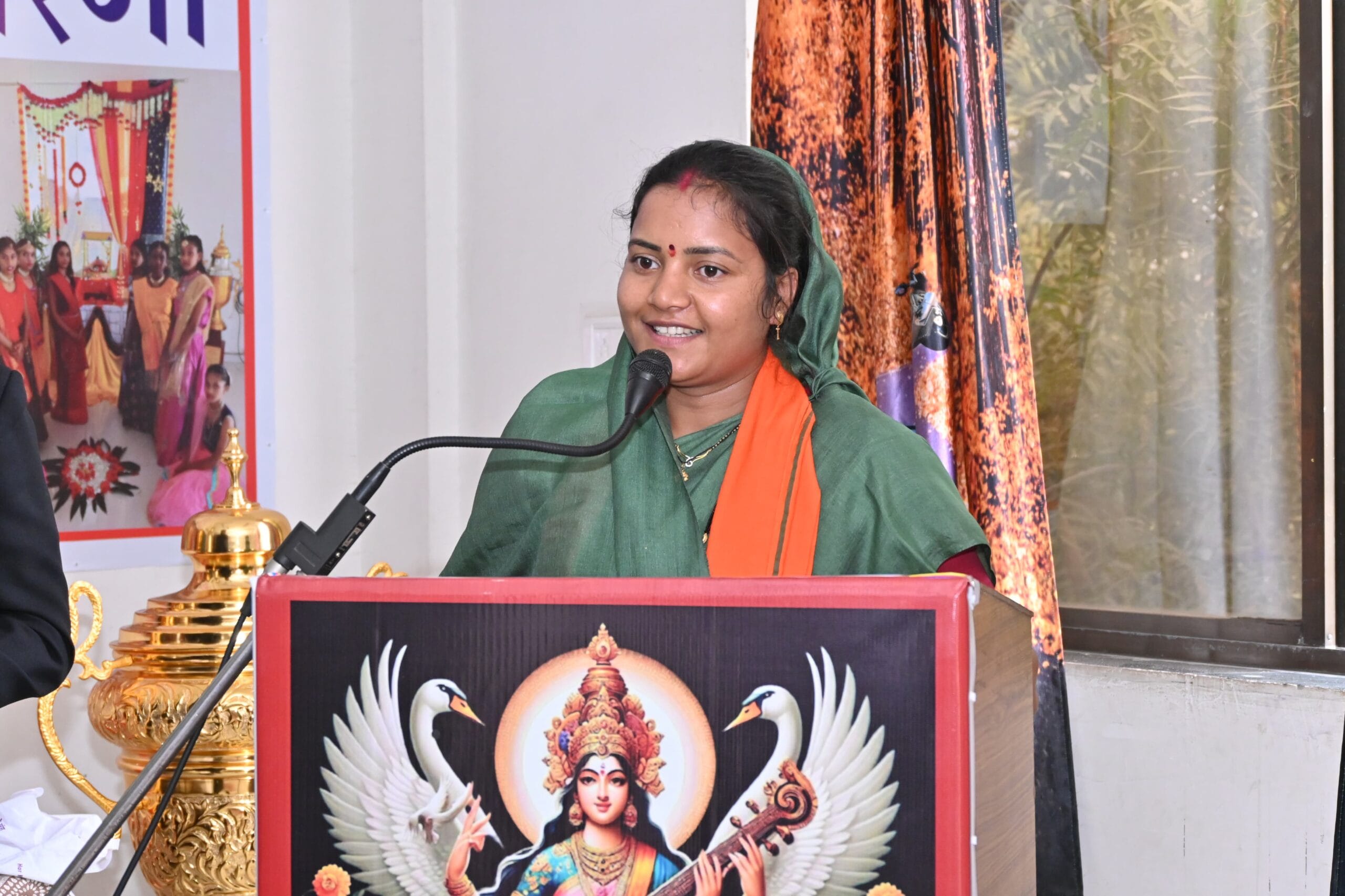
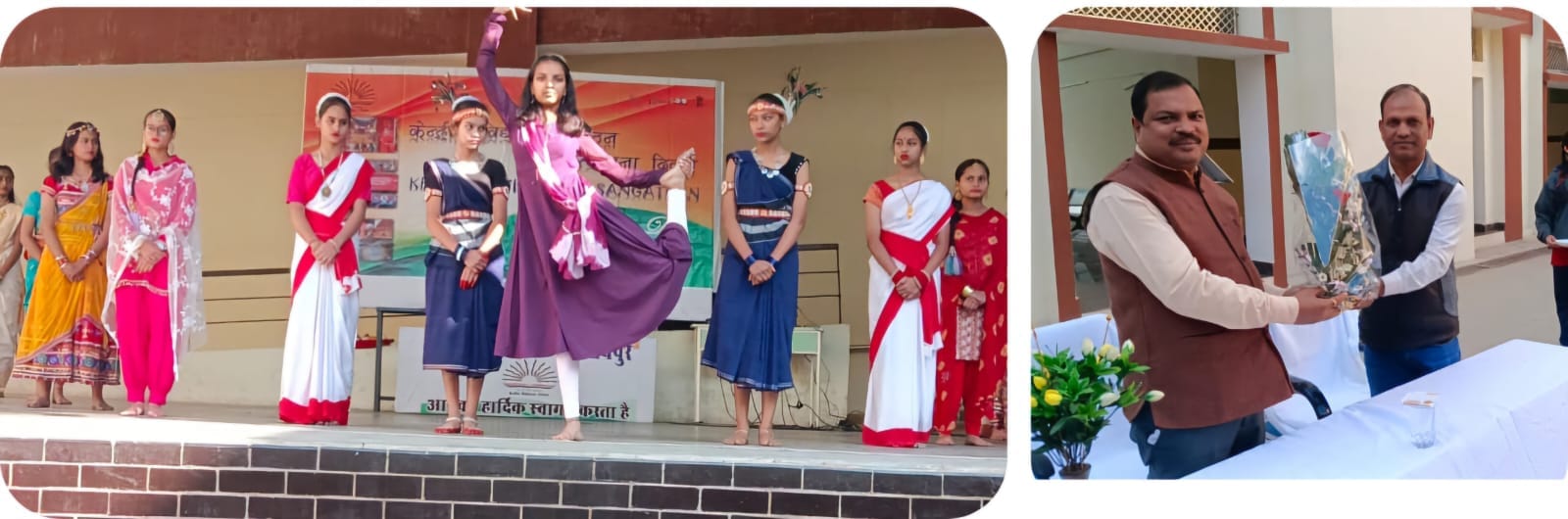




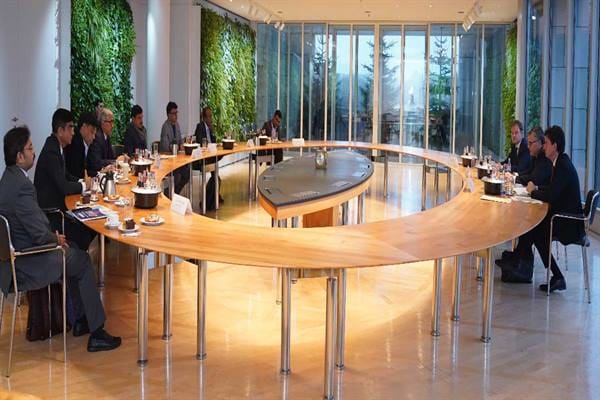

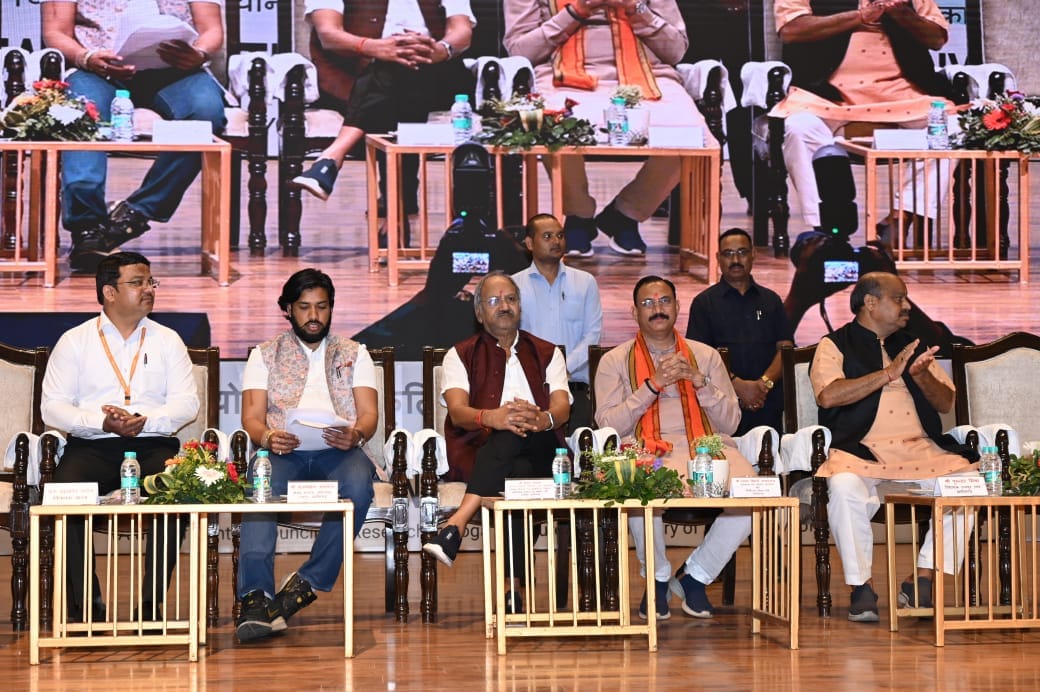

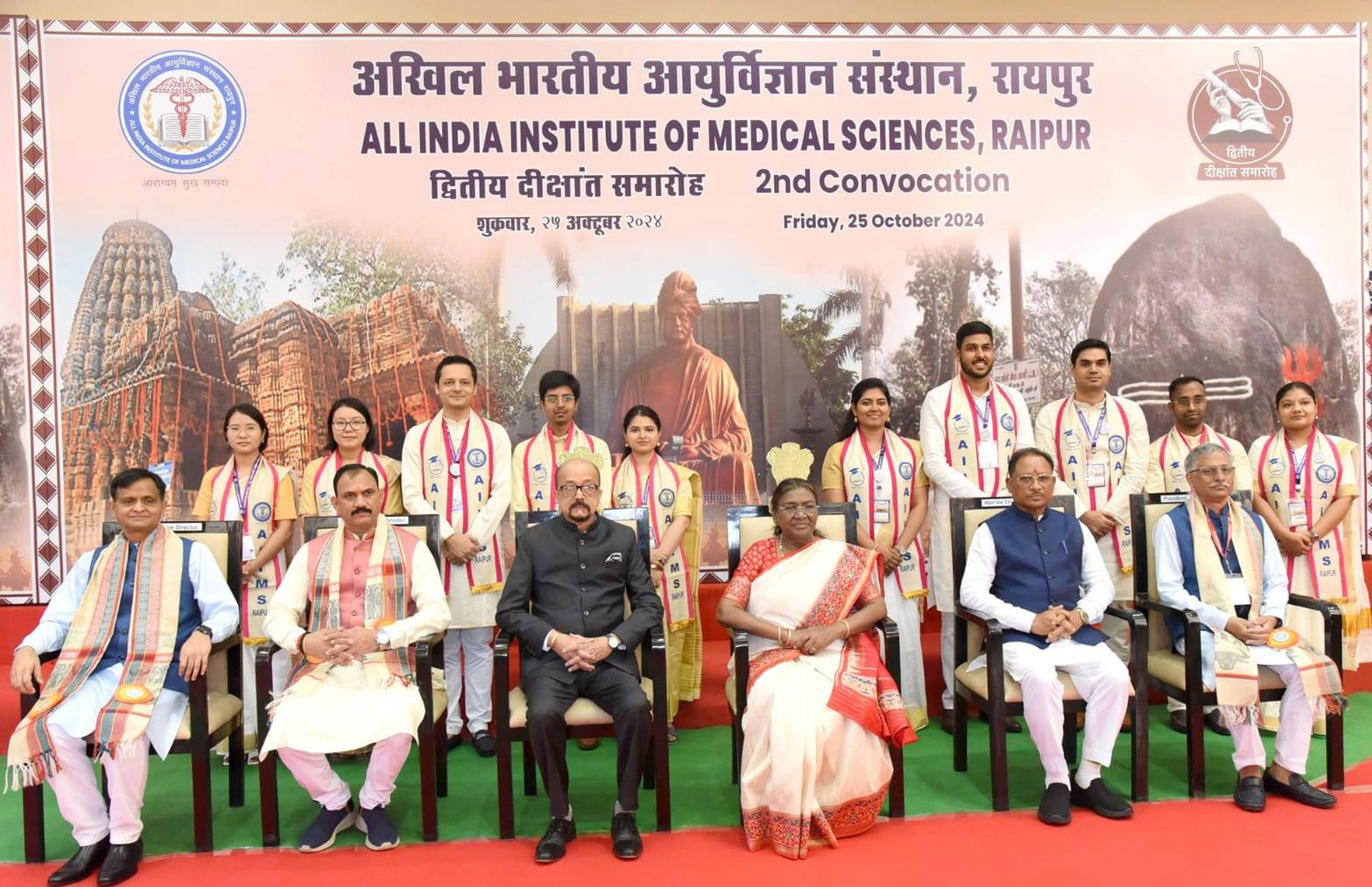






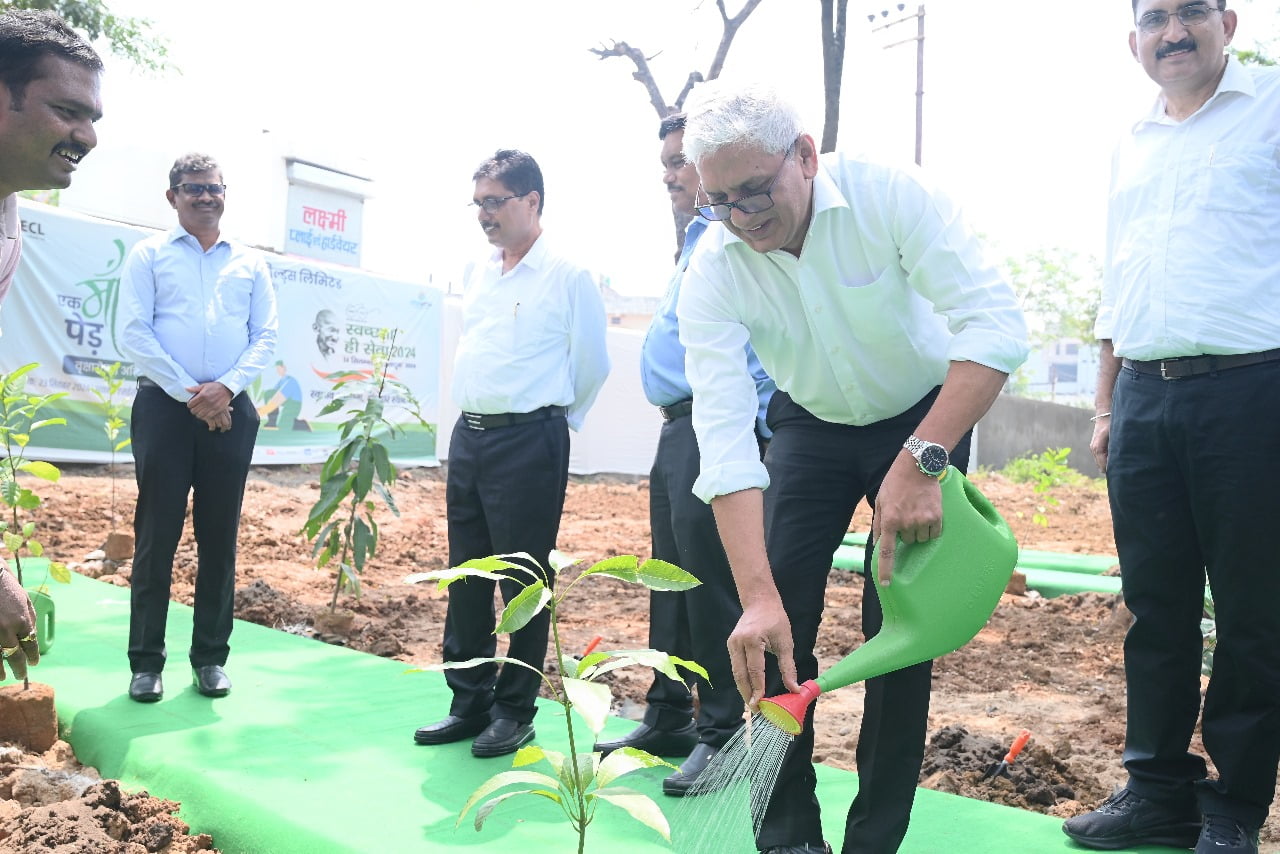



Hidayatullah National Law University (HNLU), Raipur, celebrated its 79th Independence Day in an atmosphere of great enthusiasm, dignity, and patriotism. The program began with the hoisting of the national flag by Vice Chancellor Prof. V.C. Vivekanandan, and was attended by students, faculty, and staff. A highlight of the occasion was the colorful cultural program presented by students of the University’s Cultural Committee, which vividly expressed the spirit of freedom, diversity, and national unity.
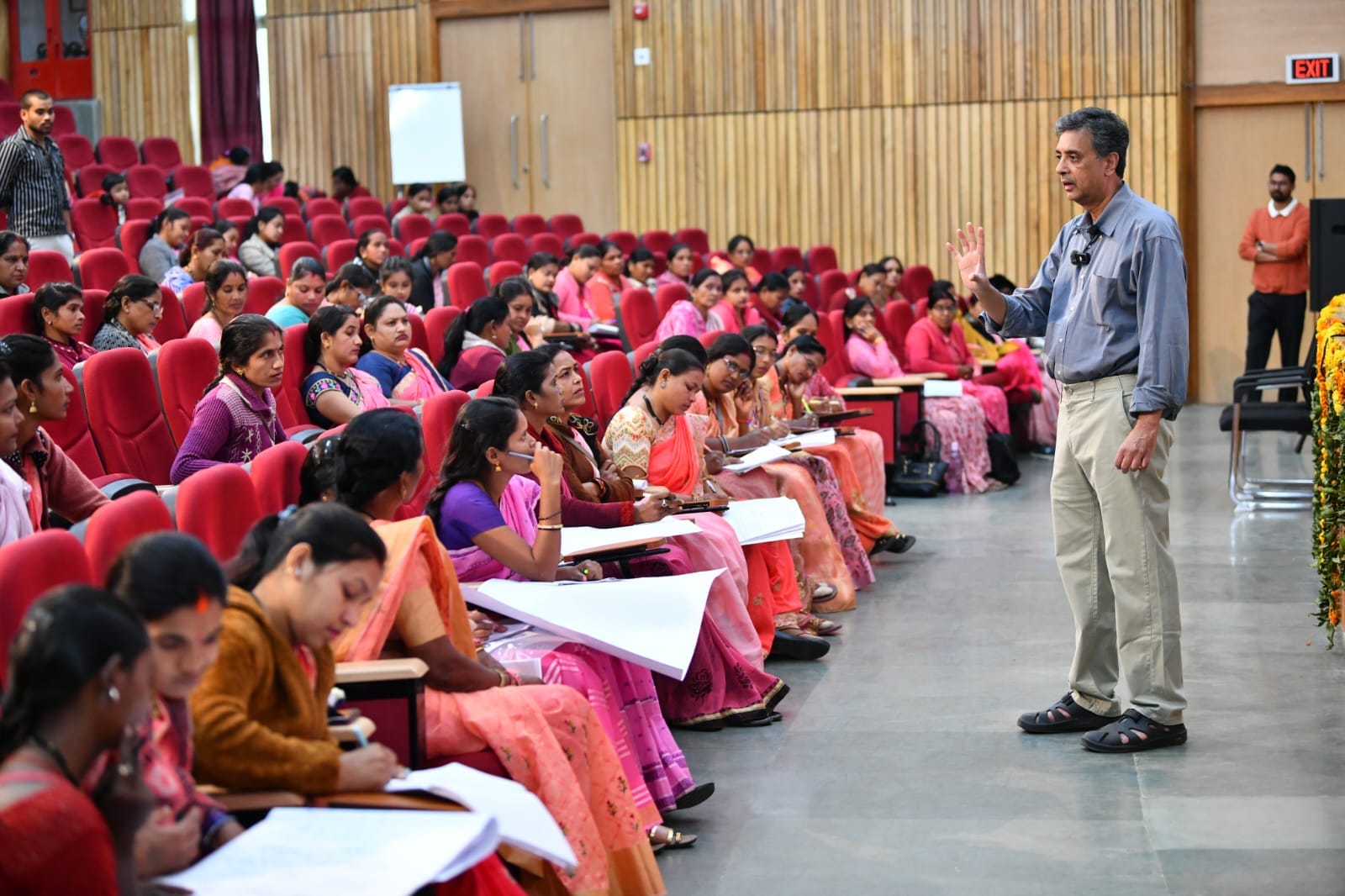
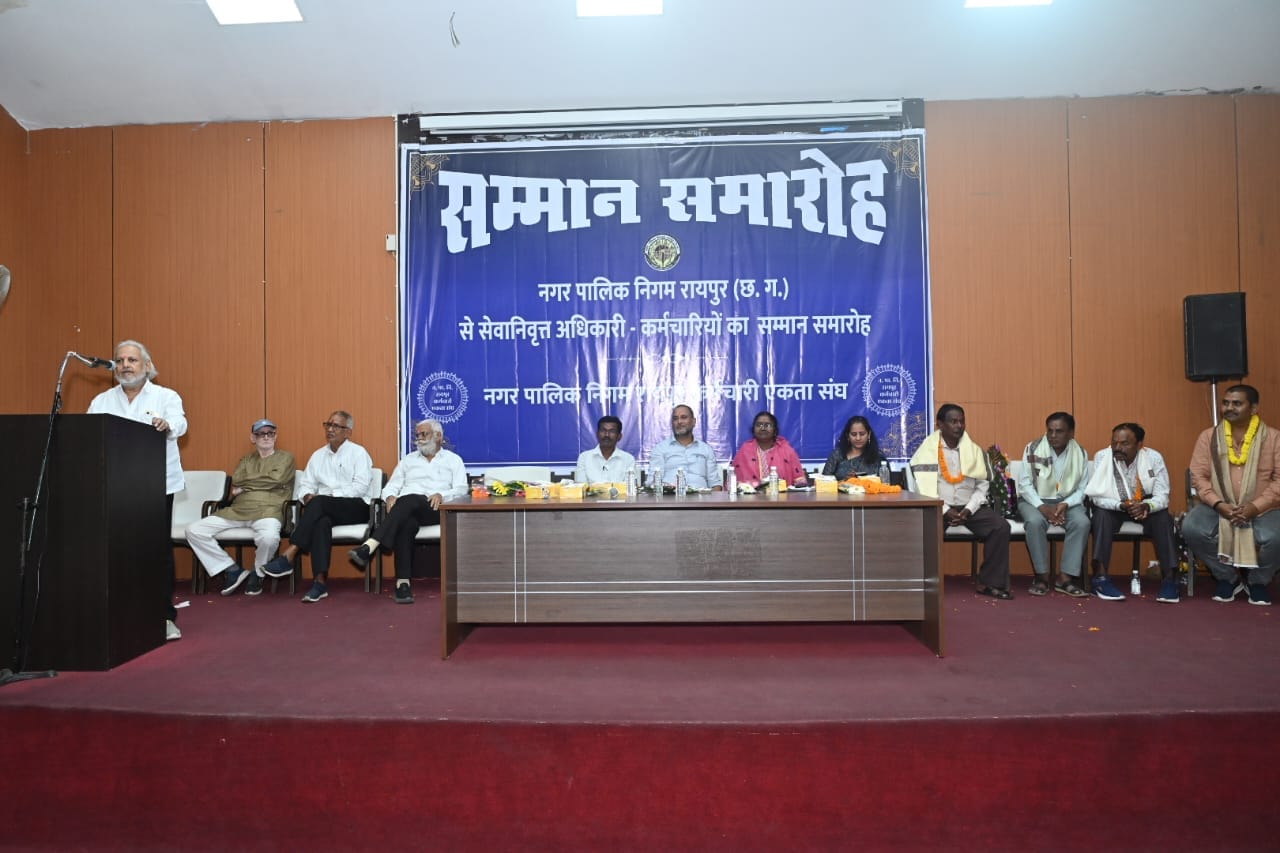
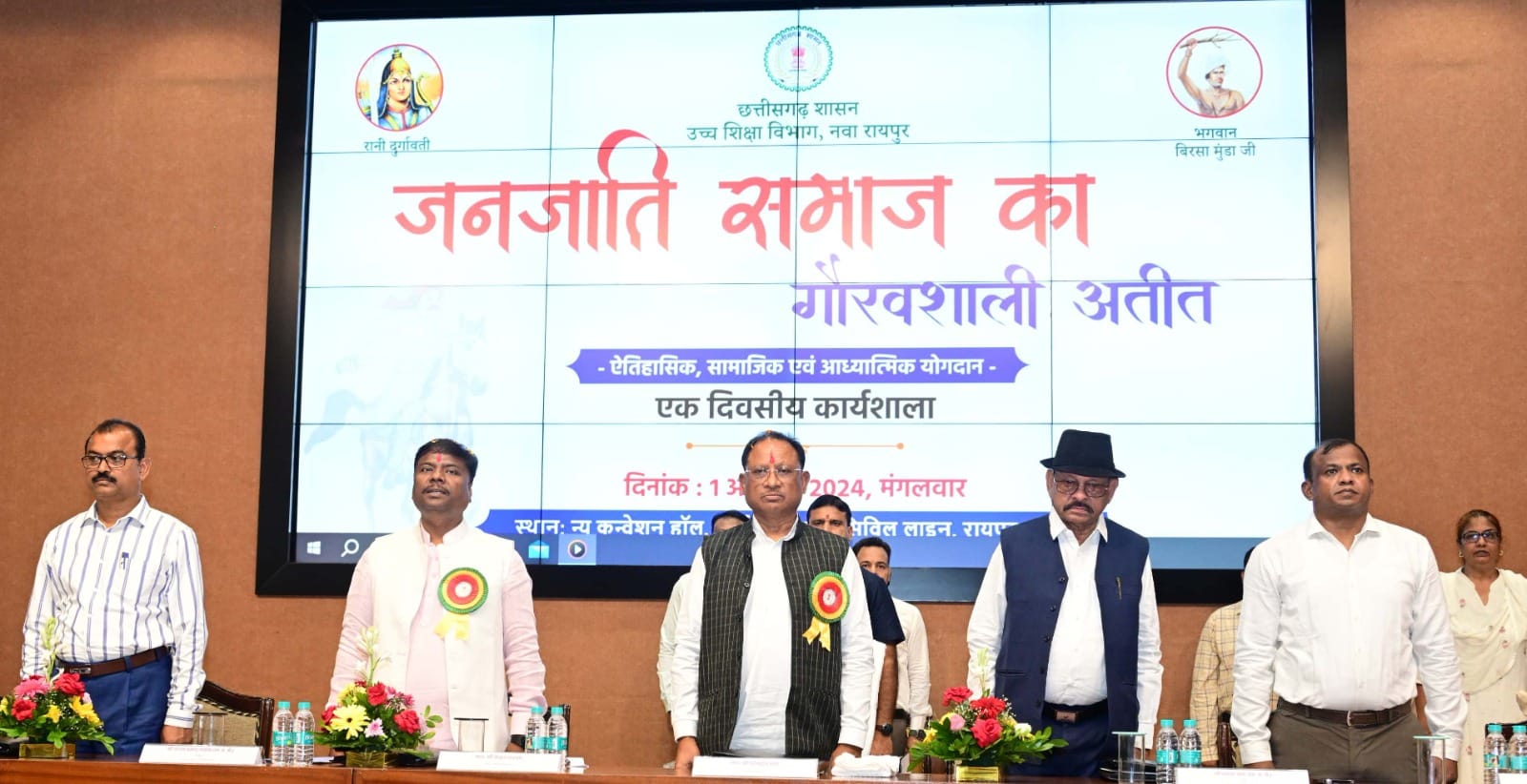
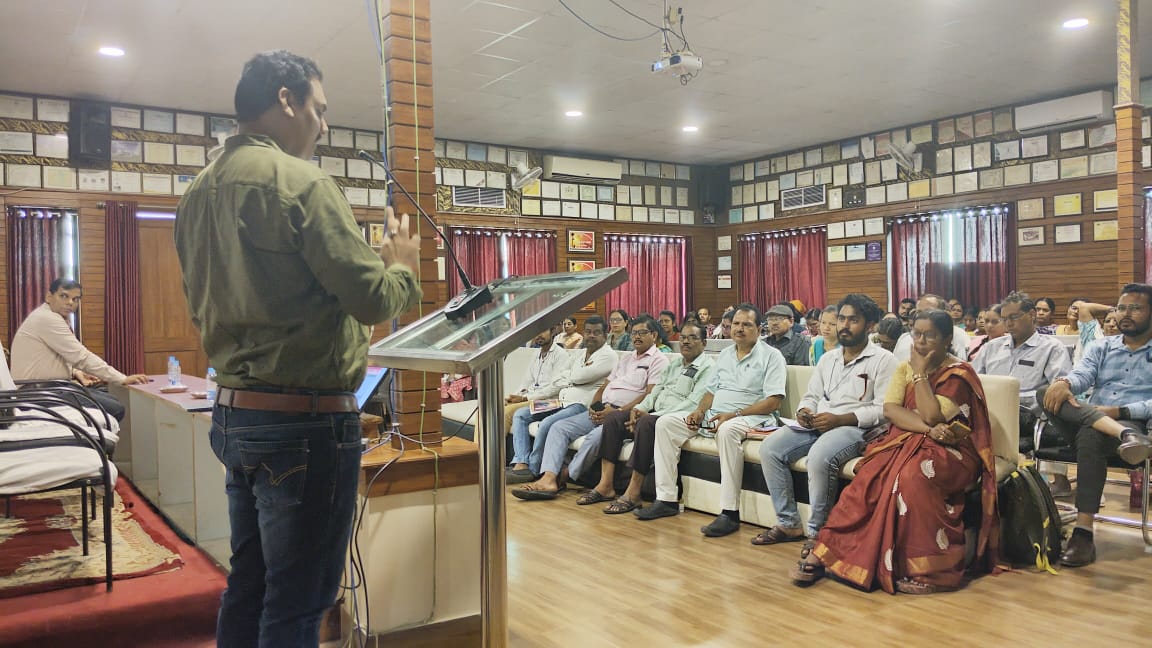
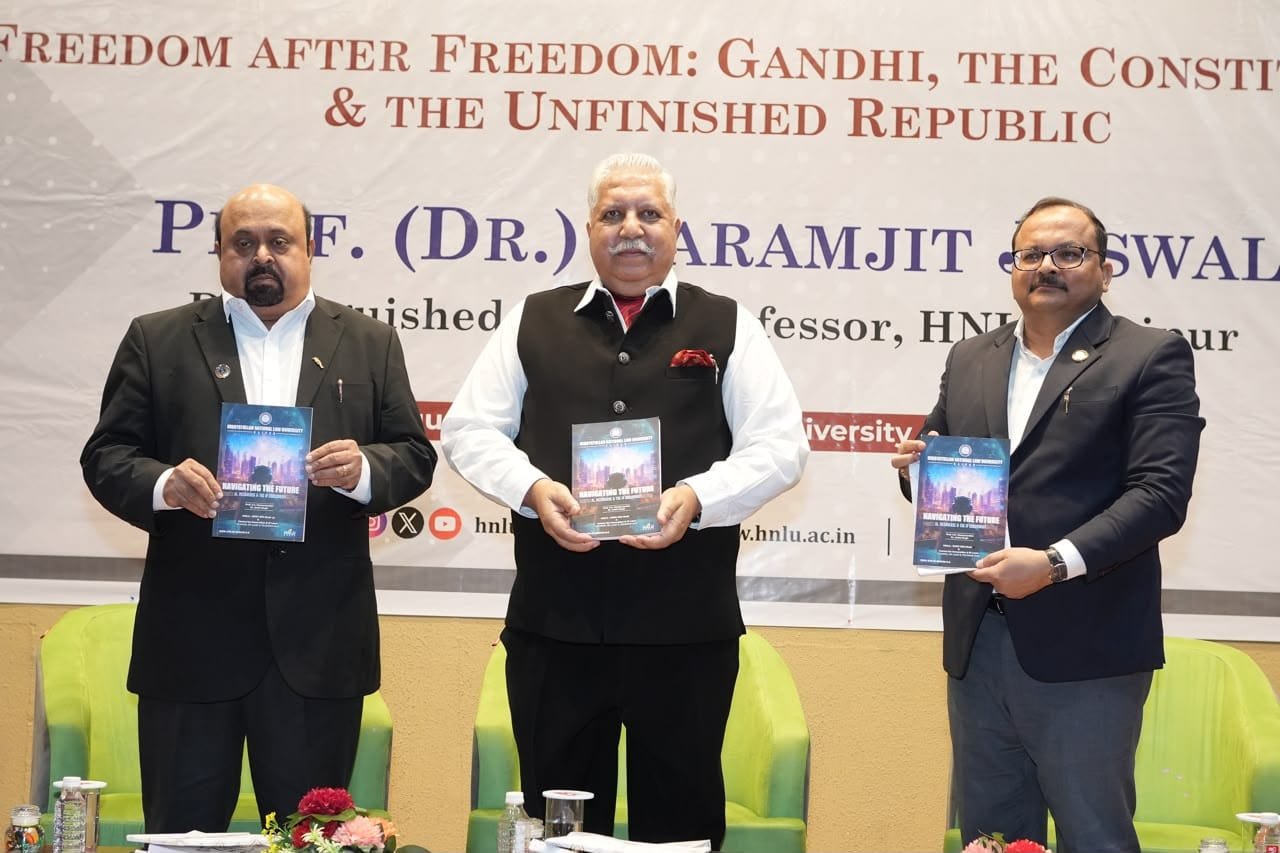
The highlight of the Independence Day celebrations was the Fifth Mahatma Gandhi Memorial Lecture , titled “Freedom After Independence: Gandhi, the Constitution, and the Incomplete Republic .” The lecture was delivered by HNL University’s distinguished jurisprudence professor and former Vice Chancellor , Professor (Dr.) Paramjeet Jaswal . This memorial lecture, an integral part of the Independence Day celebrations, offered a profound discussion on the contemporary relevance of Gandhian thought and constitutional values.
In his opening remarks, Vice Chancellor Prof. V.C. Vivekanandan highlighted the relevance of Mahatma Gandhi for the new generation, especially Generation Z, saying:

“Gandhi’s relevance for Generation Z lies not in imitating him, but in interpreting his ideas. The challenge is not to mechanically replicate Gandhi’s methods, but to understand the values that shaped him—moral courage, compassion, self-discipline, integrity, inclusiveness, and respect for human dignity. These values are just as essential today, whether one is developing artificial intelligence, formulating public policy, practicing law, doing business, or participating in democratic life.”
- he adds-
“The true tribute to Gandhi lies not in merely recalling his memory, but in confronting the questions he left for us. The struggle for independence may have ended, but the struggle to build a just, compassionate, sustainable, and inclusive society continues.”
In his memorial lecture, Prof. (Dr.) Paramjeet Jaswal reflected on the concepts of freedom and democratic responsibility, stating that “every generation inherits two kinds of freedom—one that which has already been earned and the other that which remains to be achieved.” Referring to Mahatma Gandhi’s experience of racial discrimination in South Africa, he proposed the formula “E + R = O” (event + reaction = outcome) . He stated that events are not always within our control, but our response to them determines the outcome. Gandhi transformed the experience of personal humiliation and discrimination into an opportunity for social change through truth and nonviolence.
Professor Jaswal said that a nation’s progress cannot be measured solely by economic growth, physical infrastructure, or prosperity. A nation’s true progress is also determined by the rule of law, the dignity of its citizens, and the overall happiness and well-being of society.
He did not consider political independence as the ultimate goal of India’s journey, but rather as the first step towards building a just and compassionate republic. He underlined Mahatma Gandhi’s vision of Swaraj , ethical governance, dignity of labor, communal harmony, environmental responsibility, and education based on the integrated development of “mind, heart, and hand.” He said that the Indian Constitution provides the institutional framework of the republic, while Gandhian thought serves as its moral compass. In this context, he underlined the importance of justice, liberty, equality, and fraternity, as well as constitutional morality, the right to dissent, institutional integrity, and human dignity.
Expressing his views on contemporary challenges, Professor Jaswal mentioned inequality, racial and gender discrimination, environmental crises, artificial intelligence, disinformation, cybersecurity, data privacy, and growing social polarization. He cautioned that while technological advances have made humanity more interconnected, this does not automatically make humanity more rational and moral. In this context, he said:
“Technological progress has made humanity more connected; but it has not automatically made humanity more intelligent.”
In conclusion of his lecture, Prof. Jaswal said –
“A republic is incomplete not because it has failed, but because democracy is always a process in the making.”
He called upon teachers, students and future leaders not to limit themselves to building a successful and powerful India, but to contribute to building an India that is just, compassionate, morally enlightened and based on a balance of freedom and responsibility.
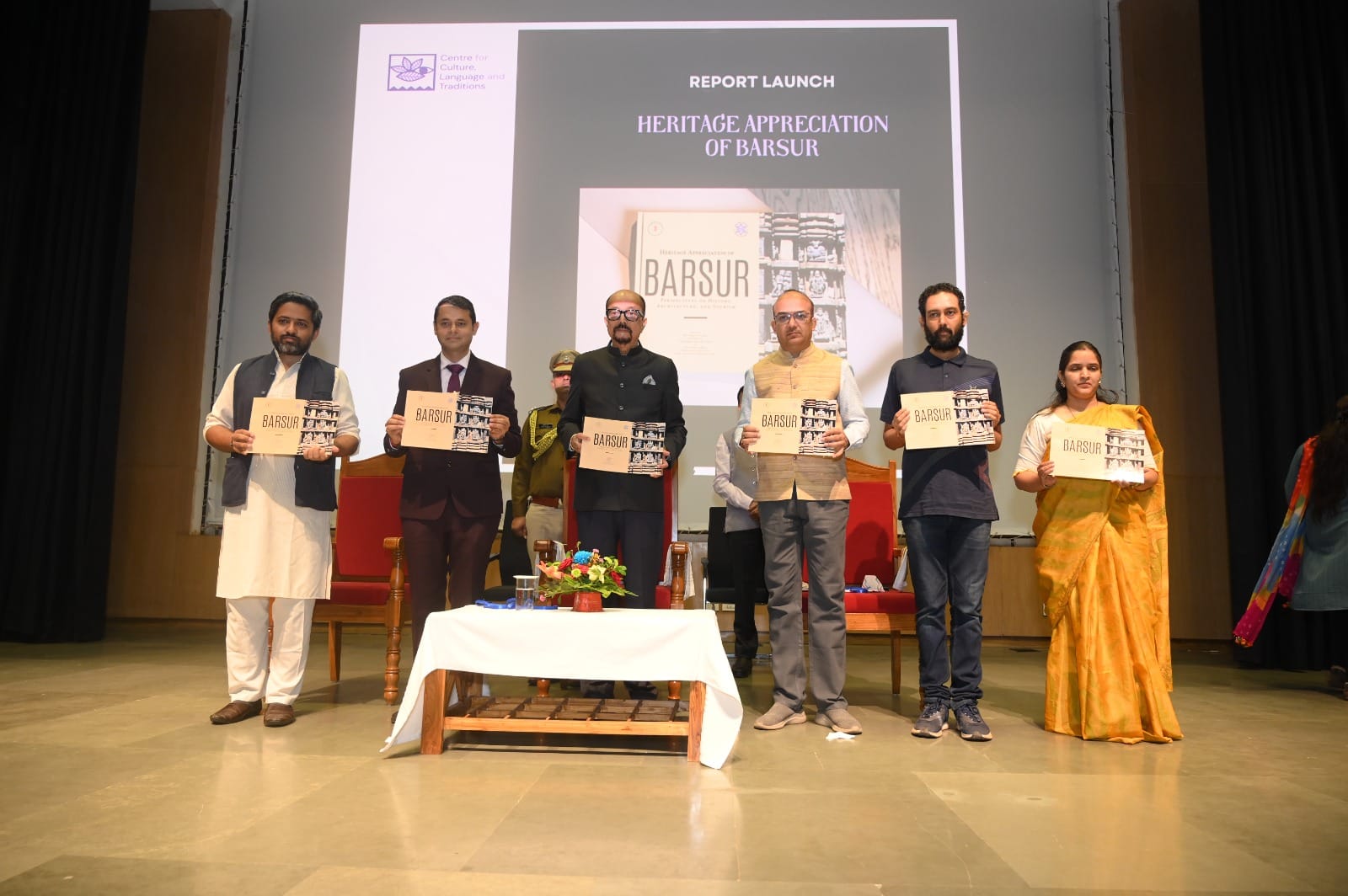
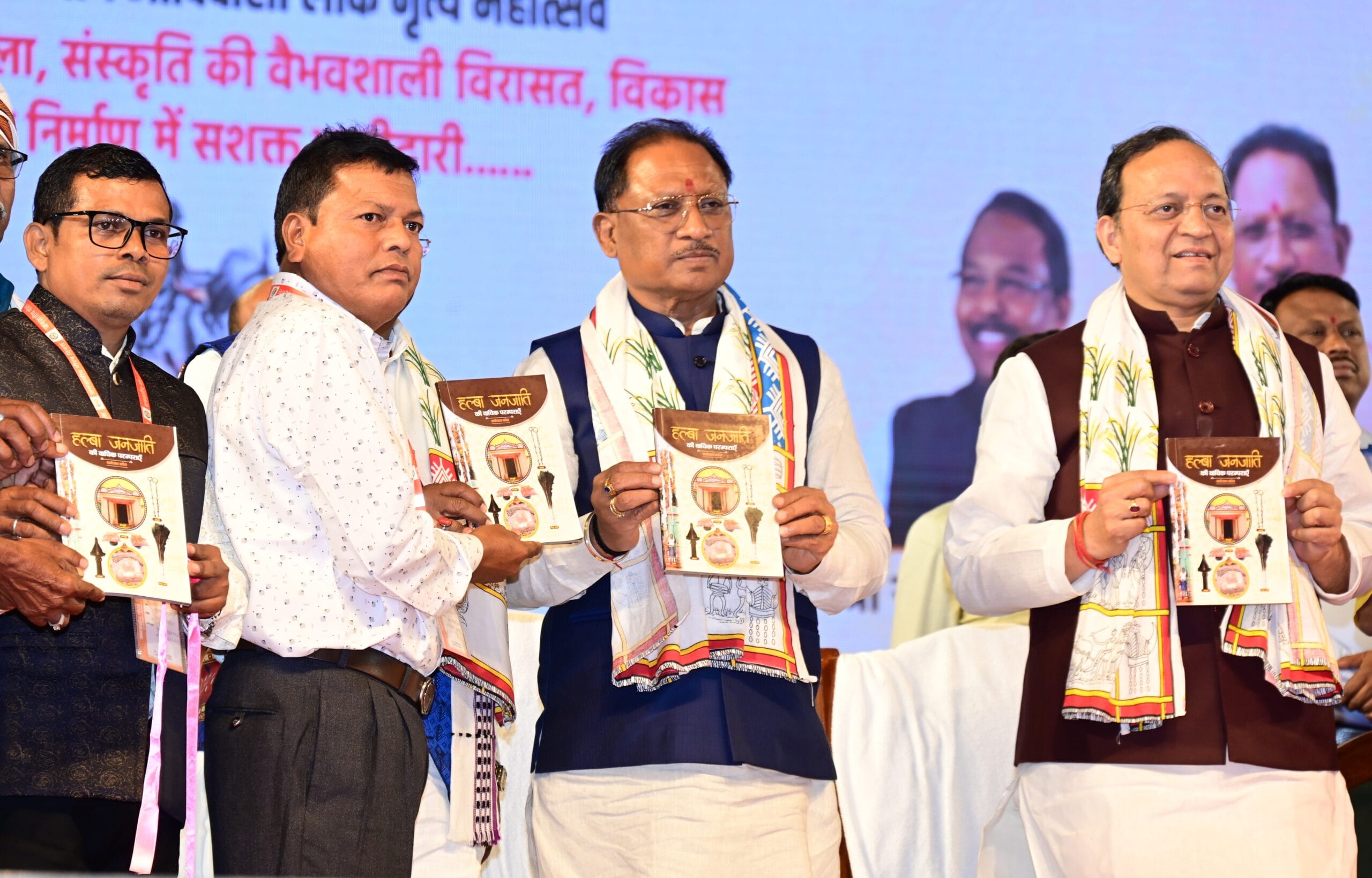
The occasion also saw the release of Volume XI, Issue 1 of the HNLU Journal of Law and Social Sciences (JLSS) and an edited book titled “Navigating the Future: AI, Metaverse & IP Conundrum.” The book was edited by Prof. V.C. Vivekanandan and Dr. Ankit Singh. These publications reflect the University’s academic commitment to emerging areas of law, technology, and public policy.
Continuing the constitutional spirit of the celebration, copies of the Indian Constitution were distributed to first-year students of the BA, LLB (Hons.) , and LLM programs . This initiative is an important step toward promoting constitutional literacy and the values of responsible citizenship among students.
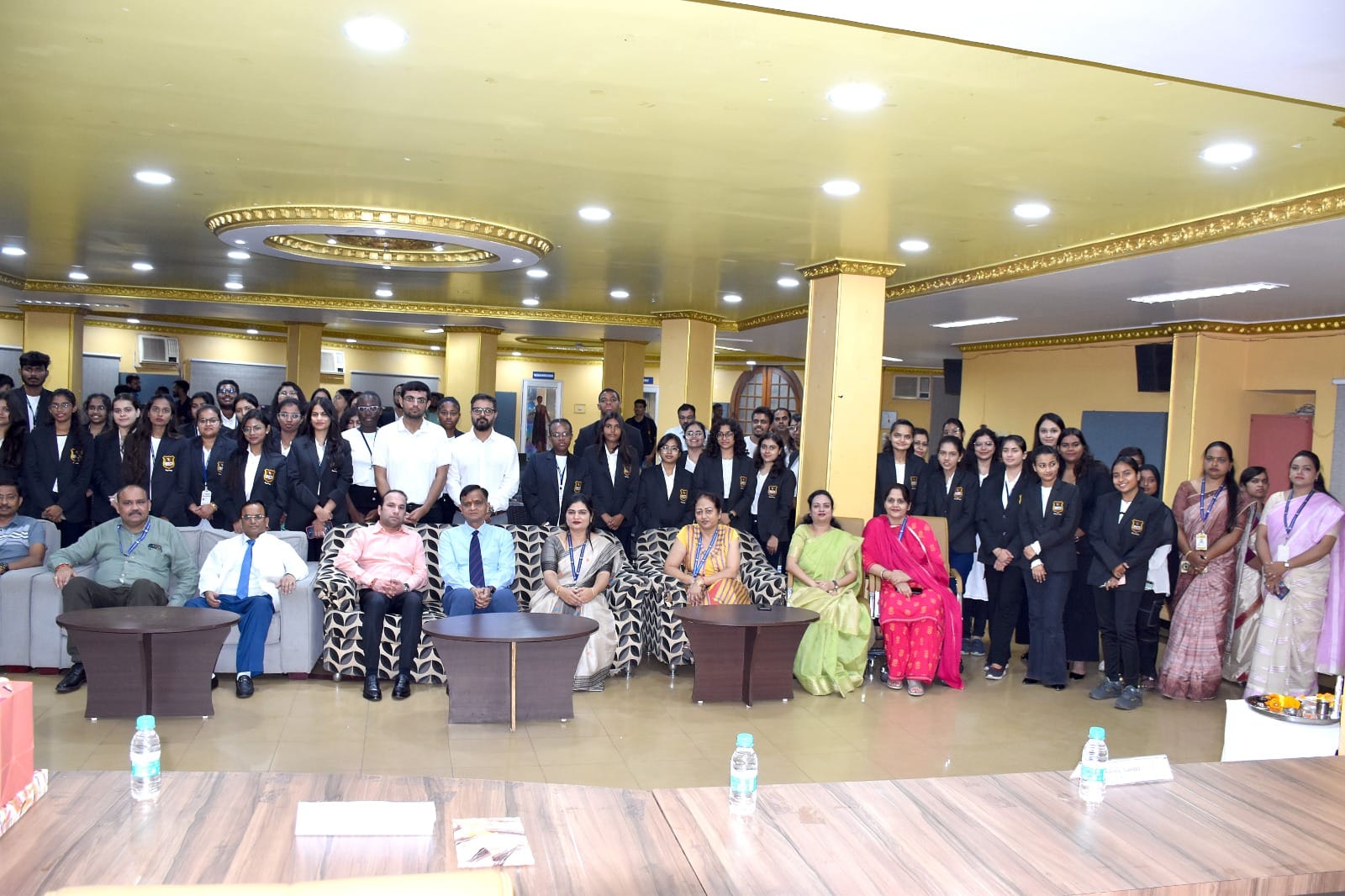
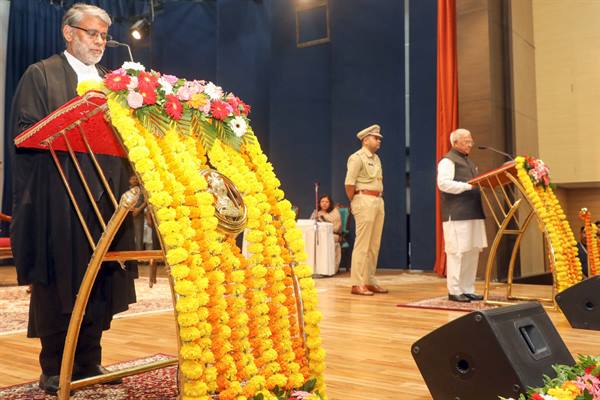
The event also featured the swearing-in ceremony of the newly constituted Student Bar Council (SBA) , which reaffirmed the University’s commitment to student leadership, democratic participation, and institutional self-governance. On this occasion, Mr. Vedant Rathi and Ms. Vimala Chaudhary took the oath of office as President and Vice President, respectively. Along with them, various elected conveners and vice-conveners also took the oath of office and secrecy.
Earlier, Professor Jaswal and Professor Vivekanandan, along with faculty, staff, and students, inaugurated the newly reimagined and redeveloped Learners Lounge-I . They also inaugurated the group discussion rooms at The Hive and The Hub , and the newly developed The Conclave and Colloquium at Learners Lounge-II . These modern learning and interaction spaces will encourage collaborative learning, intellectual discourse, and academic engagement among students.
The welcome address for the Memorial Lecture Program was delivered by Dr. Deepak Kumar Srivastava, Registrar (In-Charge), HNLU . Dr. Y. Papa Rao, Associate Professor, presented the vote of thanks. Dr. Avinash Samal, Dean (Student Welfare) , coordinated the oath-taking ceremony of the Student Bar Council. The entire program was effectively and gracefully conducted by Ms. Anushka Bhardwaj , a third-year student.
Established in 2022 , the Mahatma Gandhi Memorial Lecture Series is a significant annual initiative of the University to disseminate the thoughts and philosophy of Mahatma Gandhi and to discuss their contemporary relevance. Over time, this lecture series has become a prestigious platform for reflection on ethical leadership, enlightened governance, constitutional values, and the responsibilities of citizens in a democratic society. It continuously inspires students, researchers, and future leaders to engage in meaningful dialogue with Gandhian ideals in the context of contemporary challenges.