



















































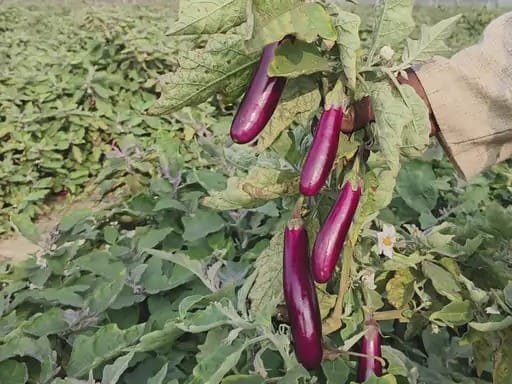
- Raigarh Farmer Earns ₹4.25 Lakhs from Grafted Tomato and Brinjal Cultivation
Grafted tomato and brinjal cultivation—where a wild brinjal plant serves as the rootstock and a tomato or hybrid brinjal plant serves as the scion—is more profitable and disease-resistant than traditional farming. These plants easily withstand excessive water, prolonged dry spells, and heavy rainfall.
- Earnings of ₹4.25 Lakhs from Grafted Tomato and Brinjal Cultivation
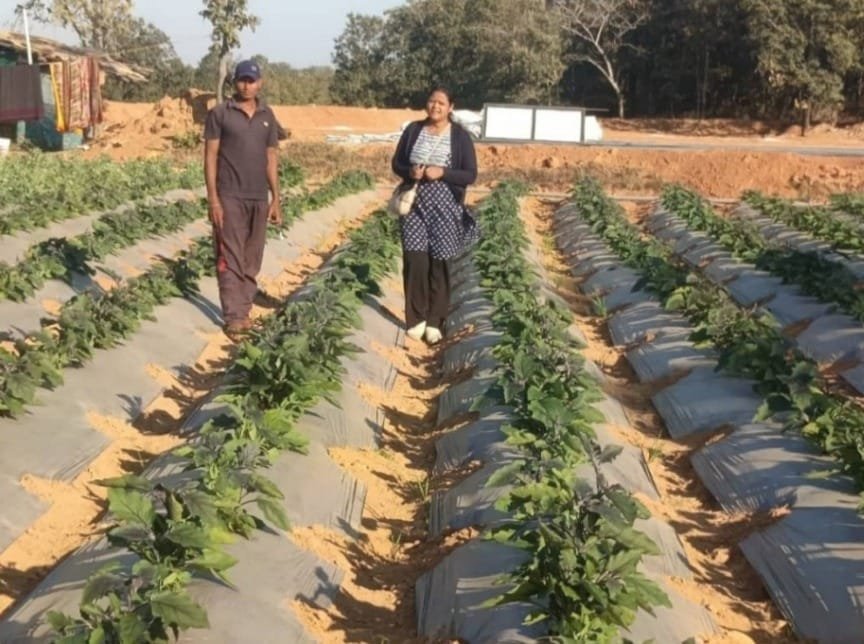
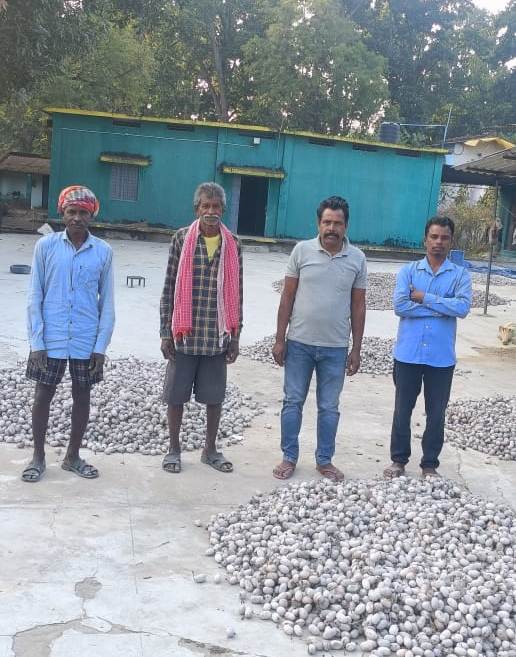
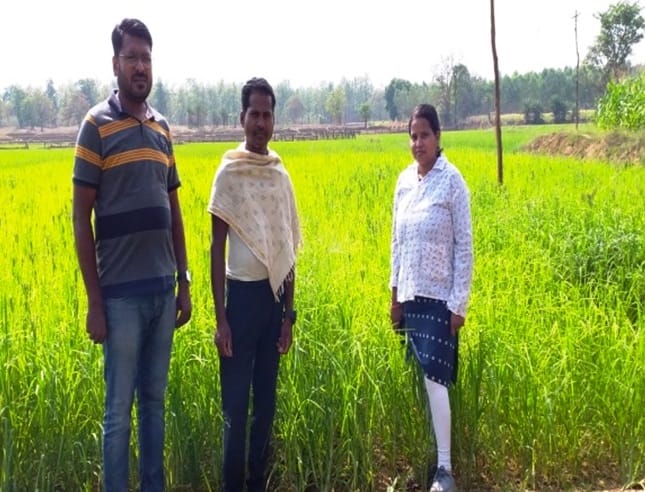
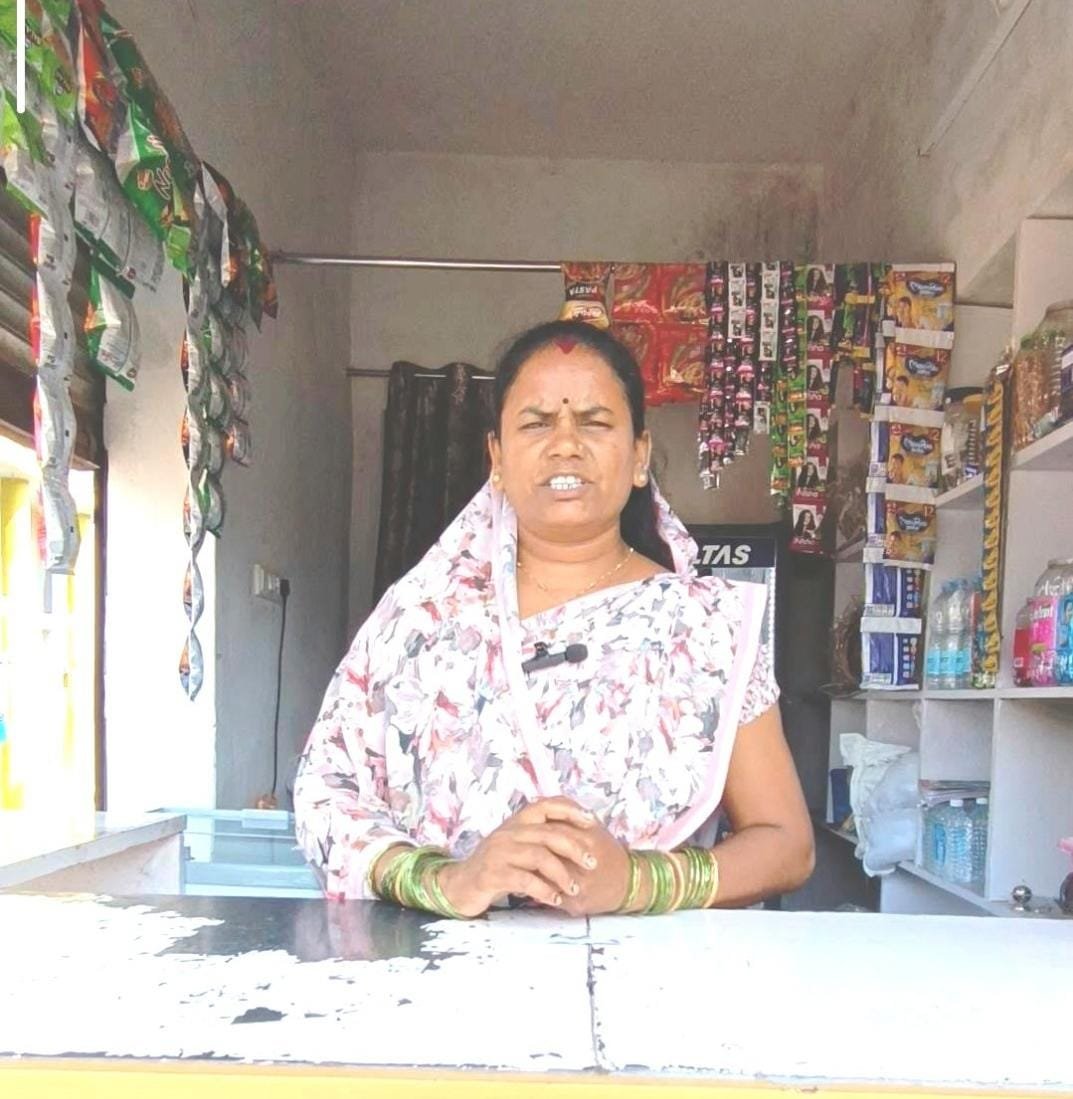
Shri Etwar Sai Paikra, a farmer from Jharama village in the Lailunga block of Raigarh district, Chhattisgarh, has set a new benchmark for success in agriculture through modern techniques and guidance from the Horticulture Department. By cultivating grafted tomatoes and brinjals on land that was once barren and unproductive, he not only achieved a bumper harvest of 187 quintals but also earned a total income of ₹4.25 lakhs.
- Success Achieved Through Technology and Proper Guidance
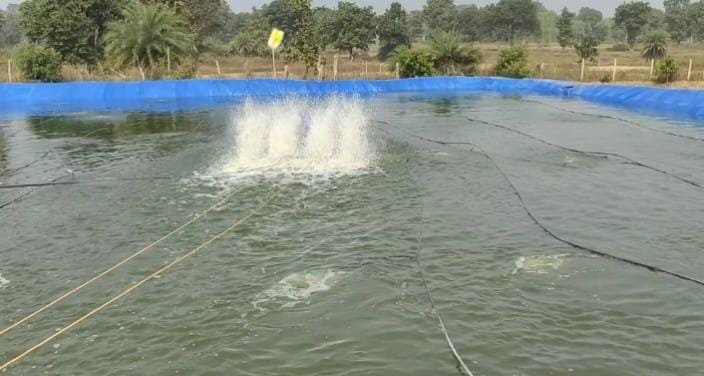
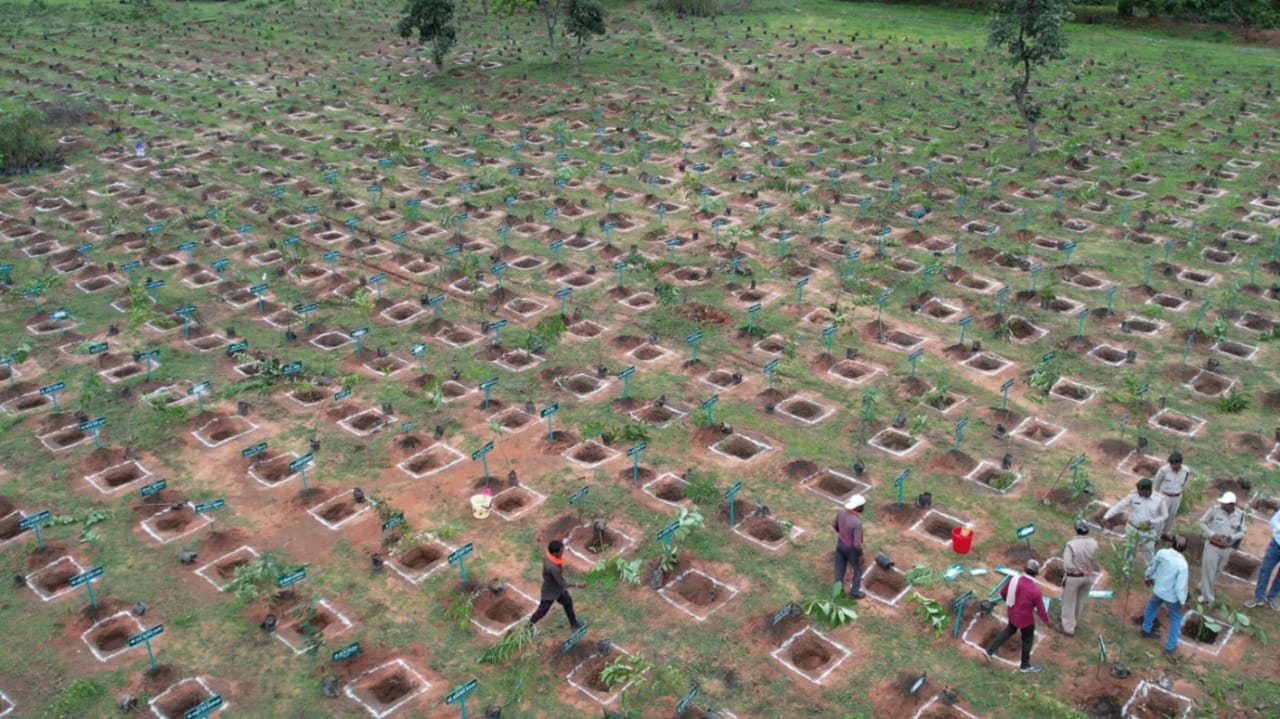
Farming was challenging due to the location of the land—near a forest, far from the village—and a lack of irrigation facilities. Acting on the advice of the Horticulture Department, he leveled the land and adopted drip irrigation and mulching techniques. Under the Rashtriya Krishi Vikas Yojana (RKVY), he planted grafted vegetables across an area of 0.400 hectares during the 2025-26 season.

- The Economics of Production and Income
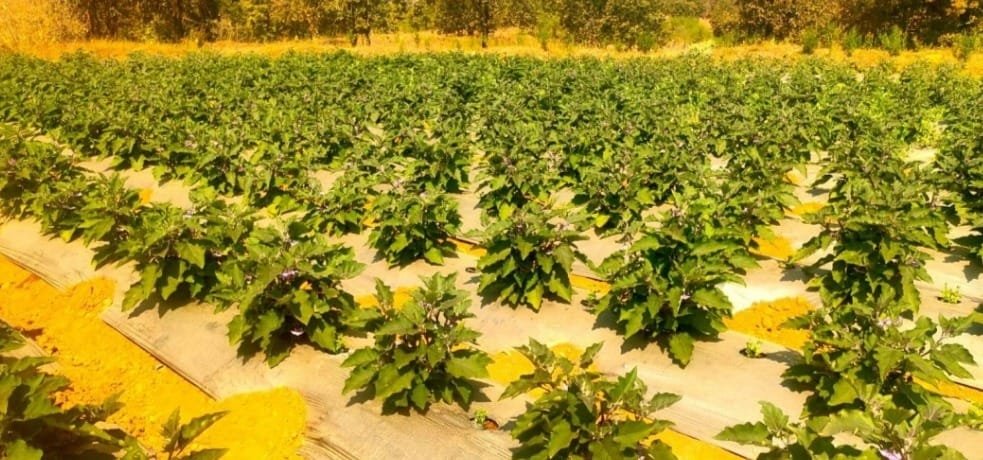
The tomato crop yielded 87 quintals, generating sales of ₹1.75 lakhs. Similarly, the brinjal crop yielded 100 quintals, generating sales of ₹2.50 lakhs. The combined production stood at 187 quintals, with total sales amounting to ₹4.25 lakhs. The farmer incurred a total cost of ₹1.45 lakhs, resulting in a net profit of ₹2.80 lakhs. Expectation of Additional Yield and Income
Production from the grafted brinjal crop is currently ongoing. An additional yield of 150 to 200 quintals is anticipated in the near future, with an estimated additional income of ₹4 to ₹5 lakh. Inspired by the success of Etwar Say Paikra, other farmers in the village are also being motivated to adopt the cultivation of modern and grafted vegetable varieties.