












































































































- Delivery Partnership Agreement signed between the Higher Education Department and 17 state public universities;
Evaluation will be based on 46 performance indicators across seven key areas; special emphasis on quality education and student well-being
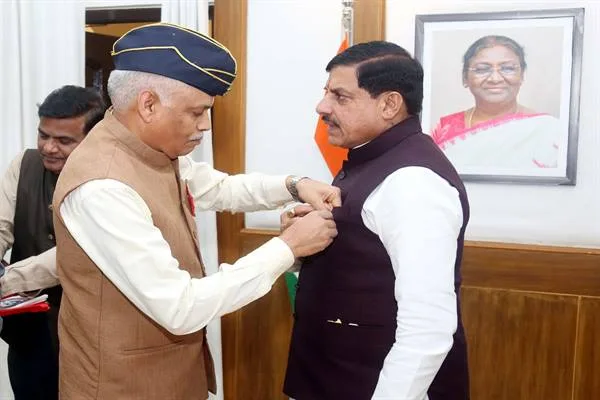
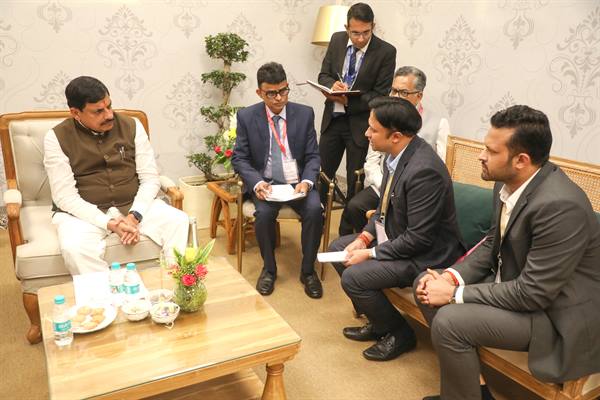
Higher Education, Technical Education and AYUSH Minister Shri Inder Singh Parmar has directed to expedite the recruitment process for vacant teaching posts in universities and to ensure utilization of the funds allocated under the Pradhan Mantri Uchchatar Shiksha Abhiyan (PM-USHA) within the stipulated time frame. Minister Shri Parmar called for priority implementation of the digital evaluation action plan. Emphasizing the timely implementation of approved development plans, he said that this will strengthen the educational system and ensure quality education and better facilities for the students.
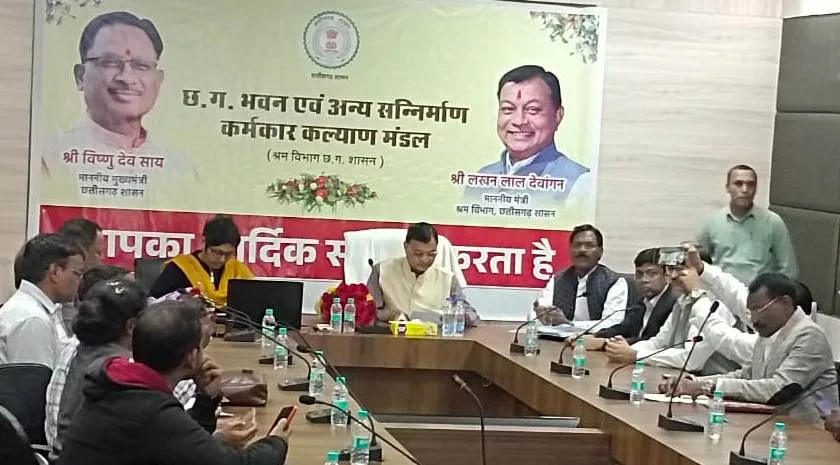
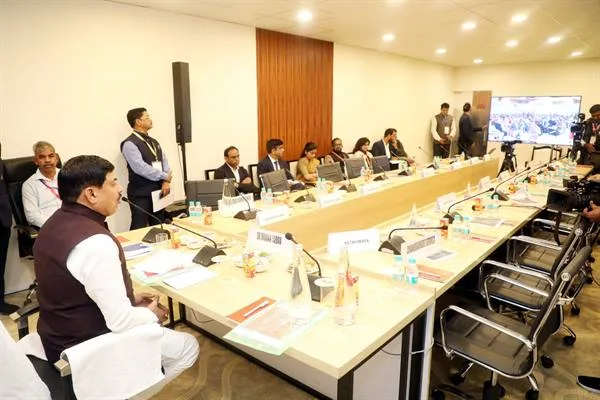
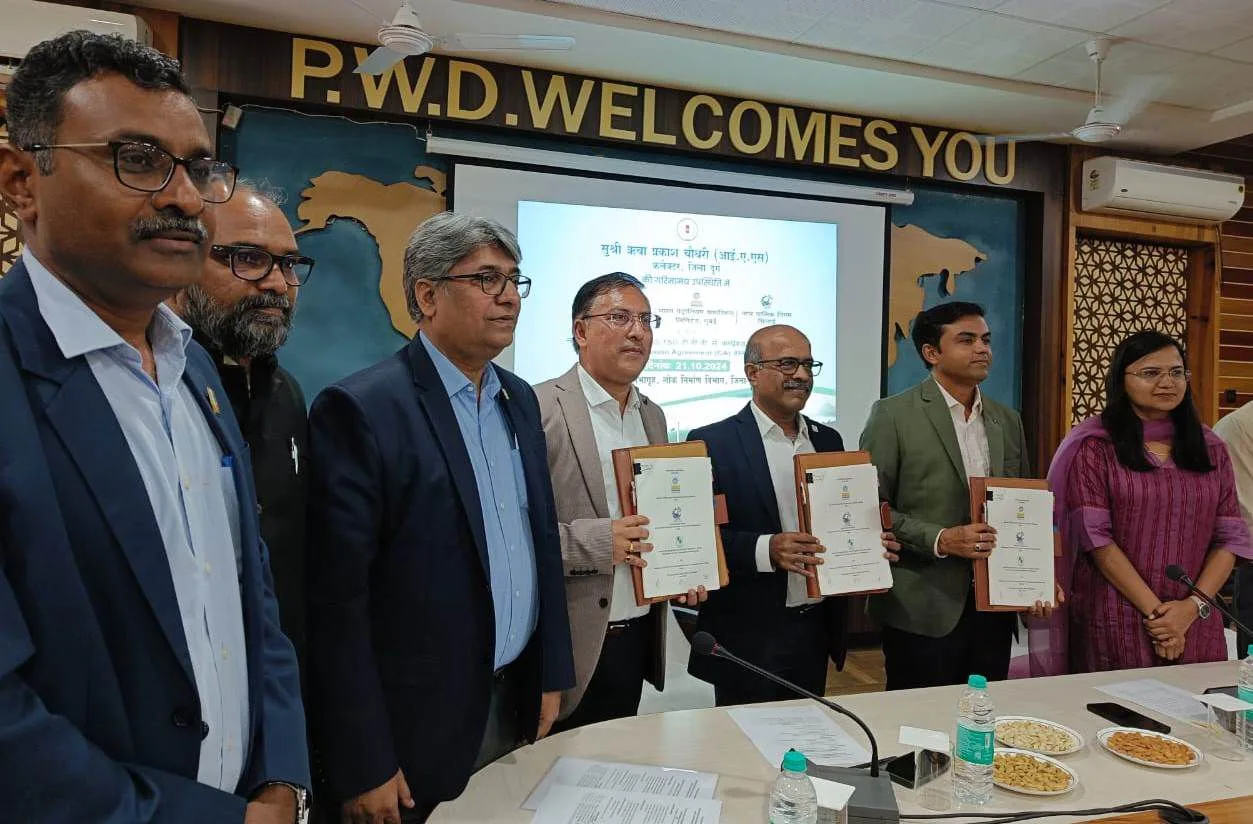
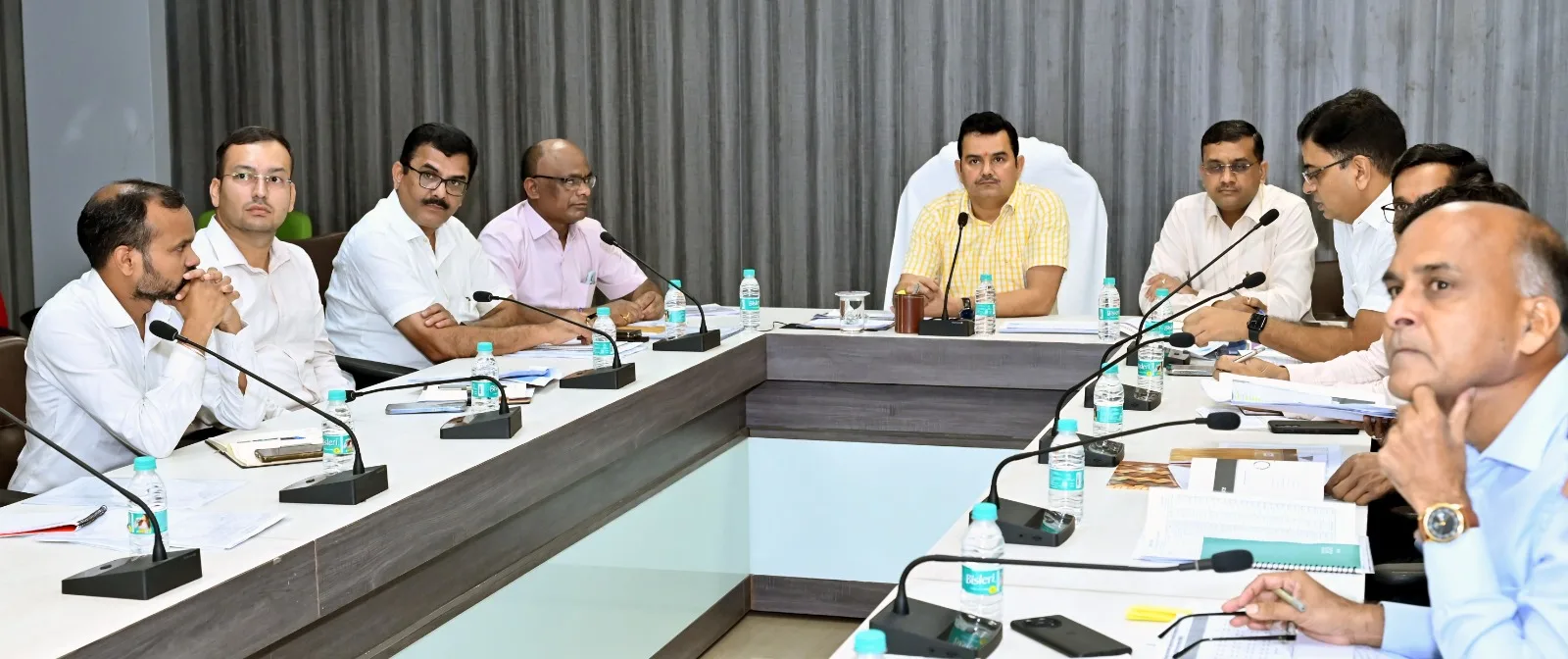
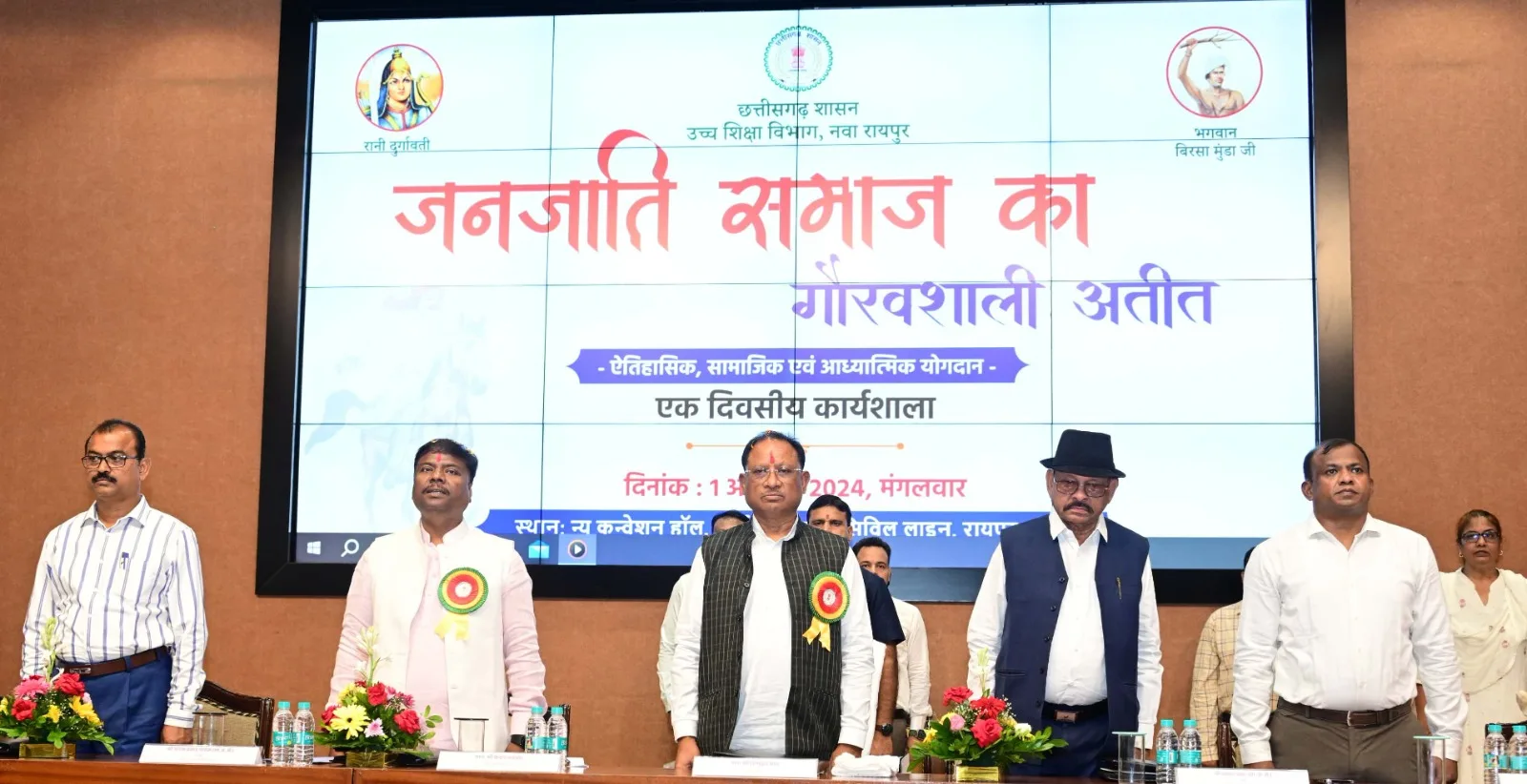
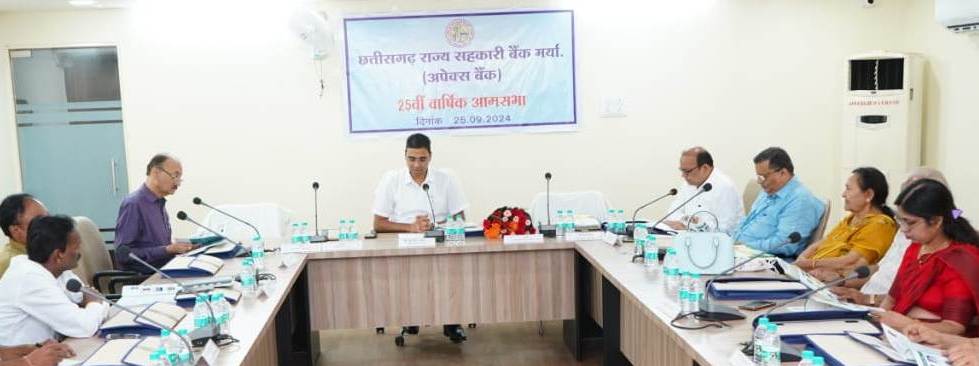
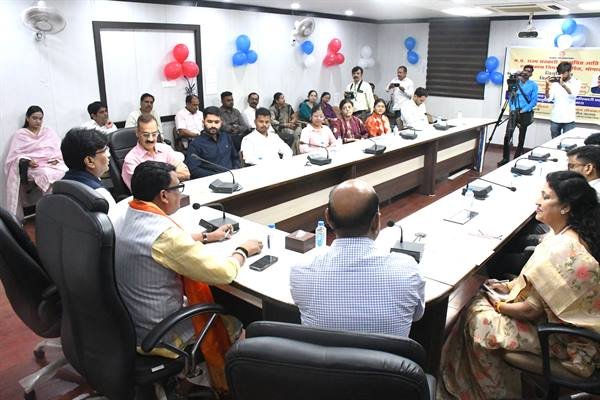
A Delivery Partnership Agreement (DPA) was signed between the Higher Education Department and 17 state public universities in the presence of Minister Shri Parmar in the Secretariat’s conference hall on Tuesday. This initiative will assess the academic, administrative, financial, and institutional progress of universities based on set goals and verified achievements. Its objective is to enhance quality, transparency, and accountability in the higher education system and encourage institutions to continuously improve.
Additional Chief Secretary Higher Education Mr. Anupam Rajan, Commissioner Higher Education Mr. Prabal Sipahi, Deputy Secretary Mr. Laxmikant Khare along with senior departmental officers and Registrars of the concerned universities were present in the program.

- Evaluation will be done through 46 performance indicators in seven key areas.
Under the Delivery Partnership Agreement, universities’ performance will be evaluated based on 46 key performance indicators (KPIs) across seven key areas: academic excellence and implementation of the National Education Policy 2020, good governance and digital transformation, research and innovation, institutional quality, financial management, employability, and student well-being and sustainable development.
Assessment of academic quality will focus on factors such as timely adherence to the academic calendar, timely declaration of exam results, delivery of courses within the stipulated timeframe, and improved student pass rates. For administrative efficiency, effective implementation of SAMARTH ERP, online student services, e-office, and timely grievance redressal will also be part of the evaluation.
In the area of research and innovation, quality research publications, external research grants, research projects, patents, and faculty training will be encouraged. Institutional quality will be emphasized through accreditation by the National Assessment and Accreditation Council (NAAC), participation in the National Institutional Ranking Framework (NIRF), and academic collaborations.
Financial management will assess the systematic use of approved grants, the timely submission of utilization certificates, and accounting and audit compliance. To enhance student employability, emphasis will be placed on placements, internships, apprenticeships, skill certification, industry collaboration, startups, and incubation activities. Scholarship coverage, educational continuity for disadvantaged groups and female students, grievance redressal, and activities related to an inclusive campus and a green campus will also be included in the evaluation.
- Targets will be decided on the basis of verified data
Under this system, the academic year 2025-26 has been designated as the base year. Universities will be required to submit actual performance data and supporting records for this period. The baseline status of each university will be determined after verification by the Department of Higher Education.
The achievement of targets for the years 2026-27, 2027-28, and 2028-29 will be assessed against verified data from the base year. This will enable an unbiased and evidence-based assessment of university progress. Emphasis will also be placed on developing timely corrective action plans if shortfalls in achieving set targets are identified during regular reviews.
- Initiatives focused on quality, accountability and student interests
The Delivery Partnership Agreement will help universities assess their achievements, identify areas of improvement, and develop clear action plans. Additionally, the prompt filling of academic positions, the timely utilization of PM-USHA funds, and the timely implementation of approved development projects will play a crucial role in making the higher education system more effective.
This performance-based system will promote academic quality, administrative efficiency, and better resource utilization within universities. It will also accelerate institutional efforts to provide quality education, improved facilities, and employment opportunities to students.