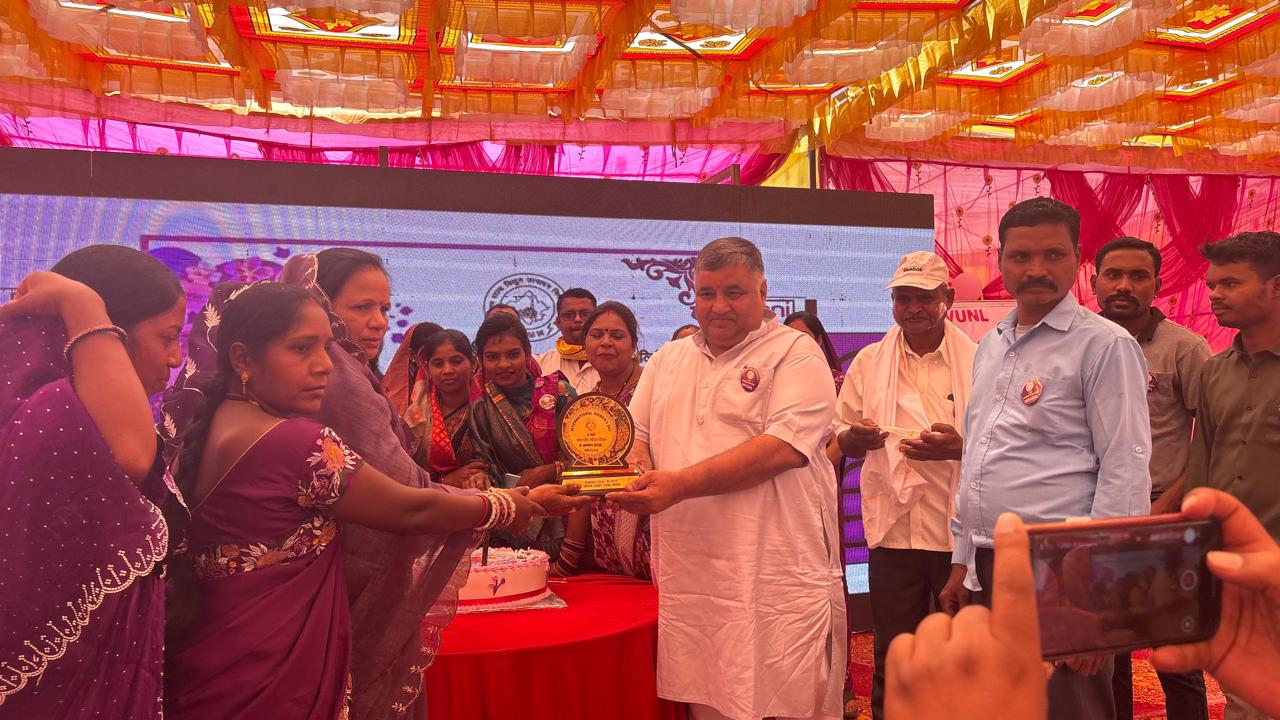

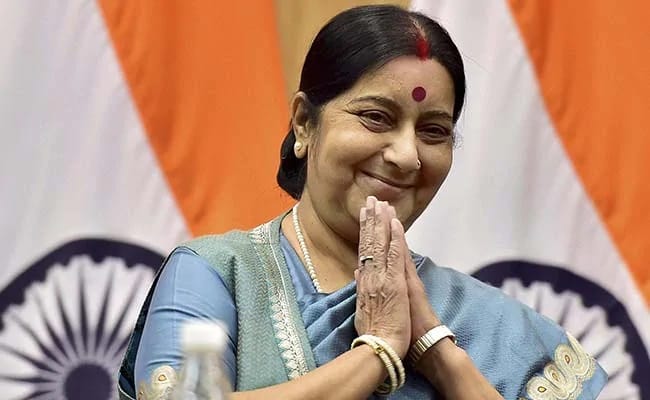
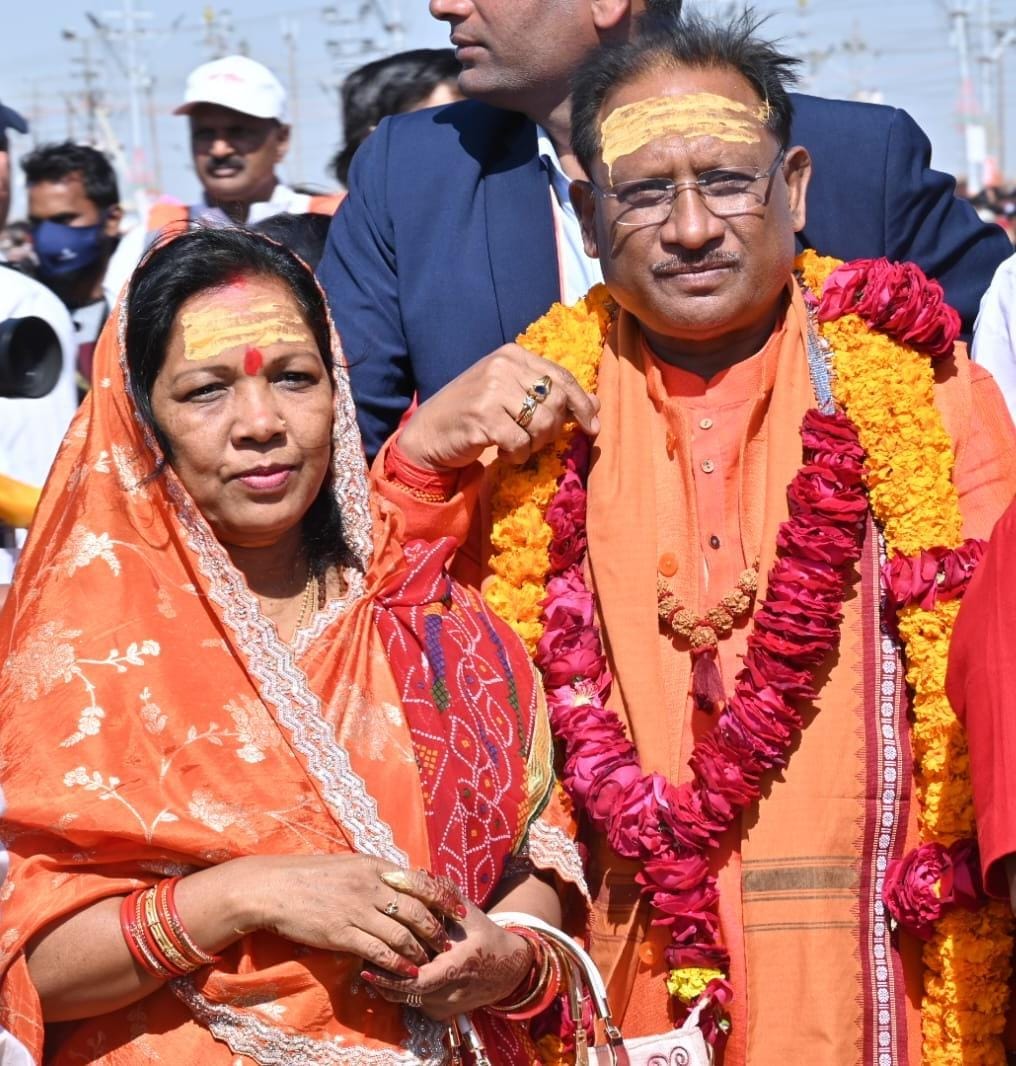



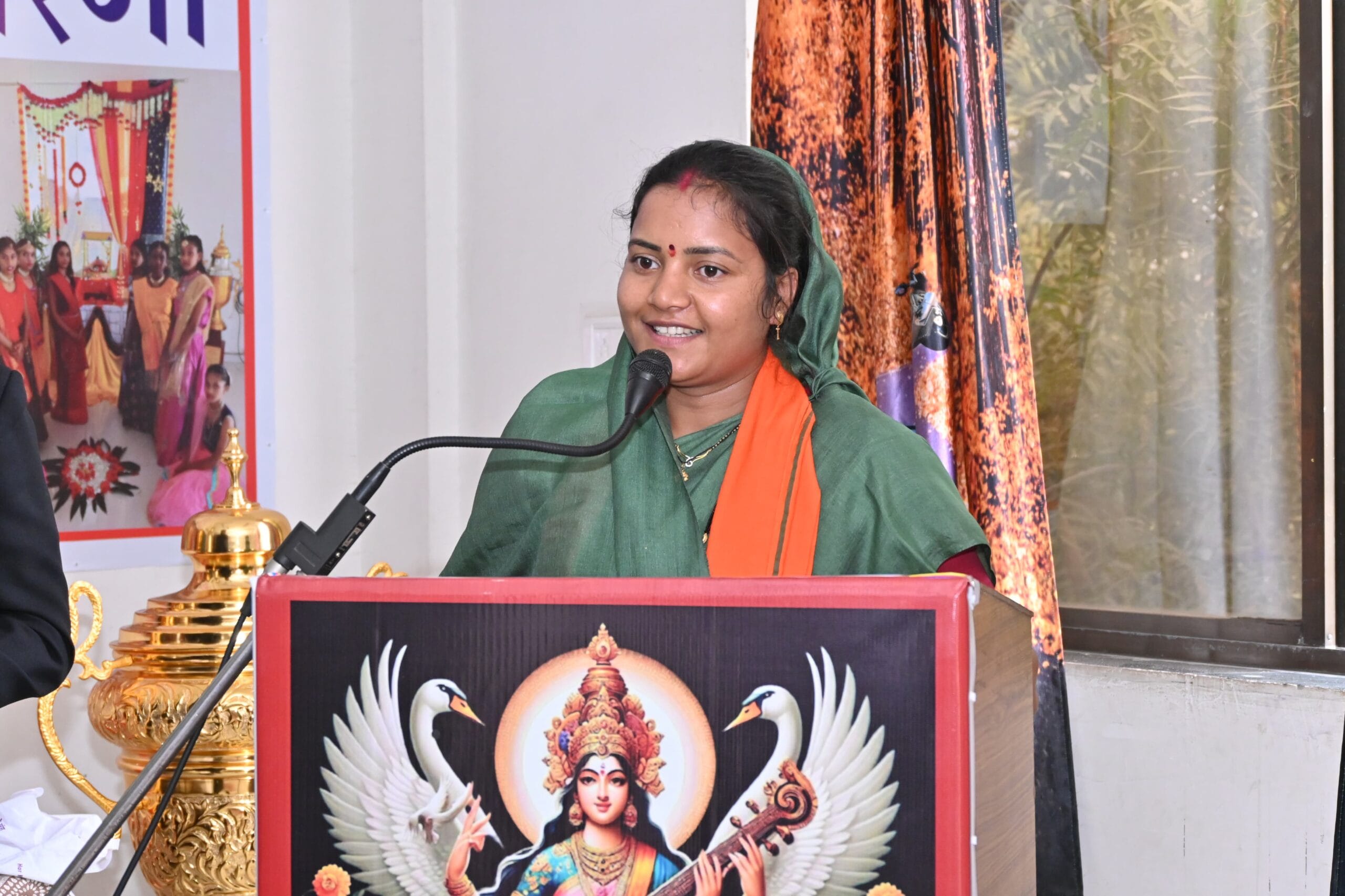







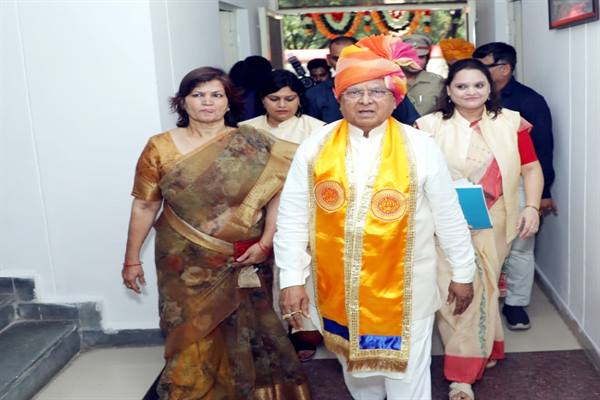
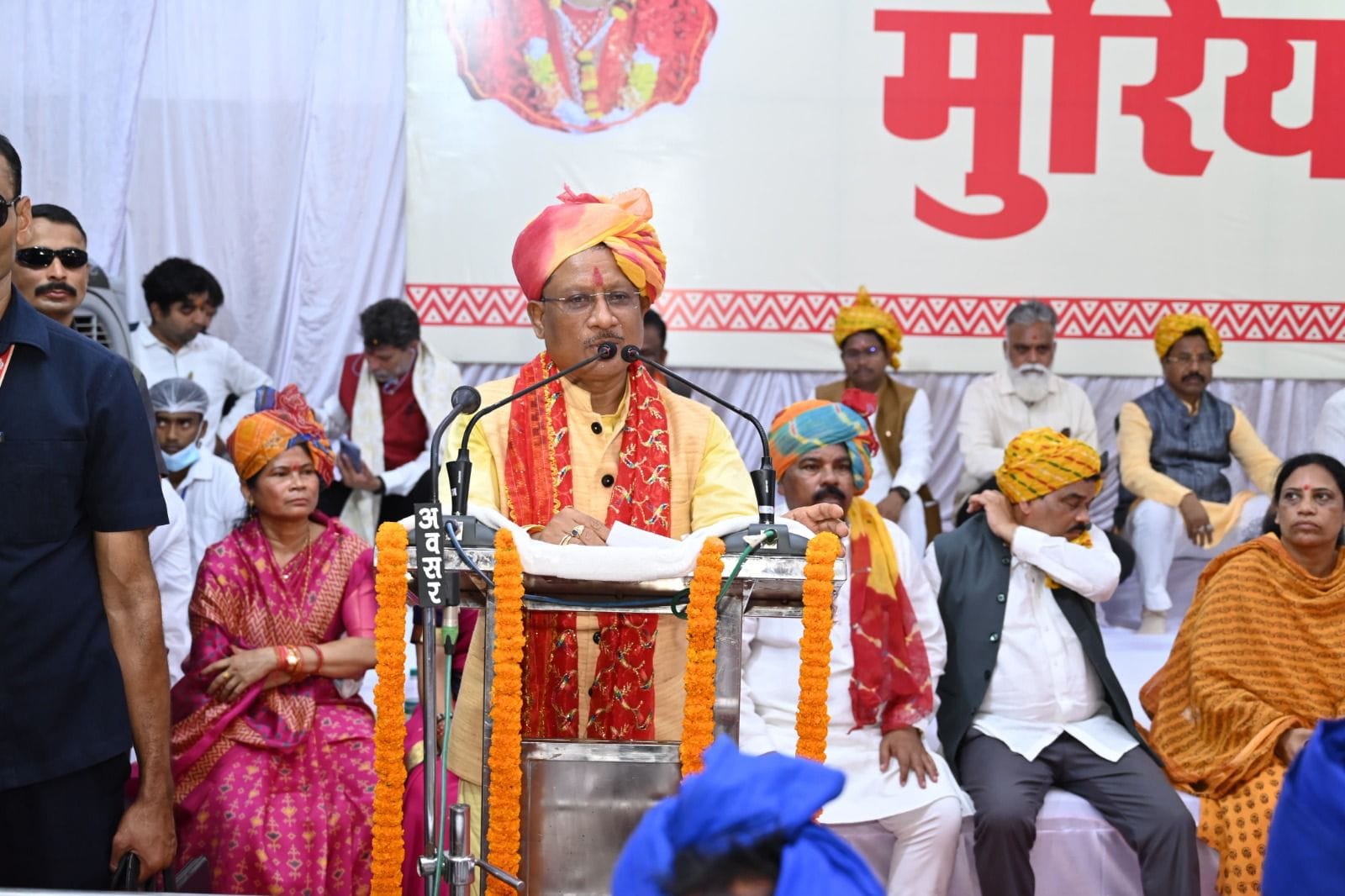
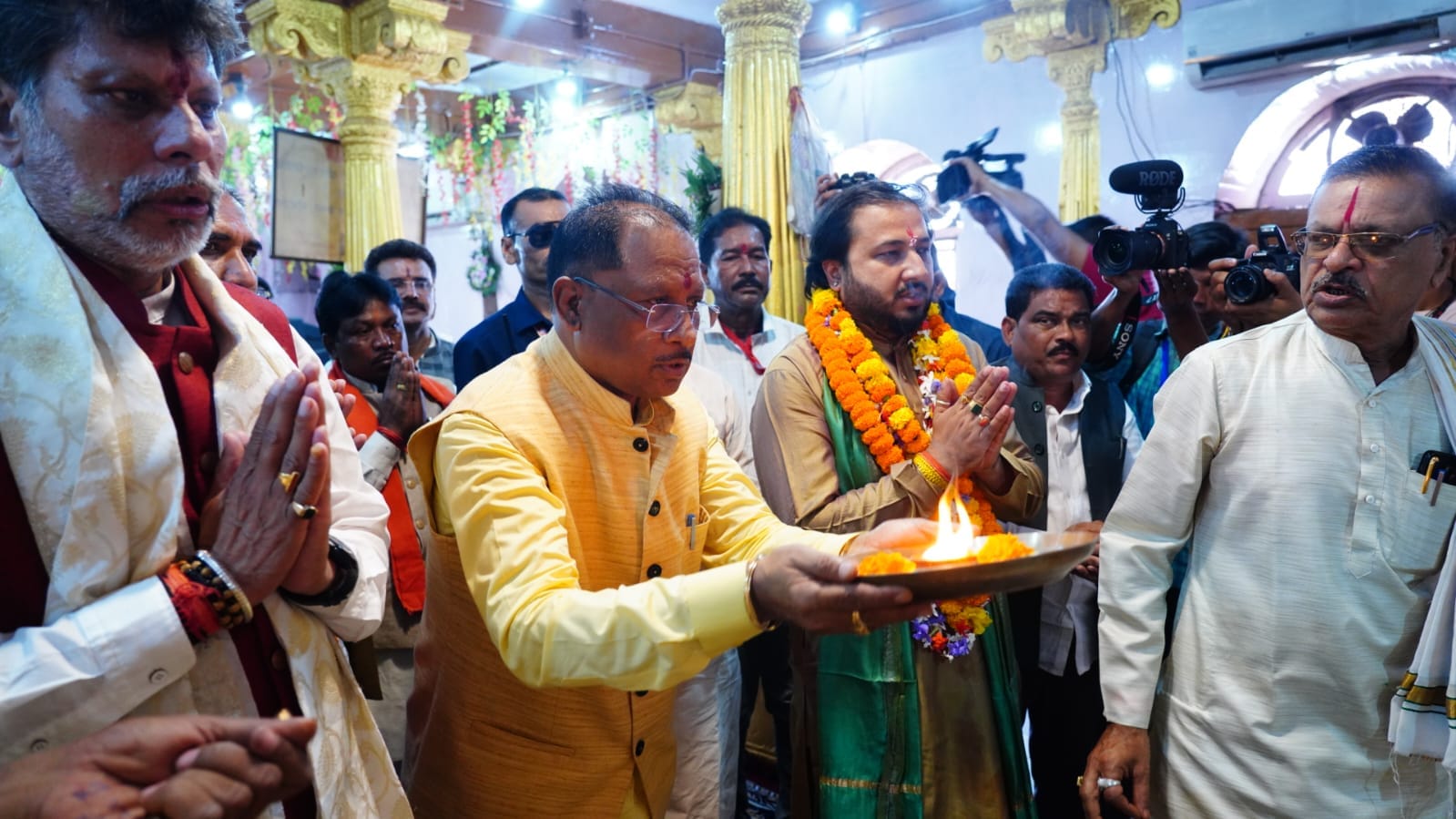
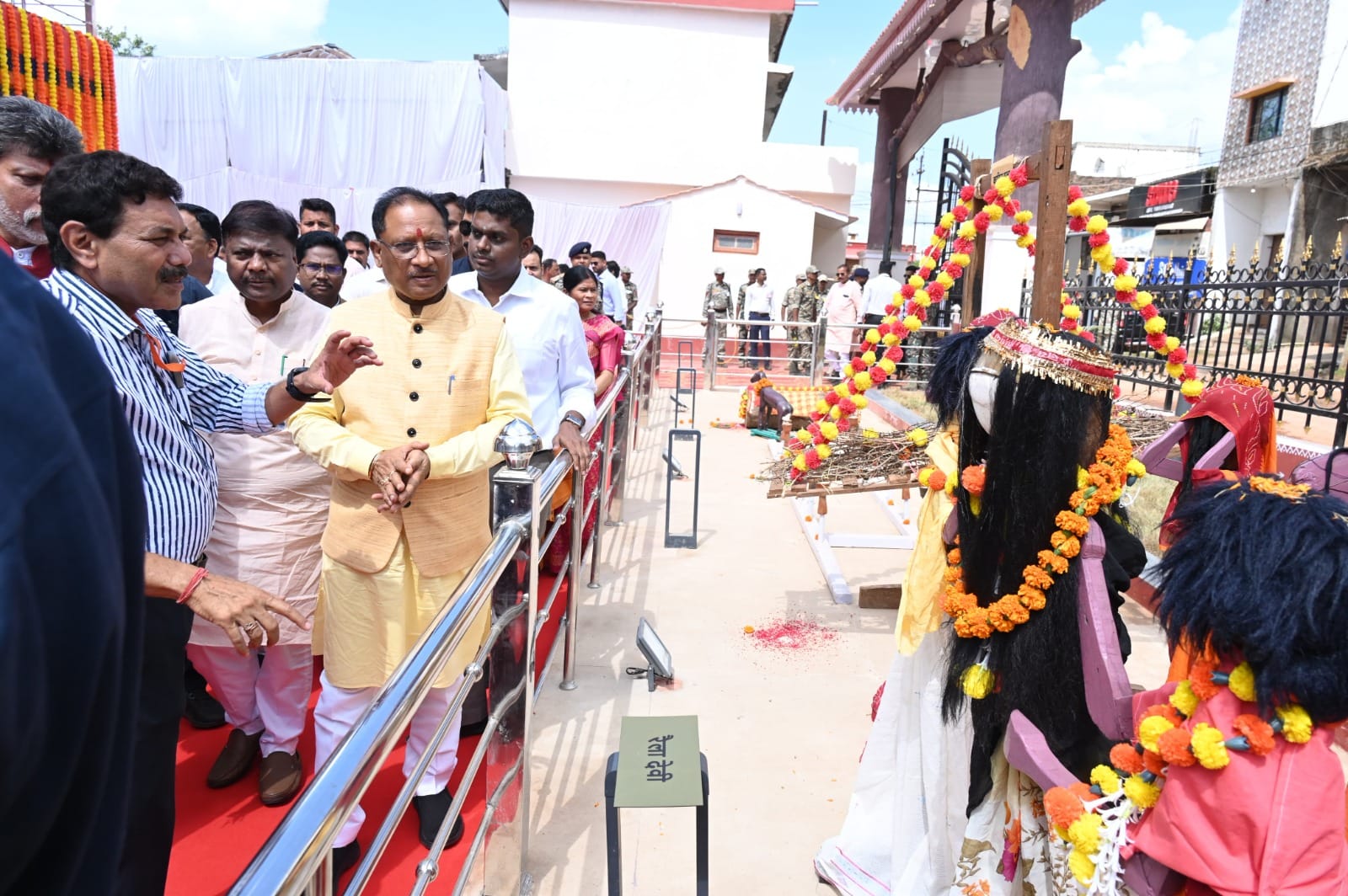
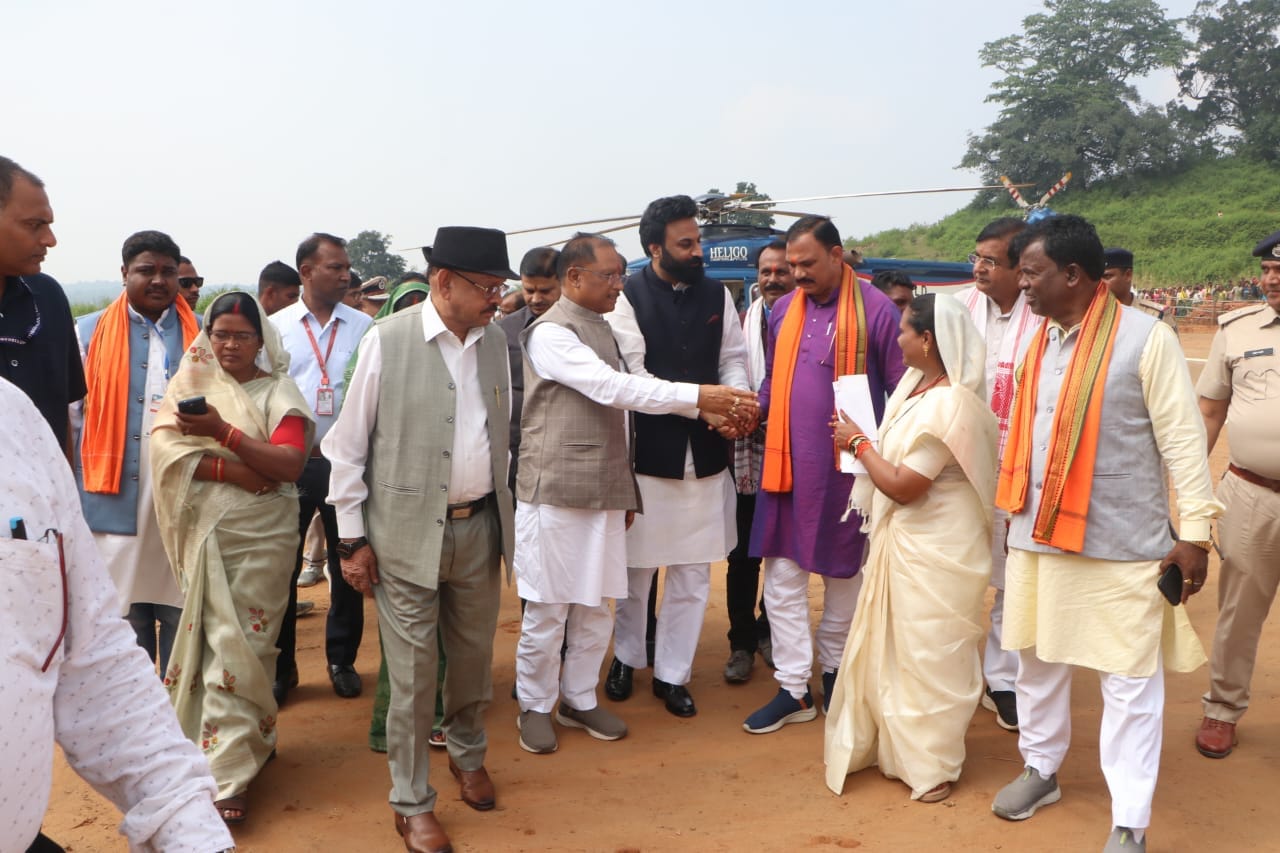
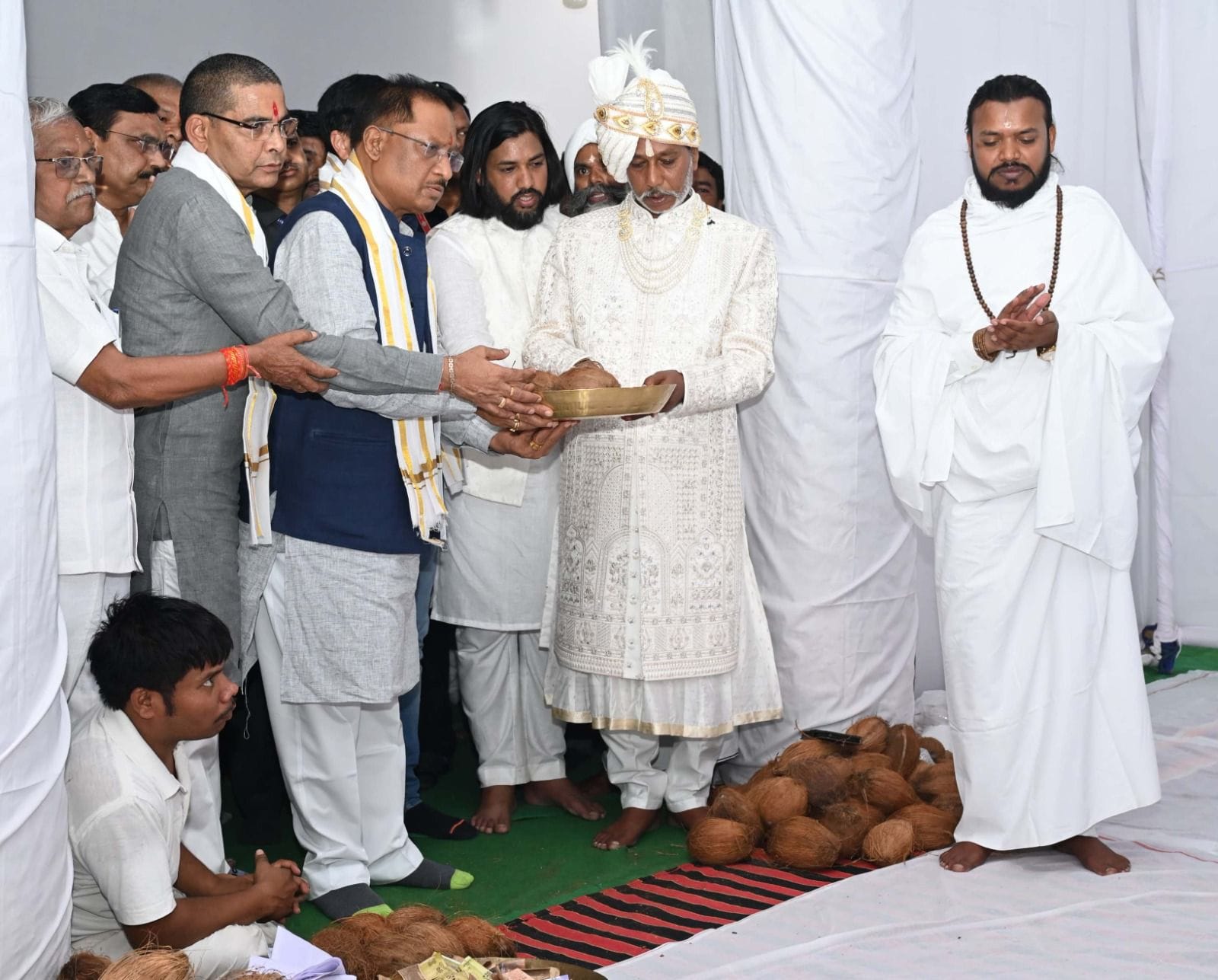
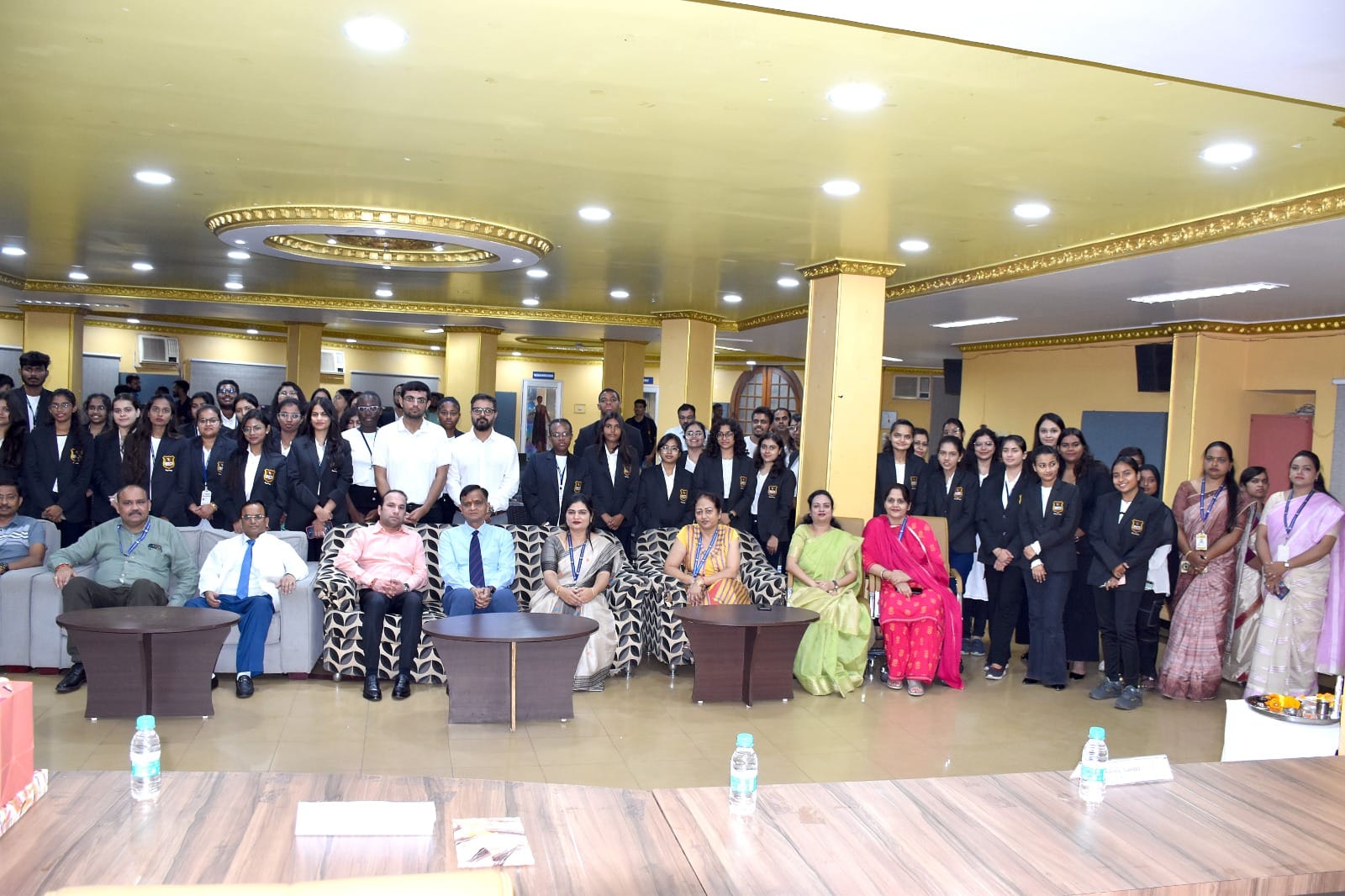
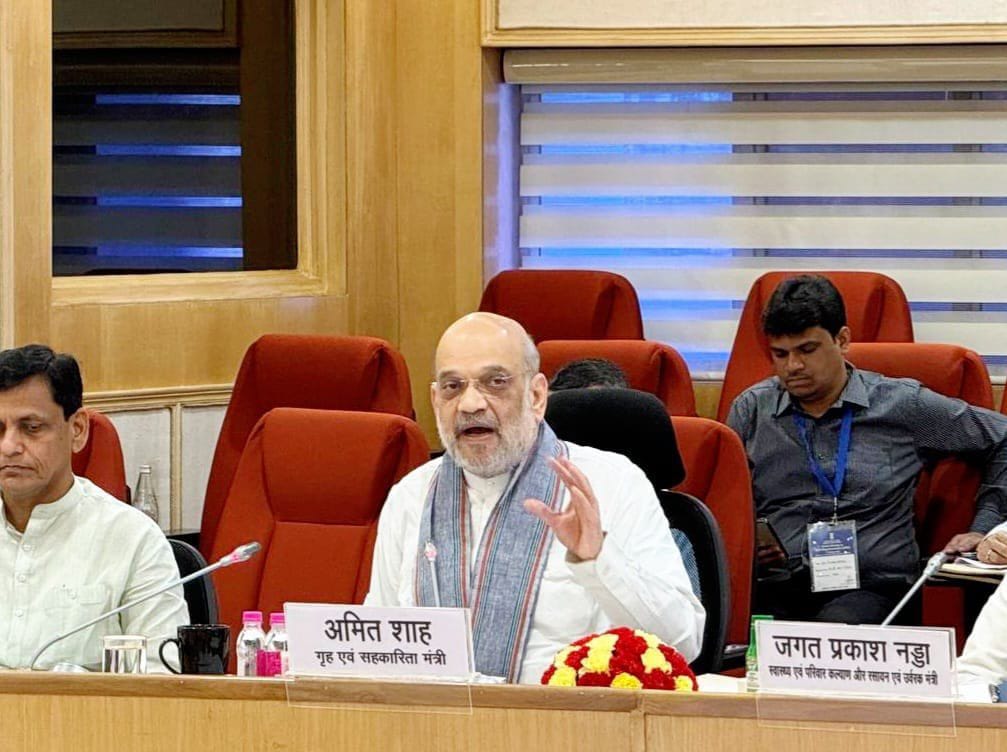
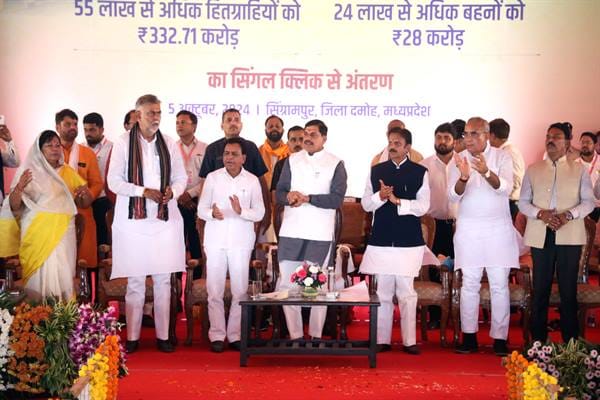
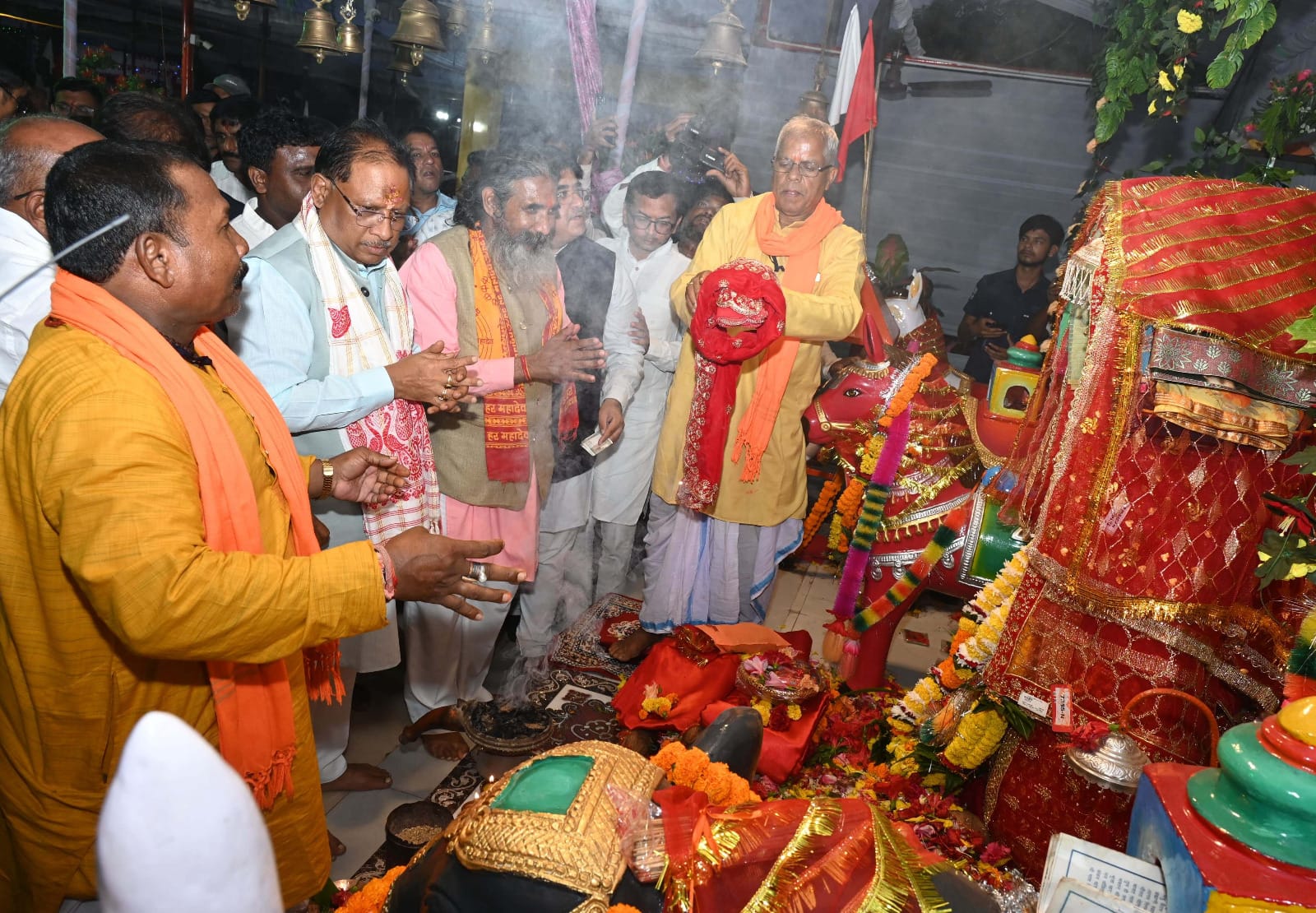
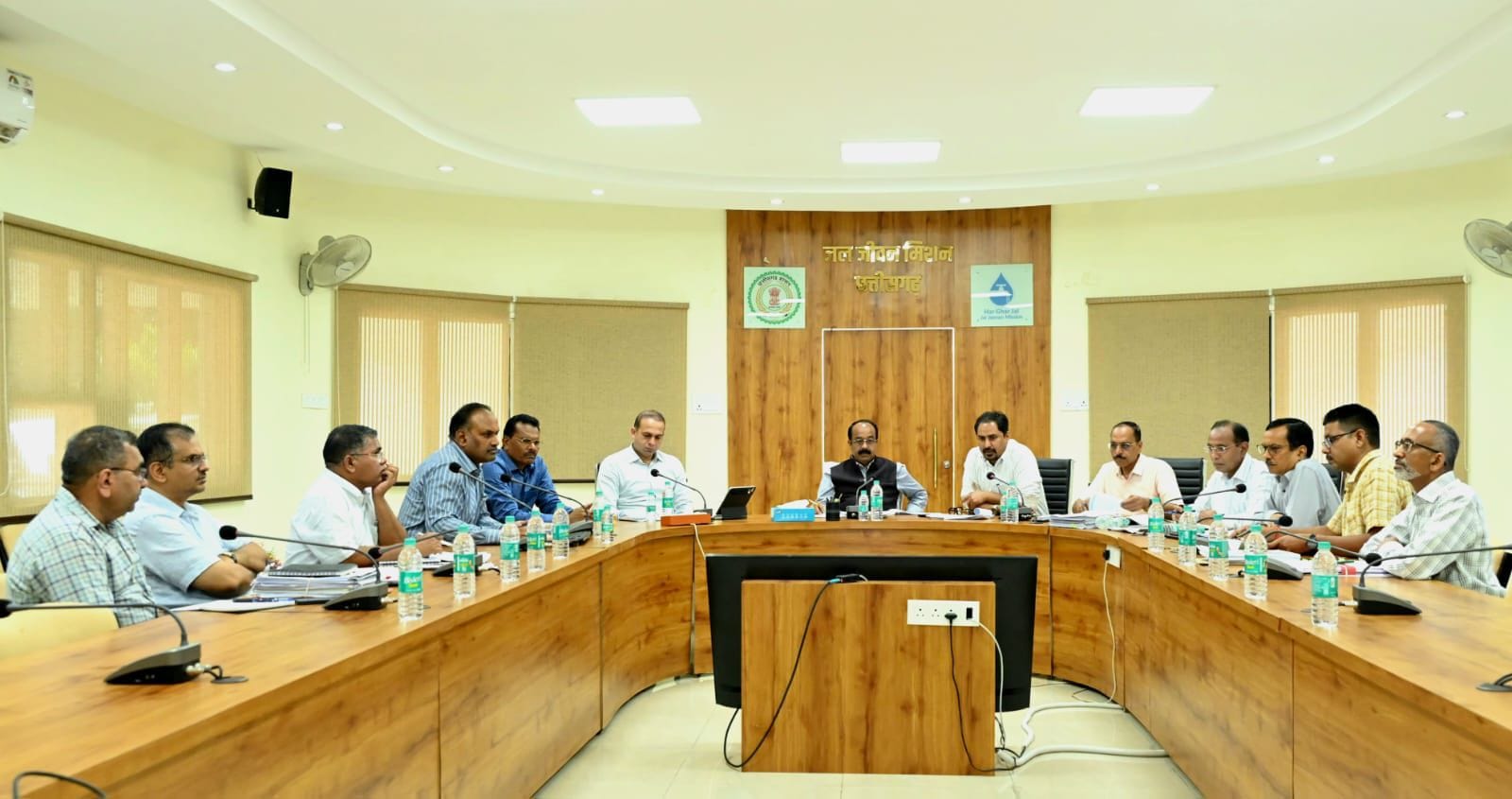
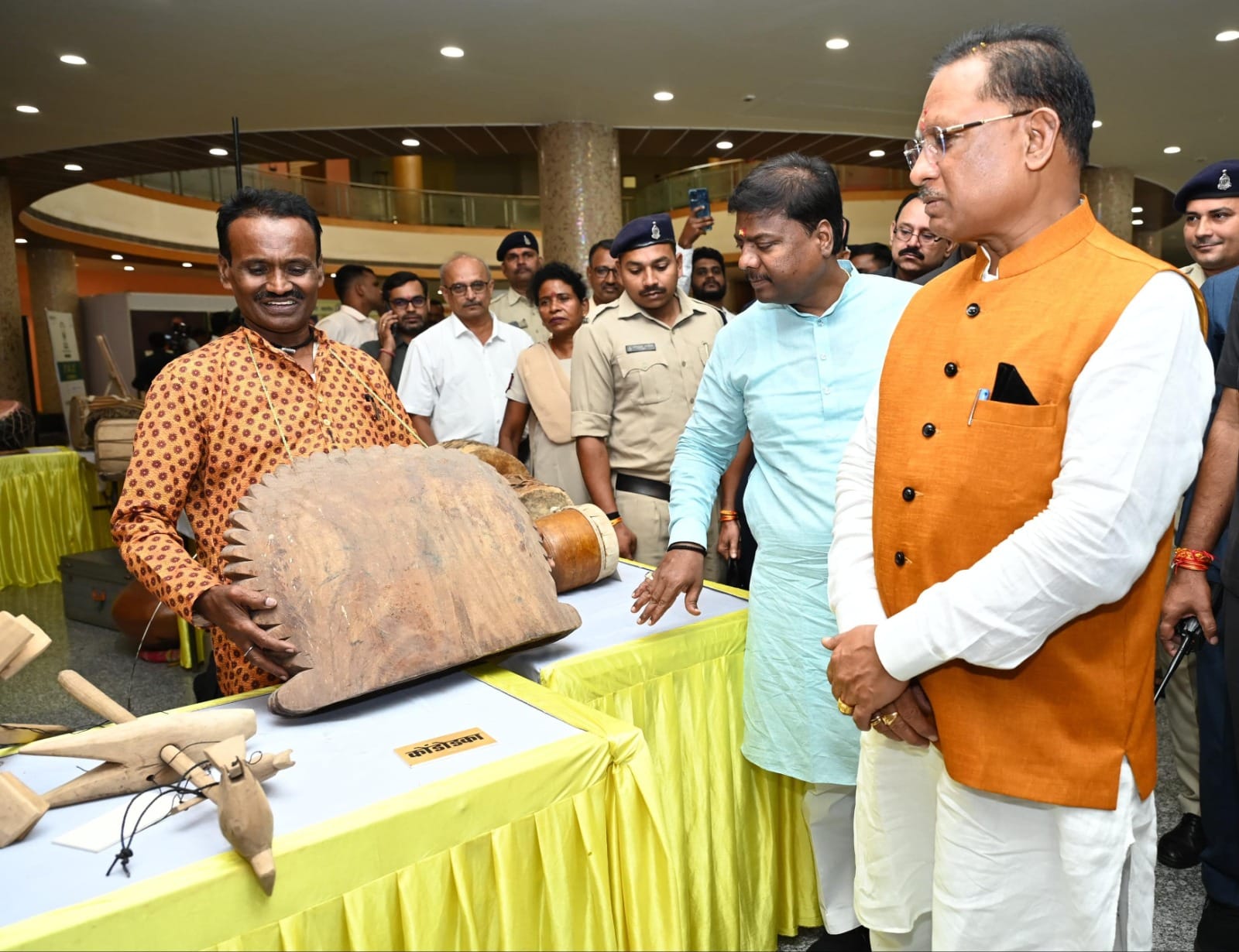

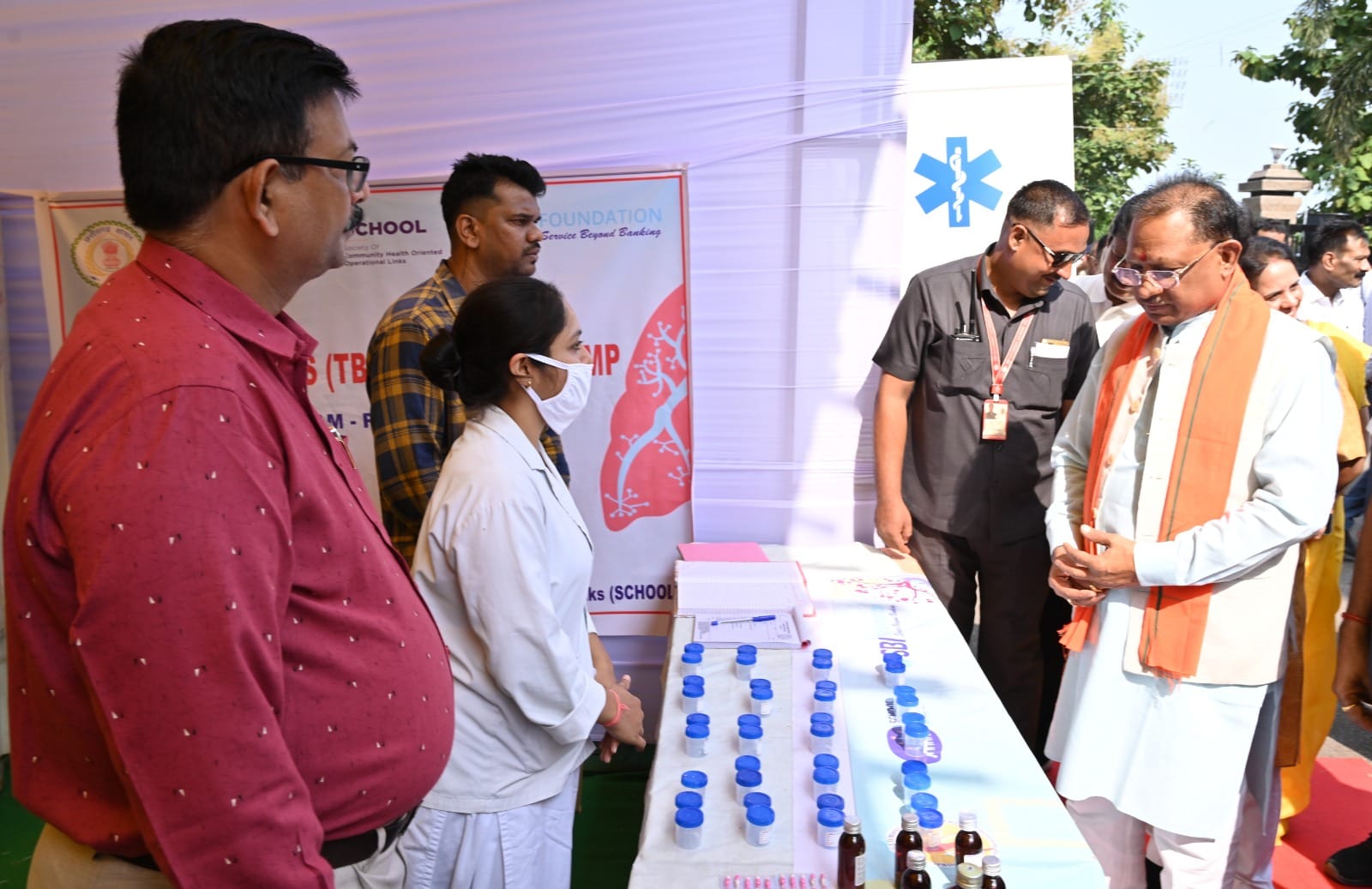
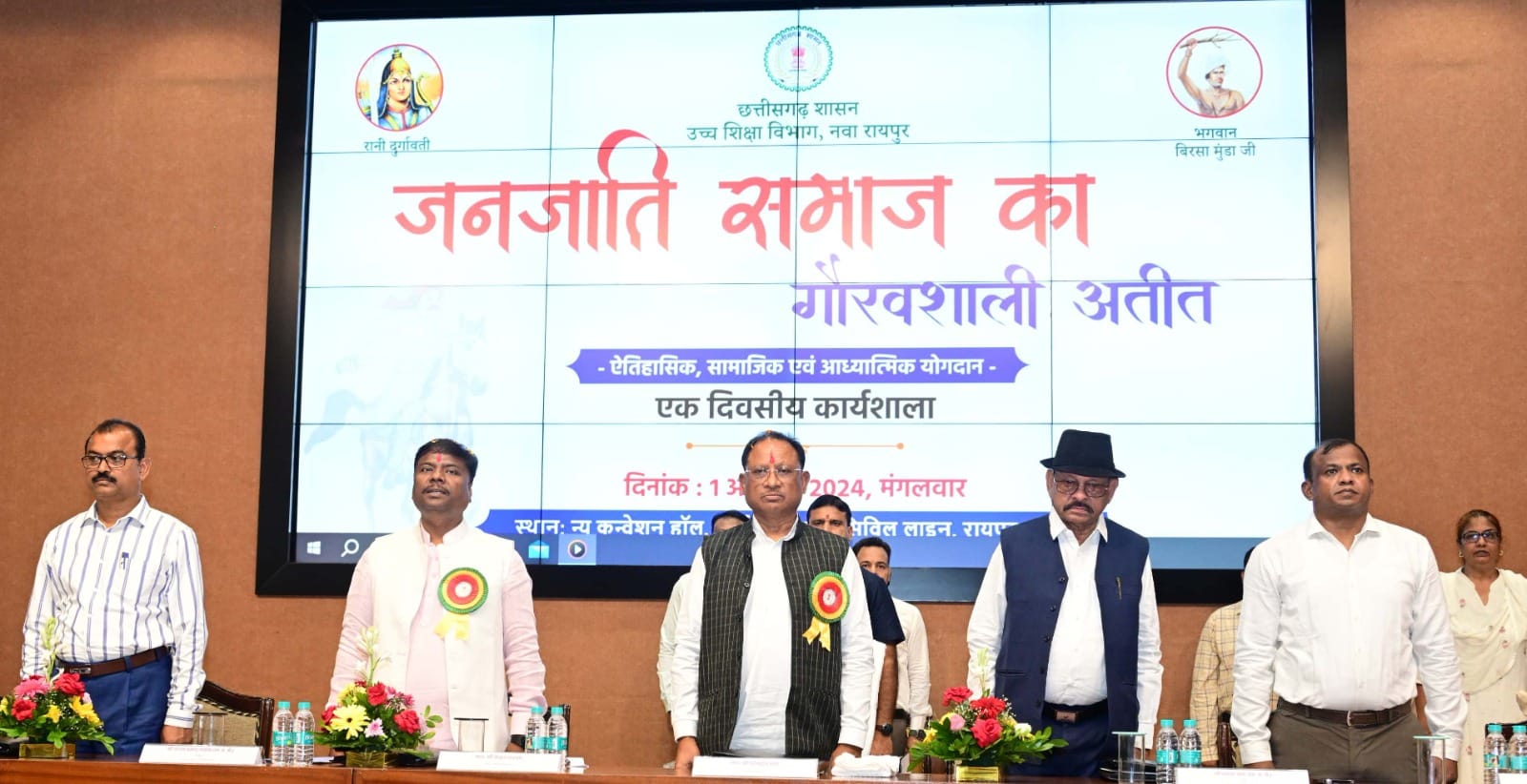
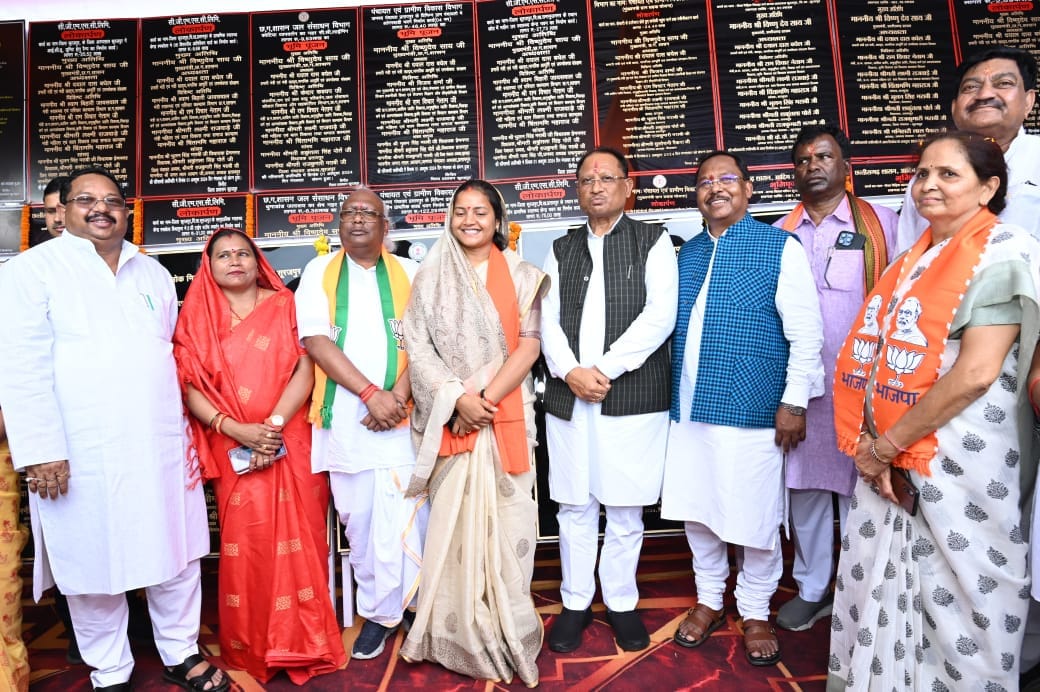
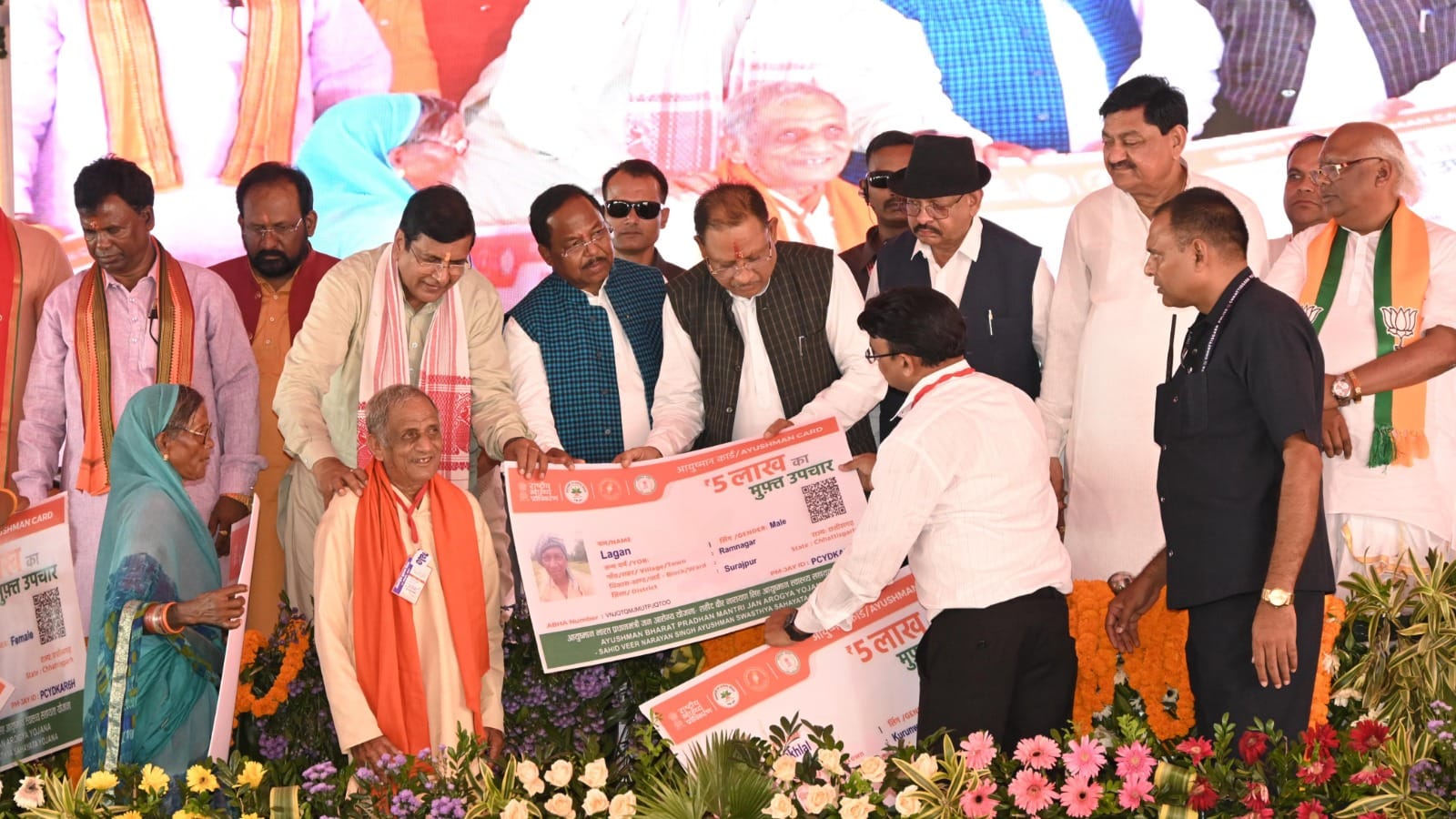
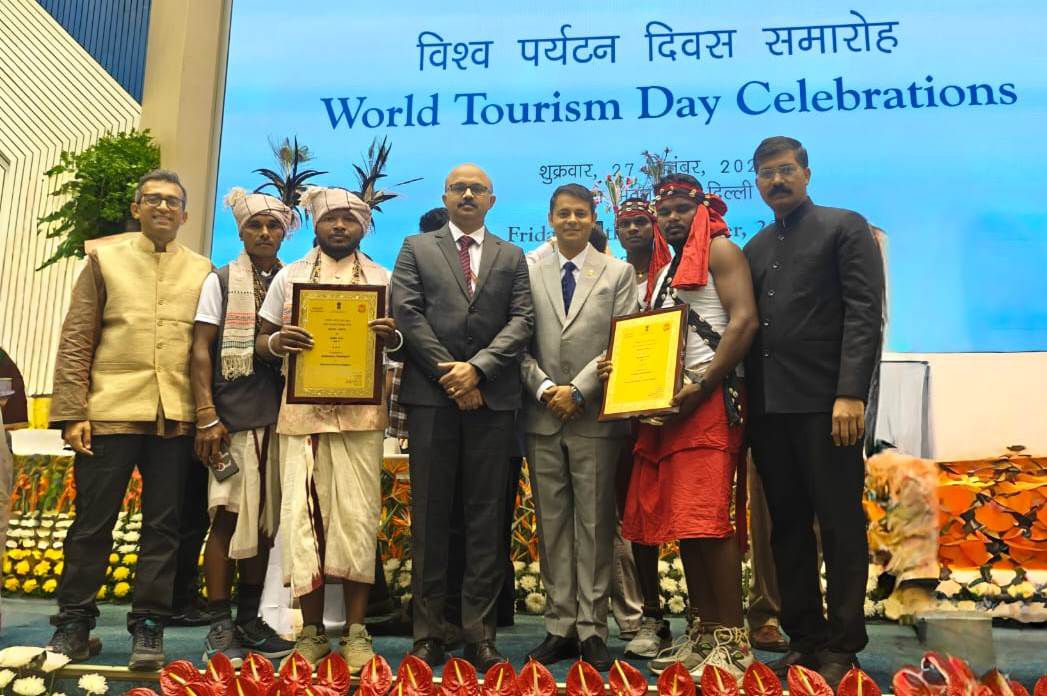
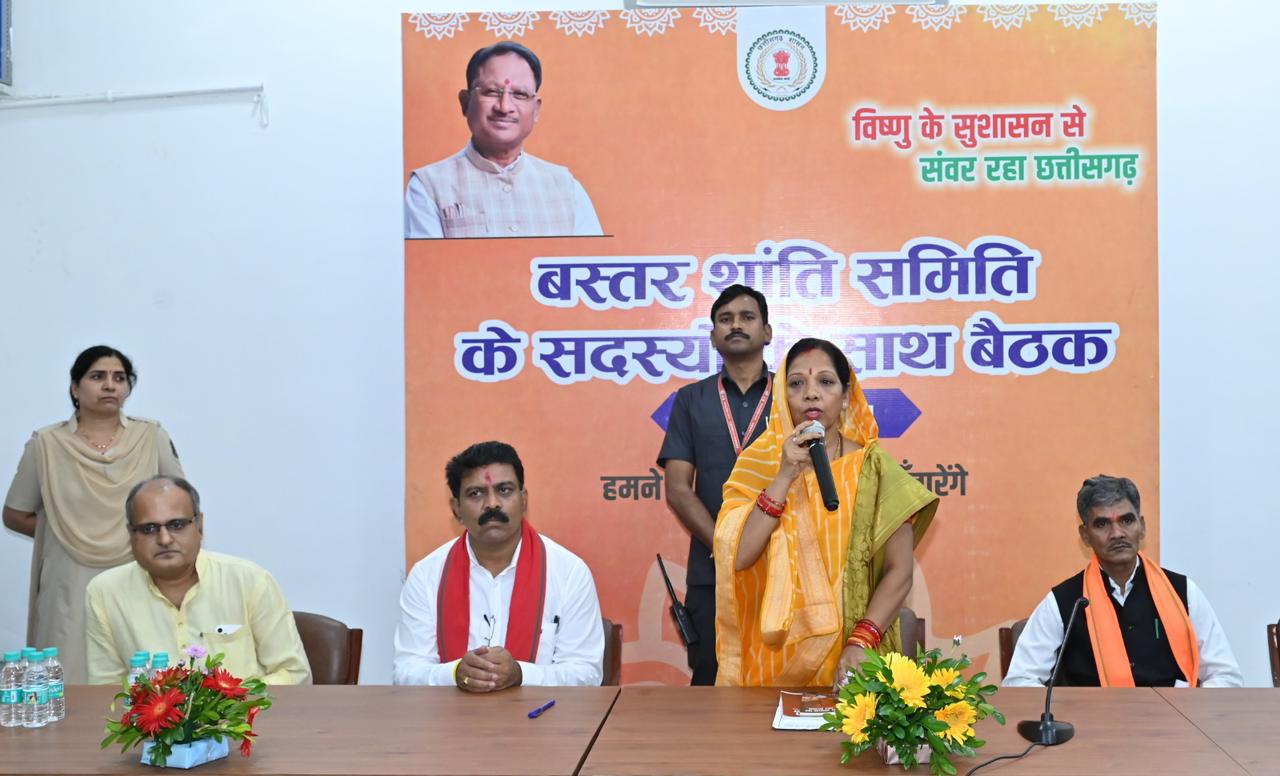


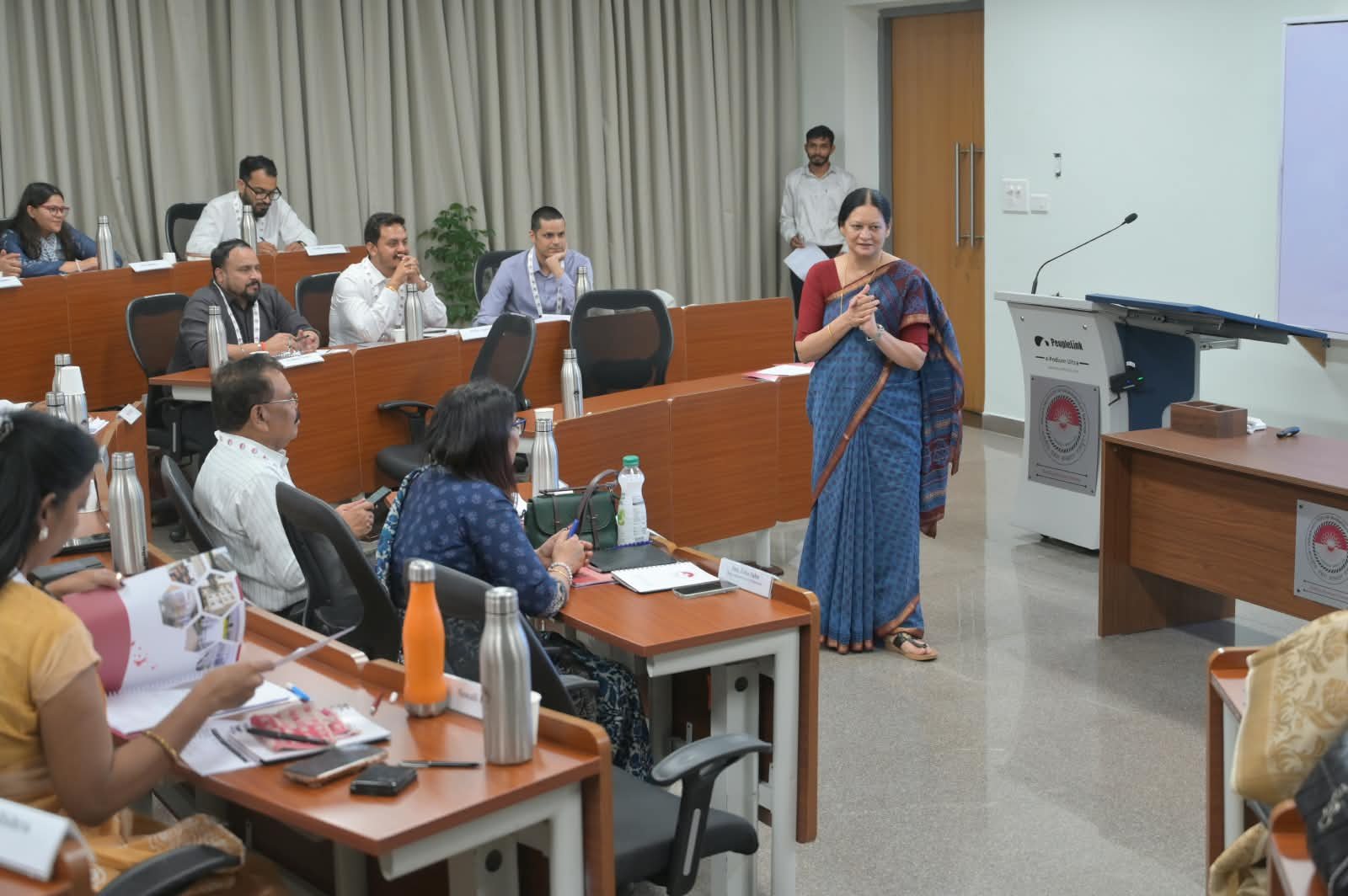
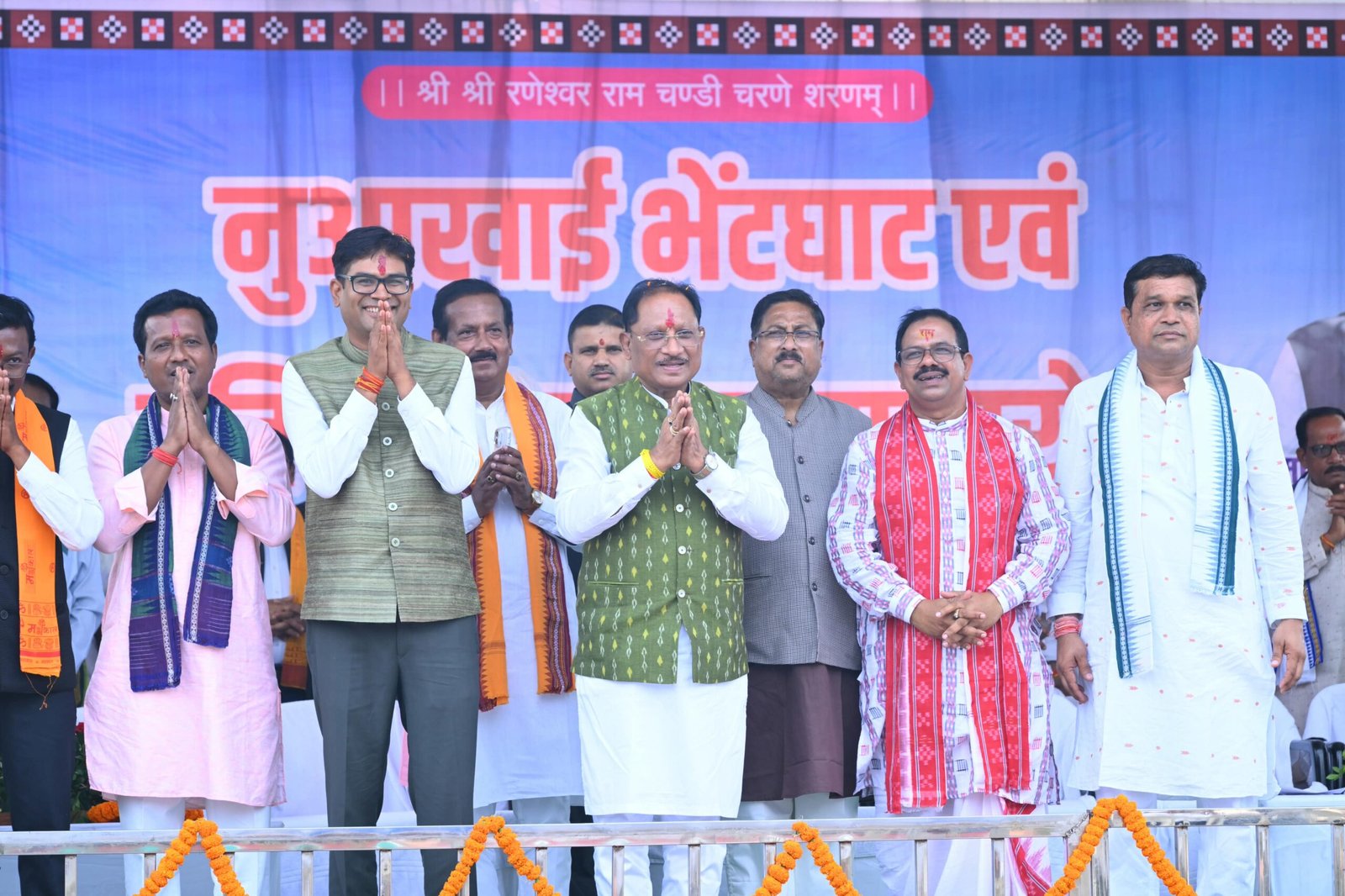
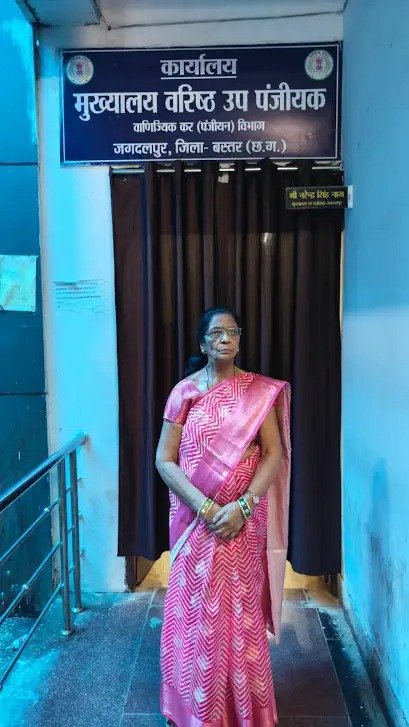

- Dr. Asha Lakra, Member of the National Commission for Scheduled Tribes, was the chief guest and heard the problems of the tribal community at the public hearing.
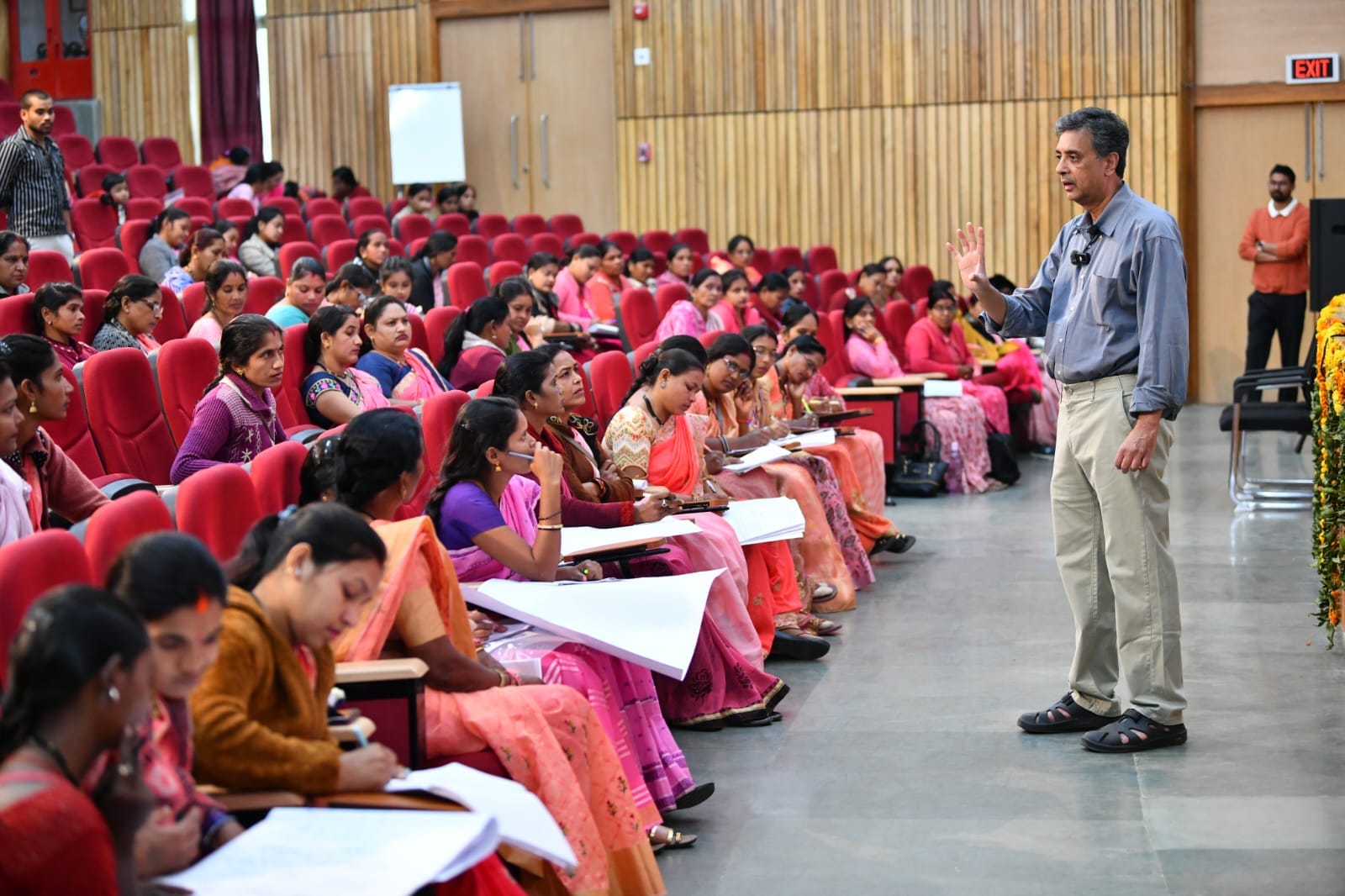
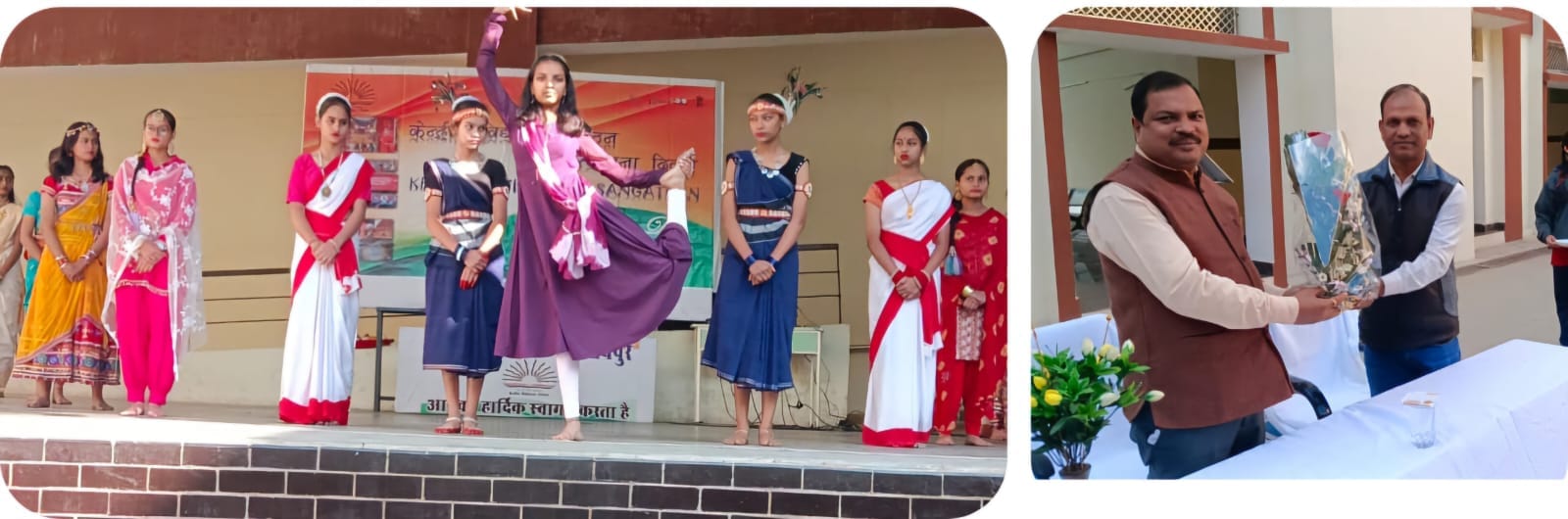
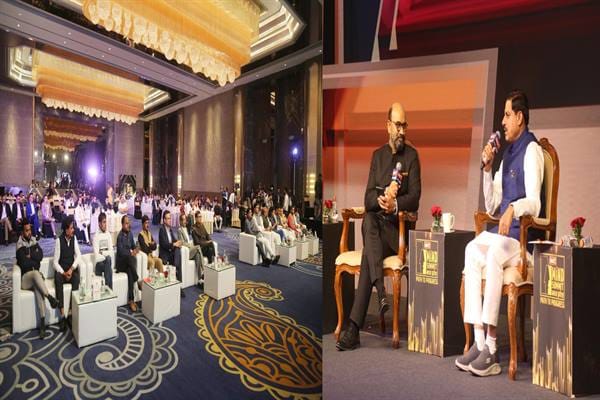
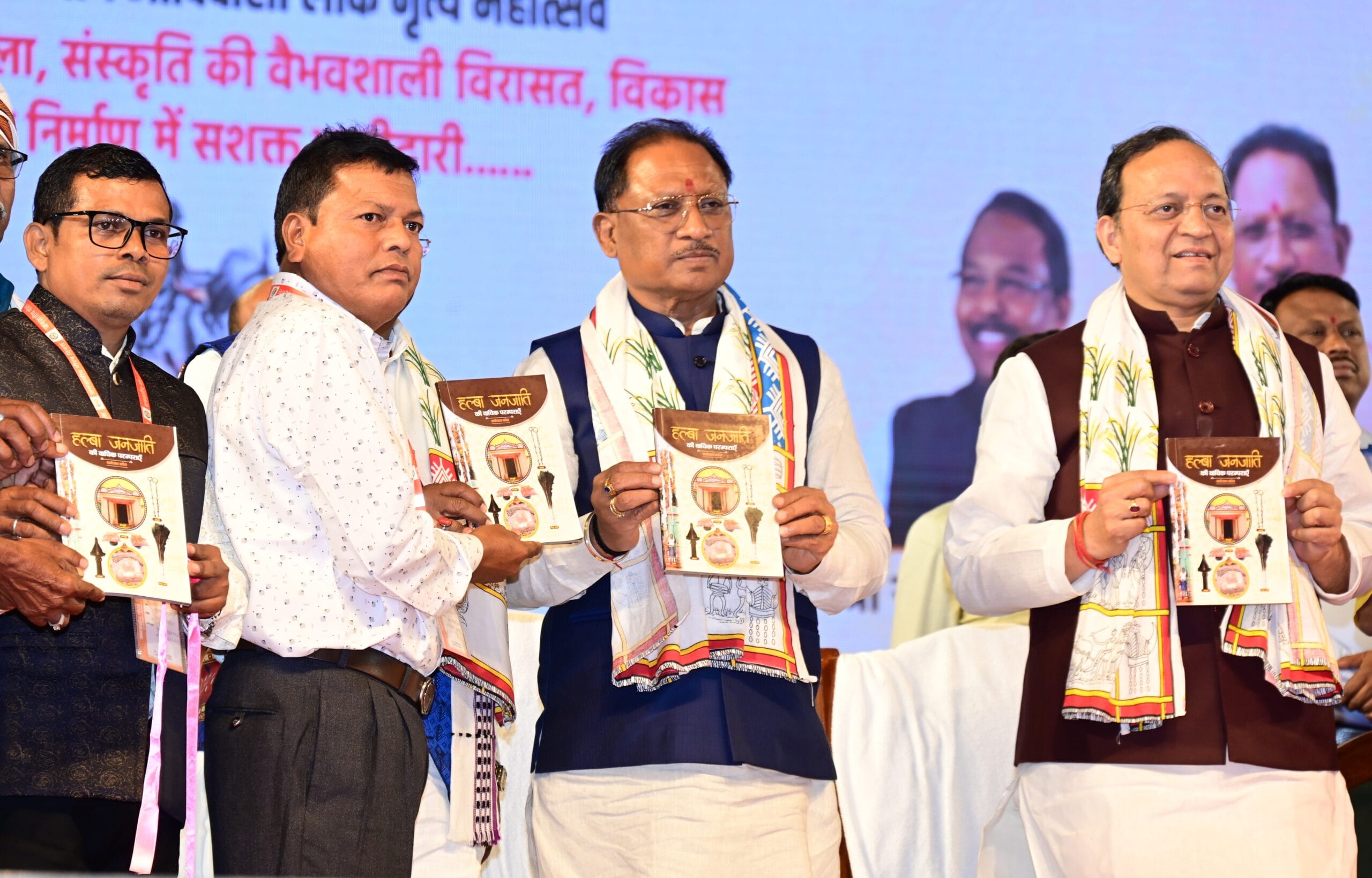
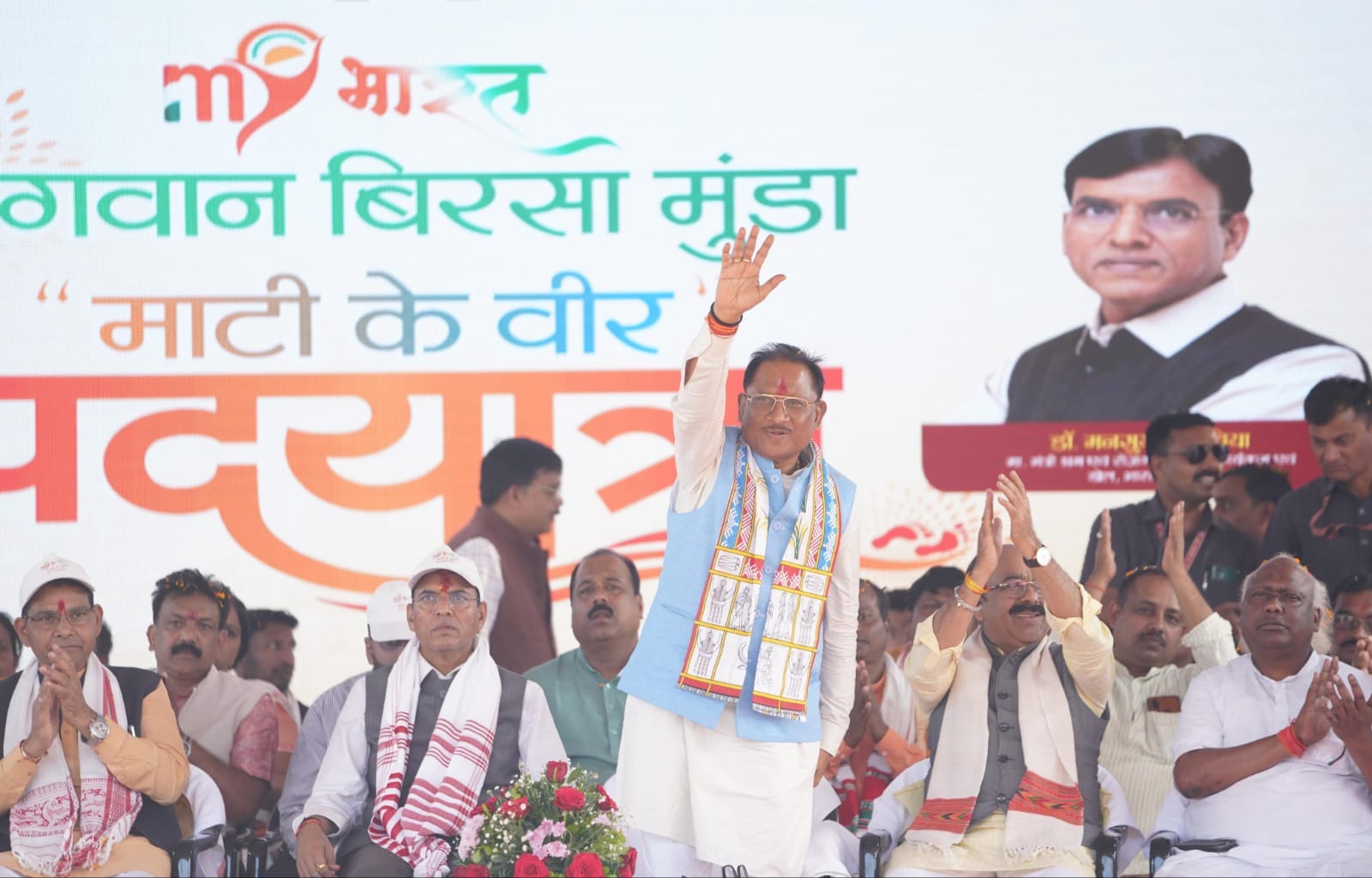
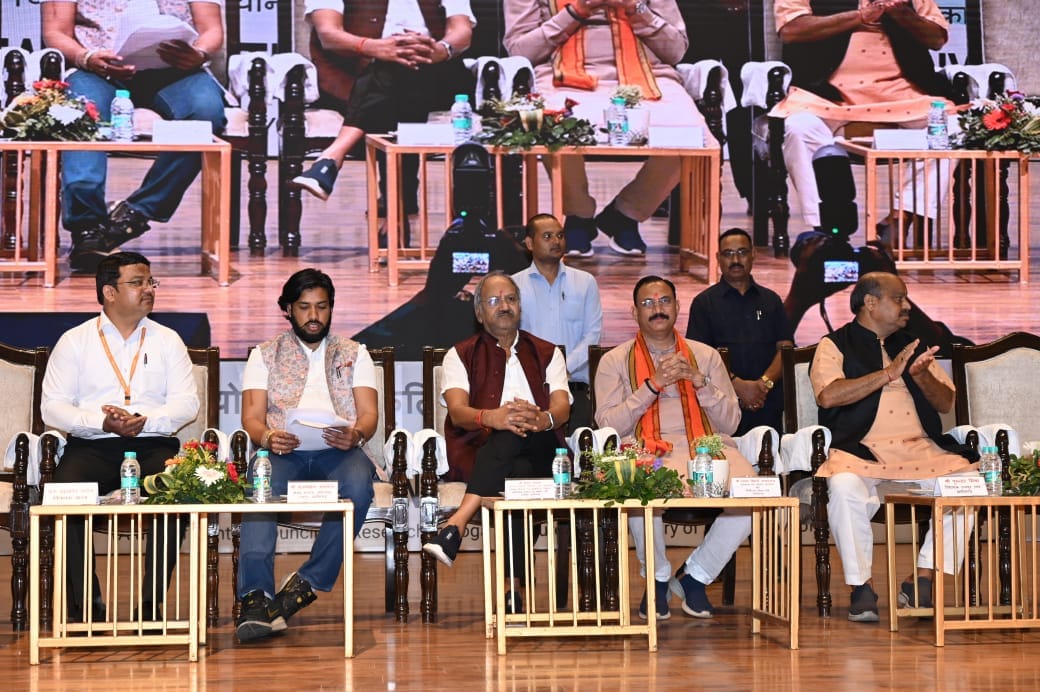
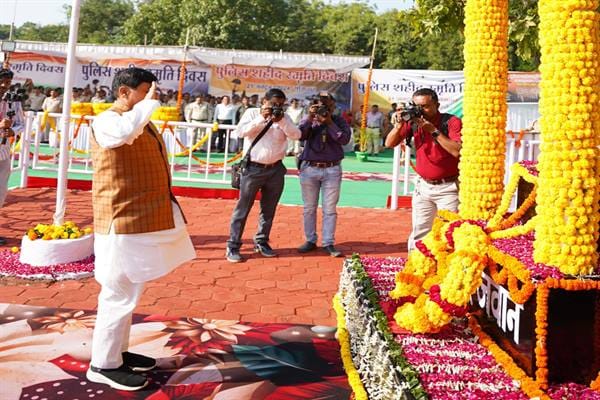
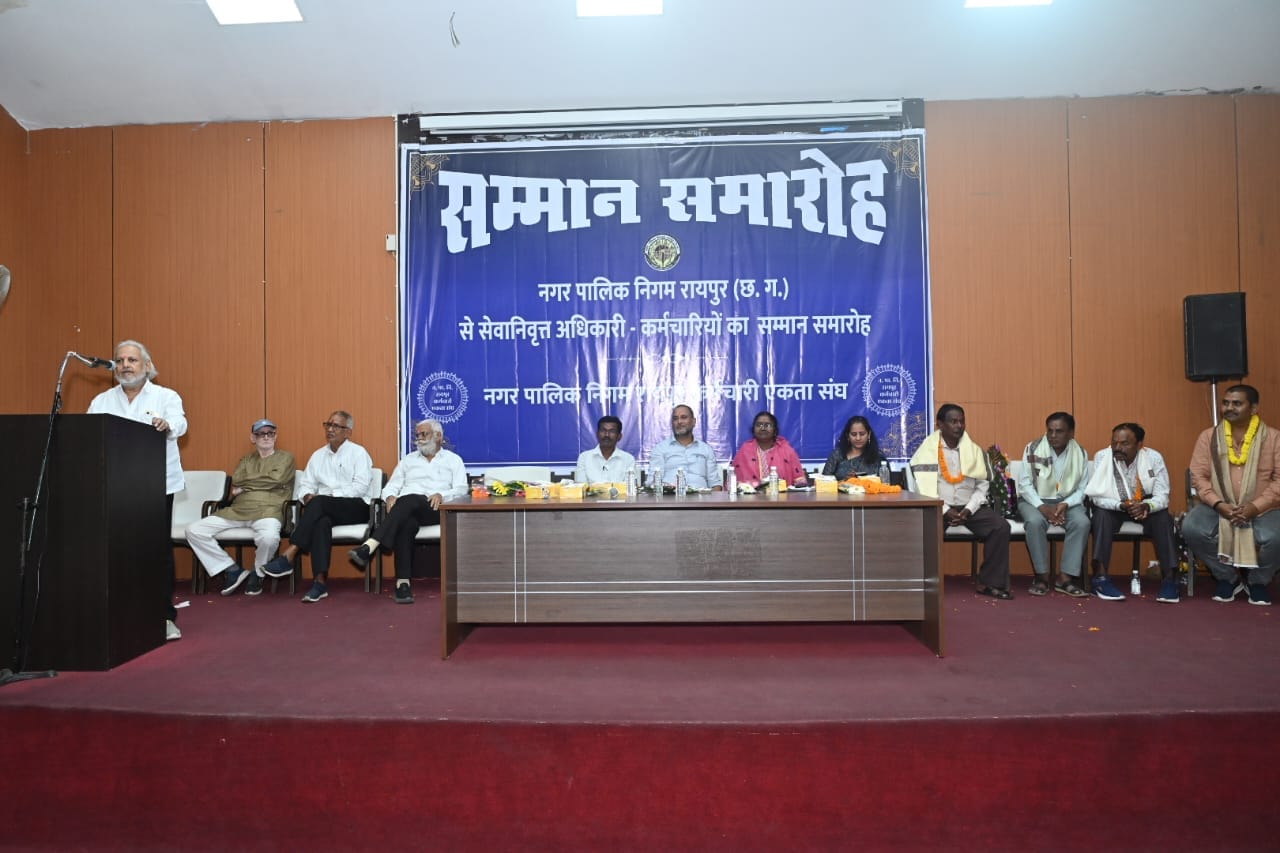
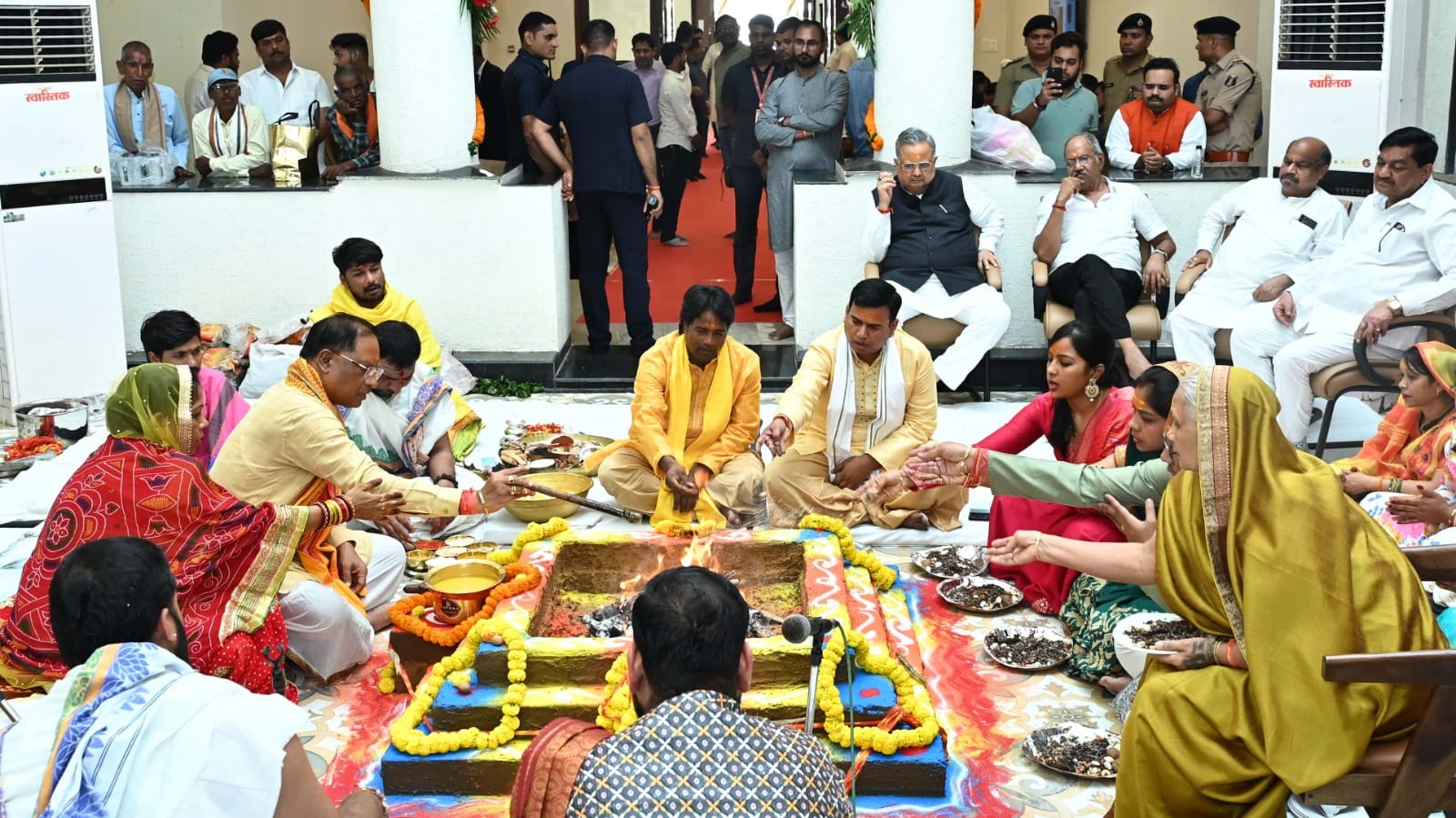
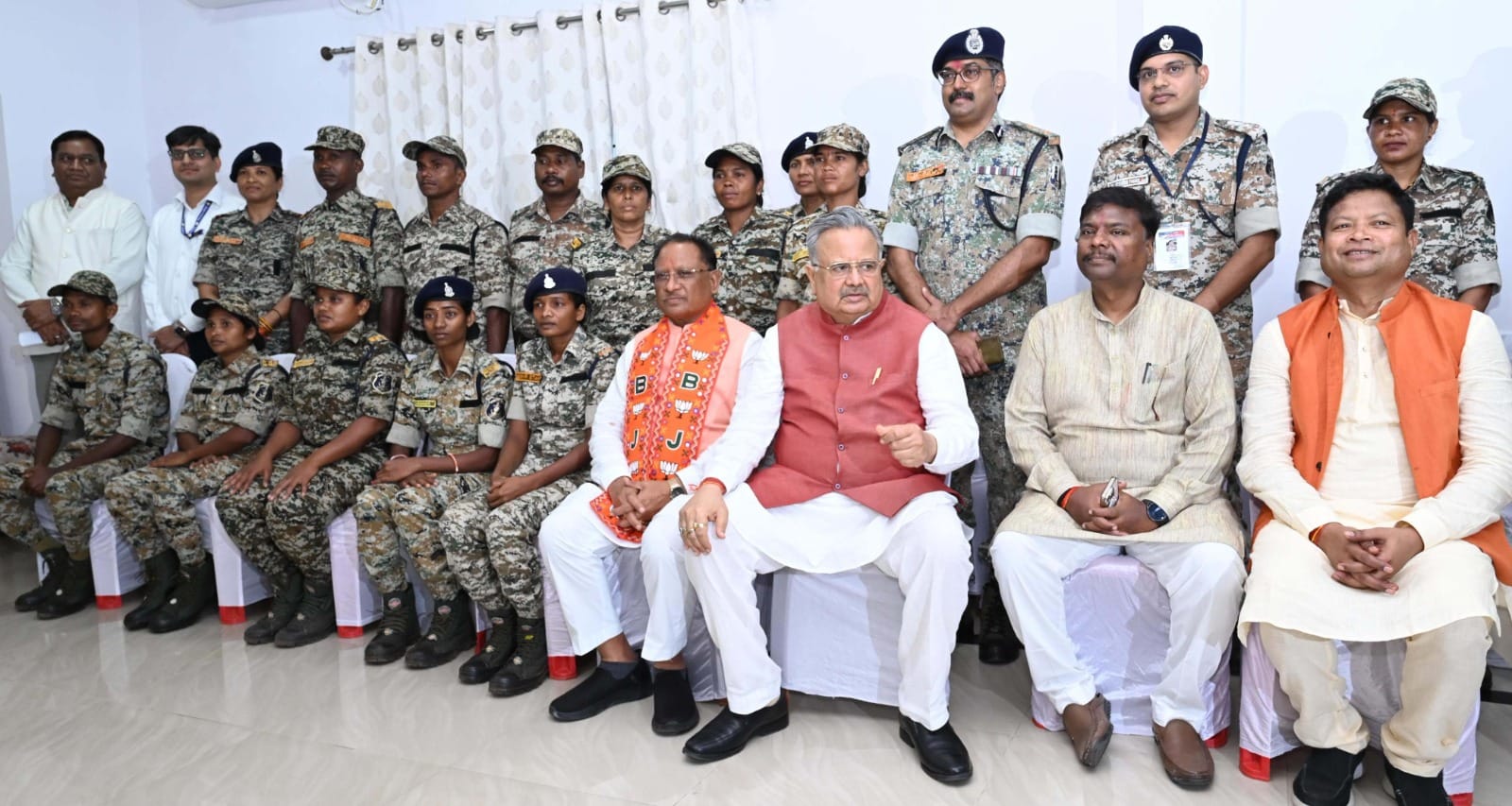
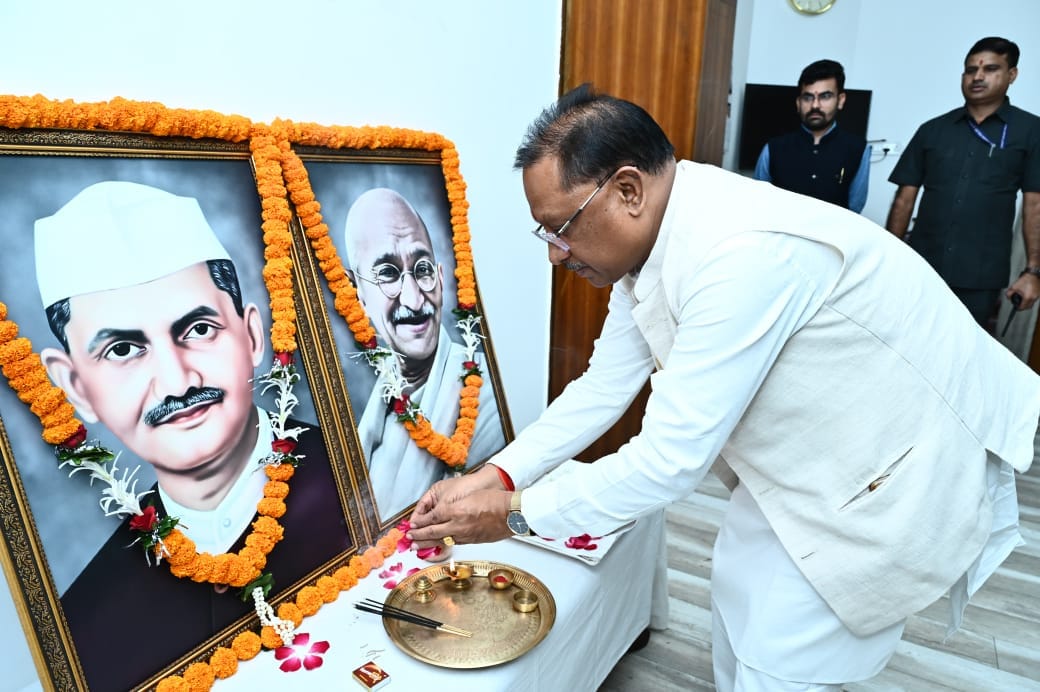
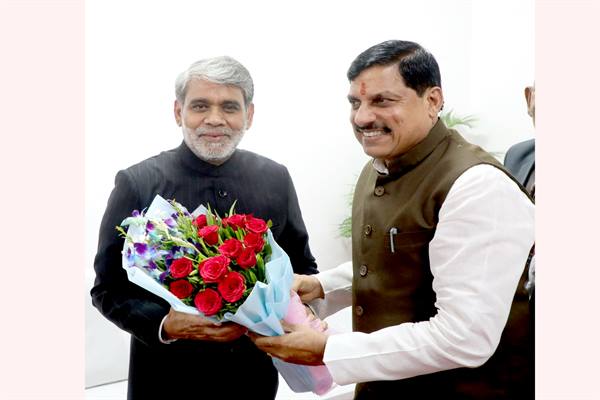
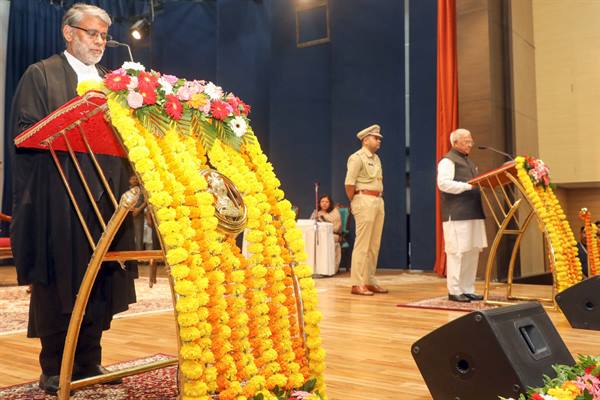
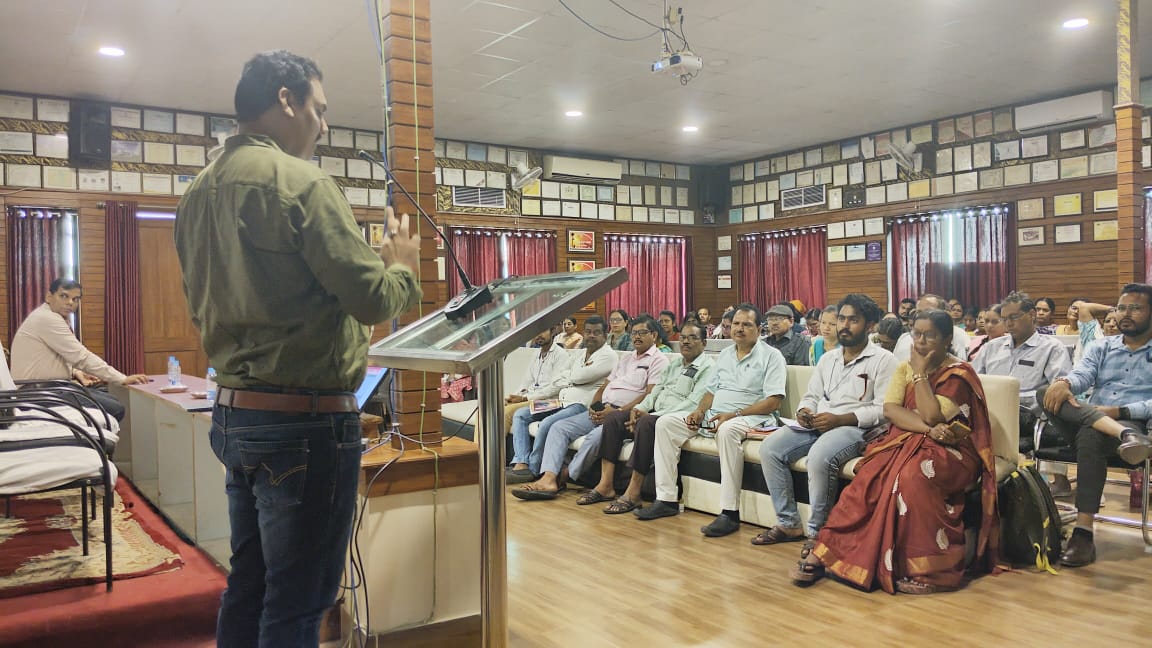
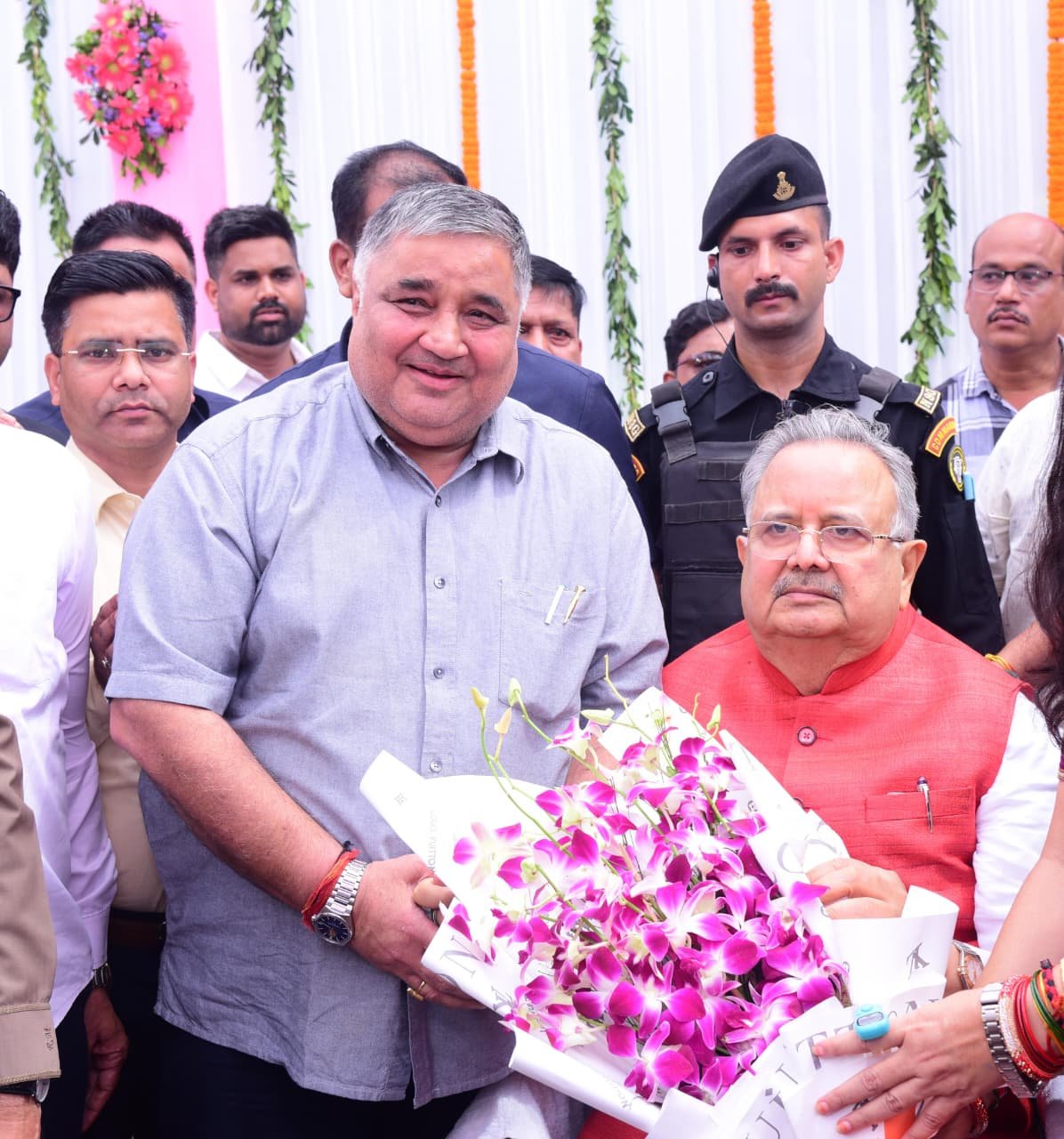
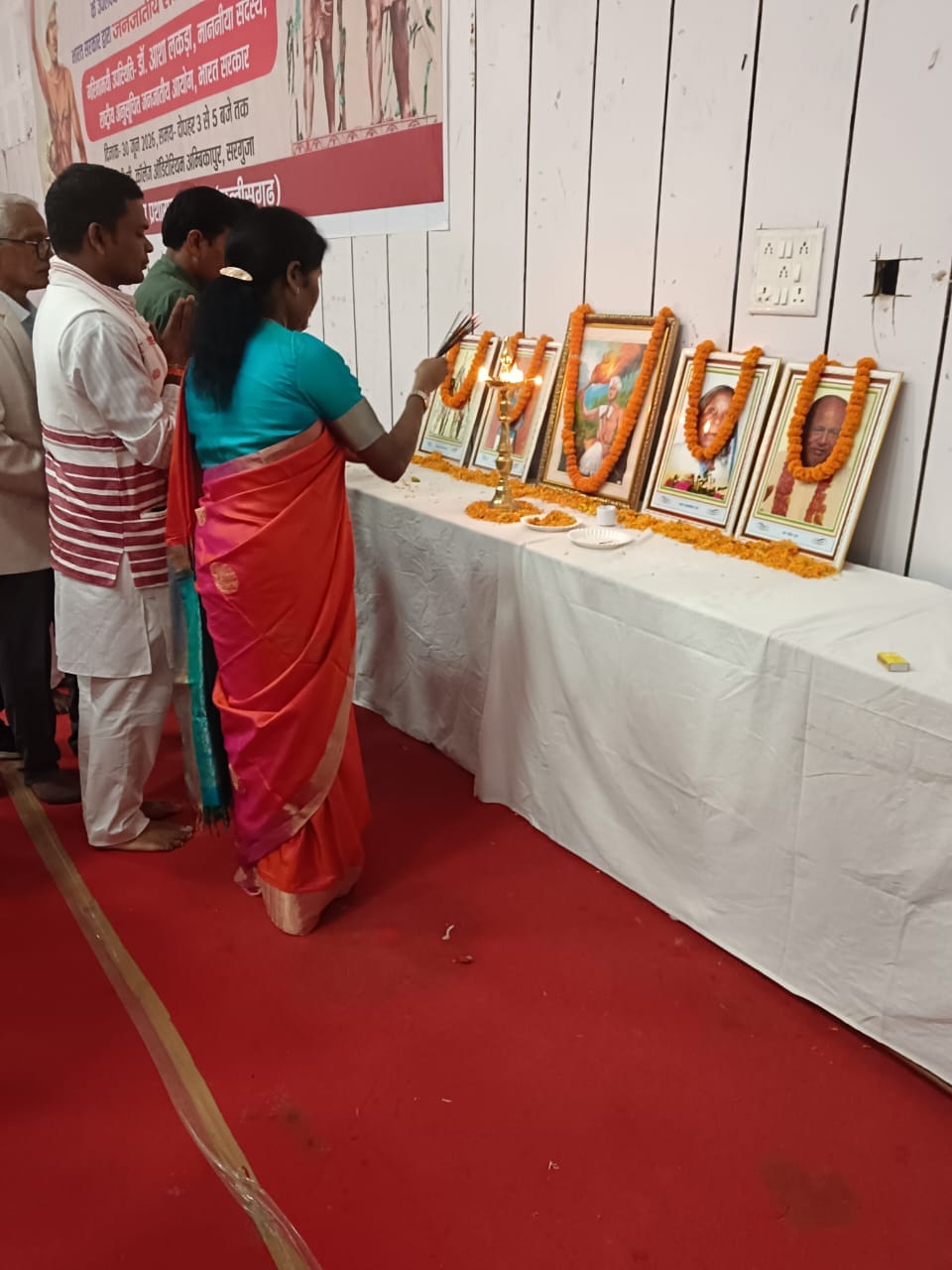
On the occasion of the 150th birth anniversary of Lord Birsa Munda, a grand celebration of Hul Kranti Diwas was held at the PG College Auditorium in Ambikapur, Surguja district. Dr. Asha Lakra, Member of the National Commission for Scheduled Tribes, Government of India, attended the event as the chief guest, organized by the Surguja District Administration and the Tribal Development Department. Approximately 1,500 people, including representatives of the district’s 14 tribal communities, community leaders, public representatives, and dignitaries, participated in the event. The program began with the lighting of lamps and garlanding photographs of Lord Birsa Munda, martyr Veer Narayan Singh, Manjhi Ram God, Sidhu-Kanhu, social reformer Rajmohini Devi, Saint Gahira Guru, and Jagdev Ram Oraon. Following this, leaders of various tribal communities extended a traditional welcome to Dr. Asha Lakra.
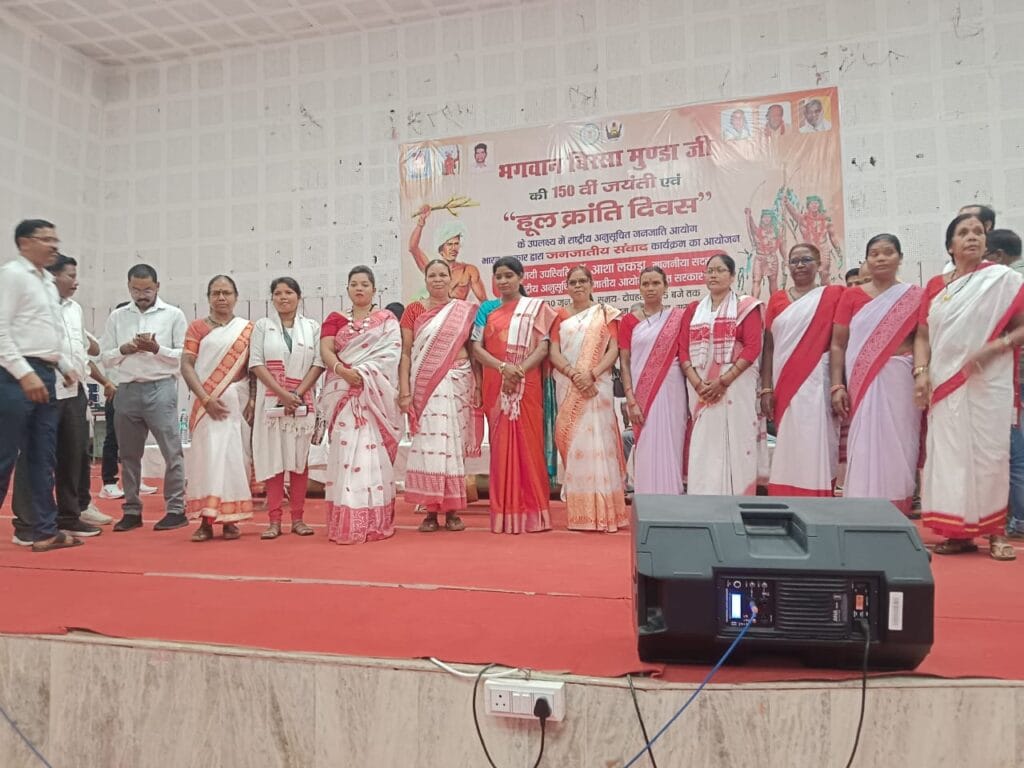
In her address, Dr. Asha Lakra, while explaining the role, rights, and responsibilities of the National Commission for Scheduled Tribes, stated that the Commission is continuously working to protect the constitutional rights of Scheduled Tribes and promote their social, educational, and economic development. Recalling the struggle, leadership, and contribution of Lord Birsa Munda in protecting tribal identity, she paid tribute to the courage and sacrifice of Sidhu and Kanhu, the heroes of the Hul Revolution. During the program, Dr. Asha Lakra held a public hearing, inquiring about the problems and suggestions of representatives of various tribal communities, and assured them of necessary action on related issues. Leaders of various tribal communities,
including the Oraon, Kanwar, Manjhi, Gond, Khairwar, Pando, Nagavanshi, Majhwar, Nagesia, Korwa, Binjhiya, Munda, Bhuiya, and Pahari Korwa, were present. The program aimed to convey the glorious history, culture, struggle, and sacrifice of tribal communities to the new generation, and to instill self-respect, awareness, and inspiration in them.