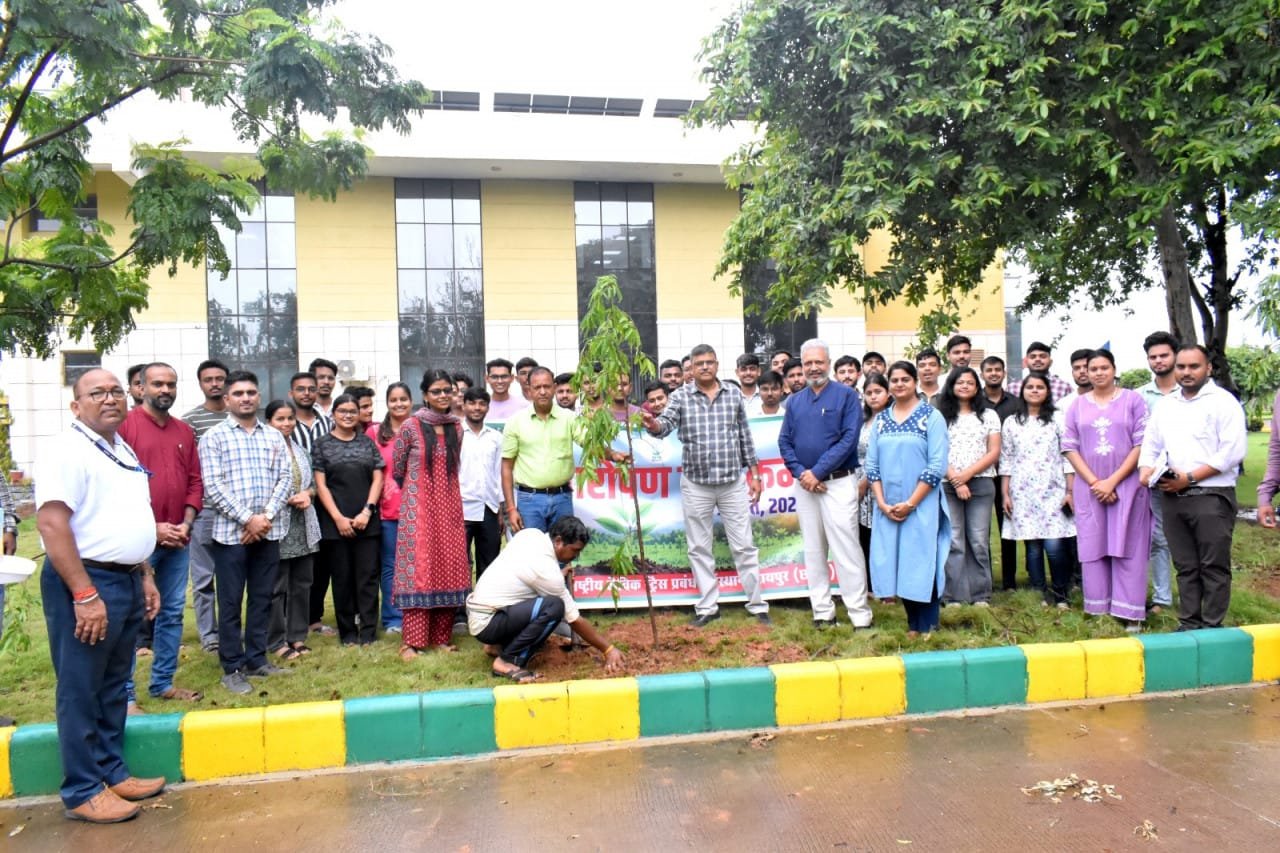

























A tree plantation program was organized on Tuesday at the ICAR-National Institute of Biological Stress Management (ICAR-NIBSM), Raipur, as part of the “Drug-Free Youth for a Developed India Sankalp Abhiyan.” This 100-week nationwide campaign of the Government of India aims to keep youth away from drugs, engage them in positive activities like tree plantation, sports, and social service, and instill in them a sense of responsibility towards environmental protection and nation-building.
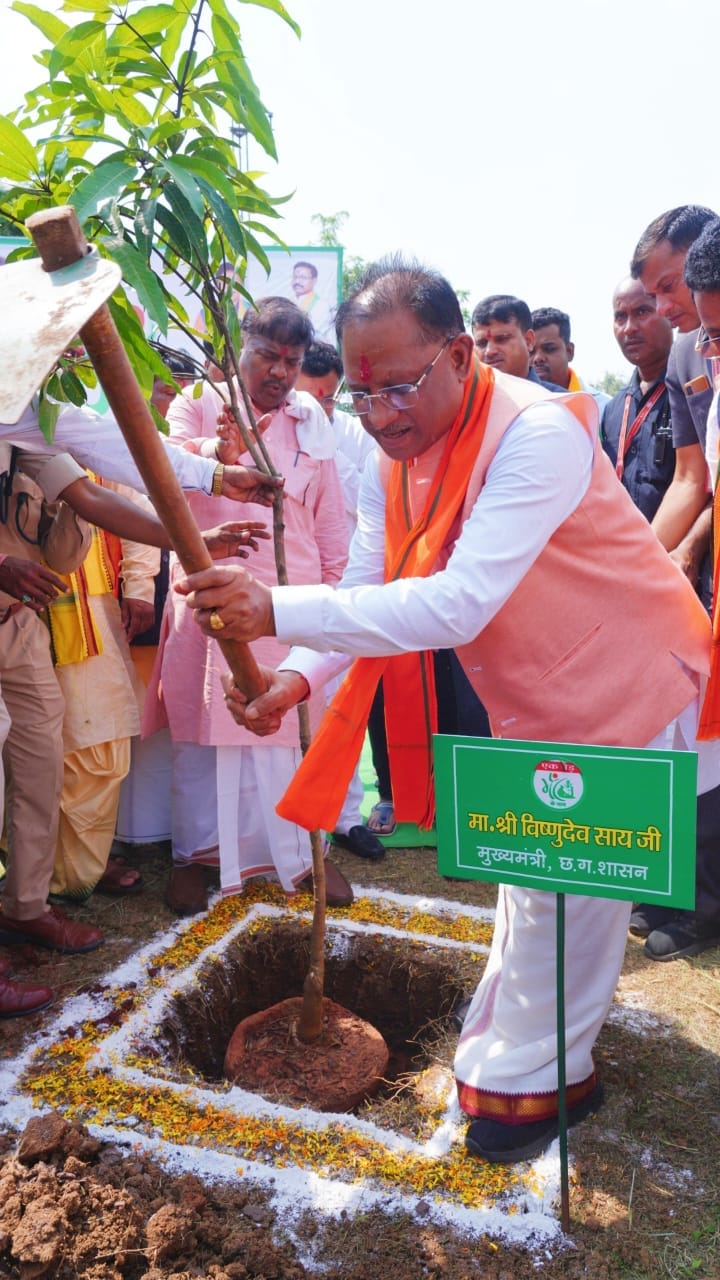
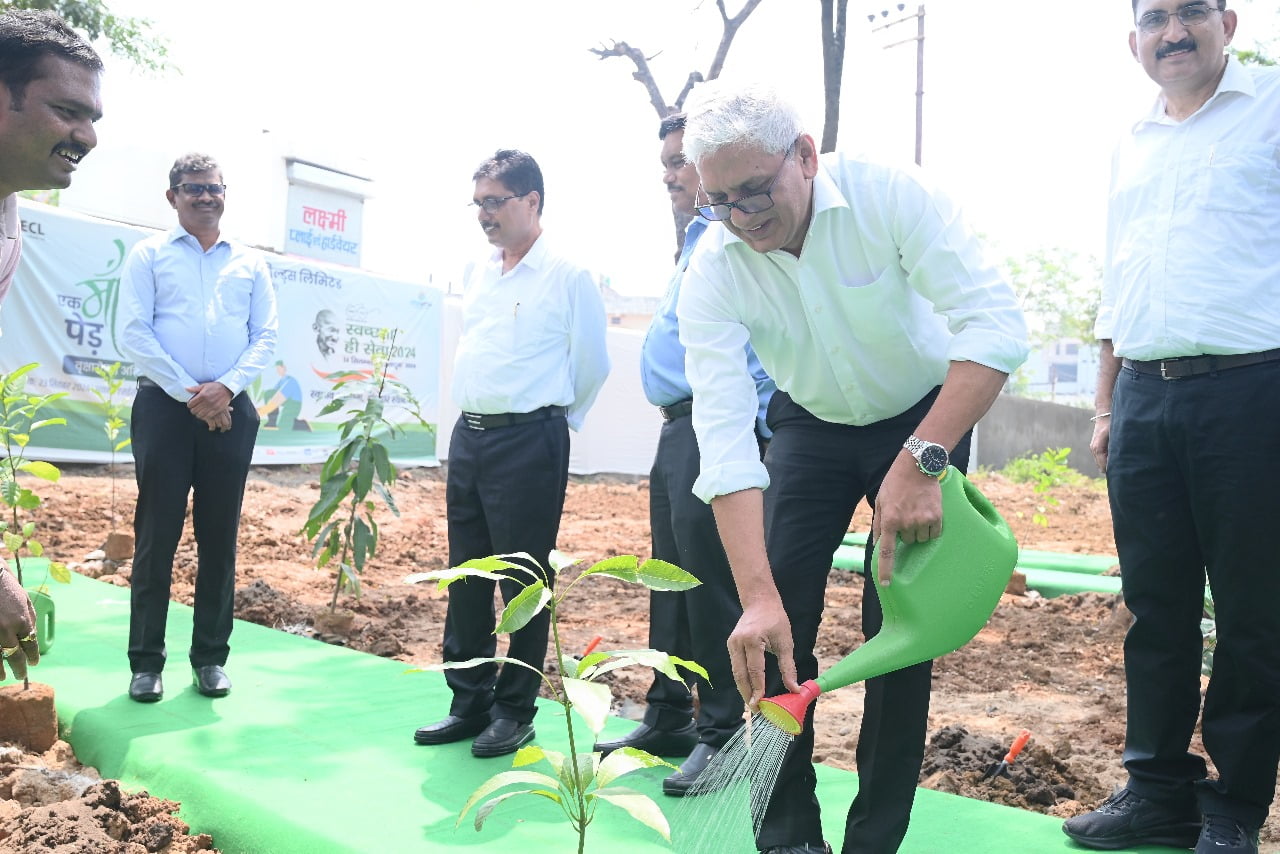
The program was inaugurated by the Institute’s Director, Dr. P.K. Rai, by planting an Ashoka tree. Addressing the students on the occasion, he said, “Trees not only protect the environment but also strengthen the foundation of a healthy and prosperous society. Every tree planted today is a message of clean air, green environment, and a secure future for future generations.” He urged the youth to plant as many trees as possible and take regular care of them, saying that connection with nature is the greatest inspiration for a healthy lifestyle and a drug-free society.
Dr. Rai said, “The dream of a drug-free India will be realized only when the youth channel their energy into constructive work.” Tree plantation is one such powerful medium, which not only protects the environment but also develops a sense of social responsibility.
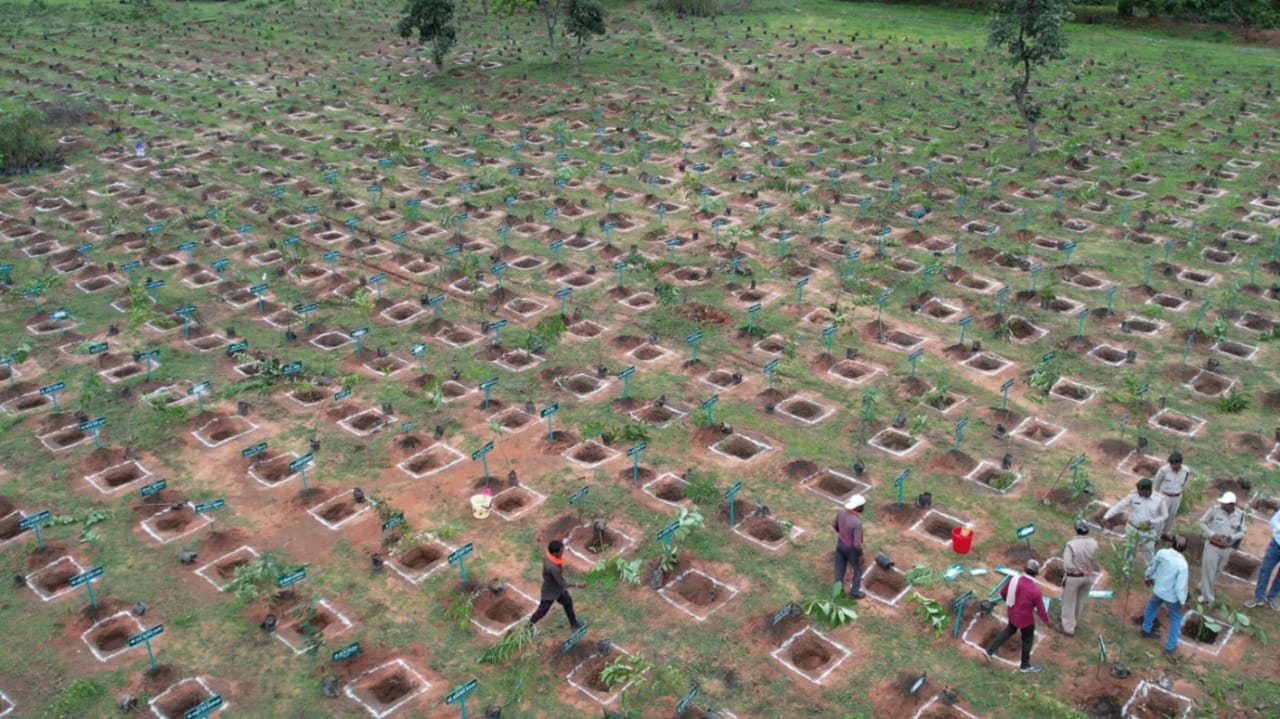
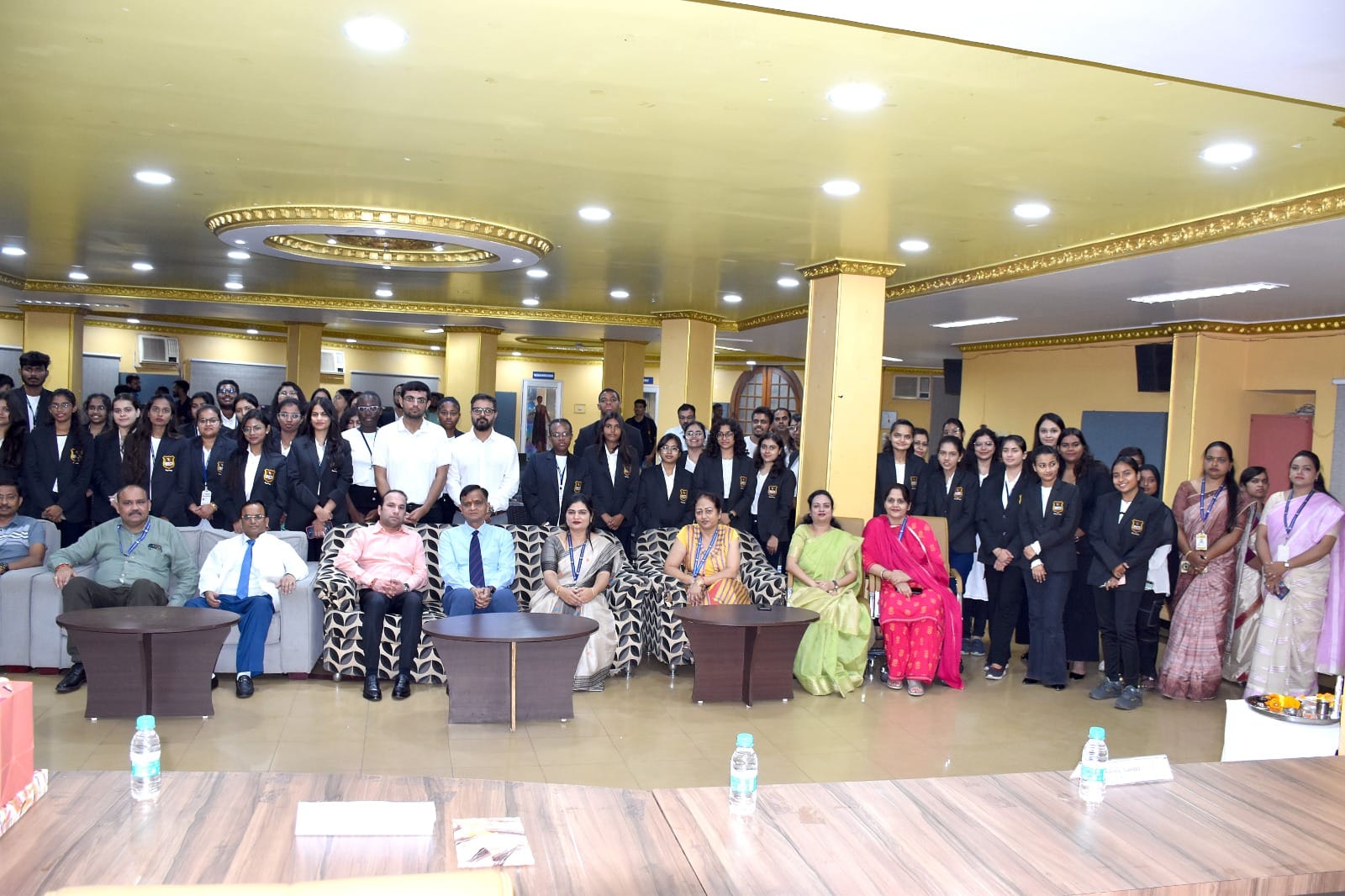
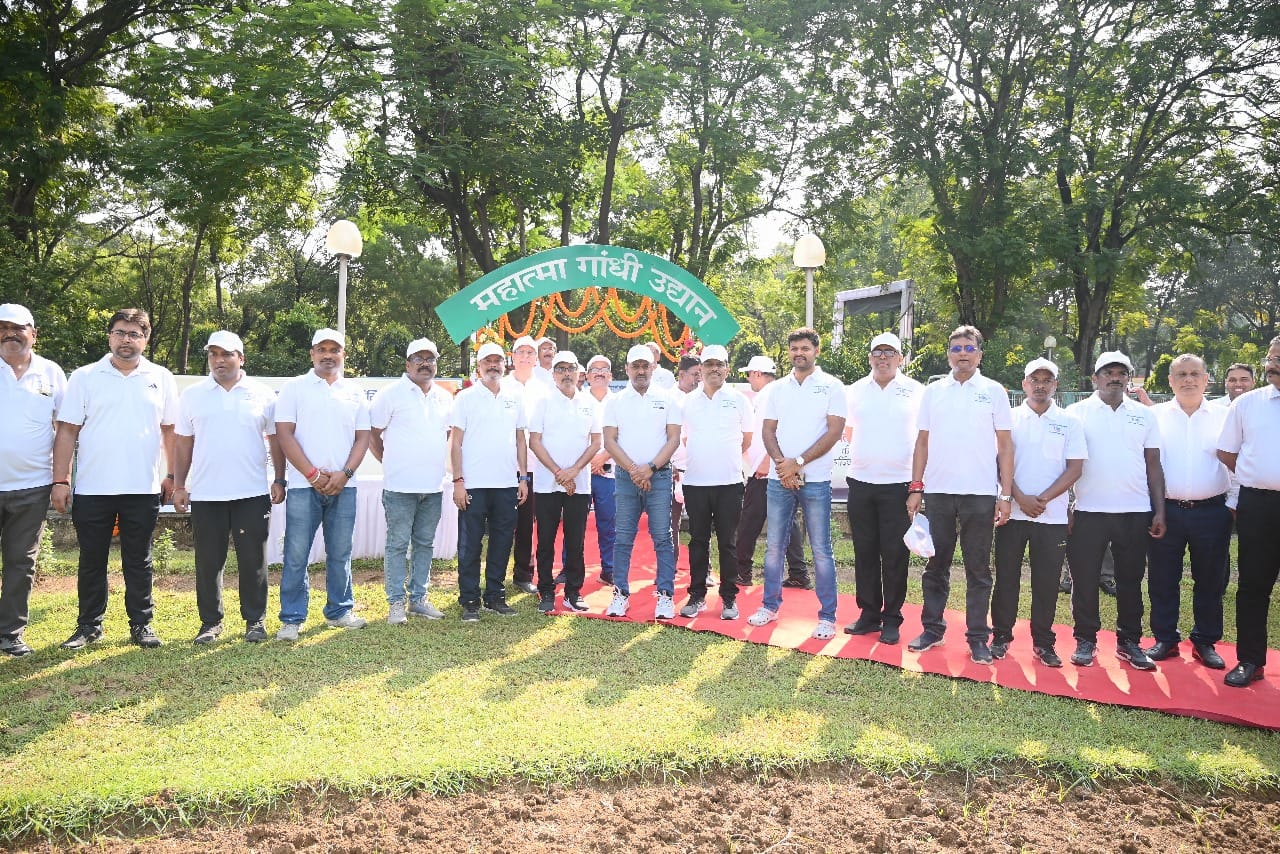
The institute’s undergraduate and postgraduate students participated enthusiastically in the program. Together, students, scientists, technical officers, employees, and other personnel planted approximately 75 Ashoka trees on the institute campus and pledged to care for them.
On this occasion, Joint Directors Dr. Pankaj Sharma and Dr. Anil Dixit encouraged students to make environmental protection a mass movement, stating that if every citizen plants and protects at least one tree every year, the impact of global challenges like climate change can be significantly mitigated.
This tree plantation campaign organized by the institute is considered an important initiative to connect youth with nature, promote environmental conservation, and strengthen the national resolve to build a developed and drug-free India. The program was successfully coordinated by Dr. K.C. Sharma.