




























- Savings of ₹2,000 per month through the PM Surya Ghar Yojana
- Farming activities receive a new boost
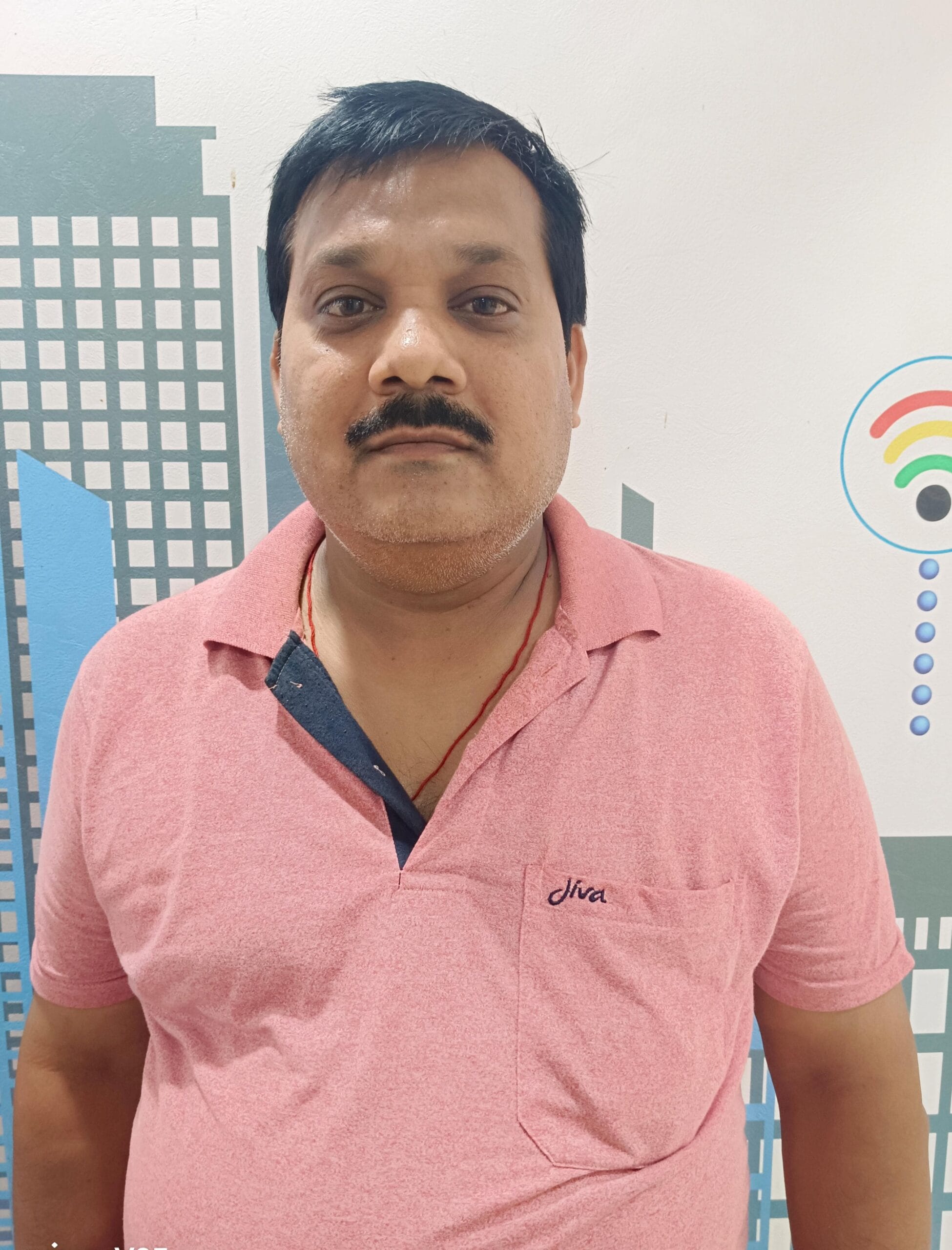
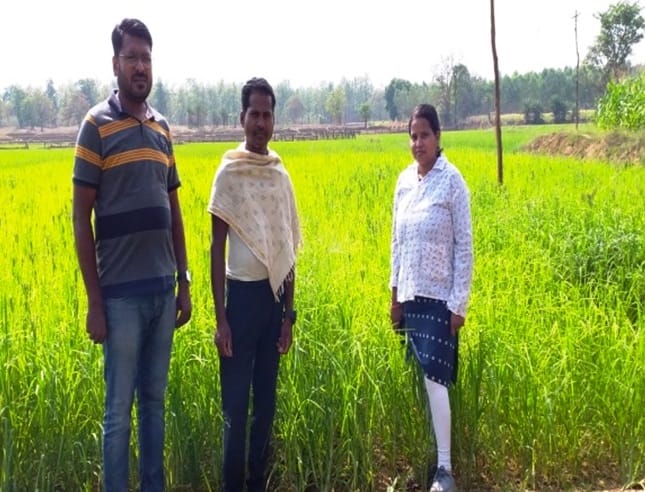
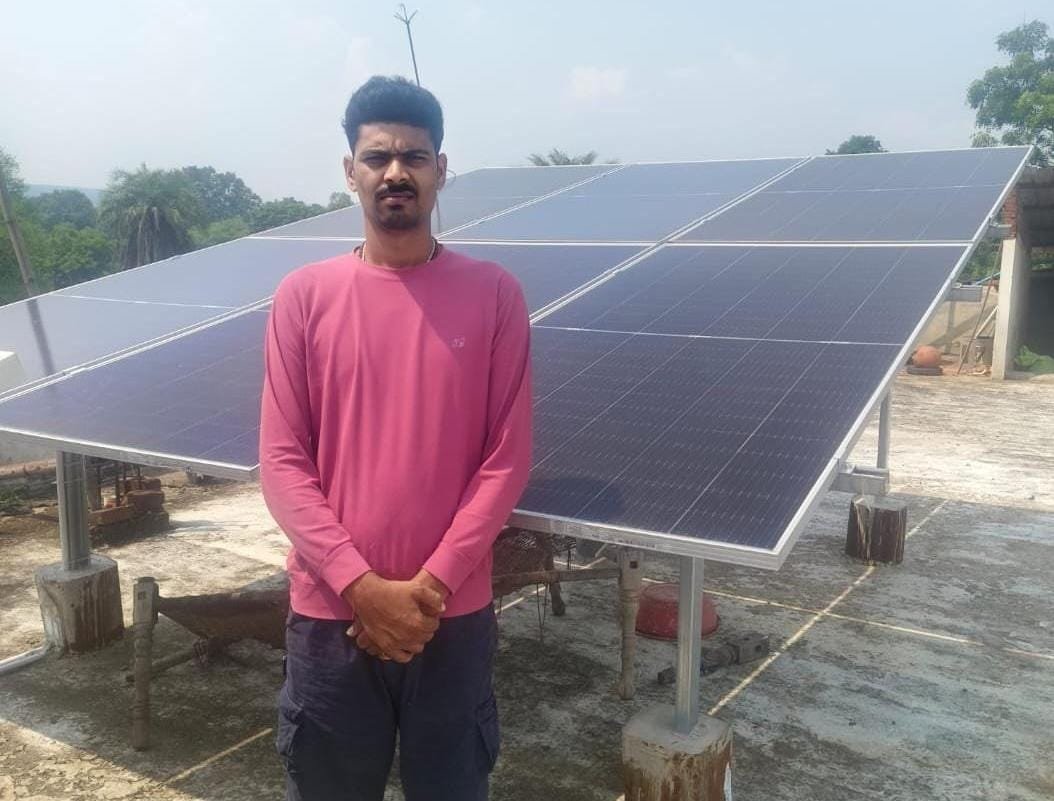
The impact of public welfare schemes is now clearly visible on the ground across the state, driven by the ‘Seva Sankalp Abhiyan’ (Service Pledge Campaign). The successful implementation of these schemes has not only improved the standard of living for ordinary citizens but has also lent new strength to the rural economy. One such inspiring example is that of Netram Patel, a farmer from Gobarsinha village in Sarangarh-Bilaigarh district, for whom the ‘Pradhan Mantri Surya Ghar Muft Bijli Yojana’ (PM Surya Ghar Free Electricity Scheme) has emerged as a source of financial stability.
- Relief from Hefty Electricity Bills
Before availing the benefits of the scheme, Netram Patel’s monthly electricity bill used to range between ₹2,200 and ₹2,300, placing a significant financial burden on his budget. Following the installation of a rooftop solar system under the PM Surya Ghar Free Electricity Scheme, his monthly electricity bill has dropped to just ₹250–₹300.
- Savings Provide Support for Agricultural Activities
By meeting electricity needs at home through solar panels, Netram is saving approximately ₹2,000 every month. He is utilizing these savings to cover daily farming-related expenses, thereby gaining additional financial support for fertilizers, seeds, and other agricultural necessities. He remarked, “Earlier, I had to pay a large amount for electricity bills every month. Now, that same money is being saved and used for farming. This scheme has brought a positive change to my financial situation.”

- Gratitude Towards the Government
Netram Patel has expressed deep gratitude to Prime Minister Shri Narendra Modi and Chief Minister Shri Vishnu Deo Sai for the positive transformation this scheme has brought to his life. He has also urged fellow farmers and villagers to join the scheme to reduce electricity costs and increase their savings. ‘Seva Sankalp Abhiyan’ Making a Tangible Impact
Netram Patel’s success story demonstrates that when the government’s public welfare schemes directly reach the needy, their impact extends far beyond merely providing free or affordable electricity; instead, they become a lasting means of fostering savings, self-reliance, and the economic empowerment of rural families.