

















- Chief Minister Sai conducts a high-level review of the Chief Minister’s Infrastructure Mission
- Planned capital investment should provide new momentum to the state’s economy and offer better amenities to citizens: Chief Minister Sai
- Timelines must be fixed for every stage—from budget allocation to project completion—and there should be no compromise on quality at any level
- A detailed survey regarding the need for two-lane and four-lane roads will be conducted; a road network master plan will be prepared to meet future requirements
- Equal emphasis must be placed on regular maintenance alongside construction to enhance the utility and operational lifespan of public assets
- Designs for schools, colleges, and public buildings should account for future expansion needs
- Emphasis on adopting modern technology and best practices, alongside regular training and skill upgradation for engineers
- The state’s infrastructure will be developed to be sustainable, modern, and future-ready, in line with the ‘Anjor Vision 2047’
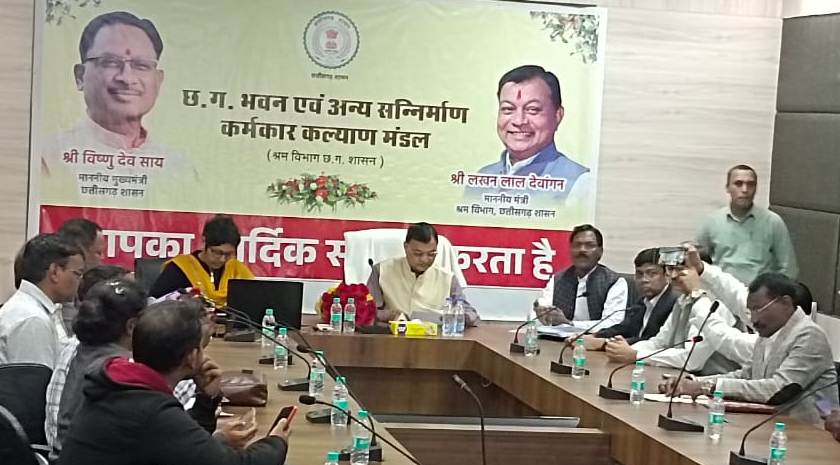
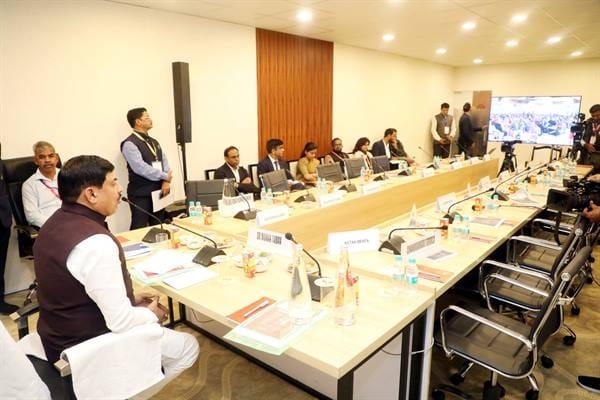
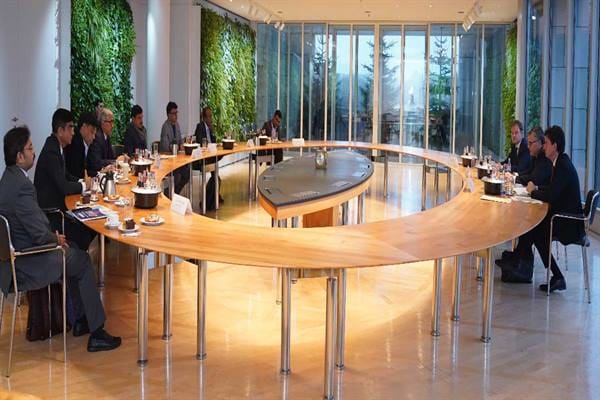
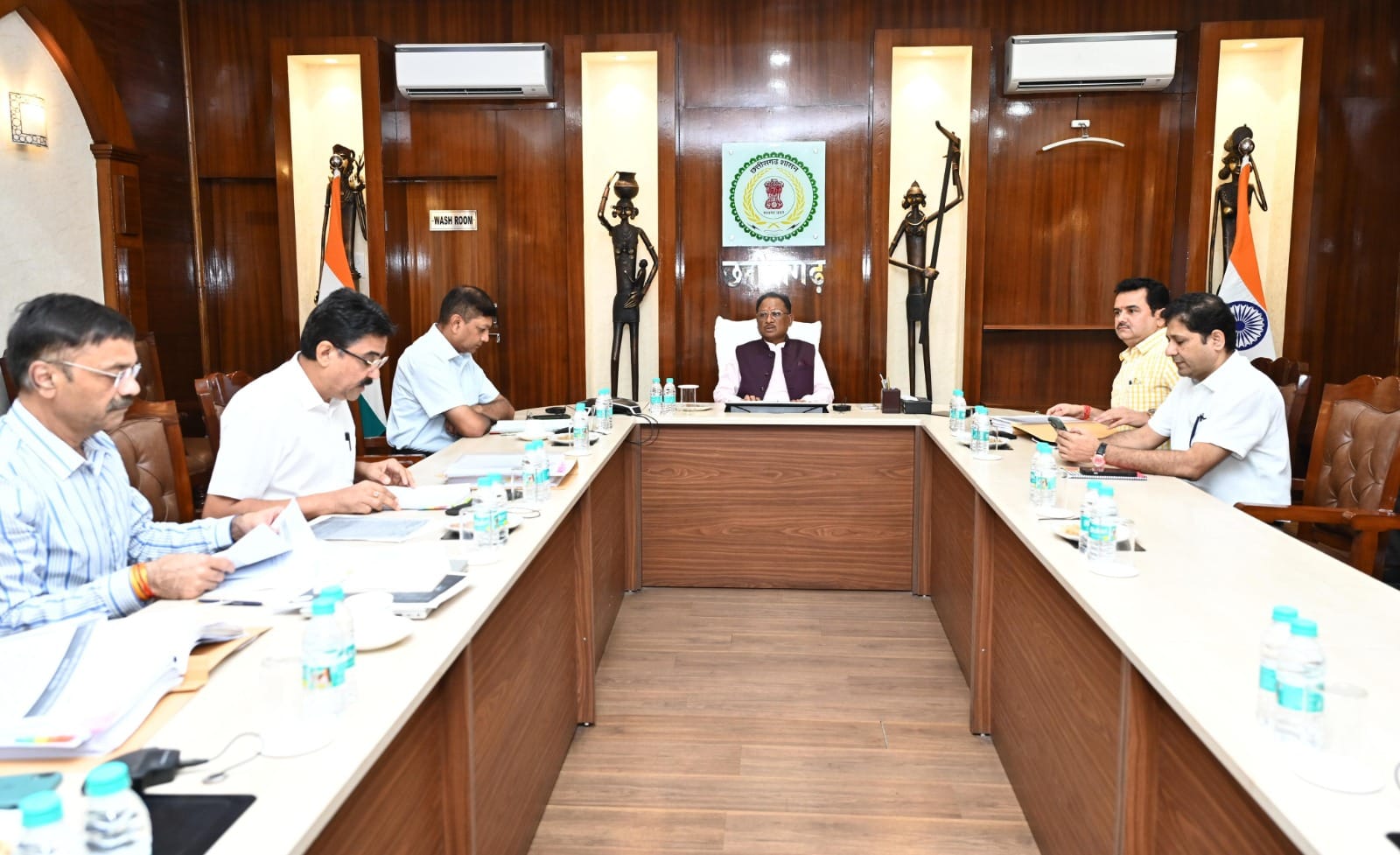
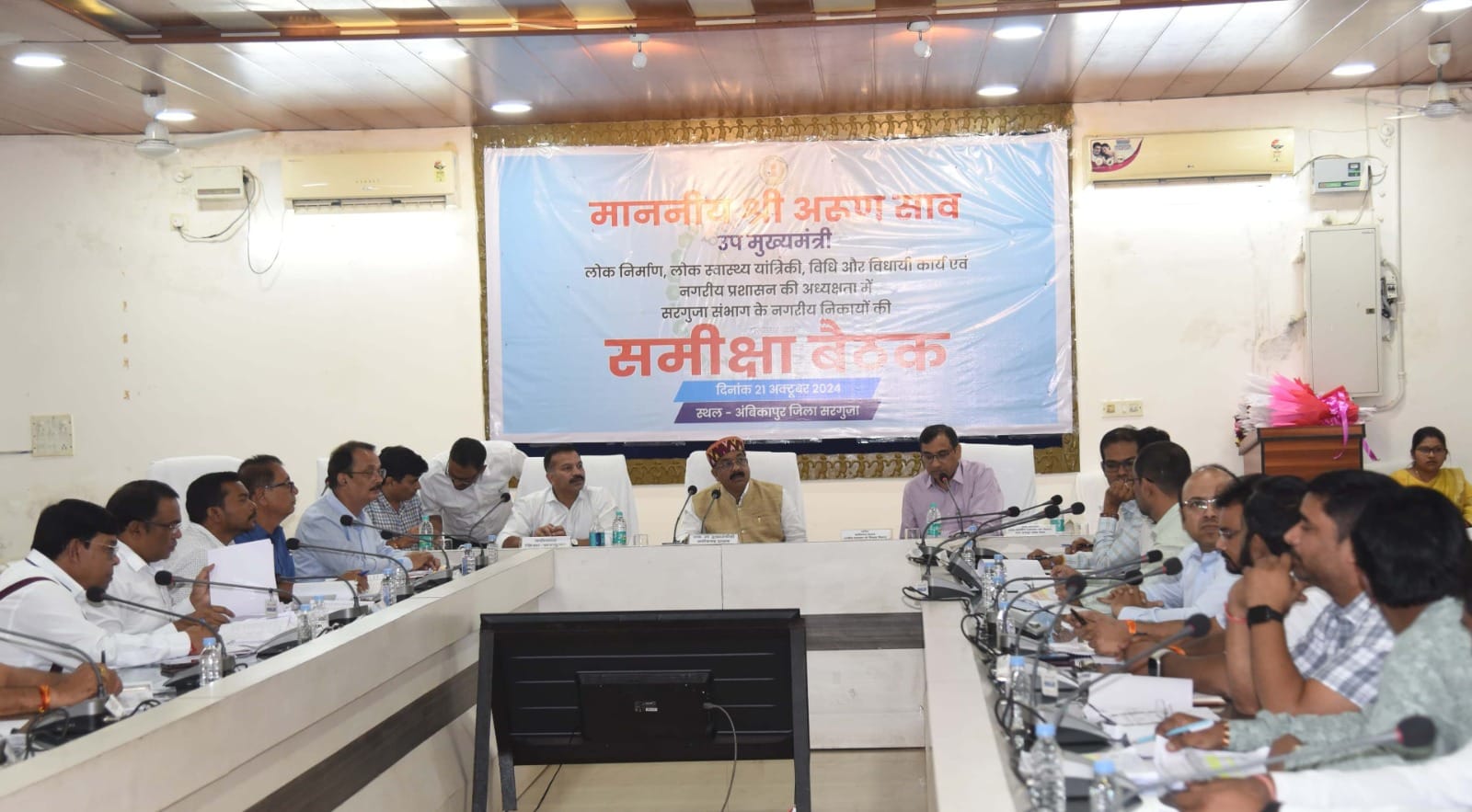
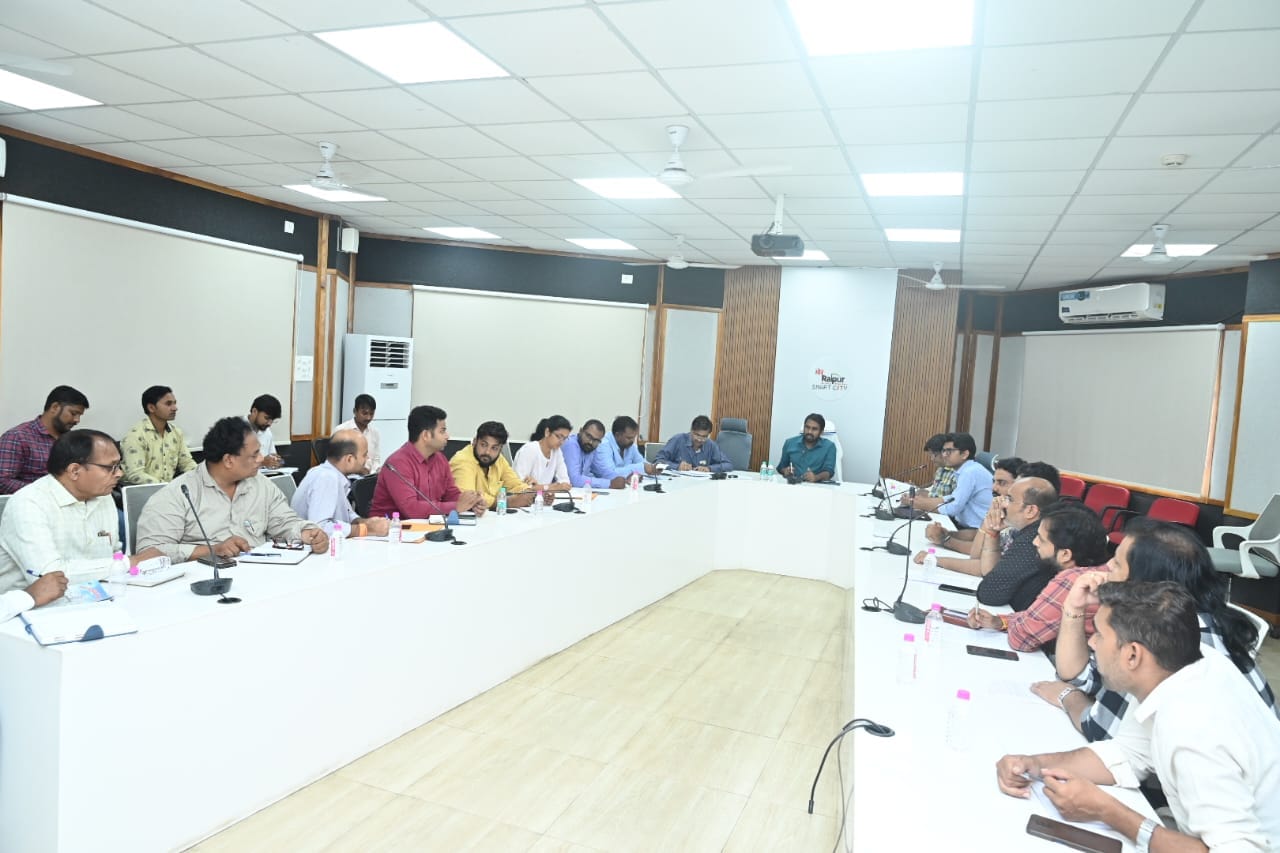
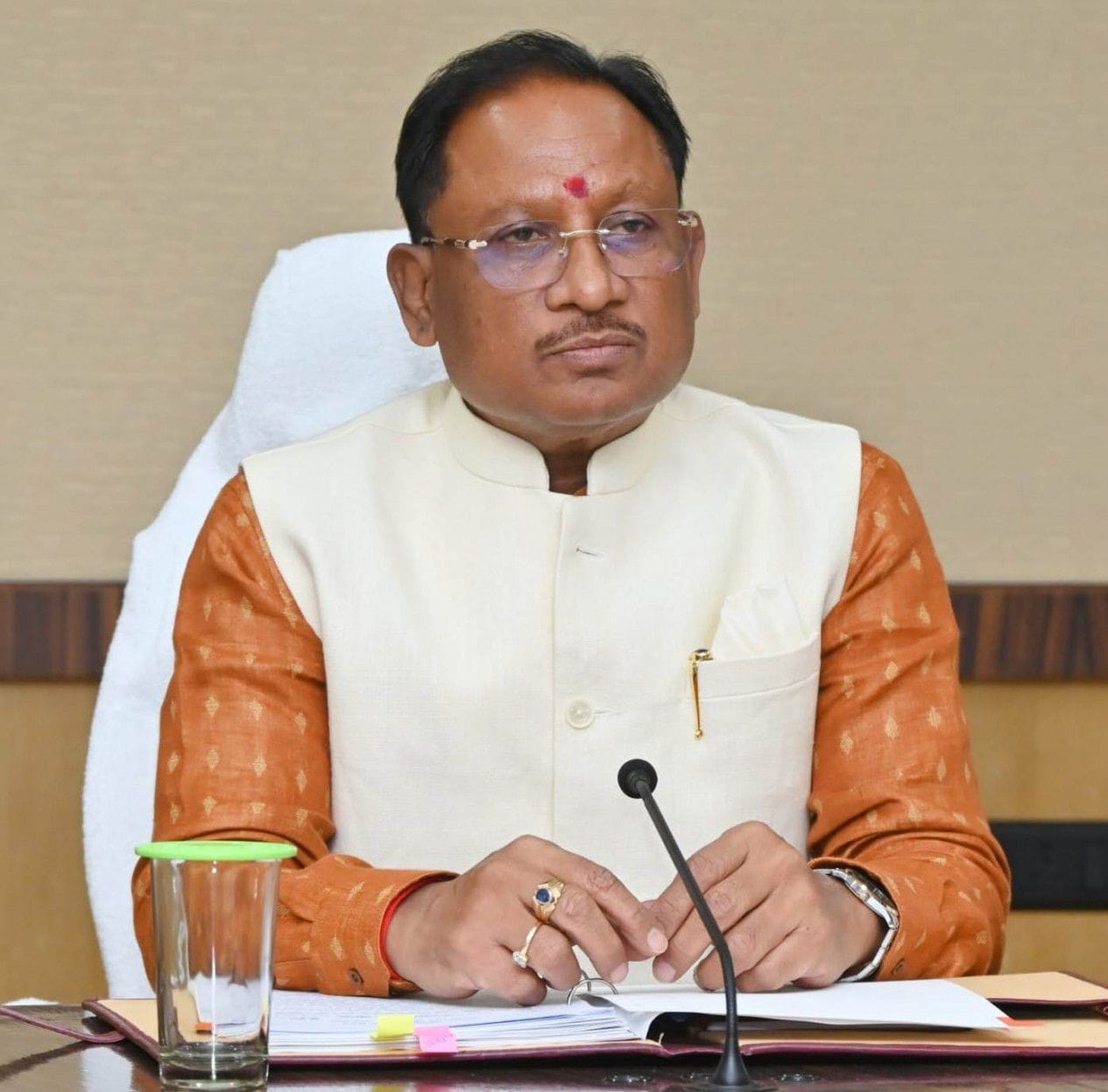
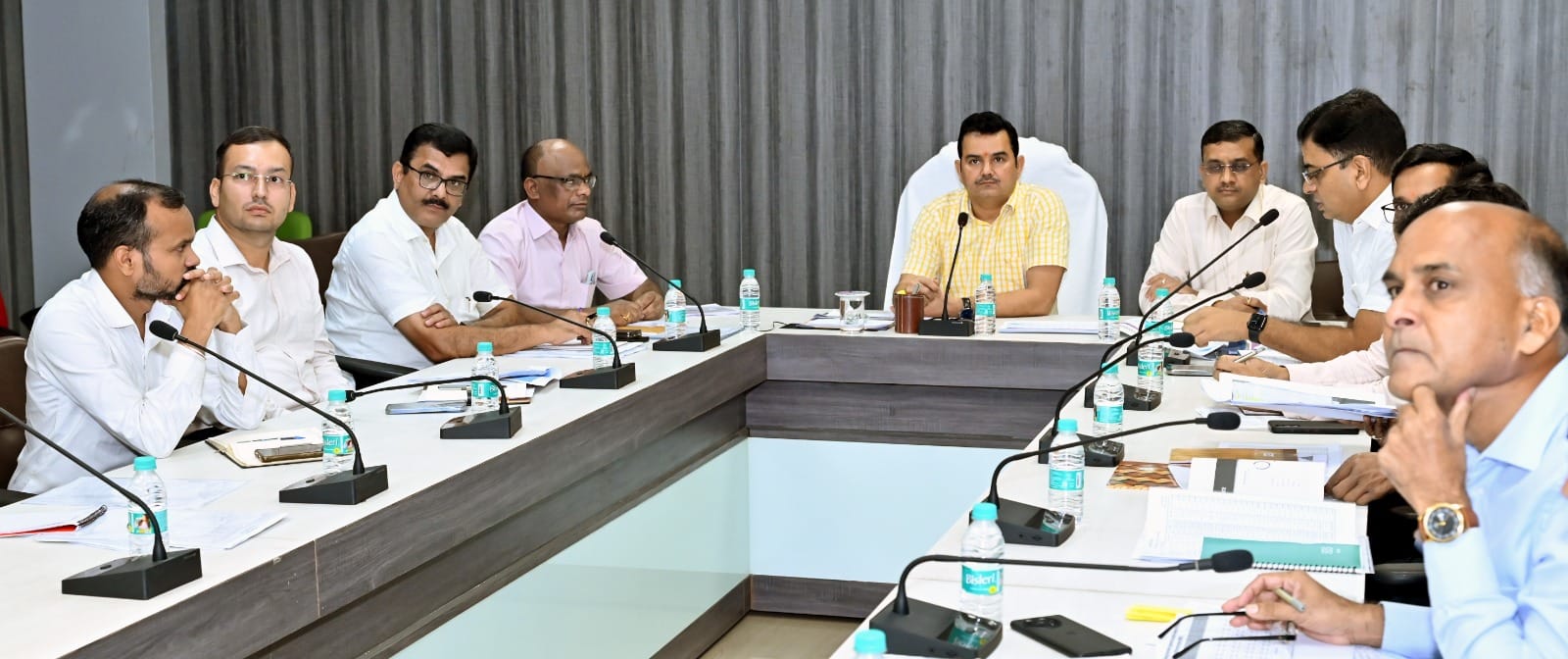
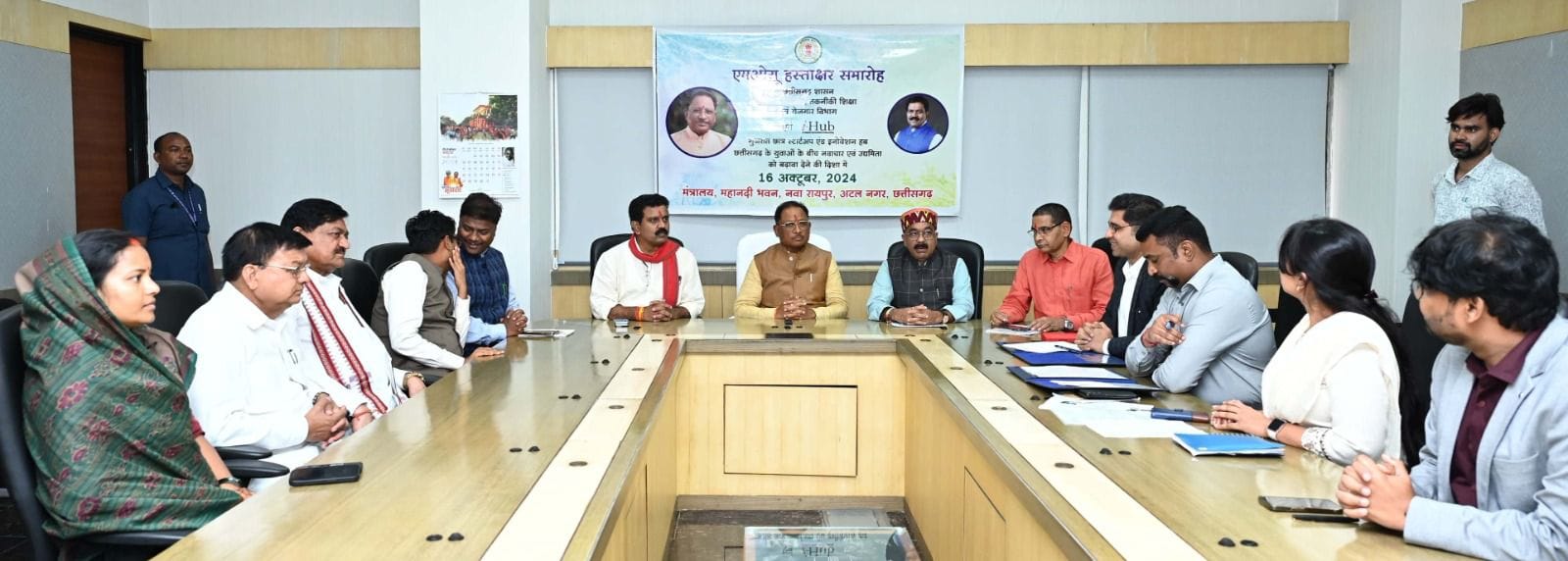
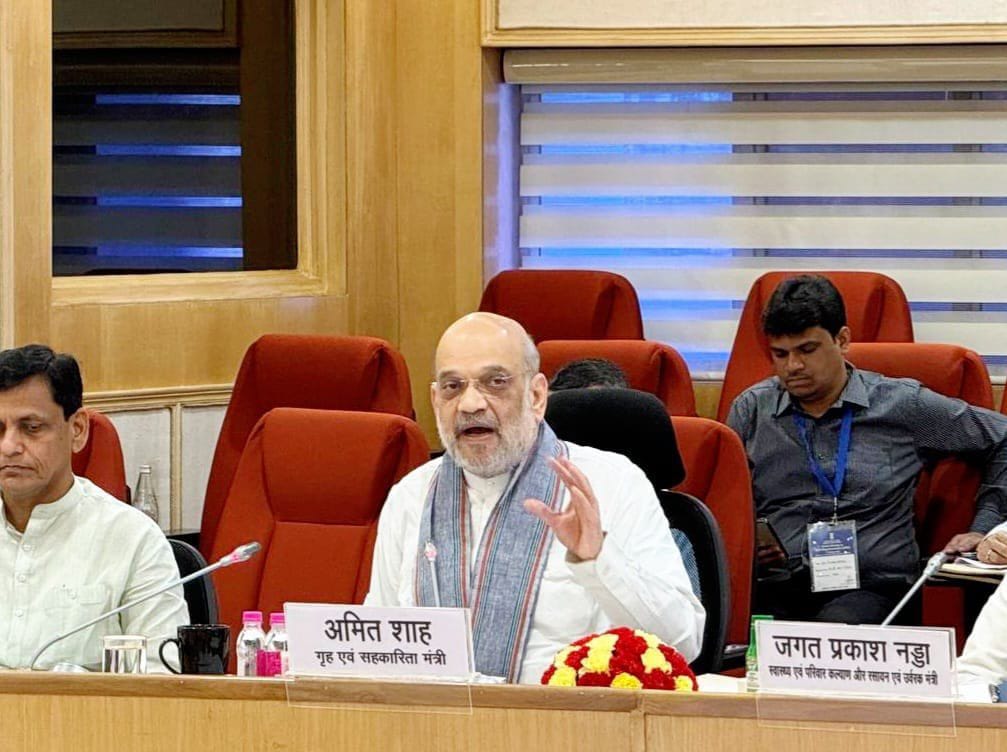
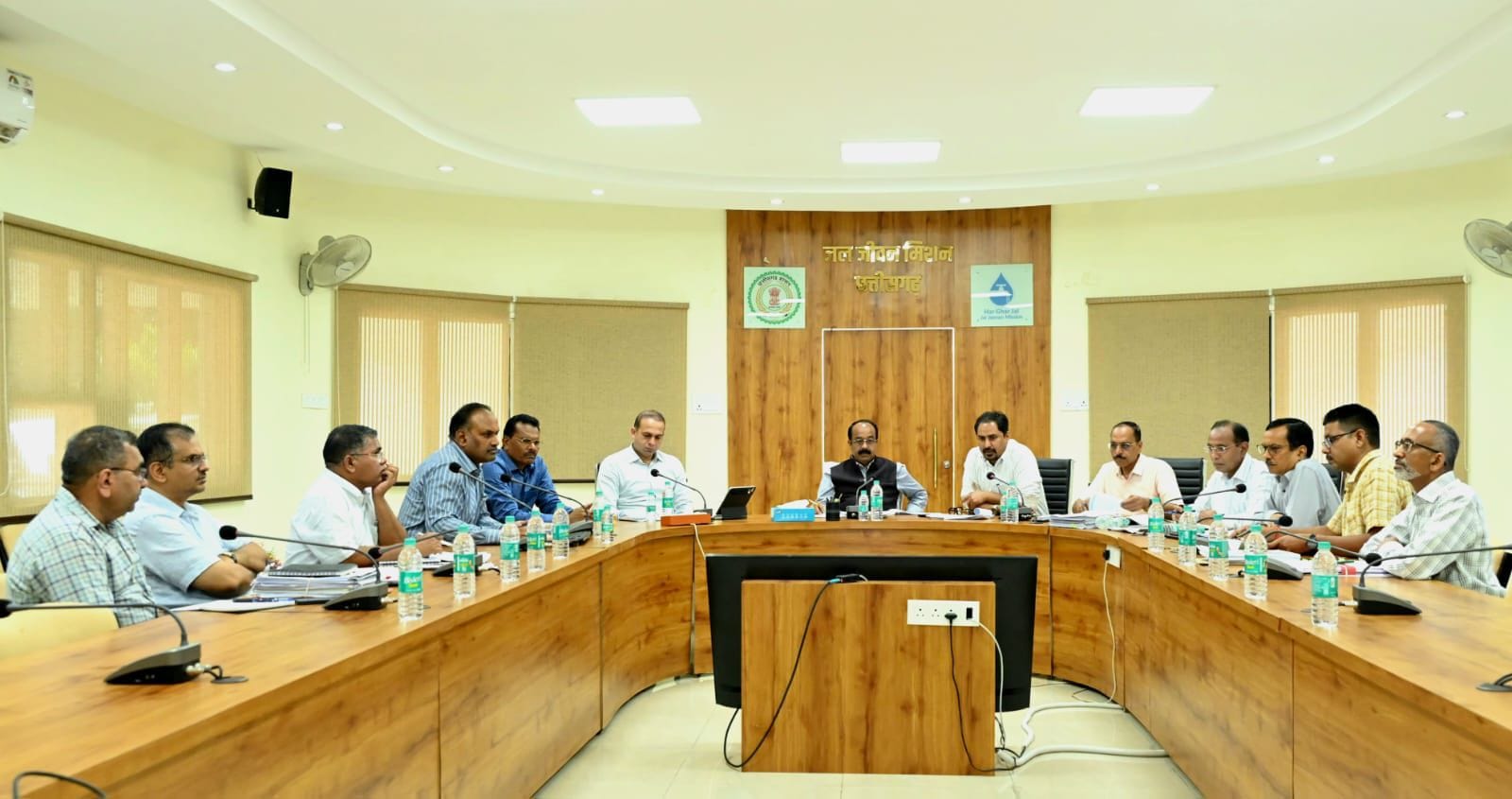
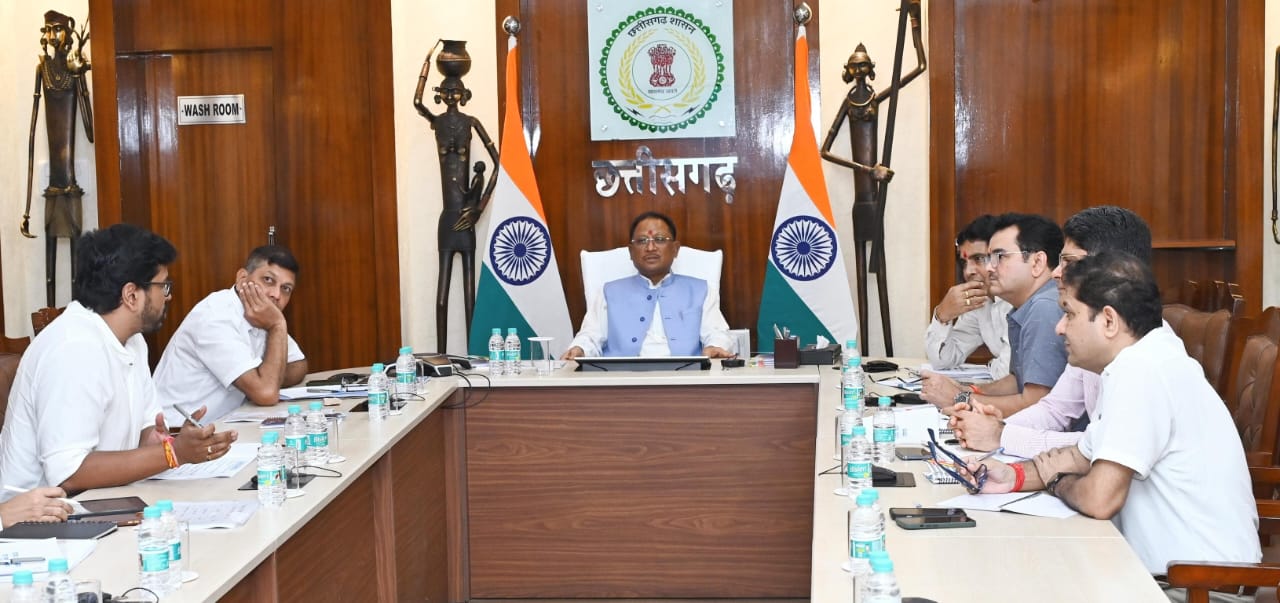
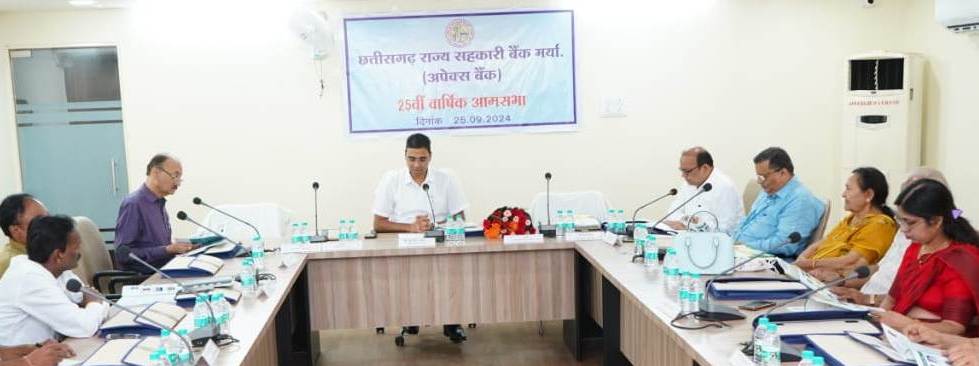
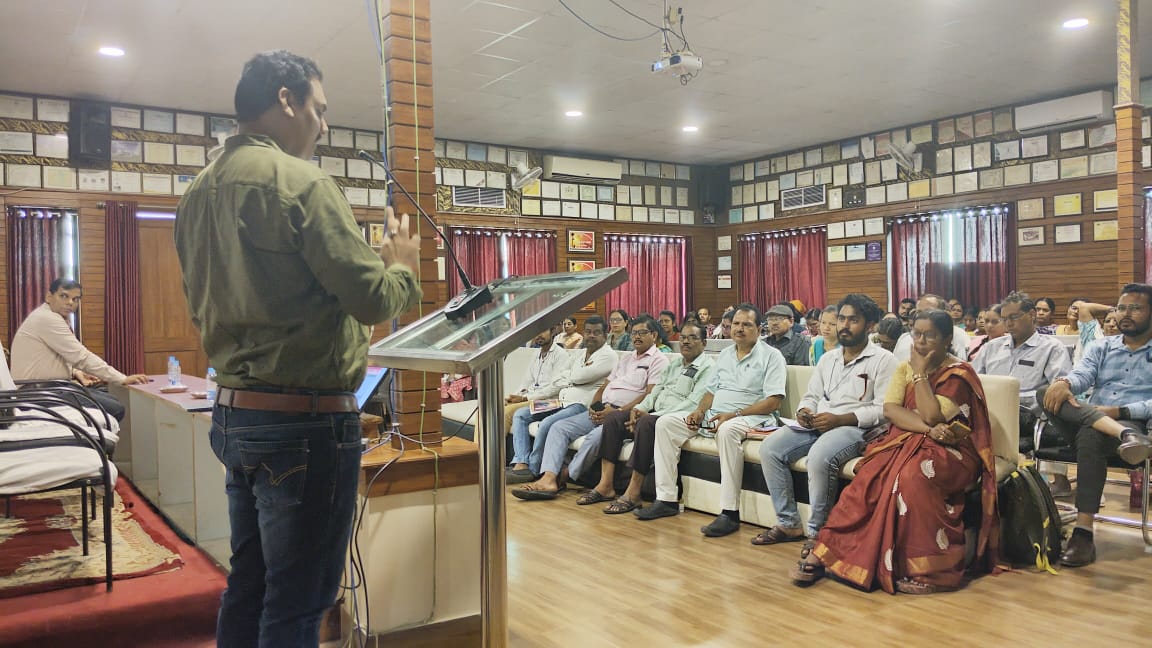
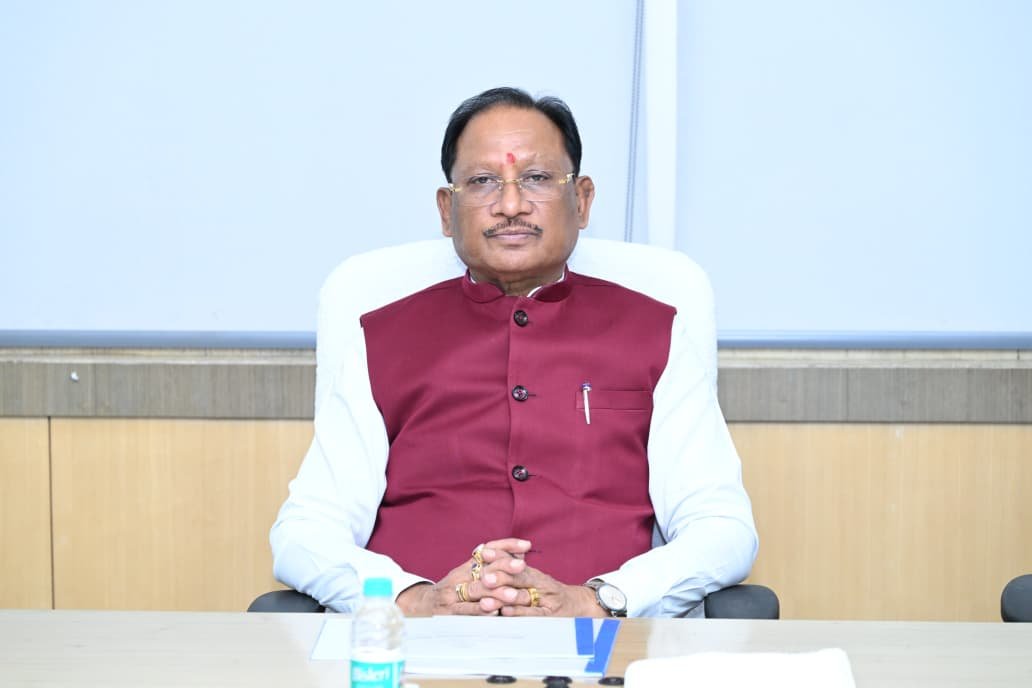
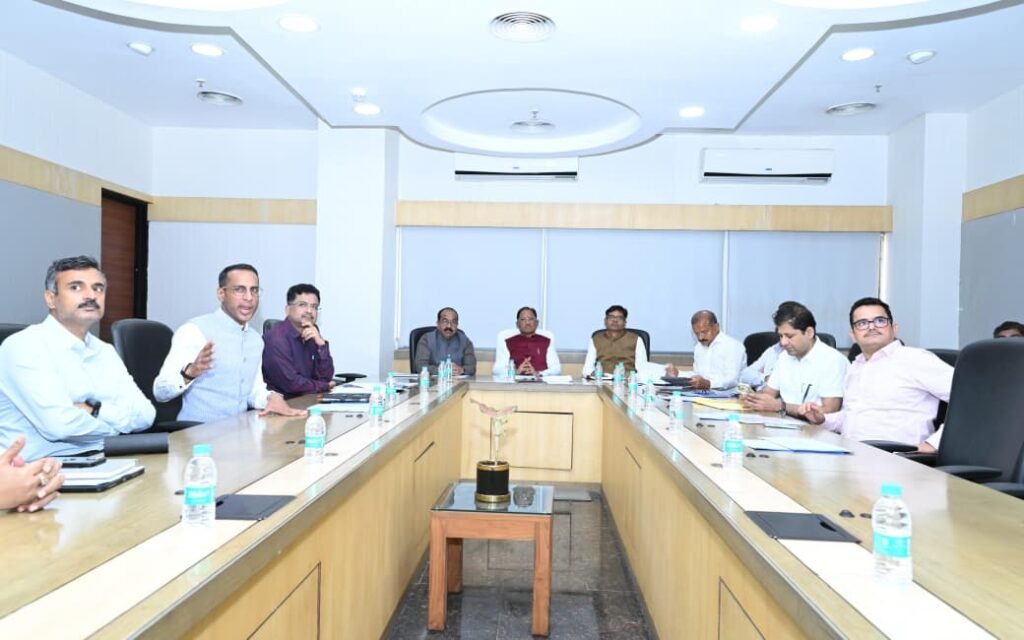
Robust infrastructure forms the foundation of any state’s long-term economic and social development. In Chhattisgarh, the construction of roads, buildings, and other public infrastructure must not merely address current requirements but also consider the needs of coming decades, population growth, industrial and economic activities, and evolving technology. Ensuring that the state’s economy and common citizens derive maximum benefit from every capital investment must be our priority. Chief Minister Vishnu Deo Sai stated this while addressing a high-level review meeting of the Chief Minister’s Infrastructure Mission at Mantralaya Mahanadi Bhawan today. The meeting involved detailed deliberations on various subjects, including priorities for capital expenditure on infrastructure development, timely project implementation, long-term road network development, maintenance of public assets, modern construction techniques, inter-departmental coordination, and future action plans. The Chief Minister stated that the state government is moving forward with the long-term goal of building a developed Chhattisgarh in alignment with the ‘Anjor Vision 2047’. Modern, robust, and sustainable infrastructure will play a pivotal role in achieving this objective. To this end, all departments involved in capital expenditure must clearly define their priorities and proceed with a coordinated, long-term action plan.
- Economic and social impact should be the basis for prioritizing capital investment projects
Chief Minister Shri Sai remarked that expenditure on infrastructure is not merely a cost of construction but an investment in the state’s future. Therefore, when selecting projects, an assessment must be made regarding their impact on transportation, industry, trade, agriculture, tourism, employment, and civic amenities.
He emphasized that the state’s financial resources should be prioritized for projects that benefit the maximum number of citizens, expand economic activities, and unlock new avenues for regional development. Project prioritization should not be based solely on immediate needs but also on long-term economic and social impacts.

- Timelines must be fixed for every stage—from budgeting to construction
Chief Minister Shri Sai stated that the mere allocation of a budget for a project does not fulfill its objective. Once budgetary approval is granted, the timely execution of the project on the ground is of utmost importance. Delays in projects lead to cost overruns and postpone the benefits intended for citizens.
He instructed officials to establish clear timelines for every stage of a project—ranging from conceptualization and planning to budget allocation, administrative and technical approvals, the tendering process, issuance of work orders, and final construction. Progress must be reviewed regularly at every level, and causes for unnecessary delays addressed promptly.
The Chief Minister made it clear that, alongside timeliness, quality must also be a top priority. Strict adherence to prescribed technical and safety standards in construction works must be ensured, and there should be no compromise on quality at any stage.
- A long-term master plan for the state’s road network should be prepared
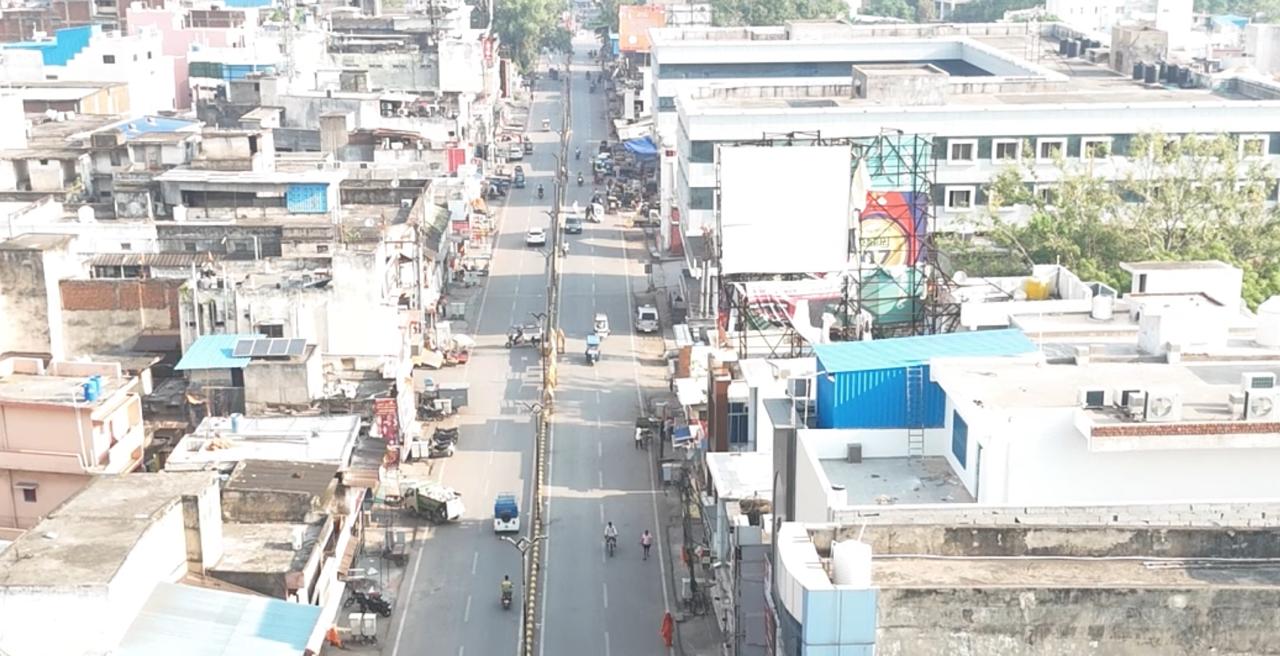
Chief Minister Mr. Sai placed special emphasis on the need for the planned expansion of the state’s road network. He directed officials to assess the current traffic situation, rising population, industrial growth, new economic hubs, and potential future traffic loads across the state.
He stated that a detailed survey should be conducted to determine which routes require upgrading to two lanes and which to four lanes. Based on this, a long-term master plan for the state’s road network should be prepared, keeping future requirements in mind.
The Chief Minister remarked that improved road connectivity not only facilitates travel but also eases access to markets, boosts trade and industry, improves the transportation of agricultural produce, and creates opportunities for investment and employment in new areas. Therefore, road construction should be viewed in conjunction with the overall economic development of the respective regions.
He emphasized the need to develop seamless and superior connectivity between rural areas, cities, industrial zones, and major economic hubs.special attention should be paid to this.
- Regular maintenance is as crucial as construction
Chief Minister Mr. Sai directed officials to develop an effective system for the regular maintenance of roads, buildings, and other public assets. He noted that substantial funds are spent on creating public infrastructure; if timely maintenance is neglected, minor defects can escalate into serious issues, leading to higher repair costs later.
He emphasized that arrangements for long-term maintenance should be determined at the planning stage of construction projects itself. A clear protocol for regular inspections and time-bound repairs must be established. This will extend the operational lifespan of assets, conserve government resources, and ensure citizens continue to receive quality facilities.
The Chief Minister stated that the condition of roads and public amenities directly impacts citizens’ daily lives. Good infrastructure makes life easier, whereas a lack of maintenance turns the same asset into a source of inconvenience. Therefore, maintenance should be accorded the same priority as construction.
- Future needs to be factored into schools, colleges, and public buildings
Chief Minister Mr. Sai remarked that assessing only current requirements is insufficient when planning schools, colleges, and other public buildings. Building designs should take into account the anticipated increase in the number of students or users and the potential need for new facilities in the coming years.
He advised incorporating aspects such as future expansion, safety, accessibility, utility, and maintenance into the initial construction plan. This approach would minimize unnecessary expenditure on future additional construction and ensure better utilization of existing assets.
- Chhattisgarh should adopt modern technology and best practices
Chief Minister Mr. Sai emphasized the extensive use of modern technology, high-quality construction materials, and prescribed safety standards in construction projects. He directed officials to study the best practices, innovations, and successful policies regarding infrastructure development and maintenance being implemented in other states across the country. He stated that useful innovations should be adopted in alignment with Chhattisgarh’s geographical, economic, and local requirements. Construction technology is evolving rapidly; therefore, it is essential to keep the state’s engineers and technical staff continuously updated on the latest technologies.
The Chief Minister emphasized the need to establish an institutional framework for the regular training and skill enhancement of engineers and technical officials.
- Integrated Digital System to be Developed, Spanning from Planning to Maintenance
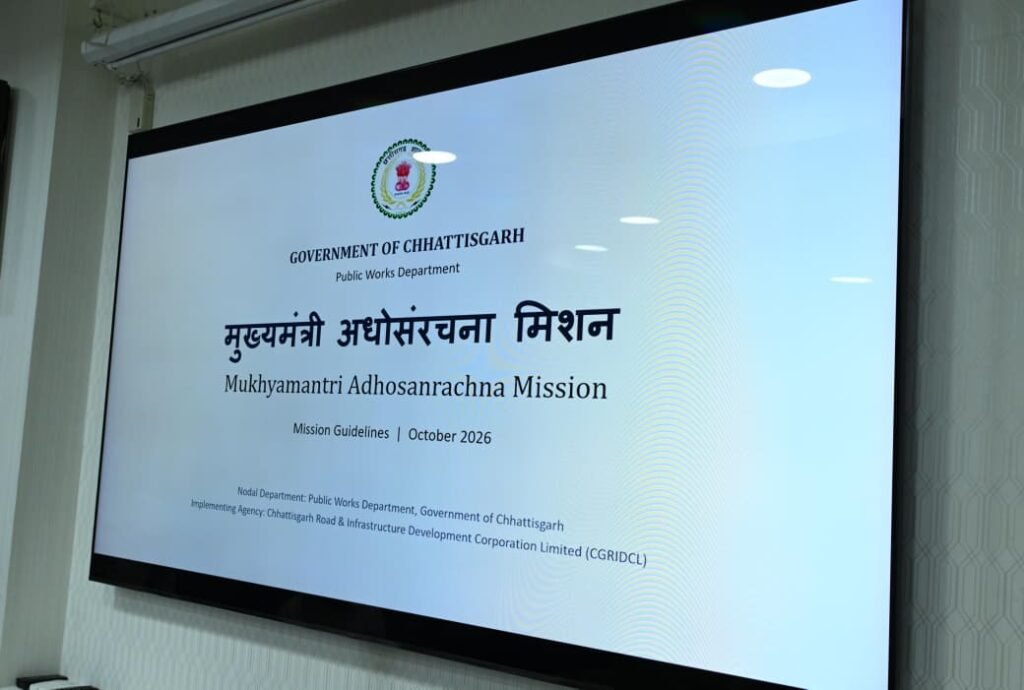
The proposed action plan for the ‘Chief Minister Infrastructure Mission’ was discussed in detail during the meeting. Through this mission, comprehensive improvements will be made to the systems governing public infrastructure—covering planning, financing, approval, procurement and contracting, construction, monitoring, and maintenance.
Discussions also focused on integrating various infrastructure development processes into a unified digital system. This will enable effective monitoring of projects across different departments, tracking their physical and financial progress against established timelines.
A holistic assessment of existing infrastructure will be conducted to identify the gap between requirements and availability. This will assist in prioritizing projects based on actual needs and ensuring the optimal utilization of financial resources.
- Departments Should Work with a Shared Development Vision, Not in Isolation
Chief Minister Sai placed special emphasis on fostering better coordination among all departments involved in infrastructure development. He urged that, rather than viewing schemes through a fragmented departmental lens, work should be aligned with the state’s overall development needs.
Improved inter-departmental coordination will prevent the unnecessary duplication of work in the same area, maximize resource utilization, and allow various projects to be developed in a mutually complementary manner.
The Chief Minister directed that the technical, professional, and managerial capabilities of officials and staff be strengthened under the mission. He also emphasized prioritizing quality, safety, durability, and resilience against climate-related challenges in all construction activities. The true value of infrastructure will be determined by the benefits it delivers to citizens.
Chief Minister Shri Sai stated that development should not be assessed solely based on the number of kilometers of roads laid or buildings constructed. True success will be measured by how much the infrastructure has eased the lives of citizens, boosted economic activity, created new opportunities, and accelerated the long-term development of the region.
He emphasized that the goal is to create infrastructure that meets current needs while also serving future generations. We must lay a strong foundation for a developed Chhattisgarh through planned capital investment, modern technology, quality construction, and regular maintenance.
Chief Minister Shri Sai also stressed the importance of widely disseminating information to the public regarding the government’s pro-people development initiatives and the amenities available to citizens through this new infrastructure.
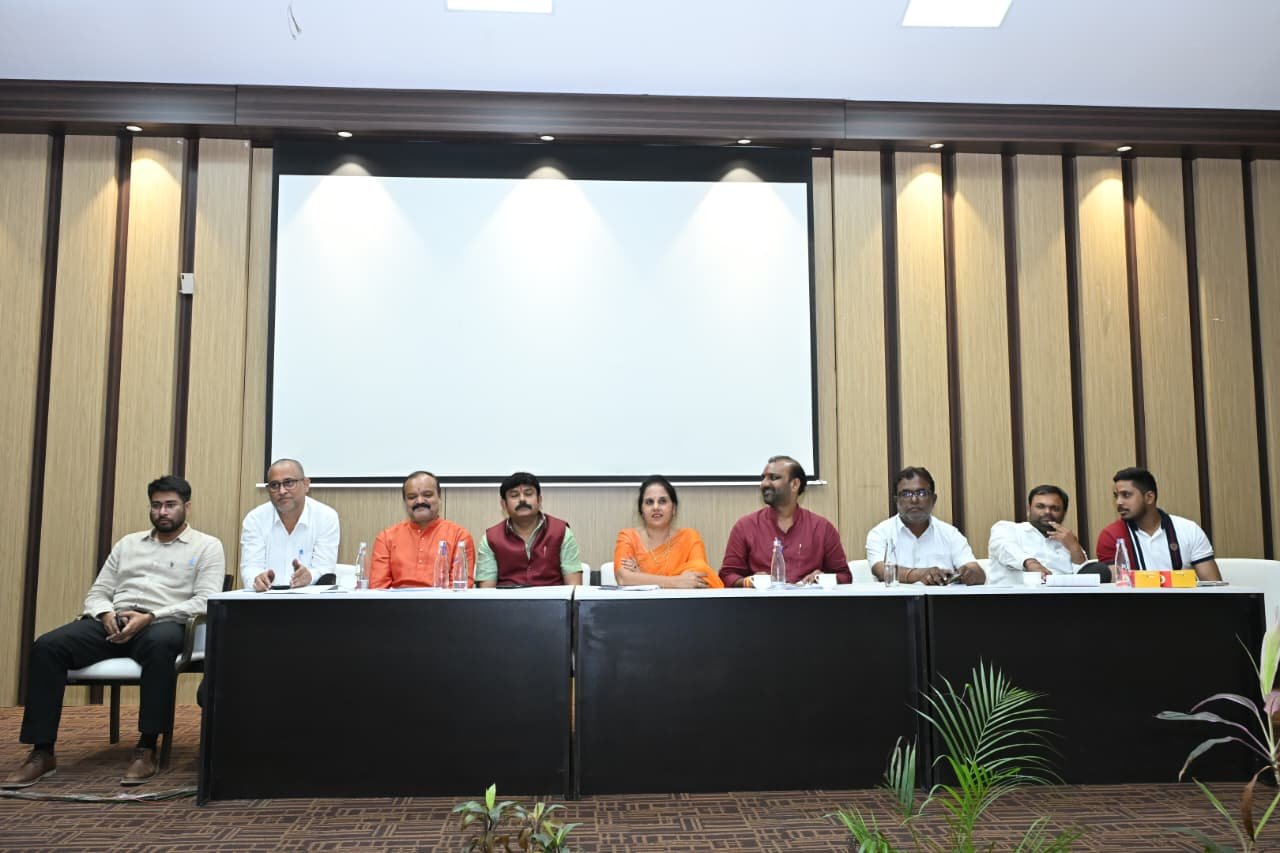
The meeting was attended by Deputy Chief Minister Shri Arun Sao, Finance Minister Shri O.P. Choudhary, Chief Secretary Shri Vikas Sheel, Principal Secretary to the Chief Minister Shri Subodh Kumar Singh, and officials from the Urban Administration and…Senior officials from the concerned departments were present, including Principal Secretary of the Development Department Shri Sonmoni Borah, Secretaries to the Chief Minister Shri Rahul Bhagat and Shri P. Dayanand, Secretary of the Finance Department Dr. Rohit Yadav, Secretary of the Public Works Department Shri Mukesh Bansal, and Secretary of the Information and Technology Department Shri Ankit Anand.