















































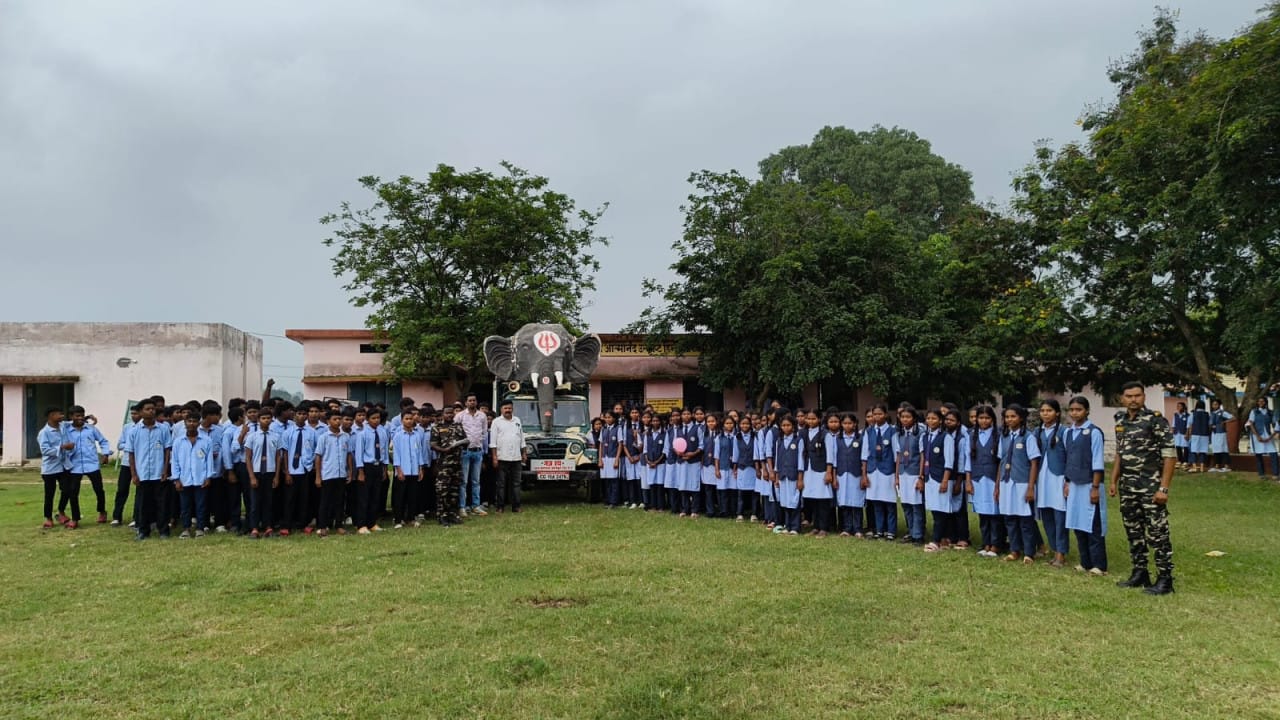
- The message of human-elephant coexistence is being spread through schools, village councils and forest protection committees.
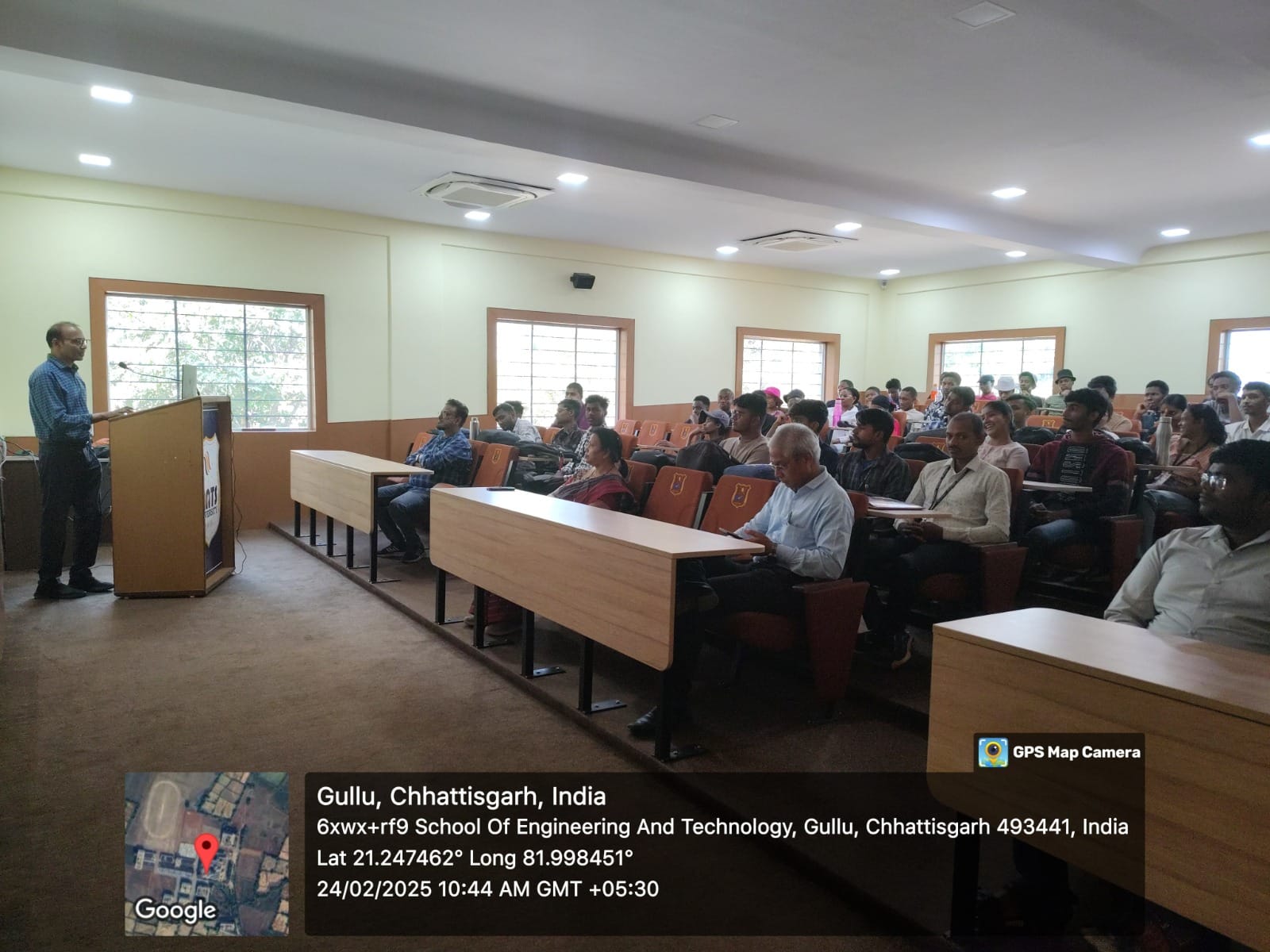
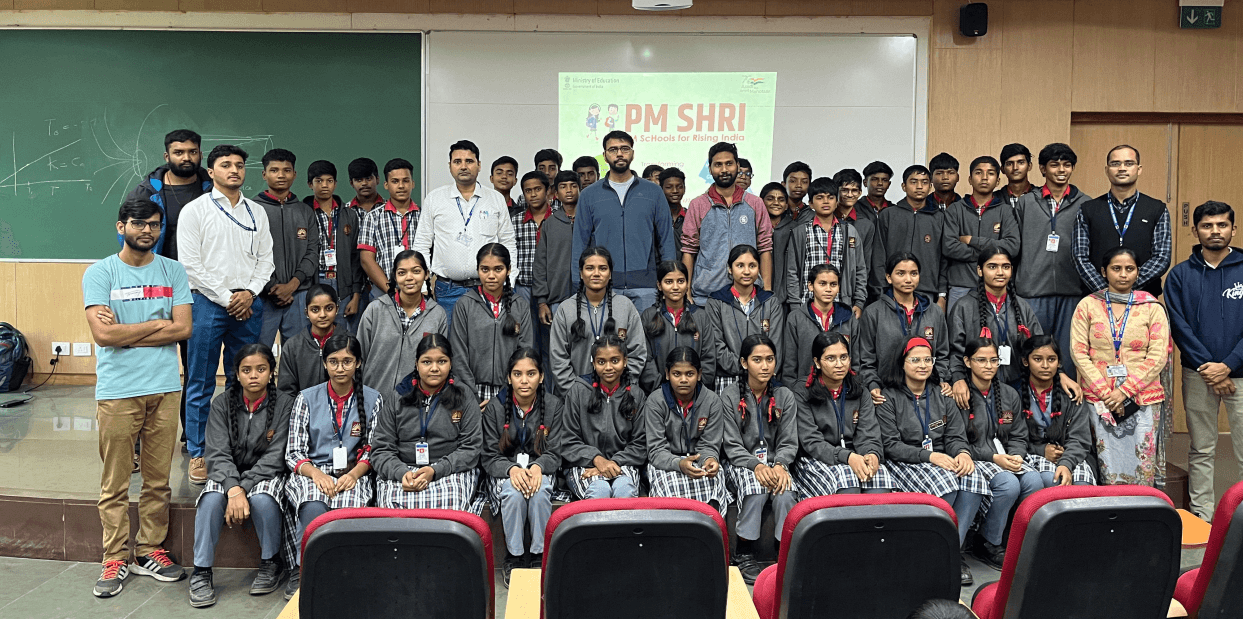
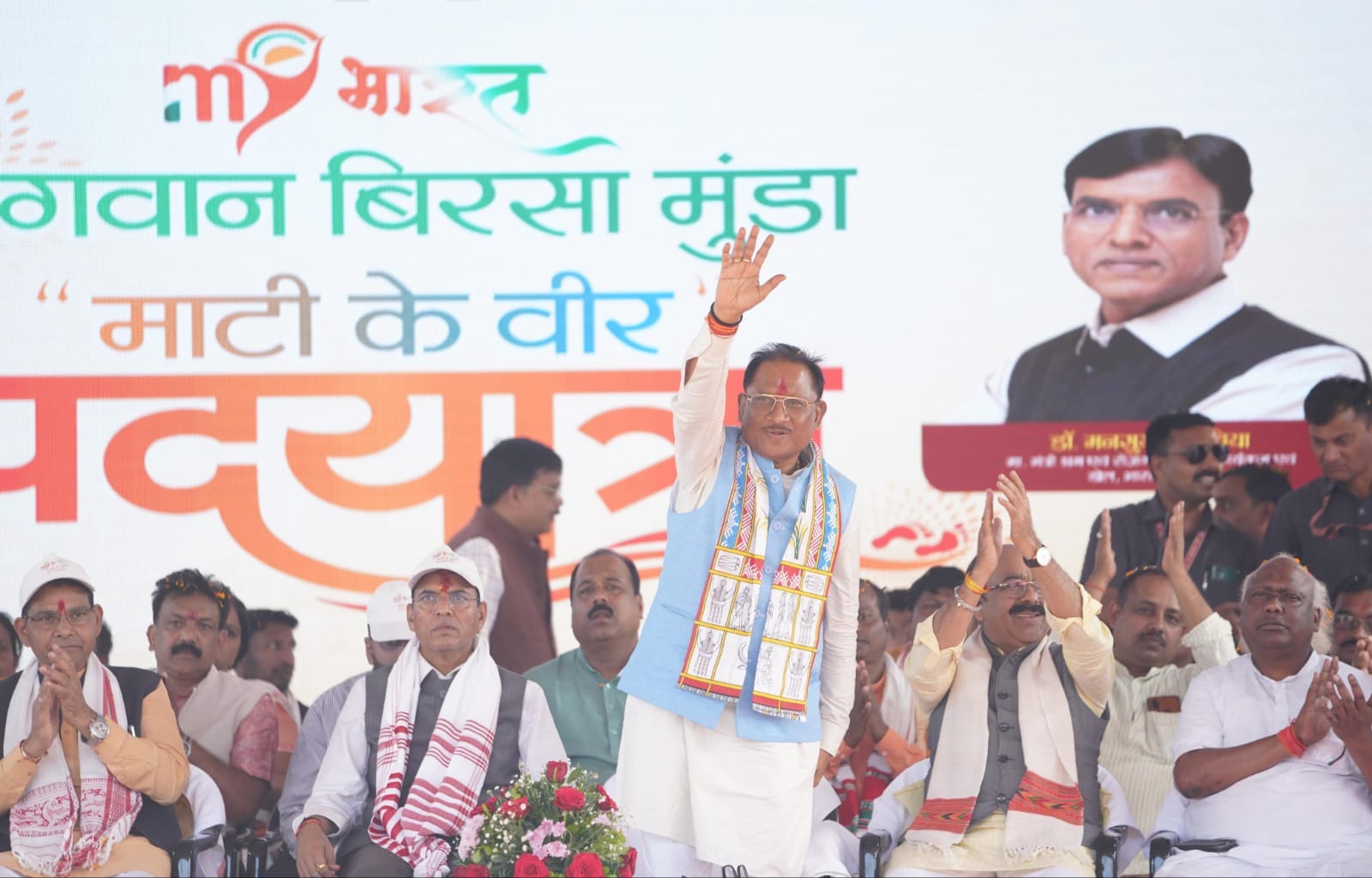
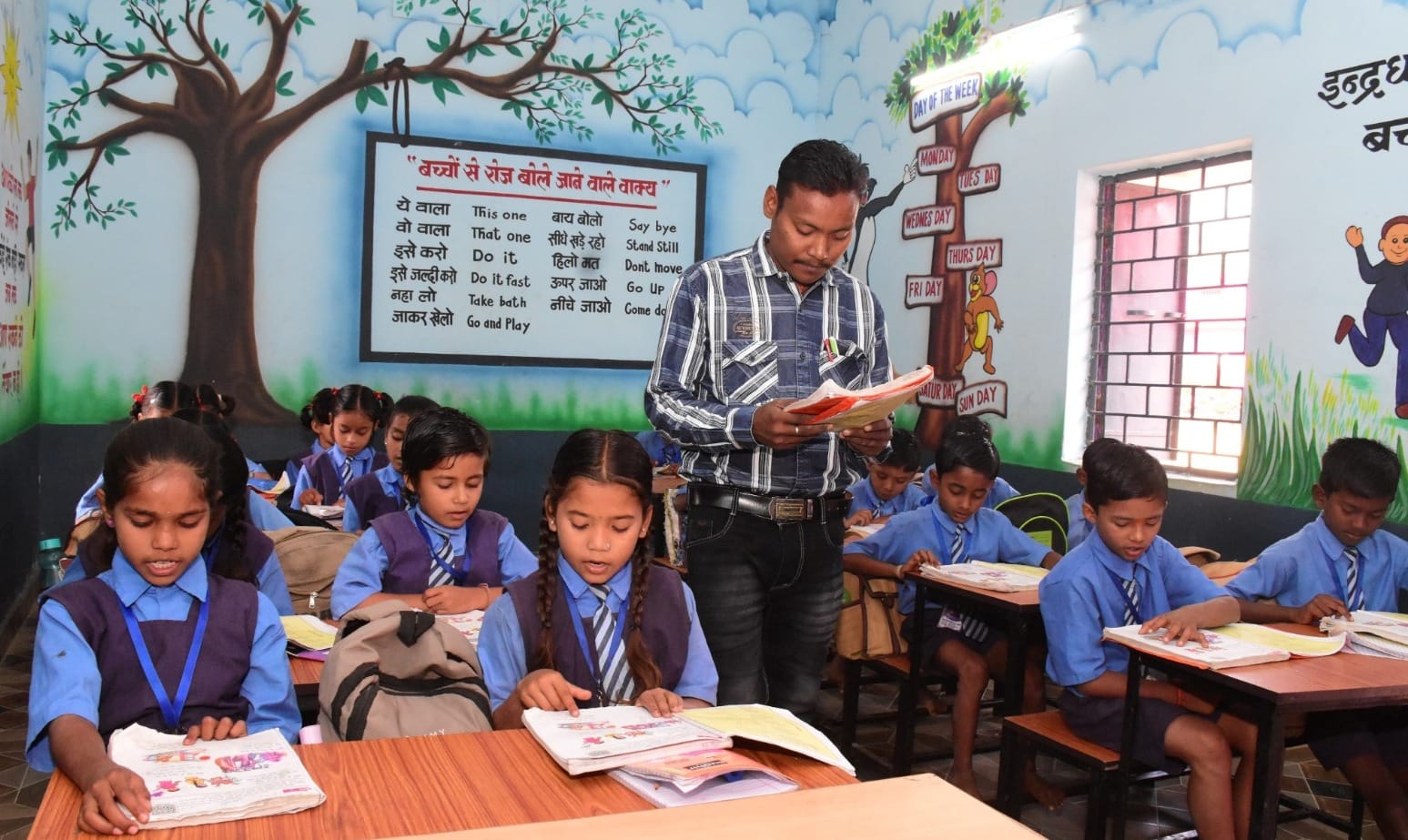
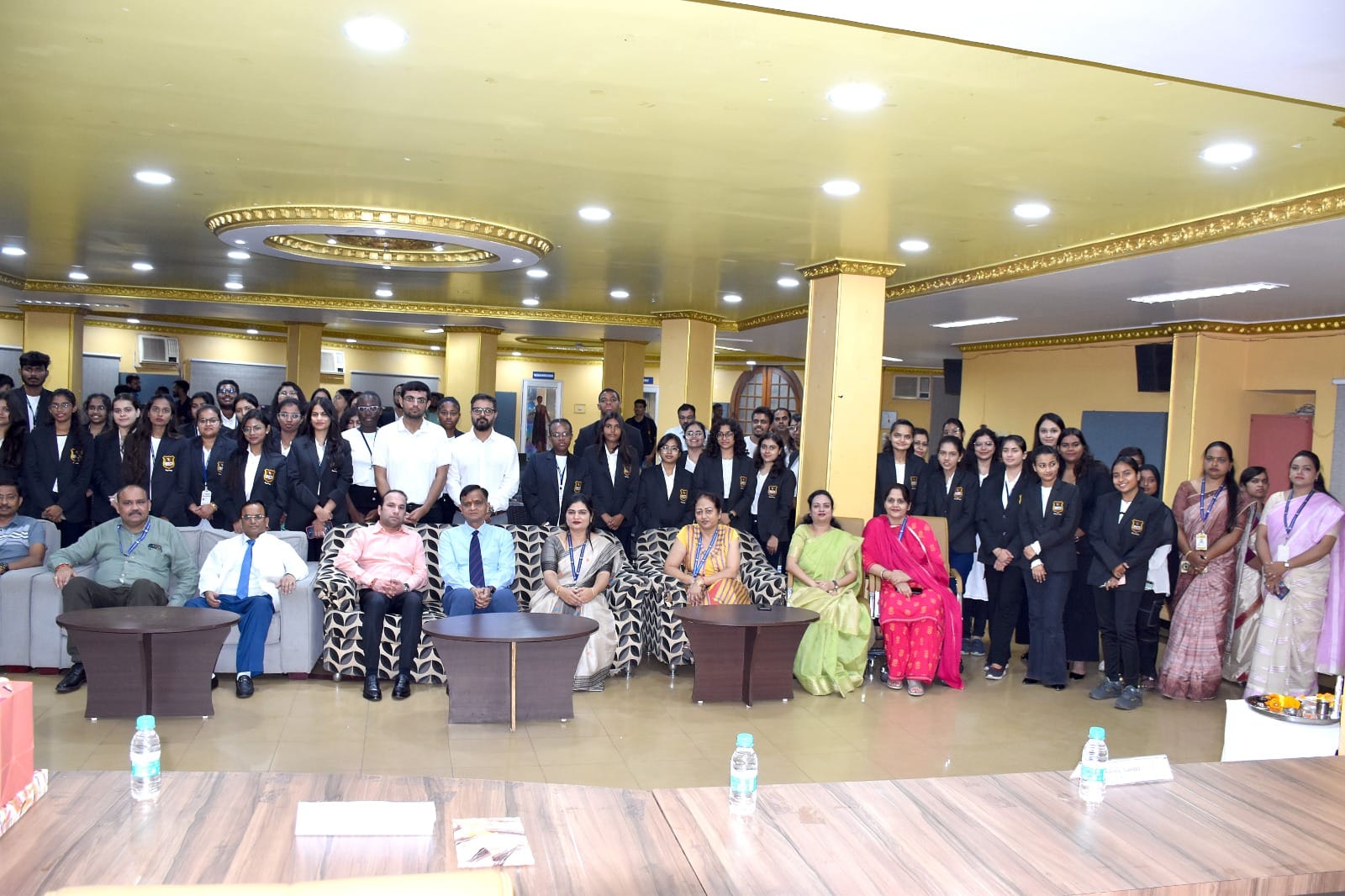
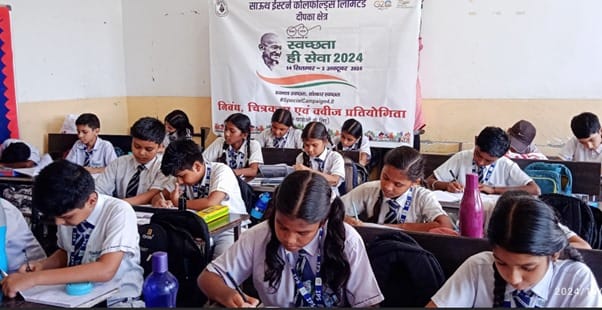
With the aim of reducing human-elephant conflict incidents and developing a scientific attitude towards elephants among the general public, especially students and villagers, the Jashpur Forest Division has launched the Gajrath Yatra 2026. This campaign is being conducted in elephant-affected sensitive (yellow zone) areas, where forest department teams are reaching out to schools and villages to provide information on elephant behavior, their natural habitat, and safe coexistence. According to the Forest Department, during the Gajrath Yatra organized in 2025, 1,542 students from 15 schools in the Tapkara Forest Range were provided with scientific information regarding the biological and behavioral characteristics of elephants, their natural habitat, movement routes, food and water sources, herd structure, and human-elephant coexistence. Students were also trained on precautions to be taken during elephant movement, safe behavior in emergency situations, and how to follow Forest Department warnings.
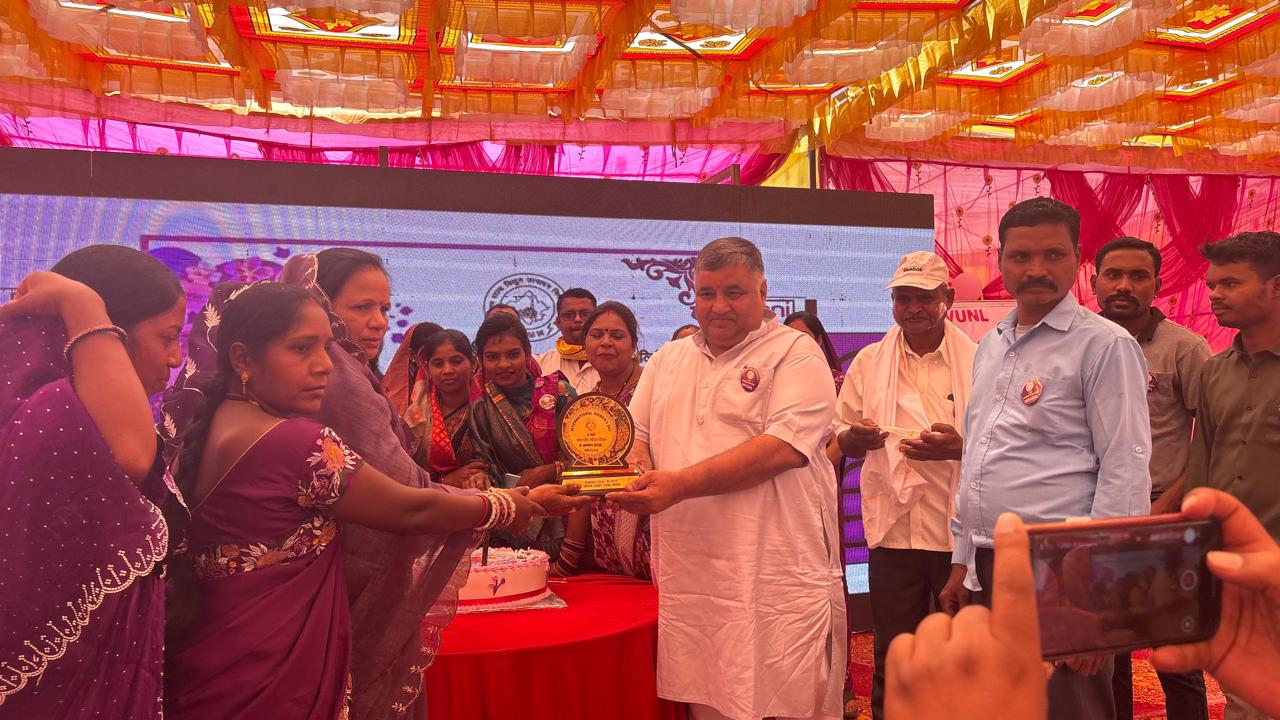
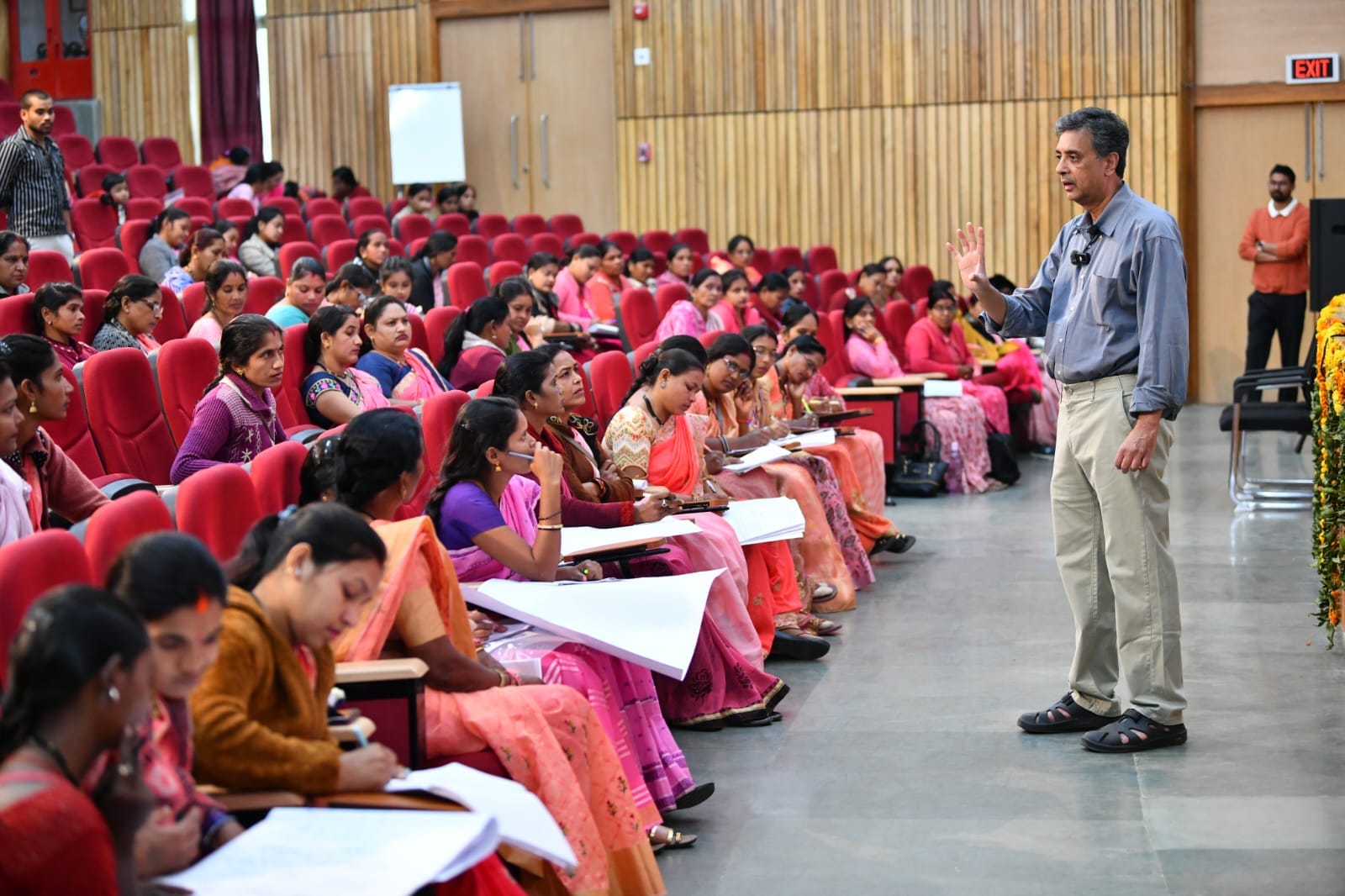
This campaign yielded positive results, increasing awareness and sensitivity towards elephants among local citizens and students. Habits like sharing timely information about elephant movement, avoiding rumors, and maintaining a safe distance have developed, which have helped reduce incidents of human-elephant conflict. Based on these positive experiences, Gajrath Yatra-2026 has been expanded this year. The Yatra is reaching various elephant-affected forest areas and villages of Jashpur Forest Division, raising awareness among schools, gram sabhas, forest protection committees, women self-help groups, and villagers about elephant behavior and their conservation.
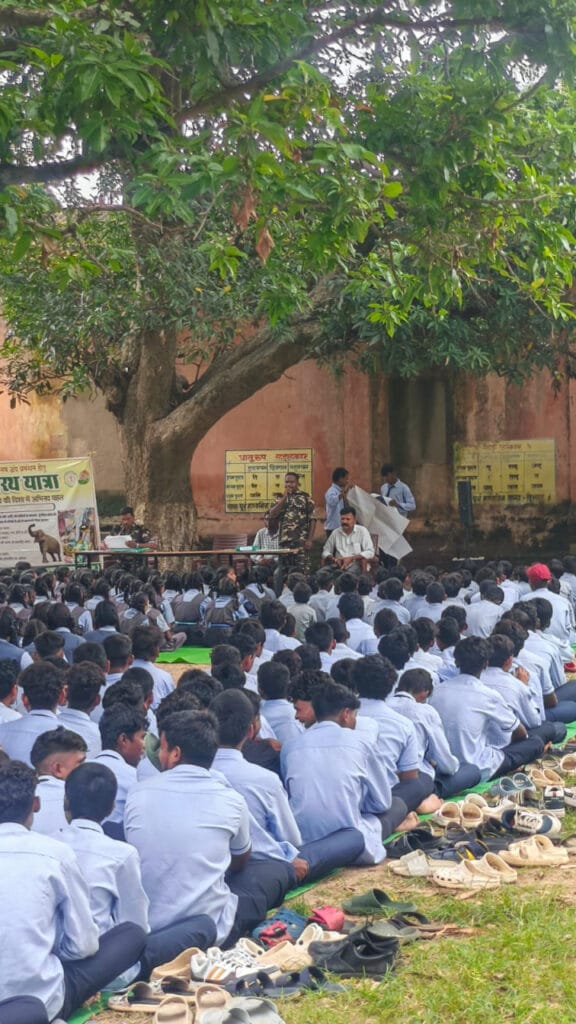
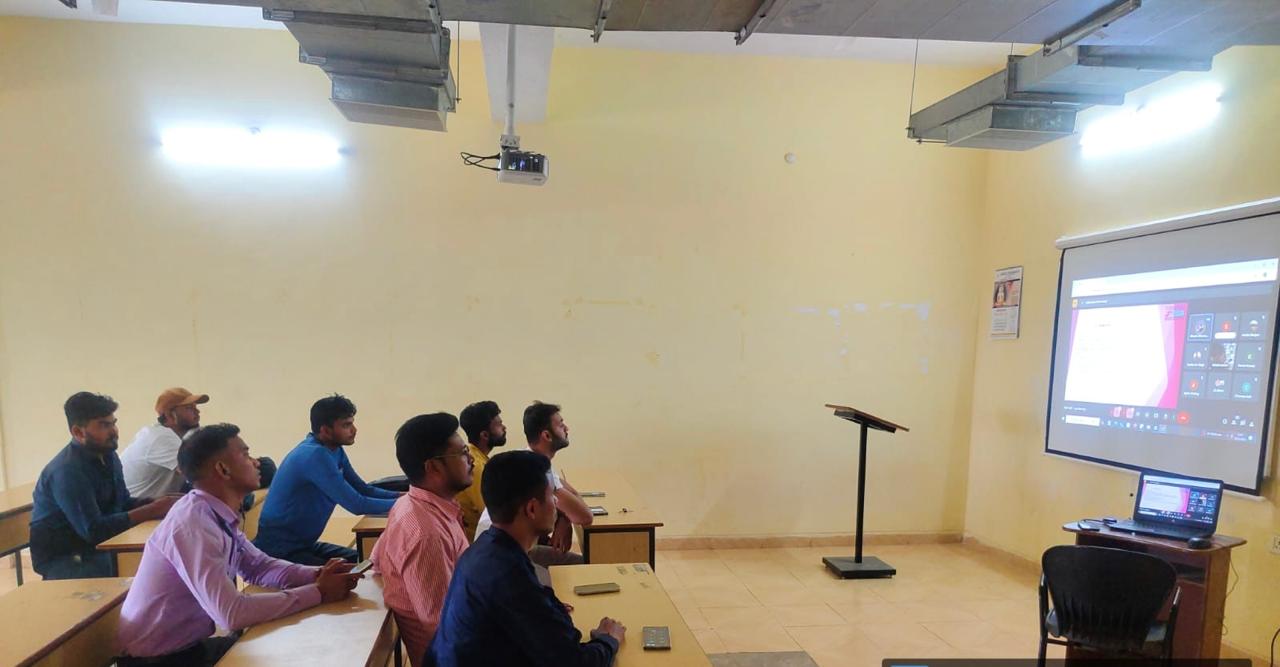
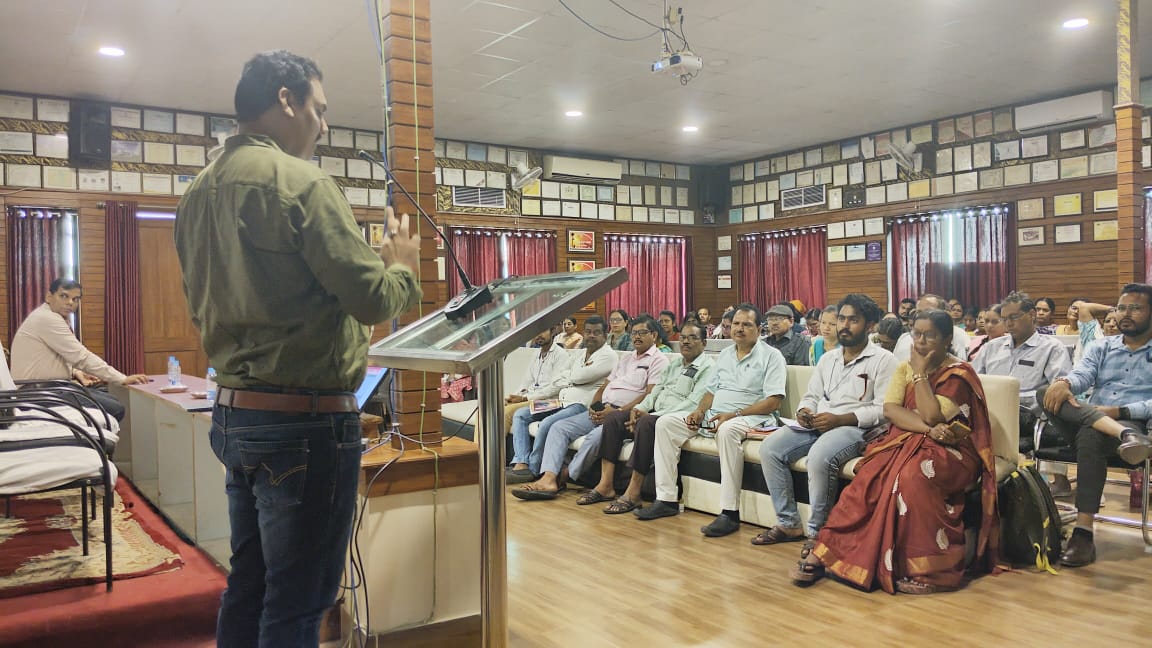
During the campaign, modern audio-video presentations, posters, flexes, models, and interactive activities are being used to educate the public that approaching elephant herds, provoking them, or obstructing their path can lead to serious accidents. Villagers are being advised to stay in a safe place upon receiving information about elephant movement, avoid unnecessary travel at night, avoid venturing into fields and forests alone, and follow Forest Department guidelines. Students are also being educated about elephant ecology, their role in forest and biodiversity conservation, and civic responsibility towards wildlife conservation. Through quizzes, dialogues, and educational activities, children are being motivated towards conservation, so that they can spread the message of awareness to their families and society.
The Divisional Forest Officer stated that public awareness is the most effective means of promoting human-elephant coexistence in the Jashpur Forest Division. The Gajrath Yatra is not merely a publicity campaign, but a powerful community-based conservation effort. Its objective is to inspire local people to understand elephant behavior, mitigate risks, and adopt safe coexistence, thereby reducing loss of life and property damage and strengthening elephant conservation.