











































































































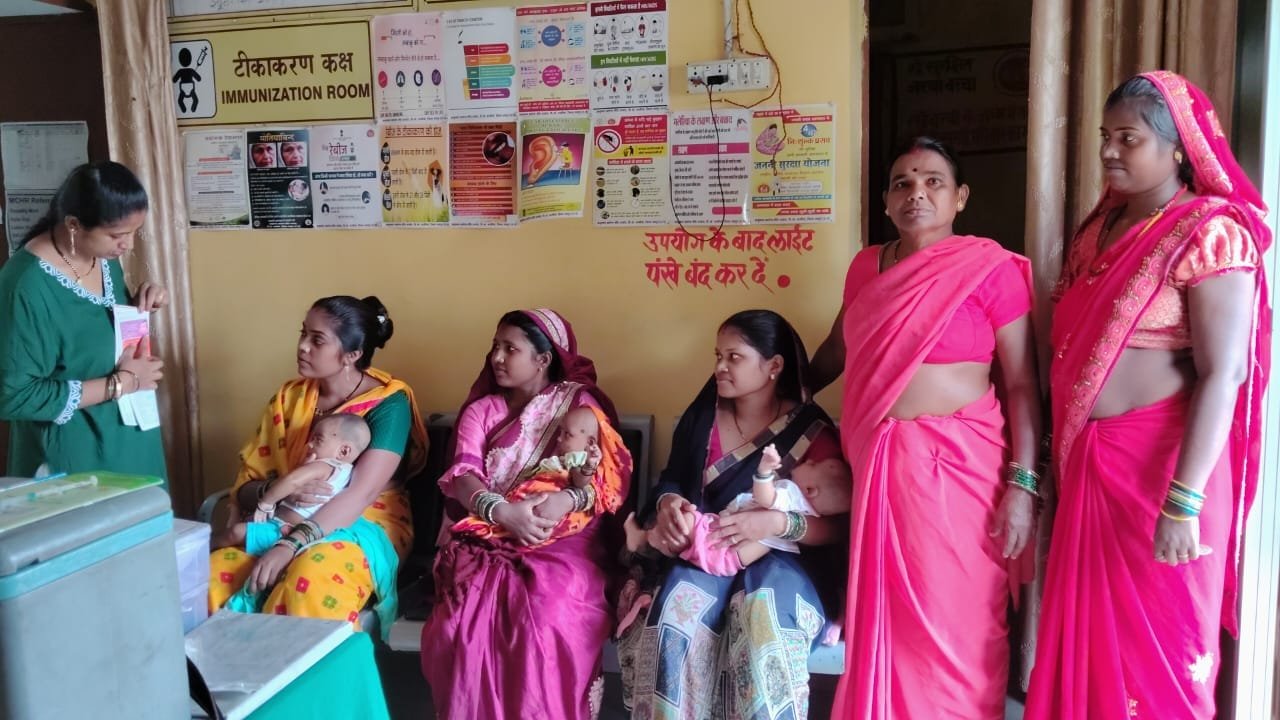
- Special emphasis on breastfeeding within the first hour of birth and exclusive breastfeeding for the first six months; awareness activities continue in health institutions
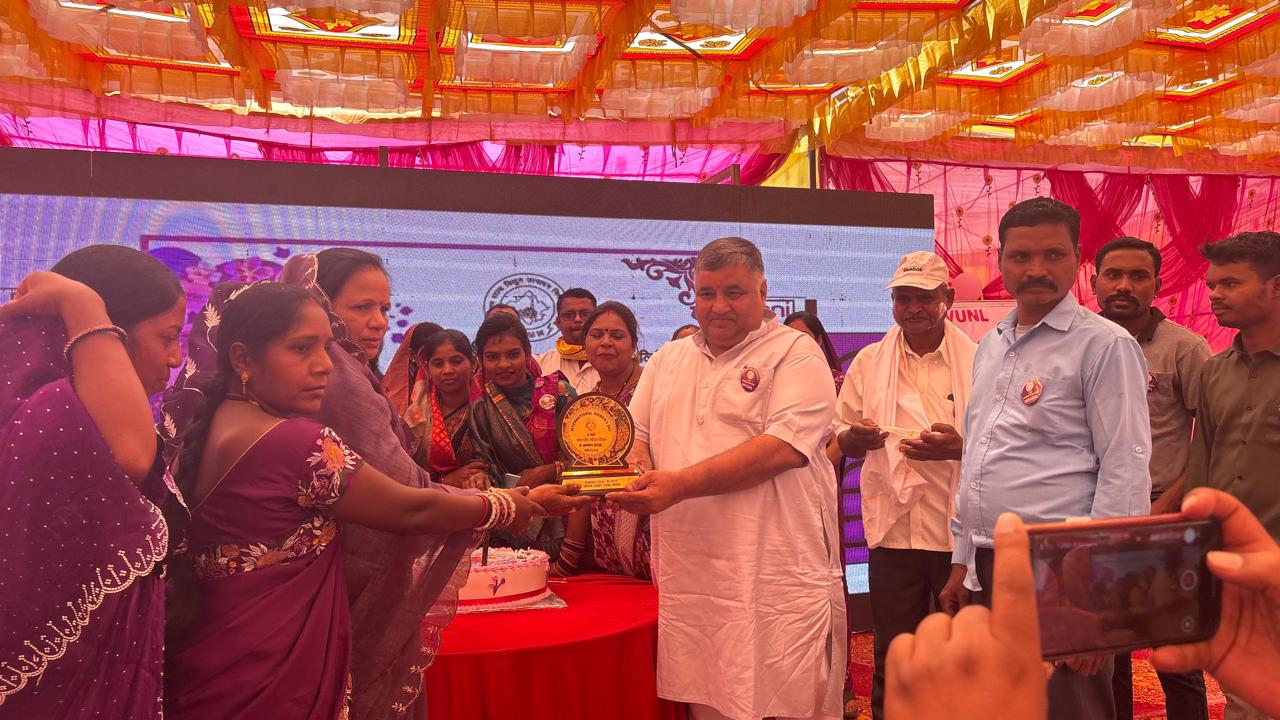
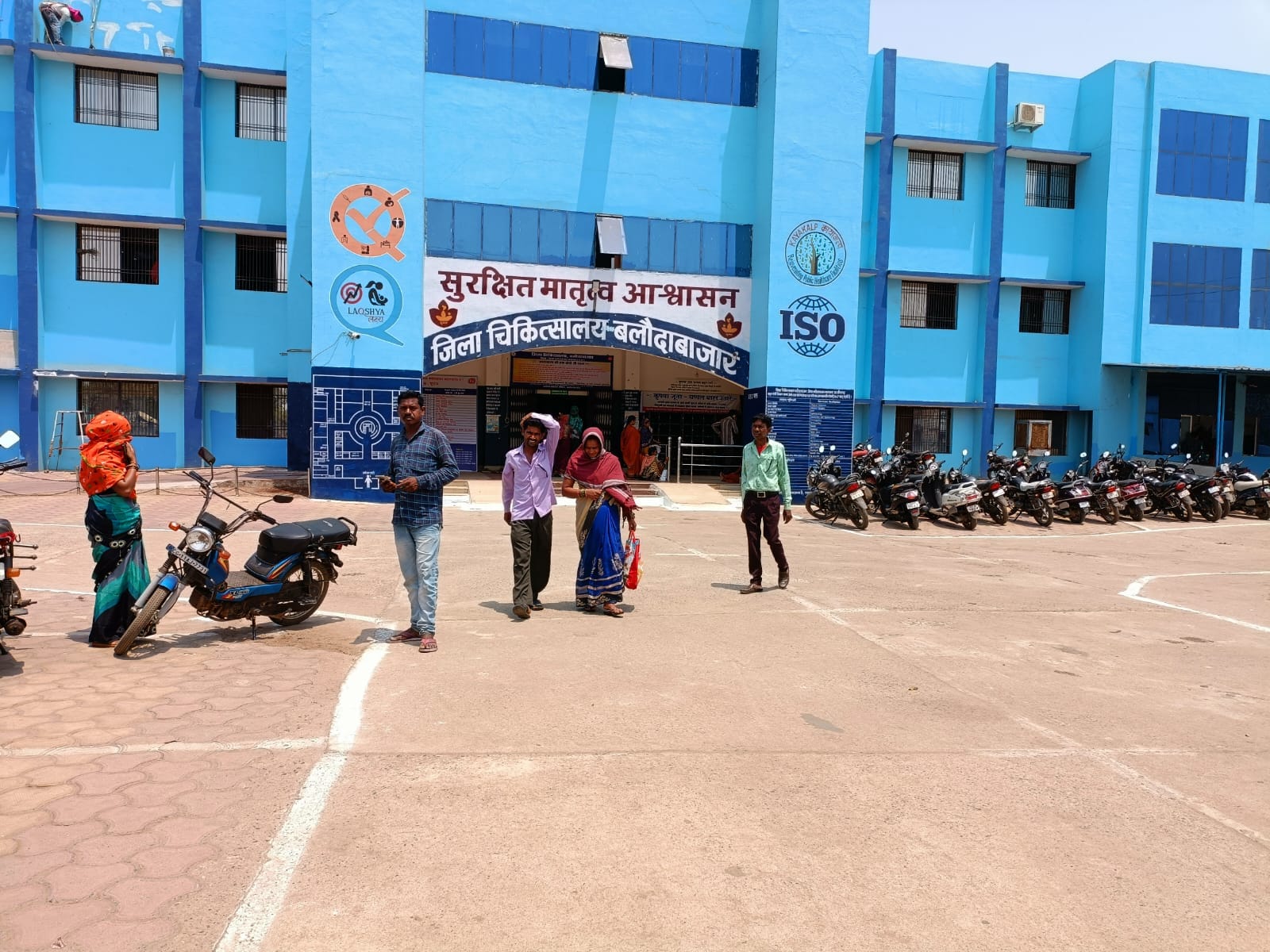
World Breastfeeding Week has begun across the state with the aim of ensuring every newborn has a healthy and safe start to life. The Health Department is organizing various awareness activities throughout the week in hospitals, community and primary health centers, health and wellness centers, and at the community level. Through the campaign, mothers, pregnant women, and their families are being informed about the importance of breastfeeding and its scientific benefits.
Health experts say that initiating breastfeeding within the first hour of a baby’s birth and exclusively breastfeeding for the first six months is the strongest foundation for a baby’s healthy development. The mother’s first thick, yellow milk (colostrum) acts as a natural protective shield for the baby. It plays an important role in protecting against infections, boosting immunity, and reducing the risk of malnutrition. After exclusive breastfeeding for six months, it is recommended to continue breastfeeding for two years or more, along with age-appropriate complementary foods.
Breastfeeding is not only beneficial for the baby but also for the mother’s health. It helps the mother recover faster after delivery, reduces the risk of certain serious illnesses, and strengthens the emotional bond between mother and child.

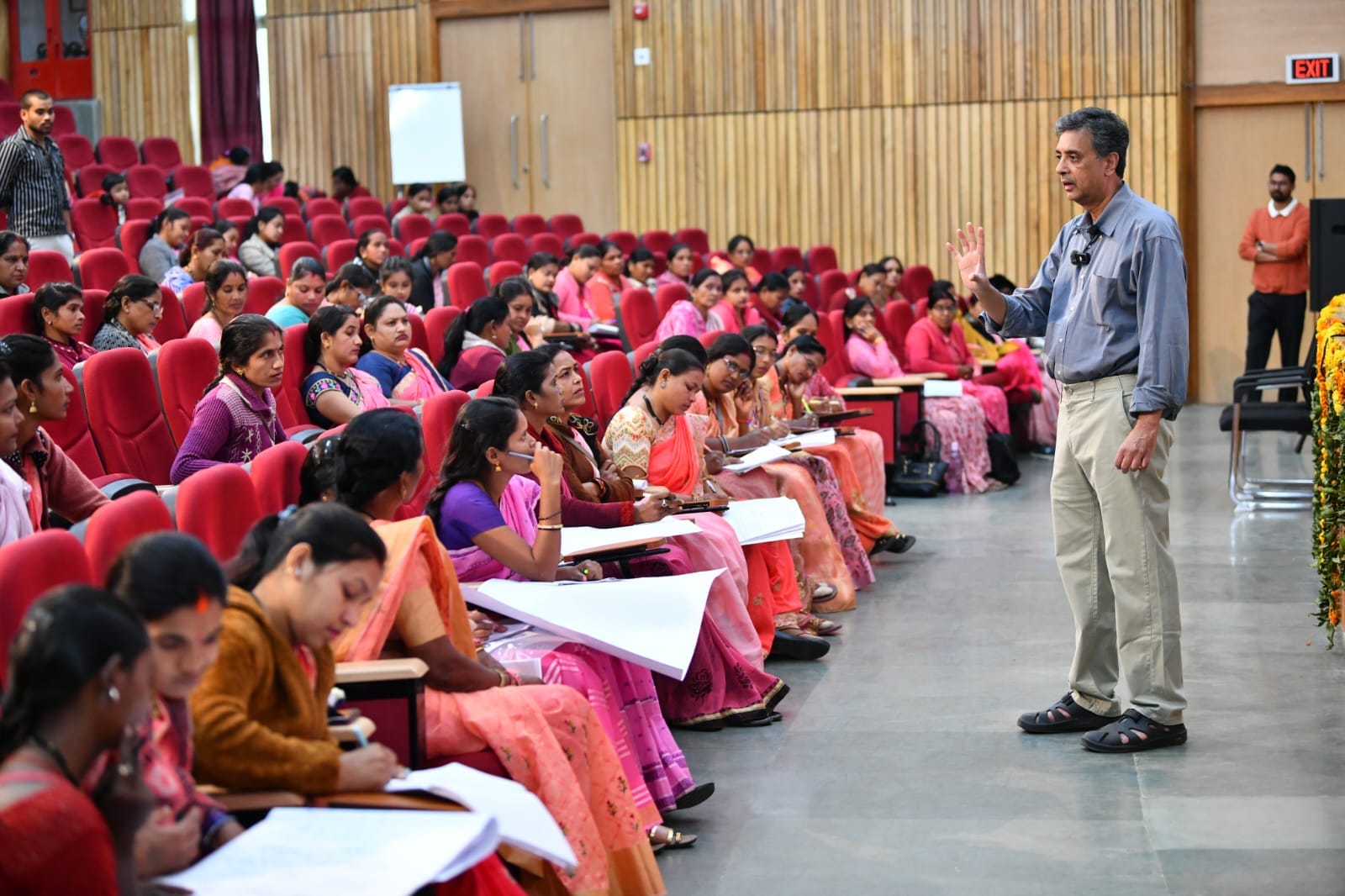
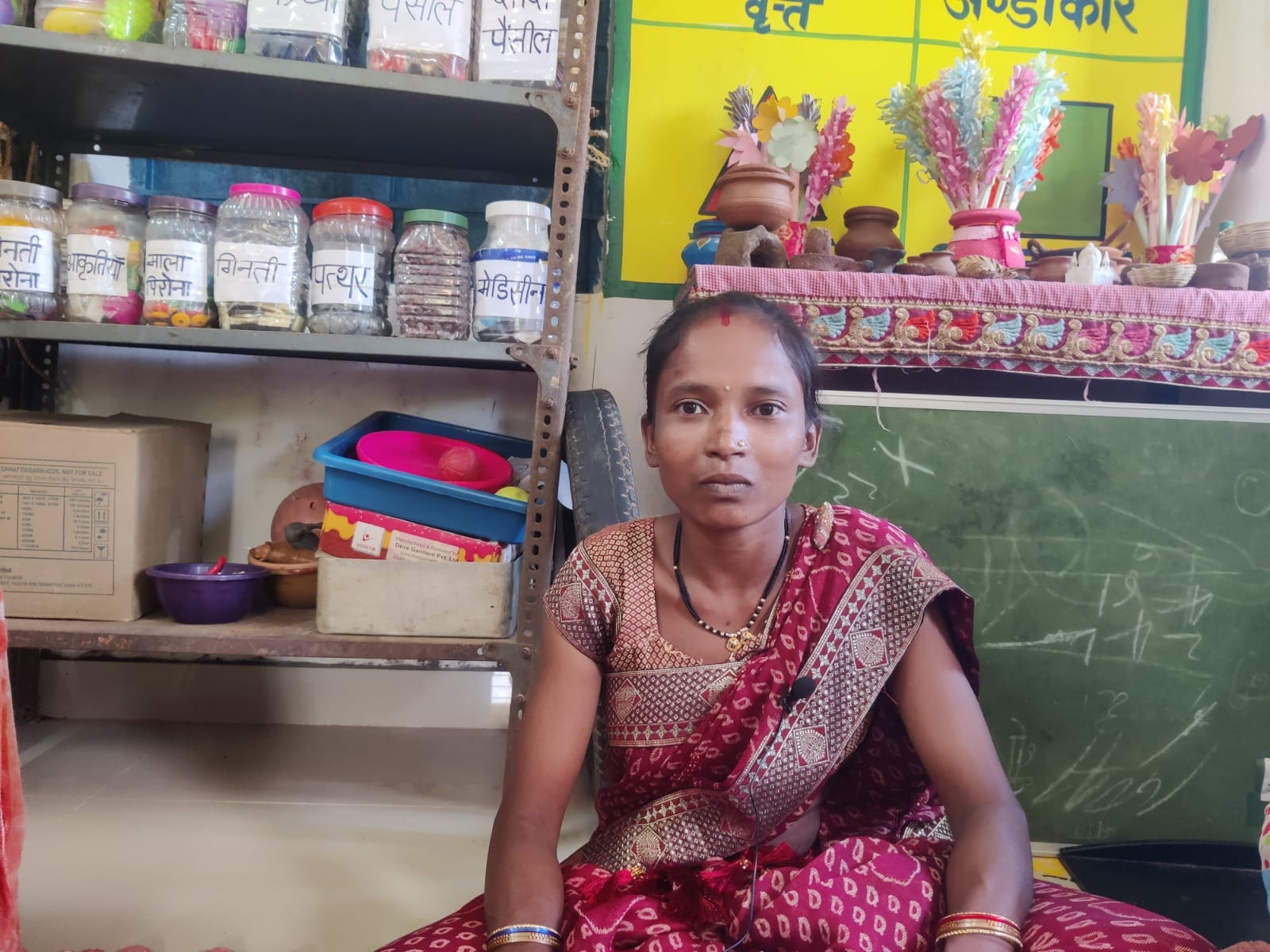
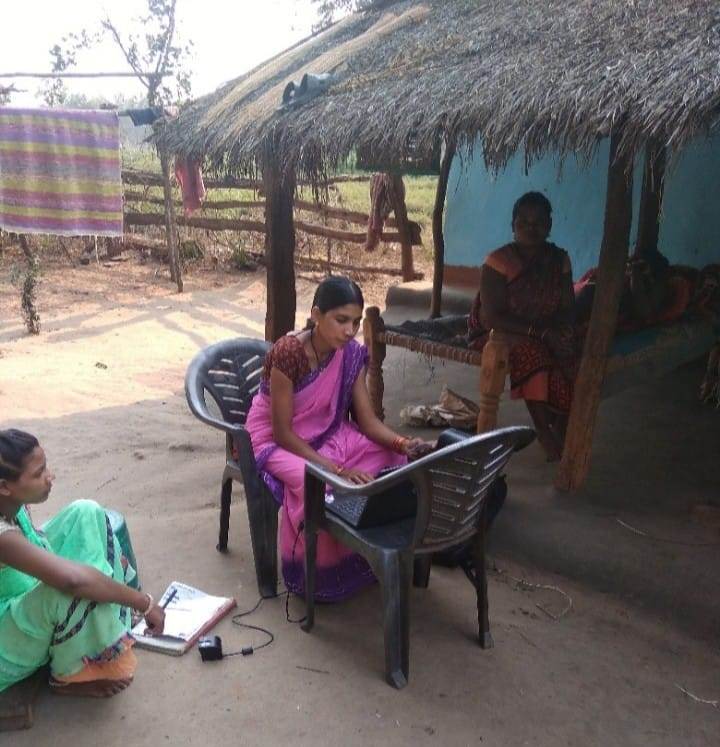
During World Breastfeeding Week, health institutions are offering counseling, group discussions, health education sessions, question-and-answer programs, and practical guidance on breastfeeding for pregnant and lactating mothers. Doctors, staff nurses, ANMs, Mitanins, Anganwadi workers, and other health workers are also educating mothers on proper breastfeeding techniques, newborn care, and scientific solutions to common breastfeeding myths.
Breastfeeding should not be considered solely the mother’s responsibility, but rather a shared responsibility of the entire family. Family support, a positive environment, and accurate information can provide every newborn with a healthy start to life. Through public participation and awareness, maternal and child health services can be further improved, and important steps can be taken toward building a malnutrition-free and healthy society.