




















































- Preparedness to provide nutrition to 61 lakh children and access to 97,882 Anganwadi centres
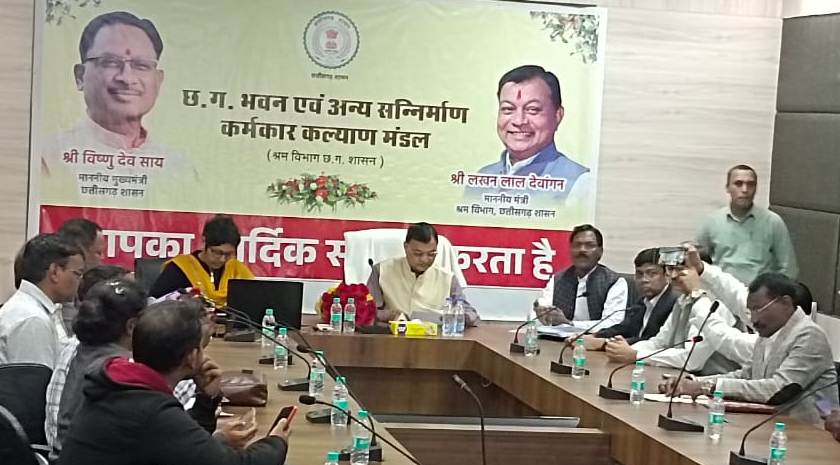
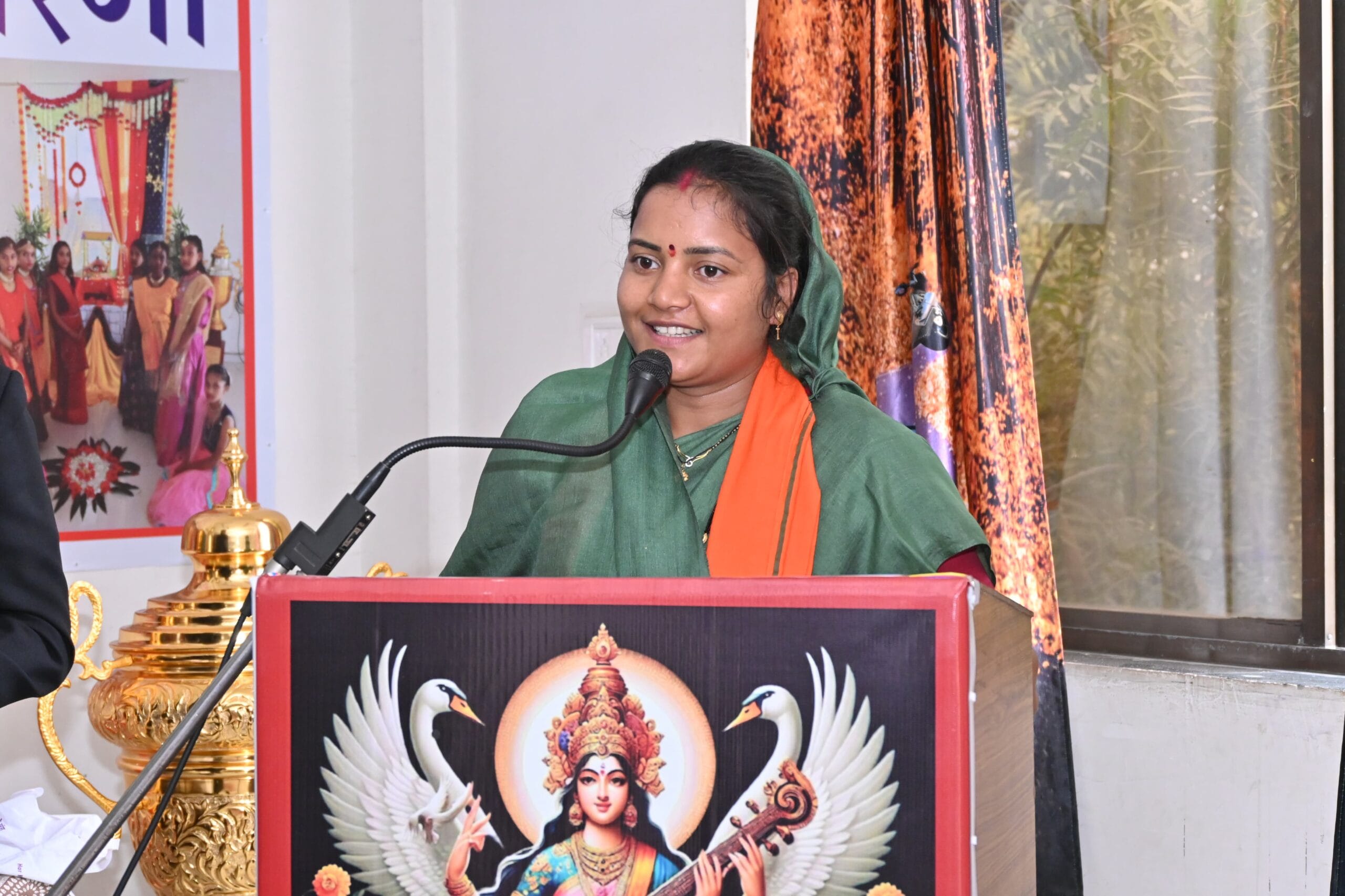
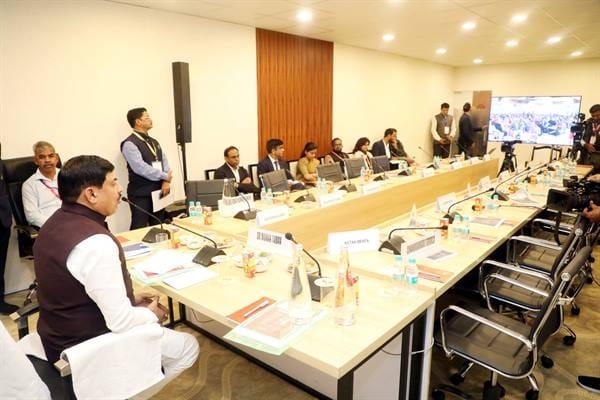
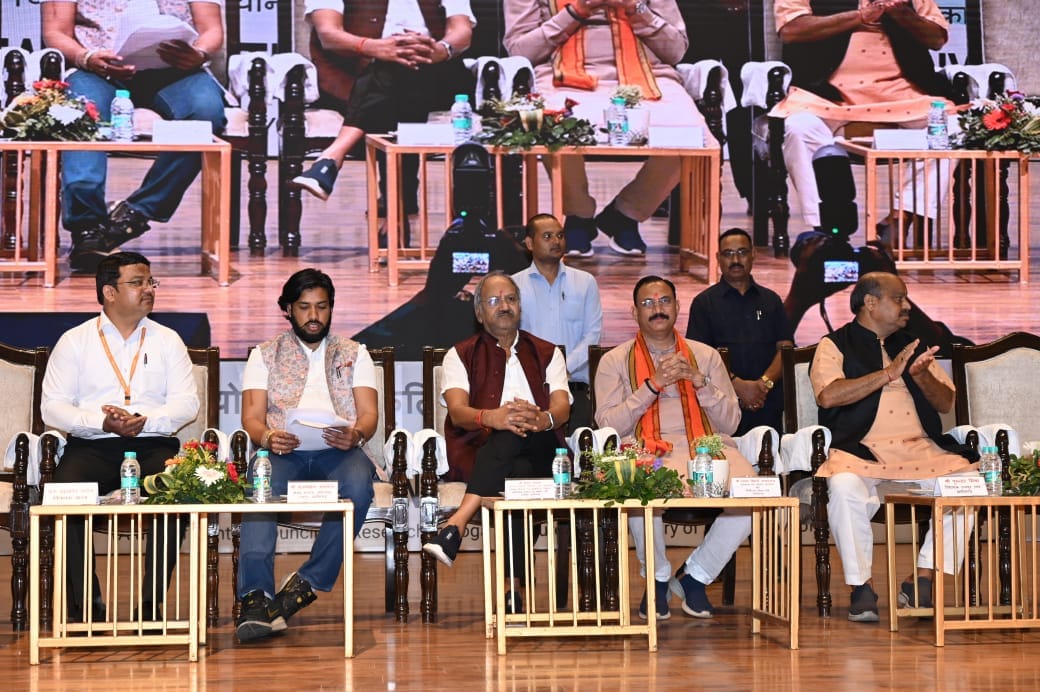
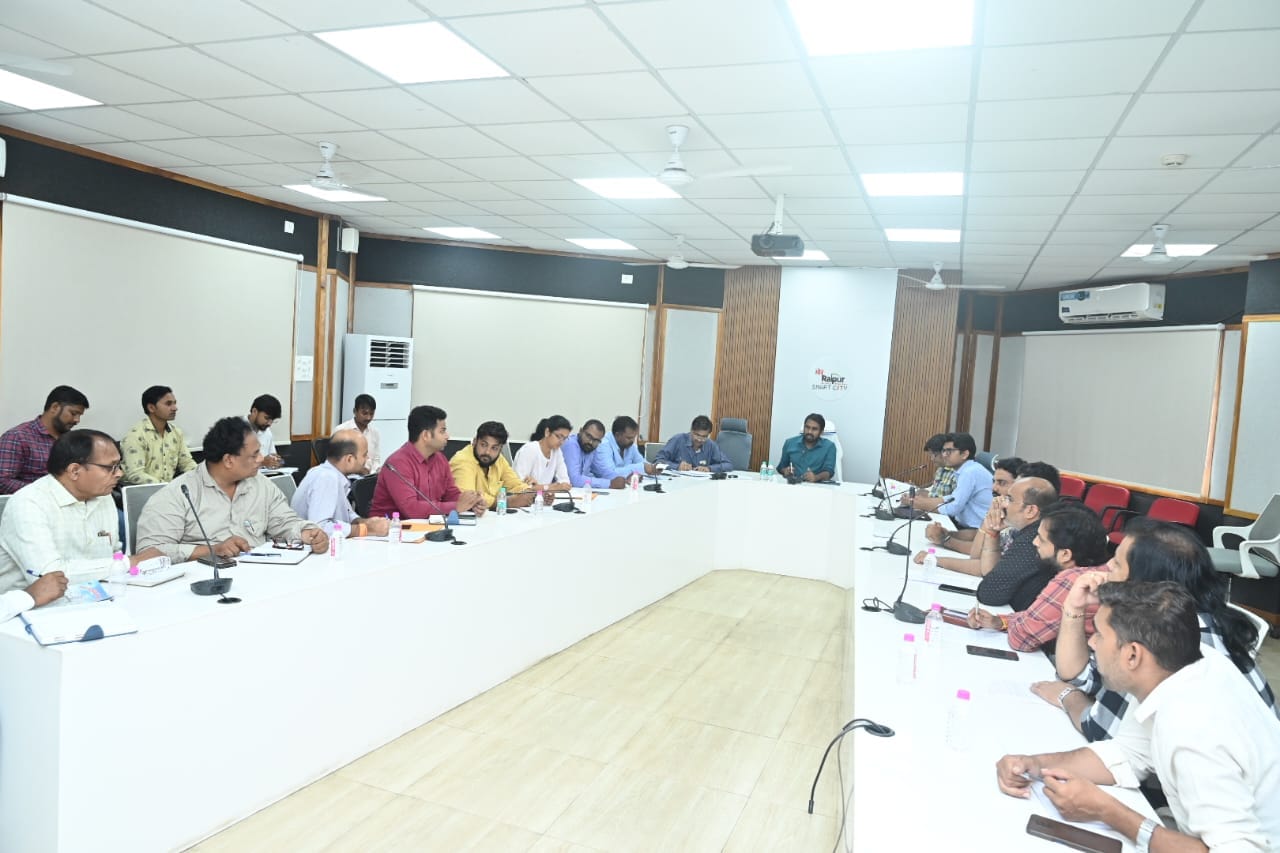
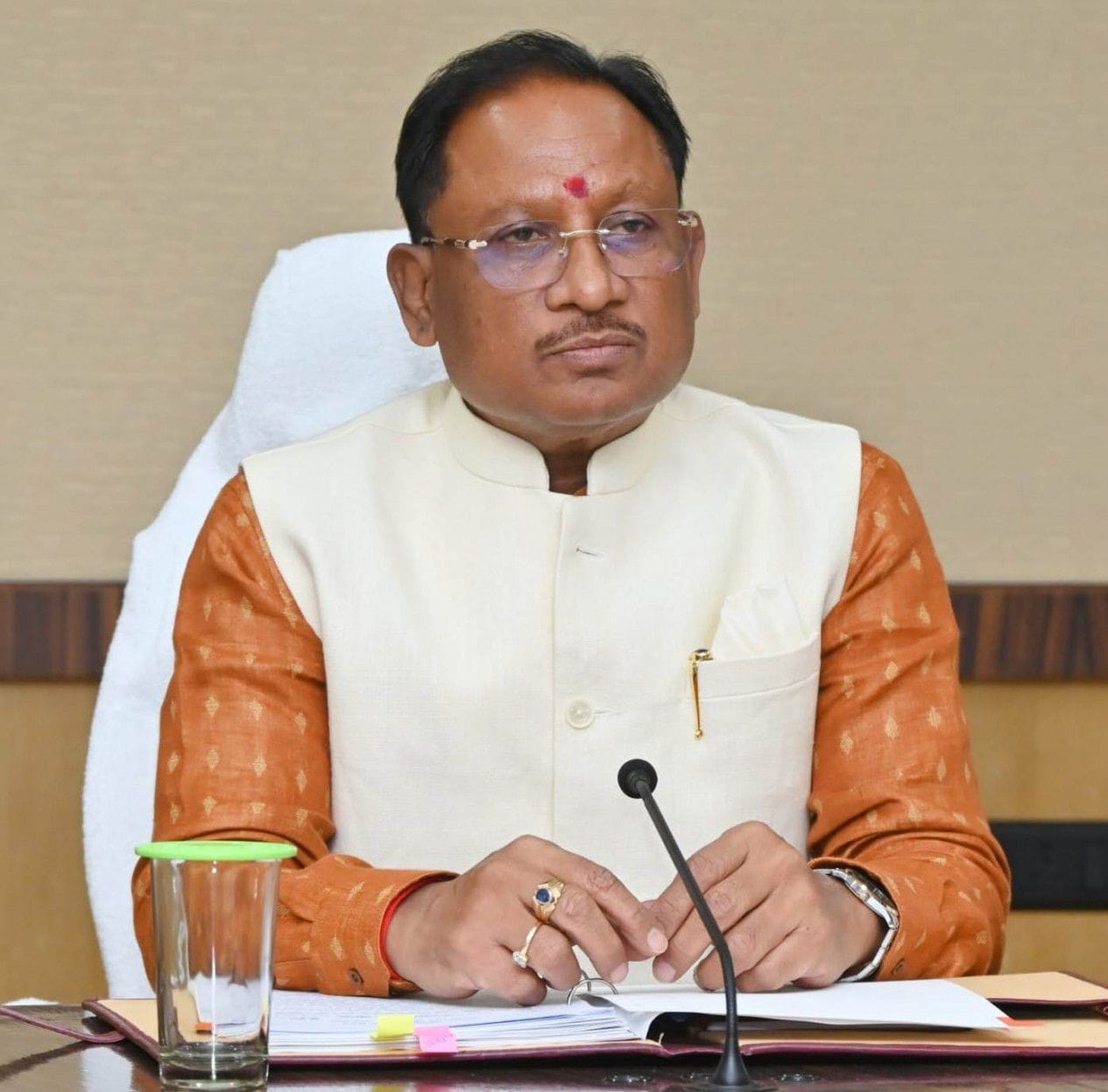
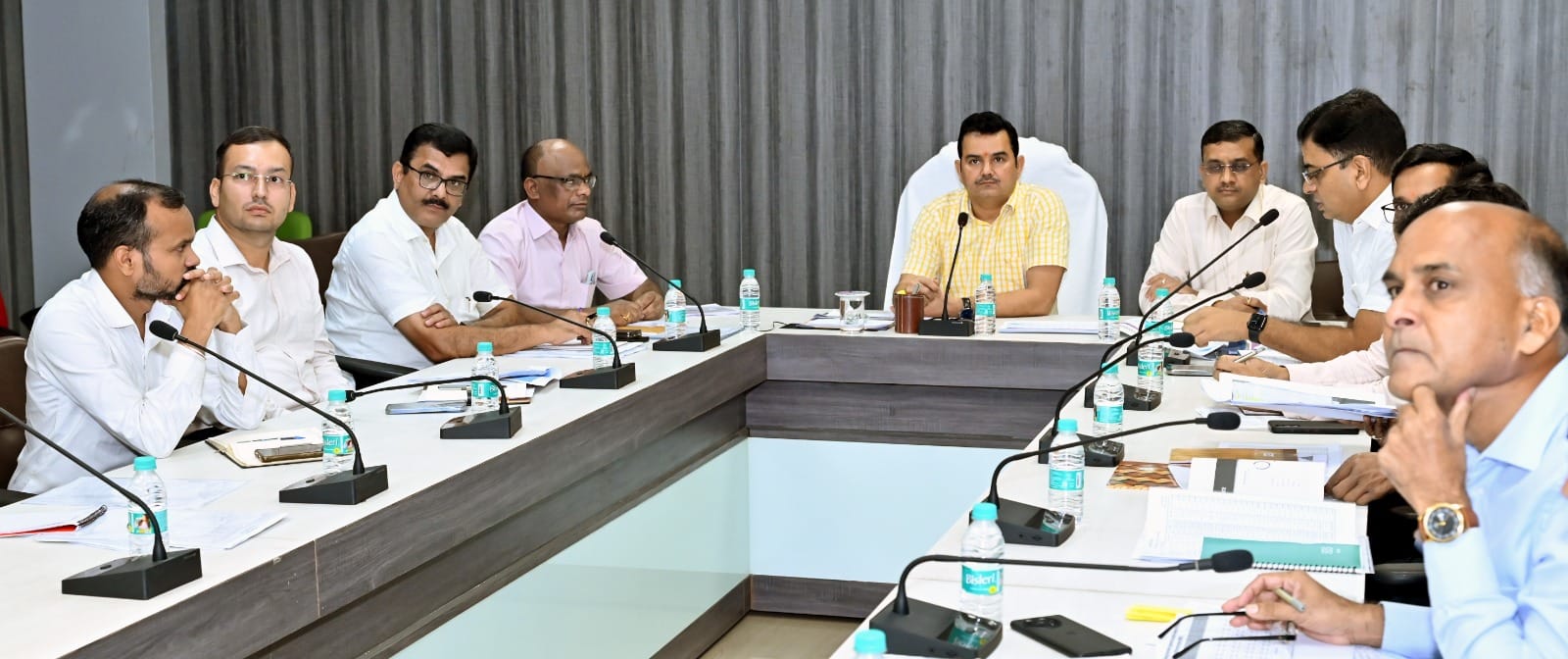
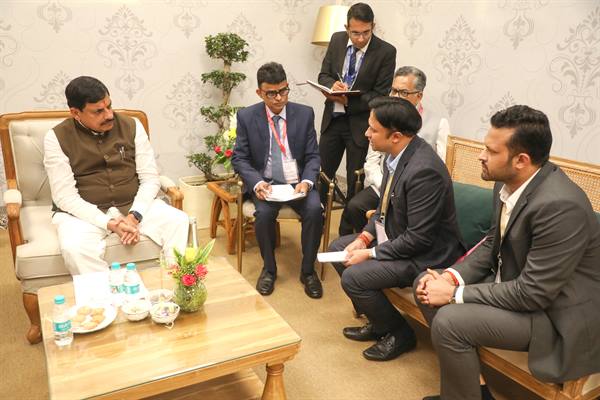
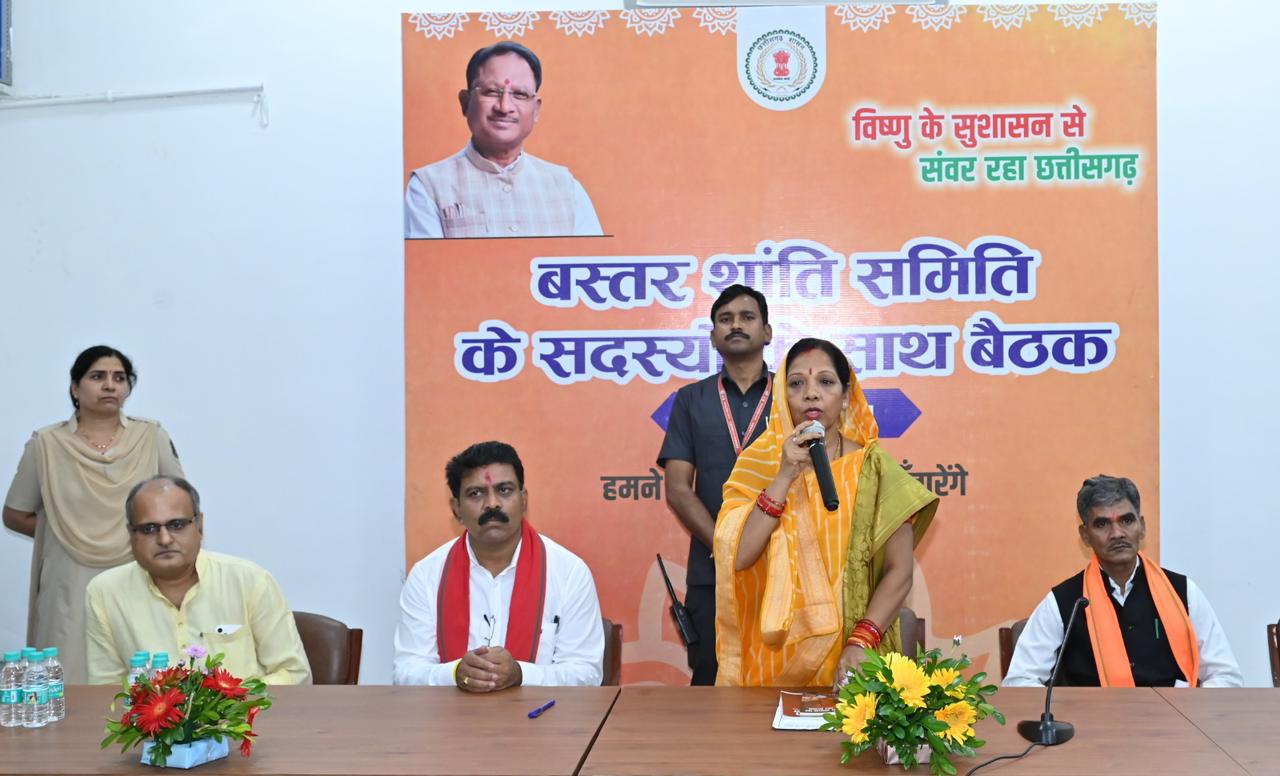
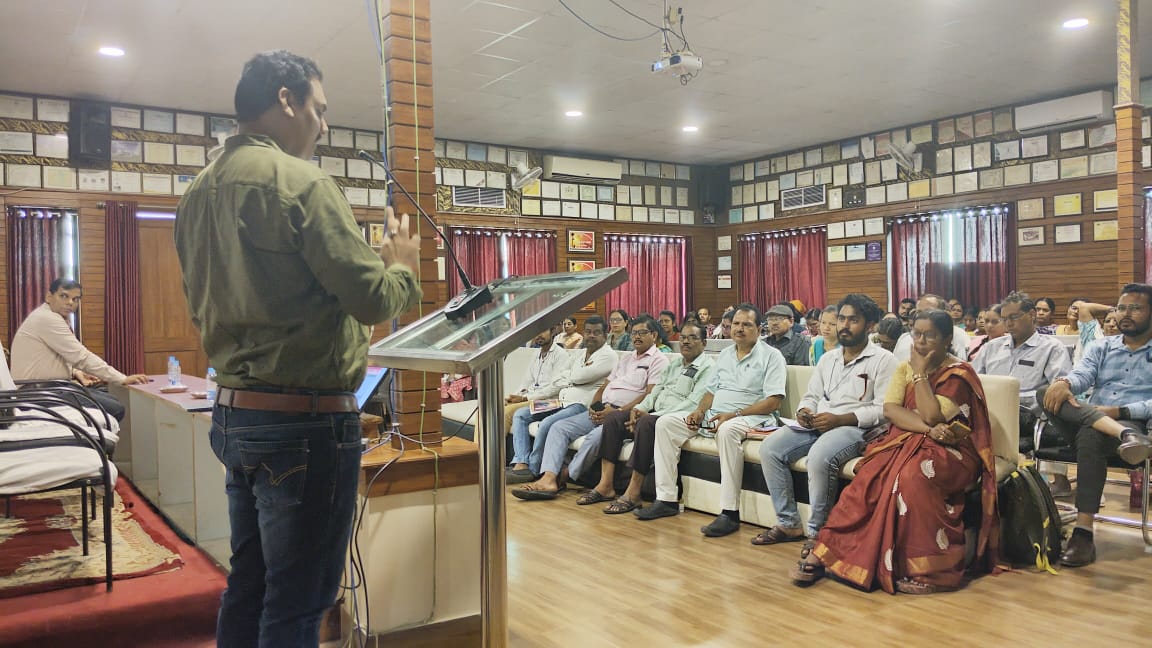
By linking corporate social responsibility (CSR) with the government’s development priorities in Madhya Pradesh, the government has emphasized on increasing partnerships with the corporate world to achieve more effective results in the areas of education, health, nutrition, women’s empowerment and community development. In the inaugural session of the CSR Conclave, Women and Child Development Minister Ms. Nirmala Bhuria said that CSR should not be limited to just completing activities or achieving set goals, but should aim to strengthen communities and bring lasting change in people’s lives.
Minister Ms. Bhuria said that in a state with diversity like Madhya Pradesh, there is a need to develop a model suited to local needs and conditions instead of a one-size-fits-all plan for CSR investment. He said that with better coordination between the priorities of the government and the expertise and resources of corporate institutions, such results can be achieved which can be sustained for a long time. He emphasized the importance of clear priorities, identification of needs, effective monitoring and measurement of results in CSR partnerships. He said that along with the National CSR Portal, Madhya Pradesh’s Pankhuri Portal can also act as a bridge between the development needs of the government and potential CSR partners. Through these platforms, better partnerships can be developed between governments, corporates, development agencies and other organizations by sharing information about the needs of different sectors, investment prospects and available opportunities. The minister said that a strong government-CSR partnership can give additional impetus to development efforts and also increase their reach and impact.
- More than 1195 crore CSR investment in Madhya Pradesh , emphasis on linking priorities
Shri Chandramouli Shukla, Managing Director of Madhya Pradesh Industrial Development Corporation (MPIDC) while giving information about the legal and institutional framework of CSR said that after the Companies Act, 2013, CSR has emerged as an institutional arrangement for eligible companies. Eligible companies have to spend at least two percent of the average net profit of the last three financial years on CSR activities. He said that about Rs 1,195.34 crore was spent on CSR in Madhya Pradesh during the financial year 2024-25. However, the share of sectors related to gender equity and women empowerment in this investment is about two percent. He outlined this as an area with prospects for more active CSR partnerships in the future.

Shri Shukla said that in order to make CSR more effective in Madhya Pradesh, better mapping of needs at the state and district level, alignment of the interests of CSR companies with the government’s priorities and strengthening coordination between various departments will be required. He pointed out the need to further strengthen the CSR portal, increase collaboration between government departments, corporate institutions and other partners and encourage projects whose results can be clearly measured and which can be sustained over a long period of time.
Referring to the Madhya Pradesh CSR Facilitation Guidelines 2017, he said that the role of the government in the state is that of a facilitator and coordinator. The need of the hour is to give a more structured form to the partnership between government machinery, companies, development agencies, civil society and other stakeholders to enhance the impact of CSR.
- Big opportunity for CSR partnership in nutrition of more than 61 lakh children
Women and Child Development Commissioner Shri Sandeep G. R. Linking CSR with child nutrition and early child development, he said that the early years of a child’s life lay the foundation for his overall development. Especially the first six years of life and the first 1000 days are very important in terms of nutrition, growth and development. Timely interventions during this period have an impact on later life. Emphasizing the need for continuous maintenance for child development, he said that the partnership of the government with the society and the private sector is also important for this.
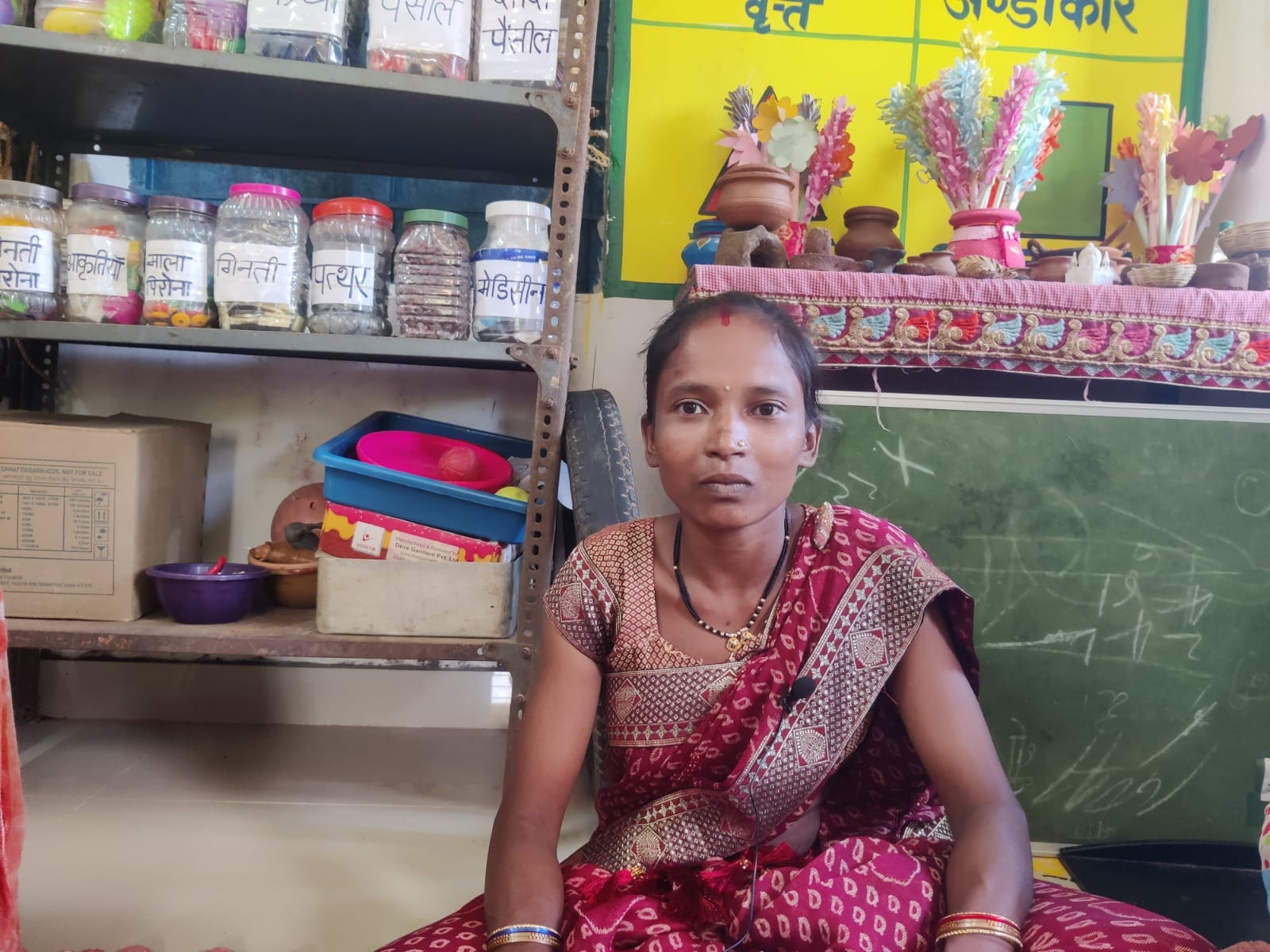
The commissioner said that through about 97,882 Anganwadi centers in Madhya Pradesh, the nutritional needs of more than 61 lakh sensitive and needy children are being addressed. He said that through CSR there is ample scope to strengthen the infrastructure of Anganwadi Centres, improve health and nutrition services and promote innovations tailored to local needs.
Shri Sandeep cited initiatives like ‘Rangin Roti’ as an example of nutritional solutions based on local resources. Locally available nutritious materials such as sahajan leaves or millets can be incorporated into the daily diet to develop nutritional models that are practical as well as compatible with local dietary habits. He said such local and innovative solutions can improve nutrition outcomes as well as increase the participation of communities. Outlining the prospects of CSR, he said that Madhya Pradesh accounts for about six percent of the country’s population, but the state’s share in the national CSR expenditure is about 1.44 percent. Thus, there is a vast potential for increasing CSR investment in the state. He cited initiatives like the Britannia Foundation in Sheopur and the American India Foundation (AIF) in Vidisha, saying such partnerships could provide complementary support to government efforts.
- There will be a direct relationship between demand and investment
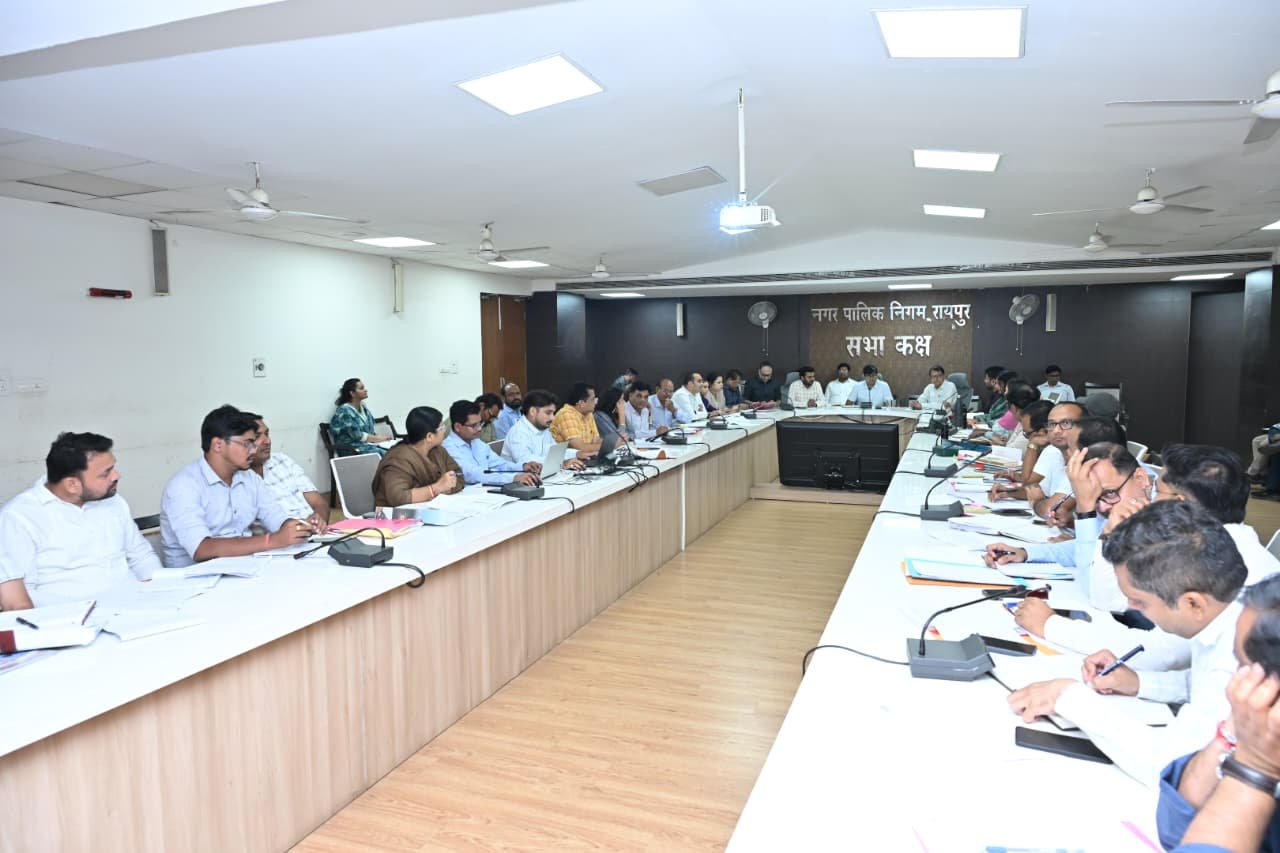
The conclave emphasized that CSR should be linked to clear and measurable outcomes rather than just activity-based expenditure. It was agreed to identify the actual needs of the states and districts and link them with the interest, capacity and expertise of CSR institutions, monitor the projects and work towards implementing successful models on a large scale.
The session highlighted the need for coordinated partnerships between government departments, corporate institutions, development agencies, non-governmental organizations and other stakeholders. It was also emphasized that CSR projects should be tailored to local conditions, their results could be measured and successful initiatives could be scaled up in the long term by linking them with existing government systems.