








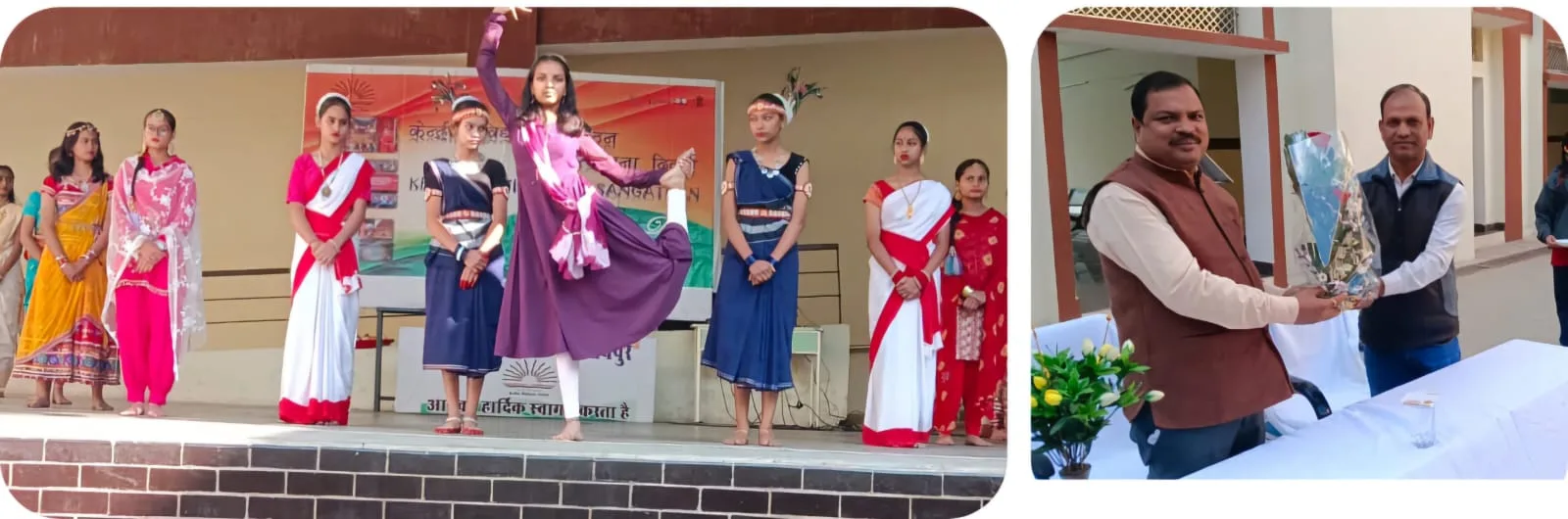

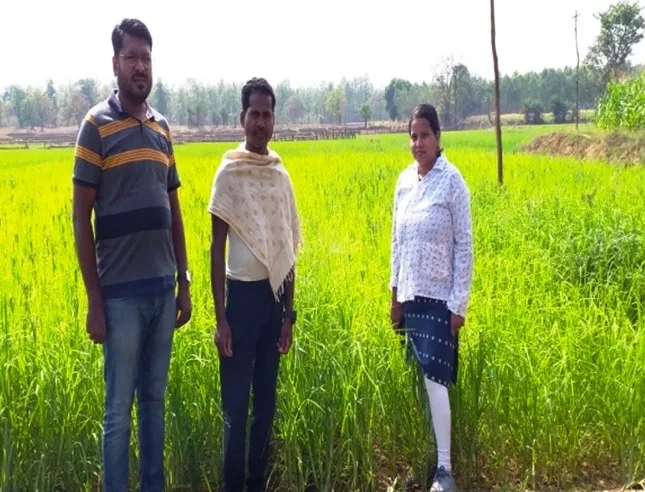
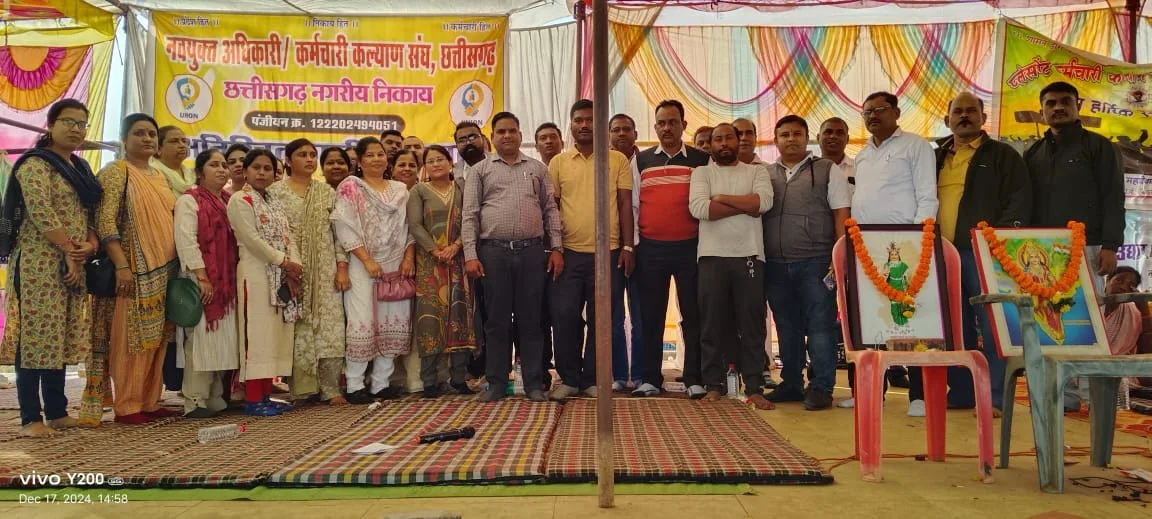
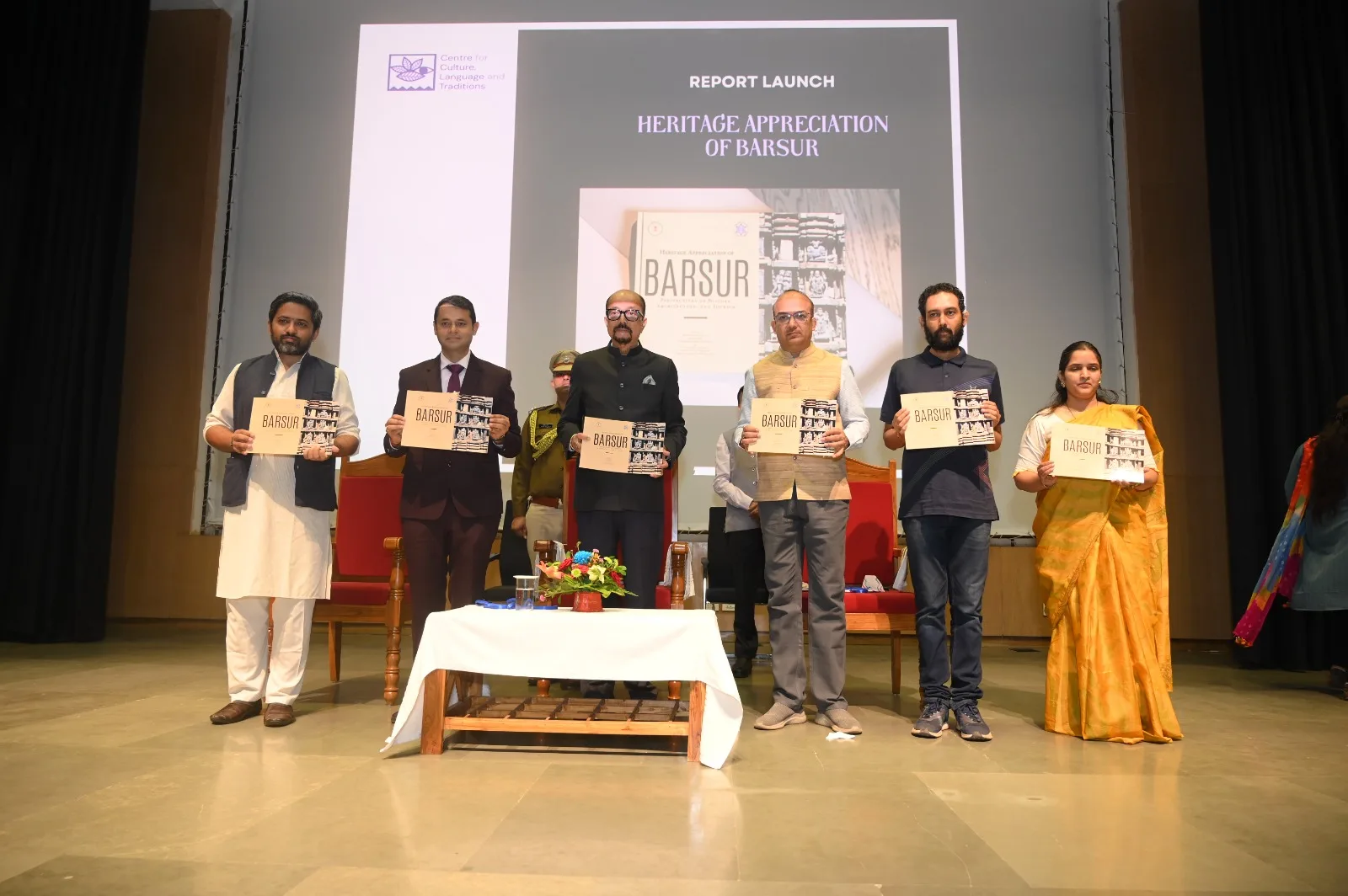







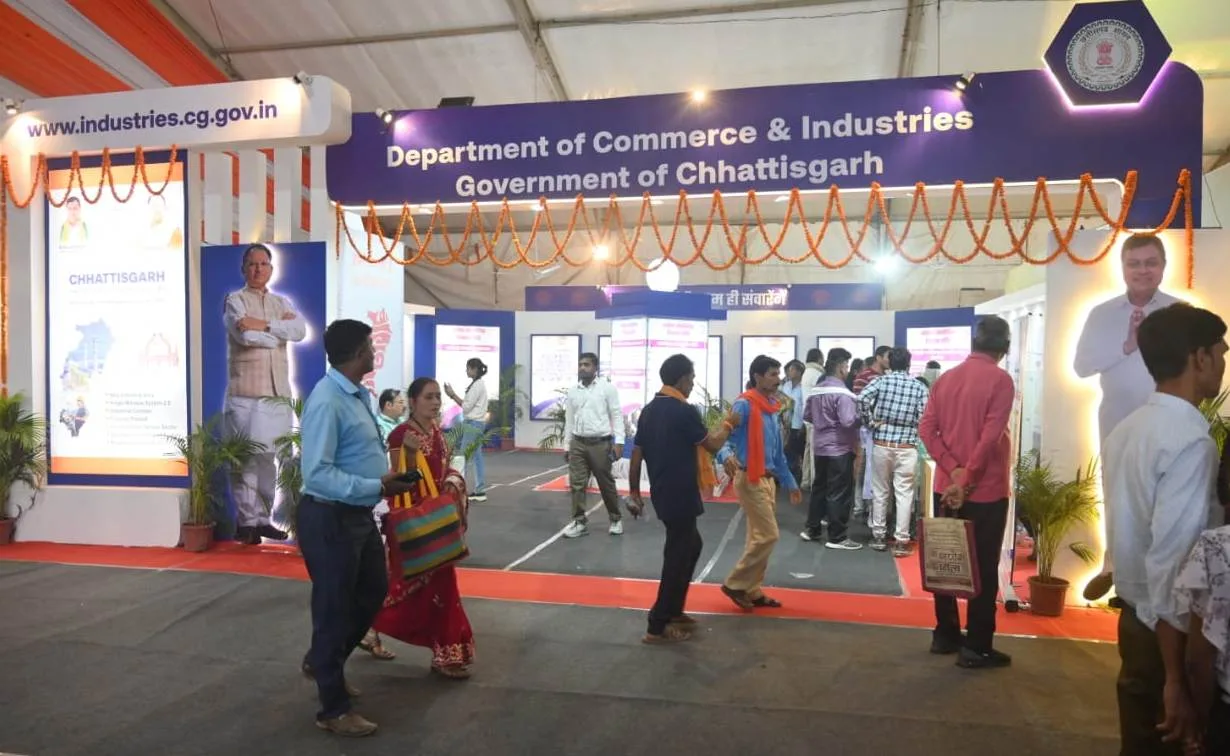
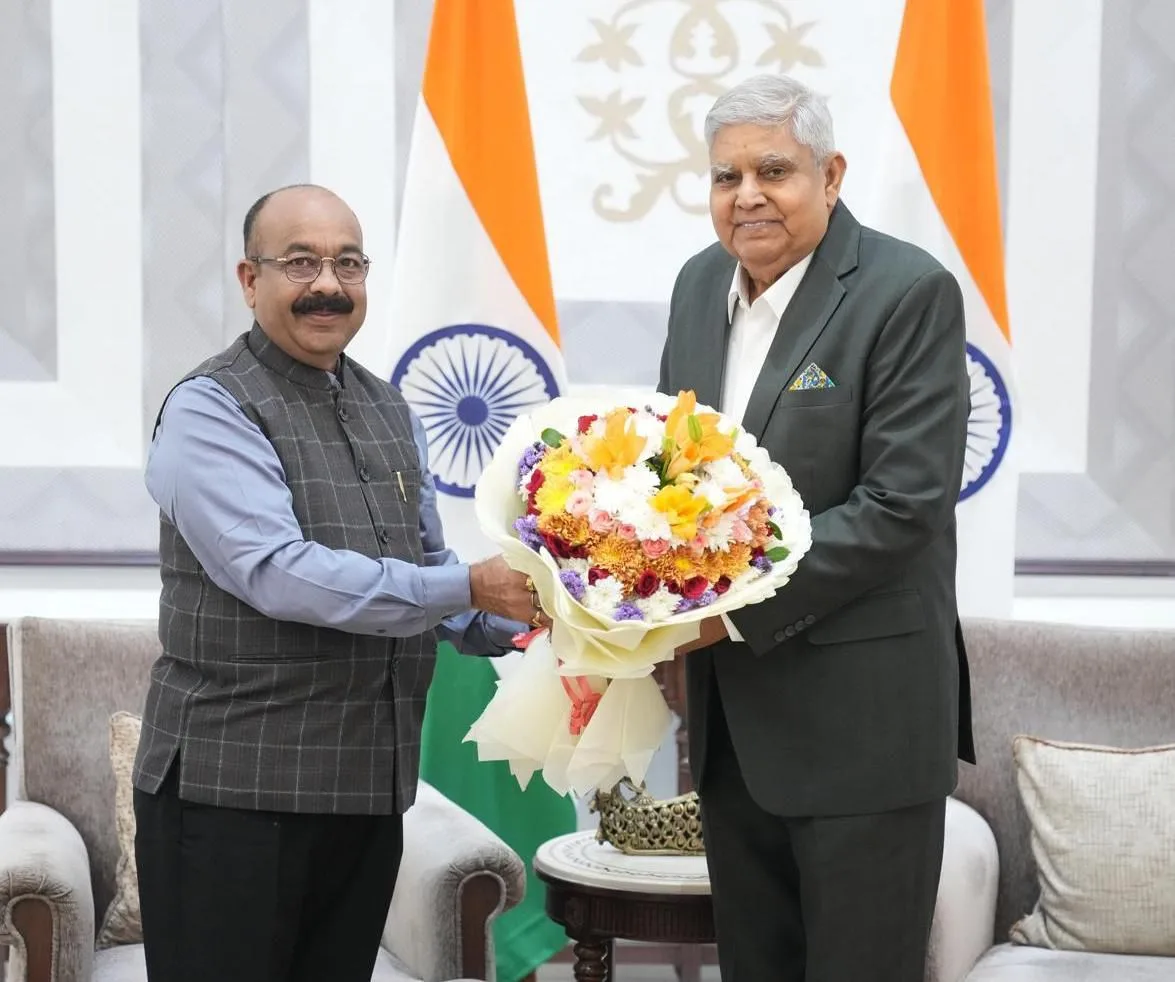
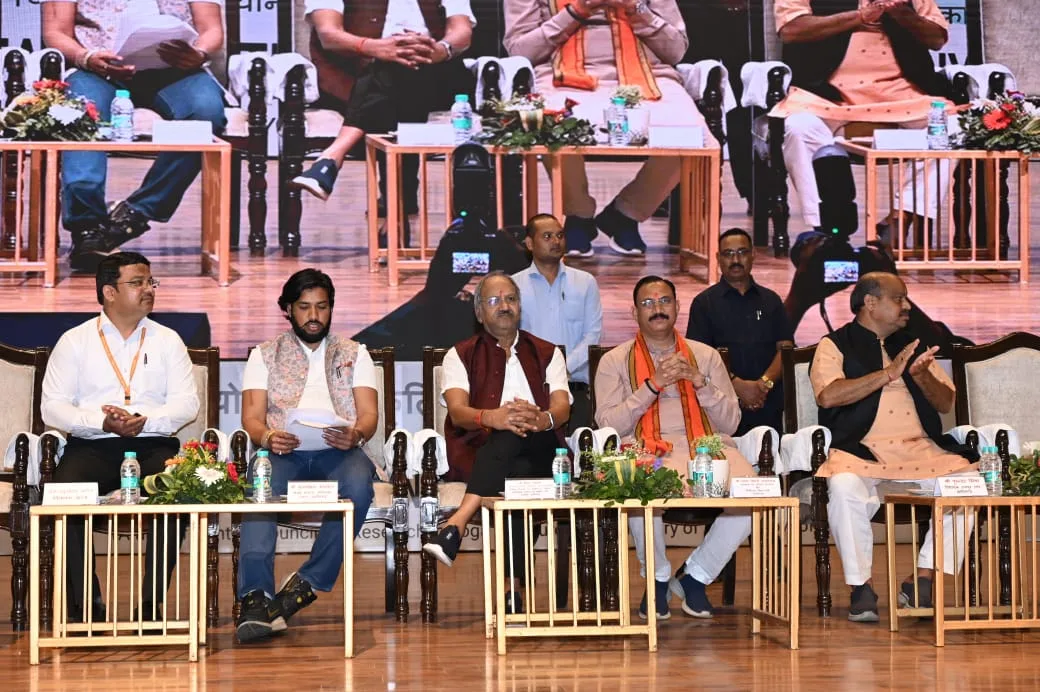
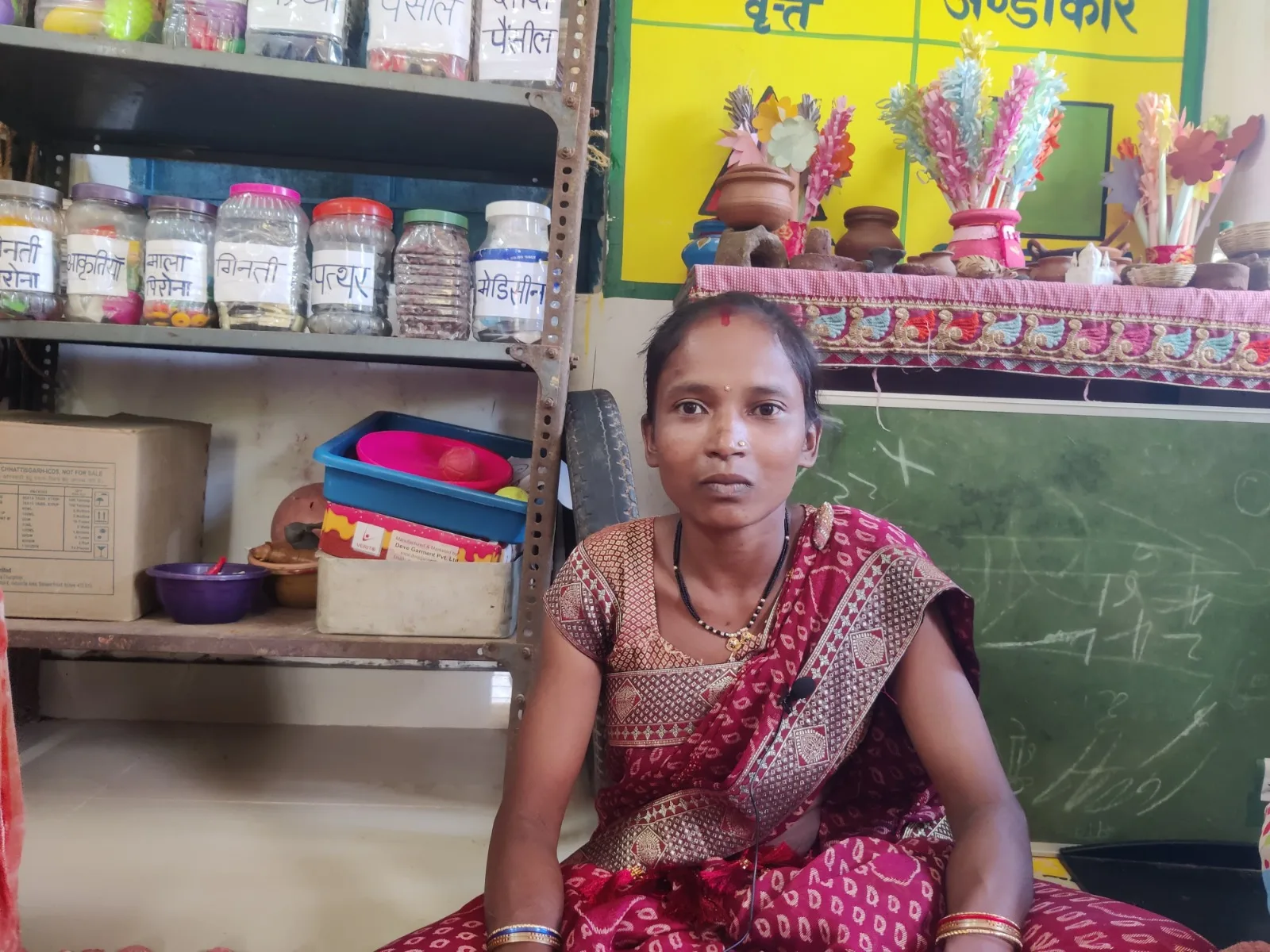

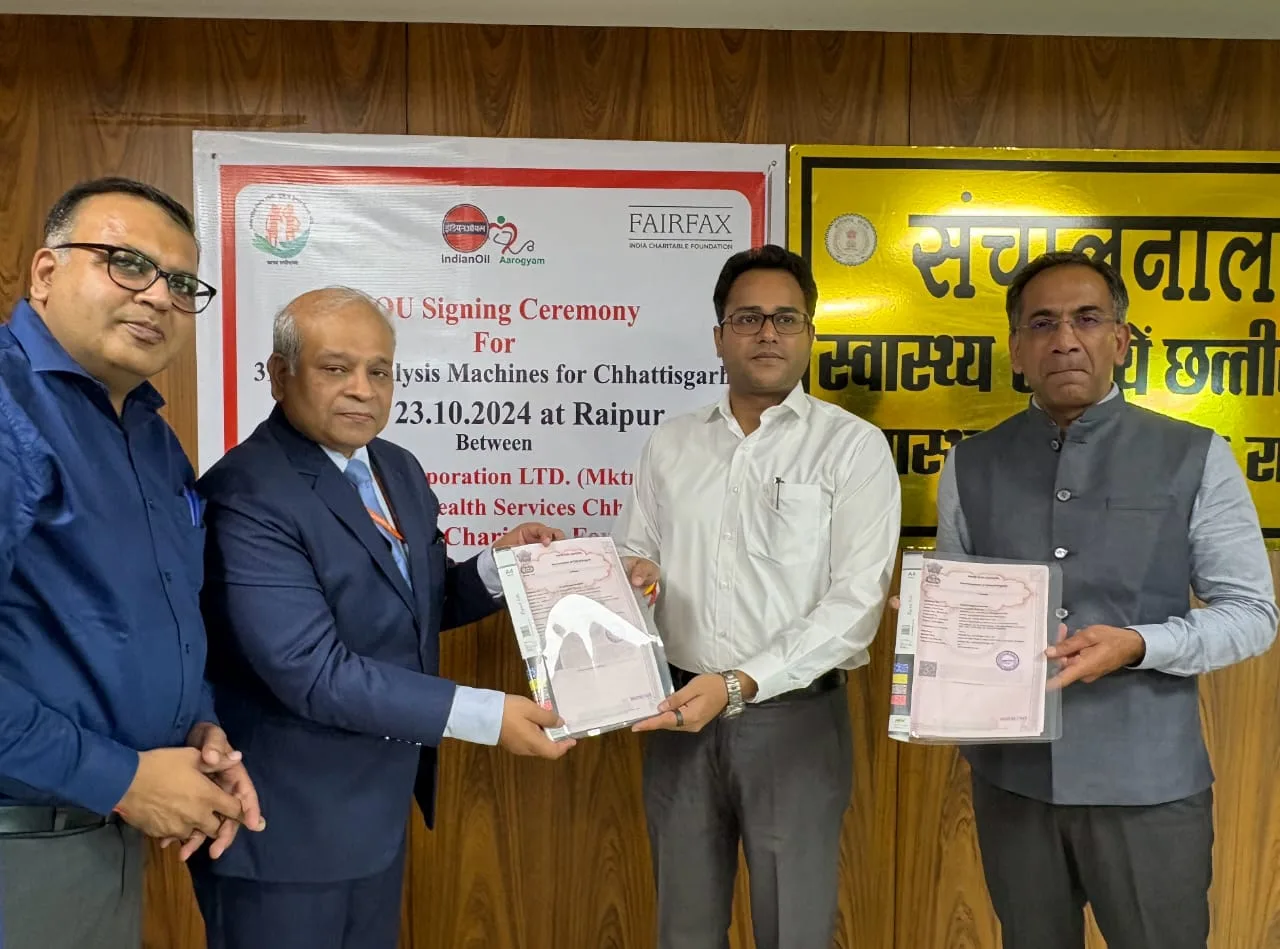
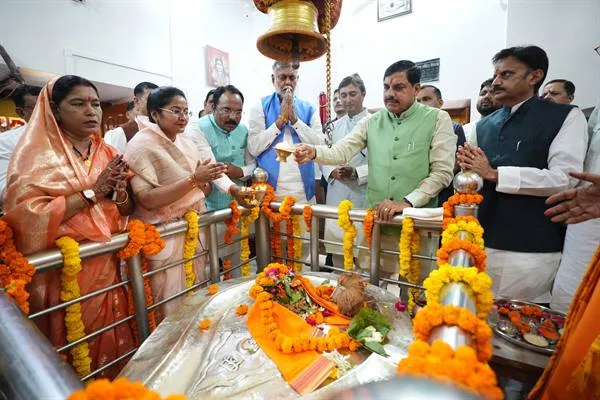
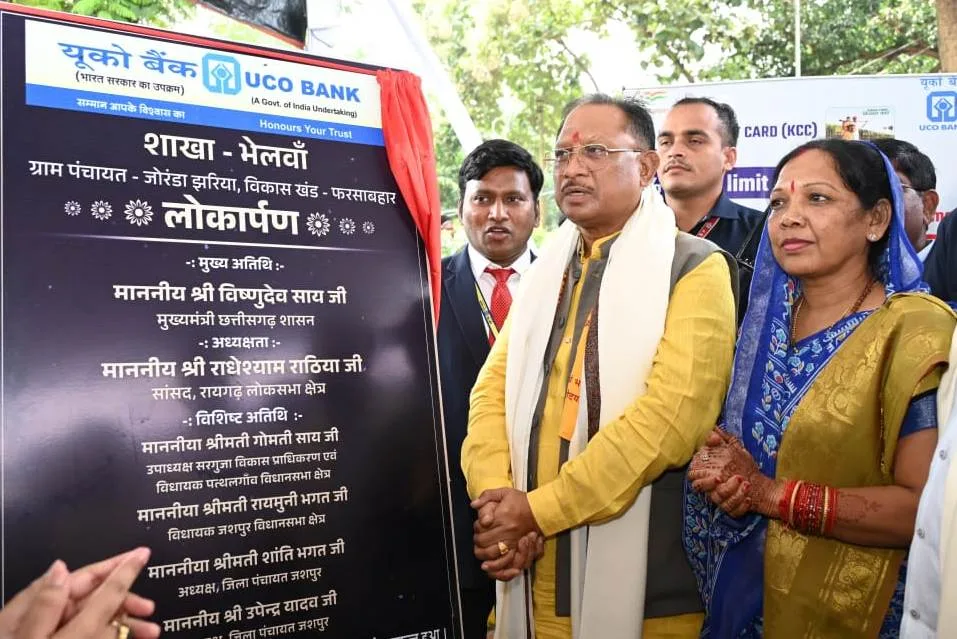
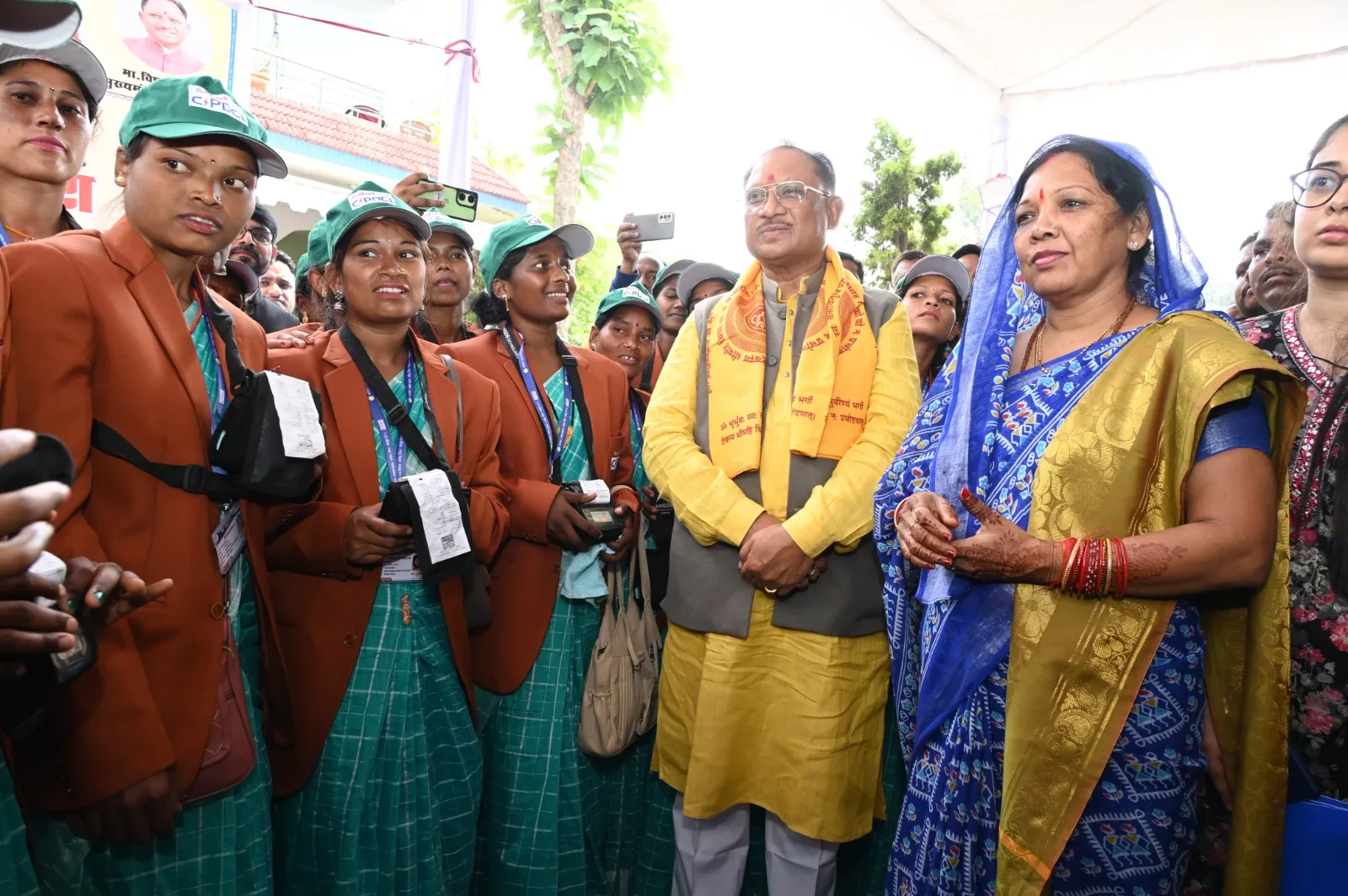


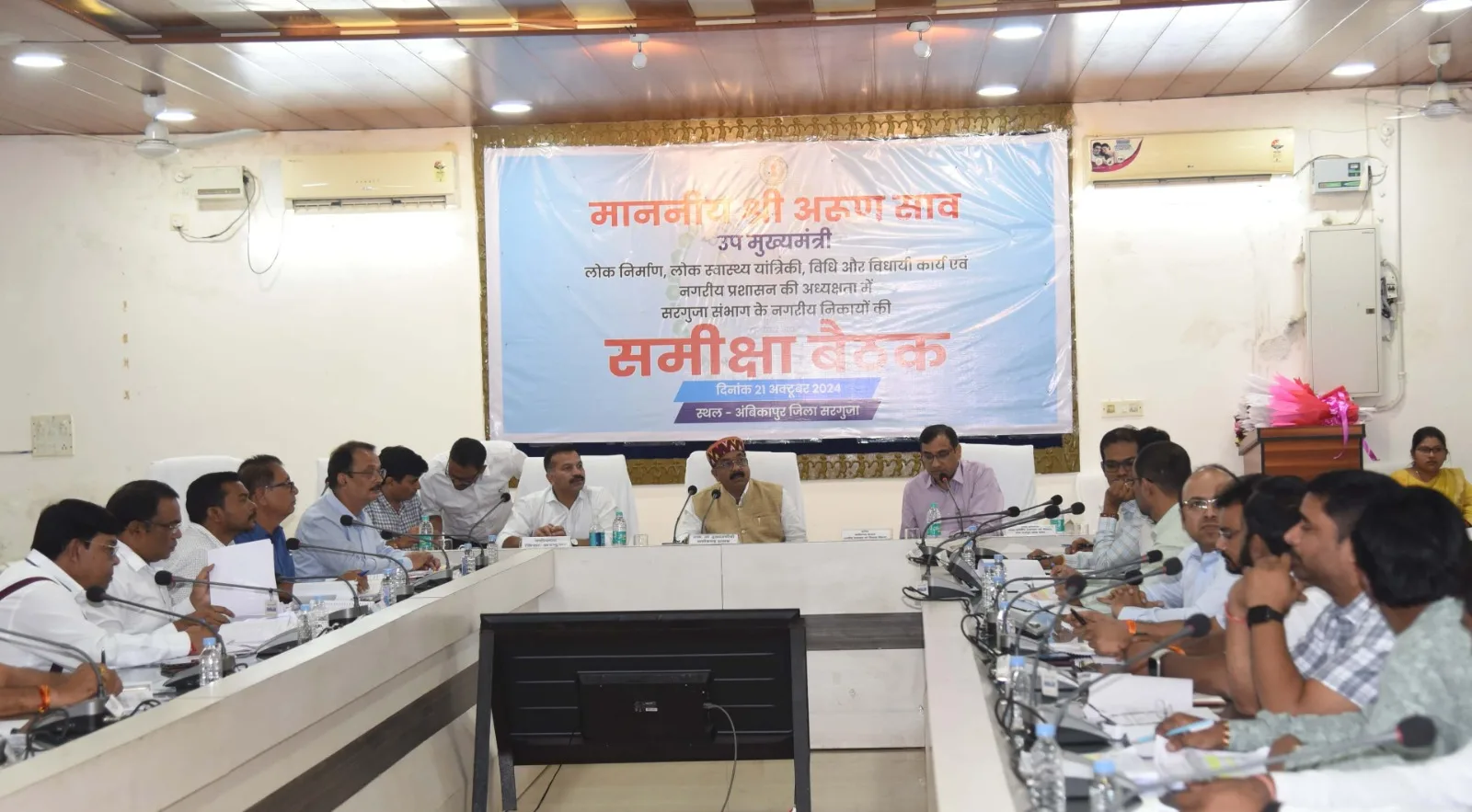
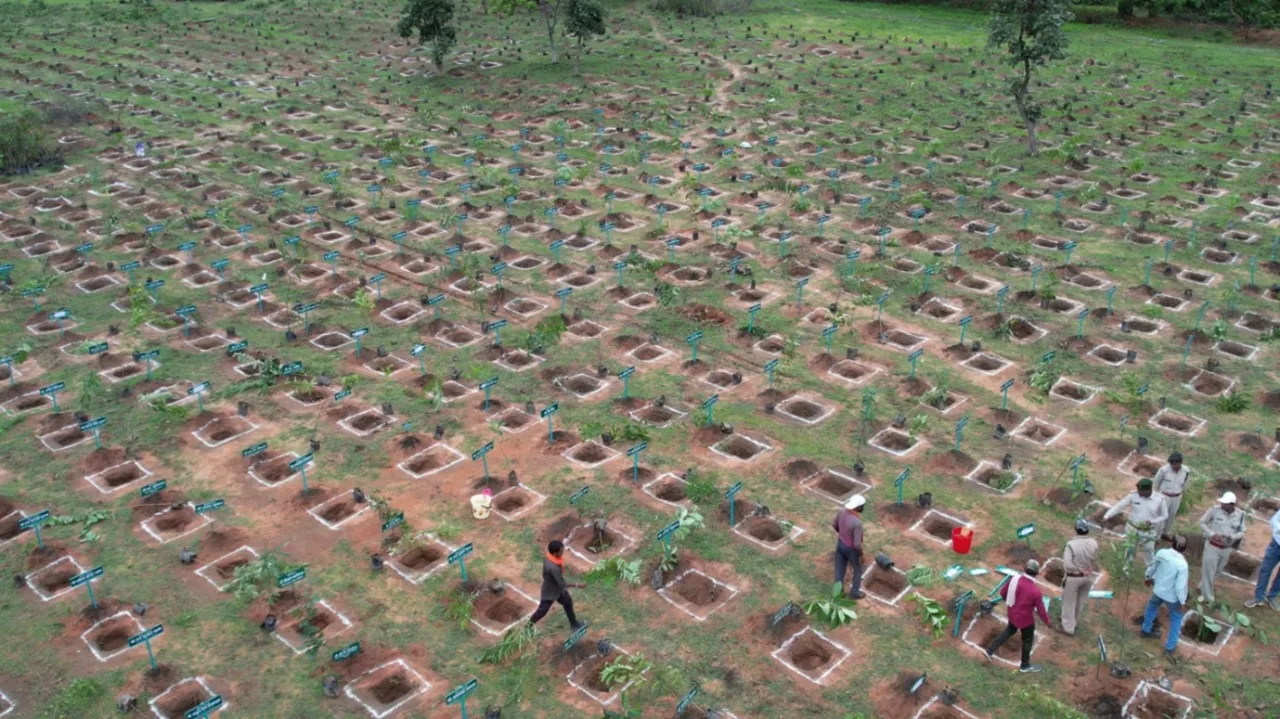

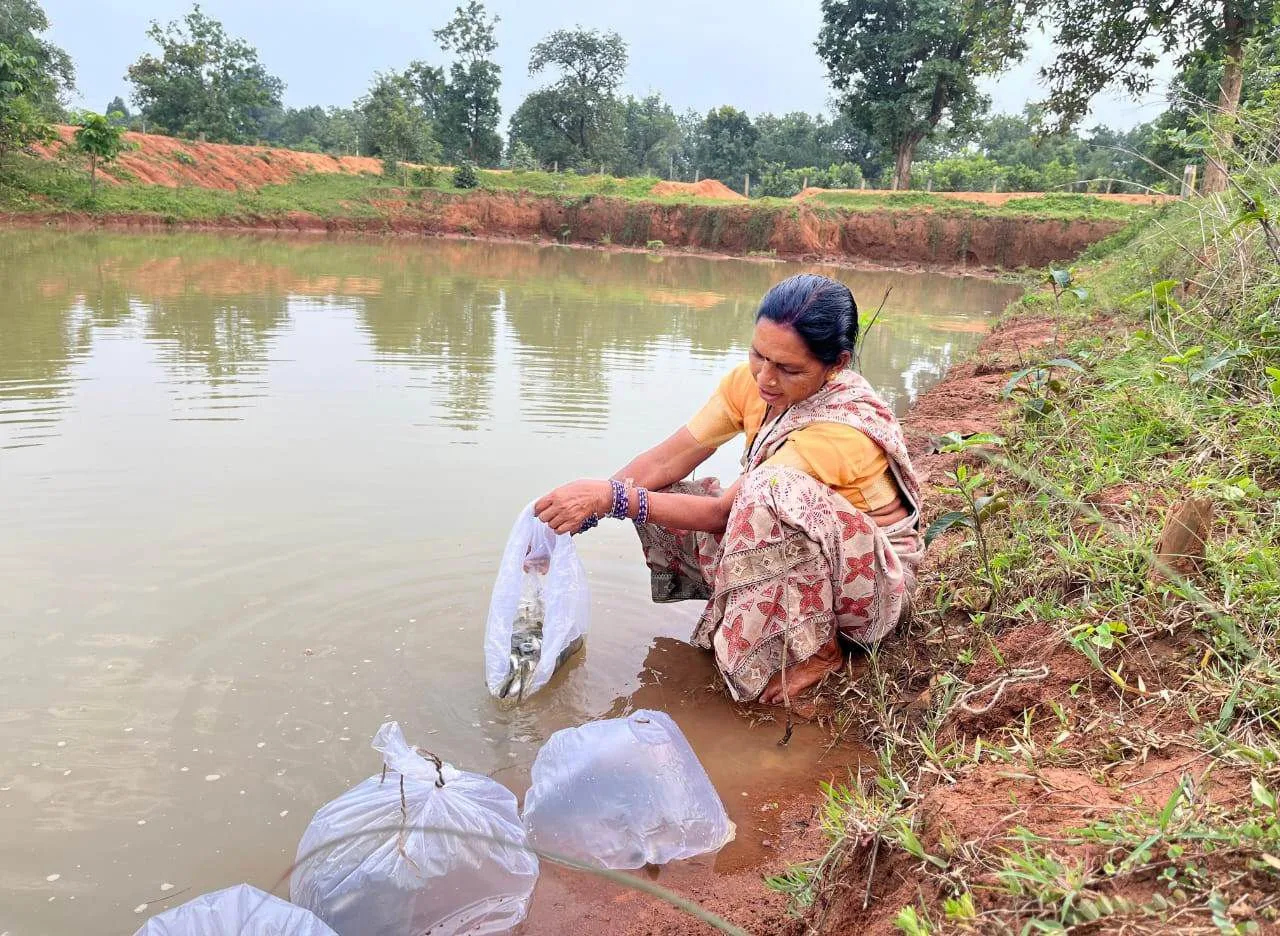




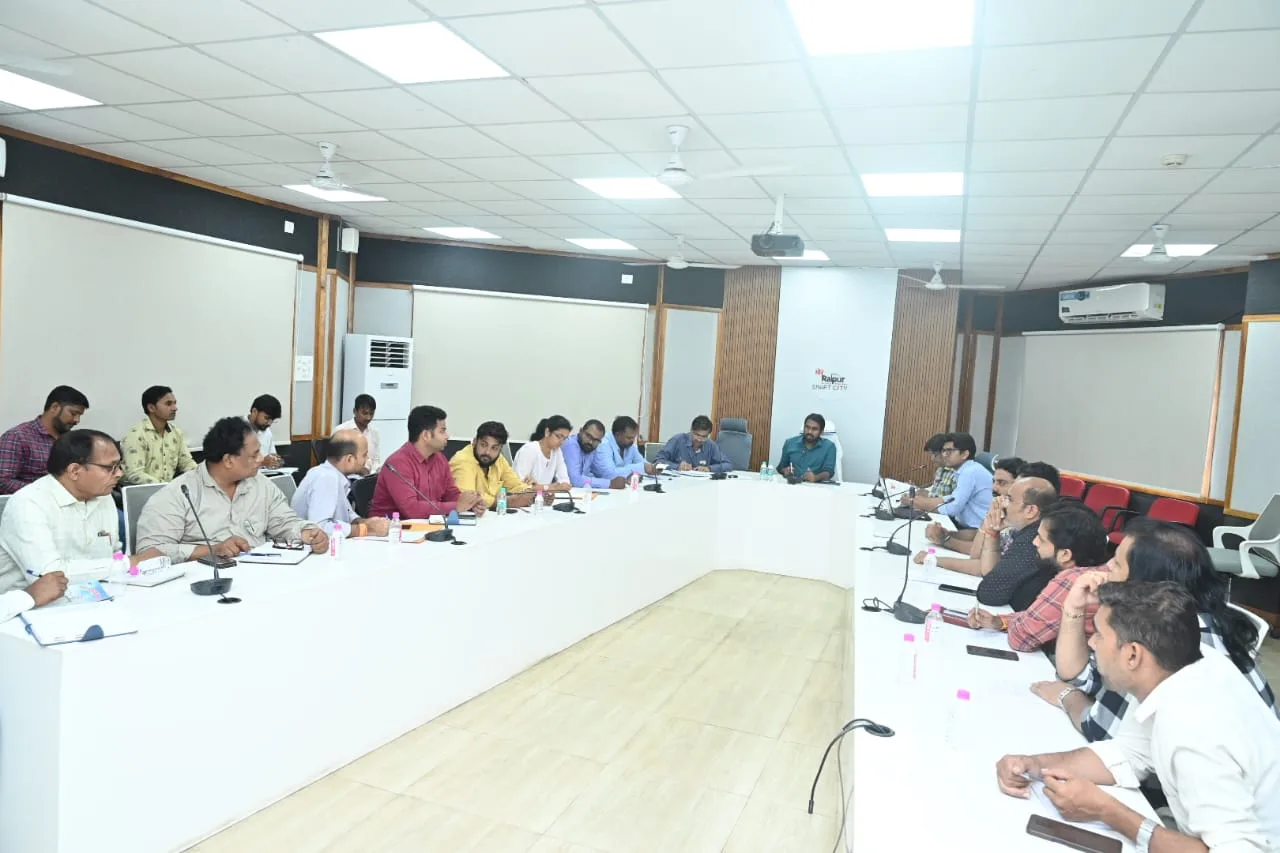


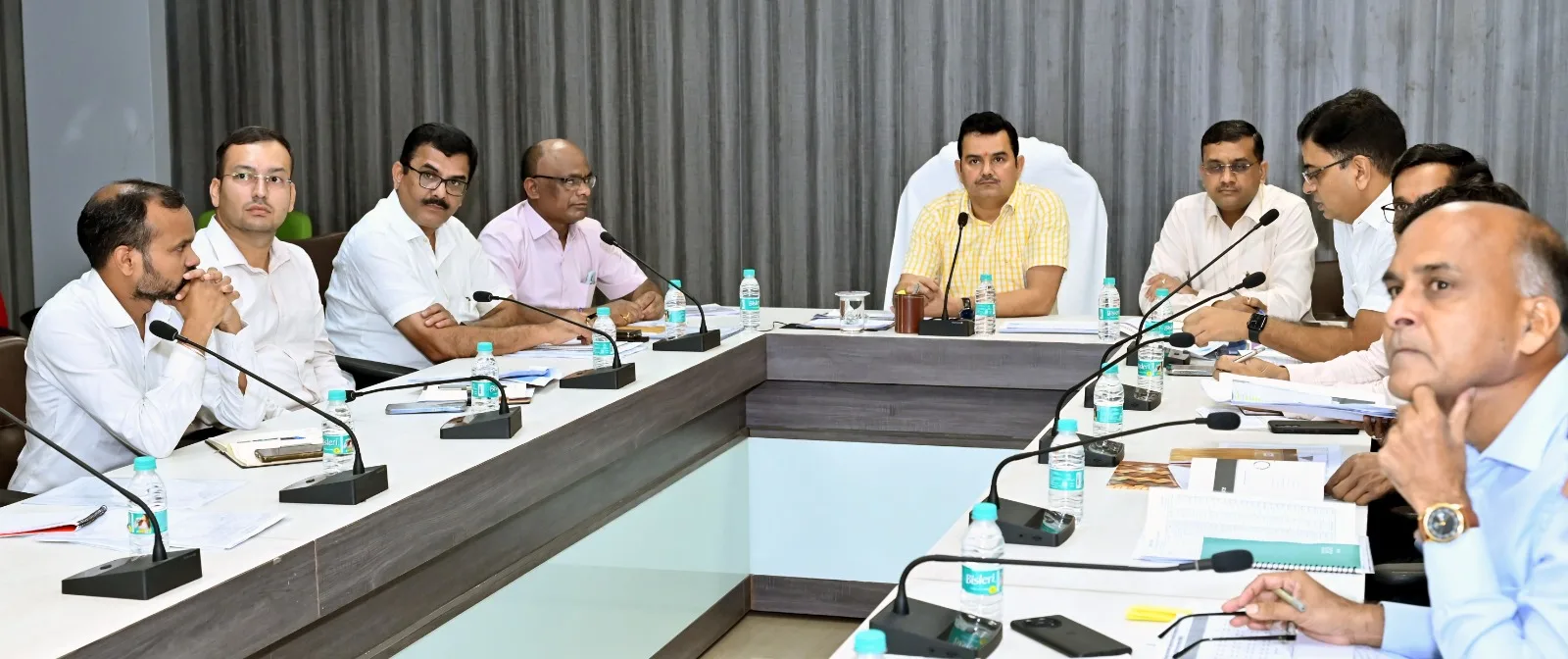
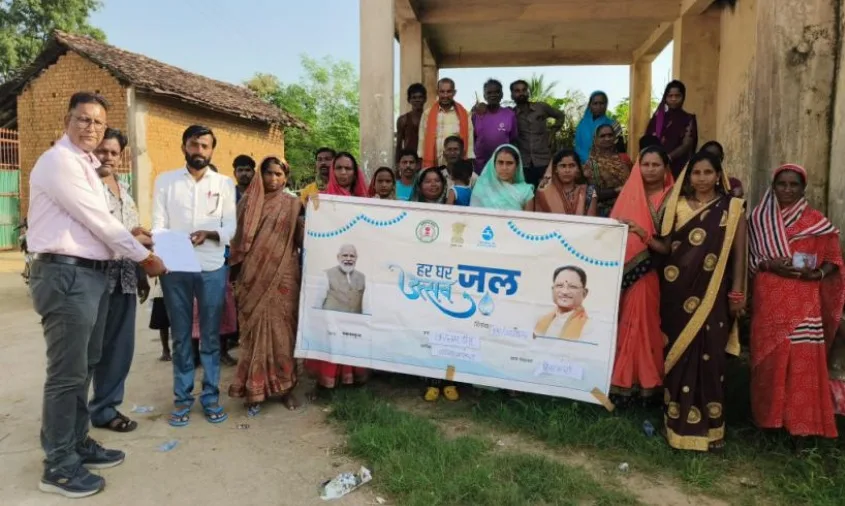

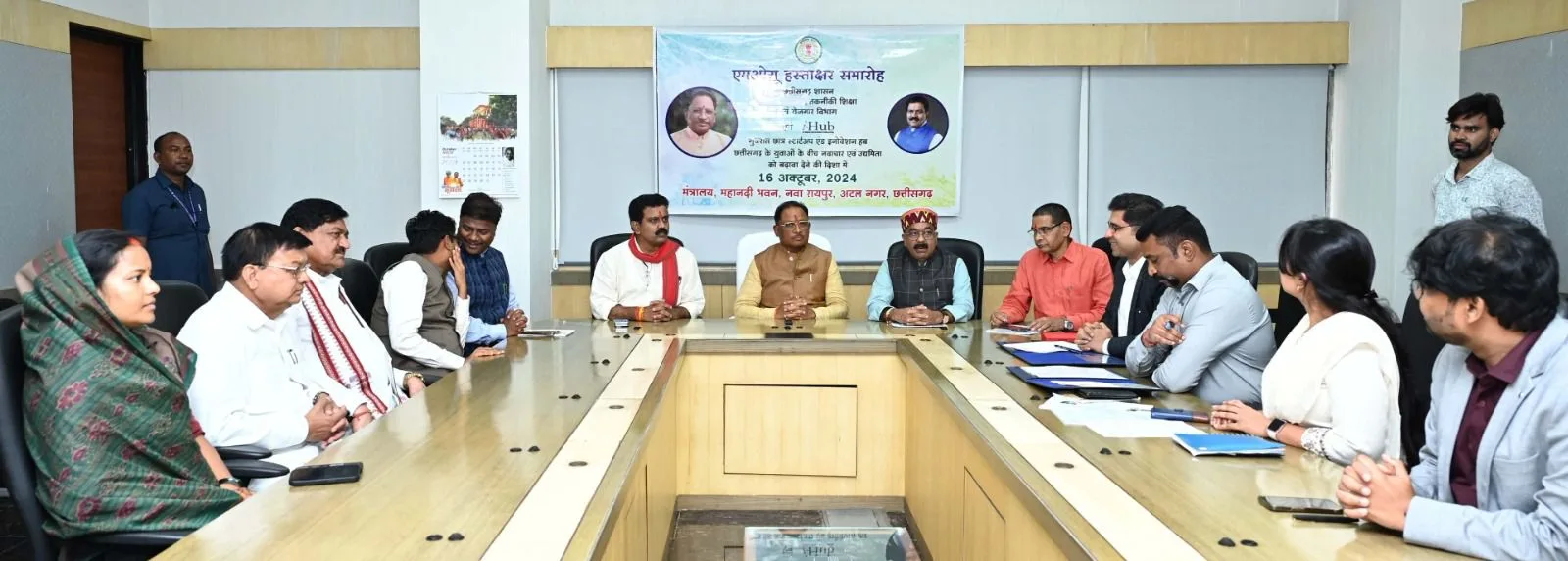
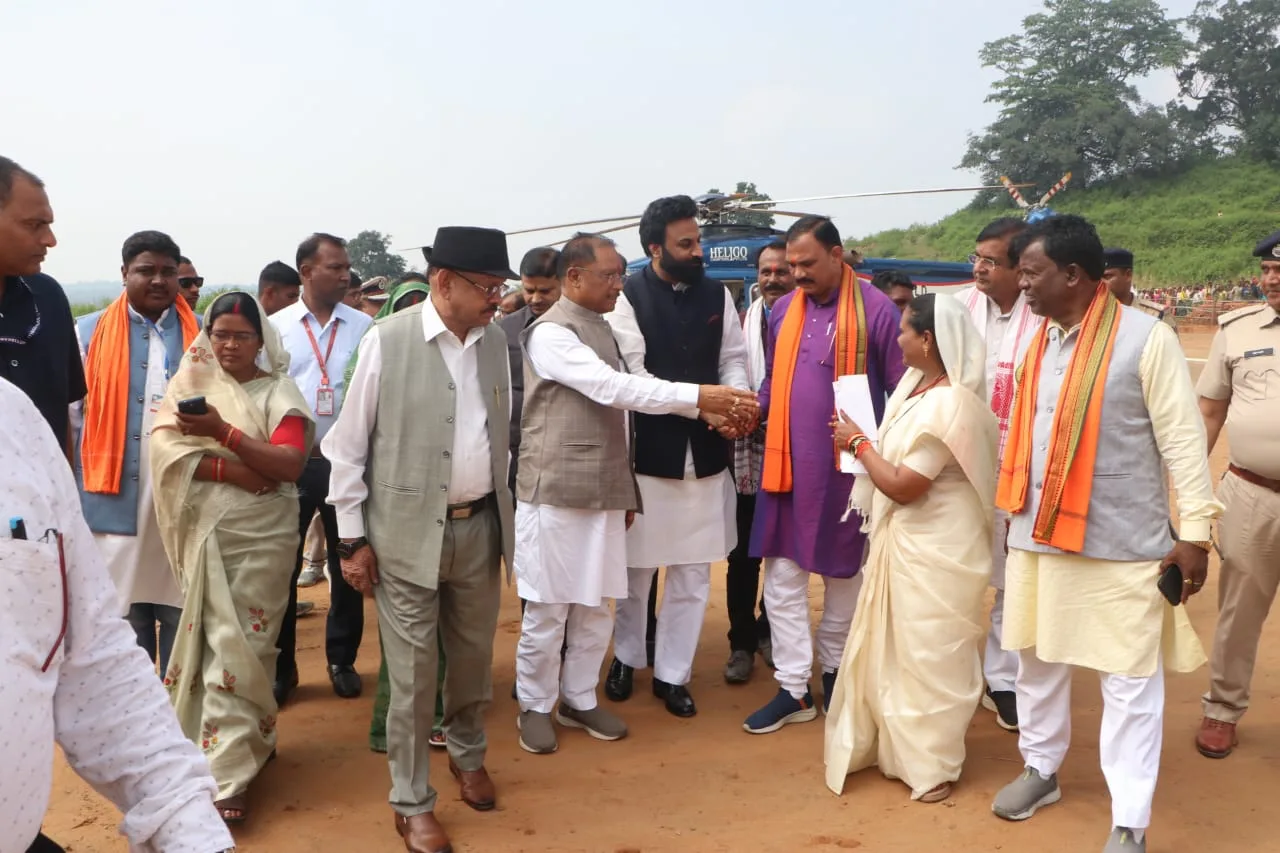
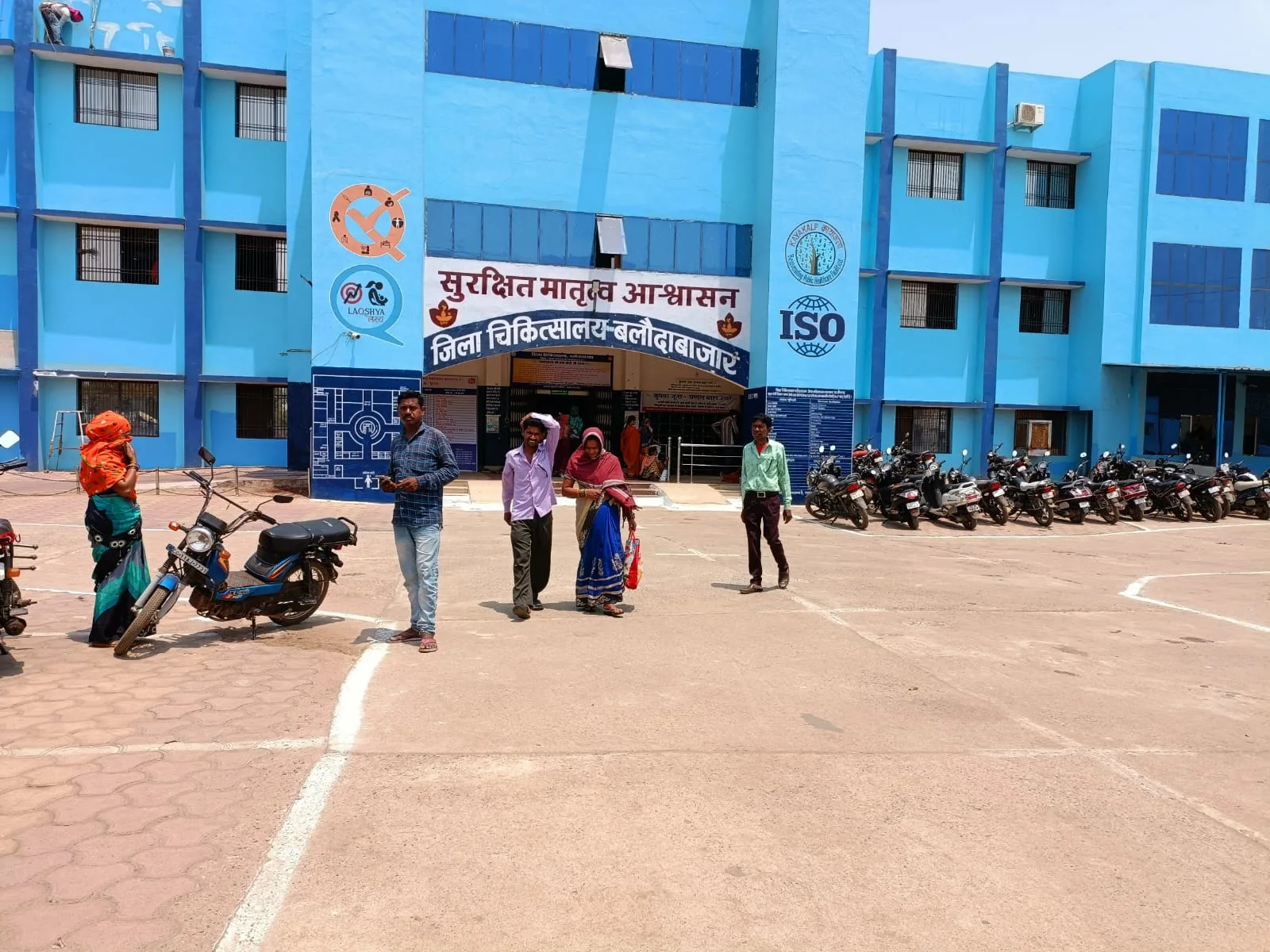

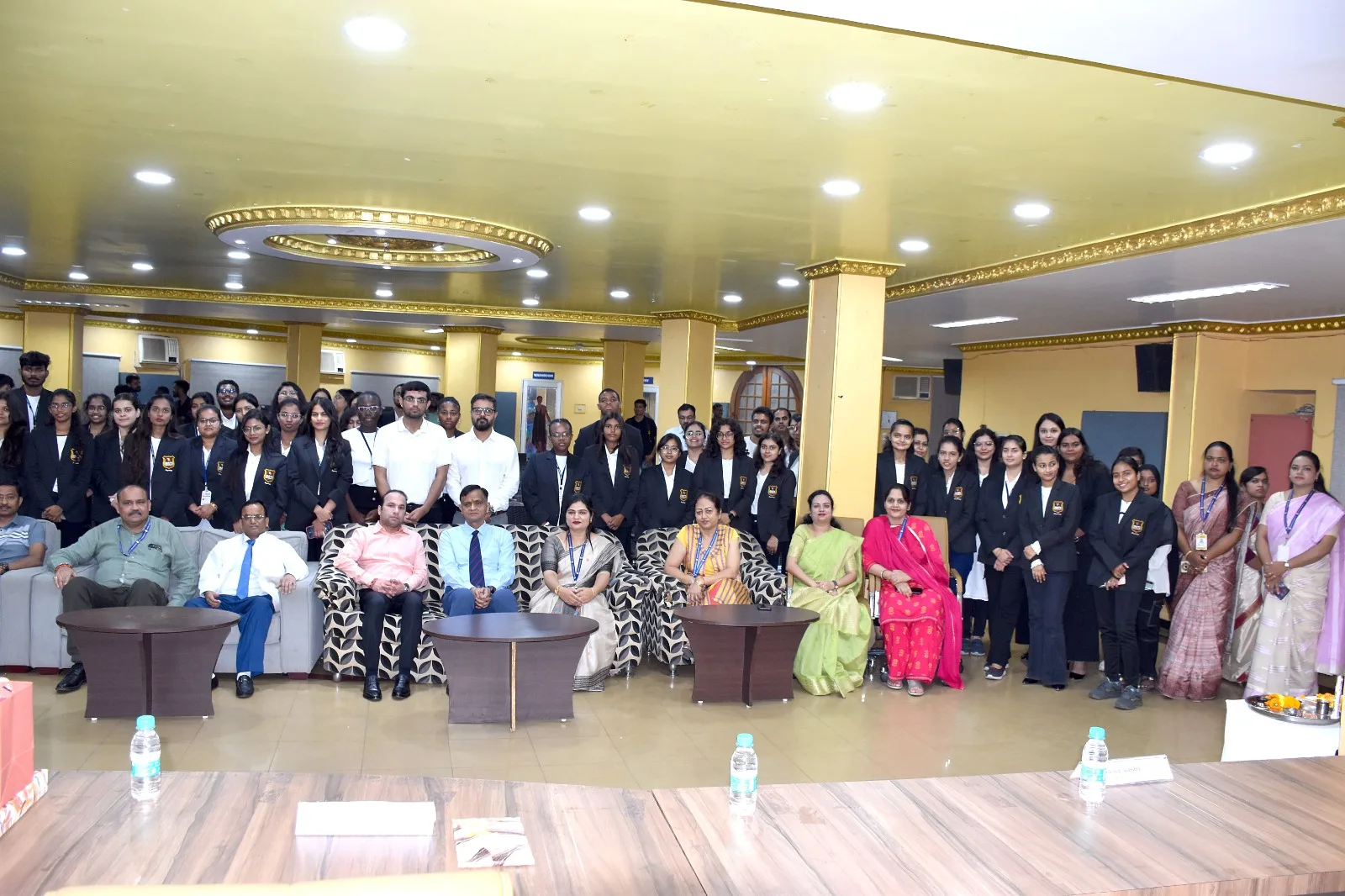
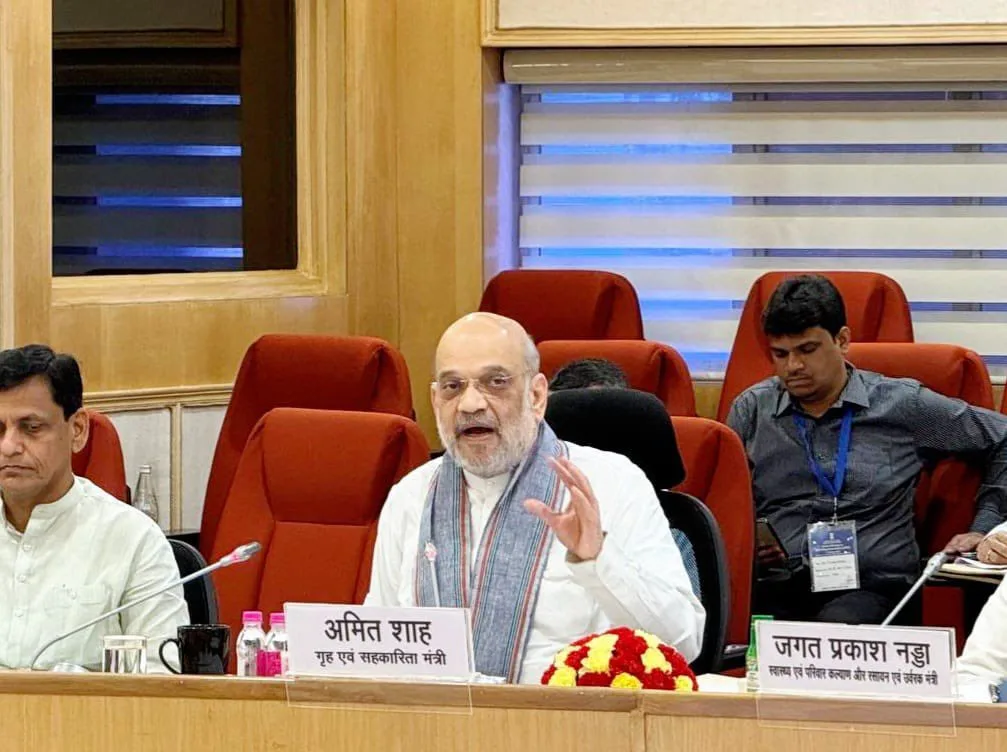


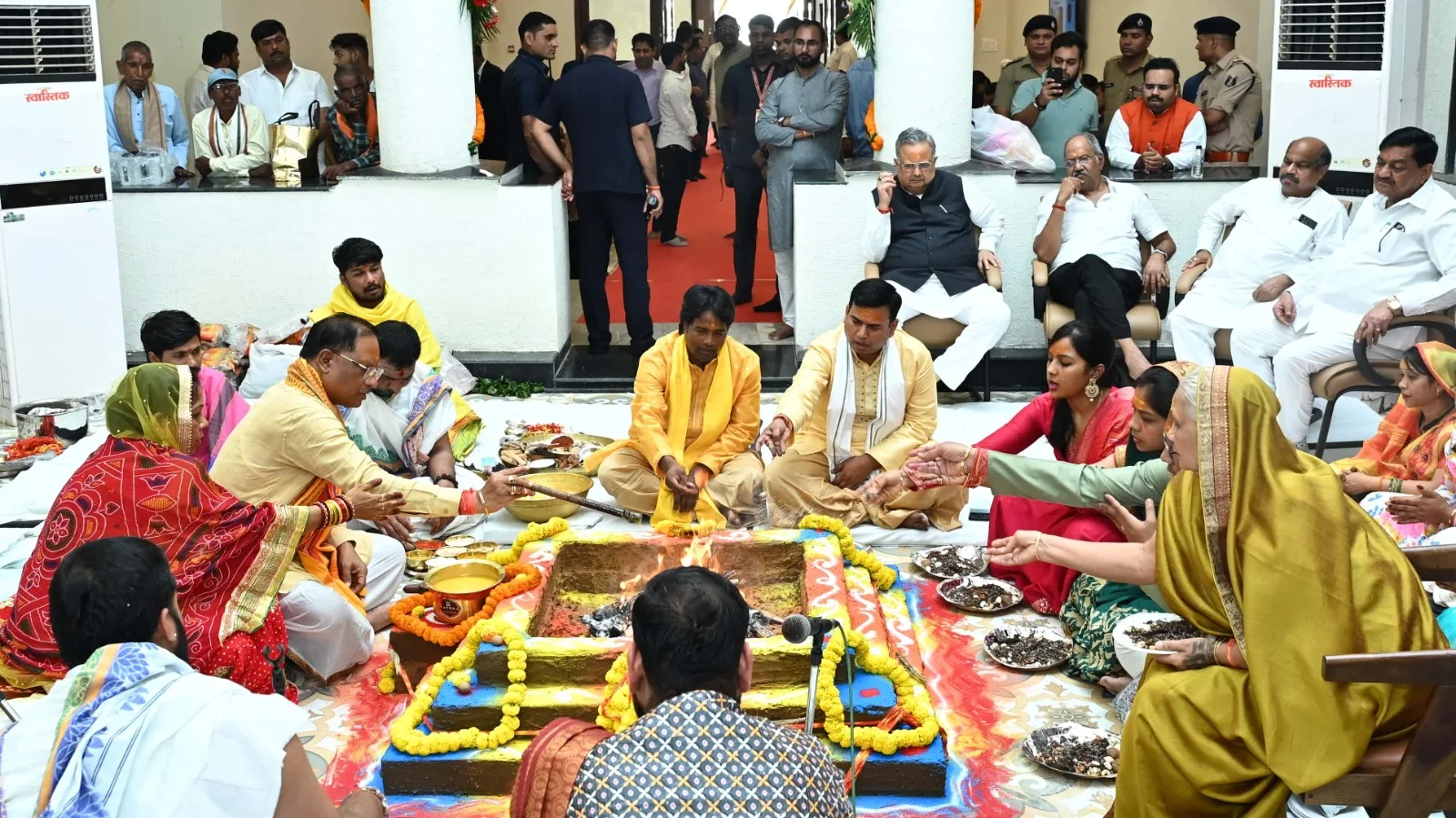
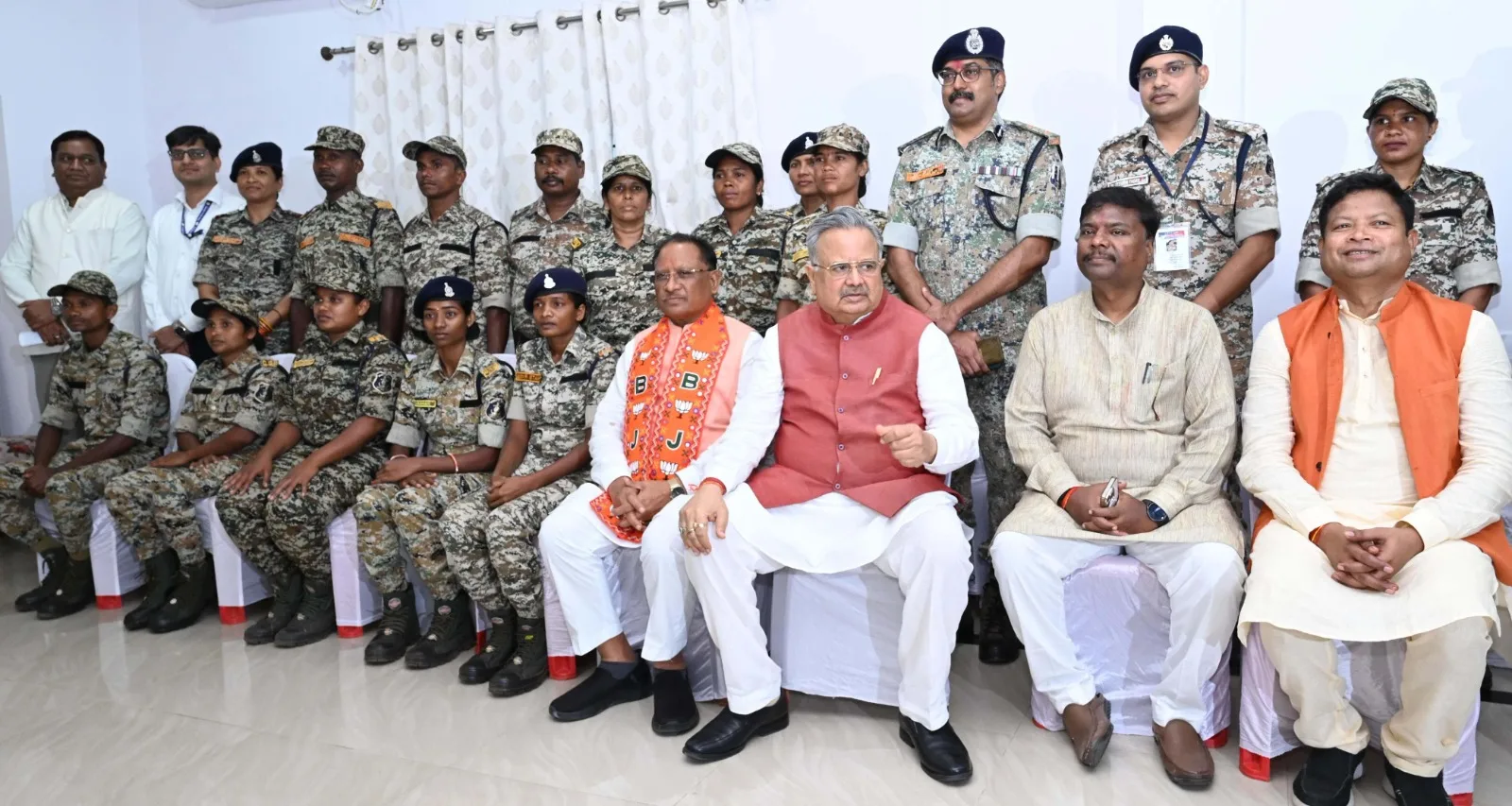
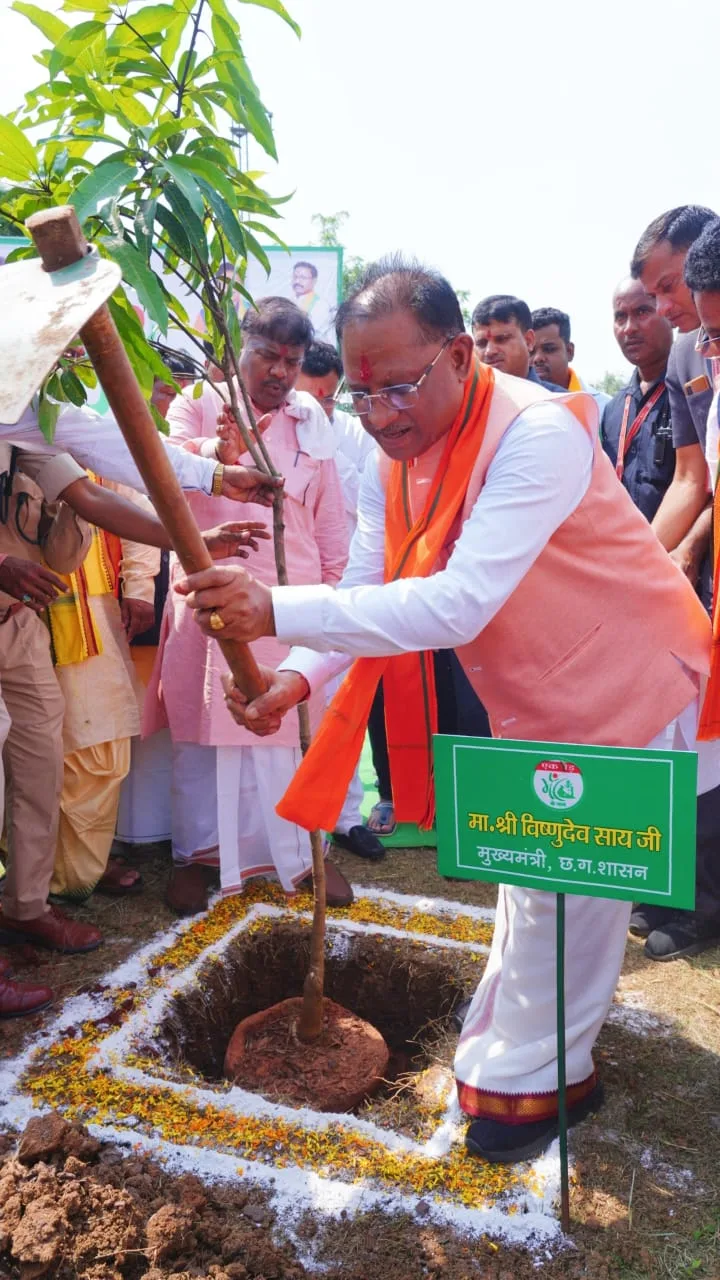

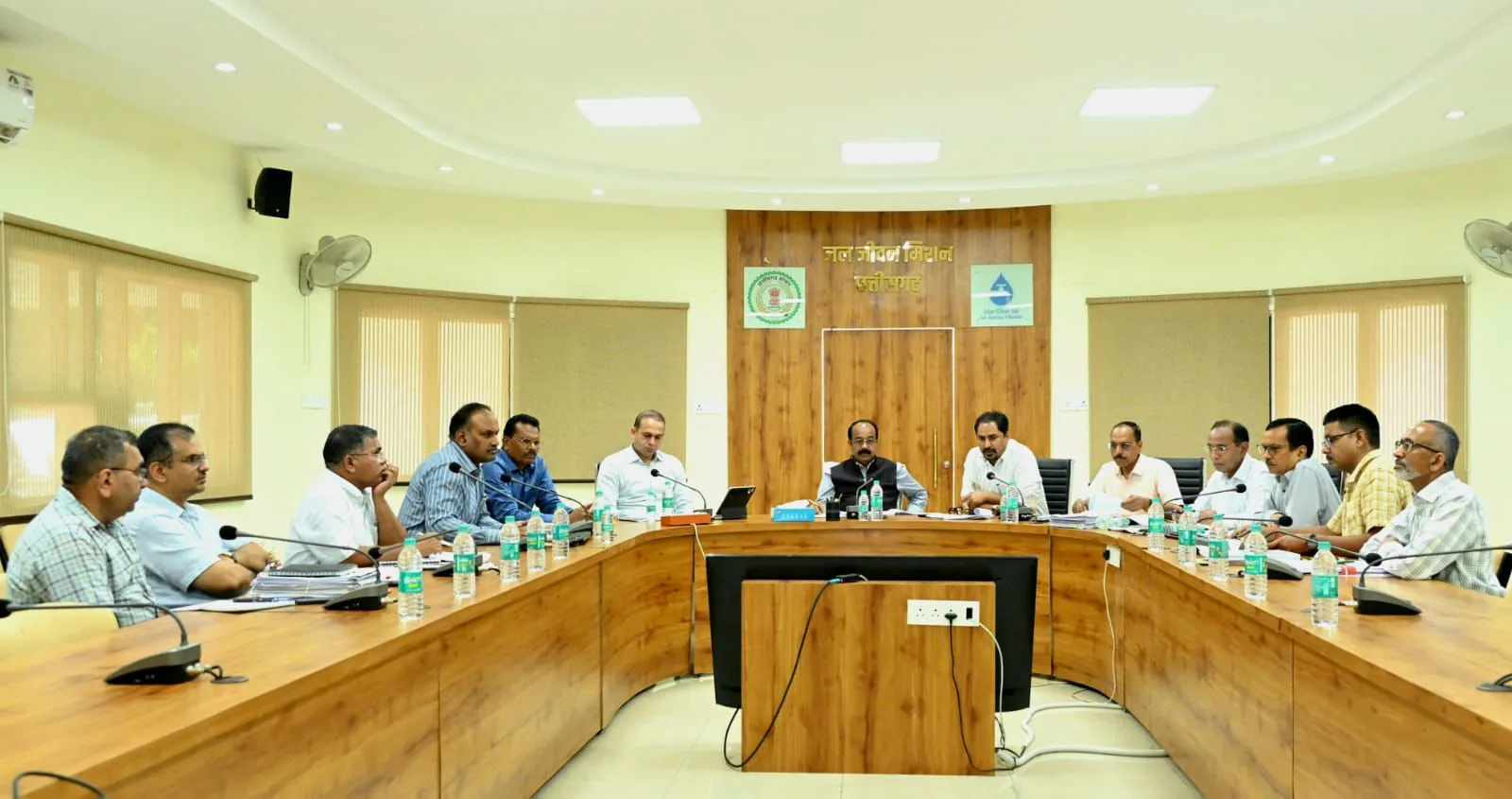






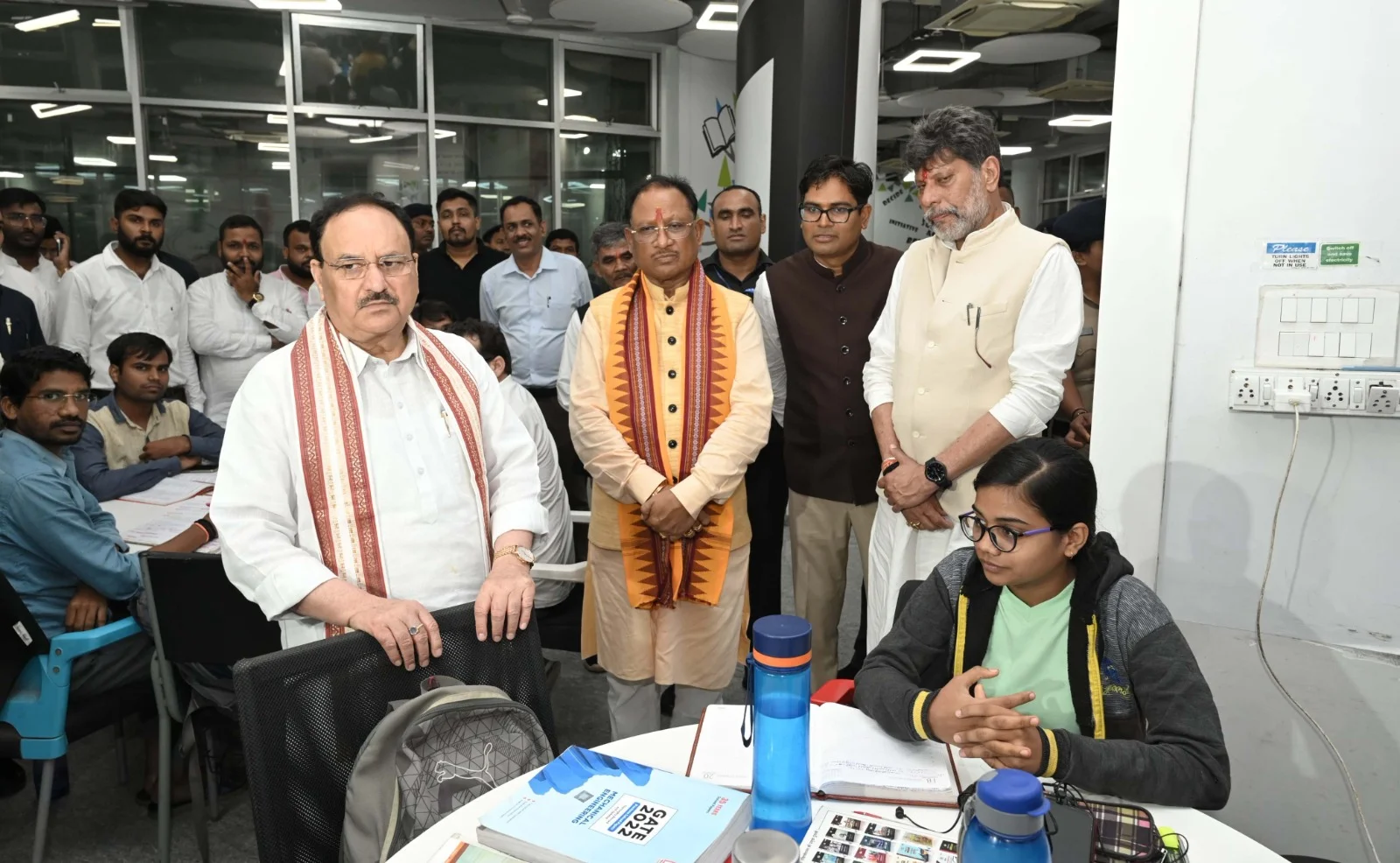
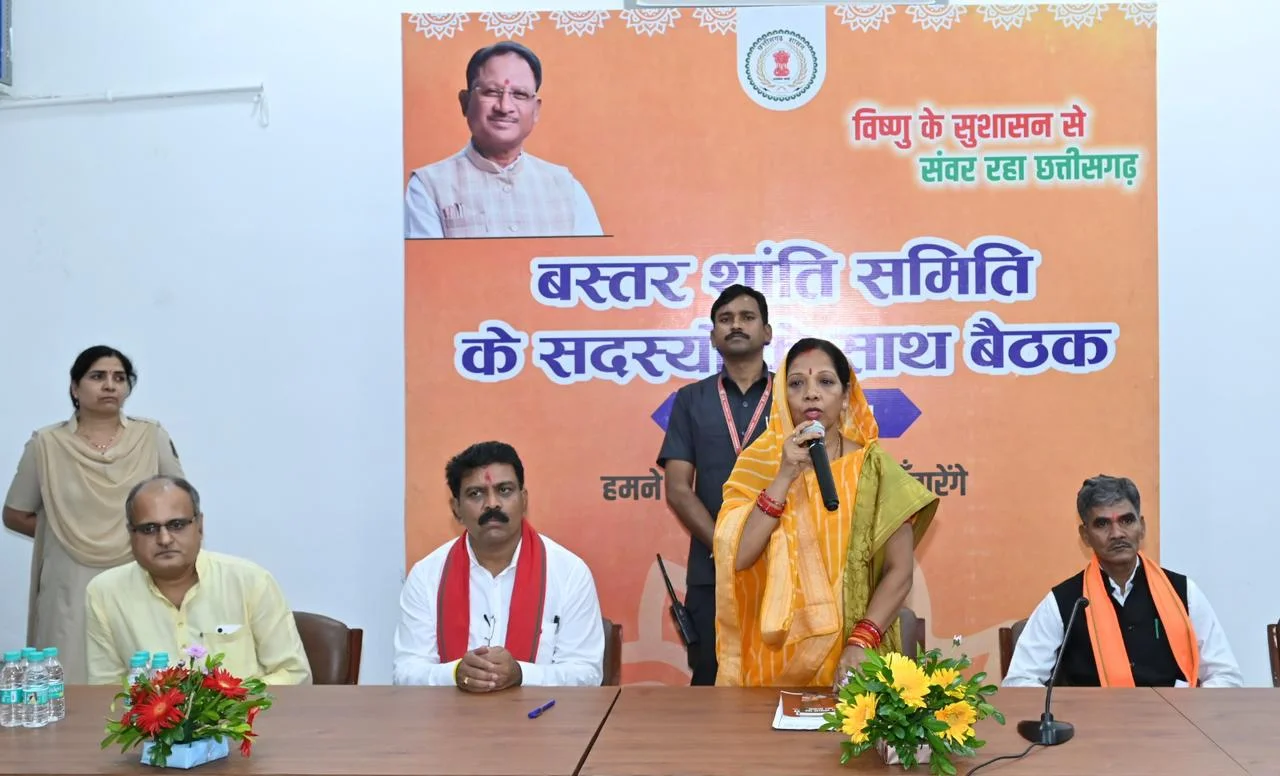
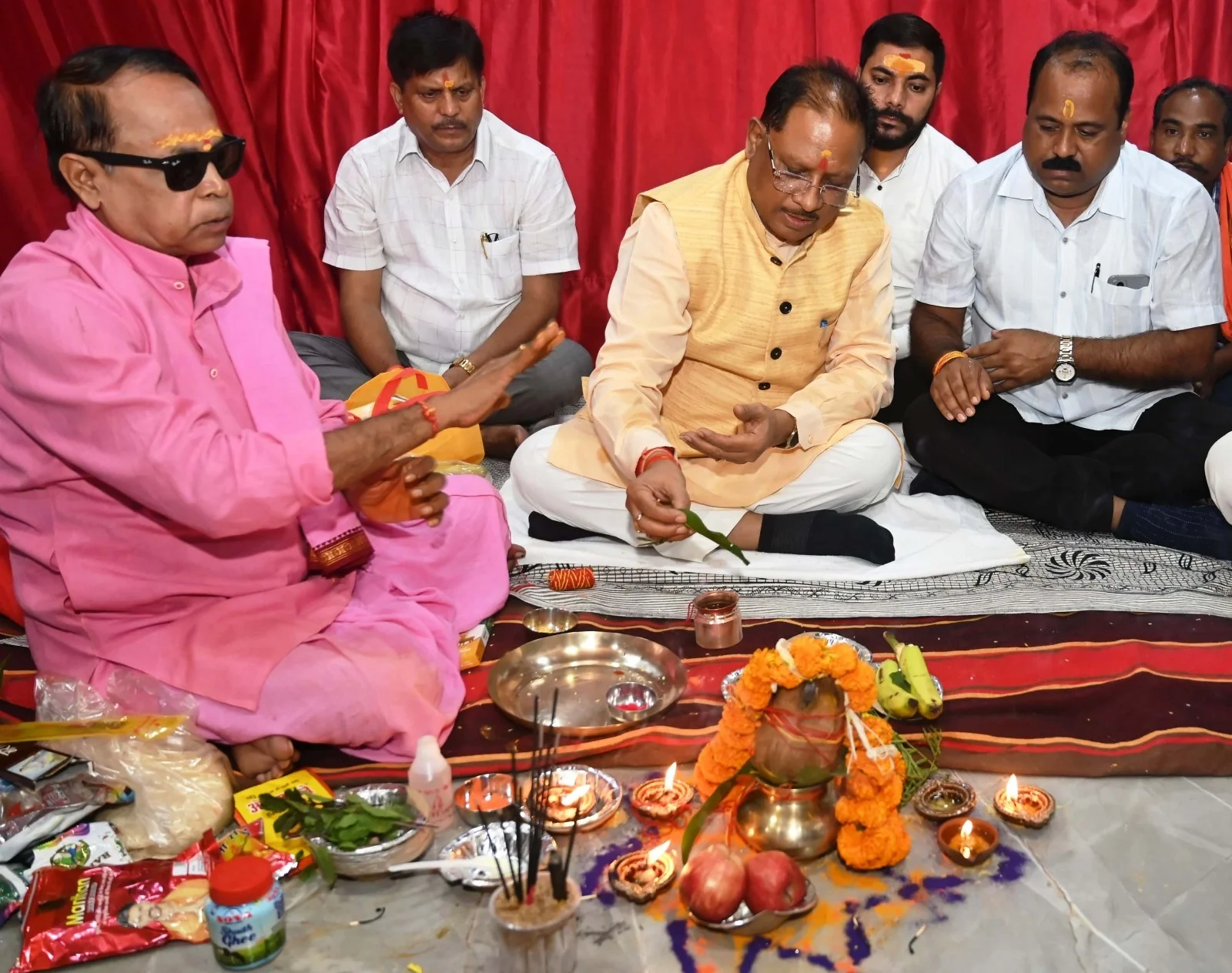
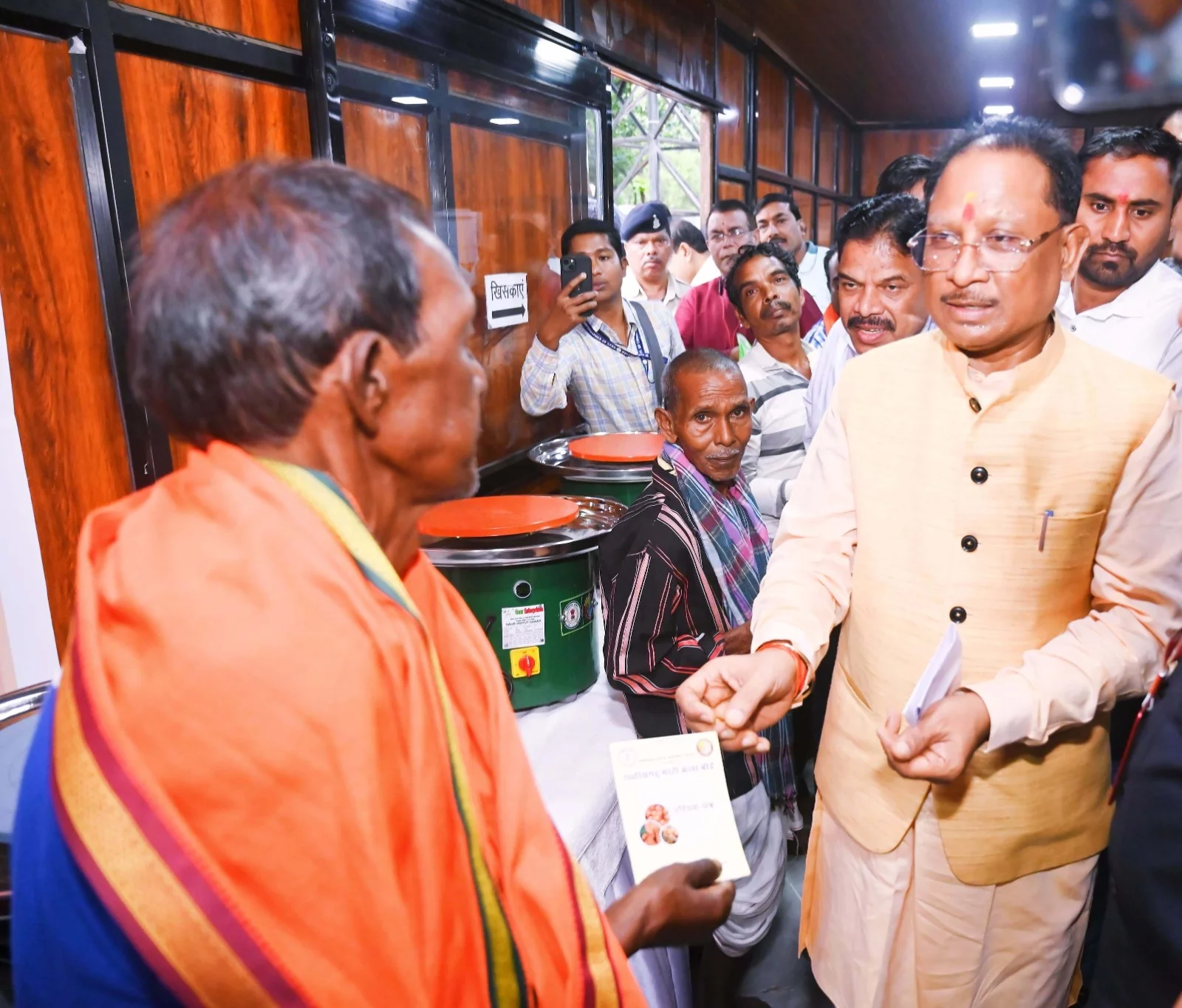





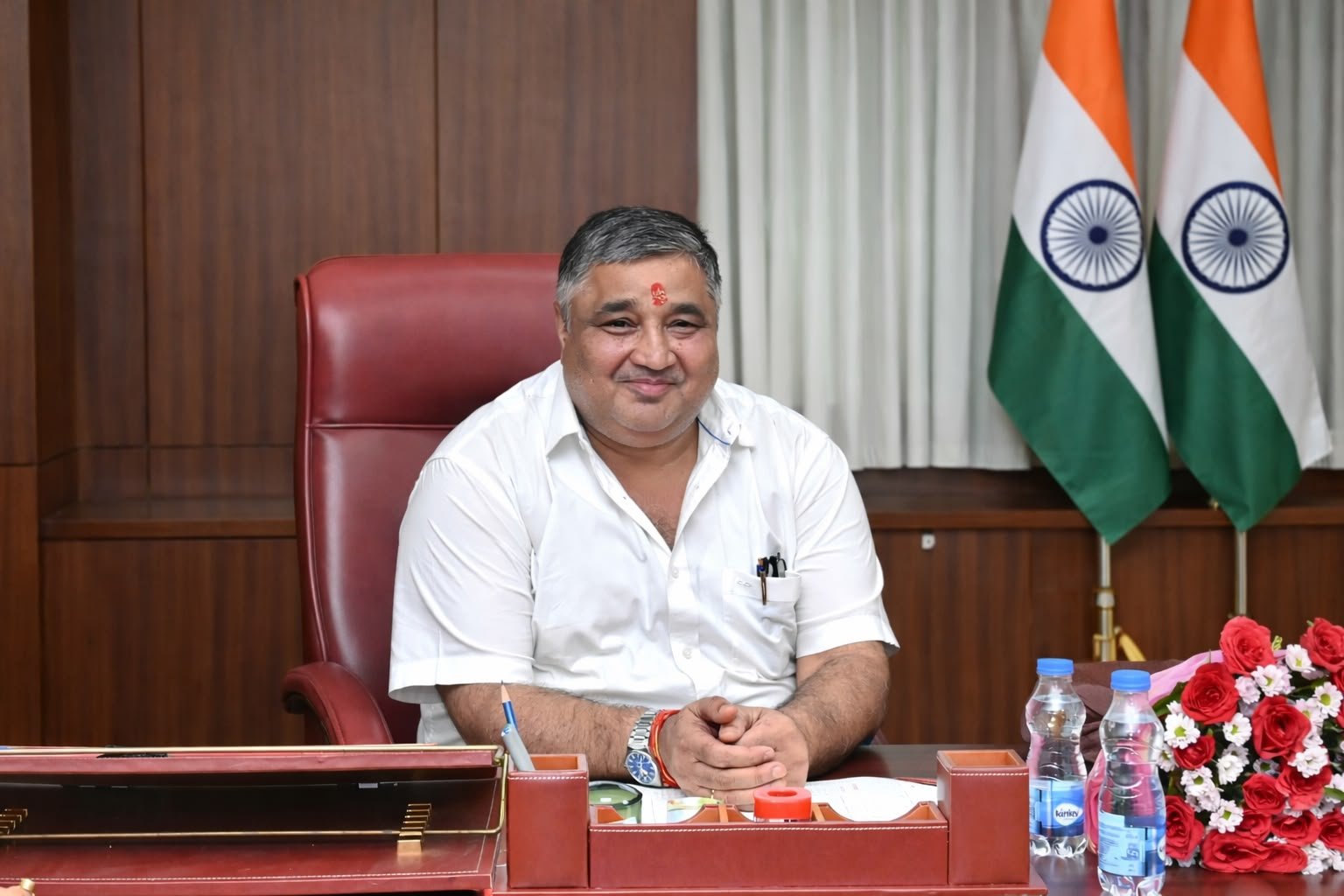
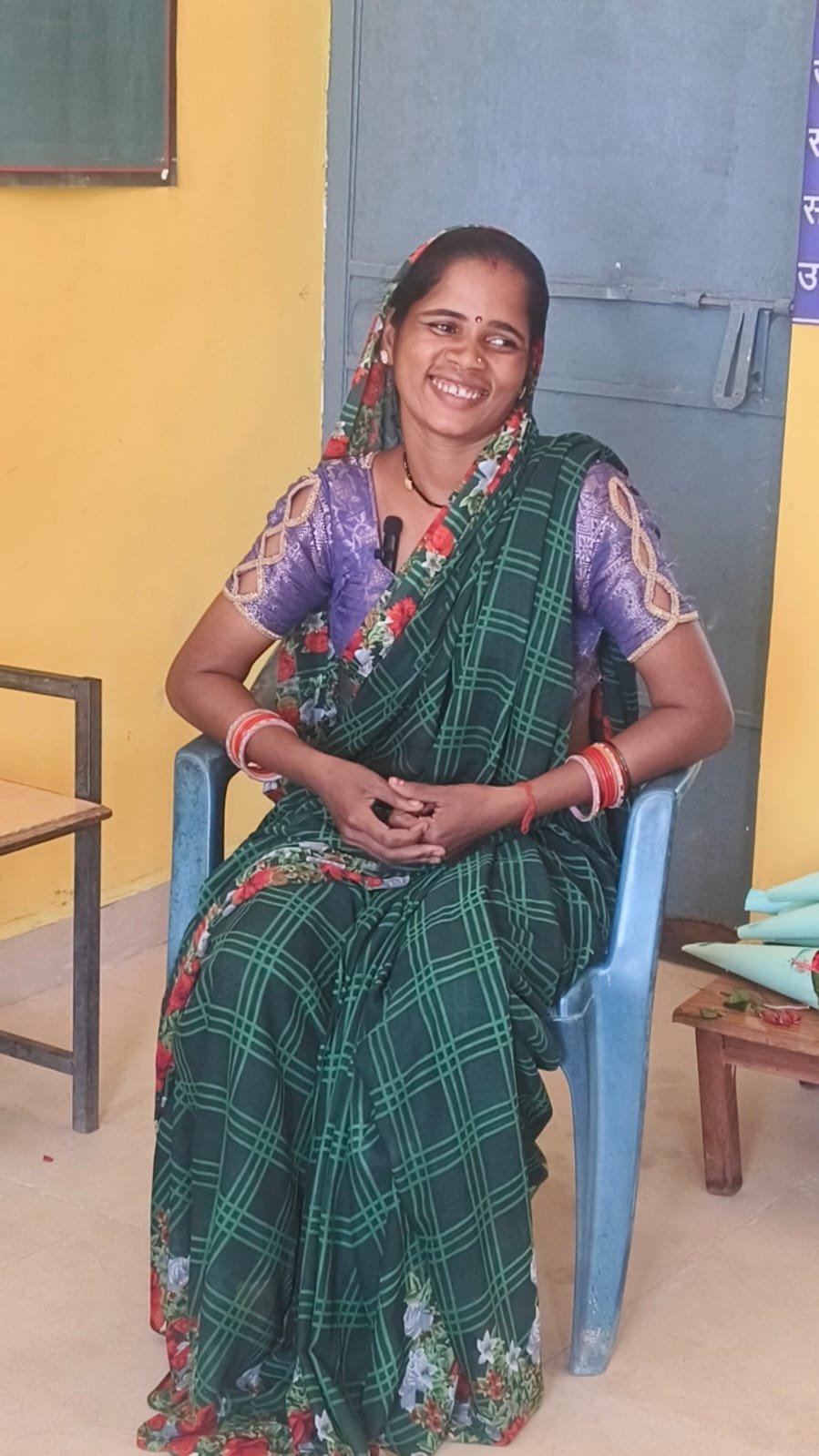

- The vision of a ‘Developed Chhattisgarh’ (Viksit Chhattisgarh) is being realized through initiatives aimed at ensuring the benefits of government schemes reach the last person in society.
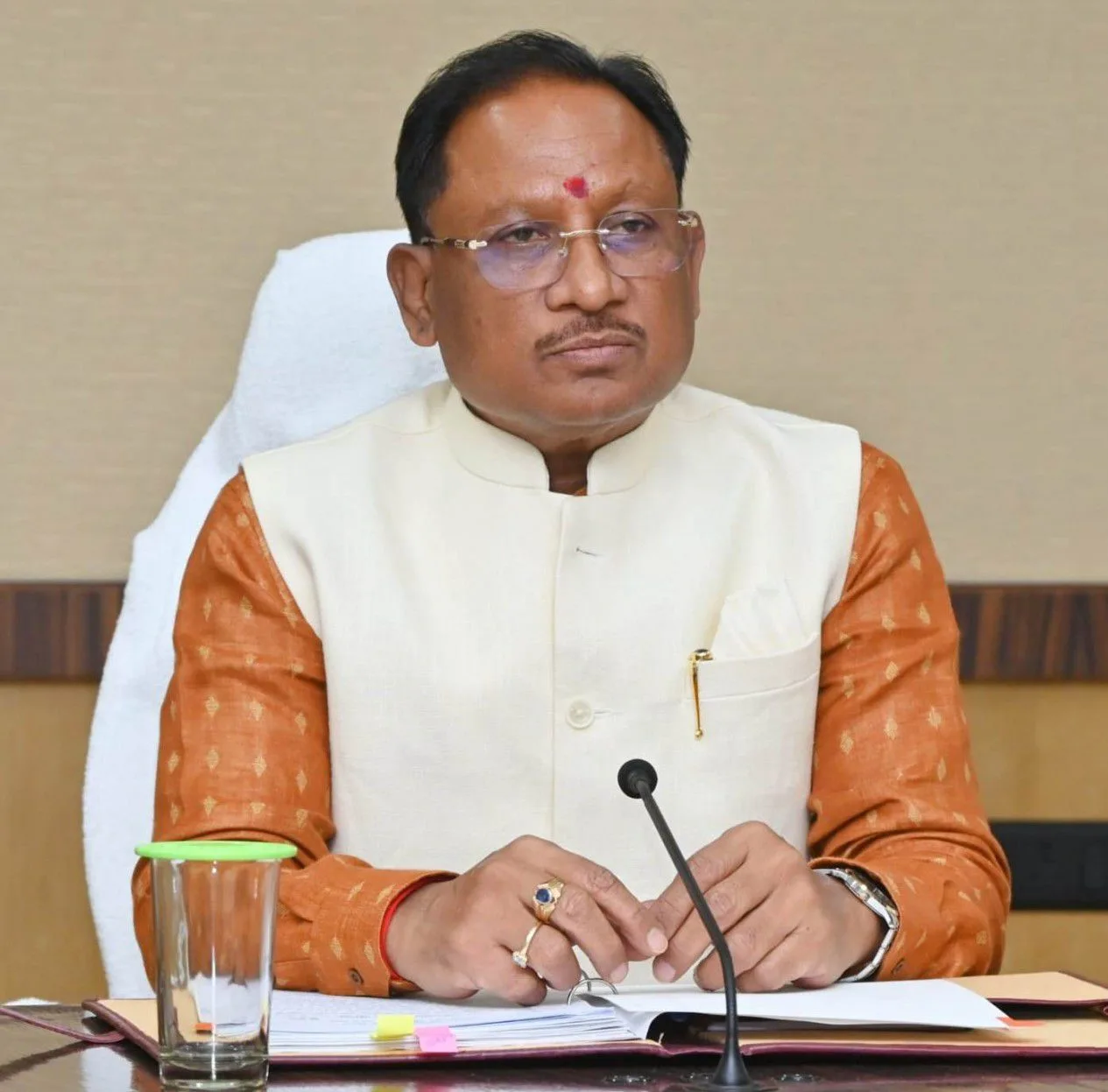
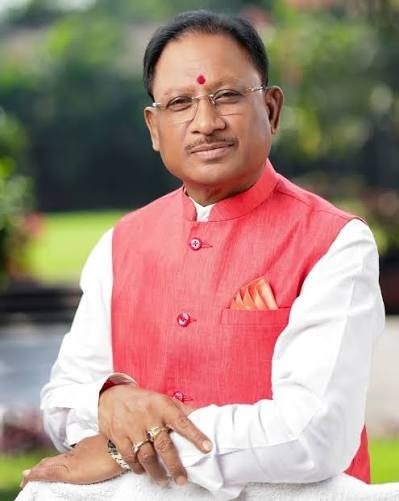
The true strength of a democracy lies in the trust of its people, and good governance is the most effective means to reinforce that trust. The concept of good governance becomes meaningful when government schemes reach the last individual, problems are resolved in a timely manner, and ordinary citizens do not have to face unnecessary hardship to access their rights and amenities. In Chhattisgarh, under the leadership of Chief Minister Shri Vishnu Deo Sai, priority is being given to a sensitive, transparent, and people-centric administration, in line with this very spirit.
Embracing Prime Minister Shri Narendra Modi’s core mantra—‘Sabka Saath, Sabka Vikas, Sabka Vishwas, aur Sabka Prayas’ (Together with all, Development for all, Trust of all, and Effort of all)—the Chhattisgarh government is continuously striving to ensure that the benefits of public welfare schemes reach the last person in society. Efforts to make the functioning of the government simpler, more accessible, and more accountable are fostering a new environment of dialogue and trust between the administration and the citizens.
A fundamental prerequisite for good governance is that the voices of ordinary citizens are heard and effective steps are taken to resolve their concerns. Chief Minister Shri Vishnu Deo Sai has placed the resolution of public grievances at the forefront of his government’s priorities. Citizens are being provided with the opportunity to present their problems, complaints, and suggestions directly to the government and the administration.

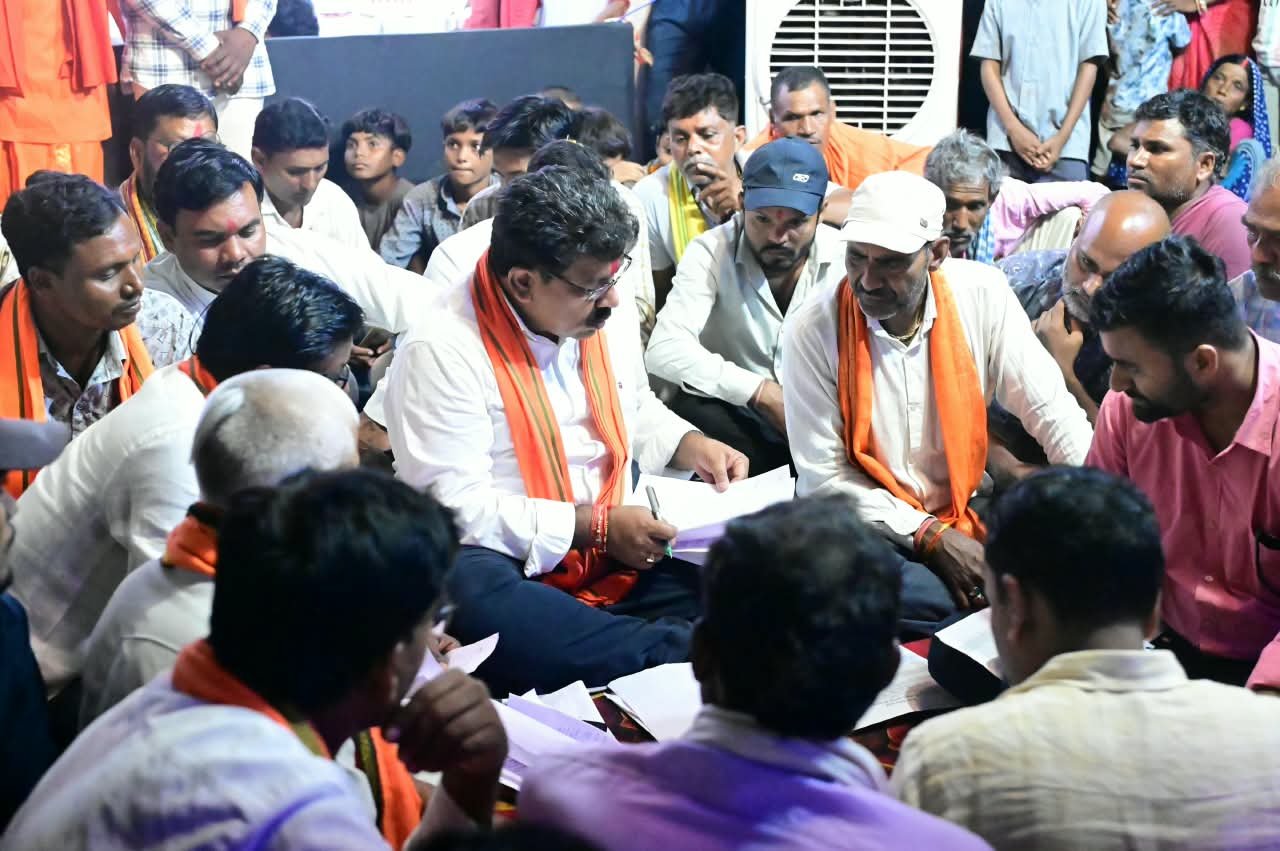
Public grievance redressal camps, organized at the district and block levels, are serving as a vital bridge, bringing the administration closer to the citizens. In these camps, information regarding the services and schemes of various departments is provided, eligible beneficiaries are extended support, and action is taken to resolve the applications received.
- Digital Good Governance: Making Government Services More Accessible
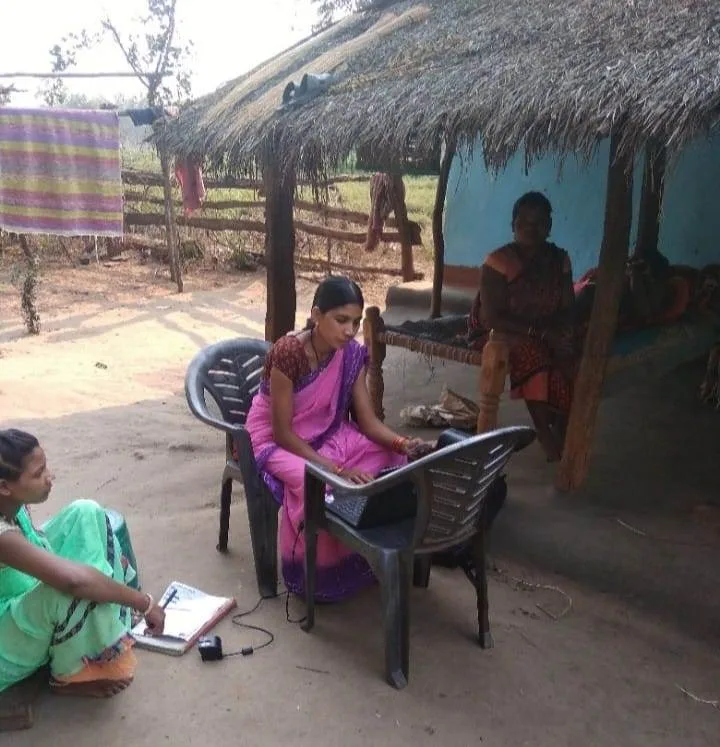
In these changing times, technology has emerged as a robust foundation for good governance. In Chhattisgarh, efforts are underway to make government services more accessible, transparent, and time-bound through digital means. The ‘Seva Setu’ portal and ‘Digital Seva Kendras’ (Digital Service Centers) enable citizens to apply for services across various departments and obtain information regarding the associated procedures. This has significantly facilitated access to government services, particularly for citizens residing in rural and remote areas.
The significance of these digital systems extends beyond mere online applications. They aim to enhance transparency in administrative processes, minimize unnecessary delays, and keep citizens informed about the status of their service requests. Technology-driven governance has strengthened the bond of trust between the administration and the public.
- Ensuring the benefits of schemes reach the last person—a top priority
Under the leadership of Chief Minister Shri Vishnu Deo Sai, the state government places special emphasis on the welfare of the poor, farmers, women, youth, laborers, and tribal communities. Through the ‘Mahtari Vandan Yojana,’ women receive regular financial assistance, which has proven beneficial for meeting household needs, supporting children’s education, managing healthcare expenses, and fostering small-scale savings. The ‘Pradhan Mantri Awas Yojana’ is helping fulfill the dream of owning a permanent home for families in need. Furthermore, various initiatives—ranging from schemes for farmers to those focused on healthcare, food security, and rural livelihoods—are serving as a foundation for the economic and social security of the citizens.
The true success of these schemes is reflected in the lives of the families who, with the government’s support, are able to meet their needs and move toward a better future.
- Moving toward an accountable administration through grievance redressal
Good governance is not limited to the implementation of schemes; it also entails listening to citizens’ grievances with seriousness and ensuring their resolution. In this regard, the ‘CM Helpline 1076’ provides a platform for citizens to register complaints and track the status of their resolution. In urban areas, a system has been developed—‘Nidaan-1100’—to address grievances related to sanitation, drinking water, street lighting, and other civic amenities. The objective of this system is to ensure transparency and accountability in grievance redressal. When citizens are able to register their concerns and track their progress, their trust in the administration is strengthened.
- Development from Villages to Cities: Striving for the Welfare of Every Section
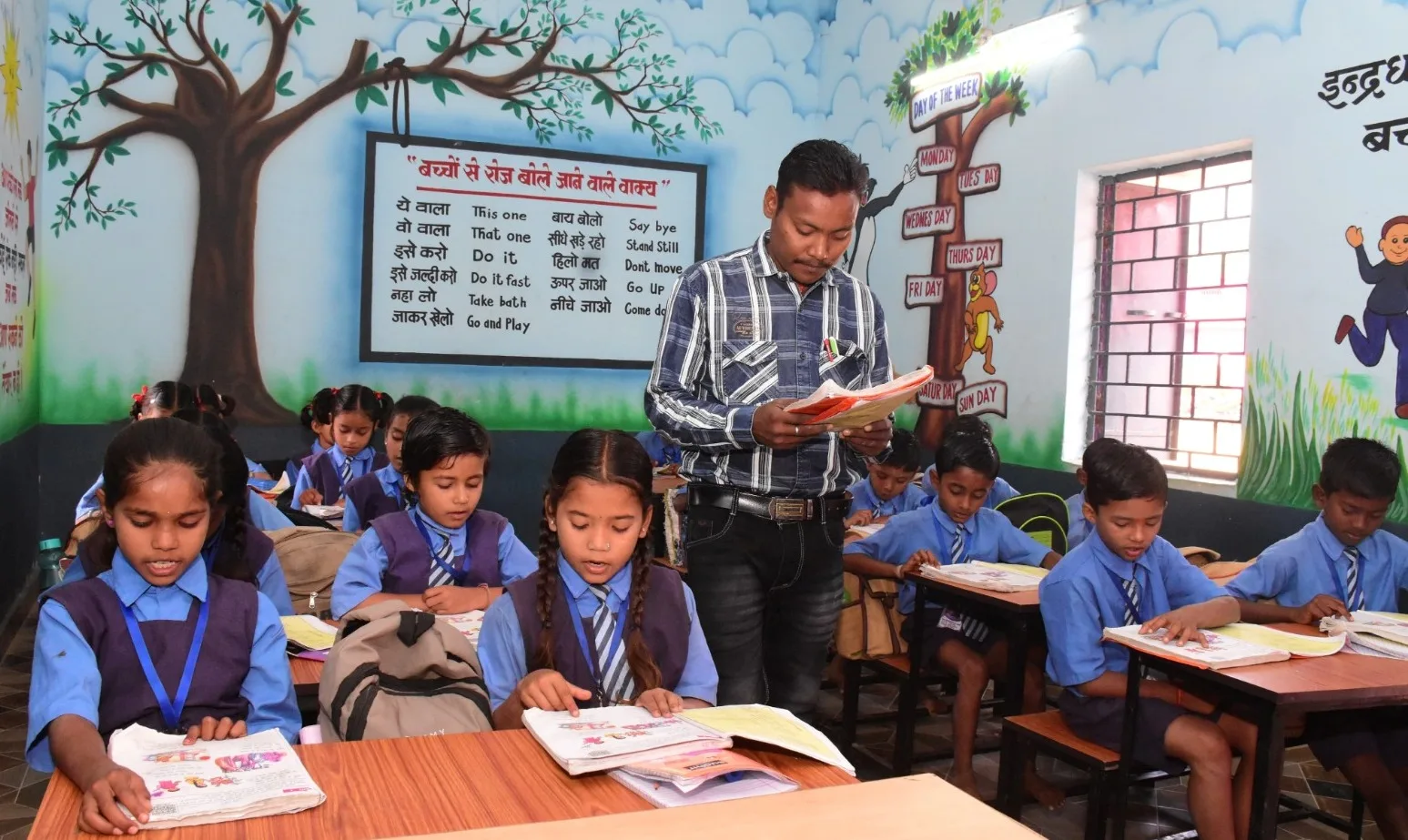
A large portion of Chhattisgarh’s population resides in rural and tribal areas. Therefore, the success of good governance hinges significantly on extending access to education, healthcare, drinking water, roads, electricity, and other essential amenities to even the most remote regions. The state government is working to make development more inclusive through schemes focused on rural development, tribal welfare, women’s empowerment, and the promotion of livelihoods. The expansion of basic infrastructure and the empowerment of local communities are particularly crucial in regions like Bastar and Surguja.
True good governance is realized when a citizen living in a remote village enjoys the same level of respect, access to amenities, and opportunities as those available in cities.
- Strengthening the Commitment to Good Governance through Public Participation
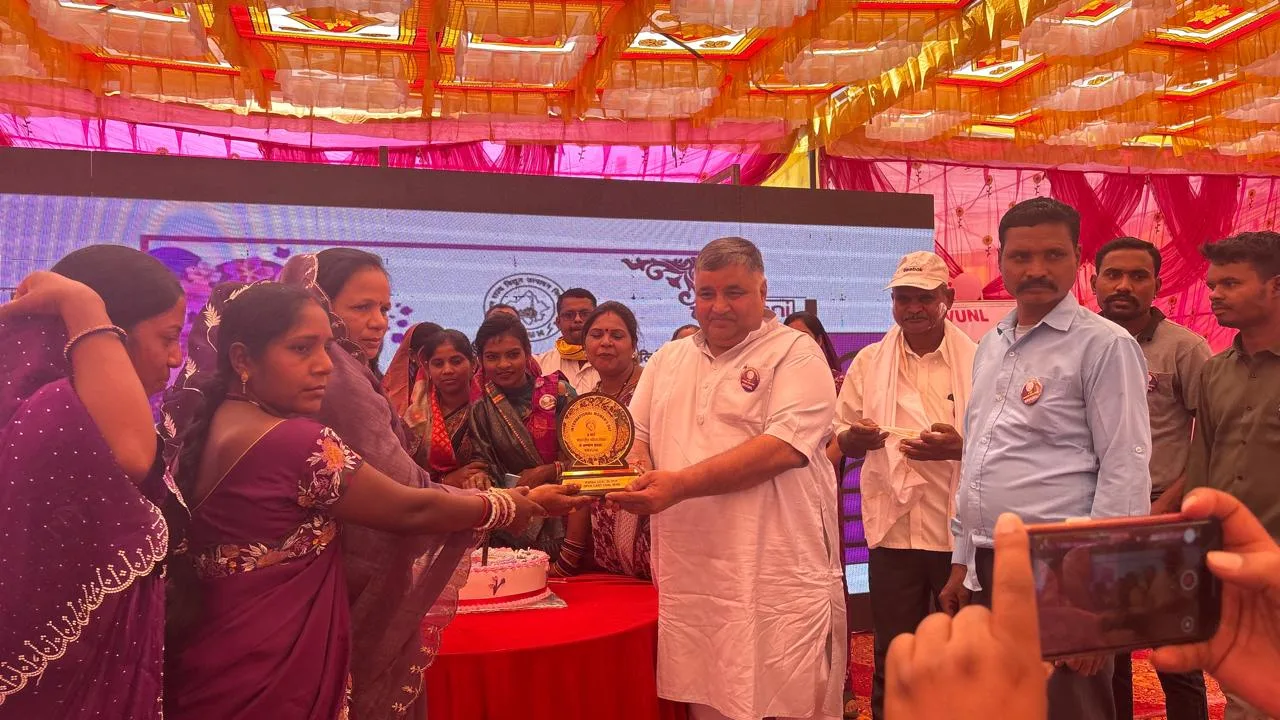
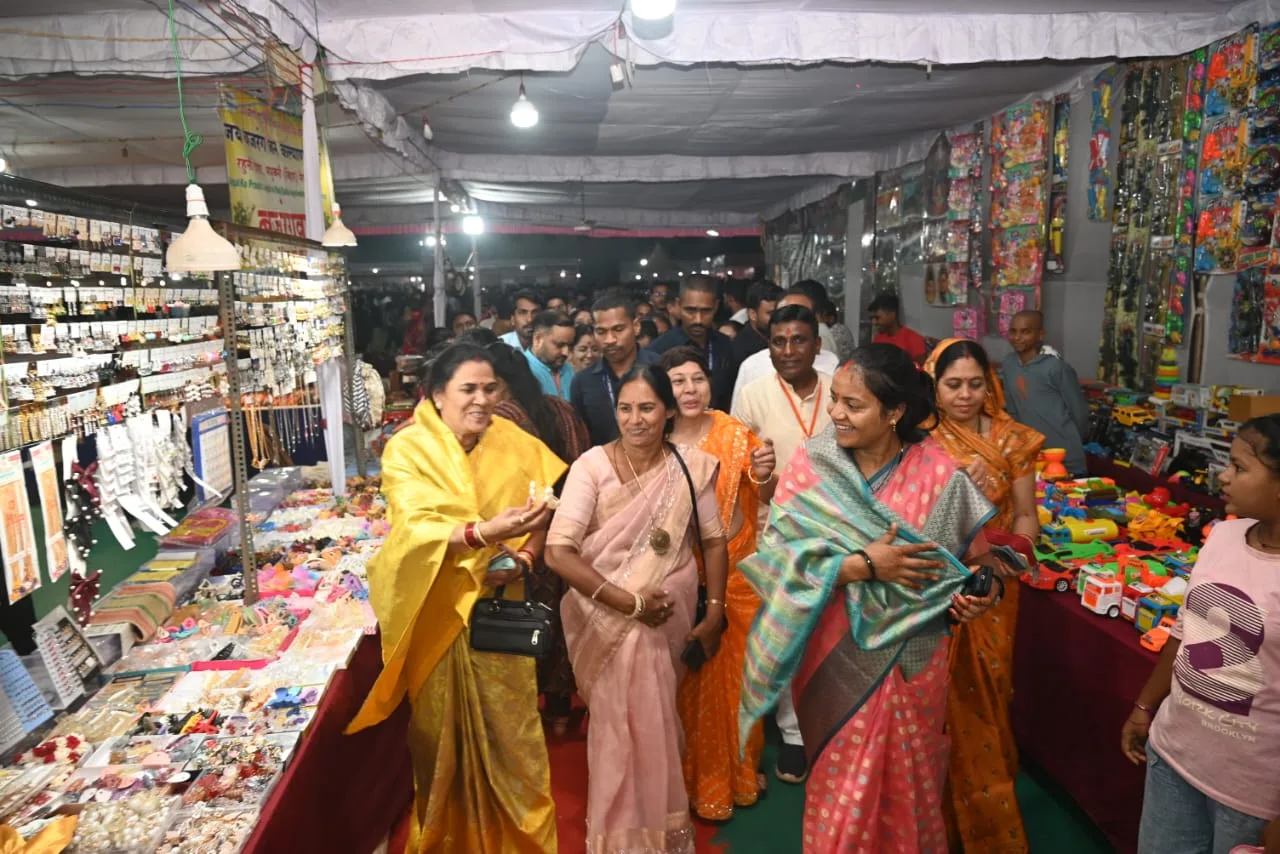
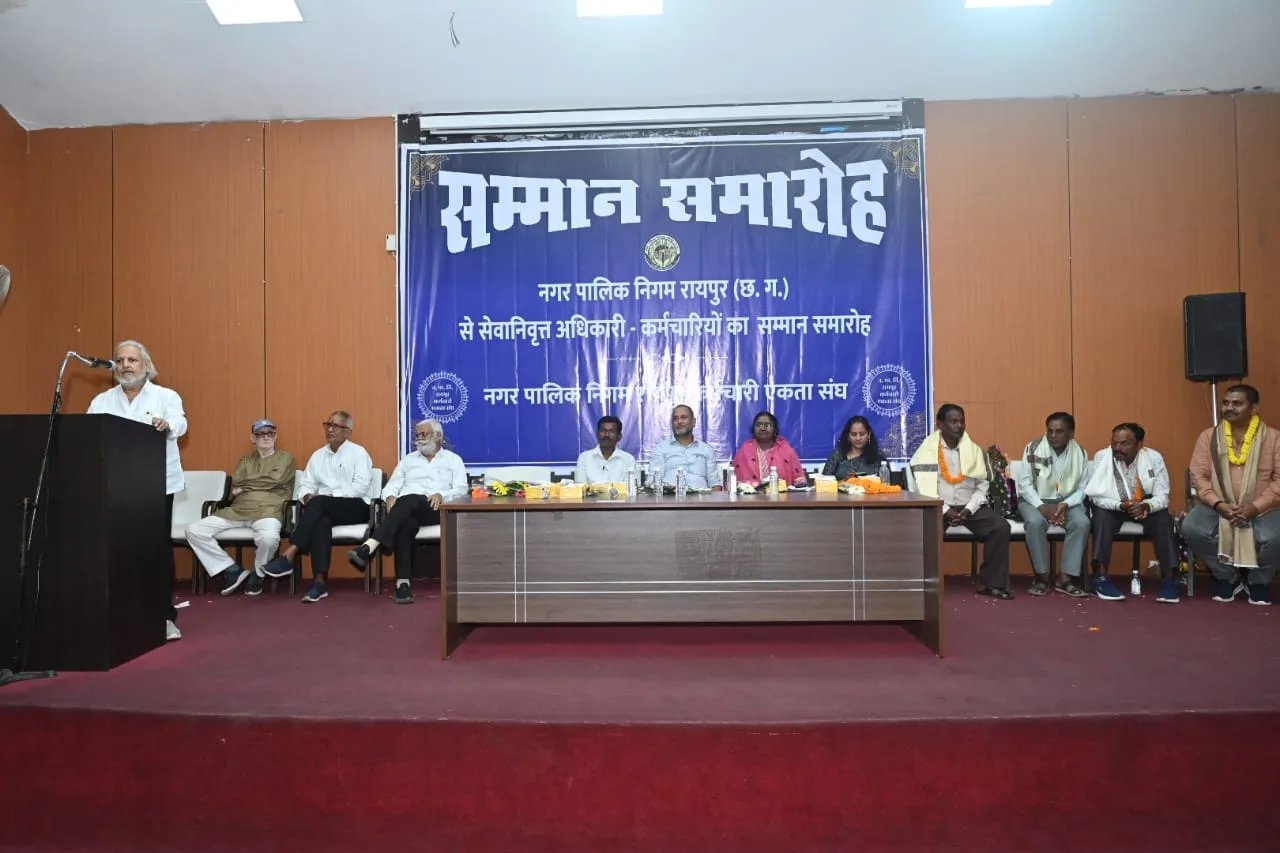
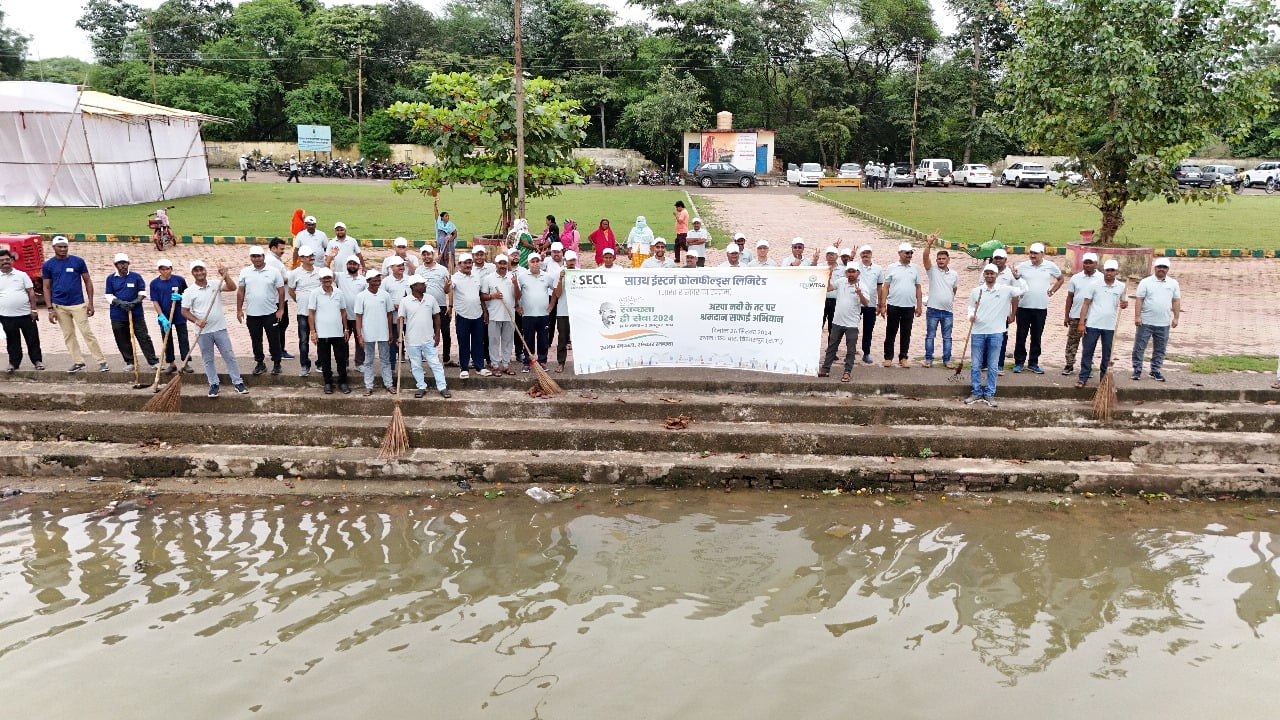
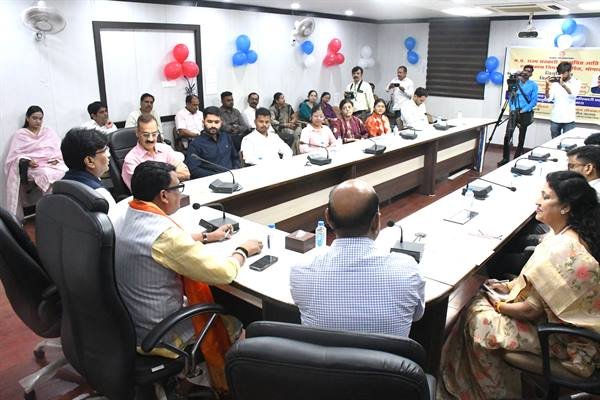
The ‘Seva Sankalp Abhiyan’ (Service Commitment Campaign)—organized in Chhattisgarh from September 17 to October 17, 2026, to mark the completion of 25 years of Prime Minister Shri Narendra Modi’s public life—fostered a spirit of public service and active public participation.provided an opportunity to move forward. Under this campaign, initiatives such as ‘Seva Setu’ (Service Bridge), ‘Seva Ki Kahani’ (Stories of Service), ‘Seva Mera Yogdan’ (My Contribution to Service), and ‘Sushasan Seva Samvad’ (Good Governance Service Dialogue) conveyed the message of connecting citizens with government services, public welfare schemes, and social responsibilities.
Good governance is strengthened not only through the efforts of the government and administration but also through the active participation of aware citizens. Contributions from citizens—in the form of suggestions, social cooperation, and involvement in public-interest initiatives—make the development process more effective.
- The true meaning of good governance lies in bringing a positive change to the life of every citizen.
Under the leadership of Chief Minister Shri Vishnu Deo Sai, efforts are being made in Chhattisgarh to integrate good governance with public service, sensitivity, and accountability. The effectiveness of schemes, the timely resolution of grievances, and the satisfaction of citizens will serve as the true benchmarks for these efforts. The objective of good governance is to develop a system that ensures dignity for the poor, support for farmers, safety for women, opportunities for the youth, and access to fair and simplified government services for every citizen.
Bridging the gap between the government and the public does not merely mean making government offices more accessible; it means instilling a belief in the minds of citizens that the government is sensitive to their problems and committed to resolving them.
This trust is the greatest asset of a democracy. Built upon this trust, public participation, and a sensitive administration, Chhattisgarh is moving steadily toward becoming a developed state. Good governance leads to trust, trust fosters public participation, and public participation paves the way for a developed Chhattisgarh—this is the robust foundation for inclusive development.