


































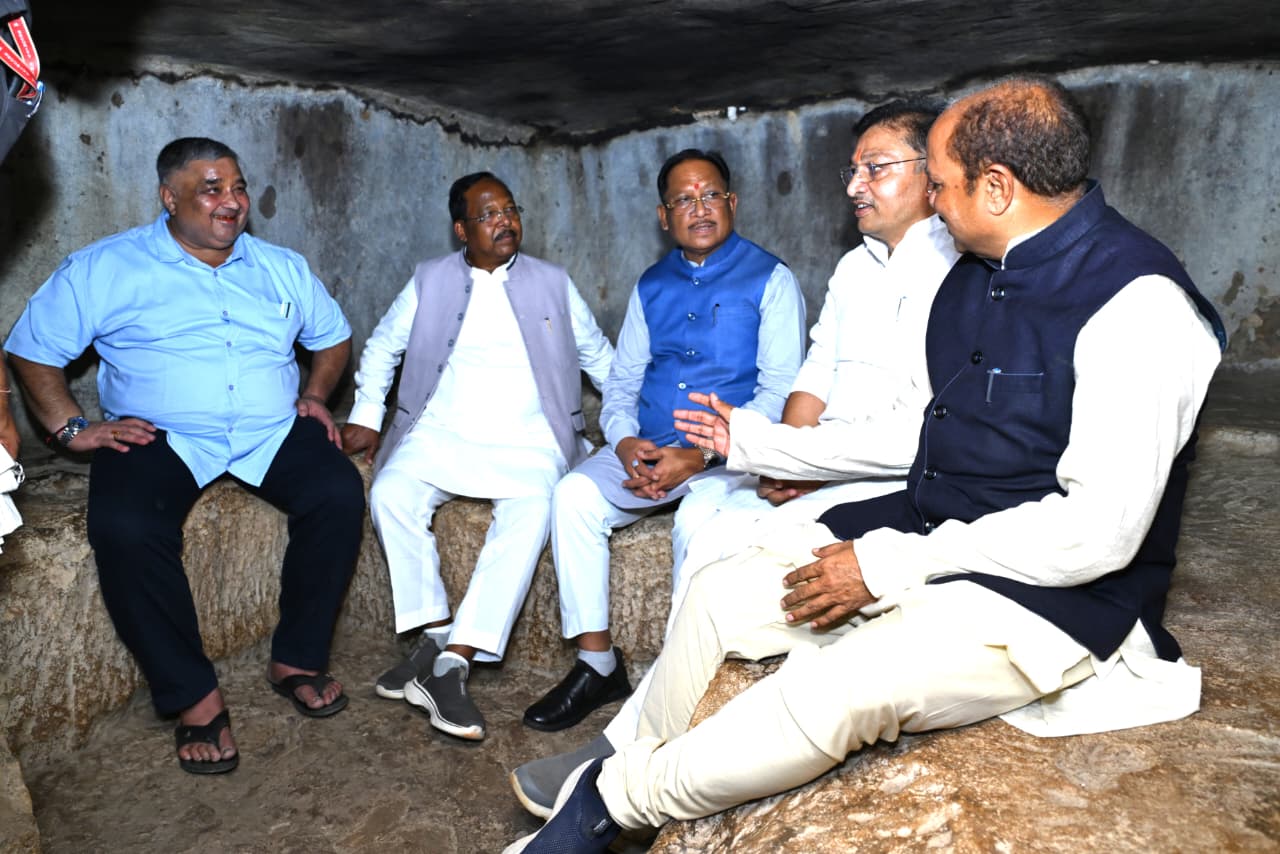
- The Chief Minister visited the ancient heritage of Sitabengra in Ramgarh.
- Observed Jogimara Cave Inscription and Hathipol
- Our cultural heritage is an invaluable legacy for future generations – Chief Minister Shri Sai
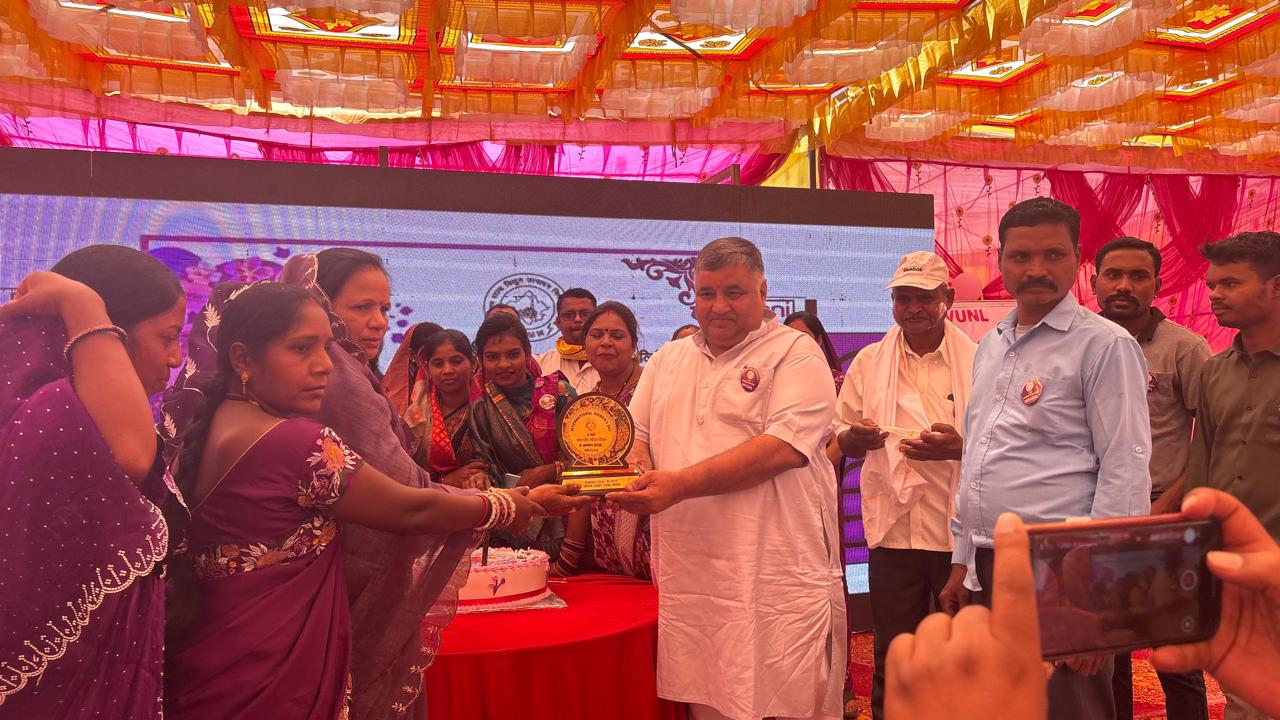
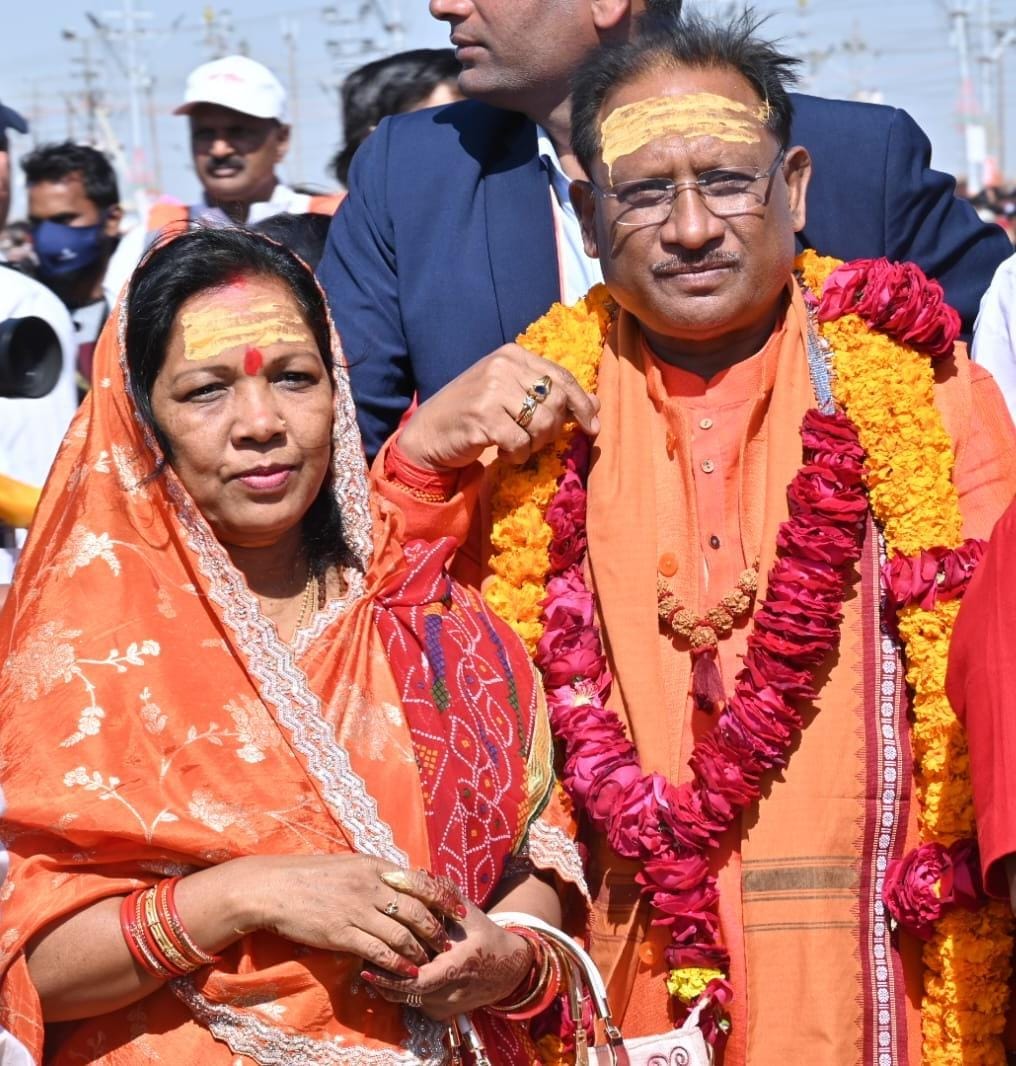
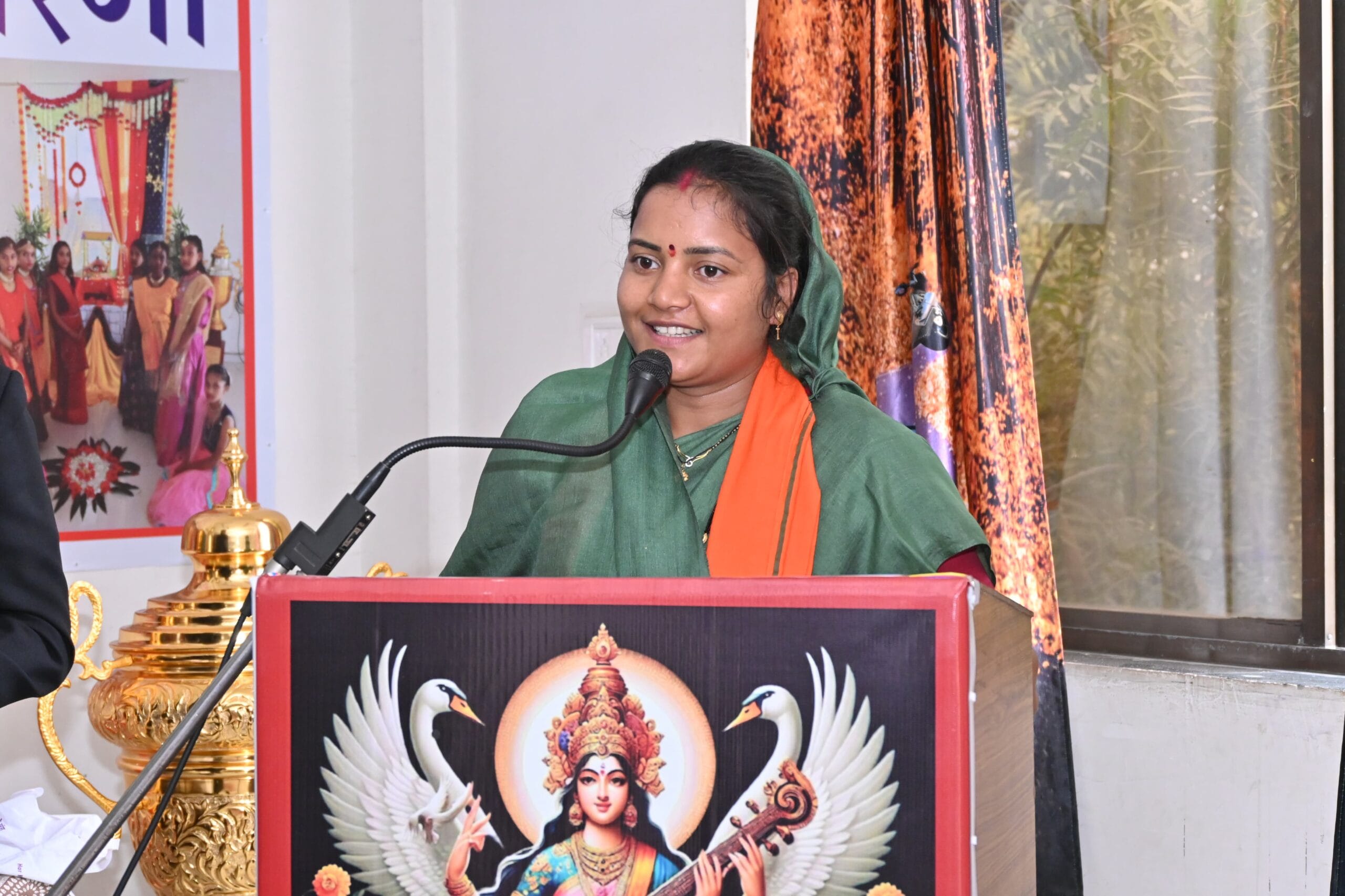
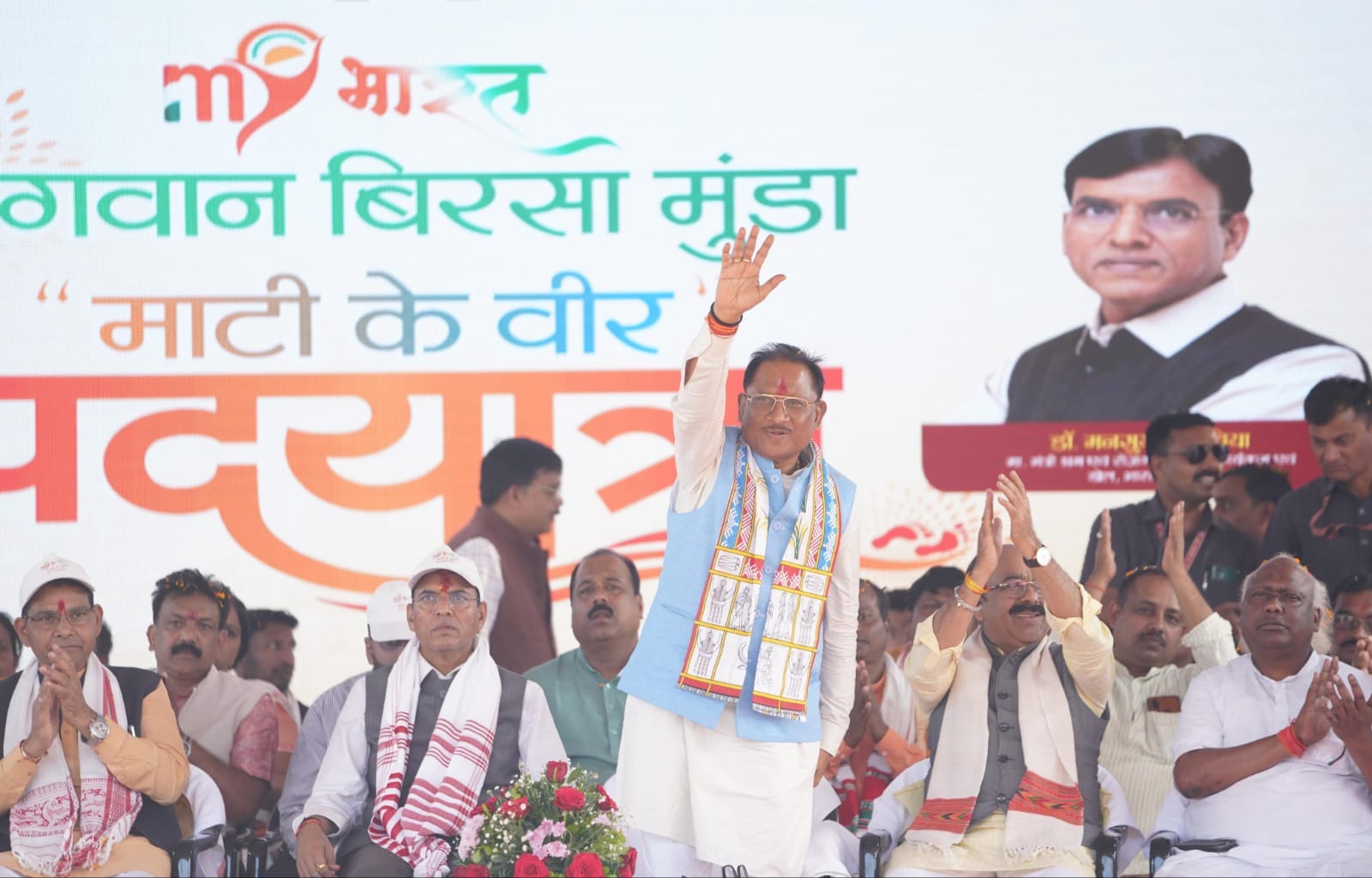
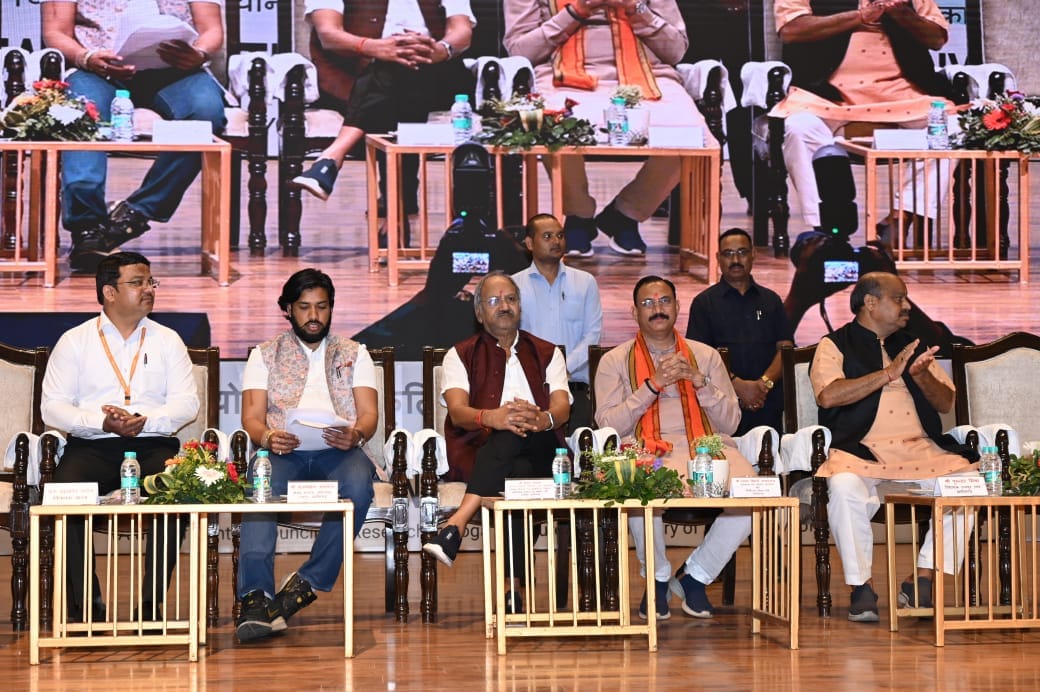
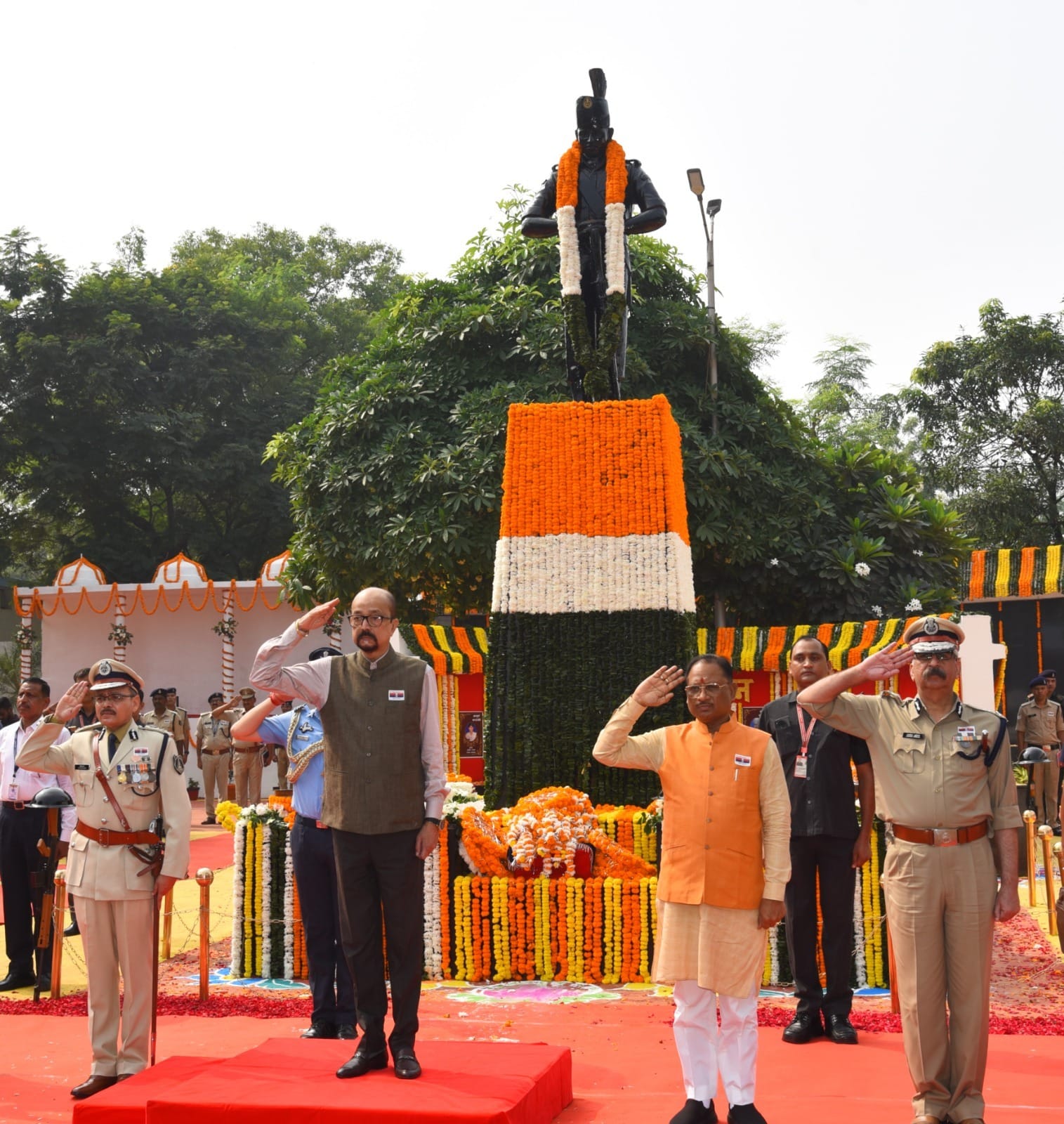
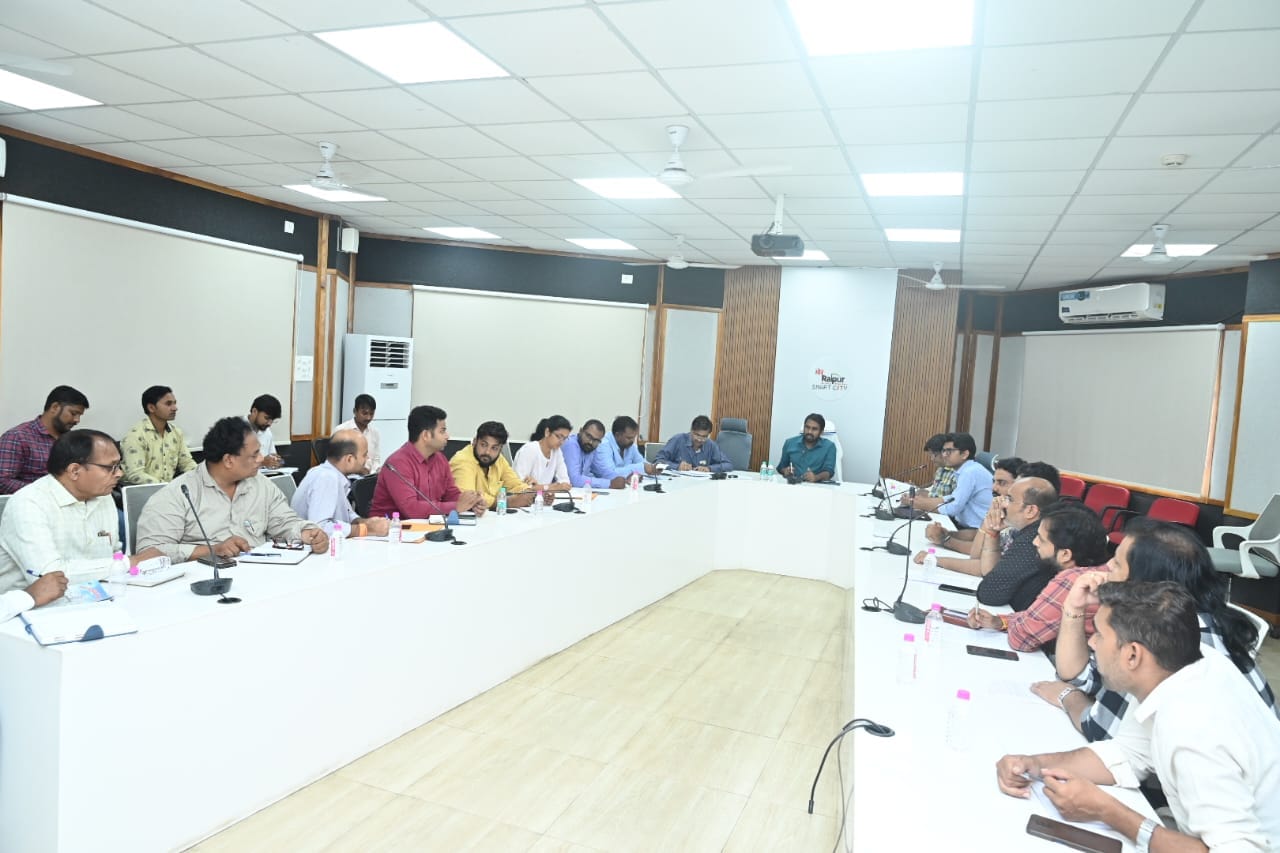
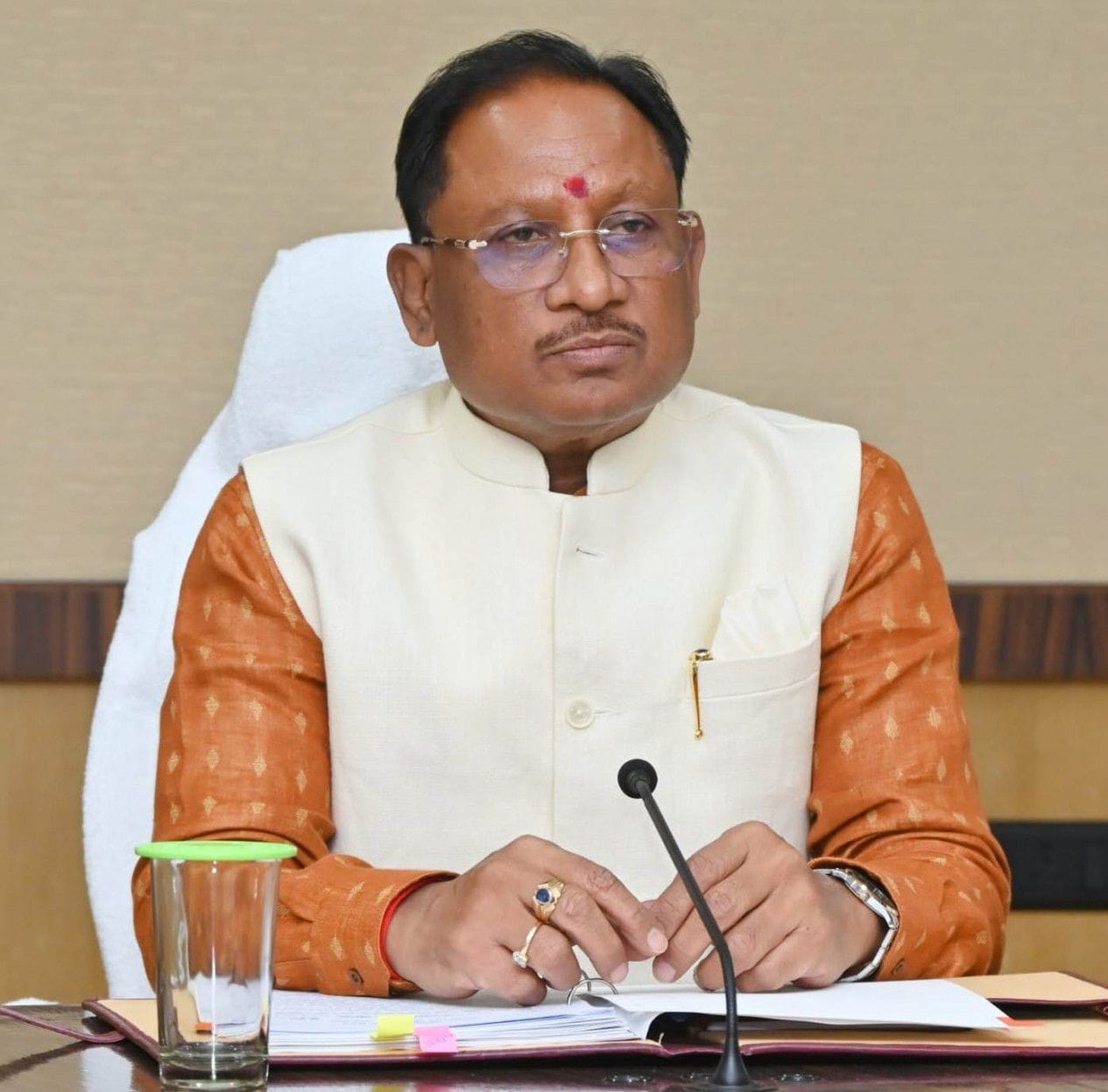
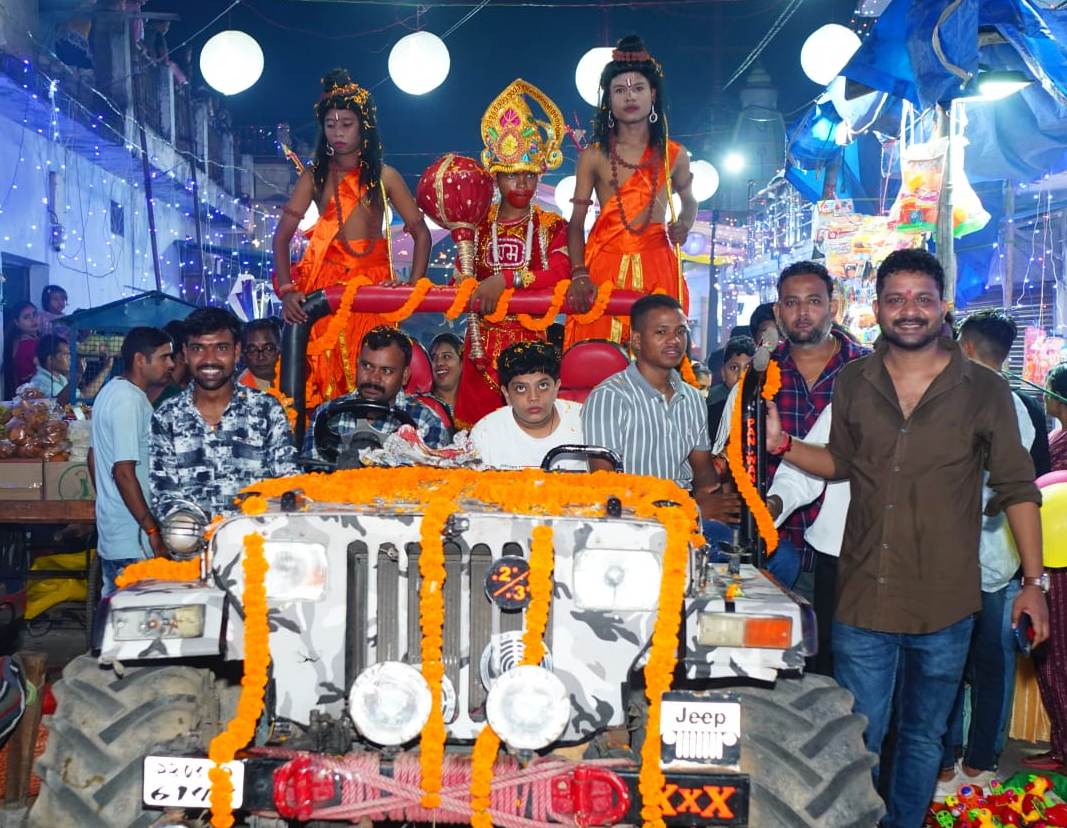
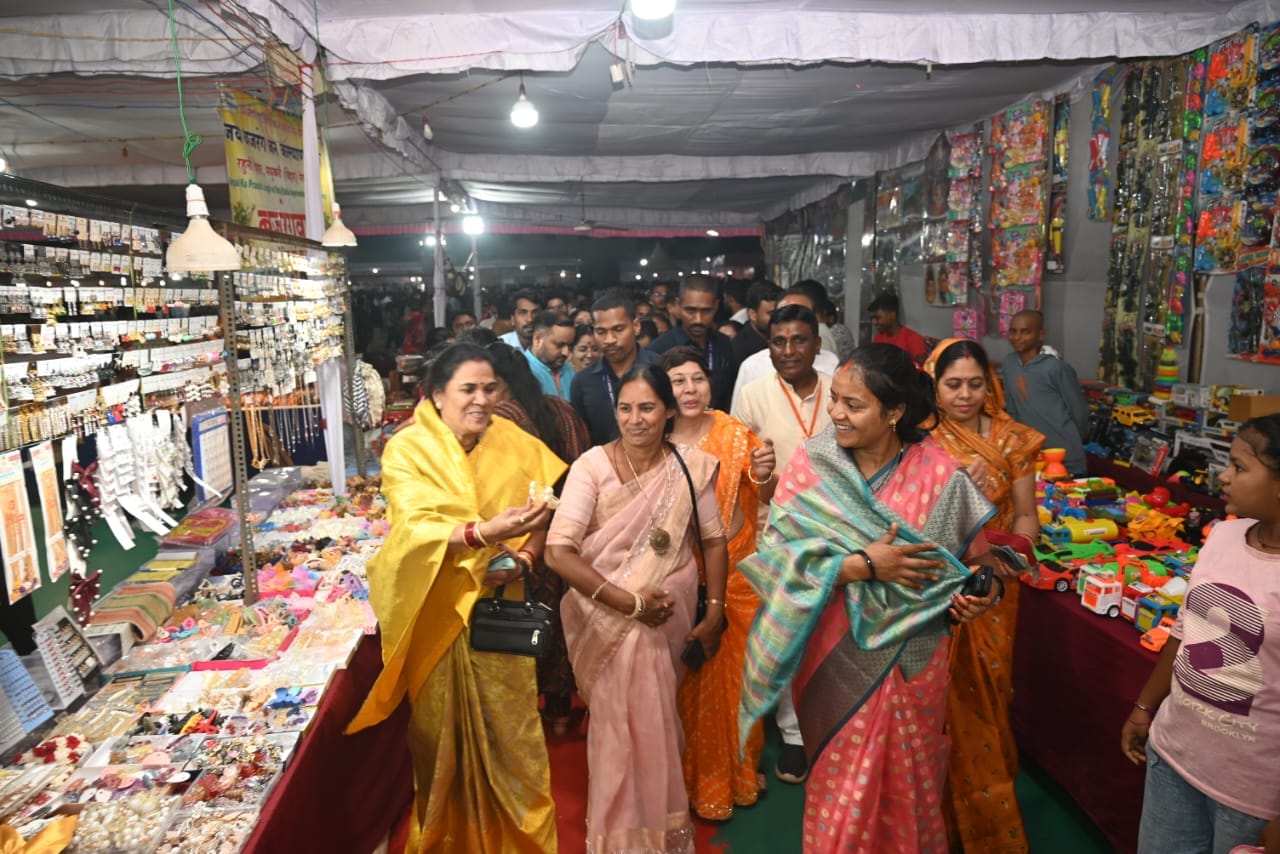
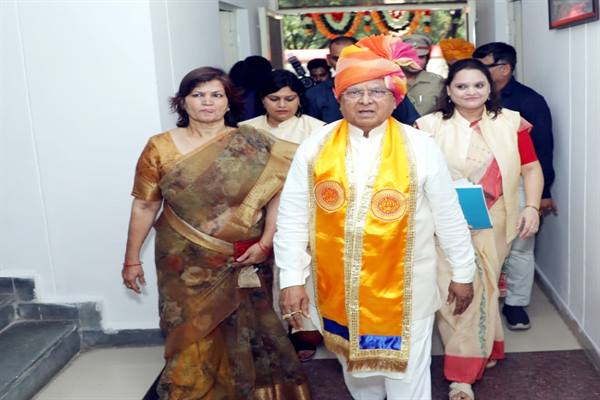
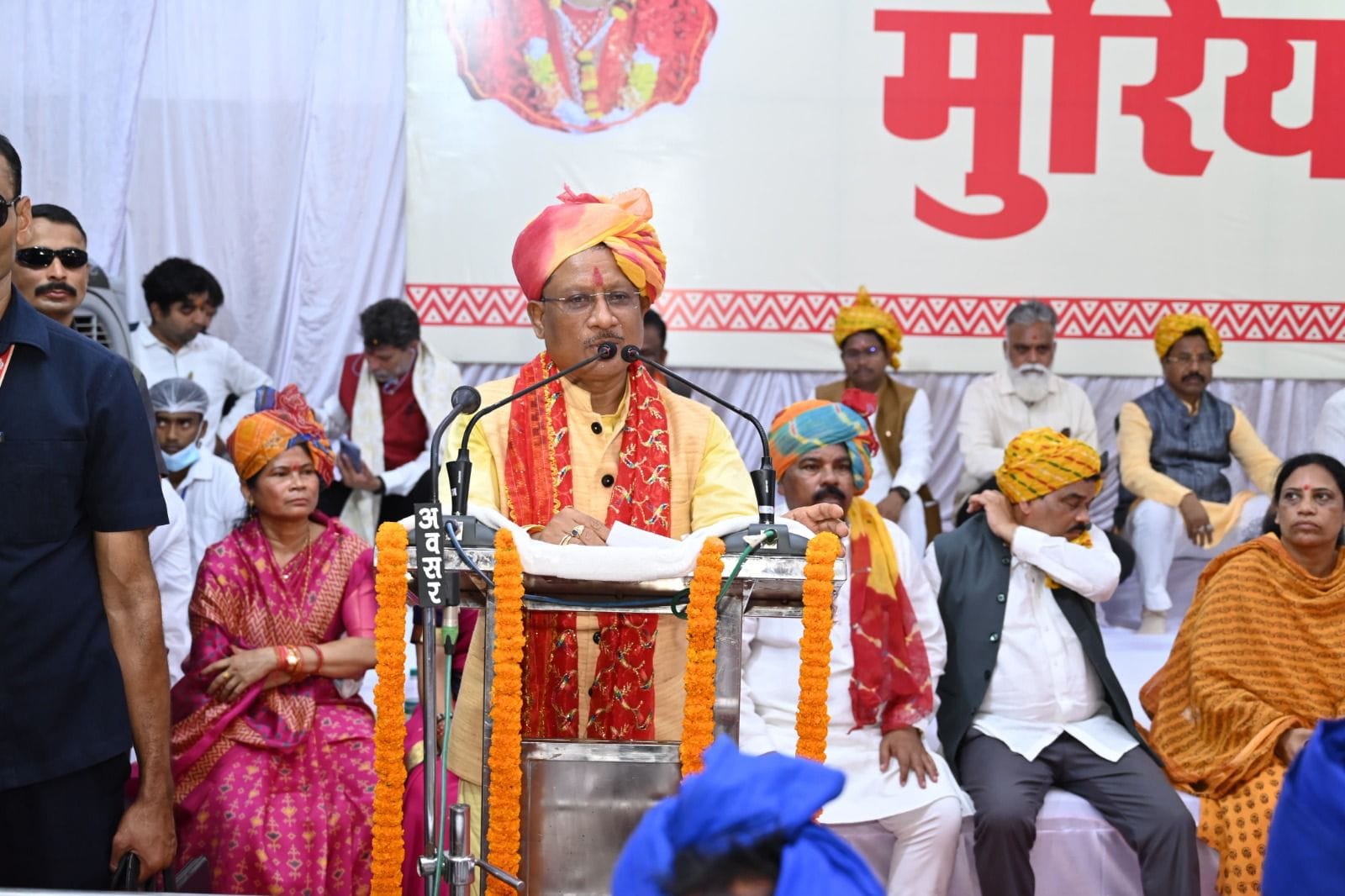
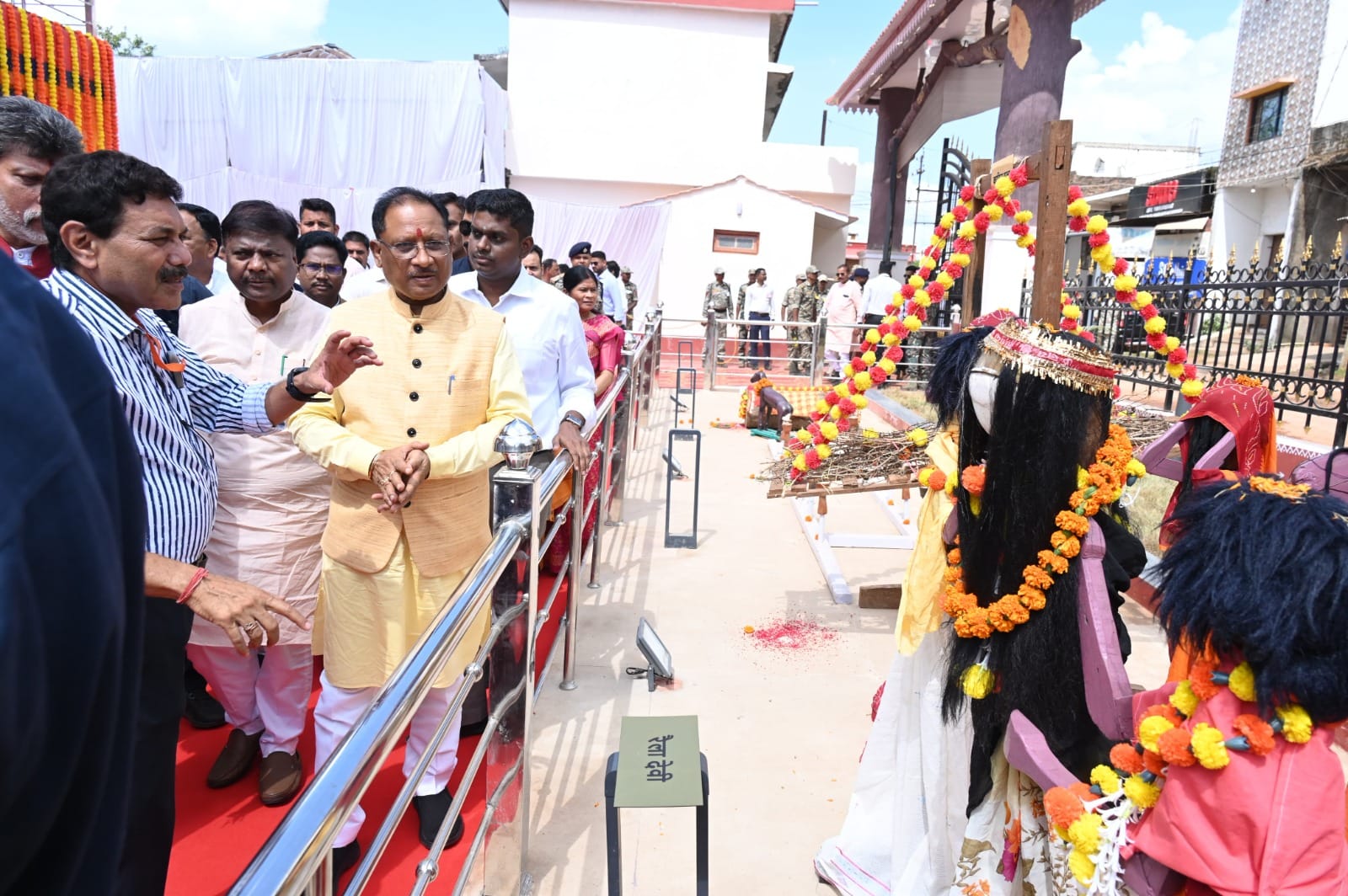
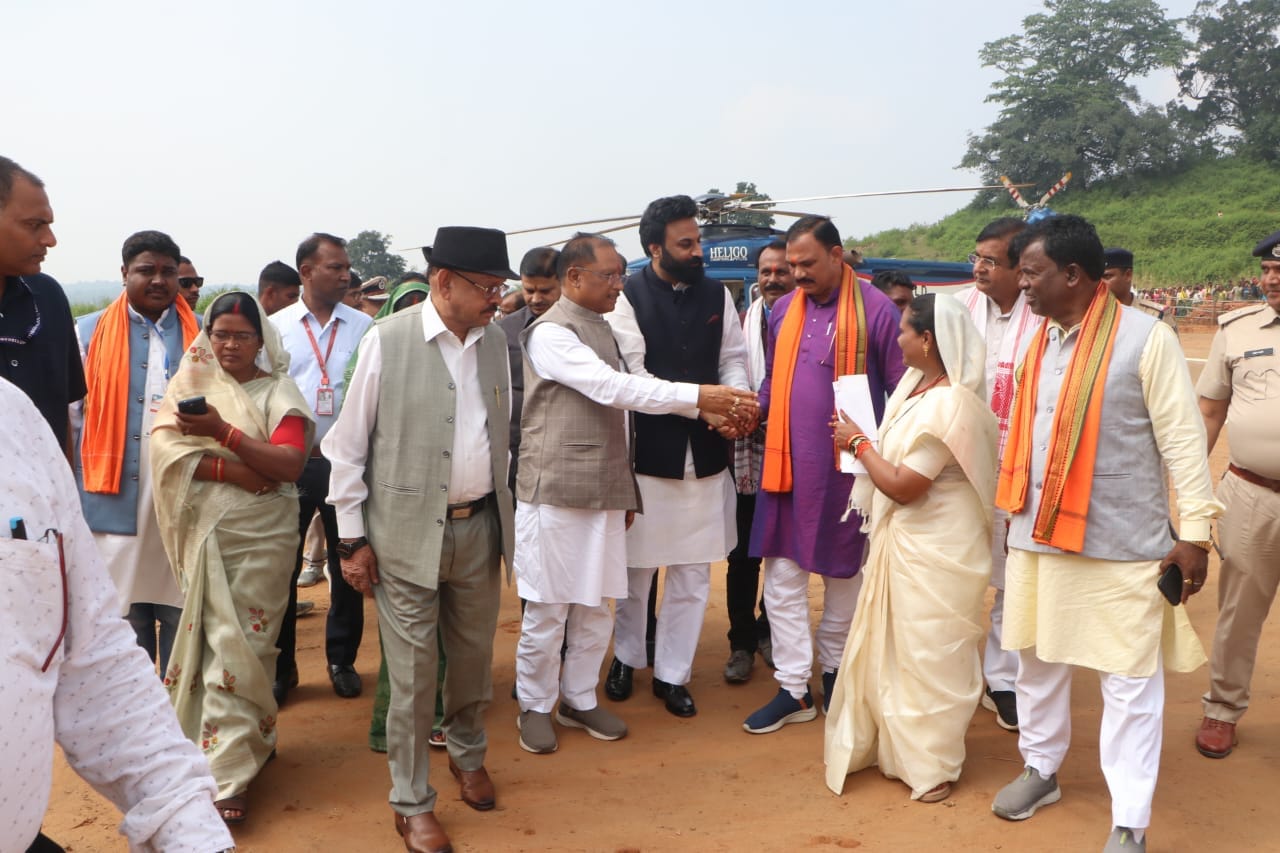
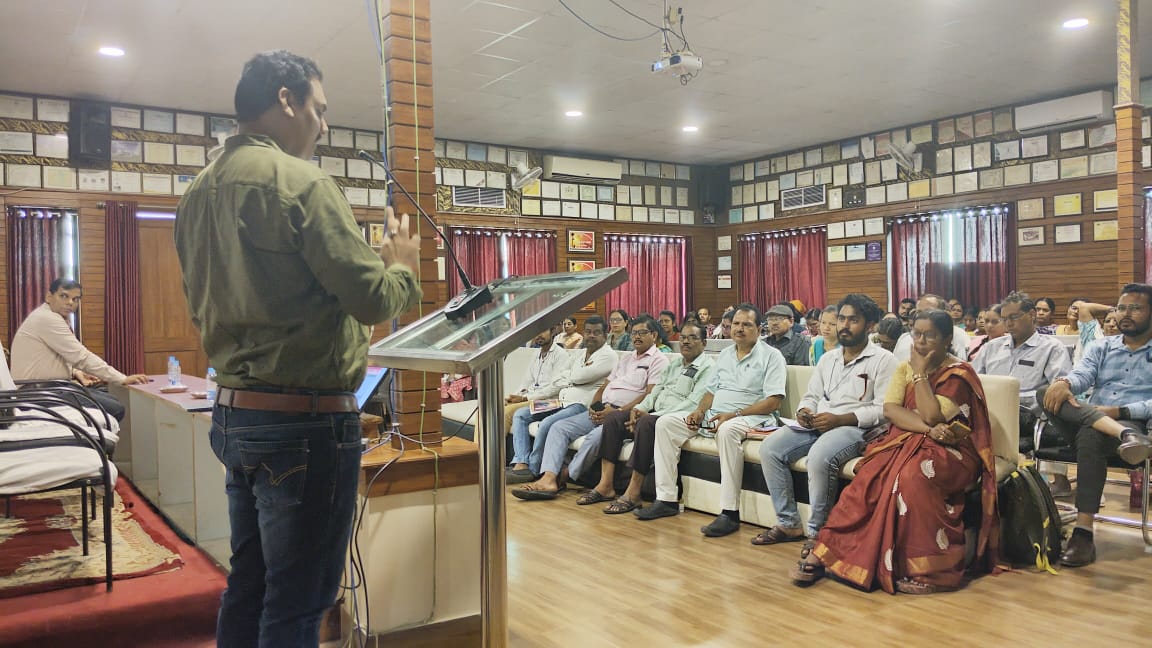
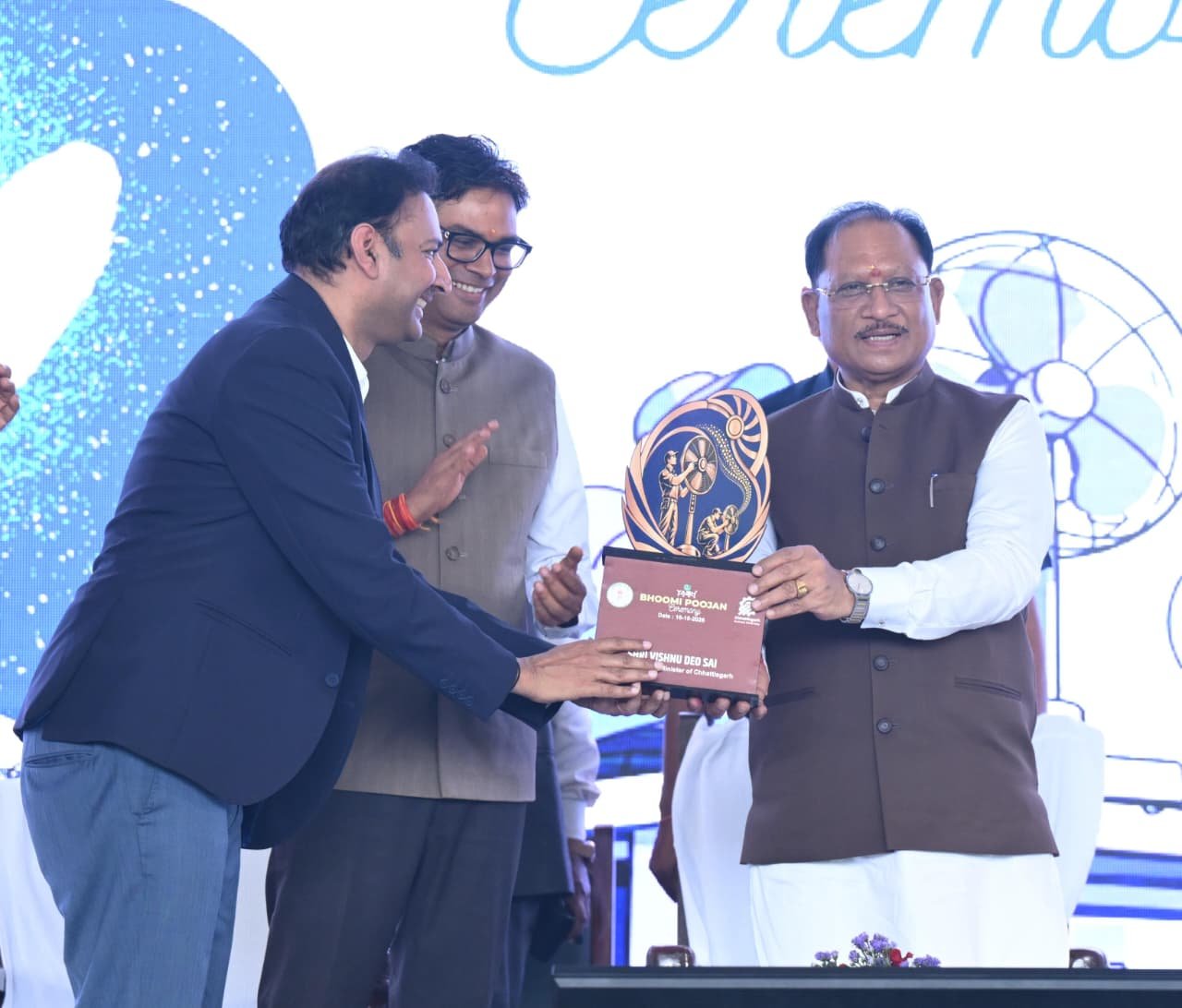
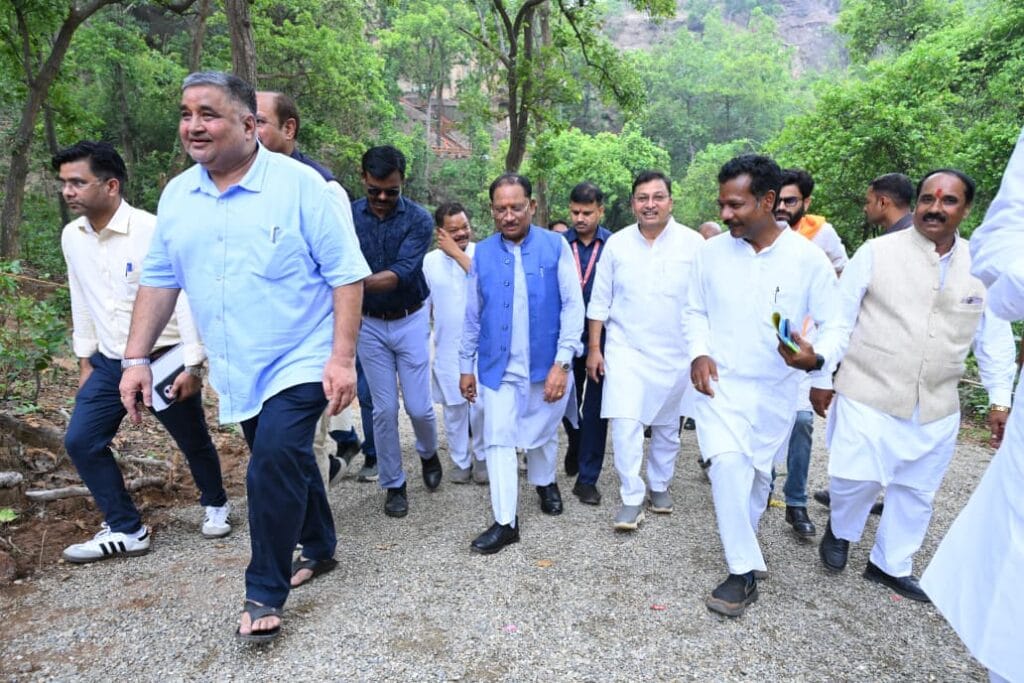
Chief Minister Shri Vishnu Dev Sai today attended the closing ceremony of the two-day “Ramgarh Mahotsav-2026” organized in Ramgarh, connected to the historical and Ramvanagaman tourism circuit under Udaipur development block of Surguja district. On this occasion, he visited the Sitabengra cave, famous as the world’s oldest theatre, and got information about its historical, cultural and architectural features. Along with this, the Chief Minister also visited the ancient inscriptions and murals of Jogimara cave and Hathipol, the unique natural heritage of the area. Agriculture Minister Shri Ramvichar Netam, Tourism and Culture Minister Shri Rajesh Agarwal along with other public representatives and dignitaries were present on this occasion.
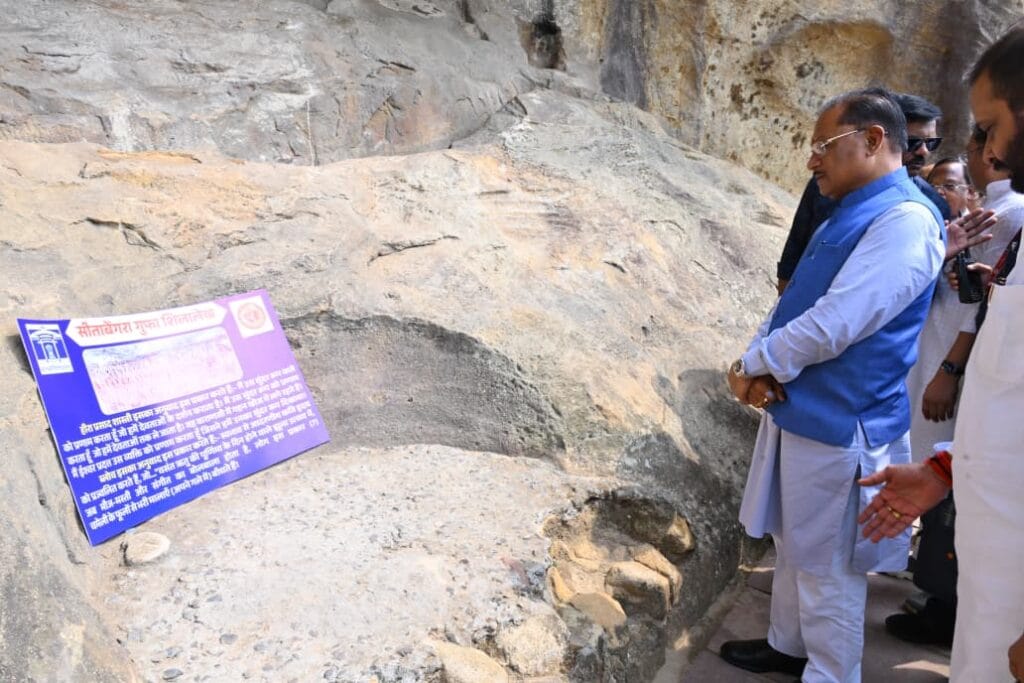
Chief Minister Shri Vishnu Dev Sai said that Ramgarh is a living symbol of Surguja’s thousands of years-old cultural consciousness, art, faith, and glorious history. He added that this place, renowned as the world’s oldest theatre, is a wonderful confluence of culture, history, literature, and tourism. He added that Chhattisgarh is not only rich in natural resources, but its cultural and archaeological heritage also holds a unique identity globally. Heritage sites like Ramgarh are invaluable treasures of our historical identity and cultural pride, whose preservation and promotion is our collective responsibility. He stated that the state government is continuously working to preserve, promote, and develop these heritage sites as tourist destinations, so that tourists from India and abroad can become acquainted with Chhattisgarh’s rich cultural heritage and provide new employment and livelihood opportunities to the local people.
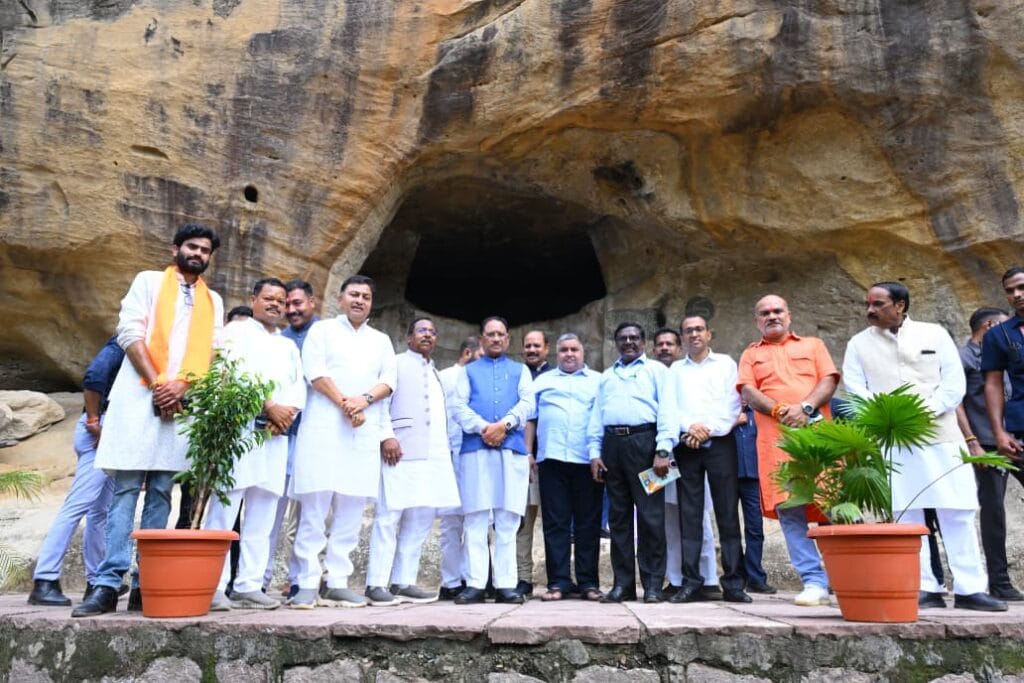
It is noteworthy that the Sitabengra and Jogimara caves, located on the western slopes of Ramgarh Mountain, are considered unique treasures of Indian history, architecture, inscriptions, and painting. It is believed that the great poet Kalidasa composed his timeless work “Meghadutam” in these hills, which begins on the first day of Ashadha. To preserve this historical and literary memory, the Ramgarh Festival is held annually on the first day of Ashadha. The natural theater built in the approximately 44-foot-long Sitabengra cave, the mural tradition of the Jogimara cave dating back to the 3rd-2nd centuries BCE, and the ancient inscriptions discovered here give this region a unique global identity.

Another important landmark of Ramgarh is the natural tunnel called “Haathipol.” Approximately 180 feet long and 15 to 20 feet high, this natural tunnel is a major tourist attraction due to its unique structure. It is believed that its current form was developed due to years of water flow. The Sitabengra and Jogimara caves, located at the other end of the tunnel, add to the region’s mystical, fascinating, and historical significance. Located at the foot of Ramgarh Mountain, these artistic caves are also linked to traditions from the Ramayana period, making this site highly significant from religious, cultural, historical, and tourism perspectives.