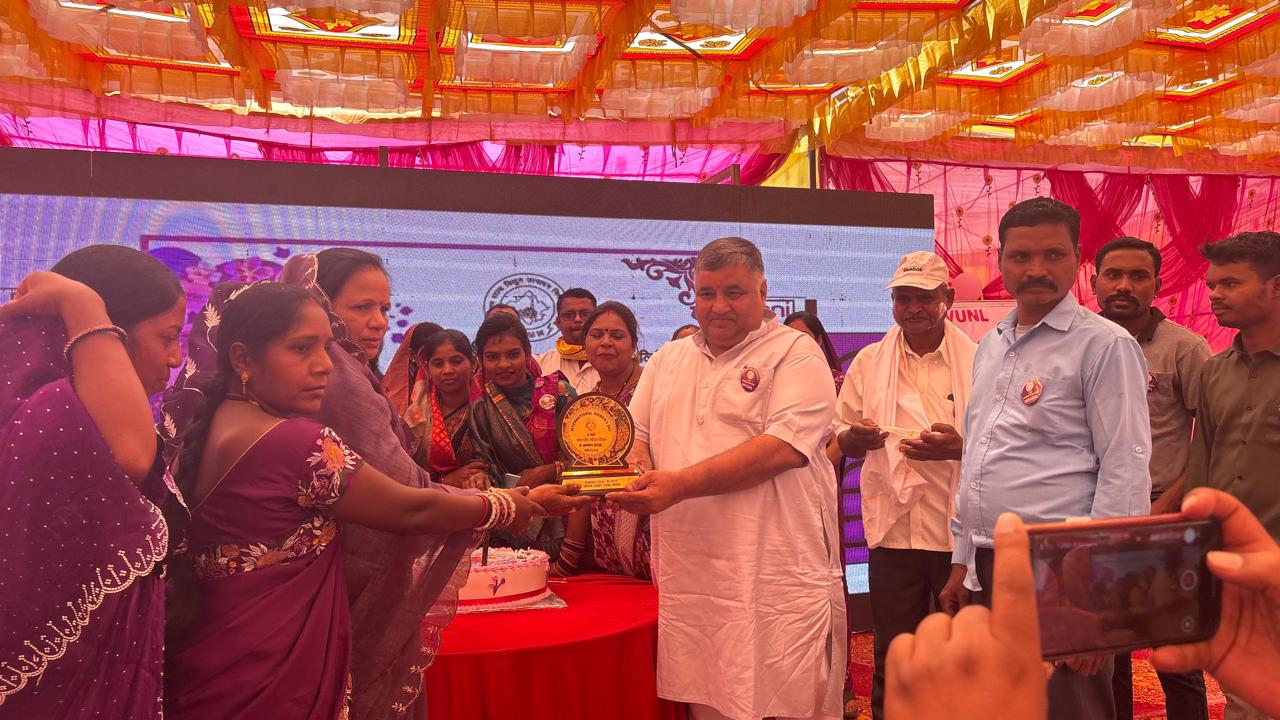
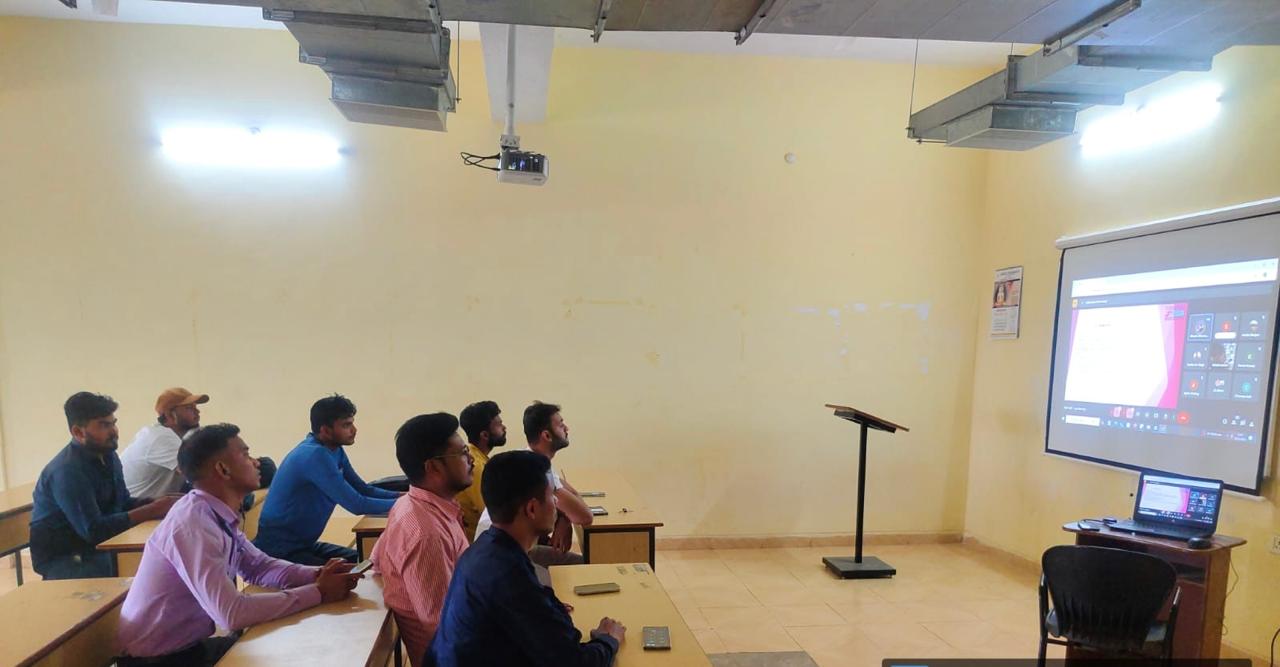
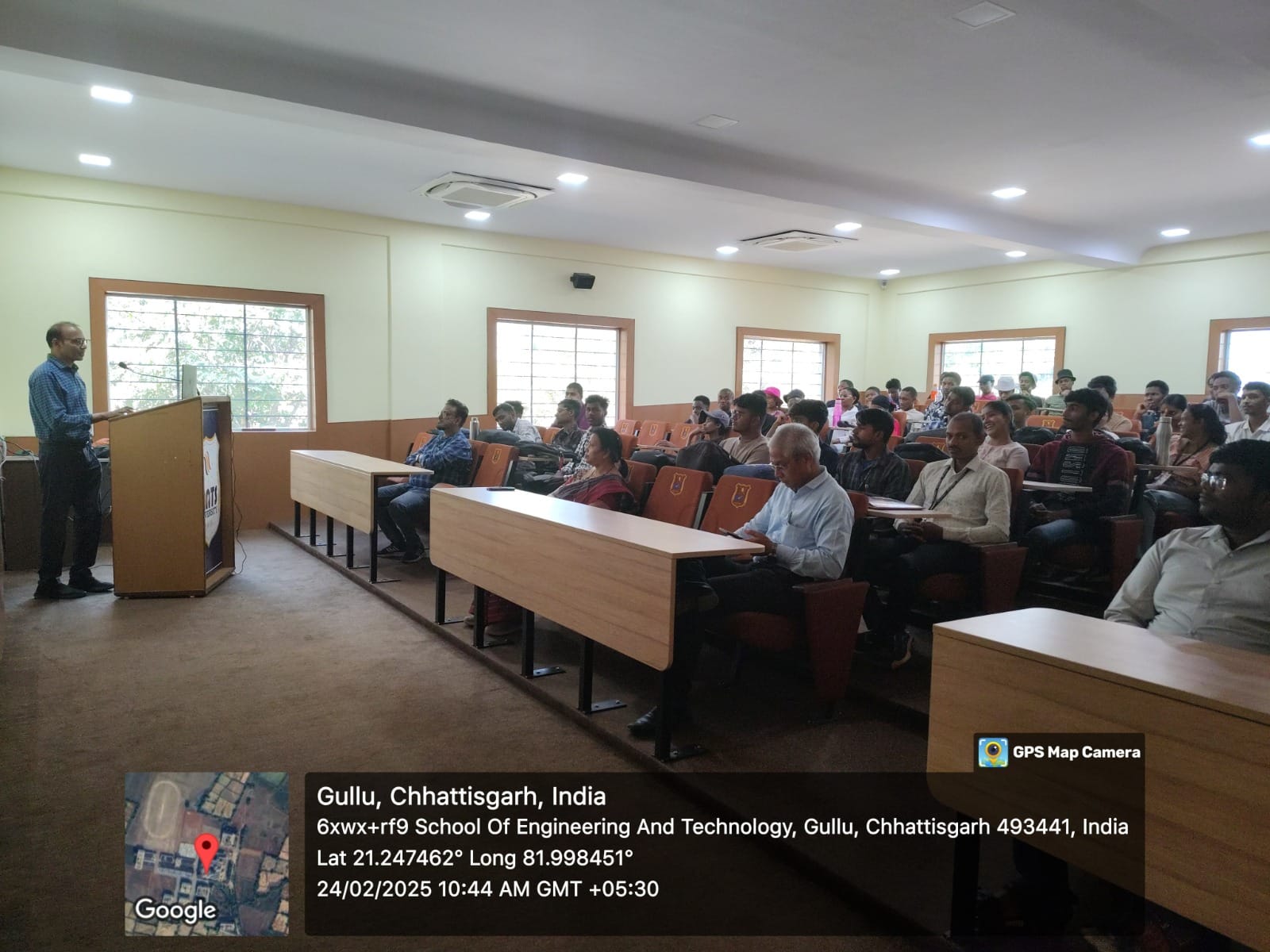
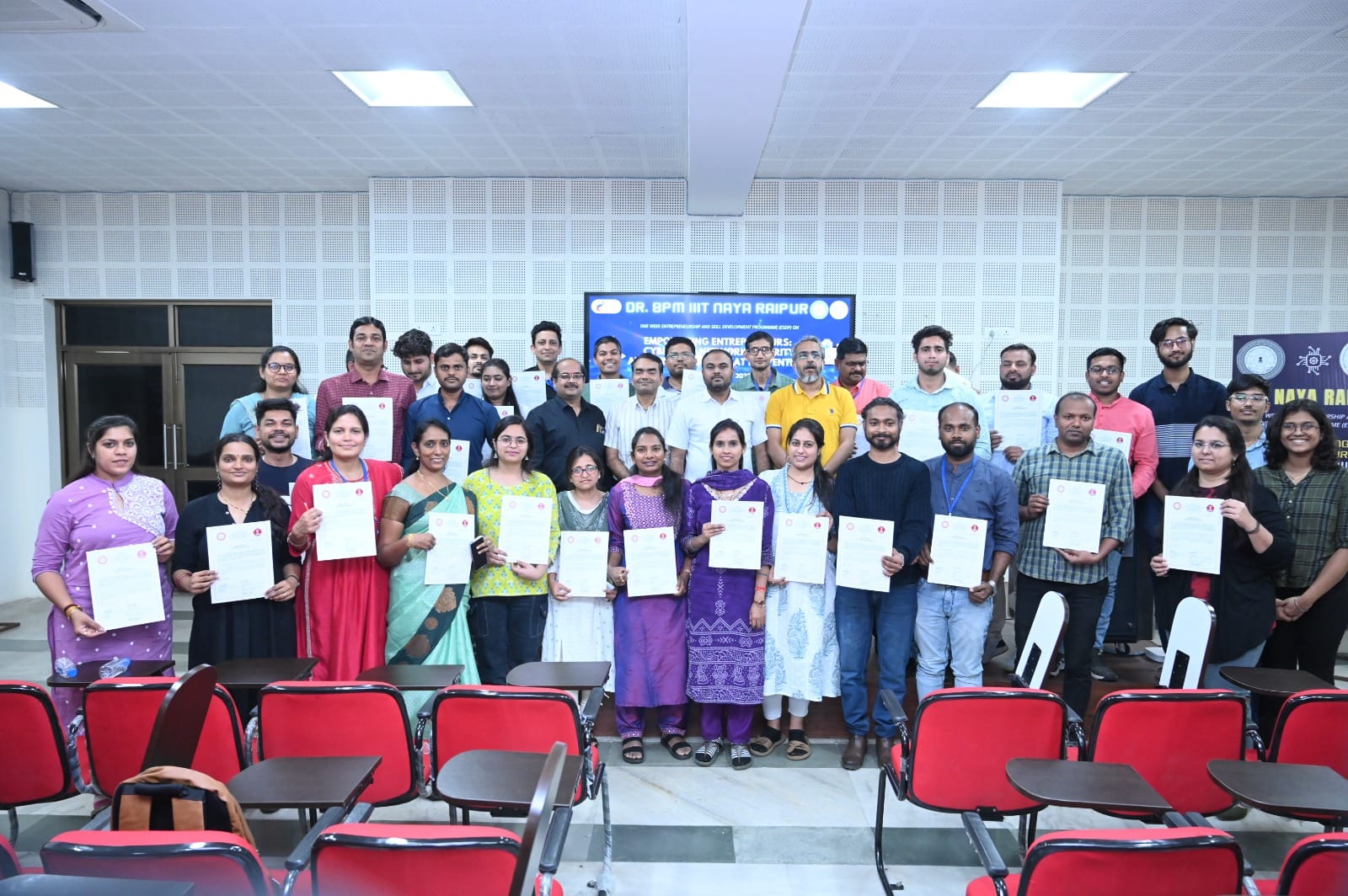








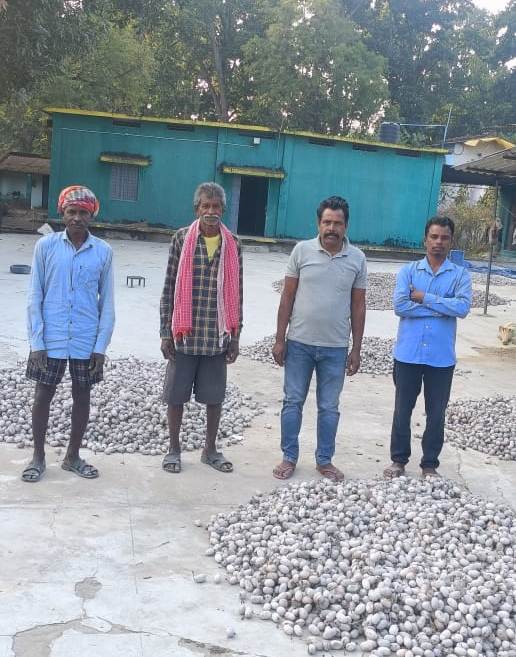

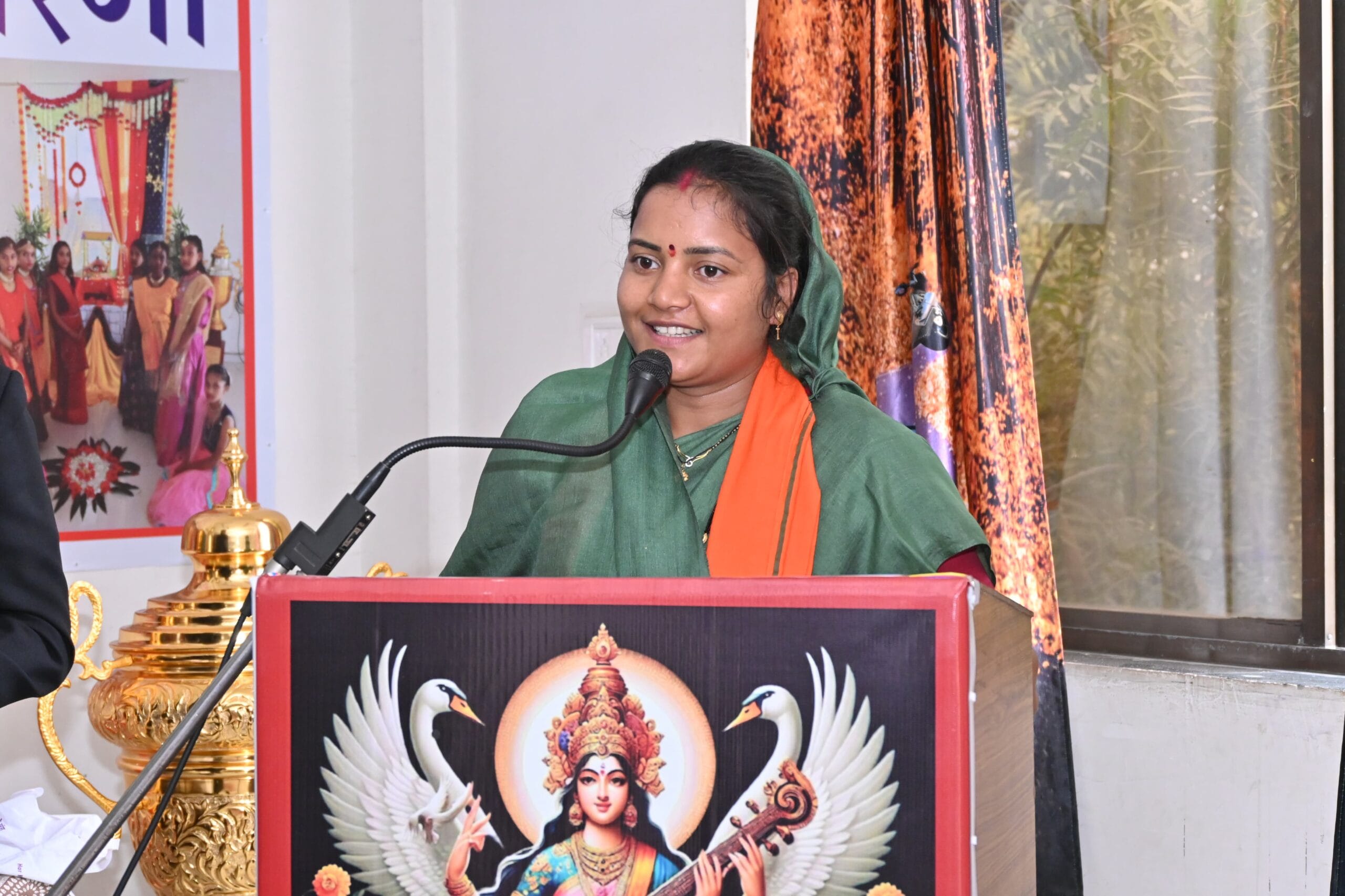
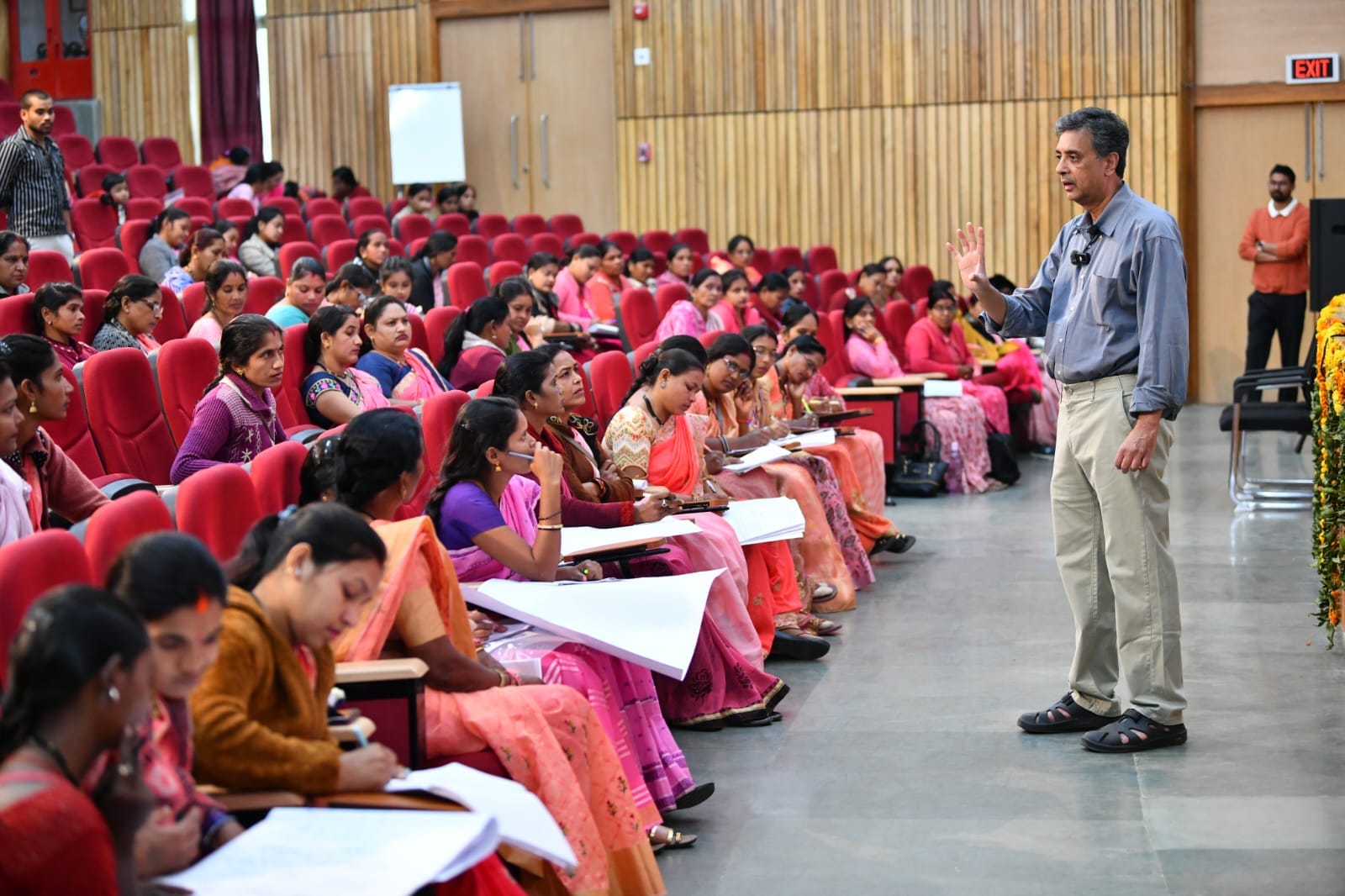

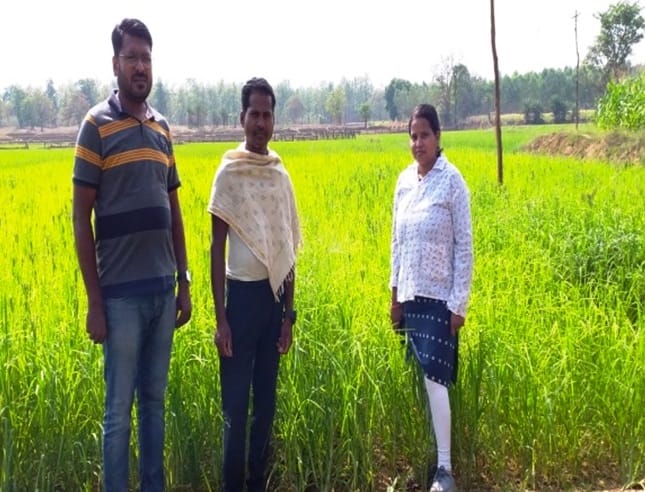







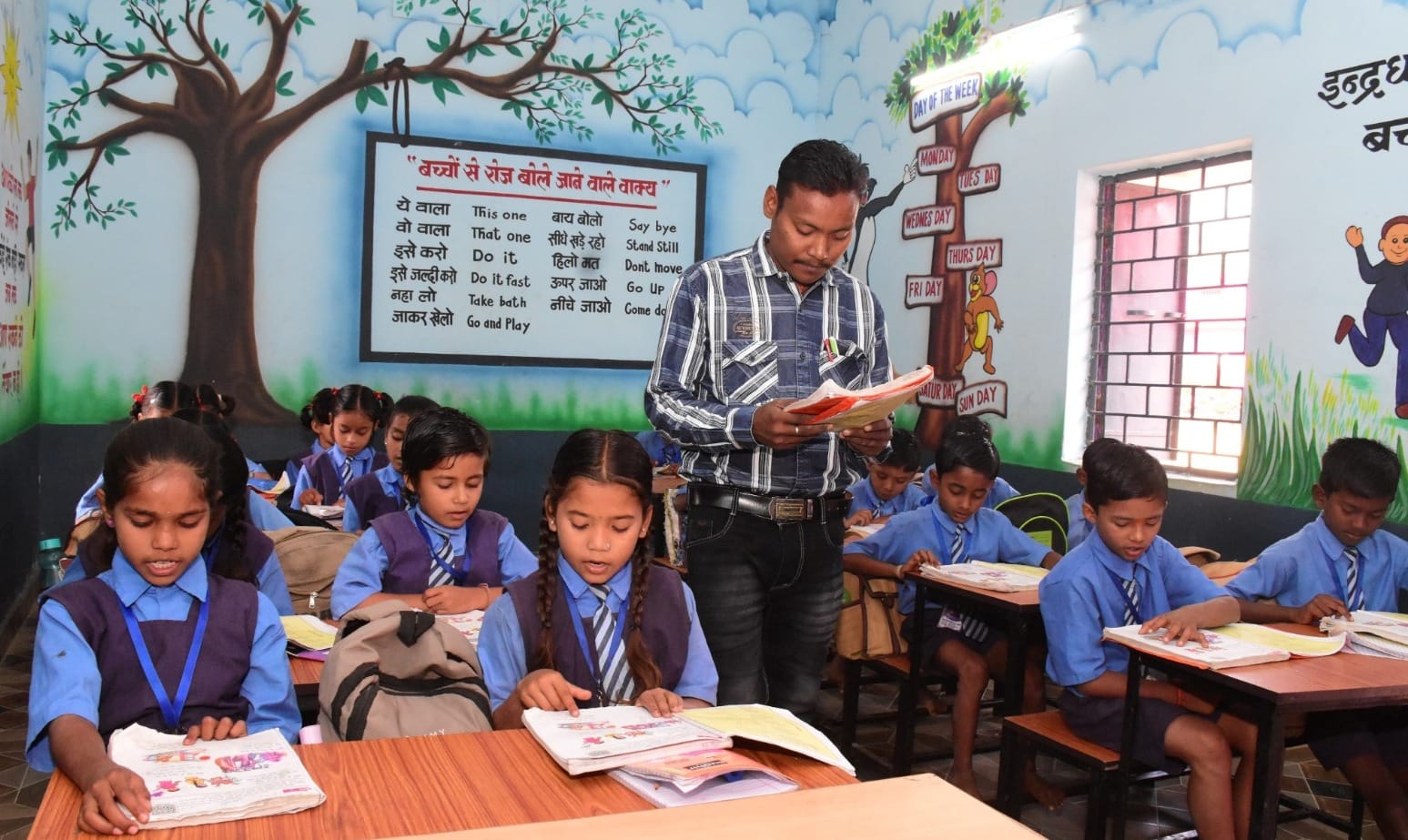



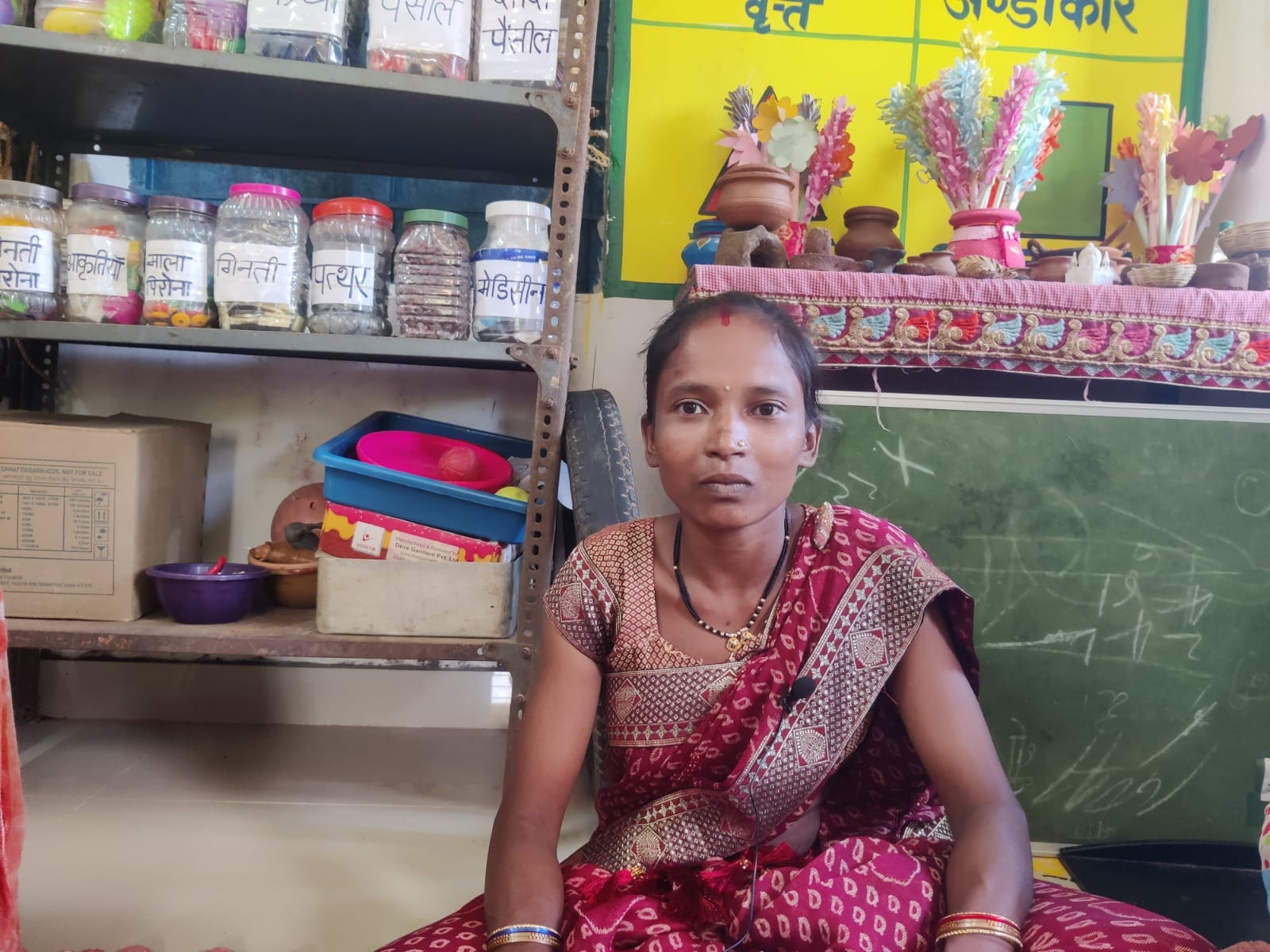







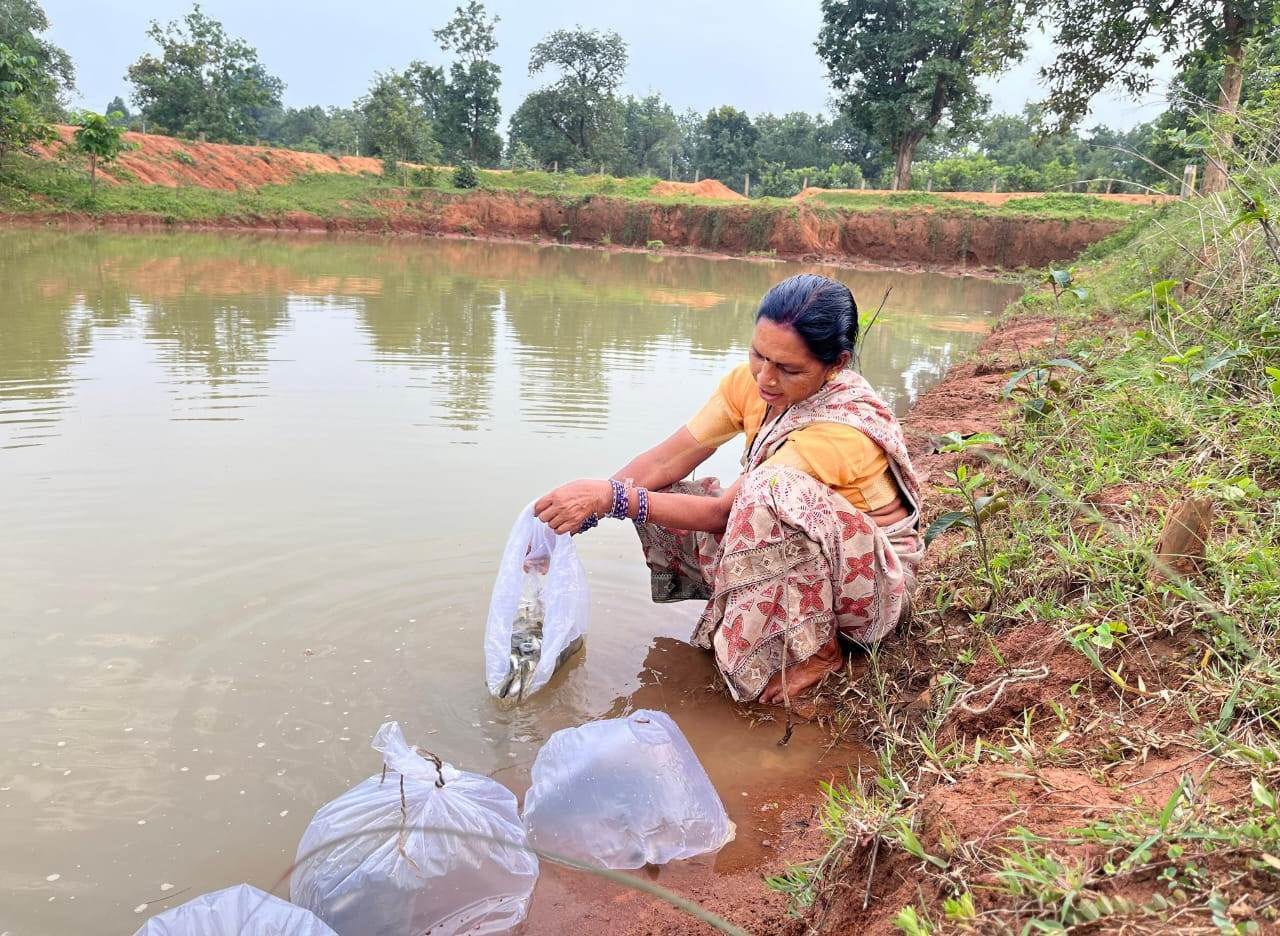



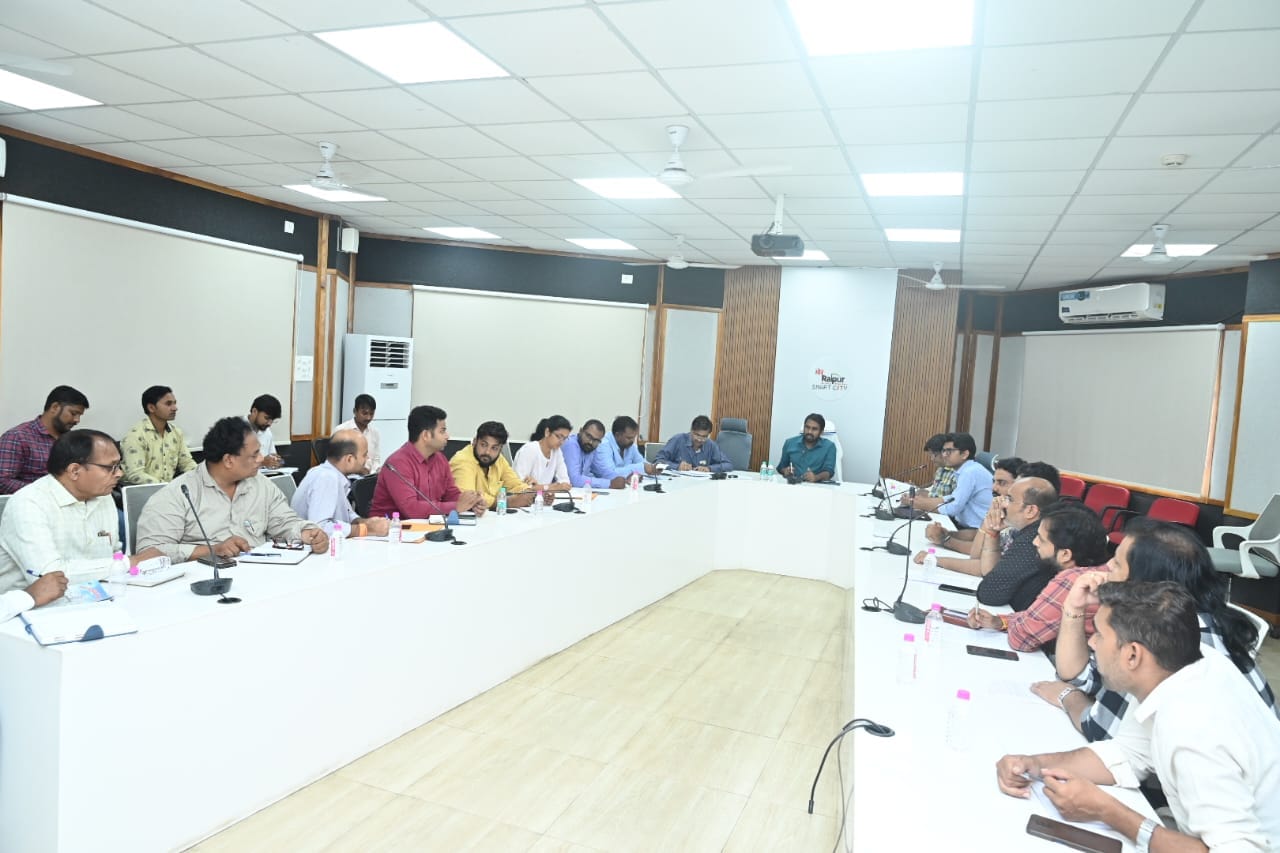


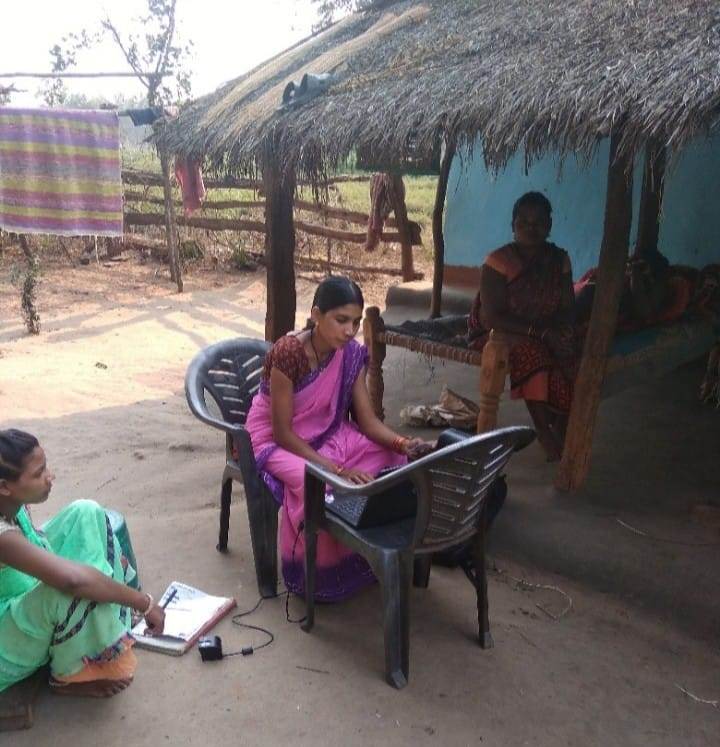
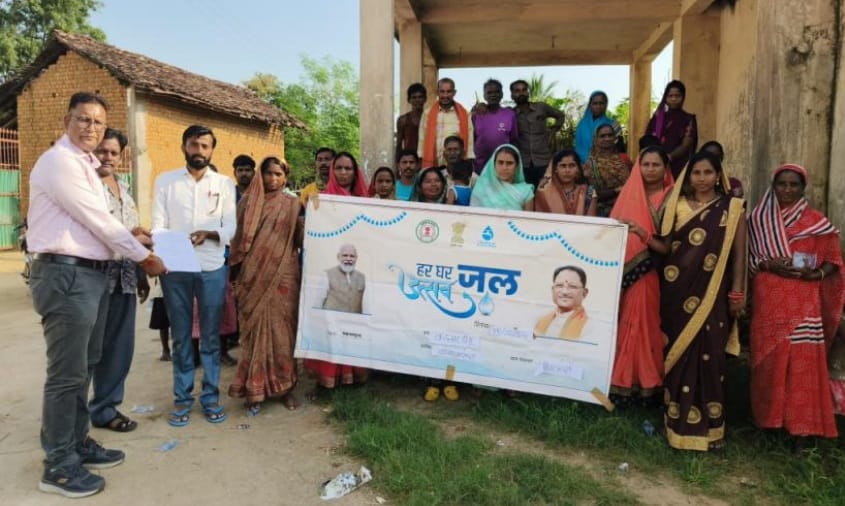















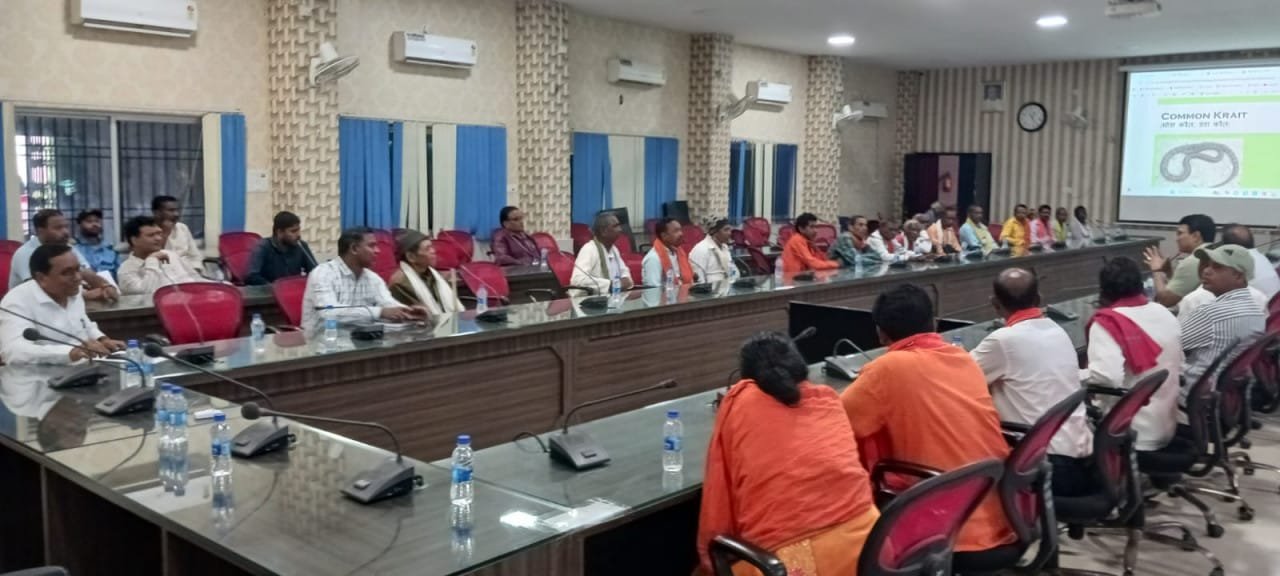
- Baiga-Gunia and field health workers took charge of awareness, changing the behavior of malaria prevention in the villages.
The fight against malaria in Bastar is no longer just about medicine and testing. In villages nestled among forests, the practice of using mosquito nets, prompt fever testing, and timely treatment are gradually becoming part of people’s lifestyles. In these areas, once considered malaria-prone, the health department has focused its campaign on changing people’s thinking and behavior, not just fighting the disease. This collective effort has resulted in an 83 percent reduction in malaria cases over the past 10 years.
The key to this transformation of Bastar is a years-long campaign that has not only brought health services to villages but also educated people on how to prevent the disease. To reach the division’s large tribal population, local languages, local traditions, and influential people within the community were used as a medium. The goal was clear: to communicate malaria prevention in a language that every village family could easily understand and incorporate into their daily routine.
- Baiga-Gunia also became a link in the awareness campaign.
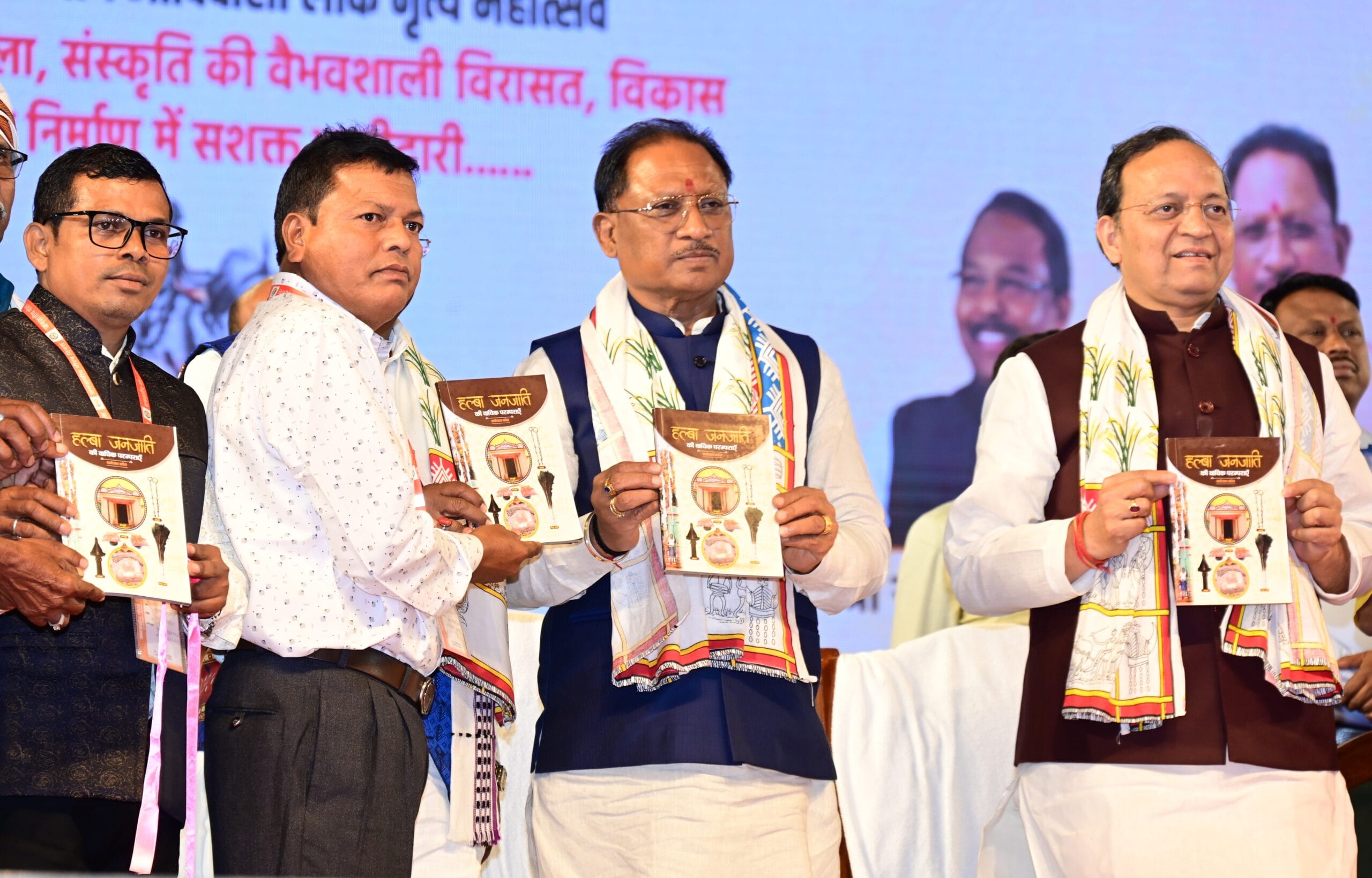
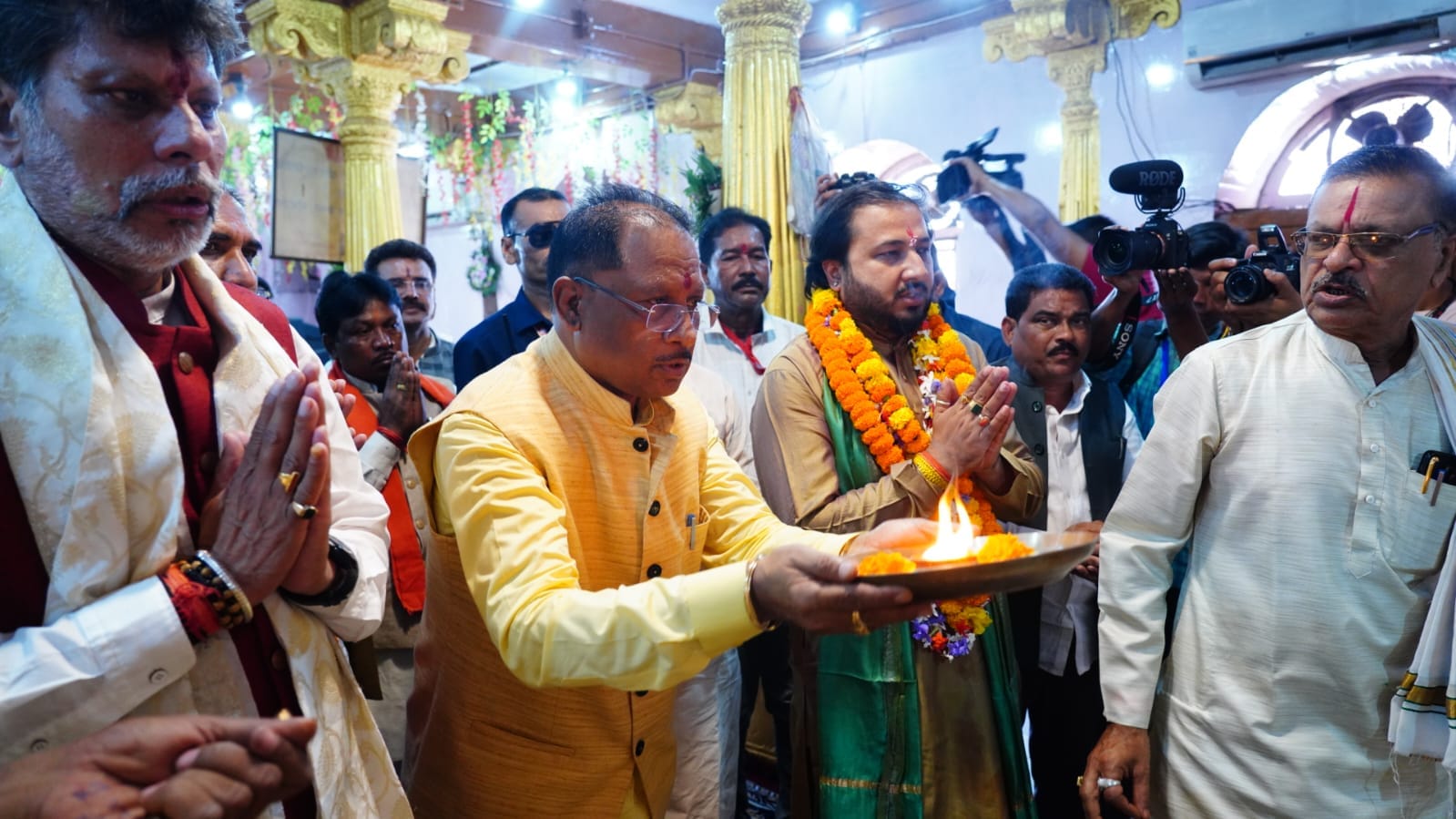
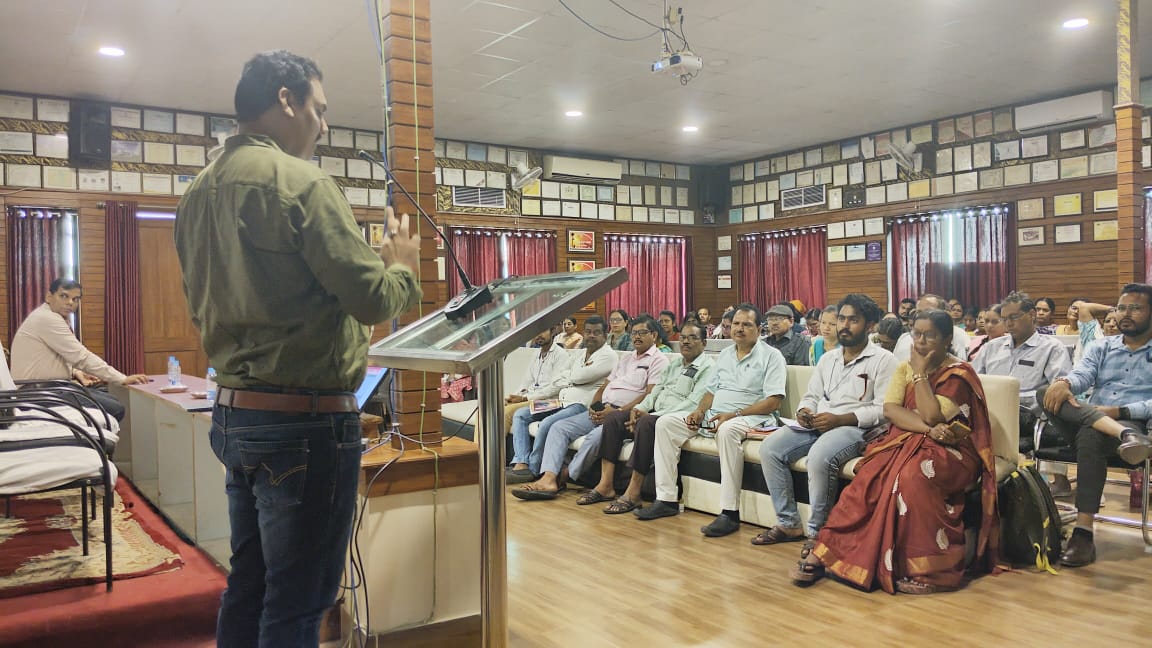
With this idea in mind, Baiga-Gunia Sirha conferences are being organized. In the villages, people whose words the community readily listens to are being connected with measures to prevent malaria. In these conferences, through local language and communication style, the need for regular use of mosquito nets, immediate examination in case of fever and seeking treatment from a doctor is explained.

This message specifically emphasizes that treating a fever as a minor illness and waiting at home can be costly. Early diagnosis helps identify the disease early and initiate treatment. Similarly, using a mosquito net while sleeping is the easiest and most effective way to prevent malaria.
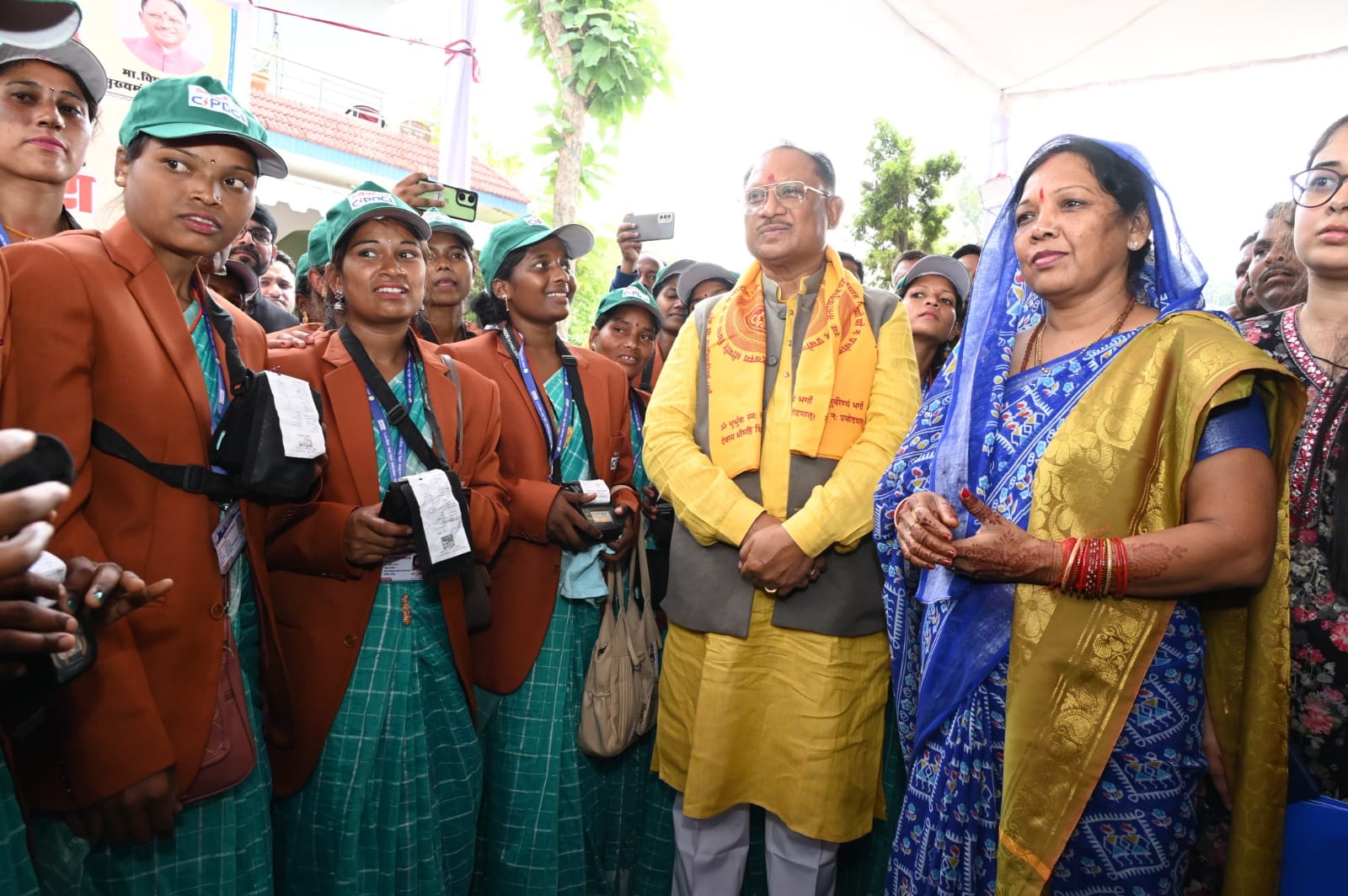
Health workers are now also emphasizing the regular use of mosquito nets. Field health workers and family nurses are contacting families to ensure that mosquito nets are not only kept at home but also used at night.
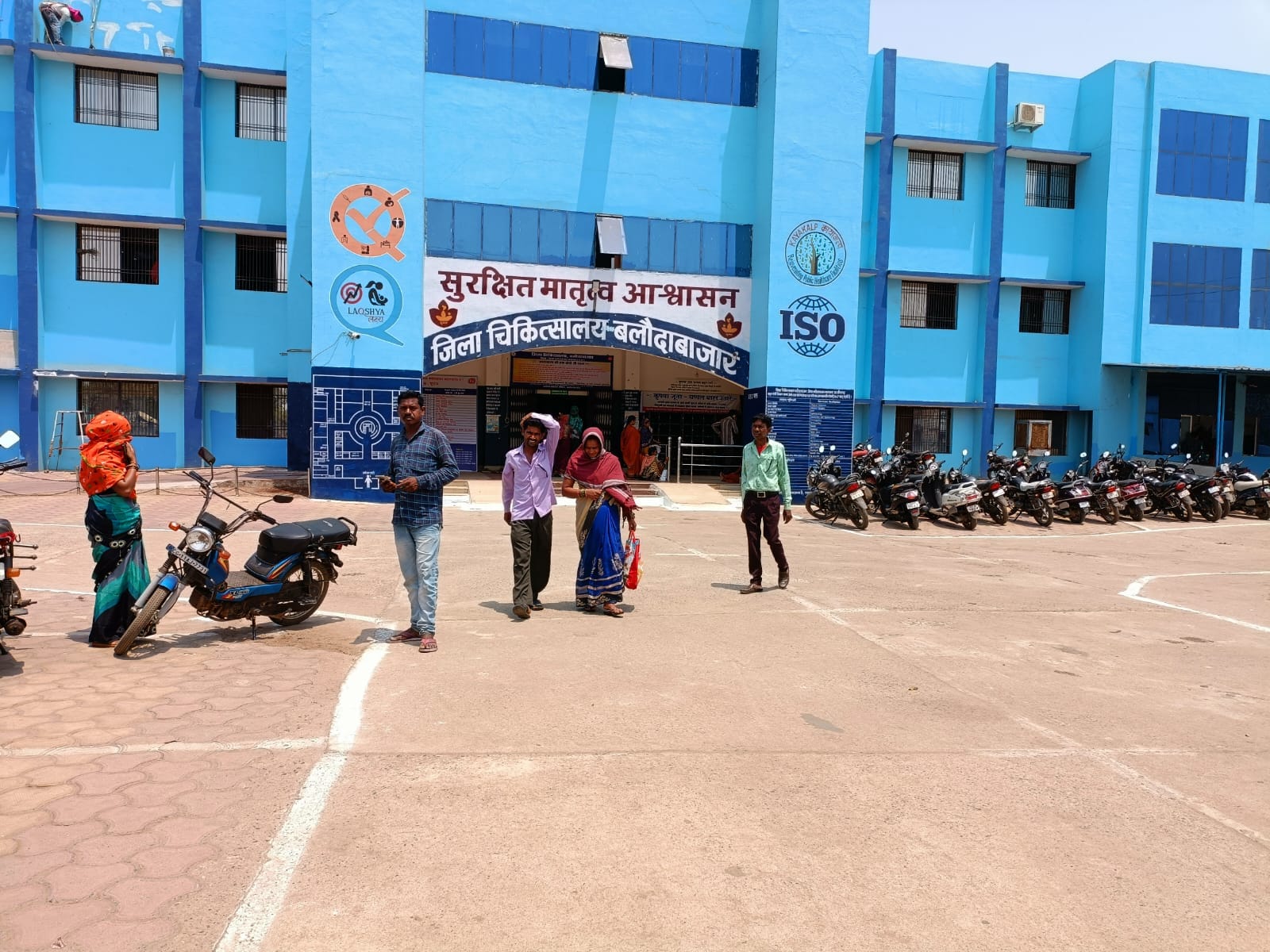
Fever surveillance and testing systems have also been continuously strengthened in malaria-affected areas. Village residents are being encouraged to contact a health worker and get tested if they develop a fever, rather than relying on home remedies. This is an effort to integrate both prevention and treatment into community behavior.