

















- The objective of the National Education Policy is to create such citizens who are Indian in thought, intellect and action
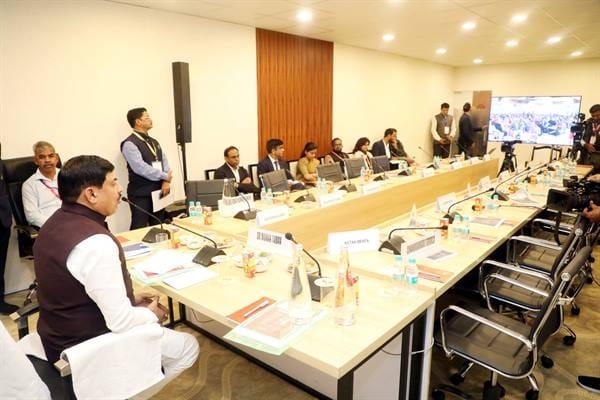
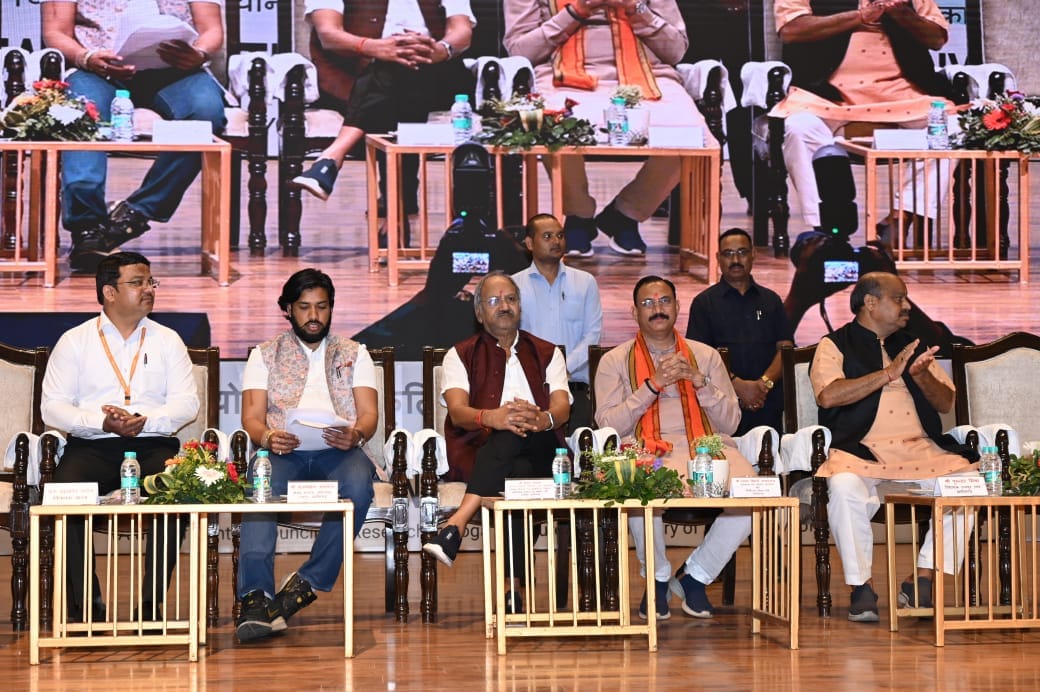
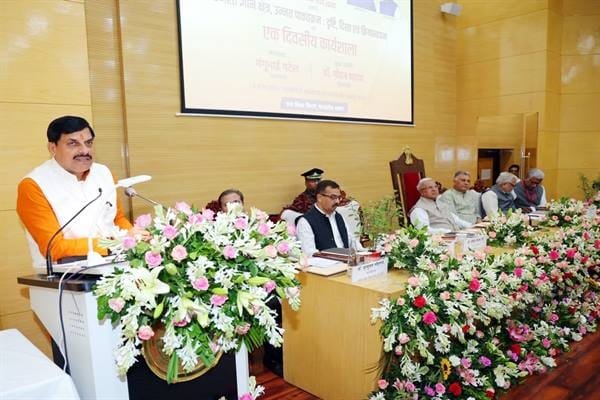
- Governor Shri Patel and Chief Minister Dr. Yadav inaugurated a workshop at the Academy of Administration on “Emerging Knowledge Areas, Advanced Curriculum: Vision, Direction and Implementation”
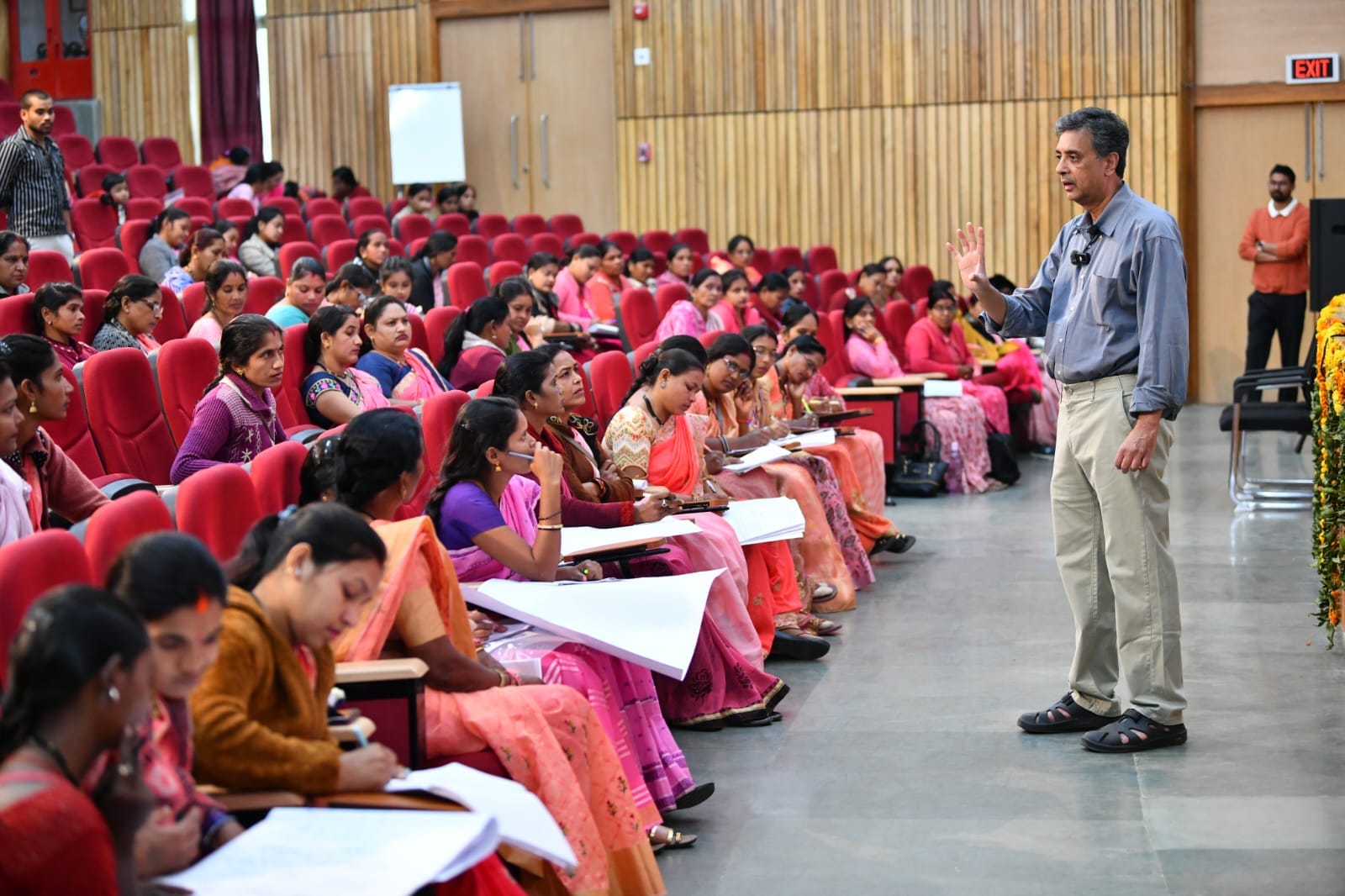
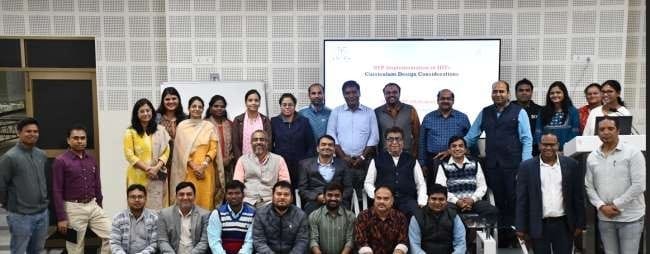
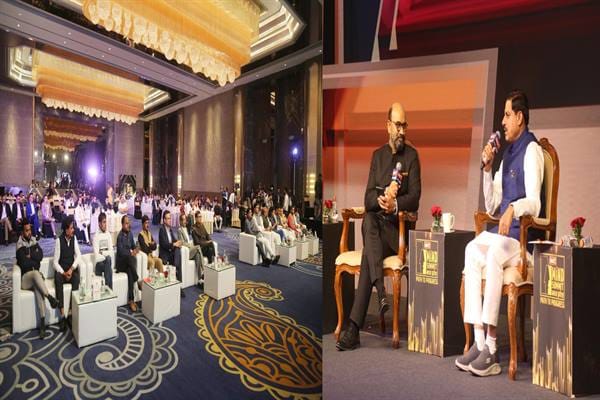
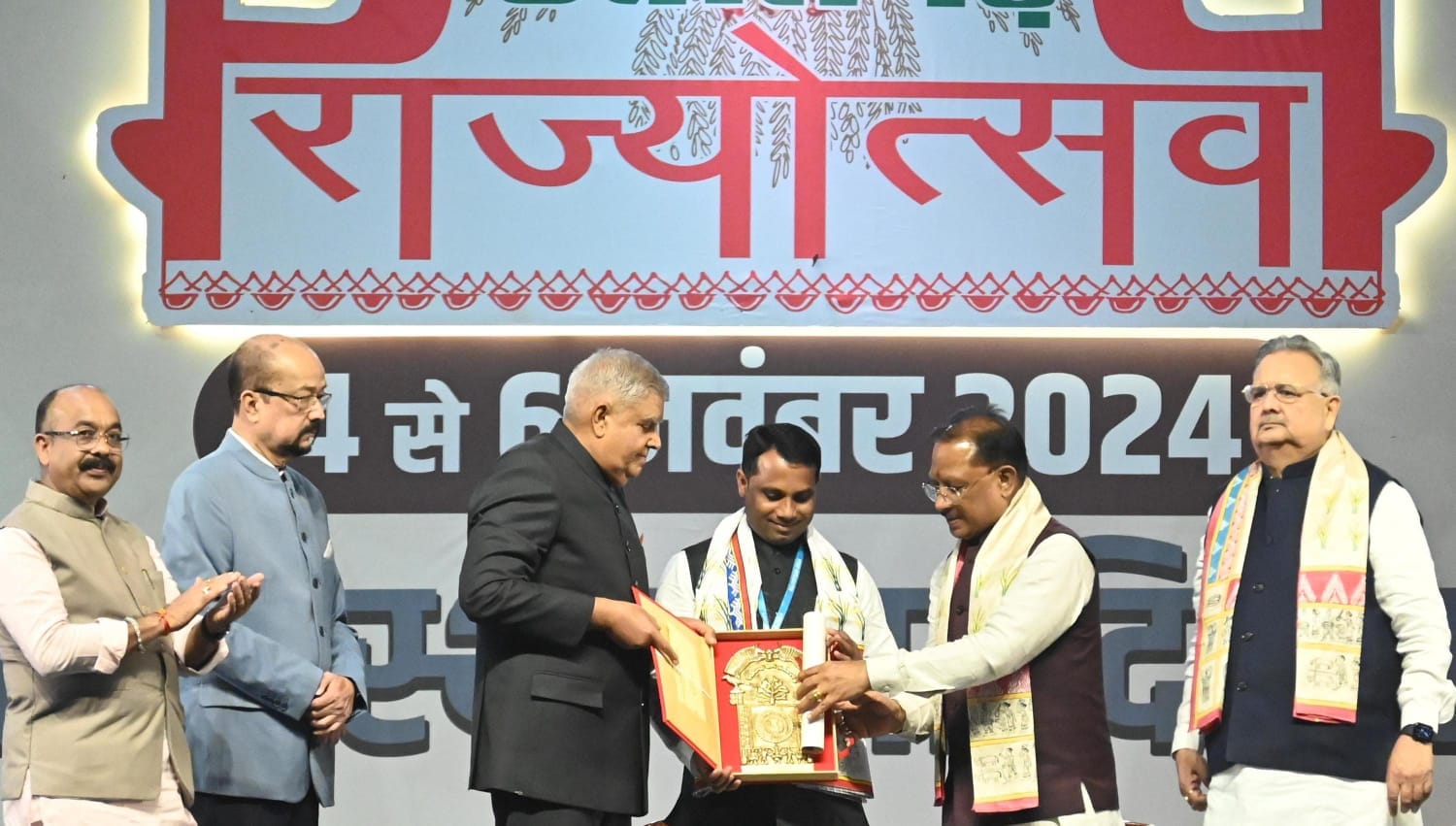
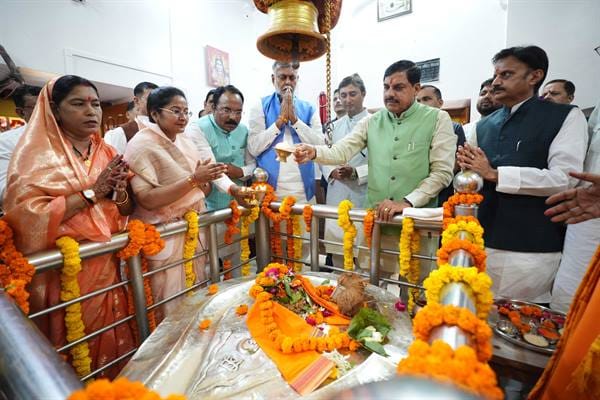
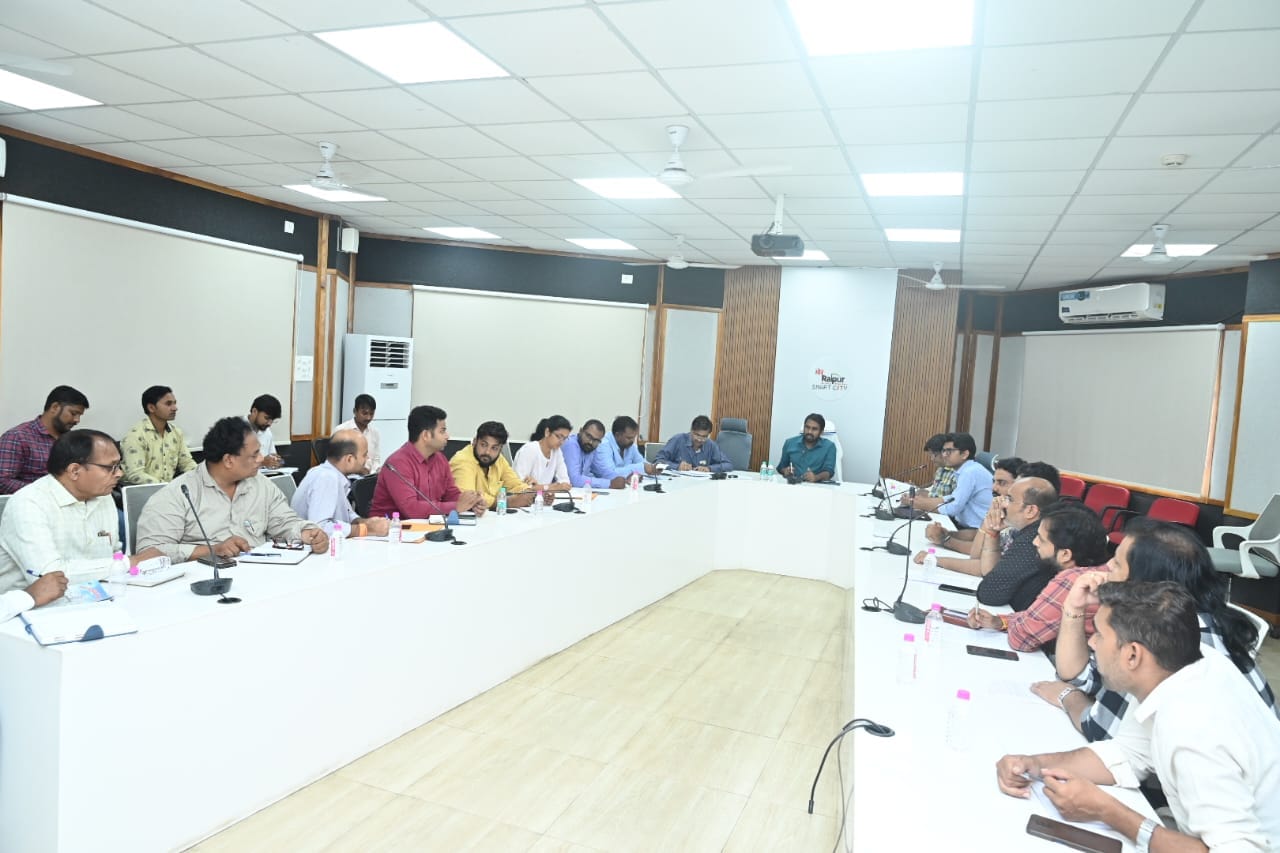
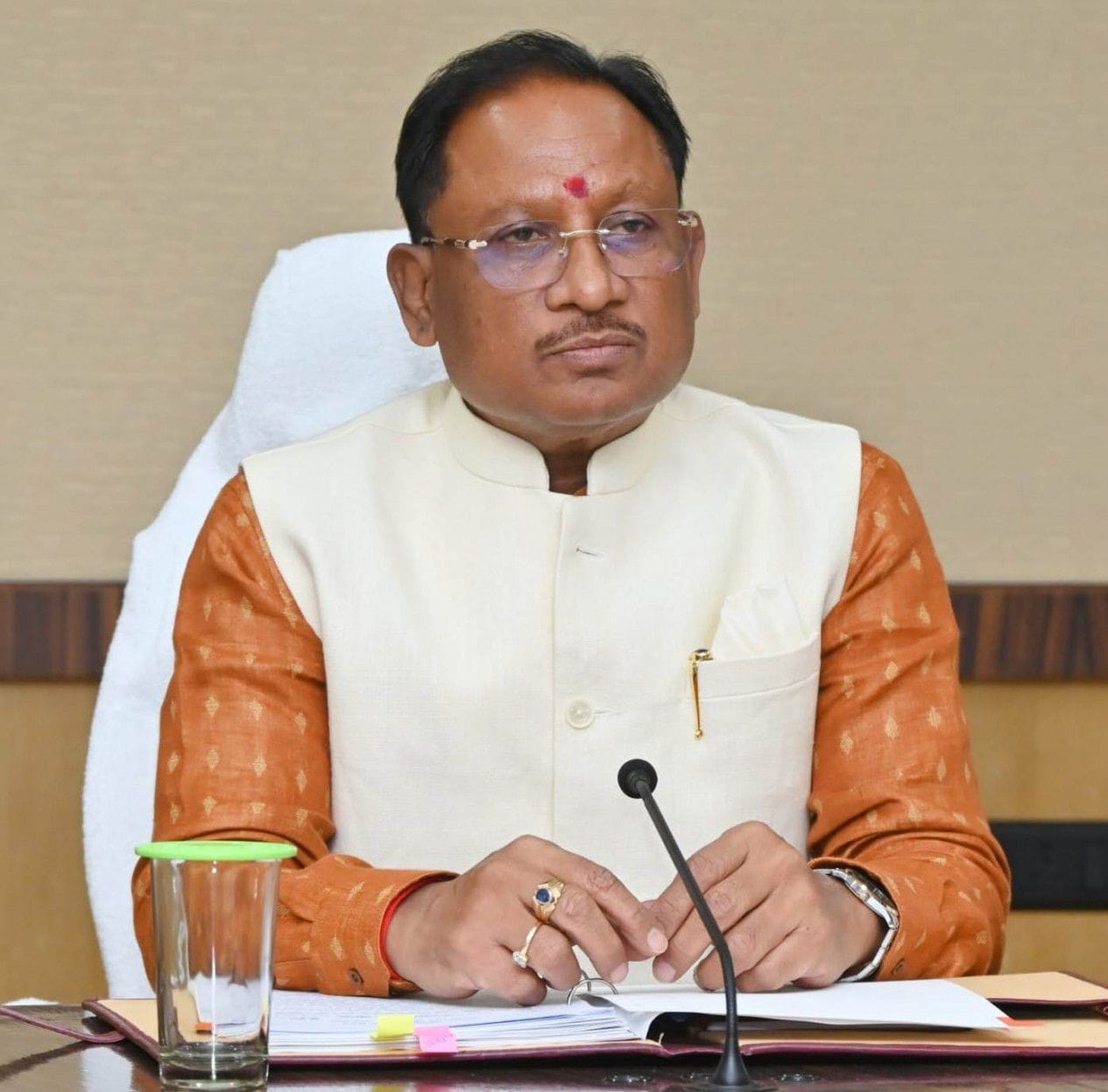
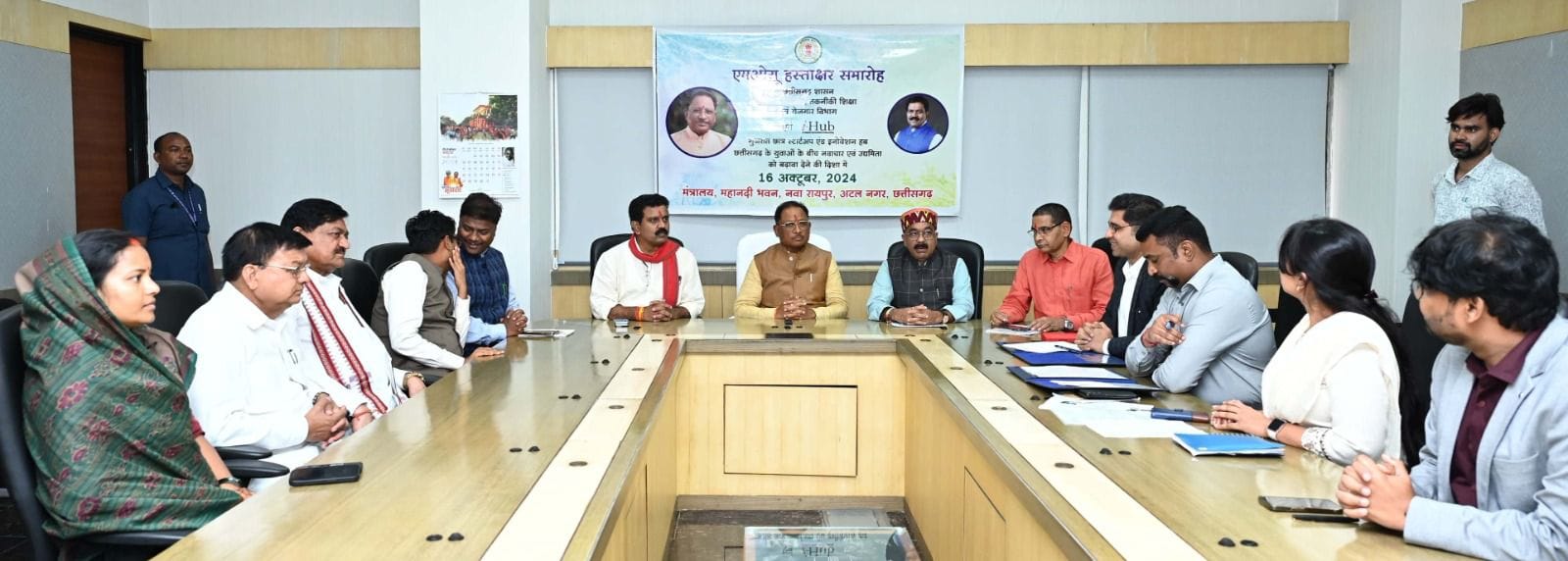
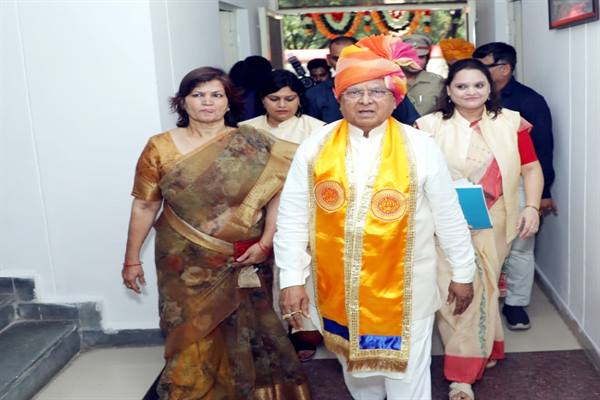
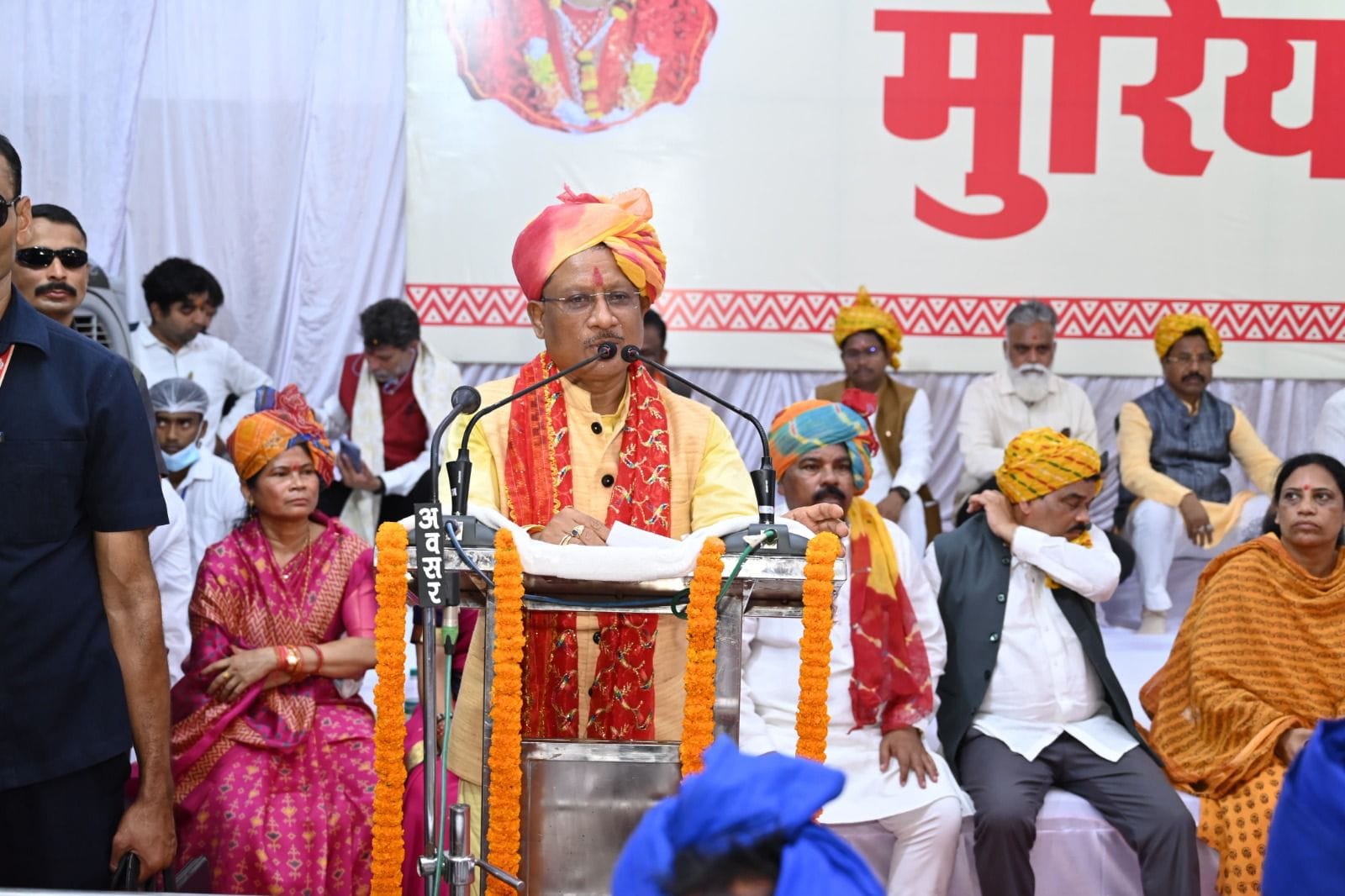
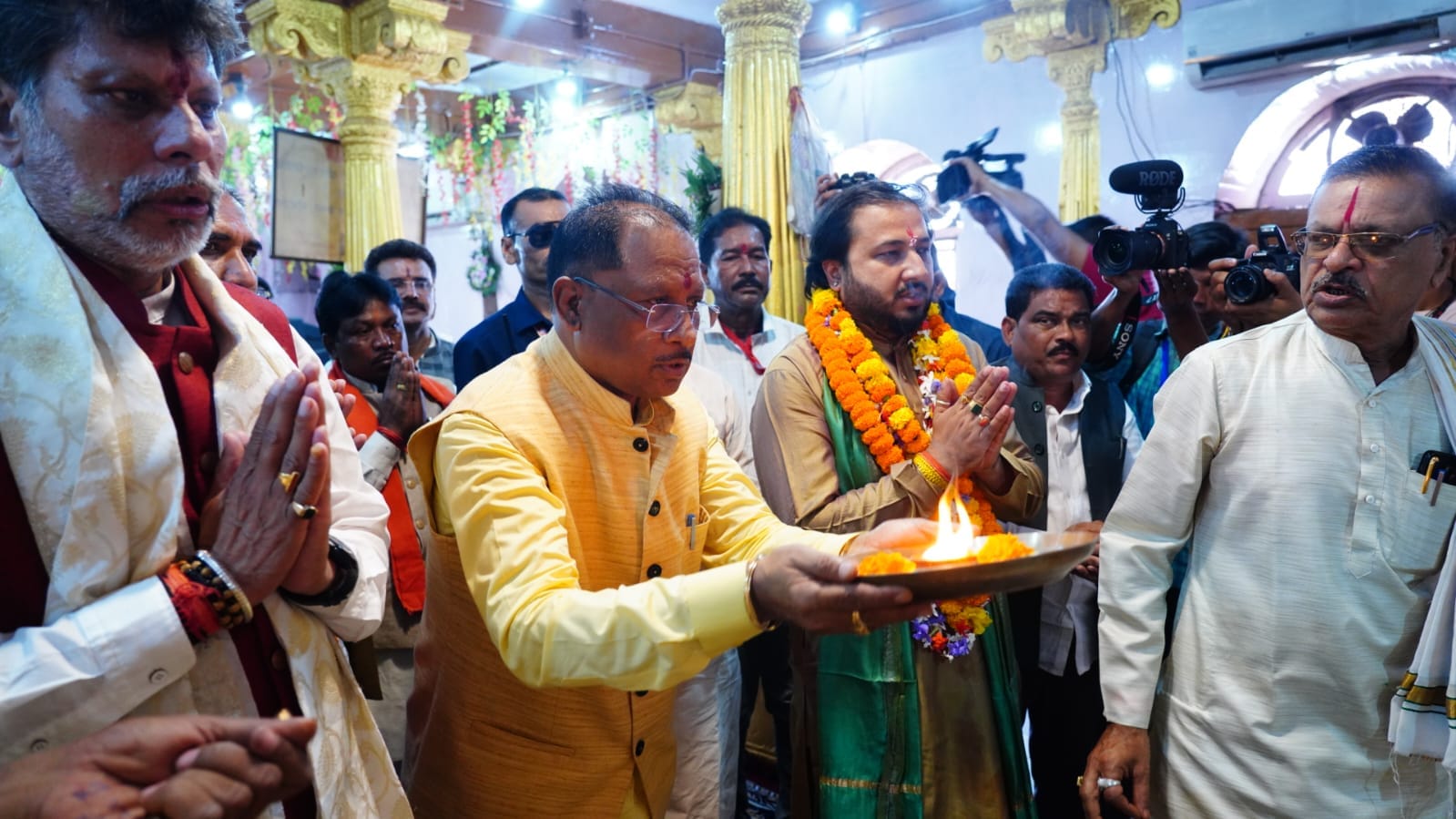
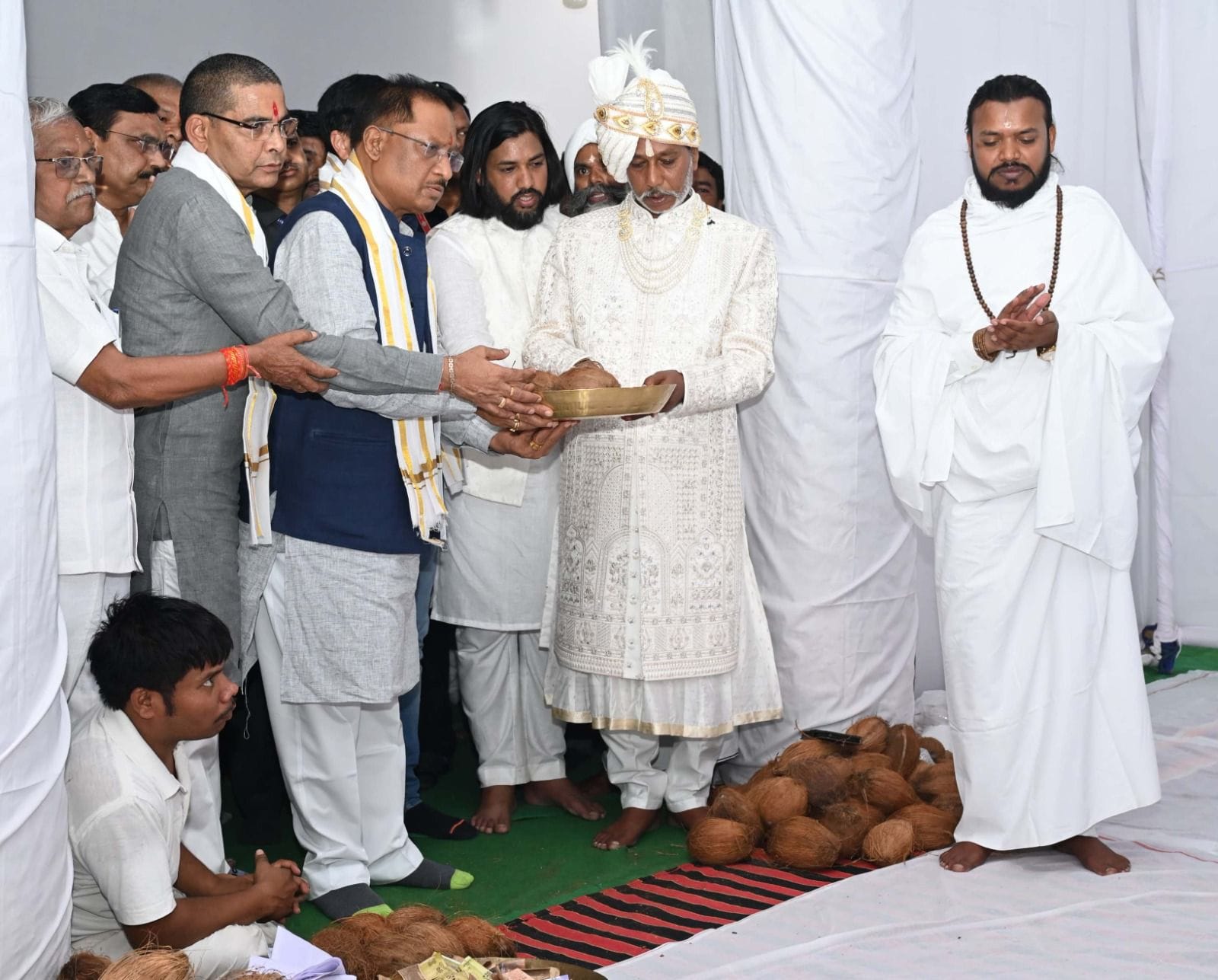
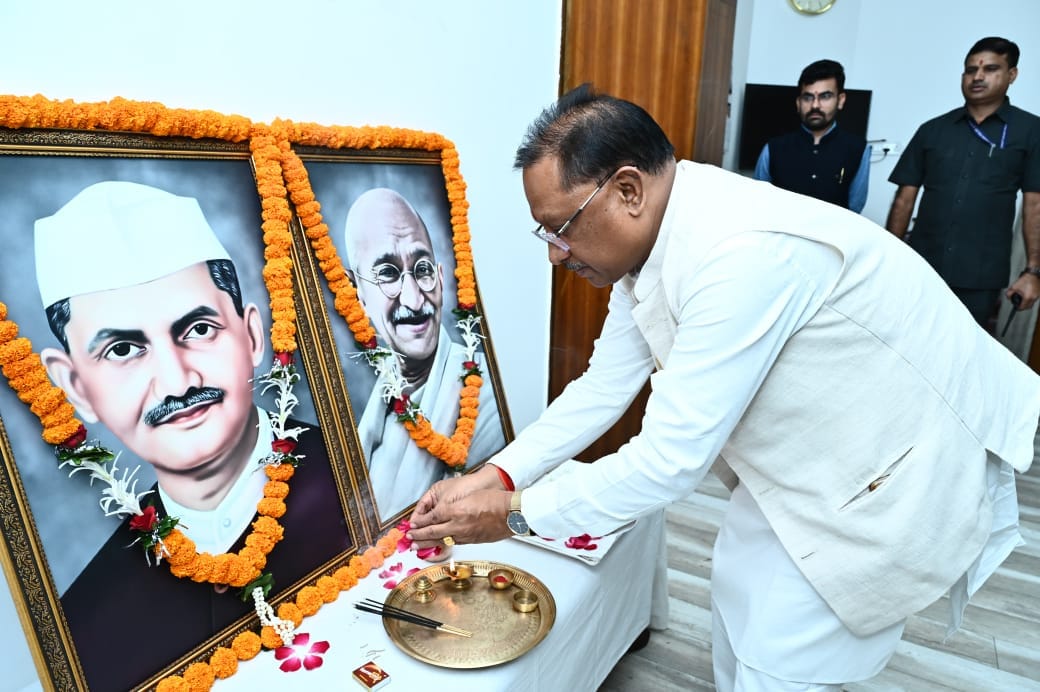
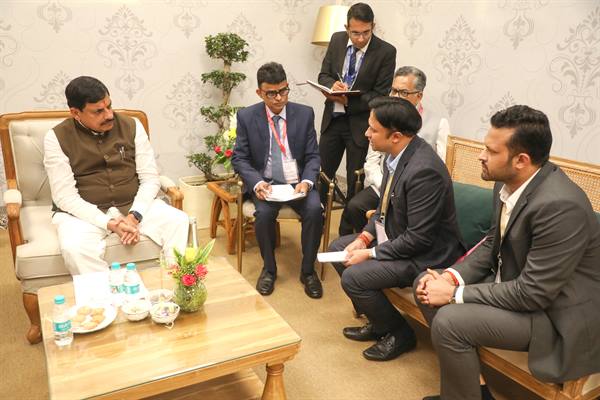
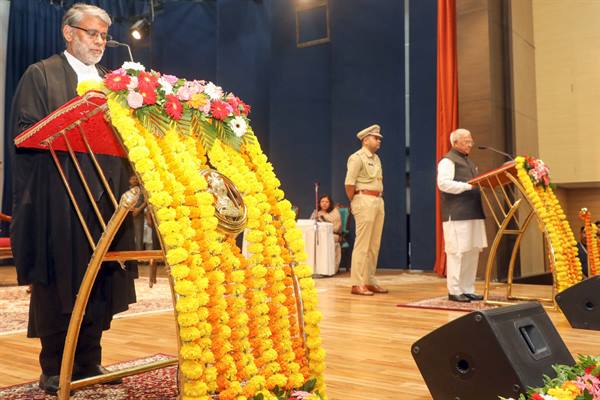
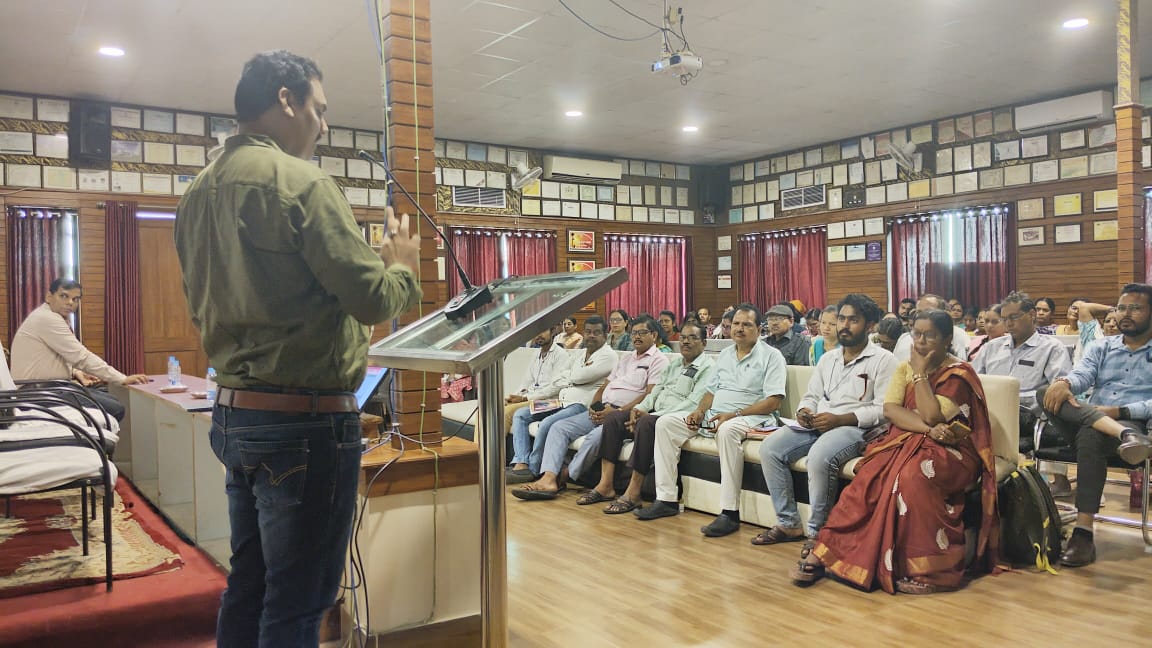
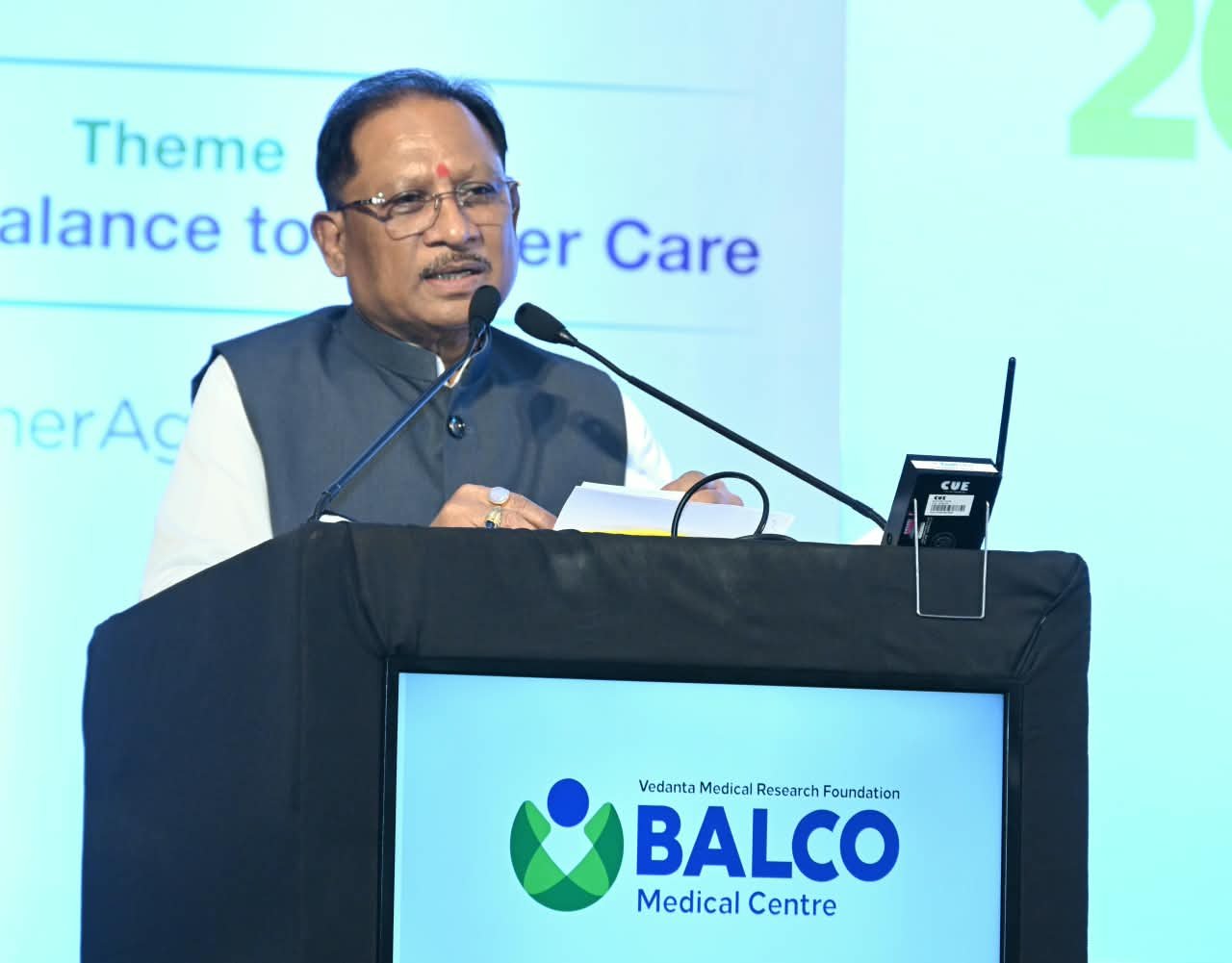
Chief Minister Dr. Mohan Yadav has said that through National Punishment Policy, our youth are being educated and trained according to the demands of time along with connecting with moral values. This initiative of education policy will help in making the youth self-reliant as well as strengthening the country and the state. After implementing the National Education Policy, the Department of Higher Education has done excellent work in the direction of advancing its various dimensions. All officers and staff of the department deserve congratulations for this. Chief Minister Dr. Yadav was addressing the inaugural session of a one-day national workshop organized at the Academy of Administration on “Emerging Knowledge Areas, Advanced Curriculum: Vision, Direction and Implementation”. Governor Shri Patel and Chief Minister Dr. Yadav inaugurated the workshop by lighting the lamp. The workshop is organized by the Department of Higher Education. The aim of the workshop is to make higher education courses modern, employment-oriented, multidisciplinary and technology-enabled in line with current and future needs towards the effective implementation of the National Education Policy-2020. Minister of Higher Education Mr. Inder Singh Parmar, Additional Chief Secretary of Department of Higher Education Mr. Anupam Rajan along with eminent educationists, scientists, industry experts and Chancellors of Universities are also participating in the programme.
- Indian knowledge traditions are being incorporated in the curriculum
Higher Education Minister Shri Inder Singh Parmar said that the first National Punishment Policy-2020 was implemented in Madhya Pradesh. The state government has decided to include Indian tradition of knowledge in the curriculum. In line with the spirit of the National Education Policy, our endeavor is to include curriculum, knowledge as well as skill development. The objective of the state government is to provide quality education to the students. Emphasis is also being placed on the placement of students after completion of studies. This workshop will prove to be very important in designing the curriculum in line with the National Penal Policy. There will be a brainstorming session in the colleges to arrange the punishment according to the modern needs and the requirements of the industries. The findings of this workshop will prove helpful in designing a better curriculum.
- Special efforts are being made for agricultural faculty courses in the region
Additional Chief Secretary Higher Education Shri Anupam Rajan said that special efforts are being made for Agriculture Faculty courses in the state. Along with this, better work is being done on technology, AI, engineering. Incorporation of technology in the Department of Corrections has increased rapidly. Thousands of assistant professors have been recruited in the last two years. Workshops are being organized for capacity building and faculty development.

- The state government is a pioneer in adopting the national education policy and Indian knowledge tradition
National Secretary of Shiksha Sanskriti Utthan Trust Dr. Atul Kothari said that the state government is a pioneer in adopting the national education policy and Indian knowledge tradition. An Apex Committee for Indian Knowledge Tradition has been constituted in the state, work on it is going on for the last two and a half years. The objective of the National Education Policy 2020 is to create citizens who are Indian in thought, intellect and action. Due to lack of will, the last two penal policies could not be fully implemented. Presently the problems are increasing because we are moving away from Indianness. Today, mental stress is the biggest challenge facing the world, which can only be solved in yoga. We have to advance with both ancient knowledge and modern technology. With knowledge, character and skill, our punishment is complete. Punishment is the basis for achieving the target of Developed India @ 2047.
- IIT Chennai will cooperate in preparing semiconductor and digital infrastructure in Madhya Pradesh
Professor Manu Santhanam of IIT Madras said that IIT Chennai is ready to cooperate in creating semiconductor and digital infrastructure in Madhya Pradesh. Director General of Indian Meteorological Department Dr. Mrityunjay Mohapatra said that at present multi-disciplinary education is not necessary. The purpose of punishment is to serve the nation and society. For the economic progress of the society, it is necessary that we strengthen the systems of protection against natural calamities. This will help in minimizing the adverse impact on the economic progress of the country. Climate change is the current major problem, its effect on our ecosystem. In order to deal with climate change, it is necessary to incorporate scientific thinking into the curriculum. Modern society needs to be aware of disasters. Our goal is to create an ecosystem by 2030 that can provide timely warning of all types of disasters.
- I.I.T. M.O.U.
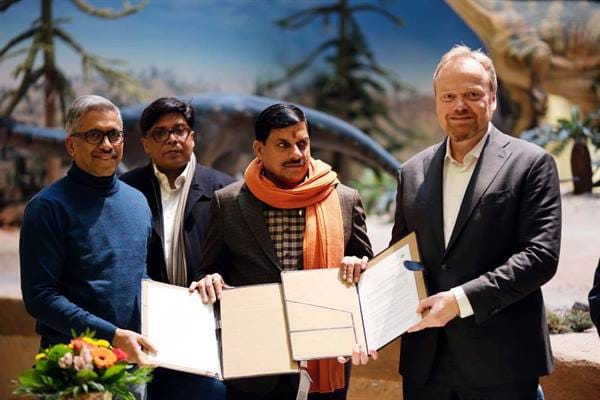
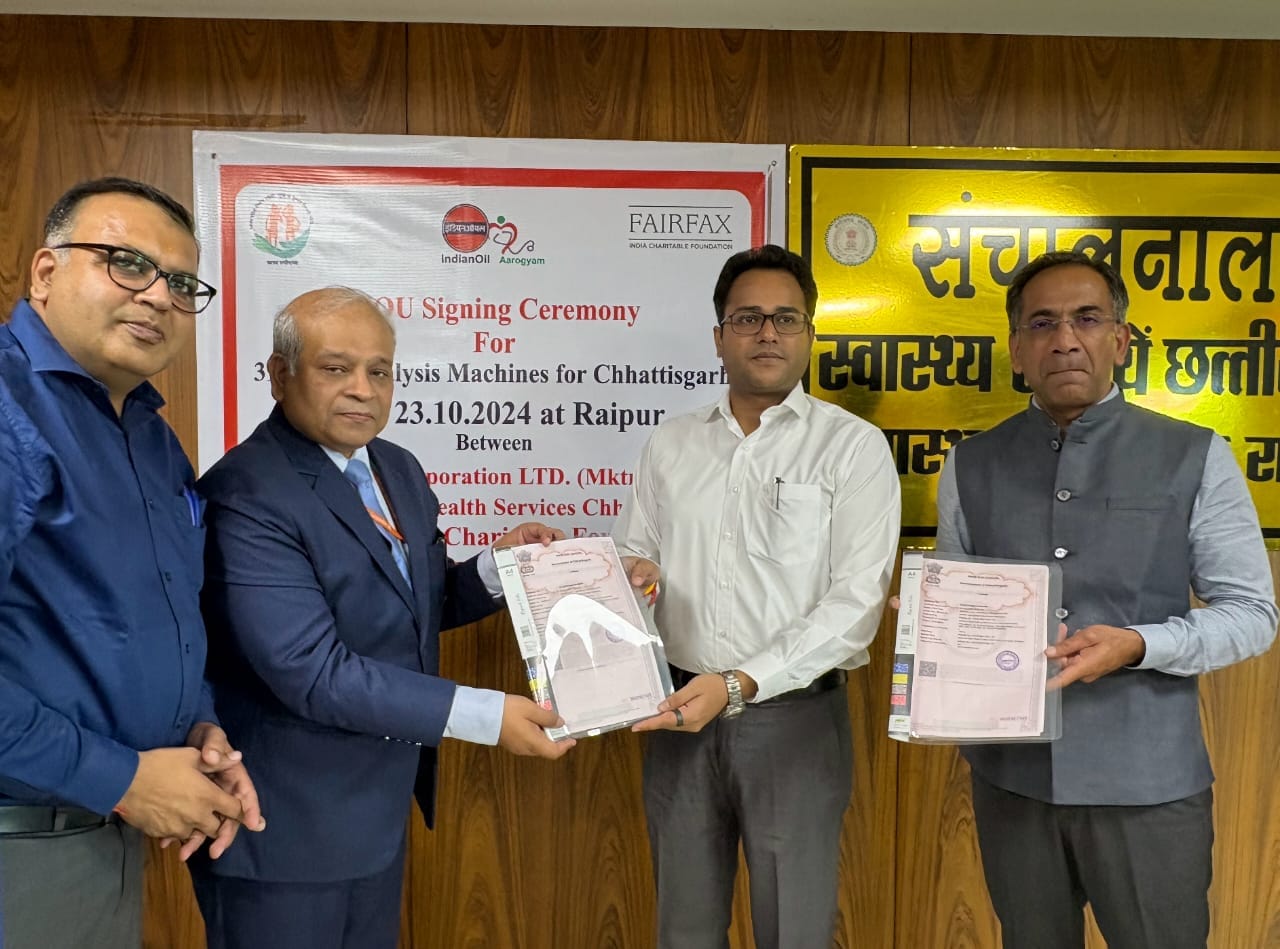
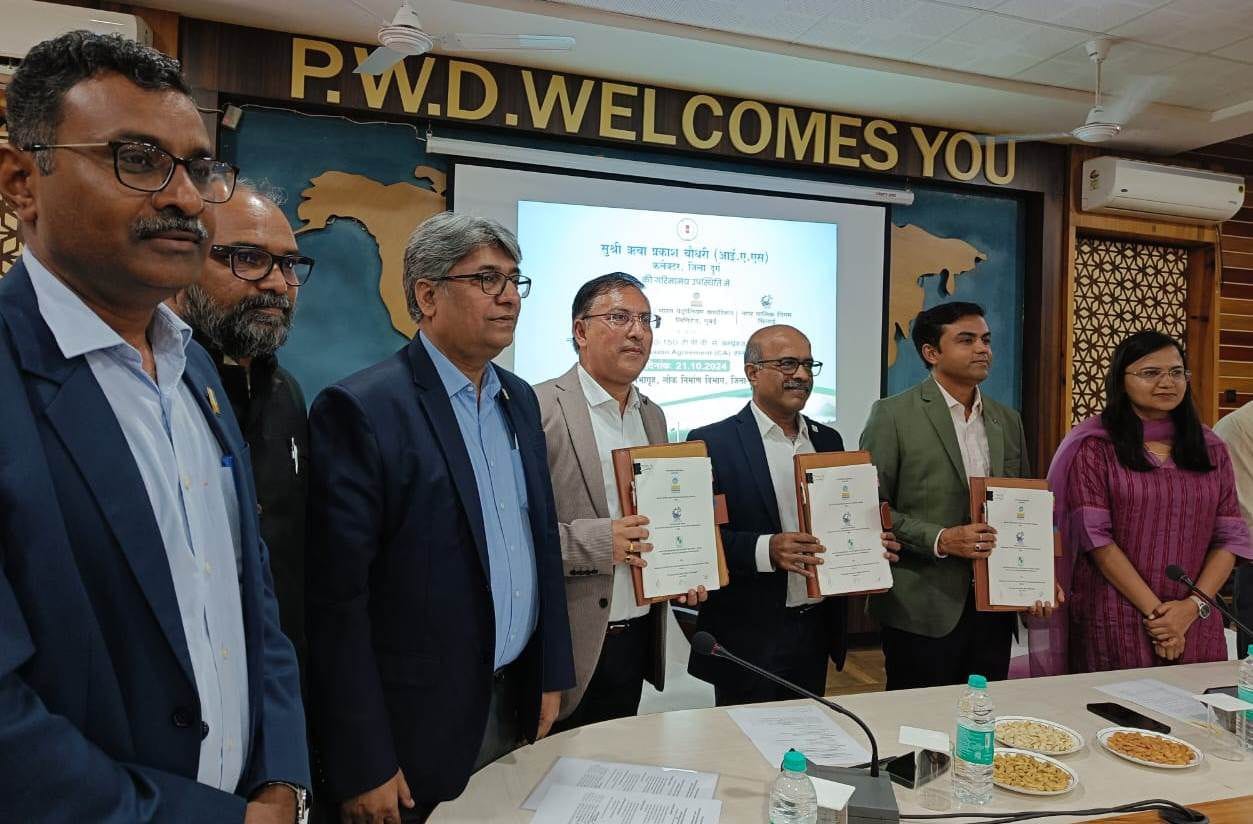
Governor Shri Patel and Chief Minister Dr. In the presence of Yadav, the Department of Higher Education entered into MoUs with IIT Bombay for employability development through digital skills and open source technology, future technologies and global quality education with IIT Madras, artificial intelligence based higher education with IIT Guwahati. Department of Higher Education signed MoUs with IIT Varanasi for advanced technical education and research excellence, partnership in leadership, sustainable development and disaster management with IIT Roorkee and quality higher education and institutional excellence initiatives with IIT Kharagpur. On this occasion, IIT Indore signed an MoU with the Department of Higher Education to promote innovation, start-up and entrepreneurship culture, Atal Bihari Vajpayee Institute of Good Governance and Policy Analysis to link governance and public policy studies with higher education, Madhya Pradesh Council of Science and Technology to provide new impetus to scientific research and innovation culture and India Meteorological Department to conduct activities in educational institutions of the region with the aim of providing new direction to climate literacy and meteorology based research.
- MoU for future oriented skills training in Forensic Science and Cyber Security
In the same order, Tropical Forest Research Institute Jabalpur to link forest, biodiversity and climate change research with higher education, Advanced Materials and Processes Research Institute, Bhopal to give new direction to innovation through scientific research and advanced technology, Indian Institute of Forest Management, Bhopal for knowledge sharing for environmental leadership and sustainable development and Indian Institute of Soil Science, Bhopal to promote sustainable agriculture and soil science research with Department of Higher Education. Central Institute of Agricultural Engineering, Bhopal has signed an MOU with the Department of Higher Education for developing agricultural innovation and technology based higher education, National Forensic Science University, Bhopal has signed an MOU with the Department of Higher Education for strong initiatives in the direction of developing forensic science and cyber security, and Madhya Pradesh Police has signed an MOU with the Department of Higher Education for a strong partnership in the direction of creating a safe, aware and responsible citizen. shared.