



















- Chhagan Lal Lonhare
- (Joint Director, Public Relations)
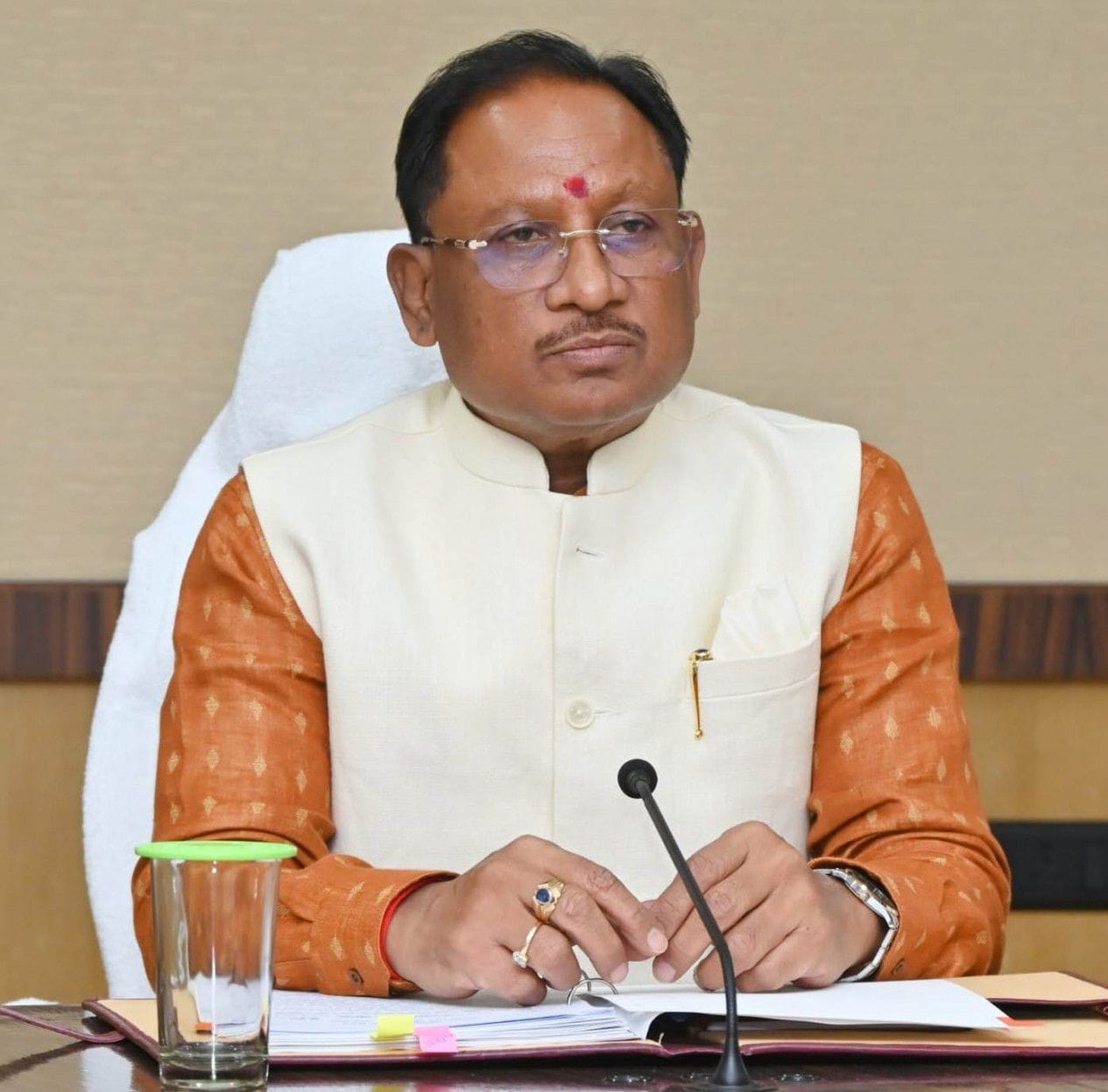
Chhattisgarh is today undergoing a phase of industrial development where the objective of development is not merely to establish new industries, but to make the state self-reliant through employment, investment, modern technology, and regional balance. Under the leadership of Chief Minister Vishnu Dev Sai, the state government has created a transparent, investment-friendly, and employment-oriented environment for industries. New industrial policies, under the guidance of Commerce and Industry Minister Shri Lakhan Lal Dewangan, have strengthened investor confidence and taken concrete steps towards establishing Chhattisgarh among the country’s leading industrial states.
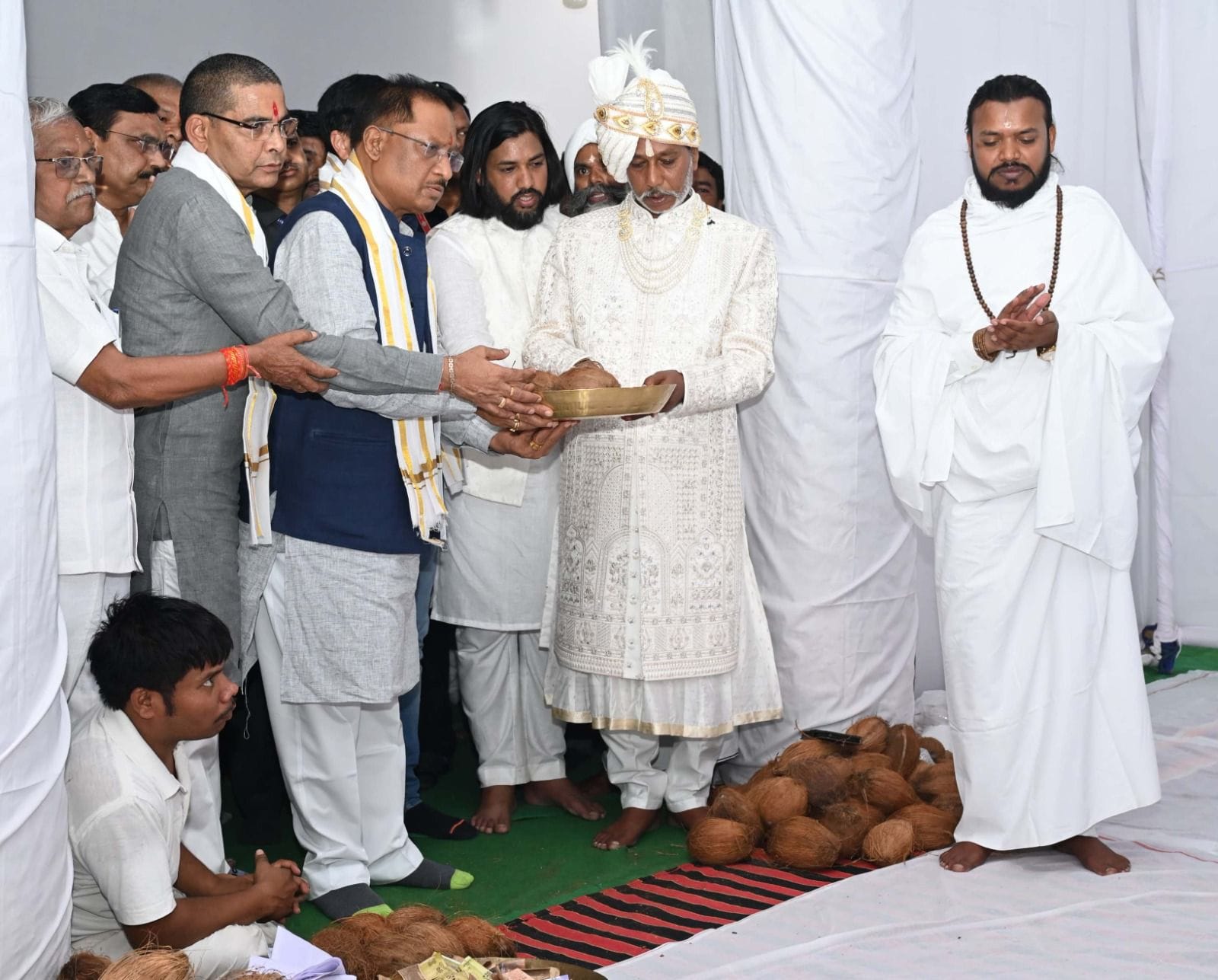
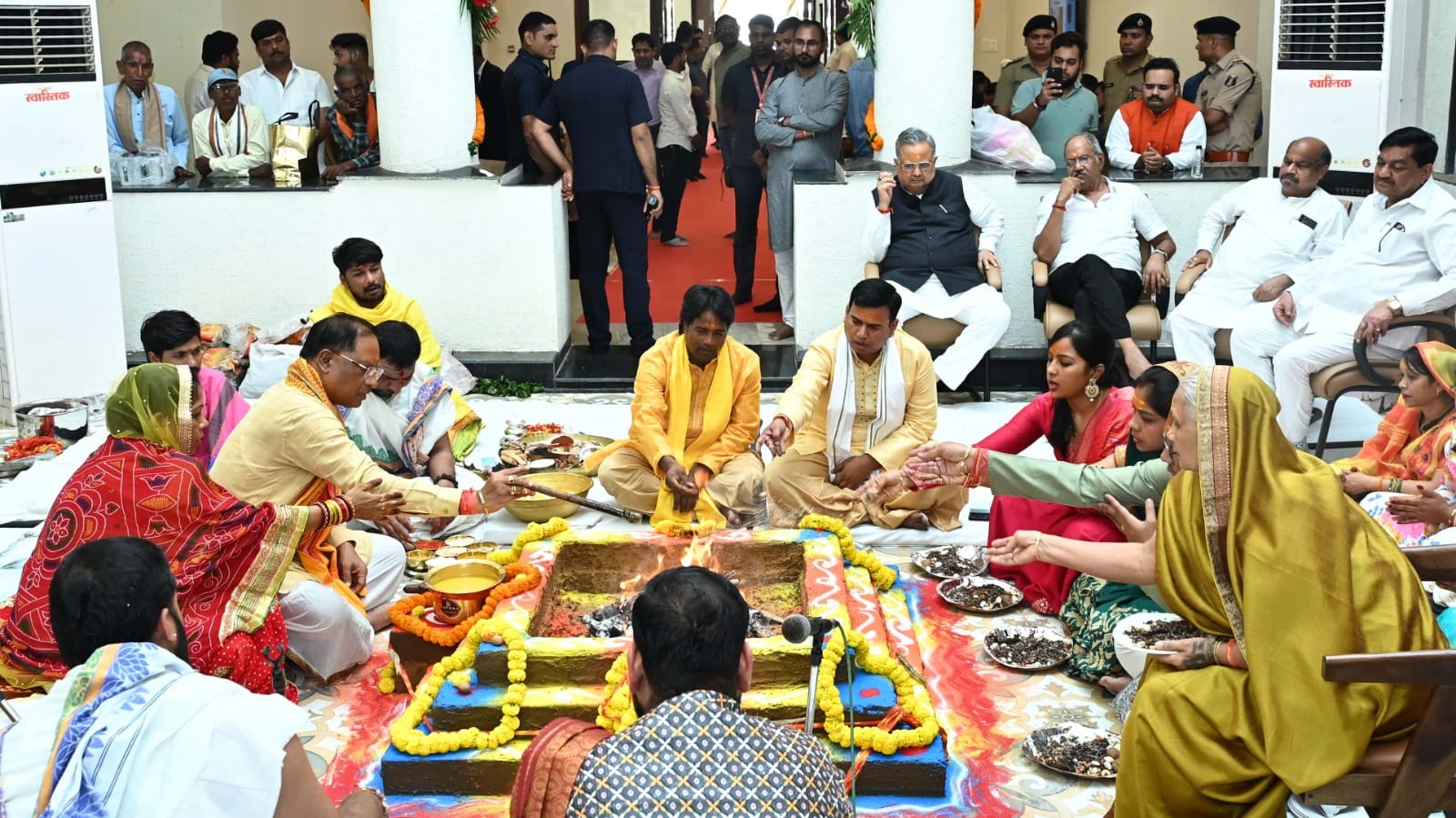
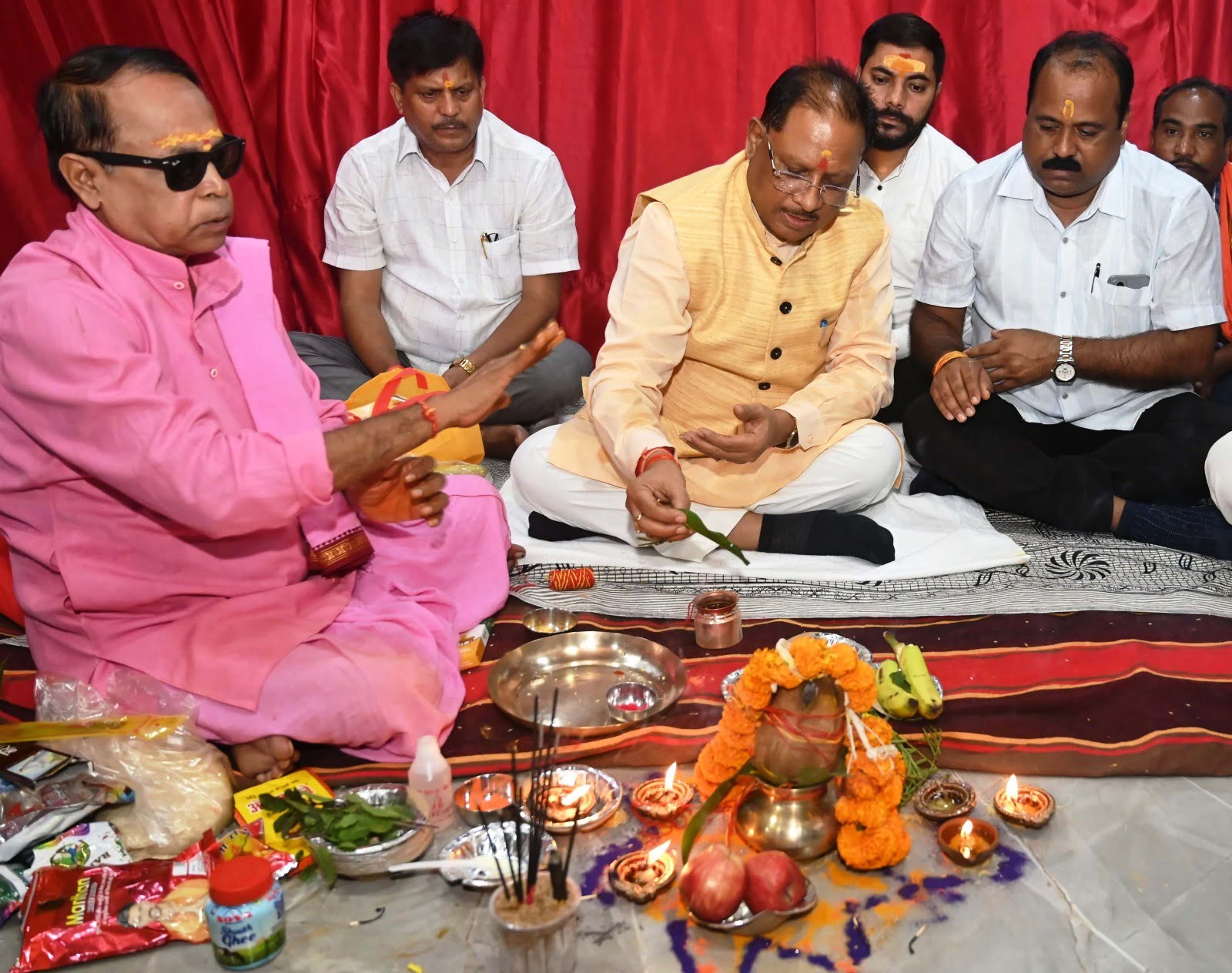
- Bhoomipujan of the first unit of the Textile Park was done on 25 June 2026.
Commerce and Industry Minister Shri Lakhan Lal Dewangan and Housing and Environment Minister Shri O.P. Choudhary performed the groundbreaking ceremony for the first unit of the textile park on June 25, 2026. Swift Textiles Private Limited of Tamil Nadu is setting up a garment manufacturing unit here with an investment of ₹235 crore. This unit will provide employment to 4,650 people. This is an important step towards establishing a new identity for Chhattisgarh in the textile and garment manufacturing sector, both domestically and internationally.
- 3,009 new industrial units were established in the state, providing direct employment to 50,807 people.
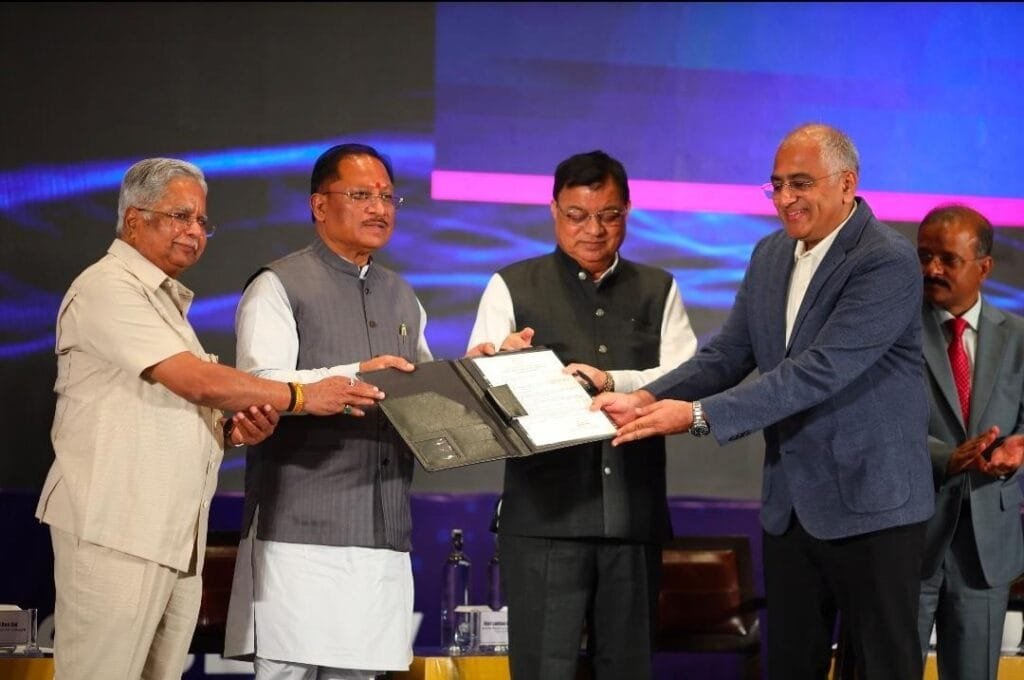
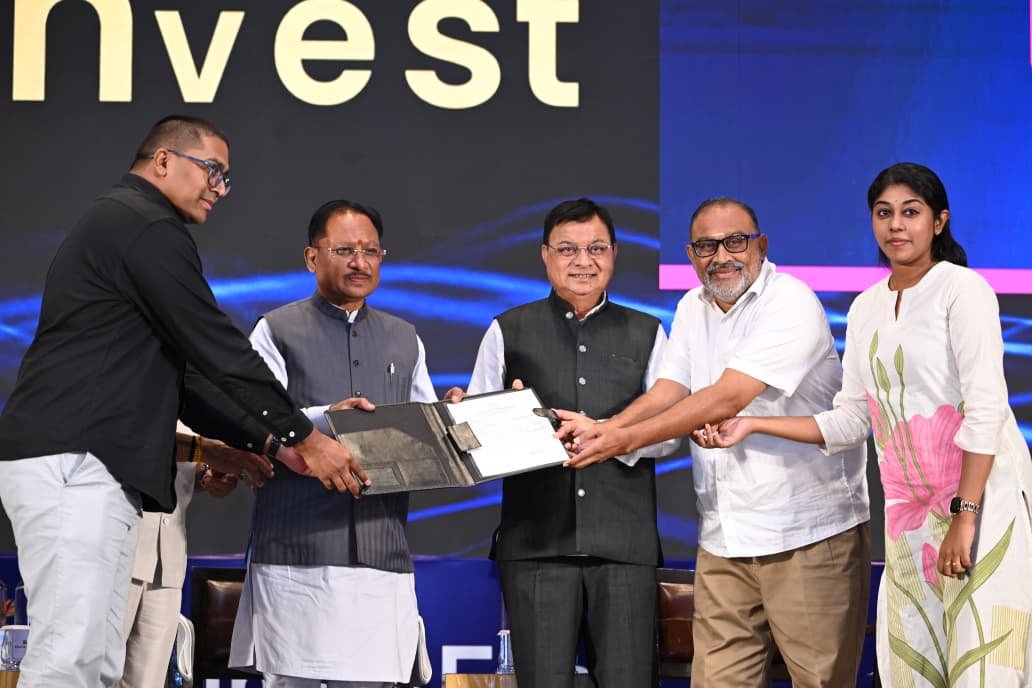
In the last two and a half years, the state received investment proposals worth about Rs 8.22 lakh crore from 264 industrial projects, which are expected to generate more than 1.72 lakh jobs. Of these, 154 projects have reached the stage of construction, land allotment or production, while many units have already started production. During the same period, 3,009 new industrial units were established in the state, providing direct employment to 50,807 people. This shows that the government’s industrial policies are not limited to papers only, but are yielding results on the ground.

- Financial incentives up to 100 percent for manufacturing units and 150 percent for the service sector
The Industrial Development Policy 2024-30, implemented by the state government, has opened new opportunities for industries. Financial incentives of up to 100 percent for manufacturing units and 150 percent for the service sector, special benefits for MSMEs and service industries for the first time, special packages for future sectors such as textiles, logistics, artificial intelligence, and pharmaceuticals, and provisions to promote employment for local youth are key features of this policy. This is why major initiatives such as the country’s first AI data center SEZ in Naya Raipur and investments in the semiconductor sector are taking shape.
- Ease of doing business is top priority
Chief Minister Vishnu Deo Sai’s government has given top priority to ease of doing business. A new single-window system with over 150 services, an AI-based voice system for investors, and over 500 administrative reforms and simplified procedures are creating a better environment for investors. To ensure that the benefits of industrial development reach every region of the state, 23 new industrial areas have been developed, and 26 new industrial projects have been approved in 15 districts. Initiatives such as the Plastic Park in Sarora and the Textile, Pharma, and Readymade Garment Park in Nava Raipur are further strengthening the industrial base.
- The government aims to create more jobs and bring investments to the ground faster.
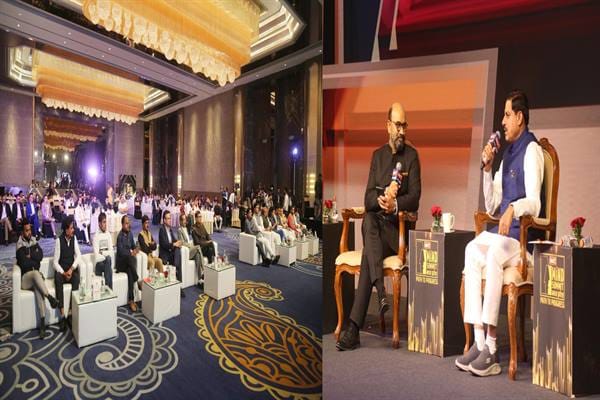
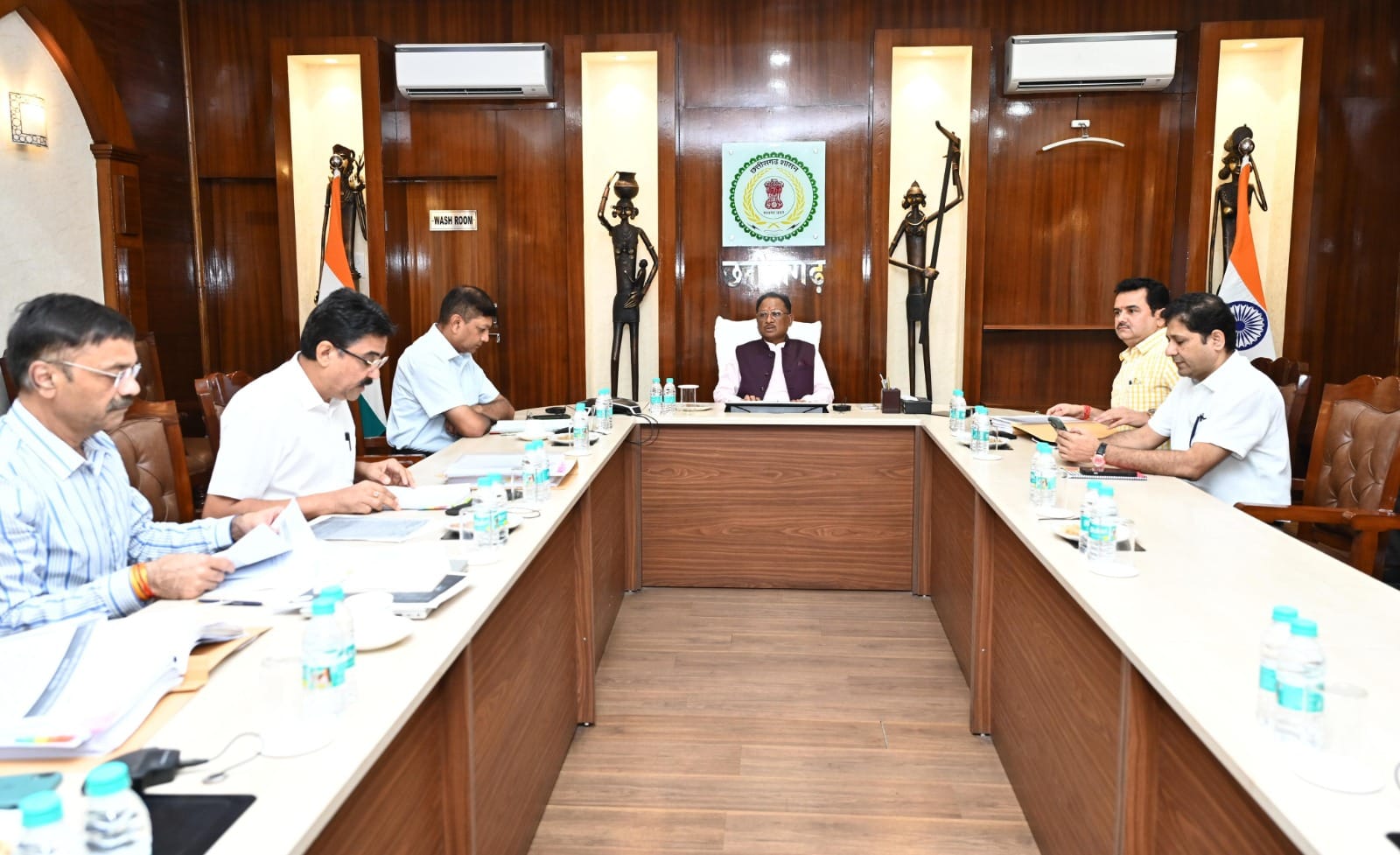
Recently, during a discussion on the possibilities of industrial development under Vision 2047, Industry Minister Lakhan Lal Dewangan clarified that the government’s goal is to create as many jobs as possible and accelerate investment, so that local youth can get maximum opportunities. For the coming years, the government is paying special attention to export policy, startup and innovation policy, skill development, internships, MSME empowerment, and industrial expansion in areas like Bastar and Surguja. The state government’s objective is clear: to make the state’s youth entrepreneurs, not job seekers, but job creators.
- Growing investor confidence in Chhattisgarh’s industrial ecosystem and business-friendly environment
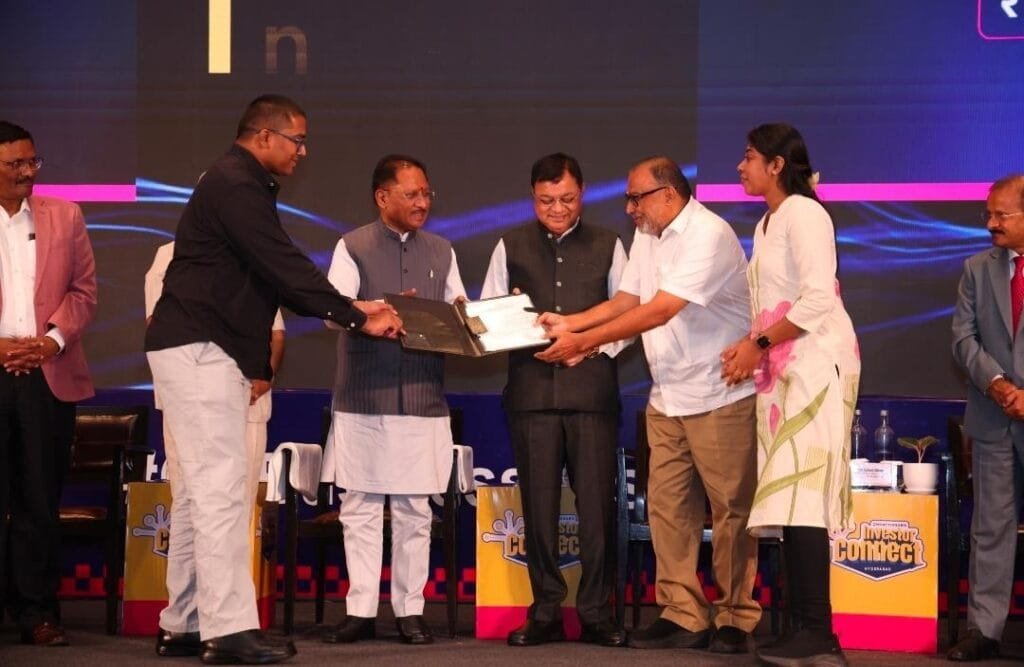
Since the implementation of the new industrial policy in the state, investment commitments worth over ₹8 lakh crore have been received in the last 18 months, which is expected to create over 1.6 lakh jobs across various sectors. In addition to textiles and apparel, the state has also attracted significant investments in data centers, IT, pharmaceuticals, semiconductors, and electrical and electronics manufacturing. This reflects growing investor confidence in Chhattisgarh’s industrial ecosystem and business-friendly environment.
- Establishment of a modern textile park in Nava Raipur
To promote the textile and apparel industry in the state, a modern textile park is being established in Nava Raipur. Its 81-acre area offers plots ranging in size from 2,758 square meters to 38,180 square meters. Facilities are being provided here for investors to establish textile, garment and apparel industries, technical textiles, and their supporting and complementary industries.
- The state is fully prepared for the industrial boom today.
Chhattisgarh’s industrial campaign towards Vision 2047 is not just a story of economic development, but the creation of a future where investment, innovation, employment and inclusive growth are jointly laying a strong foundation for a self-reliant, developed and prosperous Chhattisgarh. Under the leadership of Chief Minister Vishnu Dev Sai and the efforts of Industry Minister Shri Lakhan Lal Dewangan, the state is today fully prepared for a new industrial boom.