












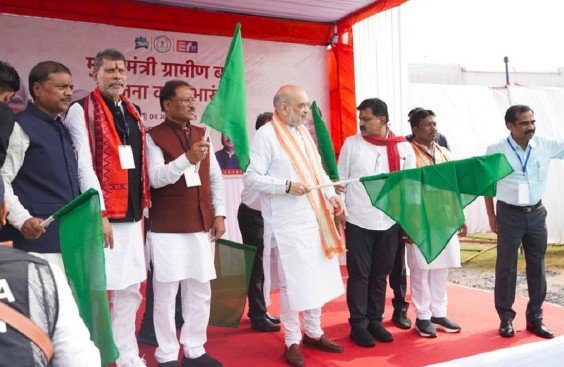

- Safe housing, accessible services, empowered women, healthy childhoods, prosperous farmers and self-reliant livestock farmers
- Public welfare schemes are becoming a medium of change in life, emphasis is on providing services to the last person.
The lives of ordinary people become easier when government schemes move beyond paper and offices and become a part of their lives. When a needy family gains a permanent roof, a woman receives financial support for her needs, a farmer’s field receives irrigation, a malnourished child’s health improves, and a citizen’s long-standing problem is resolved—then the true meaning of public service is revealed.
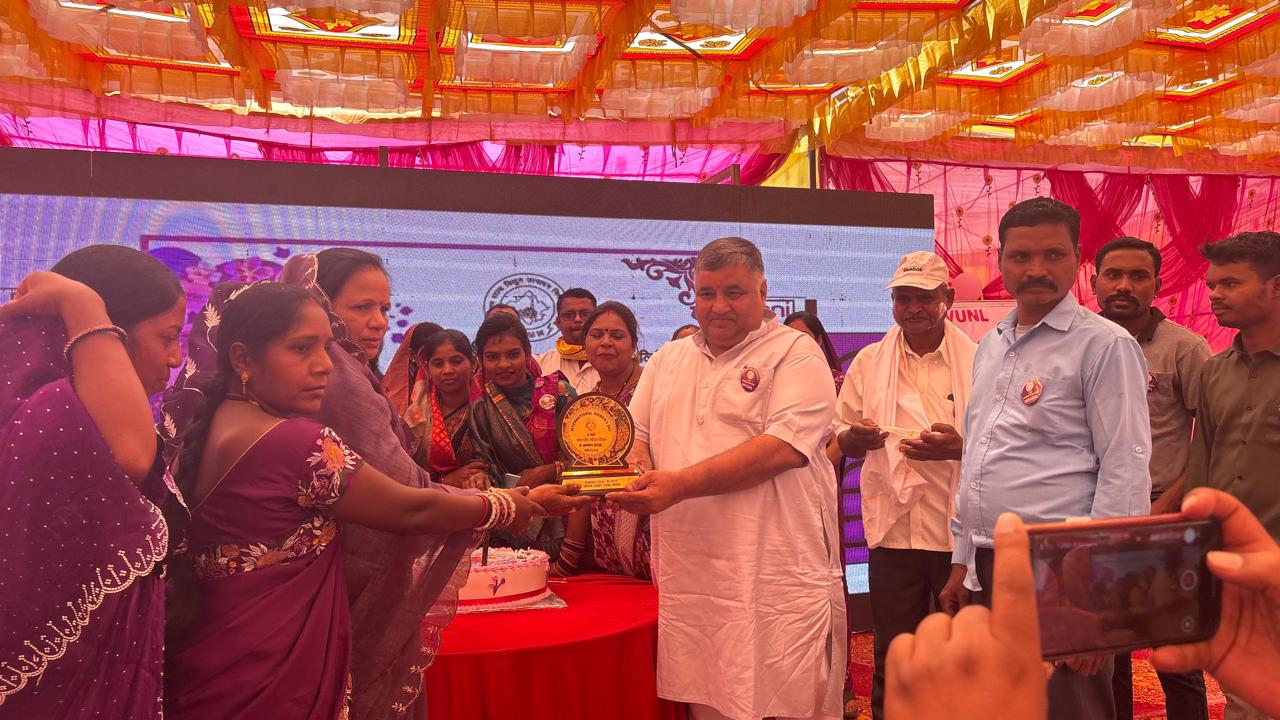
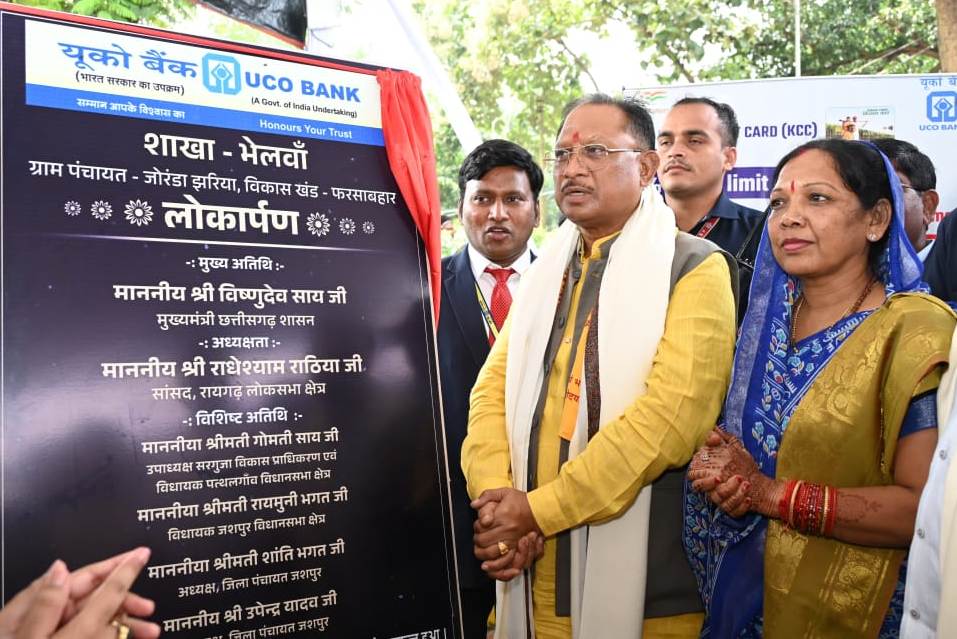
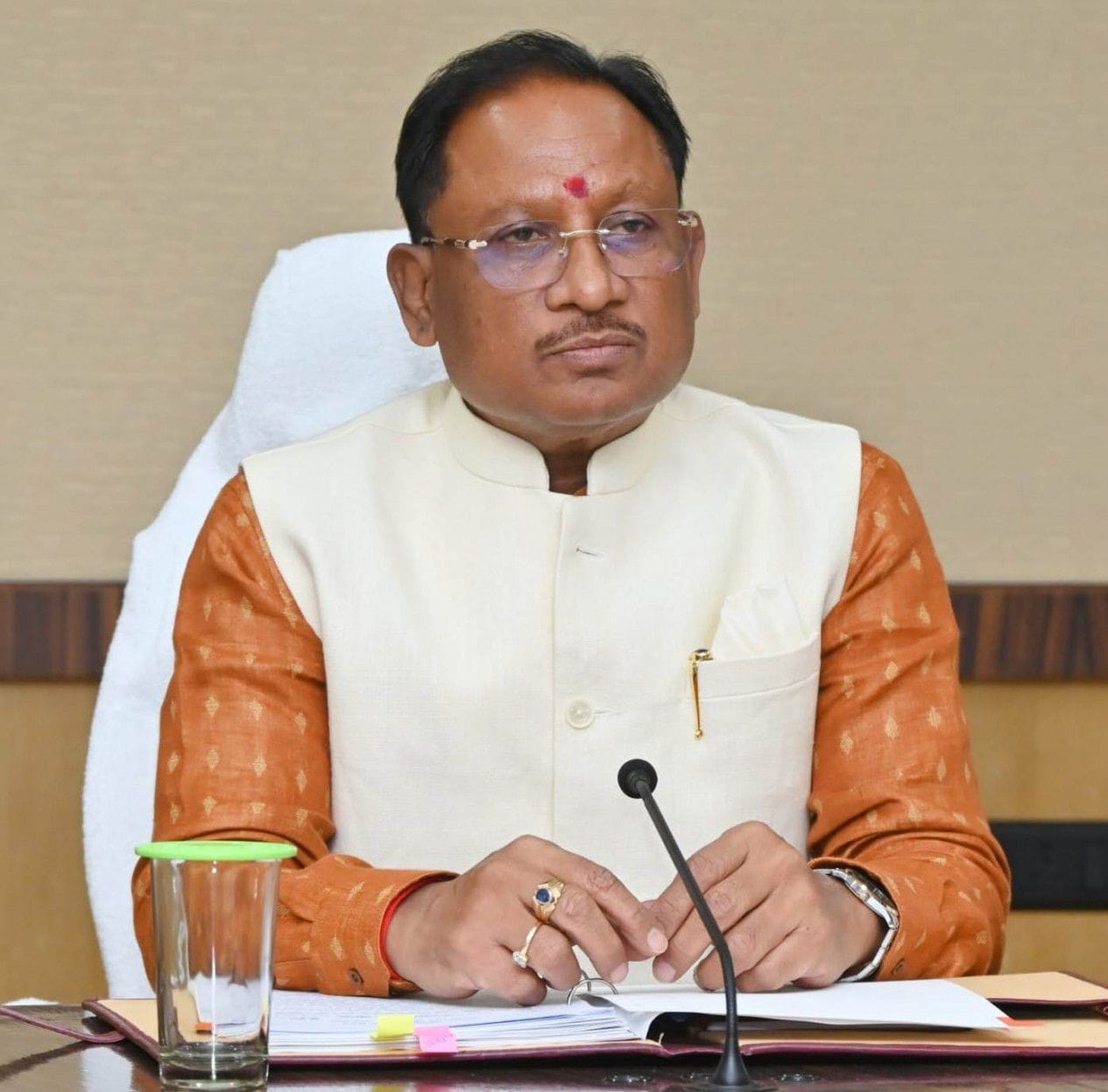
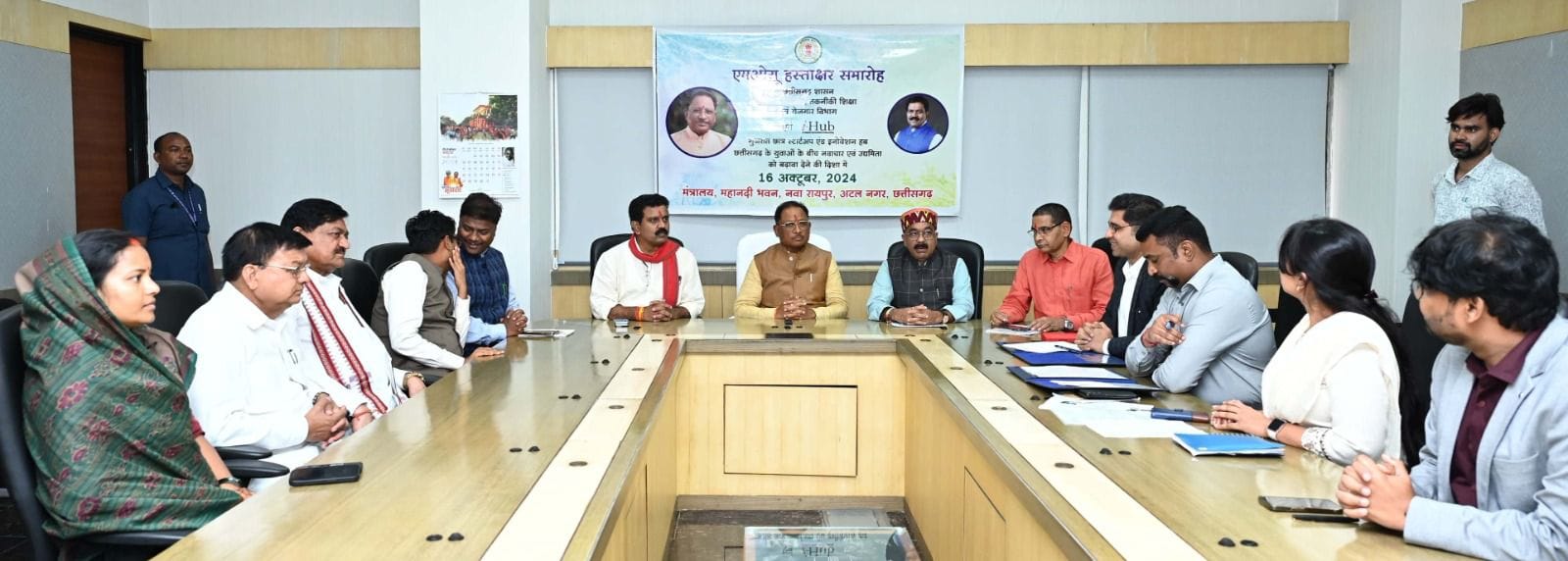
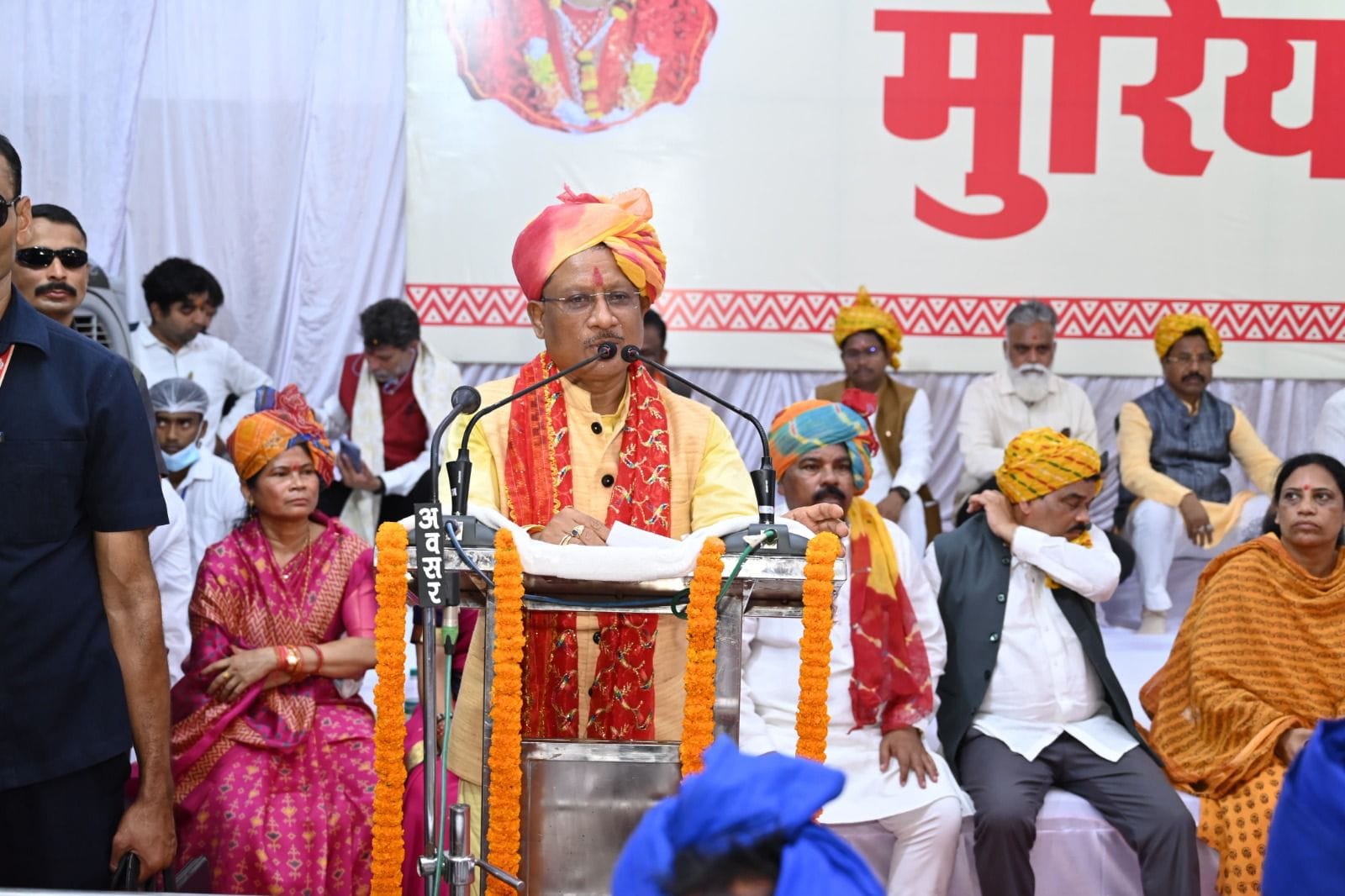
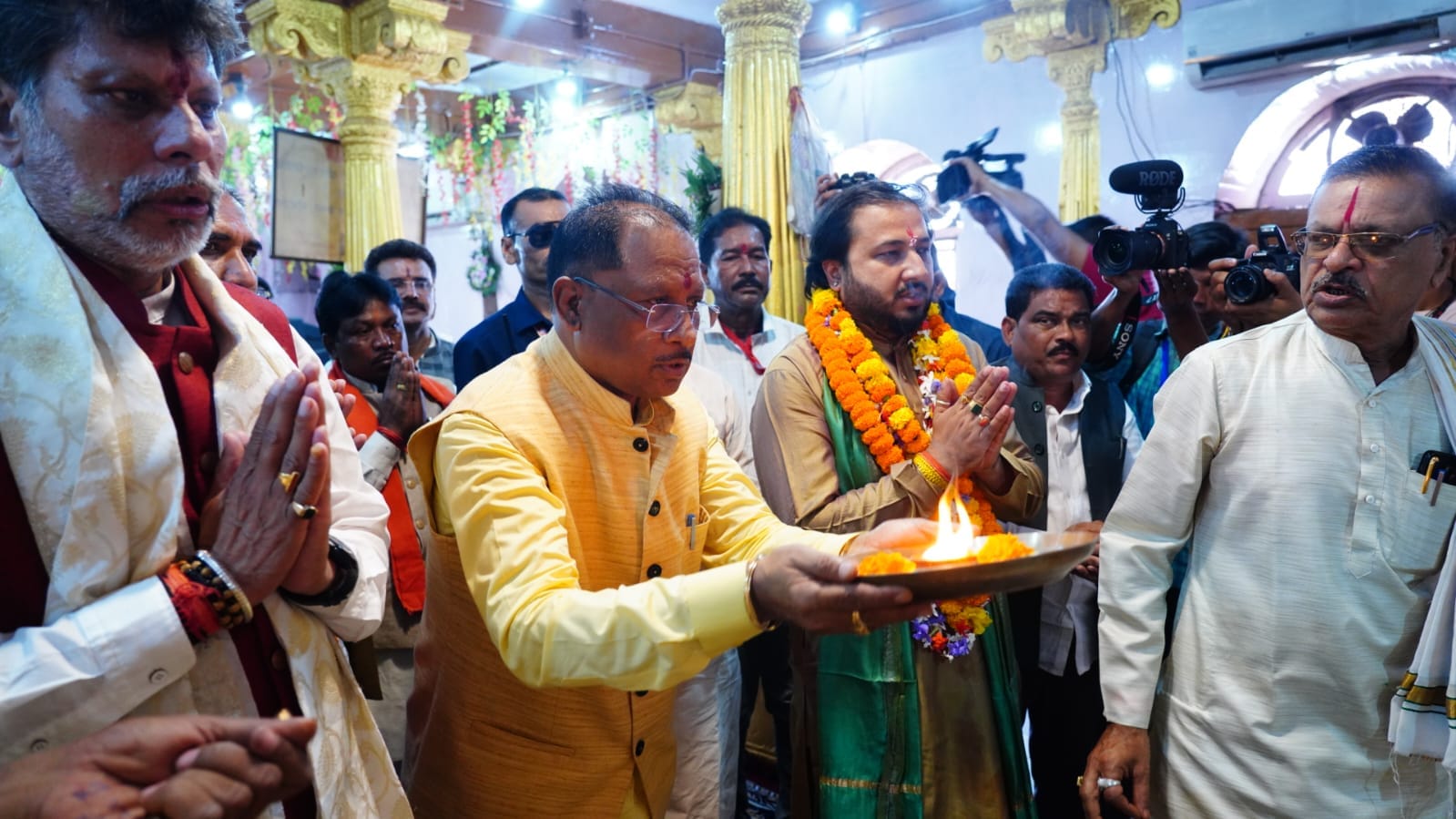
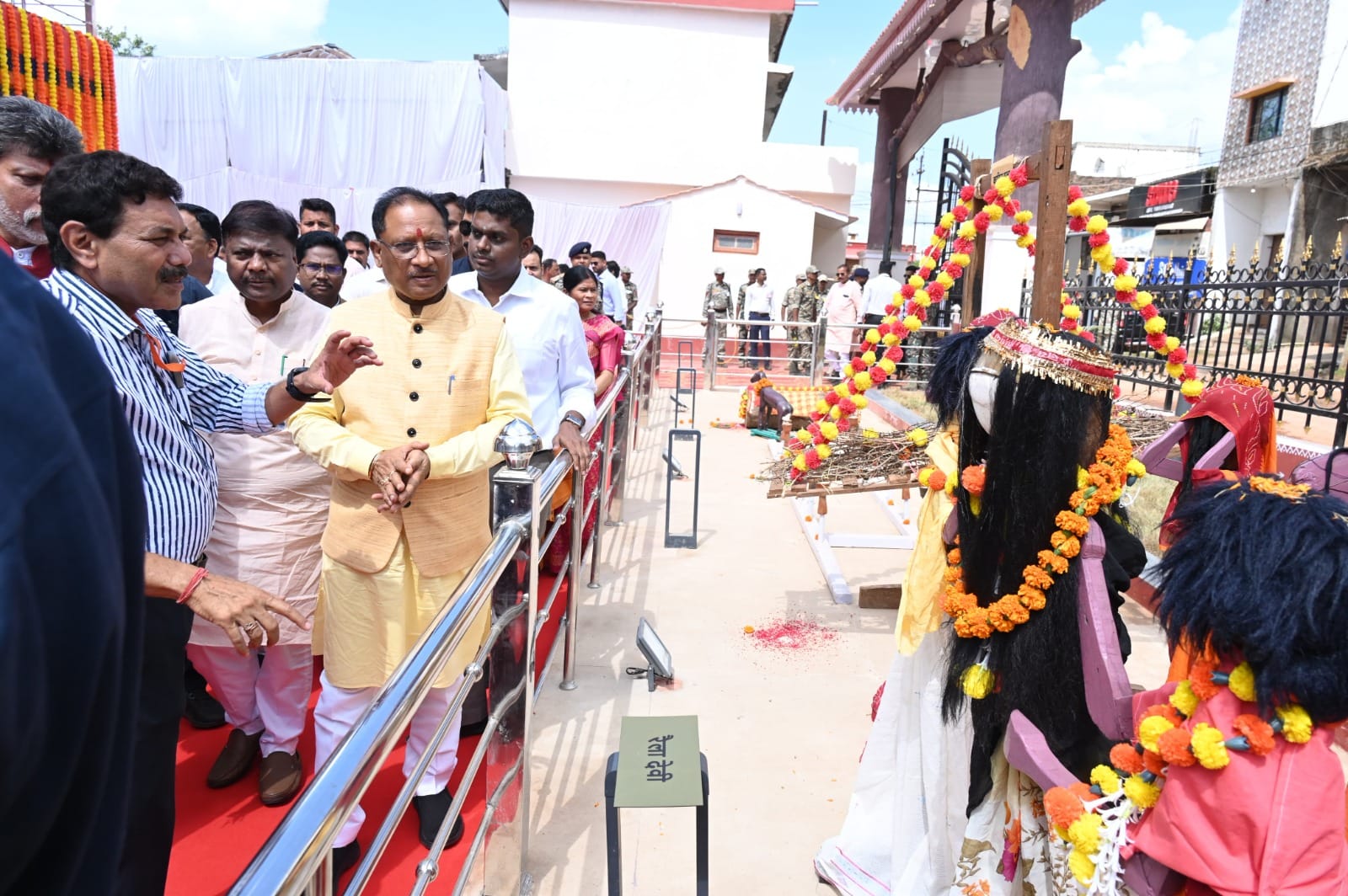
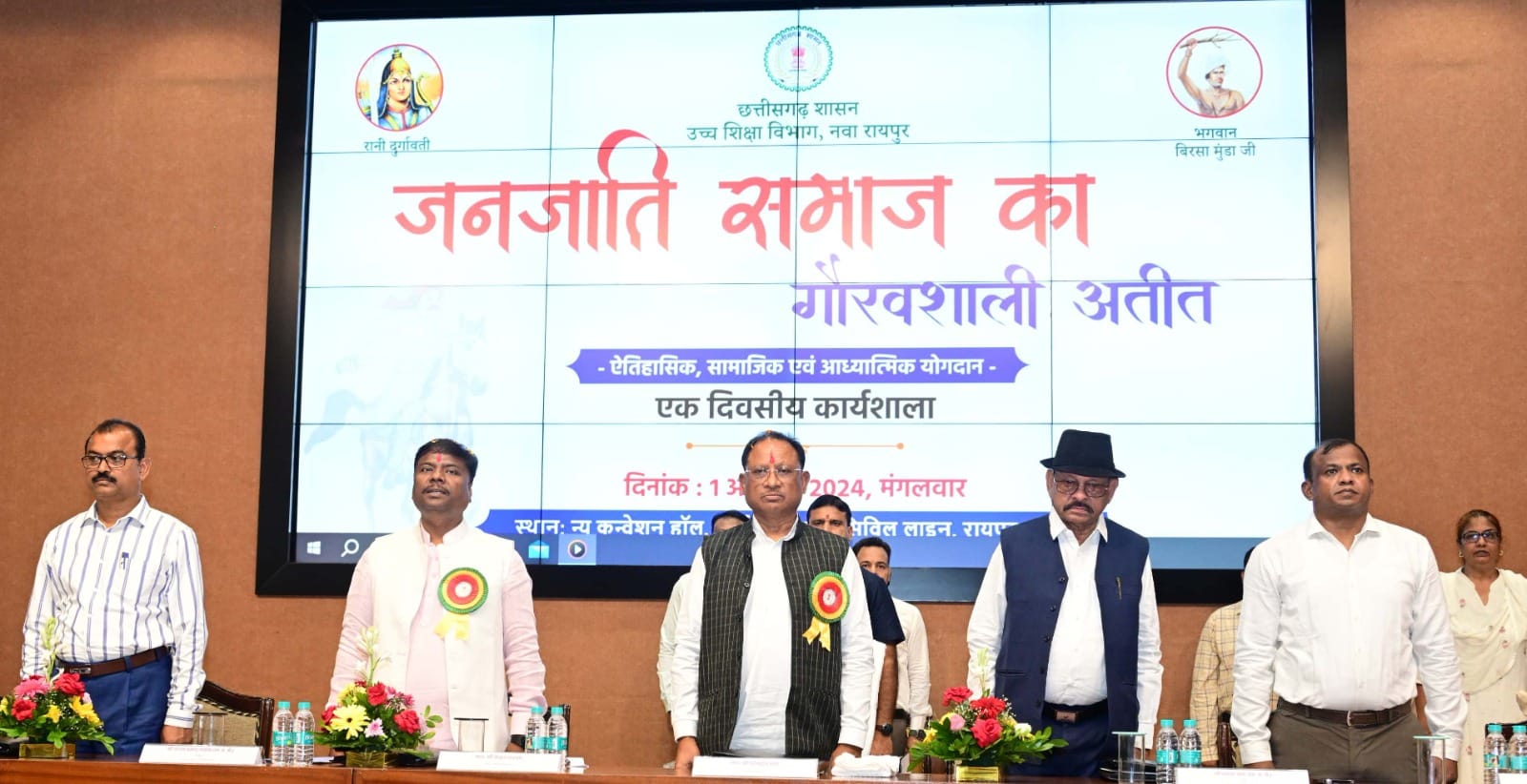
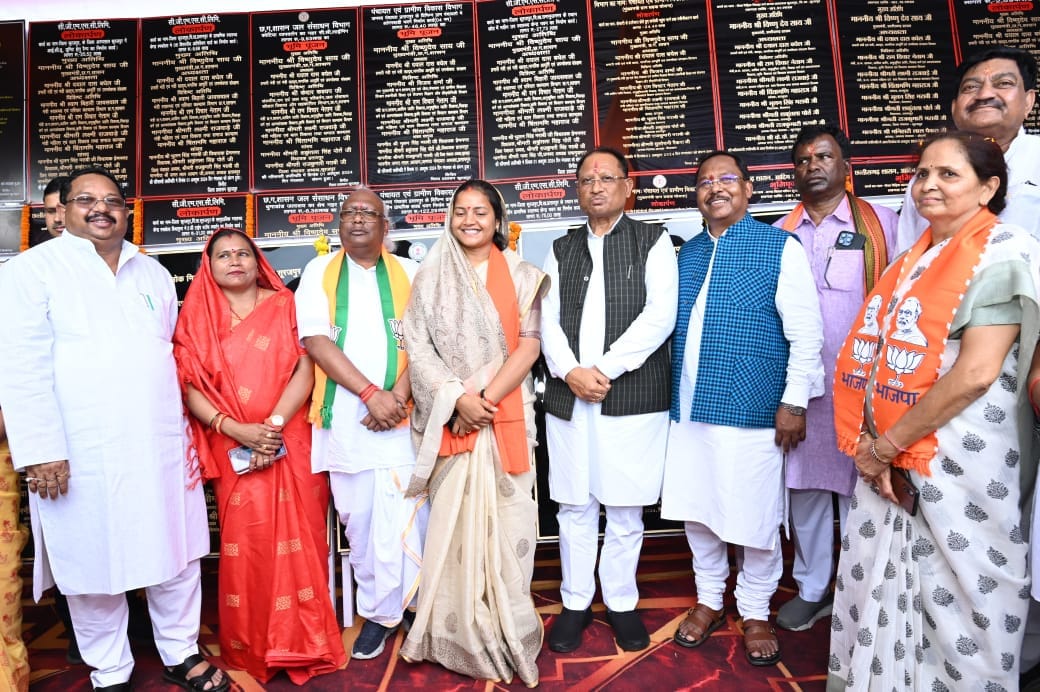
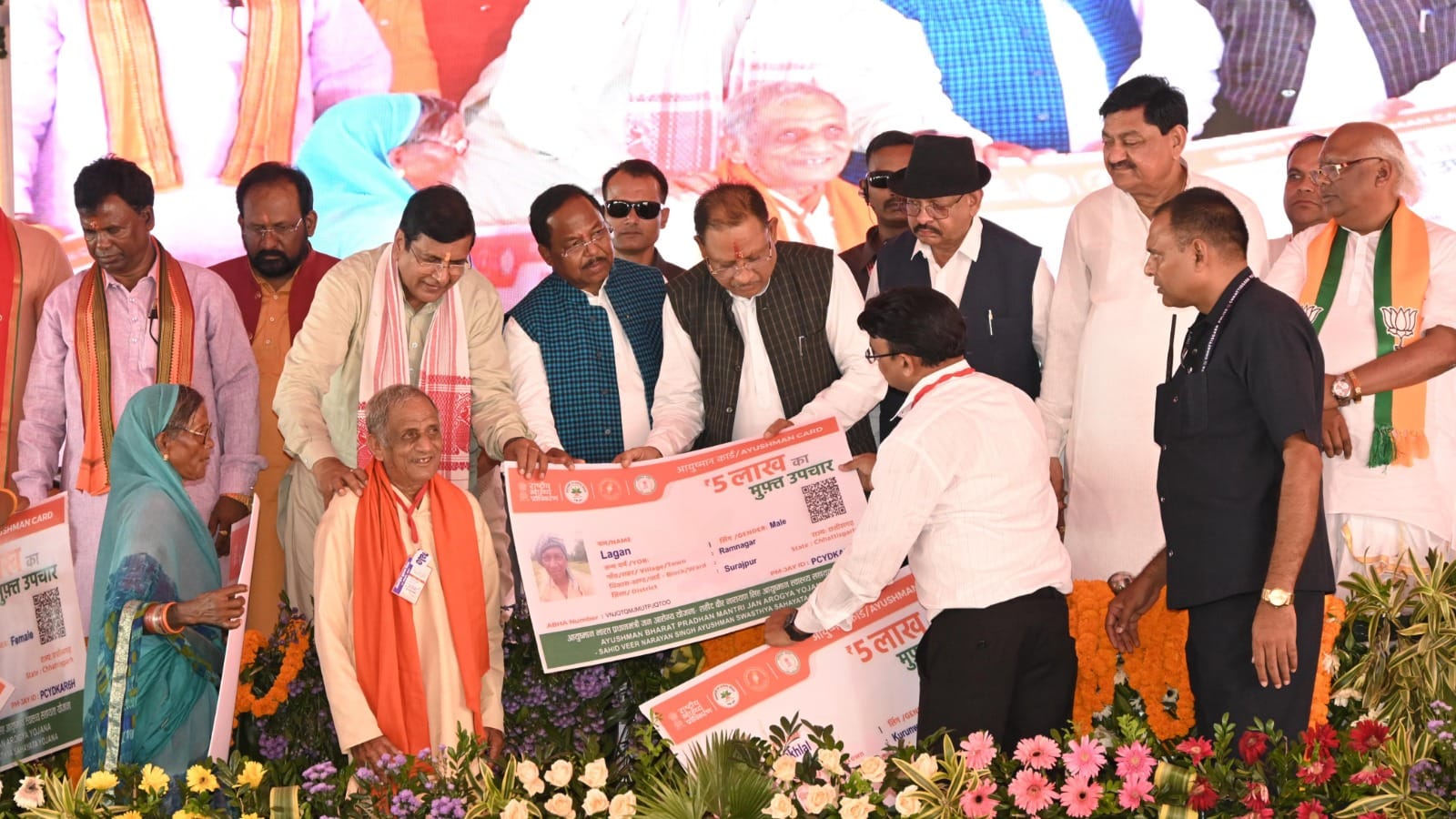
Under the leadership of Chief Minister Shri Vishnu Dev Sai, continuous efforts are being made in Chhattisgarh to ensure that public welfare schemes and civic services reach the last person. The many stories that emerged during the Seva Sankalp Abhiyan demonstrate that the significance of a government scheme lies not only in its provisions, but also in the transformation it brings to citizens’ lives.
Development isn’t just about building large infrastructure. Development becomes comprehensive and inclusive when villages, the poor, farmers, women, children, youth, and families living in remote areas become participants. When citizens feel that their needs are understood, their problems are heard, and the system is standing with them to resolve them—this is the foundation of good governance.

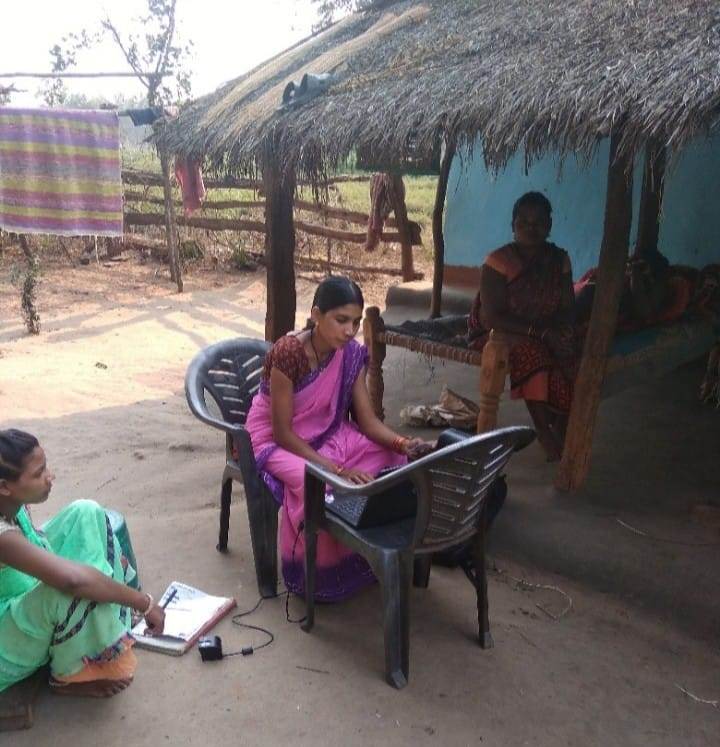
The stories of change that emerged from various regions of the state, including Surguja, during the Seva Sankalp Abhiyan reflect this vision. From safe housing to digital services, from women’s empowerment to child nutrition, and from farming to animal husbandry-based livelihoods, diverse streams of public welfare are coming together to create a new vision of a better life.
- From mud walls to concrete dreams – housing provided security and respect
For a family, owning a permanent home isn’t just a matter of bricks, cement, and a roof. It’s a guarantee of security, dignity, and stability for the future. For families in remote and economically disadvantaged areas, permanent housing brings relief from many of life’s hardships.
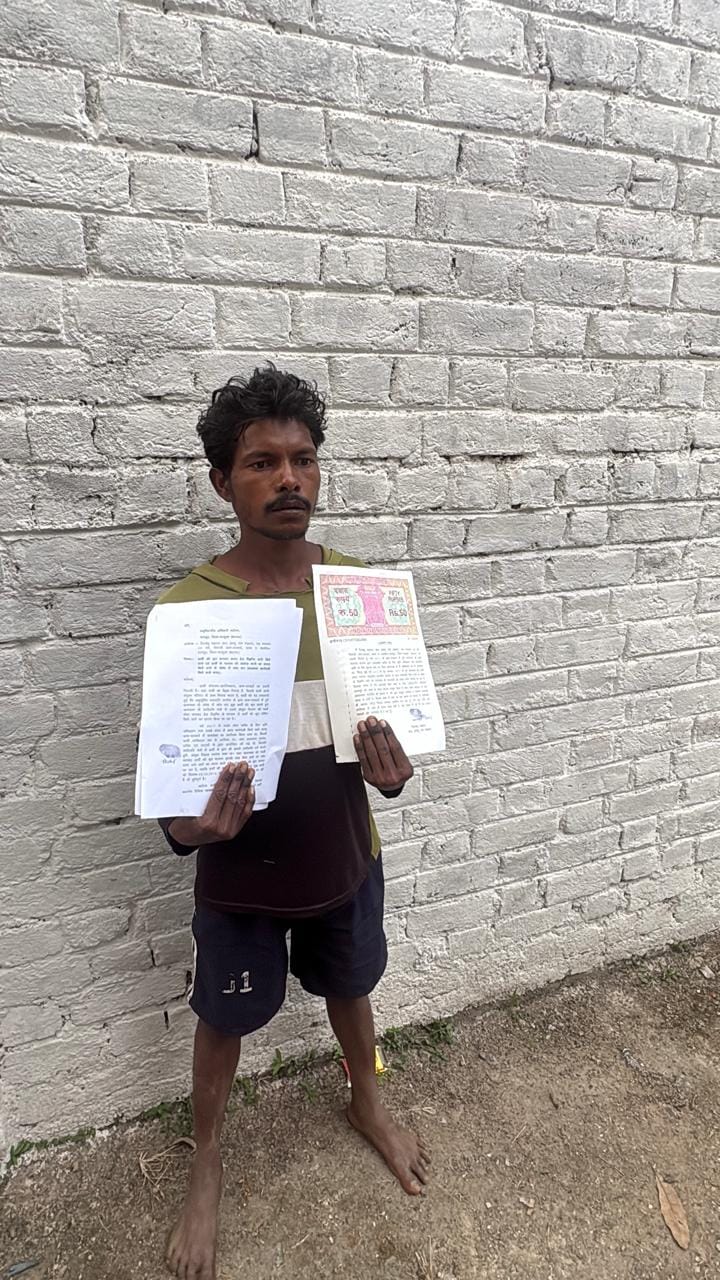
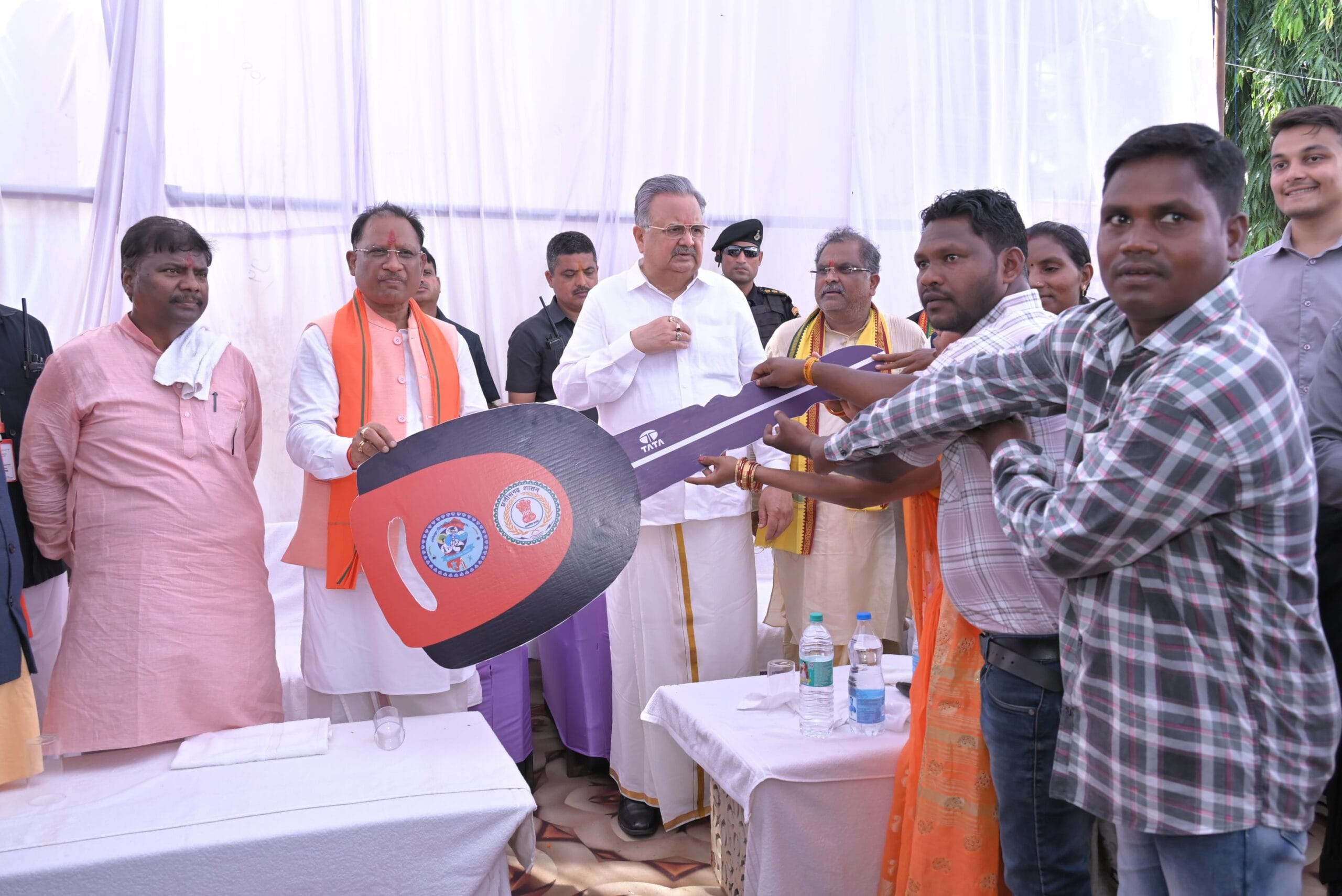
This transformation has been evident in the housing provided to the hill Korwa families of Surguja through the PM Janman Yojana. Families like Mohan Ram’s have long lived in mud houses, with leaking roofs during rainstorms and concerns about their family’s safety. Having secured permanent housing has brought a new sense of security to their lives.
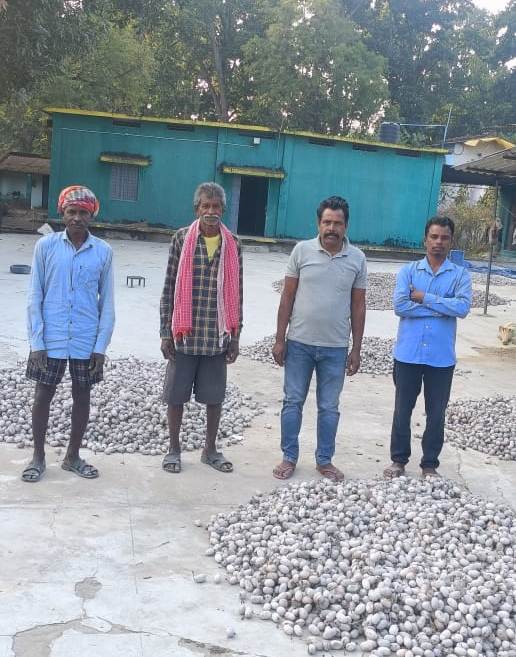
For Motu Ram, a permanent home brought relief from the hassle of frequent whitewashing and repairs. The joy of home-warming for families like Hudku Ram, Birju, Ratan Sai, and Chandu in the Udaipur region demonstrates that housing is not merely a material achievement of a scheme, but a tangible change in a family’s life.
A concrete roof provides children with a better environment for learning, a safe space for women, and protection for the entire family from harsh weather conditions. Thus, a house adds security, dignity, and hope for a better future to a family’s life.
- No office for service, governance is getting closer to the citizen
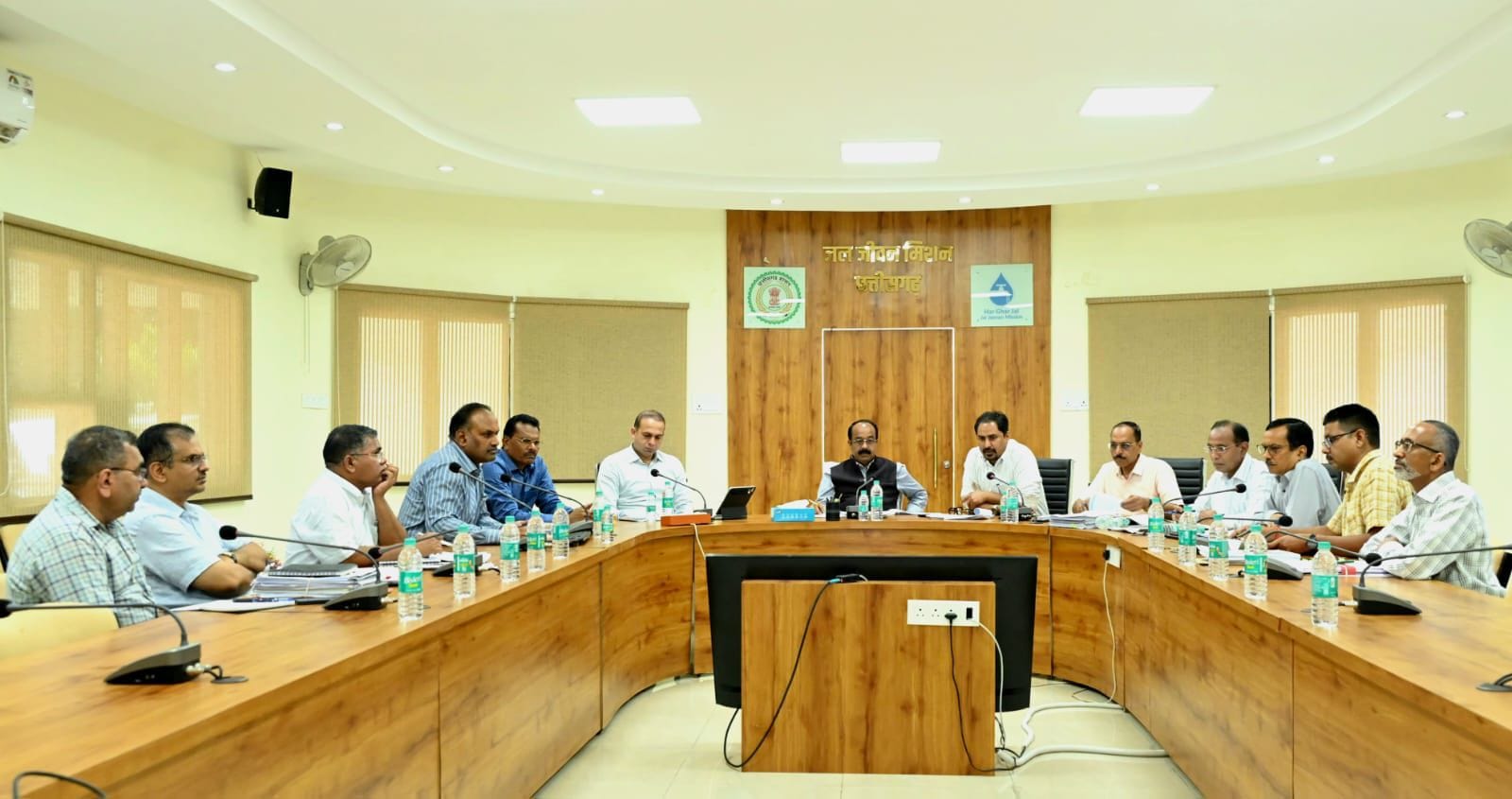
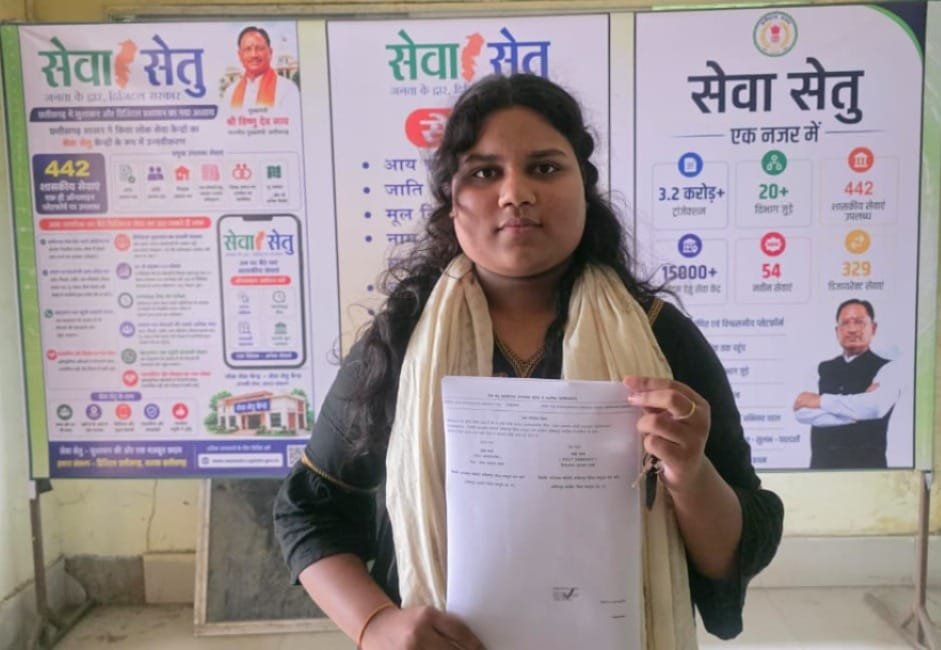
Technology is becoming an important tool for good governance, bridging the gap between government and citizens. Through “Seva Setu,” various government services are being integrated into a single digital platform, making them easier for citizens to access.
Systems such as online applications, application status tracking, digital certificates, QR-based verification, and digital information are helping to simplify and make service processes more transparent for citizens. The increased accessibility of these services, especially in rural and remote areas, is reducing the need for people to frequently visit offices for even minor needs.
Dolly Gandhar of Ambikapur’s experience highlights its usefulness. A name error on her Aadhaar card prevented her from opening a bank account and applying for a scholarship. After the problem was resolved through Seva Setu, her further process became easier.
Similarly, the CM Helpline 1076 provides citizens with a means to communicate their problems to the government and administration. The resolution of Surguja student Aradhana Singh’s problem related to correcting her date of birth on her Aadhaar card facilitated further processes related to her higher education.
In these examples, while the problem may be related to a single document, its solution can open up education, banking, and other opportunities for the citizen. This is the essence of digital governance—technology should facilitate access to solutions rather than complicate the process for the citizen.
- Women get financial support through Mahatari Vandan
Women’s empowerment is a crucial foundation for the overall development of families and society. The monthly financial assistance provided to eligible women through the Mahtari Vandan Yojana is a means of supporting their personal and family needs.
Be it children’s educational material, nutritional needs, household essentials or materials required for small self-employment – women are using this amount as per their circumstances and priorities.
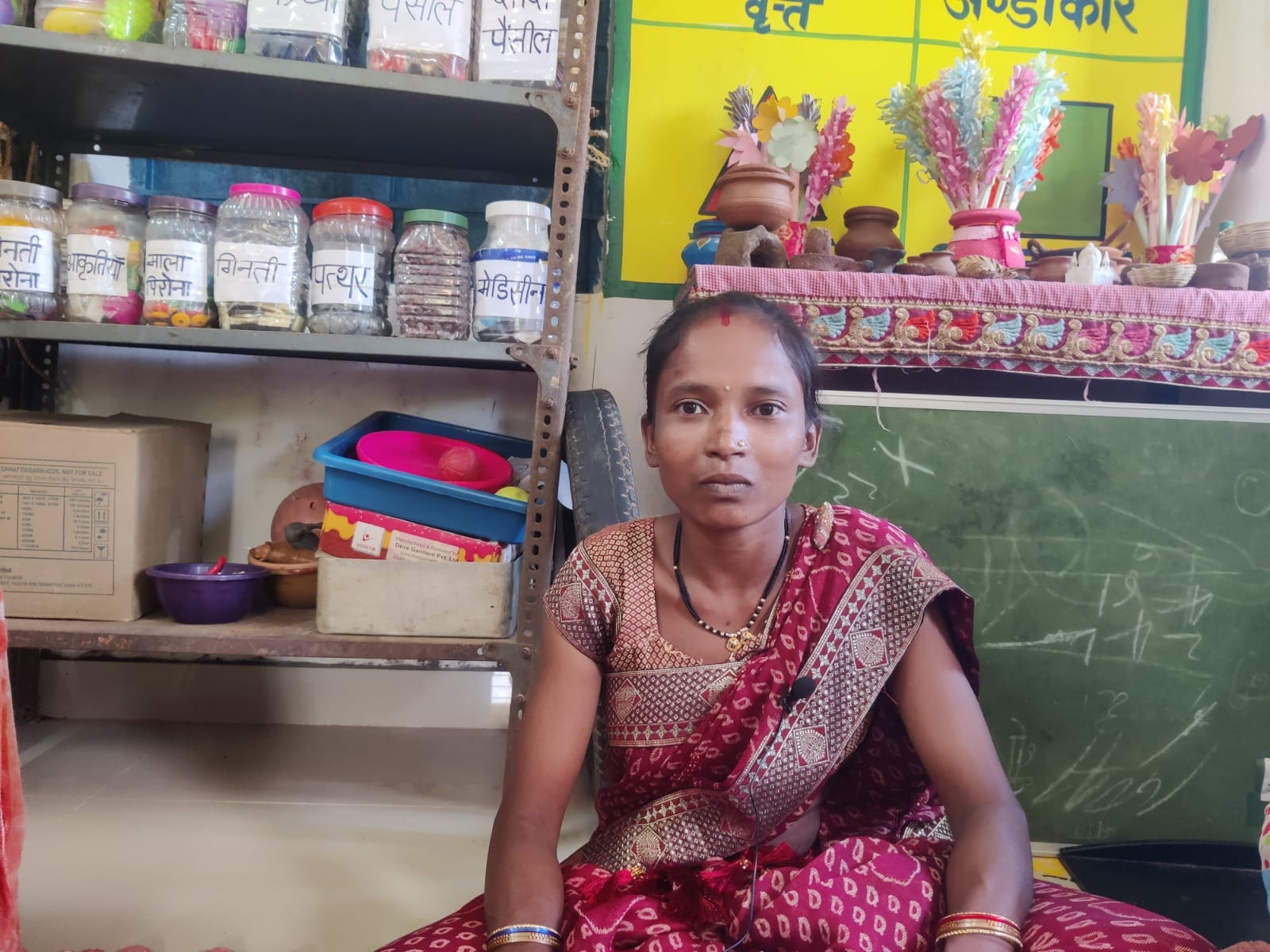
Rakhi’s story from Surguja is a poignant example. Rakhi, who is responsible for raising two young children after her husband’s death, also works as a tailor in addition to farming. She uses the assistance she receives from the Mahtari Vandan Yojana to provide nutrition for her children and purchase sewing materials.
The importance of financial assistance lies not only in its amount, but also in the confidence it gives women to make their own decisions about the family’s needs. These small degrees of freedom in financial decision-making strengthen a woman’s self-confidence.
- Self-reliance from Bihaan, recognition of ‘Lakhpati Didi’ through hard work
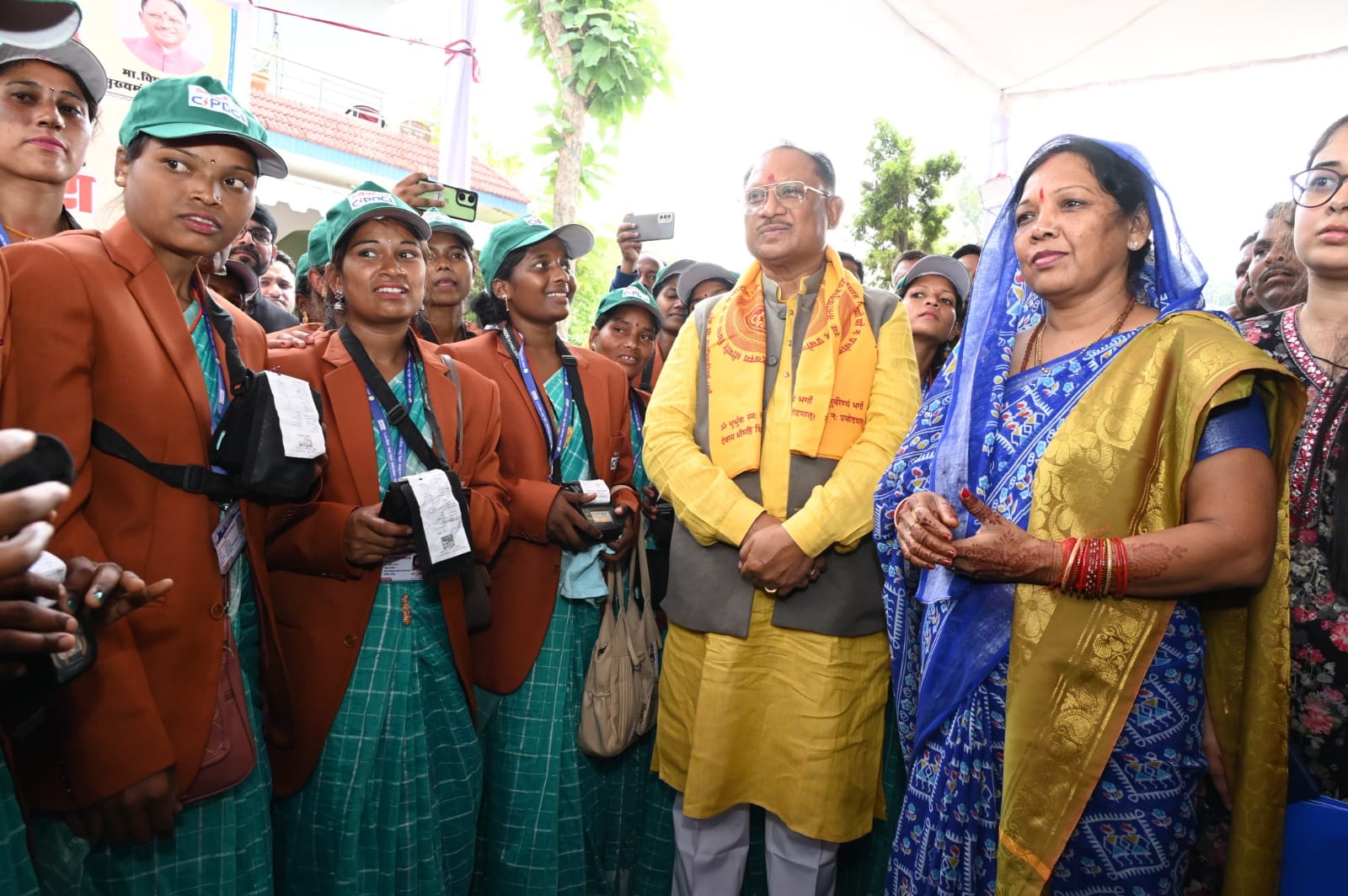
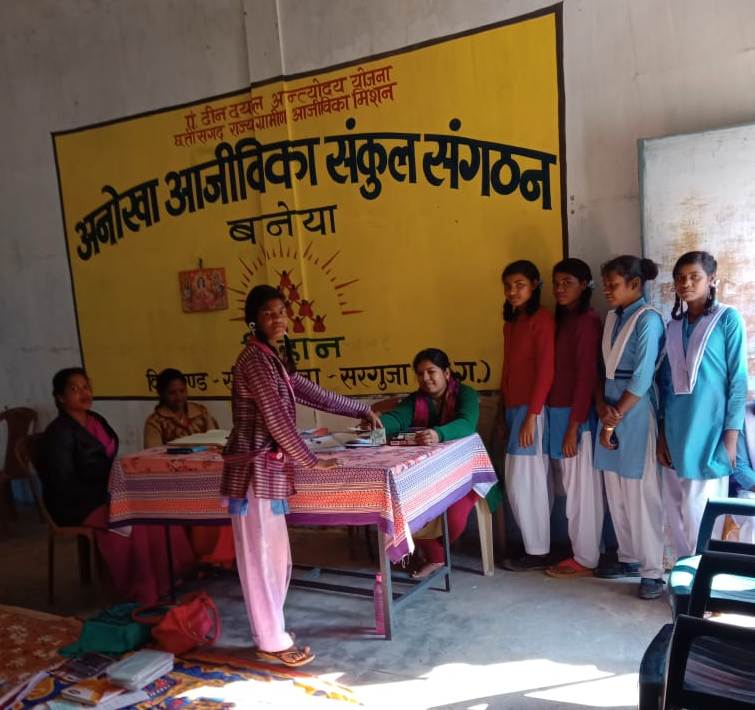
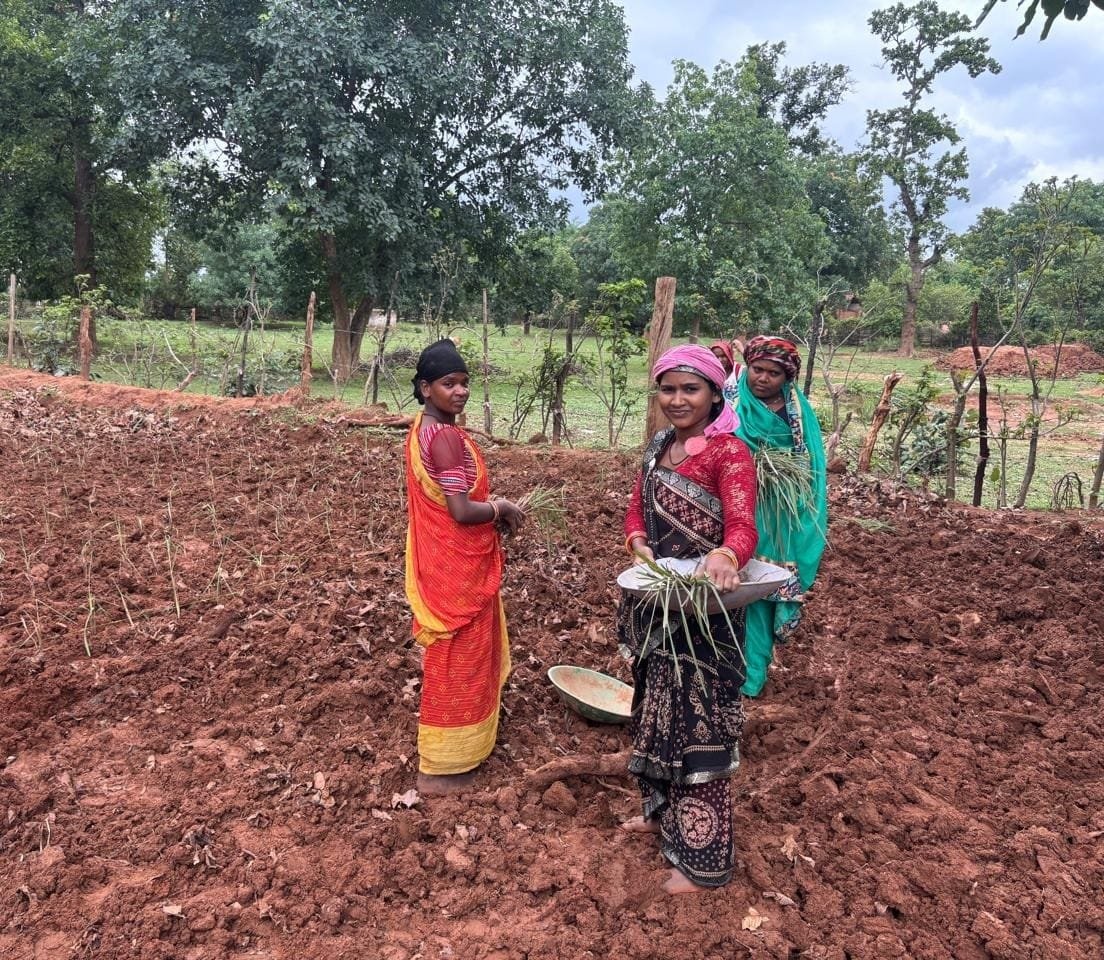
Self-help groups are playing a crucial role in connecting women to sustainable livelihoods, going beyond financial assistance. Through the Chhattisgarh State Rural Livelihoods Mission (Bihan), women are moving toward self-reliance through savings, loans, training, and various income-generating activities.
Kalpana Singh of Ambikapur started growing cucumbers with a loan from the group and expanded to produce a variety of crops, including eggplant, tomatoes, and watermelon. This journey not only increased her income but also gave her the confidence to manage her own financial needs, including the bank, market, and agricultural activities.
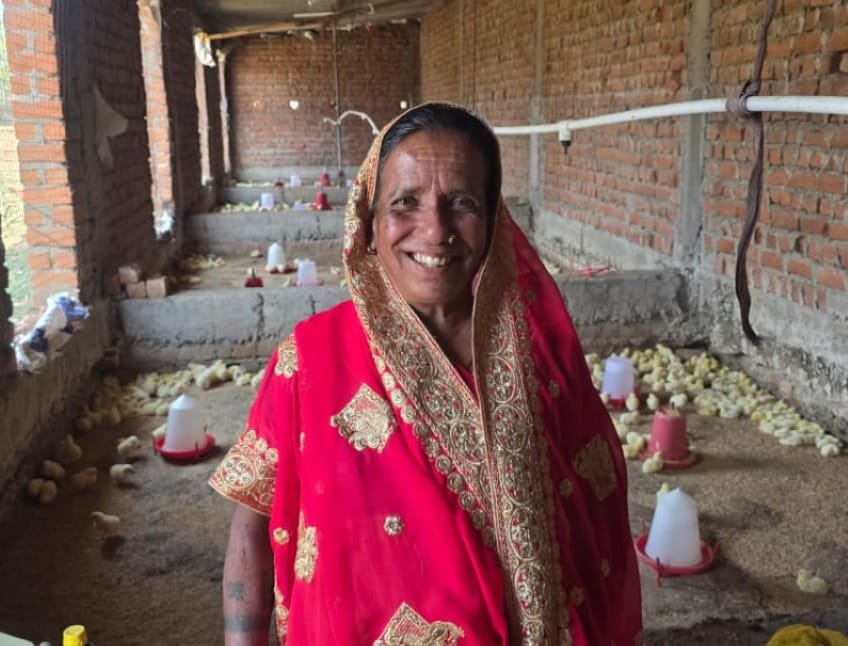
Mati Bai of Udaipur joined a self-help group and turned poultry farming into a business. For a family once dependent on manual labor and odd jobs, poultry farming has become a significant source of income.
Innovations like the “Chheri Bank” in Surguja are also connecting women to animal husbandry-based livelihoods. The primary objective of such initiatives is to provide women with resources and opportunities to earn income and advance.
- ‘Lakhpati Didi’ is not just a figure of income, but is becoming a symbol of the journey from dependence to self-reliance and from hesitation to self-confidence.
- From malnutrition to nutrition – children are getting back to a healthy childhood
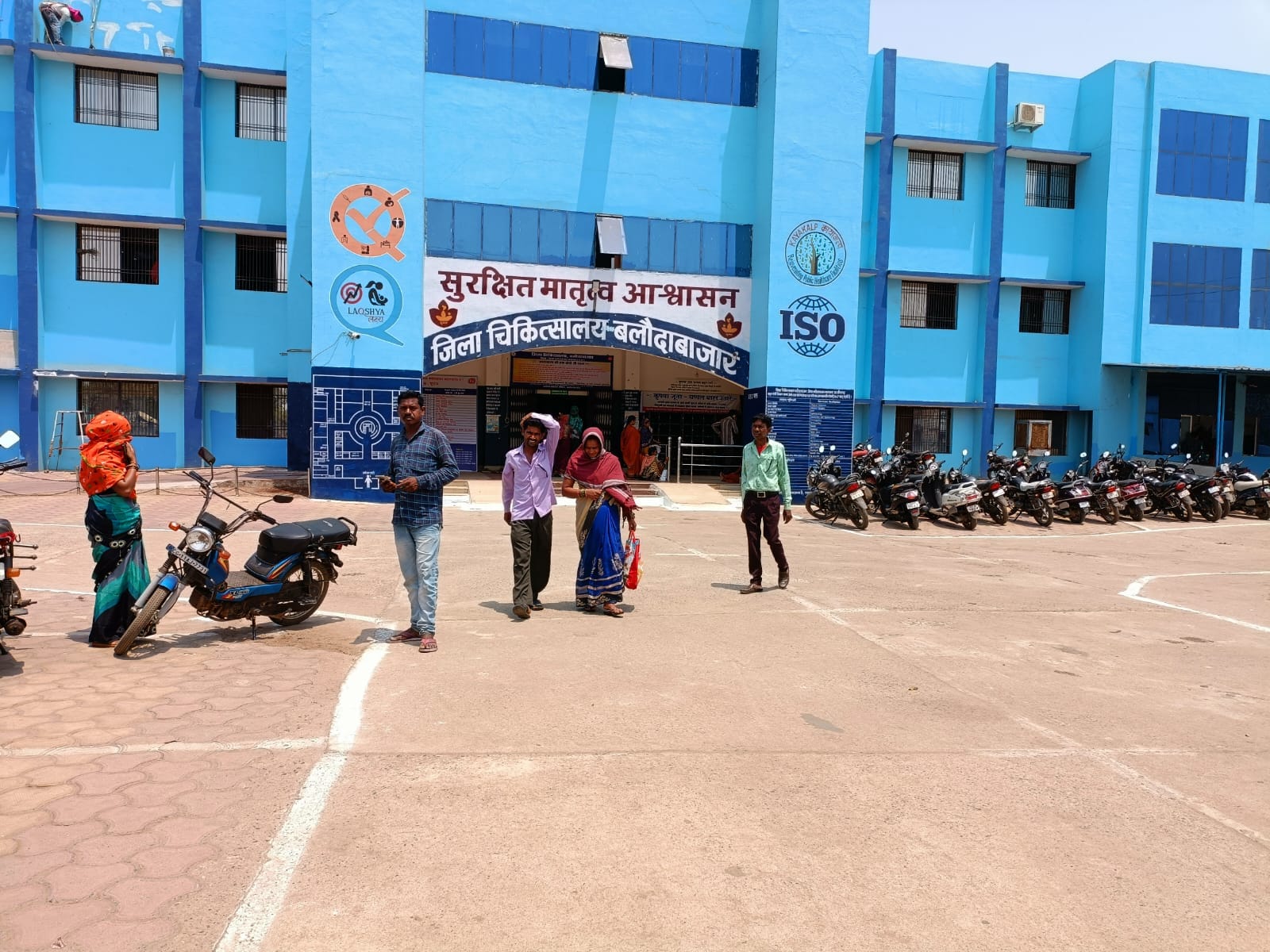
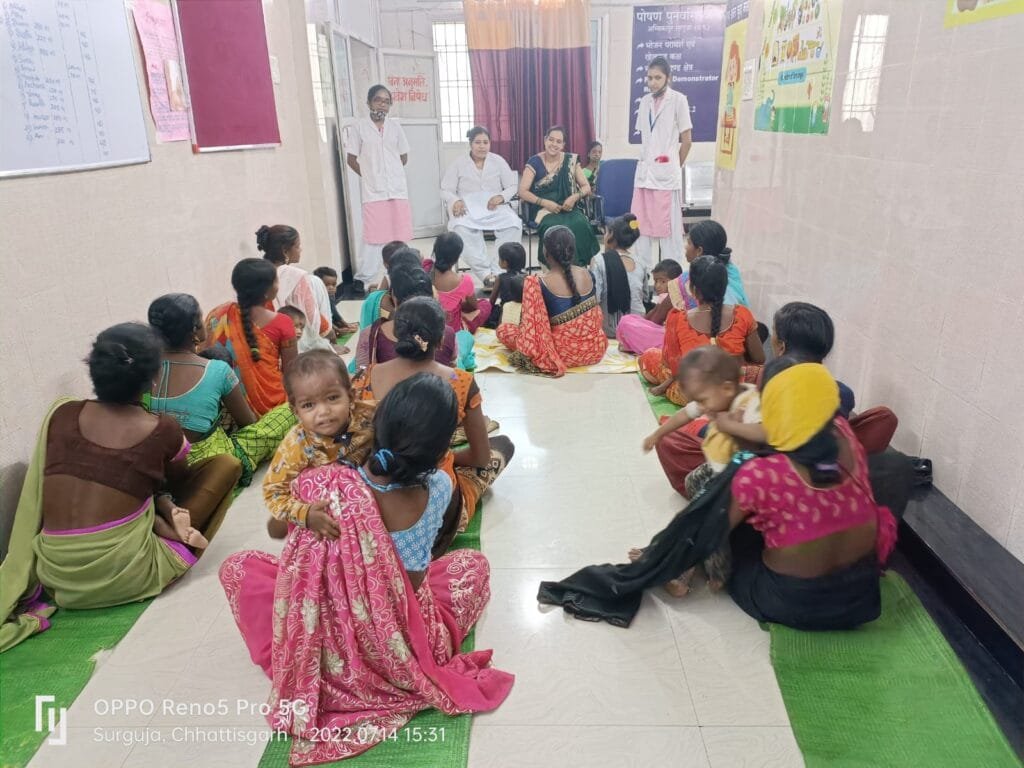
The most sensitive aspect of public welfare is reflected in the health of children. The Nutrition Rehabilitation Center at the Government Raghunath District Hospital, Ambikapur, strives to treat severely malnourished children and move them toward healthy growth through nutritional rehabilitation.
The weight gain recorded during treatment for children like Shivashi, Rashmi, Pratik, and Yuvraj illustrates this transformation. A child’s weight gain isn’t just a changing number on the scale, but also a vital indicator of their response to improved nutrition and treatment.
Fighting malnutrition isn’t limited to hospital beds. Along with treating a child, it’s also essential to educate parents on proper nutrition, hygiene, breastfeeding, supplements, and regular growth monitoring. Coordination between the Health Department, the Women and Child Development Department, Anganwadi workers, and families strengthens this system.
A healthy child can play, learn, attend school, and pursue their dreams. Therefore, lifting a child out of malnutrition is not only an improvement in their current health, but also an investment in the future of future generations.
- Scientific animal husbandry strengthens rural livelihoods
Animal husbandry is a vital source of livelihood for a large number of families in the rural economy. Combining traditional animal husbandry with scientific techniques, breed improvement, animal health, and departmental guidance creates new possibilities for increasing income.
Dayasagar of Sitapur development block, advised by the Animal Husbandry Department, adopted breed improvement through artificial insemination. Focusing on improved breeds, animal nutrition, and care has increased his milk production and strengthened his base for a regular income from animal husbandry.
Jayanath Ram of Lundra, with support from the National Livestock Mission, promoted goat rearing and made it a means of livelihood. Such efforts demonstrate that when government support is combined with beneficiary hard work, technical guidance, and improved management, animal husbandry can become a strong source of sustainable income for rural families.
- Irrigation in the fields of the farmer, new possibilities of prosperity
The picture of rural development is incomplete without farmers and agriculture. Irrigation, water conservation, soil health, and agricultural diversification are crucial foundations for making farming more sustainable and profitable.
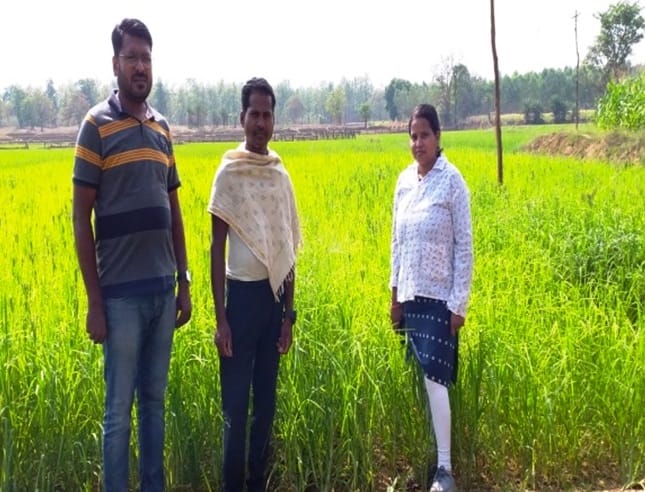
In Surguja, the availability of solar irrigation pumps to farmers through the Saur Sujala Yojana has expanded irrigation resources. This has increased the possibilities for farmers to cultivate multiple crops and diversify their farming activities.
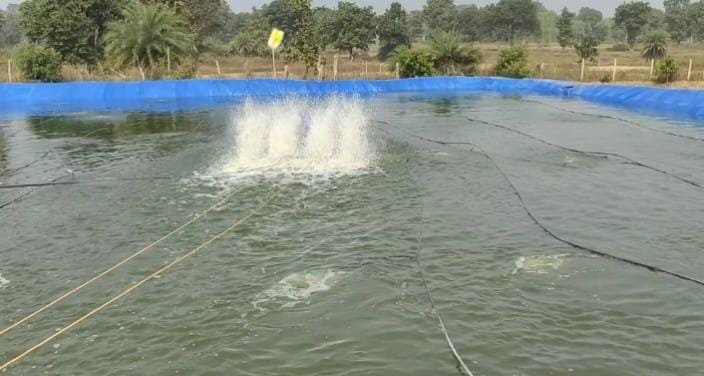
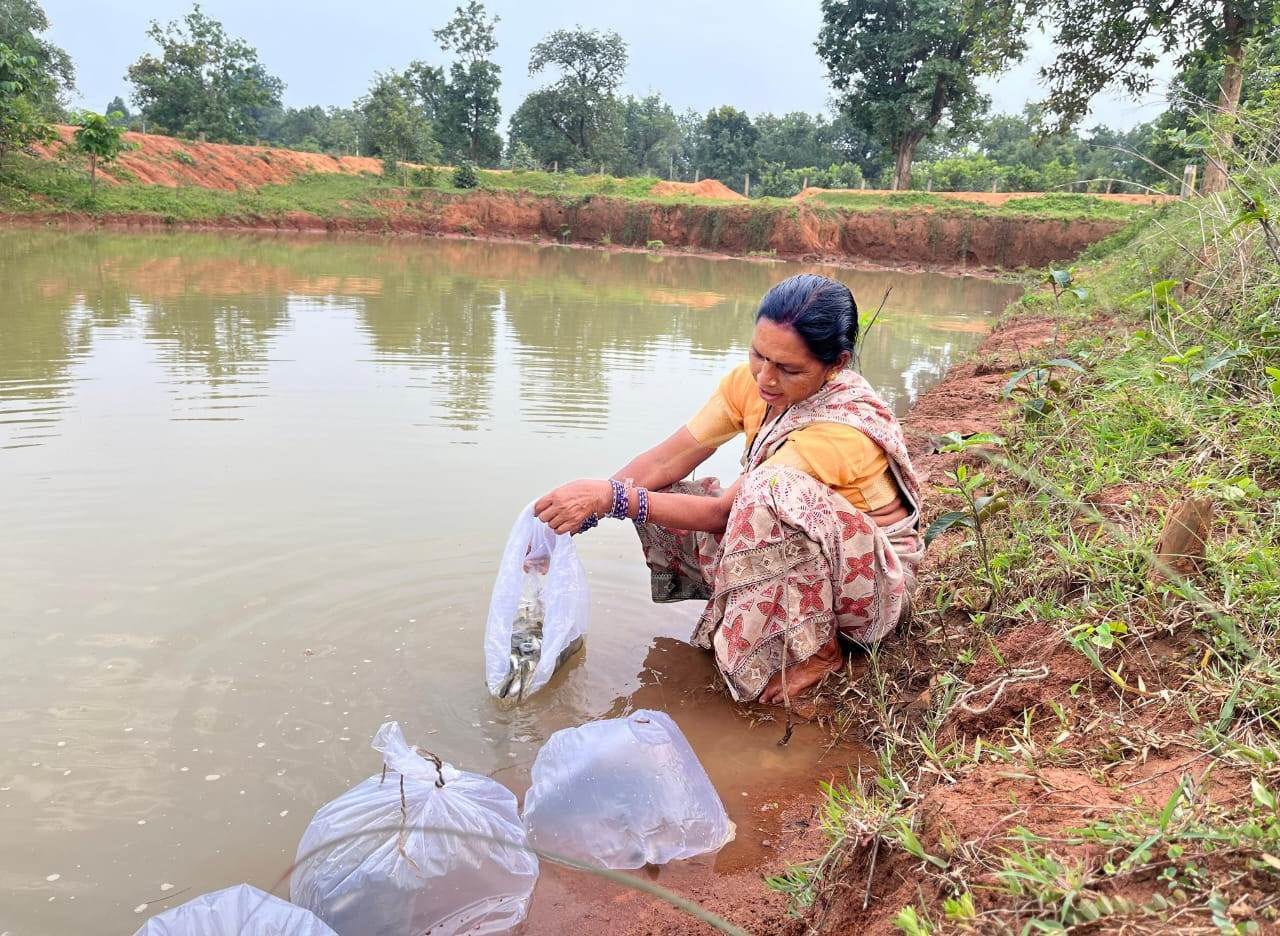
Farmers like Labed Singh are leveraging solar irrigation to cultivate rice alongside pulses, oilseeds, vegetables, fruit trees, and flowers. Integrating activities like fish farming with agriculture also opens up additional sources of income.
Efforts like balanced use of fertilizers as per the actual nutritional requirement of the farm through soil testing, increasing irrigation capacity through water conservation structures and integrating fish farming with farming through ponds are important in making agriculture more scientific, diversified and income oriented.
- Beyond plans, change in life is the hallmark of good governance
Housing, digital services, women empowerment, livelihoods, nutrition, animal husbandry and agriculture – all these appear to be different sectors at first glance, but at their core is the same objective – to improve the lives of citizens.
For some families, good governance means the safe shelter of a concrete home. For a student, it means timely rectified documents. For a mother, it means financial support to meet her children’s needs. For a woman in a self-help group, it means hard-earned income and self-respect. For the family of a malnourished child, it means their health returning. For a cattle breeder, it means increased milk production, and for a farmer, it means access to irrigation water for their fields. These are the small and big changes that create a comprehensive picture of public welfare.
- Trust through service, public welfare through good governance
These stories emerging from the Seva Sankalp Abhiyan demonstrate that the most important measure of governance’s success is the positive change it brings to citizens’ lives. Public service achieves its true purpose only when services are delivered on time, processes are simple, the needy benefit from the program, and available resources provide opportunities for advancement.
On the one hand, technology is bringing governance closer to citizens, while on the other, schemes are addressing the needs of housing, economic security, health, nutrition, agriculture, and livelihoods. In this entire process, beneficiaries are becoming not just recipients of assistance but active participants in building a better future.