























- ‘Bihan’ women are realizing Prime Minister Narendra Modi’s vision of women empowerment
- Rural women’s livelihoods gain a new foundation under the leadership of Chief Minister Vishnu Deo Sai; lemon grass cultivation underway on 20 acres in Amaru
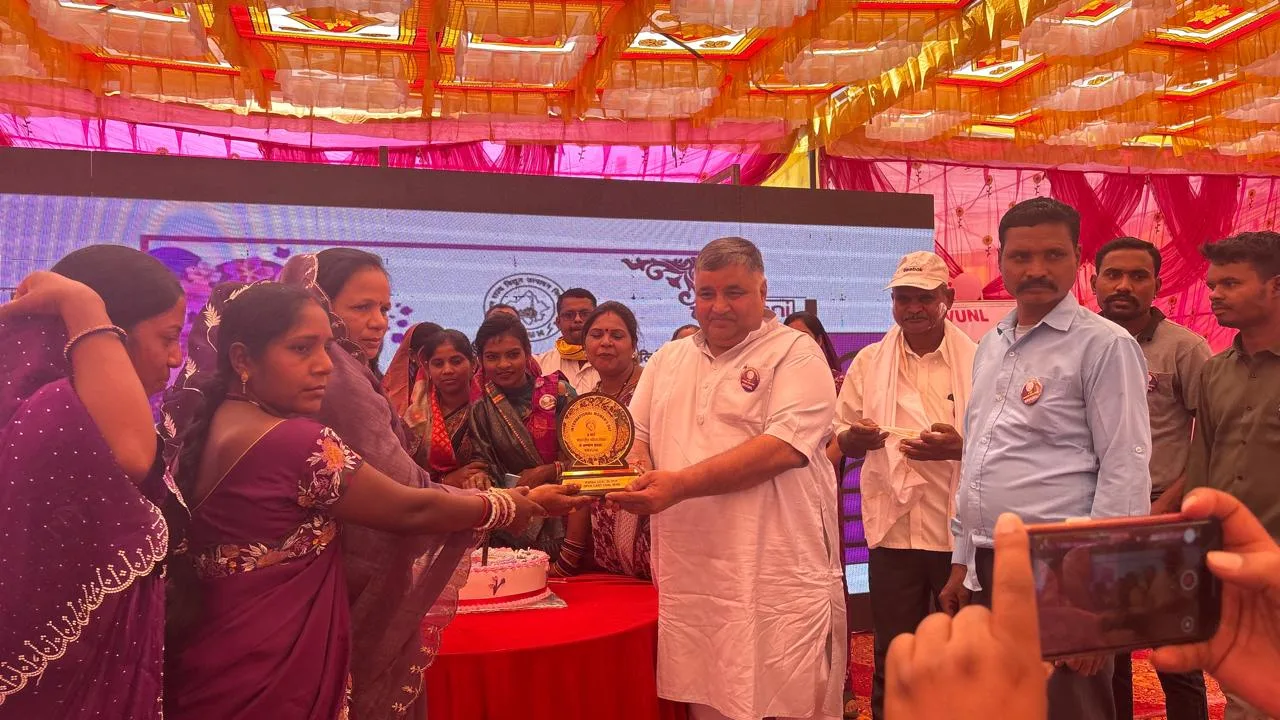
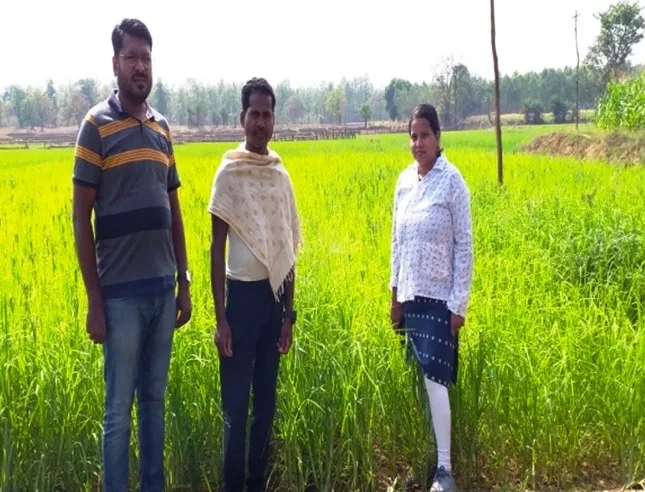
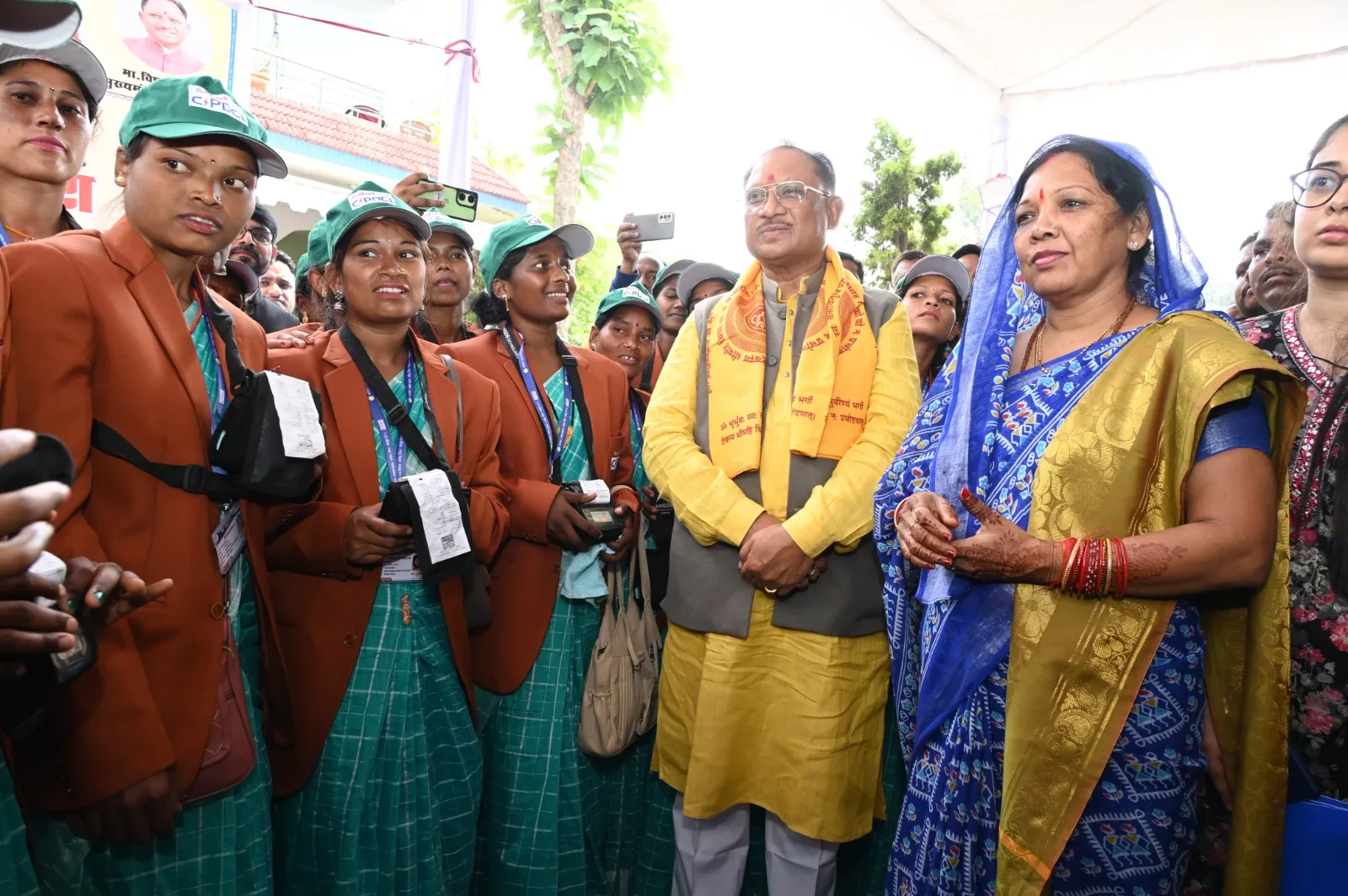
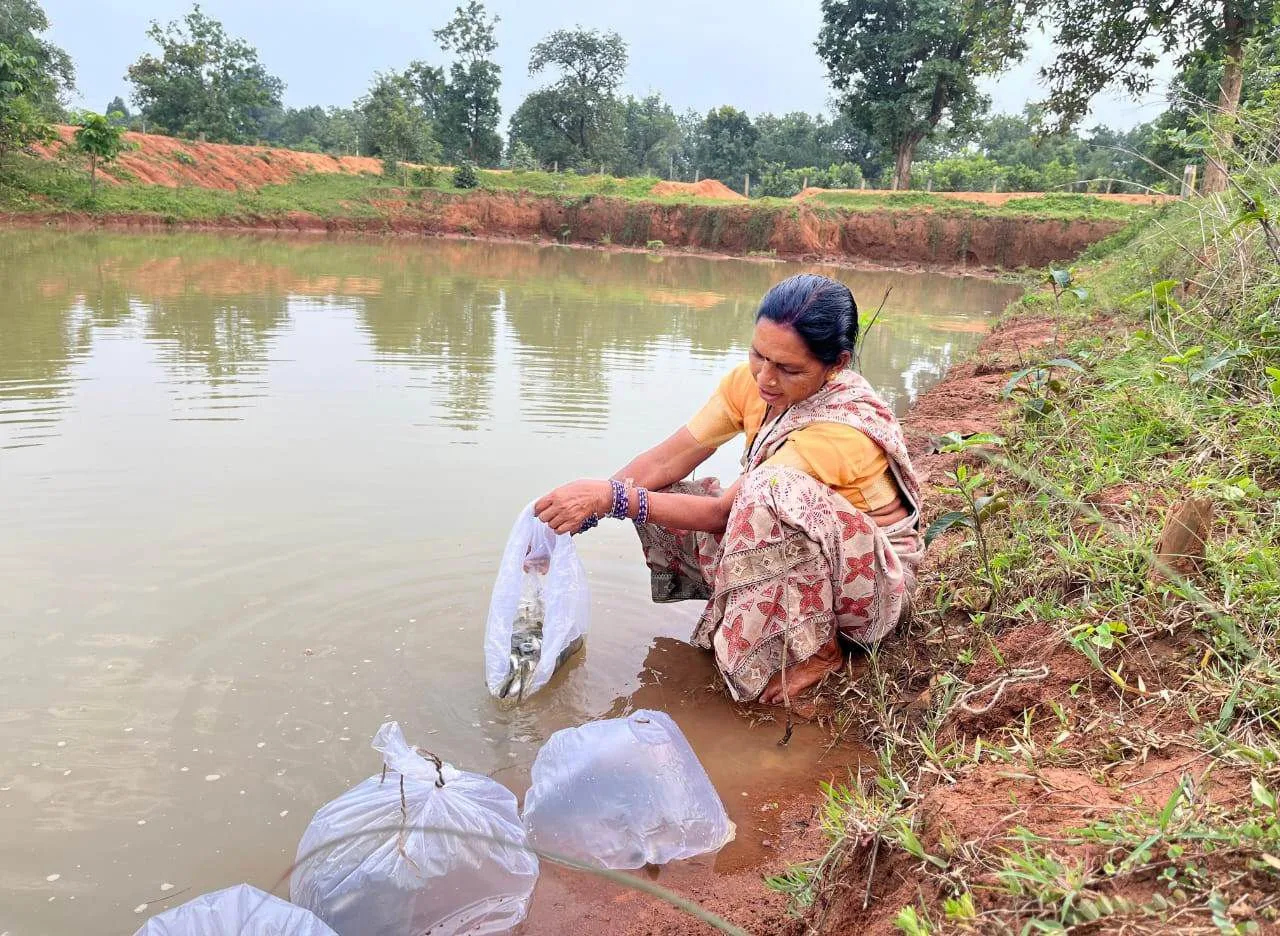
A new fragrance is wafting through the valleys of the Gaurela-Pendra-Marwahi (GPM) district—a region already distinguished by its natural beauty and wealth of medicinal plants. This fragrance signifies not just lemon grass, but self-reliance, prosperity, and women empowerment. Rural women, who once managed households on limited incomes, are now organizing themselves and becoming the economic backbone of their families through farming and self-employment. In the village of Amaru, women from Self-Help Groups (SHGs) associated with the ‘Bihan’ scheme have embarked on a journey to become ‘Lakhpati Didis’ (women earning an annual income of over one lakh rupees) through lemon grass cultivation.
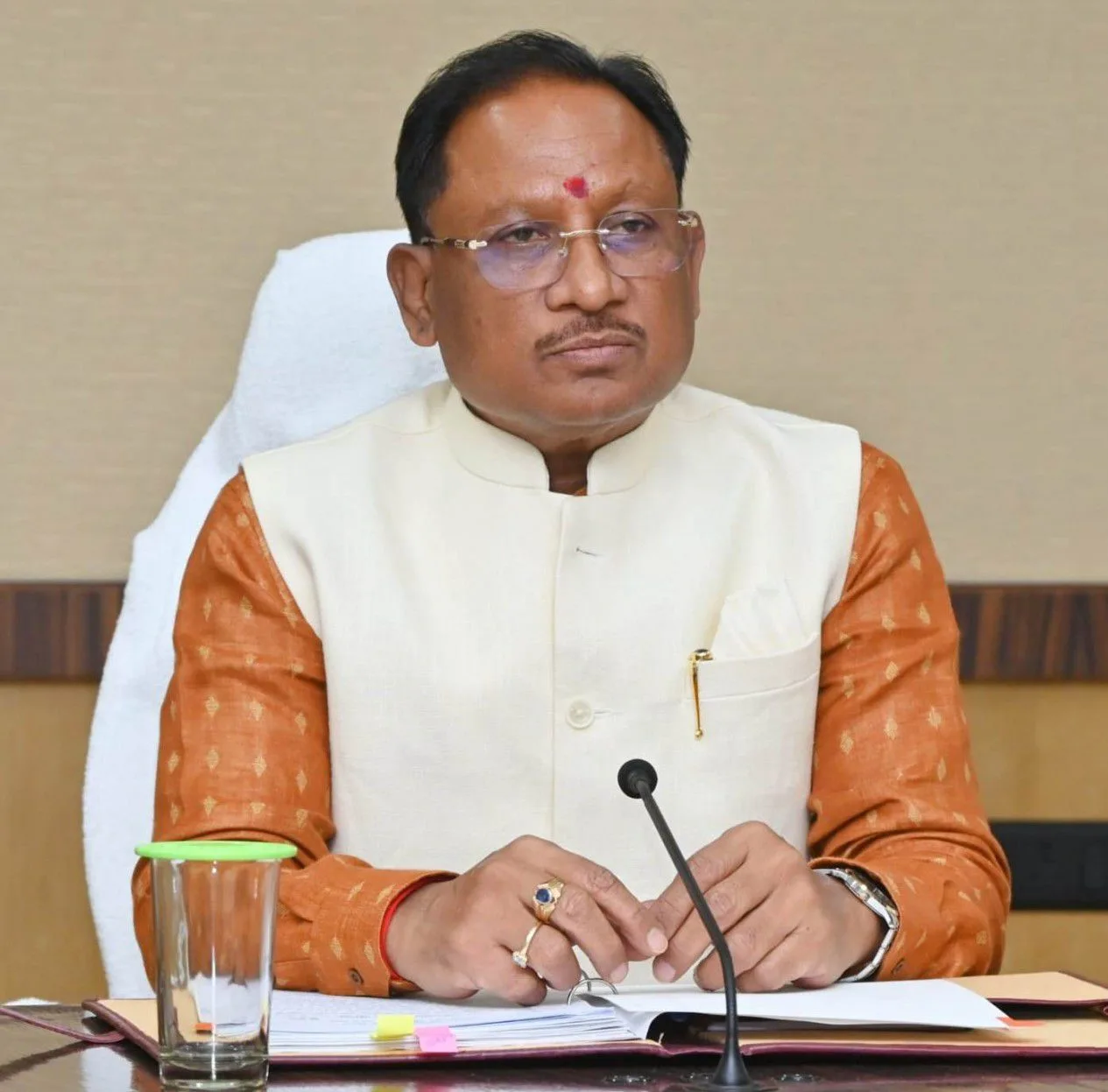
Under the leadership of Chief Minister Vishnu Deo Sai, the Chhattisgarh government is working continuously to realize Prime Minister Narendra Modi’s vision of economically empowering rural women and elevating them to the status of ‘Lakhpati Didis’ at the grassroots level. Through the convergence of central and state government schemes, women are being linked to SHGs and provided with financial assistance, bank linkages, training, and new livelihood opportunities. As part of this initiative, a drive has been launched in the GPM district to establish medicinal and commercially viable crops—such as lemon grass—as a new source of income for rural women.
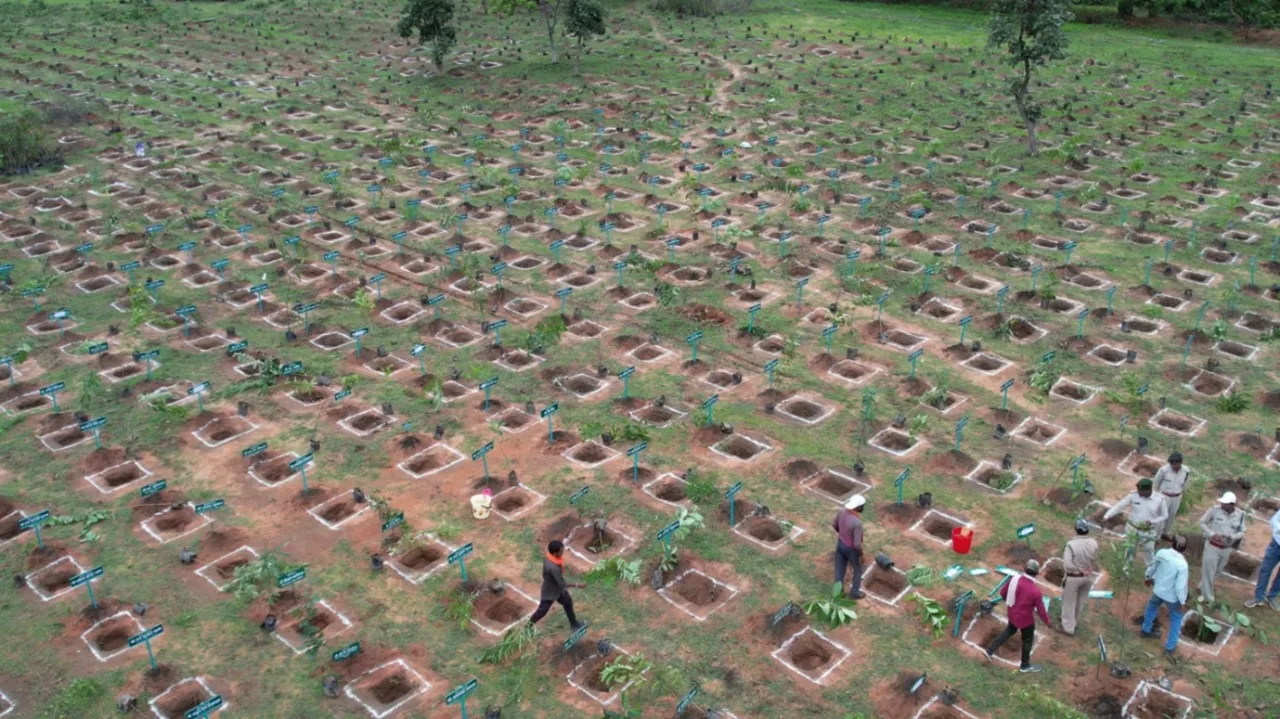
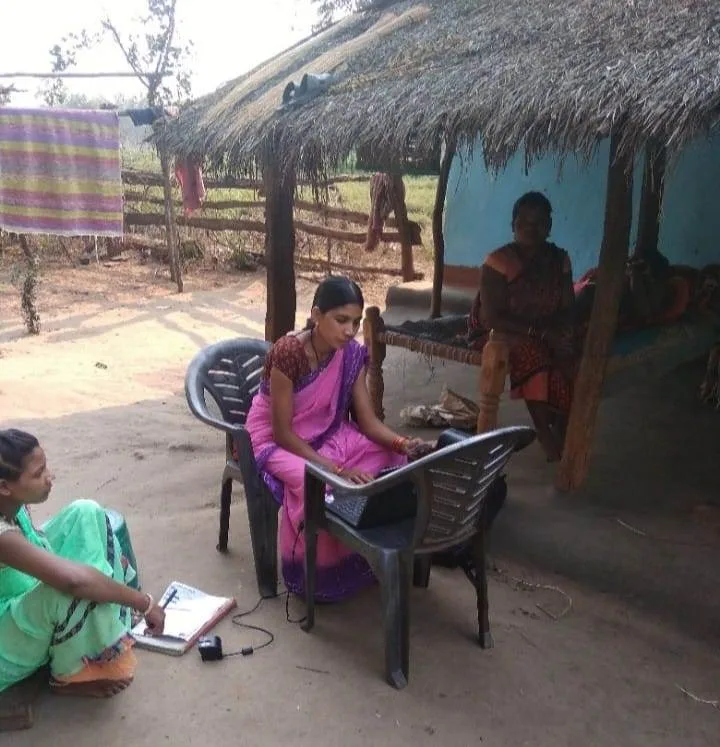
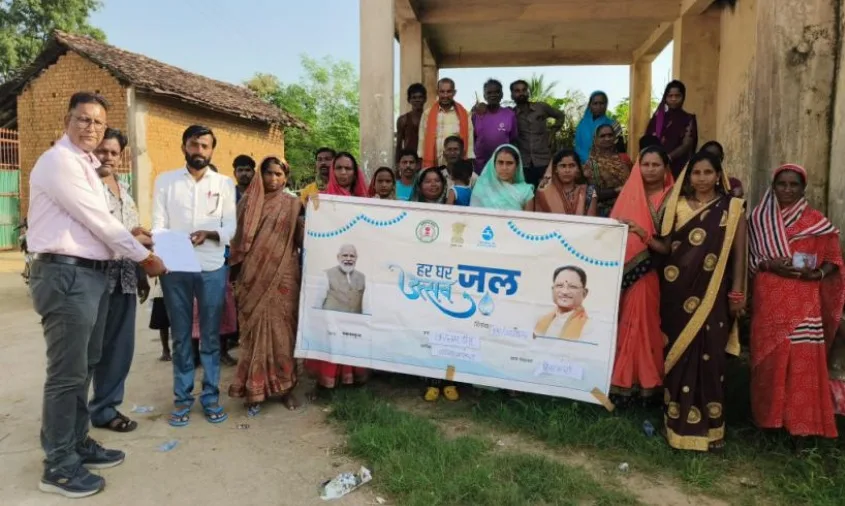
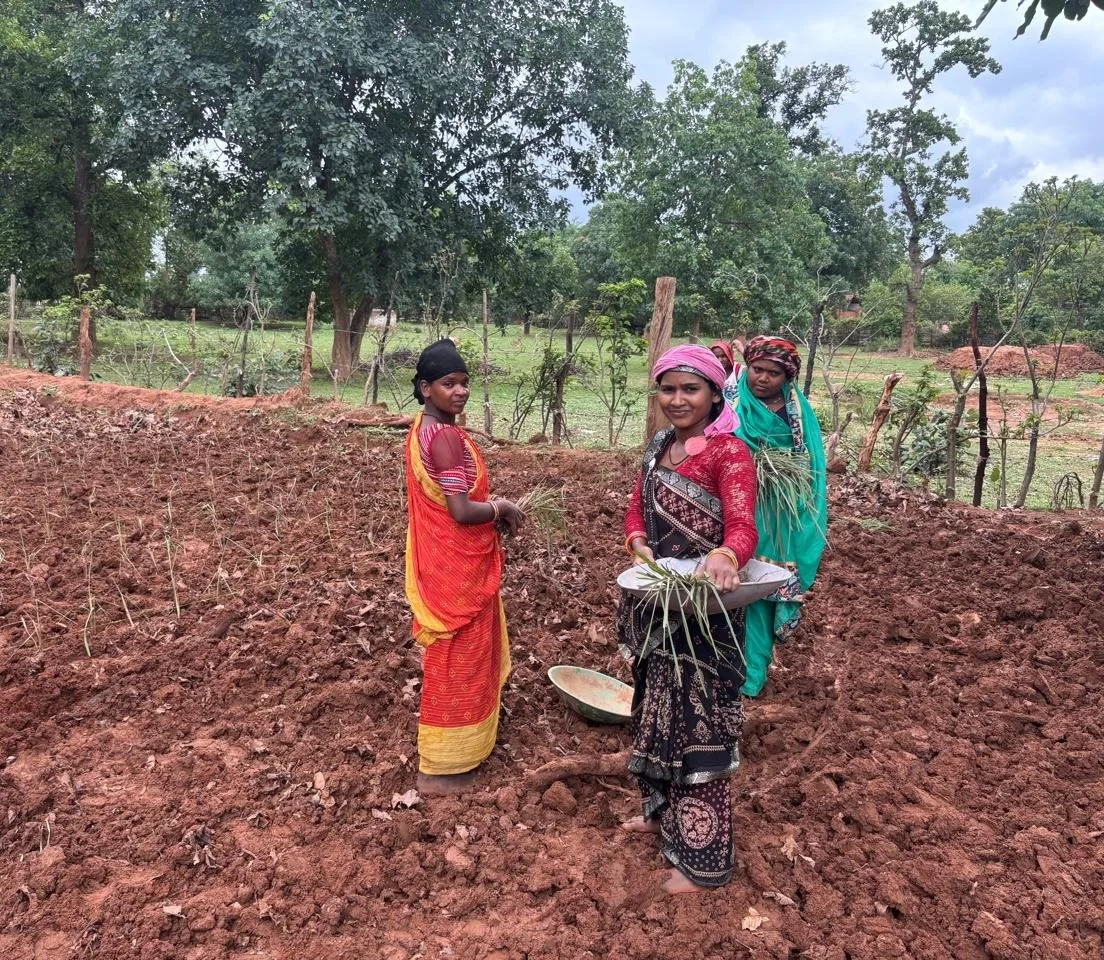
Women from 10 SHGs formed in Amaru village (under Pendra Janpad Panchayat) have collectively started cultivating lemon grass on approximately 20 acres of land. These include self-help groups such as the Jyoti Mahila Group, Mahamaya Group, Jai Santoshi Mata Group, and Honey Group. This collective effort by the women is not limited to farming alone; rather, it represents a significant step towards creating a new model of sustainable rural livelihood through the optimal use of available village land and local resources.

- Aromatic oil from the fields; connecting women’s hard work to the market
Lemongrass is an aromatic and medicinal plant; the oil extracted from it is used in a variety of products. After cultivating the crop, women from Amaru village are preparing to extract the oil and supply it to open markets and medicinal institutions. This initiative will strengthen prospects for increasing the women’s income by directly linking their farming activities to the market.
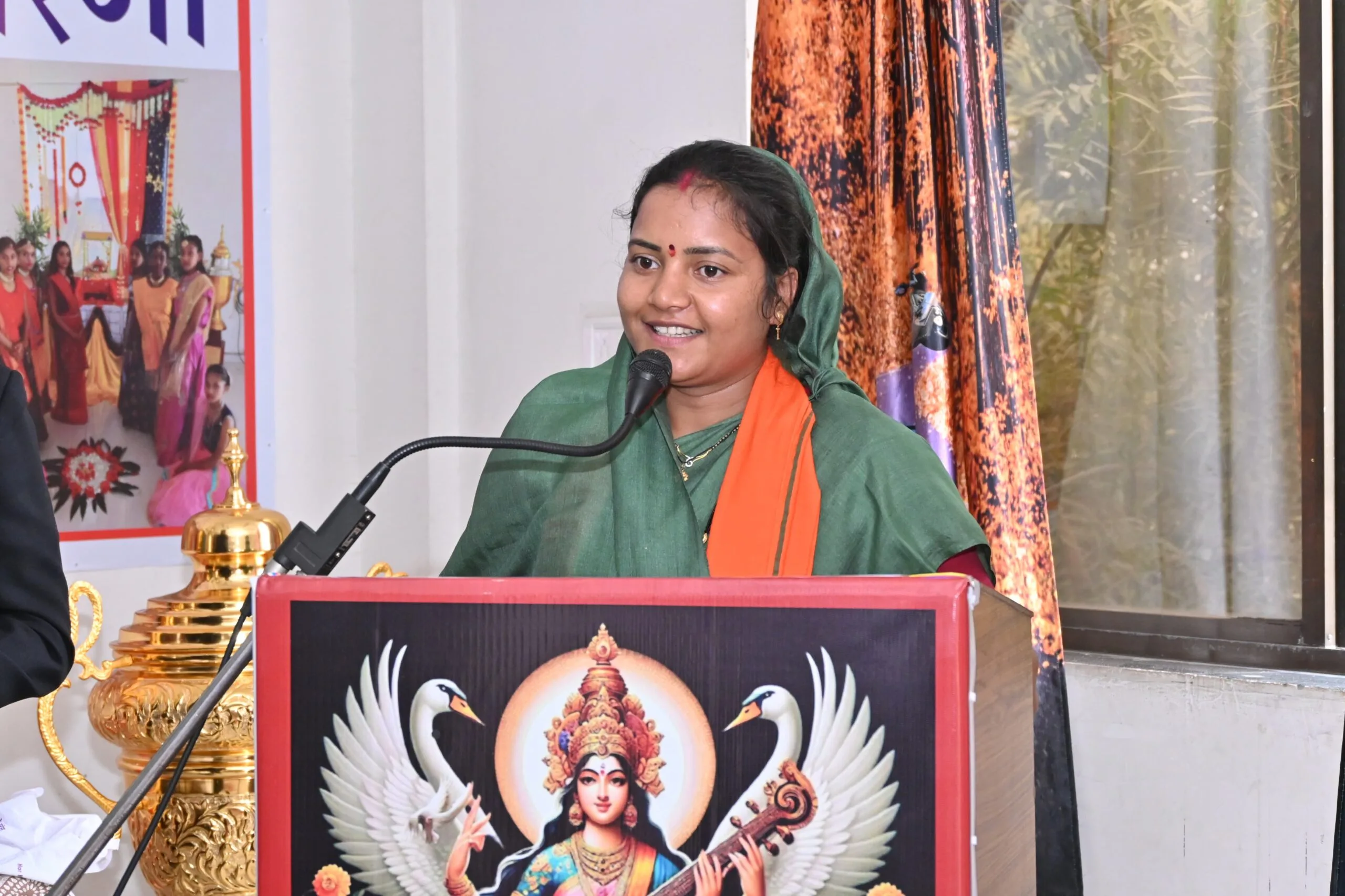
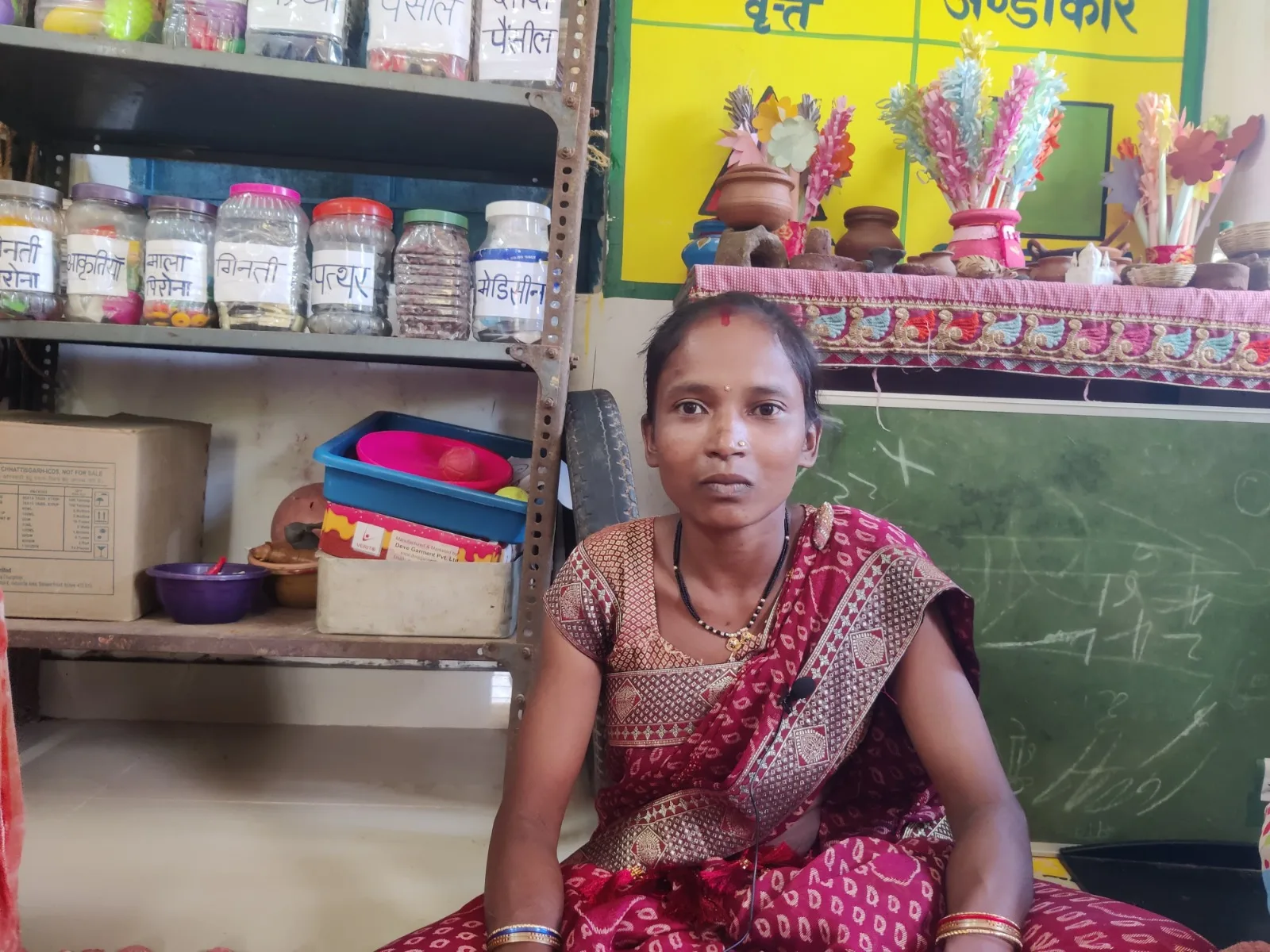
Smt. Gayatri Kashipuri, a member of the Jyoti Mahila Group, stated that 11 members of her group are cultivating lemongrass with the support of the Medicinal Plants Board. She explained that the oil extracted from the lemongrass would be sold to markets and medicinal institutions. The oil is used in tea, perfumes, and various medicinal products. Smt. Gayatri enthusiastically added that the women in the group intend to further expand this cultivation in the future.
- Government support boosts morale; new avenues for livelihood open up
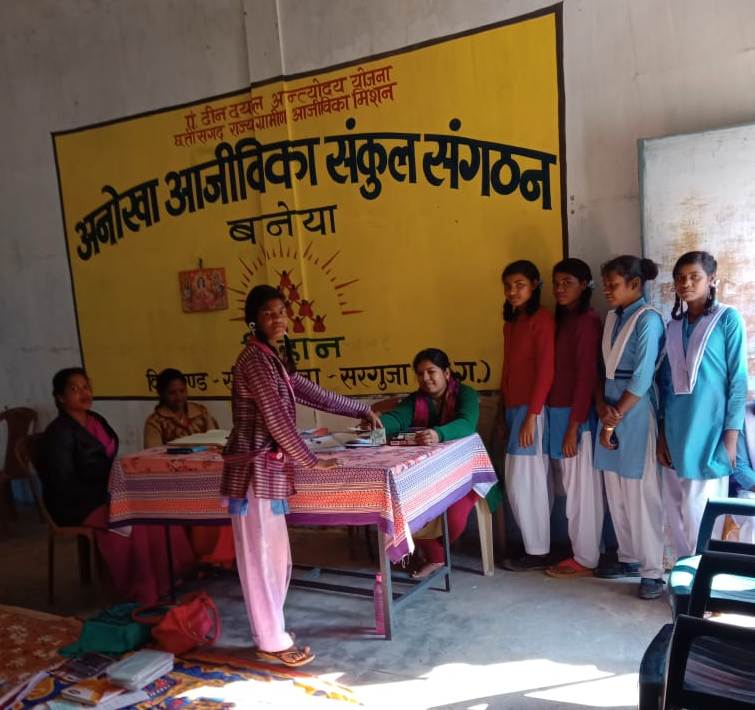
Smt. Sushila Bhanu (Mahamaya Group), Smt. Pabariya Bhanu (Jai Santoshi Mata Group), and Smt. Pooja Dhruv (Honey Group) shared that joining the ‘Bihan’ scheme has opened up numerous new livelihood opportunities for women. The groups have benefited from a revolving fund of ₹15,000, a community investment fund of ₹60,000, and bank linkages.
Empowered by this financial assistance and their collective strength, these women are not only cultivating lemongrass but are also engaging in various other livelihood activities, such as the centering plate business, tent house operations, vegetable gardening, grocery shops, goat rearing, and poultry farming. This is not only increasing the women’s personal income and strengthening their families’ financial status but also boosting their confidence in decision-making.
- A Strong Step Towards the ‘Lakhpati Didi’ Vision
Prime Minister Shri Narendra Modi has set a goal to transform rural women associated with self-help groups into ‘Lakhpati Didis’ (women earning an annual income of at least one lakh rupees) by increasing their earnings. In Chhattisgarh, the Sai government is also placing special emphasis on engaging rural women in self-employment and income-generating activities. Lemongrass cultivation in Amaru village, GPM district, is an initiative brimming with potential in this regard. If robust systems for processing and marketing are developed alongside production, this activity could become a vital source of regular and improved income for these women.
- Women’s Dreams Growing Alongside the Crops
This initiative in Amaru village presents a picture of the positive transformation taking place in the rural economy. The very hands that managed household and family responsibilities for years are now cultivating lemongrass in the fields, scripting a new story of economic self-reliance. The collective strength of the group, support from government schemes, and the hard work of the women are converging to pave a new path for livelihoods in the village.
Amidst Prime Minister Shri Narendra Modi’s ‘Lakhpati Didi’ vision and the state government’s policies—led by Chief Minister Shri Vishnu Deo Sai—that prioritize women’s empowerment, the women of Amaru village have emerged as a strong force for change. The fragrance of this lemongrass is no longer confined to the fields; it is evolving into the scent of women’s self-confidence, their families’ prosperity, and a new hope for a self-reliant rural Chhattisgarh.