























- trade order from current fractures of political order.
successfully concluded the
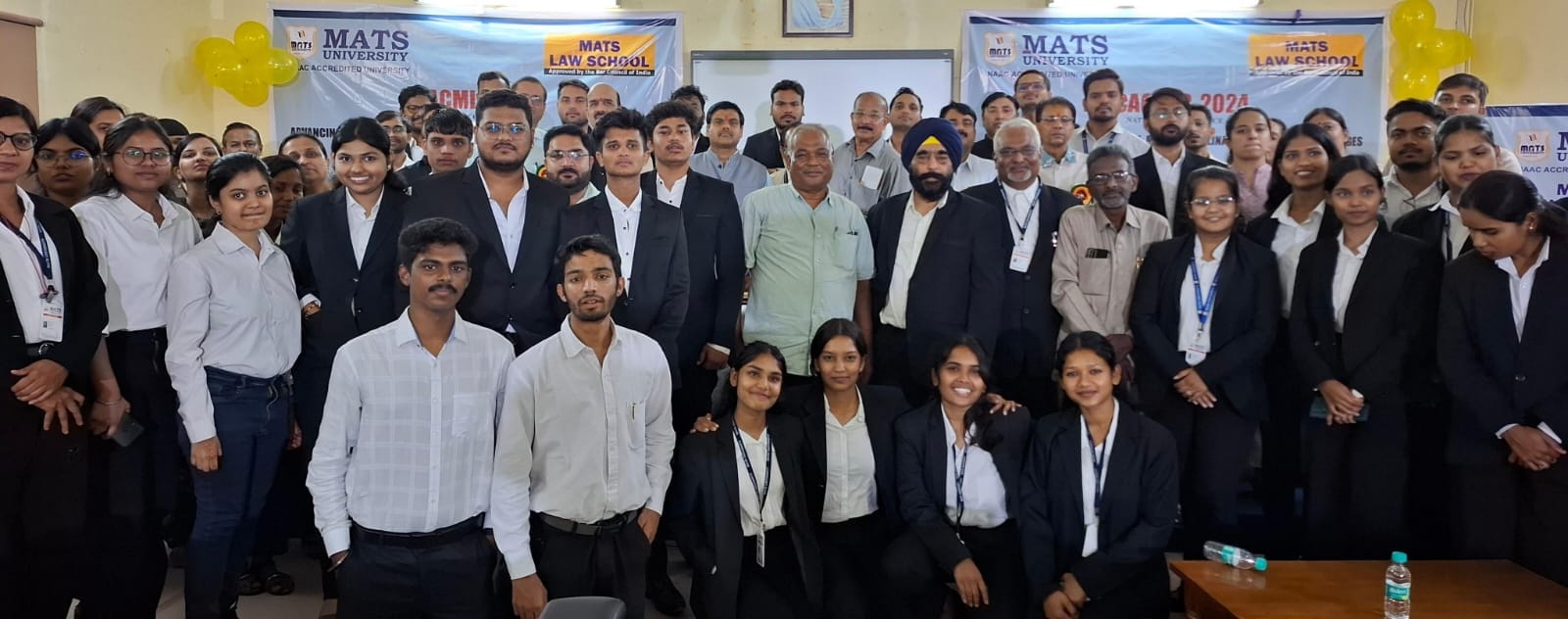
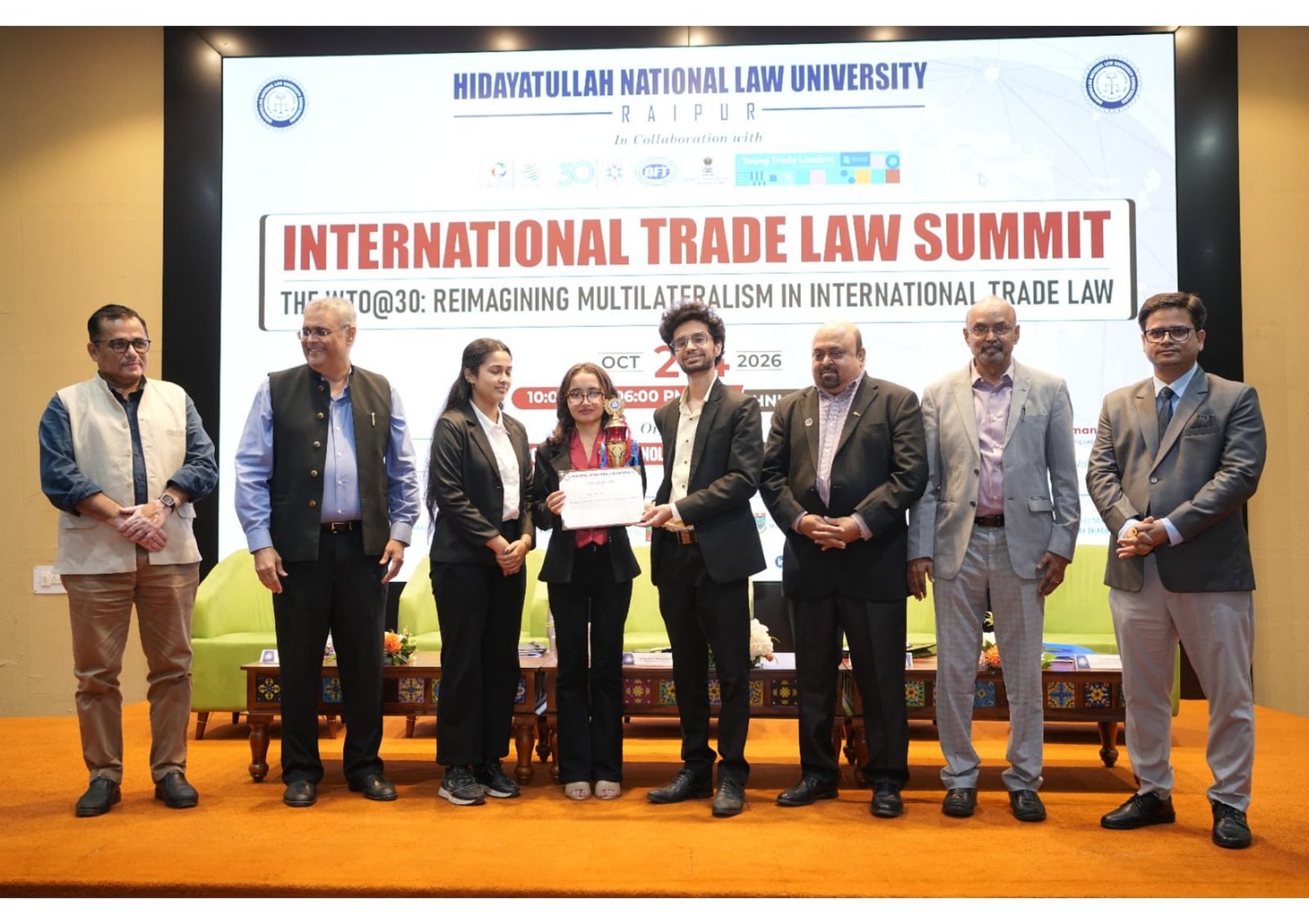
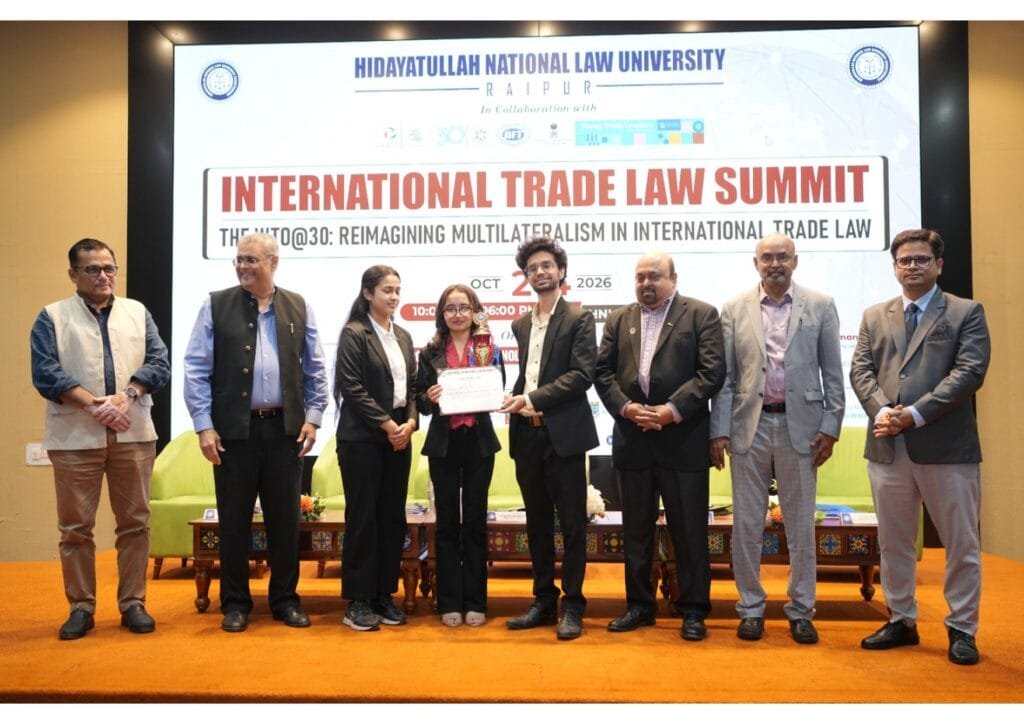
International Trade Law Summit (ITLS) 2026 on 4 October 2026, bringing to a close
a three-day academic and professional engagement on the theme “The WTO@30:
Reimagining Multilateralism in International Trade Law.”
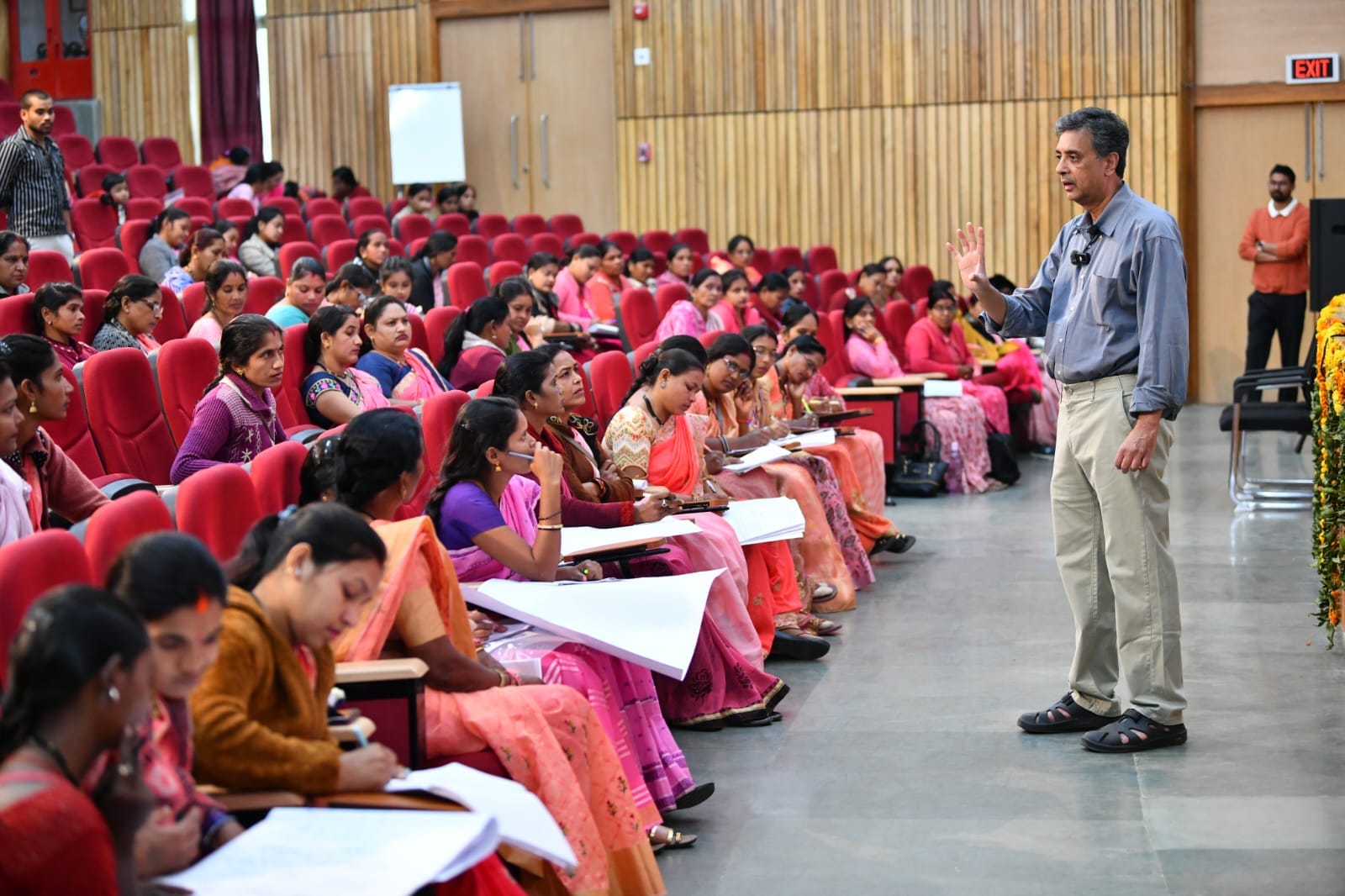
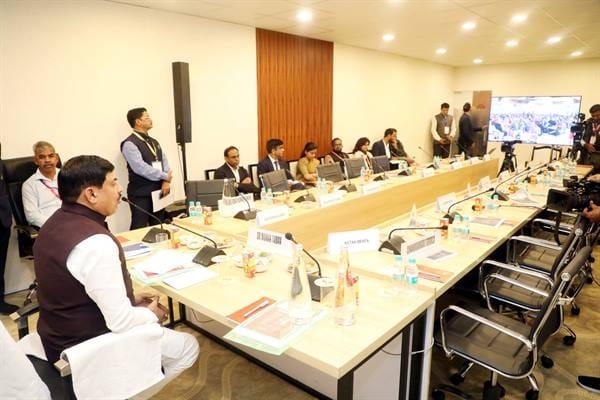
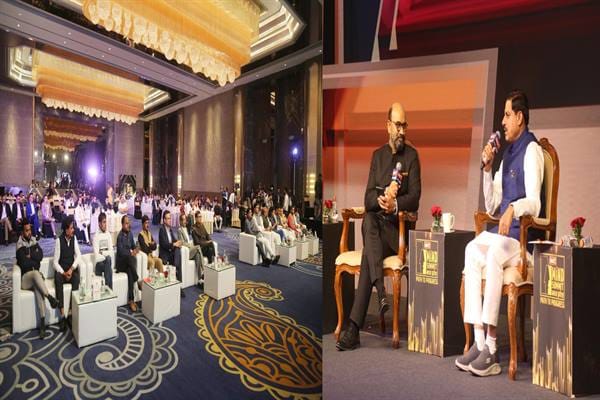
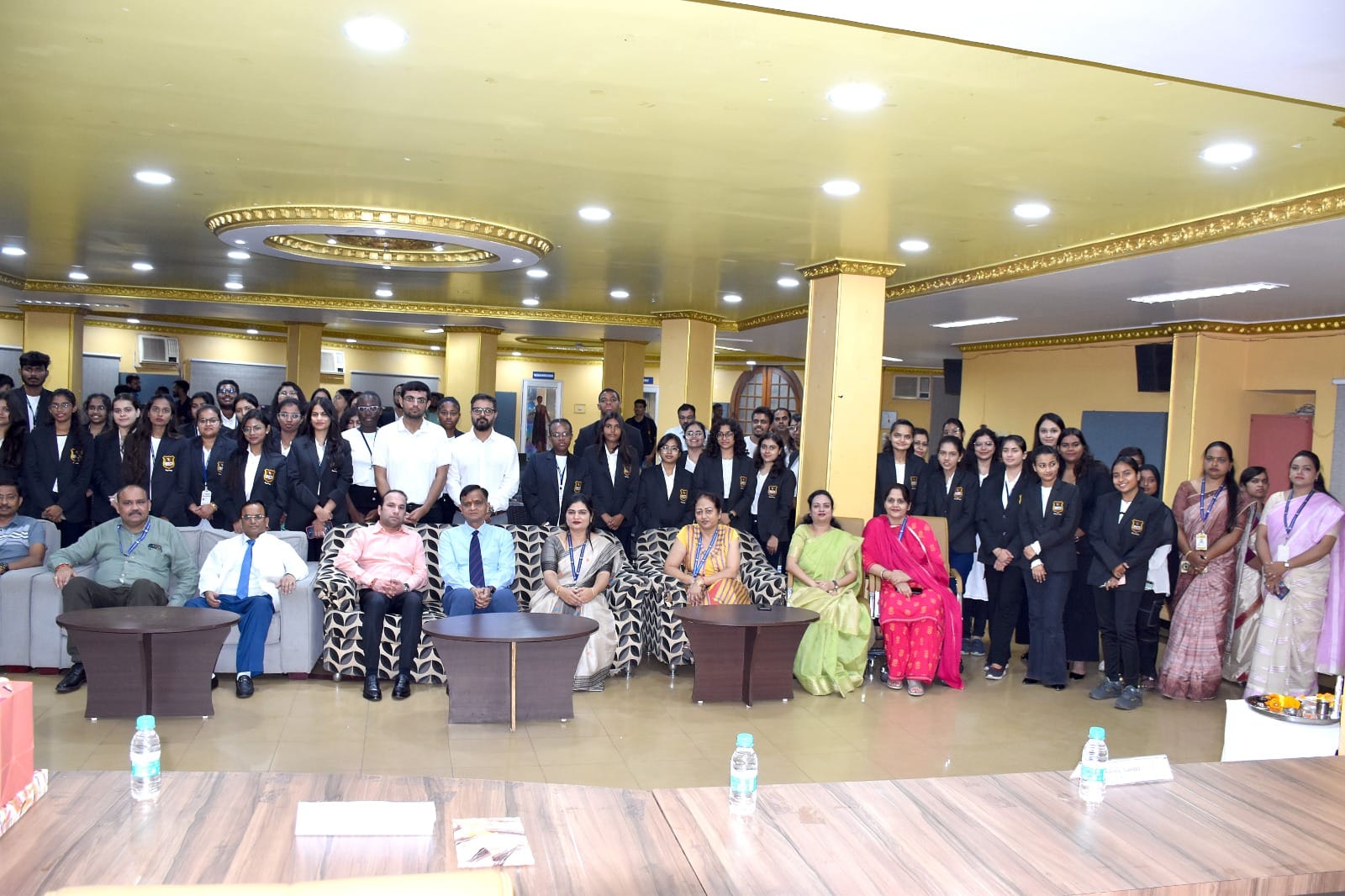
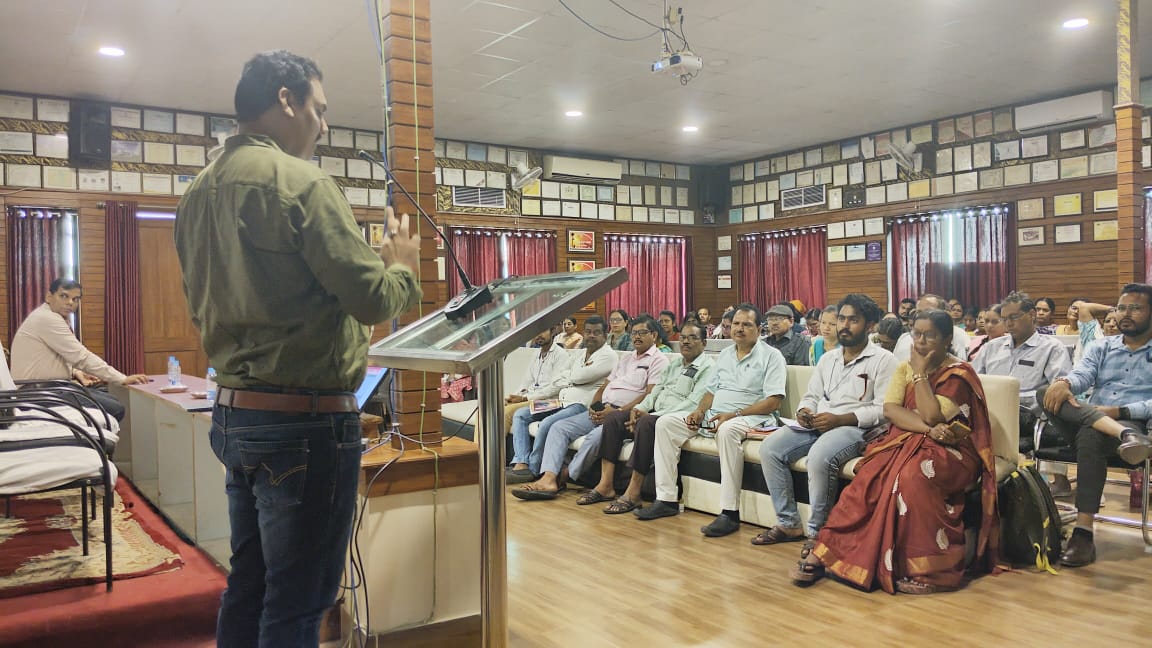
The concluding day featured a high-level panel discussion with Mr. Sumantha
Choudhary, Principal Advisor – Trade Policy, CII; Dr. A. K. Garg, Head of the
Digital Tech-Law Division, Anand & Anand; Prof. Anthony (Tony) Cambas,
international trade law expert from Mississippi; and Ms. Divyashri Suri, Associate
Partner – International Trade, Lakshmikumaran & Sridharan Attorneys. The
speakers examined the current state of multilateralism, the challenges affecting the
effectiveness of the global trading system, and possible pathways towards institutional
and policy renewal.
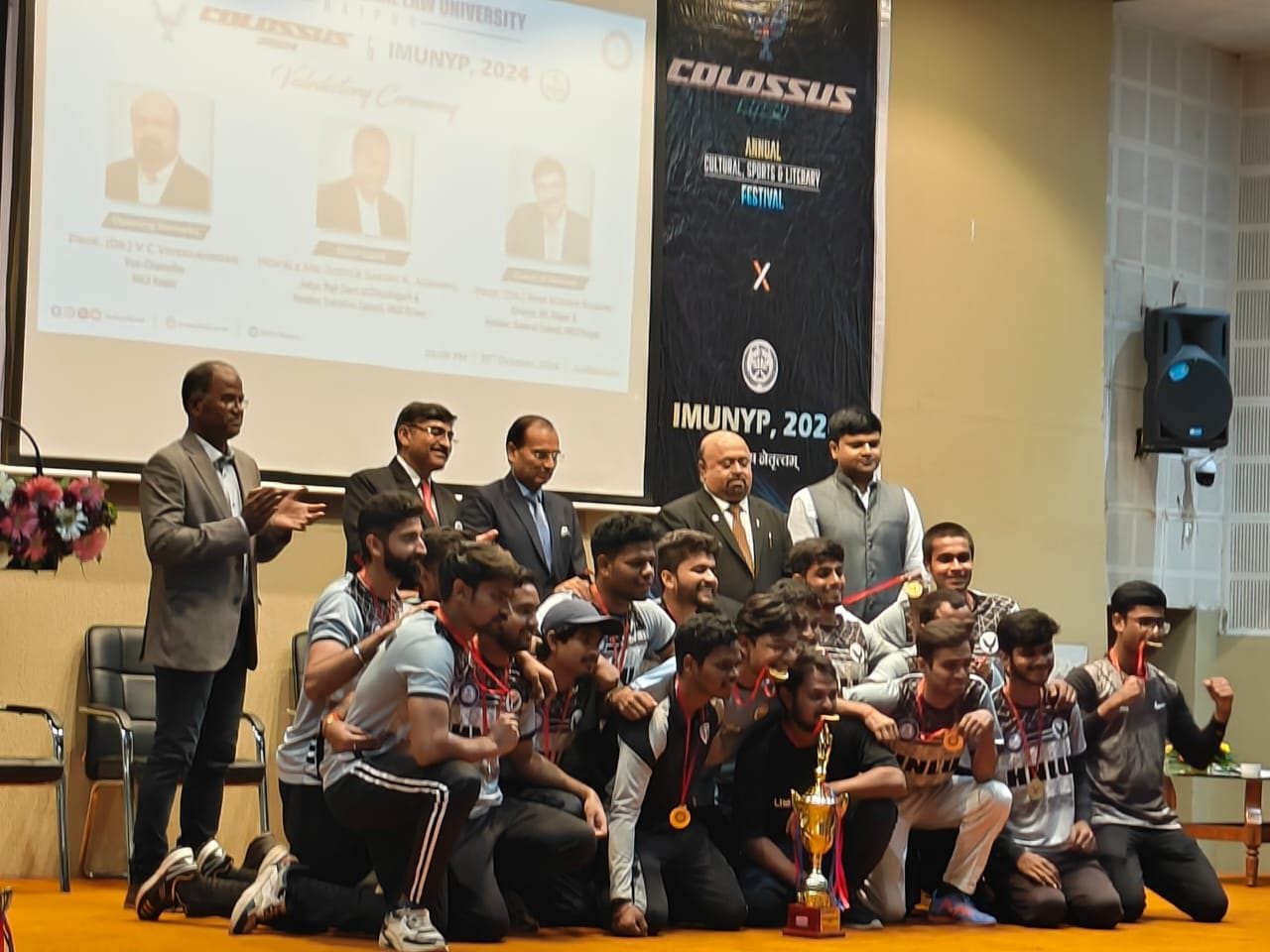
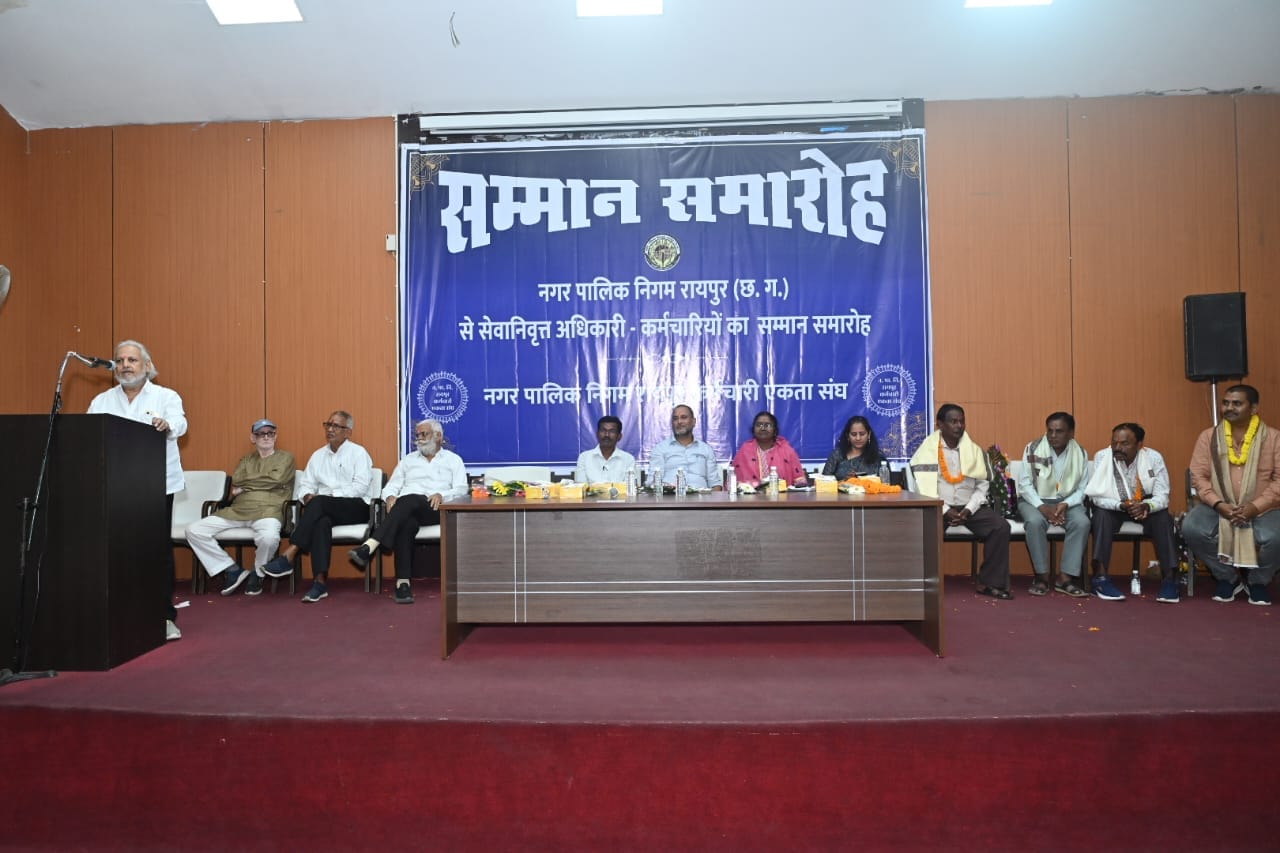
The valedictory session opened with remarks by Prof. (Dr.) V. C. Vivekanandan, Vice-
Chancellor, HNLU, who observed that multilateralism has become increasingly
fractured in the present decade amid wider political fragmentation. He noted that while
bilateral and regional arrangements have a legitimate place in international trade, they
cannot substitute the broader framework of multilateralism. At the same time, he
emphasised that multilateralism cannot become the preserve or dictate of a few powers,
but must seek a renewed equilibrium, particularly in view of the growing role and
responsibilities of BRICS as an important grouping in the global economic order.
The Guest of Honour, Mr. PVS Giridhar, Senior Advocate, Madras High Court,
reflected on the contribution that lawyers and law students can make to the evolution of
international trade law and the development of multilateral agreements. He also
emphasised that constitutional values and the Constitution must remain a cornerstone
in navigating institutional and legal processes going forward.
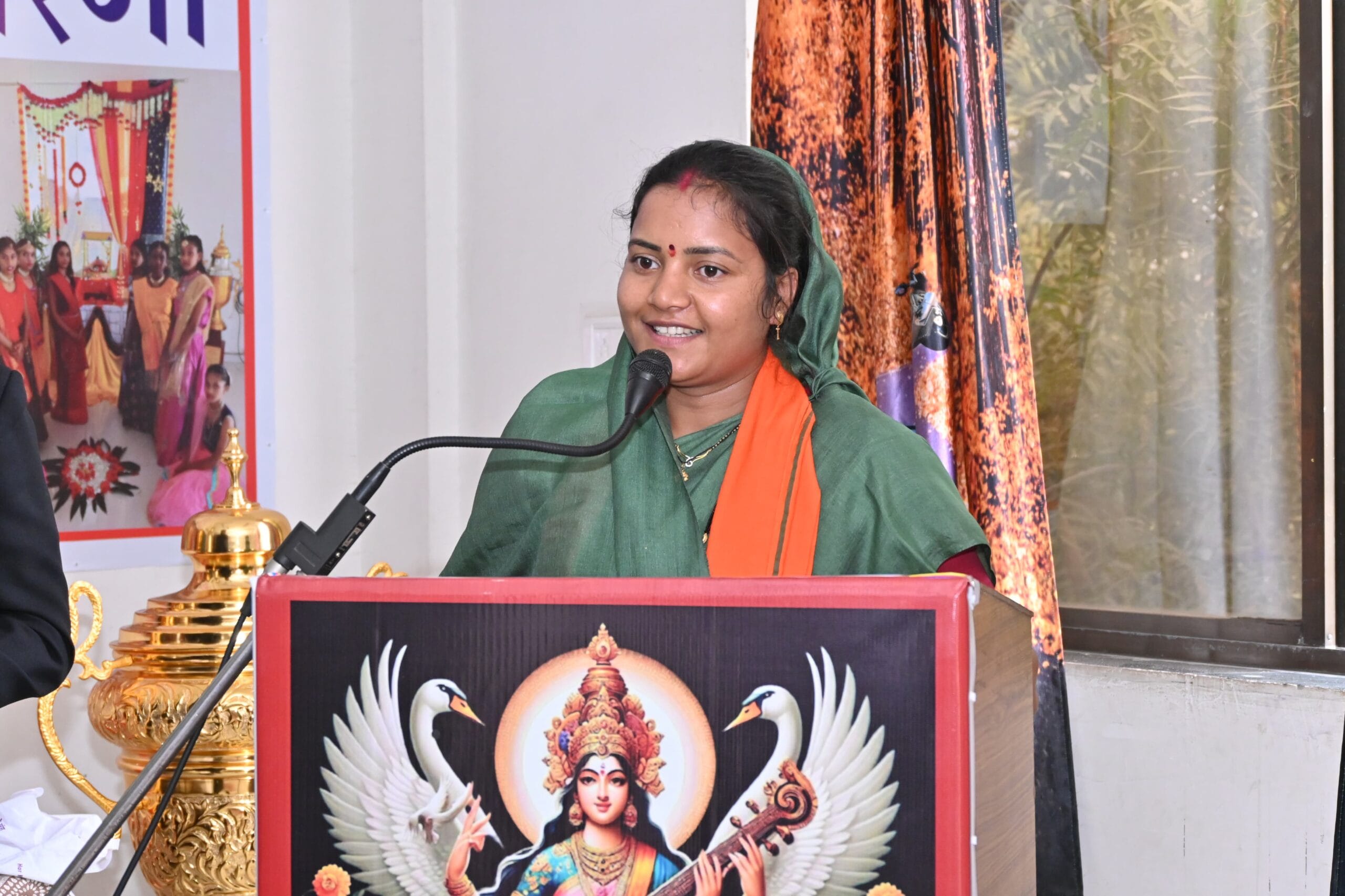
The Chief Guest at the valedictory ceremony, Mr. Suhail Naithani, Economic Law
Associates, offered a critical assessment of both the strengths and limitations of
multilateralism. He observed that multilateralism must ultimately demonstrate tangible
value to its stakeholders and cautioned against treating it as an end in itself if it fails to
deliver meaningful outcomes. Referring to the experience of bilateral investment treaties
(BITs), he noted their tangible benefits for India in recent times, while acknowledging
that multilateralism continues to have an important role where it is capable of delivering
equity, effectiveness and results.
Earlier, Prof. Vishnu Koonarayar, Dean Research welcomed the gathering, while Dr.
Ankit Awasthi, convenor of the ITLS & Head of the Center for WTO & WIPO presented
an overview of the three-day Summit and reflected on its academic and professional
contributions. He also indicated that the next edition is proposed to be held in early
October 2027, with the theme to be announced in due course. The valedictory
programme also witnessed the announcement of the proposed International Trade
Law & Development Journal, scheduled for launch in 2027.
The concluding day also acknowledged the sustained contribution of the organising
team, including Ms. Urvi Srivastava, Dr. Debmita Mondal and Dr. Ankit Singh, who
managed various aspects of the programme. On the student side, Ms. Amrita Nair, Ms.
Kruthika Senthil Kumar, Ms. Shrishti Shukla and Ms. Pratha Chouhan supported
the event in various capacities.
The Vote of Thanks was delivered by Ms. Kruthika Senthil Kumar, who acknowledged
the extensive efforts of the Student Organising Committee and its various teams.
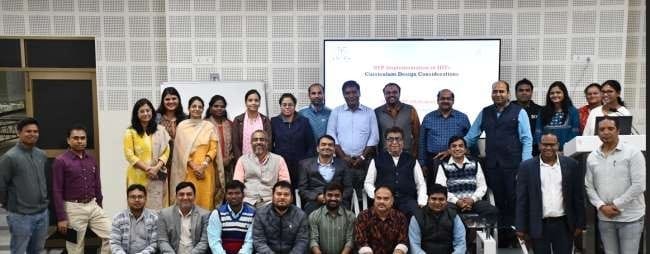
The three-day Summit featured 12 technical sessions where xxx participants
presented xxx papers. and a Mock WTO exercise designed to provide students with
practical exposure to multilateral trade negotiations. The technical sessions addressed
a wide range of contemporary issues, including digital trade and data governance,
artificial intelligence, climate change and sustainability, investment facilitation, services
liberalisation, trade and national security, dispute settlement, power asymmetries and
the future of the WTO.
The Summit created an interdisciplinary forum connecting trade law with contemporary
economic, technological and policy developments.
The Summit also provided students and young researchers with an opportunity to
engage directly with contemporary debates surrounding the WTO, multilateralism and
the evolving global economic order.