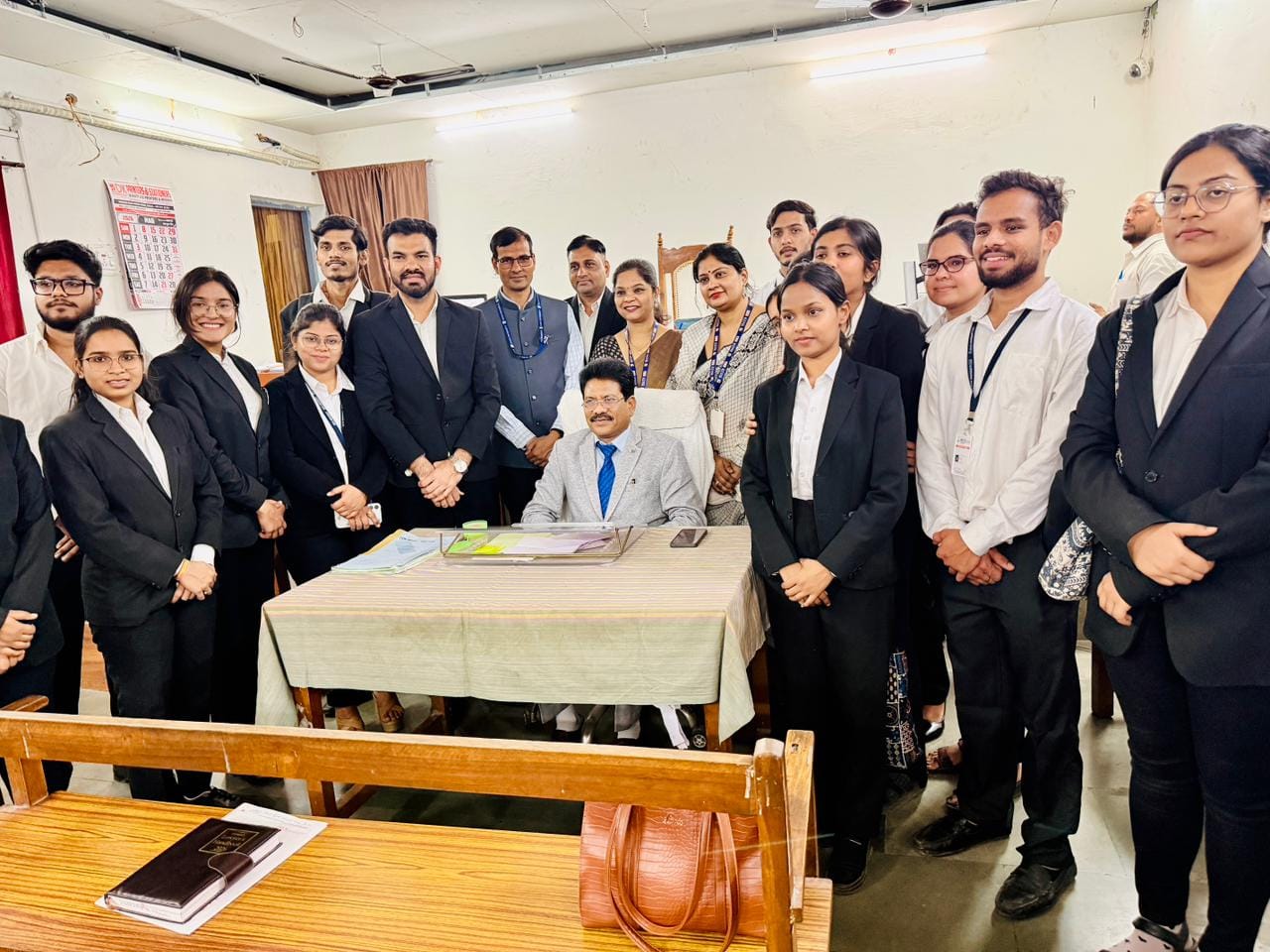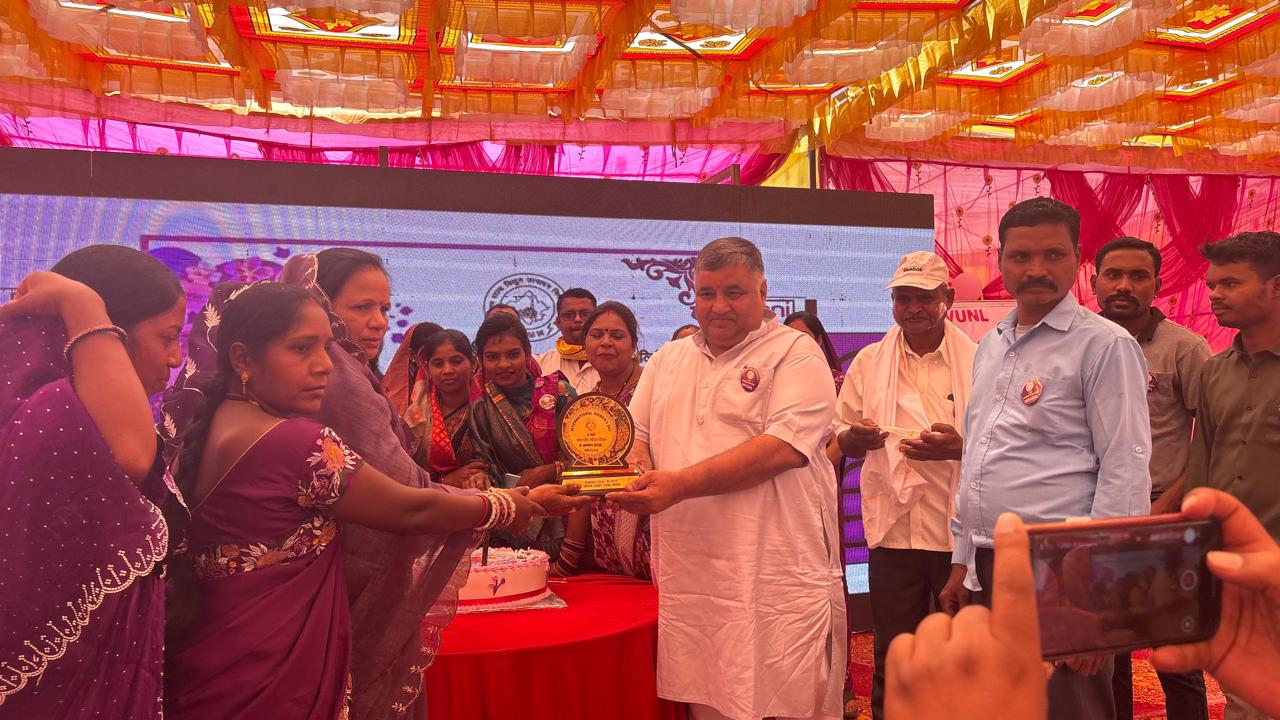





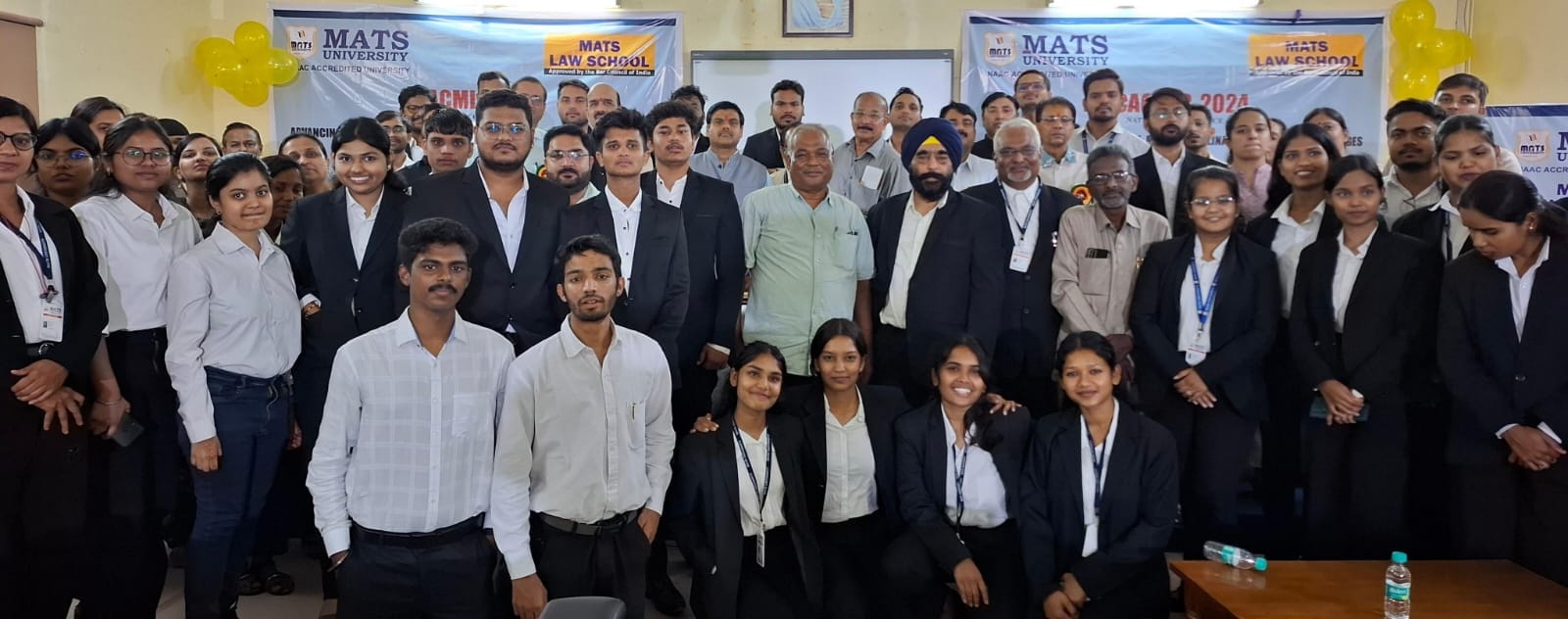

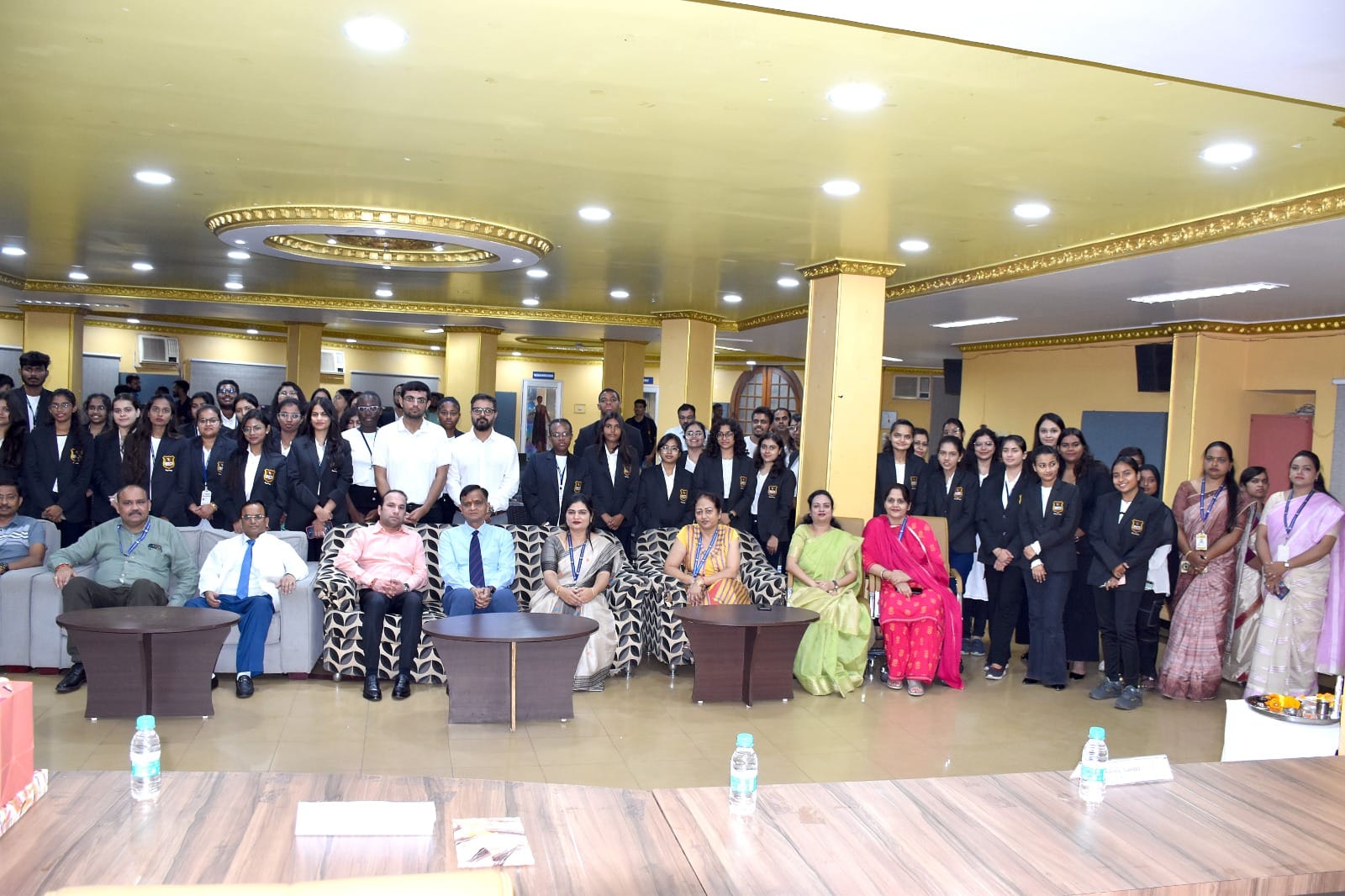


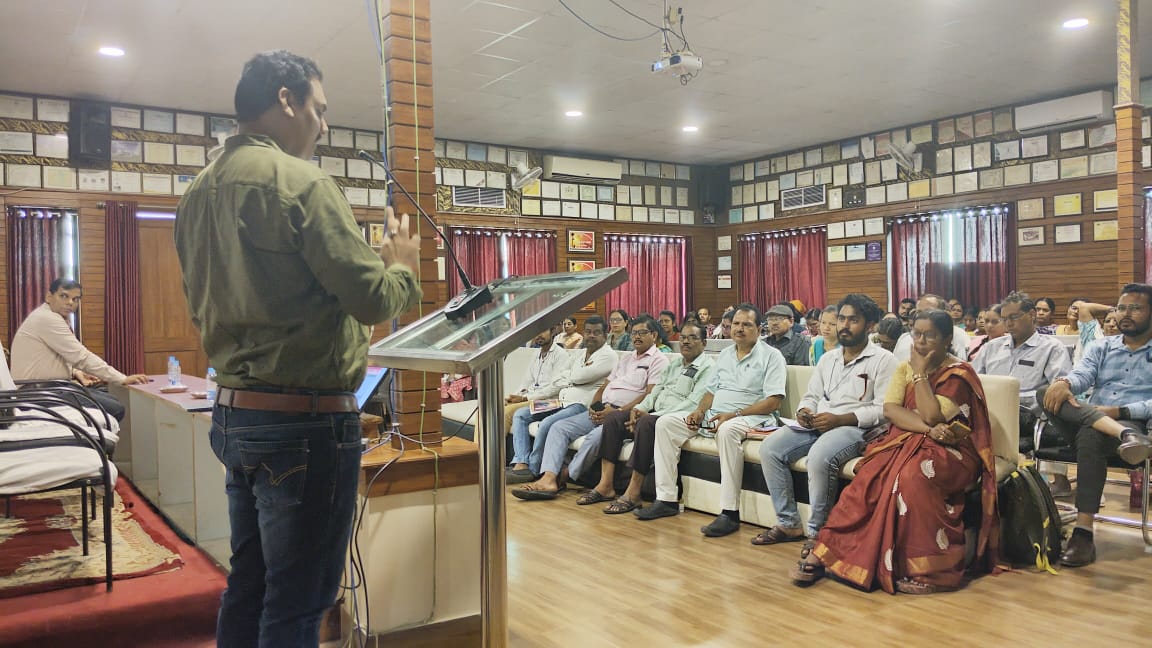



Educational visit to the National Lok Adalat was organized for the students of the Law Department of MATS University, MATS Law School, Raipur. The purpose of the visit was to provide students with practical exposure to the functioning of alternative dispute resolution mechanisms within the Indian judicial system.
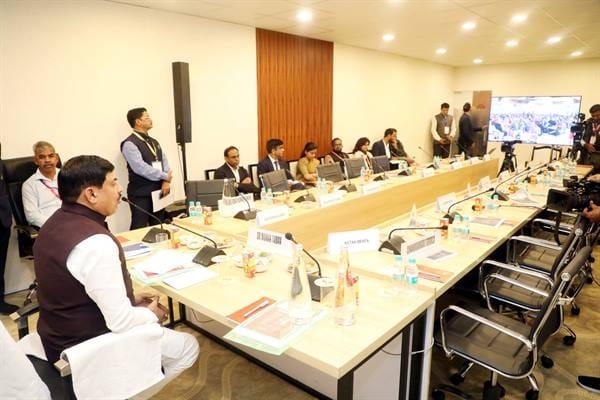
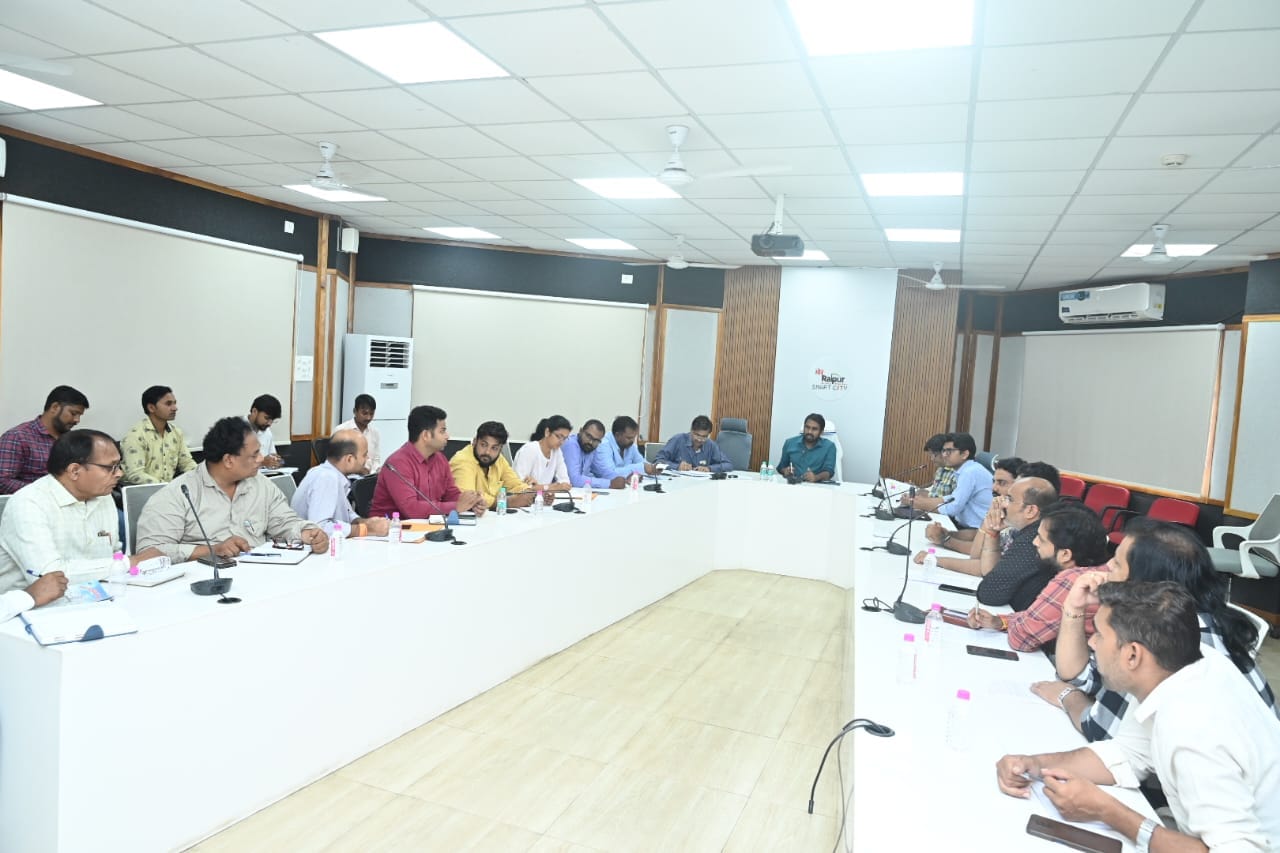
During the visit, students observed the proceedings of various benches constituted for the settlement of disputes. Several cases related to the Motor Vehicles Act, 1988, including motor accident compensation and traffic-related matters, were taken up for settlement. Students also witnessed proceedings related to family court matters, as well as disputes concerning land and labour law.
The benches actively worked toward resolving disputes through mutual consent and compromise between the parties. The proceedings clearly demonstrated the effectiveness of Lok Adalats in delivering speedy, inexpensive, and amicable justice without the need for prolonged court trials.
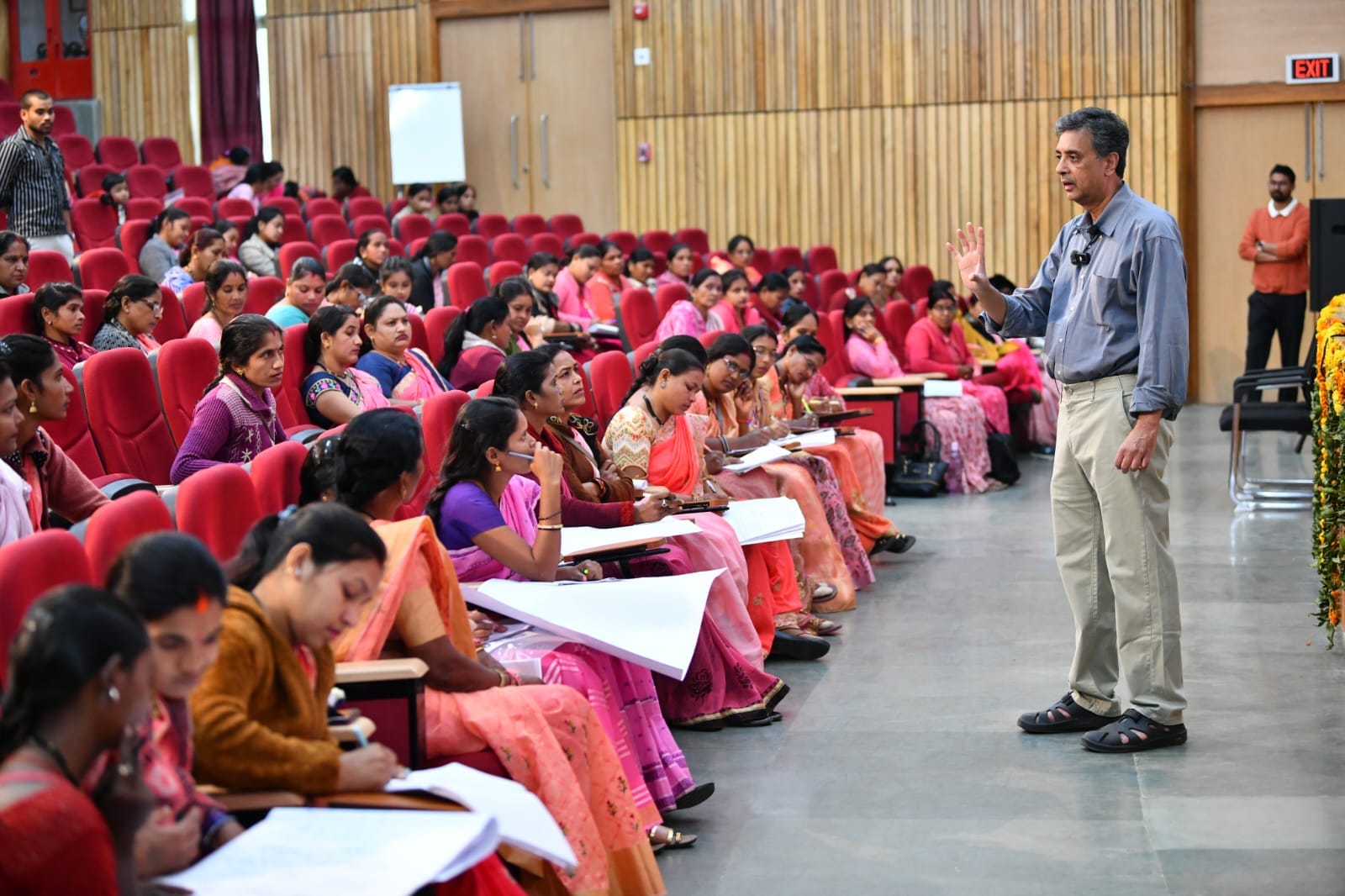
Students closely observed the role of judges, advocates, and conciliators in facilitating settlements. They also gained insight into the legal procedures followed during Lok Adalat hearings and understood the importance of dialogue and negotiation in resolving disputes.
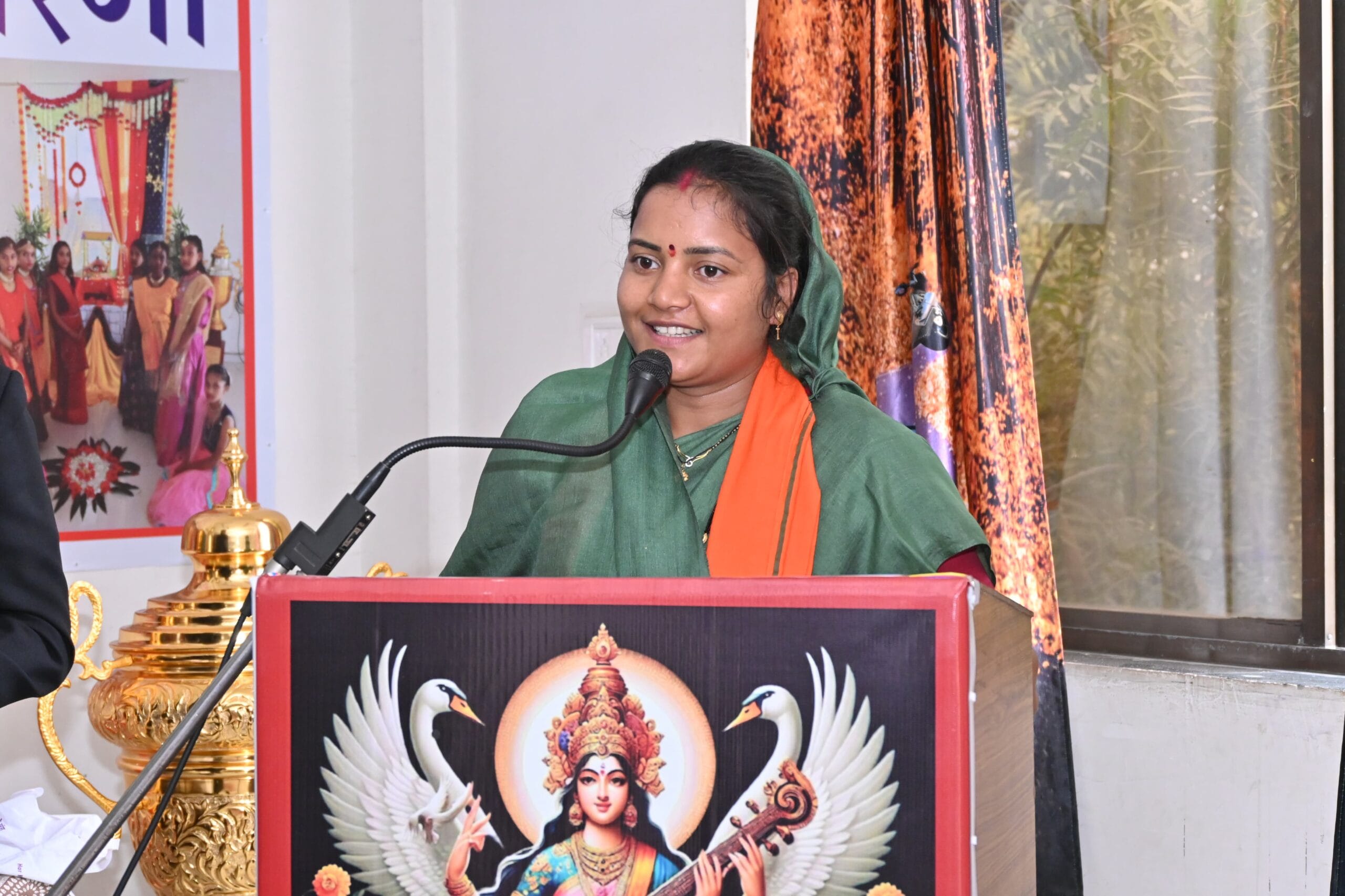
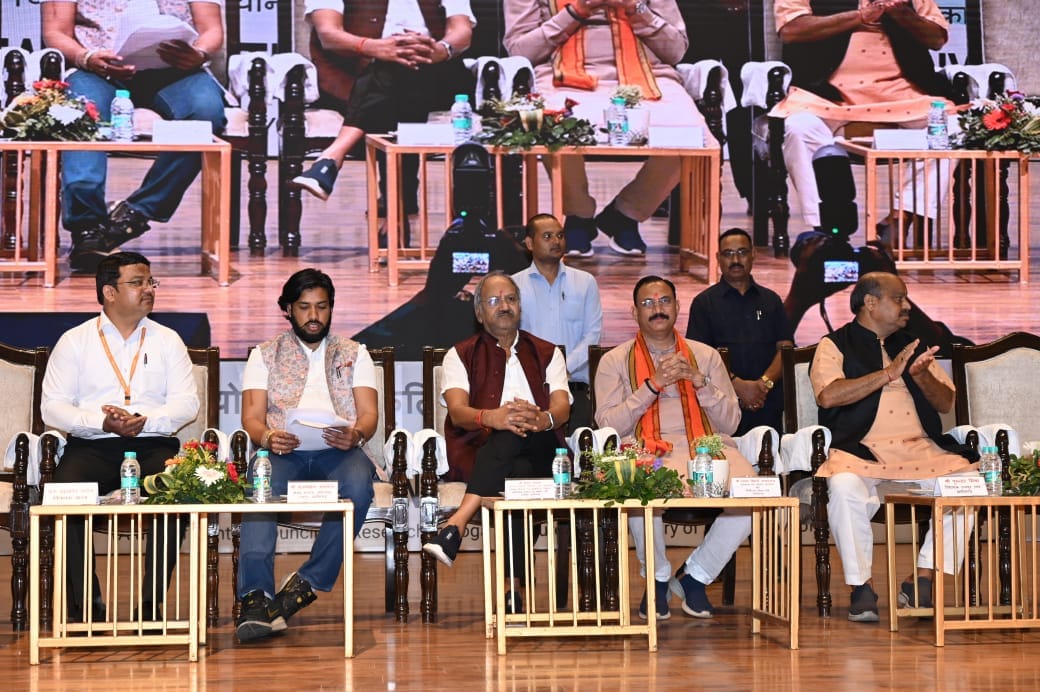
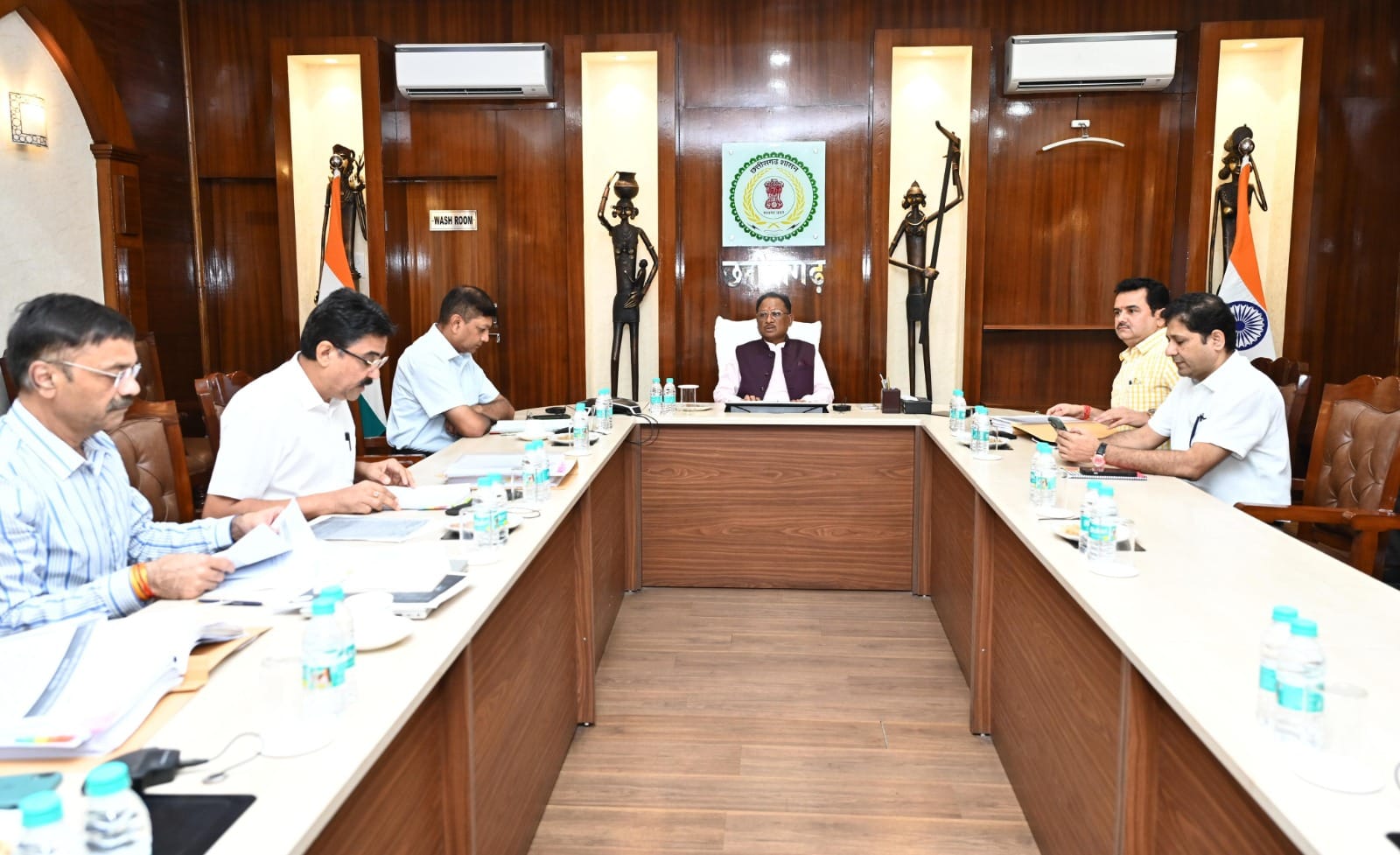
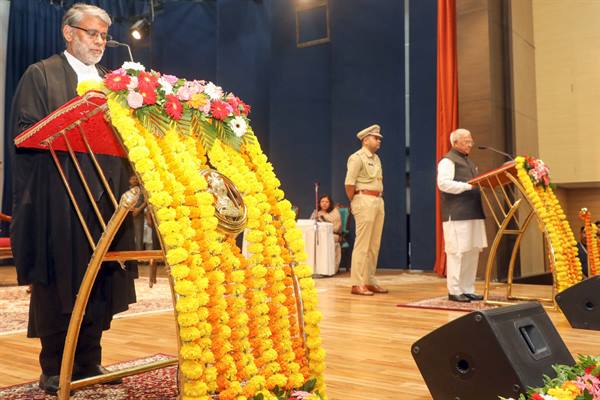
The session began with an inaugural ceremony, where the judges took their seats and formally commenced the proceedings. Students attentively observed the entire process during the Lok Adalat hearings, which provided them with valuable practical learning.
The visit proved to be a highly informative and enriching experience for the students. It helped them understand the practical aspects of law and the functioning of the legal system beyond classroom learning. Such academic visits play a significant role in shaping the professional understanding of law students and in encouraging them to appreciate the value of alternative dispute resolution mechanisms in India.
The programme was convened by Dr. I. Nagmani Desh Lahara and organized under the guidance of the Head of the Department, Dr. Prashant Kumar. The programme was assisted by Dr. Ankita Shukla, Dr. Om Prakash Kanojia, and Dr. Prashant Kumar Panda, whose support contributed to the successful conduct of the visit.