




































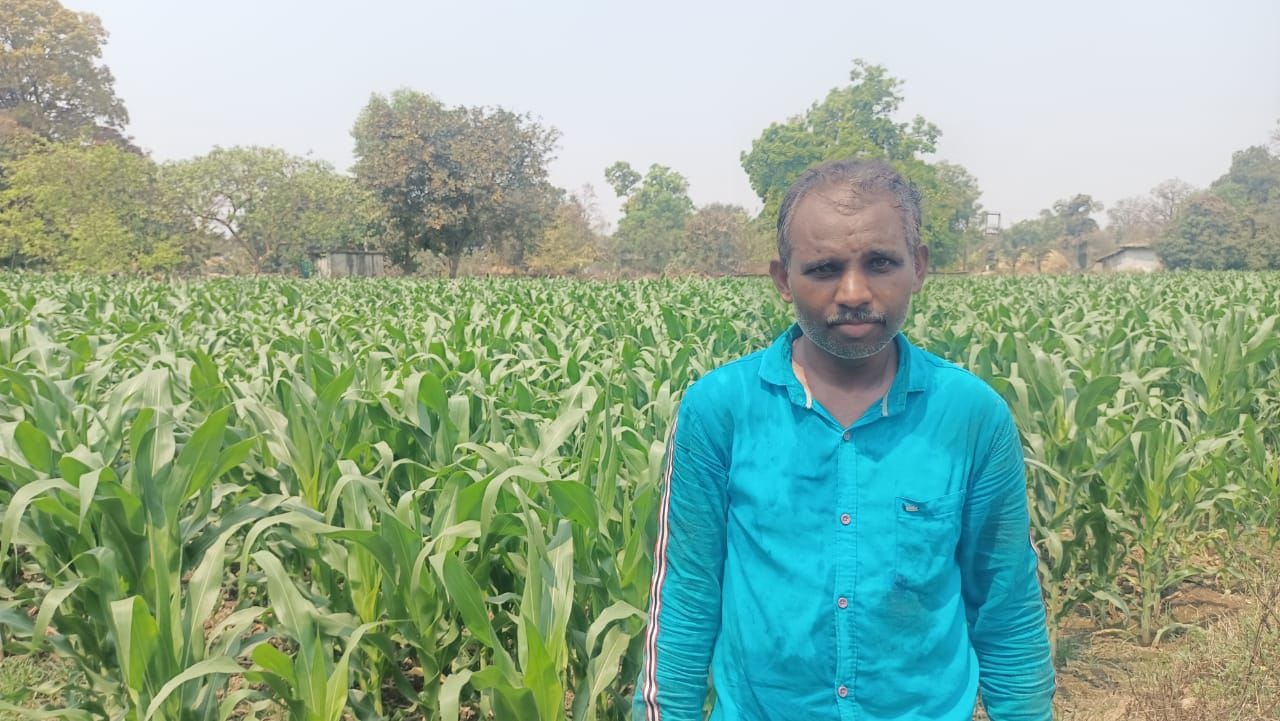
- Farmer Ramprakash happy with the wave of maize
Once known for its rice-based farming, Dhamtari district is experiencing a rapid transformation in agriculture. Farmers here are now moving towards a new direction by adopting crops that yield more profit with less water, alongside traditional farming. This shift has become a symbol not only of farming but also of thinking and better utilization of resources.
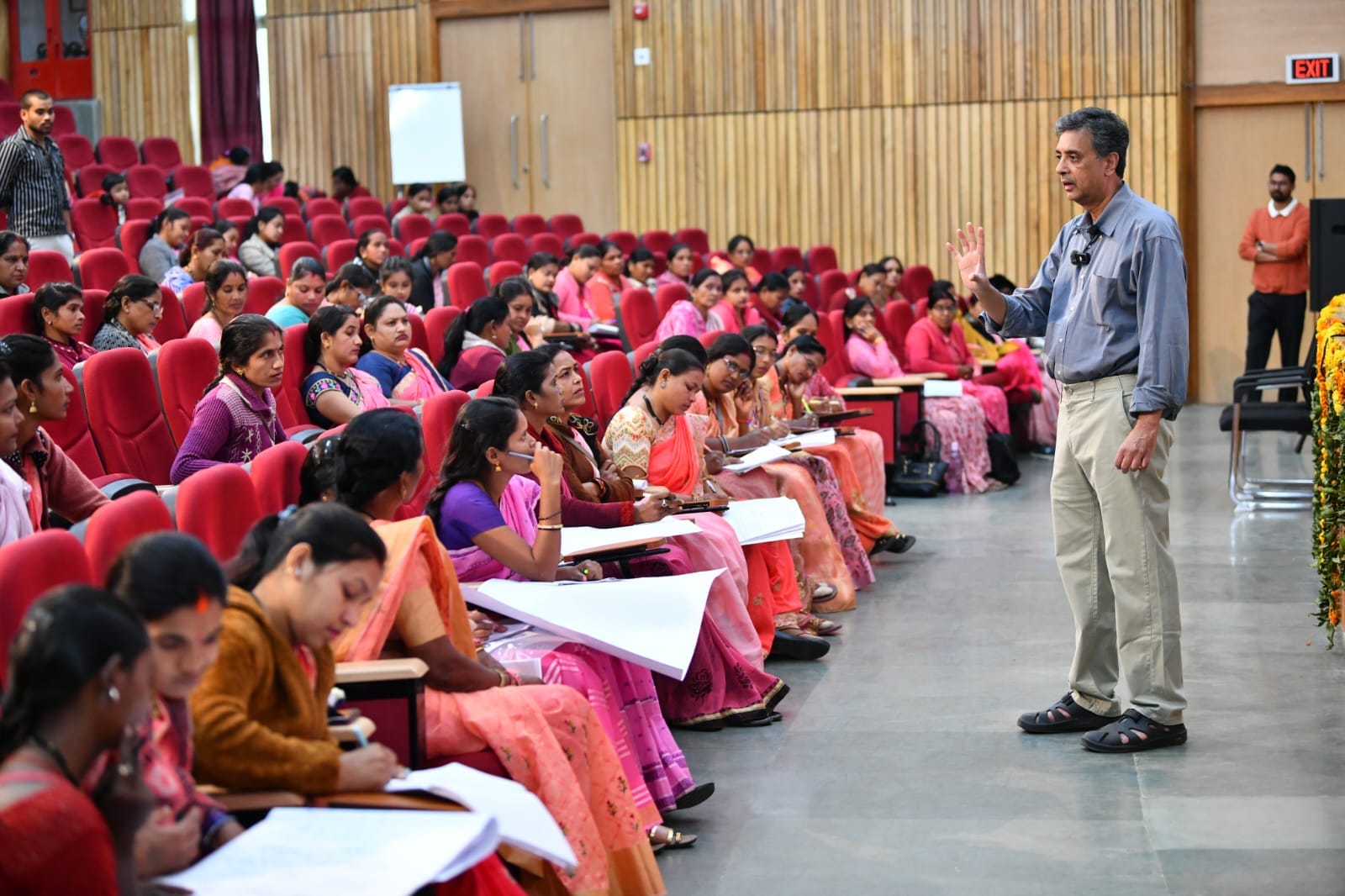
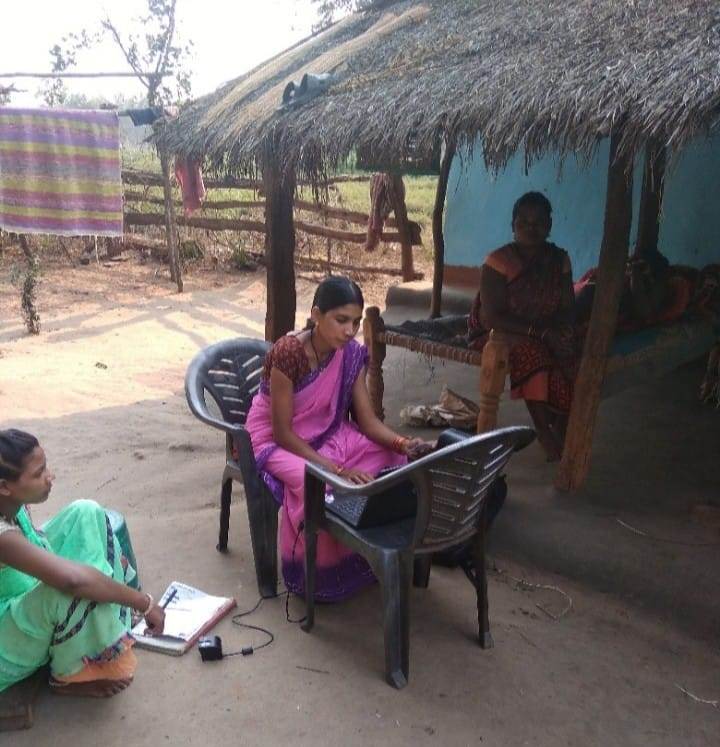
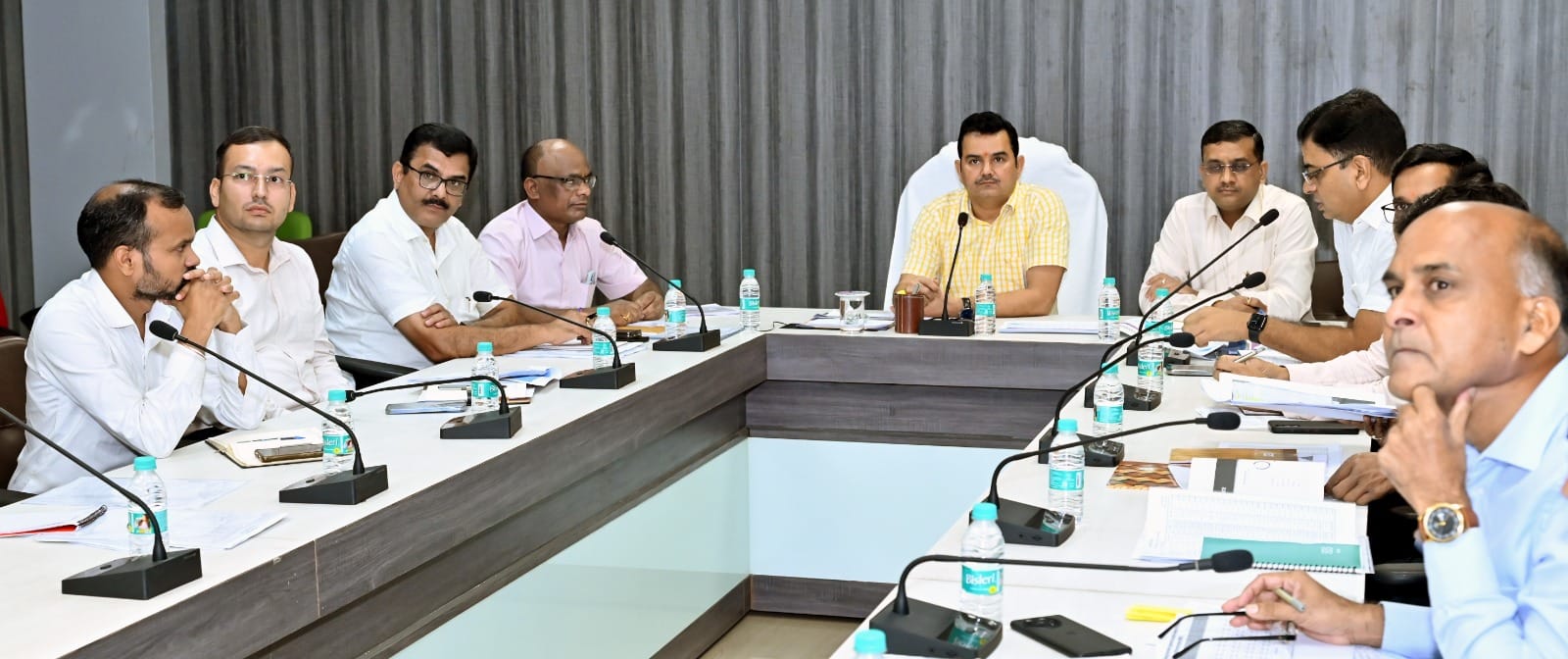
The visionary strategy of the district administration and the constant guidance of Collector Mr. Abinash Mishra have played a crucial role in this transformation. Under his leadership, crop rotation was implemented as a campaign, with special emphasis on farmer awareness, training, and constant monitoring. Teams from the administration and the Agriculture Department reached out to farmers from village to village, establishing dialogue with them, which increased their confidence in new crops.
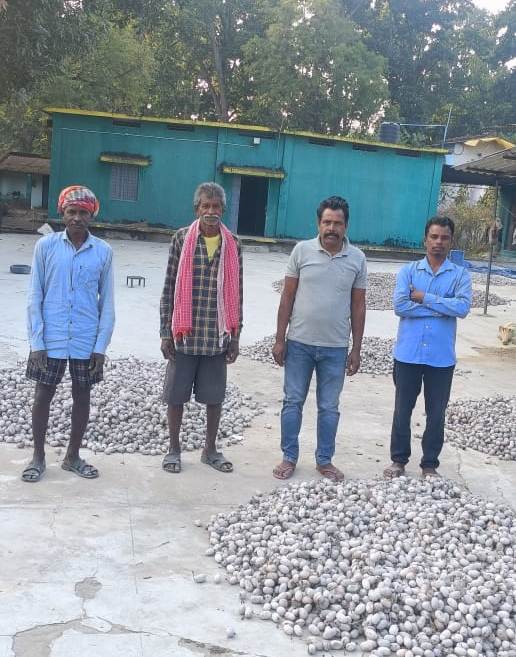
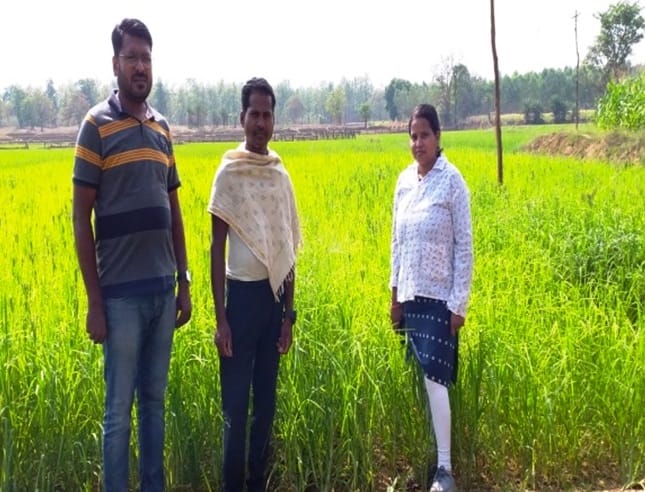
Ramprakash Netam, a farmer from Gattasilli Talpara village, is a living example of this change. Previously, he cultivated only rice, but is now moving towards improved production by cultivating maize on 3.5 acres of land. He is being periodically guided by Agriculture Department officials and Rural Agricultural Extension Officers. Knowledge of crop care, pest management, and advanced agricultural techniques has further strengthened their farming.
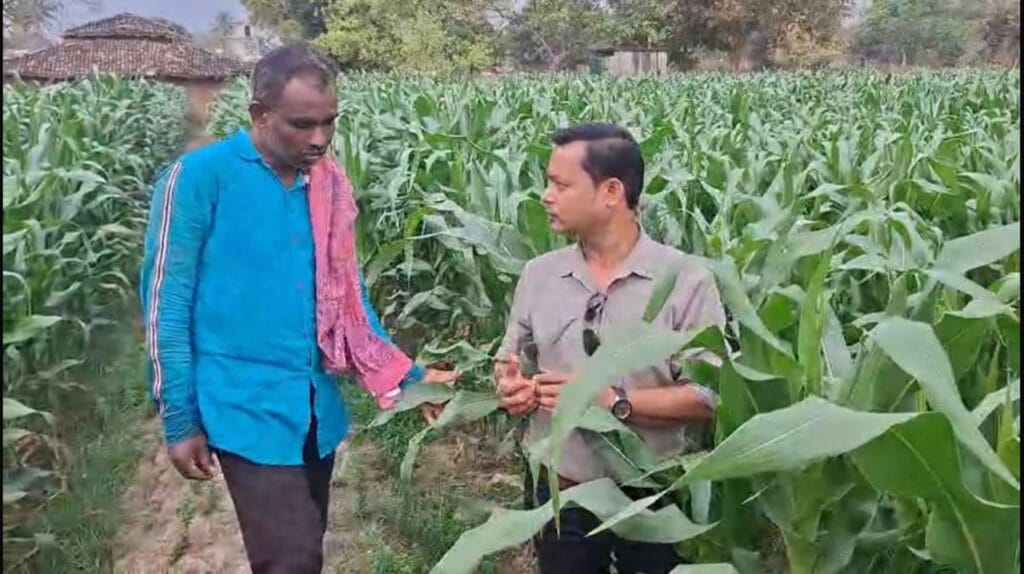
Not only Ramprakash, but hundreds of farmers in the district have adopted alternative crops, including maize. The maize crops swaying in their fields now bear witness to this shift. This not only provides farmers with good income but also reduces farming risks.
The positive impact of crop rotation is also clearly visible on the environment. Water-efficient crops have reduced irrigation pressure, conserving water resources and helping to maintain groundwater levels. Furthermore, diversified crop rotation improves soil fertility.
This initiative is not limited to increasing production, but also serves as a strong step towards ensuring stable and sustainable farmer incomes. It has revitalized the rural economy and strengthened a sense of self-reliance.
Overall, crop rotation has emerged as a successful governance model in Dhamtari. The administration’s commitment and the active participation of farmers have made this possible. In the coming times, this initiative will become an inspiring example of agricultural innovation and sustainable development not only for Dhamtari but for the entire state.