






























































- Dr. Daneshwari Sambhakar
- Deputy Director, Public Relations
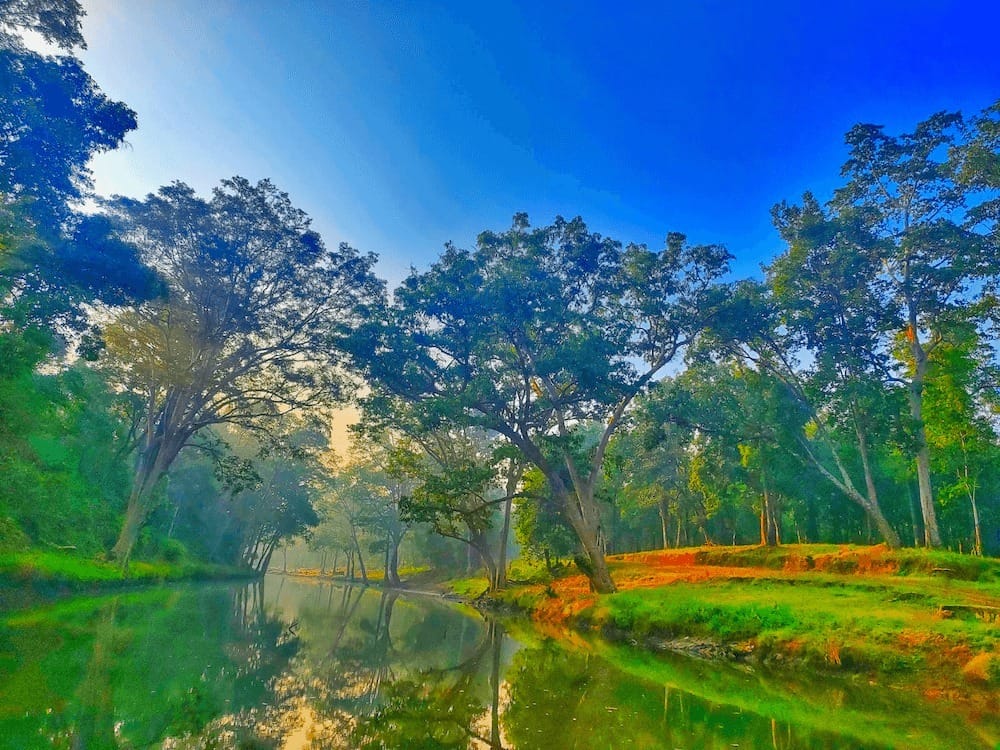
Nature is not only the foundation of our lives, but also the protector of our culture, traditions, and future. Clean air, pure water, dense forests, and rich biodiversity are invaluable assets of any civilized society. In this era of rapid urbanization, climate change, and increasing pressure on natural resources, environmental protection is not just an option but an essential requirement for human survival. To this end, World Environment Day is celebrated every year on June 5th, reminding us of our responsibilities towards nature.
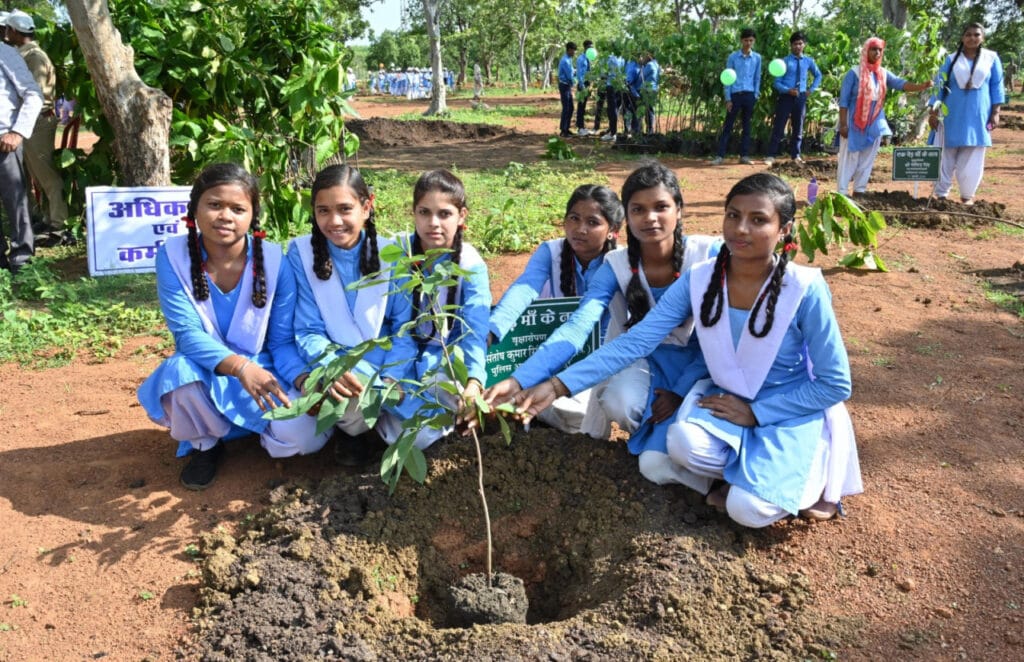
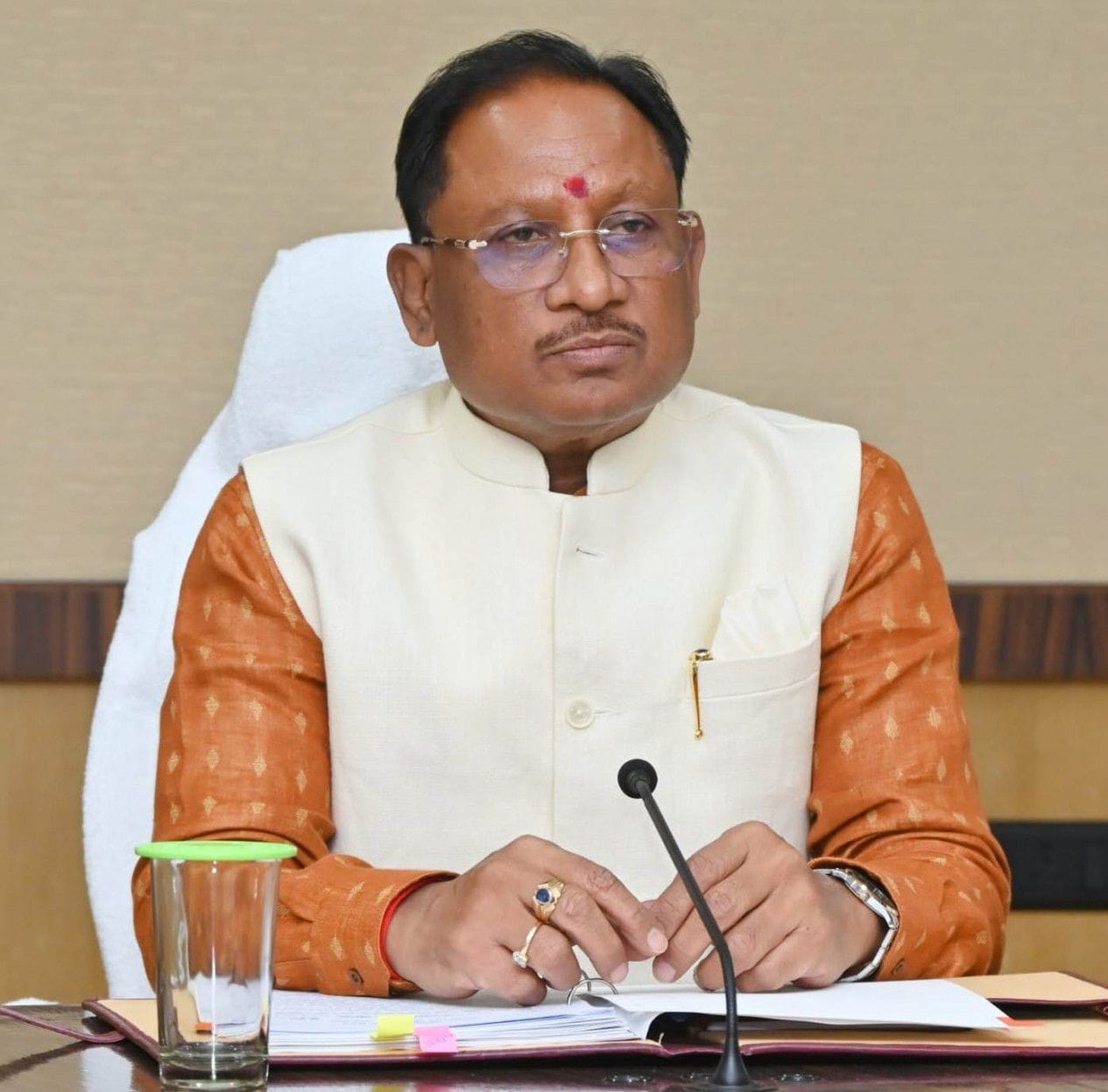
Chhattisgarh, rich in natural resources, is one of the states in the country where continuous efforts are being made to establish a balance between environmental protection and development. The state’s vast forest area, rich biodiversity, and water resources are its environmental hallmarks. Under the leadership of Chief Minister Shri Vishnudev Sai, the Chhattisgarh government is successfully implementing numerous schemes focused on green development, water conservation, and public participation.
- From greenery to prosperity
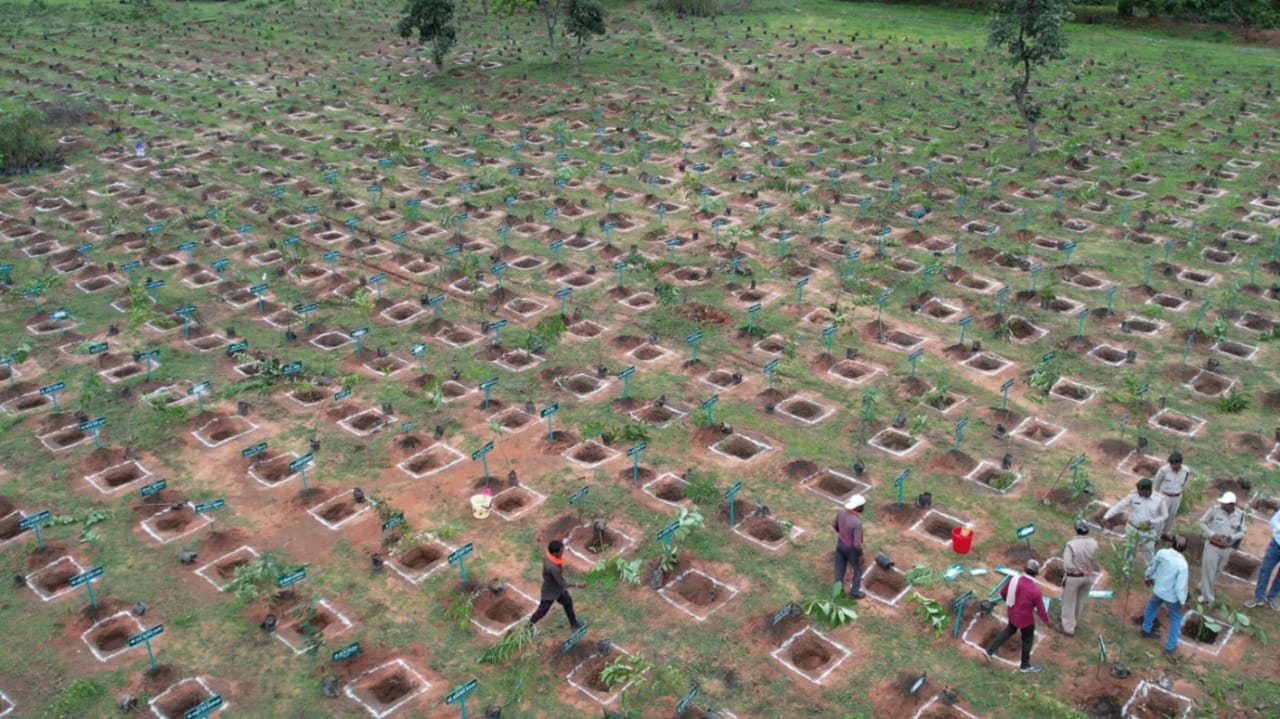
Tree plantation in Chhattisgarh is not limited to environmental protection alone, but is also linked to the rural economy and farmers’ income. Through the “Hariyali Prasar Yojana” and “Kisan Vriksha Mitra Yojana,” farmers are provided with saplings for agroforestry and encouraged to plant trees on their land. This is expanding green cover and providing long-term economic benefits to farmers. The
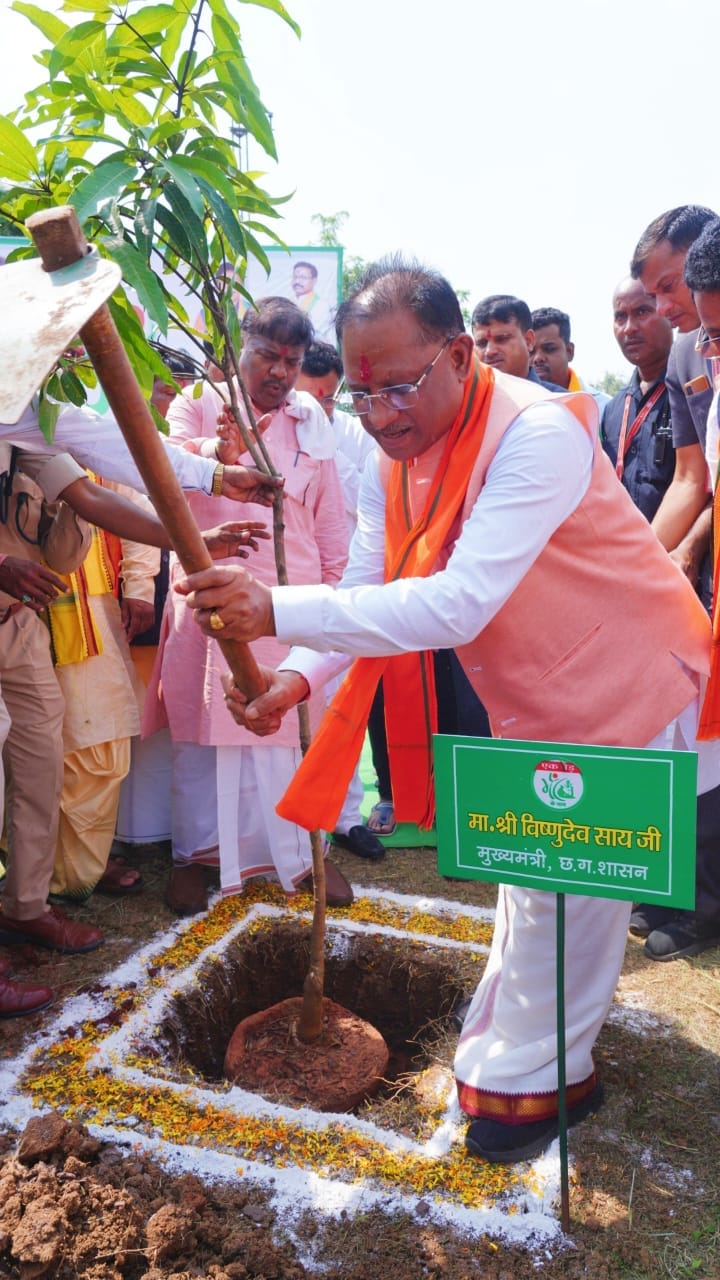
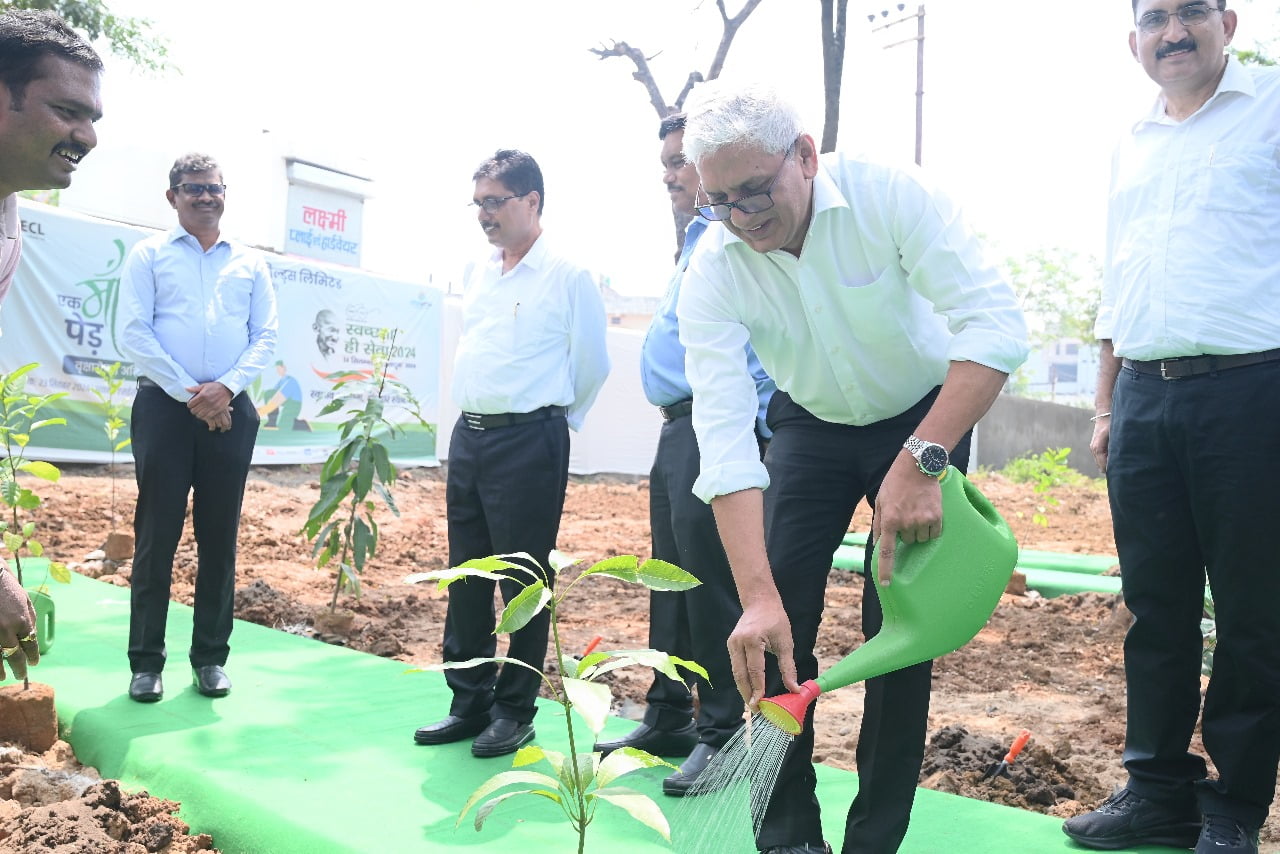
“Ek Ped Maa Ke Naam” campaign, launched on World Environment Day, has connected environmental protection with public sentiment. Through this campaign, millions of citizens are planting trees in honor of their mothers and spreading the message of nature conservation. This initiative is transforming environmental responsibility into a social movement.

- Cities are getting green recognition

Maintaining a clean and healthy environment amidst rapidly increasing urbanization is a major challenge. To this end, oxygen parks and green spaces are being developed in cities under the “Oxyvan Scheme.” The “Environmental Forestry Scheme” also implements roadside tree plantations, the creation of environmental parks, and the greening of public spaces. These efforts are not only contributing to pollution control but also providing citizens with a better quality of life.
- Water conservation becomes a mass movement
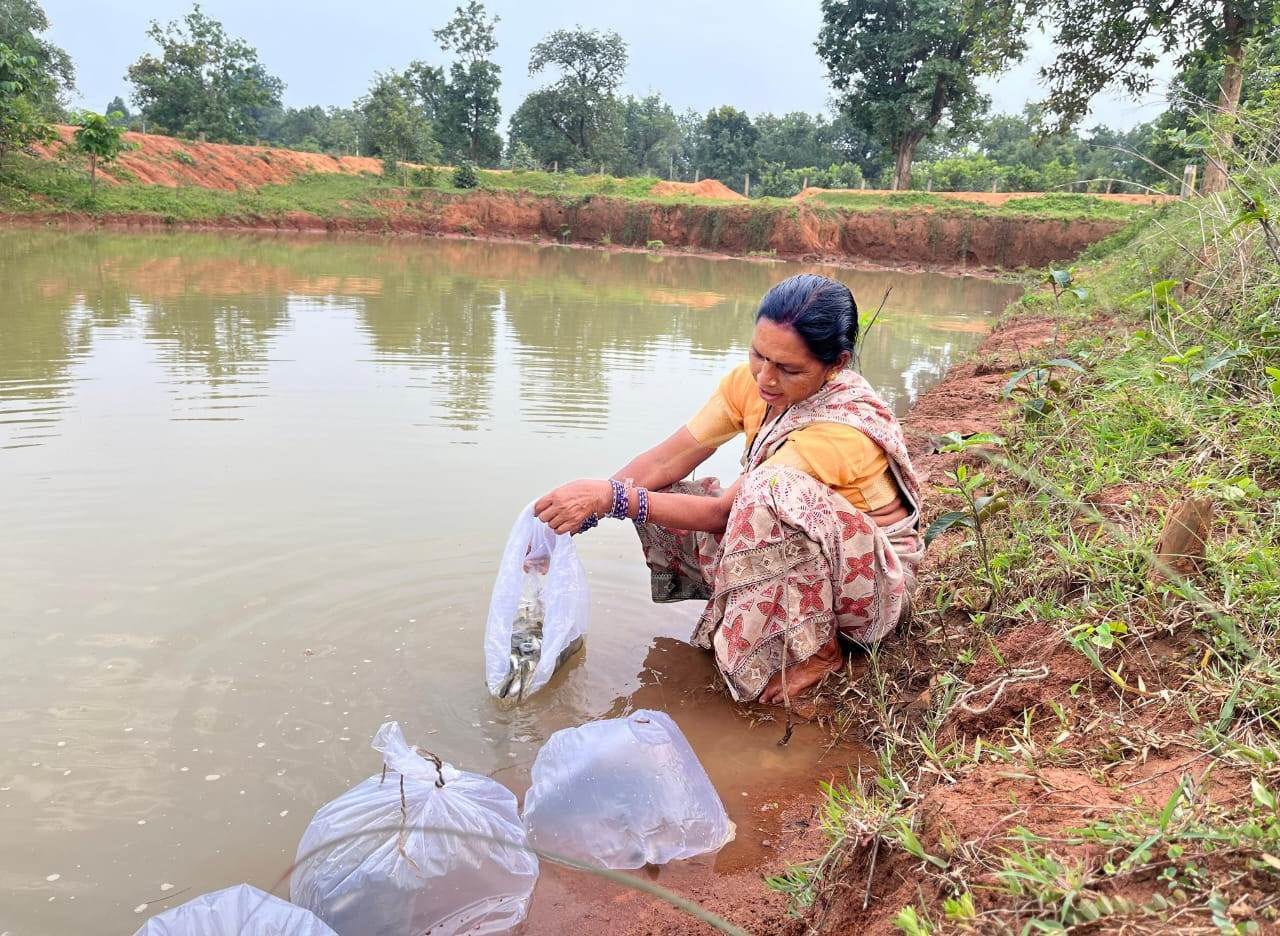
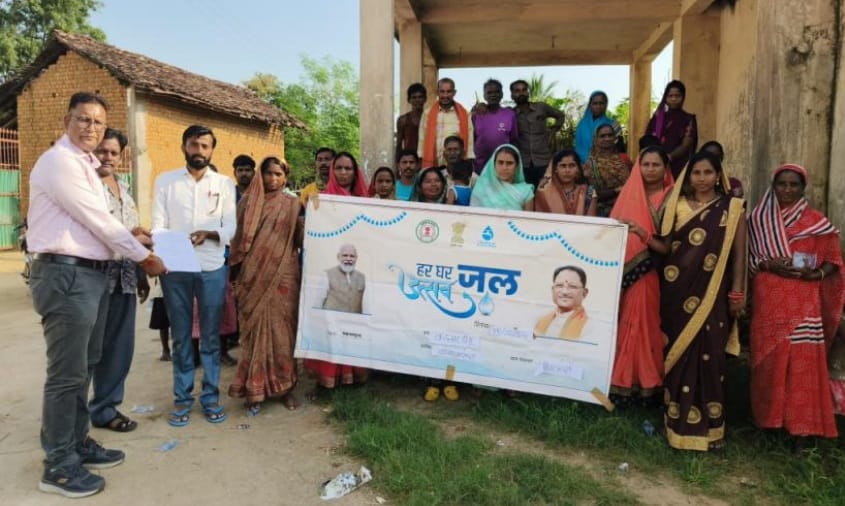
Given the impacts of climate change, water conservation is one of the most important issues today. The Chhattisgarh government has taken several innovative initiatives in this direction. Campaigns like “More Village More Water” and “More Village More Tariya” are creating a new awareness of water conservation in rural areas. Efforts are being made to improve groundwater levels through the revival of traditional ponds, rainwater harvesting, the construction of check dams, and the development of water recharge structures.
Under the “Groundwater and Water Conservation Programs” in the state, special emphasis is being placed on the conservation and enhancement of water sources. This approach to water security is laying the foundation for a secure future for generations to come.
- Conservation of rivers and wetlands
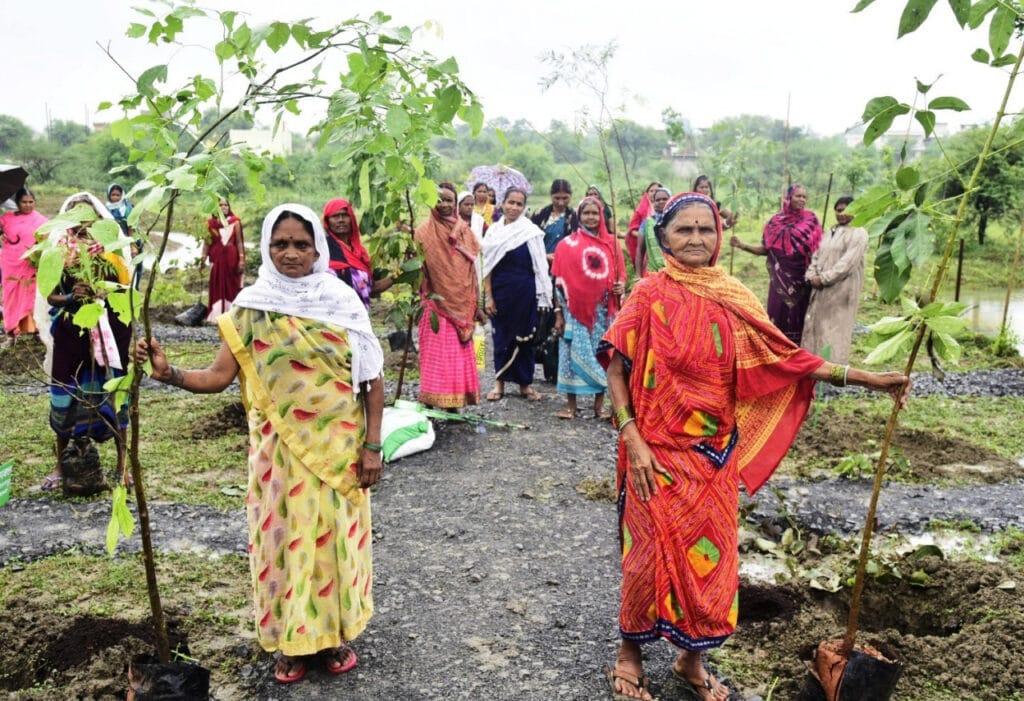
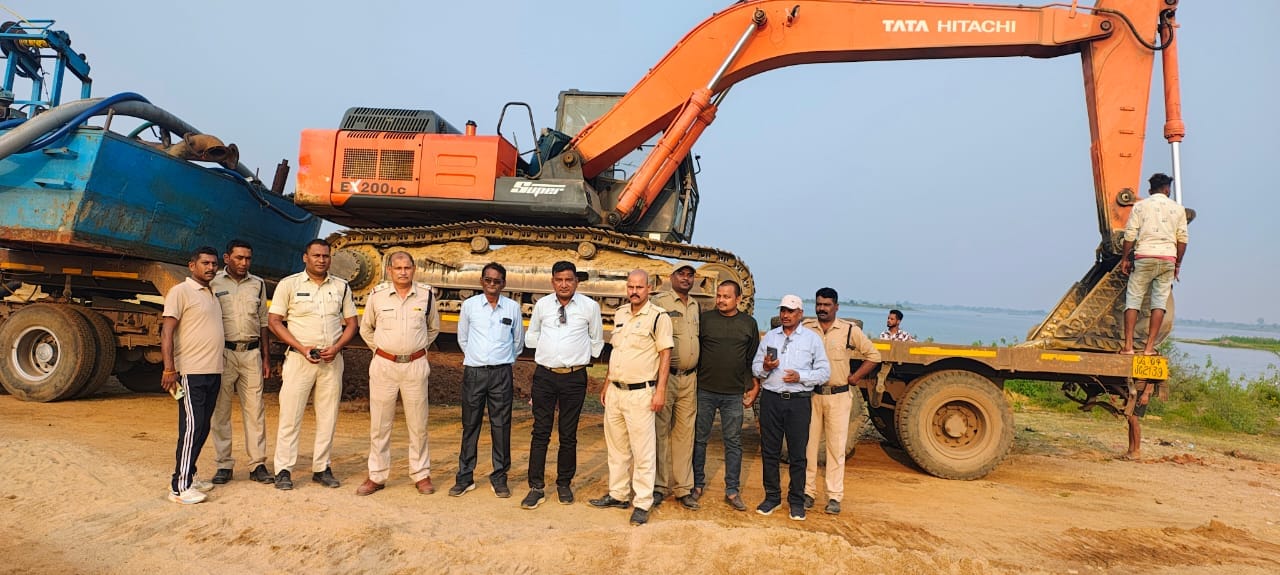
To strengthen the natural ecosystem, large-scale tree plantations are being carried out along river banks under the River Bank Afforestation Scheme. This is helping to control soil erosion, recharge groundwater, and conserve biodiversity.
Similarly, the Wetland Climate Adaptation Project is working to conserve and restore wetlands in the Mahanadi catchment area. This initiative is an important step towards mitigating the effects of climate change and strengthening natural water systems.
- Initiative to make the new generation guardians of the environment
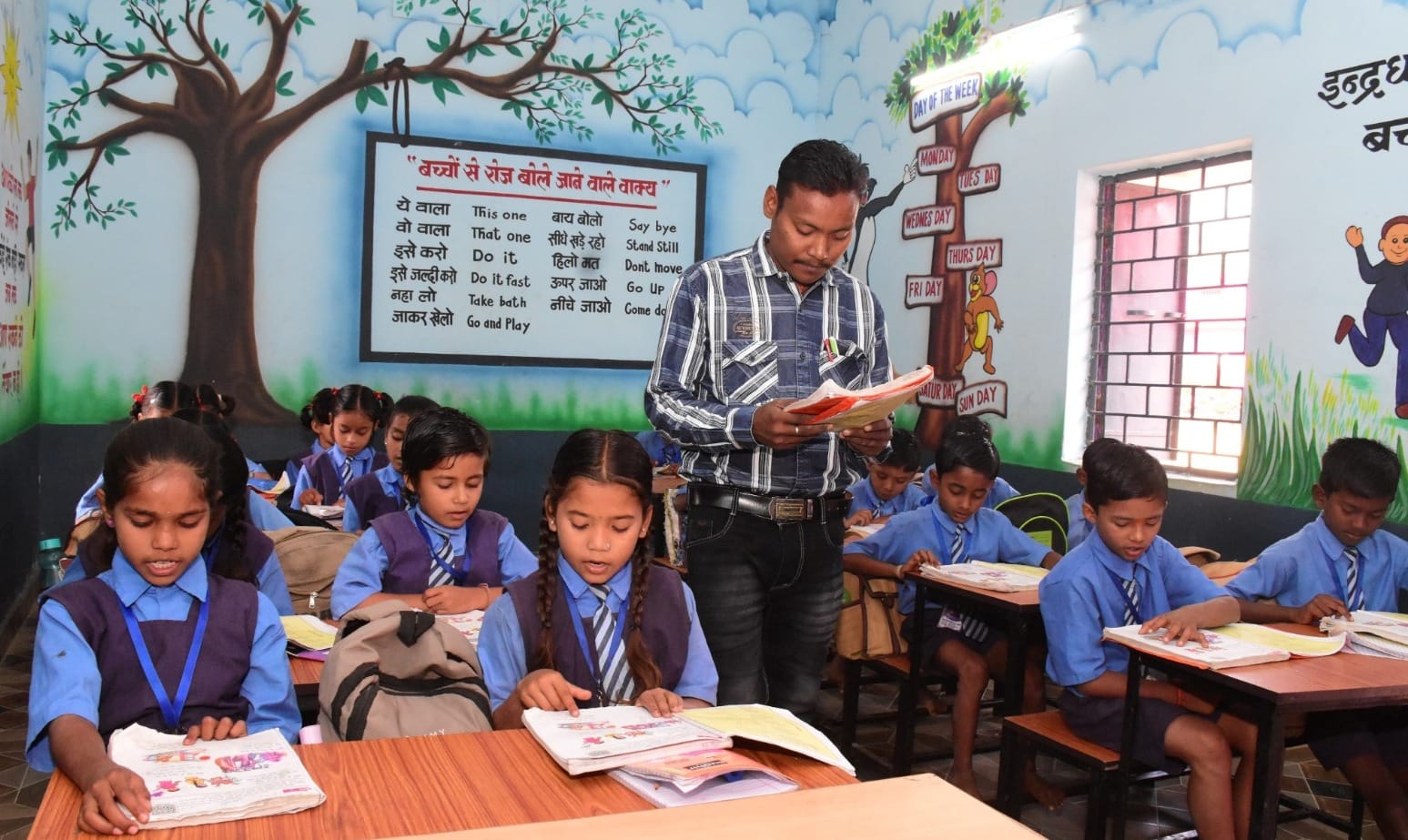
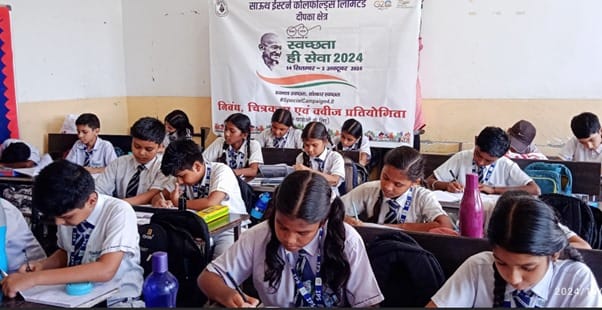
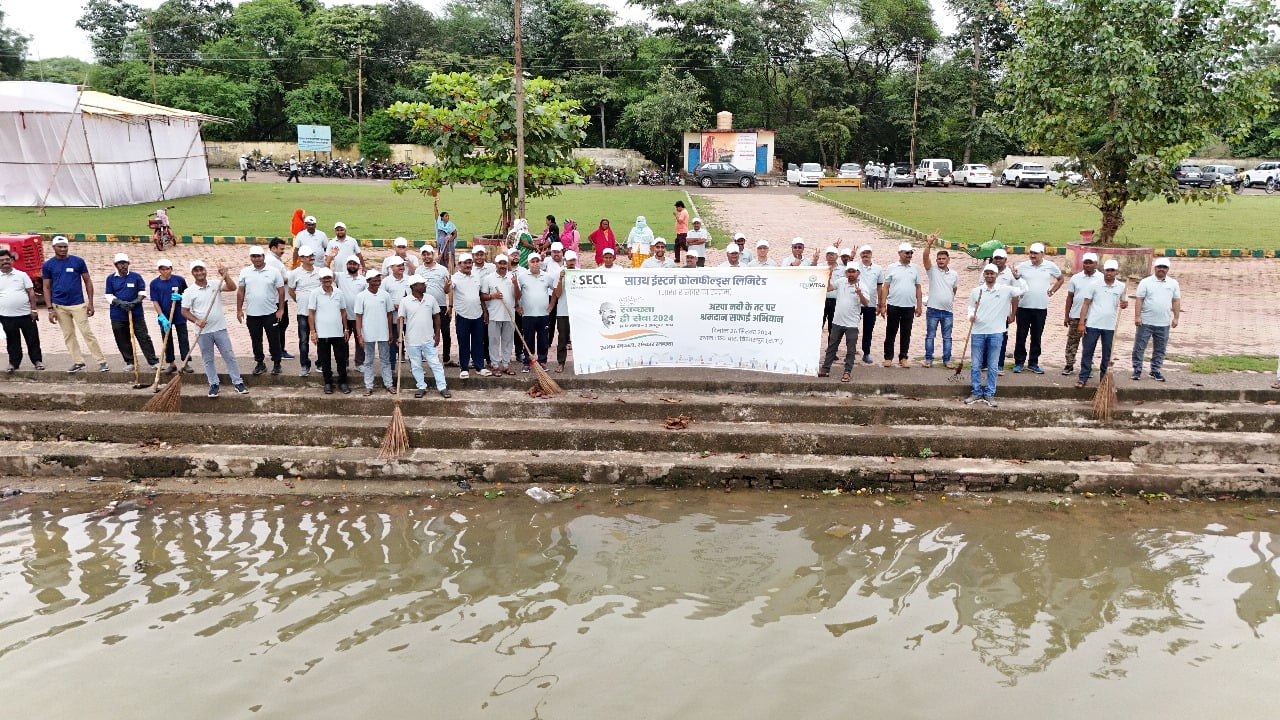
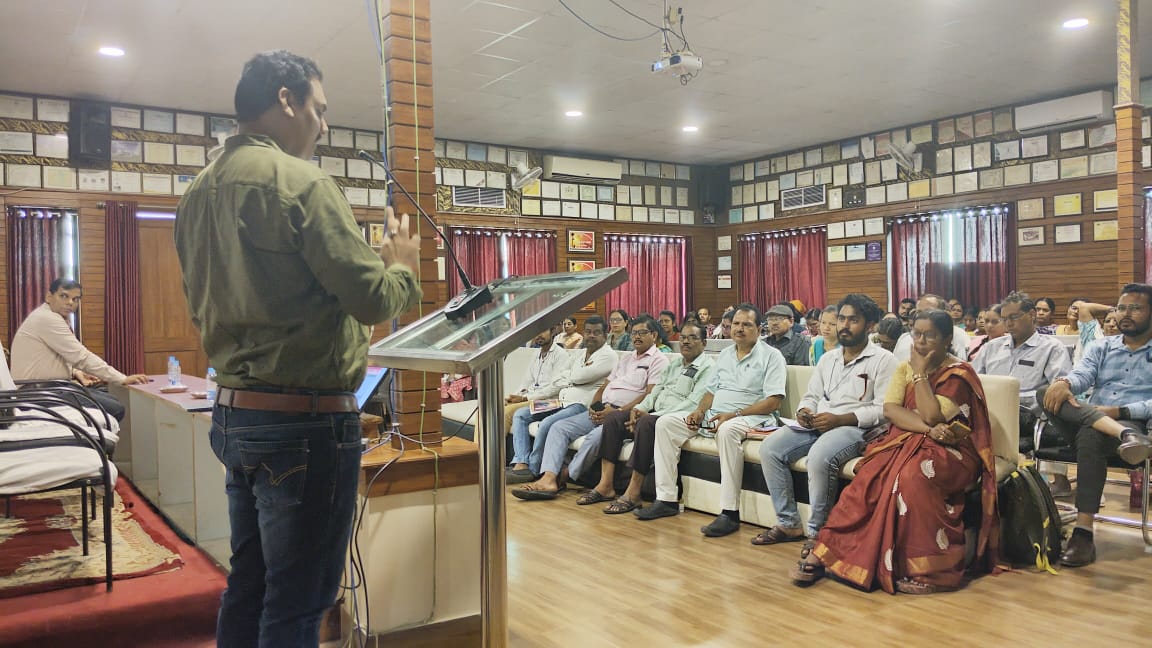
The success of environmental protection depends on public awareness and public participation. To this end, school and college students are being engaged in environmental activities through the National Green Corps and Eco-Club programs. Children and youth are being sensitized to nature through tree planting, cleanliness drives, water conservation, and biodiversity conservation programs.
- Environmental Protection: A Shared Responsibility of Government and Society
Environmental protection isn’t possible through government schemes alone. It requires the active participation of every citizen. Planting a tree, saving water, reducing plastic use, judiciously using natural resources, and maintaining cleanliness are small steps that can lead to big changes.
World Environment Day gives us the message that development and the environment are not opposites, but complementary. Today, Chhattisgarh is embodying this balanced approach through greenery, water conservation, and a public-participation-based development model. If we all understand our responsibilities toward nature and make environmental protection a part of our lifestyle, we will be able to hand over a clean, green, and safe Earth to future generations.
We did not inherit the Earth; we borrowed it from future generations. Therefore, protecting the environment is our moral responsibility.