












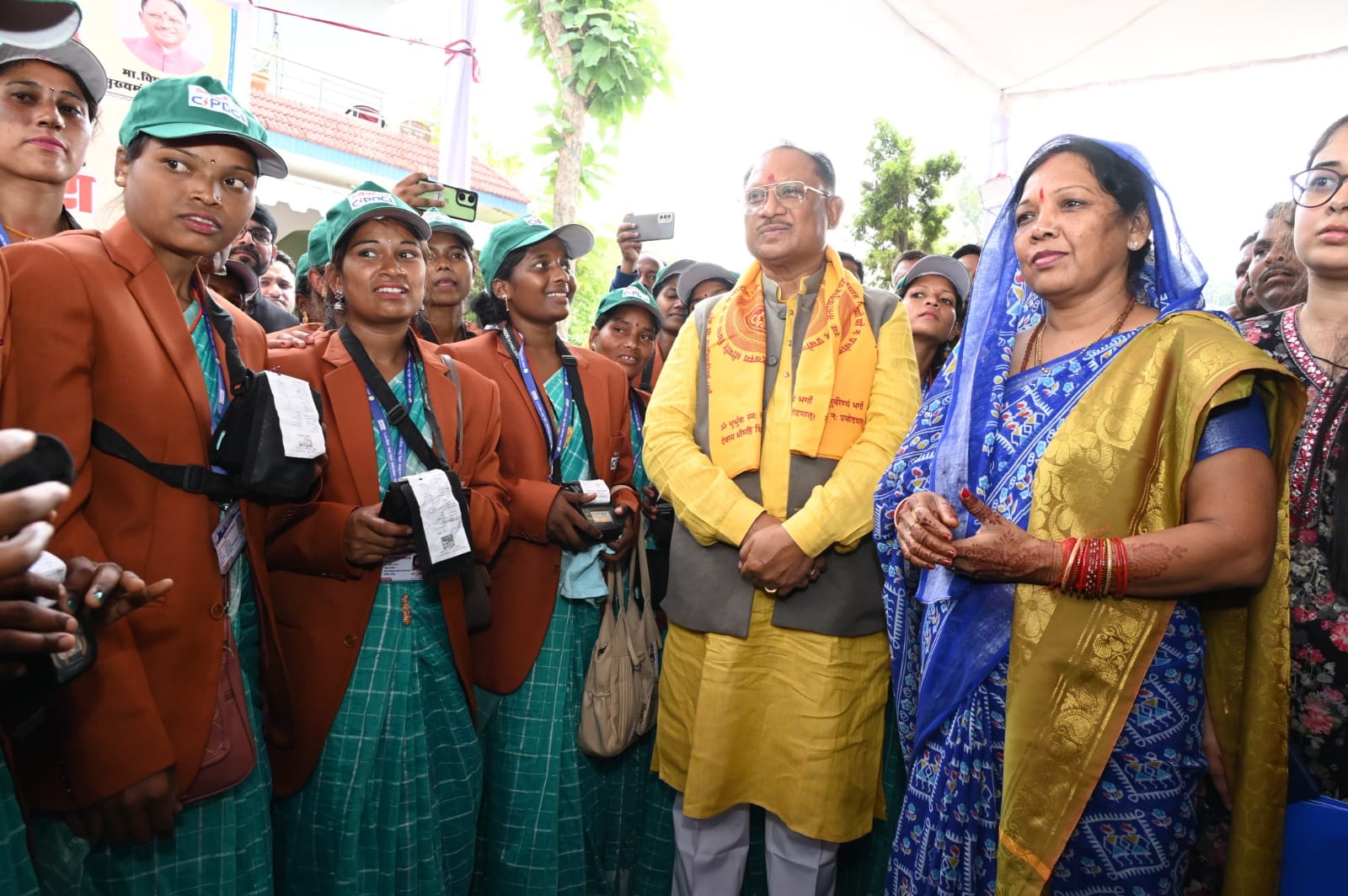













- Women and Child Development Department has formulated a strategy for long-term collaboration with industries.
- “With your cooperation, we will create golden Chhattisgarh” – Principal Secretary Mrs. Shehla Nigar
- Detailed brainstorming on upgradation of Anganwadi centres, eradication of malnutrition, women empowerment and innovation based projects
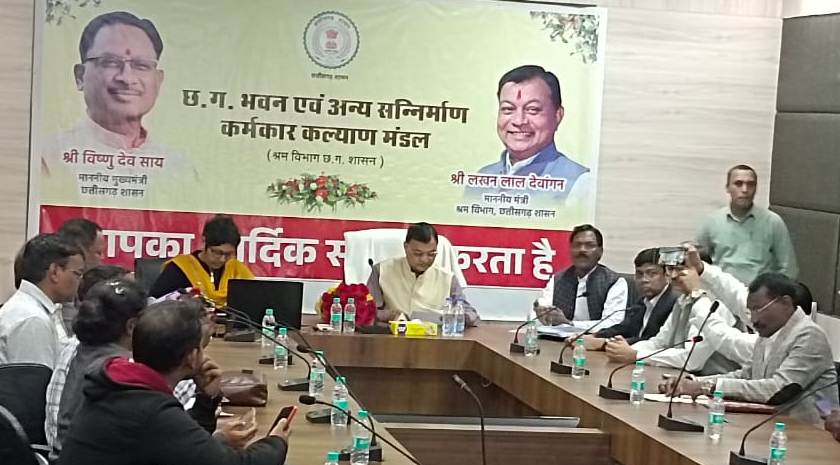
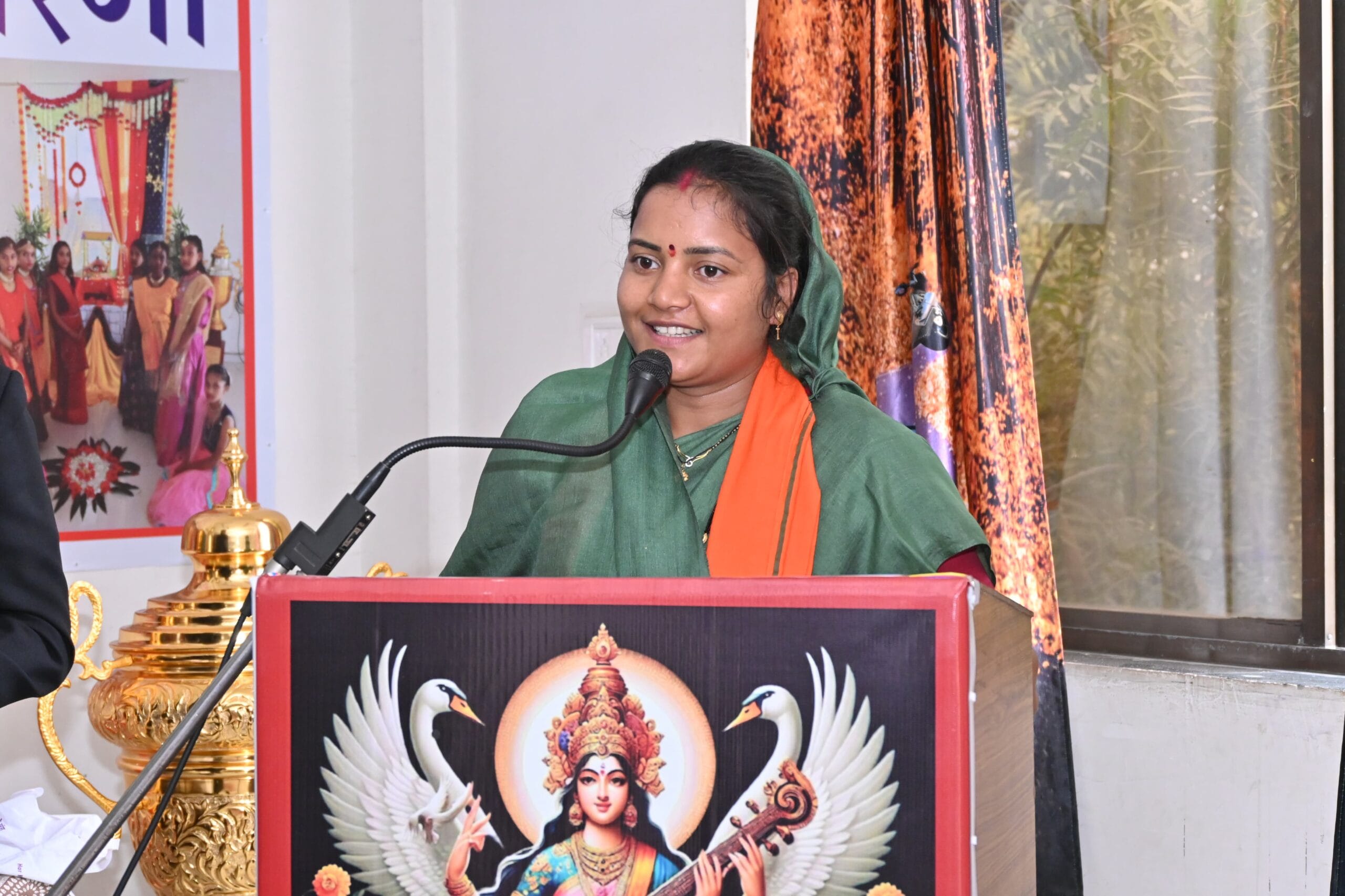
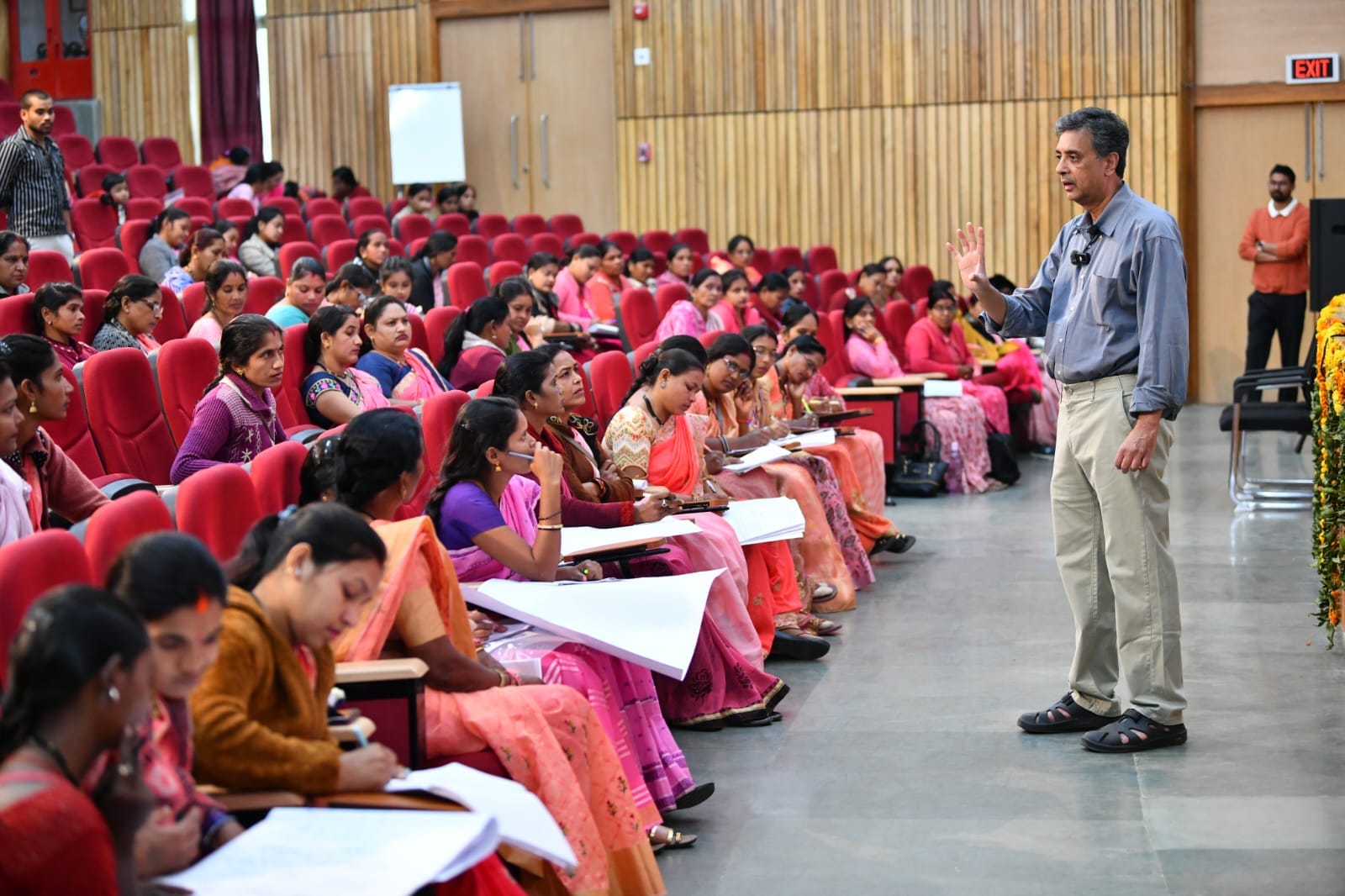
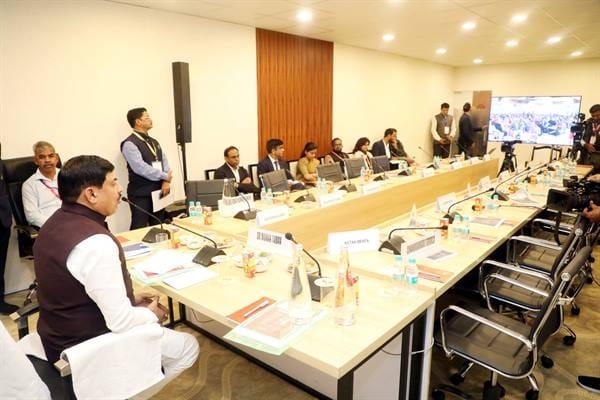
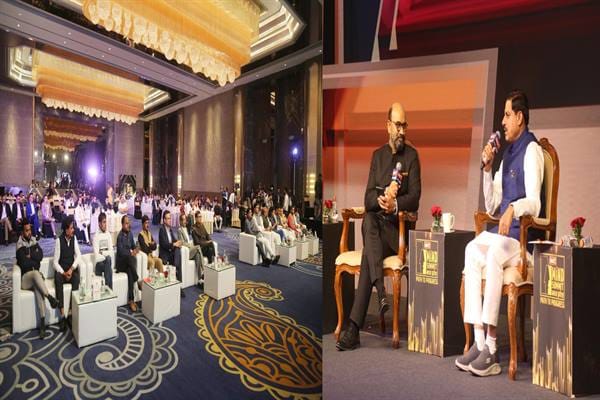
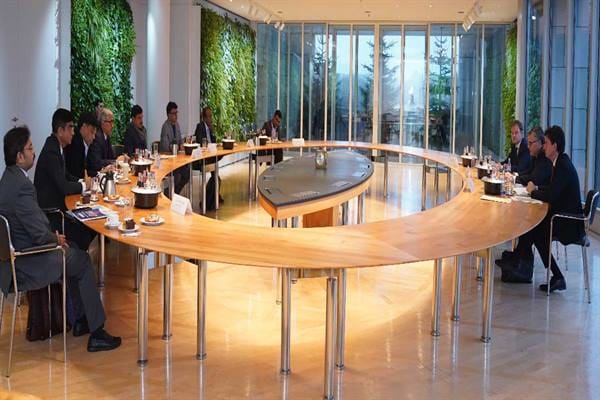
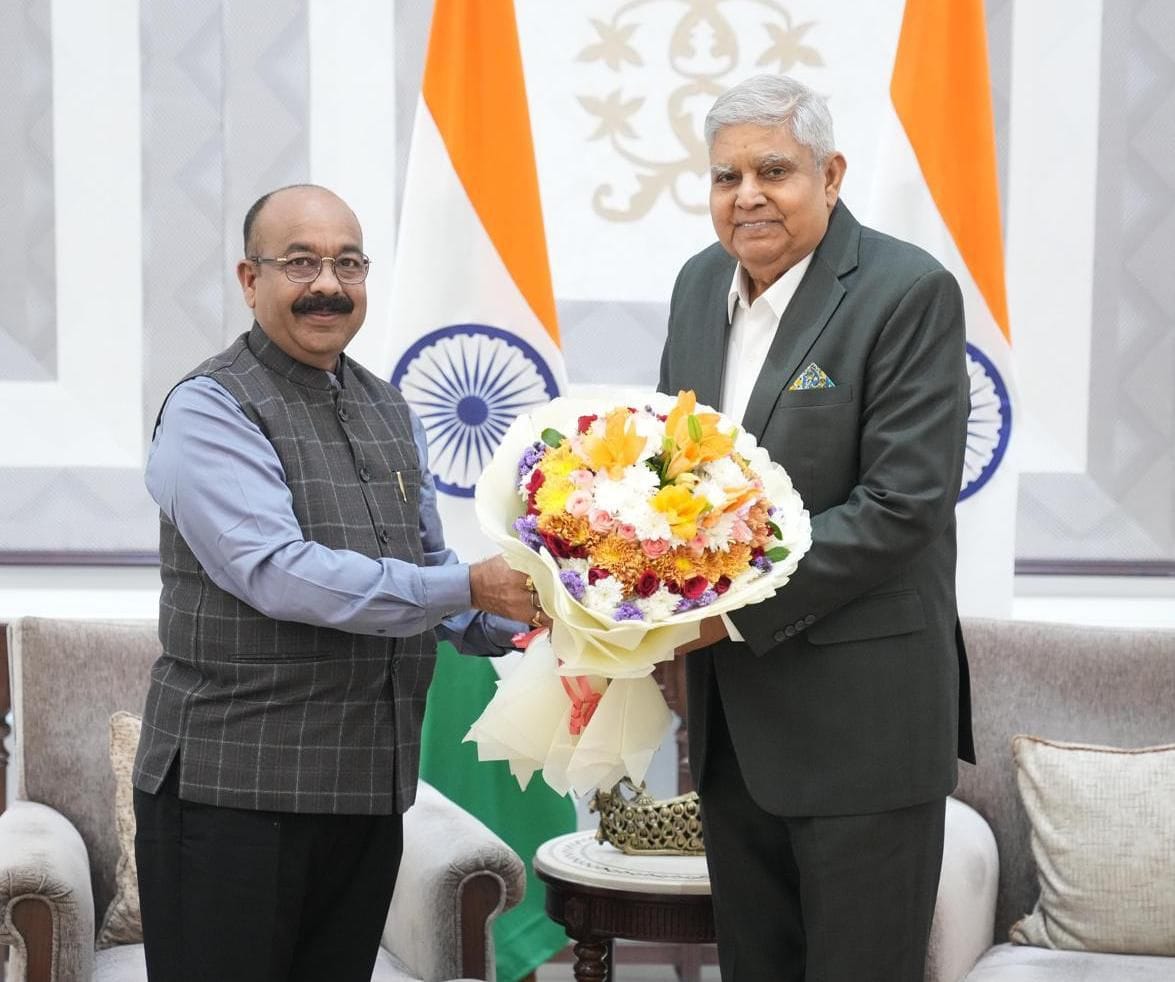
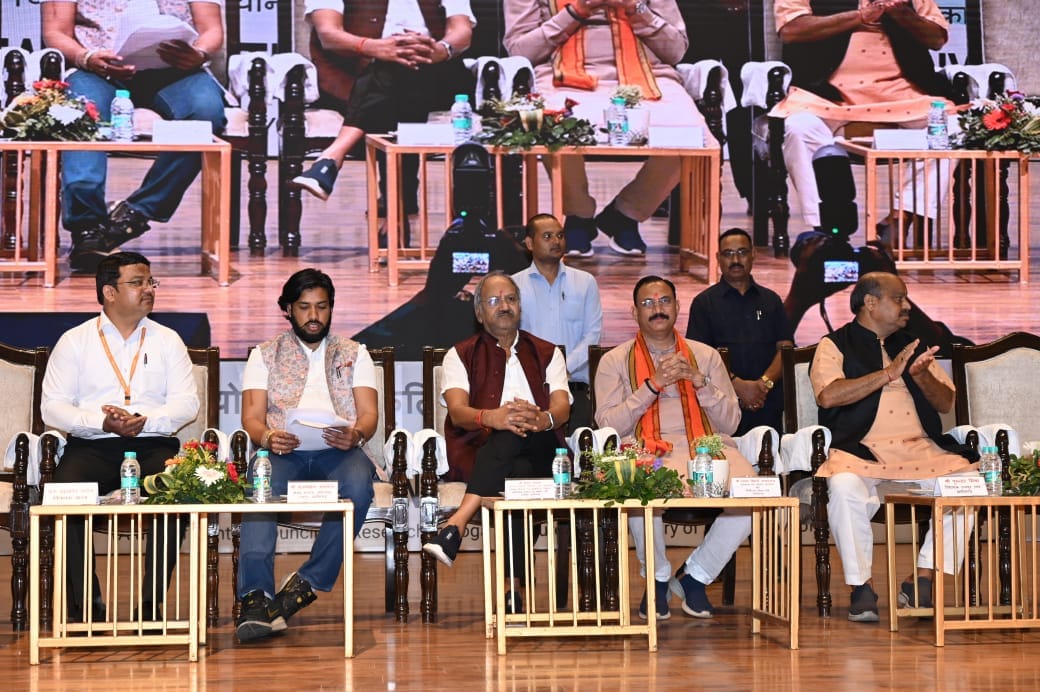
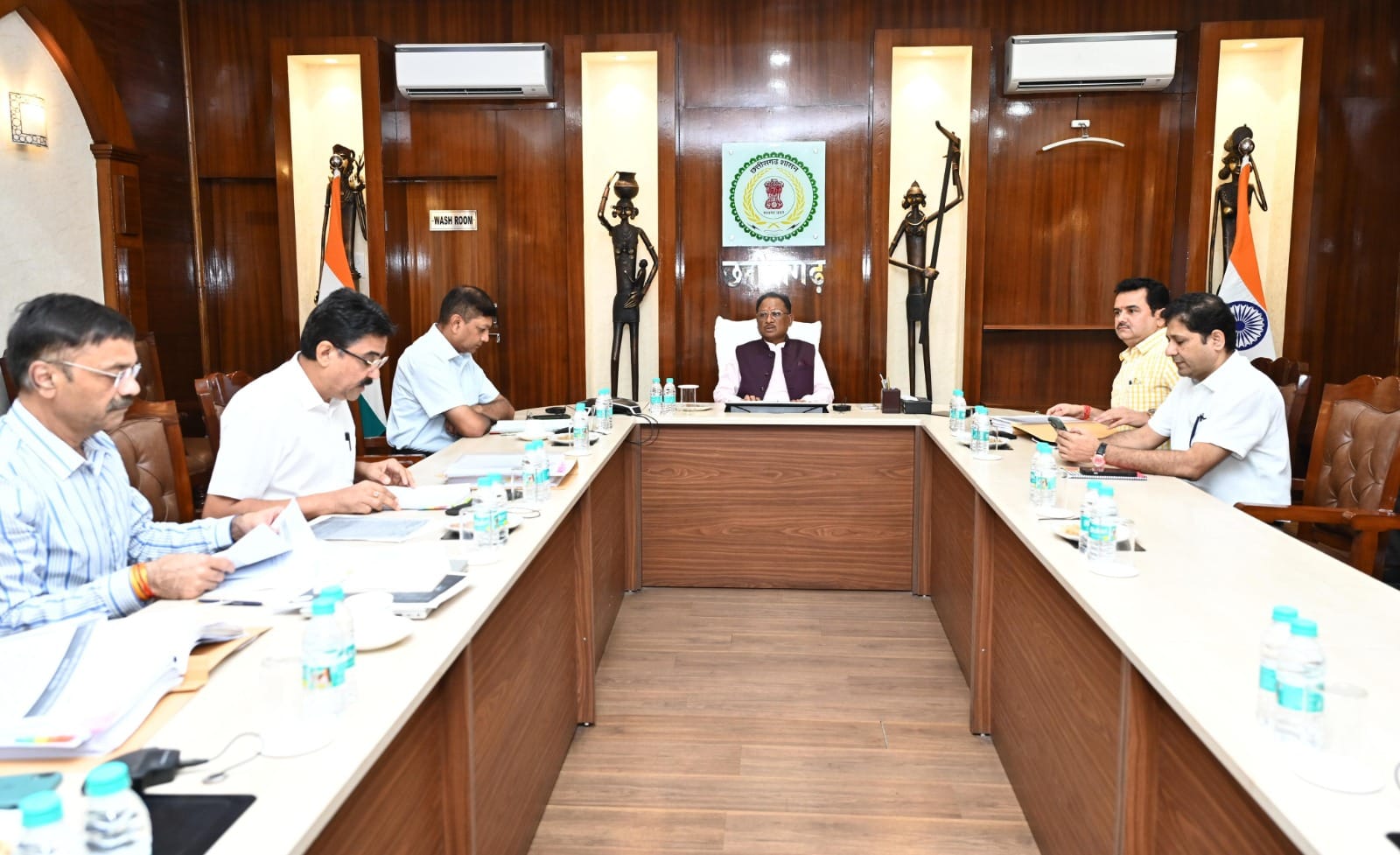
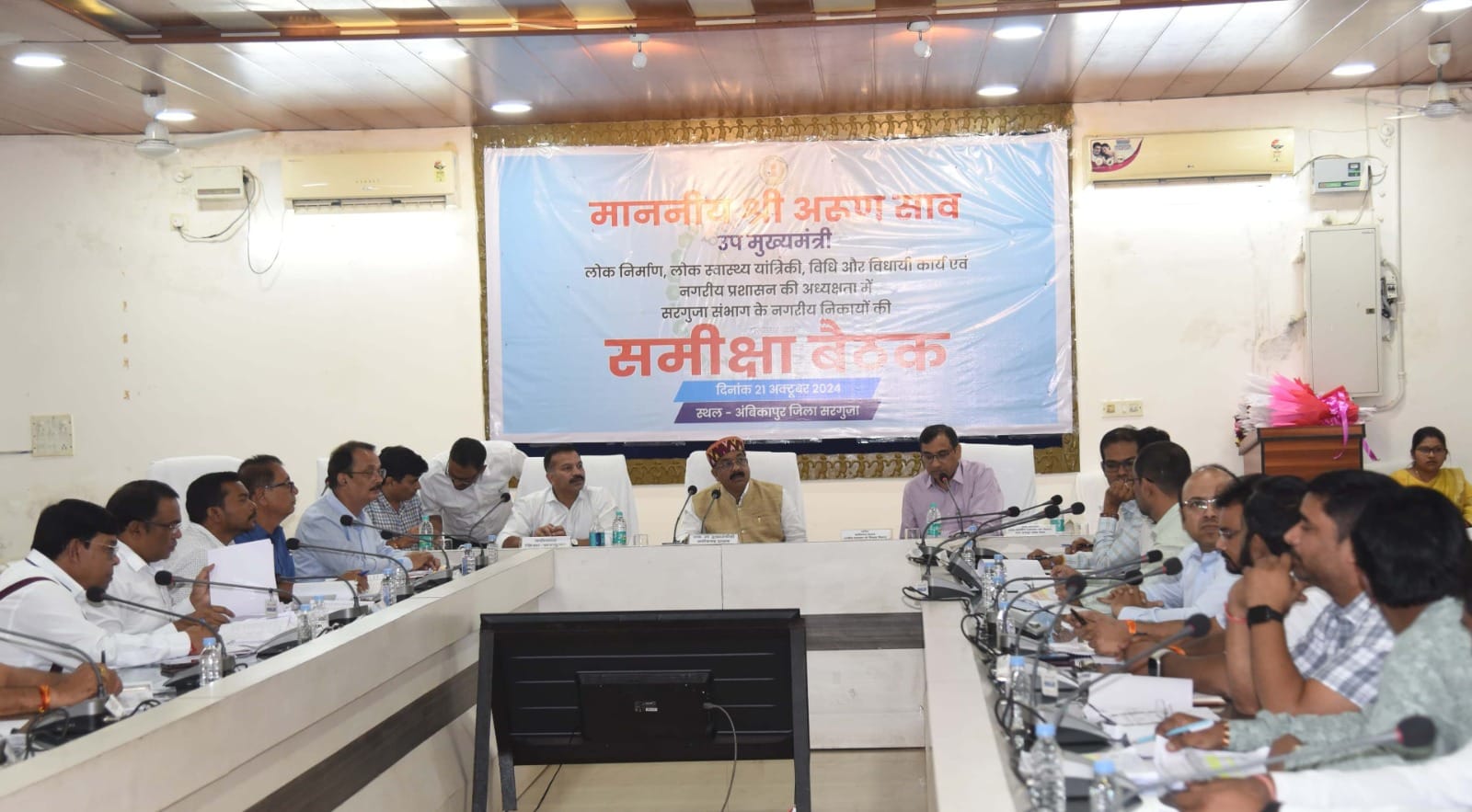
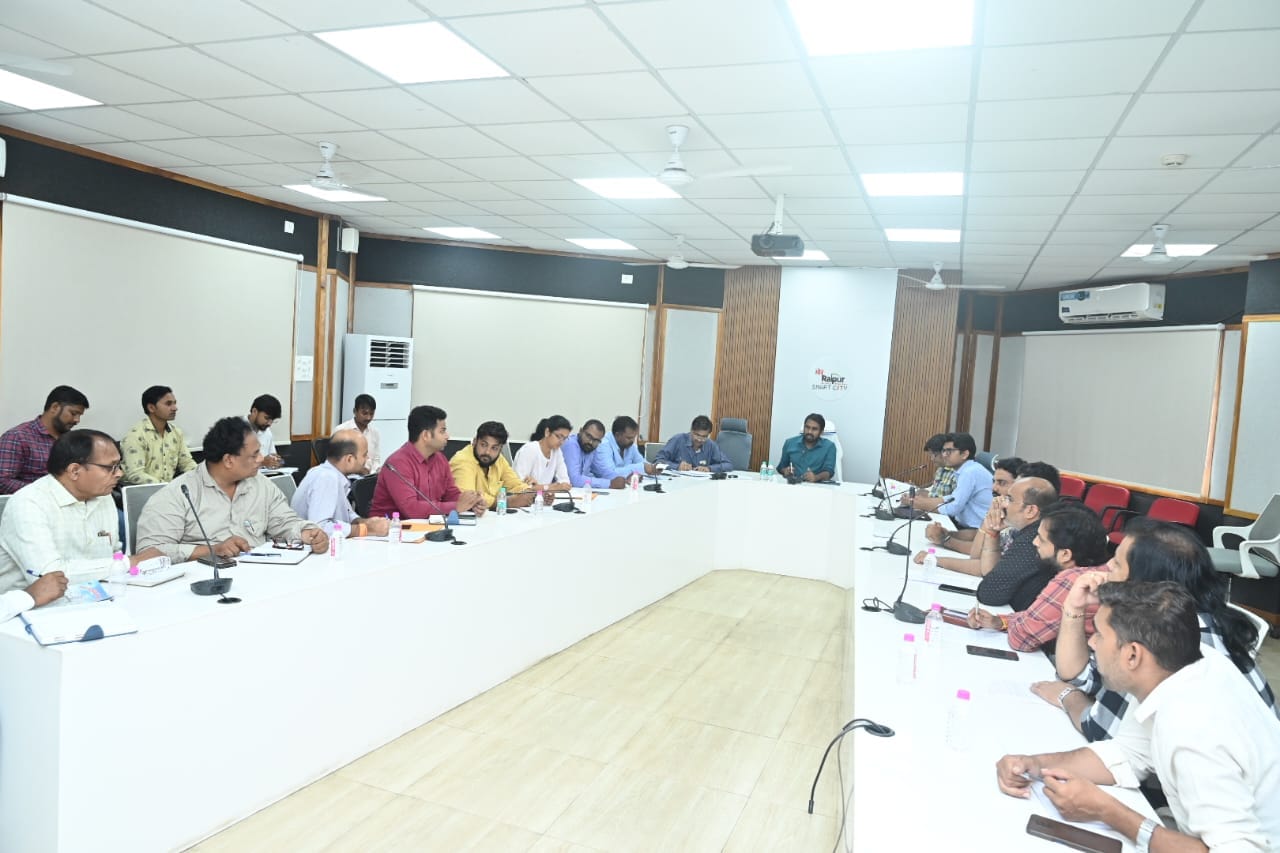
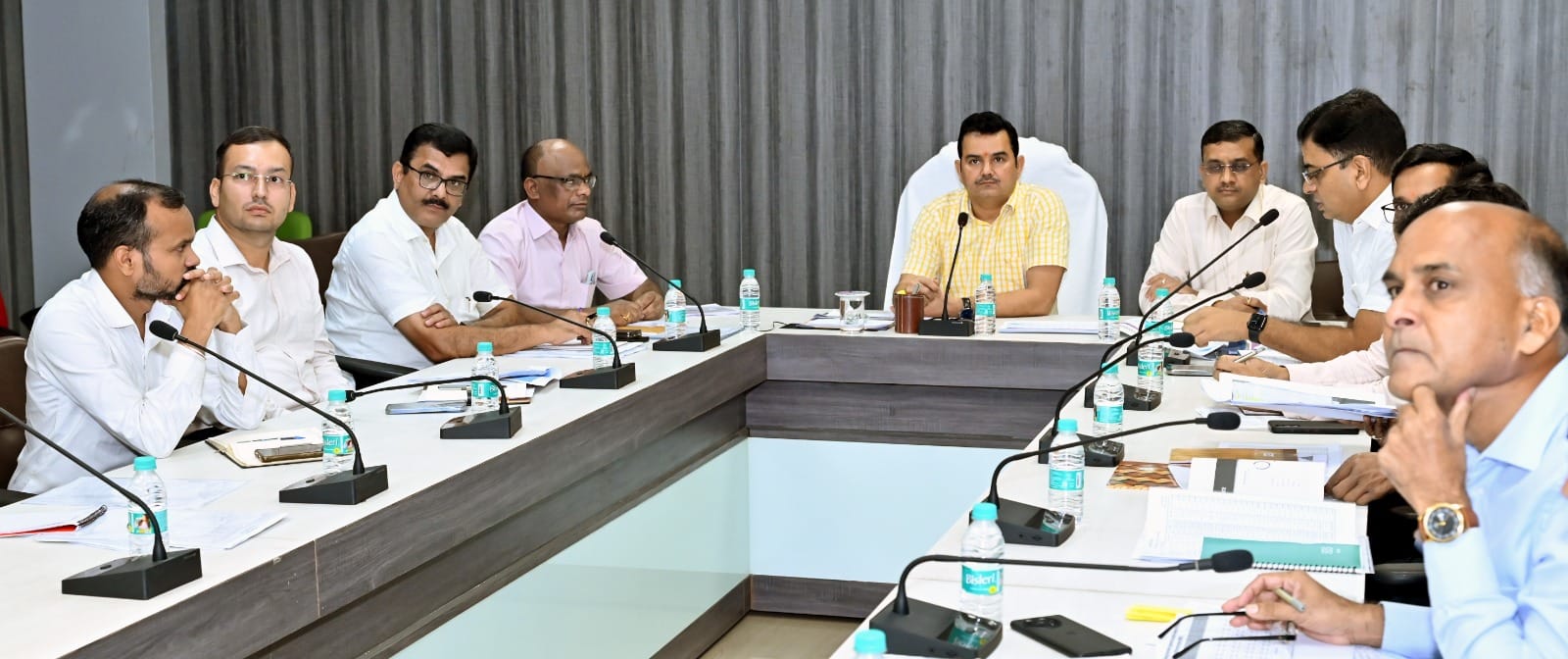
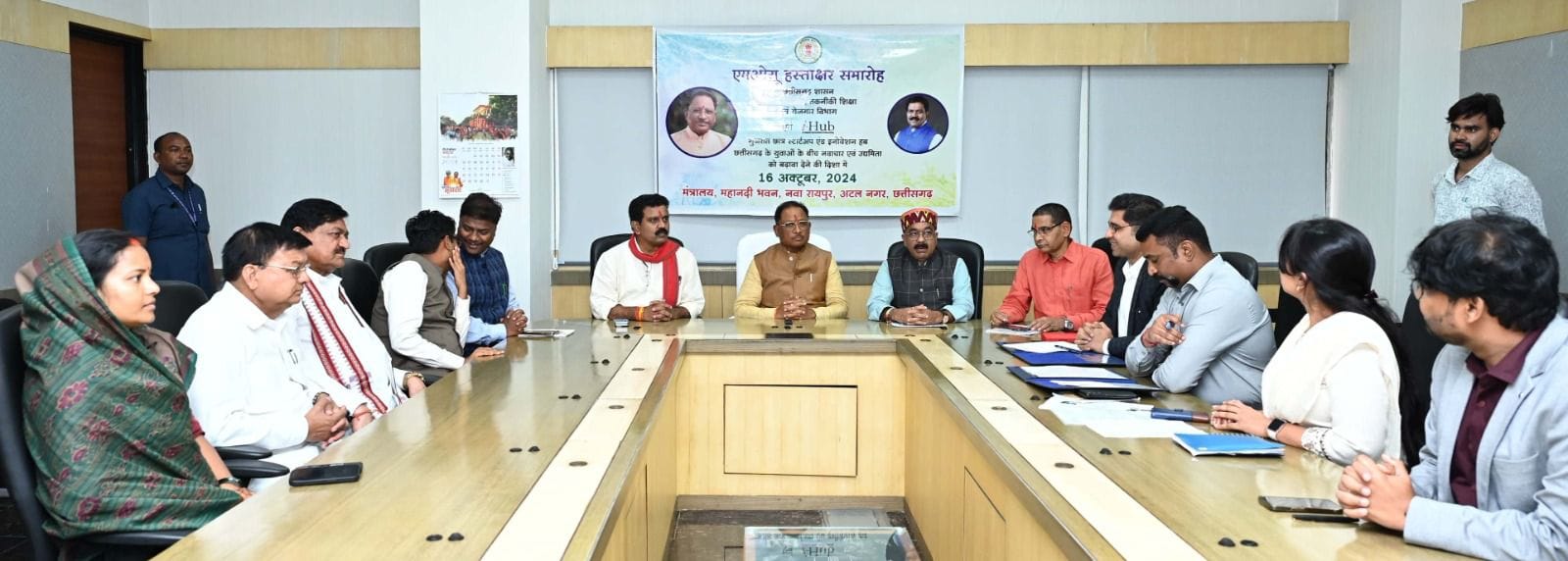
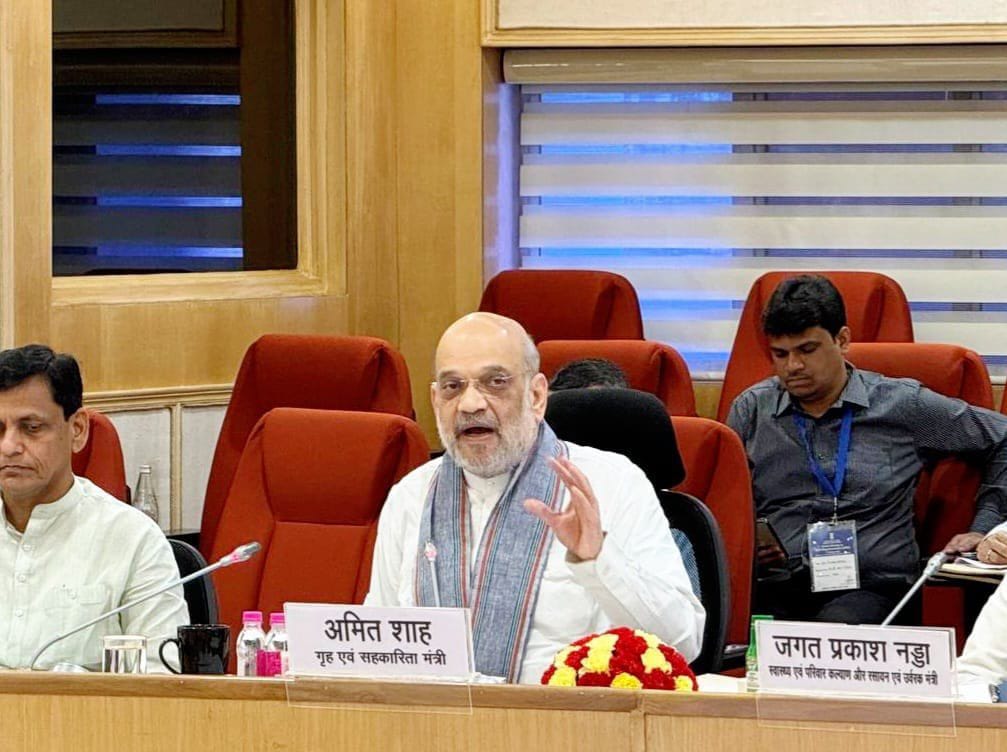
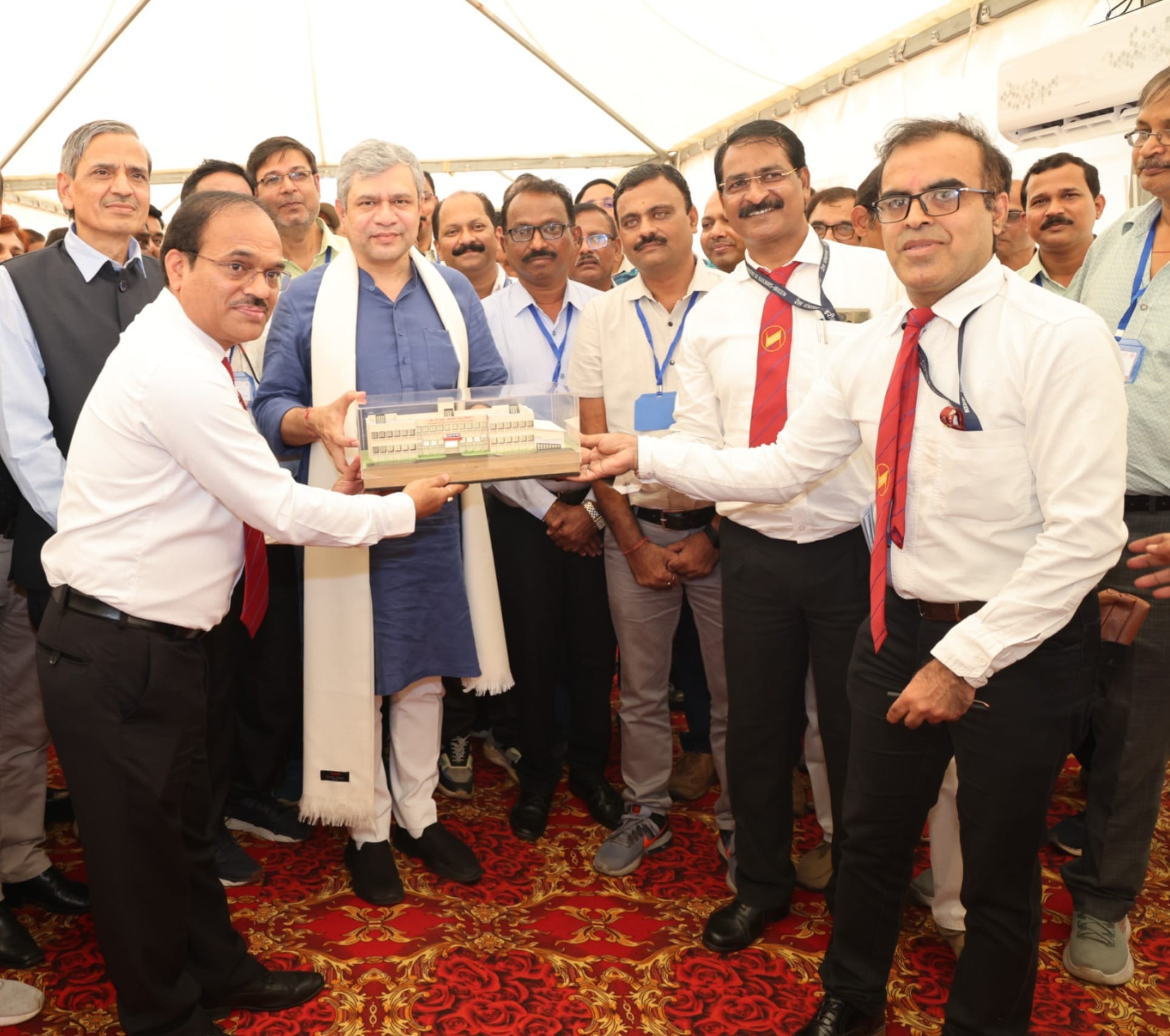
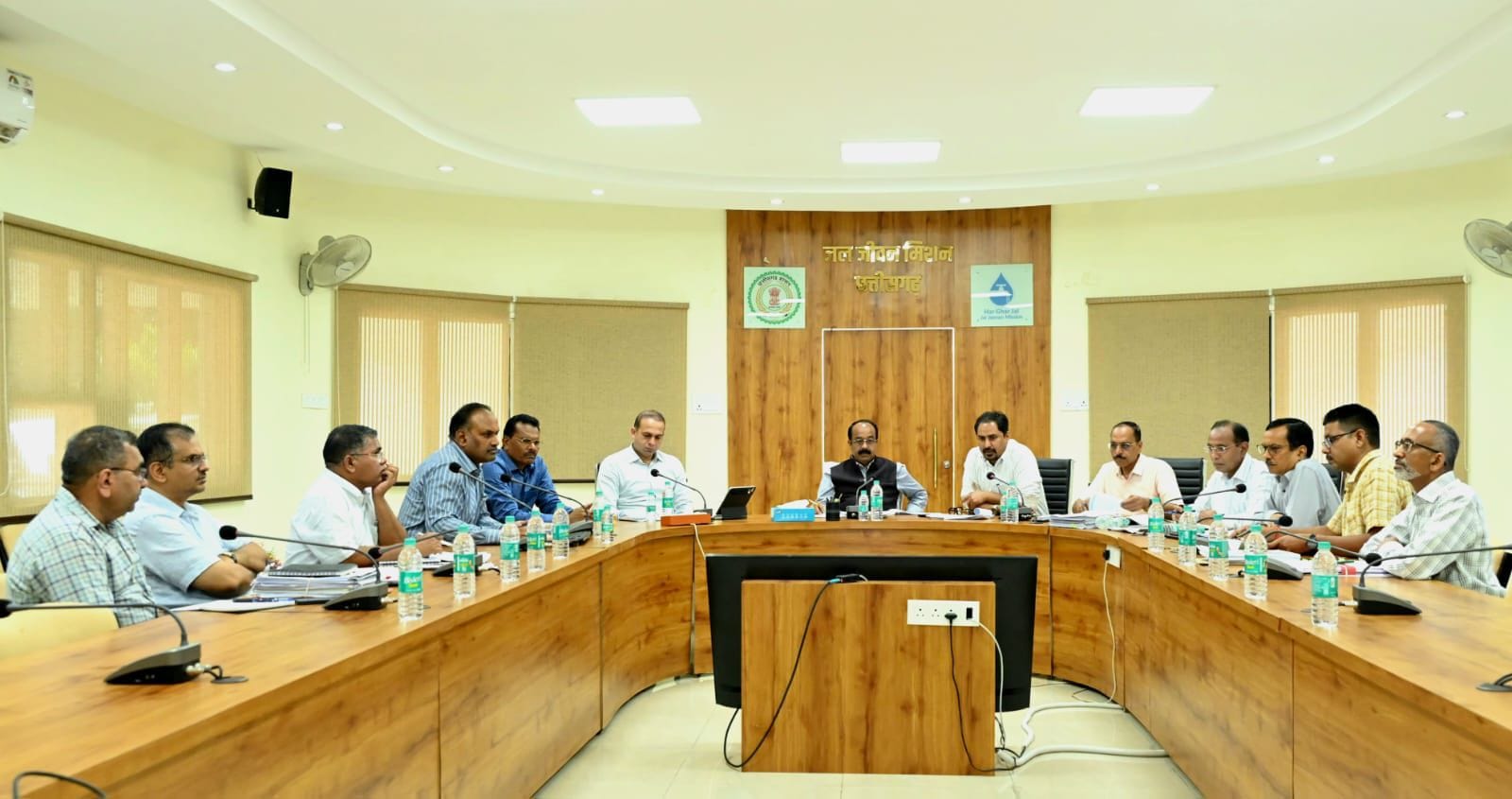
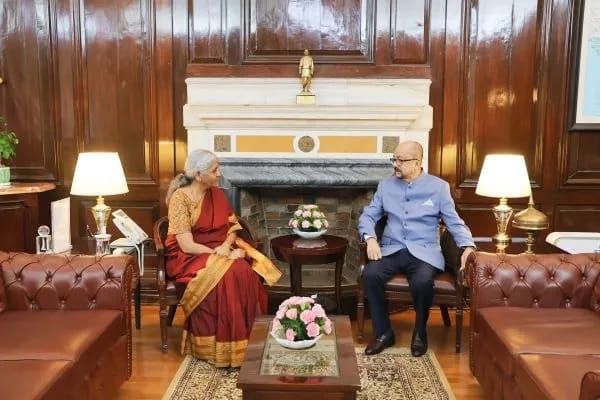
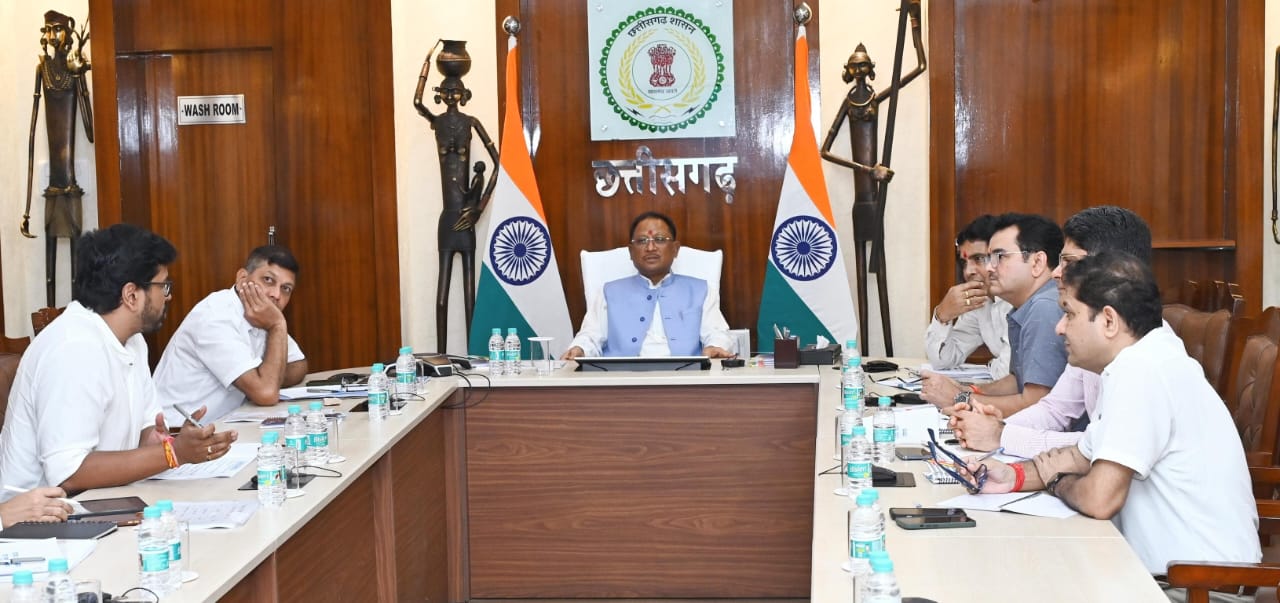
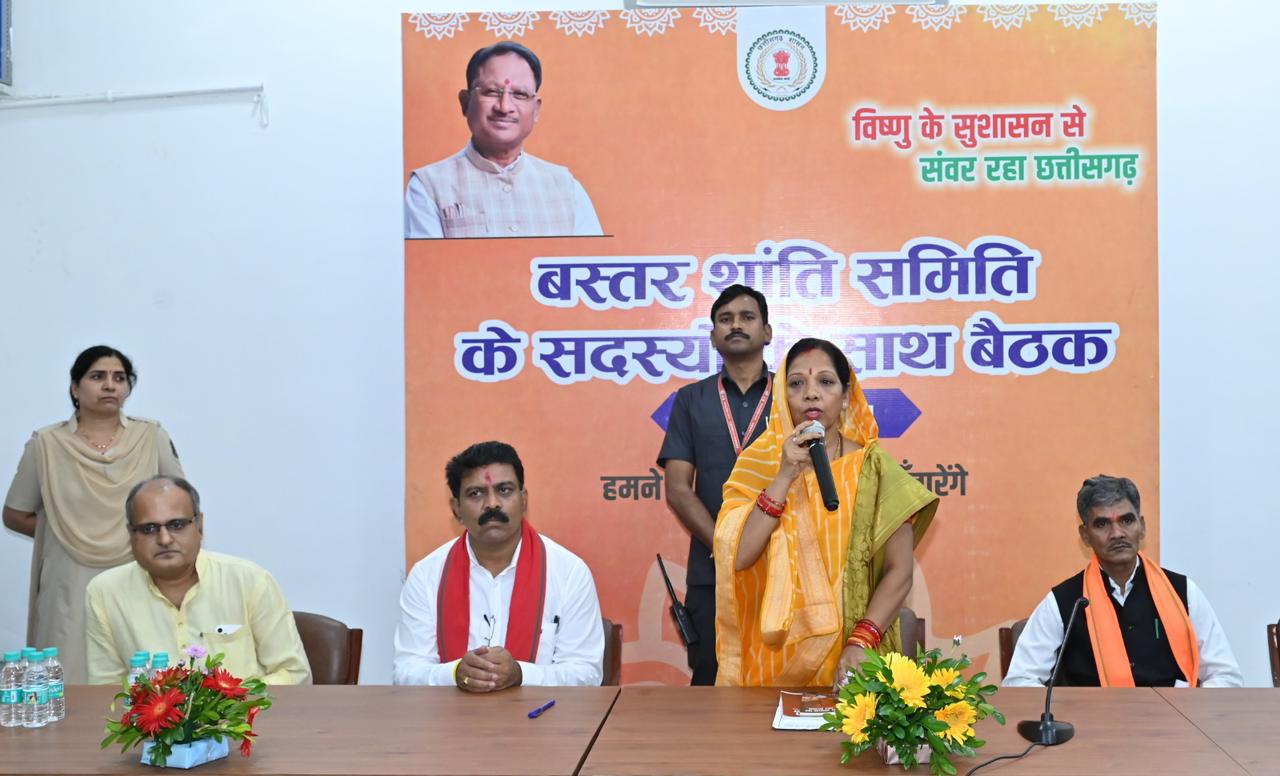
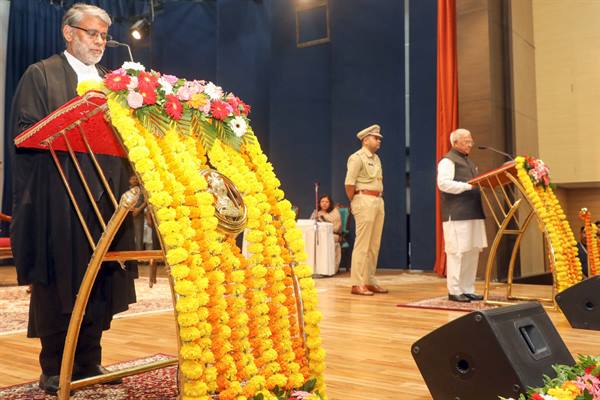
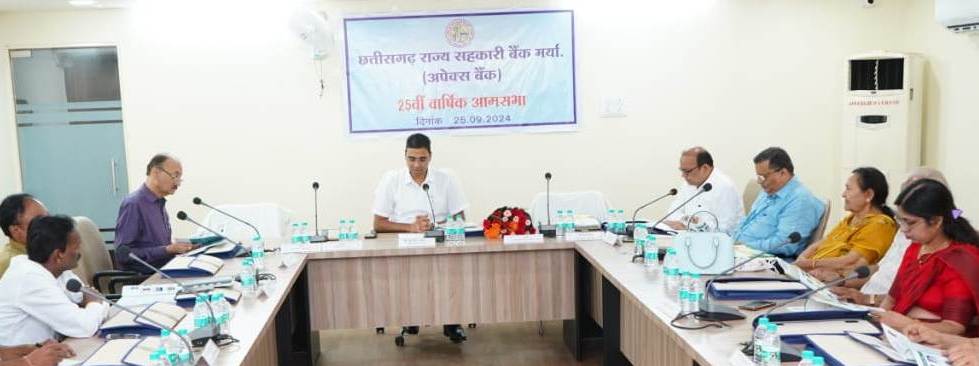
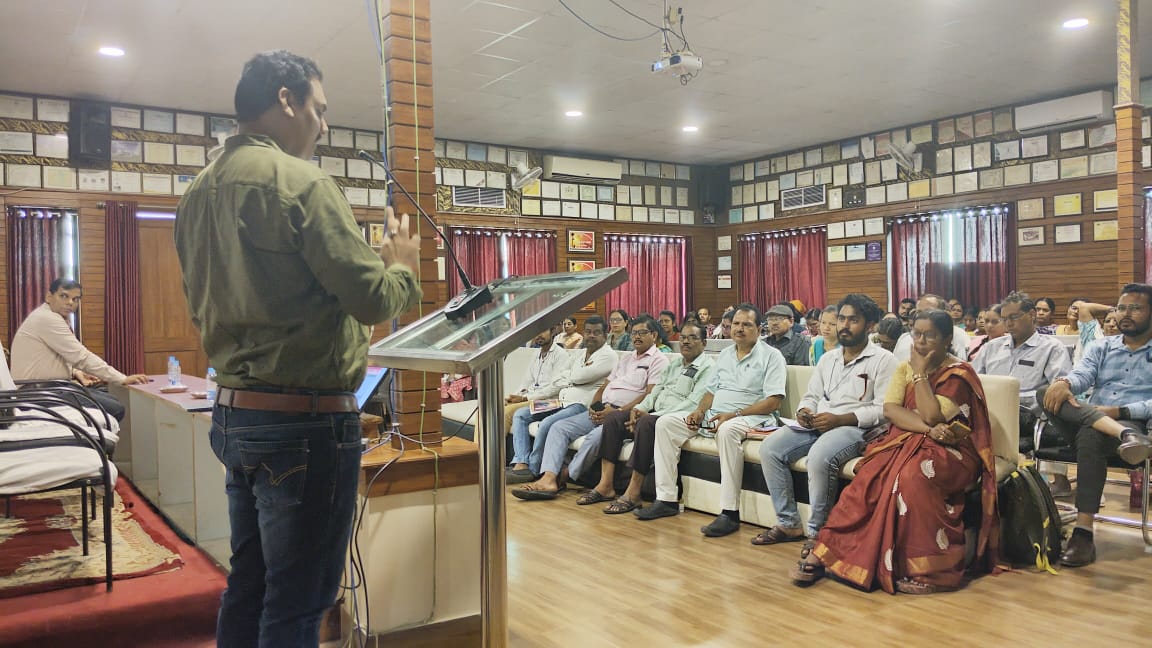
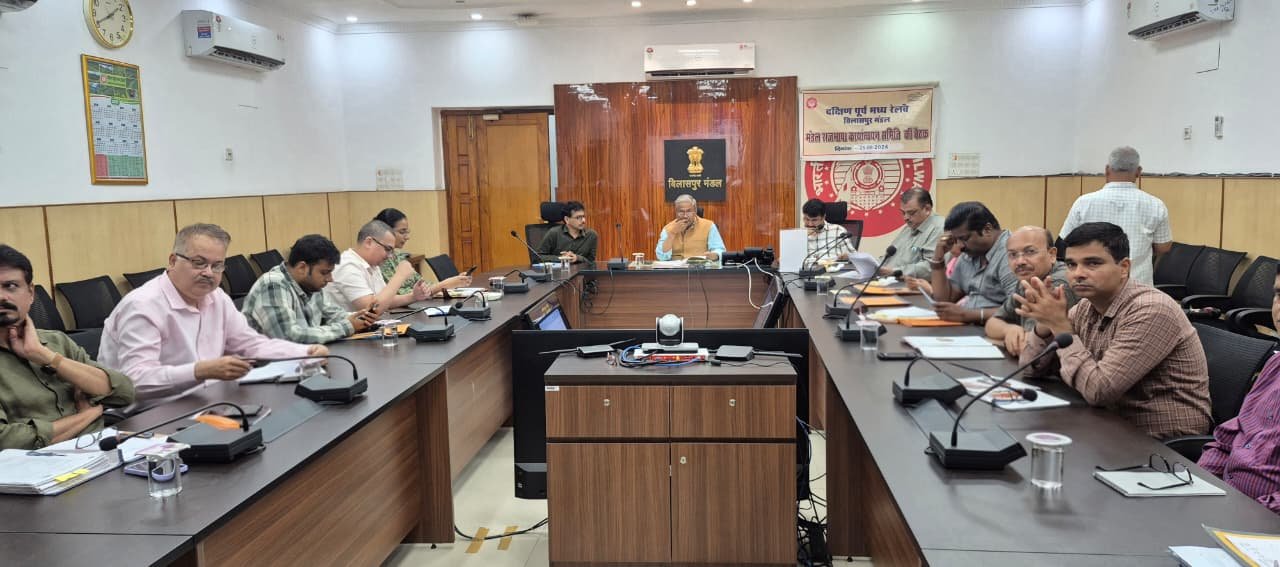
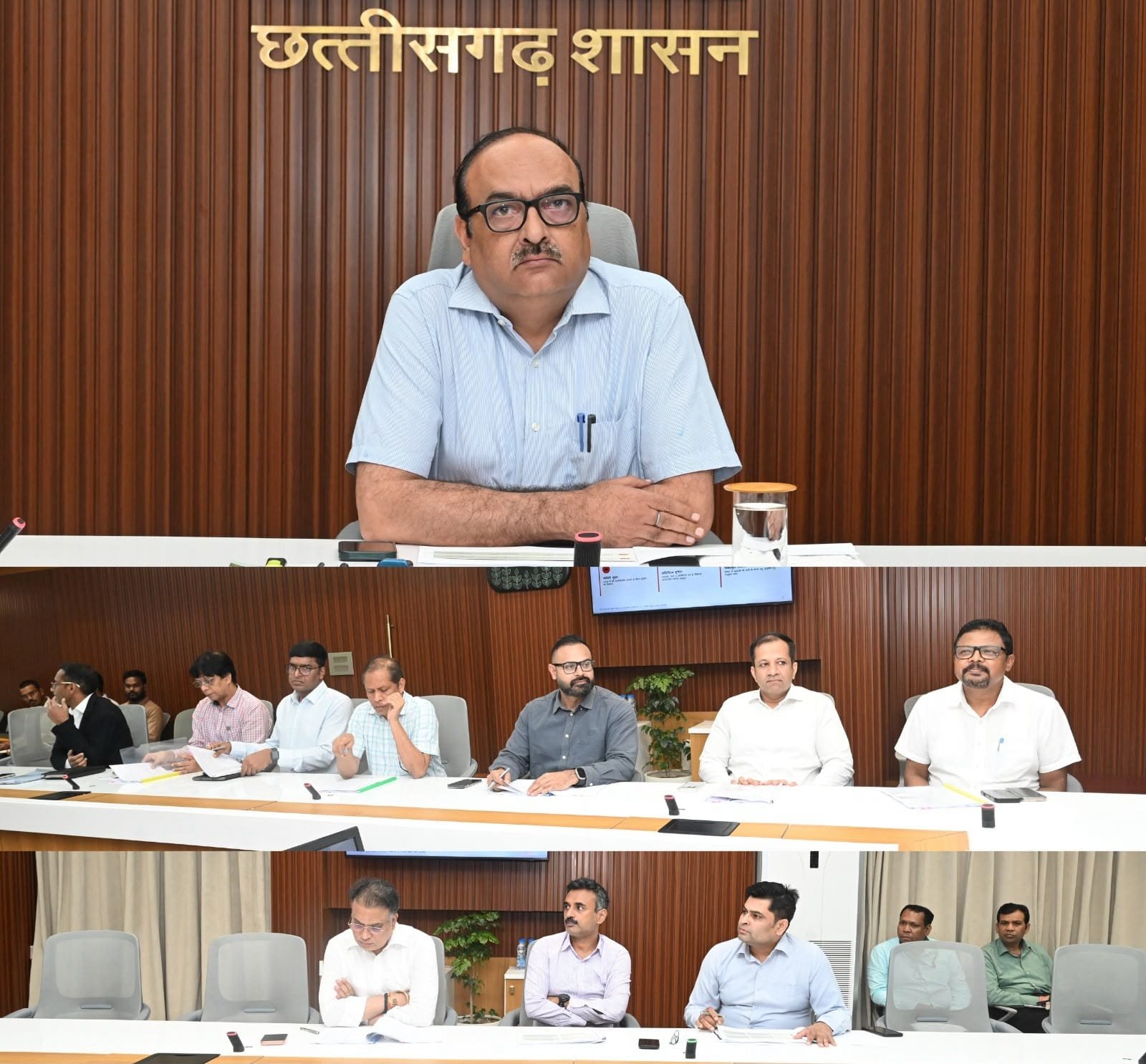
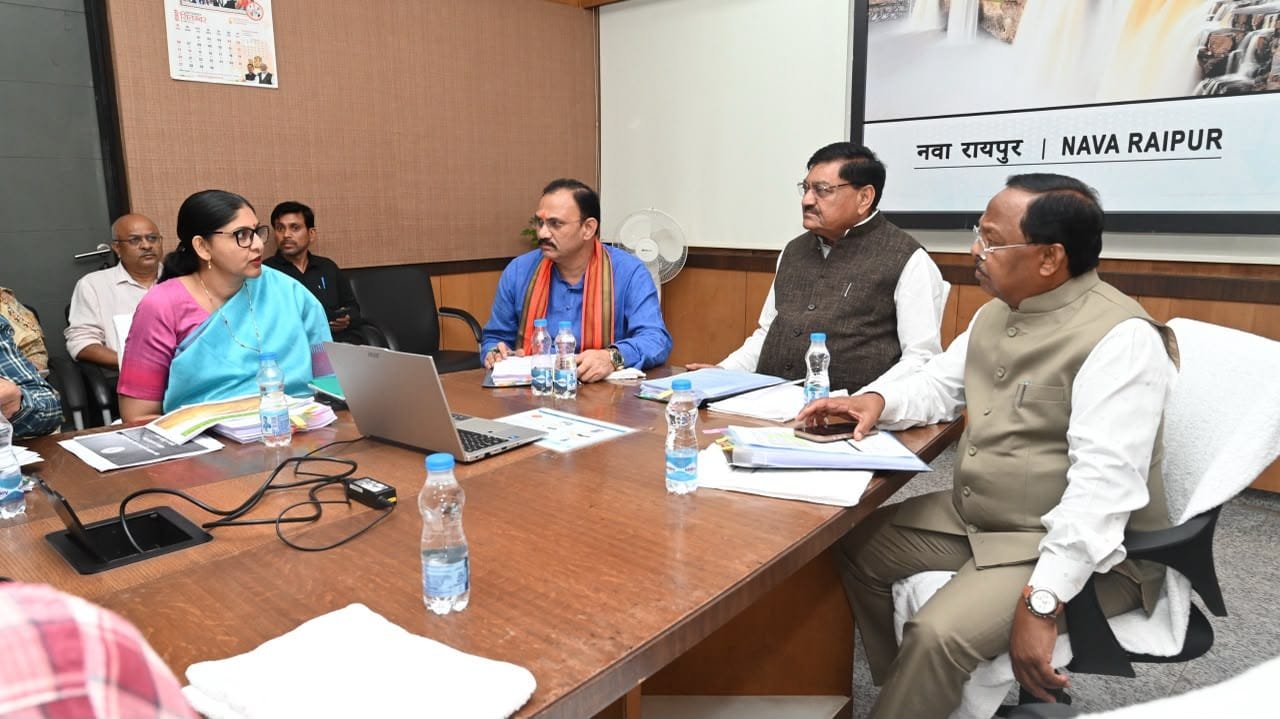
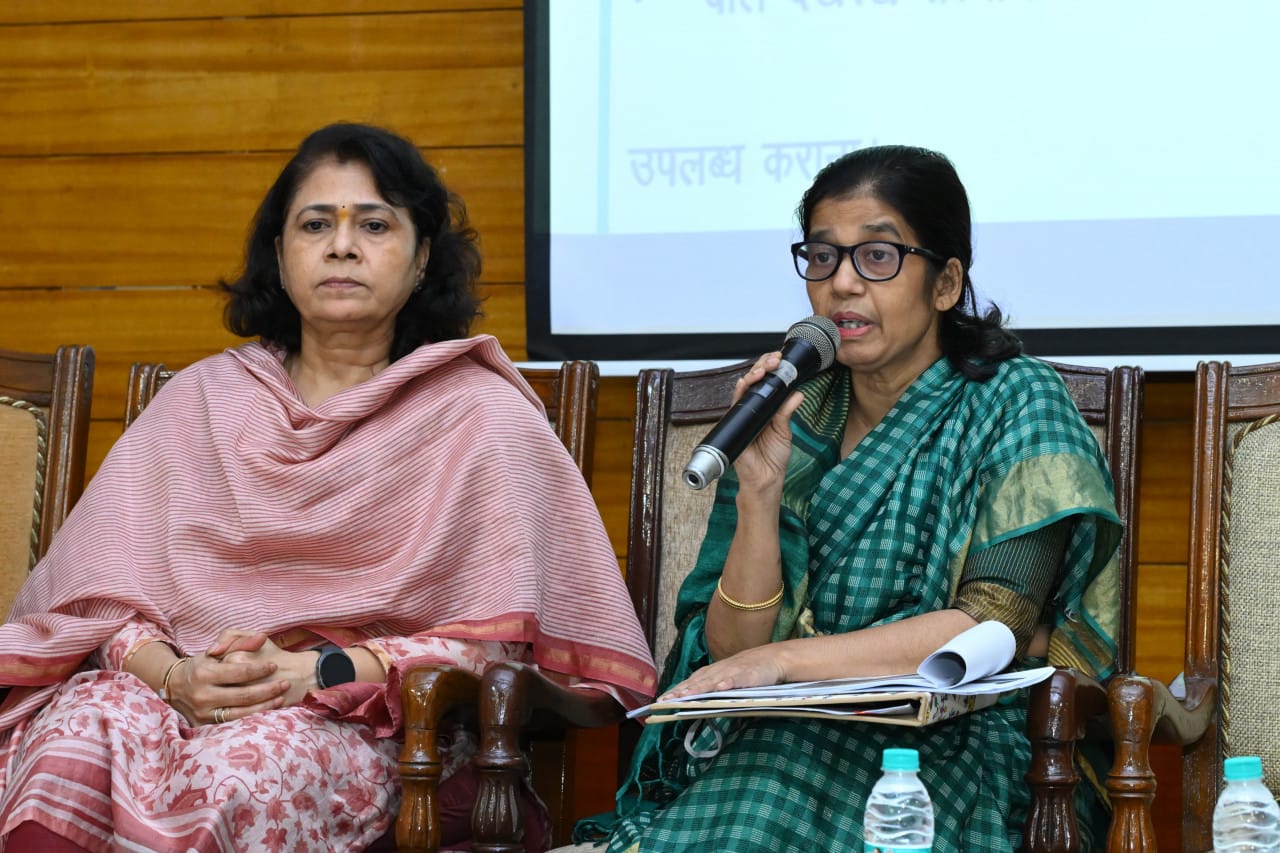
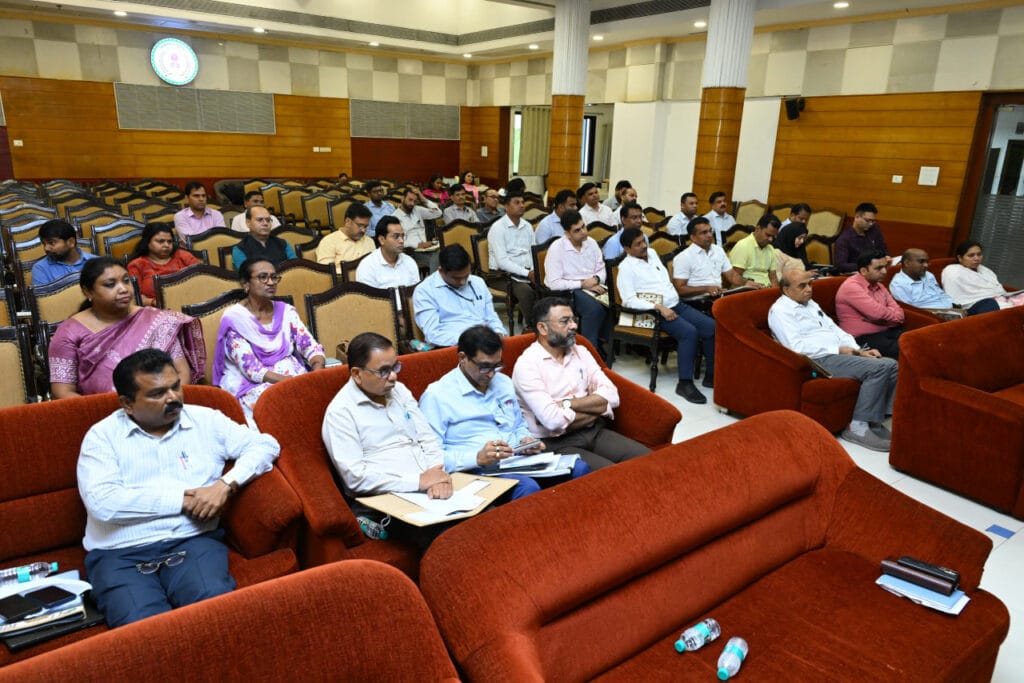
The Women and Child Development Department has taken significant initiatives to give new impetus to nutrition, child development, and women empowerment programs in the state through Corporate Social Responsibility (CSR). To this end, a state-level meeting was held today at the Circuit House in Civil Lines with representatives from the department and various industrial institutions, where a detailed discussion was held on long-term collaboration strategies for the effective implementation of departmental schemes.
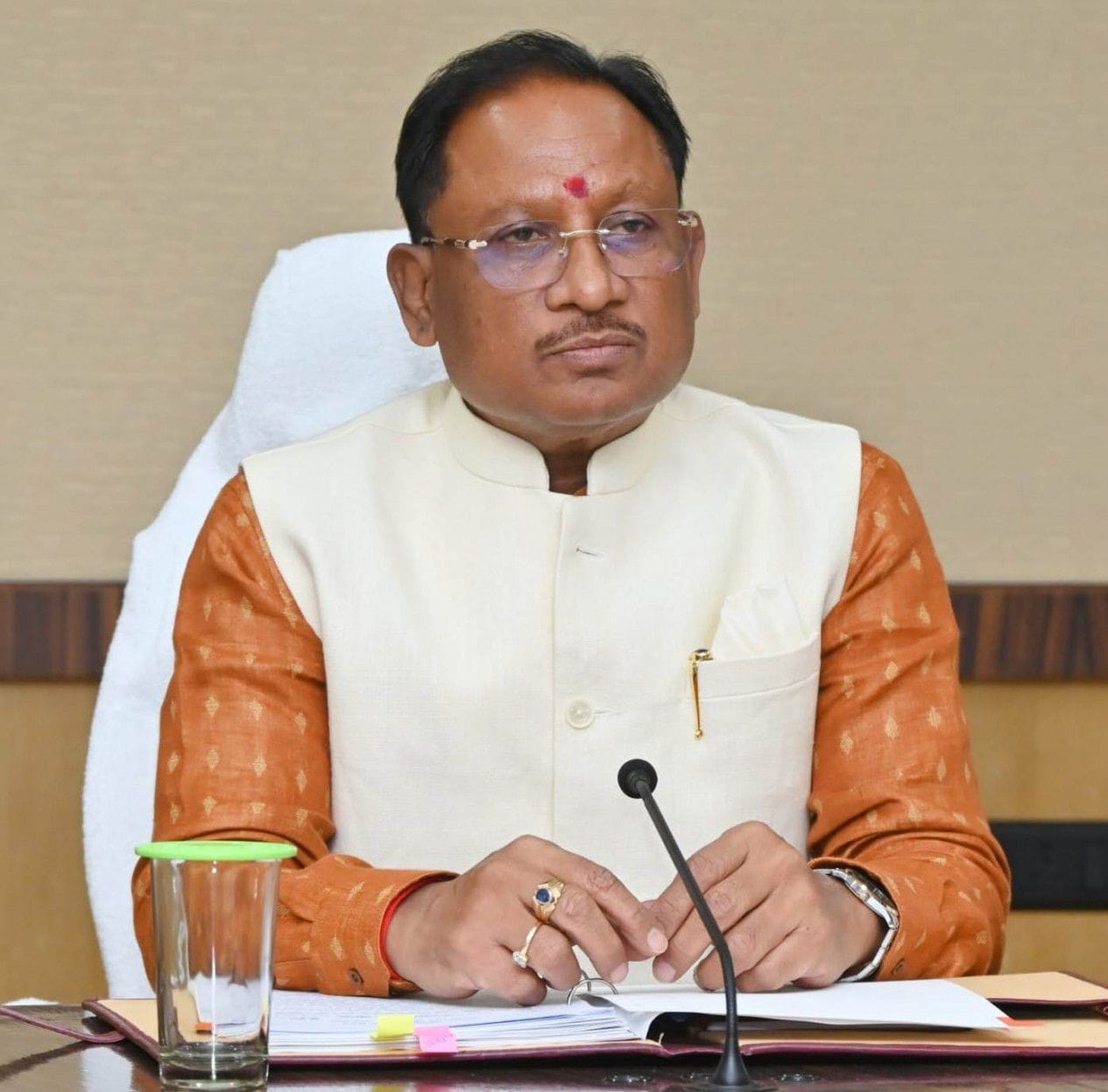
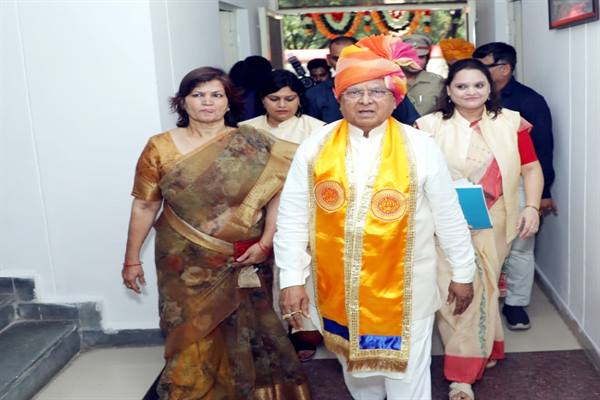
Chairing the meeting, Principal Secretary of the Women and Child Development Department, Mrs. Shehla Nigar, stated that the overall development of women and children is among the top priorities of the state government. The social participation of industries is crucial in making government-run schemes more effective. She stated that CSR support will provide new impetus to nutrition, early childhood care, women’s empowerment, strengthening Anganwadi centers, and innovation-based activities. She called upon industries to develop long-term partnerships with the department, saying, “With your cooperation, we will create a golden Chhattisgarh.”
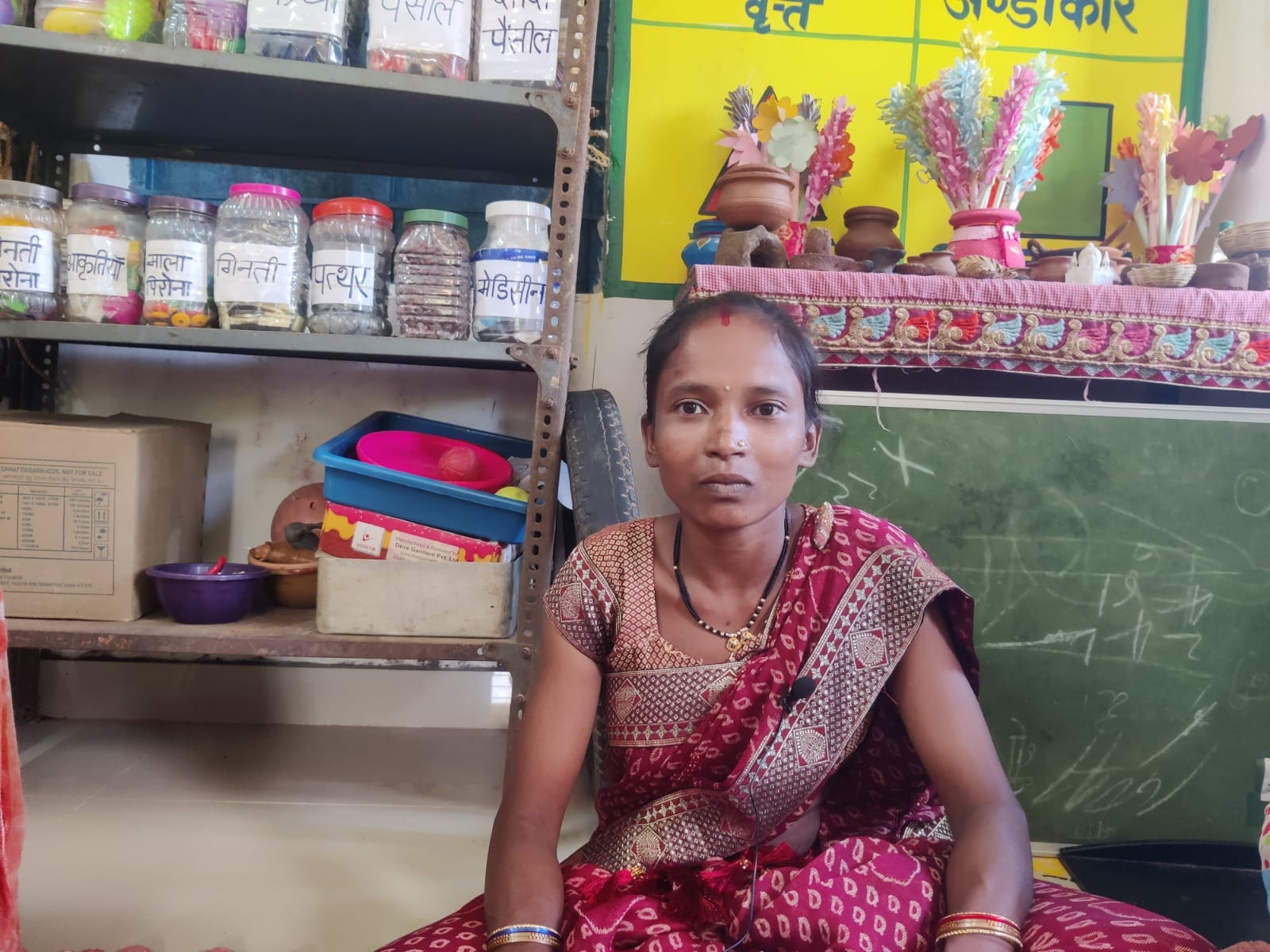
Dr. Renuka Srivastava, Director of the Women and Child Development Department, stated that the department is continuously working on three key dimensions—women’s empowerment, child protection, and child health and nutrition. She explained that through CSR support, Anganwadi centers can be expanded to develop infrastructure, provide quality teaching materials, digital resources, nutrition promotion, clean drinking water, sports equipment, sanitation facilities, and innovation-based activities.

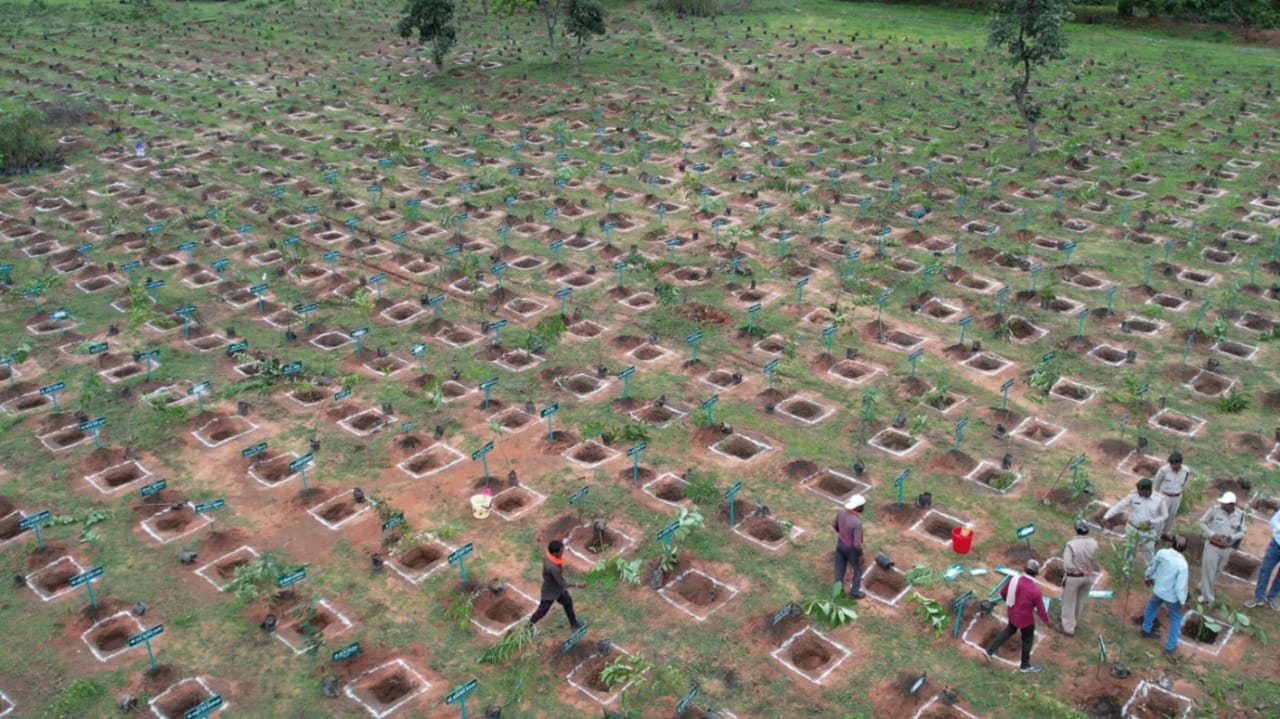
A detailed presentation of potential CSR projects prepared by the department was also given at the meeting. Priority was given to topics such as malnutrition eradication, Anganwadi center upgrading, nutrition gardens and Moringa plantations, early childhood development activities, disabled-friendly facilities, health and nutrition programs for adolescent girls, and capacity building.
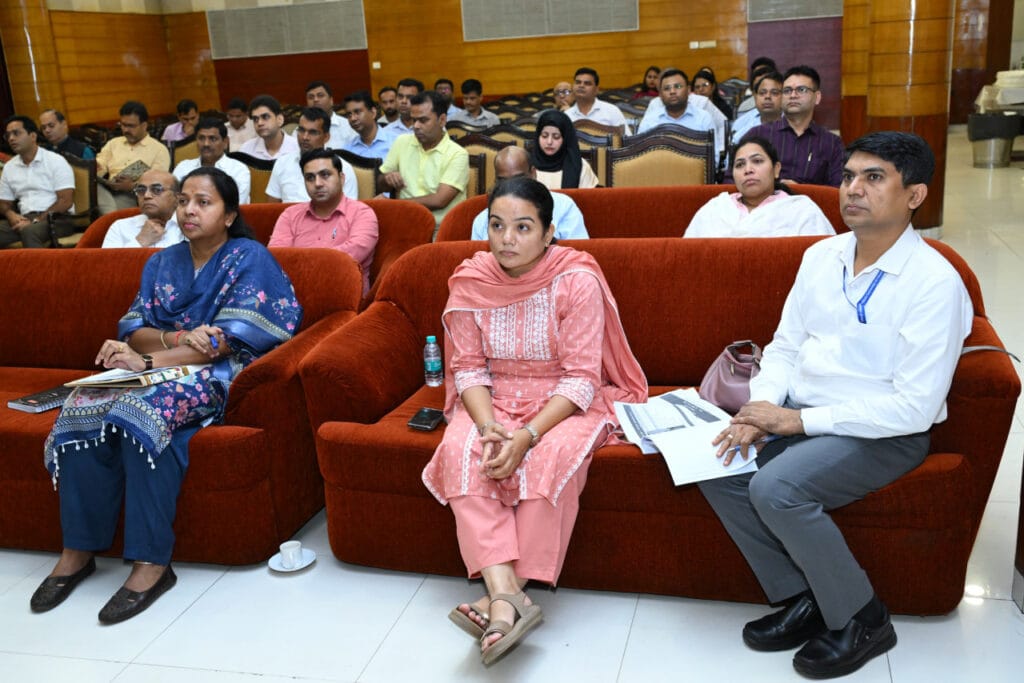
During the meeting, industry representatives expressed interest in the department’s proposals and shared their suggestions on the possibilities of collaboration in various schemes. It was decided that regular coordination between the department and industry would be established to identify priority areas and implement CSR projects in a phased manner.
The meeting emphasized that CSR collaboration will not be limited to infrastructure development, but will also promote holistic child development, quality early childhood education, nutrition, digital empowerment, innovation, and community engagement. To this end, the Department will develop effective mechanisms for regular dialogue, coordination, and review with industry.
It is noteworthy that the “Pankhuri” portal has been developed by the Ministry of Women and Child Development, Government of India, to promote CSR collaboration. The state government operates the “SIR” (State CSR) portal, which facilitates better coordination between departmental priorities and CSR projects.