











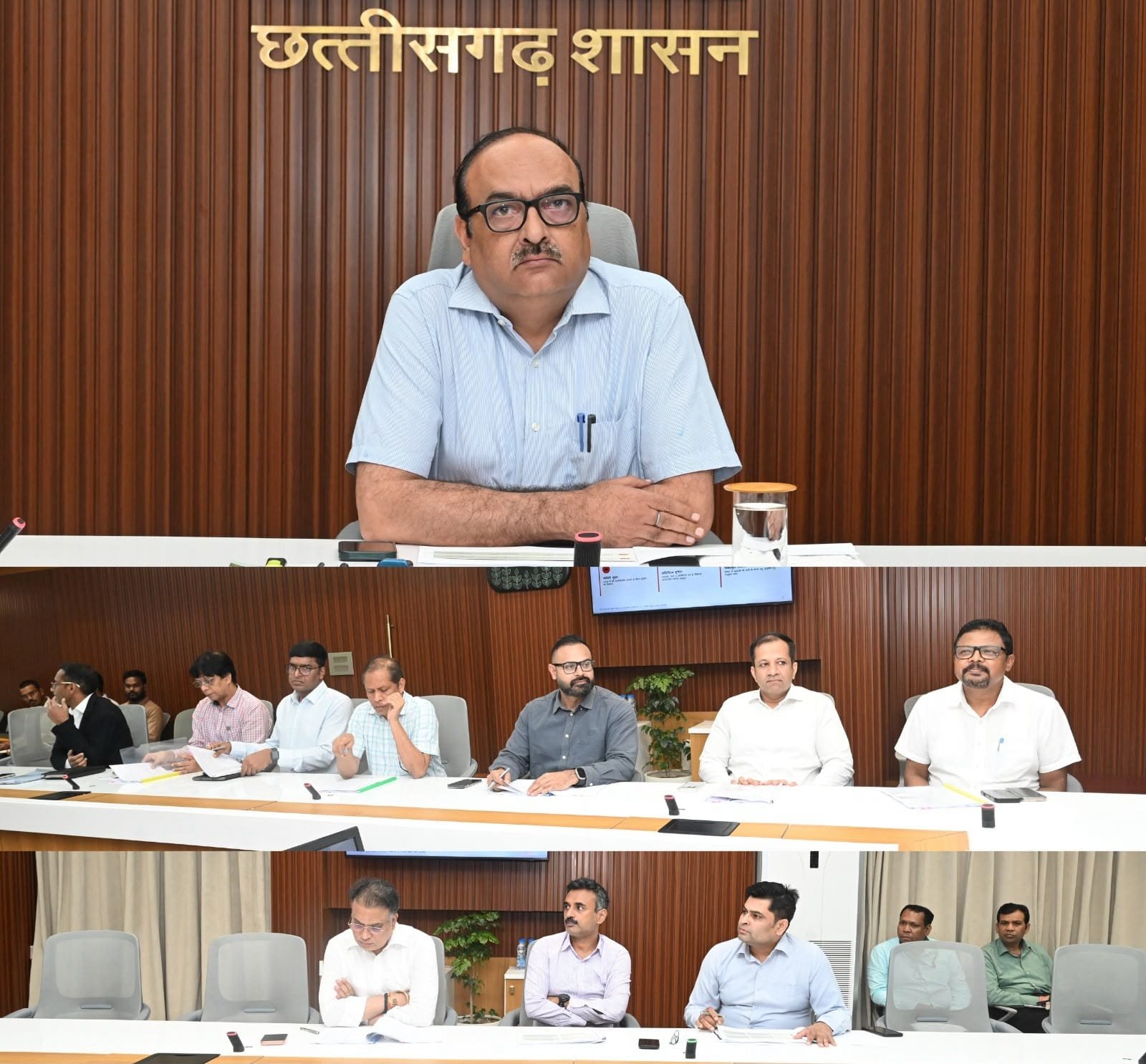
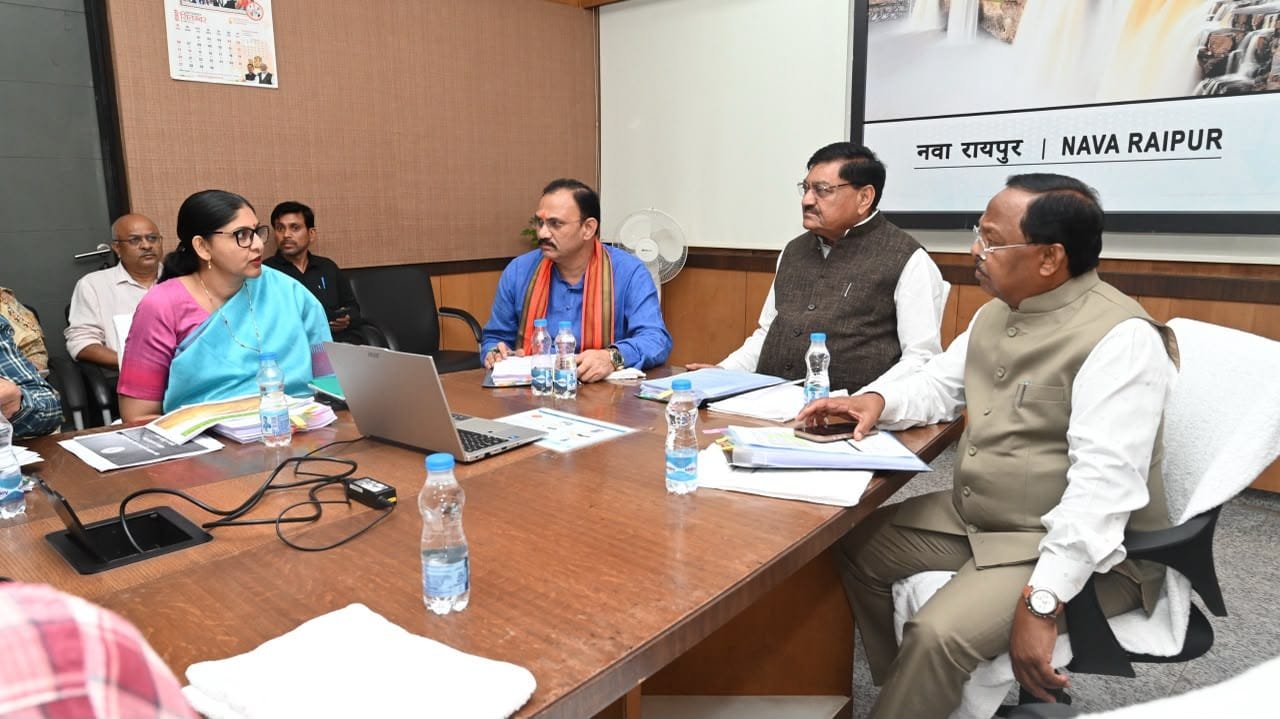
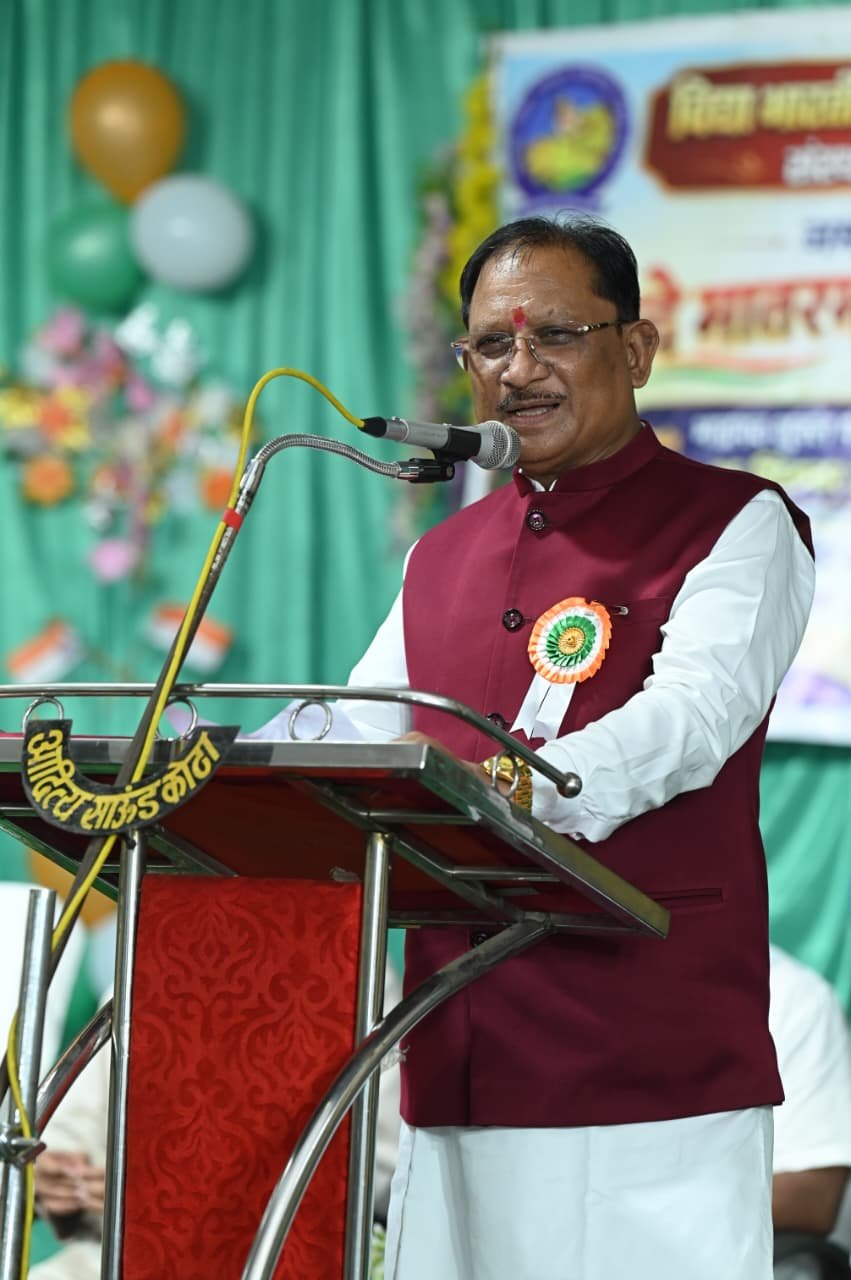

- Discussion on Chhattisgarh model in ‘Mool Manthan’
- Two-day workshop on developing culture and community-based development strategies
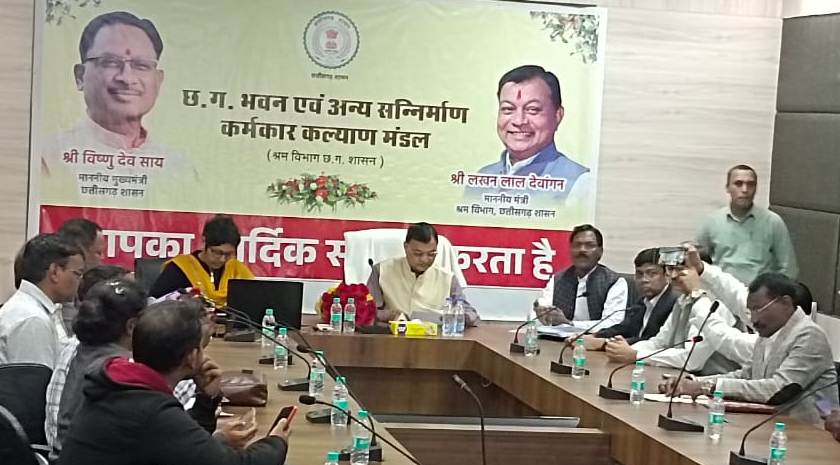
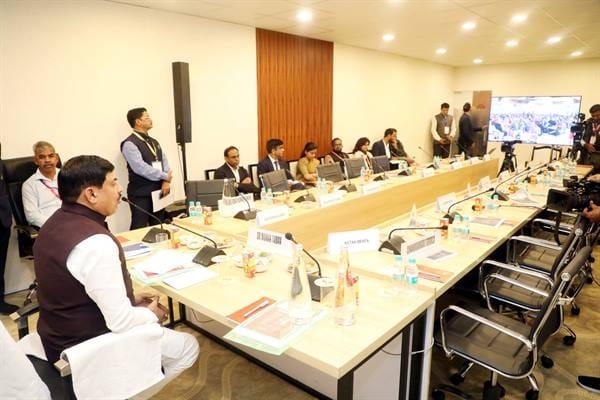
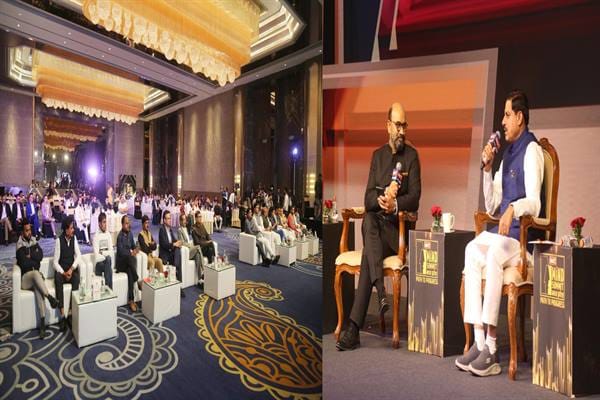
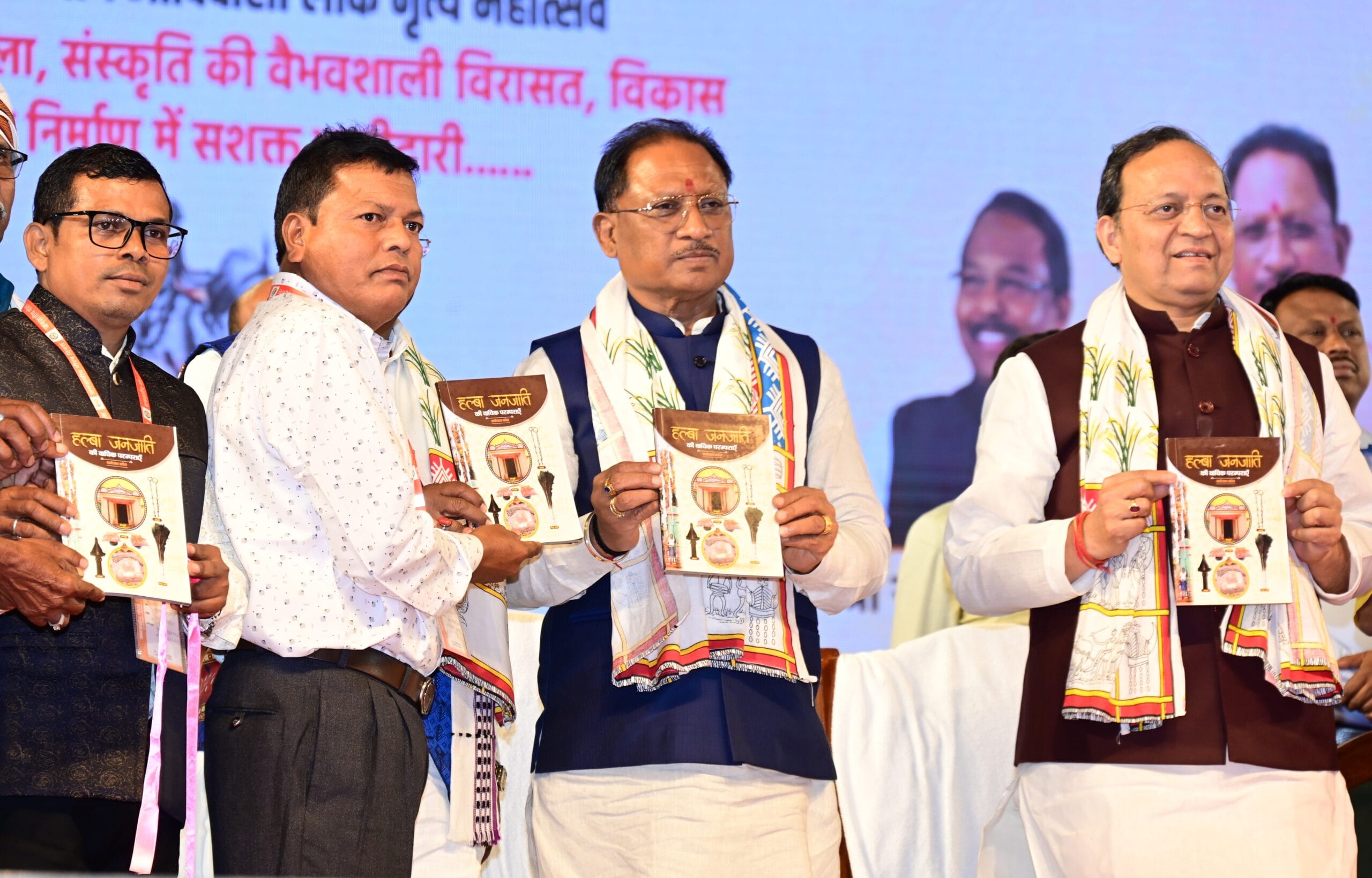
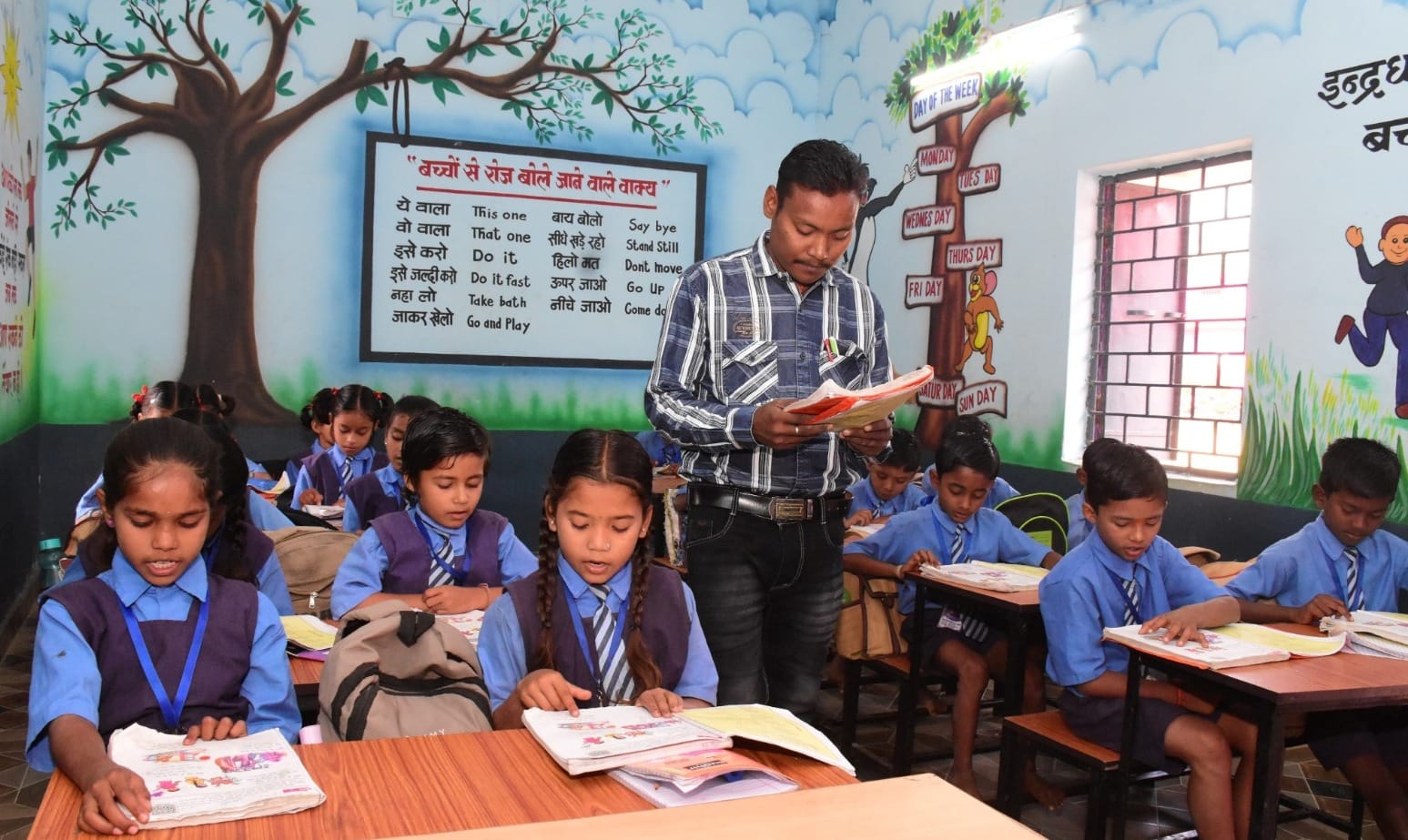
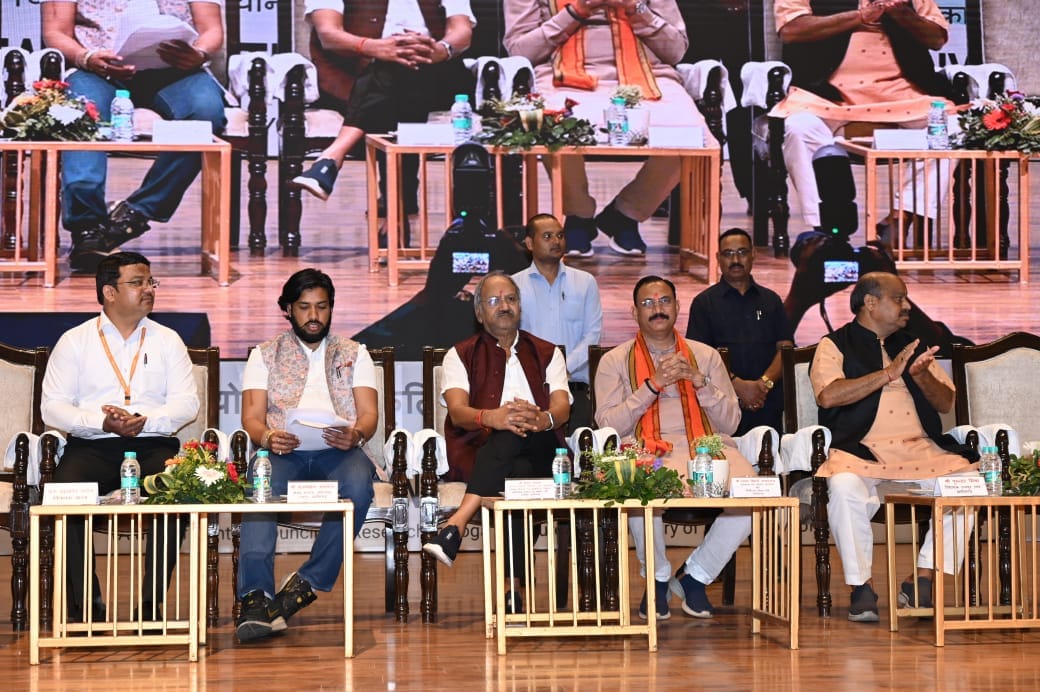
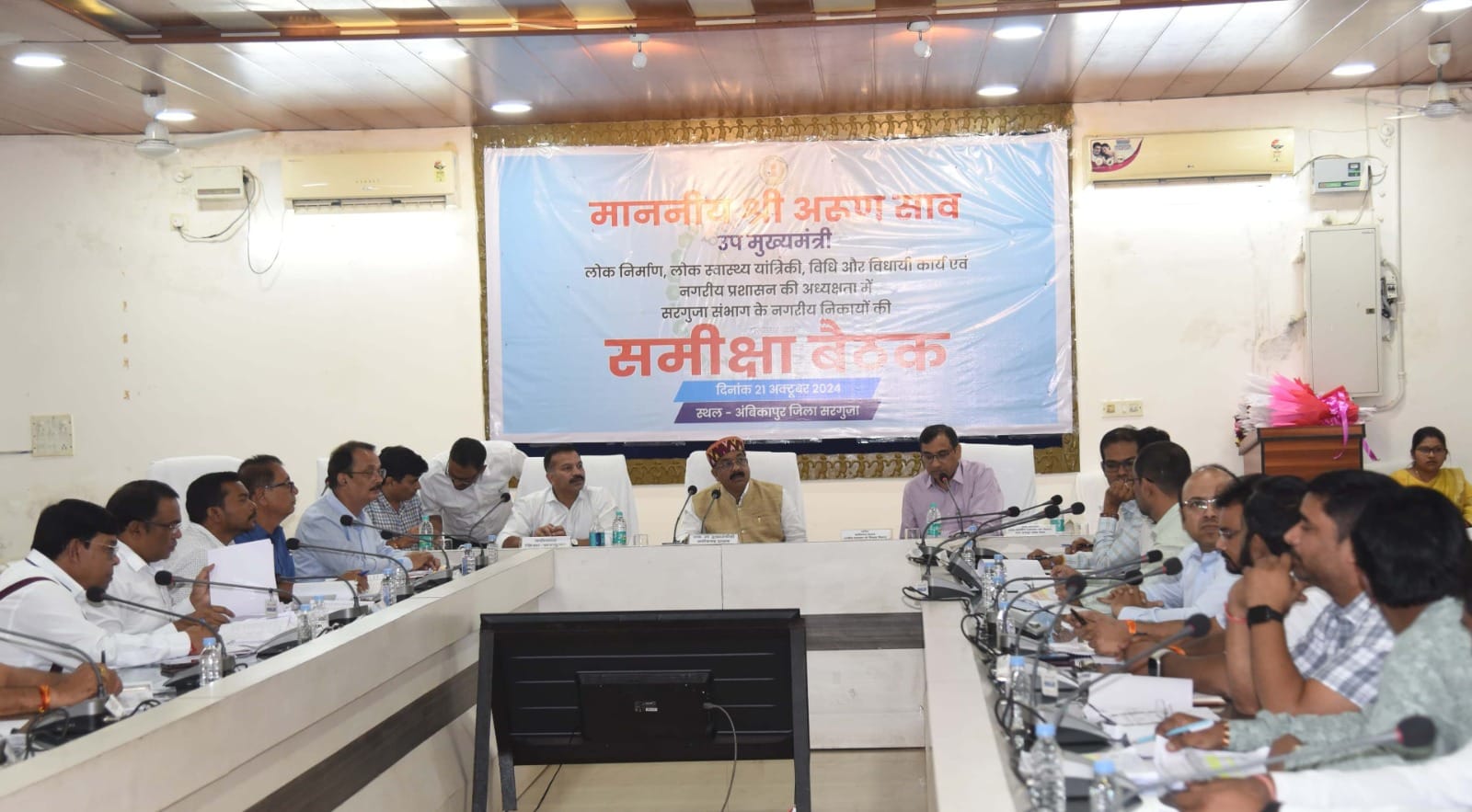
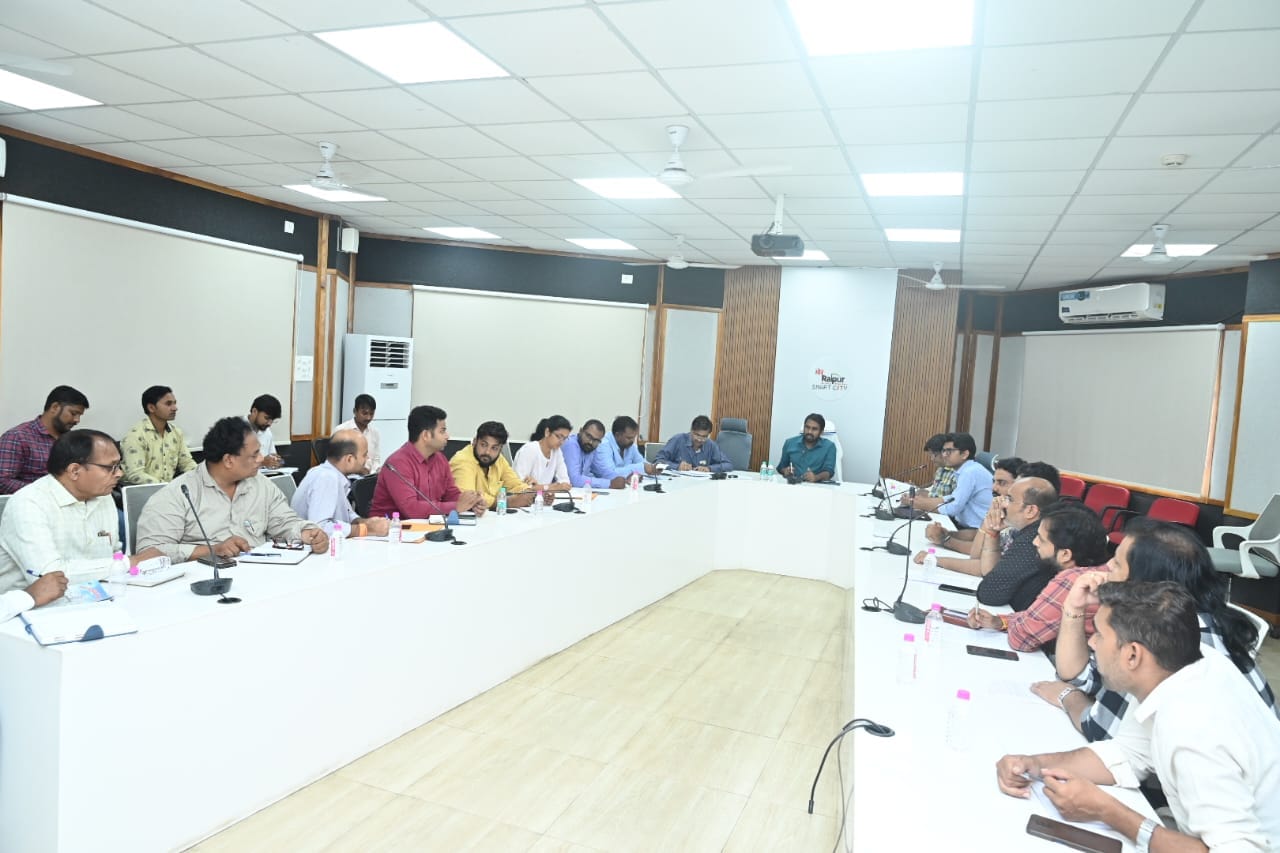
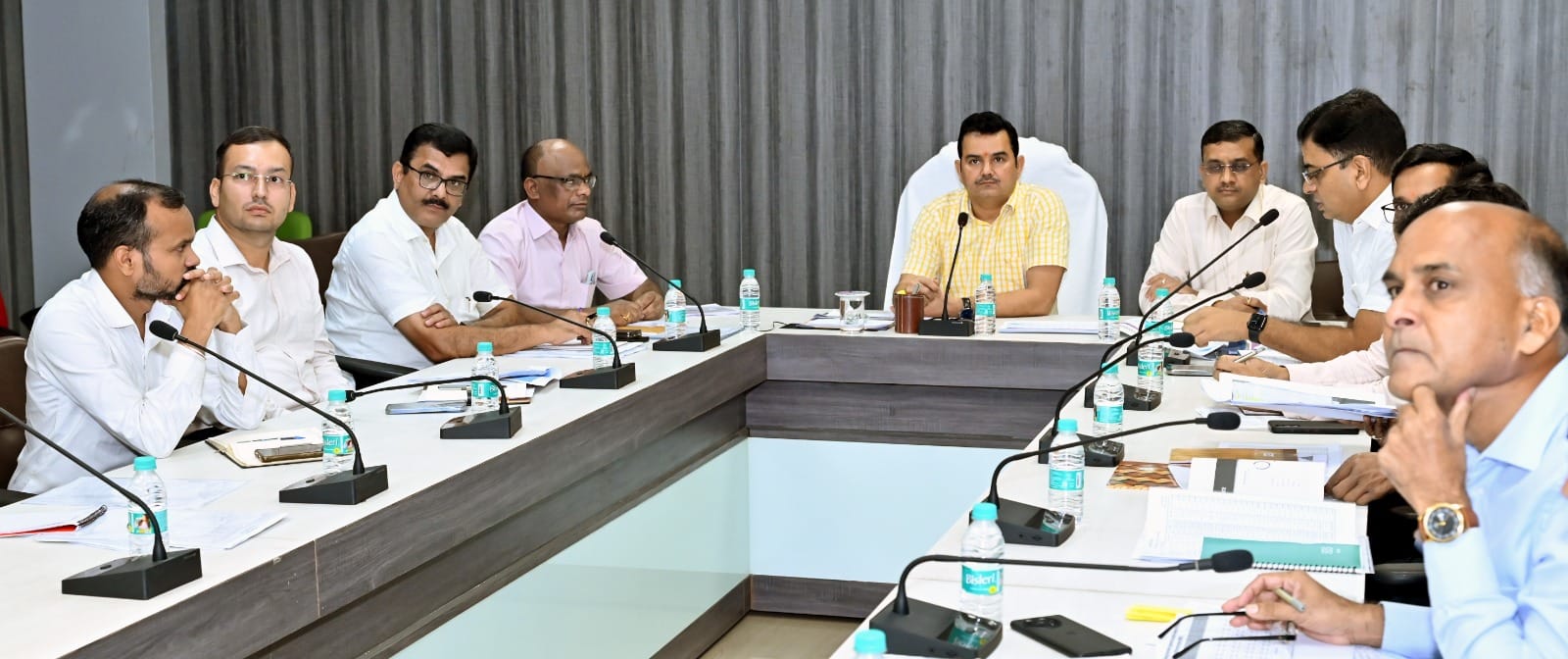
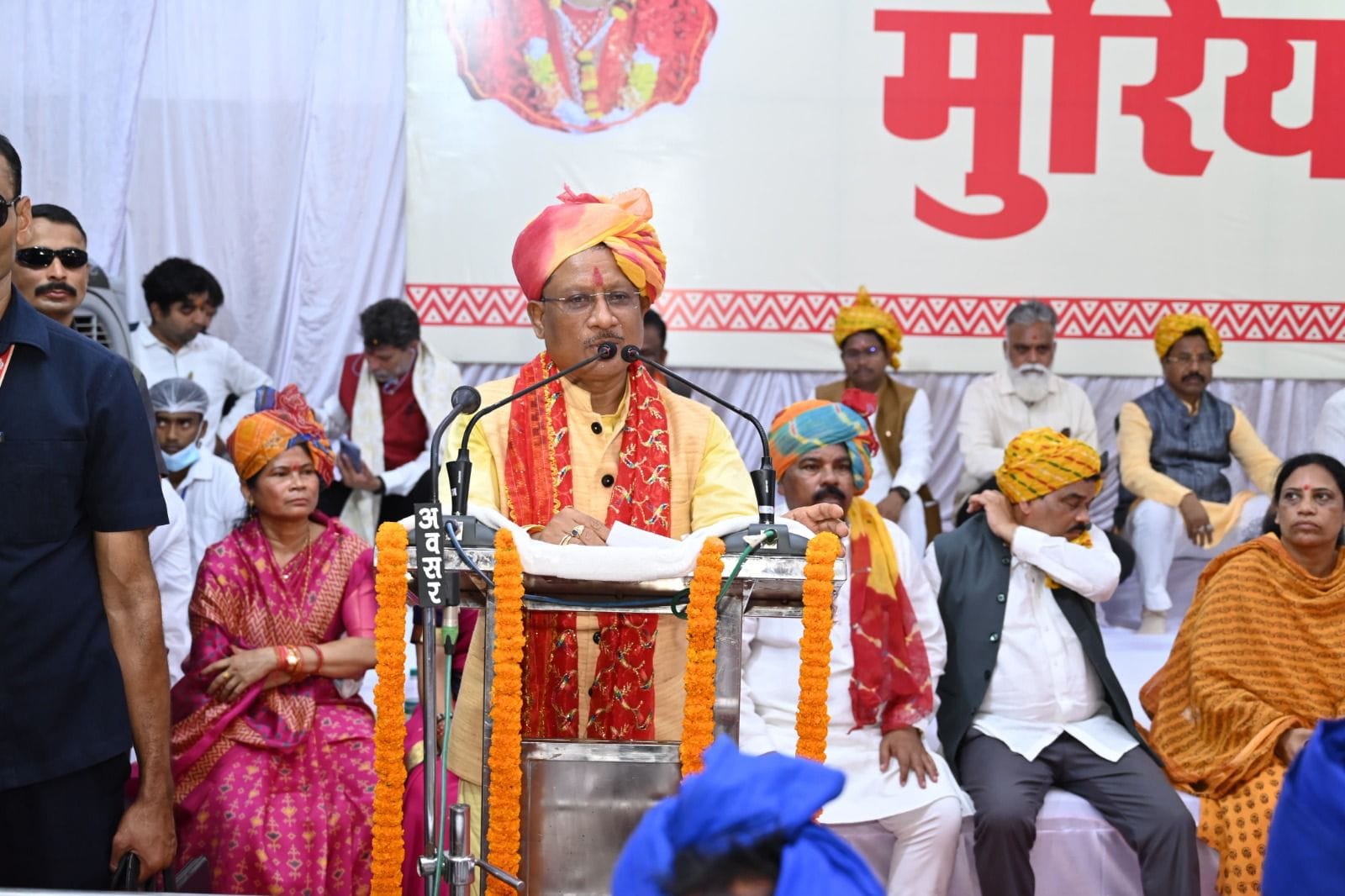
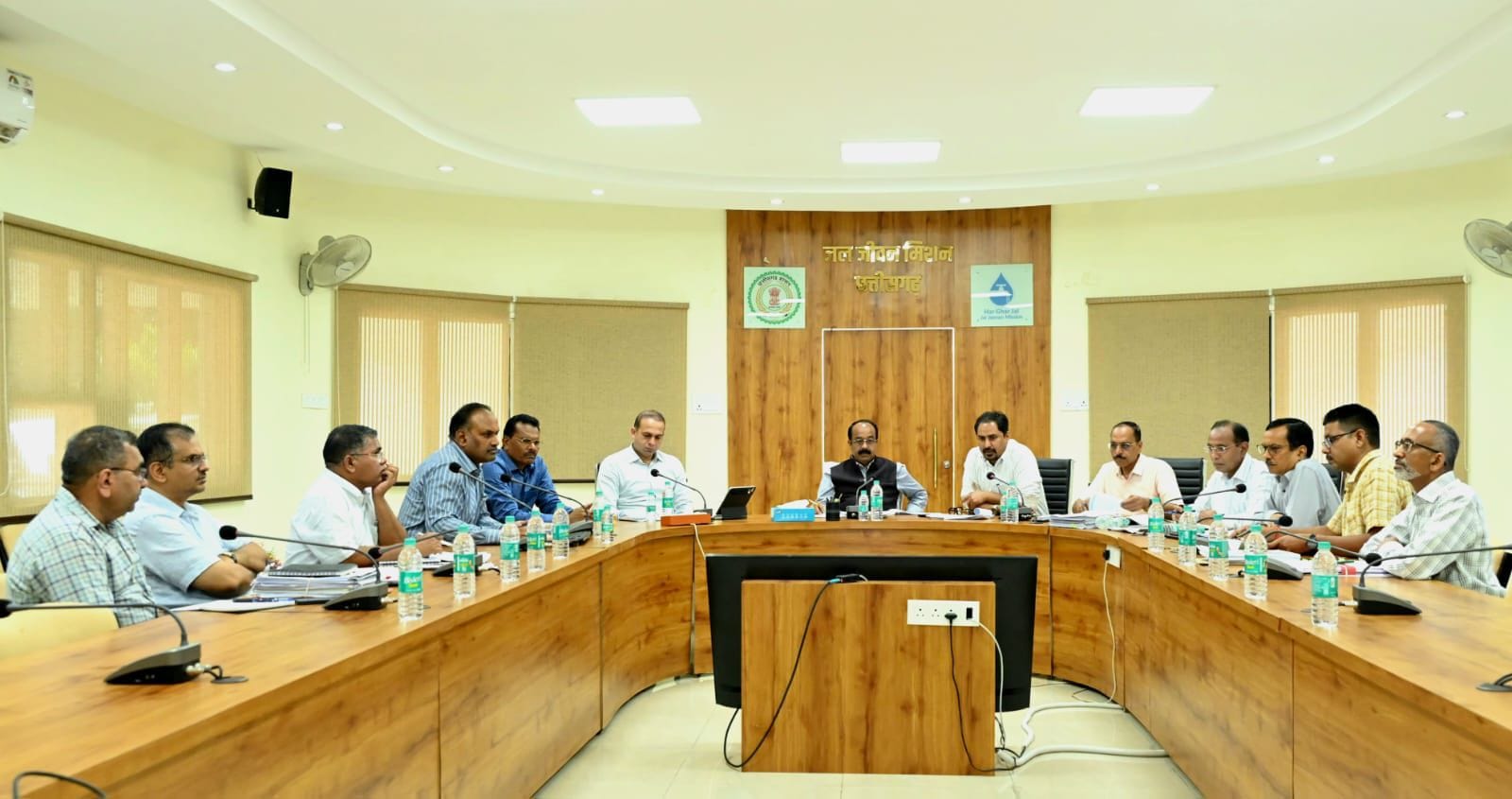
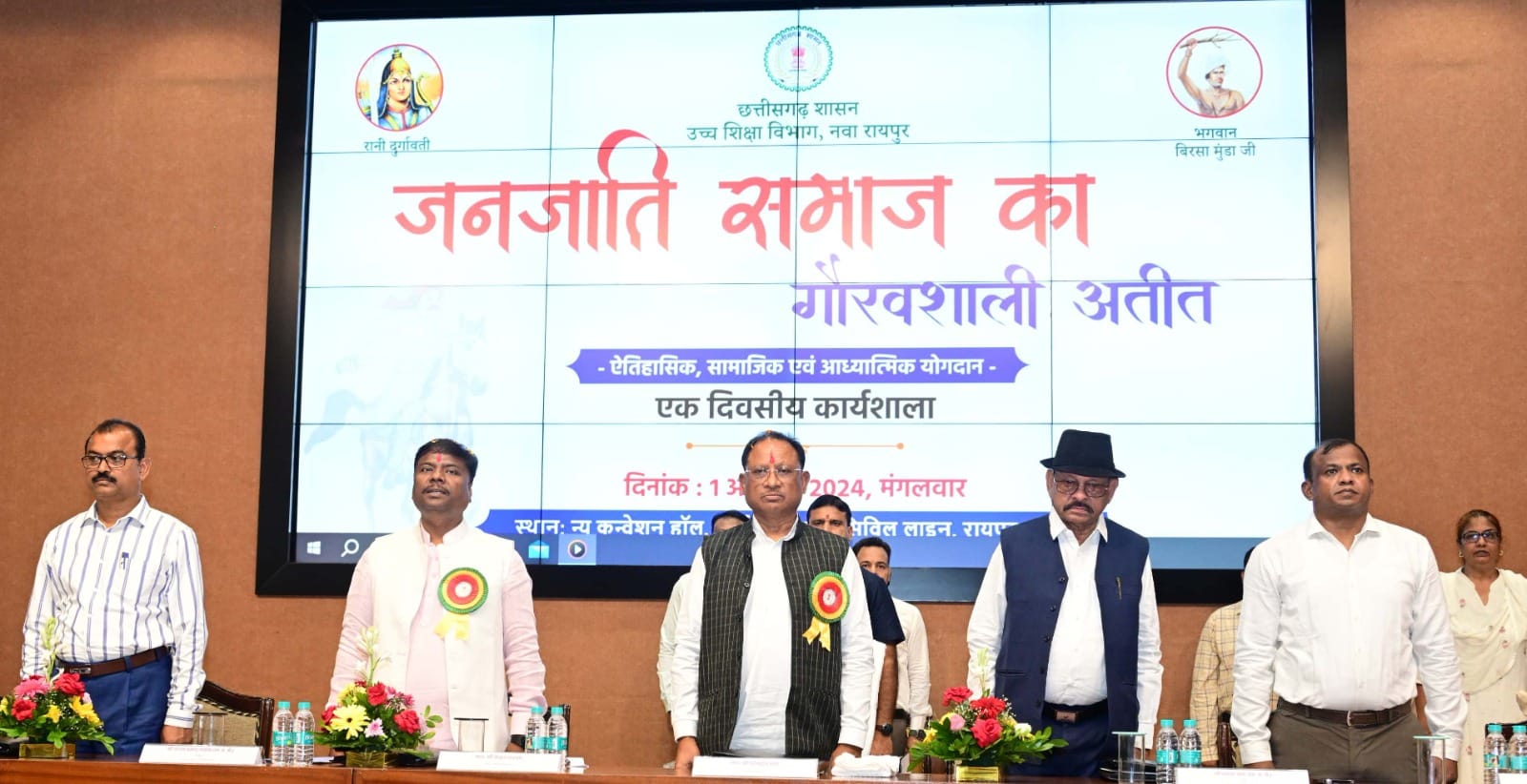
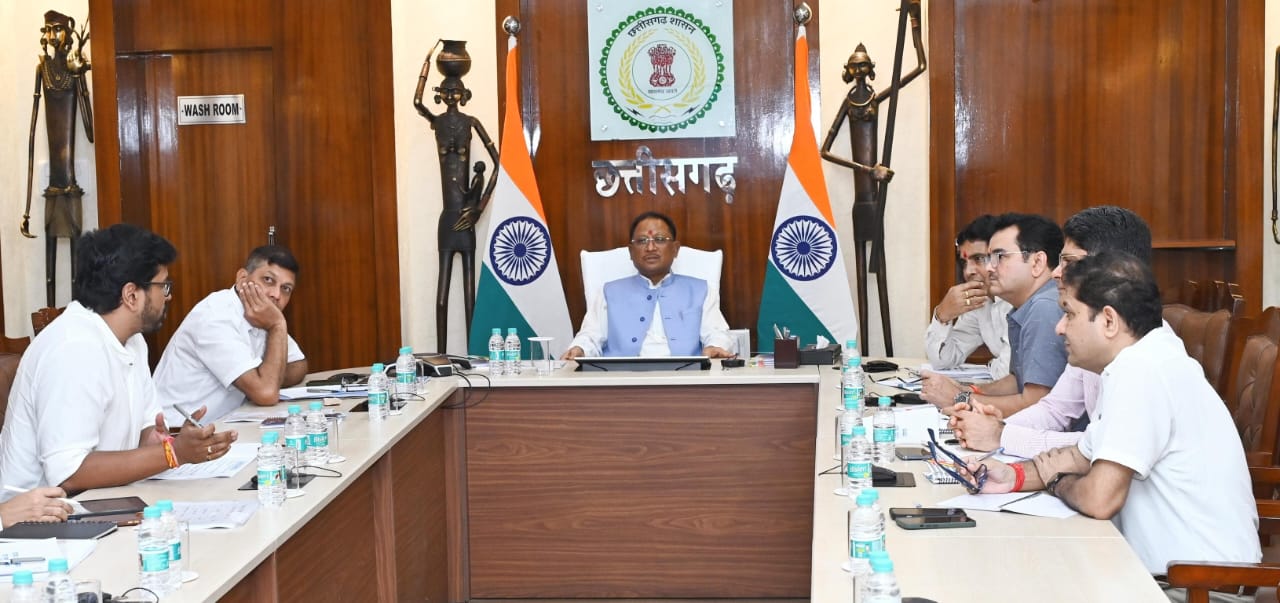
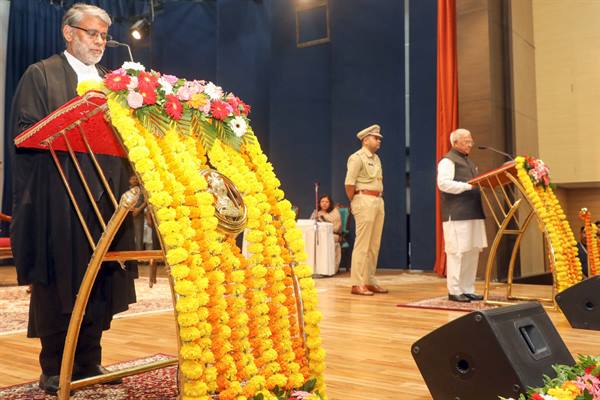
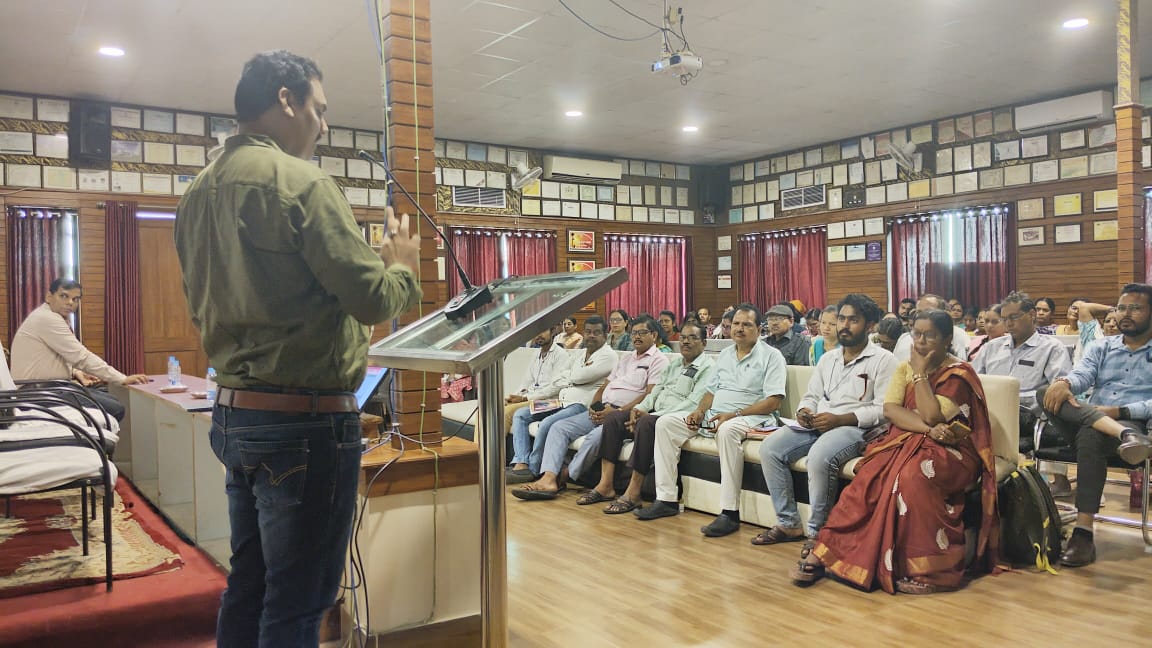
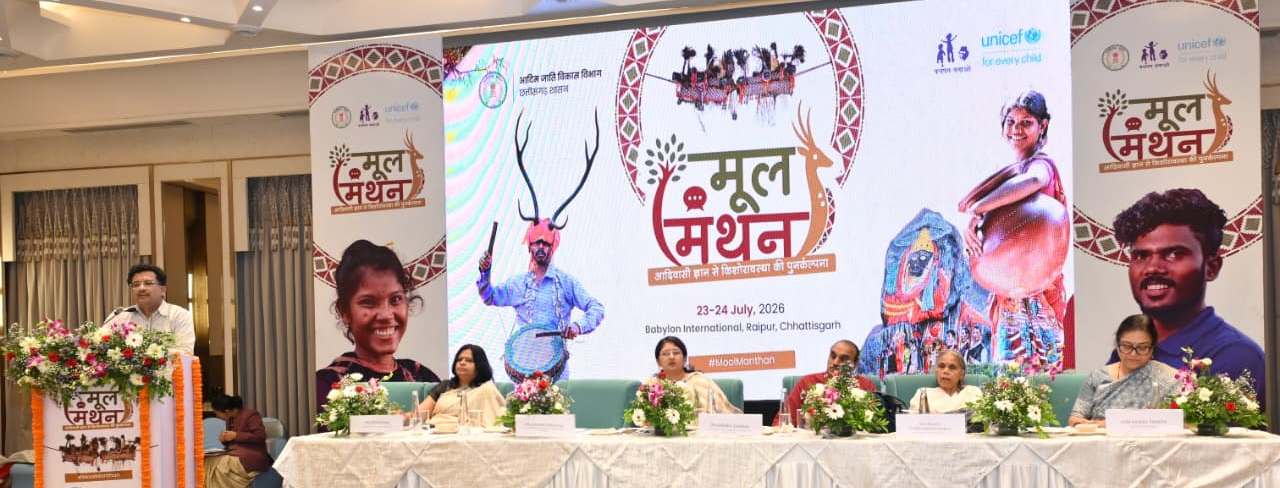
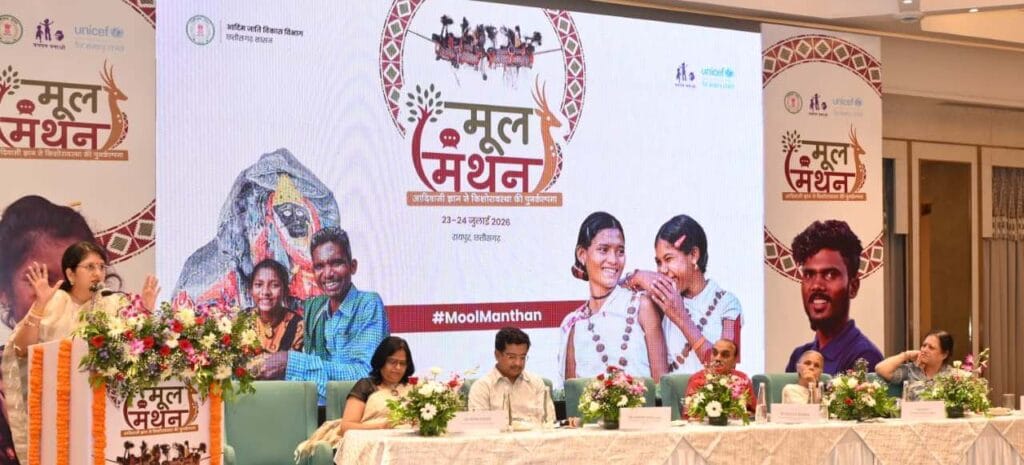
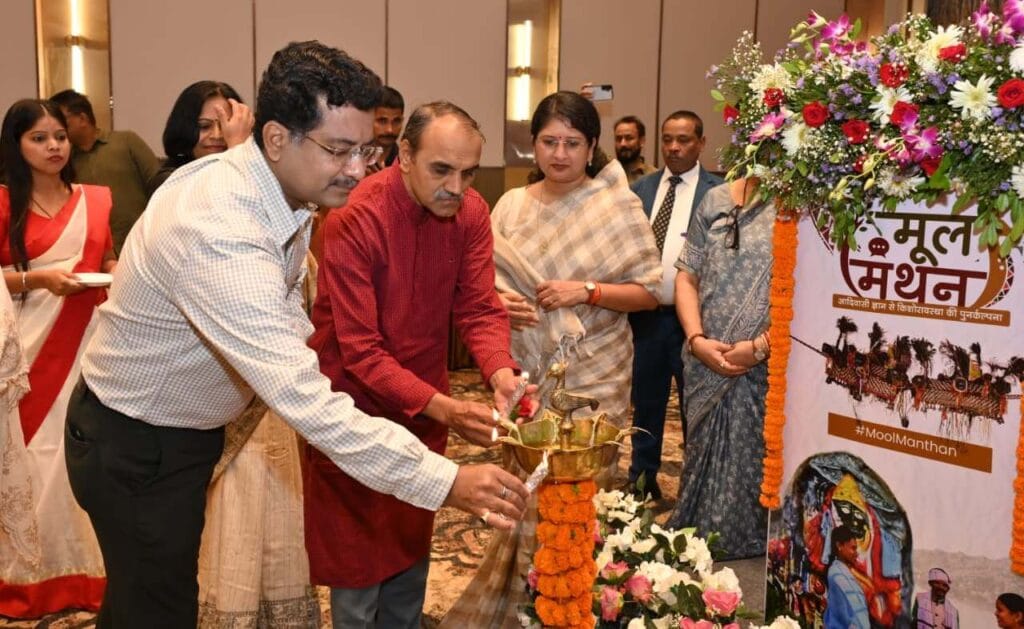
Plans based on community, culture and behavioral science will be prepared for the health, education, nutrition and secure future of children and adolescents of the tribal areas of the state. A two-day regional workshop on the topic ‘Mool Manthan – Reimagining Adolescence with Tribal Knowledge’ was inaugurated today in the capital Raipur under the joint aegis of the Tribal Development Department of the Chhattisgarh Government and UNICEF. On the first day of the workshop, experts, policy-makers and representatives of the tribal community agreed that lasting change is possible only by maintaining local culture and tradition and connecting community leadership with the mainstream of development.
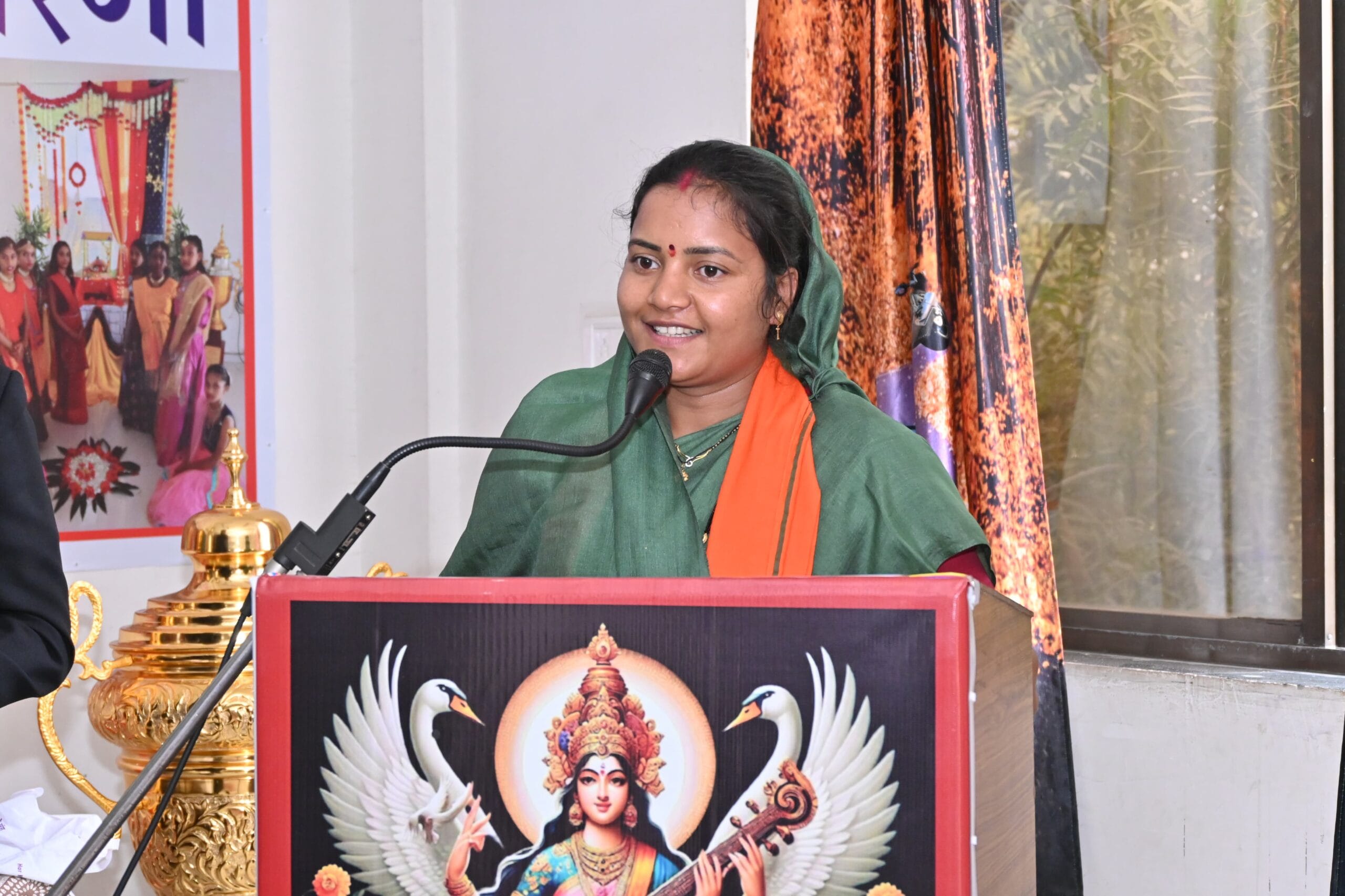
Speaking at the inaugural session, Dr. Varnika Sharma, Chairperson of the State Commission for Protection of Child Rights, stated that engaging with tribal communities on a basis of respect, sensitivity, and trust is fundamental to the success of any effective policy. She added that plans will only be successful if they are designed with the communities’ actual needs and aspirations at the center.
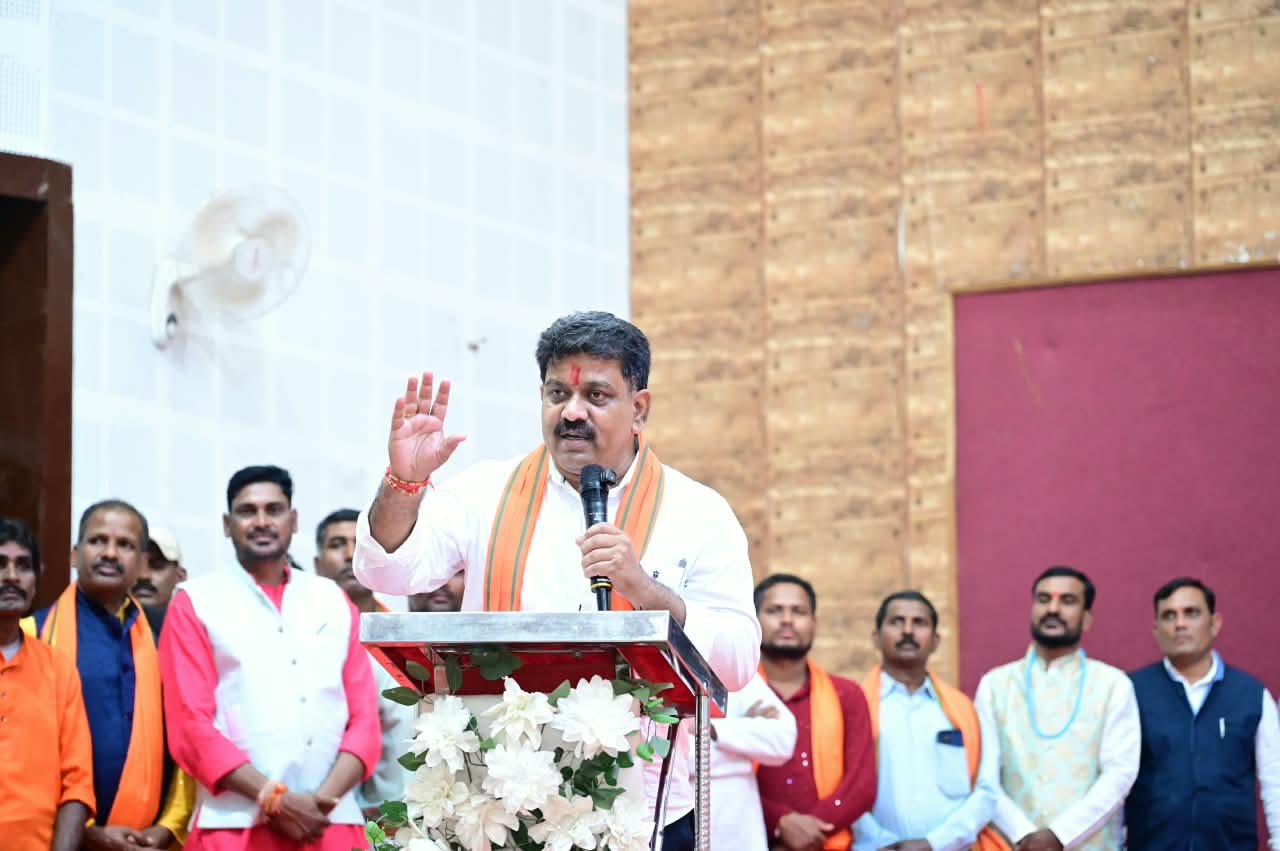
Addressing the workshop, Mr. Sonmani Bora, Principal Secretary of the Tribal Development Department, said that access to education and basic services is steadily increasing in tribal areas, including Bastar. Describing local languages as the most effective means of behavior change, he said that the goal of development is not to transform tribal culture, but to recognize its inherent strengths and utilize them for the benefit of society.

He provided information about the schemes run by the central and state governments to bring the tribal communities into the mainstream of development. He said that whatever facts emerge from this two-day brainstorming session, the process of implementing and operating schemes for tribal development will be adopted based on that report. The Chhattisgarh government is committed to the development of the tribes. He appealed to all people to participate in the development along with the protection and promotion of the tribes.
Principal Secretary Mr. Bora stated that Chhattisgarh has 43 different tribal communities, each with various sub-castes. Tribal communities comprise over 31 percent of the state’s population. In India, approximately 100 million people are tribal. The Chhattisgarh government is continuously working to preserve the rich heritage, art, culture, and traditions of the tribes and promote their development.
Mr. Bora explained that tribal communities primarily focus on water, forests, and land, worshipping them. They recognize both temporal and supernatural powers in nature and incorporate them into their culture and traditions. However, preserving culture and traditions in this modern era is a challenge.
He informed that through PM Janman Yojana, Dharti Aba Gram Utkarsh Abhiyan, Eklavya Vidyalaya, the tribal areas are being developed along with their basic facilities. At the same time, the story of development is also being written by providing help to the students for preparation of competitive exams including engineering, NEET, professional courses. Even after this, work is also being done for the preservation of their culture and traditions. Akhra Vikas Yojana has been launched on the initiative of Chief Minister Shri Vishnu Dev Sai. There is a provision to give incentive money to Baiga, Guniya, Manjhi Chalki and Sirha for their contribution in preserving the culture.
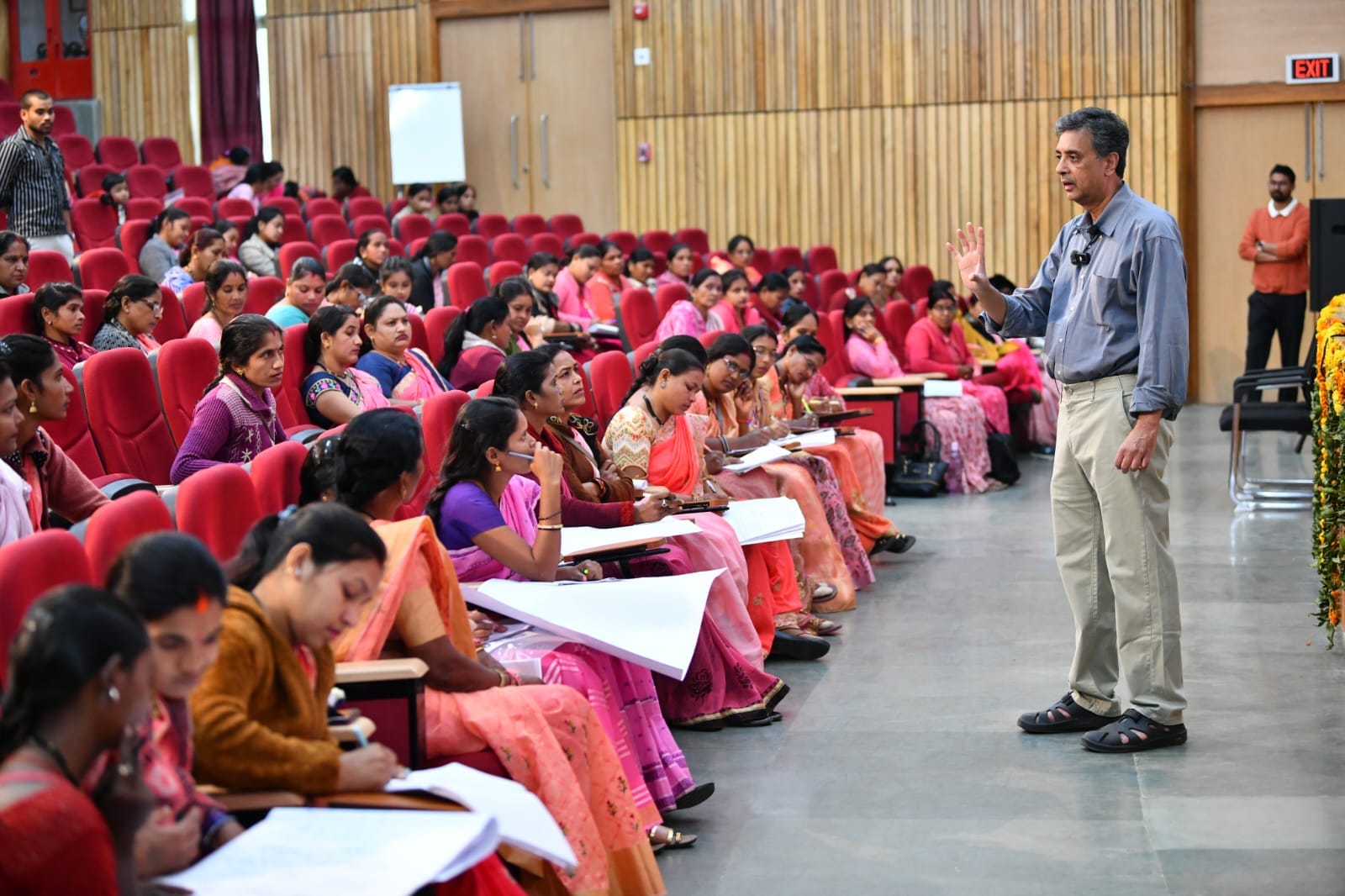
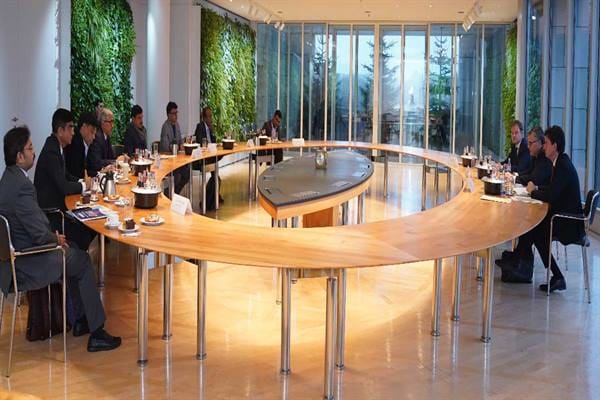
Held in the capital city of Raipur, the consultation was attended by state and national policymakers, academics, researchers, tribal community representatives, development partners, and youth leaders. The program aims to develop behavior change-based strategies tailored to local conditions for the holistic development of tribal and particularly vulnerable tribal group (PVTG) children and adolescents.
The day-long technical sessions included detailed discussions on topics such as anemia, malnutrition, adolescent health, sanitation, safe adolescence, mental health, and community engagement. Experts emphasized that government schemes alone are not enough; only local leadership, culturally appropriate communication, behavioral science-based interventions, and coordinated efforts across departments will lead to lasting change.
In a special panel discussion, tribal youth, community representatives and local influencers shared their experiences and said that when the community itself leads the process of change, programmes related to health, education, nutrition and social development prove to be more effective and sustainable.
The consultation also highlighted that tribal traditions, social values, and traditional knowledge are not only cultural heritage but also effective tools for behavior change. Understanding communities’ thinking, needs, and decision-making through “human-centered design” and “behavioral insights” can help develop solutions that are easily adopted by people and have long-term positive impact.
Based on the detailed discussions of the thematic groups on the second day of the two-day consultation, a comprehensive roadmap for behavior change and community engagement will be developed for the state. Key recommendations will also be developed based on the identification of priority behaviors, effective program implementation, and future strategies for tribal adolescent well-being.