













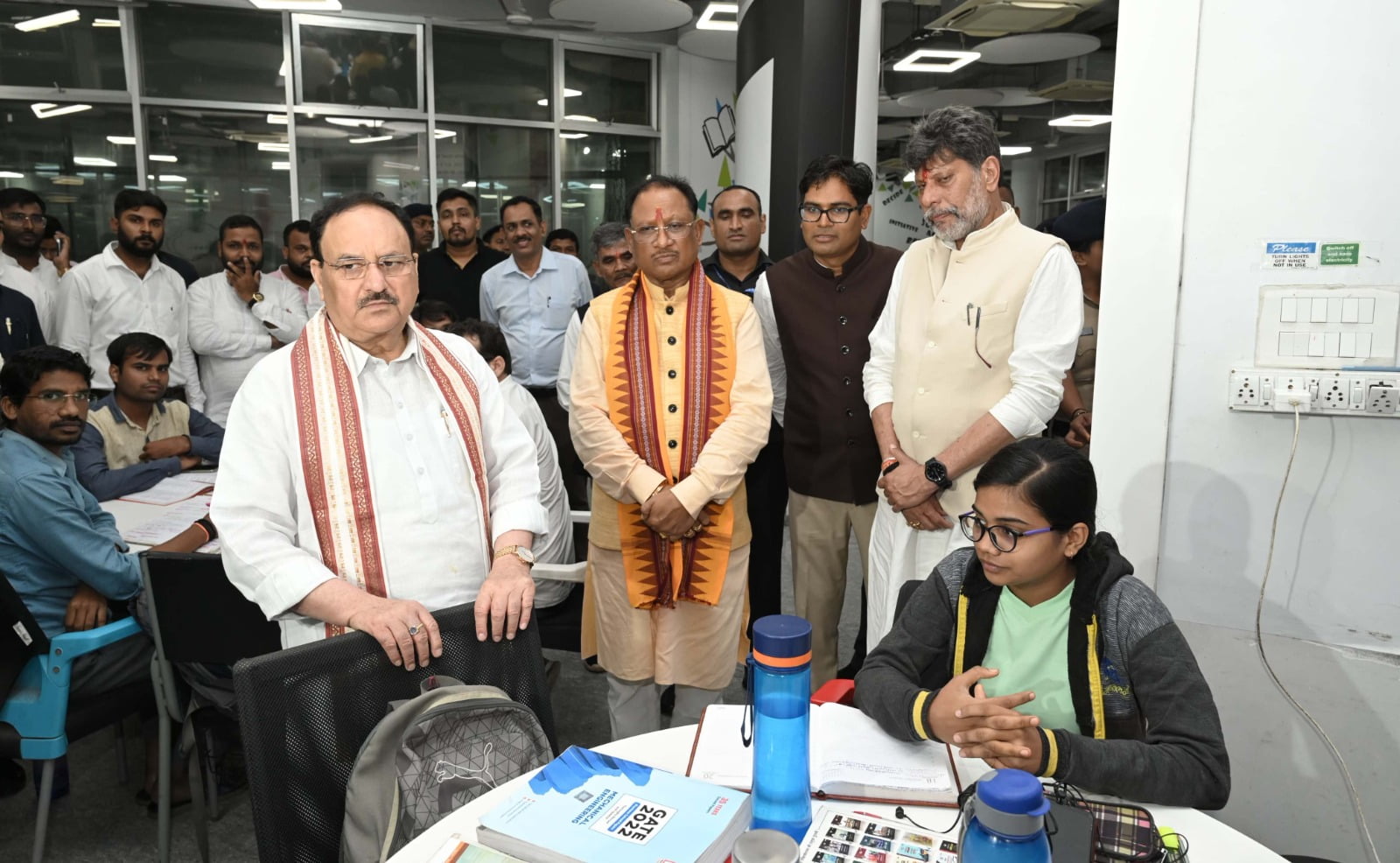
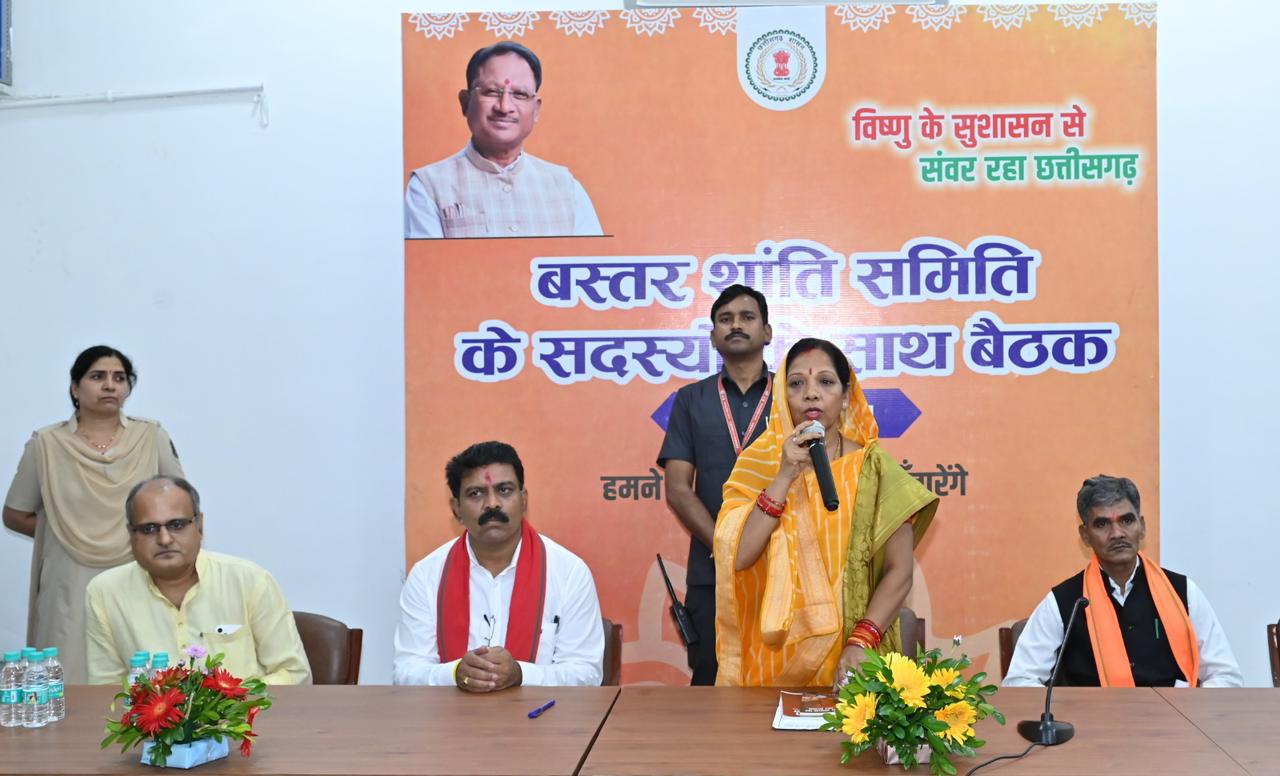
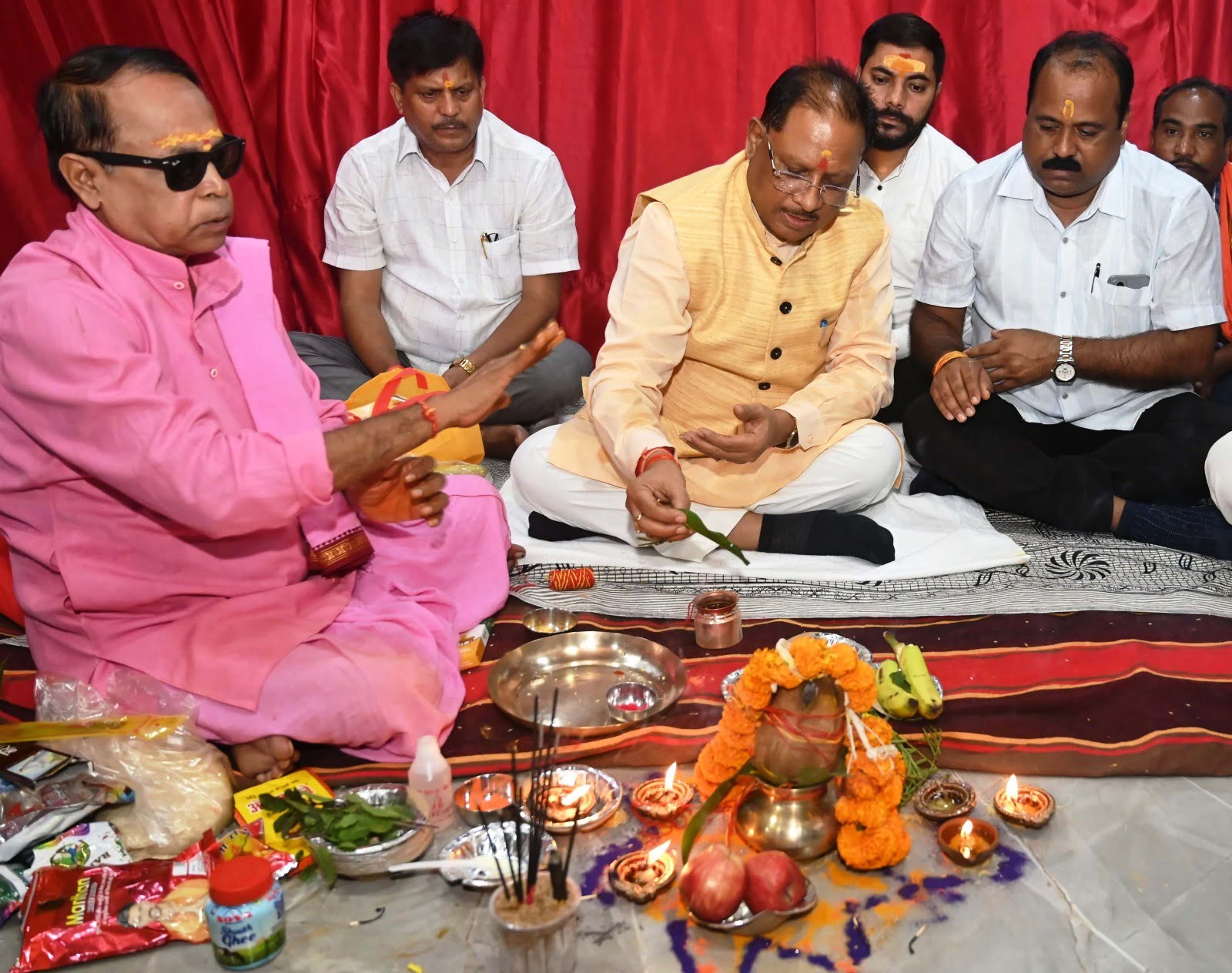
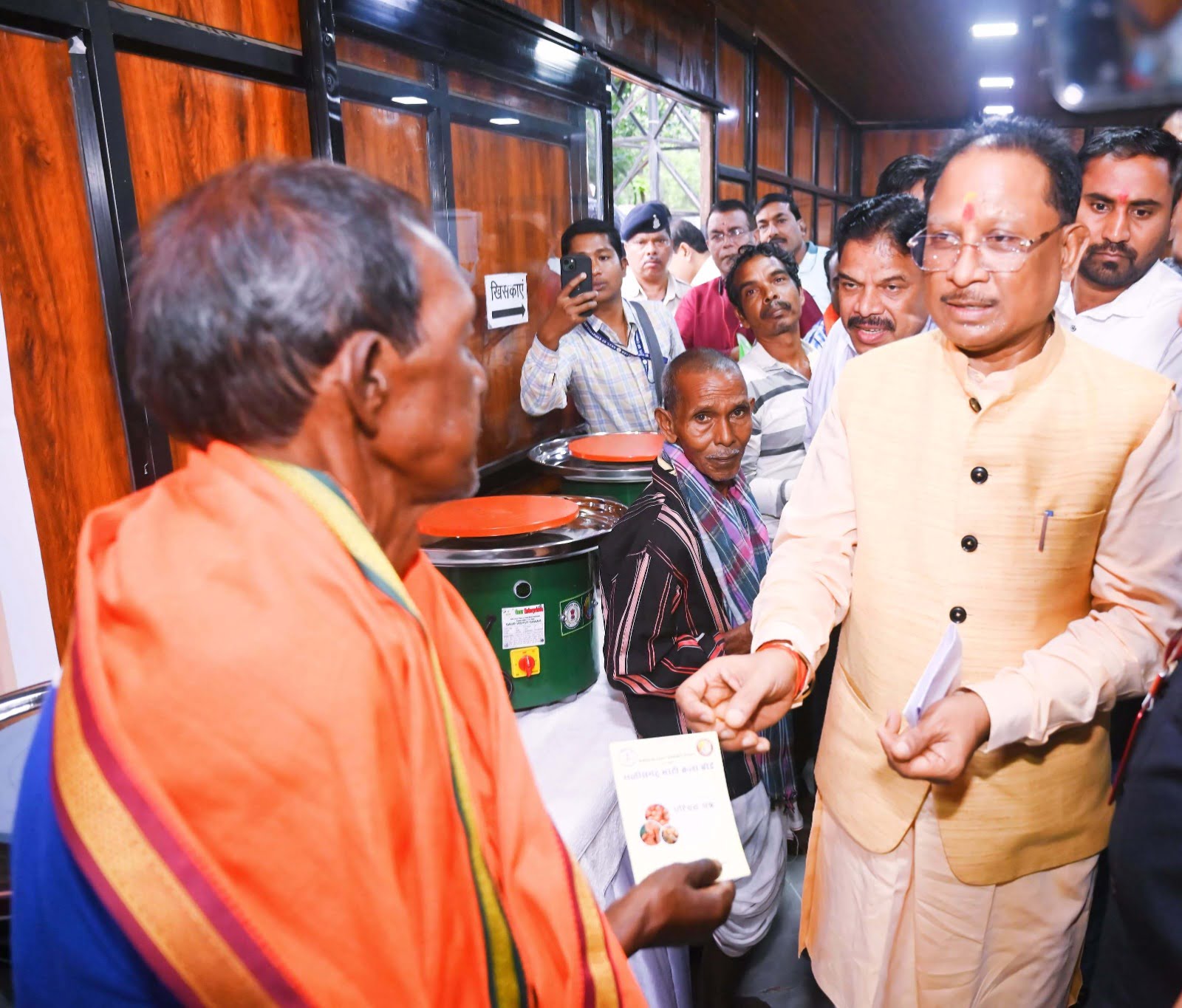





- A cultured, independent and developed India will be created by the rich integration of Indian knowledge tradition
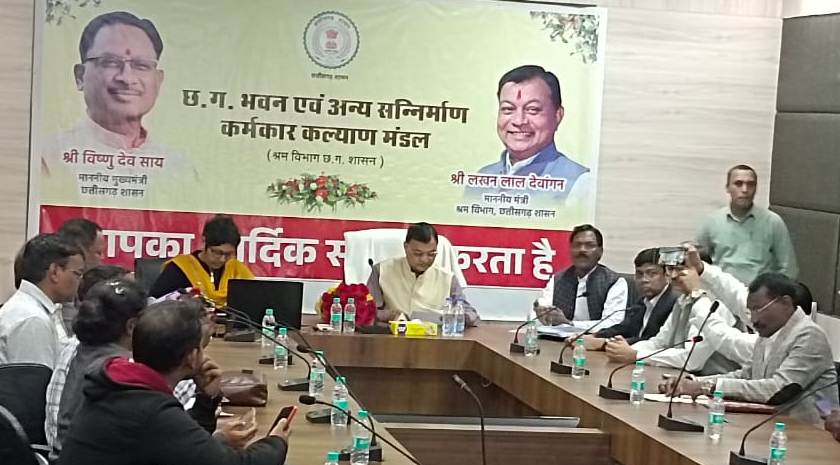
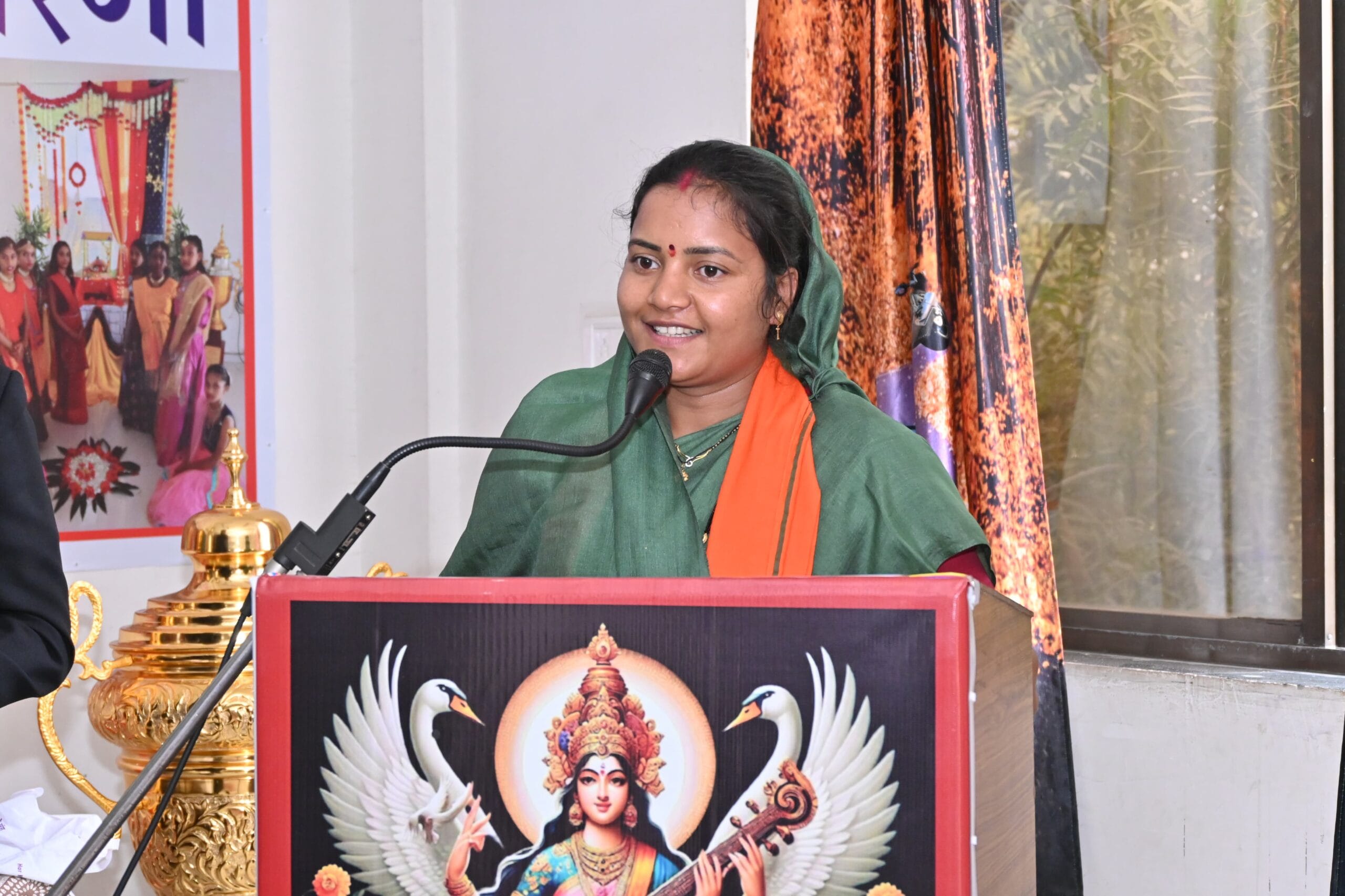
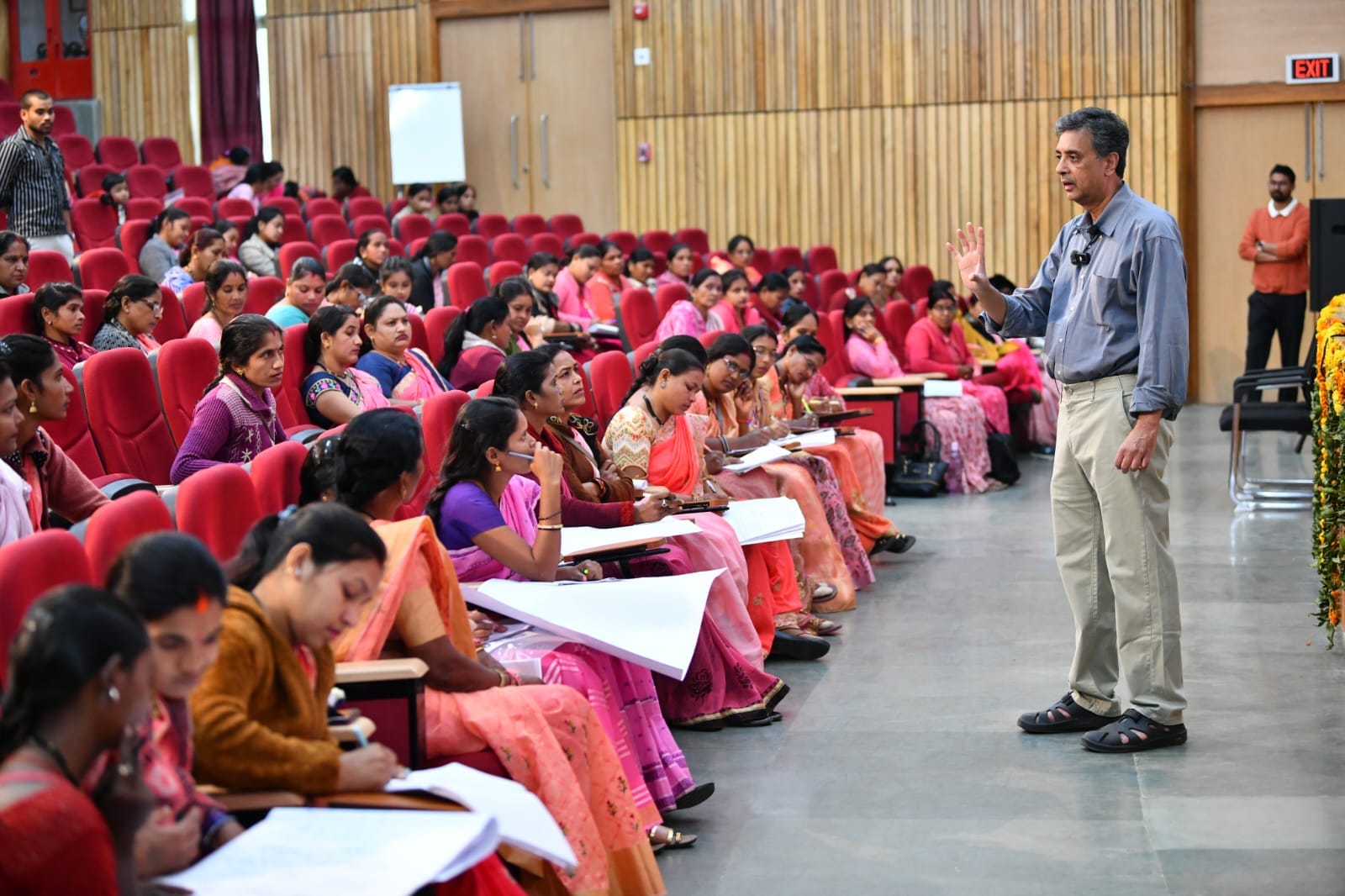
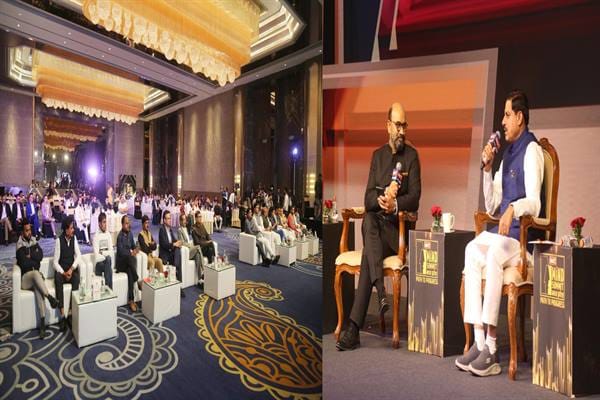
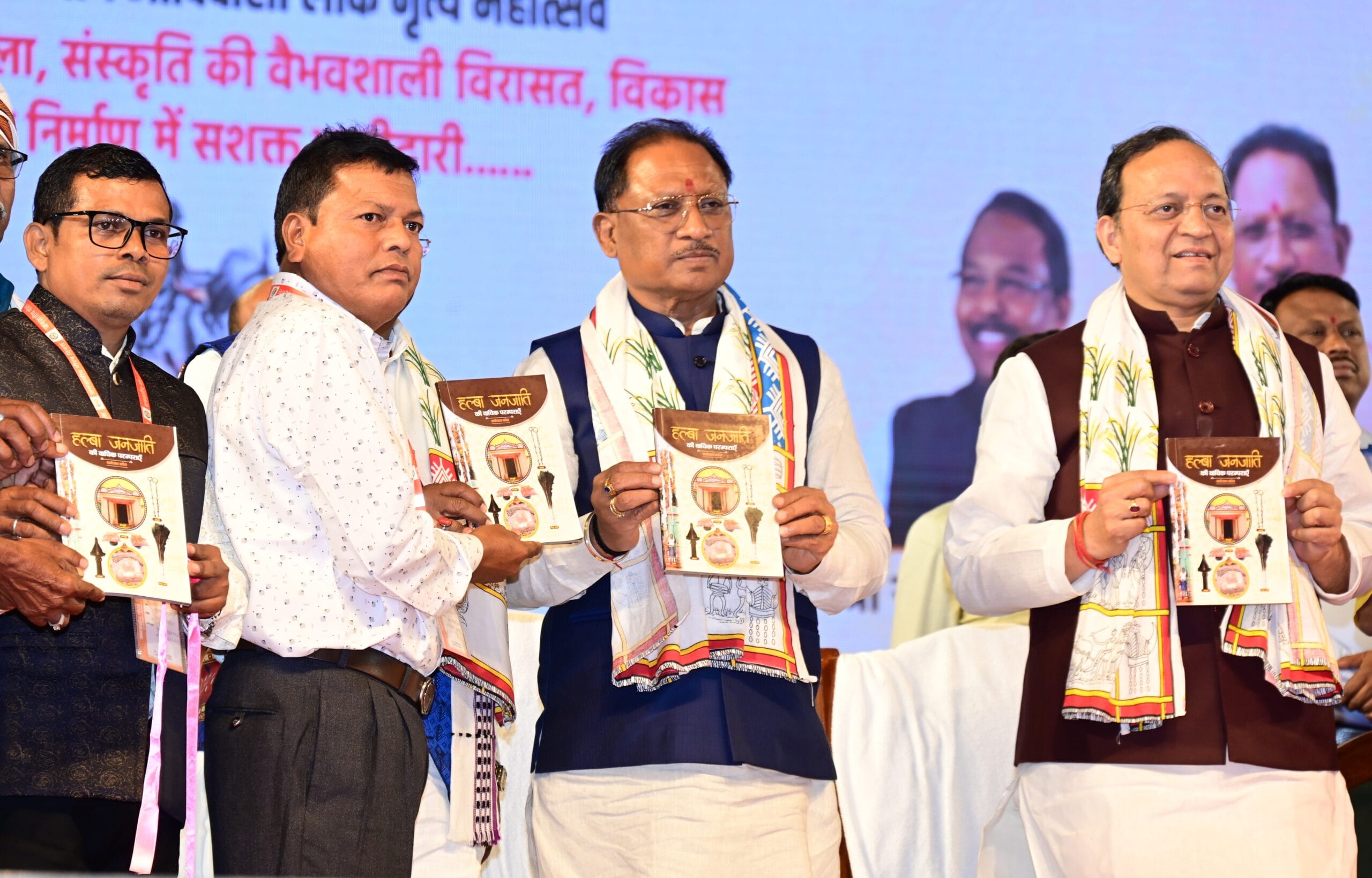
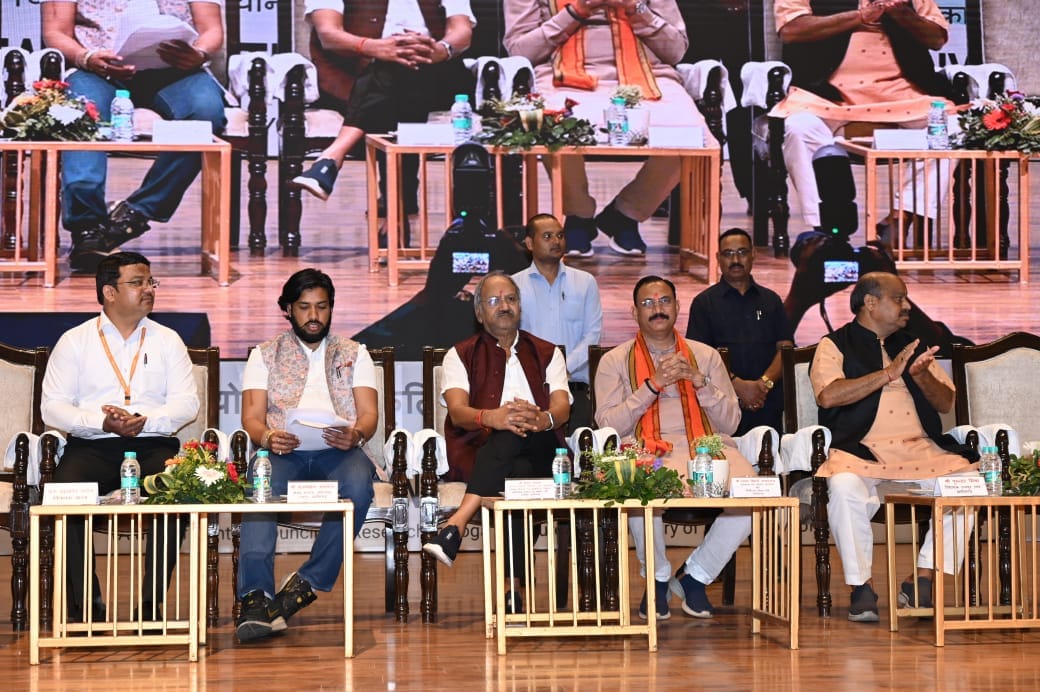
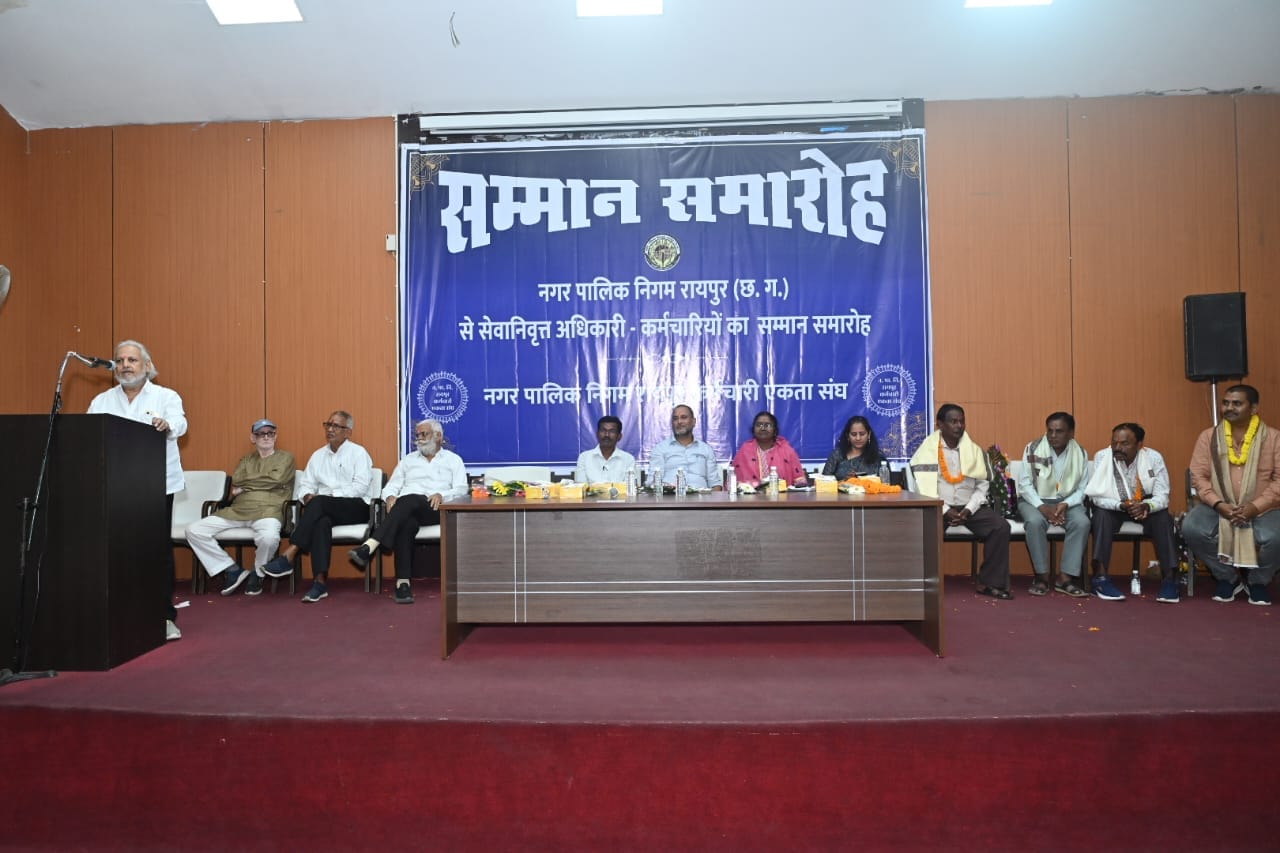
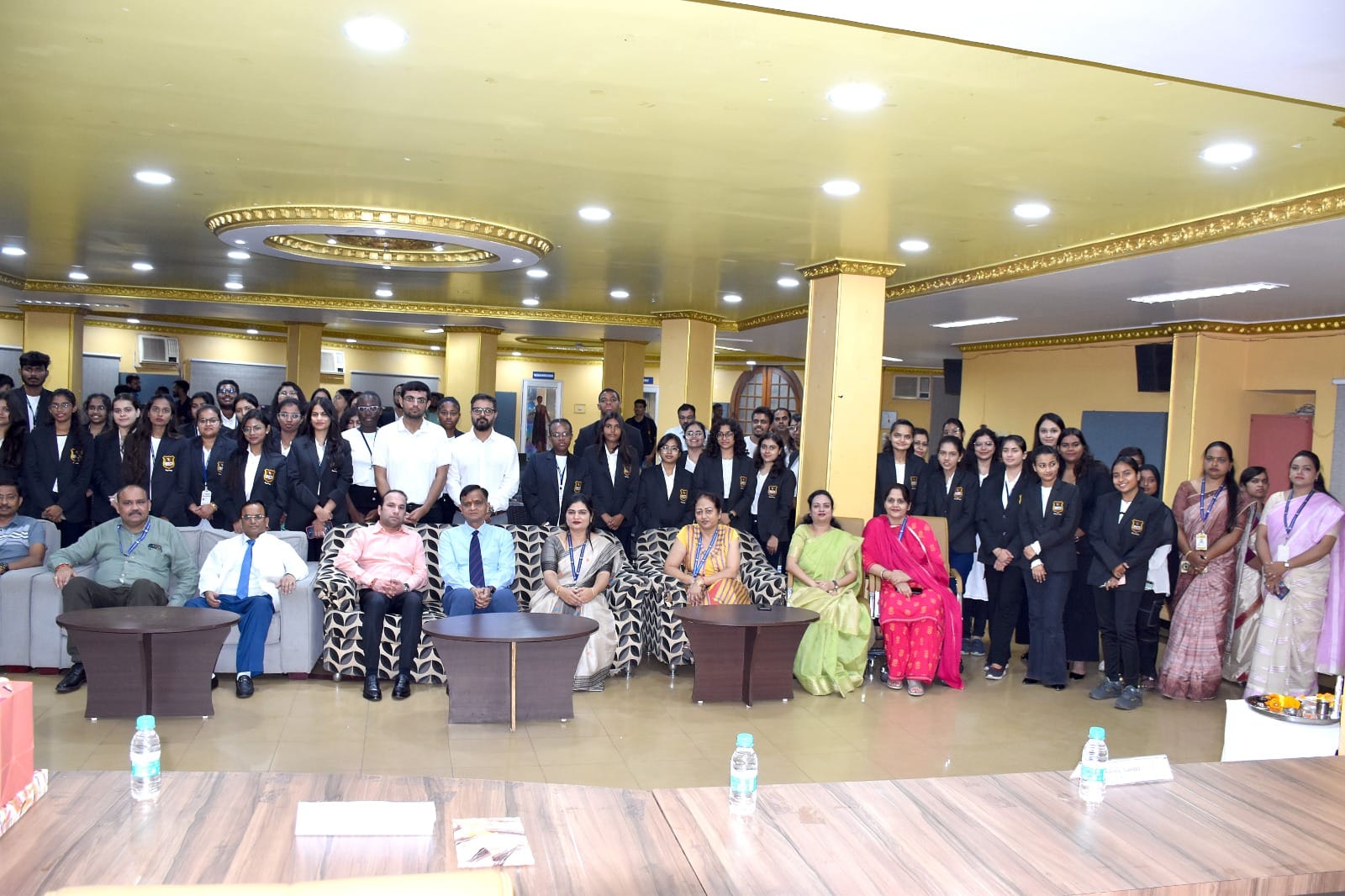
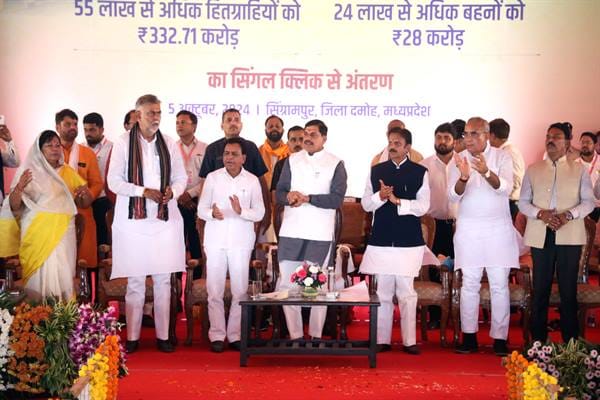
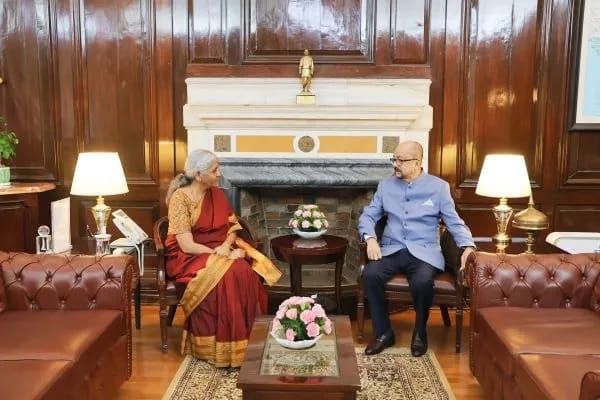
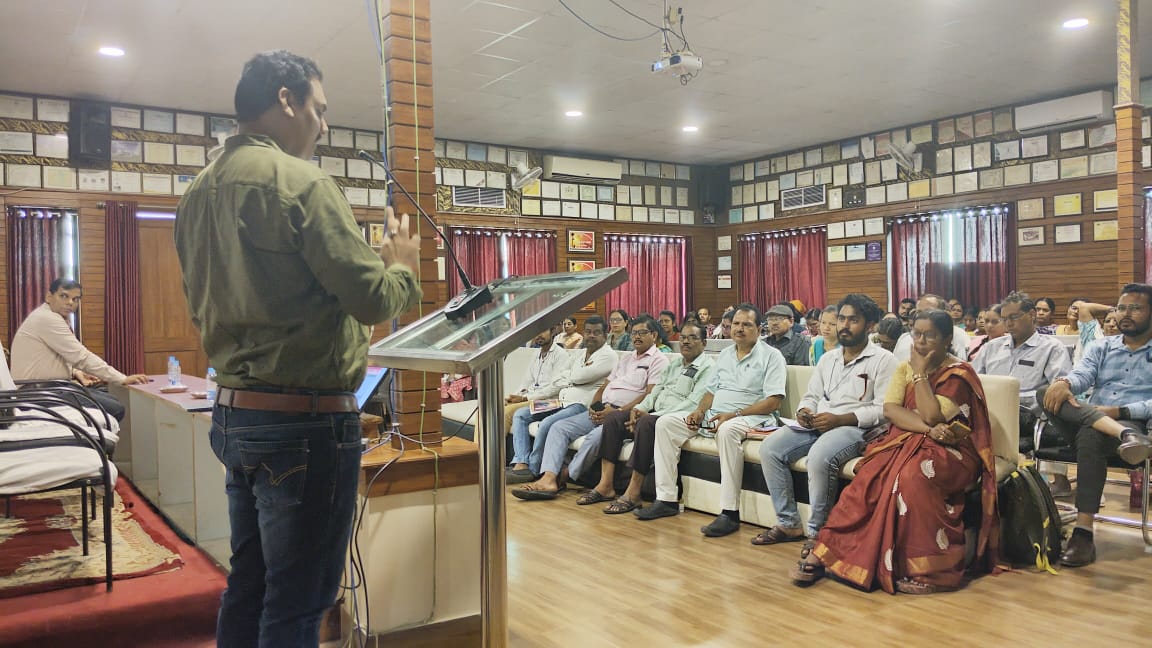
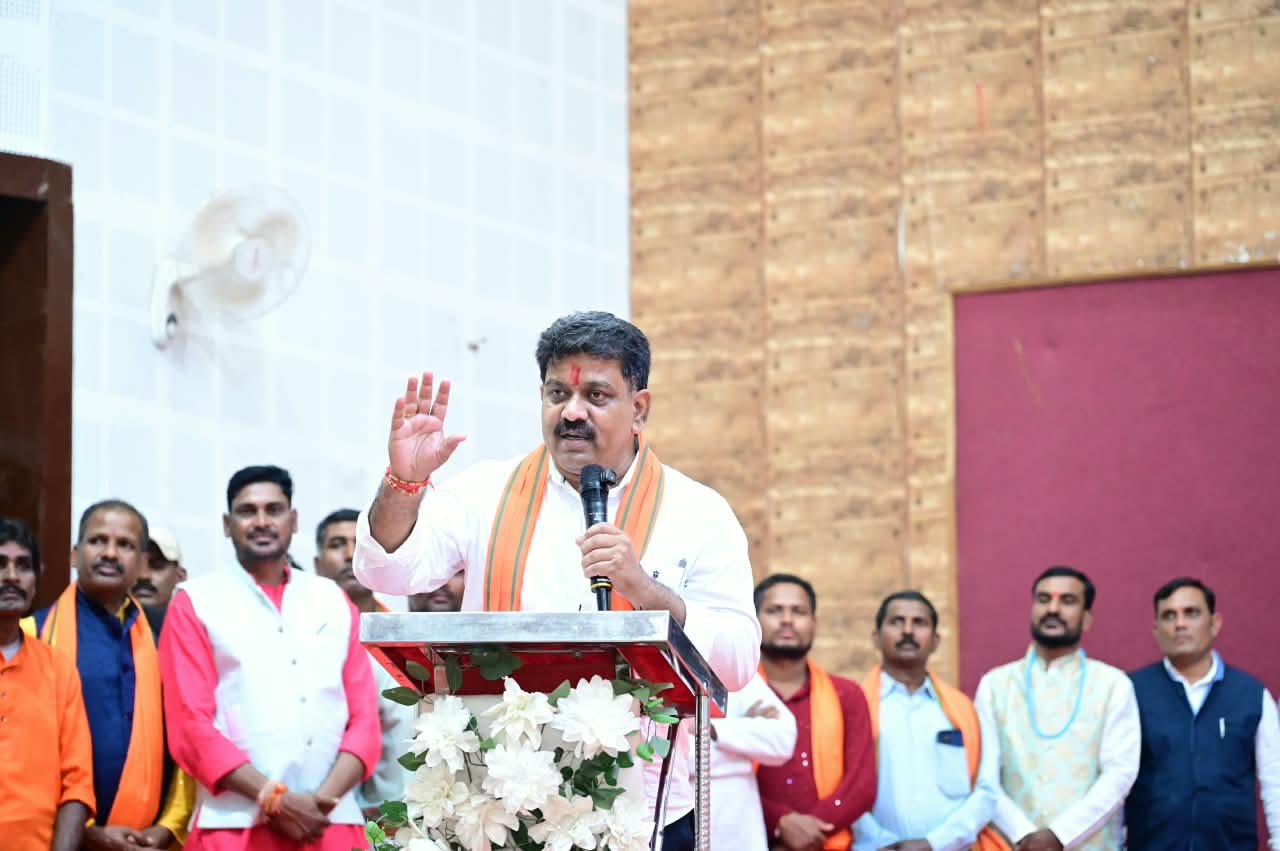
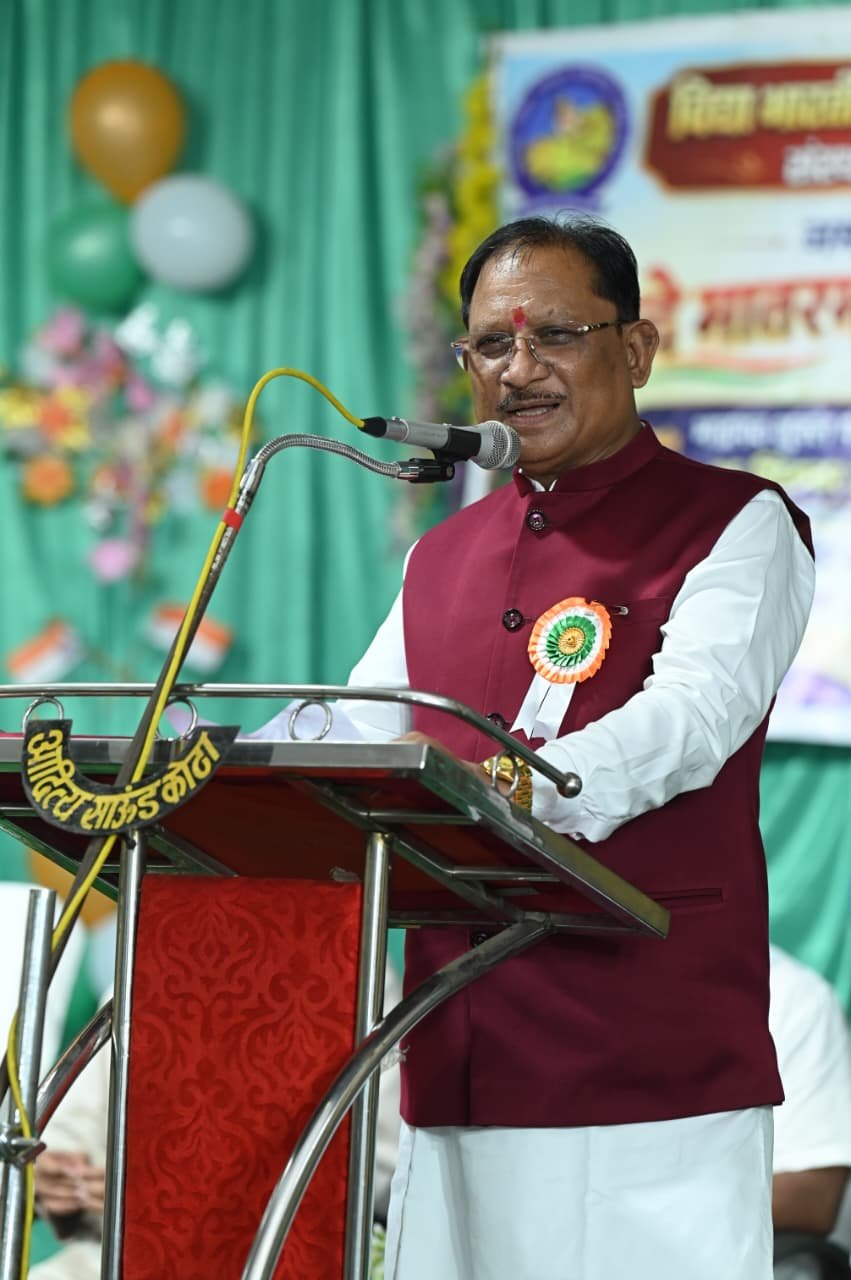
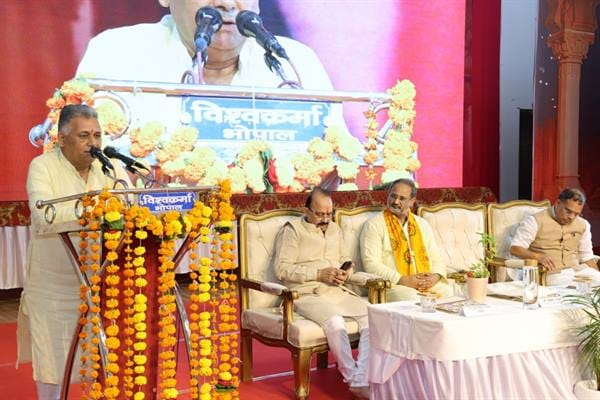
Minister of Higher Education, Technical Education and AYUSH Shri Inder Singh Parmar said that the Indian knowledge tradition is not only the heritage of our glorious past but also the strong cornerstone of the bright future of developed India. The National Education Policy-2020 has provided a historic opportunity to redefine the Indian education philosophy. This policy is connecting students not only with knowledge and skills, but also with values of culture, self-respect, Indianness and nation building. Minister Shri Parmar was addressing the intellectual program “Shri Gurudevai Namah” organized on the theme “National Education Policy-2020 and Glorious Form of Indian Knowledge Tradition” at Sarojini Naidu Government Girls Post Graduate Self-Government College, Bhopal.
Higher Education Minister Mr. Parmar said that Madhya Pradesh has been the leader across the country in effectively implementing the National Education Policy-2020 and is also continuously working towards the rich inclusion of Indian knowledge tradition. Indian knowledge tradition is being made an integral part of the courses in the universities and colleges of the region. The inclusion of Indian knowledge tradition in the first chapter of the first year is the result of this decision.
Minister Shri Parmar said that our knowledge tradition is not just a memory of the past, but an intact tradition of life-values, traditions, inventions, innovations and public welfare. Our ancestors guided the world with their knowledge, behavior and character and transferred knowledge from generation to generation. Today it is necessary that this priceless heritage should be explored, researched and scientifically documented in an age-related perspective, so that Indian knowledge can become a source of inspiration for the modern world as well. He said that every innovation of ours should be for public welfare.

Minister Shri Parmar said that the National Punishment Policy-2020 has worked to re-establish the Indian philosophy of punishment and connect punishment with life and nature. The burden of school education has been reduced from the shoulders of children and education based on nature and culture has been promoted. In higher education, special emphasis is being laid on multidisciplinary studies, research, skill development, innovation and employment oriented education along with cultured education. He said that the goal of the state government is to provide quality, employment-oriented and culture-based education.
Minister Shri Parmar said that the state government is strengthening the necessary infrastructure and human resources for quality punishment. Continuous recruitment is being done to fill up the necessary posts in colleges and appointments will be made soon in universities too.
Minister Shri Parmar said that the State Assessment and Accreditation Cell (SAAC) has been constituted with the aim of quality enhancement, institutional excellence and ensuring better performance in accordance with National Assessment and Accreditation Council (NAAC) standards in higher education institutions. This cell will provide training, guidance, technical assistance and continuous consultation to colleges and universities at every stage of the evaluation and accreditation process, thereby strengthening the academic and administrative quality of the institutions. He said that our objective is not just to achieve NAAC grades but to take the real quality of education to new heights.
Minister Shri Parmar said that in the next two-three years, the nature of the higher education system of the region will be more modern, transparent and student-centric. The examination system in universities is being modernized. Work is being done rapidly in the direction of digital valuation and the action plan to provide digital copies of their answer books to the students is also being implemented.
Minister Shri Parmar said that in order to realize the vision of a developed India by the year 2047, the best way of life, Indianness, self-pride and sense of belonging must be awakened. The essence of the National Education Policy 2020 is to establish a sense of Indianness in the society. This round of transformation in higher education is actually the time of national reconstruction.
Vice Chancellor of Dev Sanskriti University, Shantikunj, Haridwar Dr. Chinmoy Pandya said that the basic aim of the Indian tradition of knowledge is to develop sanskar, sensibility and divine consciousness within the individual. He explained the three main sutras of the Indian tradition of knowledge, saying that the first one—God is with us every moment, so every action should be done with God as witness. 2nd – Motherhood should be seen and respected in every woman. 3rd – Touching Pardhan should not even be thought of, because honesty and character are the biggest hallmarks of Indian culture. He said that these values of life make the Indian culture unique in the world and the National Education Policy is becoming a means of reaching these values to the new generation.
Mayor Nagar Nigam Bhopal Mrs. Malti Rai, Former Member of Parliament Mr. Raghunandan Sharma, Director of Madhya Pradesh Hindi Granth Academy Mr. Ashok Kadel, President of Madhya Pradesh Yoga Commission Mr. Raghavendra Sharma, College Principal Dr. Surendra Bihari Goswami, various scholars, members of the Gayatri family, professors and a large number of female students were in dignified presence.