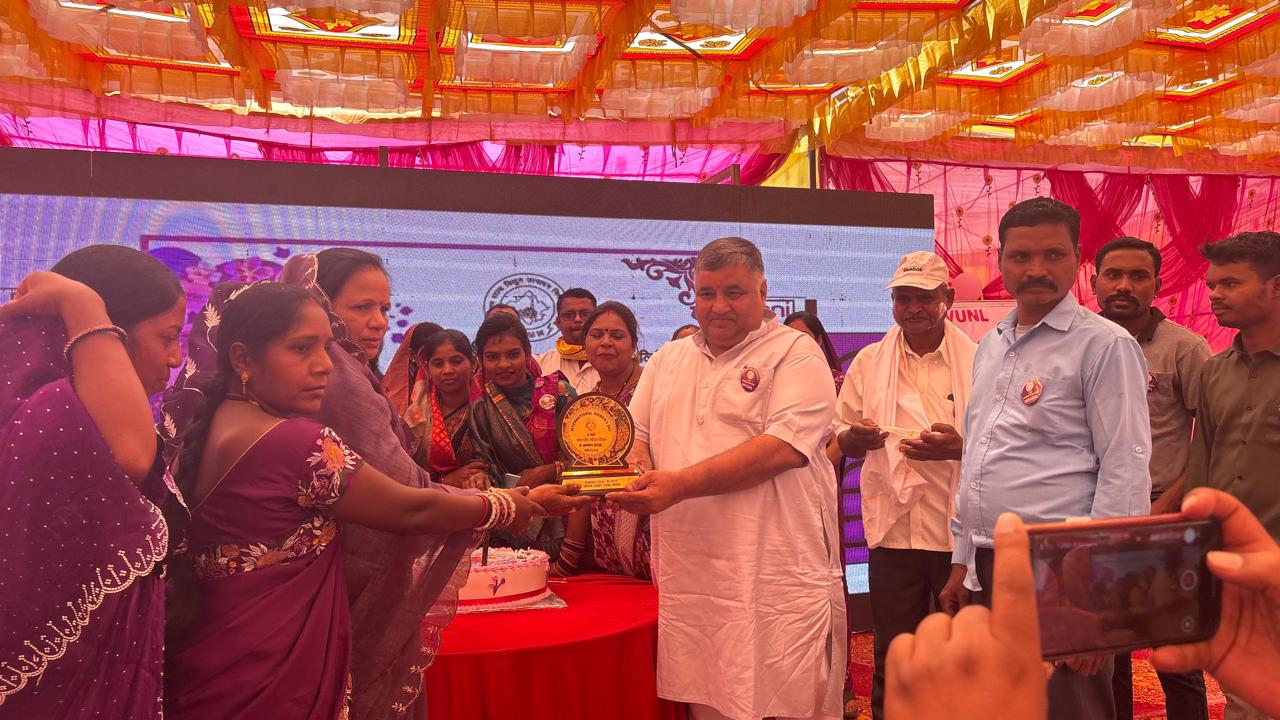



















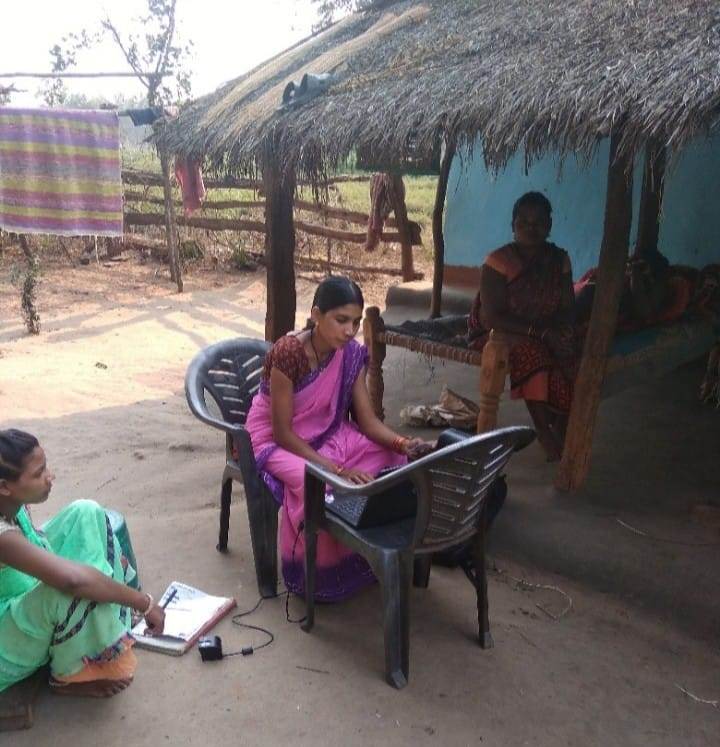
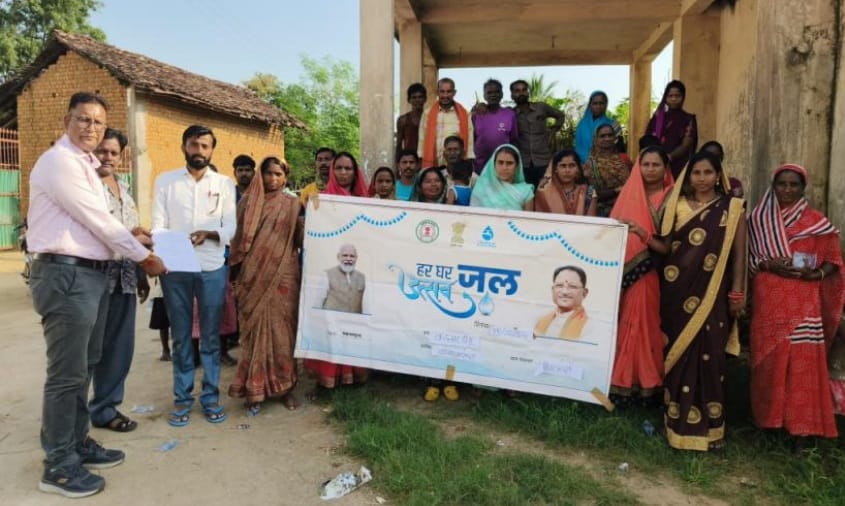







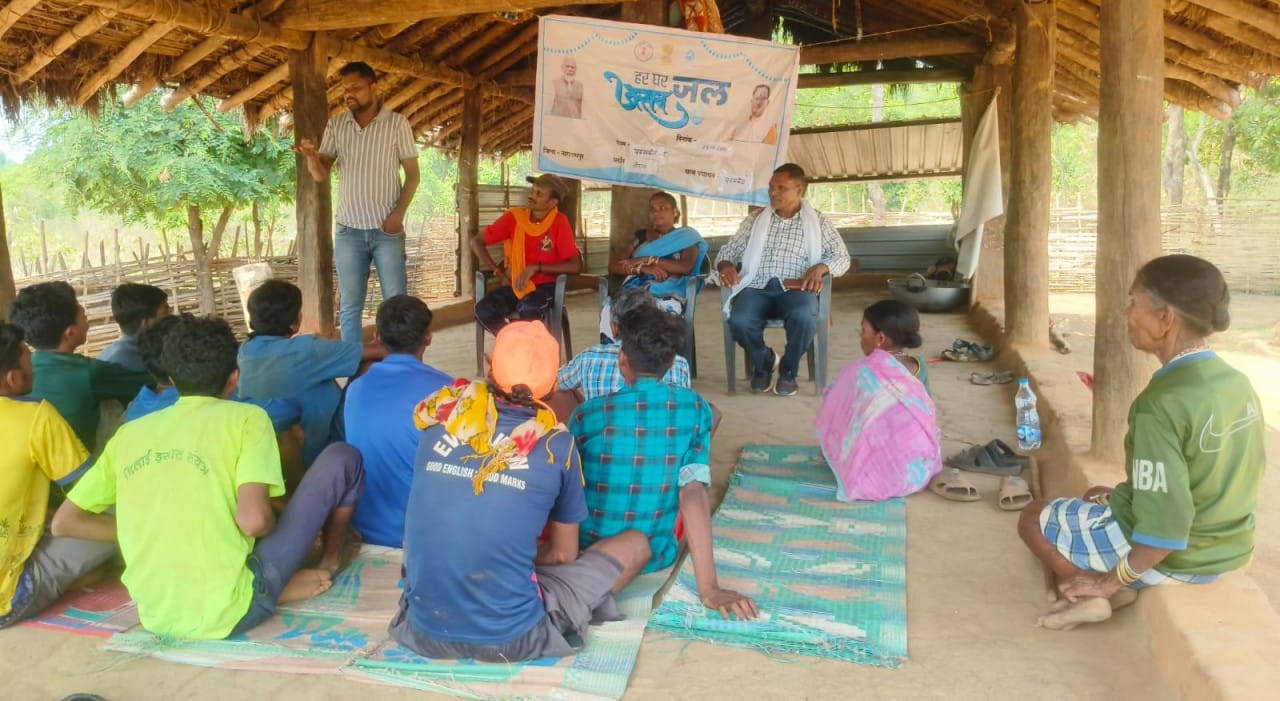
Difficult geographical conditions, dense forests, difficult roads, and miles of distance from modern infrastructure—these are the hallmarks of the Abujhmad region, located at the extreme end of Chhattisgarh. But today, a panchayat in this very Abujhmad is writing a new chapter in development. In the village panchayat of Padamkot, located approximately 65 kilometers from the district headquarters, Narayanpur, bordering Maharashtra, the Jal Jeevan Mission has not only provided pure drinking water to every household, but has also transformed the health, sanitation, and livelihoods of the villagers.
This remote forest village, once struggling for every drop of water, has now emerged as an inspiring model of rural development and inclusive progress through a solar-powered water supply system.
- A unique combination of solar energy and modern infrastructure
Providing basic amenities in a remote area like Abujhmad was a major challenge for the district administration. Amidst the uncertainties of electricity and difficult routes, the Jal Jeevan Mission developed an action plan that was self-sufficient and environmentally friendly.
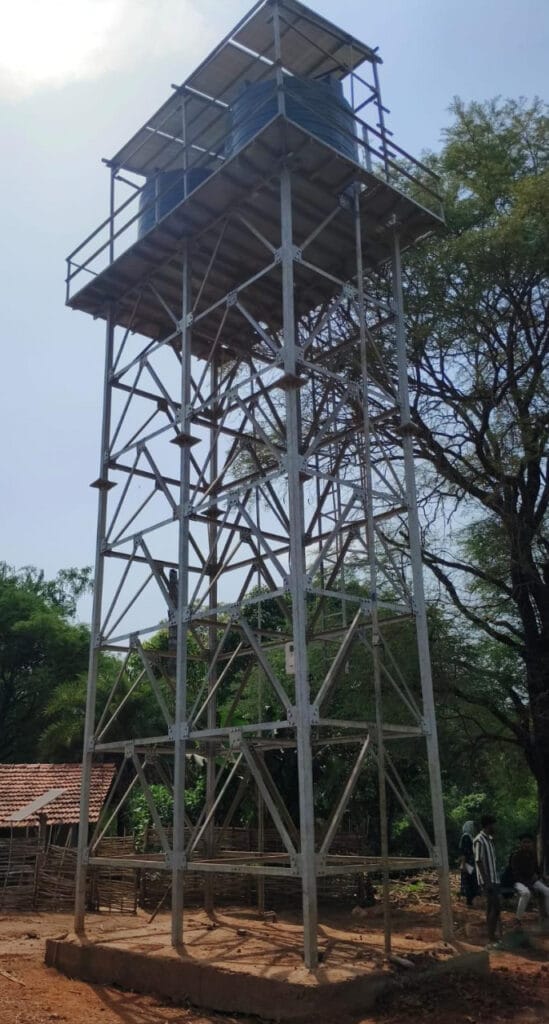
A robust network of technology and infrastructure has been developed to ensure uninterrupted water supply in the village. A nearly four-kilometer pipeline has been laid to connect every corner and every home in the village. To eliminate dependence on electricity, four solar water tanks with a capacity of 10,000 liters each have been constructed. Through this system, 100% of the panchayat’s families receive regular, clean drinking water at their doorsteps.

- Women’s labor was respected, children got the opportunity for education
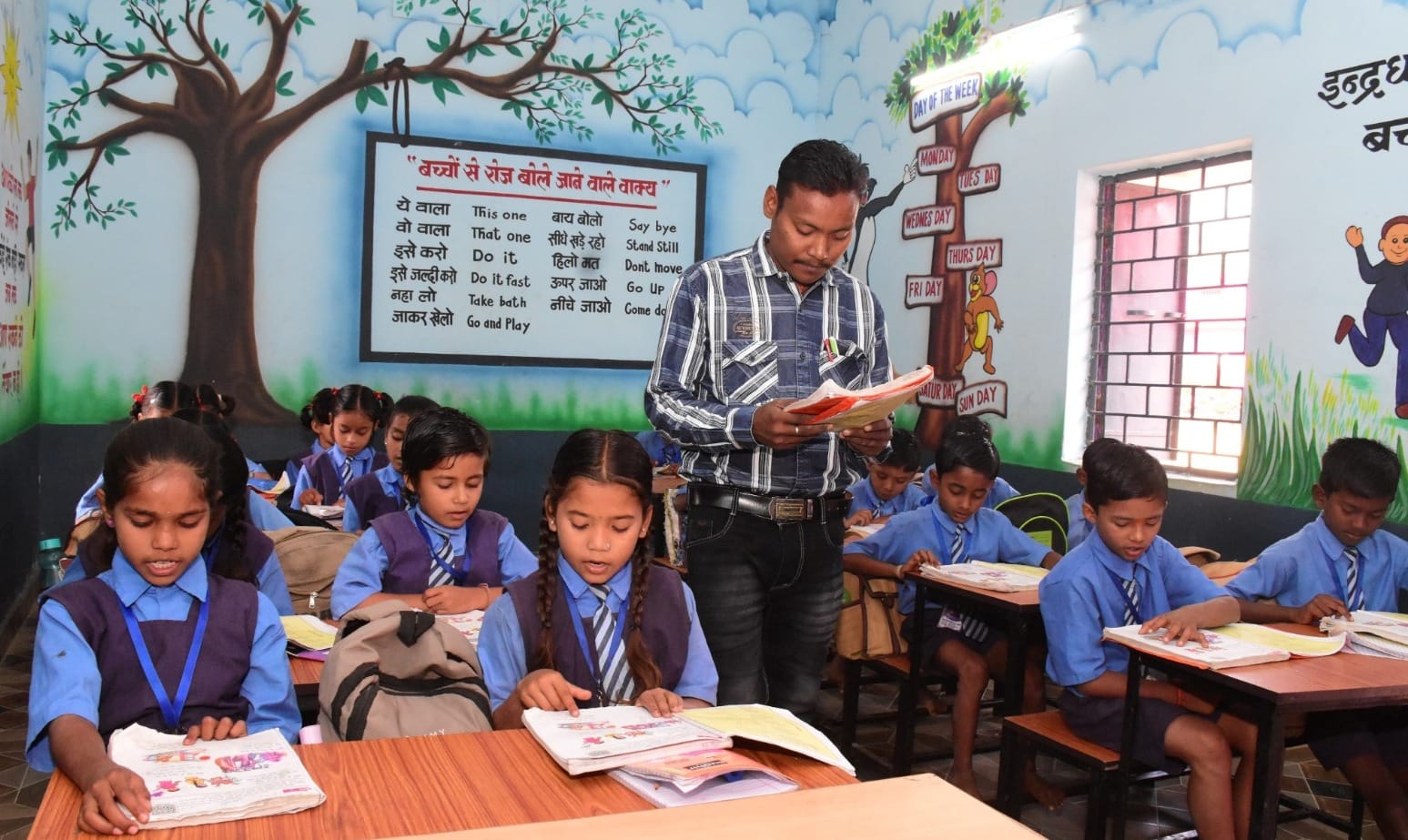
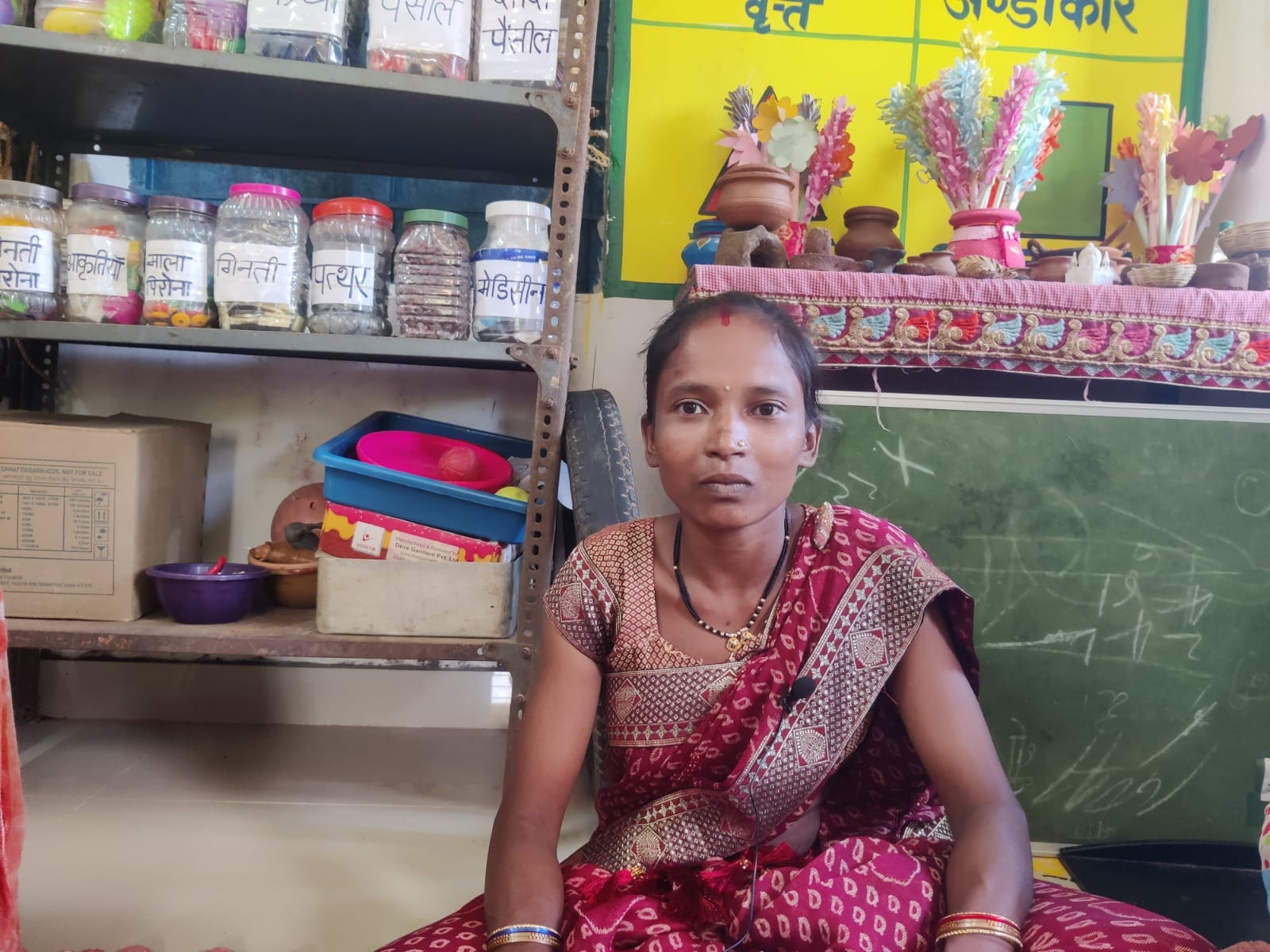
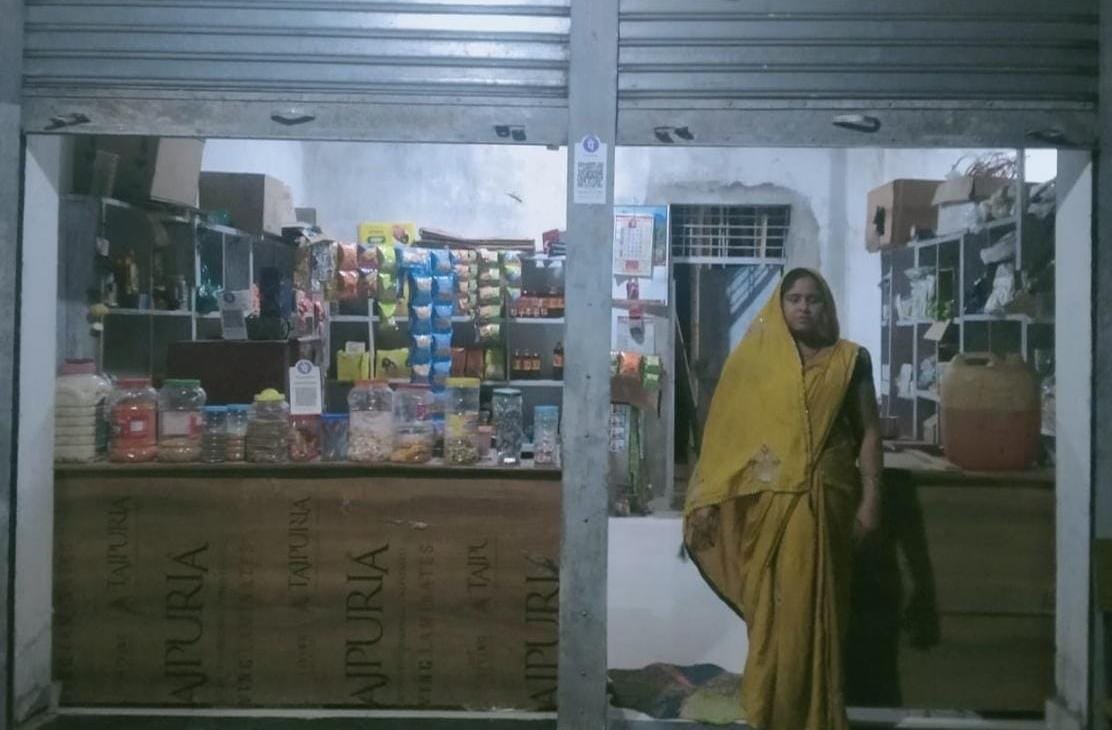
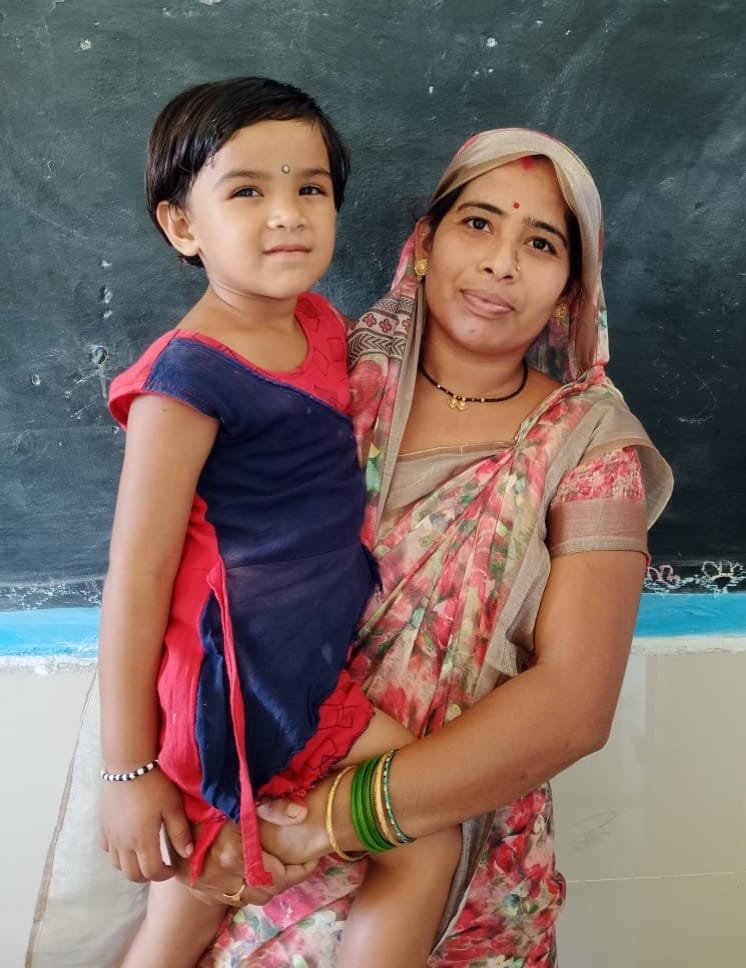
The most beautiful aspect of this success story is the transformation in the lives of rural women. Previously, a large part of the village’s women and children’s lives were spent collecting drinking water, often walking miles to reach water sources. Now, with pure water available in their own courtyards, women are saving both time and effort. They are using this time to join self-help groups (SHGs) and engage in livelihood activities and social work. Meanwhile, freed from the chore of fetching water, children are now able to attend school regularly and spend time in creative activities.
- Health, hygiene and nutrition revolution through kitchen gardens
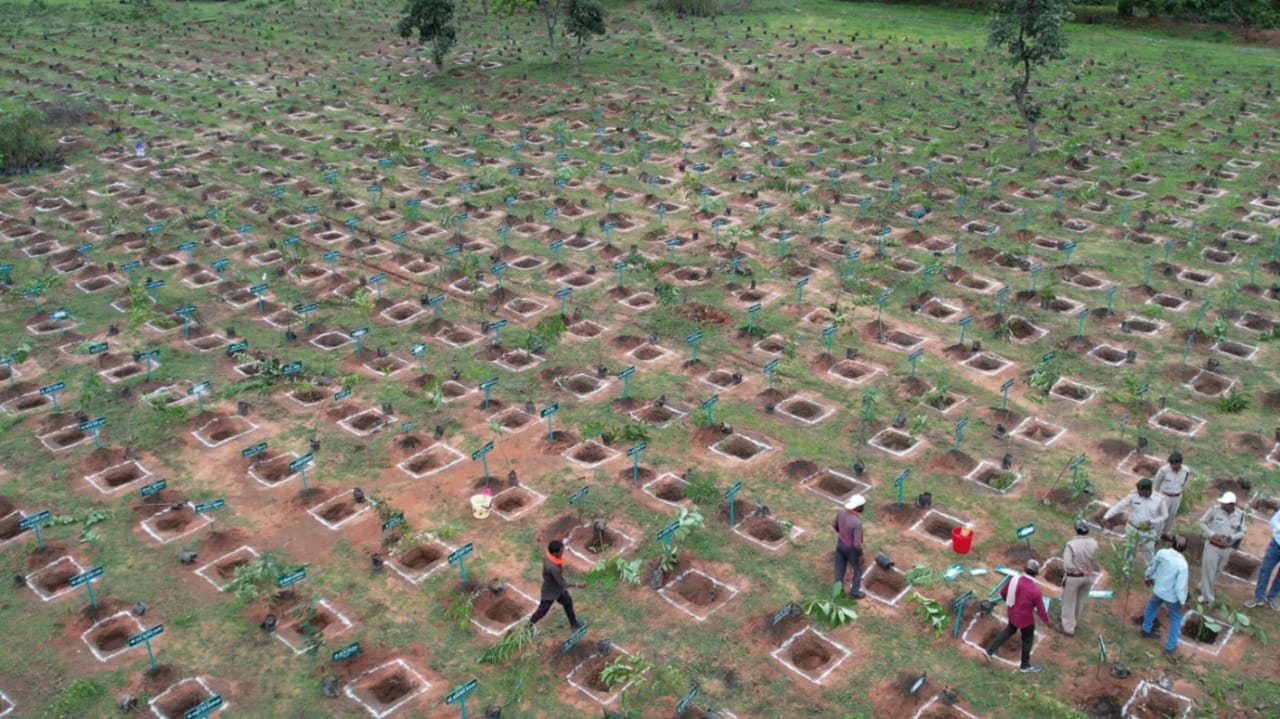
In Padamkot, pure drinking water has not only quenched thirst, but has also improved the village’s overall health and nutrition. Access to clean and safe water has significantly reduced the incidence of diarrhea, jaundice, and other waterborne diseases. The availability of adequate water has increased villagers’ interest in personal and community hygiene, leading to a cleaner home environment. The most significant benefit of regular water supply is nutritional benefits. Villagers have developed kitchen gardens behind their homes. Using tap water, they are growing seasonal and nutritious vegetables. This has provided families with fresh vegetables, reduced their dependence on the market, and diversified their diets.
- A new model of administrative commitment and self-reliance
The success of Gram Panchayat Padamkot proves that with administrative commitment, precise planning, and continuous monitoring, the flow of development can reach even the most backward and remote areas of the country.
The villagers of Padamkot say that the Jal Jeevan Mission has not only provided them with water, but has also instilled a new sense of self-confidence and self-reliance within them. Today, this last village of Abujhmad, situated on the border of Maharashtra, is a living example not only for Chhattisgarh but for the entire country of how clean drinking water can become a strong foundation for a better life, robust health, and a bright future.