




































































- Provided information on the immense potential for research on forests, wetlands and traditional knowledge
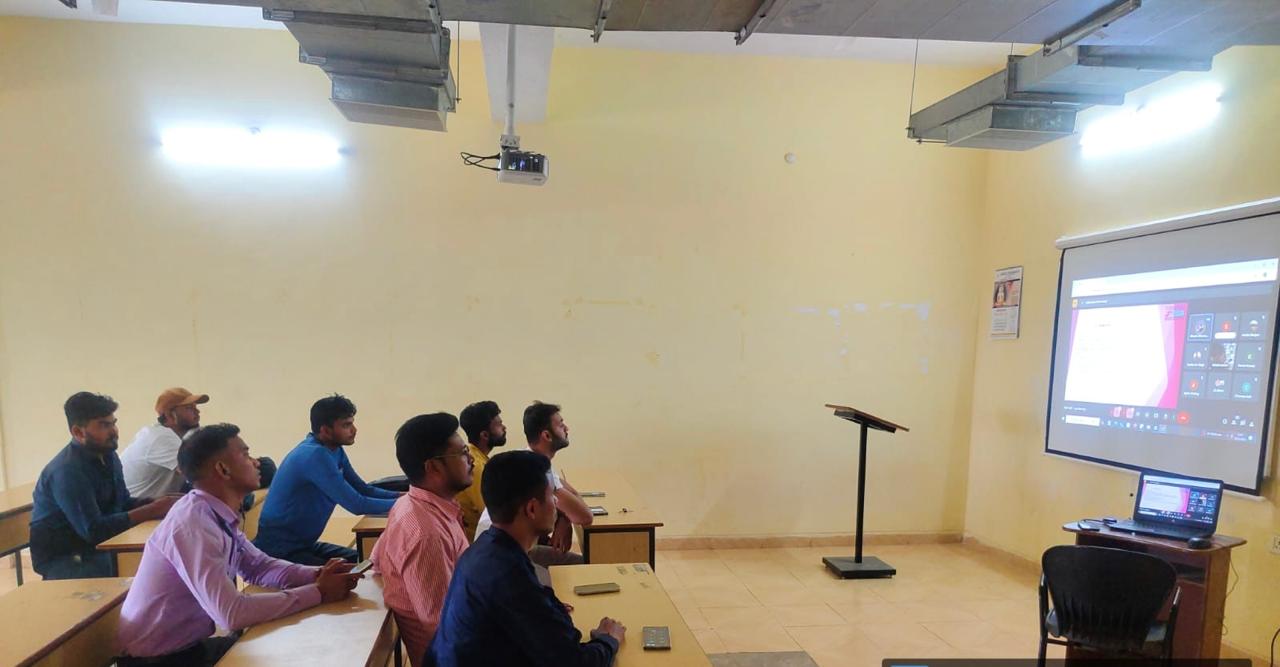
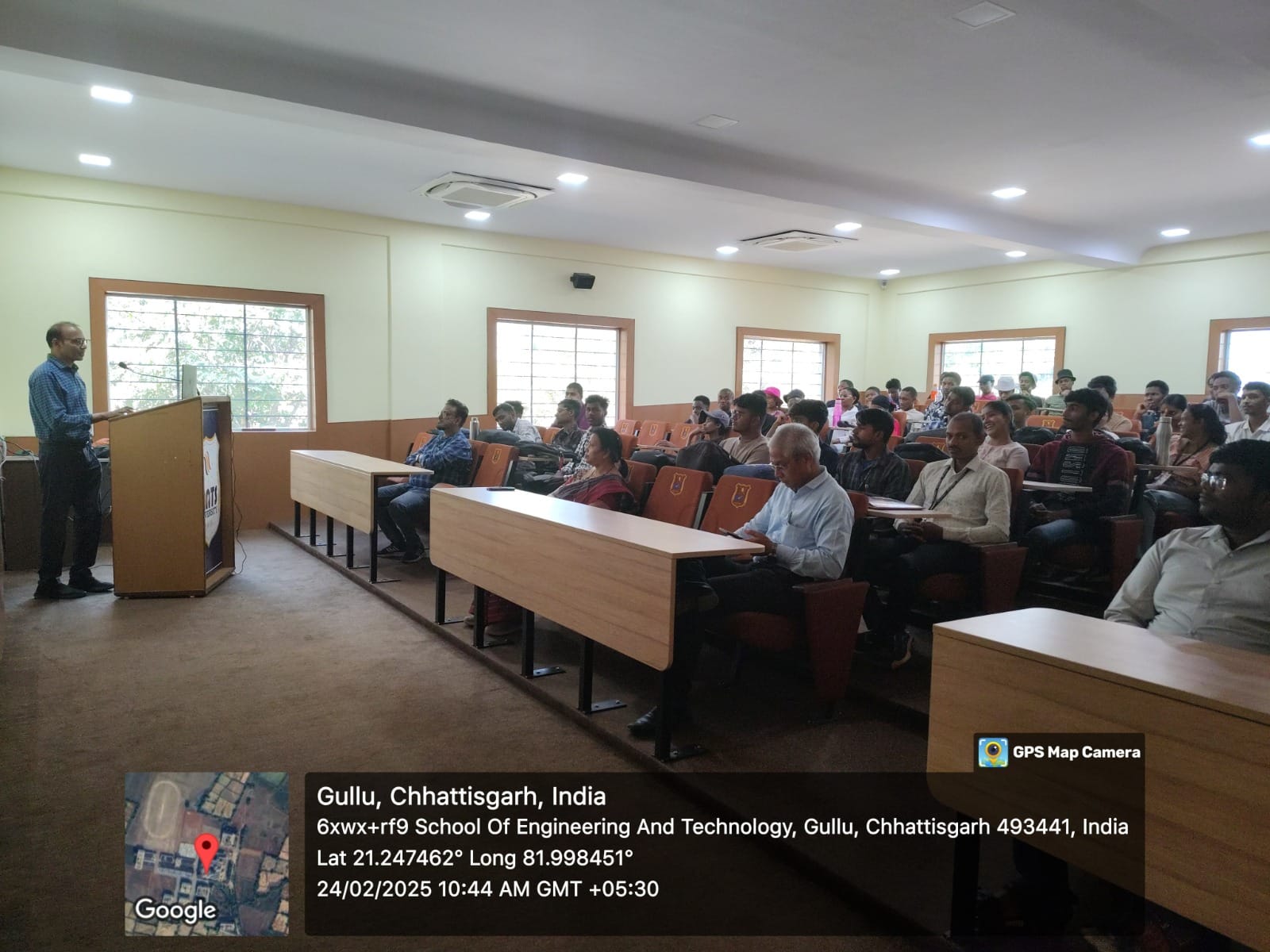
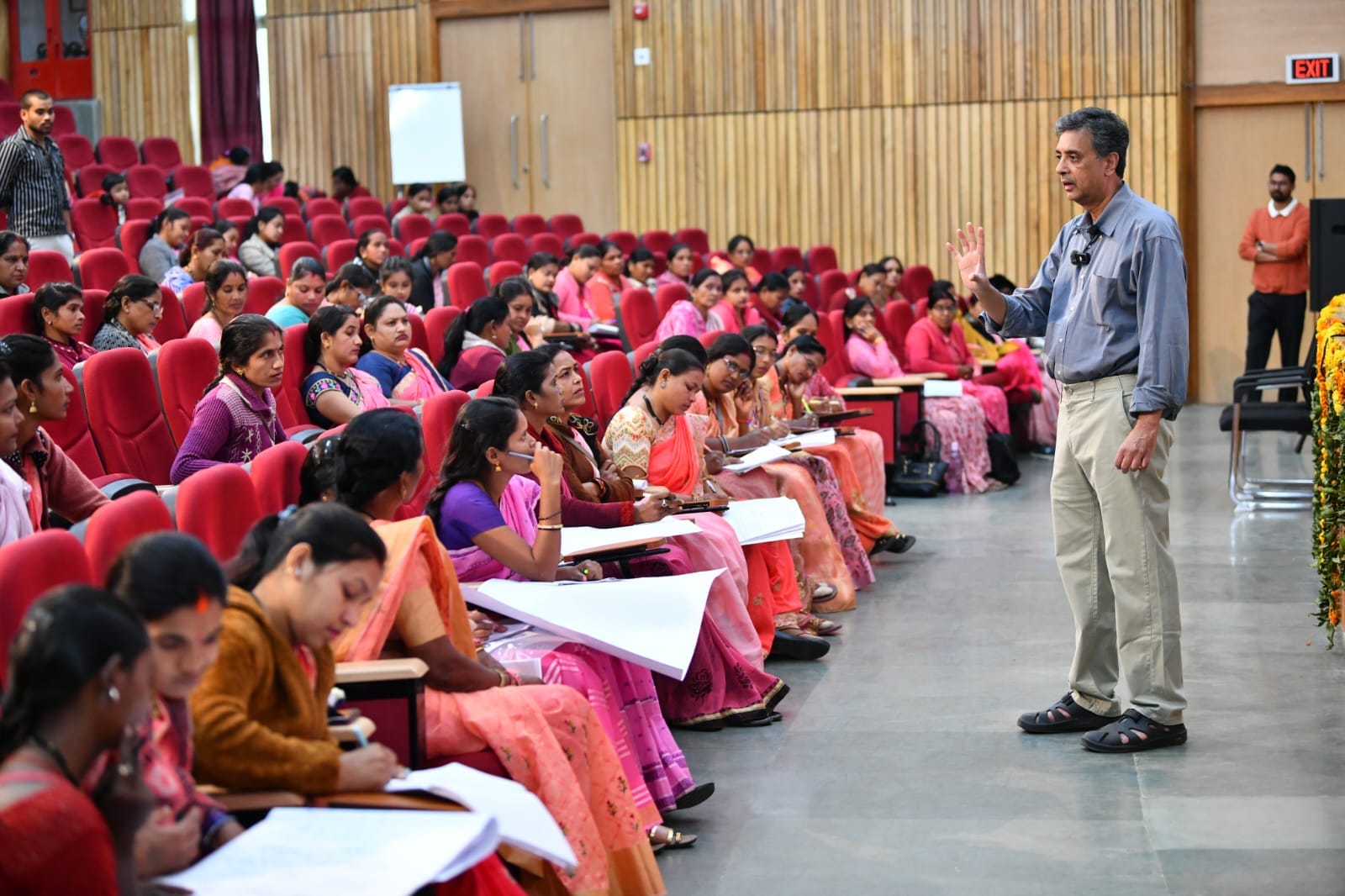
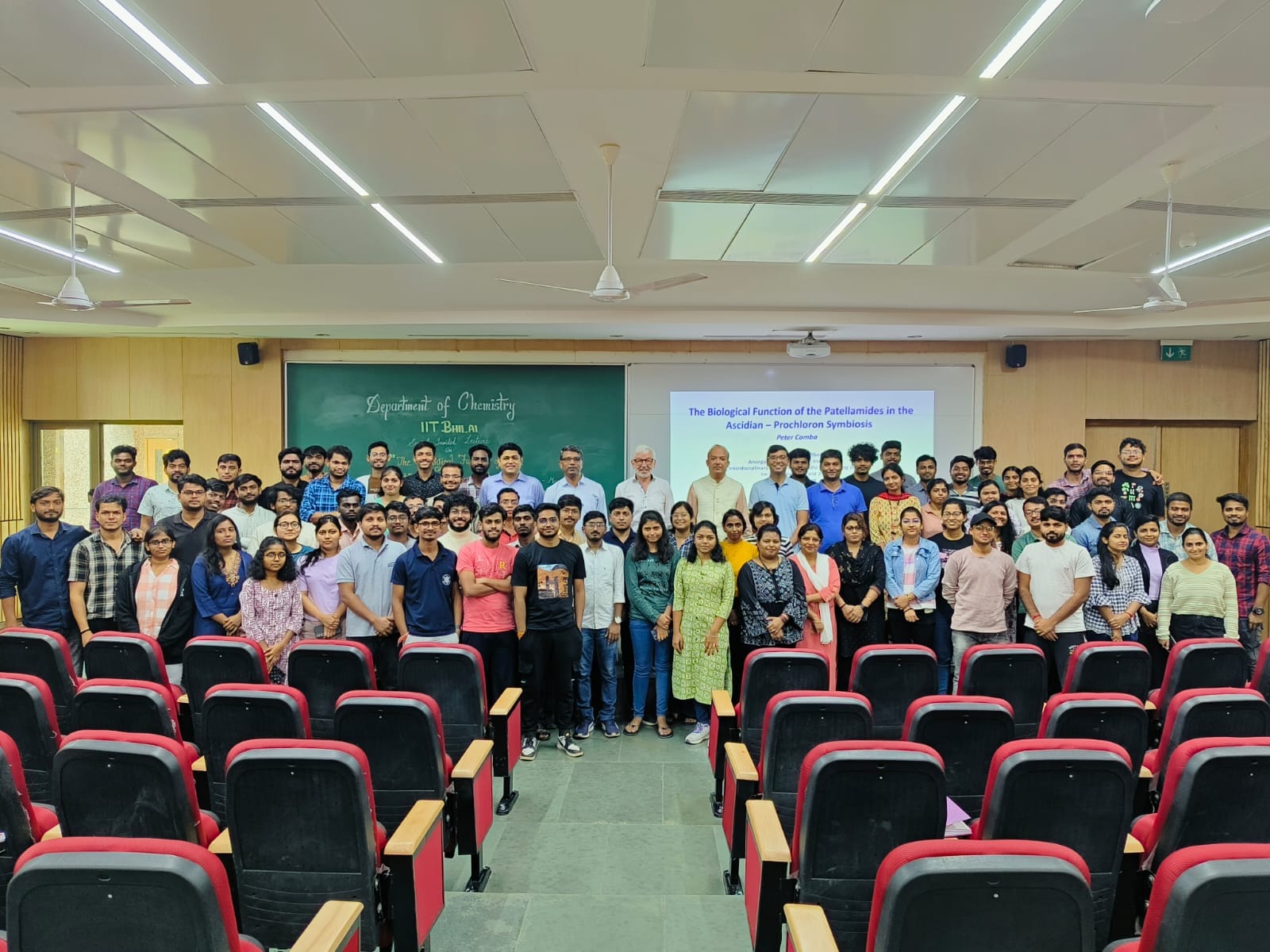
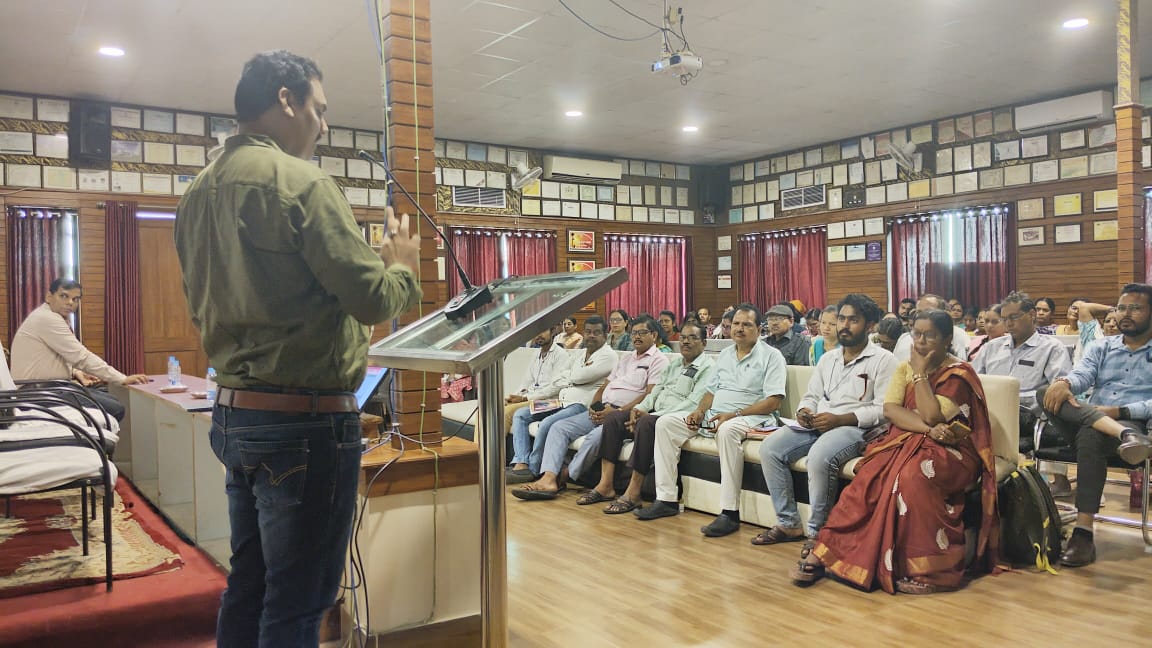
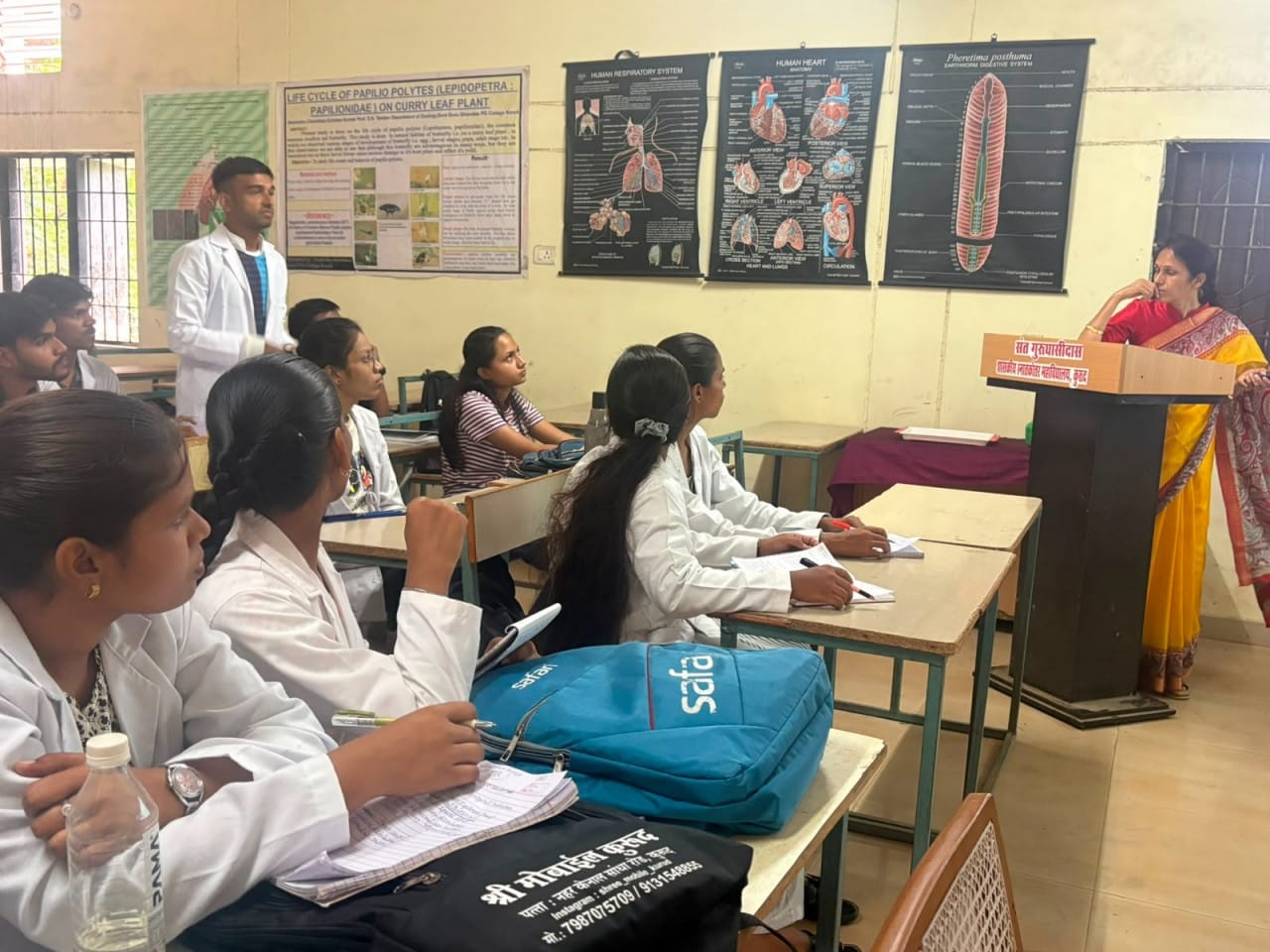
Postgraduate students are being introduced to new techniques in biodiversity research so they can use modern tools for ecological conservation and species identification. Students are learning to use databases such as the Global Biodiversity Information Facility and the i-Naturalist platform. A special awareness and motivational lecture on biodiversity research was organized at Sant Guru Ghasidas Government Postgraduate College, Kurud, Dhamtari district, under the joint aegis of the Chhattisgarh State Biodiversity Board and the Chhattisgarh
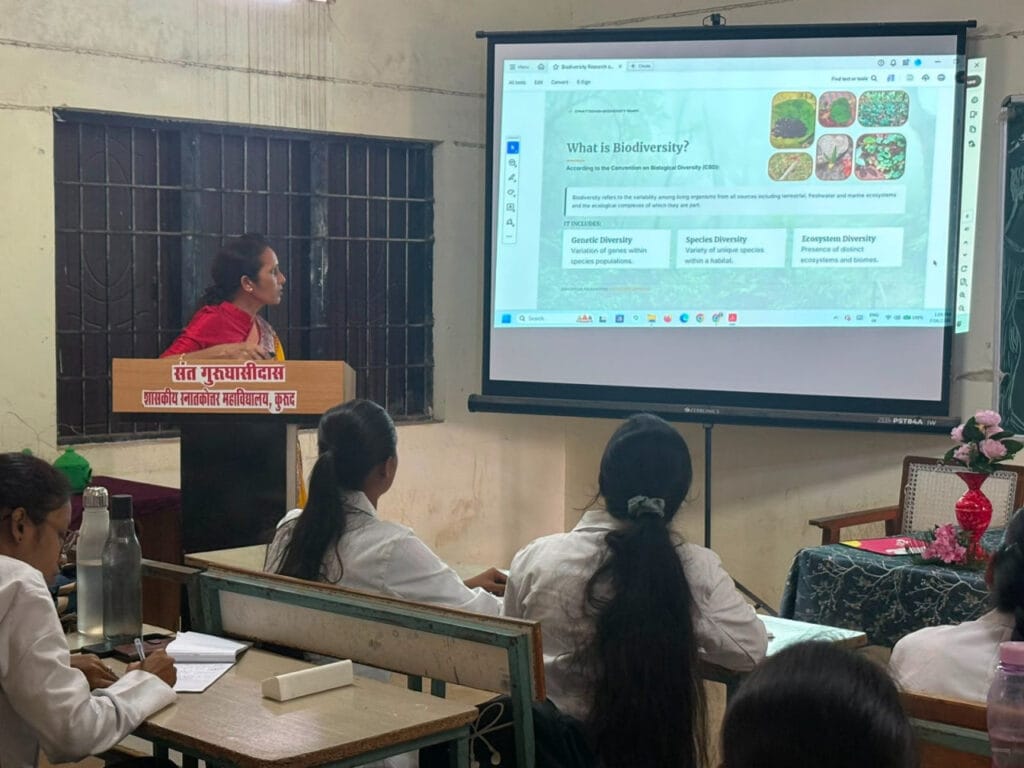
State Wetlands Authority. The program provided valuable information to postgraduate students in Zoology (M.Sc.) on the topic “Various Dimensions of Biodiversity Research and Future Prospects.” A scientist from the Chhattisgarh State Biodiversity Board informed the students about the opportunities available in the field of biodiversity conservation and research. He explained that Chhattisgarh is a state rich in forests, wetlands, rivers, mountainous regions, wildlife, tribal communities, and traditional knowledge. All of these areas are important for scientific research. Students were briefed on the possibilities of research on topics such as forest biodiversity, wildlife and bird studies, wetland ecology, aquatic biodiversity, traditional knowledge, biological resources, and climate change. Modern technologies will provide a new direction for biodiversity conservation. During the lecture, students were informed about the use of modern technologies in the study and conservation of biodiversity. These technologies include remote sensing, geographic information systems (GIS), GPS, drone-based surveys, DNA barcoding, environmental DNA (e-DNA), bioinformatics, artificial intelligence (AI), machine learning, and digital data analysis.
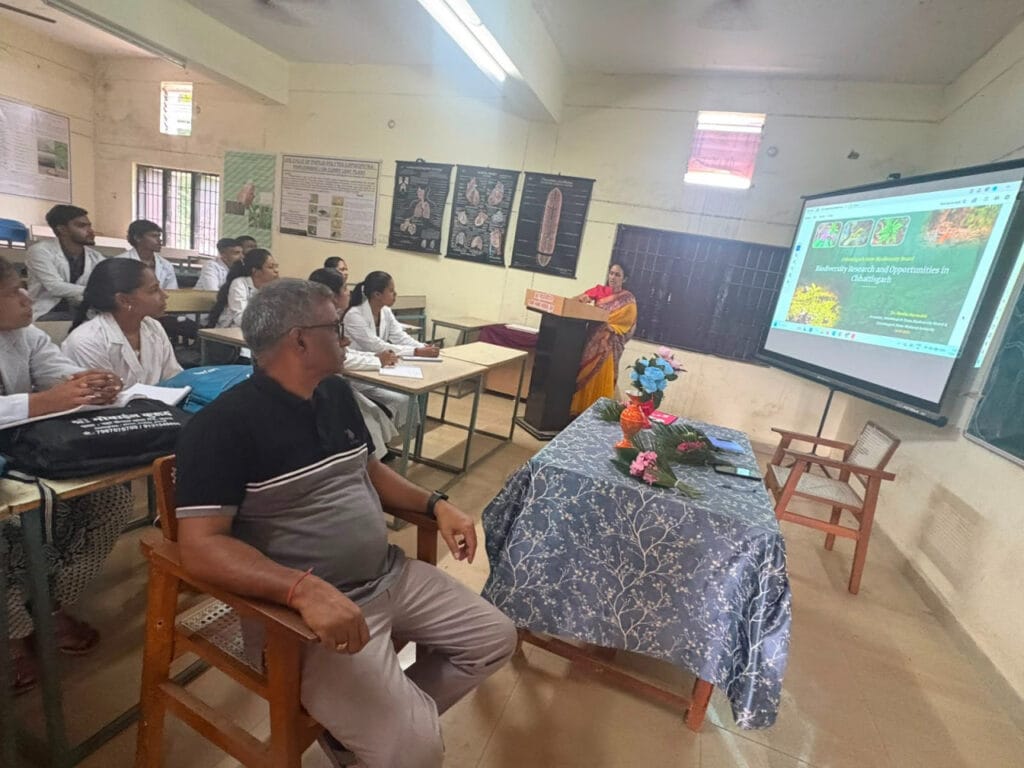
It was explained that these technologies can facilitate more effective scientific documentation, monitoring, and conservation of biodiversity. Students were provided with guidance on every stage of research , including research topic selection, research proposal preparation, scientific field surveys, sample collection, data analysis, and research paper writing. The importance of publishing research in national and international journals and ethical values in research was also highlighted. The need to connect research based on local biodiversity and traditional knowledge with society, policymaking, and conservation programs was also emphasized. Students enthusiastically asked questions
During the program’s interactive session, students and faculty asked questions related to biodiversity research, fellowships, higher education, modern research equipment, and career prospects. The scientist addressed all questions in detail. The college principal and professors from the Department of Zoology described the program as useful and inspiring for the students. They stated that such scientific awareness programs not only foster a culture of research among students but also motivate them to contribute to environmental and biodiversity conservation. The

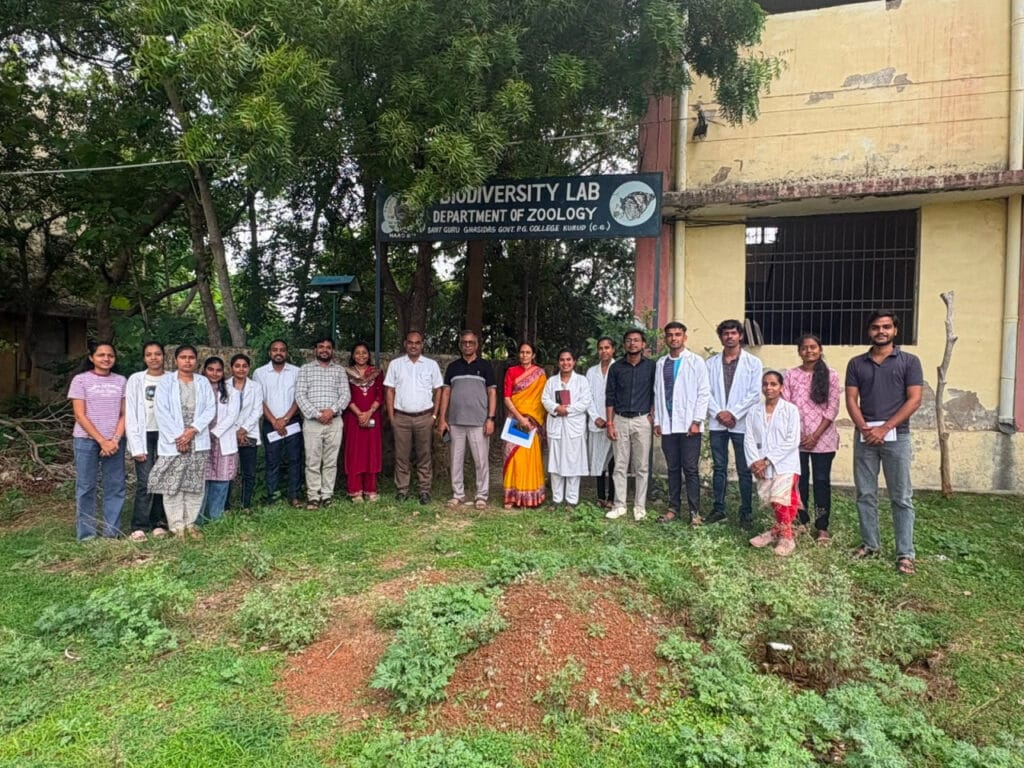
postgraduate students and faculty members participating in the program gained valuable information about Chhattisgarh’s biodiversity, modern research techniques, and research opportunities. This initiative proved crucial in developing a scientific outlook among students and inspiring them to contribute to biodiversity conservation and research.