
















How momentous that moment must be for a poor mother when, instead of smoke, a blue gas flame burns on her kitchen stove. What immense relief it must bring to a father who no longer has to worry about where the day’s food for his children will come from. What great joy a tribal family in a remote village of Bastar must feel when, overcoming arduous paths, rations finally reach their village. Indeed, the true meaning of service is revealed in these small yet priceless moments.
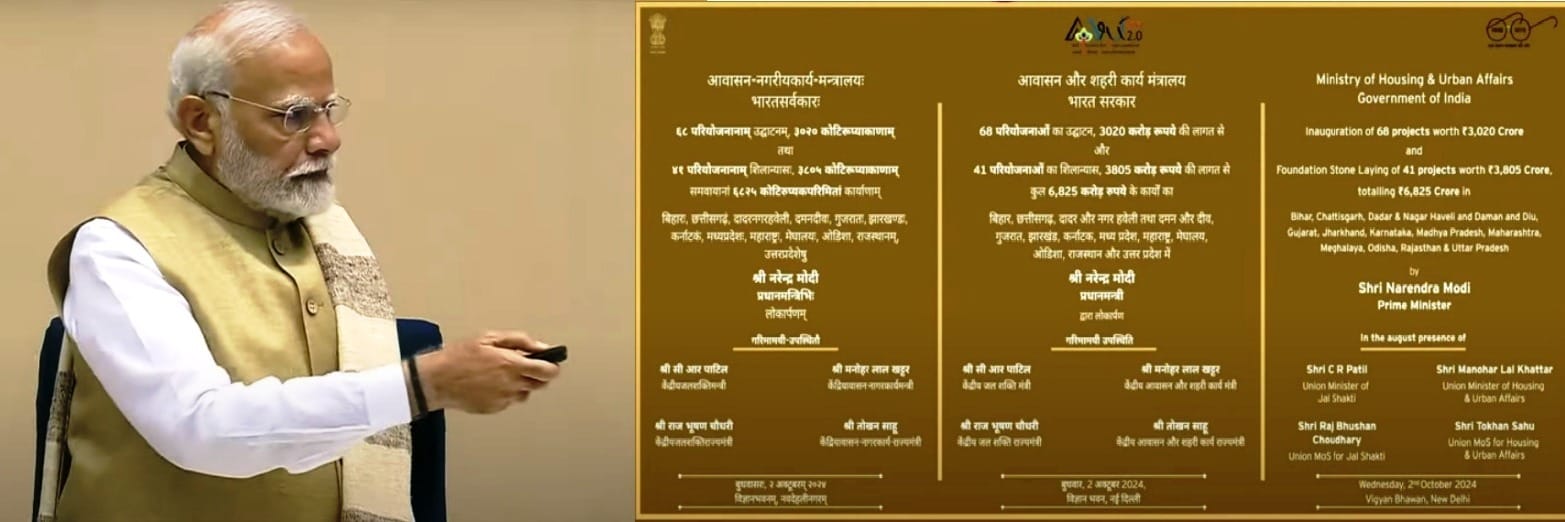
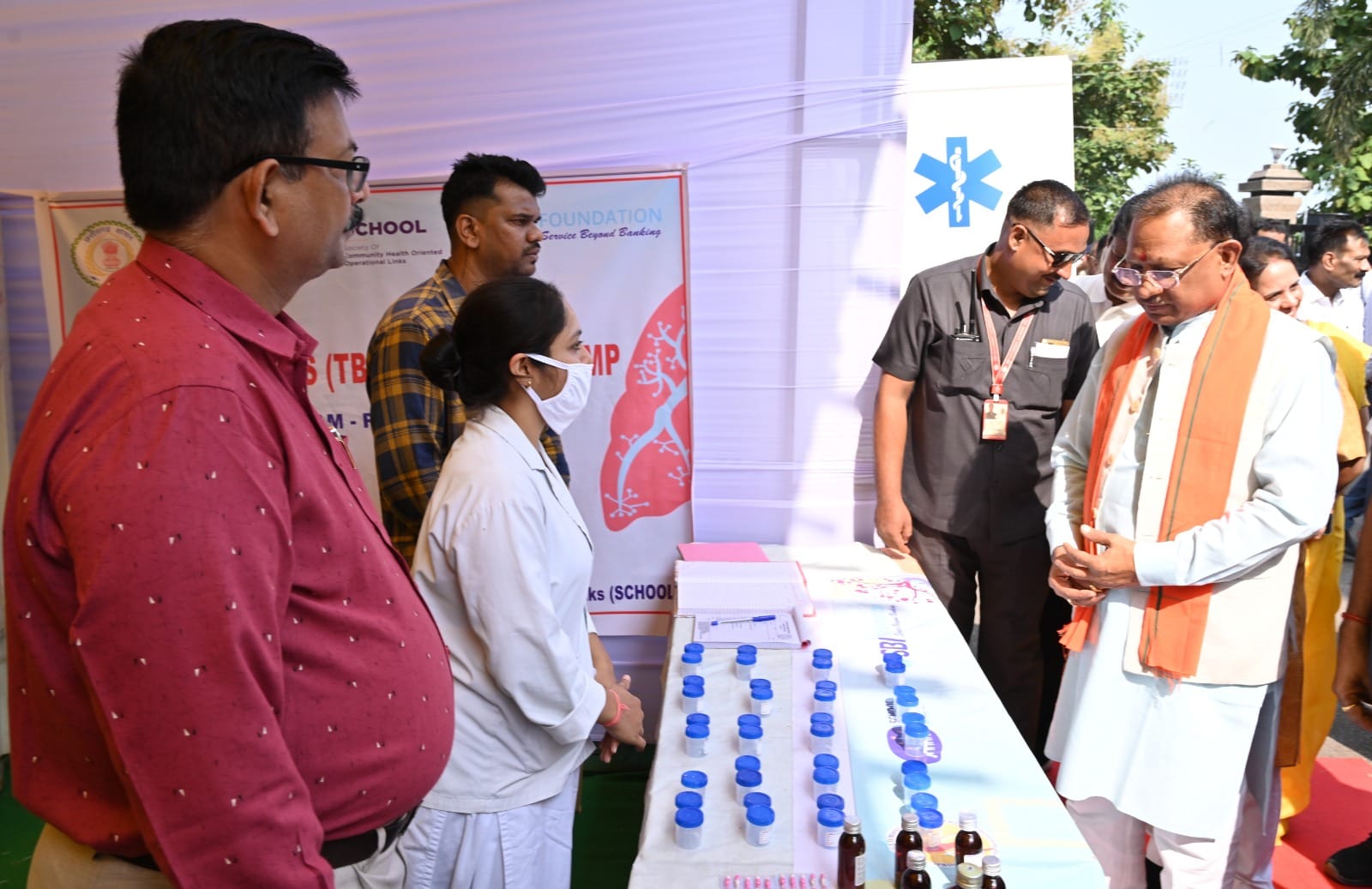
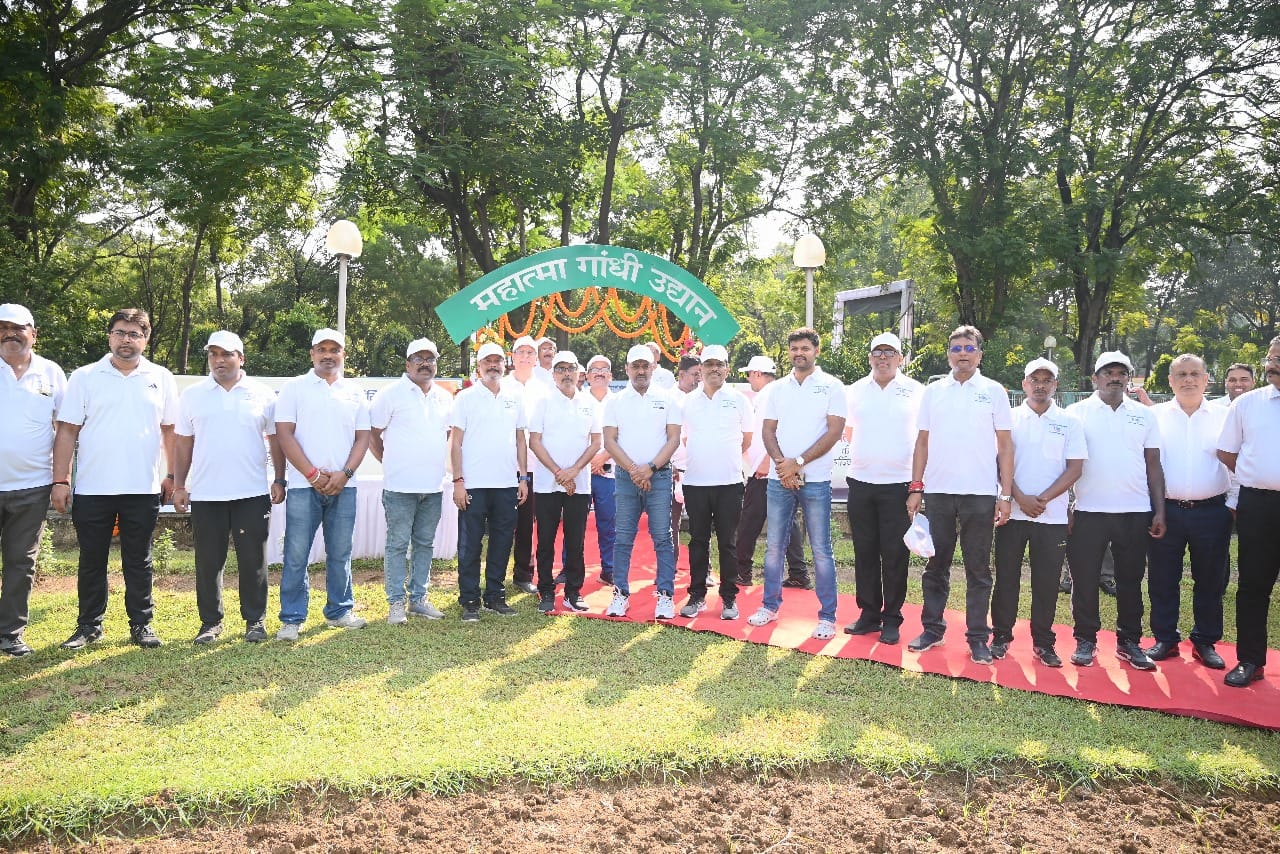
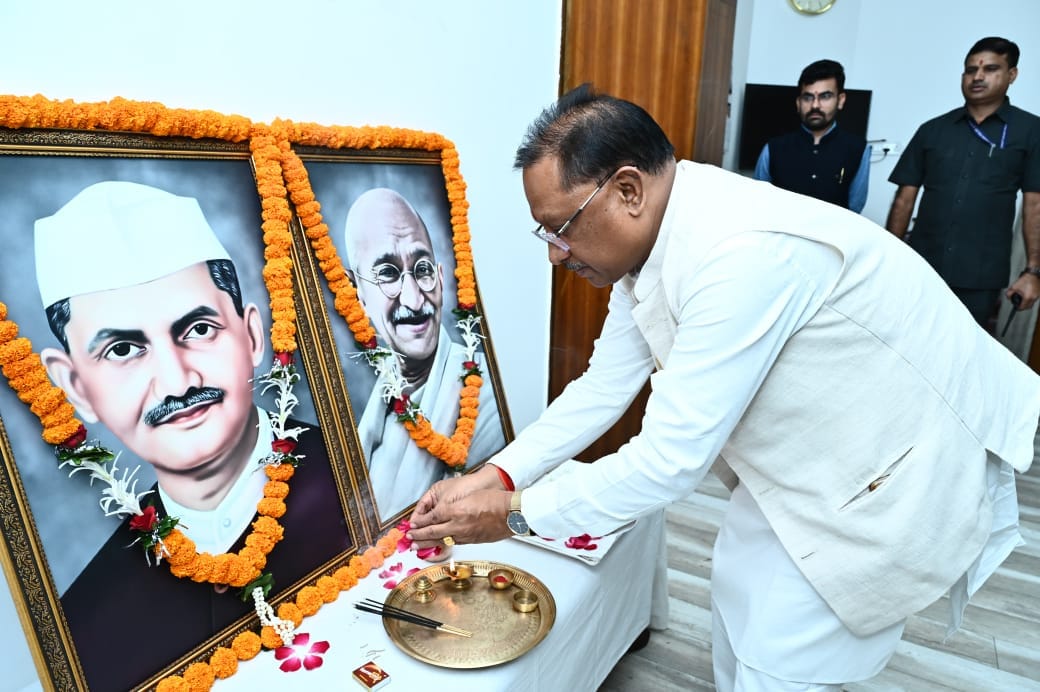
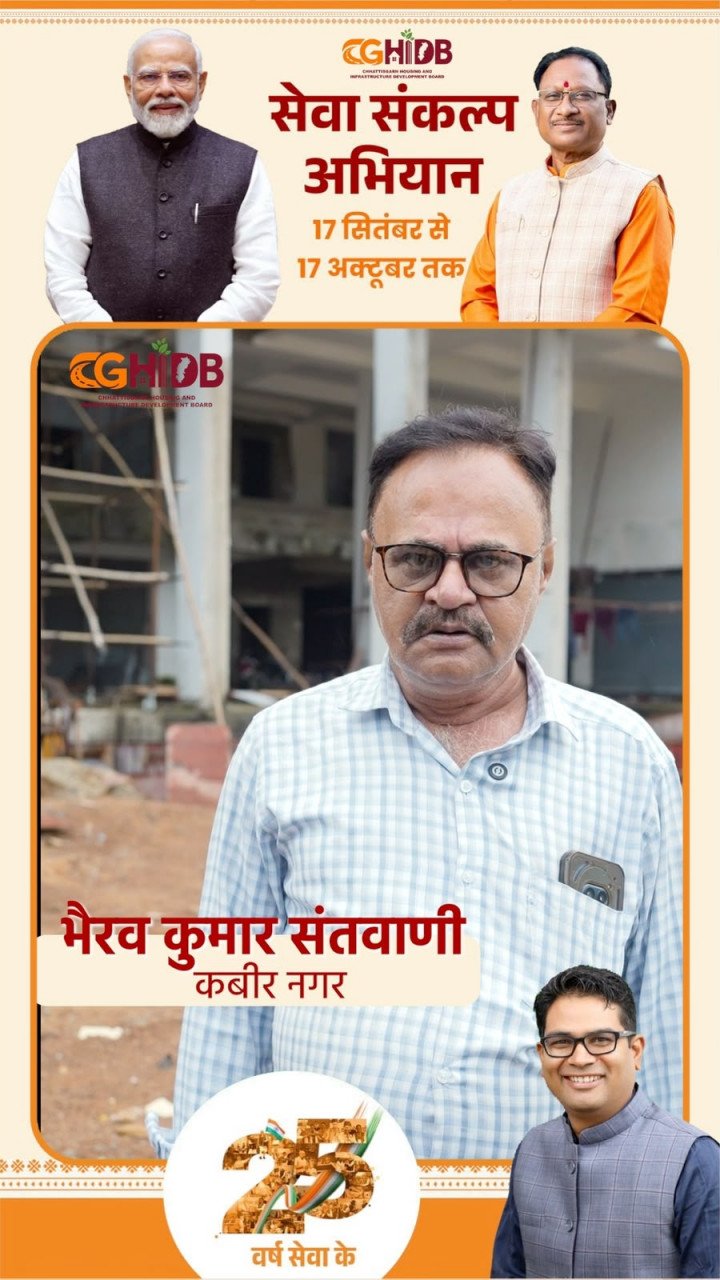
The occasion marking the completion of 25 years of Prime Minister Shri Narendra Modi’s public service offers us an opportunity to view service in this broader context. This journey has not merely been one of holding office and discharging responsibilities; it has been a journey driven by the resolve to reach the last person in society. Through the ‘Seva Sankalp Abhiyan’ (Service Pledge Campaign), while expressing our gratitude to the Prime Minister, let us also pledge our own contribution towards building a developed India.
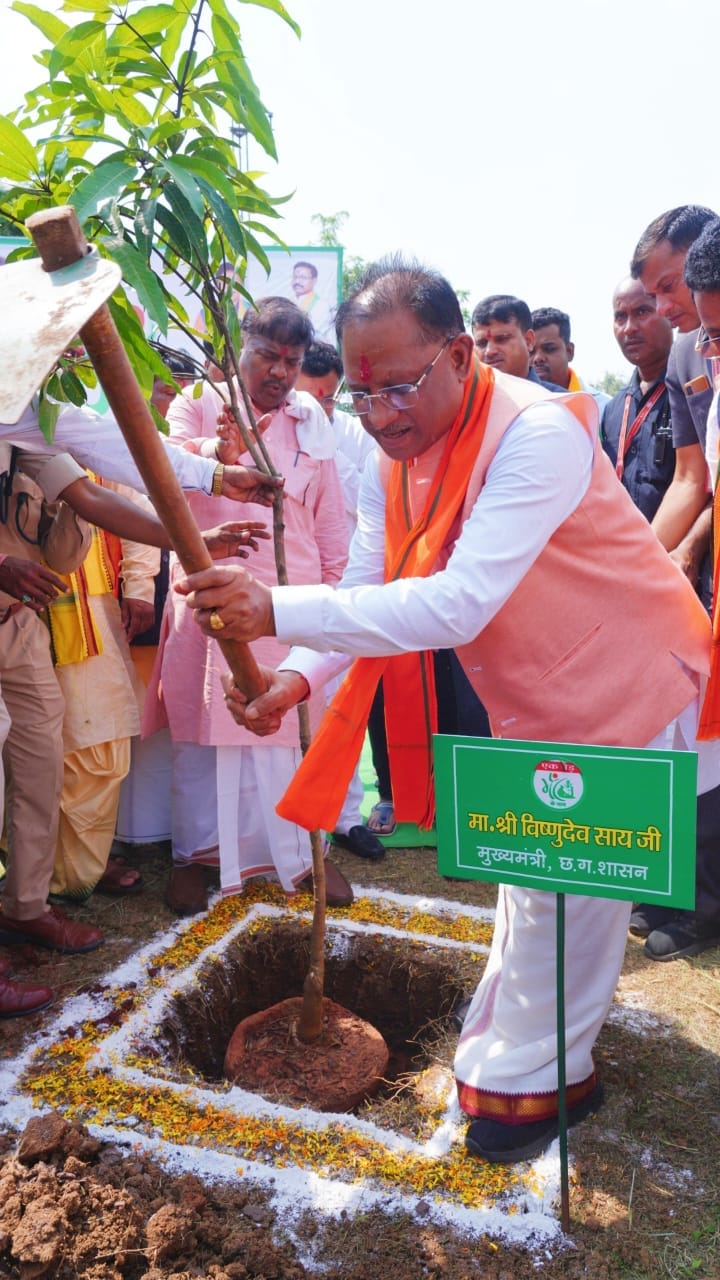
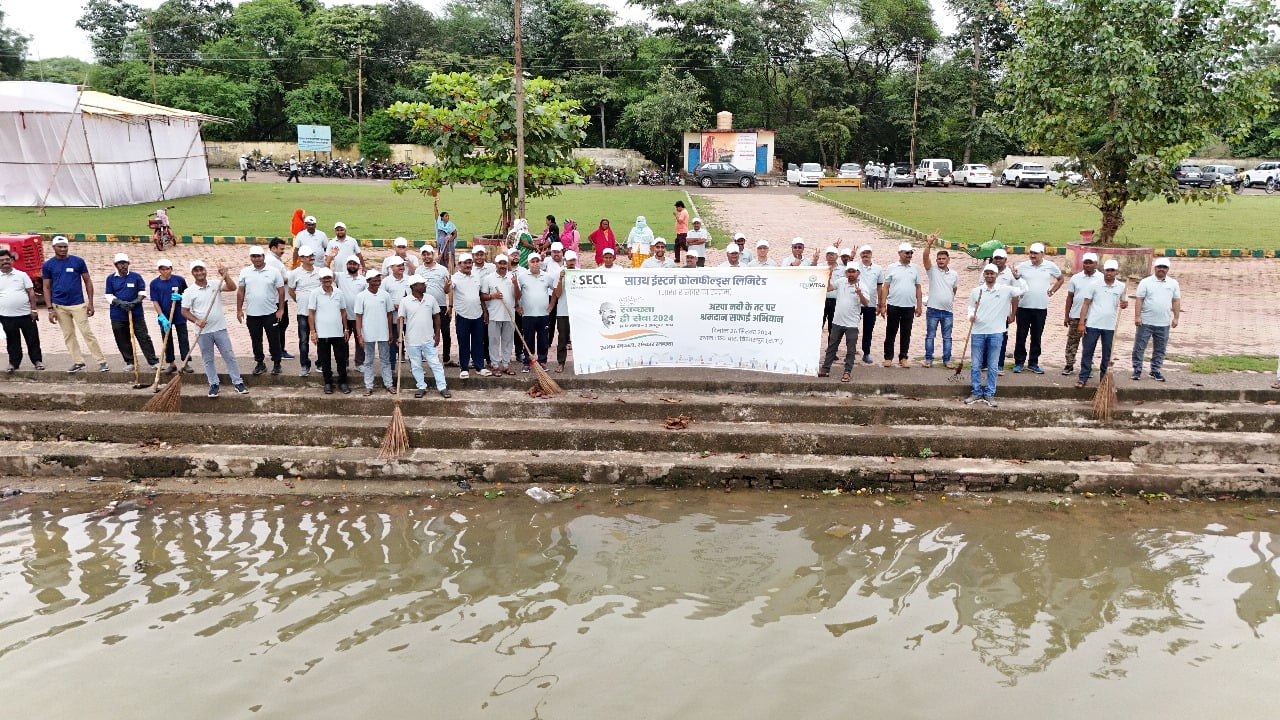
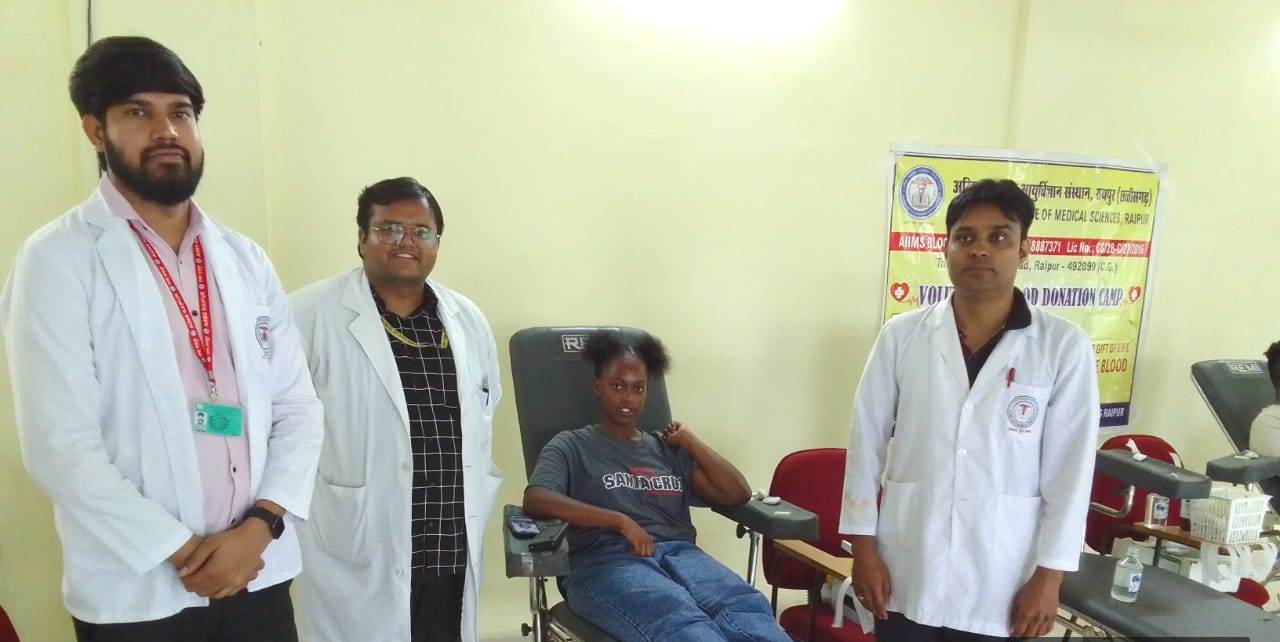
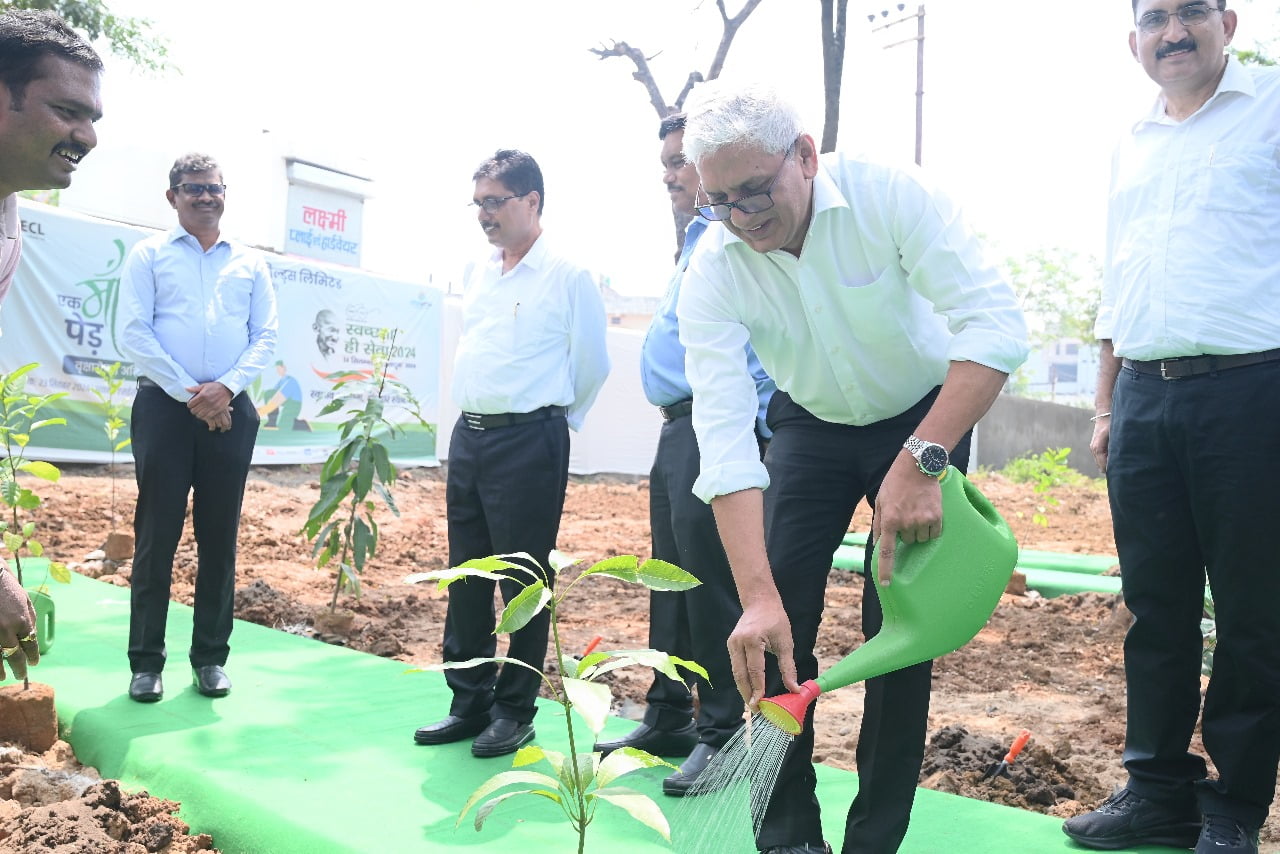
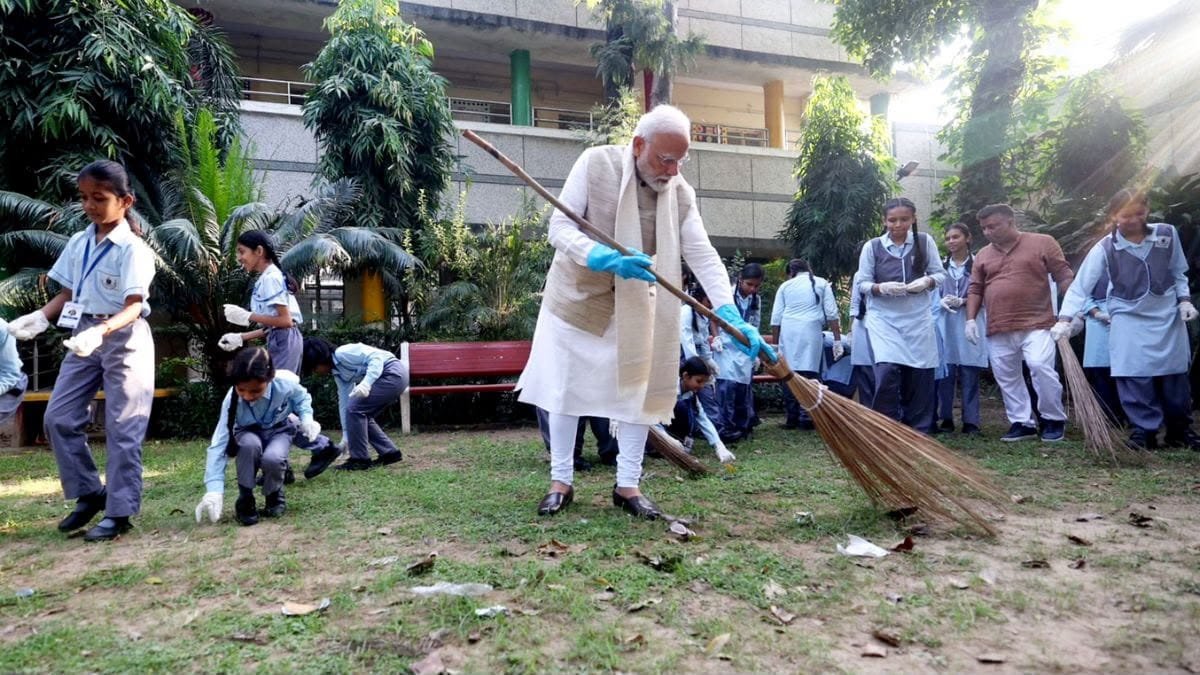
The spirit of service is not confined to any single individual or institution. When a person donates blood, helps someone in need, volunteers labor for cleanliness, dedicates time to cleaning a river or a riverbank, or inspires those around them to maintain hygiene, a small yet significant brick is laid in the foundation of nation-building.

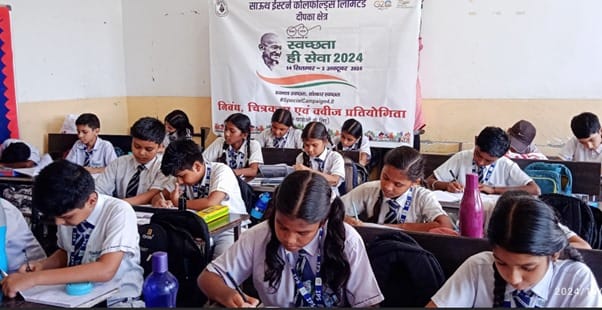
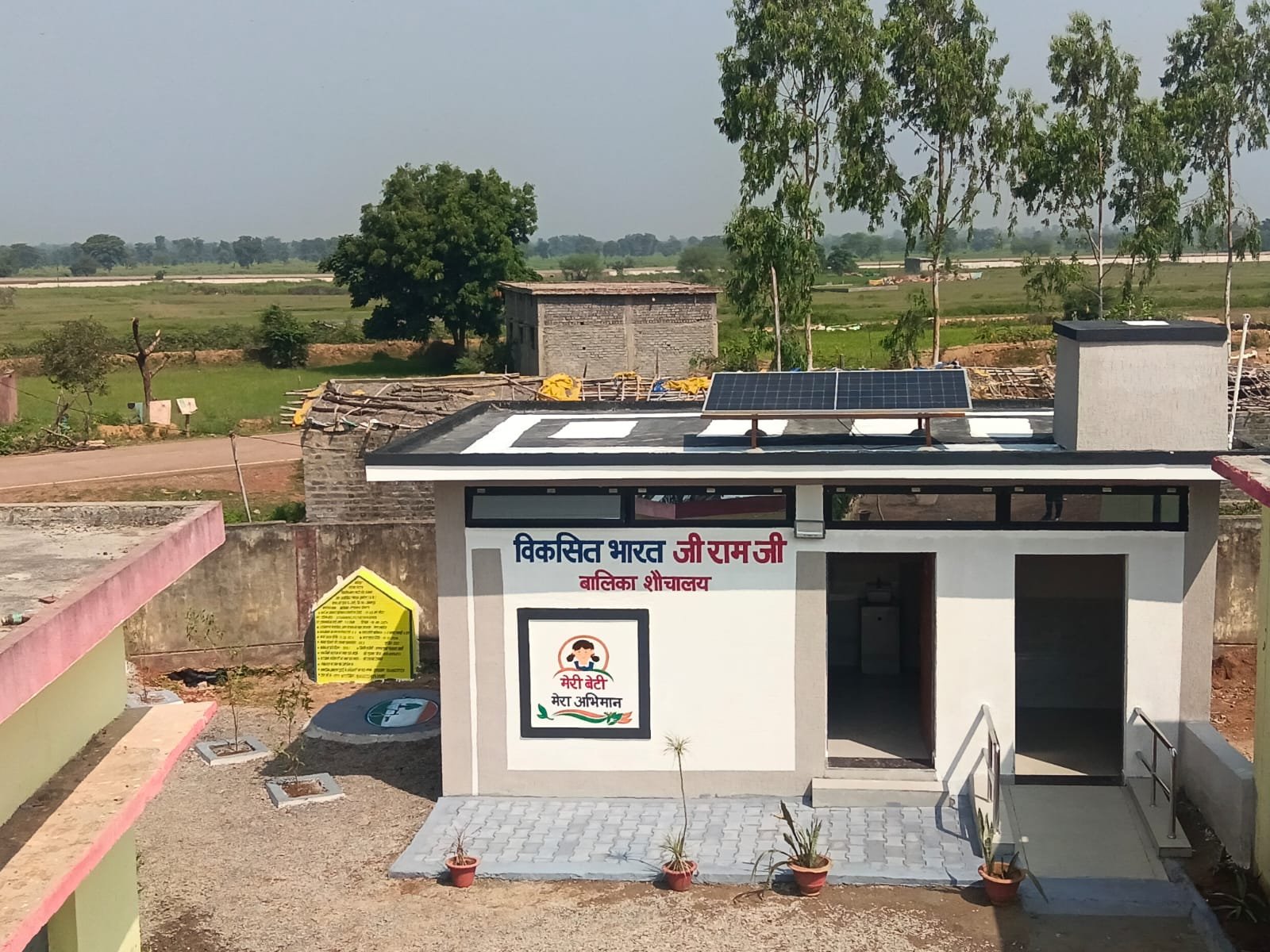
Prime Minister Shri Narendra Modi linked cleanliness with such public participation. The Swachh Bharat Abhiyan (Clean India Mission) carried the message to every household that cleanliness is not solely the responsibility of sanitation workers or the government, but the duty of every citizen. Similarly, initiatives like ‘Namami Gange’—aimed at cleaning the Ganga and other rivers—broadened societal participation regarding rivers, riverbanks, and the environment. This form of service teaches us that love for the nation should be reflected not just in words, but in our actions.
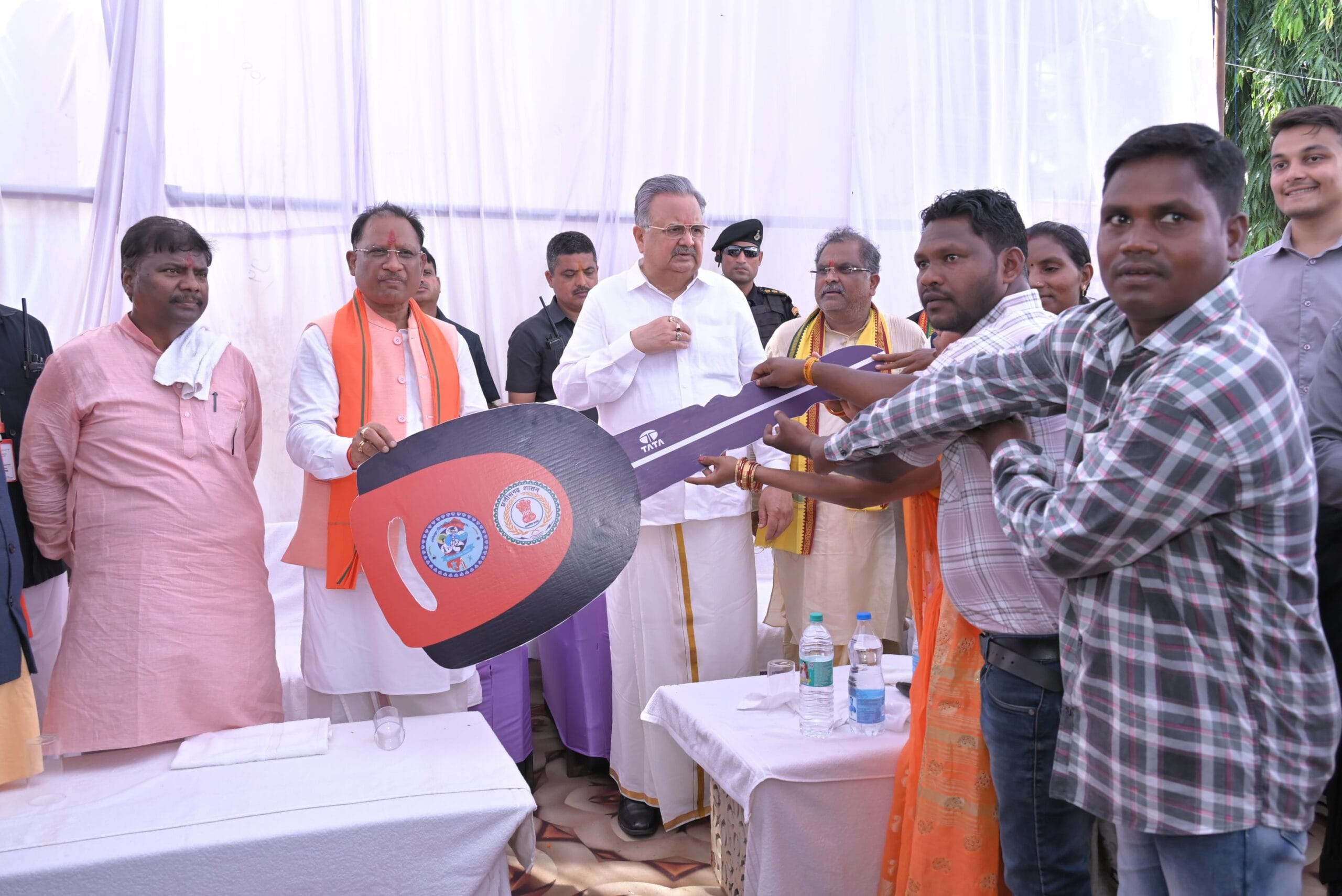
The most compassionate aspect of service is also evident in the realm of welfare for the poor. The Pradhan Mantri Ujjwala Yojana provided women from crores of impoverished families with access to clean fuel, liberating them from the hazards of smoke. It would be insufficient to view the burning flame of a gas stove in a kitchen merely as the outcome of a government scheme. Behind it lies a woman’s transformed life, the time she saves, and the opportunity to cook meals with dignity.
In the realm of food security, the Pradhan Mantri Garib Kalyan Anna Yojana and the Public Distribution System (PDS) have played a pivotal role in ensuring that food grains reach the plates of poor and needy families. It is essential to deeply appreciate the fact that the ultimate yardstick for the success of any government scheme is the ease with which its benefits reach the person standing at the very end of the line.
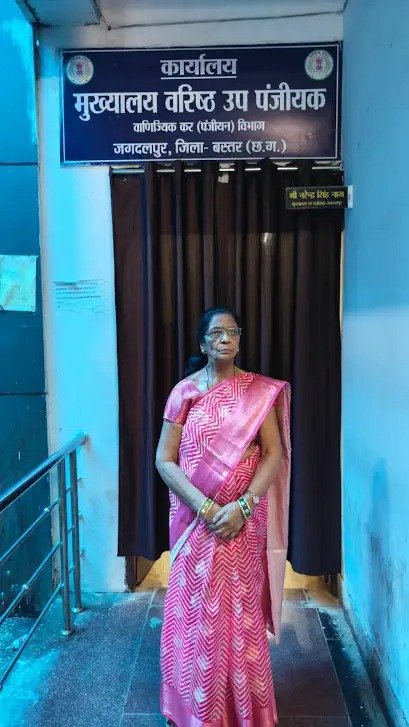
In Chhattisgarh, the Public Distribution System is not merely a mechanism for distributing rations; it is the bedrock of food security for millions of families. When rice and essential food grains reach a needy family’s home through fair-price shops, the government’s sensitivity becomes visible on the ground. The government’s constant endeavor is to ensure that no eligible individual is deprived of the scheme and that transparency and accountability are maintained within the system.
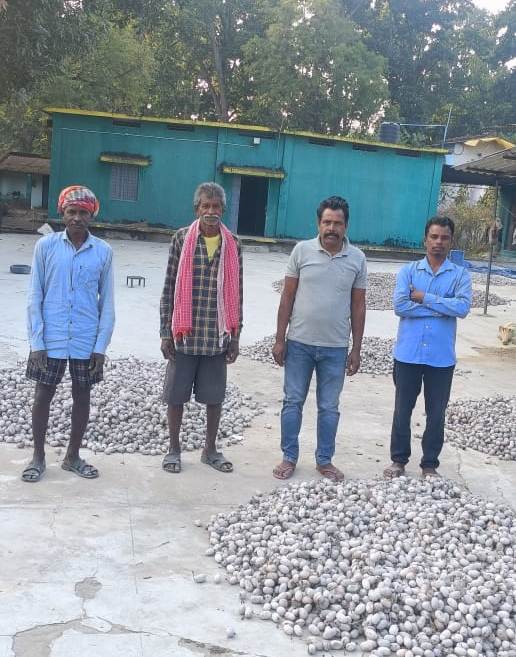
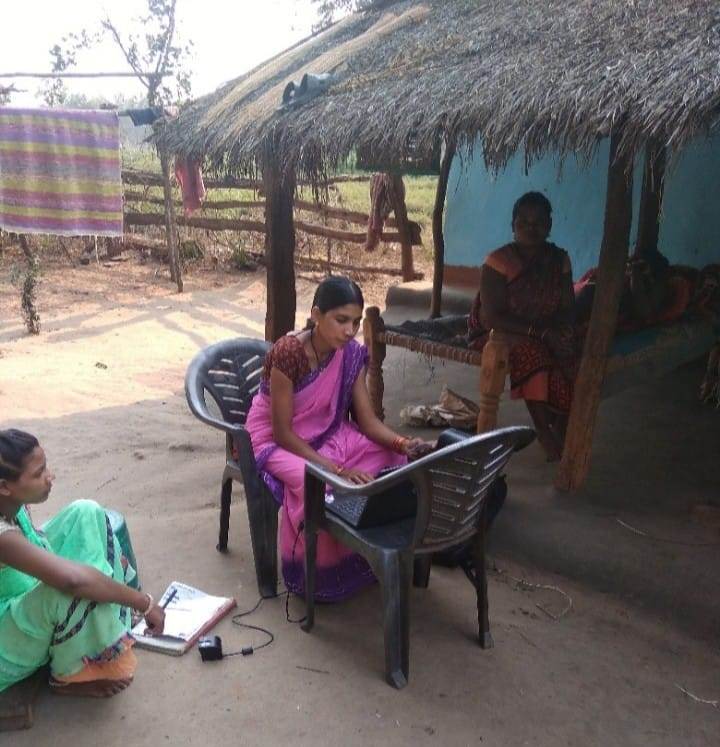
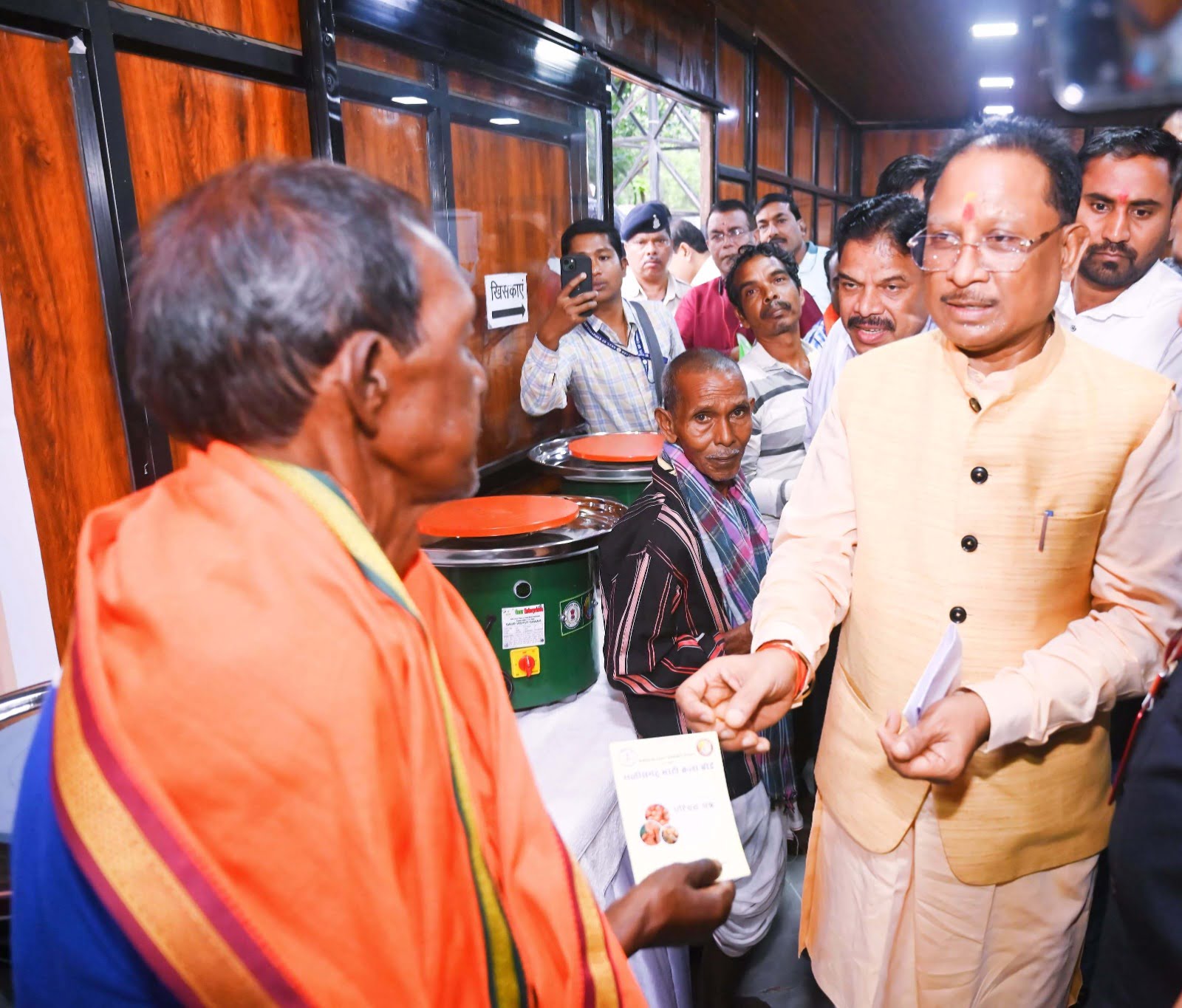
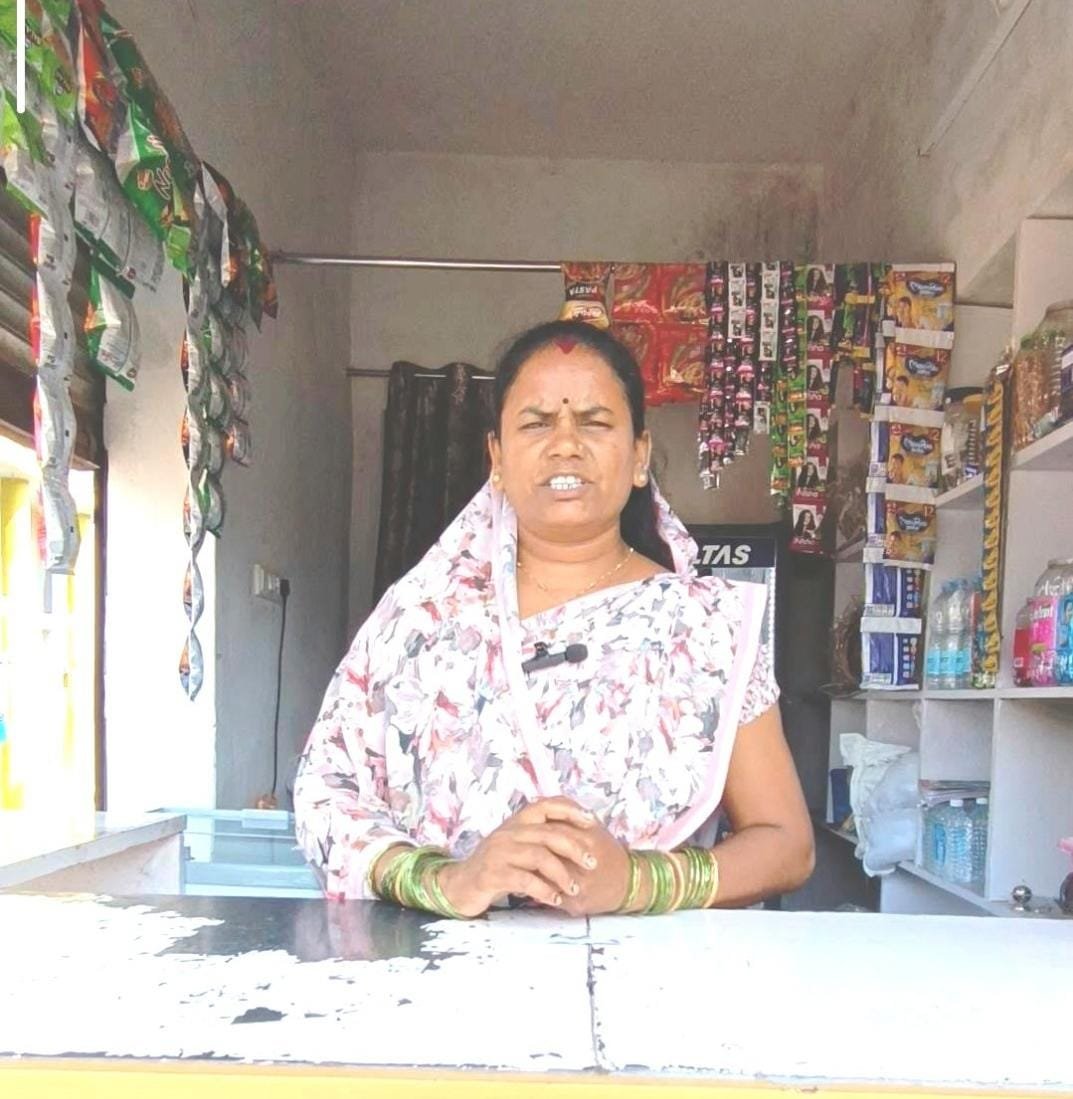
The context of Bastar further deepens this spirit of service. In remote and tribal regions, geographical conditions often make the delivery of amenities challenging. In such areas, initiatives like Niyad Nellanar strive to bring government services to villages and families that have long remained cut off from mainstream amenities. When a family in such a village gains access to ration facilities nearby, it is not just a distribution of food grains; it becomes a bridge of trust between the government and the citizen.
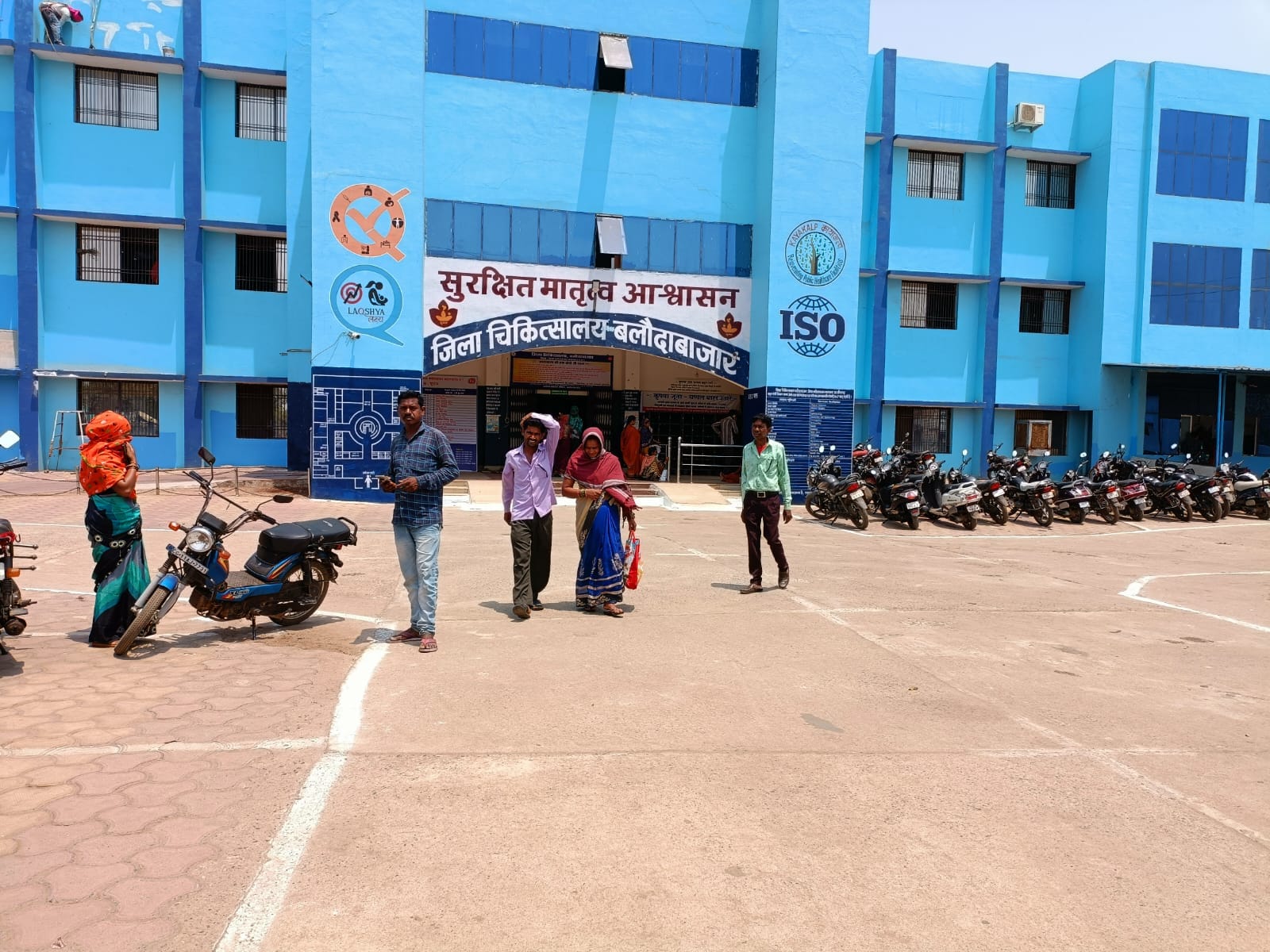
The most humane aspect of the state’s PDS is the commitment that no eligible family should go hungry. Every family visiting a ration shop is not merely a ration card number; they are a family with their own needs, aspirations, and future. Alleviating the worry on a mother’s face and ensuring food reaches children’s plates—this is the true significance of the government’s work.
The spirit of ‘Service is my Contribution’ is vital because the government alone cannot build a developed India. The government can formulate schemes, provide resources, and establish systems; However, the power to transform these into mass movements stems from societal participation. A blood donor, a youth stepping forward for cleanliness, a citizen cleaning a riverbank, or someone informing a needy person about a government scheme—everyone can play a role in building a developed India.
As Prime Minister Shri Narendra Modi completes 25 years of service in public life, we need not merely look back at the past. This is also an opportunity to move forward and embrace our own share of responsibility. Let us pledge to do something meaningful for our village, our city, our society, and our state.
For nation-building is not always achieved through grand gestures. Often, it begins in a humble kitchen where a poor mother lights her stove without worry; at a ration shop where a needy family receives food grains; at a clean riverbank where citizens themselves undertake the cleaning; and at a blood donation camp where a stranger becomes the means to save another stranger’s life. From service to resolve, and from resolve to a developed India—this is the journey in which, alongside the government, ever Citizen participation is essential.